
Tech & AI
Microsoft Announces Per-Hour Cost for Xbox Cloud Gaming Service


Microsoft has revealed pay-as-you-go pricing for Xbox Cloud Gaming, with introductory packages costing $3.99 for 10 hours, $7.99 for 25 hours, or $11.99 for 50 hours. Starting in November, Game Pass subscribers will receive only 5 to 15 included cloud-gaming hours depending on their tier and will have to buy additional time — even to stream games they’ve already purchased. Gizmodo reports: Back in September, before these changes were announced, you paid full purchase price for a game that isn’t in the Game Pass library on the assumption that you’d be able to play it via cloud streaming. Maybe your hardware doesn’t meet the specs for this fancy new game. Maybe your gaming PC exploded/got stuck on a ship/had a component fail. Maybe you just want to be able to play it in bed on your laptop. Whatever. Now you find that in addition to the cost of the game you bought, you’re going to be paying by the hour to play it once your monthly allotment of hours is up. If this is you, I expect you’re not particularly amused. Thankfully, Microsoft notes that the playtime you purchase “remains available until it’s used,” so you won’t have to worry about losing any unused time between gaming sessions.


Read more of this story at Slashdot.


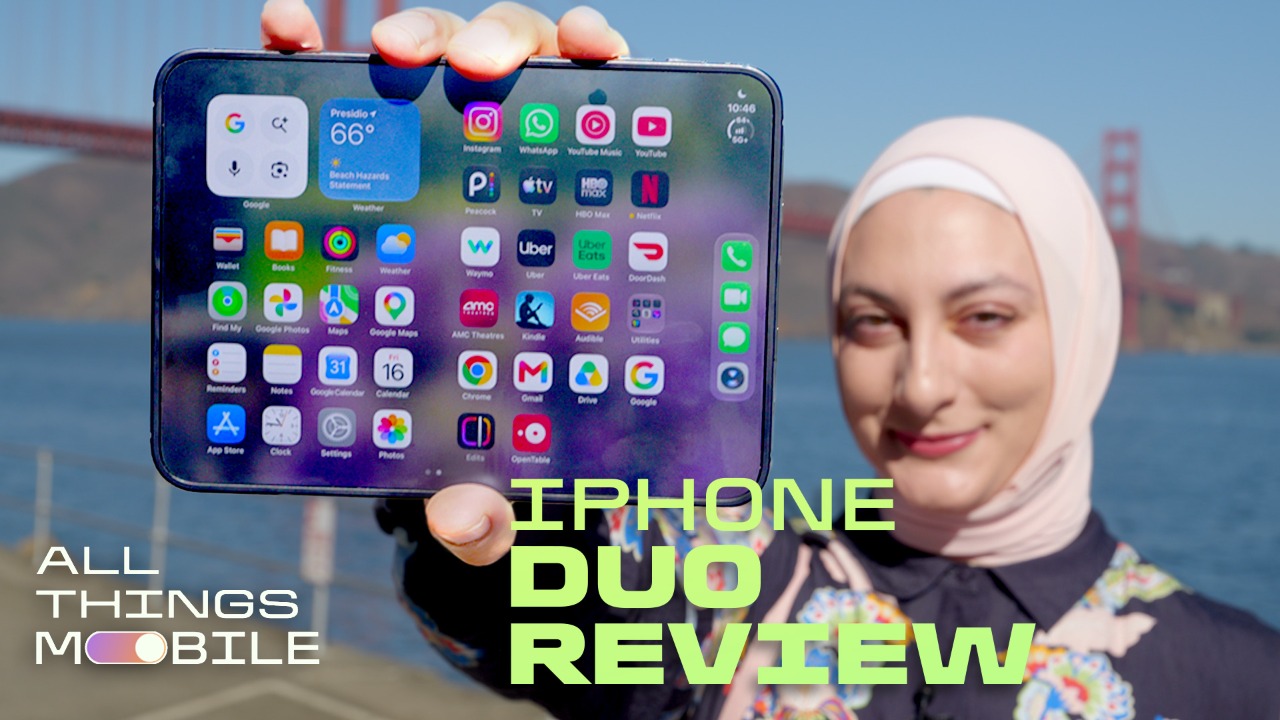
Apple’s causing a commotion with its new iPhone Duo.
The tech giant’s first foldable phone hit shelves Friday, and lines were forming (and selling out) well before Apple stores even opened. Many preordered the phone, but that didn’t stop people from trying their luck to buy one without an order number. CNET editors and reporters were on the ground to bring you all of the uproar, so you can save yourself the trip if you were trying to buy one over the weekend.
At Apple’s flagship 5th Avenue location in New York, the line started forming on Wednesday by 9 a.m. ET — two days before the launch. Over 50 people were waiting in line by Thursday at 7 p.m. ET, sometimes with buckets serving as placeholders. In the first minutes after the store opened, there was no word that the iPhone Duo had sold out yet, but other stores were sold out before their doors opened.

At the Oxmoor Center in Louisville, Kentucky, the Apple store opened at 8 a.m. EDT, and CNET’s Faith Chihil saw a line of more than 40 people three hours earlier. At about 7:27 a.m. ET, Apple store employees started taking orders for the phone. But the 256GB iPhone Duo was already sold out.

CNET Editor in Chief David Katzmaier reported that the first person was in line at Walt Whitman Shops in Huntington, New York, on Thursday at 10 a.m. ET, and was able to preorder the phone. Apple store employees started taking orders to pick up the phone at 7 a.m. ET. But by 7:30 a.m. ET, the rest of the line was dismissed after an announcement that the store had sold out before doors opened.
CNET’s Patrick Holland reported from Apple’s Union Square store in San Francisco. The first people started forming a line at 9:30 p.m. ET on Thursday. As of 11 a.m. ET, lines were down the block and around the building. There were also some sightings of people reselling the iPhone Duo just moments after waiting in line to buy one.

Meanwhile, at the Apple store at University Village in Seattle, about 180 people were waiting in line who didn’t preorder the iPhone Duo. It sold out within 15 minutes of the store opening.
While many may have expected new Apple CEO John Ternus to be at the New York flagship store, he debuted the iPhone Duo launch at the Apple store in Austin, Texas. He might have been there because of this weekend’s Formula 1 race in the city — streaming on Apple TV.
iPhone Duo buyers had ‘one more thing’ waiting at pickup
Apple is full of surprises. In line with the company’s “one more thing” tagline, those who preordered the iPhone Duo had a surprise awaiting them at unboxing.
Apple’s usual “Hello” welcome screen included their name when they first turned on the phone. It’s clearly a special detail the company thought of before today, and it’s the first time it has customized its usual welcome screen for customers.

The iPhone Duo, Apple’s long-awaited first foldable iPhone, debuted earlier this month alongside the iPhone 18 Pro Max. It features split-screen capabilities, a photo preview display, Touch ID instead of Face ID and Apple Pencil support. The iPhone Duo’s preorders opened on Oct. 16, but quickly turned into a backlog that stretches into early next year. Pricing starts at $1,999.
“Details like the matte inner display, under-display inner camera and smooth transitions between screens give the Duo a premium feel that helps to justify its high price tag, at least to some extent,” CNET’s Abrar Al-Heeti said in her review of the iPhone Duo.
The Duo, Al-Heeti said, “is a foldable experience that feels cohesive, intuitive and genuinely useful, which could help win over more people to foldables in general. But I think that broader appeal is still a ways off.”
We don’t know how many iPhone Duos are available at each store or when Apple will restock its physical locations. But there’s a limit of two iPhone Duos per person, per day, which marks the first time in a long time that Apple’s put a cap on how many you can buy.
If you’re set on getting the phone, try ordering on Apple’s website and picking it up at a nearby store to get the phone sooner, but you’ll need to check availability on Oct. 24. It could be sooner than its estimated shipping times that say the phone won’t arrive until Jan. 29 in some areas.

An anonymous reader quotes a report from TechCrunch: AI agents left to explore a virtual island without a specific task began inventing challenges of their own. MIT researchers say the behavior bears the hallmarks of play. The researchers put 13 AI agents called Eko, each running on Claude Opus 4.7, alone on a simulated desert island for 30 hours. They describe the experiment in a paper posted on arXiv, a site where researchers share studies before peer review. Afterward, they gave the agents specific challenges, like getting as many objects as possible onto the island’s tallest rock spire. The Eko agents that had spent those 30 hours playing generally beat identical agents that had never set foot on the island.
Today, developers decide in advance what AI should practice and what counts as success. The researchers see this technique — exploring without a goal — as a different way for AI agents to learn skills, especially skills that could one day be used to control robots. “We normally develop artificial agents by deciding in advance what they should practice, what they should optimize, and what counts as progress,” the researchers write in their report. “Play suggests another regime: give an agent a sufficiently rich and safe world, let it choose what is interesting, and allow useful knowledge to accumulate from the history that follows.” UC Berkeley cognitive scientist Eunice Yiu told MIT Technology Review she was impressed with the findings but that more evidence is needed to determine whether AI models are genuinely playing. “It could be the case that the models are genuinely playing, but we don’t know based on the paper,” says Yiu. “If you only have the behavioral piece, it could be the case that they’re just trying to abide by the prompt, trying to imitate humans.”
MIT professor and coauthor of the paper, Phillip Isola, added: “It’s not like this is a system that just suddenly magically decided to play. It’s an artifact that learned from our culture, was trained by engineers at Anthropic, and was then placed on an island by us. It does things that surprise us and that are causally related to its future skillful behavior.”
Read more of this story at Slashdot.
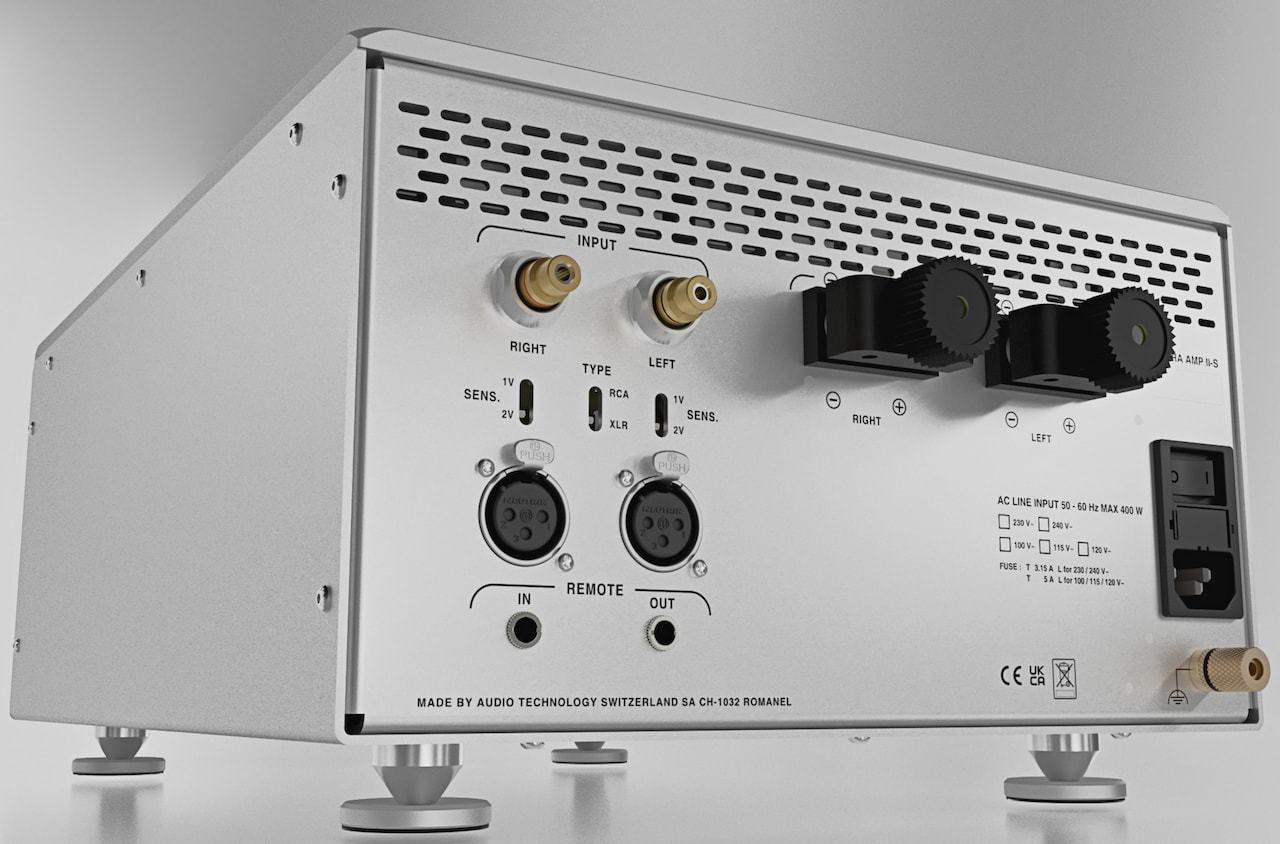
Nagra has never shown much interest in winning the watts-per-dollar competition. With its new AMP II-S stereo power amplifier listed at $27,900 and delivering 120 watts per channel into 8 ohms, the Swiss manufacturer clearly isn’t starting now. If you’re shopping for maximum horsepower at the lowest possible price, you’ve wandered into the wrong showroom.
The AMP II-S replaces the Classic AMP that debuted in 2015, building on more than a decade of development across Nagra’s HD and Reference product lines. The new amplifier isn’t about doubling the power output or introducing another proprietary technology with an acronym nobody can remember. Nagra has focused on the power supply, input circuitry, mechanical construction, and noise isolation, with the goal of improving performance without abandoning the design philosophy that made its predecessor successful.
Earlier this year, we covered the introduction of Nagra’s PREAMP II-S, the vacuum tube preamplifier that established the new Series II family. The AMP II-S completes that initial pairing, combining a tube-based control component with solid-state power amplification. It’s an interesting proposition for listeners who appreciate Nagra’s recording heritage but don’t necessarily have the budget, space, or patience for the company’s more extravagant Reference electronics.
Related Reading:

What’s Different From the Original Nagra Classic AMP?
The Classic AMP was never an exercise in brute force. Rated at 100 watts per channel into 8 ohms, it used MOSFET output devices and a sophisticated power supply incorporating active power factor correction and an unusually substantial 300,000 µF capacitor bank.
That amplifier established a design approach focused on stability, low noise, and maintaining control over demanding loudspeaker loads. Rather than throw it away, Nagra has revisited the underlying engineering, applying lessons learned from its more ambitious amplifiers.
The most significant changes are inside the chassis.
The AMP II-S uses a new linear power supply built around a custom 800 VA potted transformer, with increased voltage headroom and energy reserves. Nagra says this should improve the amplifier’s ability to handle demanding musical transients without compression or a loss of control.
The input board is derived from Nagra’s flagship Reference AMP, accompanied by revised circuit layouts, upgraded internal wiring, and optically isolated controls. The objective is to reduce unwanted interference between circuits while improving channel separation and the precision of stereo imaging.
Nagra also retains a single pair of MOSFET output transistors per channel, avoiding the complexity of larger parallel output stages. The new amplifier operates in Class AB, with its first 10 watts delivered in Class A. That’s an appealing arrangement for listeners who value low-level resolution but don’t want a full Class A amplifier heating the listening room throughout the winter.
There’s also a measurable improvement in the published channel separation specification, from greater than 70 dB on the Classic AMP to greater than 90 dB on the AMP II-S.
Swiss Precision, Without the Industrial-Sized Chassis
Nagra has also made substantial changes to the mechanical design. A large CNC-machined heatsink provides thermal stability, while a dedicated transformer suspension is intended to reduce the transmission of mechanical vibrations into the chassis.
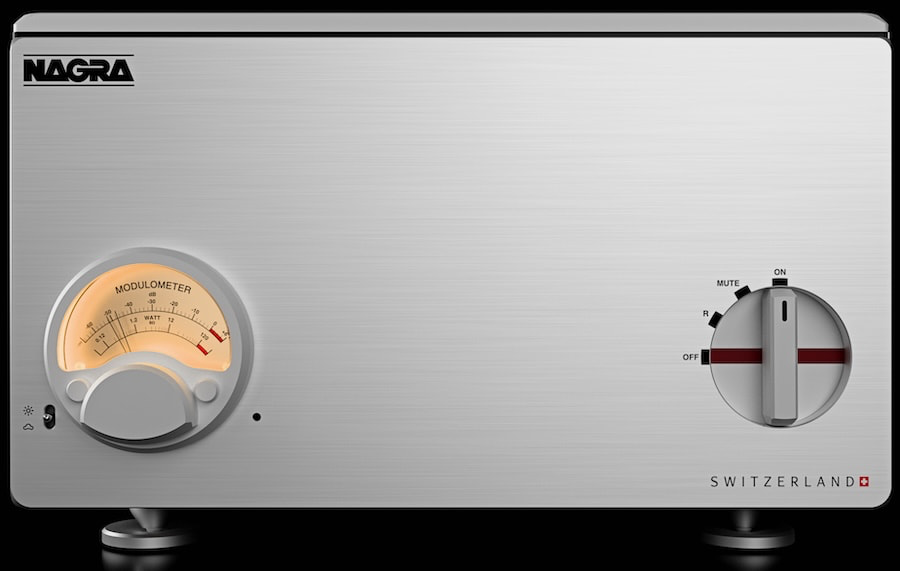
The front-panel controls are optically isolated from the audio circuitry, reflecting Nagra’s preference for keeping potential sources of electrical noise away from the signal path. These may sound like small details, but they matter when the engineering objective is to preserve very low-level musical information.
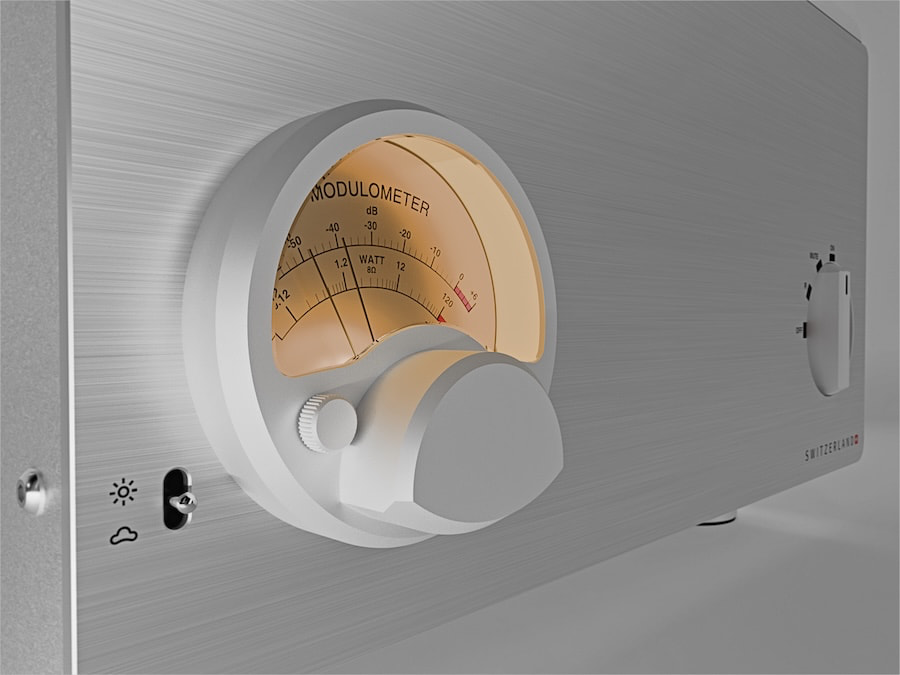
The familiar Modulometer remains on the front panel, providing an unmistakable connection to Nagra’s professional recording machines, particularly the legendary IV-S reel-to-reel recorder. It also ensures that anyone walking into your listening room knows this isn’t something you picked up during a weekend sale at Best Buy.
One rather interesting development is the additional mass. The original Classic AMP weighed approximately 39.7 pounds, while the AMP II-S tips the scales at 54 pounds. Nagra has clearly invested in more substantial mechanical construction rather than trying to impress customers with an empty box and an oversized price tag.
Nagra AMP II-S Specifications
- Type: Two-channel solid-state power amplifier
- Amplifier class: Class AB, with the first 10 watts operating in Class A
- Rated power output: 120 watts RMS per channel into 8 ohms
- Output devices: One pair of MOSFET transistors per channel
- Power supply: Linear design with custom 800 VA potted transformer
- Frequency response: Below 10 Hz to 75 kHz (+0/−3 dB)
- Channel separation: Greater than 90 dB
- Signal-to-noise ratio: Typically 110 dB, A-weighted
- THD+N: Less than 0.05% at 120 watts
- Input impedance: Greater than 100 kilohms
- Output impedance: 60 milliohms
- Analog inputs: Balanced XLR and unbalanced RCA
- Control connections: Remote input and output
- Dimensions (D × W × H): 461 x 280 x 174 mm (18.15 x 11.02 x 6.85 inches)
- Weight: 24.5 kg (54 lbs)
What Makes the Nagra AMP II-S Unique?
What distinguishes the AMP II-S isn’t any single specification. It’s Nagra’s decision to combine a relatively uncomplicated output stage with substantial power delivery, mechanical isolation, and input circuitry developed through its far more expensive Reference program.
That approach is increasingly unusual in a market where manufacturers compete with ever-higher power ratings, elaborate circuit architectures, and enough output transistors to populate a small electronics factory.
The AMP II-S also offers something that doesn’t appear on a specification sheet: continuity. Nagra’s products have maintained a recognizable design language and engineering philosophy across generations, and the Series II components are intended to preserve that identity while bringing newer technology into a less extravagant product family.
It doesn’t hurt that the amplifier looks like a piece of precision laboratory equipment rather than an illuminated gaming PC that wandered into an audiophile’s living room.
The real question is whether those engineering decisions translate into audible improvements over the Classic AMP. Nagra claims greater transparency, spatial precision, bass definition, and dynamic authority, but those remain manufacturer claims until we can evaluate the amplifier under controlled listening conditions.
The Competition: Gryphon and Audio Research Have Something to Say
At this price, Nagra isn’t competing with ordinary two-channel amplifiers. Two particularly interesting alternatives offer very different approaches to high-end amplification.
Gryphon Essence Stereo — $26,400
Denmark’s Gryphon Essence delivers 50 watts per channel into 8 ohms in pure Class A, supported by a substantial high-current power supply and dual-mono architecture. Where Nagra combines Class A operation at lower output levels with the greater efficiency of Class AB, the Essence places considerably more emphasis on sustained Class A operation.
The Gryphon is a physically imposing amplifier weighing approximately 99 pounds, and its operating characteristics are very different from the Nagra. For listeners who prioritize Class A amplification and have suitable loudspeakers, it deserves serious consideration.
Audio Research Reference 160S — $28,000
The American alternative comes from Audio Research, whose Reference 160S uses eight KT150 output tubes to deliver 140 watts per channel. It features automatic tube biasing, switchable Triode and Ultralinear operating modes, balanced and single-ended inputs, and the company’s distinctive GhostMeters.
The Reference 160S is a fundamentally different proposition. It offers the flexibility and character of an all-tube output stage, but also brings the heat, weight, and eventual tube replacement costs that come with the territory. At approximately 100 pounds, it isn’t something you’ll casually move when rearranging the furniture.
Neither competitor makes the Nagra irrelevant, but both demonstrate how much choice exists at this price level. Buyers are selecting an amplification philosophy as much as a power rating.
The Bottom Line
The Nagra AMP II-S is unlikely to persuade anyone who evaluates amplifiers by dividing watts into dollars. There are vastly more powerful alternatives for considerably less money, and Nagra has never suggested otherwise.
What makes this release compelling is the company’s willingness to revisit an established design rather than replace it with something unrecognizable. The AMP II-S brings more than a decade of accumulated engineering experience to one of Nagra’s core products, and the improvements appear substantial enough to warrant serious attention.
Whether it actually sounds better than the Classic AMP remains to be determined. At nearly $28,000, it should, and not by an amount that requires three engineers, a soundproof laboratory, and an interpreter to explain. Our experience with their equipment has always been a positive one and we’re particularly interested in their “entry” level gear because it’s actually affordable when you consider the most relevant competition. Nagra combined with DeVore Fidelity and Boenicke are some of the best sounding systems we’ve heard in recent years.
Pricing & Availability
The Nagra AMP II-S made its world premiere at Absolute Sounds’ The Happening event in the United Kingdom on October 17-18, 2026. Additional presentations are scheduled for the Audio Video Show in Warsaw and the Tokyo International Audio Show, both taking place October 23-25.
The official UK recommended retail price is £21,998, including VAT. U.S. retailer Unveil Sound currently lists the amplifier at $27,900, although that price has not yet been independently confirmed as Nagra’s official American MSRP.
The amplifier is entering distribution through authorized dealers, with regional availability and demonstration arrangements varying by market.
For more information: www.nagraaudio.com
Related Reading:
Tech & AI
Starlink Throttling In Ukraine Again Shows Musk’s Right Wing Extremism Is A National Security Threat
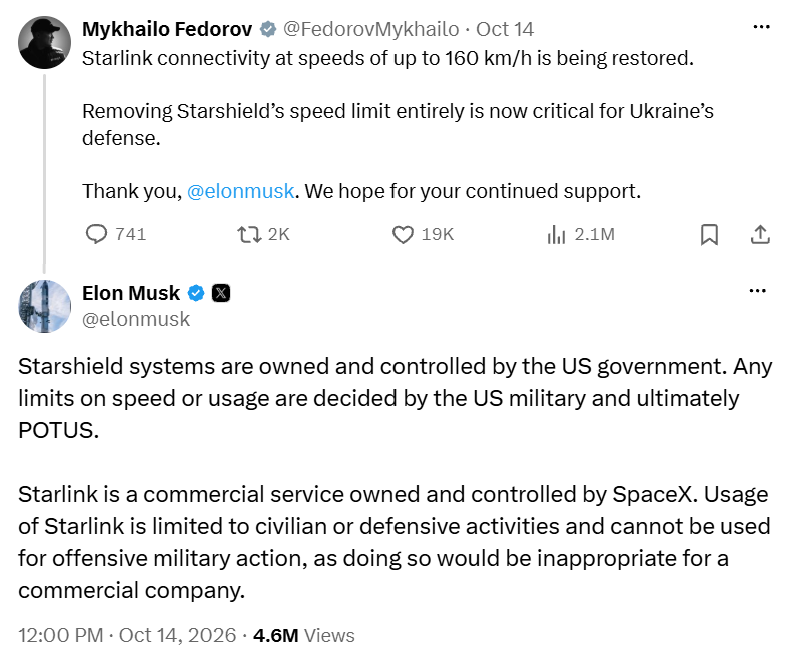
Last year you might recall how Elon Musk’s far right wing extremism (and endlessly incoherent behavior) had many countries reconsidering their use of his low-Earth orbit satellite company, Starlink. It was driven by the fact that Musk had restricted Ukraine’s access to the service near Crimea because he personally opposed Ukraine’s military aims (defending itself from unprovoked invasion by authoritarians).
Competitors are lagging behind SpaceX on LEO satellites, though the events prompted Germany to help fund Ukraine’s use of alternative fledgling LEO satellite communications options, including Eutelsat. Other competitors, including Jeff Bezos’ Leo, should make market inroads over the next few years, but most deployments are far behind Starlink’s 11,150 orbiting LEO satellites.
Now the problem has popped up again, this time with a Wall Street Journal report that Musk pressured the Trump administration to throttle Ukraine’s Starshield (the military version of Starlink), undermining Ukraine’s ability to communicate and engage in military drone operations.
Musk is a cornerstone of a well-funded global authoritarian alliance and, like Trump, wants global authoritarians to succeed. Both Trump and Musk are upset with Ukraine’s efforts to target Russian oil production facilities (in part because even higher domestic gas prices threaten Republican midterm success, and the success of Musk’s unrelenting assault on democracy and foundational civil rights):
“Both Musk and President Trump have expressed anger at Ukraine for attacking Russian diesel refineries in recent weeks, which the president blames for high energy prices. Last week, Musk capped the speeds at which Ukrainian hardware could stay connected to the satellite-based network, the people said, rendering some offensive drones and interceptor drones virtually useless.”
Just a week earlier both Trump and Musk vacillated between pretending they didn’t know what was happening — to each trying to blame the other for the slowdowns, with Reuters originally insisting that the order to throttle Ukraine’s Starlink connections “came from the White House.”
Regular Starlink terminals have automatic network throttling protection if a connected vehicle operates in excess of 70 km/hr. Starshield, in contrast, is supposed to have no cap, but has been throttled if drones or vehicles exceed speeds of 90 km/hr. The throttling reduced Ukraine’s ability to use the network for both offensive and defensive drone operations, causing “tens of millions of dollars in losses,” Ukraine officials said.
At his right wing propaganda website formerly known as Twitter, Musk also tried to claim the order came from the White House:

But the Wall Street Journal’s reporting indicate that many sources believe the decision to throttle Ukraine’s connectivity ultimately came from Musk himself:
“During the uproar, SpaceX representatives called White House counterparts seeking a unified understanding and subsequent message that the company and Trump administration coordinated ahead of Musk’s directive, the people said.
Some U.S. officials say that Musk acted unilaterally and that Trump didn’t specifically order any retribution against Ukraine. But a person familiar with the situation said Musk talked to multiple senior administration officials, including with Trump, before imposing the new speed cap, which Ukrainian officials said had allowed Russian missiles to evade their defenses.”
Trump has repeatedly feigned ignorance, as recently as Monday insisting “I don’t know who it was, but I’d like to find out.” The stage play is for the benefit of the dwindling number of Reagan-era Republicans who (correctly) find a U.S. alliance with Putin to be traitorous. Secretary of Defense head Pete Hegseth tried to falsely claim that Ukraine somehow violated Starlink’s terms of service:
“We haven’t pulled anything back. There are terms of service that ultimately need to be complied to. And that’s where Starlink has the option to make those decisions, but nothing’s changed from our view. We haven’t made any directives or anything like that,” Hegseth told reporters, adding that “we wish the Ukrainians, obviously, success.”
U.S. Secretary of State Marco Rubio also issued statements implying that the White House wasn’t fully informed about Musk’s decision to unilaterally imperil Ukraine’s military operations. He also claimed that unilaterally harming U.S. ally military operations is apparently a decision for Elon Musk, not the White House, if you needed further evidence of just how comically corrupt the U.S. has become.
Ukraine says their satellite connectivity is still throttled, imperiling operations.
Ukraine’s relationship with Trump has soured (further) in recent weeks after the White House temporarily suspended intelligence sharing with Ukraine. Trump’s also been broadly criticized for suspending Russia sanctions and greenlighting diesel imports from Moscow, something he apparently hoped would lower U.S. gas prices and save him from an expected midterm lashing for Republicans.
Obviously the world’s richest man, and Trump’s biggest billionaire donor, unilaterally making decisions that prevent a U.S. ally from defending itself from authoritarian aggression is positively grotesque. As is the non-transparent game of patty cake and finger pointing in the wake of the decision. As is any telecom provider leveraging its monopoly to exert this level of political control.
Musk’s decision to arbitrarily throttle Ukraine’s Starlink usage appears largely to be an act of ideological and financial self-interest. Higher gas prices mean midterm trouble for Musk’s preferred global ideology (authoritarianism dictated by the whims of mad oligarchs). Trump and Musk are also trying to drive Kyiv to the negotiations table with an eye on ceding significant territorial control to Putin.
Republican control of the White House has been immeasurably valuable for Musk. Not only is Starlink now tightly woven to military operations and funding, but a Republican rewrite of the 2021 infrastructure bill is driving what could be billions in taxpayer subsidies into the back pocket of the billionaire for Starlink service he had already planned to deploy without subsidization.
You’d like to think that future U.S. administrations realize that Musk is a very clear national security threat and act accordingly. You’d also like to think Musk’s extremism drives the evolution of more robust competition in the fledgling LEO satellite space. Preferably before Musk’s global authoritarian alliance completely dismantles what’s left of representative democracy worldwide.

GovTech expects roughly 270 to 350 employees to be affected over the next two years, including a third round of layoffs.
The Government Technology Agency of Singapore (GovTech) has retrenched 38 employees, in the second of three planned rounds of layoffs. The cuts are meant to reduce reliance on vendors and let the team take greater ownership of its products.
The 38 affected roles were primarily structured around traditional project delivery, GovTech said in a media reply on Oct 22.
GovTech also reviewed other employees.
“Following the workforce review, 106 officers will remain in their current roles, while another 106 are eligible for conversion and apprenticeship pathways to transition into new roles,” said GovTech, adding that those doing apprenticeships will be supported throughout the transition process.
The agency said it has prioritised retaining, retraining and redeploying its officers wherever possible, as it did in the first phase.
The first round of layoffs began in Jul, when 93 of GovTech’s 3,900-strong workforce were retrenched. The agency expects a total of 7% to 9% (roughly 270 to 350 employees in total) of its workforce to be affected over the next two years, including a third round. The exercise affects staff deployed to 23 government agencies.
GovTech said it will continue working with the Public Service Division, Skills and Workforce Development Agency, and Amalgamated Union of Statutory Board Employees to provide career coaching, job matching and placement assistance.
The agency said in Jul that retrenched staff would receive one month’s salary for every year of service, capped at 25 years, plus a three-month ex-gratia payment, and salary and benefits through a six-week handover and notice period.

Explaining the need for the changes, GovTech chairman Chng Kai Fong said that critical systems increasingly demand in-house capabilities, so the agency can respond and adjust quickly to national needs.
As the world grows more digital, he said, modern technological development requires far more control and agility, and the need for critical government digital infrastructure has “grown tremendously.”
Left unchanged, he warned, “legacy systems become harder to secure, harder to change and more vulnerable to failure.”
GovTech needs people who can define problems, shape architecture, make sound build-or-buy decisions and defend its systems, Chng said. “Vendors will remain important partners, but accountability for our core systems now sits with us.”
He pointed to Singpass, Parents Gateway and CDC vouchers as examples: “These cannot be specified once, handed to a vendor and considered done. Teams must build, operate, secure and keep improving them, with full accountability.”
The agency expects to employ more people at the end of the exercise, Chng said. “We need more software engineers, product managers, designers, data specialists and cybersecurity professionals.”
Checks by Vulcan Post on Oct 23 found around 276 open positions listed by GovTech on Careers@Gov, the civil service jobs portal, including software engineers, product managers, product operations specialists, data scientists and engineers, and designers.
- Read other articles we’ve written on Singaporean businesses here.
Featured Image Credit: CMG
Tech & AI
Fusion startup Helion lines up potential $175M CHIPS award to develop advanced semiconductors
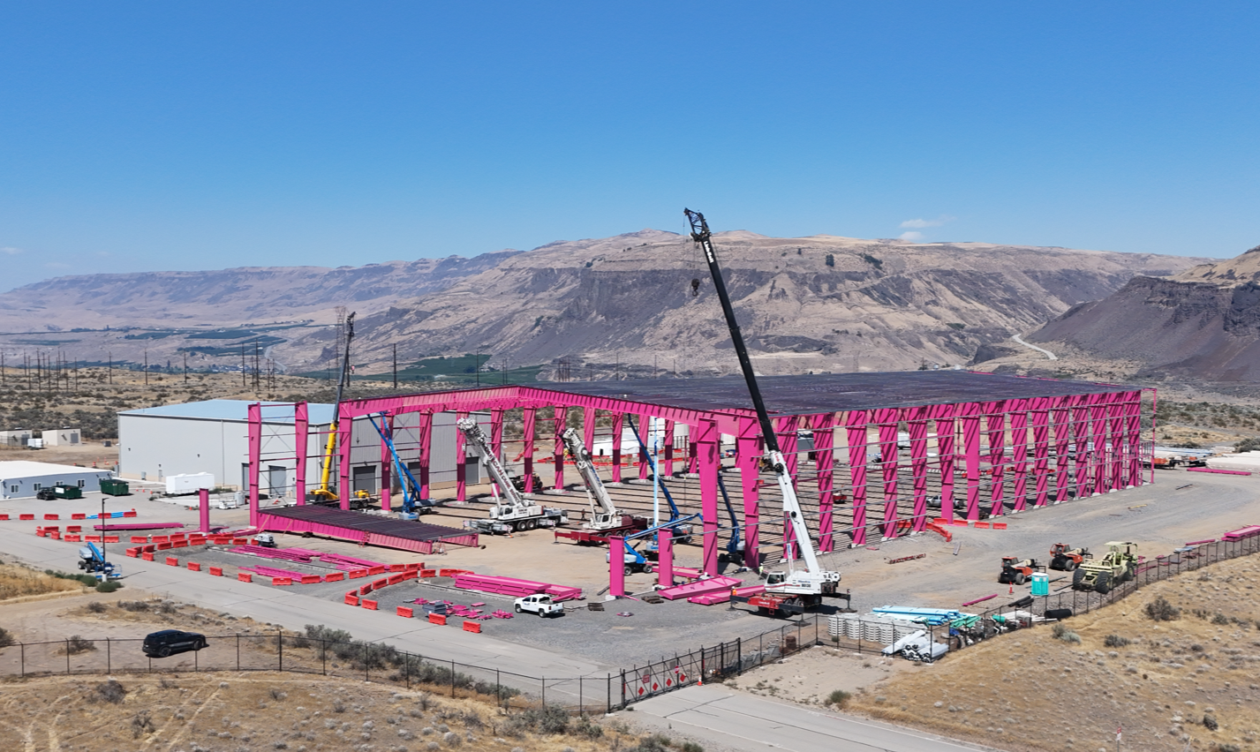
Helion Energy, the Everett, Wash., startup racing to build the world’s first fusion plant, is expanding its semiconductor development and manufacturing efforts. The company today announced a letter of intent with the U.S. Department of Commerce for up to $175 million in funding for a three-year program to support R&D tied to semiconductor technology for commercial fusion energy.
The funds are available through the CHIPS Research and Development Office. Under the deal, which remains to be finalized, Commerce would receive a $175 million non-voting equity interest in Helion.
Helion is also putting $50 million of private investment toward the semiconductor effort.
The semiconductor initiative has two focal areas:
- More than $100 million will support R&D and manufacturing in Everett, focused on next-generation, high-voltage semiconductors and advanced packaging, which integrates multiple semiconductor devices into modules for use in its systems.
- About $80 million will support R&D for next-generation semiconductor development in partnership with GlobalFoundries, a chip manufacturer with operations in Vermont, New York and overseas.
Helion is working to build a power plant that produces energy from fusion — smashing together small atoms in reactions akin to those that create the sun’s energy. Dozens of companies globally are chasing fusion, but none so far have shown that their technology can make more energy than is required to produce fusion in the first place.
Helion’s system uses powerful electrical pulses to form and compress plasma — an electrically charged gas — to create fusion conditions. As the plasma expands against the machine’s magnetic field, it induces an electrical current in surrounding coils. The system is designed to recover electricity directly rather than using heat to drive a steam turbine.
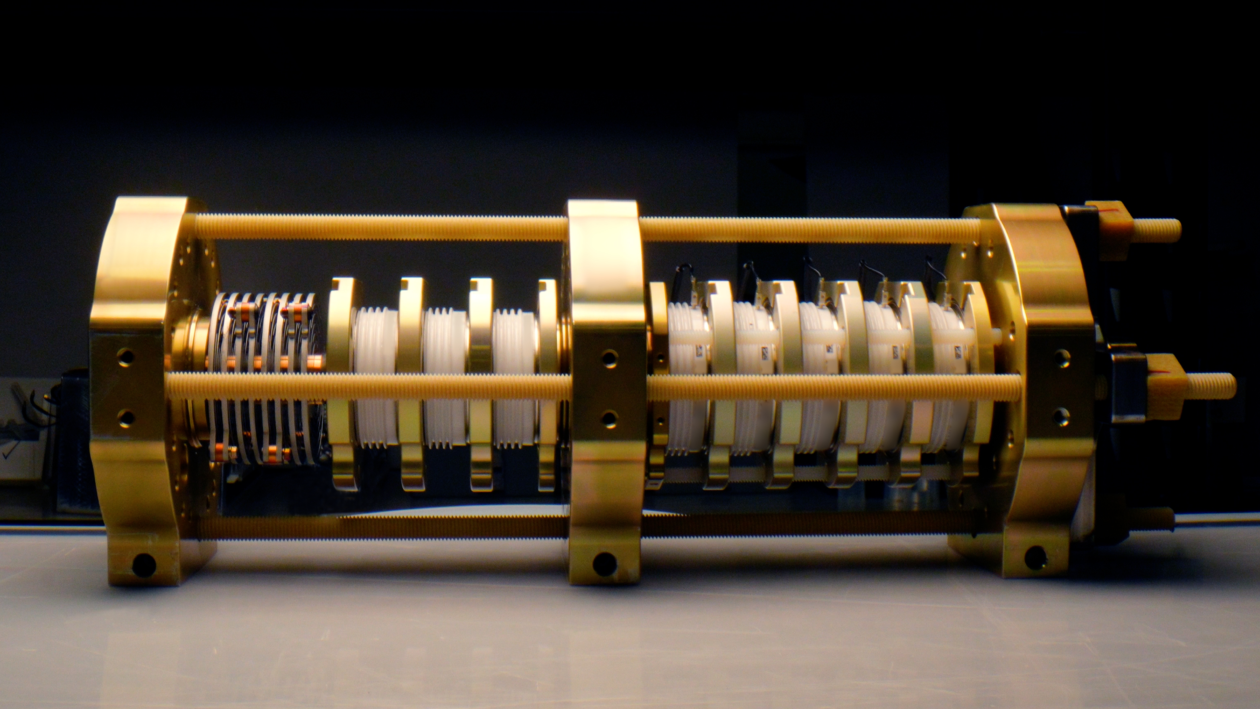
High-voltage semiconductors — which are designed to control electricity at high voltages without breaking down — play an essential role in the system and need to operate at optimal efficiency to capture as much energy from the system as possible.
“The CHIPS Act goal, but also specifically our component in it, builds out the high-voltage semiconductor supply chain here in the United States, both on the R&D as well as the manufacturing,” said David Kirtley, Helion’s CEO, in a GeekWire interview.
The work in Everett is expected to create more than 100 jobs. Helion’s workforce already includes a small team of semiconductor experts, and the company will be hiring for roles including materials scientists, semiconductor engineers, technicians and assemblers.

“This investment expands domestic research, secures critical supply chains, and creates high-paying American jobs,” Secretary of Commerce Howard Lutnick said in a statement.
Congress passed the CHIPS and Science Act with leadership from Washington Sen. Maria Cantwell, and President Joe Biden signed it into law in August 2022. The law included $52.7 billion for semiconductor manufacturing, research and related activities.
Helion has raised more than $1.5 billion from investors. The $50 million for semiconductor work includes private funds already committed to the company and new cash; Kirtley did not specify how much additional funding it’s receiving, but said it includes new investors.
Helion’s expansion into semiconductor work comes as it continues fine-tuning its fusion technology at its Everett facility. At the same time, Helion is building Orion, its commercial-scale fusion plant in Malaga, Wash., near the Columbia River. It has an agreement to supply Microsoft with electricity from the facility and is targeting initial operations in 2028.
“So that’s still the plan,” Kirtley said. “We’re building Orion components and operating our other systems internally, and the work continues in parallel with all of this.”
The company has semiconductors available for use in Orion, primarily sourced from overseas vendors, he said. Kirtley expects some chips developed through the initiative to be used in Orion, potentially late in its construction.
The semiconductor effort adds another development track as Helion pursues the daunting goal of commercializing fusion energy.
“As soon as the award kicks off, we can build out the manufacturing capacity and the testing capacity, and in a parallel, do the research and development into the next generation of semiconductors as well,” Kirtley said.
Tech & AI
Startup Spotlight: Ex-Amazon duo finds the right fit for indie artists with apparel marketplace
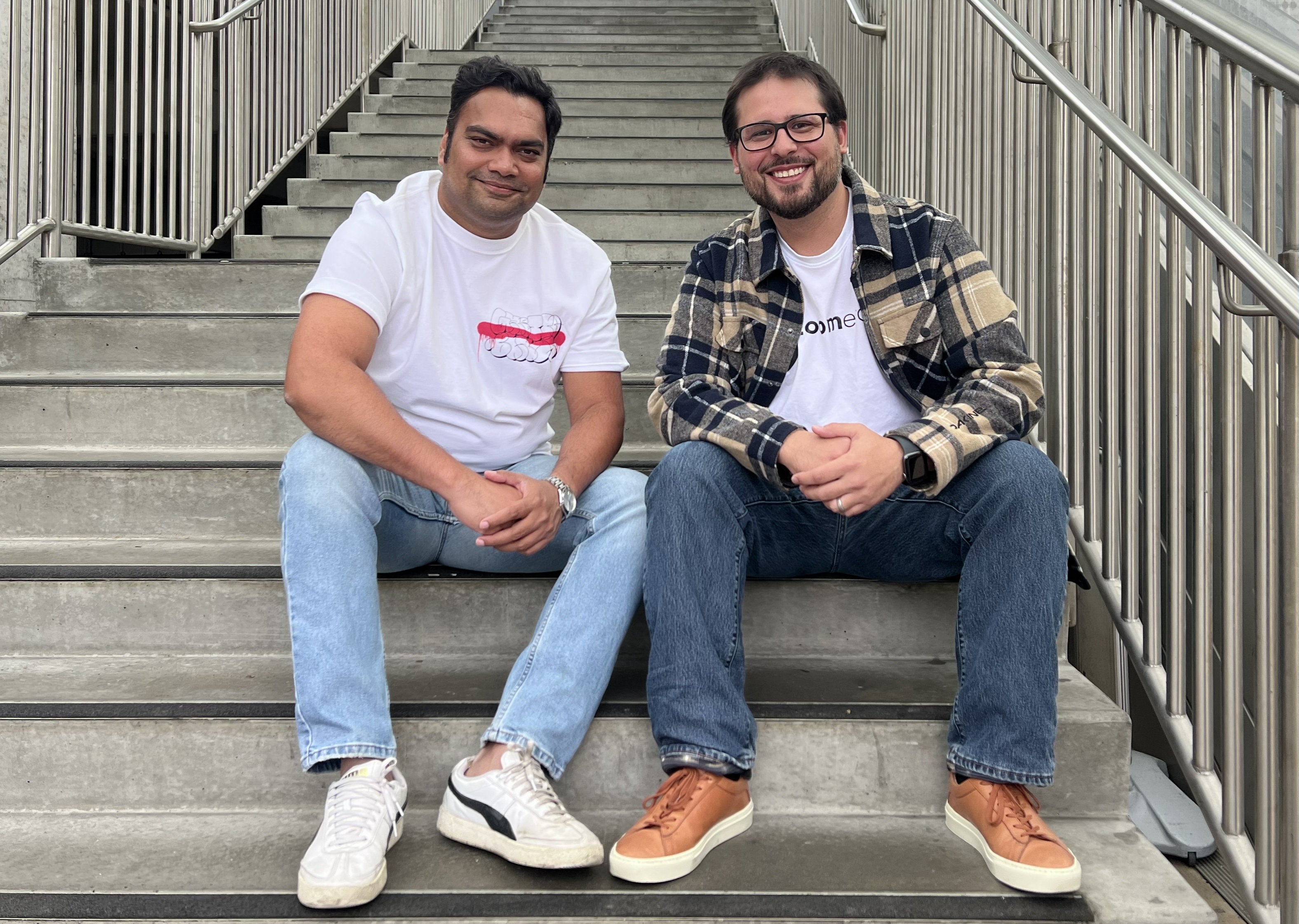
Loomerang made its first sale less than 12 hours after it went live in June. A customer in Houston bought a shirt designed by Joe, an independent artist in Japan.
Four months later, the Seattle-based marketplace for artist-designed T-shirts has 40 artists from 15 countries and recently expanded to India.
@media (max-width: 600px) {
.gw-founder-box { float:none !important; max-width:100% !important; margin:20px 0 !important; padding:16px 18px !important; }
.gw-founder-box .gw-label { font-size:12px !important; margin-bottom:8px !important; }
.gw-founder-box .gw-hero { font-size:19px !important; }
.gw-founder-box .gw-byline { font-size:15px !important; }
.gw-founder-box .gw-meta { font-size:12px !important; margin-bottom:14px !important; }
.gw-founder-box .gw-facts { padding-top:14px !important; }
.gw-founder-box .gw-facts li { margin-bottom:12px !important; }
.gw-founder-box .gw-facts li:last-child { margin-bottom:0 !important; }
.gw-founder-box .gw-value { font-size:15px !important; line-height:1.45 !important; }
}
Loomerang works by handling everything but the art. Artists open storefronts for free, set their own prices, and get 60% of what’s left after manufacturing costs. The company prints, inspects and ships every order, for now out of co-founder Matt Koyama’s garage.
Koyama described Loomerang as an attempt to run a more responsible business in a capitalist system, one built around people who spend their lives working on a craft.
“How can we reward them for that rather than making them feel like they’re being pushed to the margins constantly?” he said.
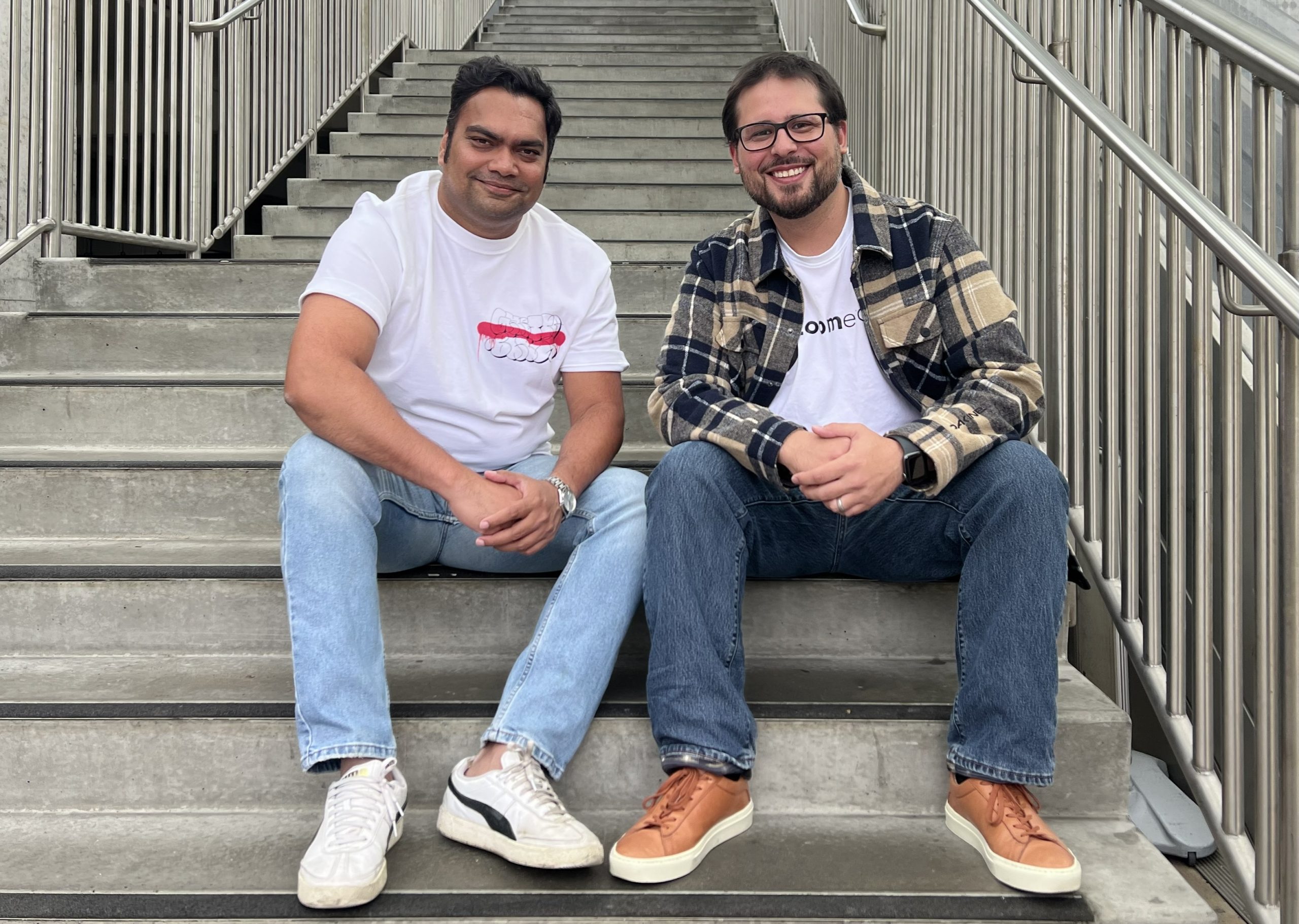
Loomerang was started in early 2024 by CEO Vijay Roy, a nearly 11-year Amazon veteran. He and Koyama had worked together on Amazon’s print-on-demand book business. Koyama joined as a co-founder a few months later and went full time this spring after leaving Xbox. A third co-founder, Arka Majumdar, leads design.
The company is bootstrapped. Its 14-person team is spread across Seattle, Minnesota and Kolkata, India, and the founders aren’t taking salaries.
Koyama, who also spent time in gaming, sees the same pattern across creative industries.
“The best stuff comes out of the indie space because these are the people that are willing to take risks, to invent, to revolutionize,” he said.
We caught up with Loomerang for this edition of GeekWire’s Startup Spotlight.
In 50 words or less, give us your startup’s elevator pitch?
Talent is everywhere. Opportunity isn’t. Loomerang connects people with the artists and stories behind their clothes: a tattoo artist in Seattle, a painter in Pune, India, an illustrator in Ibaraki, Japan. Artists launch apparel brands for free and keep most of the profit. We print, inspect and ship every shirt.
What problem are you obsessed with solving?
Starting an apparel brand is expensive. You need inventory, a manufacturer, a storefront and a way to reach customers. Most talented artists can’t take that risk. The ones who license their work to big brands usually get a small cut. We want to flip that by removing the upfront cost, handling production with real care, and making sure the artist keeps most of the profit.
What surprised you after talking to customers?
Almost nobody knew who designed their clothes. The exceptions were luxury pieces from designers who were already famous, or a shirt someone bought directly from an artist at a market or art fair. Those people could tell us the artist’s name and why the piece mattered to them. We’re trying to give every Loomerang purchase that same feeling.

How has AI changed the way you build your company?
We’re very intentional when using AI, because it’s a threatening presence for many of the artists we work with. We don’t use it to make art. We use it behind the scenes in our code and operations, and in tools that help artists with practical work like upscaling files. Keeping our overhead low means more of each sale goes to the artist.
What’s one thing people misunderstand about your startup?
People think it’s too good to be true. Artists pay nothing to join and keep 60% of the net profit on every sale. The first question is usually, what’s the catch? There isn’t one. The fashion industry has trained artists to expect a small cut of what their work earns. We think that’s backwards.
What’s the toughest decision you’ve made in the past year?
Holding off on new products. We planned to add hoodies and crewnecks before the holidays, but we decided to prioritize our artist roster and our quality promise. We’d rather ship fewer things we can stand behind than have a wide product range we aren’t fully ramped up on.
What’s the one piece of advice you give to other entrepreneurs?
Build something that creates value for people instead of taking it from them. It’s slower and harder, but those are the kinds of companies we need in today’s world. Technology keeps making it easier to cut people out. The best businesses will find ways to bring more of them in and lift them up.
We’ll know our company has made it when…
An independent artist’s first thought for launching a brand is Loomerang, not a big platform that pays them a fraction of what their work is worth. When artists in Seattle, Pune and everywhere else make a real living through us. And when “who made this?” becomes a normal thing to ask about your clothes.

iPhone Duo preorders are showing up at customers’ doorsteps ad in Apple Stores as Apple’s first foldable rolls out worldwide.

Two of the first customers at Apple Jing’an in Shanghai, and their dogs – image credit: Apple
Apple opened preorders for the iPhone Duo on October 16 ahead of its October 23 release date. It didn’t take long for release dates to slip and eventually stabilize in mid-January.
Deliveries typically begin in Australia and New Zealand, then Asia, Europe, and North America. Apple Stores generally open at 8:00 AM local time to cater to launch-day enthusiasts.
Continue Reading on AppleInsider | Discuss on our Forums
The iPhone Duo is finally here. Apple’s first folding smartphone arrives seven years after Samsung pioneered the category with the Galaxy Fold. That gave Apple plenty of time to refine the hardware behind closed doors rather than in public view—and the results show: The Duo is a pretty dang good foldable.
Whether your Duo just landed on your doorstep or you’re still weighing that $1,999 price, here’s what you need to know before unfolding it.
Apps Aren’t Optimized—Yet

Photograph: Julian Chokkattu
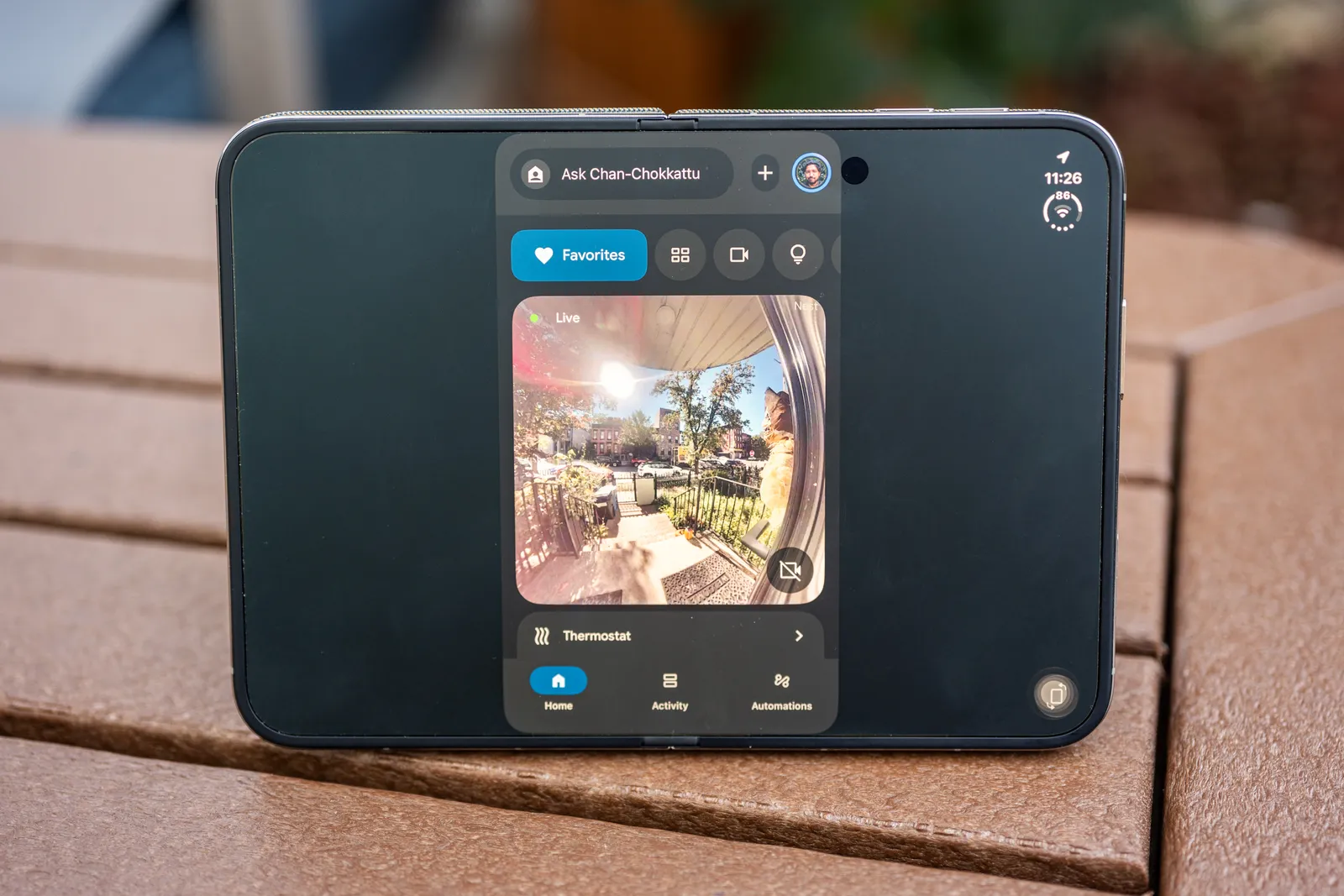
The iPhone Duo is a new shape and size for Apple, so many of your apps likely aren’t optimized to show up properly on the unique 5.4-inch outer screen or the 7.6-inch inner display. Apple also changed how navigational elements appear on the Duo, aligning them on the right rail instead of centering them on the bottom like every other iPhone.
Apple apps, redesigned for the Duo, look great. Many third-party apps look like the Google Home app in the picture above: a strip down the middle with thick, black bars on the sides. Several major app developers have already optimized their apps for iOS 27.1—Slack, Instagram, DoorDash, and WhatsApp, for example—but I’ve noticed that even some optimized apps like Instagram can still have broken user-interface elements. It will take time for every app in your library to work perfectly across these new screens.
It might be a good thing that the Duo is back-ordered for several weeks. By the time you snag yours, app developers will likely have caught up to the new device, and you might enjoy a richer folding experience.
Say Goodbye to Face ID

Photograph: Julian Chokkattu
Nearly a decade ago, Apple introduced Face ID as the future of the iPhone, eventually replacing the fingerprint-based Touch ID. So it might be confusing to hear that Apple’s first folding phone doesn’t have Face ID at all and instead relies on the older biometric authentication method. (Likely because Face ID tech takes up too much space in the thin iPhone Duo.) Touch ID never disappeared—Apple has used it on the iPhone SE and still features it on iPads and MacBooks—but this is the first time it has returned on a flagship iPhone.

The Metric Is Not the Mission is a ten-part examination of how Big Tech moved from building and expanding the open internet to increasingly shaping it around its own metrics, incentives and assumptions. Across the series, the argument follows the evolution of the platform economy—from the optimism of the early internet to the growing tensions around power, prediction, geopolitics, accountability and the future of digital life.
The series was published in two parts each week over five weeks, with each installment building on the one before it. The series is now concluded. The complete essay will be brought together in a single PDF edition, providing the full argument in one place, published shortly.

Part X: After the Platform Age
The final part brings the argument together. The question is no longer simply what comes after Big Tech, but whether the future of the internet can be built around a different distribution of power, one in which technological scale is matched by accountability.
There is a revealing moment in almost every period of historical transition when people begin asking the wrong question. What comes after Big Tech? Will artificial intelligence displace social media? Will decentralized technologies restore the openness of the early web? Will new regulatory frameworks fragment today’s digital giants? Will smaller online communities replace planetary platforms?
These are important questions, but they all assume that the future consists primarily of finding a new set of dominant actors. History encourages a different perspective. Periods of profound transformation are seldom defined simply by who inherits power. They are defined by changes in the architecture through which power is organized.
That is why the coming reckoning should not be understood primarily as a prediction that today’s largest technology companies will collapse. Some may become even larger. They will continue investing in artificial intelligence, biotechnology, robotics, and other technologies that will shape the next generation of innovation. The more important question is whether the terms of their power are beginning to change.
For much of the platform era, users were treated primarily as consumers. Governments treated the companies primarily as markets requiring regulation. The companies themselves treated social harms largely as problems of product design, trust and safety, or compliance.
The emerging challenge is different. It asks whether users are also rights-holders. Whether platforms are also institutions with duties that cannot be reduced to terms of service. Whether corporate responsibility can be determined solely by what a legislature has explicitly required. And whether an industry that has become central to social, economic, and political life can continue insisting that responsibility ends wherever existing regulation currently stops.
These questions may ultimately prove more consequential than another attempt to identify the next dominant technology. Because the future of the internet is not simply a question of which company wins. It is a question of whether the people who depend upon digital systems have meaningful power over the institutions that shape their lives. This is where the original architecture of the internet remains relevant.
The internet’s greatest achievement was not that it prevented concentrations of power. It did not. Nor was it that it eliminated conflict, inequality, or abuse. It did none of those things. Its achievement was that no single institution was supposed to become synonymous with the network itself.
That principle now needs to be recovered in a different form. Not by imagining that the internet can return to an earlier age or by romanticizing decentralization. And, certainly, not by assuming that technological innovation alone will correct the problems technological power has created.
The next internet will require something more difficult: institutions capable of correcting one another. That includes legislators, regulators, and competition authorities. It includes courts. It includes civil society and independent researchers. And, most importantly, it includes users themselves. The point is not to weaken technology for the sake of weakening technology. The point is to ensure that technological power remains answerable to the societies in which it operates. That is the distinction that matters. The alternative to Big Tech is not necessarily small tech. The alternative to concentrated power is not the absence of power. It is accountability.
Perhaps that is the real reckoning now approaching. Not the collapse of the platforms, not their sudden repentance or, the moment when their founders rediscover the idealism of the early internet. The reckoning will come when the companies discover that scale is no longer sufficient to define the terms of responsibility.
Child safety may be where that process becomes impossible to ignore. It should not end there. If the emerging principle is that powerful technology companies can be held responsible when their products create foreseeable and preventable harms, then that principle must eventually extend to the wider question of what users are owed. Not only safety – but agency. Not only protection – but dignity. Not only compliance with the law as it currently exists – but accountability proportionate to the power these companies exercise over the conditions of modern life. That is not an argument against innovation. It is an argument against the increasingly implausible belief that innovation exempts powerful institutions from responsibility.
For a generation, Big Tech invited us to believe that the future of the internet could be contained within a handful of platforms. Those platforms transformed communication, knowledge and human connection in ways that deserve recognition as some of the most consequential technological achievements of modern times. But achievement is not immunity. The internet was never Facebook; it was never Google; it was never Amazon; it was never Instagram, TikTok, or X. Those companies shaped an era. Some will continue to shape the next one. But the internet has always been larger than its most powerful inhabitants.
The next chapter may be defined by something even more important than technological change: the reassertion of the principle that those who use the internet are not merely the raw material from which platforms create value. They are the people to whom those platforms must ultimately answer. That is the reckoning. And this time, Big Tech may not be able to lobby its way around it.
Konstantinos Komaitis, PhD, is a veteran of developing and analyzing Internet policy to ensure an open and global Internet.

Bitcoin security debate turns to AI phishing after CZ’s warning

The iPhone Duo Hit Stores Friday. Next Came Long Lines, Sellouts and Resellers
Left Alone With Nothing To Do, AI Agents Started Playing


-

 Fashion6 days ago
Weekend Open Thread: Kut from the Kloth
-

 Tech & AI6 days ago
Double Fine’s First Post-Xbox Title, First-Person Soulslikes And Other New Indie Games Worth Checking Out
-

 Tech & AI7 days ago
Daily Deal: The 2026 Complete Godot Stack Development Bundle
-
 Tech & AI6 days ago
Hackers breach Microsoft 365 tenants via ConnectWise supply-chain attack
-

 Entertainment7 days ago
Jake Bauers’ Wife Reacts to NLCS MVP Win After Viral Comments
-
 Tech & AI6 days ago
Replit is no longer working with Anthropic, CEO says
-
 Entertainment5 days ago
Britney Spears Praises Janet Jackson In Heartfelt Message
-
 Tech & AI6 days ago
NeodraDynamics Neo1 Rises Thirteen Feet High to Carry Half Ton Loads at Work
-
 Tech & AI7 days ago
Daily Deal: The Ultimate Web Coding for Everyone Bundle
-

 Business & Hustles6 days ago
25 Videos You Can Film This Week
-
 Tech & AI6 days ago
Intel Nova Lake processors could ditch three-digit names for Core Ultra 4000 branding
-
 Tech & AI5 days ago
Turning A Wi-Fi Adapter Into An SDR
-

 Tech & AI4 days ago
Seattle ag-tech startup Carbon Robotics reduces workforce, citing economic conditions
-
 Tech & AI6 days ago
Making One Fender From Another
-
 Tech & AI6 days ago
Does More RAM Make a Laptop Faster? Check Before Buying
-

 Tech & AI5 days ago
Amazon’s new Bee AI devices have a bystander problem, says former AWS security engineer
-
 Crypto7 days ago
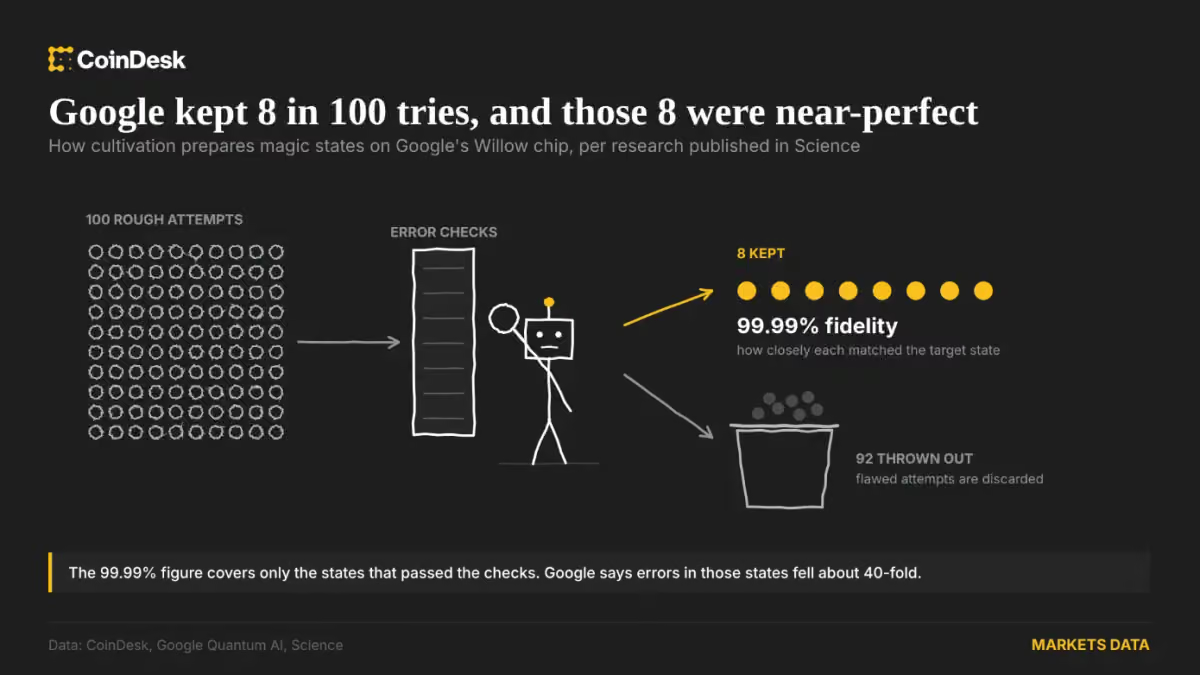
Satoshi-era bitcoin faces a bigger quantum threat after Google’s new Willow breakthrough
-

 Crypto6 days ago
Bitcoin Faces Quantum Computing Threat: 30% at Risk
-

 Tech & AI7 days ago
Chinese Bride Gifts Groom ASUS ROG Astral RTX 5090 After Number Puzzle
-
Entertainment5 days ago
David Pollack Reveals ‘Stunning’ Update About Wife’s Brain Cancer
You must be logged in to post a comment Login