
Tech
4 Three-Row SUVs With Better Ratings Than The Chevrolet Tahoe

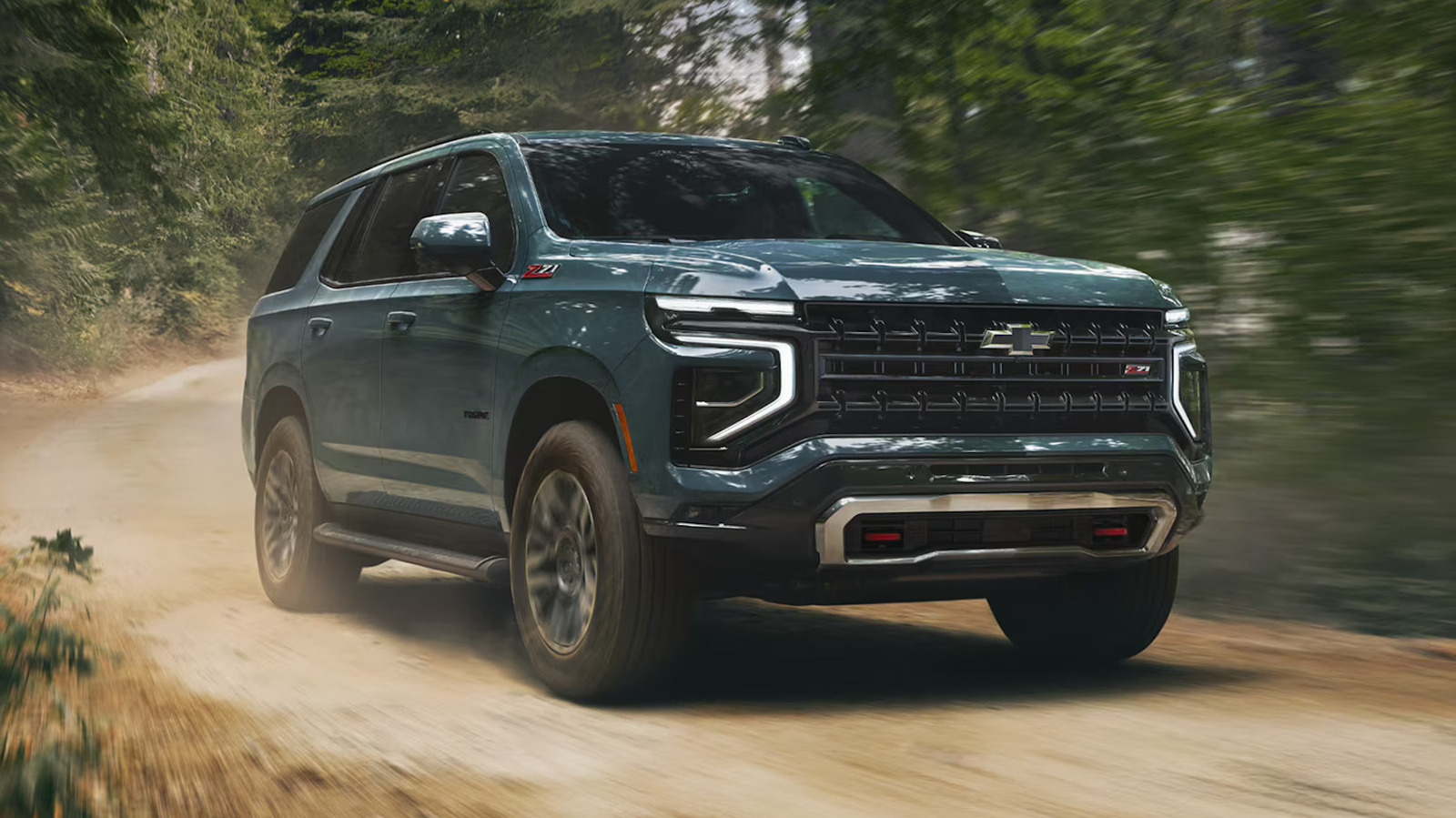
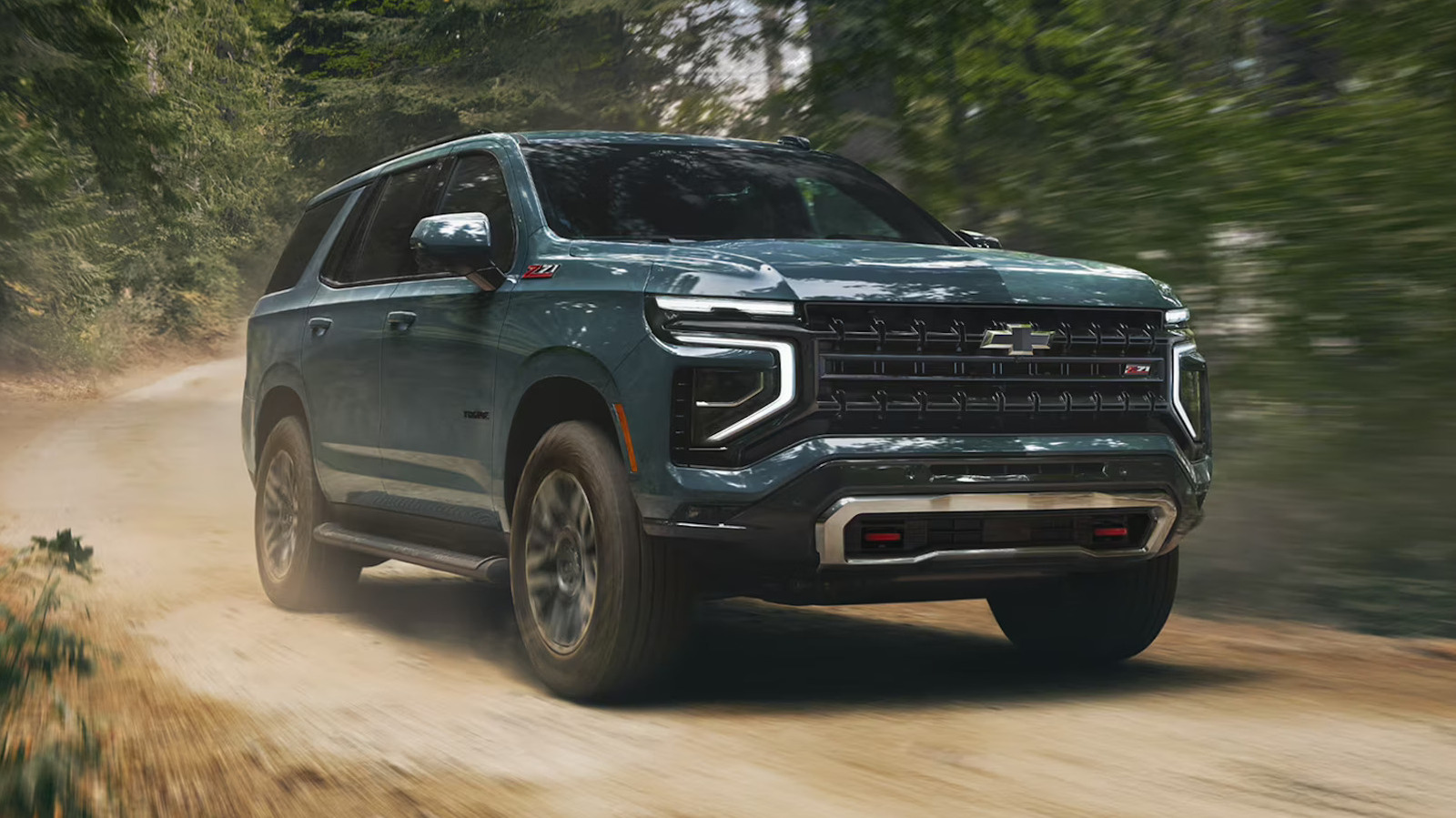
When the Chevrolet Tahoe was first introduced for the 1995 model year, the SUV didn’t come with three rows of seats. That didn’t come until its second generation, starting with the 2000 model year, and even then only as an option. Nowadays, the Tahoe comes standard with a third row, and it has become one of the best-selling full-size SUVs in the United States.
While that’s grand for General Motors, drivers and experts are quite mixed about the 2026 Chevrolet Tahoe. Car and Driver gave it a perfect 10 out of 10 score, ranking it right alongside the Chevrolet Suburban as the best large SUV on the market. At the opposite end of the spectrum, Consumer Reports ranks it second-to-last among the large SUVs it has tested. JD Power ratings show that all three-row SUVs score between 79 and 84 out of 100, with the Tahoe at 83 alongside three other models. That is a step down from the 2025 model year, where JD Power ranked it as the highest-quality large SUV.
This leaves room for other SUVs, and there are a few that not only get good marks across the board, but also have higher ratings from these outlets than the Tahoe. Let’s look at four three-row SUV models, both mid- and full-size, that generally get better ratings than the 2026 Chevrolet Tahoe.
2026 Subaru Ascent
One of the highest-rated three-row mid-size SUVs on the market is the 2026 Subaru Ascent. This is a relatively new vehicle, having only been introduced for the 2019 model year, but it’s quickly established itself as one of the best in its class.
The 2026 Ascent is the top-rated three-row SUV according to JD Power respondents, with an overall score of 84 out of 100. Its quality and reliability score of 84 outpaces the Chevrolet Tahoe by three points, but what really pushes it ahead is the dealership experience, which earns the Ascent an impressive 91 points compared to the Tahoe’s 84. The gap between the two widens when we turn to Consumer Reports, which ranks the Ascent fifth among mid-sized three-row SUVs. What really sets it apart from the Tahoe is its road test score, according to Consumer Reports’ in-house testers. Only five of the dozens of three-row SUVs tested have a better road test score, regardless of size, powertrain, or price. The Tahoe’s score, conversely, is barely above average.
Professional reviewers like MotorTrend are also keen on the 2026 Subaru Ascent. It gave the SUV an 8.9 out of 10 score and ranks it the fifth-best mainstream three-row SUV, with the Tahoe outside of the top five. Customer ratings on Edmunds also favor the Subaru, averaging 4.4 out of 5 stars compared to the Tahoe’s 3.8.
2026 Hyundai Palisade
Hyundai updated the Palisade for the 2026 model year, with the second-generation SUV offering a luxury experience without the luxury price tag. We were quite impressed with our first drive of the 2026 model, praising the Calligraphy trim, distinctive styling, and good value. And we’re not alone in liking the SUV, either: Autoblog put the Palisade at the top of its list of family-friendly SUVs, spotlighting good rear-seat space and the fact that rear passengers get their own sunroof.
MotorTrend also has it at the top of its list of three-row mid-size SUVs with an outstanding 9.5 out of 10 score. Car and Driver ranks the Palisade as the second-best mid-size three-row SUV with an overall score of 9 out of 10. On a similar note, the gas-powered version of the SUV has the third-best overall score among three-row mid-size SUVs according to Consumer Reports. The hybrid Palisade ranks first overall in that category, boasting the second-highest road test score of any three-row SUV tested by CR.
JD Power surveys give it an overall average score of 82 out of 100, just one point below the Chevrolet Tahoe. However, its driving experience score is the same at 84, while its quality and reliability score is three points better than the Tahoe’s at 84. The slightly lower overall score is due to customers’ dealership experience, but the 2026 Hyundai Palisade itself passes with flying colors.
2026 Toyota Grand Highlander
Right behind the Hyundai Palisade in Autoblog’s three-row SUV recommendations and Car and Driver’s ranking of three-row mid-size SUVs is the 2026 Toyota Grand Highlander. The larger sibling to the Highlander — which also could’ve made this list — was introduced for the 2024 model year to critical acclaim, impressing reviewers including our own Chris Davies and routinely receiving better ratings than the Chevrolet Tahoe.
Much like the Palisade, the 2026 Grand Highlander is available with gas and hybrid powertrains. Both get very good ratings, with the hybrid having the edge. For example, the hybrid Grand Highlander is Consumer Reports’ second-highest-rated three-row mid-size SUV, while the standard one comes in at a still-commendable sixth, behind the Subaru Ascent. The hybrid also has the highest reliability rating from CR of any three-row SUV, regardless of size.
The Grand Highlander ranks among the best three-row mid-size SUV models according to Edmunds too, with the only major drawback being its somewhat anonymous styling. Performance is strong across the board, though it does note that the Hybrid Max powertrain is the best option. The only ding against the Toyota is its JD Power score, where it has an overall rating of 82 out of 100, despite it outperforming the Chevrolet Tahoe in quality and reliability with 84 points versus the Tahoe’s 81. Outside of that, the ratings for the 2026 Toyota Grand Highlander routinely sit above the 2026 Tahoe.
2026 BMW X7
Now, let’s turn to the luxury market. While Lexus’ TX, the marque’s version of the Toyota Grand Highlander, would also qualify, this spot is going to the 2026 BMW X7. Also separating this model from the others on this list is that it’s a full-size SUV, just like the Tahoe. Regardless of its size, the X7 consistently gets the best ratings for luxury SUVs from both experts and customers alike.
The 2026 X7 sits at the top of the three-row luxury SUVs rated by Consumer Reports, with a decently sized gap between it and the SUV in second place. That’s thanks to it having the highest ratings for both owner satisfaction and road testing in the category, although its reliability score is still second to the aforementioned Lexus. JD Power also has the BMW at the top of its ranking of large premium SUVs, with its 80 out of 100 tied with the Cadillac Escalade – and the only reason they have the same overall score is that BMWs are harder to resell than Cadillacs. Meanwhile, the X7’s scores outpace the Caddy in quality and reliability, as well as driving experience.
Of course, the market for the BMW X7 is very different than the Chevrolet Tahoe. The Chevy starts at $60,700 (plus a destination freight charge of $2,795), while a new X7 starts at $87,500 (plus a $1,550 delivery and handling fee). While you’re paying more for a BMW X7, you’re not just paying for added luxury; you’re paying for a generally better-liked vehicle, too.
Methodology
To qualify for consideration, an SUV needed to feature three rows of seats. The overall size or class of the SUV wasn’t a determining factor, as having a range of options gives a fuller picture of what is available on the market.
After we identified all the three-row SUVs on the market, we sourced ratings from several outlets to help narrow our selection. For initial metrics, we relied on publications that survey and collect the opinions of actual owners, such as Consumer Reports and J.D. Power. We also drew on professional reviews from outlets such as MotorTrend and Car and Driver, as well as our own reviews at SlashGear. We also turned to outlets like Edmunds for owner opinions.
If ratings across the board were higher — either marginally or significantly — than a Chevrolet Tahoe, we deemed the SUV worthy of consideration. If the overall rating was similar or slightly lower, we delved into the numbers to see whether the SUV outperformed the Tahoe in specific areas such as reliability or driving experience. Taking all these ratings and opinions into account allowed us to whittle our list of candidates down to four models, which we selected to represent a range of brands, sizes, and levels of luxury.


An anonymous reader quotes a report from Reuters: PJM Interconnection, the biggest U.S. grid operator, proposed on Thursday a new framework that would force data centers to use back-up generators when electricity supply on the grid approaches dangerously low levels. The grid operator’s proposal dovetails with President Donald Trump’s Ratepayer Protection Pledge, a non-binding initiative to protect residential customers from getting saddled with costs related to data center power consumption, PJM said.
A new emergency procedure would notify utilities to reduce or transfer the electricity demand from data centers and other large power users ahead of any action that would shut off traditional consumers such as households. PJM said it does not, however, currently have the authority to curtail power to those sites and would require the cooperation of individual state governments.
PJM manages the electricity for 67 million people in a territory that stretches from Washington, D.C. to Chicago. Its proposal highlights a growing tension between the rapid expansion of data centers and the ability of the nation’s power grid to keep up. If PJM cannot close its supply gap, millions of residents and businesses face an increased risk of blackouts, and the cost of new generation could be passed on to other power consumers. At its recent capacity auction, PJM hit its $325-per-megawatt-day price cap but still came up about 6.8 GW short of its projected reliability needs.
With rapidly expanding data centers adding pressure to the grid, PJM has also proposed creating a registry to track their locations and power consumption.


Read more of this story at Slashdot.

The FCC has a track record of using its Covered List to squeeze Chinese tech out of American markets, and robots just became its newest target. Foreign-made humanoids, quadrupeds, and even robot vacuums now need to be mostly built in the U.S. to sell here (via Rest of World).
So what does the new rule actually require?
The FCC added “advanced robotic devices” to its Covered List last month, the same national security roster that’s previously blocked devices from Chinese companies like Huawei and ZTE. New models of foreign-made humanoids, quadrupeds, robot vacuums, and even lawn mowers are now barred from entering the U.S. market.

Only models assembled domestically and sourcing at least 65% of their component value from within the U.S. qualify. The threshold will climb to 75% by 2029. The policy doesn’t target any single country (or mention one), but it’s widely understood as aimed squarely at reducing Chinese imports.
The good news is that existing products (already on sale) aren’t affected. Robots imported purely for research and development (not for commercial sale) stay exempt from the rule for now.
How are startups actually reacting to this?
Founders say hitting 65% local sourcing threshold is nearly impossible right now. Plenty of motors, sensors, and actuators are either too expensive, too slow to source, or, the worst one of all, simply unavailable domestically. The issue is so severe that employees have reportedly flown parts over from China in their luggage just to keep prototypes moving.

Michael Perry of Persona AI put it bluntly: “You need to provide the carrot as well as the stick.” Not everyone’s upset, though. Oregon-based Agility Robotics and San Francisco’s Nori Robotics both welcome the rule, stating that it will eventually shield them from cheaper Chinese competition.
However, there’s no denying that the rule complicates sourcing for the immediate future. China didn’t end up controlling robotics manufacturing by accident. Decades of state investment, a deep engineering workforce, and a boom in electric-vehicle production carved out the kind of sensor, battery, and actuator supply chain robots also rely on.
The result: Chinese-made humanoids account for nearly 90% of everything sold worldwide in 2025, according to research firm Omdia.
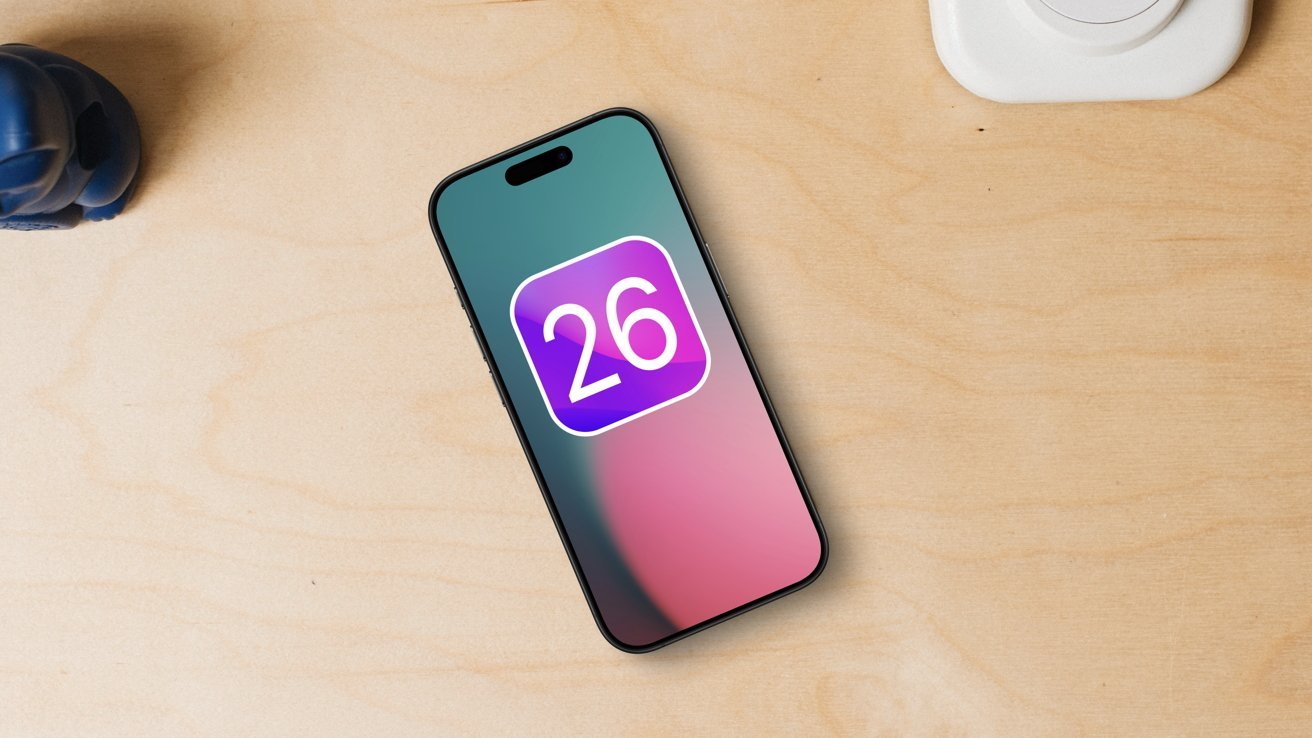
Apple has released an update for iOS 26.6.1 for all users, with the usual inclusion of security fixes, making it a must-install for your iPhone.
While Apple is constantly beta-testing its 27-generation operating systems, it’s still shipping updates to its earlier releases. That includes the current-gen versions.
On Monday, as part of its swathe of releases, Apple issued its update for iOS 26.6.1. The update, which it rolled out as a release candidate on August 10, can be downloaded to an iPhone running iOS 26.6 or earlier.
It also brought out updates for its other operating systems:
- iOS 26.6.1 is build 23G83
- iPadOS 26.6.1 is build 23G83
- iOS 18.7.10 is build 22H374
- iPadOS 18.7.10 is build 22H374
- visionOS 26.6.1 is build 23O780
- macOS 26.6.2 is build 25G83
The updates include what Apple characterizes as security fixes, which is a regular item for granular updates such as this.
We are still waiting for Apple to share the list of updates in the release. The iOS 26.6 update had more than 75 security fixes, and with the persistent threat of AI-based discoveries, AppleInsider recommends installing it sooner rather than later.
A German competition authority said that Apple’s prompts favors its own apps versus third-party options.
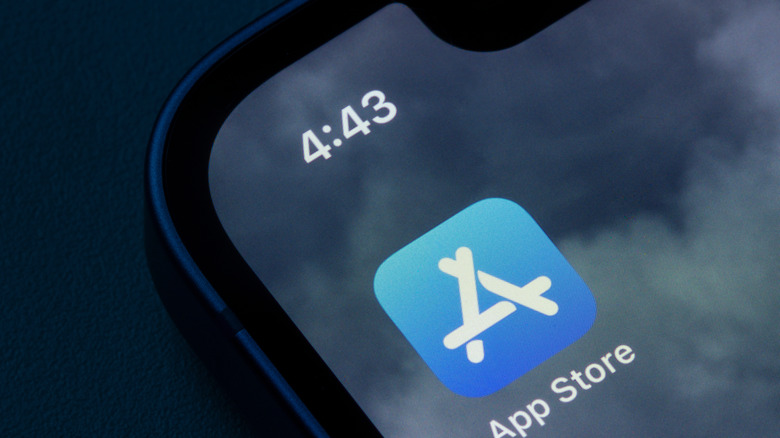
Apple has been hit with another anticompetitive charge, but this time about how the company prompts users for data collection from apps. According to the Bundeskartellamt, or Germany’s independent competition authority, Apple’s pop-up prompts that let users either allow or deny an app developer to collect personal data tends to favor its own apps, instead of those created by third-party devs.
The German regulatory authority’s anticompetitive claim revolves around Apple’s App Tracking Transparency (ATT), which was introduced in April 2021. The ATT framework prompts Apple users to decide if they want their data shared with an app they just opened. However, the Bundeskartellamt accused Apple of not applying a level playing field across apps, claiming “the wording, design and selection options of the request used for Apple’s own offerings had the potential to encourage users to give their consent, whereas they had the potential to discourage consent for third-party apps.”
Following the Germany agency’s ruling, Apple has to make a few changes. According to the Bundeskartellamt, Apple has to remove “possibly discouraging symbols and wording in Apple’s predefined requests for third-party providers” and that the data collection consent prompts have to be “neutral in terms of content, wording and layout.” Apple has four months to implement the changes, while also requiring the company to test these revisions with app developers. The Bundeskartellamt said these commitments will last seven years and will have an independent monitoring trustee ensure that Apple remains compliant. We reached out to Apple for comment about the changes and will update the story when we hear back.
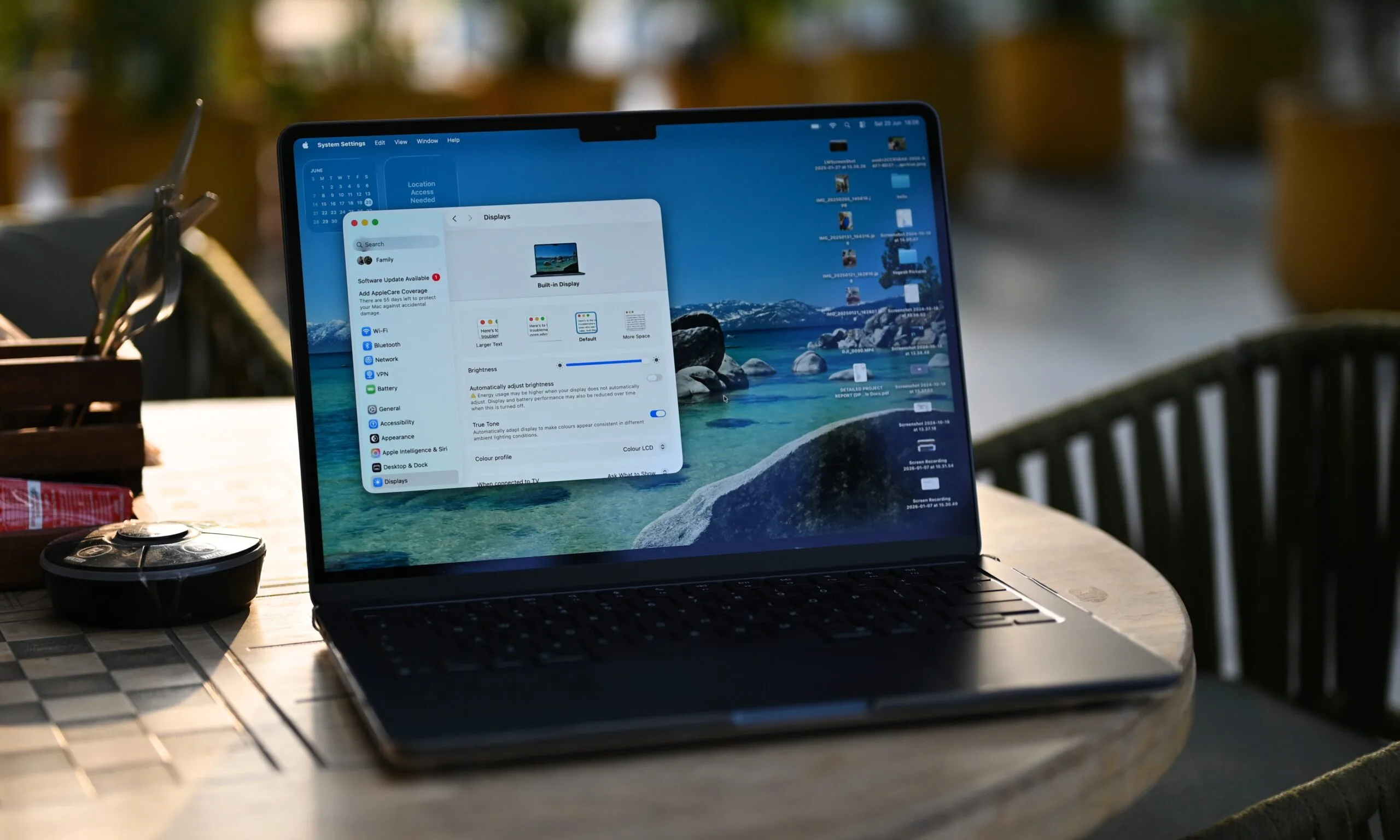
If you’ve been putting off that macOS update sitting in your notifications, this is the week to stop and install it.
Apple quietly patched a serious screen sharing flaw in macOS earlier this month. While that usually means the issue is resolved, new evidence shows hackers already broke into unpatched Macs, hijacked them, and used them for cryptocurrency mining before the fix shipped.
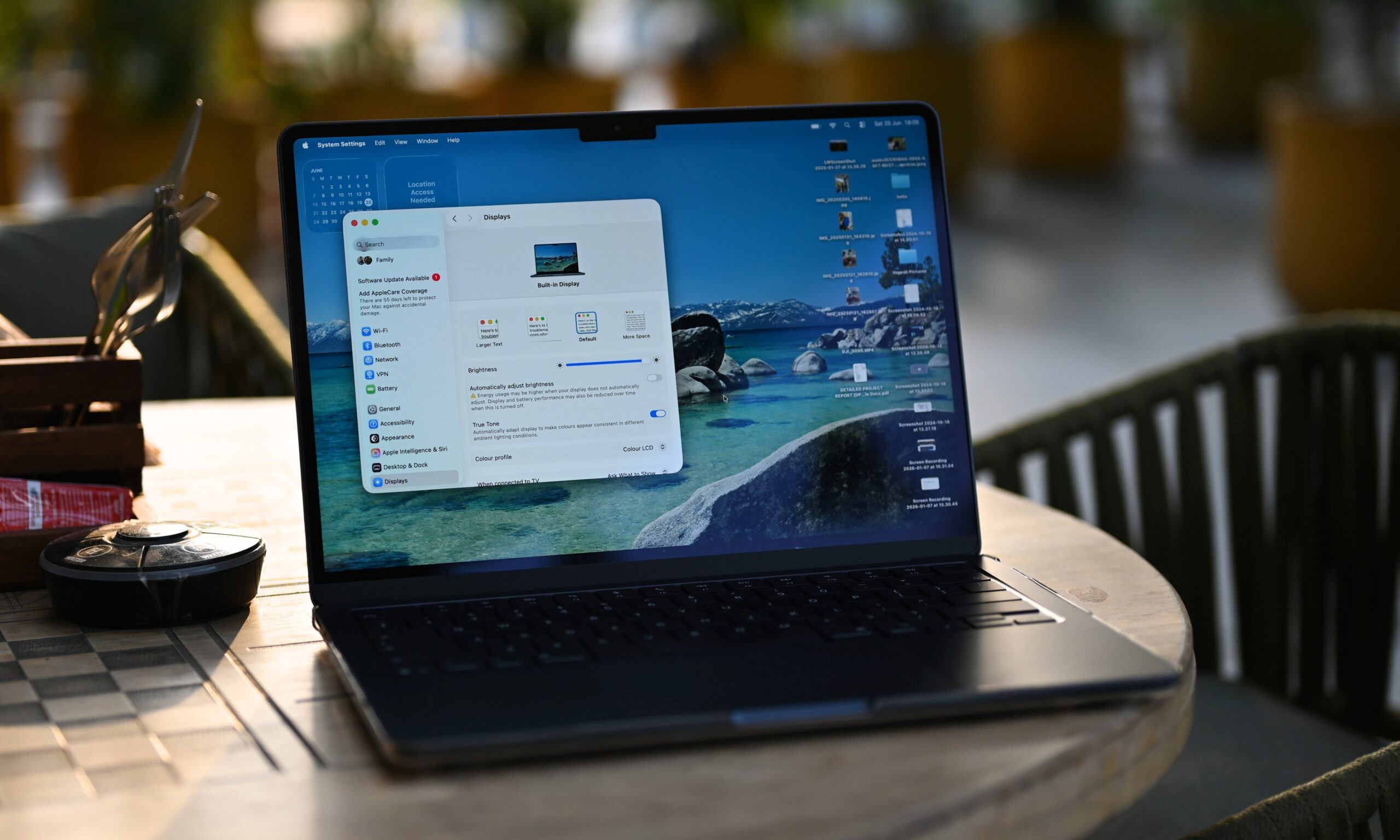
So what exactly went wrong with screen sharing?
The flaw lets bad actors access macOS screen sharing without the system’s valid login credentials. Once in, they could view a victim’s desktop and take control of the mouse and keyboard (remotely) without warning whoever was actually sitting at the machine.
Once attackers get root access, they reportedly install Monero crypto miners onto every compromised Mac spotted so far, quietly burning through users’ CPU cycles and electricity in the background; hackers value that over the local files.
Apple patched the issue on August 6 with macOS Tahoe 26.6.1, describing it as improved state management for the authentication process, along with matching updates for Sonoma and Sequoia.
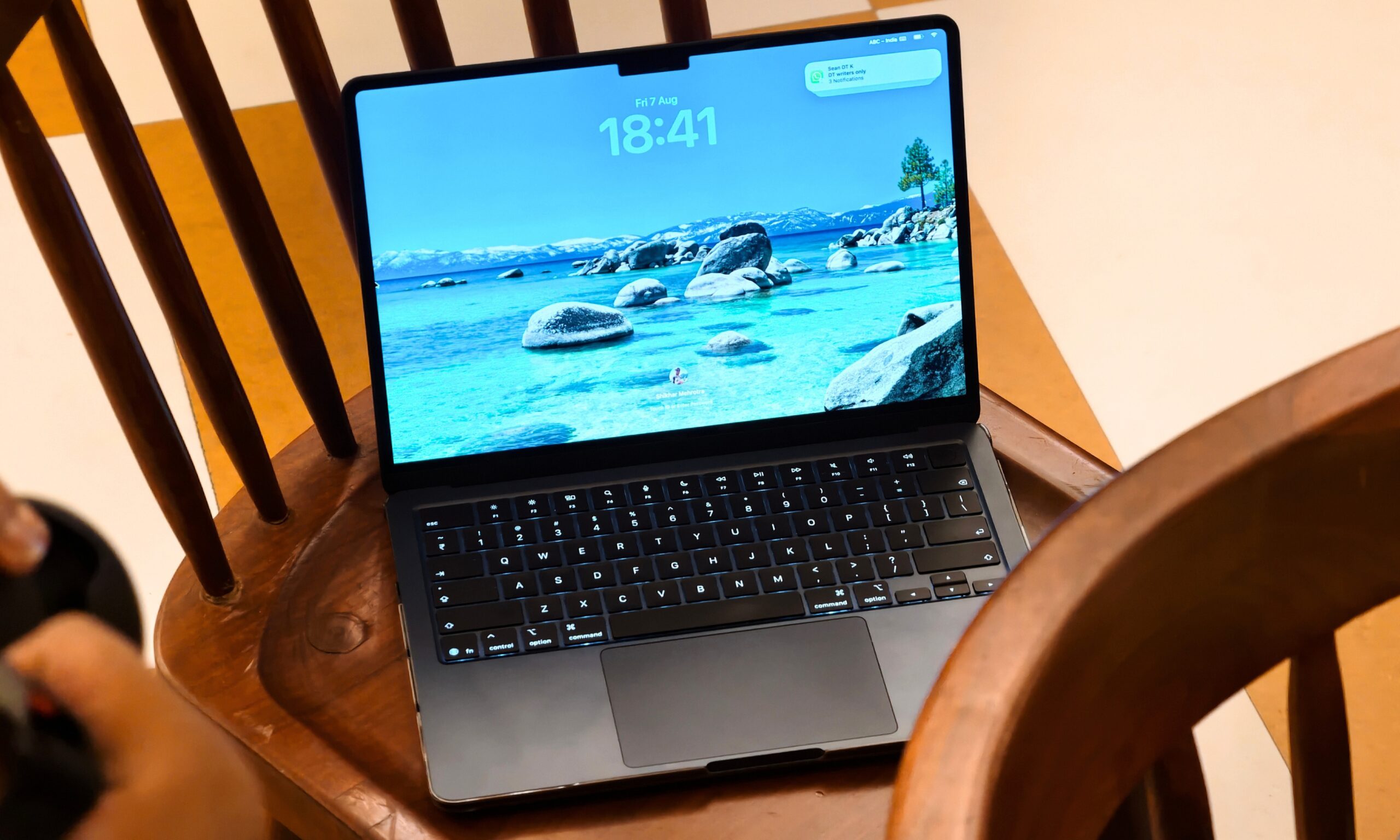
What happens on a hacked Mac, and how do you stay safe?
However, the Netherlands’ National Cyber Security Center says it has since tracked real-world abuse of that bug on machines running unpatched or older macOS versions, where port 5900 (which screen sharing uses) was left accessible from the open internet.
Port 5900 has been a known soft spot in remote access tools for years. Apple’s macOS automatically opens that port the moment you enable screen sharing, with no separate warning that it’s now reachable from outside your network.
Because the bug bypasses authentication entirely, scanning bots can automatically gain root-level control of exposed machines and install a cryptocurrency miner. If your Mac relies on screen sharing over an open network connection, act immediately.
I’d recommend installing the latest macOS version immediately. Head to System Settings > General > Software Update, and install the update. If updating immediately isn’t an option, your safest short-term move is to disable the feature altogether by going to System Settings > General > Sharing and toggling screen sharing off.
We may receive a commission on purchases made from links.
When you’re looking for a way to listen to your favorite podcasts or music while commuting to or from work without being a nuisance to other people, you have a choice of buying earbuds or headphones. Picking between the two can be tricky, but if you’ve made up your mind and have decided to go with the former, there are many quality headphones to choose from. In a sea of options, picking the best headphones worth buying is a daunting task, simply because you can’t tell how good any pair sounds by reading its spec sheet.
Without firsthand experience, it’s tough to tell which really offer the best sound. Fortunately, Consumer Reports (CR), an independent, non-profit, member-supported organization that reviews dozens of headphones every year has tested over 100 models, doing all the heavy lifting so you don’t have to.
Through its experience testing audio gear from all the major headphone brands using a team of trained audio technicians, Consumer Reports has chosen several models that it vouches for when it comes to sound because they scored the highest possible score for audio quality. These are the headphones that actually deliver if you’re looking for some of the best models on the market with excellent sound reproduction.
Apple AirPods Max 2
Apple launched the AirPods Max 2 in March 2026 featuring an H2 chip and a promise to deliver better sound quality, more effective active noise cancellation, and reduced wireless audio latency. As it turns out, the AirPods Max 2 actually delivers on that promise in real-world use, earning a perfect score in both sound quality and noise reduction in CR’s tests.
You can listen to music on the AirPods Max 2 wirelessly via Bluetooth or through a wired connection by using the available USB-C port, which can deliver up to 24-bit, 48 kHz lossless audio. To make it more convenient, Apple includes a USB-C cable out of the box, saving you the hassle of buying a separate one. AirPods Max 2 promise up to 20 hours of listening time with ANC enabled, and if you run out of power, a 5-minute charge can offer up to an hour and a half of listening.
Tech reviewers at What Hi-Fi wasn’t impressed by the battery life and was quick to point out that it lags behind some of its rivals. However, the site says the AirPods Max 2 have better noise-canceling capabilities than the first-gen models and also offer an improvement in the quality of sound. Perhaps one of the most exciting aspects of the AirPods Max 2 is the slew of features that Apple added, such as Adaptive Audio, Live Translation, Conversation Awareness, and Voice Isolation, which will come in handy in day-to-day use. Full MSRP for the AirPods Max 2 starts at $549.
Grado SR125x
The second pair of headphones that CR recommends is the Grado SR125x. Similar to the AirPods Max 2, the Grado SR125x earned the highest possible score in audio tests. In case you haven’t heard of this model before, the Grado SR125x is a wired on-ear headphone with an open-back design and is part of the company’s Prestige X Series of headphones. It comes with 44 mm drivers and an attached eight-conductor audio cable with a gold-plated 3.5 mm jack at the end.
You can connect to your phone or laptop using a 3.5 mm jack, but Grado also includes a Mini-plug-to-¼-inch-plug adapter out of the box. Since these headphones use an open-back design, they’re not ideal if you work in an environment with external noise, as they won’t block it. In that sense, they’re more suitable if you’d like to keep up with the environment around you while wearing headphones at all times.
Its open-back design can also allow sound to escape, which is something to keep in mind if you plan to use the SR125x in a room full of people. CR says the SR125x delivers excellent sound quality but has minor bass. The Grado SR125x was announced in 2022 with a recommended retail price of $175.
Sennheiser HD 550
Another pair of headphones that you should consider if you need the best sound quality is the Sennheiser HD 550. These headphones deliver on sound quality per CR’s expert lab testers, and they earned the site’s maximum audio quality score. The Sennheiser HD 550 is wired and features an open-back over-ear design; as a result, it might not suit every type of listener or use case. For example, if you use them on the subway for your work commute, you’ll likely be exposed to environmental noise.
The HD 550 provides a 2.5 mm to 3.5 mm cable for connecting to audio sources and also offers a 3.5 to 6.35 mm screw-on jack adapter in case you need it. The ear cups on the HD 550 are large and include a grille on the outside for protection. Sound Guys reviewed the HD 550 and highlighted its sound quality, comfort, and affordable price as major reasons to consider buying this pair. The team adds that “if you’re already in the market, you should consider the Sennheiser HD 550.”
TechRadar describes the HD 550 as “incredibly light,” weighing just 8.35 ounces. In addition to its lightweight design, TechRadar also found it comfortable to wear and capable of delivering excellent audio in games. The Sennheiser HD 550 launched at $299.95 when it was announced in 2025, but for some reason we’ve seen it selling for a little higher on both Best Buy and Walmart.
Grado SR225x
The Grado SR225x was launched in 2022 alongside the aforementioned SR125x and likewise features 44 mm drivers. These headphones also performed incredibly well in CR’s tests for quality. Similar to the SR125x, it also earned bragging rights by getting the maximum possible score for sound reproduction. The Grado SR225x is also wired, and the cable terminates with a standard 3.5 mm headphone jack.
However, if you have an audio source with a 6.3 mm headphone jack, the SR225x includes a ¼-inch adapter in the box. As part of the Prestige X Series, the SR225x also comes with an eight-conductor cable with a copper wire that has been “super annealed,” which the company said should help the headphone deliver purer sound. The SR225x has a classic look with black and white colors and uses an on-ear design.
CR says the SR225x exerts moderate pressure on the ear, remarking that it might not be suitable for anyone with a larger head. The Grado SR225x launched at an MSRP of $225, so it’s a bit more expensive than the SR125x, but still falls within an affordable range.
Grado RS2x
This is the third pair from Grado that impressed CR’s team of experts on sound quality by earning the highest possible score. CR describes the overall quality of the Grado RS2x as a bit heavy on the bass and slightly grainy, but otherwise with plenty of detail and openness. The Grado RS2x is also a wired headphone that features an on-ear open-back design, just like the previous models we’ve discussed from the company.
Be that as it may, the Grado RS2x adds wood accents and a leather-stitched headband, both of which make it look more interesting than the SR125x and SR225x. It also has a considerably higher asking price than its two siblings – it’ll set you back $550. In PC Mag‘s review, the site notes that the RS2x delivers a “rich bass response” and that both mids and highs are detailed.
Overall, PC Mag summed up the Grado RS2x’s sound quality as “exquisite” and even went ahead and included it in their roundup of the best wired headphones, which speaks volumes about the capabilities of the pair in comparison to alternative models on the market. The cable is permanently attached to the headphone, and it terminates with a 3.5 mm headphone jack; like the SR125x, Grado also includes a ¼-inch adapter.
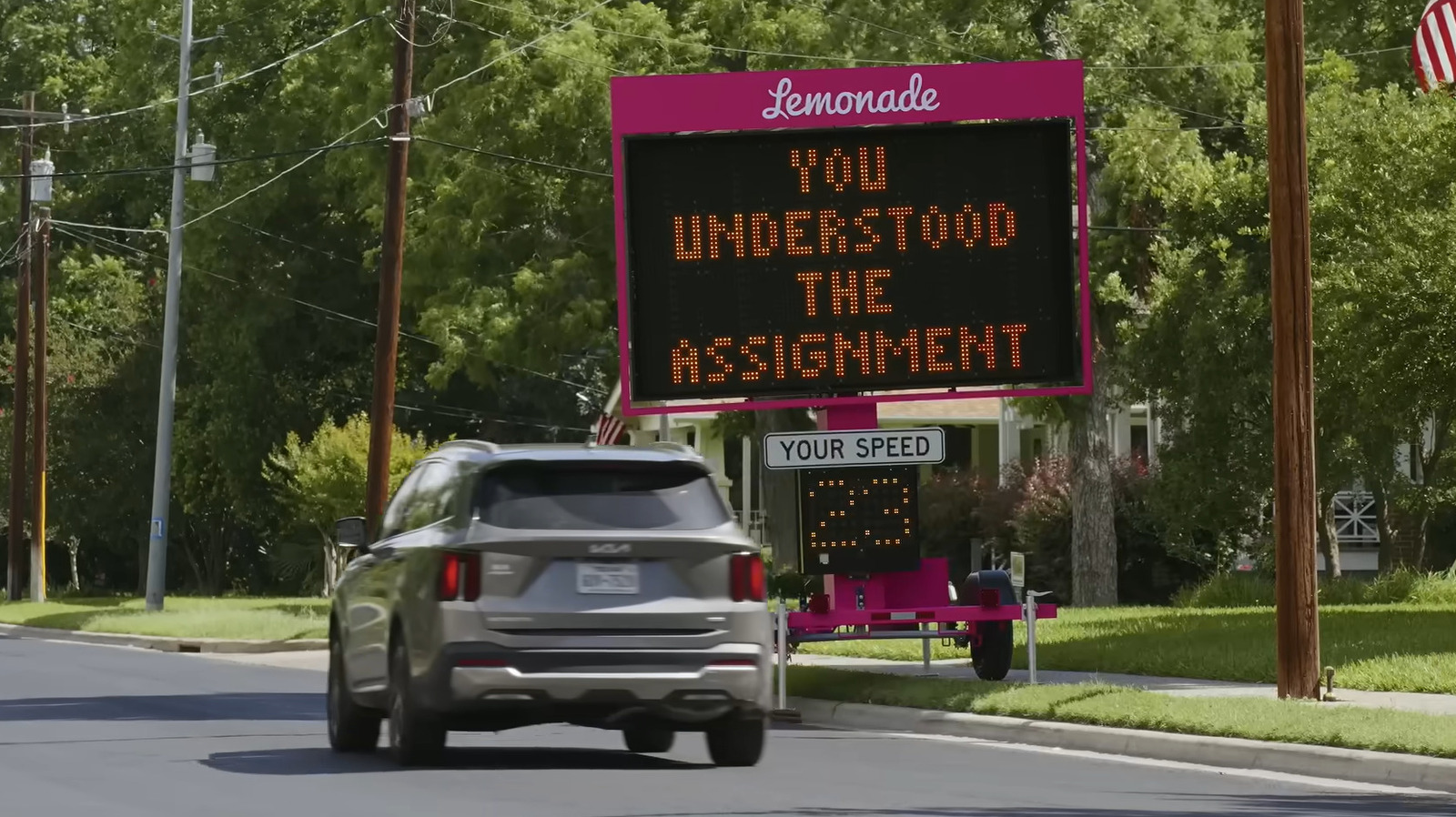
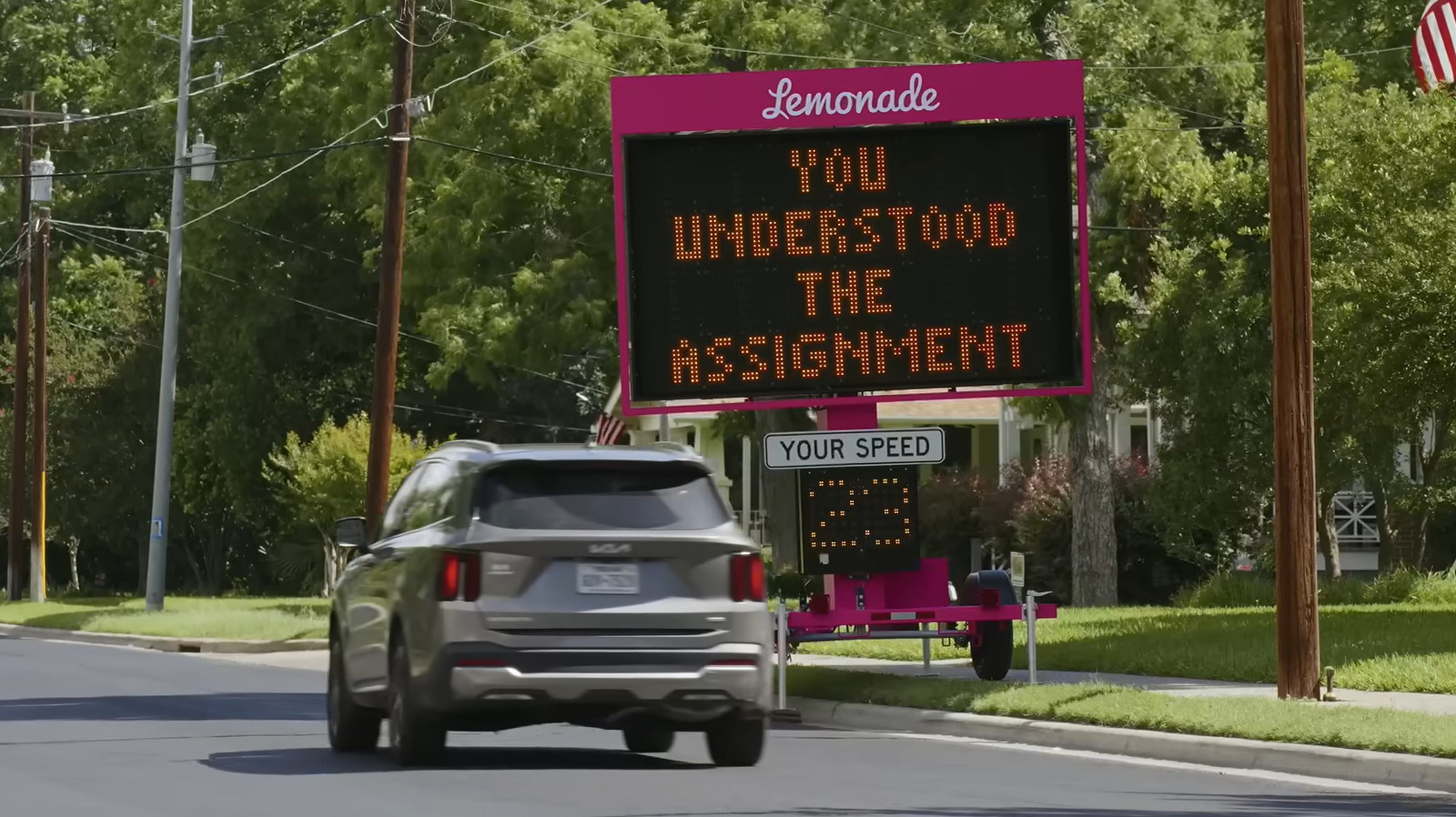
“Speeding is one of the deadliest problems on [Texan] roads,” according to the Texas Department of Transportation Executive Director Marc Williams. The agency recorded over 160,000 speeding-related crashes and more than 1,400 fatalities in 2023, which prompted a crackdown on speeding drivers that was launched in parallel with an anti-speeding campaign the following year.
The state is also running an ongoing campaign called EndTheStreakTX, which highlights that at least one person dies on Texan roads every day. The last day without a fatality was November 7th, 2000. These crackdowns and campaigns are undoubtedly important, but they focus on getting the message across to speeding drivers. Meanwhile, drivers who consistently drive under the limit aren’t rewarded — that is, until one insurance company decided to take a different approach.
A recent marketing campaign by Lemonade insurance saw the company build a custom sign that was placed on roads around Austin, TX. It featured a speed detector and a message board that displayed a customized message to drivers who were travelling at or under the posted speed limit. In a video showcasing the stunt, a Tesla driver is told that their speed is “absolutely gorgeous,” while a Kia SUV driver is told that they “understand the assignment.” Meanwhile, drivers who were clocked driving over the speed limit received no message at all.
Texas has an especially significant speeding problem
Lemonade’s sign takes the opposite approach to most other speed warning signs, which flash a message to drivers who are travelling too fast. The idea was hatched in collaboration with a creative agency called Cash Studio, and speaking to Fast Company, the agency’s founder Ivan Cash said they chose Texas for the campaign because “our research … found that only 10% of drivers actually follow the speed limit.”
That’s despite the fact that Texas has the road with the fastest speed limit sign in America. The 85 mph sign is located on State Highway 130, and has been in place since the highway opened in 2012. Texas also has the highest overall speed limits of any state, beating South Dakota and Idaho. The Lone Star State is evidence that higher speed limits alone do not result in fewer speeding drivers, but equally, years of enforcement efforts by authorities haven’t dampened Texan drivers’ need for speed either. It seems a major change in driving habits will only happen with a change of approach, and Lemonade’s custom sign is one of the most fun ways of encouraging drivers to slow down.

The big picture: Speedrunners have been chipping away at Super Mario Bros. for decades, systematically lowering the time it takes to complete the classic 1985 side-scrolling platformer. A combination of frame-perfect maneuvers and strategies once thought to be impossible for humans to pull off has lowered the world record to 4:54.332 – or just .067 seconds off the theoretical fastest possible run. The end, it would seem, is imminent.
Two of the world’s best Mario speedrunners – LeKukie and Niftski – are publicly battling to be the first to achieve the perfect game. The competitors have been livestreaming their attempts and during a session on August 14, Niftski set a new world record with a time of 4:54.332. Just four frames now stand between humans and the perfect game of Super Mario Bros.
The finish line is in sight, and some in the speedrunning community aren’t quite sure how to react. On one hand, it is incredibly exciting to witness history in the making and watch elite players shine when the spotlight is the brightest. Conversely, a future in which there is no longer a new goal to strive for feels a bit hollow.
There’s always the possibility that someone could discover an entirely new strategy that could pave the way for an even faster time but considering how optimized the run is today, it could just be wishful thinking. It’s also entirely possibly that someone else could swoop in and pull off the first perfect game before either of these two do it.
I’ve been casually speedrunning the NES World Championship edition of SMB on my Switch Lite for about a year and a half. The two versions are a bit different in their ruleset, but it’s still fun to tinker with when I’ve got some time to kill. For comparison, my personal best is 5:12.61 – nowhere even close to what Niftski and LeKukie are capable of even on their worst days.
Found is a TechSpot feature where we share clever, funny or otherwise interesting stuff from around the web.
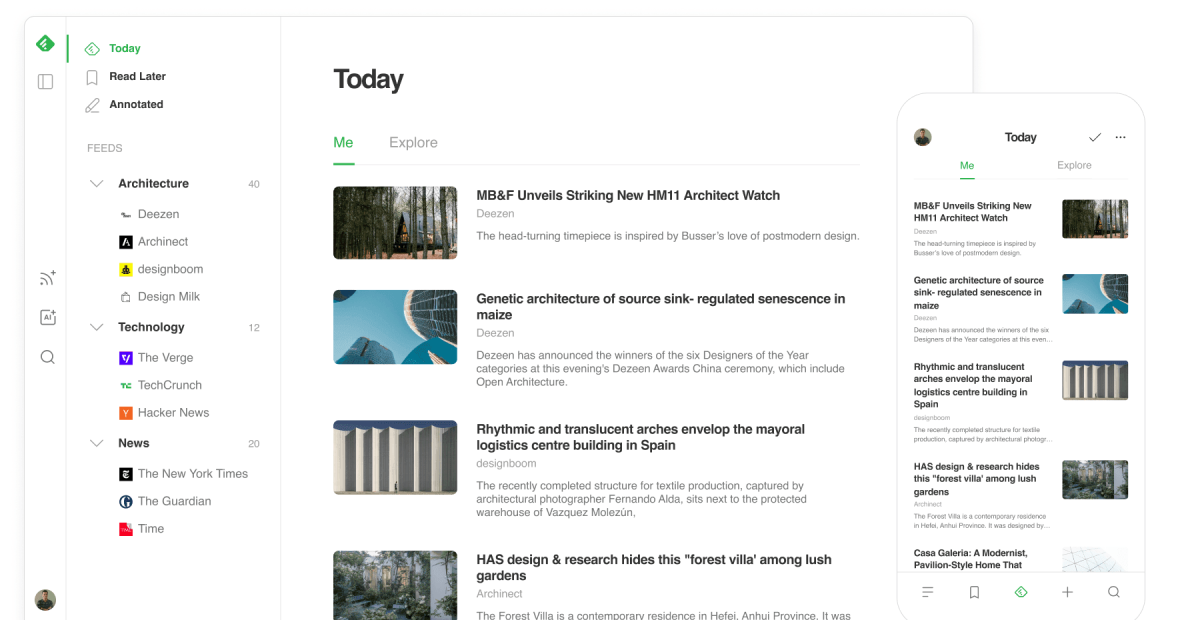
Bad news for those who get their updates through RSS feeds: Feedly, the largest standalone RSS reader worldwide, has experienced technical issues for over a week, and paying users are upset that the web app has been “unusably slow.” Some users have also reported that the company has ignored their support requests. Uh-oh.
Feedly, the heir to the market ceded by Google when it closed Google Reader in 2013, is today among the most successful RSS newsreaders globally with 15 million users, according to its website. That makes it larger than competitive products like the web-based Inoreader as well as various desktop apps like NetNewsWire, Reeder, and others.
And yet, the app is experiencing a number of ongoing issues that are affecting users and paying subscribers alike. The most critical problem is a significant slowdown on its web app, which has made browsing feeds quickly and efficiently very frustrating. Users on Reddit reported the app running “extremely” slow, making it “unusable.”
Further, users said that the company’s iOS app, including on iOS 27 beta, has not been working, and the classic version of Feedly’s mobile app (preferred by a small subset of customers) was shut down without warning weeks ago.
As most consumers now keep up with news through dedicated apps, like Apple News by browsing the web and sources like Google News, and through posts on social media, the market for RSS readers has always been relatively small. However, Feedly has been working to shift its focus to AI, offering businesses a way to track emerging threats and keep up with tailored intelligence through its app.
With the latest issues, it begs the question as of whether Feedly is still focused on its core RSS customers amid its pivot to AI, which is the product the company now advertises via its homepage.
TechCrunch reached out to Feedly for an update on these issues, given that multiple customers on Reddit said their requests for technical support had been ignored.
In response, Feedly CEO Edwin Khodabakchian reassured TechCrunch that RSS was still a focus.
“Despite the pivot to cyber threat intelligence, fixing the basic RSS functionality is still a priority because our CTI community uses the news-reading capability,” he said. “Our goal has been to maintain the Feedly News Reader as fast and streamlined as possible.”
In addition, the CEO said the company was aware of the issues with its web app, which were attributed to a bug, and said the front-end team had been testing a fix. Currently, the team believes the issue was related to using “Mark as Read” on accounts with a lot of folders, and a fix for that was released Friday. The company is still confirming whether this has resolved the problem for all users.
Khodabakchian also confirmed that the Feedly Classic app was “retired two weeks ago because it “no longer met some iOS and Android requirements,” though it had been removed from the App Store long before that. At the time, the app had only a few hundred active users, he noted. The team did not notify those existing users before its final shutdown.
In addition, Khodabakchian said he was not aware of the iOS app issues, which prevent the app from loading, but said Feedly would investigate. He also promised it would be fixed quickly, noting that the company still actively invests in its main iOS and Android app.
When you purchase through links in our articles, we may earn a small commission. This doesn’t affect our editorial independence.
The first thing I learned at Defcon was that I apparently didn’t know what a badge was.
I already had one hanging around my neck: the press credential that got me through the door at the annual hacker convention in Las Vegas in early August. Yet everywhere I looked, people stood in long lines to buy more. When I asked what they were waiting for and heard “badges,” I glanced down at mine, confused.
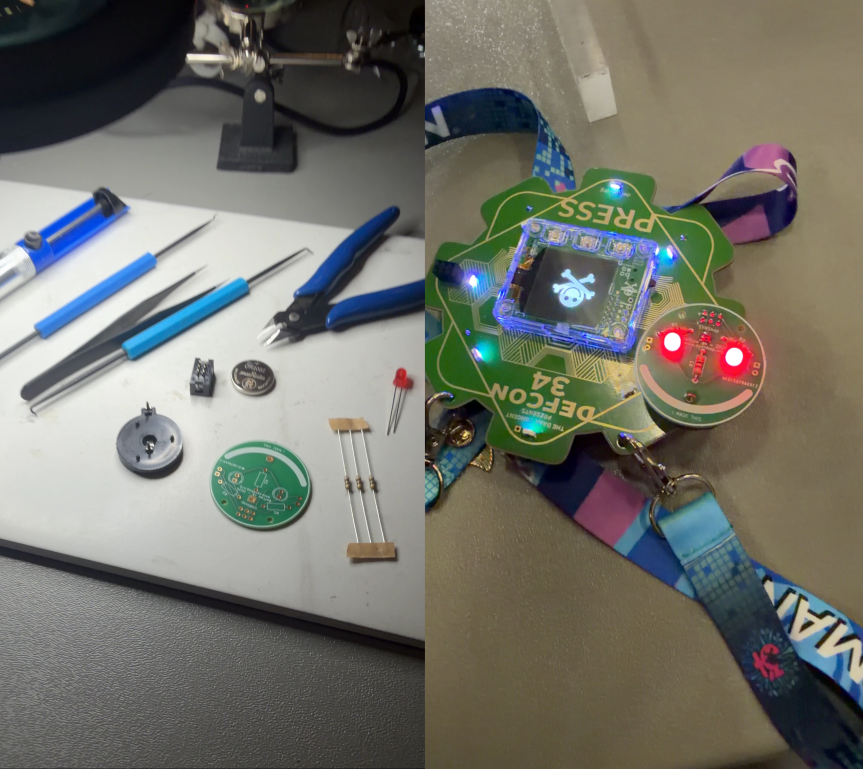
I would soon learn that Defcon badges can be electronic puzzles, soldering projects, collectibles and signs of belonging to a culture I was experiencing for the first time. Those badges were my first indication of how much I had to learn.
Everyone else seemed to understand the schedule, the language and the unwritten rules. But me? I felt like I was back in high school and had somehow missed orientation.
Over the next few days, talking with professionals, hobbyists and other beginners made cybersecurity feel much more accessible. For the first time, I could see a path from playing around with hacking tools to actually understanding how they work.
I was a script kiddie before I knew what that meant
I wasn’t completely new to hacking. In college at UCLA, I spent more time than I probably should have in the library experimenting with Firesheep, a Firefox extension that demonstrated how exposed session cookies could be intercepted over shared Wi-Fi. Watching it work showed me how easily technology could be manipulated.
I didn’t build Firesheep or understand the code behind it. I knew how to install it and click around. In hacker terminology, that made me a script kiddie: someone who uses tools created by other people without fully understanding how they work.
Still, I loved testing technology’s limits and making it do things it wasn’t designed to do. I liked the feeling of opening a door everyone else assumed was locked. That curiosity stuck, even if my technical knowledge never caught up.
Defcon was my chance to see whether it finally could.
Exploring Defcon
Defcon featured talks and scheduled events, but much of the convention was divided into villages dedicated to particular corners of hacking. There were villages for lock picking, artificial intelligence, aerospace, cars and even boats. Inside them, people were hacking devices, building things, competing in challenges or sitting around tables working on projects I couldn’t begin to identify.
Elsewhere, teams competed in capture the flag contests, or CTFs, where players solve cybersecurity puzzles to uncover hidden pieces of text known as flags. Some competitions were designed for experts. Others were specifically meant to help beginners learn. I wanted to try one, but never did. There was always another room to explore, another talk to catch or another unfamiliar object I needed someone to explain to me.
Mostly, I wandered.
That was how I ended up learning about Defcon badges. The official badge gets you into the convention, but villages, groups and independent creators also make their own. Many are small electronic devices with lights, screens, games or hidden puzzles. Some communicate with other badges. Others come as bare circuit boards that you have to assemble yourself. Collecting and hacking them is an entire subculture within Defcon.
Because I arrived late, many of the badges I heard people talking about had already sold out. But I managed to buy one from the Maritime Hacking Village, where hackers explore the technology used on boats and other maritime systems, as well as the Car Hacking Village.
I also sat down at a soldering station and made a small badge of my own.
I had always wanted to learn how to solder, but was intimidated by the idea of trying it alone. At Defcon, a young guy and a much older man — two people who seemed like complete opposites in almost every way — took turns guiding me through it.

They showed me how to heat each connection and apply just enough solder to hold the components in place. Once I got the hang of it, I was surprised by how naturally it came to me. When the badge lit up, I realized soldering had never been beyond me; I just needed someone to show me where to start.
A lot of it went over my head, obviously
The talks were a reminder of how much I don’t know. Speakers spoke through code and acronyms as if everyone in the room spoke the same language, which frustrated me at times. Sometimes I could follow the larger idea, but lost the technical details. Other times, I had almost no idea what was happening.
One project I could understand came from Billy Swearingen. He developed software that generates and tests visual patterns designed to confuse the AI systems used by surveillance cameras. His goal isn’t to make someone invisible, but rather to make it more difficult for a camera’s software to recognize a person or face.

A talk about cellular surveillance went the same way for me. I didn’t understand every detail about cellular networks, but I understood the problem. Police can use devices that pretend to be cellphone towers, and the people being monitored may never know. Rayhunter offered an inexpensive way to start looking for signs of that surveillance.
I quickly gave up on trying to understand every technical detail. I followed whatever interested me, bought a few devices to let me experiment in different areas of cybersecurity and filled my phone with terms to look up later. It was like a college curriculum I had given myself.
I found my village
Eventually, I wandered into Noob Village. For the first time all weekend, I knew immediately that I was in the right place.
Noob Village was built for people trying to enter cybersecurity without needing to understand everything. It offered beginner-focused talks, workshops, career advice and a place to ask basic questions without feeling stupid.
That was where I met Andrew Crotty, founder and president of the Ginger Hacker Initiative, a nonprofit that helps beginners, students, veterans and career changers find their way into cybersecurity through accessible education, mentorship and hands-on learning.
Crotty and I talked about my own attempt to move beyond using tools other people built and develop a more technical understanding of hacking. I told him that I grew up in a place where cybersecurity never felt accessible. Nobody around me talked about hacking as a skill you could learn or a career you could pursue. Even after I became interested in it, I didn’t know where to begin or who to ask for help.
After wandering through rooms organized around specialties I barely understood, I had finally found my village. Literally.
That didn’t mean I suddenly knew what I was doing. It meant I had found one place that catered to not knowing. I left with a better idea of where to begin, then walked back into the chaos to see what else Defcon had waiting for me.
Some of the best moments happened in line
One of the few things I had planned was getting a copy of The Cuckoo’s Egg signed by its author, Cliff Stoll. Jaron Bradley, director of Jamf Threat Labs, had recommended the book when I interviewed him at Black Hat as a good way for me to start learning about cybersecurity. I had never heard of Stoll, but at Defcon, his name carried a kind of celebrity.
Stoll was an astronomer working at Lawrence Berkeley National Laboratory in the 1980s when a 75-cent accounting discrepancy led him to discover a hacker inside the lab’s computer network. He spent the next year tracking the intruder, eventually uncovering an international espionage operation connected to the Soviet KGB. This story became The Cuckoo’s Egg, one of the foundational books of modern cybersecurity.

While I waited for Stoll, I started talking to the man in front of me. He had joined the military without a cybersecurity background, learned the technical skills and eventually turned them into a career in his 20s. We talked about where we came from, politics and the different paths that had brought us into the same line.
It wasn’t an interview. Neither of us was trying to impress the other or extract anything useful.
It was exactly the kind of unexpected conversation I had hoped to have when I came to Defcon alone: a chance to meet someone whose path into cybersecurity looked nothing like mine and to hear how he found his way in.
Then I met Stoll, who was every bit as strange, energetic and entertaining as his reputation suggested. He signed my book and shook my hand, wishing me luck on my journey in this strange new world.
The whole experience was another reminder of how wonderfully unpredictable Defcon could be.
Next year, I’m joining in
By the end of the weekend, I had learned to solder, solved a cryptography puzzle involving a Vigenère cipher and spent more money than expected on hacking tools. More importantly, the technical side of cybersecurity no longer felt as intimidating as it had when I arrived.
There was still plenty I didn’t try. I never attempted a CTF, even though several were designed for beginners. I had my laptop with me, but I mostly used it to take notes while watching other people hack. This year, I wanted to wander and understand what Defcon was. Next year, I want to participate.
I’ll have a better idea of which villages I want to visit, and I plan to commit to at least one beginner CTF — not because I think I’ll suddenly know what I’m doing, but because I’m no longer as afraid of not knowing.
One of my favorite things about Defcon was seeing how many parents had brought their children. They were being introduced to technology as something they could question and rebuild in their own vision. That gave me a little more courage.
I didn’t leave Defcon as a hacker, not that I was supposed to. I did leave with enough confidence to start figuring things out for myself.
At one point, I admitted to another attendee that I felt like I didn’t belong there. He told me something I kept thinking about for the rest of the weekend: “You don’t have to know what you’re doing most of the time,” he said. “You just have to want to find out.”

US Grid Operator PJM Proposes Forcing Data Center Off Grid During Emergencies

Stag shot dead in Richmond Park after visitor injured in the chest during picnic | News UK

4chan Down? Site Confirmed Down as Outage Monitors Detect Errors Amid Spike in User Complaints


-

 Fashion3 days ago
Weekend Open Thread: Ann Taylor
-
 NewsBeat6 days ago
Communication cards help banking customers access services or report scams
-
 Business7 days ago
Oil Price Today (August 11): Crude oil rises to $88 after Trump’s compensation demand dents Hormuz opening. Here’s why
-

 Crypto World7 days ago
Revolut wins French banking licence, creates second EU banking hub
-
 Sports4 days ago
This U.S. Amateur is a glimpse into golf’s future in more ways than you think
-
 Crypto World7 days ago
Why Did Nvidia Stock Fall on Monday Despite a $500 Billion Wall Street AI Deal?
-

 Sports3 days ago
Birmingham 2026: Day 6 Timetable for Irish Athletes
-
 NewsBeat3 days ago
Myanmar says over 300,000 Rohingya refugees verified for repatriation as exodus enters ninth year
-

 Politics2 days ago
SEQ Code: The Three Letter Boarding Pass Code That Could Give You The Worst Seat
-
 Entertainment5 days ago
Keke Palmer Subtly Hints At Sean Evans Drama With Cryptic Post
-
 Entertainment7 days ago
57 Years Later, the Best Sitcom Ever Made Still Deserves a Reboot
-

 Fashion6 days ago
Coffee Break: The Fonteyn Jane Flat
-

 Tech6 days ago
Zoom Screen-Sharing Bug Let People Fully Take Over Other Devices On A Call
-
 Crypto World7 days ago
Bitcoin's BIP Editors Remove Luke Dashjr Two Days After BIP-110 Fork Stalled
-

 Fashion6 days ago
Claire Life: Kicking Off MVAAFF With the C Suite Luncheon Featuring Phylicia Rashad, Letoya Luckett, and More!
-

 Fashion6 days ago
Should you refinance your debt? Pros, cons, and real numbers
-
 Crypto World6 days ago
XRP bridge drained after software mistook fake deposits for real ones
-

 Sports5 days ago
DeQuan Jones in ‘high spirits’ after successful leg surgery
-
 Tech7 days ago
Zuck rekindles open weights Llama drama with Muse Glimmer
-

 Business7 days ago
(VIDEO) Emirates Unveils 2.4-Meter Arsenal Crest Sculpture Built From Recycled A380 And Boeing 777 Jet Parts
You must be logged in to post a comment Login