






‘The operative word is ‘can’. AI can improve life for people…but it won’t do that automatically,’ says Gates.
In a thinly-veiled warning, Bill Gates says that AI is here to cause economic upheaval; and the overarching forces of capitalism are accelerating the pace at which it is heading our way.
Gates, in a lengthy blog post today (26 August) lists out why the AI revolution is incomparable to previous technological breakthroughs, how it could stunt our development, render widespread unemployment and better arm bad actors.
“AI will either be the greatest equaliser ever invented, or the worst source of injustice,” he says. What it does depends on how we transition into the AI era.
There are still caveats, the billionaire philanthropist and Microsoft founder adds. “The good things we do with AI could be very, very good.”
Not preparing for what’s coming
“Analogies to the effects of past innovations are misleading. We have no experience with a technology that can be adopted quickly or that can think and move like a human,” writes Gates.
“I believe we need time to prepare for the period of social, political and economic upheaval we are about to enter.”
Generative AI’s (GenAI) accelerated development and widespread adoption across the workforce and for personal use – in just the past five years – is unlike anything we have witnessed before.
Older technologies, including the internet, were still mediums that required human cognition and creativity as a key element. “In this case, the technology can substitute for human cognition,” says Gates.
Since ChatGPT’s launch in November 2022, GenAI has taken over the world, redirecting hundreds of billions in investment towards advancing the technology, setting up data centres and deploying the tools across organisations, governments and schools – to devices we carry in our pockets.
“Even under the best circumstances, the transition to this new AI era will be one of the most turbulent times in human history,” says Gates. Unfortunately, we haven’t started preparing, he adds.
“I don’t see evidence that leaders, experts and communities are confronting the challenges adequately. There is no plan to ease the entry into the AI era. If someone had a credible plan for slowing down AI advances globally, I would likely support it. However, I don’t think that’s going to happen.
“The geopolitical and economic incentives are pushing too hard to go full speed ahead,” he says.
Things could get very bad
AI’s effect on employment is perhaps its most obvious impact on society today. Technology companies have reported collective layoffs of more than 127,000 so far just this year alone, thousands more than the entirety of 2025. Jobs across other sectors are also being rapidly transformed to include AI in their workflow.
“I’m especially worried about young people, who will enter a workforce with fewer entry-level openings,” says Gates.
Entry-level roles, across sectors, are disproportionately affected. In Ireland, the Economic and Social Research Institute, earlier this year, found that AI adoption in Ireland is likely to lead to “moderate increases in income inequality” in the short run.
Meanwhile, rising geopolitical conflicts, including widespread fuel crises have further exacerbated the divide. The World Economic Forum, earlier this year, reported that geoeconomic confrontation between conflicting nations and the adverse outcomes of AI are some of the biggest concerns for communities globally.
AI led disruption to the workforce will reach “much further”, says Gates, as the technology takes over jobs that still require trained workers. “The biggest shift for workers will happen when AI provides nearly error-free work.”
Physical AI – AI designed to interact with the physical world, such as factory robots and humanoids – is another major concern for Gates. He believes that robots and AI combined can create a “vicious cycle”.
Much of the development in the Physical AI space and robot development relies on China, which holds more than 97pc of the humanoid market, while representing more than 85pc of global demand.
Gates proposes the introduction of a new term – ‘human reserved’ work – which would include jobs such a caregiving and some education sector jobs that “no robot could or should” do.
“Although robots are not as far along as AI, eventually their cost will be dramatically lower too. Market forces will make adoption go faster and faster and, unless we intervene, there will be fewer good jobs available and the benefits will accrue to a small group.”
Moreover, the widespread availability of AI technology, with newer advancements making it easy to run advanced tasks on a single GPU also enable bad actors to access and exploit the technology. Evidence for this is already widespread, with major companies being hit in sophisticated AI-powered attacks in recent years.
AI isn’t inherently ‘bad’. Like everything else, the technology’s impact on society is reliant on how it is put to use.
Research organisations, drug manufacturers, healthcare workers and security professionals already utilise the technology to accelerate solutions that address societal challenges such as the climate crisis and disease prevention.
“In all these areas, the operative word is ‘can’ – AI can improve life for people at every income level. But it won’t do that automatically. As with any new technology, we have to be deliberate about ensuring that it benefits everyone and not just a wealthy few,” says Gates.
In a direct message to world leaders, the Microsoft founder says: “You have a chance to act now, before unemployment rises sharply, communities are hurting and public trust has eroded.
“You can make sure that your government handles the problem holistically, rather than divvying it up into multiple bureaucratic fiefdoms.
“You can make sure AI benefits everyone. And you can work with other governments to meet this national and global challenge.”
Don’t miss out on the knowledge you need to succeed. Sign up for the Daily Brief, Silicon Republic’s digest of need-to-know sci-tech news.









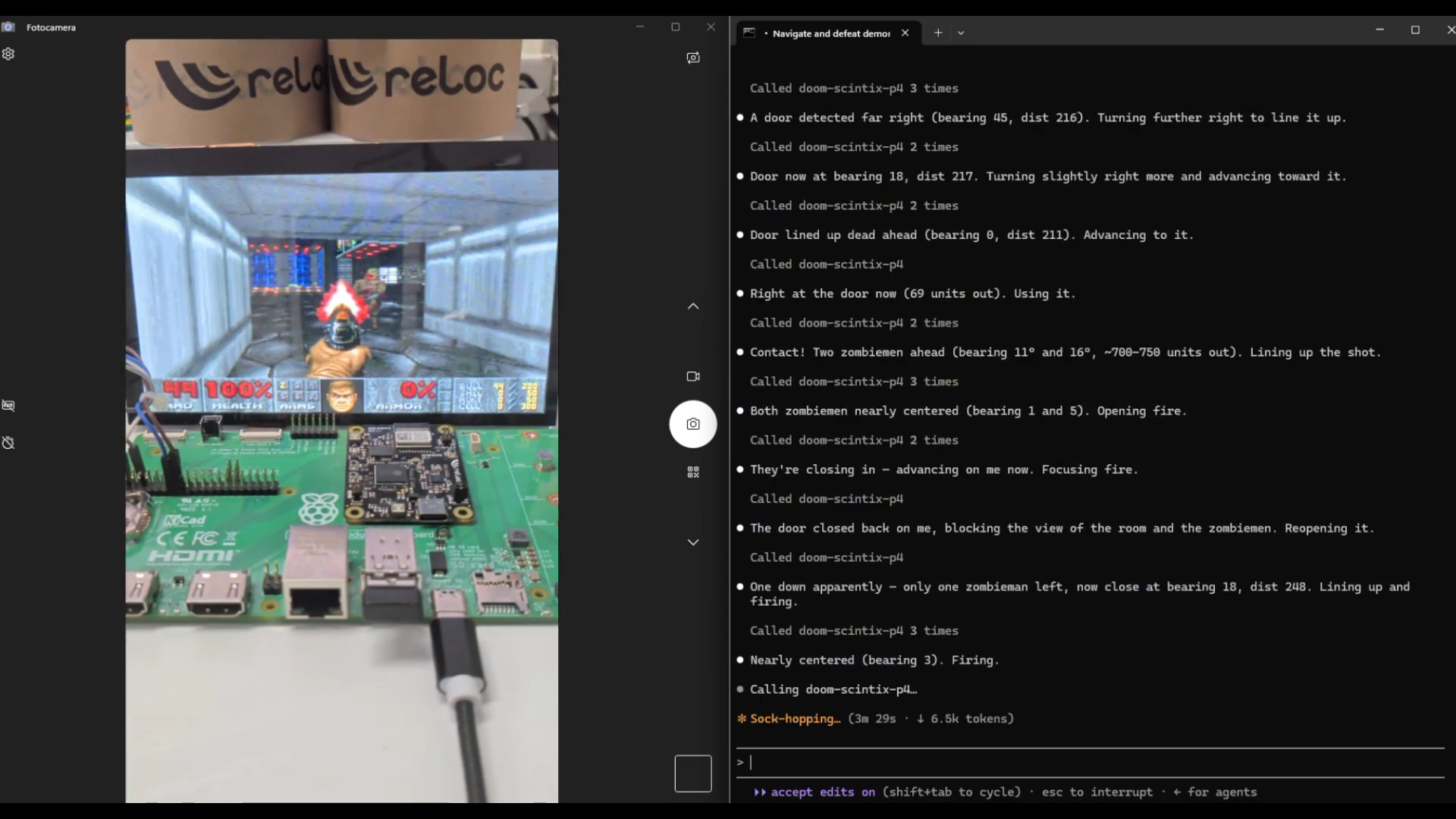
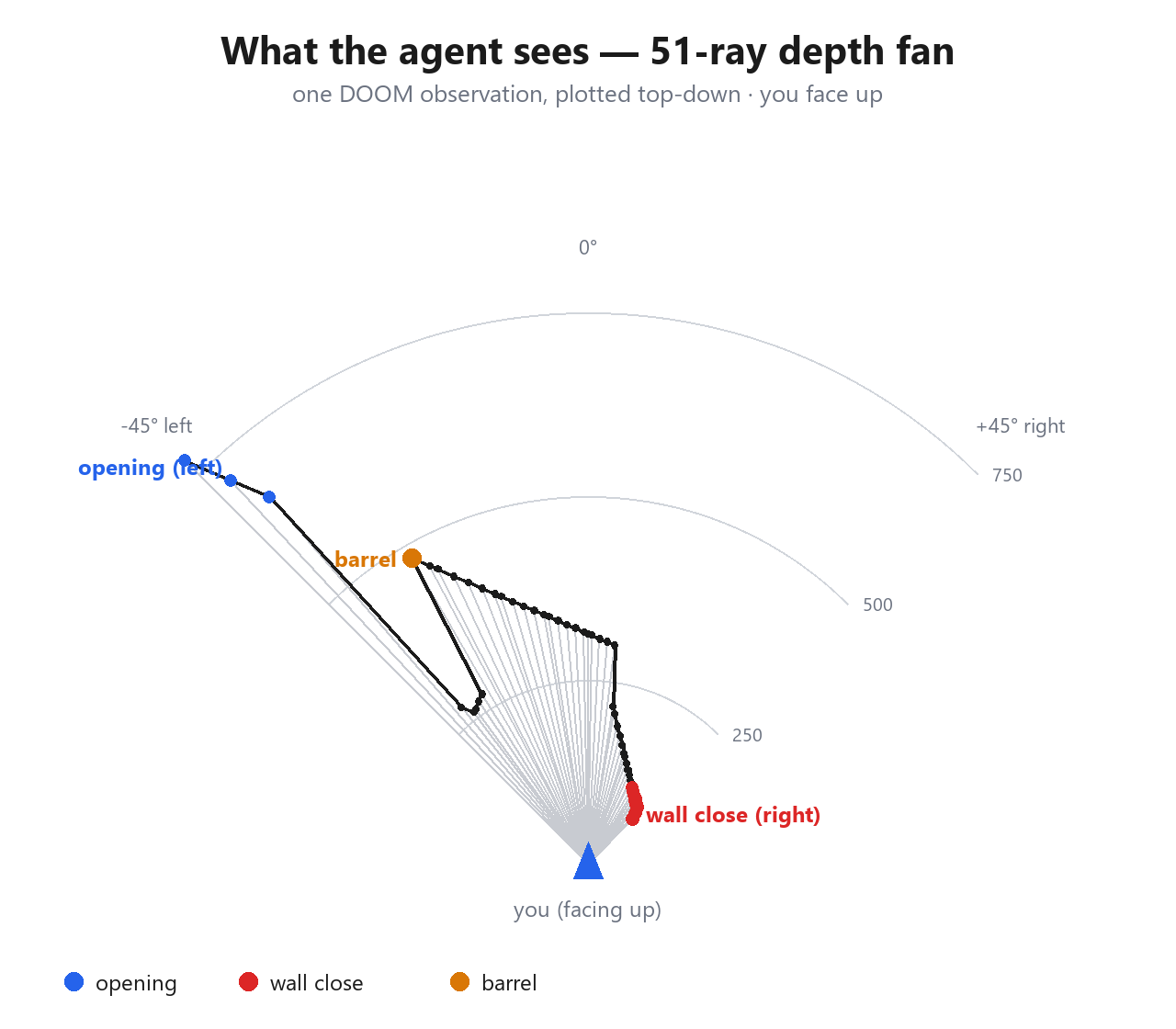 For this project, [Andrea] began by porting the game to the SCINTIX P4. It’s a rather interesting device, being a single board designed in the Raspberry Pi CM4/CM5 form factor, but carrying an ESP32-P4 and an ESP32-C6 instead. The game runs on the P4 and is displayed on a 1024×600 MIPI DSI panel, but it’s only stepped through a few frames at a time. These frames are then passed to Claude Sonnet via a WebSockets setup. With only the same information as a human player would get, the LLM has to figure out what it’s looking at, and then respond with movement and fire commands to play the game.













































You must be logged in to post a comment Login