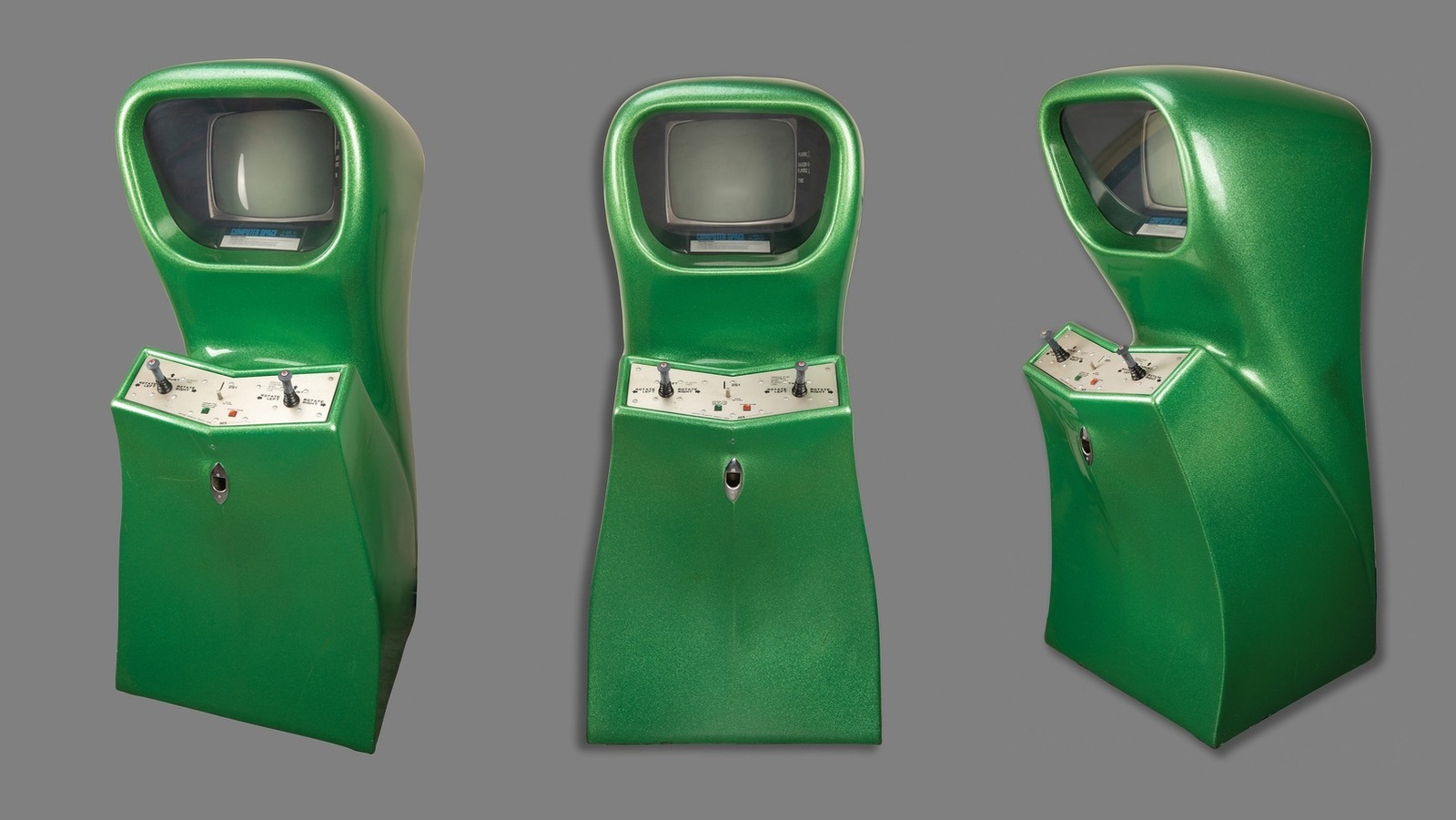
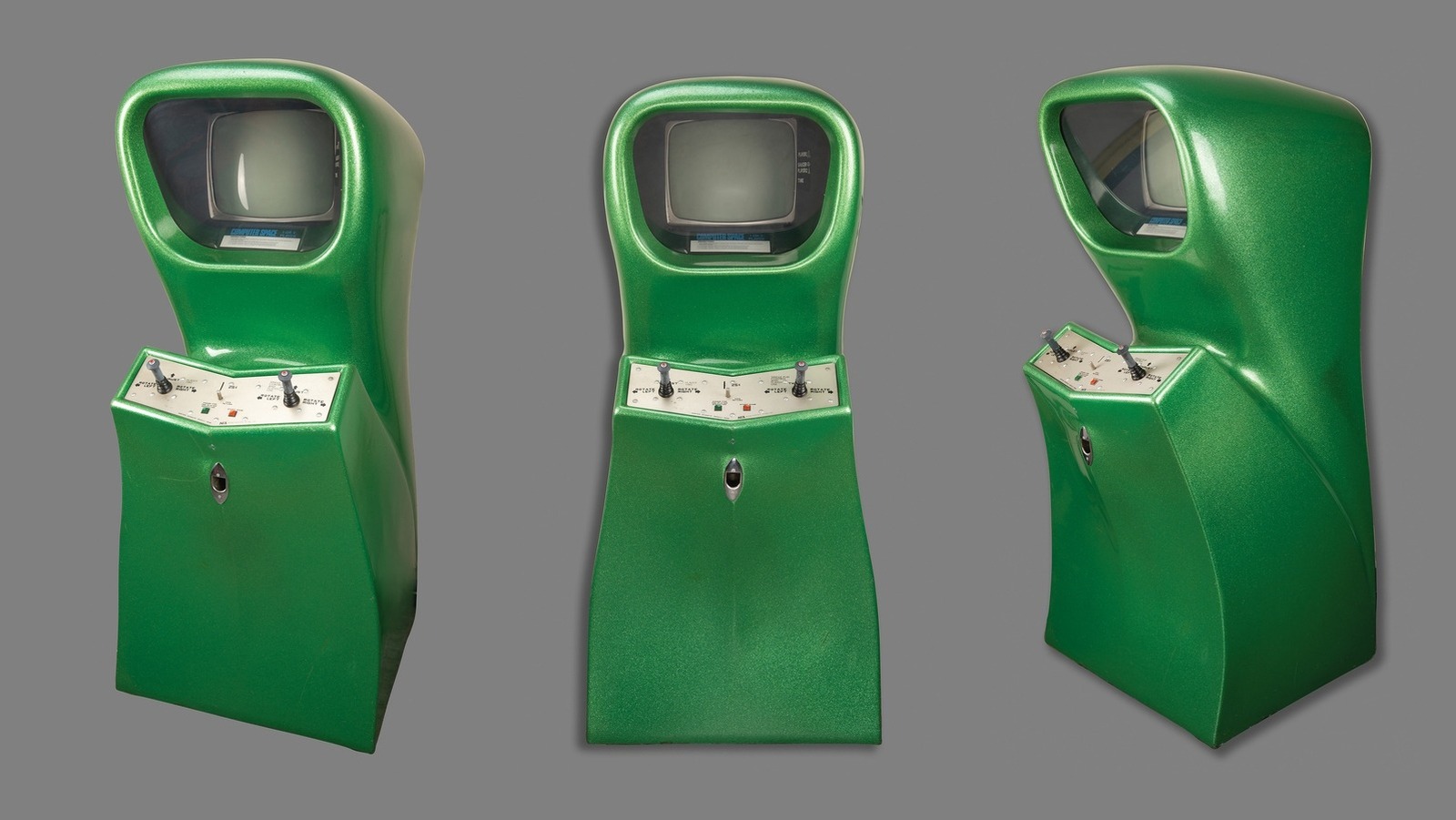
So is David Perry’s two-player Computer Space arcade machine, apparently. Perry, the programmer of 1994’s Earthworm Jim and co-founder of the game streaming company Gaikai, is selling a fully functional two-player Computer Space cabinet on RR Auction, and the bids are rolling in. As of August 12, it’s sitting at $6,748 with 12 bids, and it’s estimated to sell for more than $20,000.
Perry explained on social media, “I ran out of space and am selling my Computer Space arcade machine at auction (two-player). It’s probably the rarest arcade game in existence, found in museums.”
And here’s how the cabinet is described on the RR Auction page:
“The front control panel features a 25-cent quarter slot, a coin return button, a red ‘Start Game’ button, a green ‘Two Player Operation’ button, and two original rotational joysticks topped with red ‘Fire Missile’ buttons…. The cabinet is in fine condition, with some slight scuffing and scratching to the body; the machine itself lights up, and the screen is functional. Original working 2-player Computer Space arcades are practically unobtainable and very rarely offered for public sale, with this example all the more impressive for its immaculate cabinet and original parts.”
Advertisement
The auction went live on July 24 and it ends on August 20 at 7PM ET, though bids must be placed by 6PM ET on the final day in order to participate in the final round, which always gets wild. After 7PM, participants have 30 minutes to challenge the top bid, and the timer restarts after each new high bid. It’s exactly the kind of tension-addled system that should appeal to fans of space combat sims, actually.
The Computer Space arcade machine lot is part of a broader auction called Steve Jobs & the Computer Revolution: The Apple 50th Anniversary Auction Part Two, which features a wealth of early-tech-days memorabilia, including personal belongings of Steve Jobs, signed photos of notable CEOs, an Atari Video System X ‘All Black’ Prototype Console, plus vintage computers, iPods and iPhones. It’s all going down on RR Auction, and bidding ends at 7PM ET on August 20.
Wrist computers keep getting smarter, yet most still wait for you to ask before they do anything useful. Google’s Pixel Watch 5 flips that expectation. Revealed today, the fifth generation leans hard into watching over you without constant prompting, pairing sharper hardware with health tools that stay alert in the background and a version of Gemini that surfaces help before you even raise your arm.
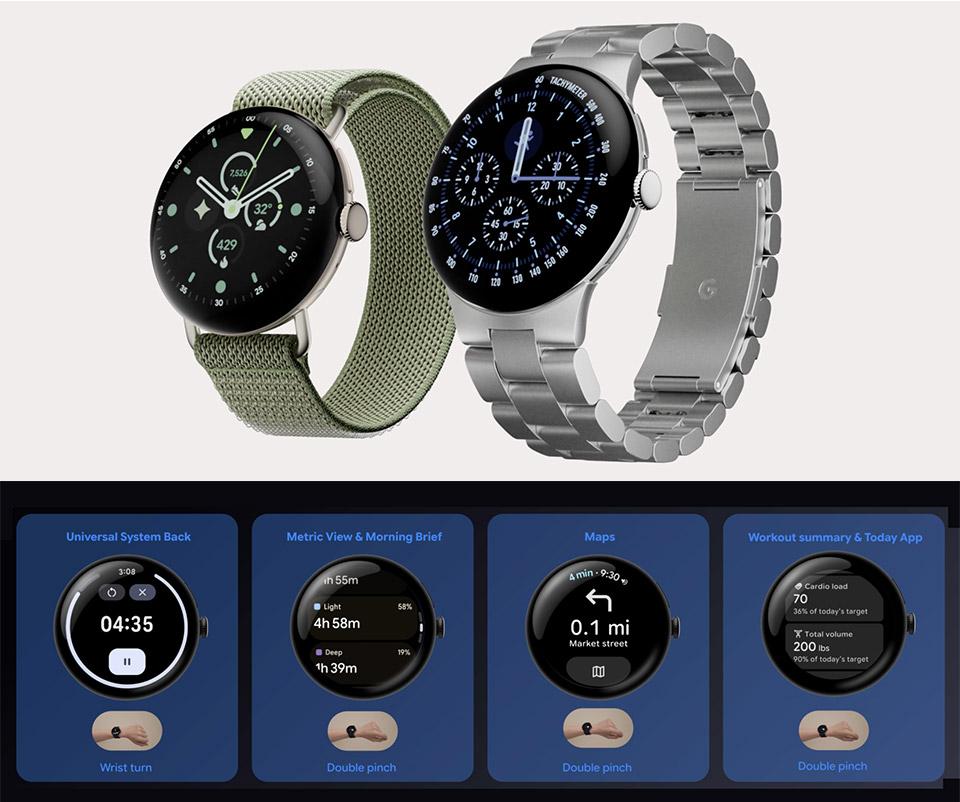
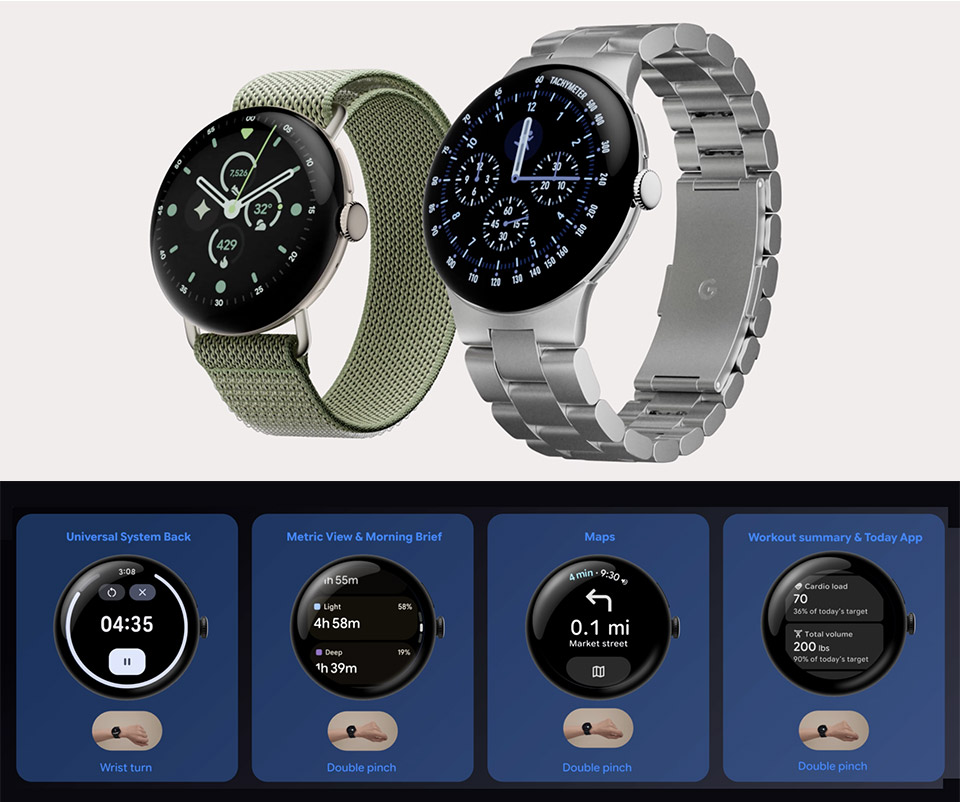
The design remains consistent by choice, so you’d expect both the 41 millimeter and 45 millimeter sizes to be 12.3 millimeters thick with this year’s newer model. The Aluminum case introduces additional color schemes such as Fog, Olive, and Satin Pyrite, while Canyon is only available on the 41 millimeter variant. Then, a bit of a premium piece, a Stephen Curry Special Edition on 45 millimeters swaps the basic strap for a sweat-wicking Performance Loop, commands a higher price, and adds some more flair. The new HNBR Watch Bands feel much better on your skin since they’ve been developed to avoid the dreadful stretch that prior Fluoroelastomer straps would always experience after a few months of use. We also learn that “repairability remains a priority” at Google, which is an important factor to consider as more people maintain devices for far longer than they used to.
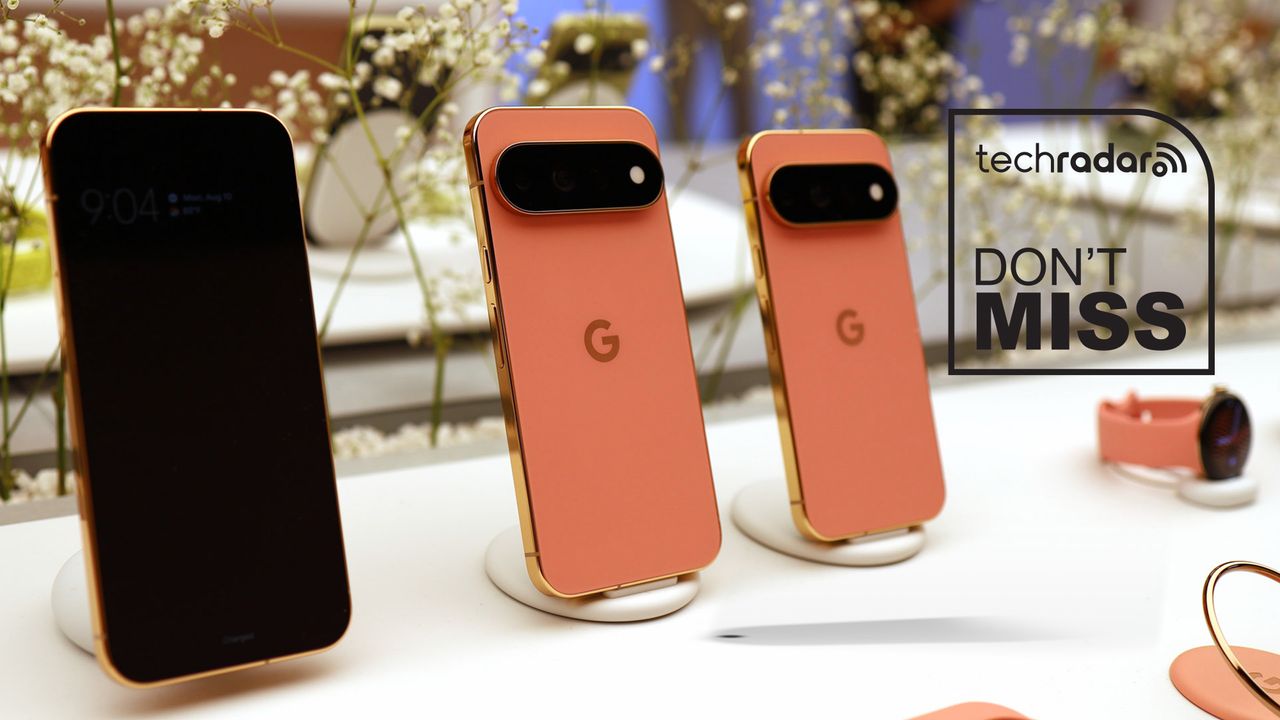
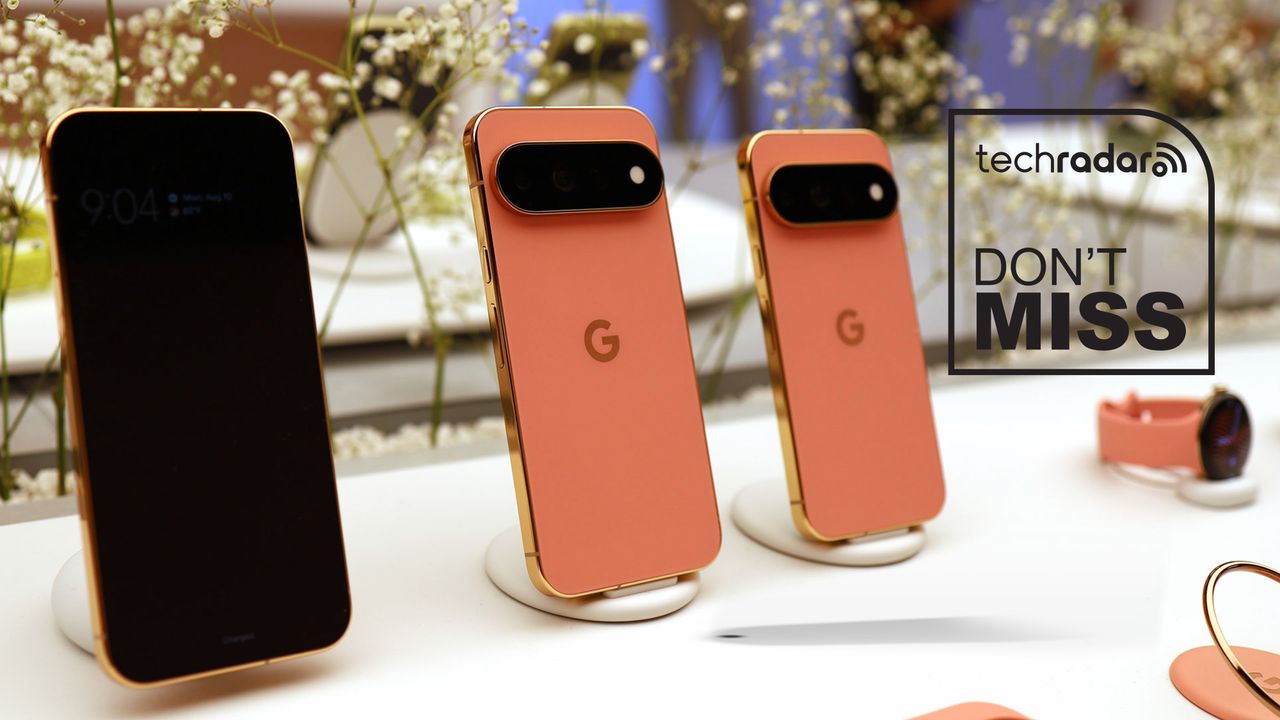
The new Google Pixel Watch 5 offers a smarter way to a healthier you.[1,2]; Designed for Gemini Intelligence, get proactive help, and personalized…
Precision-crafted to do it all: The Google Pixel Watch 5 features the domed Actua 360 display with scratch-resistant Gorilla Glass and up to 40 hours…
Metrics that matter: Advanced sensors help you stay ahead of your health and wellness; and Google Pixel’s most accurate heart rate tracking is…
The Domed Actua 360 display produces a lot of brightness, 3,000 nits to be exact, which is enough to get you throughout a midday run or a lengthy outdoor trip without having to squint. The curved surface is protected by special 3D Corning Gorilla Glass 5, and the always-on mode remains an absolute winner thanks to adaptive refresh, which reduces down as low as 1 hertz when nothing essential is coming your way. The battery life is also quite decent, lasting up to 40 hours on the 45 millimeter model and 30 hours on the 41 millimeter model, even when the screen is turned on all the time. The box does include a handy USB-C Quick Charge Dock, but a 30 watt adaptor is an optional additional. Real-world usage may vary based on all of the usual culprits, GPS and Gemini usage, and screen brightness, but the numbers appear to be adequate for most people to last a full day with nighttime monitoring.
A Snapdragon W5 Gen 2 Accelerated processor and a low-power co-processor power the entire system. RAM has increased by 50 percent to 3GB, while storage has risen to 64GB. Google claims that overall speed has increased by about 20%, allowing you to open apps and browse more quickly while still keeping more of Gemini’s ‘intelligence’ running on your wrist when your main device is in another room, rather than dependent on the cloud. On-device computing also powers the watch’s enhanced safety measures.
Advertisement
Gemini has had a change of heart, and it now functions as a super silent helper rather than something you must call out loud to get a response. You do not need to switch on the whole interface first; simply lift your wrist and start chatting. Offline commands can include timers, alarms, workouts, audio playback, and basic settings. When linked, it can receive messages and calendar entries and then do one-tap actions such as retrieving a reservation or displaying a map to a lunch appointment specified in text. A new “At a Glance” strip at the bottom of the watch face displays information such as boarding passes, navigation turns, timers, and your music without directing you to another app. Double pinching brings up a select or confirm choice, and a fast wrist flick dismisses it. You also receive two completely new watch faces, 11 new complication designs, and some genuinely custom generative watch faces, as you may create your own number sets in forms ranging from classic paint to what appears to be woven textile.
Health tools drive the most innovation, with Google bundling a variety of continuous monitors under the label Health Guardian. One of the most recent upgrades is a breathing emergency detecting system. The sensors are essentially looking for a sustained reduction in blood oxygen levels, not just a little dip, but a full-fledged slide, which can indicate a variety of dangerous crises such as choking, severe pneumonia, drug overdose, or other such catastrophes. If the watch determines that the user hasn’t responded to anything, it initiates an emergency call and even provides their location. The system uses a combination of photoplethysmography, accelerometer, and barometer data, with all processing taking place on the device. It will launch first in several European markets and will not be available in the United States at first because it has not yet received FDA approval. Google makes clear that this feature is not intended for people who already have respiratory concerns, nor is it a diagnostic tool.
Prices begin at $399 for the 41-millimeter variant and rise to $429 for the 45-millimeter version. The Stephen Curry Edition will set you back $579. Pre-orders began today, with the main release date scheduled for August 20th and the special edition following on September 3rd. The watch is compatible with most phones running Android 12 or newer, but some of the Gemini and Health functions will only operate fully on a Pixel phone and with a Google Health Premium subscription.
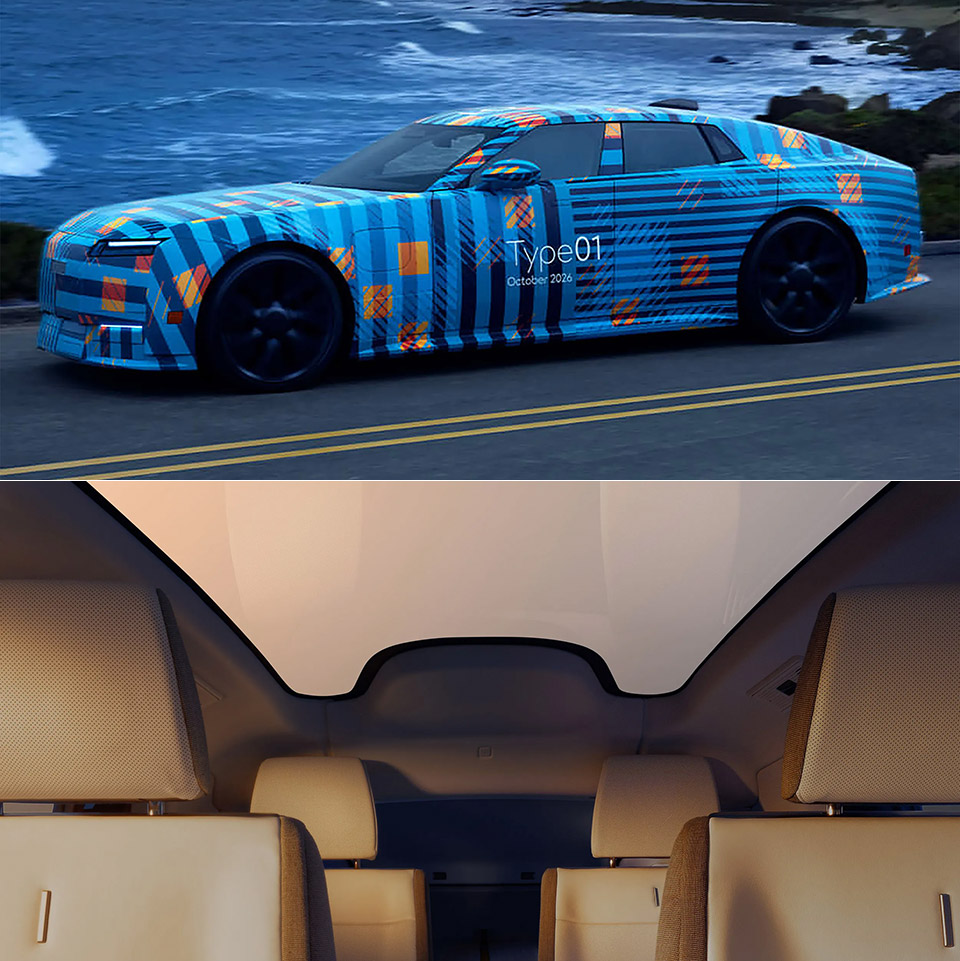
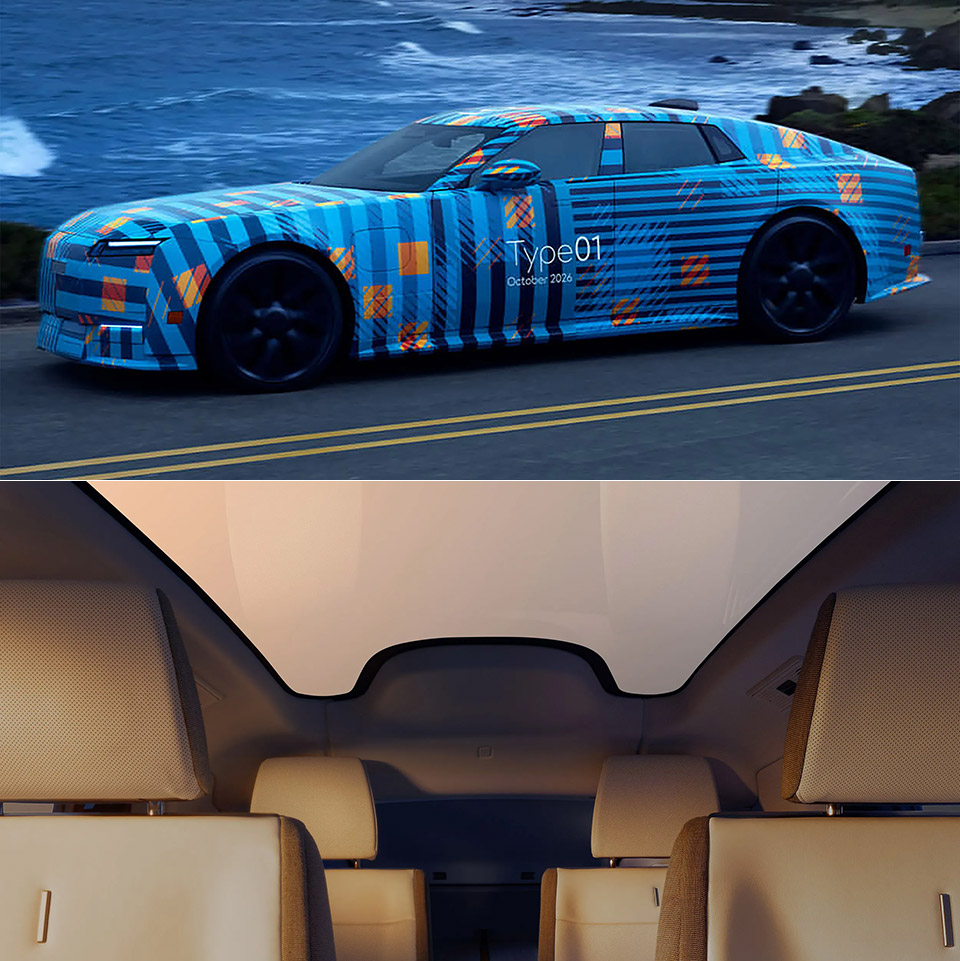
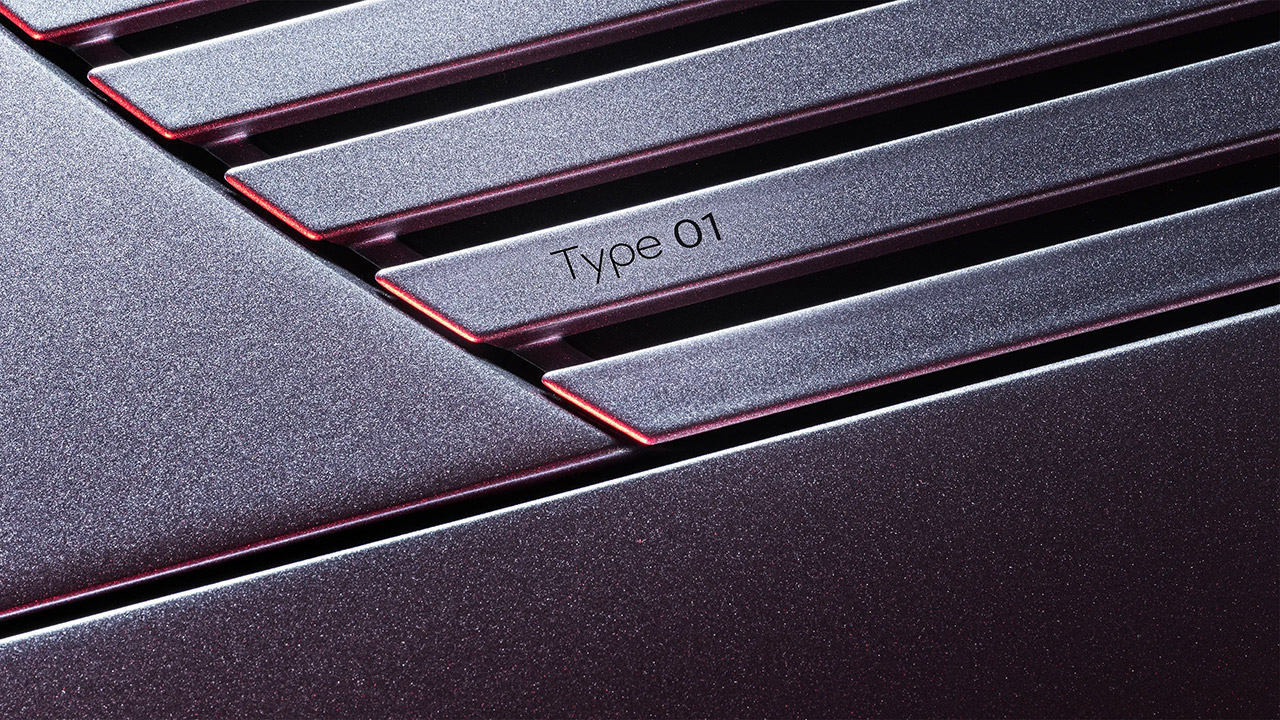
Jaguar has finally opened the cabin of its Type 01 electric grand tourer to public view. Photos released this week show a four-seat layout built around one continuous structure that stretches the full length of the car, turning the interior into four separate spaces rather than the usual shared rows.
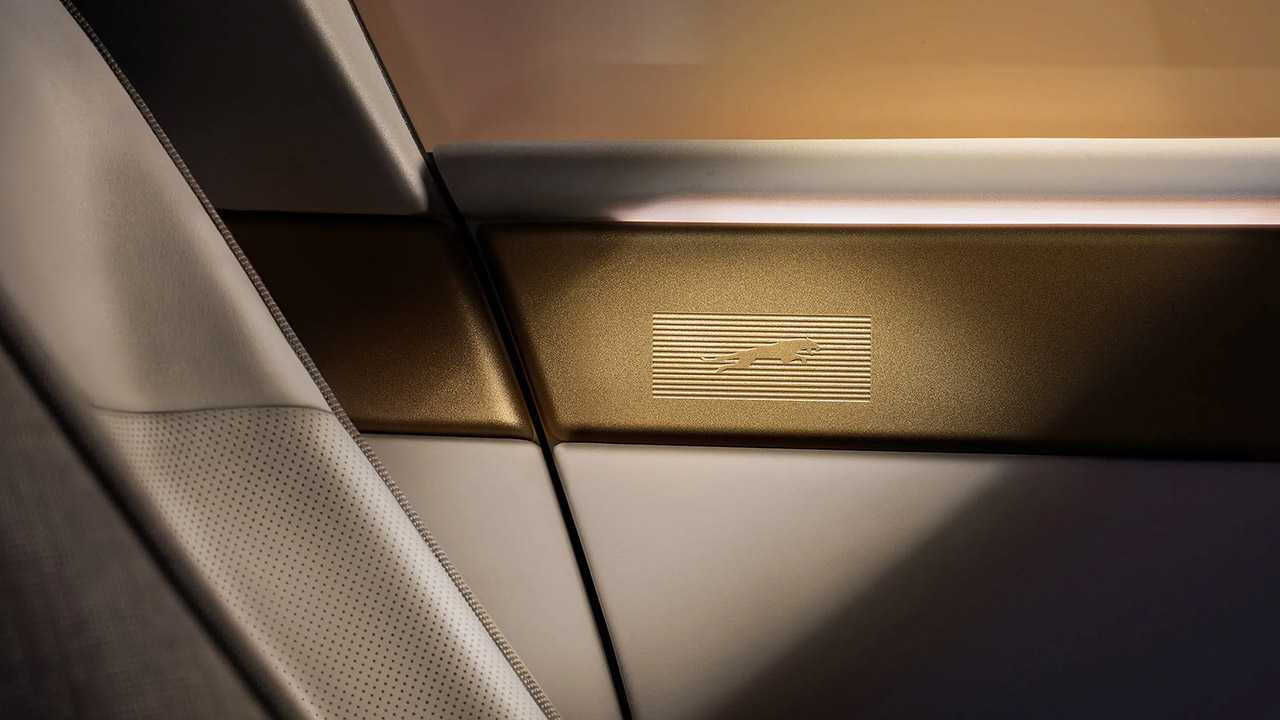
Slouching low in the driver’s seat, the view straight ahead is obscured by a super narrow dash that coincides with the horizontal stripes on the bonnet outside. Those lines go all the way inside the cabin, blurring the barrier between outside and within. It’s a calculated look that works from front to back, without question. The centerpiece is a large chunk of brass that runs along the center. It begins near the base of the windshield and extends all the way back, separating the left and right sides of the cabin. The same brass treatment appears on the tops of the doors, where large horizontal panels repeatedly display the famous Jaguar leaper image. Jaguar refers to these door components as “signature art,” and they do, indeed, span the entire length of the passenger area.
RACE CAR BUILDING TOY – Kids can assemble their dream vehicle with the LEGO Technic Dodge Viper GTS-R Sports Car (42234) building toy for boys and…
TOY CAR WITH AUTHENTIC DETAILS – Discover realistic features like a V10 engine with moving pistons, an opening hood and doors, a differential and an…
FORZA HORIZON 6 UNLOCKABLE – Unlock a special LEGO Technic livery in the Forza Horizon 6 video game – please note that a copy of the game is…
The materials on display are all quiet and understated, such as travertine stone, and instead of flashy polished wood or hefty chrome, you get supple textiles with lots of texture. Each of the four seats now stands alone as a separate sculpture, rather than as part of a continuous bench. Because it is an homage to the previous Type 00 concept, the front and back are treated similarly, although it has been polished for manufacture.
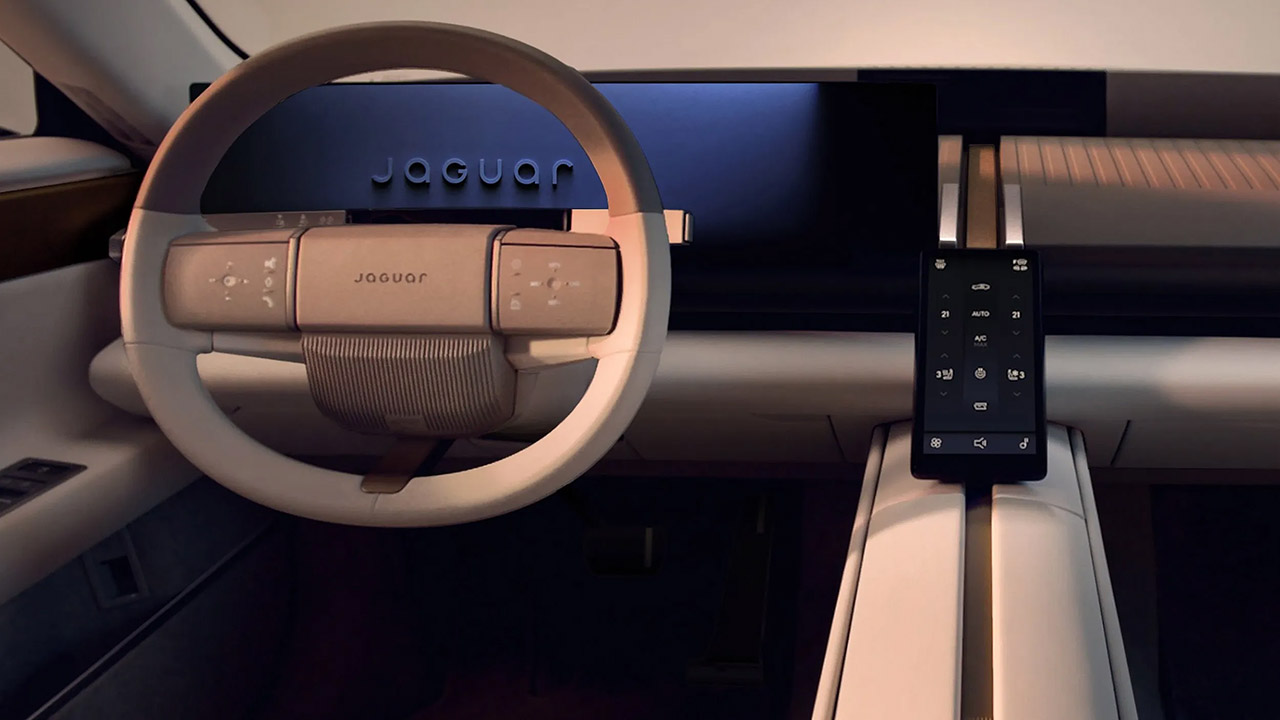
From where you sit, you feel somewhat low in comparison to other modern sedans. Sitting so close to the floor gives the cabin a tight, wrapped-around effect, as if the vehicle has drawn in around you. Jaguar believes that’s a reassuring, GT-style driving stance that keeps you focused on the road, and as for technology, it’s all there, but it doesn’t demand attention until you need it. So you have a large digital display right in front of you that shows speed, navigation, and all of the important car information, as well as a smaller vertical screen that pops out from the center beam for HVAC and media controls, but no large screen for the passengers to use. Instead of a traditional rearview mirror, they’ve attached a handy digital display to the base of the windshield, around the same height as the outside mirrors, so your eyes don’t have to work too hard to take it all in.
There are few physical switches, however the window controls are on the door panels. The two-spoke steering wheel has some nice tactile surfaces on the wide spokes, and there are some hidden storage spaces built into that big central beam that you only see when you open it up. There’s also a big glass roof that spans the entire cabin, with no rear window behind the second row of seats.
Thomas Holden, Jaguar’s lead interior designer, says he intended to take the car’s outward look and transform it into an interior architecture that highlights the large center beam rather than employing the standard horizontal structure. Using good, realistic materials, electronics that only appears when needed, and keeping surfaces simple are all intended to create a genuine sense of drama and theater, which is a new form of luxury. Then there’s Rawdon Glover, Jaguar’s managing director, who believes that every journey should feel like a special occasion, and that’s what they’ve gone for: a low driving position, some restrained electronics, and some bold lines, all working together to create that sense of style. [Source]
And why the company didn’t make the feature opt-in.
HknKirmizi/Shutterstock
Twitch recently confirmed it will use streamers’ content to train its generative AI models. The Amazon-owned platform is automatically opting all users in to the feature. And in the most predictable turn of events possible: the move has not gone over well, to put it mildly.
Within hours of Twitch’s announcement, nearly 14,000 people had upvoted a comment on the company’s support forum demanding the platform make the setting opt-in and not opt-out. “We as creators should have the choice whether to use AI or not on our channels,” it said. The post has thousands of comments echoing the sentiment, many of which did so in more forceful terms.
Advertisement
How to opt out
Screenshot via Twitch
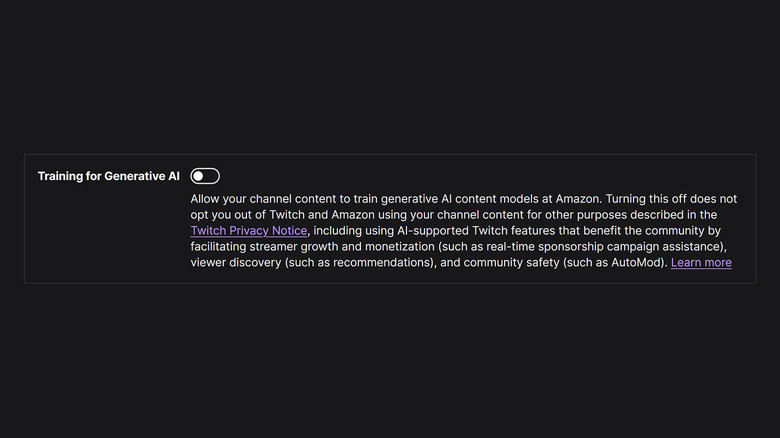
The bit of good news here is that users can opt out of this setting, even though it’s enabled by default. Users can opt out from the web via their account settings by clicking on your avatar (towards the top right of your screen) and heading to Settings > Security and Privacy and scrolling down to “Training for Generative AI.” You can also access the menu directly here.
Likewise, in Twitch’s mobile app, you can find it under Profile > Settings > Security and Privacy. You only need to opt out in one place, so if you’ve already switched it off in the app, you don’t need to do so on desktop and vice versa.
Advertisement
What does opting out do?
The opt-out applies to training for generative AI models, but not other AI features. As Twitch notes, disabling the setting “does not opt you out of all AI or machine learning uses at Twitch.” The company says it may still use user data for features like AutoMod and captions, though data used for those features is not kept for training GenAI models.
In a Patch Notes stream following the update, Twitch’s Chief Product Officer Mike Minton explained that there are some AI-powered features that are necessary for the platform to function and thus impossible for users to opt out of. “A lot of our systems that make Twitch work now rely on some form of a — usually a specific targeted — AI model, that evaluates text and helps us understand what’s going on across the service,” he said. “For example, nearly every bit of audio is transcribed into text across the entire site. That then enables things like stream summaries to happen. It also helps us from an AutoMod and other perspective.”
Advertisement
Does opting out affect your reach, and why isn’t training opt-in?
According to Minton, opting out won’t impact your reach. “This setting doesn’t… actually impact discoverability,” and it “has zero impact on your ability to be discovered on Twitch or anything like that,” he said. At the same time, he explained, the company uses AI models to improve its understanding of content and how it makes recommendations broadly.
As for the reason why AI training isn’t opt-in, it’s probably exactly what you expect. Speaking on the stream, Minton made it clear that Twitch is well-aware of how unpopular the feature would be. “If it was opt in, nobody would opt in. That’s honestly the answer,” he said. “So it’s going to be on by default. And as I said, almost every service in the world is on by default. I think the thing that we’re doing here that is unique and different is respecting your wishes to opt out of model training. And I know this is not a fan favorite. I know it’s very upsetting to the community, but this is, you know, where we are.”
Advertisement
Will quitting Twitch change anything?
While frustrated users are already threatening to leave the platform, Minton was quick to point out that people may not have it better elsewhere. Many other platforms rely on users’ content for AI training and don’t offer any kind of opt you.
Google, for example, has confirmed it uses YouTube content to train its AI models, including Gemini and Veo 3. The company told CNBC last year that only a “subset” of its catalog is used for this purpose. But the platform doesn’t make it clear to channel owners when their content is being used in this way and doesn’t offer an opt-out. Meta also trains its models on Facebook and Instagram posts shared by users, including live streams, without an opt-out.
Minton also pointed out that there’s a good chance that other AI labs are scraping and training on Twitch content and there’s little that can be done about it. “I don’t know this conclusively, but I think it’s a pretty reasonable assumption that almost any publicly available content is being used for model training in one form or another, whether permitted or not,” he said. “So I think we also just need to acknowledge that, you know, there’s a lot here that is even beyond our direct control.”
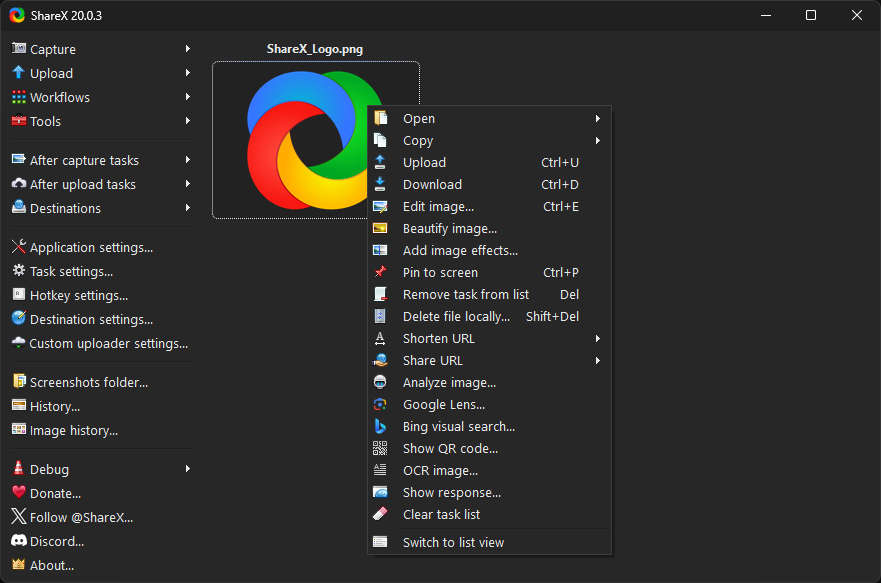
ShareX is a free and open source program that lets you capture or record any area of your screen and share it with a single press of a key. ShareX also allows uploading images, text or other types of files to many supported destinations you can choose from.
How can I prevent ShareX from saving screenshots to a folder after uploading?
To stop ShareX from saving screenshots locally after uploading, navigate to the “After capture tasks” menu and uncheck the “Save image to file” option. This adjustment ensures that screenshots are uploaded without being stored on your device.
How do I perform a scrolling screenshot in ShareX?
To take a scrolling screenshot in ShareX, open the app and select “Scrolling capture” from the Capture menu. You’ll then define the capture area, after which ShareX will scroll through the content automatically and stitch the screenshots together into a single image. This is useful for capturing long web pages, chat logs, or documents that don’t fit on a single screen.
Why does my screen recording in ShareX have no audio?
Audio issues in ShareX recordings are often due to incorrect input settings or interference from antivirus software. First, make sure the correct audio device (like your microphone or system audio) is selected in the screen recording settings. Also, check if your antivirus is blocking FFmpeg, which is the tool ShareX uses to handle recordings. Adding an exception for FFmpeg can usually resolve this issue.
Advertisement
What is the difference between the Steam version and the standalone version of ShareX?
The primary distinction lies in the update mechanism. The Steam version utilizes Steam’s auto-update feature, while the standalone version manages updates independently. Functionally, both versions offer the same features and capabilities.
What are some good alternatives to ShareX?
Monosnap is a popular alternative that works on both Windows and macOS, it also offers screenshot and screen recording features, with cloud storage options. ScreenshotX is a lightweight Windows tool known for its simplicity and fast performance. LightShot is a user-friendly option available on Windows and macOS, ideal for quick captures and easy sharing. Awesome Screenshot is also available as a browser extension and desktop app.
Can I upload screenshots directly to my Imgur account using ShareX?
Yes, to do this open the app, go to “Destination settings,” choose Imgur under the image uploaders section, and authorize your account.
Features
Completely free
Open source
No advertisements
Lightweight
Over 17 years of active development
Trusted by big companies
Designed for power users
Quick screen capture sharing
Easy GIF recording
Supports over 80 destinations
Advanced custom uploader support
Customizable workflow system
Capture methods:
Fullscreen
Active window
Active monitor
Window menu
Monitor menu
Region
Region (Light)
Region (Transparent)
Last region
Custom region
Screen recording
Screen recording (GIF)
Scrolling capture
Auto capture
After capture tasks:
Show quick task menu
Show “After capture” window
Beautify image
Add image effects
Open in image editor
Copy image to clipboard
Pin to screen
Print image
Save image to file
Save image to file as…
Save thumbnail image to file
Perform actions
Copy file to clipboard
Copy file path to clipboard
Show file in explorer
Scan QR code
Recognize text (OCR)
Show “Before upload” window
Upload image to host
Delete file locally
Region capture types:
Advertisement
Rectangle
Ellipse
Freehand
Annotation tools:
Rectangle
Ellipse
Freehand
Freehand arrow
Line
Arrow
Text (Outline)
Text (Background)
Speech balloon
Step
Magnify
Image (File)
Image (Screen)
Sticker
Cursor
Smart eraser
Blur
Pixelate
Highlight
Crop image
Cut out
What’s New
Image editor improvements:
Added an “Image Editor Selector” dialog that appears the first time the user uses the editor. It lets users choose their preferred editor and makes it clear they can change it anytime. ShareX
Improved high DPI support.
Added support for Ctrl + Enter keybind to insert new lines in text and speech balloon tools.
Added “Font family” option to text and speech balloon tools.
Added “Arrow style” option to the arrow tool. ShareX
Classic: Similar style to the Legacy arrow tool; allows curving the arrow using the middle node.
Modern: Bigger, modern-looking arrow but does not allow curving.
Also added curving support to the line tool.
Added “Insert image” dialog for when the user pastes or drags and drops an image; allows these actions:
Insert image in the center.
Insert image below.
Insert image on the right side.
Added “Quick crop” option; it lets the user crop quickly similar to the Legacy Image Editor. This option is enabled by default.
Swapped Ctrl + Shift + C keybind with Ctrl + C. Pressing Ctrl + C now copies the image instead of copying the shape.
Freehand tool no longer allows selection, letting the user draw easily without selecting previous drawings. The Select tool still allows selecting.
“Save image” button is now usable even when the image file has not been saved previously.
Notification click action “Open link” now also opens files as a fallback.
The Buc-ee’s trademark bullying saga continues! The company, once best known for building ridiculously enormous gas station and convenience store combinations has more recently become nearly as infamous for its bullying and litigious behavior. Buc-ee’s has a habit of suing all kinds of other businesses for trademark infringement, so long as those other businesses use cartoon animals in their logos, or have any kind of reference to beavers in their name and branding. John Oliver and his crew on Last Week Tonight recently caught wind of all of this and decided to poke the beaver in the eye, spinning up their own store featuring clothing with its anthropomorphic squirrel mascot on it and text that reads “Buc Off!”, and closed that segment begging Buc-ee’s to file suit over it all.
The company didn’t do so. Instead, they continued their trademark bullying ways and sued a small convenience store in Beavercreek, Ohio, called Beaver’s Mini Mart. Notably, that store has been doing business for many years and Buc-ee’s only recently opened a location 16 miles or so away.
But in Last Week Tonight’s Aug. 9 episode, Oliver doubled down, extending the timeline of Buc-Off merch sales in response to Buc-ee’s suing Beaver’s Mini Mart in Ohio.
“The good news is we’ve raised almost half a million dollars for Hunger Free America so far,” Oliver said. “The bad news is it doesn’t seem Buc-ee’s got the message, because apparently they’re at it again. Yep, turns out, they’re still filing lawsuits,” Oliver continued. “You might be trying to name the Buc-ee’s beaver Mitch McConnell, because it seems this b—h will not quit.”
Advertisement
You can see the clip below if you have an HBO subscription (the link is for the whole episode, but it should start at the 31 minute mark).
Oliver recounts several details why this latest lawsuit is so stupid. The name of the town. The way the company is pissing off the local residents and causing them to rally around the local convenience store. The bad press. And, lastly, drawing the continued ire of Last Week Tonight, which seems dedicated to continuing to point out just how shitty Buc-ee’s is being in all of this.
Oliver noted that while the Buc-Off online store was supposed to close Sept. 8, it is “staying f–king open” for as long as Buc-ee’s is suing Beaver’s Mini Mart. Chron has reached out to Buc-ee’s legal counsel for comment.
Before the episode ended, Last Week Tonight mascot Mr. Nutterbutter made an appearance in a Beaver’s Mini Mart T-shirt. When the mascot made a sad gesture, Oliver asked if he was disappointed that the travel stop still hadn’t sued them. When Mr. Nutterbutter said yes, Oliver had words of reassurance for the giant squirrel.
Advertisement
“It could still happen,” Oliver said. “Especially because our store is still open.”
I can only hope that Buc-ee’s’ plan to wait for Oliver to get bored of all of this doesn’t work.
An ongoing data theft campaign uses custom tools to steal data exposed to anonymous users through Salesforce Experience Cloud and ServiceNow customer portals.
The data-theft campaign, dubbed City-Forum by SaaS security firm Reco, has been traced to a single server that has targeted multiple organizations worldwide. These organizations include telecommunications companies, banks and financial services firms, enterprise software vendors, security and data privacy companies, and public-sector portals.
Reco says the attacks are ongoing, with activity continuing to increase.
The City-Forum data theft attacks
Reco says all of the attacks originate from the IP address 158.220.87.79, hosted by German VPS provider Contabo, and almost always use the default Go-http-client/1.1 user agent when downloading data.
This IP address is associated with the city-forum.com domain, which has resolved to the server since at least March 2025, indicating that the infrastructure has remained in place for more than a year.
Advertisement
The researchers say these combined IOCs have been seen across almost all attacks targeting Salesforce and ServiceNow environments in this campaign.
“The same fingerprint appears against both Salesforce and ServiceNow, across multiple organizations worldwide. It is still running, and the volume is climbing,” explains Reco.
“So far, we have only seen guest user activities – never an authenticated user, but we cannot rule it out.”
These attacks are not exploiting a vulnerability in Salesforce or ServiceNow.
Advertisement
Instead, they steal data that organizations have mistakenly exposed to unauthenticated guest users through overly permissive sharing rules, permissions, or portal configurations.
Both Salesforce Experience Cloud and ServiceNow use guest accounts to manage unauthenticated visitors. If these accounts are given access to data records, anyone on the Internet can potentially retrieve them through various API endpoints.
On Salesforce, most of the observed activity targets the older Aura framework, where attackers are sending requests to the /aura or /s/sfsites/aura endpoint to determine which objects, such as Accounts, Contacts, Cases, are publicly accessible.
Reco says the attacker first invokes HostConfigController.getConfigData to enumerate objects available to the guest account and then uses SelectableListDataProviderController.getItems to retrieve records from accessible objects.
Advertisement
Reco says the busiest target recorded more than 560,000 events from the attacker’s IP address, with nearly all of them related to guest Aura enumeration.
This type of Salesforce guest-user abuse is not new and has previously been used in ShinyHunters data theft campaigns.
ShinyHunters previously used a modified version of the AuraInspector tool to steal exposed records from misconfigured Experience Cloud portals.
However, the City-Forum attacker is not only targeting these same Aura endpoints, but also Salesforce sites built using the newer Lightning Web Runtime (LWR) framework.
Advertisement
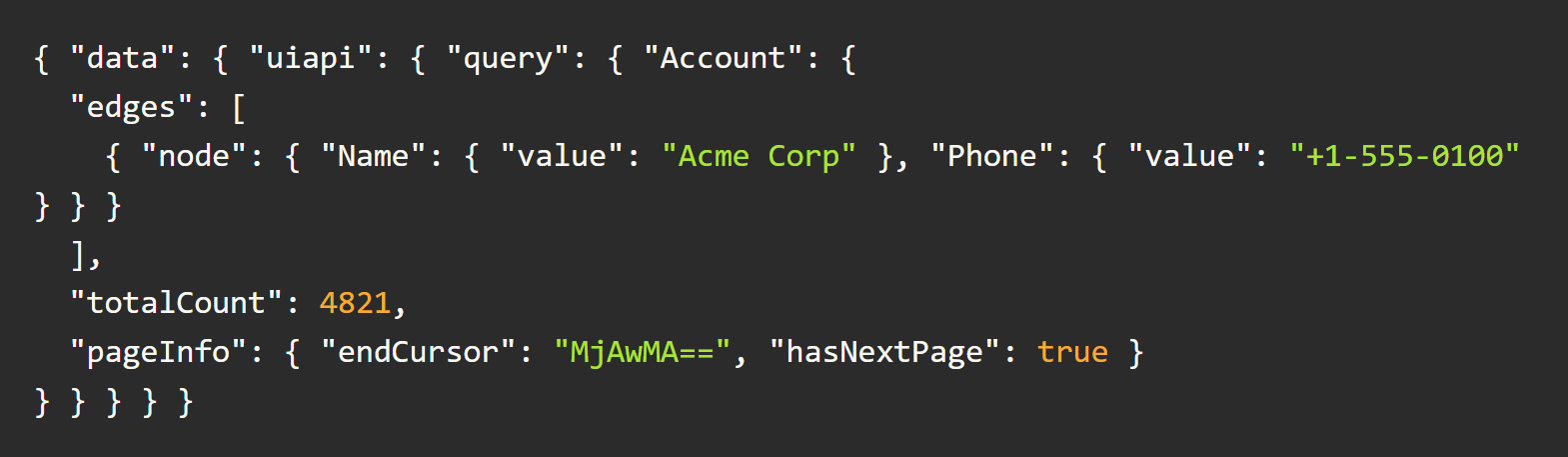
On LWR sites, the attacker uses Salesforce’s UI API to steal data exposed to guest accounts through GraphQL requests sent to /webruntime/api/services/data/{version}/graphql.
Reco says it has not seen any public attack tools using this technique, and existing tools such as AuraInspector, S-RET, and CirrusGo do not use the webruntime interface.
Querying GraphQL for publicly accessible data Source: Reco
The attacker also targets Experience Cloud sites for /SiteRegister and /CommunitiesSelfReg endpoints to determine whether self-registration is enabled, which could allow a guest to create an authenticated external account with broader access.
The same attacker is targeting ServiceNow Service Portals through the native POST /api/now/sp/search?sysparm_cancelable=true endpoint, which Reco says it had not previously seen abused in attacks.
The endpoint, used by ServiceNow’s portal search functionality, accepts anonymous requests and can return data when search sources are configured to permit guest access.
Advertisement
Reco says attackers can vary search terms to enumerate exposed information, with one investigated environment seeing requests grow from tens to hundreds per day.
Because ServiceNow transaction logs do not record the POST body, defenders can see that automated searches occurred and how much data was returned, but cannot determine the exact search terms used by the attacker.
While some of this Salesforce activity is similar to previous ShinyHunters attacks, Reco says there is no evidence tying the current campaign to that group.
The researchers also noted that previous campaigns such as ShinyHunters’ typically used multiple systems and different IP addresses, while the City-Forum infrastructure has remained on the same IP address since March 2025.
Advertisement
Salesforce administrators are advised to review guest-user sharing rules, object and field permissions, file access, member visibility, and self-registration settings.
For LWR sites, Reco also recommends disabling the Experience Builder option that allows guest users to access public APIs when it is not required. Doing so will block access to various API endpoints used for data enumeration and theft.
ServiceNow administrators should review which search sources are exposed through Service Portals and ensure that sensitive data search sources use strict authentication and access controls.
Overall prevention scores can hide what happens after initial access. Once attackers are using valid credentials, prevention drops sharply.
The Blue Report 2026 measures defenses technique by technique across 338 million simulations run in customer production environments.
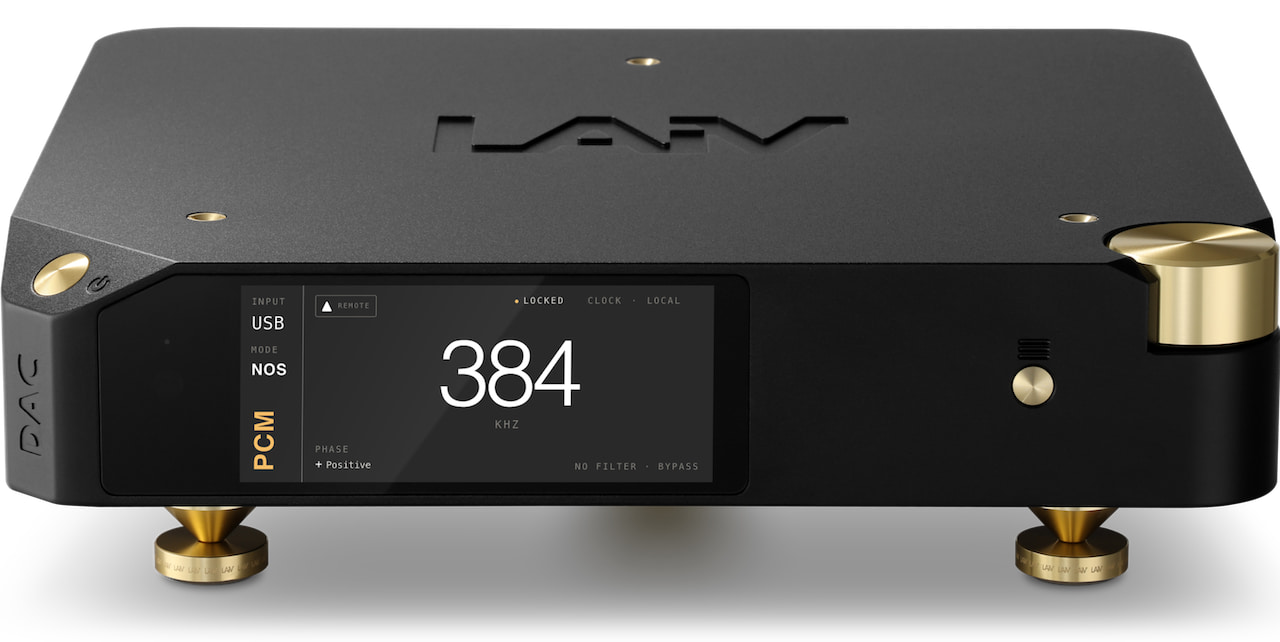
LAiV was founded in Singapore in 2023 and has moved quickly from its original Harmony DAC into headphone amplifiers, monoblocks, compact digital components and the $849 Crescendo VERSE R2R DAC, preamplifier and headphone amplifier that we reviewed earlier this year.
Now the company is returning to the product that put it on the map.
The new Harmony DAC 2 costs $3,994, with preorders underway and initial deliveries expected between September and October 2026. At that price, LAiV is no longer playing the role of affordable newcomer. Denafrips, Holo Audio and Chord Electronics are already established in this part of the market, while FiiO and HiFiMAN are making R2R increasingly accessible below $1,000.
So what does the Harmony DAC 2 bring to the fight?
Advertisement
LAiV Harmony DAC 2
Related Reading:
The R2R Architecture Carries Over
LAiV has retained the original Harmony DAC’s fully balanced discrete R2R ladder architecture rather than redesigning the conversion stage. Most of the important changes happen around it.
PCM playback now offers three processing options: NOS, LAiV’s proprietary oversampling mode and a dedicated hardware sample rate converter capable of converting PCM up to 705.6 or 768kHz. The original Harmony offered NOS and LAiV’s oversampling mode but not the new hardware SRC option.
DSD is handled separately. Because the R2R ladder cannot directly reproduce a 1-bit DSD stream, LAiV converts DSD to multi-bit before it reaches the ladder. No additional oversampling or sample rate conversion is applied. That distinction matters when comparing the Harmony DAC 2 with competing digital architectures.
Direct 10MHz Clock Input
One of the more unusual additions is a direct 10MHz external master clock input over 50-ohm BNC.
Advertisement
Owners of the original Harmony who wanted to use an external clock had to route it through a DDC and then feed the DAC over I2S. The DAC 2 accepts a 10MHz clock directly, removing an additional component from the signal chain.
Whether an external clock produces an audible improvement is something we would want to test rather than assume, but the connectivity makes sense for the kind of system in which a $4,000 standalone DAC is likely to live.
A More Flexible Analog Stage
LAiV has also redesigned the output stage around a discrete Class A buffer with lower output impedance.
Advertisement. Scroll to continue reading.
Advertisement
Balanced XLR outputs deliver 4.15Vrms at less than 50 ohms, while RCA provides 2.08Vrms at less than 25 ohms. Both outputs can now operate simultaneously, something LAiV did not recommend with the original Harmony.
That makes it easier to feed a headphone amplifier through XLR while also connecting an integrated amplifier or powered loudspeakers through RCA.
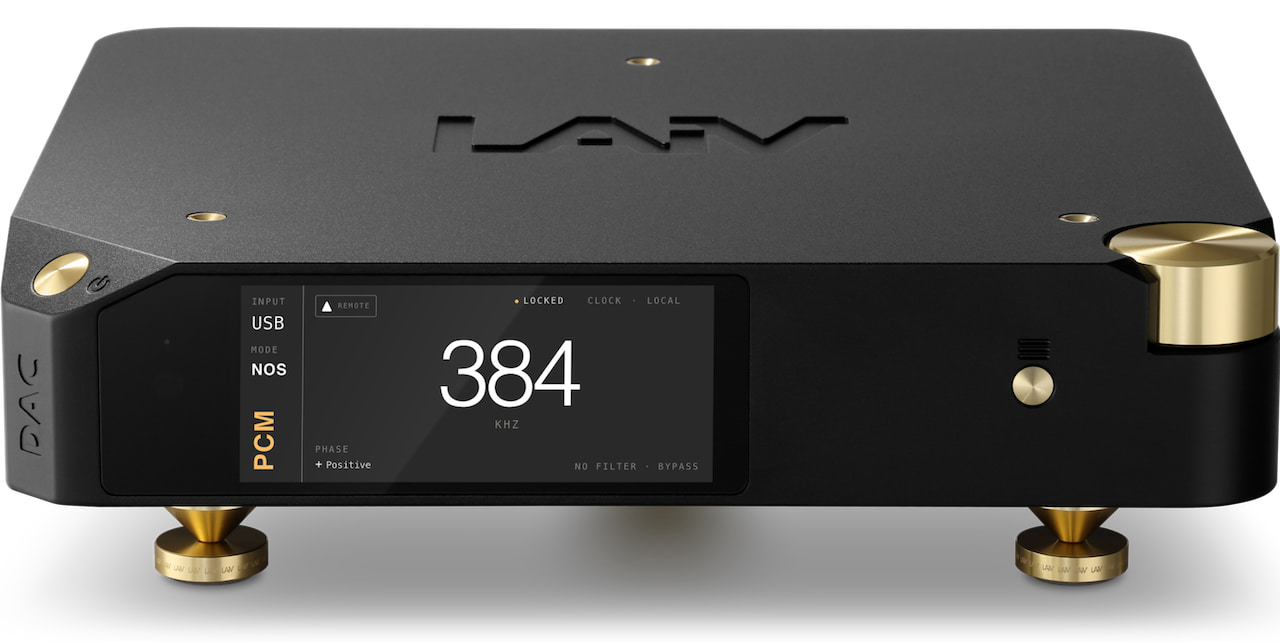
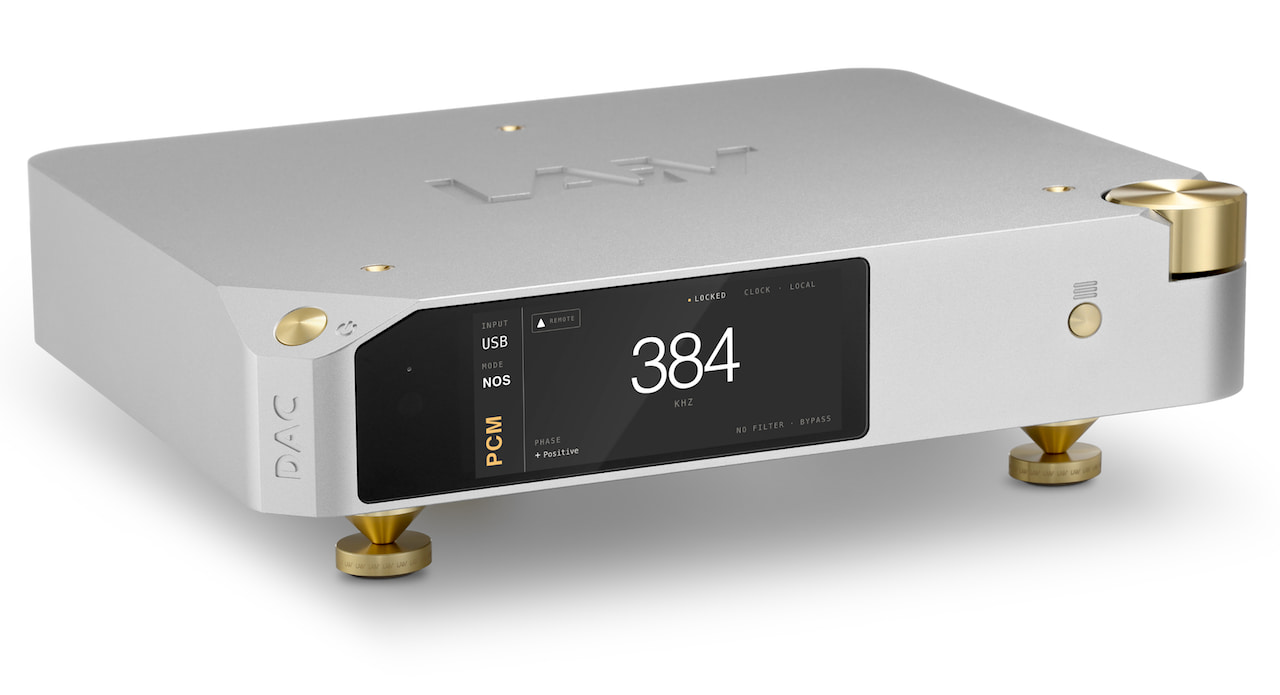
The DAC 2 also adds full digital isolation between its input and output sections, 12V trigger input and output, USB-C firmware updating and a new 960 × 400 color display.
None of those features sounds especially dramatic on its own. Collectively, they make the DAC considerably easier to integrate into a serious two-channel system.
Advertisement
LAiV Audio Harmony DAC 2 (rear)
Where Does It Fit in the LAiV Lineup?
The Harmony DAC 2 is now LAiV’s primary full-size standalone DAC.
The compact Harmony µDAC starts at $1,149, while the original Harmony DAC remains listed at $3,249. The DAC 2 therefore costs $745 more than its predecessor. LAiV says an upgrade kit for existing Harmony owners is also planned, although pricing has not been announced.
Below those products sits the Crescendo VERSE. We reviewed the $849 all-in-one earlier this year and found LAiV competing in a much broader desktop category against brands such as FiiO, Topping, Schiit and Shanling.
The Harmony DAC 2 is aimed at a very different customer. There is no network streamer or headphone amplifier here. It is a dedicated high-end digital source for an existing system.
Advertisement
The Competition Is Getting Crowded
The most obvious rival is the new Denafrips Venus 15th, priced at $3,999 — just five dollars more than the Harmony DAC 2. It also uses a balanced R2R architecture and offers NOS and oversampling operation.
Holo Audio’s Spring 3 is another direct competitor, particularly in KTE form, which lands around the same price. Holo’s May DAC moves further upmarket.
Chord Electronics takes a completely different approach. The $5,695 Hugo TT 2 uses Rob Watts’ custom FPGA architecture rather than R2R and also includes headphone and preamplifier functionality. Different product, same customer consideration set.
Then there is the rapidly improving value end of the market.
Advertisement
Advertisement. Scroll to continue reading.
The FiiO K17 R2R costs $989.99 and combines FiiO’s segmented R2R architecture with network streaming, PEQ and a powerful headphone amplifier. HiFiMAN’s SERENADE uses its HYMALAYA Pro R2R platform for $999. Cayin’s $1,199 iDAC-8 uses AKM conversion instead, but adds selectable tube and solid-state analog output stages.
These products are not direct replacements for the LAiV, but they illustrate the larger problem facing every expensive resistor-ladder DAC in 2026:
R2R alone is no longer enough of a reason to spend $4,000.
DSD processing: Direct conversion to multi-bit for the R2R ladder; no additional oversampling or SRC
Digital inputs: USB, optical, coaxial, I2S
External clock input: 10MHz BNC, 50 ohms
USB/I2S support: Up to PCM 768kHz and DSD256
Optical/coaxial support: Up to PCM 192kHz and DSD64 via DoP
Output stage: Discrete Class A buffer
Balanced output: XLR, 4.15Vrms, less than 50 ohms
Single-ended output: RCA, 2.08Vrms, less than 25 ohms
Simultaneous outputs: XLR and RCA
THD+N: 0.0035%
SNR: Greater than 125dB
Dynamic range: Greater than 110dB
Crosstalk: Less than -120dB
Frequency response: 20Hz-20kHz, ±0.25dB
Digital isolation: Yes
Display: 960 x 400 TFT color LCD
12V trigger: Input and output
Firmware updates: USB-C
Remote: Harmony RCX included
Dimensions: 255 x 250 x 50mm; 75mm high including spikes
Power consumption: 14.7W operating; 2.5W standby
Finishes: Black or silver
Warranty: 24 months
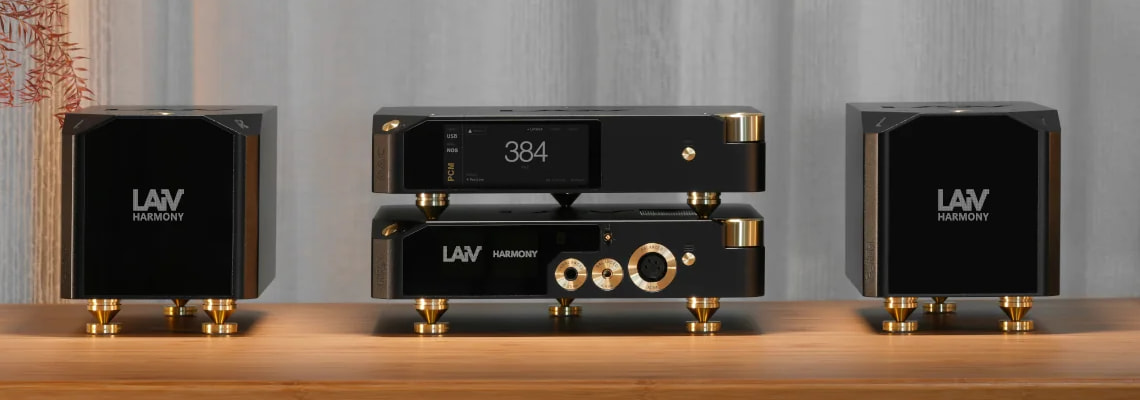
LAiV Harmony DAC 2 atop HP2A Preamp/Amp with pair of GaNM monoblock amps.
The Bottom Line
The Harmony DAC 2 is interesting because LAiV has focused on the areas around its existing R2R ladder rather than pretending the basic conversion architecture needed to be reinvented.
Hardware SRC, direct 10MHz clocking, full digital isolation, a discrete Class A output stage and simultaneous XLR/RCA operation all make it a more capable system component than the original Harmony.
But $3,994 puts it directly against Denafrips and Holo Audio while Chord remains a major alternative for listeners who prefer an entirely different digital philosophy. FiiO and HiFiMAN are simultaneously showing how inexpensive competent R2R hardware has become.
LAiV has built a more complete DAC, but now it has to prove that the performance is worth four grand.
Where to buy: $3,994 at laiv.audio in black or silver
Pre-orders have also kicked off in Australia, with retailers and telcos offering a variety of deals, including up to AU$1,000 in savings or some free gifts, depending on which model you’re after.
Devices will start shipping from August 20, though pre-order offers are set to run longer — August 26 for the retailers we’ve picked and as late as October 6 for selected telco deals.
Hallucinations are a problem with any AI, especially when it involves summarizing content, so instead, Apple could let Siri AI provide news directly from an outlet via paid partnerships.
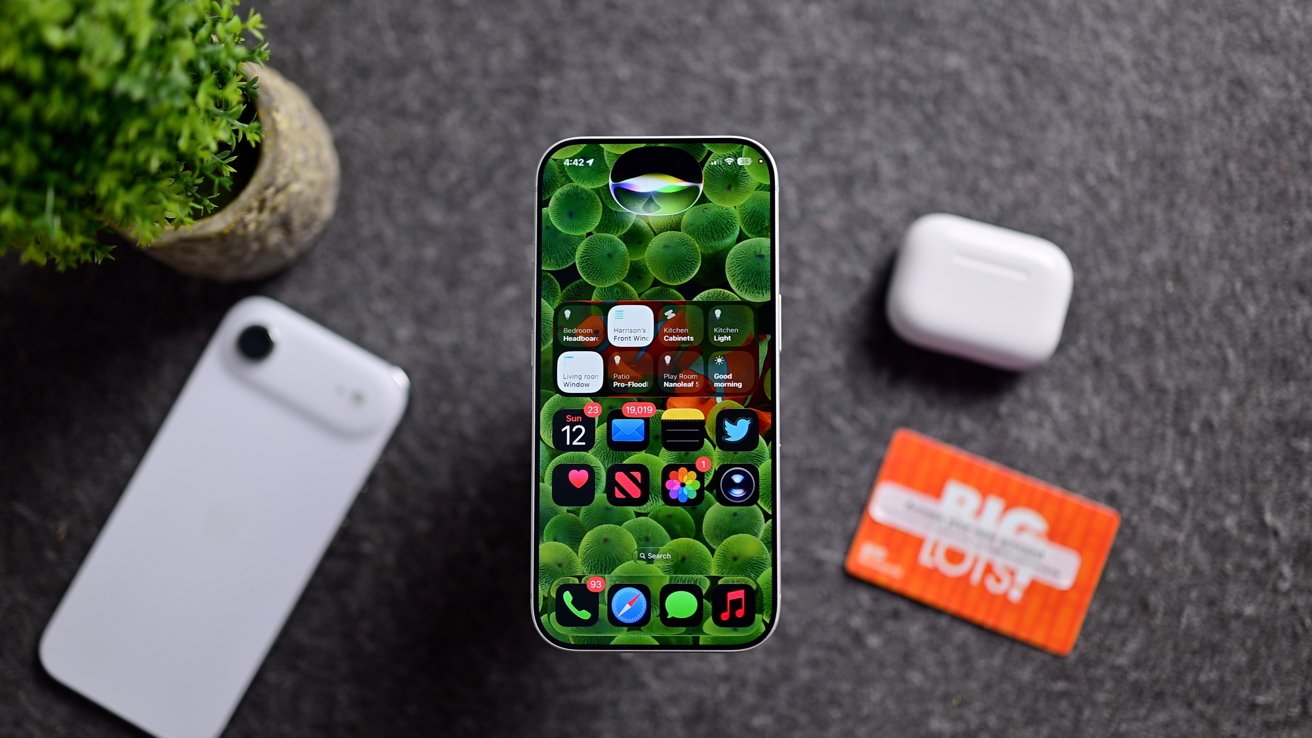
The iOS 27 beta is underway, and with it, users can test the new Siri AI. One of the first things users might notice with Siri AI is its tendency to share blocks of text pulled from sources rather than summarizing it.
According to a report from The Wall Street Journal, Apple is reaching out to publishers to enter multi-year deals that would supply journalistic content for use with Siri AI. The details of the deals haven’t been shared, but it seems Apple is seeking a pay-as-you-go model with a possible nine-figure budget for payments.
The model differs from Apple’s previous partnerships with publications and AI training, which involved bulk payments for training datasets. Instead, Apple appears to be planning to pay as content is used, similar to Apple News.
Advertisement
That would mean if a user asks for information regarding a news story or report that is a part of this partnership, the partner would get paid for delivering that content. The user would also benefit from being provided human-written content unaltered from an original source, at least, if it is presented that way.
Given how Siri AI provides direct snippets from sources today, it seems likely that paid partnerships could provide entire articles within the interface. It also would align with how the rumored Apple Intelligence-powered Apple Health tool is expected to work.
Apple hasn’t announced any such partnership just yet, but it could come as a part of the iPhone 18 Pro event in September. The company will be heavily promoting Siri AI and its upgrades as it launches to the public, so a publication partnership would be the perfect thing to announce at the time.
That’s what it looks like when an enterprise has the engineering depth to act on what it finds. Most don’t get there. Just over half, or 53%, of enterprises have already had an agentic security incident or near-miss. Sixty-five percent enforce agent permissions at runtime, yet only 18% isolate their highest-risk agents, and just 8% pair enforcement with isolation.
Leaning on provider-native controls to do the heavy lifting of agentic security just exacerbates that gap. The July wave of VentureBeat Pulse Research found that 92% of enterprises naming a primary security layer default to their hyperscalers and AI platform providers.
Six waves of research have been completed since January, surveying 440 qualified enterprise security respondents. The key takeaway: the containment gap between what enterprises need and what’s getting done is growing wider, often unaddressed by enterprises whose agentic AI investments and futures are at risk.
Advertisement
The satisfaction data doesn’t match the incident data
The research keeps showing enterprises rating the tools they know best at a higher score, even if those tools failed them or delivered mediocre results. Three findings from the raw data cut against that instinct, and each one says something about how young this market still is.
The enterprises that got hit rate their tools higher than the ones that didn’t
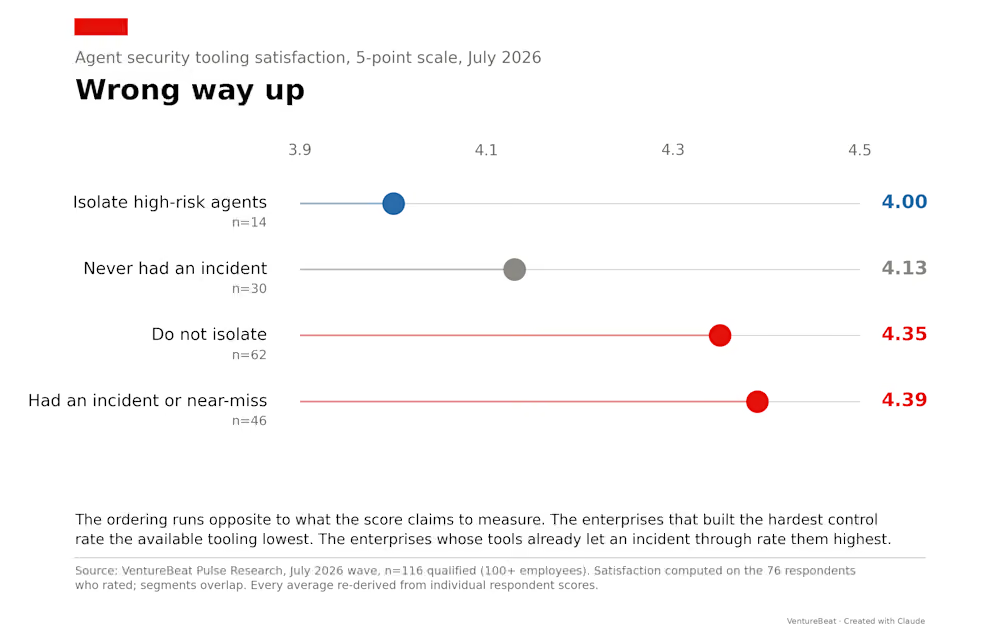
Last month’s survey found that 46 enterprises reported a confirmed incident or near-miss, then went on to rate their satisfaction with their security tooling. Their average satisfaction was 4.39 out of 5. 30 of the 55 enterprises who experienced no incidents rated their security tooling at 4.13. Enterprises are rewarding any tool that saves them from a breach with a trust premium.
It’s a sure sign of a nascent market when brand positioning, marketing, or other means of persuading enterprises get easily superseded by saving a customer from a breach. Near-misses outnumber confirmed incidents 2-to-1 in both June and July, which means enterprises are catching problems at the edge. That edge catch is being interpreted as validation of both the security strategy and the tools acquired. Evident through seven months of data is how quick enterprise security leaders are to trust a new tool that identifies an intrusion or breach and defeats it before it gains access. VentureBeat believes the rescue itself is doing the marketing. The 4.13 average among never-hit enterprises shows the other side of the same effect. Tools that have never been seen working earn less trust, not more.
Advertisement
VentureBeat also found that of the 17 enterprises isolating their highest-risk agents, the 14 that rated their tooling average 4.00. Enterprises that do not isolate rate it 4.35. The enterprises closest to real security are the least satisfied with their tools — that dissatisfaction is what drives them toward the kind of engineering effort Visa put in.
The satisfaction ladder. Enterprises that built isolation rate tools 4.00. Enterprises that experienced an incident rate them 4.39. VentureBeat Pulse Research, July 2026, respondent-level analysis, n=76 who rated.
Four of five enterprises that solved identity did not build isolation
49%, or 57 of the 116 enterprises surveyed in July, gave each agent its own scoped, managed identity. Just a month earlier, VentureBeat’s June wave recorded 32% of enterprises having assigned per-agent identities. July’s 17-point jump in one month is the fastest single-month move this series has recorded. Despite these gains, 63% still report credential sharing somewhere in the fleet. Only 11 of those 57 also isolate.
Advertisement
That ratio explains why the containment gap keeps widening even as every headline control improves. Enterprises are treating identity and isolation as substitutes. They need to see the longer-term vision of each being integral to a platform-based, layered strategy. Two incidents VentureBeat has covered show why that distinction matters. A rogue AI agent at Meta passed every identity check before its March exposure was contained. And CrowdStrike CEO George Kurtz disclosed, at his RSAC 2026 keynote, a Fortune 50 agent that rewrote its own security policy using valid credentials. Giving an agent scoped credentials does not bound the blast radius when those credentials are misused. Sandboxing does.
The enforce-without-isolate population has a 58% incident rate
Fifty-three enterprises in July’s survey enforce scoped permissions at runtime but do not isolate. 31 of those 53 have already had an agent security incident or near-miss. That is 58%, five points above the 53% sample average. The enterprises living inside the containment gap are getting hit more often than the enterprises outside it.
Amy Chang, Cisco’s head of AI threat intelligence and security research, presented findings on the Transform agentic security panel showing that when Cisco ran 6,986 multi-turn attacks against 15 flagship models, attackers who adapted across the conversation broke through up to 88.3% of the time. Single-turn red-teaming missed it. An adaptive attacker who defeats the guardrails lands inside whatever architecture sits behind them, and for 53 of the enterprises in this data, that architecture enforces but does not contain.
Advertisement
VentureBeat’s Q1 Pulse Research tracked the same structural weakness earlier this year. Unauthorized tool or data access ranked as the most feared failure mode in every Q1 survey, growing from 42% in January to 50% in March. The April-May survey found only 4% of enterprises comfortable relying on model guardrails alone. Enterprises predicted they needed external controls, choosing to build enforcement over containment.
Enterprises built enforcement 35 points ahead of forecast. Isolation barely moved
The April-May survey asked 109 enterprises how they expected agent behavior to be controlled by the end of 2026, and 30% predicted runtime enforcement, 14% sandboxed execution, and 32% model-level guardrails. By July, 65% had built enforcement, more than double the prediction, while isolation reached 18%, roughly the rate they said it would. Enterprises built what was easy at twice the forecast and built what was hard at roughly the forecast. The April question asked for the primary control mechanism, single-select, while July’s posture question allowed multiple selections, so the comparison is directional rather than exact.
Three quarters, one gap. Q1 threat prediction, Q2 forecasts, and the June-to-July build-out in which every control improved except isolation. VentureBeat Pulse Research, seven waves, Jan-Jul 2026.
Provider lock-in accelerated across all three quarters
Provider-native platforms already led usage in April-May, named by seven in ten enterprises describing their tooling. By June, 82% called one their primary agent security layer, and by July that share reached 92%, with OpenAI’s guardrails leading at 44%, Microsoft Azure at 42%, Anthropic’s managed-agent controls at 37%, and Google Cloud at 31%. Cloudflare at 11% and Cisco at 9% lead the dedicated specialists fighting over what remains. The identity tools most relevant to the credential-sharing gap are the smallest of all, with Microsoft Entra Agent ID at 7%, while Okta for AI Agents, non-human identity platforms, and runtime sandboxing tooling each sit at 3%. CrowdStrike CTO Elia Zaitsev told VentureBeat at RSAC 2026 that observing agent actions is a solvable problem but inferring intent is not. The provider bundle proves his point, solving observation while leaving containment unbuilt.
Advertisement
74% plan to replace tools they just rated a career-high satisfaction score
Satisfaction scores continue rising as enterprises gain more experience using tools and techniques to stop agentic AI-based attacks. Rising to 4.29 out of 5 in July from 4.2 in June, satisfaction is the highest reading in the series.
Despite the high satisfaction levels, 74% plan to replace their tools within 12 months, up from 59% in June. Only 26% intend not to change. VentureBeat believes early adopters are impatient to gain greater insights, and know what they don’t know about agentic security and resilience. Closing that knowledge gap is forcing churn into a market this young, and the raw answers resolve the paradox: 92% of enterprises naming a primary layer name a provider-native one. The 4.29 measures how easy it is to turn on a provider’s guardrails. It does not measure how effective those guardrails are at preventing the incidents 53% of the same respondents already had.
The organizations closest to the threat are the least confident about it
In June, defenders led attackers 35% to 21%, but by July the split was 30-30, a dead heat. Among enterprises that have been hit, 39% now say attackers are ahead, against 20% of those that have not. Getting hit nearly doubles the pessimism but does not change the shopping. Just 10% of enterprises include any agent-identity product in their consideration set. Runtime sandboxing draws 6%, and those numbers hold regardless of incident history. VentureBeat covered the same blind spot in the June data. The label changed from agent security gap to containment gap, but the shopping did not.
Methodology
The posture question was answered by 93 of the 116 qualified July respondents, and the skippers are not hidden isolators. Twenty-three of the 25 who selected no posture option are organizations still evaluating agents, unsure of their status, or with no deployment plans, groups for which a security posture largely does not yet exist, so the 18% isolation figure reads on the enterprises actually running or piloting agents. April-May, June, and July are separate, independently fielded waves rather than a single tracked series, so month-over-month comparisons in this piece are directional rather than a measured trend. Base sizes for the cross-cuts differ by instrument. The identity question covers all 116 respondents, isolation covers the 93 who described a posture, and the satisfaction inversion of 4.39 versus 4.13 is computed on the 76 respondents who rated their tooling.
Advertisement
The bottom line
VentureBeat’s cross-survey analysis of 573 enterprise respondents concluded in July that enterprises deployed AI agents ahead of the controls needed to manage them, and they did it knowingly. Three waves of security-specific data now show where the knowing stops.
Enterprises continue giving agents scoped identities and treating that as containment, but that assumption is false, and the incident data keeps proving it. In fact, 46 of 57 enterprises that solved identity did not build isolation. The enforce-without-isolate population’s 58% incident rate is the clearest evidence that identity alone isn’t enough. The containment gap will not close through satisfaction with what is easy. Whether enterprises build isolation and governed identity deliberately, or whether a confirmed incident that propagates does it for them, is the question the next wave will answer.


















































You must be logged in to post a comment Login