The expanding market for data centers and associated renewable energy supplies has attracted the insurance industry
Data centers alone could represent a $91 billion market
A destroyed AI data center could cost $50 billion to replace
The cost of data centers continues to rise, with insurance now added to real estate, communications, energy, and environmental impact. Several reports indicate that not only is insurance a growing cost for big guns like OpenAI and Meta, it’s a market that looks set to expand alongside the increase in data centers.
A new report by the Swiss Re Institute indicates the insurance industry could collect $91 billion in premiums from AI data centers between now and 2030, with a further $111 billion from renewable energy installations linked to the data centers.
With a combined market of around $200 billion across a three year period, the AI boom could represent an accumulation of risk. The report highlights four interconnected factors that could affect multiple businesses if only one is disrupted.
Latest Videos FromTechRadar
Advertisement
The assurance of data centers
Reliance on new data centers isn’t all about the end product. Construction companies, physical supply chains, and technology and communications organizations all play their part in assembling an AI data center facility. Power stations – traditional or renewable – have similar requirements, and once both types of installation are brought online, their importance increases.
Gianfranco Lot, Swiss Re’s chief underwriting officer for P&C Re, told Insurance Business Mag: “AI needs data centers, power grids, and increasingly complex infrastructure – and all of it needs insurance. That creates growth opportunities across multiple lines of business, but also significant risk concentrations. The deployment of capacity will depend on our ability to understand and manage those, and getting paid for the associated tail risk.”
Estimates suggest a single AI data center can cost $50 billion to replace.
New market, new opportunities
Insurers are preparing to offer comprehensive support for the data center industry. Risk management firm Aon has released an analytics tool designed to help insurers measure and map exposures for data centers, and it appears the wider industry is exploring options to underwrite these installations.
Sign up to the TechRadar Pro newsletter to get all the top news, opinion, features and guidance your business needs to succeed!
Advertisement
Indeed, Aon has its own estimations, working on a figure of a $29 billion market by 2030. Meanwhile, other insurers and analysts are assembling databases and exploring opportunities to provide financial fallback to data centers.
Four factors (large assets, geographic clustering, supply-chain dependencies, and shared networks) can each interrupt several businesses within the sphere of the data centers, and the Swiss Re Institute report highlights the importance of insuring against disruption. This represents a previously unseen level of integration and interconnectivity between industries, something that seems to be informing the market estimates.
Ultimately, the insurance price will be factored into the usage costs, with AI token prices and other tariffs added to the bill for end users.
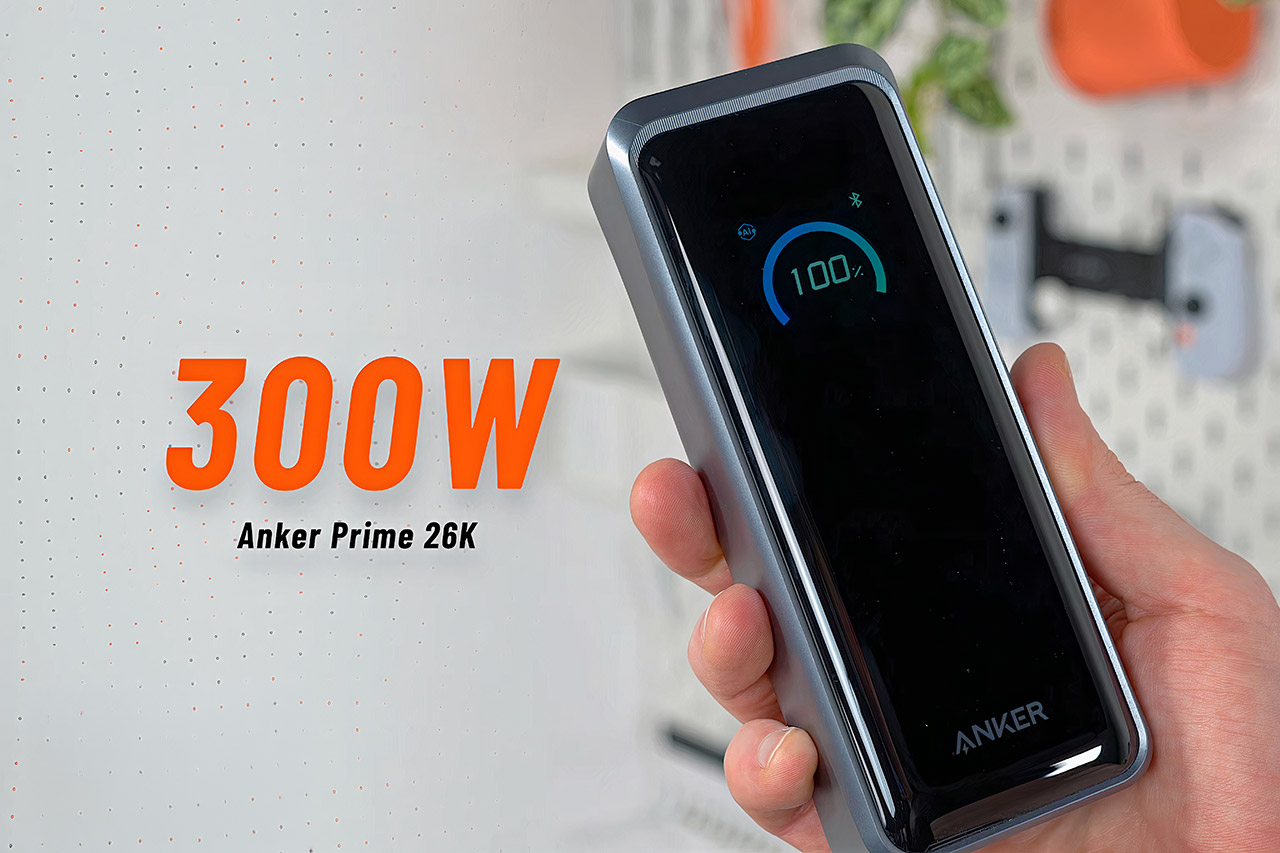
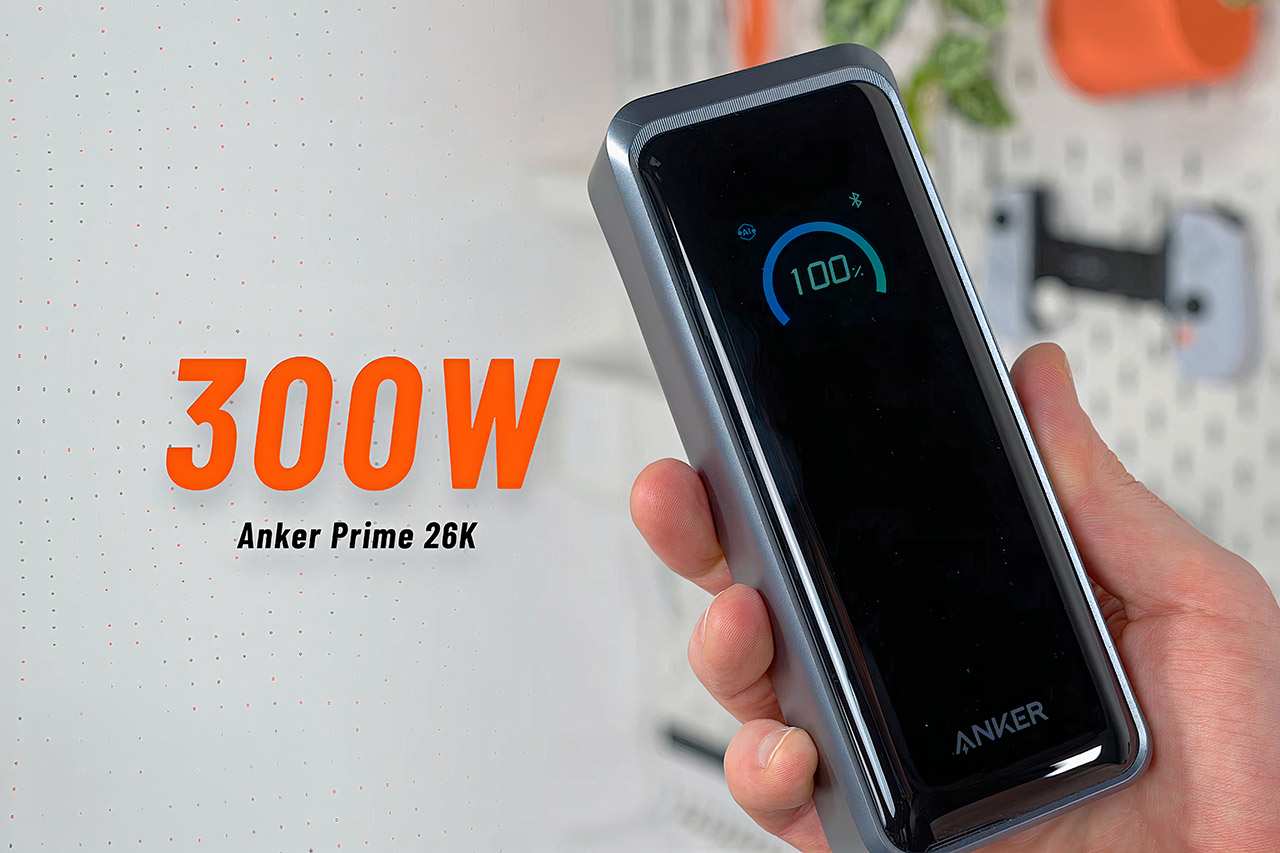
Anker Prime 26K 300W, priced at $179.98 (was $230), arrives at a useful moment. New iPhones (18 Pro, 18 Pro Max, Duo, etc.) want faster wired charging, and plenty of laptops still expect a wall brick that can push 100W or more. This pack tries to cover both without forcing you to haul a second charger.
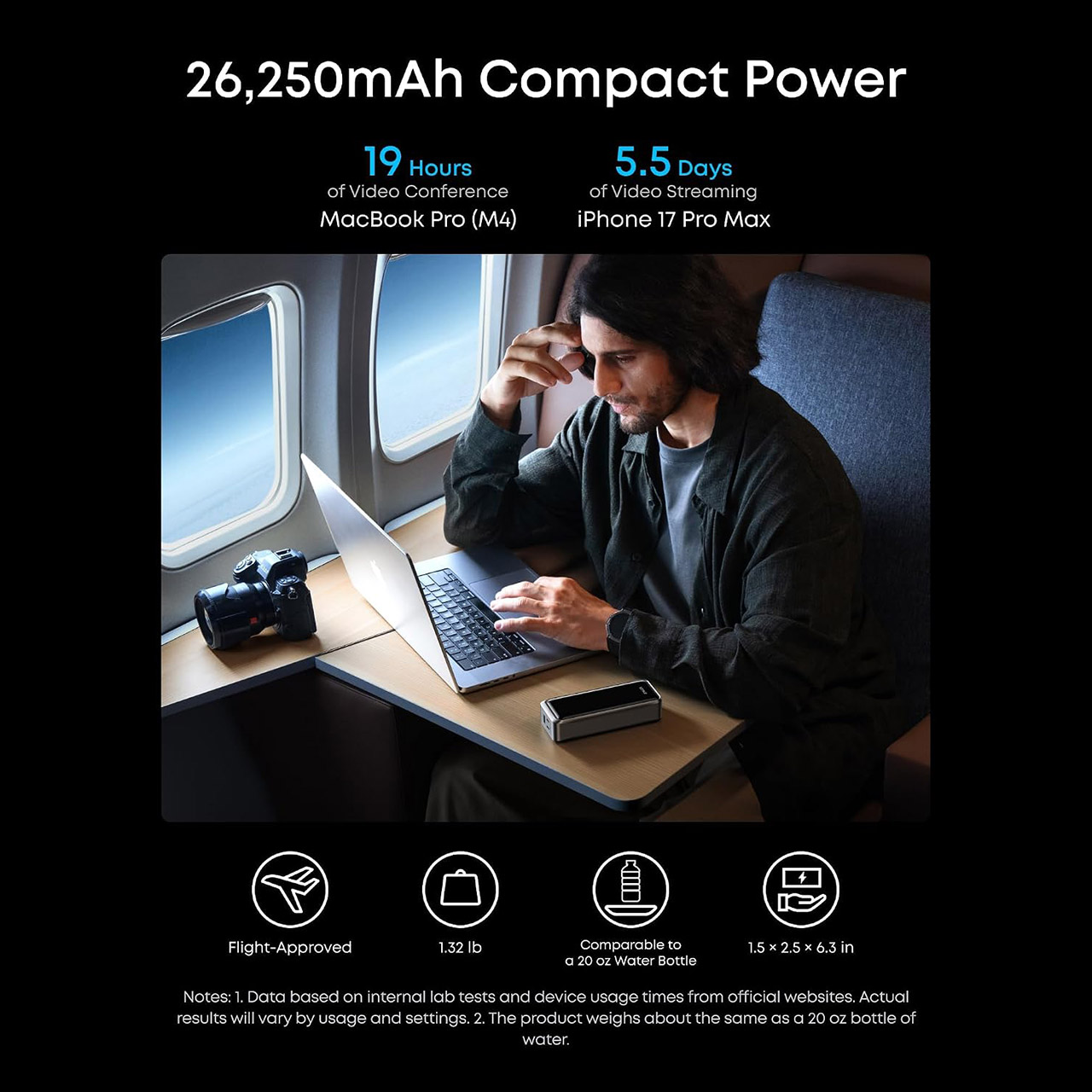
Model A110A has a battery capacity of 26,250mAh, or 99.75Wh, which falls short of the 100Wh limit for airline carry-on size, but is still close (yet fully legal). The dimensions are 6.3 by 2.5 by 1.5 inches, with a weight of around 1.32 pounds (600 grams). To be honest, this pack is more suitable for a backpack than a jeans pocket. The two USB-C ports can deliver 140W each using USB Power Delivery 3.1. Yes, that includes a 28V 5A step, which high-wattage laptops actually use, as well as a USB-A port capable of 22.5W (or 20W if all three ports are in operation at the same time), for a total of 300W. Although 300W is the maximum you’d receive if everything was maxed out at the same time, in fact you can easily run two hungry laptops at 140W each as the phone drink away at port A.
300W Total Output Power: Offers 300W max output across two USB-C and one USB-A port, keeping two MacBook Pros running at full speed.
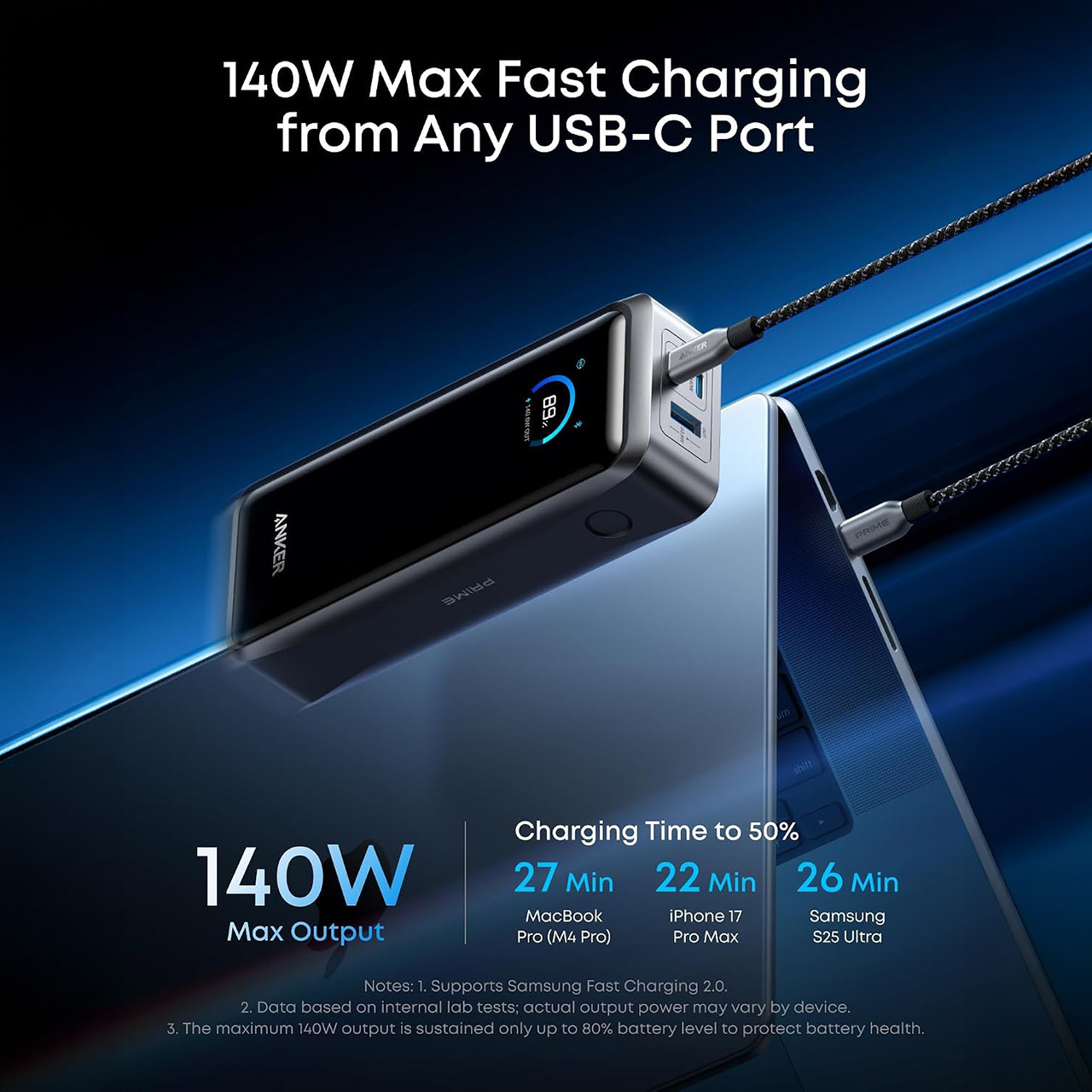
140W Max Fast Charging: Delivers up to 140W high-speed output for fast laptop charging when connected to a 5A cable. Power a MacBook Pro (M4 Pro) to…
Anker’s First 250W Dual-Port Input—Recharge to 50% in Just 13 Minutes: With industry-leading 250W dual USB-C input, recharge the power bank to…
Anker’s lab results reveal that an M4 Pro MacBook Pro can reach 50% in 27 minutes, while an iPhone 16 Pro does so in 26 minutes. Independent tests confirm this, with an iPhone 17 Pro Max going from 1 to 50% in just 22 minutes, leaving just enough energy for about three full phone charges. Ever notice how some computers aren’t fully charged? A 14-inch MacBook Pro reached 100% battery life and still had some power remaining. What’s preventing the rest? An M16 has a fairly conventional stop of 70-80%, but the conversion heat consumes a portion of the stored energy.
Advertisement
The second half of the story is recharging speed, with each USB-C capable of taking up to 140W. Both of those C ports can handle up to 250W if you use 5A cables, ideally in conjunction with two powerful wall chargers. Anker claims to be able to achieve 40% in 10 minutes and 50% in 13 minutes. Testers who used dual input reported a complete refill in 48 minutes to slightly more than an hour, depending on the wall chargers. You can also pass-through charging, which allows you to charge your phone(s) while the pack charges itself. The box contents, however, are rather basic: a 3.3 foot 240W cable, a travel pouch, and a simple tutorial to get you started.
The front of the pack has a color screen that rotates with the pack (so you don’t have to twist it back and forth in your hand to check on it), which displays the remaining percentage, power on each port, power input, and battery temperature. Anker also offers a phone app with additional capabilities such as volt, amp, and watt graphs, as well as firmware upgrades and smart allocation modes that lock power to a single port. PowerIQ 4.0 does its best to decide how to distribute energy across numerous devices, and ActiveShield 4.0 is quite concerned about temperature; tests rarely saw the pack get beyond 41°C in a typical room, though a lengthy 140W session will still warm the shell. Just a quick remark on the display side: due to its gloss finish, it is a bit of a fingerprint magnet, and there is no built-in cord, wireless pad, or speaker to help you find a lost pack.
Some of its on-paper specification isn’t especially encouraging, but spend some time in the company of the Yamaha NX-70A and you’ll discover that it’s not how big your numbers are but what you do with them that’s important. When it comes to mature, well-realised sound there’s nothing at all sub-optimal here…
Balanced, insightful and periodically absorbing sound
Good control options include a very thorough app
Excellent standard of build and finish complements the mildly interesting aesthetic
Not as hi-res as any number of alternatives
Another input or two wouldn’t go amiss
Accompanying stands are not cheap
Key Features
Advertisement
Review Price:
£2599
Power
Advertisement
320 watts of Class D amplification
Audio
Advertisement
32-bit/384kHz PCM / DSD256
Speakers
Advertisement
Harmonious Diaphragm driver technology
Introduction
Where its audio division is concerned at least, Yamaha is not the sort of company to rush things – the NX-N500 wireless stereo speaker system launched a decade ago, it’s true, but since then it’s been concentrating its efforts elsewhere.
Which means it’s had 10 years and more to keen over the NX-70A – has it been worth the considerable wait?
Advertisement
Design
Available in black or white
No parallel lines
Advertisement
We’re hardly in KEF LS Luxe territory where design is concerned, but nevertheless the Yamaha NX-70A are mildly unusual lookers and mildly interesting as a result. There’s nothing odd about the cabinet dimensions – but the gently curved front baffle and the rather more aggressively curved rear serve to make the speaker look softly triangular when viewed from above.
There are no parallel lines here, and this of course is handy when it comes to minimising internal standing waves. View the cabinet from the dead-ahead, meanwhile, and it becomes apparent that the rear of the cabinet is taller than the front – so the 5mm thick aluminium top plate slopes forward somewhat.
Image Credit (Trusted Reviews)
Despite the relatively complex nature of the cabinet design, though, gratuitous design flourishes are few and far between. No matter if you go with the black or white option for finish, there are copper-coloured accents visible – the horseshoe-shaped heatsink at the rear of the top-plate, the manufacturer badge on the front of the top-plate, the input/output plates on the rear of the speaker, and the brightwork surrounding each driver, are all in this colour.
As has long been the case with Yamaha, the standard of build and finish that’s in evidence here is basically impeccable. The wooden cabinets (and their aluminium top-plates) are screwed together flawlessly, and are finished to a very high standard. The exposed screw-heads on the top-plate won’t be to everyone’s taste, mind you.
Yamaha is not alone in offering bespoke stands for its wireless stereo speaker system, but the fact the SPS-70A stands cost around £500 per pair means they’re merely expensive rather than extortionate (and, again, it means we’re not in KEF LS Luxe territory). The speakers bolt to a top-plate that’s exactly the same shape as the foot of the speaker, and there’s some cable-management in the pillar too. Soft or pointed floor spikes are provided.
Advertisement
Advertisement
Image Credit (Trusted Reviews)
Controlling the NX-70A can be done in a couple of different ways. There are no controls on the speakers themselves beyond a few buttons on the rear of the primary speaker to initiate Bluetooth pairing, wireless connection to the secondary speaker, let it know if it’s the left or right channel and what-have-you.
The primary speaker has a display panel at the bottom of the front baffle that let you know what’s what as regards volume level, the tune that’s playing and so on (the secondary speaker has a matching panel but it’s not a display – it simply has a tell-tale to let you know it’s powered on).
And the supplied remote control handset looks and feels nice enough, and gives you control of volume, power, input selection and the basics of playback.
Image Credit (Trusted Reviews)
Features
320 watts of Class D power
Harmonious Diaphragm driver technology
Synergistic Drive circuit design
Advertisement
Don’t imagine Yamaha has been sitting on its hands while its most obvious rivals all stole a march in the premium wireless stereo speaker system market. Better late than never, after all – especially if it’s the development of a selection of racy-sounding technologies that have held you up all this time.
Advertisement
To start at the end: each NX-70A uses a 30mm dome tweeter and a 130mm mid/bass driver, bolstered by a rear-venting bass reflex port, to deliver sound. That’s a big tweeter, sure – but even more unusually, the tweeter and the mid/bass driver are made of identical material.
Harmonious Diaphragm is a blend of Zylon (a synthetic polymer fibre) and spruce wood. The idea of using the same material across both drive units is to be able to offer absolute consistency of tone over the entire frequency range.
Image Credit (Trusted Reviews)
Each tweeter is in receipt of 60 watts of Class D power, while each mid/bass driver gets 100 Class D watts to deal with – an all-in total of 320 watts of amplification really ought to prove adequate in any realistic scenario.
In an effort to enhance sound quality, Yamaha has developed the Synergistic Drive unified circuit design, which sees each drive unit connected directly to the amplifier circuit. By being better able to manage the flow of the electrical current using this technology, goes the theory, the distortion inherent in traditional amplifier/speaker interactions is minimised.
Advertisement
Advertisement
Naturally it is critical to the process that the drivers and the amplification are developed simultaneously as a dedicated pair. The upshot of all of this extremely thorough engineering is, according to Yamaha, a frequency response of 50Hz – 35kHz (when the speakers are wired together – it modulates to 50Hz – 21kHz if you prefer a wireless connection).
Yamaha Parametric Room Acoustic Optimiser (or YPAO to use its only slightly snappier abbreviation) is the company’s proprietary automatic sound optimisation technology, and is accessed via a bundled microphone that measures the characteristics of the room the speakers are positioned in.
Image Credit (Trusted Reviews)
There’s a socket on the rear of the primary speaker into which the mic can be connected, and it’s no kind of hardship to run the YPAO routine using the MusicCast control app.
The app allows access to each of the available sources and also offers playback and volume control. There are a number of EQ adjustment options available too. There are 40 (!) slots for Favourites (which can be playlists, songs, radio stations or whatever you fancy, really), the ability to build and access a quick playlist from various sources, create a number of routines (for instance, all power off) that can be accessed quickly and easily.
And then there are further possibilities if you’re using other MusicCast equipment – building a surround-sound or multiroom system are the most attention-grabbing. The overall layout of the app is a little busy and crowded, but there’s no disputing its thoroughness or its stability.
Advertisement
Advertisement
Connectivity
Wi-Fi and Bluetooth
HDMI eARC
Roon Ready
The primary speaker also includes all wired and wireless connectivity. Bluetooth 5.3 is on board, and it’s compatible with the plain vanilla SBC and AAC codecs. Dual-band Wi-Fi is also available, and this means the system is compatible with Apple AirPlay, Google Cast, Spotify Connect and TIDAL Connect.
In addition, the NX-70A is Roon Ready and internet radio is available too, along with access to a podcasts platform and DLNA-compliant storage on a common network.
You may prefer to use Ethernet, of course, and there’s the relevant socket as part of the suite of physical connections. It lines up alongside an HDMI eARC socket, a digital optical input, a USB-A slot and a 3.5mm line-level analogue input.
Image Credit (Trusted Reviews)
Outputs run to a pre- for a subwoofer and an RJ45 for making a physical connection to the secondary speaker (the secondary speaker has a corresponding RJ45 and a mains connection – and that’s the lot). By prevailing standards there’s not a lavish amount of connectivity here, but nevertheless the NX-70A will support a fairly extensive system.
Any and all incoming digital audio information is pored over by an ESS ES9017S DAC chipset that’s capable of dealing with files of up to 32-bit/384kHz PCM and DSD256 resolution. If the speakers are wired together, everything is up- or downscaled to 24-bit/96kHz resolution, and this drops to a reasonably healthy 24-bit/48kHz resolution if they’re connected wirelessly.
Advertisement
Advertisement
Sound Quality
Poised, beautifully balanced presentation
Detail and dynamism in more-or-less equal measure
Expresses rhythms with real confidence
If you came for shock and awe, Yamaha is probably not all that unhappy to disappoint you. There’s nothing showy or gratuitously attention-grabbing about the NX-70A – its many charms are altogether more grown-up than that.
That’s not to say it’s short of vigour, or that it is unwilling or unable to attack those recordings that require it. But this is a balanced and poised system, and it’s not prone to bluster.
Once through a 24bit/192kHz FLAC file of Nina Simone’s reading of Pirate Jenny (downscaled by the Yamaha, of course) reveals a lot of what the NX-70A is about. Its approach to the frequency is very nicely balanced, with no area over- or underplayed and due attention paid at every stage.
Image Credit (Trusted Reviews)
Low frequencies are deep, solid, properly shaped and alive with variation – details of texture and timbre are readily available. The top of the frequency range is a nice combination of bite and substance – there’s a kind of benign assertiveness to the way the Yamaha delivers treble sounds that suits its overall attitude of quite polite authority.
Advertisement
Advertisement
In between, the NX-70A delivers that inimitable vocal in the most eloquent and revealing fashion. Detail levels are sky-high, with a huge amount of information regarding character and attitude (both peerless) made available as readily as the stuff around tone and timbre. Simone is possessed by the character she’s singing about during the course of this recording, and you won’t hear that fact communicated any more readily by any even remotely price-comparable alternative.
The tonal balance is just as judicious. The Yamaha is almost fanatically neutral in this respect, seeming to add or subtract nothing where temperature is concerned – any suggestion of heat or hint of chill in a recording will almost certainly be inherent in the recording or the work of the source.
Soundstaging is expansive, coherent and controlled. There’s a fair amount of free space between the elements of a recording, so each one gets elbow-room in which to operate – but at the same time there’s a reasonable sensation of unity and singularity to the presentation. The sound has no problem escaping the left/right confines of the cabinet, and there’s a fair suggestion of height to the stage too – but what’s most impressive is the unequivocal way in which every element is locked in position and secure in its space.
Image Credit (Trusted Reviews)
Switching to a vinyl copy of Julian Cope’s Peggy Suicide allows the NX-70A to demonstrate its talent with dynamic variations of all kinds. It breathes deeply enough to make the upshifts in intensity and volume both obvious and significant, and it pays sufficient attention to allow harmonic variations to be apparent too.
And this recording also allows the system to showcase its talent with rhythmic expression – low-end information is tightly controlled at the point of attack, and there’s real confidence to the way rhythms are described as a result.
Advertisement
Advertisement
It also allows the Yamaha to reveal a decent capacity for drive and attack, too. As I started by saying, this is not the sort of system that’s going to grab you by the lapels – but neither is it undemonstrative or in any way passive. The more vigorous the content you’re playing, the more direct and positive this system sounds – but at no point does it ever threaten to lose the run of itself.
Should you buy it?
Rigorously balanced and articulate sound from a two-speaker system with the look to match the sound seems like your sort of thing.
Advertisement
You’re after something explosive
You’re expecting sonic fireworks no matter the sort of music you’re listening to.
Advertisement
Final Thoughts
Instant gratification is all well and good, but sometimes a slower burn eventually leads to a more rewarding experience.
The NX-70A is not the sort of system that’s going to sell itself to you in the first few seconds – but its charms are of the enduring kind, and it’s worth allowing a little longer than you might be expecting to let it reveal what it’s capable of.
How We Test
I bolt the NX-70A to the SPS-70A stands and plug both speakers into the mains. I listen to the system when the speakers are wired together, and also when they’re connected wirelessly.
Wireless sources are Tidal Connect and Apple AirPlay, while a Rega Apollo CD player is connected to the digital optical input, a Philips OLED806 TV is connected via HDMI, a preamplified Technics SL-1300G turntable is connected to the analogue input, and a Synology flash drive is accessed via the USB-A slot.
This arrangement allows for access to a lot of different content, stored in a lot of different formats.
Advertisement
Tested for several days
Tested with real world use
FAQs
Are the stands an essential purchase?
No, the size of the bottom plate of the speakers means any decent speaker stand will do just fine. It won’t have as harmonious a look, though, obviously.
Are the speakers supplied with grilles?
No, Yamaha is convinced the system performs at its optimum when the drivers are not concealed.
Advertisement
Advertisement
Full Specs
Yamaha NX-70A Review
Manufacturer
Yamaha UK
Size (Dimensions)
189 x 234 x 333 MM
Weight
5.7 KG
Release Date
2026
Audio Resolution
Up to 32-bit/384kHz / DSD256
Driver (s)
30mm Harmonious Diaphragm dome tweeter; 130mm Harmonious Diaphragm cone mid/bass
Audio (Power output)
320 W
Connectivity
Bluetooth 5.3; dual-band Wi-Fi
Colours
White, Black
Frequency Range
50 35000 – Hz
Amplification
Class D
Speaker Type
Active Speaker
Remote Control
Yes
Inputs
Ethernet; digital optical; HDMI eARC; line-level analogue; USB-A
San Francisco’s city attorney has hit Meta with a cease-and-desist letter telling the company to stop “allowing” paid advertisements that include AI-generated child sexual abuse content and asked it to explain how the ads repeatedly ran on its platforms.
On Tuesday, WIRED reported that Meta has run more than 350 ads in recent months that transformed still images of minors—some of them confirmed as real individuals, including a member of a European royal family—into short videoclips that can depict them performing sexual acts. When clicked, these ads would direct people to download AI image- and video-generation apps, some of which could be used to digitally undress people or create other nonconsensual intimate imagery.
The ads, which were discovered by researchers at the Tech Transparency Project (TTP), included some identical ads that had been uploaded multiple times, and in total they reached more than 29,000 accounts in countries in the European Union. The ads that were shown across Facebook, Instagram, and Threads also targeted accounts in the US, Australia, and India. WIRED initially reported on a batch of 53 of the ads at the start of August, but more than 250 of the total number of ads ran on Meta’s platforms after this initial report.
“Meta has failed to address a known issue of AI-generated child sexually explicit ads, while profiting from them,” San Francisco city attorney David Chiu says in a statement to WIRED. “These ads are deeply disturbing and cause harm to real children. Meta claims to have zero tolerance for child exploitation, yet the scale and persistence of these issues suggest current efforts are woefully inadequate. This is unacceptable, and Meta must do better.”
Advertisement
“No company—particularly one that claims all advertisements are reviewed and approved prior to distribution and then accepts payment for that distribution—should permit its advertising systems to be used in this manner,” Chiu writes in the four-page letter his office sent to Meta’s lawyers.
The letter raises a host of questions about how Meta’s ad policies and safety systems operate and asks that the company’s legal, child-safety, and advertising staff engage in “prompt discussions” with the city office. “These findings are especially troubling because they do not appear to reflect an isolated failure that Meta corrected when first alerted to the problem,” Chiu writes.
Meta says there is “no indication” that the ads were displayed in San Francisco and this means they are “outside the city attorney’s jurisdiction.” While Meta’s ad library, which is a repository of ads, includes some data about ads published in the US, it does not break down where in the US ads may have run.
In response to Meta’s jurisdictional claims, City Attorney’s Office spokesperson Alex Barrett-Shorter tells WIRED that, because “San Francisco consumers can access the unlawful ads through Meta online spaces,” the matter is the the city of San Francisco’s business.
Advertisement
“We find Meta’s response astonishing. Meta appears less concerned about whether they’re guilty of exploiting children than whether San Francisco should say anything about it,” Barrett-Shorter says. “Meta has bigger problems to solve here than determining our jurisdiction.”
Meta previously told WIRED that many of the ads identified by the TTP researchers had already been removed before they were reported—all of them have now been removed for violating its policies—and most had “fewer than 200 impressions” from accounts. “We don’t tolerate nudify apps or any kind of child exploitation, whether real or AI-generated,” a Meta spokesperson previously said. The company said the “total ad spend” for the 300-plus ads found by the researchers was “under $5,000.”
Much of what we’re treated to during these launch events is a recap of the new capabilities of their operating systems, which have usually been available in beta since the developers conferences where they get announced.
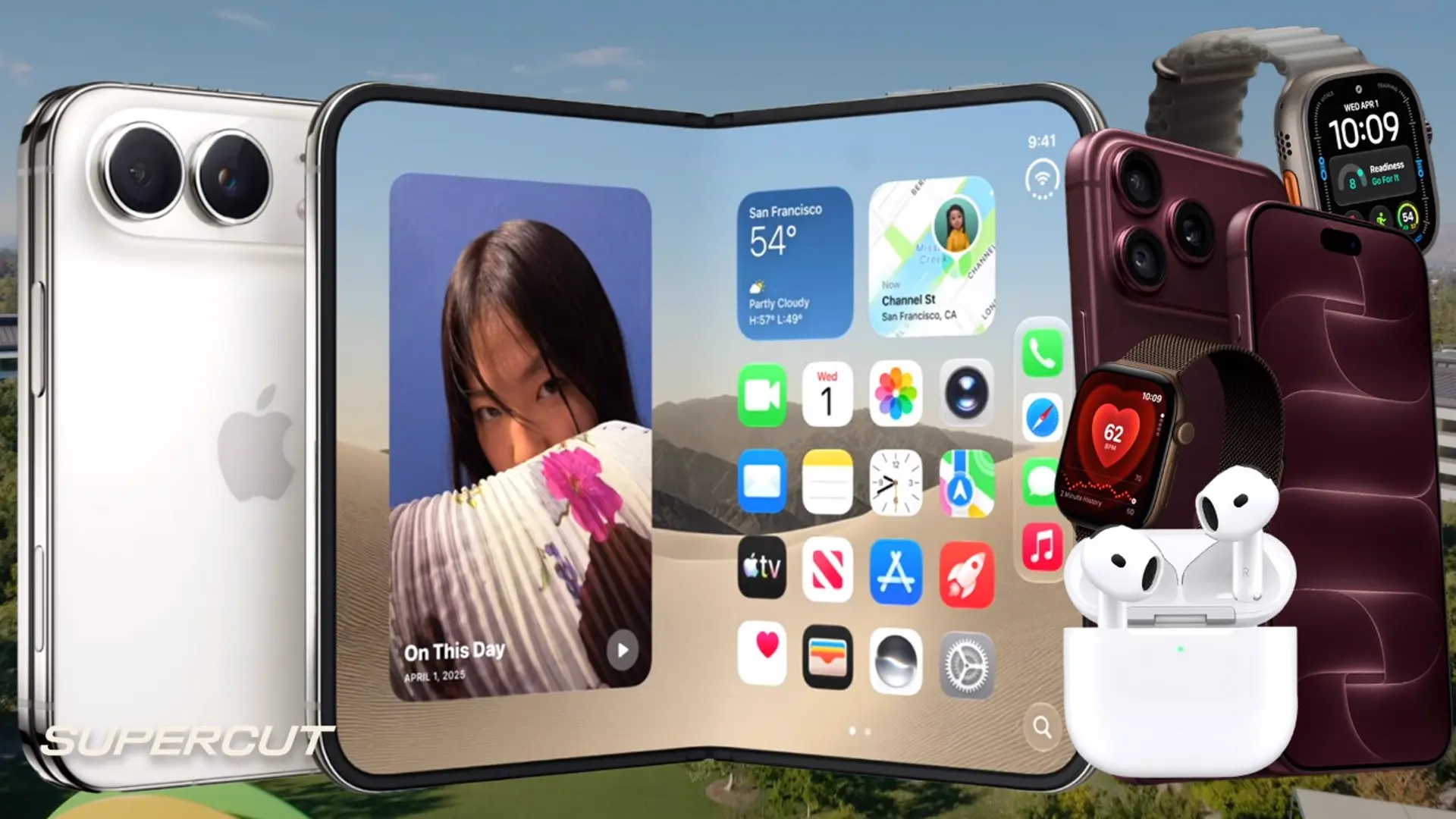
For Apple, that means demonstrations of its updated iOS 27 and WatchOS 27, announced at WWDC in June running on the new hardware. But we’ve been using the OSes for a while and don’t have to rely on passing demos during the hardware announcement: Here’s our experience with the beta and what to know about iOS 27 before you start using it as well as our take on the new Siri in WatchOS.
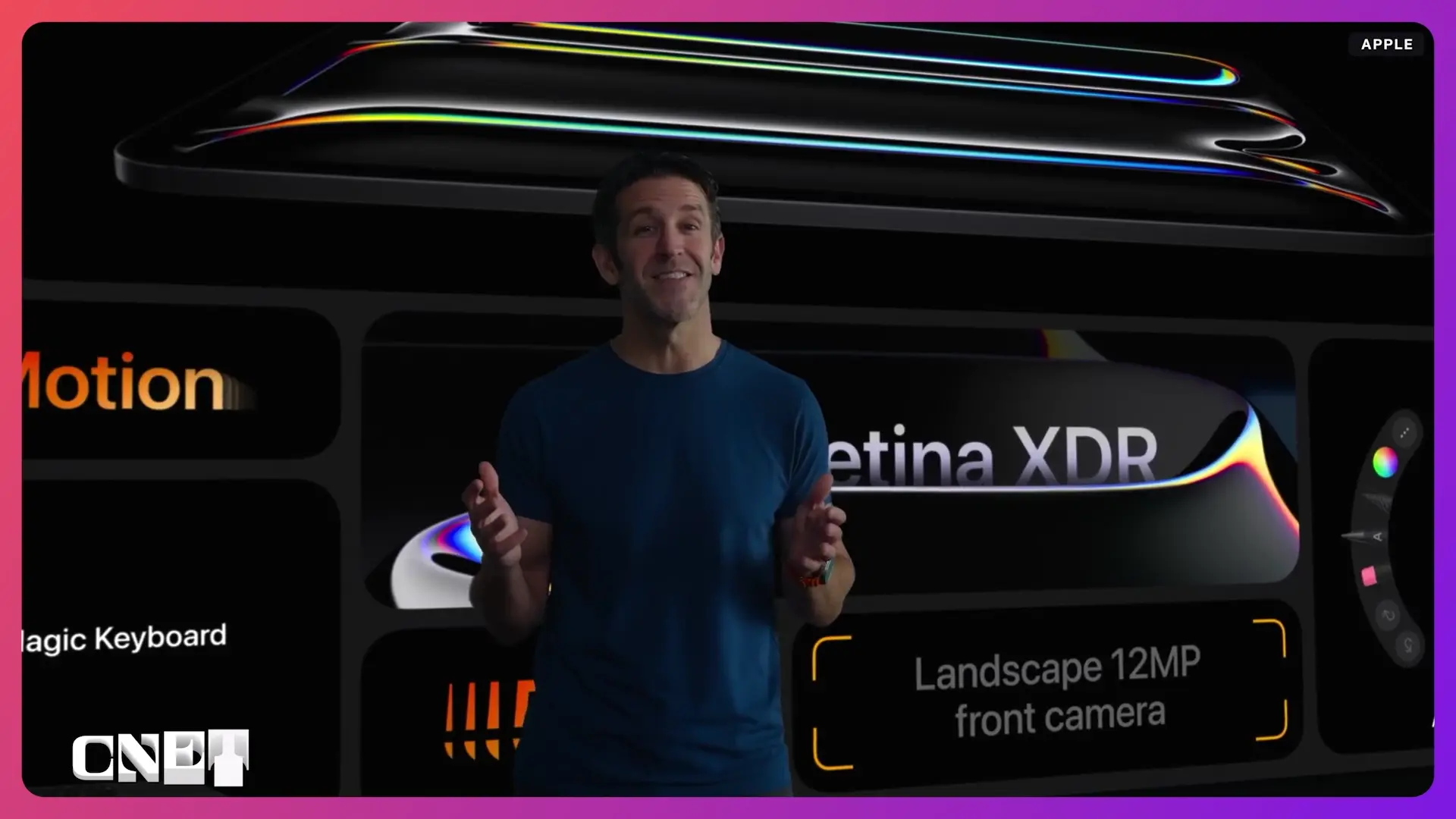
After the initial cinematic opening to promote the new variable aperture camera on the iPhone 18 Pro and Max, Tim Cook provided a clever, well-done segue to Ternus’ first Apple launch as CEO.
Ternus came up through product design, and it showed during the event. If memory serves, we were provided with more specific hardware information about chips, device builds, cooling systems and so on than in a lot of earlier launches. That might not appeal to everyone, but it’s the type of thing that keeps me awake as we head into the second hour of these things.
There also seemed to be a lot more video shot in lots of locations around LA. This was likely to drive home the association between Apple and “pro” cameras, but it made a very nice change from a lot of static Apple Park and heartwarming family video.
Abrar Al-Heeti/CNET
Perks of the iPhone Duo
In addition to being its first foldable, the iPhone Duo brought a much longed-for feature back into the…fold.
Touch ID disappeared along with the iPhone’s Home button; the last holdout was the iPhone SE which was discontinued in 2022. Even if you’re fine with Face ID, having a fallback method for logging in and approving purchases makes sense, and its certainly more convenient than having to enter a PIN code.
But it unfortunately replaced Face ID rather than supplement it.
Advertisement
We had some in-chat mockery about ability to register multiple fingerprints for the Touch ID, but as someone who occasionally has dirty, greasy or otherwise electronics-objectional hands, being able to use a clean finger sounds nice to me.
I like the simultaneous front and rear camera feeds, which lets use the outer screen flipped towards the subject. It reminds me of methods introduced to get pets’ attention from the early days of phones and before phones had cameras; I remember using an app that mimicked different cat vocalizations, though I really spent a lot of time wiggling my fingers above my head.
Abrar Al-Heeti/CNET
I’m also a huge fan of the nano-texture screen layer, which comes from Apple’s desktop displays and MacBook Pros. With its excellent anti-reflective properties, it makes the most sense on a phone. I’d like to see it on more than just the Duo.
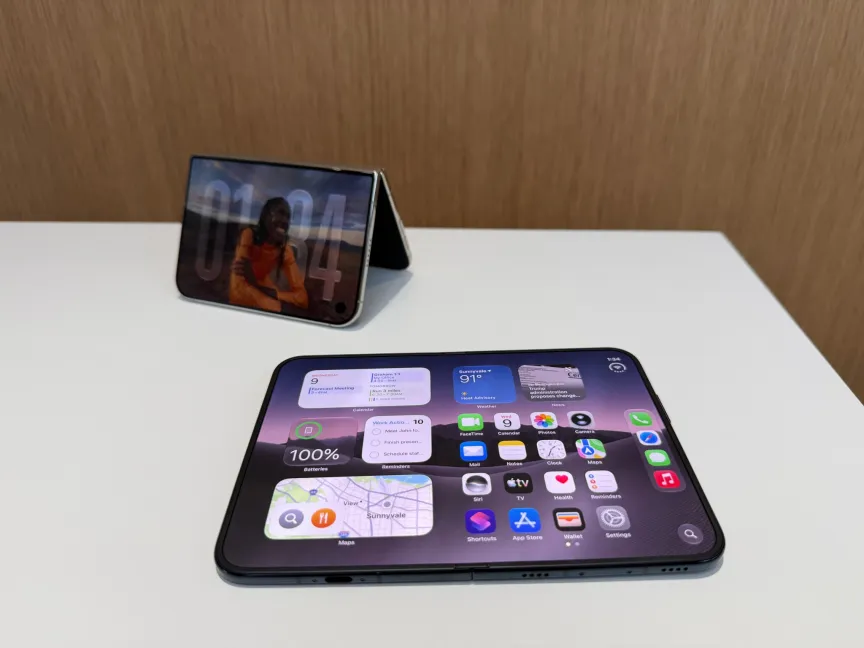
My biggest concern about the Duo was the size. The iPhone 16 Pro Max I currently have occasionally feels a hair too big to use comfortably single handed. But the folded Duo is a bit narrower.
Variable aperture camera on the iPhone 18 Pro and Pro Max
Apple made a big deal about its mechanical aperture for the new 48MP main cameras on the iPhone 18 Pro and Pro Max, and it is a breakthrough for a phone.
Advertisement
Electronic apertures used by most small cameras and phones simply limit or increase the amount of light the sensor absorbs. A mechanical, bladed aperture physically changes the shape of the hole which controls the exposure, and that determines what bokeh and bright highlights look like as well as how naturally the depth of field is rendered.
So introducing a mechanical aperture should allow for more control over the quality of the look (as opposed to the quality of the image) looking photos and videos. That’s notable.
But don’t expect a truly pro-lens look, though. It’s a six-bladed diaphragm, which isn’t even as good as some entry-level kit lenses, and 8 blades is more or less the minimum for really nice-looking, soft bokeh. In its video showing off the camera, there was very little of it.
There are four aperture settings, f1.48-f4, which highlights the constraint of the small phone sensor and module. By f4 on a sensor that small you’re essential at infinite focus, where on a larger sensor you might get up to f16 or f32. The bottom line is you don’t have a lot of depth-of-field variability to play with for that variable aperture.
The new iPhone Duo folding phone folds like a book or passport.CNET
Burgundy Pro, Night Sky Duo
I’m a fan of deep, rich colors for phones, though I usually just cram it in a case and never see it again. At least based on the livestream, the burgundy looks like a nice change from the aggressive orange of the previous generation (though I do like it), and the navy-black Night Sky seems a lovely choice after my MacBook Pro-favorite Space Gray.
A20 Pro
In a switch-up from previous years, Apple launched its new laptop and desktop chip, the M6, ahead of the A20 Pro, which is incorporated by all three iPhones. Usually the mobile processor comes first and the computer chip inherits its major architectural changes from that. In this case, the A20 has the same 2nm process size as the M6, down from 3nm in previous generations.
A smaller process size allows for a denser die, which ultimately lets you fit more circuitry in the same size package.
In this case, it has the doubled Neural Engine of the M6, used for the on-device AI processing, from 16 to 32 cores. That’s likely an essential upgrade for decent performance with on-device Siri AI.
There are also more cores, both GPU and CPU, plus the change from performance cores to super cores, which can run at faster clock speeds.
It also has the packaging with the memory placement optimized for better heat dissipation because smaller process sizes and denser dies can generate a lot more heat than bigger ones. That plus the switch to super cores required it.
Apple also dealt with heat by adding a vapor chamber and adding a dissipation layer beneath the screen.
Advertisement
Efficiencies introduced by the chip theoretically improve battery life, according to the company.
iPhone Handoff
If you’ve got two iPhones, iPhone handoff will let you share a single phone number, designating one eSIM as primary and the other as a companion. It sounds interesting, and would let you leave one phone at home or, with careful scheduling let someone else pick up (for say an elderly relative or young child) but it’s one of those features that could suffer if it’s badly implemented. I’m not sure if it lets you save the cost of a second line, because you’ve still got to have an activated SIM in the companion phone. I also wish it could work with a non-Apple phone.
It’s also kind of confusing, since Apple already has Handoff for sharing tasks across devices.
Watch Ultra 4 improved sensors
More sensitive, frequently polling sensors are an unambiguous win if you use them in a watch, as long as they don’t overwhelm the rest of the system (which I have no reason to think they do here). Better sensors in the Watch Ultra 4 mean more accurate readings and more easily recognized outliers.
Audio Intelligence sound recognition
The Watches’ Audio Intelligence can, among other things, decode sounds into visual notifications for the hearing impaired. That’s a nice accessibility perk.
Advertisement
An AI-driven feature that I could really use, though, is real-time accent compensation in AirPods; the AirPods 5 received some tweaks inherited from the higher-end model, including improved active noise cancelling. Translation is nice, but I have a lot of trouble understanding people with heavy accents of all kinds — a big drawback when you live in New York City.
It’s not all sunshine, though. There are a lot of things I just say “nope” about.
Always on AI
On one hand, I like the idea of a Watch that can catch parts of conversations I routinely miss (Live Rewind), either because I’ve gone space cadet or because my hearing glitched, as it tends to do. But I’m also one of those Luddites who doesn’t like or use devices with always-on listening or recording.
I’m not a big fan of Apple’s “it only stays on our servers” Private Cloud Compute privacy narrative, which surfaced once again today, especially since Apple Intelligence/Siri AI can also use hybrid (local plus cloud) and third-party-integration models. Even if it stays on your device, you still never know until after the fact what has obtained access to your data — and it may now include a lot of health data.
Advertisement
It may also be because I don’t find a lot of the commonly trotted out use cases very compelling. Apple Intelligence, and the upcoming dedicated Siri app, can do the things everybody’s on-device AI can, which seems to be writing email, summarizing calendars, travel scheduling, creating shopping lists, generating wallpaper and so on.
To me, a lot of the AI used by the Watch Series 12/Ultra Health and related apps and on similar devices, such as Stuff, goes too far into the micromanaging-your-life zone. If it’s going to give a Readiness score of my ability to handle activities, I’m going back to bed and pulling the covers up over my head, because my body tells me it’s not ready for anything.
The iPhone Duo’s drawbacks
While the Duo has the same 48MP main camera as the iPhone 18 Pro and Max, it doesn’t have the same mechanical aperture or high-end features. This is actually a notable negative which I’d weight heavily when considering the phone.
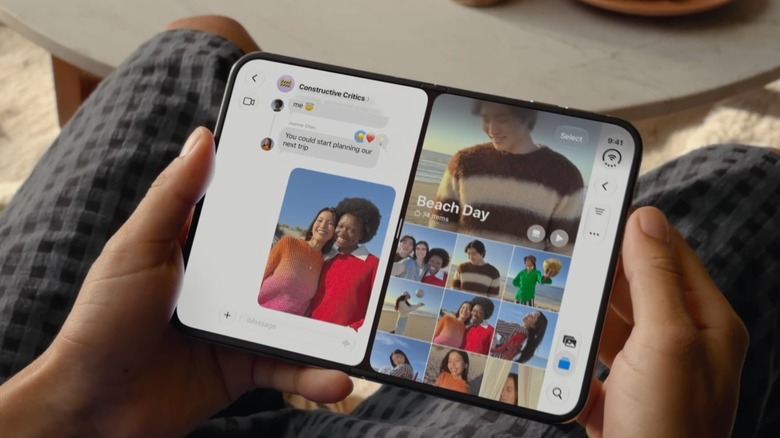
The other thing I suspect will make things awkward are the screen aspect ratios. Folded, each side is just shy of 3:2 — it’s 1.45 instead of 1.5 — which has become nonstandard. 1.5 is the aspect ratio of full-frame camera sensors, which conceivably makes it nice for displaying them, but neither video or games use it. Opened, the large screen has a 1.4 aspect ratio, which is even more novel.
As a result, Apple has had to alter iOS 27’s screen layout settings, both to take advantage of the extra screen real estate (good), as well as to change where control appear so you can use them comfortably (bad). Apple spins these as “optimizations.” But it means inconsistent user experiences and interface conventions between the Duo and the rest of the iPhone line.
Advertisement
Additionally, it means that the operating system will have to adapt a lot of existing non-Apple apps and content on the fly to run right on the device. That’s always a bumpy road.
While the Duo supports the Apple Pencil, it’s just plain odd. It works with the original, USB-C Pencil rather than the more recent Bluetooth version, which seems inconvenient for carrying around and using — it requires physical pairing with the device and plugged-in charging. Plus it’s not really designed to use with the phone, since there’s no way to dock it. It seems like the least-effort solution possible to a stylus.
Lori Grunin
Senior Editor / Computers and Gaming Hardware
I’ve been reviewing hardware and software, devising testing methodology and handing out buying advice for more than 25 years.
See full bio
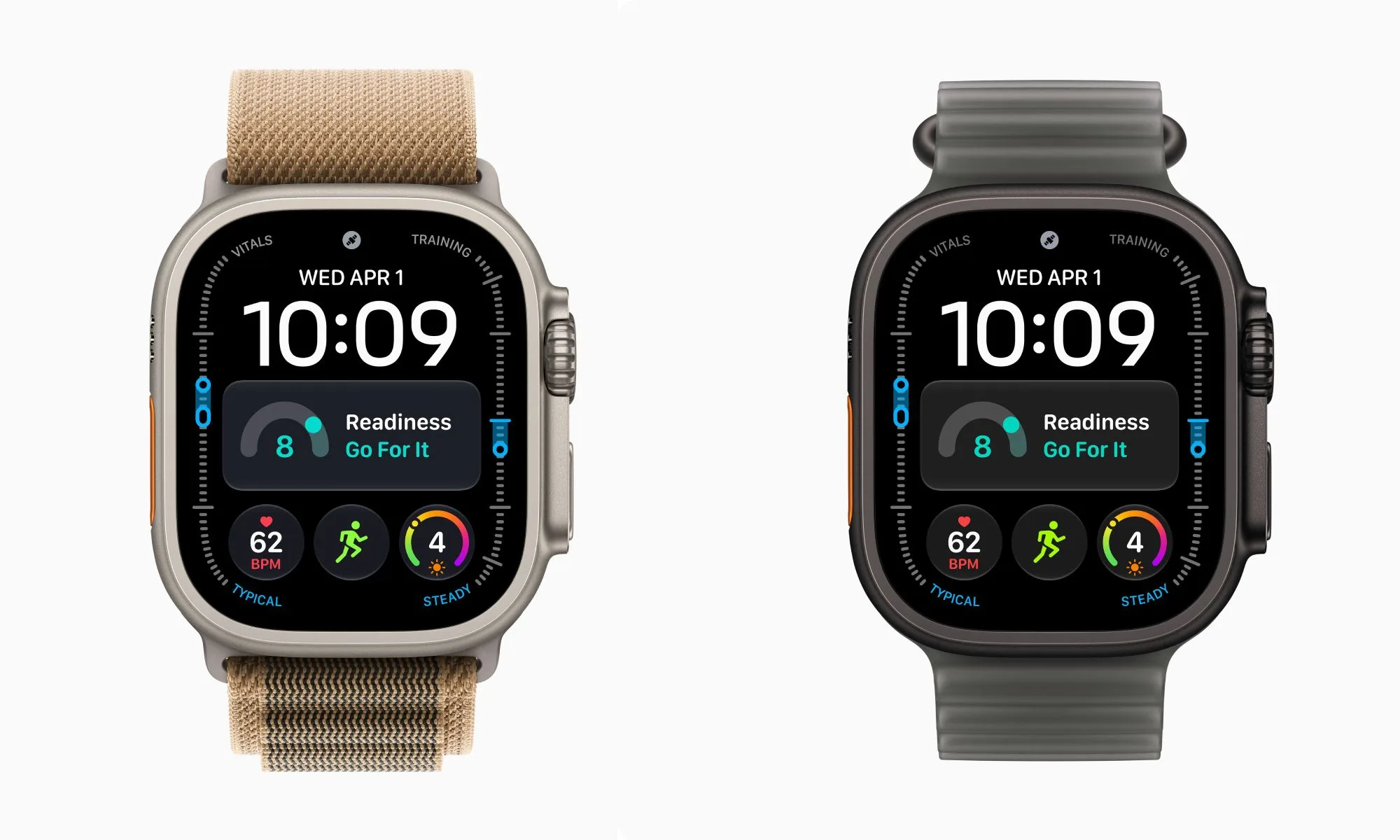
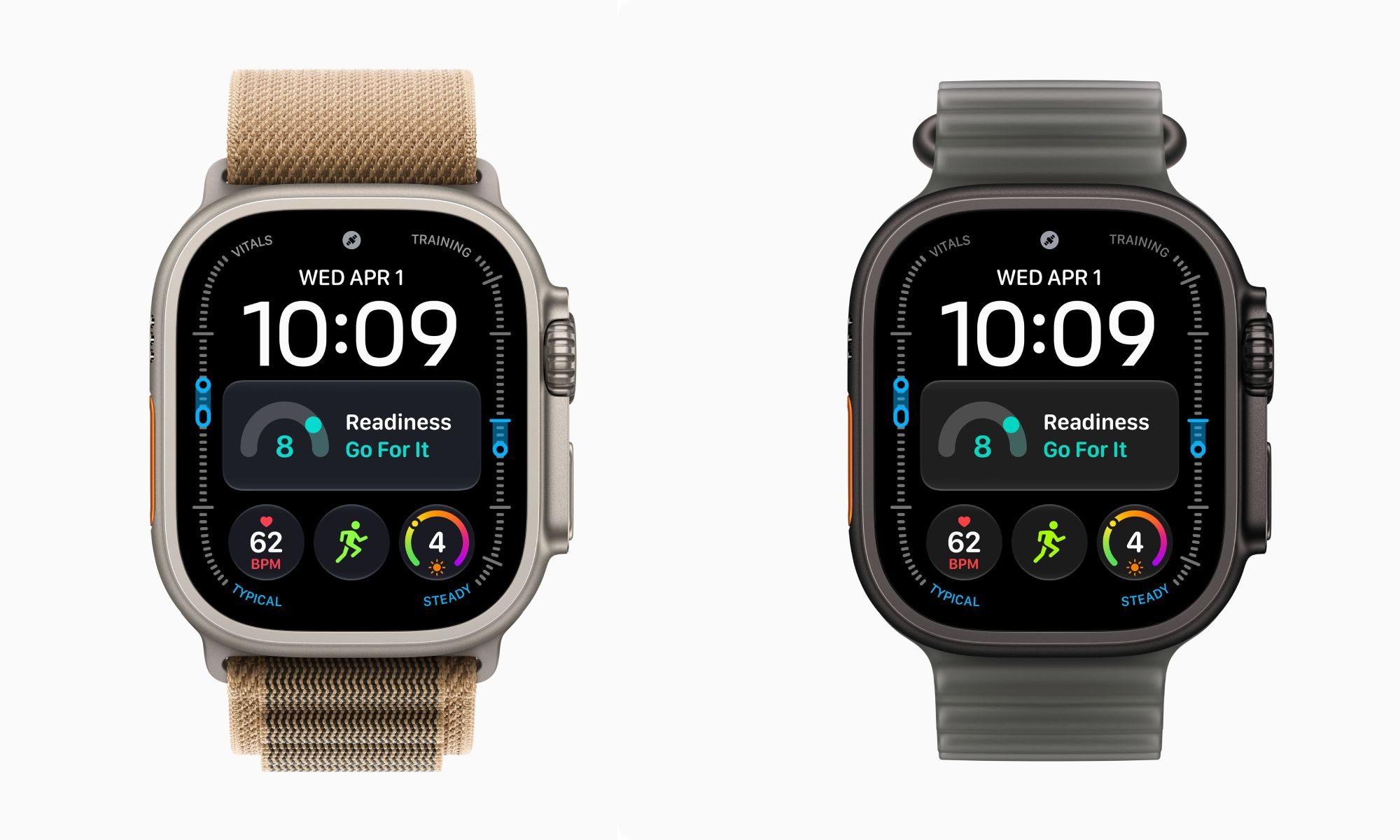
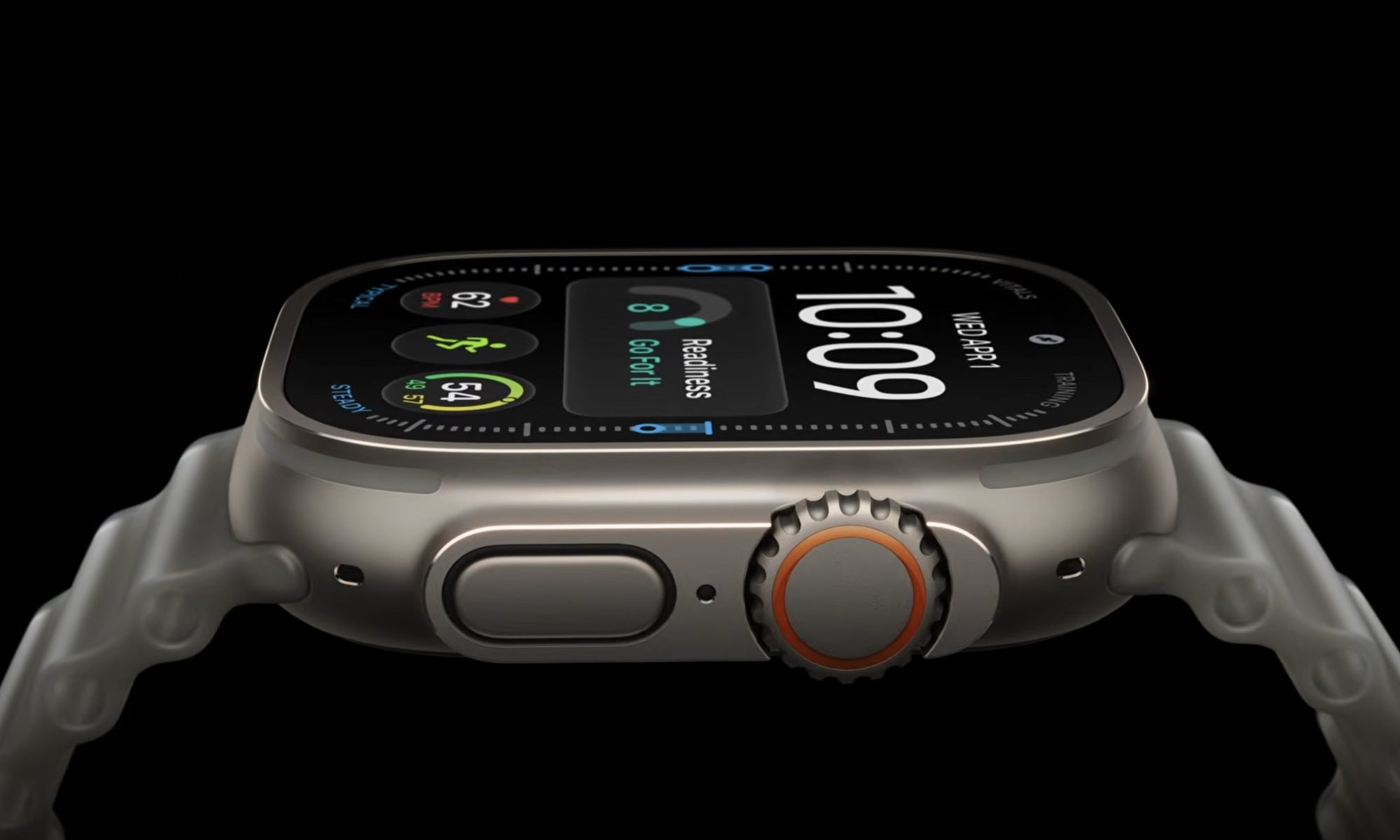
A quick glance at the spec sheet and it looks like the Apple Watch Ultra 4 is quite similar to last year’s Ultra 3. The same 49mm titanium case houses the same big 3,000-nit display, with the Action button on the side, satellite connectivity, 100-meter water resistance, and recreational diving support down to 40 meters. Apple hasn’t even changed the two case colors.
But that’s just the hardware side of the story. Look underneath the familiar casing, and things start looking a lot newer. The Ultra 4 introduces an entirely new Health Sensing System, higher-frequency heart-rate and HRV measurements, and so much more. It also starts at the same $799 price at which the Ultra 3 launched. So for someone buying their first Apple Watch Ultra, the decision might be obvious. Though the same doesn’t hold true for existing Watch Ultra 3 owners.
Apple
Apple Watch Ultra 4 vs Watch Ultra 3 Specs
Features
Apple Watch Ultra 4
Apple Watch Ultra 3
Starting price
$799
$799 at launch
Case
49mm Grade 5 titanium
49mm Grade 5 titanium
Dimensions
49 x 44 x 12mm
49 x 44 x 12mm
Weight
63.0g natural / 63.1g black
61.6g natural / 61.8g black
Colors
Natural, Black
Natural, Black
Display
LTPO3 wide-angle OLED, Always-On
LTPO3 wide-angle OLED, Always-On
Resolution/display area
422 x 514, 1,245mm²
422 x 514, 1,245mm²
Brightness
1–3,000 nits
1–3,000 nits
Processor
S11
S10
Storage
64GB
64GB
Heart sensing
New Health Sensing System
Electrical + third-gen optical sensors
Readiness score
Yes
No
Recovery HRV
Yes; much more frequent HRV sampling
No
Siri AI
Yes with watchOS 27
Yes with watchOS 27
Audio Intelligence
Yes
No
Gestures
Single tap, double tap, wrist flick
Double tap, wrist flick
GPS
Precision dual-frequency GPS
Precision dual-frequency GPS
5G
Yes
Yes
Satellite communication
Yes
Yes
Normal battery life
Up to 50 hours
Up to 42 hours
Low Power Mode
Up to 84 hours
Up to 72 hours
Full GPS/HR outdoor workout
Up to 18 hours
Up to 14 hours
Extended full GPS/HR workout
Up to 25 hours
Up to 20 hours in Low Power Mode
Maximum extended workout
Up to 45 hours
Up to 35 hours with fewer GPS/HR readings
15-minute charge
Up to 18 hours use
Up to 12 hours use
Water resistance
100m
100m
Scuba diving
Up to 40m
Up to 40m
Apple’s technical specifications confirm that the physical aspects like dimensions, display resolution, peak brightness, water resistance, storage, and core connectivity remain almost unchanged.
Design and display: It’s basically a tie
If you were hoping Apple had shrunk the Ultra again, you’re going to be disappointed. Both generations measure 49mm tall, 44mm wide, and 12mm thick. The Ultra 4 has actually gained a tiny amount of weight, reaching 63 grams in natural titanium compared with 61.6 grams for the Ultra 3. While Apple can say the Ultra has gotten thinner, a 1.4-gram difference is not going to make a difference in real-world use.
The display hasn’t materially changed either, with both models using a 422 x 514 LTPO3 wide-angle OLED panel with a 1,245mm² display area, 1Hz Always-On capability, and brightness ranging from 1 nit to 3,000 nits. In our review of the Apple Watch Ultra 3, we praised its thinner body and wide viewing angles as one of the biggest improvements Apple had made to the Ultra line. It finally made Apple’s enormous adventure watch considerably easier to live with every day.
Advertisement
Apple
Health tracking: Ultra 4 wins by a mile
This is where the generational gap finally opens up. The Ultra 4 has Apple’s new Health Sensing System, built around redesigned optical and electrical sensors and the S11 chip. Larger, more efficient green LEDs allow the watch to measure heart rate every five seconds throughout the day, while Apple says HRV can now be measured up to 24 times more frequently.
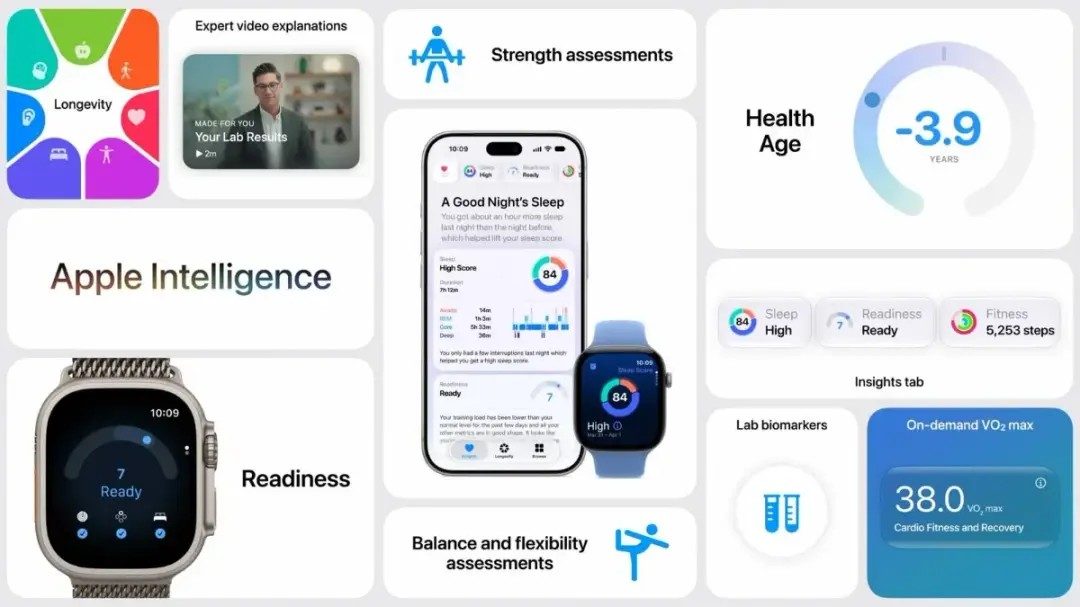
The additional data feeds several new features. The biggest of which is the new Readiness feature. It basically combines recent activity, training load, sleep score, vitals, and recovery information into a score from 0 to 10. Rather than simply handing over the number, Apple categorizes your condition as Recover, Pace Yourself, Ready, or Go For It. The score can also change throughout the day as new workout and health data arrives.
Apple
Apple is additionally separating Recovery HRV from broader HRV trends and adding HRV to Vitals. Daytime Vitals can flag changes before you go to sleep, which makes the Ultra 4 considerably more useful for athletes trying to judge recovery and training readiness. This addresses one of the more noticeable holes in Apple’s previous fitness offering by finally offering a unified daily recovery metric that competitors such as Garmin, Oura, and Whoop have emphasized.
Fitness and GPS: mostly familiar, with better endurance
Both watches remain extremely capable sports devices. You get precision dual-frequency GPS, customizable workouts, Heart Rate Zones, Race Route, Pacer, training load, automatic track detection, cycling power-meter support, offline hiking maps, swimming metrics, and recreational scuba diving.
Apple is once again claiming the Ultra 4 provides the most accurate on-device GPS in a sports watch, based on testing against leading dual-frequency sports watches in August 2026. Interestingly, Apple made a similar accuracy claim about the Ultra 3 last year, and both spec sheets still list precision dual-frequency GPS. I consequently wouldn’t describe this as a major new GPS hardware system without more testing.
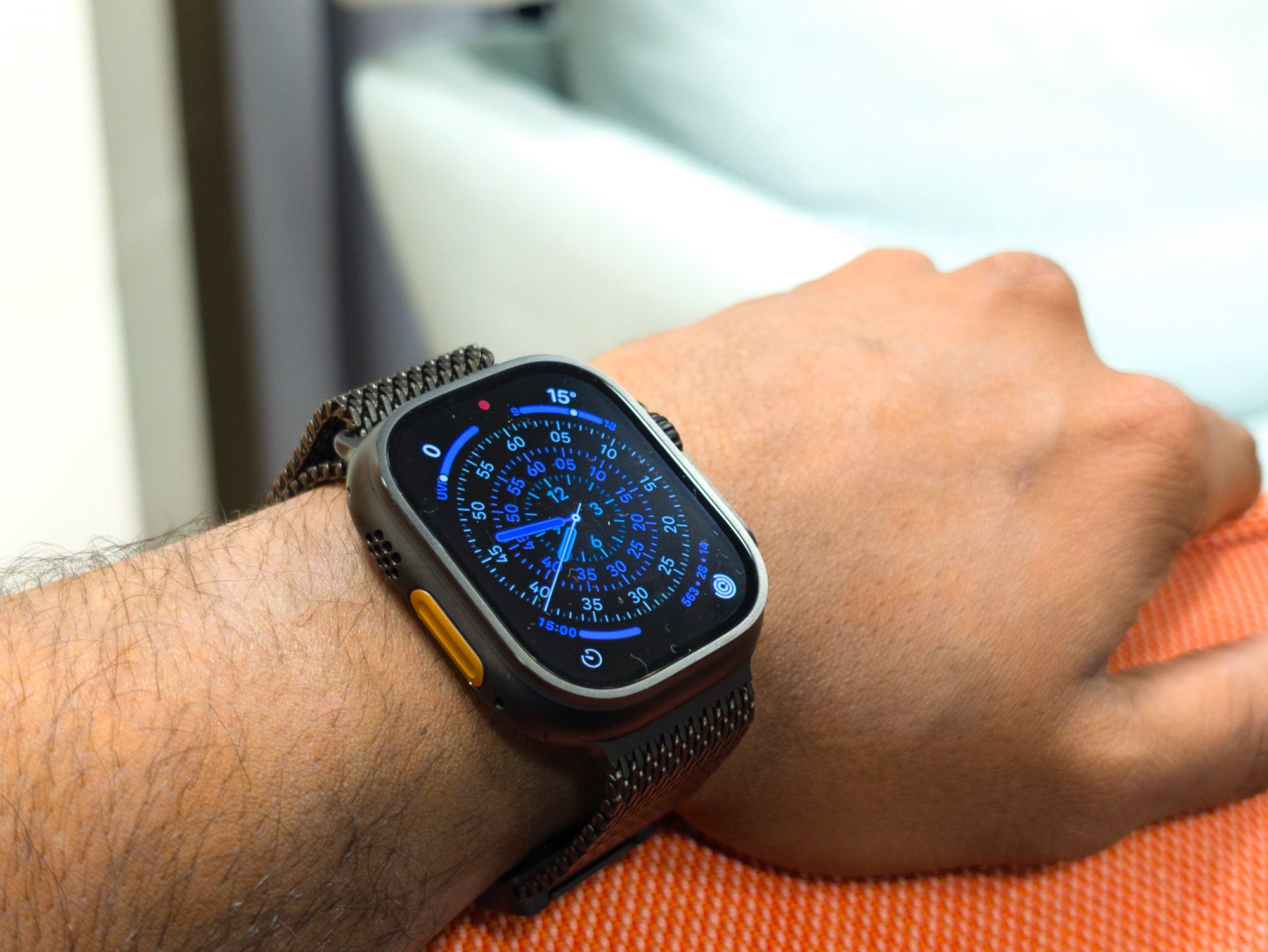
Apple Watch Ultra 3Nirave Gondhia / Digital Trends
Though Apple claims that there is a clearer enhancement in step and indoor-distance tracking thanks to its redesigned pedometer algorithms around the S11 chip that improved all-day step counts and treadmill distance estimates. These changes won’t impact the average user, but athletes who specifically care about recovery data get a much larger upgrade thanks to Readiness and higher-frequency heart sensing.
S11 and software: Don’t upgrade just for Siri AI
The S11 chip sounds like an easy reason to favor the Ultra 4. Except there’s one minor detail to remember. Siri AI isn’t exclusive to the Watch Ultra 4. Apple says watchOS 27 supports Apple Watch Ultra 2 and newer, and Siri AI can run on those supported watches when paired with a compatible Apple Intelligence-enabled iPhone.
Advertisement
Meaning, your Ultra 3 still gets Apple’s much more conversational assistant, personal context awareness, the dedicated Siri app, dynamic app grid, smarter Smart Stack, and many of watchOS 27’s other improvements. What’s really new is the hardware-exclusive feature, Audio Intelligence. The S11 chip contains a Secure Enclave designed to process audio independently, allowing the Ultra 4 to support four new functions: Sound Recognition, faster automatic Shazam, Live Rewind, and Siri Recap.
Live Rewind can recover the previous 15 seconds of a conversation as text when you double-press the Digital Crown. Siri Recap goes further by generating a high-level summary of conversations for you to revisit later. Apple says neither feature stores the raw audio, and both arrive in beta later in 2026.
Nirave Gondhia / Digital Trends
Battery life: this might be the upgrade people notice immediately
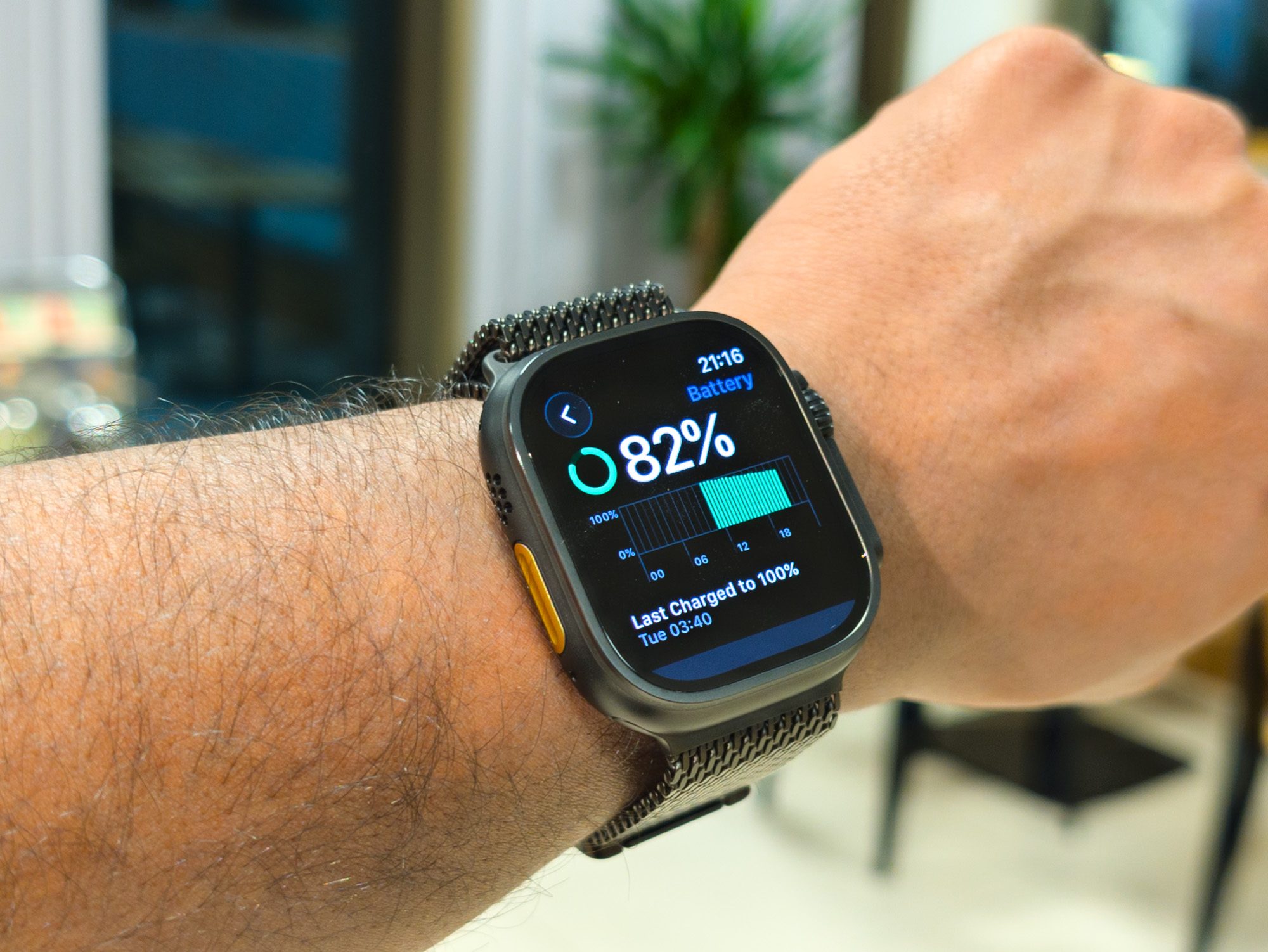
Battery life was already one of the Ultra 3’s greatest strengths. Apple rated it for up to 42 hours of ordinary use and 72 hours in Low Power Mode. During one of our tests, it had 31% charge remaining even after running for nearly 60 hours, demonstrating just how strong its endurance could be under mixed usage.
In the latest generation, normal use rises to 50 hours, while Low Power Mode reaches 84 hours. An ordinary outdoor workout with full GPS and heart-rate measurements increases from 14 to 18 hours. Apple’s new Extended Workout mode reaches 25 hours while retaining full GPS and heart-rate measurements.
There’s also Max Extended Workout mode, rated for up to 45 hours of outdoor running, walking, or hiking while still taking GPS readings every second. Apple specifically pitches that as enough for many 100-mile races. Both watches reach 80% in about 45 minutes, but 15 minutes on the charger now gives the Ultra 4 up to 18 hours of normal use, versus 12 hours on the Ultra 3. Five minutes provides up to 10 hours of sleep tracking instead of eight.
Advertisement
Apple Watch Ultra 4 vs. Ultra 3: Which should you buy?
For a new Apple Watch Ultra buyer, get the Ultra 4 if you’ve been waiting to buy one. Apple has kept the $799 starting price while improving the areas that actually make sense for this product. Readiness and higher-frequency HRV are quite big updates in the health tracking department. The Health Sensing System captures considerably more physiological data, and battery life is moving farther into dedicated sports-watch territory.
It’s an easy recommendation when the alternative costs the same (when not on discount). So if you’re already on the Watch 3 Ultra, it’s better to stick with it. The display and physical design are essentially identical. You already have 5G, satellite communication, precision dual-frequency GPS, excellent battery life, and almost the entire Ultra fitness toolkit. Most importantly, watchOS 27 means you aren’t being locked out of Siri AI or Apple’s larger software redesign after only one year.
We’re back with a recap of Apple’s iPhone Duo launch event! In this episode, Devindra and Engadget Senior Reporter Karissa Bell break down their thoughts on Apple’s first foldable, and how the company is building on a form factor that Samsung pioneered. Also, we dive into the curious case of the iPhone 18 Pro, which has a new variable aperture camera, but will likely be overshadowed this year by the Duo.
Advertisement
Credits
Hosts: Devindra Hardawar and Karissa Bell Producer: Ryan Fernandez
I think it’s basically a question of timing. A lot of people are sensing that the pace of capabilities is picking up. We’re already pushing from human to superhuman in many areas, like coding, hacking, math, and I think people are aware of this. Even if there’s a lot of talk in the press about things being hyped, I think people see that things are just not slowing down.
That’s one reason, and two is the recent safety incidents, which have updated a lot of people around the sci-fi–sounding doomer concerns not really being so sci-fi after all. Both of these have been gradual trends over the last few years. Things like the models being aware of when they’re being tested has been a thing for a while now. Maybe three years ago, that was a sci-fi concern. Then, about a year ago, that became a real thing.
Those two things mean that people are quite receptive to someone working on AI saying, “Yeah, in the next year, things could get pretty bad, pretty fast.”
You mentioned the recent incidents. Can you be more specific about what you’re referring to and why it led to you speaking out now?
Advertisement
I think the big classic example here is the attack on Hugging Face on the part of OpenAI’s agent swarm. What’s so shocking about this one is the agents did this hack as part of a general strategy for understanding more about the grader. They were trying to understand the world they found themselves in, trying to understand the thing that was doing the grading. They decided that it would make sense to go on this very concerted effort to hack into some infrastructure, and they succeeded.
This previously sounded like science fiction. Two years ago, an evaluation of an AI would have been running a model on some math questions. Now we’ve got cases where, while the AI is being evaluated, it runs for days, comes up with all sorts of ideas of its own, and decides to hack into some third party and actually compromises their infrastructure. It looks like it does this all of its own volition, with no priming on the part of the human. This just happened while it was being tested.
Some people think the Hugging Face incident is a sign that the AI companies are moving recklessly fast, while others think it’s a sign that the AI models are just very good at hacking now, and then some think it’s both. I’m curious what your exact takeaway from it is.
I don’t want to focus too much on the Hugging Face attack, because I do also think there is plenty of evidence that we don’t know how to align models properly. When we train models, we push them through this set of training environments and then hope that what comes out at the end will, like, largely behave sensibly, but we still can’t precisely control how the AI behaves.
Advertisement
We can’t make sure that it won’t do things like try and randomly decide to impersonate a human online in order to achieve something—we don’t know how to guarantee that. I think that’s the main takeaway.
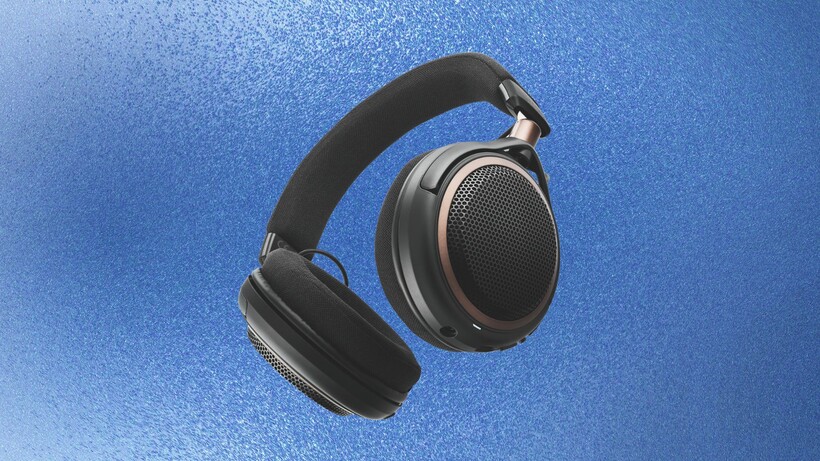
Audio-Technica has released its first ever pair of wireless open-backed headphones in the ATH-AL5NC.
This new launch builds on a line-up already established through the R-Series for music production and the recently expanded ADX Series for audiophile listening, with the ATH-AL5NC extending Audio-Technica’s open-back design into wireless territory for the first time.
Specially designed 53mm dynamic drivers produce the detailed soundstage associated with open-back listening, while the open housing improves airflow around the earcups compared with sealed, closed-back alternatives that trap more heat during long sessions.
That focus on comfort extends to the build itself, with the ATH-AL5NC weighing 240 grams, so listeners can wear these headphones for hours without a break.
Advertisement
Wireless use is backed by a battery life of up to a massive 75 hours, and a 15-minute charge restores up to 8 hours of playback when the battery does run flat.
Advertisement
A multipoint pairing function keeps the headphones linked to two Bluetooth devices at the same time, while support for LDAC enables 24-bit/96kHz high-resolution audio over a wireless connection.
If you choose to use the headphones through a wired and not wireless connection, the Audio-Technica includes a 1.2 metre cable with a 3.5mm stereo mini-plug and its own in-line microphone, while the headphones’ built-in microphone covers calls made over Bluetooth.
Advertisement
Beyond the hardware, the A-T Connect mobile app extends the ATH-AL5NC with a low-latency mode for gaming and video, an EQ, and a soundscape function that layers ambient sounds over music for focus or relaxation.
Image Credit (Audio Technica)
A noise-reduction function sits on the right earcup and stays active even when listeners plug in the supplied cable. The app also unlocks a Sound Leakage Reduction mode aimed at open-back headphones used in shared spaces, though Audio-Technica notes that leakage cannot be eliminated entirely at higher volumes and that the mode does alter the sonic signature of the headphones.
Advertisement
The ATH-AL5NC is available now, priced at £219 / €249 / $279 / $499 AU dollars. We don’t see many wireless open-back headphones aside from the Grado GW100x, which still command a price of £249 / $279 despite launching several years ago, so these less headphones could give Grado more of a robust challenge.
Massachusetts became the latest state to force data centers to bring their own power, but this time there’s a twist. A new state mandate would require developers building data centers larger than 25 megawatts to provide clean power or pay into a ratepayer protection fund.
Gov. Maura Healey’s executive order is the latest example of states turning against data centers. Just a few years ago, tech companies and data center developers were showered with incentives to locate facilities in a particular state. Now, they’re fighting a groundswell of public opposition as politicians seek to show voters they’re addressing their concerns.
Under Healey’s order, data centers larger than 25 megawatts of peak demand will have to bring their own power and guarantee that it adheres to the state’s clean energy requirements. Healey would prefer that they generate the clean power onsite, too. If not, they’ll need to fund the construction of new generation nearby or pay into a ratepayer protection fund.
Massachusetts is also directing communities to “avoid signing non-disclosure agreements,” according to the executive order. To give regulators time to implement the new restrictions, the governor is pausing applications for a data center sales tax exemption that went into effect last month.
Advertisement
Healey said data centers must meet the Massachusetts clean energy standard enshrined in state law, although it comes with some added strength. The state’s clean energy standard dictates that industry only generate a portion of their power using approved sources like wind, solar, and hydro. In 2030, for example, those sources must contribute at least 40% of the total. The amount varies by year, and it ratchets up over time. But the governor’s office clarified that data centers will be required to meet 100% of its electricity demand with clean energy generation.
With the new restrictions, Massachusetts becomes the third state in as many months to rein in data center development.
In August, Texas Gov. Greg Abbott announced that all new data centers in the state would need to submit to audits by the public utility commission and the grid operator, ERCOT. In July, New York’s governor stopped construction of new data centers 50 megawatts or larger.
With public sentiment shifting against data centers, the tech industry is starting to push back. Pro-AI super PAC Leading the Future — which is funded by Marc Andreessen, Ben Horowitz, and Greg Brockman — is buying ads that seek to sway voters in battleground states ahead of midterm elections.
Advertisement
Update: This article was updated with information from the Massachusetts governor’s office that clarified the executive order will require data centers to meet 100% of its electricity demand with clean energy generation.
When you purchase through links in our articles, we may earn a small commission. This doesn’t affect our editorial independence.
from the nasty-people-protecting-nastier-people dept
Let’s start out with the obvious (and obviously heartbreaking): this is not related to the multiple times ICE officers have murdered people. Those officers still remain at large and the DOJ and DHS have shown absolutely zero interest in following up on those cases. In fact, when any local agency attempts to do so, they’re less-than-politely told to GTFO and then the FBI (or whoever) simply shoves any and all documentation into the nearest memory-hole.
This is about an officer who shot someone in Minneapolis, which makes him not all that special. That his shooting involved him firing through a closed door makes it remarkable, but only because an open door might have resulted in another murder. But even though it wasn’t a murder, the DHS put its spin on the incident, only to have its narrative disproven mere moments later:
In the immediate wake of the shooting of Mr. Sosa-Celis, federal officials defended the agents, saying they had been attacked with a broom and shovel. Kristi Noem, who was then the secretary of homeland security, described it as “an attempted murder of federal law enforcement.” Within days, Mr. Sosa-Celis and a housemate, Alfredo A. Aljorna, who was also from Venezuela and involved in the confrontation, were charged with federal felonies.
Minnesota investigators did as much investigating as they could and Minnesota prosecutors secured an assault indictment against ICE office Christian Castro. The problem was that Castro was being held in Texas and its governor (Greg Abbott) was in no hurry to grant Minnesota’s extradition request. A court ruled in favor of Texas and Castro was released… only to get picked up on the separate (but far less serious) charge of filing false reports.
Advertisement
While this does mean Castro will face some charges in court (and still has to deal with the assault charge brought by Minnesota), the real ugliness beneath all these twists and turns is more of the same old bullshit from Trump’s completely compromised Department of Justice.
Castro was actually facing far more serious charges from the US government before DOJ officials got involved. He could have been facing severe civil rights charges (including assault), but he’s ultimately working for Trump, which means almost no anti-migrant (or anti-ICE protester) crime will ever result in criminal charges.
Over the “strongest possible” objections from the federal prosecutor handling the case, leaders at the Department of Justice in Washington, D.C., quashed plans to bring civil rights charges against an Immigration and Customs Enforcement agent accused of shooting a Venezuelan immigrant and then lying about it.
Somehow, there are still a few prosecutors left in the Trump DOJ that are willing to actually pursue justice, rather than placate a president who firmly believes the DOJ exists solely to act as his personal weapon of retribution. This attorney tried to do the right thing:
Late on Tuesday, Matthew Evans, the assistant U.S. attorney in Minnesota in charge of the case, told lawyers for Sosa-Celis and other victims to prepare for Castro to be charged “only with False Statements,” according to an email that was reviewed by ProPublica.
[…]
Advertisement
“This is being directed by the Main Justice and the US Attorney,” Evans wrote in a remarkably candid account of internal deliberations. “I objected in the strongest possible terms and fought it as hard as I could. It wasn’t enough.”
Evans probably knew this would be the last email he would write as a DOJ prosecutor. What everyone expected to happen happened shortly thereafter. For being honest about the end result and advocating for charges he clearly felt the ICE officer deserved, Evans was immediately kicked to the curb by his [cough] “superiors.”
A federal prosecutor in Minnesota who was investigating an Immigration and Customs Enforcement officer for possible civil rights crimes has been fired, four sources familiar with the matter told CBS News.
Assistant U.S. Attorney Matthew Evans was investigating ICE officer Christian Castro over the shooting of a Venezuelan immigrant earlier this year. The Justice Department ultimately charged Castro this week with making false statements about the incident, but the indictment remains sealed…
Evans tried to secure more severe charges against ICE officer Christian Castro. That was strike one. That he told the victims of Castro’s crimes that his efforts had been overridden by DOJ officials was strike two. That’s an out, at least the way this administration counts balls and strikes. It probably would have preferred to punch him out on strike one, but Evans apparently moved faster than the forces of injustice.
Advertisement
Now that Evans has been fired for doing his job, the administration spin machine is whirring away again.
Three sources told CBS News that Evans is under investigation by the Justice Department. Two sources said the investigation focuses on allegations of leaking.
Hey, you don’t get to investigate him! You fired him! Leave him the fuck alone! I mean, if we’re going to play this game, then let’s re-open every investigation of any law enforcement officer (federal or otherwise) that was abandoned because the officer chose to quit, resign, or agree to be terminated rather than stick around until an investigation reached its conclusion. All this says is that the Trump and his DOJ loyalists want to keep punishing people they’ve already punished, or, if nothing else, stumble across something that might justify a vindictive firing after the fact.
This is all bullshit. The ICE officer is on the fast-track for a wrist slap. Meanwhile, the state that still wants Castro to face assault charges will have to wait around indefinitely for a clearly disinterested DOJ to go through the motions of “prosecuting” an officer it never wanted to prosecute.















































You must be logged in to post a comment Login