
Tech
AMD suggests the next-gen Xbox will arrive in 2027

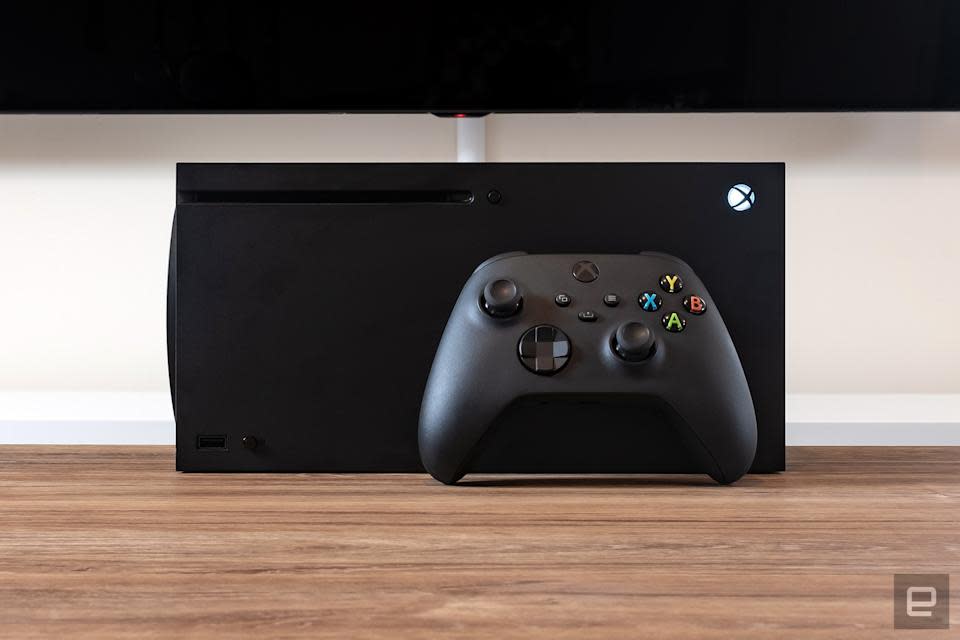
Microsoft could launch the next-generation Xbox console sometime in 2027, AMD CEO Lisa Su has revealed during the semiconductor company’s latest earnings call. Valve is on track to start shipping its AMD-powered Steam Machine early this year, she said, while Microsoft’s development of an Xbox with a semi-custom SOC from AMD is “progressing well to support a launch in 2027.” While it doesn’t necessarily mean Microsoft is releasing a new Xbox console next year, that seems to be the company’s current goal.
Xbox president Sarah Bond announced Microsoft’s multi-year partnership with AMD for its consoles in mid-2025. Based on Bond’s statement back then, Microsoft is embracing the use of artificial intelligence and machine learning in future Xbox games. She also said that the companies are going to “co-engineer silicon” across devices, “in your living room and in your hands,” implying the development of future handheld consoles.
Leaked documents from the FTC vs. Microsoft court battle revealed in the past that Microsoft was planning to make the next Xbox a “hybrid game platform,” which combines local hardware and cloud computing. The documents also said that Microsoft was planning to release the next Xbox in 2028. Whether the company has chosen to launch the new Xbox early remains to be seen, but it is possible when the Xbox X and S were released in 2020, and they haven’t sold as well as the Xbox One.

Although Amazon first revealed its Samsung Frame competitor TV back at CES, it’s now finally available to pre-order.
Coined Ember Artline, how does Amazon’s new lifestyle TV compare to the Samsung Frame? Ahead of our review, we’ve compared the initial specs of the Ember Artline to the four-star Samsung Frame and noted the key differences between the two below.
Once you’re done here, make sure you visit our round-up of the best TVs, best cheap TVs and best 4K TVs too, to find your next investment.
Price and Availability
At the time of writing, Amazon’s Ember Artline is available for pre-order and will launch officially on April 22nd in the US and Canada, and May 7th in the UK. Germany is slated to see the TV later in May, although an exact date hasn’t been announced just yet.
The Ember Artline has a starting RRP of $899.99/£949.99 for the 55-inch model.
SQUIRREL_PLAYLIST_10208400
In comparison, the Samsung Frame is available to buy now and has a starting price of £799/$899 for the smallest 43-inch model. While the Ember Artline is only available in two sizes (55- and 65-inches), the Samsung Frame comes as a 43-, 50-, 55- or 65-inch screen.
SQUIRREL_PLAYLIST_10208402
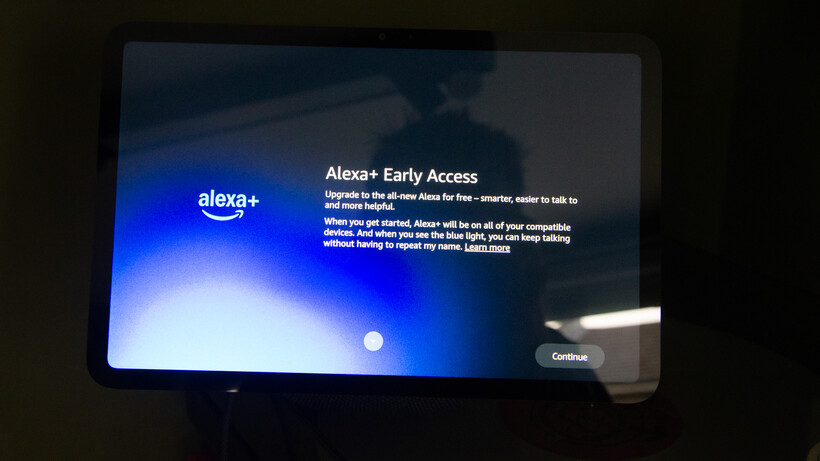
Ember Artline supports Alexa+
Naturally as it’s an Amazon TV, the Ember Artline is fitted with Alexa – specifically the recently launched Alexa+. However, we should disclaim that Alexa+ is only free for Prime members, no non-Prime subscribers will have to spend £19.99 to access the voice assistant.
Alexa+ is essentially a smarter, more conversational and personalised upgrade over the original Alexa. While we’re yet to provide our full review on the voice assistant, our Home Technology Editor Dave Ludlow has given his early thoughts on Alexa+ and noted where it excels and still struggles.

Otherwise, Alexa+ provides hands-free control on the TV, and allows you to search for shows, receive personalised recommendations and have natural conversations too.
Fire TV vs Tizen
One of the key differences between the Ember Artline and Samsung Frame is with their respective operating systems. While the Ember Artline runs on Amazon’s Fire TV, the Samsung Frame is powered by, unsurprisingly, Samsung’s Tizen OS instead.

Both are smart TV systems that offer access to streaming apps such as Netflix, BBC iPlayer, Disney Plus and more, and have their respective pros and cons. For example, while Tizen isn’t the easiest to navigate, it does offer recommendations and there’s now the option to create multiple profiles for your household. In comparison, although Fire TV is intuitive, we found that it has a tendency to promote Amazon Prime content – which is somewhat understandable.
Ember Artline includes artwork at no additional cost
The key selling point of the two TVs here is that they can display artwork on their screens when not in use. The Samsung Frame has a dedicated Art Mode that presents a gallery of artwork and even your own photos on screen. Plus, with Pantone-validated colour and the promise of no screen burn, images don’t only look vibrant and authentic but you can keep the screen on without worry.

However, although the Samsung Frame does offer a selection of complimentary pieces to display, you will need to pay in order to access the complete library of over 3500 works of art.
In comparison, at least at the time of writing, the Ember Artline offers its collection of 2000 art pieces without any additional cost. Much like the Samsung Frame, you can also choose to display your own photos on the Ember Artline, via the Amazon Photos app.
Samsung Frame has more ports
You can never have too many ports, and the Samsung Frame offers a pretty generous selection overall. Alongside its four HDMIs, there’s three USBs (two A and one C), an Ethernet port and an optical port too.
In comparison, the Ember Artline has slightly less, with three HDMI 2.0s, one HDMI with eARC, one USB type-3 and an optical audio port.
However, the Ember Artline does benefit from Wi-Fi 6 support whereas the Samsung Frame sports the older Wi-Fi 5.

Both are 4K QLED displays
Both the Ember Artline and Samsung Frame are 4K, QLED displays, and are packed with plenty of premium screen technologies too, including HDR. In addition, both displays have an anti-glare finish that reduces reflections. In our review of the 2022 Samsung Frame, we found the screen did an excellent job at keeping reflections at bay, so we expect the latest model to do the same.
Otherwise, both the Ember Artline and Samsung Frame have a motion sensor that can either wake or turn off the screen accordingly.
Finally, it’s worth noting that both TVs here also have customisable frames, or bezels, which are sold separately.
Early Verdict
Both the Amazon Ember Artline and Samsung Frame are impressive lifestyle TVs. As we’re yet to review the Ember Artline, we’ll hold off from giving a conclusive review for now. However, if you already own some of the best Amazon Echo devices, enjoy using Alexa for hands-free controls and don’t want to pay extra for artwork, then the Ember Artline seems like a great choice.
On the other hand, if you require more ports, don’t mind TizenOS and want a wider choice of screen sizes, then the Samsung Frame will likely suit you better.
We’ll update this versus once we review the Ember Artline.

BrianFagioli writes: The developers behind Linux Mint say the project is rethinking its release strategy and moving toward a longer development cycle, with the next version now expected around Christmas 2026. In a monthly update, project lead Clement Lefebvre said the team reached a “crossroads” and needs more flexibility to fix bugs, improve the desktop, and adapt to rapid changes across the Linux ecosystem. The upcoming development build, temporarily called Mint 23 “Alfa,” is currently based on Ubuntu 26.04 LTS and includes Linux kernel 7.0, an unstable build of Cinnamon 6.7, and early Wayland related work.
Mint is also replacing the long used Ubiquity installer with “live-installer,” the same tool used by Linux Mint Debian Edition, allowing the project to unify installation infrastructure across its Ubuntu based and Debian based variants. While the team frames the changes as an opportunity to improve quality and reduce maintenance overhead, the shift has raised questions about the project’s long term direction and whether Linux Mint may eventually lean more heavily on its Debian roots rather than its traditional Ubuntu base.


Voting closes today for the 2026 GeekWire Awards, so it’s your final chance to help us select the top innovators and entrepreneurs in Pacific Northwest tech.

Cast your ballot here or in the embedded form at the bottom.
Now in its 18th year, the GeekWire Awards is the premier event recognizing the top leaders, companies and breakthroughs in Pacific Northwest tech, bringing together hundreds of people to celebrate innovation and the entrepreneurial spirit. It takes place May 7 at the Showbox SoDo in Seattle.
With 50 finalists across 10 categories, we’ve previewed every potential winner — from Startup of the Year to Next Tech Titan — in stories over the past several weeks. Catch up here:
- From AI safety to robotic ultrasounds, meet the Startup of the Year finalists
- Young Entrepreneur of the Year finalists tackling AI, robotics, and more
- The machines of the future, from self-driving earthmovers to space robots
- AI Innovation of the Year finalists transform HR, retail, biotech and more
- CEO of the Year finalists innovating across fintech, climate, real estate and more
- From the farm to space, Next Tech Titan finalists growing to meet big challenges
- Sustainable Innovation finalists tackle energy, fashion and farming
- 5 Workplace of the Year finalists lean on key values to build solid company culture
- Breakthrough tech for healthcare and data centers highlight Innovation of the Year
- Billion-dollar deals, rare IPO, pharma pact, and mega-round vie for Deal of the Year
Astound Business Solutions is the presenting sponsor of the 2026 GeekWire Awards. Thanks also to gold sponsors Amazon Sustainability, Baird, BECU, JLL, First Tech and Wilson Sonsini, and silver sponsors Prime Team Partners.
The event will feature a VIP reception, sit-down dinner and fun entertainment mixed in. Tickets go fast. A limited number of half-table and full-table sponsorships are available. Contact events@geekwire.com to reserve a spot for your team today.
(function(t,e,s,n){var o,a,c;t.SMCX=t.SMCX||[],e.getElementById(n)||(o=e.getElementsByTagName(s),a=o[o.length-1],c=e.createElement(s),c.type=”text/javascript”,c.async=!0,c.id=n,c.src=”https://widget.surveymonkey.com/collect/website/js/tRaiETqnLgj758hTBazgd5M58tggxeII7bOlSeQcq8A_2FgMSV6oauwlPEL4WBj_2Fnb.js”,a.parentNode.insertBefore(c,a))})(window,document,”script”,”smcx-sdk”); Create your own user feedback survey

Anthropic on Thursday released a new AI model, and no, it’s not Claude Mythos Preview. Claude Opus 4.7 is now generally available, meant to help developers and vibe coders with their hardest coding tasks.
Opus 4.7, like a well-trained dog, is supposedly better at following instructions. Anthropic wrote in its blog post that Opus 4.7 takes instructions “literally,” where previous models skipped or loosely interpreted prompts. It has improvements to its file-based memory system, so it should be able to recall information from previous sessions and documents. And it can handle larger image files and analyze data from charts more easily.
Anthropic also said the model is more “tasteful and creative” when creating interfaces, documents and slide decks. There are no details on exactly what Anthropic considers bad versus good taste.
Anthropic made waves earlier this month when it revealed it had created Claude Mythos Preview, its next-generation model, but the model was so good at finding security gaps that the company would be sharing it with tech and internet infrastructure companies — like Cisco, CrowdStrike and Amazon Web Services — so they could address the issues Mythos found.
The idea is that if tech companies can improve their systems with the help of AI, they will be more resilient to cyberattacks by bad actors who can use publicly available AI models like everyone else.
While Opus 4.7 isn’t the same as Mythos, Anthropic is testing some of its new cybersecurity protections in Opus 4.7. These safeguards, which “automatically detect and block requests that indicate prohibited or high-risk cybersecurity uses,” are the watered-down version of what will be in “Mythos-class” models, the company’s blog post said. But they’re still important as cybersecurity becomes increasingly saturated with AI, both for defense and for attack.


Enterprise AI is entering a new phase — one where the central question is no longer what can be built, but how to make the most of our AI investment.
At VentureBeat’s latest AI Impact Tour session, Brian Gracely, director of portfolio strategy at Red Hat, described the operational reality inside large organizations: AI sprawl, rising inference costs, and limited visibility into what those investments are actually returning.
It’s the “Day 2” moment — when pilots give way to production, and cost, governance, and sustainability become harder than building the system in the first place.
“We’ve seen customers who say, ‘I have 50,000 licenses of Copilot. I don’t really know what people are getting out of that. But I do know that I’m paying for the most expensive computing in the world, because it’s GPUs,’” Gracely said. “‘How am I going to get that under control?’”
Why enterprise AI costs are now a board-level problem
For much of the past two years, cost was not the primary concern for organizations evaluating generative AI. The experimental phase gave teams cover to spend freely, and the promise of productivity gains justified aggressive investment, but that dynamic is shifting as enterprises enter their second and third budget cycles with AI. The focus has moved from “can we build something?” to “are we getting what we paid for?”
Enterprises that made large, early bets on managed AI services are conducting hard reviews of whether those investments are delivering measurable value. The issue isn’t just that GPU computing is expensive. It is that many organizations lack the instrumentation to connect spending to outcomes, making it nearly impossible to justify renewals or scale responsibly.
The strategic shift from token consumer to token producer
The dominant AI procurement model of the past few years has been straightforward: pay a vendor per token, per seat, or per API call, and let someone else manage the infrastructure. That model made sense as a starting point but is increasingly being questioned by organizations with enough experience to compare alternatives.
Enterprises that have been through one AI cycle are starting to rethink that model.
“Instead of being purely a token consumer, how can I start being a token generator?” Gracely said. “Are there use cases and workloads that make sense for me to own more? It may mean operating GPUs. It may mean renting GPUs. And then asking, ‘Does that workload need the greatest state-of-the-art model? Are there more capable open models or smaller models that fit?’”
The decision is not binary. The right answer depends on the workload, the organization, and the risk tolerance involved, but the math is getting more complicated as the number of capable open models, from DeepSeek to models now available through cloud marketplaces, grows. Now enterprises actually have real alternatives to the handful of providers that dominated the landscape two years ago.
Falling AI costs and rising usage create a paradox for enterprise budgets
Some enterprise leaders argue that locking into infrastructure investments now could mean significantly overpaying in the long run, pointing to the statement from Anthropic CEO Dario Amodei that AI inference costs are declining roughly 60% per year.
The emergence of open-source models such as DeepSeek and others has meaningfully expanded the strategic options available to enterprises that are willing to invest in the underlying infrastructure in the last three years.
But while costs per token are falling, usage is accelerating at a pace that more than offsets efficiency gains. It’s a version of Jevons Paradox, the economic principle that improvements in resource efficiency tend to increase total consumption rather than reduce it, as lower cost enables broader adoption.
For enterprise budget planners, this means declining unit costs do not translate into declining total bills. An organization that triples its AI usage while costs fall by half still ends up spending more than it did before. The consideration becomes which workloads genuinely require the most capable and most expensive models, and which can be handled just fine by smaller, cheaper alternatives.
The business case for investing in AI infrastructure flexibility
The prescription isn’t to slow down AI investment, but to build with flexibility being top of mind. The organizations that will win aren’t necessarily the ones that move fastest or spend the most; they’re the ones building infrastructure and operating models capable of absorbing the next unexpected development.
“The more you can build some abstractions and give yourself some flexibility, the more you can experiment without running up costs, but also without jeopardizing your business. Those are as important as asking whether you’re doing everything best practice right now,” Gracely explained.
But despite how entrenched AI discussions have become in enterprise planning cycles, the practical experience most organizations have is still measured in years, not decades.
“It feels like we’ve been doing this forever. We’ve been doing this for three years,” Gracely added. “It’s early and it’s moving really fast. You don’t know what’s coming next. But the characteristics of what’s coming next — you should have some sense of what that looks like.”
For enterprise leaders still calibrating their AI investment strategies, that may be the most actionable takeaway: the goal is not to optimize for today’s cost structure, but to build the organizational and technical flexibility to adapt when, not if, it changes again.
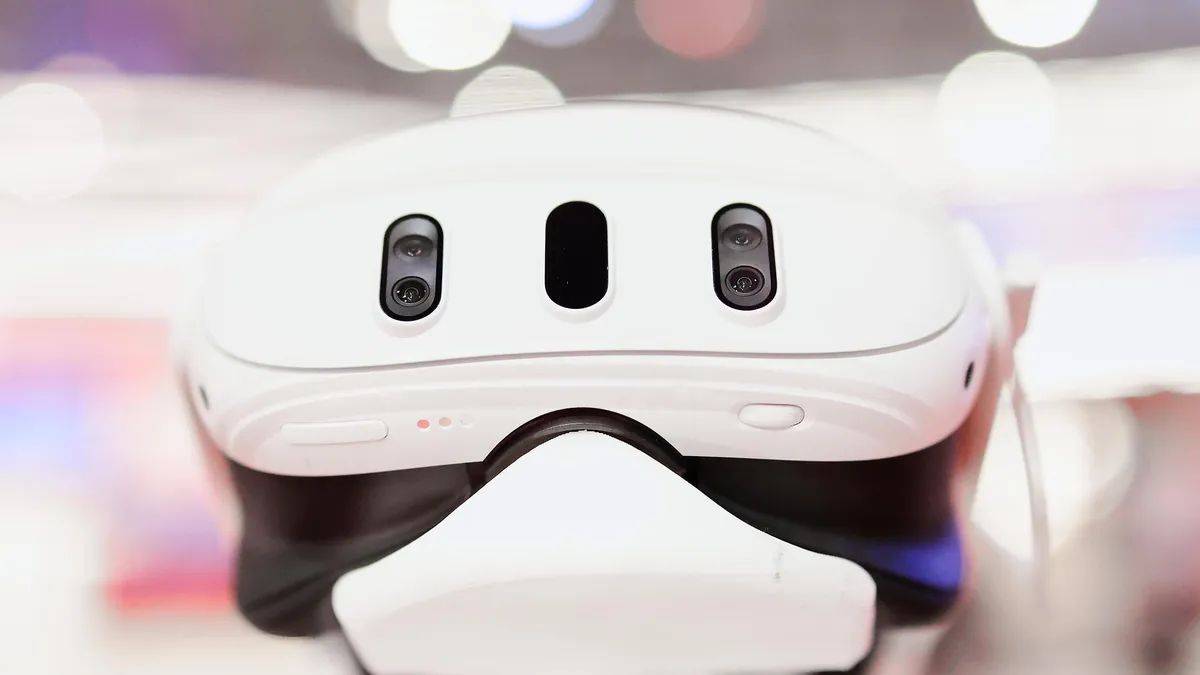
Meta’s latest virtual reality headset, the Meta Quest 3 (512 GB), will cost $100 more starting Sunday. You can blame the ongoing RAM shortage.
Meta released the pricing update on Wednesday in a blog post calling out price increases for the Meta Quest 3 and 3S models. “The cost of building high-performance VR hardware has risen significantly,” Meta said in the post explaining the increase.
High demand from AI data centers is straining memory chip supplies, causing supply constraints and price increases in consumer tech. Many experts aren’t expecting the RAM shortage to end until 2028.
Counterpoint Research released findings in February showing that RAM costs increased by 80% to 90% in the first quarter of this year. Tech companies continue to hike prices, with Microsoft being the latest to increase the cost of the Microsoft Surface and Samsung doing the same for some Galaxy devices.
Watch this: Meta Quest 3S Review: The Best of the Quest 2 and 3
Here’s the original pricing as of Thursday, along with what you can expect to pay starting April 19.
Price changes for Meta Quest 3 models
Meta Quest model and storage
Original price
New price
Meta Quest 3S (128 GB)
$300
$350
Meta Quest 3S (256 GB)
$400
$450
Meta Quest 3 (512 GB)
$500
$600
Expect price bumps for refurbished Meta Quest headsets. Prices for Quest accessories will remain the same for now, though we’re unsure whether this applies to games in the Meta store, or whether there’ll be a change in the future.
Meta did not immediately respond to a request for comment.
Watch this: Meta Quest 3S Review: The Best of the Quest 2 and 3
The Meta Quest 3 and 3S are Meta’s latest virtual reality headsets. The Quest 3S is the budget-friendly version, while the Quest 3 is the “pro” model. CNET’s Scott Stein rated both models high for their mixed reality, with better color cameras and improvements from the Quest 2.
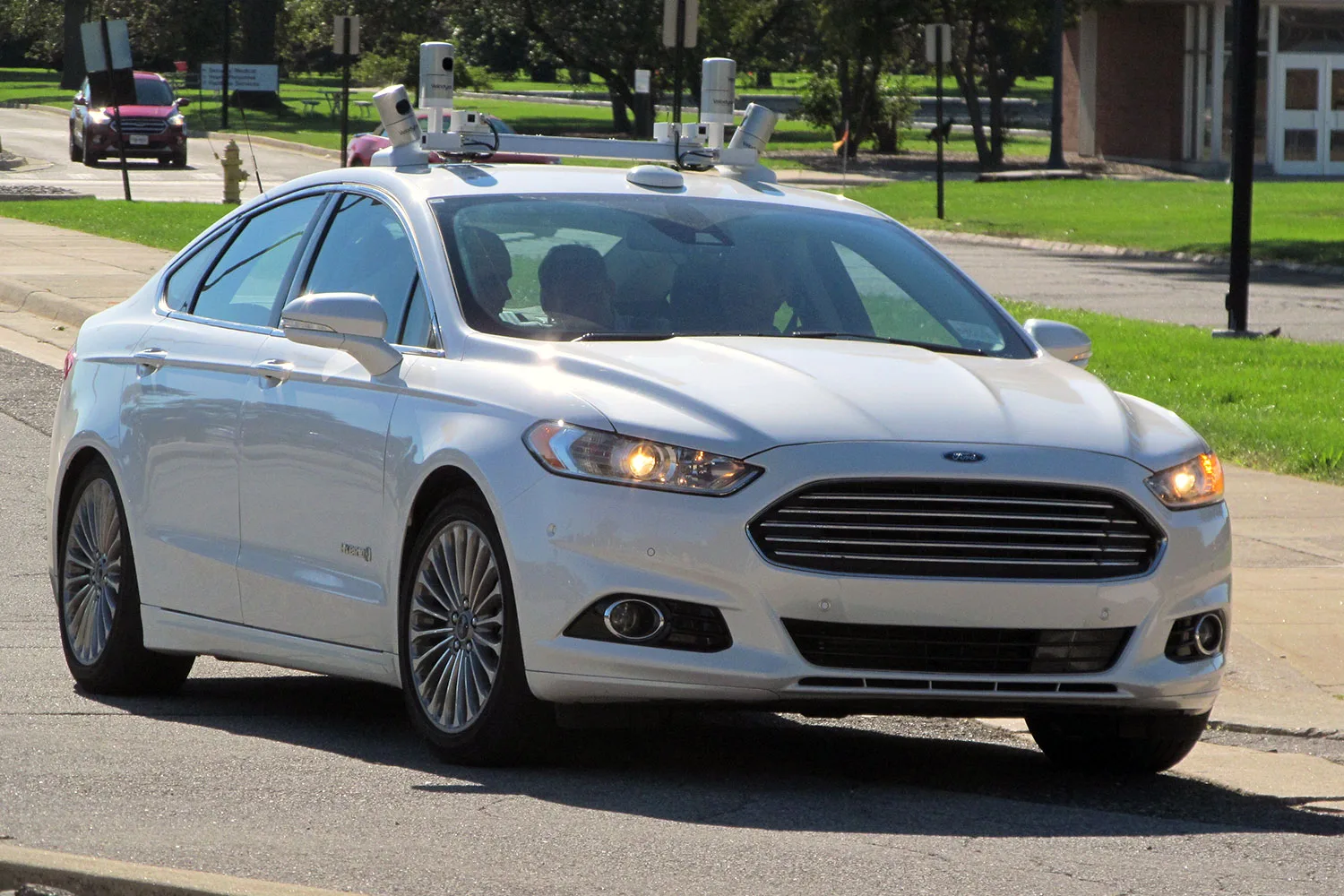
One of the biggest problems with self-driving systems is that they can see the road perfectly well and still make shaky short-term decisions in messy city traffic. The advanced systems struggle to keep up with complex and fluctuating road situations. But a new study argues that these cars don’t need better vision, but a better memory.
In the peer-reviewed paper KEPT (Knowledge-Enhanced Prediction of Trajectories from Consecutive Driving Frames with Vision-Language Models), researchers from Tongji University and collaborators developed a system that helps autonomous vehicles “remember” past driving scenes before choosing what to do next.

How does this new self-driving tech work?
The method, called KEPT, uses front-view camera video, compares it with a large library of earlier real-world driving clips, and then predicts a safer short-term trajectory based on both the current scene and retrieved examples from the past. The core idea is pretty intuitive. Instead of asking an AI model to react to every situation as if it has never seen anything like it before, KEPT lets it recall similar moments from previous drives.
Those examples are then fed into a vision-language model as part of a structured reasoning process. This matters since researchers say large vision-language models can otherwise hallucinate, ignore physical constraints, or suggest motion that looks plausible on paper but is not great for an actual car. So KEPT basically acts like guardrails to keep the model grounded in what similar traffic situations looked like in the real world.

Is it better than conventional autonomous systems?
The researchers tested KEPT on the widely used nuScenes benchmark and said it outperformed both conventional end-to-end planning systems and newer vision-language-based planners on open-loop metrics. It even managed to reduce prediction error and lowered potential collision indicators, while keeping retrieval fast enough to remain practical for real-time driving.
This may make it seem like an obvious choice for next-gen self-driving cars but it’s not road-ready yet. Still, the broader idea is compelling. If autonomous cars can combine real-time perception with a meaningful memory of how similar situations unfolded before, they may end up making decisions that feel less brittle and more human-like.
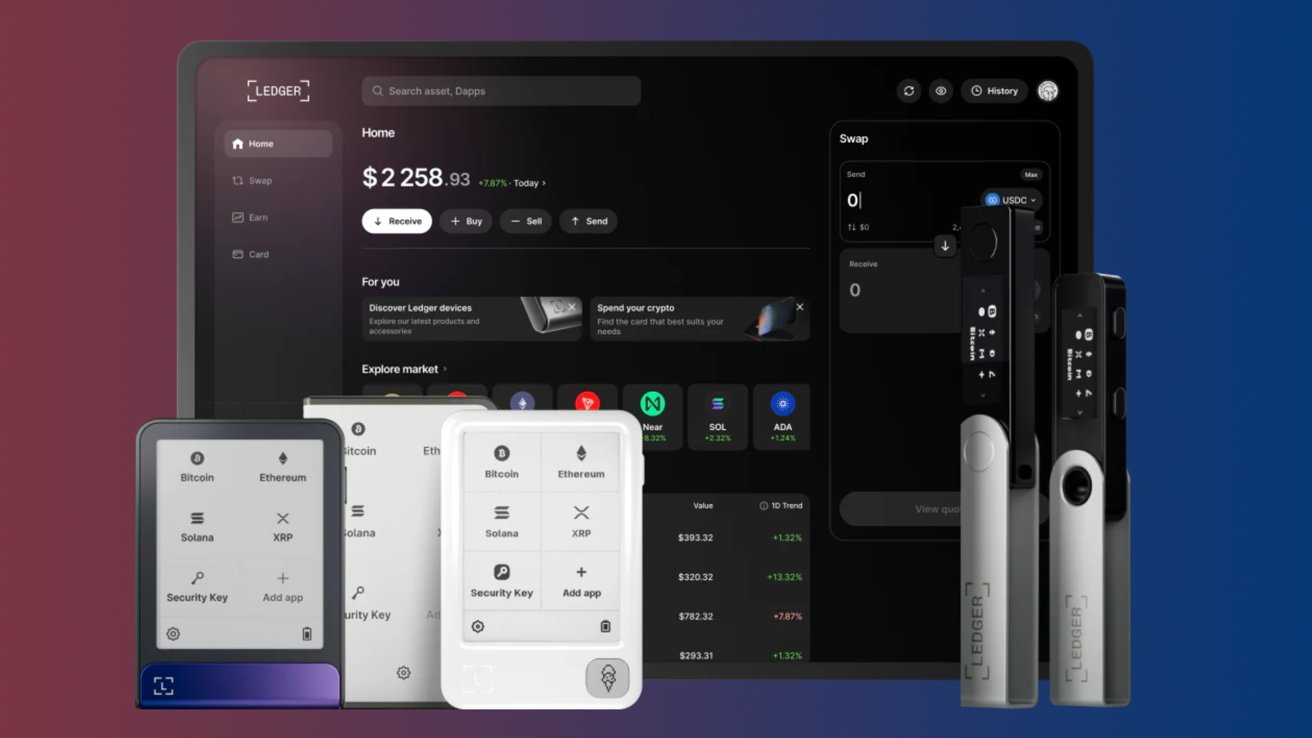
Multiple cryptocurrency users have lost approximately $9.5 million after a fake Ledger Live app on the macOS App Store drained their funds.
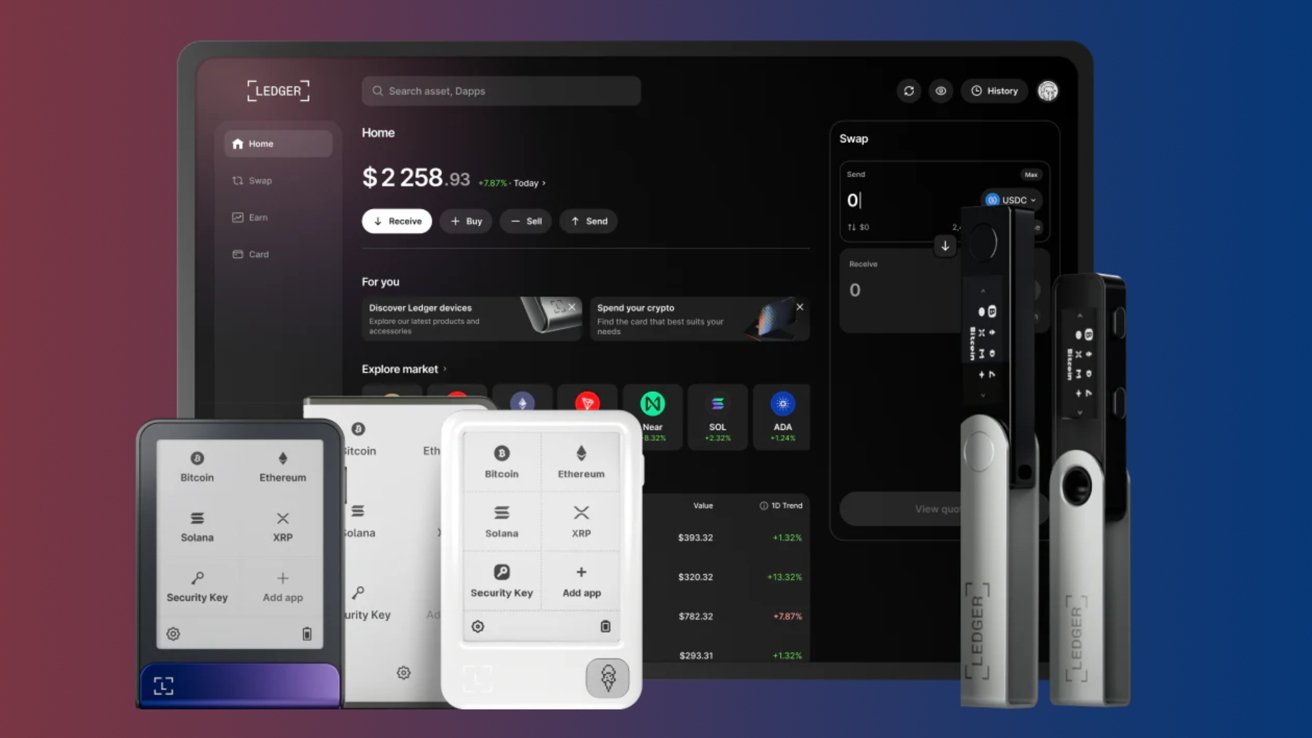
A fake version of the Ledger Live macOS app has stolen $9.5M in cryptocurrency.
The world of cryptocurrency has always carried significant risks, and even iPhone and iPad users aren’t immune to its dangers. Now and then, malicious actors find ways to steal money, be it via outright hacking or through a cams designed to drain cryptowallets.
In April 2026, Mac users were hit with the latter after downloading a fake version of the Ledger Live app from the macOS App Store. The fake app was submitted by the publisher “Leva Heal,” which has nothing to do with Ledger SAS, the owner and developer of the real Ledger Live app.
Continue Reading on AppleInsider | Discuss on our Forums
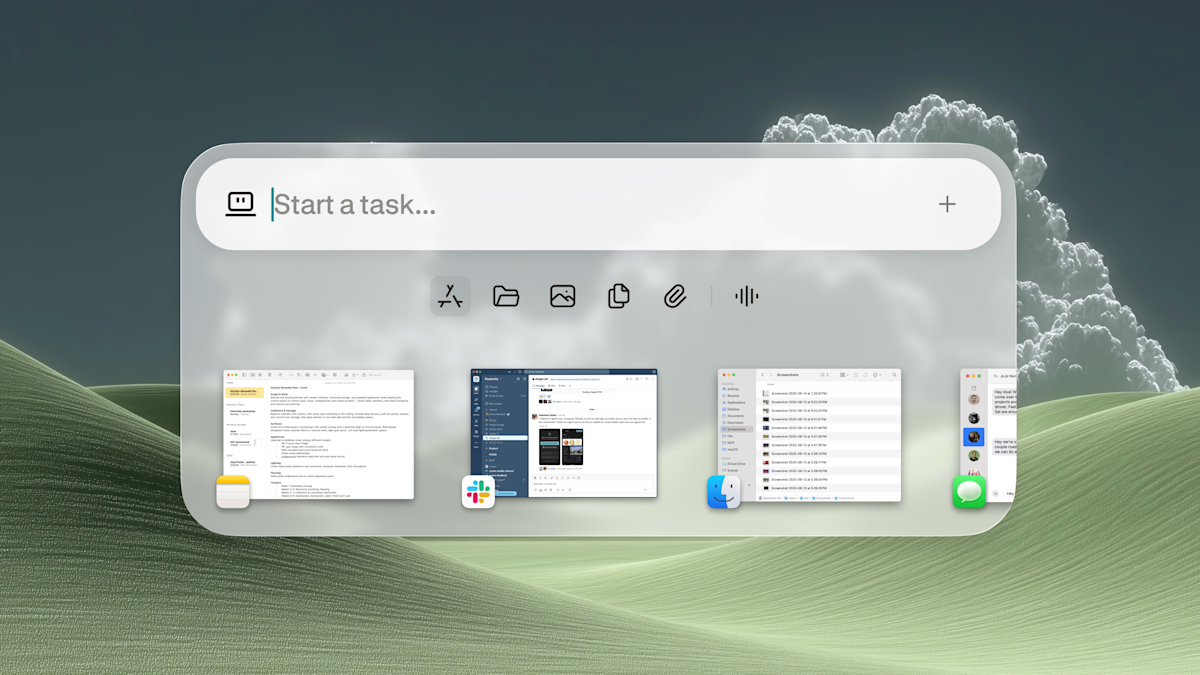
Perplexity has just released Personal Computer. The software, which is available starting today for Mac, builds on the multi-model orchestration capabilities the company debuted with Perplexity Computer at the end of February. Like Claude Cowork (and, as of today, OpenAI Codex too), it’s a suite of computer use agents that can work with your files, apps, connectors and the web to complete complex and “even continuous workflows.”
Perplexity suggests a few different use cases for Personal Computer, starting with the obvious. “You can ask Personal Computer to read your to-do list,” the company states. “In fact, you can ask it to DO your to-do list.” It explains you can open the Notes app on your Mac, ask Personal Computer for help and the system will reason how to best assist you. In the process of tackling that task, it can work across all your files, as well as apps like Apple Messages. When needed, it will also employ multiple agents to complete a request. Like Anthropic did with Claude Cowork, Perplexity says you can also use its software to organize messy folders so files feature sensible names and there’s an easy-to-understand structure to everything.
You can prompt Personal Computer with your voice, and you can even initiate and manage tasks from your phone. Perplexity says the app creates files in a secure sandbox, and any actions it takes are auditable and reversible. “A system that acts on your behalf needs to be useful and legible. It should feel like a team you manage, not a rogue employee with keys to your most important data,” the company said.
Personal Computer for Mac is available starting today, beginning with Max subscribers. Perplexity said it would bring the app to its other users soon, prioritizing those who joined the waitlist for the experience.

If you’ve purchased a product from Apple over the past year, it probably contains a higher amount of recycled material than ever before. In case you weren’t aware, you can also recycle all of the company’s fiber-based packaging now that it has eliminated all plastic use.
Apple continues to chart a course toward carbon neutrality by 2030, hitting new climate milestones across emissions, recycling and water use, according to its 2025 Environmental Progress Report.
A record 30% of the products the company shipped last year contain recycled content. Apple also uses 100% recycled cobalt in its batteries and 100% recycled rare-earth elements in its magnets.
The newly introduced MacBook Neo, in particular, is a point of pride for the company. It boasts the highest recycled content and the lowest carbon footprint of any Apple laptop — in addition to being the most repairable MacBook in ages.
“These milestones in our work to protect the planet show that ambitious goals can also be powerful engines of innovation,” said Apple CEO Tim Cook in a statement. “And as always, we’ll keep pushing to build on this progress even more.”
As the climate crisis continues to take a toll on the planet, sparking more unpredictable extreme weather events, it’s important that the world’s wealthiest companies do their part to minimize, and ideally eliminate, their environmental impact. Using more recycled materials reduces mining of Earth’s natural resources, protecting ecosystems and the local communities that rely on them. But ultimately, the most impactful change any company can make is to eliminate the emissions that are causing our planet to rapidly warm.
Apple’s 2025 report showed that over the past year, the company has reduced its greenhouse gas emissions by 60% compared to its 2015 baseline. Apple is working toward achieving carbon neutrality across all of its operations, including transitioning its entire value chain to clean electricity, by 2030.
This is an ambitious target, for which Apple should be commended. Many companies choose to attach their climate and sustainability goals to timeframes pointing to the future — 2050 is a popular target — that don’t align with the urgency of the climate crisis and the tipping points fast approaching. By committing to the 2030 goals, Apple has to be bullish about making changes to the way it does business now, rather than kicking them into the long grass.
The company is already carbon neutral in its corporate operations, but it now needs to make progress in transforming its value chain. For the elements of its emissions that are hard to eliminate completely — such as business travel that relies on flying — the company has committed to carbon offsets. To do this, it purchases carbon credits that support two projects — one in Guatemala and another in China.
Overall, the company is making serious progress toward its lofty goals. In an ideal world, we would see Apple and other tech giants commit to proving it’s possible to go beyond carbon neutrality and net zero to become carbon negative. This is the best way to protect our planet for future generations.

Welsh Coronation Street star Gareth Pierce’s real accent leaves fans in disbelief

(VIDEO) Former Virginia Lt. Gov. Justin Fairfax Kills Wife Then Himself in Murder-Suicide Amid Messy Divorce

After Kalshi Appeal, Prediction Markets Fight Could Head to Supreme Court

Why Israel is blocking foreign journalists from entering

Bitcoin: We’re Entering The Most Dangerous Phase

Alan Cumming Brands Baftas Ceremony A ‘Triggering S**tshow’

Build a Financial Wall Around Your Family #discipline #shorts #motivation #personaldevelopment

There’s money in this claw machine #arcade #clawmachine #bestarcadegames #money #shorts #arcadegames

Get up to 50% OFF on ANY Car (Legally!) #car #business #finance
-

 Politics6 days ago
US brings back mandatory military draft registration
-
 Sports6 days ago
Man United discover Nico Schlotterbeck transfer fee as defender reaches Dortmund agreement
-

 Fashion6 days ago
Weekend Open Thread: Veronica Beard
-

 Politics7 days ago
Malcolm In The Middle OG Turned Down ‘Buckets Of Money’ To Appear In Reboot
-

 Politics4 days ago
World Cup exit makes Italy enter crisis mode
-

 Business6 days ago
Tesla Model Y Tops China Auto Sales in March 2026 With 39,827 Registrations, Beating Cheaper EVs and Gas Cars
-

 Crypto World3 days ago
The SEC Conditionalises DeFi Platforms to Be Avoided for Broker Registration
-

 Crypto World3 days ago
SEC Signals Exemption for Crypto Interfaces From Broker Registration
-

 News Videos2 days ago
Secure crypto trading starts with an FIU-registered
-
 NewsBeat4 days ago
Pep Guardiola and Gary Neville agree over Arsenal title problem that benefits Man City
-

 Business5 days ago
Ireland Fuel Protests Enter Day 5 as Blockades Spark Shortages and Government Prepares Support Package
-

 Business6 days ago
OpenAI Halts Stargate UK Data Centre Project Over Energy Costs and Copyright Row
-

 Crypto World6 days ago
Federal judge blocks Arizona from bringing criminal charges against Kalshi
-

 Politics7 days ago
LBC Presenter Mocks Trump Over Iran War Failures
-

 NewsBeat3 days ago
Trump and Pope Leo: Behind their disagreement over Iran war
-

 Crypto World3 days ago
SEC Proposes Certain Crypto Interfaces Don’t Need to Register as Brokers
-
 NewsBeat5 days ago
JD Vance announces ‘no agreement’ with Iran over nuclear weapons fear
-

 Tech7 days ago
A version of Windows 10 released a decade ago is now eligible for additional security patches
-

 Business6 days ago
IMF retains floor for precautionary balances at SDR 20 billion
-

 Business6 days ago
Former Liverpool CEO eviscerates FIFA for World Cup ticket pricing
You must be logged in to post a comment Login