

Tech
Amkor to spend up to $3bn, near 40% of its revenue


Amkor Technology reported record second quarter results on Monday. Revenue reached $1.9bn, up 26% on a year earlier, and net income more than tripled.
Operating income roughly doubled to $200m. Earnings came in at $0.70 a diluted share, against $0.22. EBITDA reached $400m.
The numbers matter less than what the company plans to do next. Amkor guided to capital spending of $2.5bn to $3bn for 2026. Set against first half revenue of $3.58bn, that budget runs to between 35% and 42% of annualised sales.
Packaging stopped being the cheap part
Amkor is an OSAT, which means it packages and tests chips that other companies design and fabricate. The work sat at the low-margin end of the industry for decades.
Gross margin now tells a different story. It reached 16.8%, against 12.0% a year earlier, a gain of 480 basis points. Third quarter guidance calls for 18.5% to 19.5%.

The 💜 of EU tech
The latest rumblings from the EU tech scene, a story from our wise ol’ founder Boris, and some questionable AI art. It’s free, every week, in your inbox. Sign up now!
The company’s own risk factors, printed in the same release, still warn investors about “the historical downward pressure on the prices of our packaging and test services”. That warning now describes the past.
Advanced products carried the quarter. The category, which covers flip chip and wafer-level processing, brought in $1,557m, or 82% of sales.
The spending is already committed
Amkor paid $688m for property and equipment during the first half. Reaching the full year target requires $1.8bn to $2.3bn more, roughly three times the first half rate.
Some of it is locked in. Capital expenditure payable, money owed on equipment already ordered, rose from $243m in December to $621m in June.
The balance sheet moved to match. Long-term debt climbed from $1.28bn to $2.33bn after the company raised $1.15bn during the half. Cash and short-term investments stand at $2.5bn, level with total debt.
Who pays for the capacity
Customers are funding part of it. Nvidia committed $1.5bn to expand Amkor’s American packaging capacity, structured as a prepayment.
TSMC signed a ten year agreement in June covering advanced packaging in Arizona. Amkor’s Peoria plant separately received $407m under the CHIPS Act.
The logic is geographic. Advanced packaging has concentrated in a handful of Asian sites for years, which leaves the AI supply chain with a single point of failure.
Read the comparison carefully
One figure needs unpicking. Last year’s second quarter included a $32m benefit from a contingency payment tied to the Nanium acquisition.
Strip that out and the prior year base falls to about $60m of operating income. Underlying growth then looks larger than the headline, at roughly 233%.
The real risk sits elsewhere. Amkor tells investors it has an “absence of backlog”, and that customer commitments are short term. It is committing $3bn against orders nobody has to keep.
Markets have punished that pattern before. TSMC posted record revenue and watched its shares fall on capex fears, and chip stocks swing on every read of AI demand.
One number cuts the other way. Amkor’s top ten customers supplied 66% of sales, down from 72% a year earlier. Growth is broadening rather than narrowing.
Where the revenue comes from
Communications, mostly smartphones and tablets, still provides 42% of revenue. Computing accounts for 22%, and automotive and industrial another 22%. Consumer has slipped to 14% from 18%.
Kevin Engel, president and chief executive, said the company set revenue records in computing and in automotive and industrial. He pointed to customer programmes in AI and high performance computing.
What happens next
Third quarter guidance points to revenue of $1.95bn to $2.05bn. Net income should land between $180m and $205m, or $0.72 to $0.82 a share.
The wider question is whether packaging capacity stays scarce. TSMC is building its own at Chiayi, and has raised prices across advanced manufacturing.
Margins like Amkor’s tend to attract company. The next few quarters will show whether the bottleneck holds, or whether the industry builds its way out of it and prices drift back down.


Seven months into 2026, laundry pod brand Kapsä has made over S$1 million in revenue
When Edison Lim and Lincoln Thong launched home fragrance brand Pristine Aroma in the middle of the COVID-19 pandemic in 2019, they had a problem most businesses would envy: their product was so popular, yet sales were highly seasonal.
Pristine Aroma’s reed diffusers and candles in scents like their signature Himalayan Tea, surged every Christmas but fell quiet every Jul and Aug.
The duo knew they wanted their next business’s revenue to be somewhat steadier.
The fix they landed on was taking the thing they were best at, applying it to the most ordinary chore imaginable, and building an entirely new brand around it.
That brand became Kapsä: a capybara paw-shaped laundry pod that smells like a luxury fragrance, now stocked at supermarkets and with a significant online presence.
In under two years since launch, Kapsä has already crossed S$1 million in revenue in the first seven months of 2026.
We spoke to co-founders of Kapsä, Edison and Lincoln, both 33, to find out how a home fragrance brand became the launchpad for a laundry detergent brand, and what it actually takes to compete against laundry giants.
Turning a simple idea into a lucrative business

Home fragrance is, by nature, an occasional purchase. But laundry detergent isn’t. People wash clothes every few days regardless of the month, the mood, or whether Christmas is coming, and that predictability was what the founders wanted.
“We wanted to go into something a bit more recurring on an everyday basis,” Edison said. “There’s demand every day.”

The insight behind Kapsä was that the customer who cares enough about how their home smells to buy a premium reed diffuser is probably also the same person making laundry who cares about how their clothes smell too.
As such, Pristine Aroma’s existing customer base was a marketing advantage that naturally formed the testing ground during the early days of Kapsä.
Eventually, Kapsä launched under Cool Brands Pte. Ltd. in early 2024, about a year after development began in 2023.
Each pod is built around Pristine Aroma’s award-winning scents, marketed explicitly as a premium fragrance experience, coupled with powerful cleaning power.
Scent as the selling point
Most laundry brands compete on cleaning credentials. However, Kapsä leads with fragrance, and specifically with scents that don’t already exist in the category.
The first pod was formulated with Himalayan Tea, Pristine Aroma’s most famous signature scent, which customers describe as “smelling like ION Orchard.”
Kapsä also currently offers two more scents: Lush Freesia (inspired by English Pear & Freesia, reminiscent of Jo Malone), and Santal Noir (a woody, masculine scent inspired by Santal 33 by Le Labo Fragrances). Of the three, Lush Freesia has become the bestseller.

That said, Edison added that the Himalayan Tea scent is still very unique and novel to the laundry segment.
Santal Noir, on the other hand, offers a deeper, woody, masculine scent in the category of laundry detergents often dominated by floral and sweet profiles.
“None of the other brands actually have such a woody kind of scent. Usually people go for floral, a bit more sweet, more girly kind of a scent,” Edison said. “We are more than just chasing trends, but filling the gap in the detergent scene.”
Edison positions Kapsä as more of a premium brand than budget ones, roughly comparable to Tide and Ariel.
The R&D grind behind every new scent

Moving a scent from a diffuser bottle into a laundry pod isn’t as simple as dropping Pristine Aroma’s formula into detergent. The chemistry definitely has to be formulated differently.
The scent notes need to be adjusted so they’re stable and compatible with detergent—a process that took over a year for the first Kapsä product, but now it takes about six to nine months to develop each new scent.
The co-founders shared that R&D with its own suppliers and manufacturers is done in Singapore, Malaysia, and the US, with final manufacturing taking place in China.
In response to customer feedback, the duo created their latest offering: Magic Beads, launched in late Jul 2026—scent booster pellets designed to be used alongside the pods for customers who want their clothes to smell more intensely.
One of the most common pieces of feedback Kapsä received on Himalayan Tea was that the scent, while lovely, was subtle. These scent boosters are designed to keep clothes smelling fresh for up to 24 weeks when stored in a wardrobe after washing.
Winning against big detergent brands, one subscriber at a time

Competing with major laundry brands, which have decades of shelf presence, marketing budgets that dwarf any local brand’s revenue, and default consumer familiarity, is the kind of challenge that would give most founders hesitation, especially as a small brand.
The duo doesn’t pretend it’s easy.
“It was definitely very difficult for us to try to acquire market share, to convince customers why they should use our products over Dynamo,” Lincoln said.
Kapsä’s answer is physical reach on supermarket shelves, combined with sustained subscription.
The brand sells through its own website, on Shopee, and now through physical retail at Isetan, Giant and Cold Storage.
The co-founders acknowledged the challenges that come with stocking in supermarkets, where offline retail charges promotional and advertising fees that can run to S$10,000 a month, making profitability in that channel genuinely difficult.
That said, Edison and Lincoln are still keen on staying put in the supermarket space.
“For us to become a real household brand in the next three to five years, we really need to be on all the channels that we can,” Edison said.
The subscription model, launched alongside the brand in 2024, is where the economics improve. Subscribers typically get a discount and the convenience of automatic replenishment, while Kapsä gets predictable demand and lower customer acquisition costs.
“Usually, people who subscribe to Kapsä, they don’t really drop off,” Edison said. “Once they try the product, once they love it, they don’t really switch back to other brands.”
Each box of 30 Kapsä pods costs S$15.90 at retail price.
4,000 boxes a month and counting

The numbers reflect how quickly Kapsä has found its footing. The brand now moves more than 4,000 boxes a month, a scale that prompted the team to upgrade their Singapore warehouse from 1,600 to 3,500 sq ft in Jun.
The team across both brands sits at around 12 people, kept deliberately lean as the founders focus on building systems over headcount, allowing Kapsä to scale effectively.
Kapsä crossed S$1 million in revenue for 2026 year-to-date as of Jul, a milestone achieved less than two and a half years after its launch.
On the other hand, Pristine Aroma’s revenue has also grown significantly beyond the S$1.6 million figure reported in earlier years, with the brand now selling in Malaysia, Indonesia, and the US.
Kapsä is set to follow the same international path.
Looking ahead, the Cool Brands roadmap goes beyond fragrance entirely. Edison and Lincoln plan to launch a new brand potentially unrelated to scent by mid-to-late 2027, extending the direct-to-consumer group model they’ve been building since 2019.
“Our long-term goal for Cool Brands is to become a successful and sustainable D2C group of consumer goods in the next 10 years,” Edison said. “We want to come with more brands in the future.”
Lincoln’s advice for anyone thinking about starting their own brand is to just be “1% better every day. And that will improve your systems, processes, and your skill sets substantially.”
- Learn more about Kapsä here.
- Learn more about Pristine Aroma here.
- Read other articles we’ve written on Singaporean businesses here.
Featured Image Credit: Kapsä
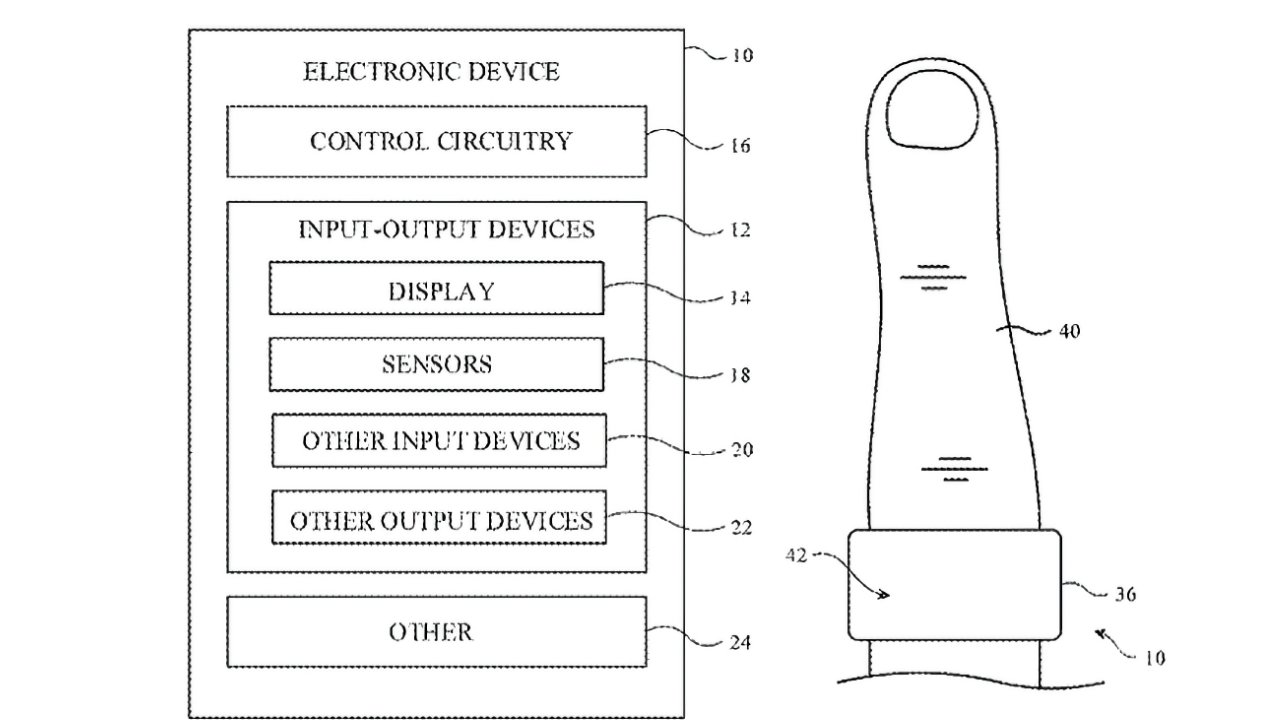
Apple has had countless patents granted over the smart ring technology it still won’t tell anyone about, but a new one shows just how an Apple Ring might control all of your devices.
Yes, an Apple Ring would surely be a health monitor, and yes, it would likely dominate the fitness market, but it won’t break up marriages. It’s also surely coming some day, sorry Oura, but until now the focus has been on what it will do, not necessarily what it will work with.
That’s changed with the newly-granted patent, “Electronic device system with ring devices.” It starts by discussing how any given user might have multiple devices, including wearable ones, and how it’s therefore a problem determining which one the user wants to use.
“The target electronic device may be identified using a gaze tracking sensor that senses the user’s point-of-gaze,” says the patent, “a radio-frequency sensor that detects a direction in which the user’s device is pointed, or other sensor circuitry for detecting pointing input, gestures, and other user input.”
There is a section of the 20-page patent that refers to what the ring might do by itself, as well as how it fits within Apple’s privacy ethos.
“If desired, a device may be operated in isolation,” it says. “For example a wearable device that is operating in a stand-alone operating mode may perform health monitoring operations… [which] may or may not be shared with other devices.”
But the main part of the proposal regards how “a ring worn on a user’s finger” could “capture real-time readings on the location… orientation… and motion” of the user and his or her hand. “These activities may be used in controlling devices in the system.”
You know. One ring to rule them all.
The proposal is written in typical patent-speak, meaning that it stops to mention every conceivable device from rings to smart watches, to headsets and more. It also takes the time to specify what could be controlled, here ranging from speakers to thermostats and everything in between in order to thwart as many future lawyers as possible.
Concentrating on the repeated description of a ring, though, the one thing that device is not likely to have is gaze tracking. An Apple Vision Pro already does have precisely that, and iPhones scan faces for Face ID.

Apple keeps trying to refer to generic “electronic devices,” but then it goes and shows you a ring – image credit: Apple
But this may be more like the way an iPhone’s “Always On” screen will actually turn off if you’re not looking at it. It’s the modern equivalent of the light in the fridge, but this power-saving feature means the iPhone does know that you’re looking at it.
Maybe that would be enough. If a HomePod could determine that you’re glancing its way, it surely wouldn’t need precision eye tracking. It could then just know to take your waggling finger as meaning you don’t like this track, move on.
Or raising and lowering your hand could be enough to raise or lower the HomePod’s volume. If the HomePod knew you were looking at it, and if the Apple Ring correctly conveyed the gesture you’re trying to make.
Apple’s strength is in its ecosystem
“Electronic device system with ring devices” is an unusually comprehensive patent for Apple. Rather than setting out the functions of one device or one technology, it is very much about a user’s whole array of devices.
It’s about the Apple ecosystem. And while there is a lot of detail in the patent, what it really does is make a persuasive case for how well an Apple Ring would fit into that.
The patent is credited to two inventors, including Stefan Hafeneger. His previous work for Apple includes multiple Apple Ring patents and patent applications, dating back to 2024.
Apple has been rumored to be working on a smart ring for much longer, though. One of the earliest reports dates back to 2007, when a concept “iRing” image was circulated, and it was expected it would control your iPod.

Handling fewer packages for Amazon is boosting the financial outlook for UPS, as CEO Carol Tomé said Tuesday that the delivery giant has successfully completed its planned volume pullback and is pivoting toward higher-margin shipments.
“I want to thank all UPSers for their extraordinary work over the past 18 months as we successfully completed our Amazon glide-down and related network reconfiguration initiatives as designed,” Tomé said in the company’s second quarter earnings release.
The “glide-down” caps an 18-month UPS strategy initiated in early 2025 to scale back low-margin e-commerce shipments for Amazon. During the pandemic peak, Amazon generated over 13% of UPS’s total revenue, but executives repeatedly pointed to that low-yielding volume as “extraordinarily dilutive” to profit margins.
Last year, Tomé addressed UPS’s 30-year relationship with Amazon, saying, “They are our largest customer, but they’re not our most profitable customer.”
Speaking on CNBC on Tuesday, Tomé confirmed that Amazon now accounts for roughly 9% of UPS’s business, marking the completion of the planned pullback.
Asked about Amazon’s growing footprint as a direct logistics rival through Amazon Shipping, Tomé dismissed concerns that the e-commerce giant was poaching core customers, drawing a sharp distinction between network strengths.
While Amazon thrives in lightweight, short-distance urban deliveries, Tomé emphasized that UPS maintains an edge across “every other place” — from complex B2B routes to time-sensitive cold chain logistics. By shedding roughly 2 million lower-margin Amazon packages per day, UPS says it freed up critical capacity across its ground and air networks.
UPS posted second-quarter revenue of $22.8 billion — a 7.6% increase year-over-year that topped Wall Street estimates. The courier raised its full-year 2026 revenue forecast to approximately $91.2 billion (up from $89.7 billion).
Despite the earnings beat and raised guidance, UPS shares dropped nearly 5% in early trading as investors weighed transformation costs and broader consumer spending concerns.
Amazon reports its second-quarter earnings on Thursday.

Slate Auto isn’t the only company betting that customers want to build their own EV from a parts kit. Canadian micromobility company Envo’s Utility Personal Transporter is a modular electric platform that can be reconfigured into nearly 20 different vehicles — golf cart, go-kart, snowkart, ATV, side-by-side, cargo quadricycle, last-mile delivery rig, even a stretcher-equipped emergency vehicle.
Envo has spun the platform off into its own sub-brand, Modular-EV, with a dedicated storefront and online configurator separate from Envo’s main e-bike and gokart business.
This is an electric cart, not an electric car. The UPT tops out well below highway speeds and isn’t meant to replace your daily driver. It’s meant to replace the five or six single-purpose machines currently cluttering your garage, farm shed or fleet depot. Envo’s messaging leans heavily on the smartphone analogy: the idea that UPT should be the only thing you need in your garage, the way your phone replaced your camera, calculator and GPS.

The company already builds e-bikes, go-karts, golf carts and cargo quadricycles, so a modular electric micromobility platform is a logical next step. The UPT rides on an aluminum T-slot Base Block chassis rather than a traditional welded frame, which makes the reconfiguration trick possible. The platform’s length and width can be resized, and suspension, motors and body modules bolt on wherever the application calls for them — no welding required.
Power comes from independently controlled hub motors at each wheel, which Envo says gives it precise, quad-motor torque control rather than a single drive unit sending power through axles and differentials. (This also allows the EV to pull off zero-radius tank turns.) Buyers can spec a short or long wheelbase, 2WD or 4WD, and either a single 2.83kWh battery or dual 5.66kWh packs for up to an estimated 62 to 125 miles (200 km) of range, depending on configuration and payload. That may sound short, but we’re talking about an electric golf cart with a 40 mph (60 kph) top speed; it’s not exactly built for road trips. Keeping with the modular theme, the batteries themselves are swappable and user-serviceable, which is a nice nod to repairability.

From there, it’s a matter of picking tires (CargoBike or off-road), steering (wheel or handlebars, car-style pedals or a bike-crank generator), seating and body components like bumpers and cargo boxes. The whole thing can be disassembled with hand tools and rebuilt from a parts catalog, and folds down small enough to toss in a pickup bed.
Modular-EV is selling the platform both as a bare rolling chassis and as a lineup of preset builds, each with its own model number. There’s the UP20 base platform, the UT20 utility vehicle and UT21 golf cart, the AT20 through AT23 all-terrain and mobility-scooter variants and more. My personal faves are the GC20 buggy go-kart and the LV20 microcar.
There’s also a run of ET-series work vehicles aimed at airports, hospitals, film crews, event marketers and municipal fleets, all sold on the same chassis with different body kits. Envo has also announced a partnership with autonomous-driving company Faction to bring AI-driven, self-driving capabilities to the UPT for last-mile delivery. These commercial fleets are likely to be the biggest market for the modular UPTs, not the average driveway.

That said, I think the DIY nature of the builds is what makes this interesting beyond the world of fleet vehicles. Someone running an electric side-by-side around a large property, or a golf cart in a car-free community, could keep a bin of swap parts on hand and turn the same chassis into a mower or plow when the season calls for it, instead of buying and storing a separate machine for every task.
The Modular-EV UPT starts around $9,000 for the bare UP20 platform, with most finished presets priced between $10,000 and $12,000. That’s not cheap for something you can’t take on the highway, but the pitch isn’t “buy a cart,” it’s “buy a platform.” You can’t mow your lawn with a Honda Civic. With this, you could then turn around and use the same chassis to haul cargo, plow snow and then toss the whole kit in the back of a truck and take it camping.



Single sign on (SSO) simplifies access by letting users log into multiple systems with one set of credentials. While this delivers clear benefits to the authentication process, that convenience can also concentrate risk, as the 2025 University of Pennsylvania breach showed.
According to reports, attackers compromised a PennKey SSO account and used that access to reach internal systems including VPN, Salesforce, Qlik, SAP, and SharePoint. The attack also resulted in the theft of data on 1.2 million individuals.
That does not mean SSO is insecure. When it is configured and protected properly, SSO can improve security by reducing password sprawl, centralizing access policies, and making it easier to enforce multi-factor authentication (MFA).
However, organizations can only enjoy those benefits when SSO is treated as a critical security control. If one login opens the door to multiple systems, that login needs robust protection.
So, is your SSO login protected enough? To answer that, organizations need to look beyond whether SSO is switched on, and focus on how it is secured.
Start with strong SSO passwords
‘Implement strong passwords’ isn’t new advice, but it is especially crucial if one credential can unlock multiple systems. However, strong doesn’t have to mean frustrating; after all, SSO is designed to reduce friction during authentication.
The latest guidance from NIST puts the emphasis on length and usability, alongside screening for weak or compromised passwords. For scenarios where single-factor passwords are still acceptable, NIST recommends at least 15 characters.
Passwords used alongside MFA must be at least eight characters, and systems should allow users to create passwords up to 64 characters. NIST also says organizations should check new passwords against blocklists of commonly used, expected, or previously compromised passwords.
Just as importantly, NIST advises against some legacy password rules that still appear in many organizations. Mandatory complexity requirements and routine password resets can push users toward predictable patterns, such as changing one digit or adding a symbol at the end.
Verizon’s Data Breach Investigation Report found stolen credentials are involved in 44.7% of breaches.
Effortlessly secure Active Directory with compliant password policies, blocking 6+ billion compromised passwords, boosting security, and slashing support hassles!
Add MFA, but make sure it can stand up to modern attacks
A strong SSO password shouldn’t be the only thing standing between an attacker and your applications. Infostealers have made it easier than ever for attackers to scrape passwords and other authentication information, and even passwords that meet regulatory requirements appear regularly in these logs.
MFA adds another layer of protection, making it harder for an attacker to turn a compromised password into a successful login. For SSO, MFA should be enforced consistently. That means applying it across users, apps, and access scenarios, rather than only enabling it for a handful of “high-risk” accounts.
It is also worth looking at the type of MFA in place. SMS codes and basic one-time passwords are better than passwords alone, but they are not the strongest option.
Where possible, organizations should move toward phishing-resistant methods such as FIDO2 security keys, WebAuthn, or passkeys, especially for privileged users and access to sensitive systems.
Implement secure MFA with Specops
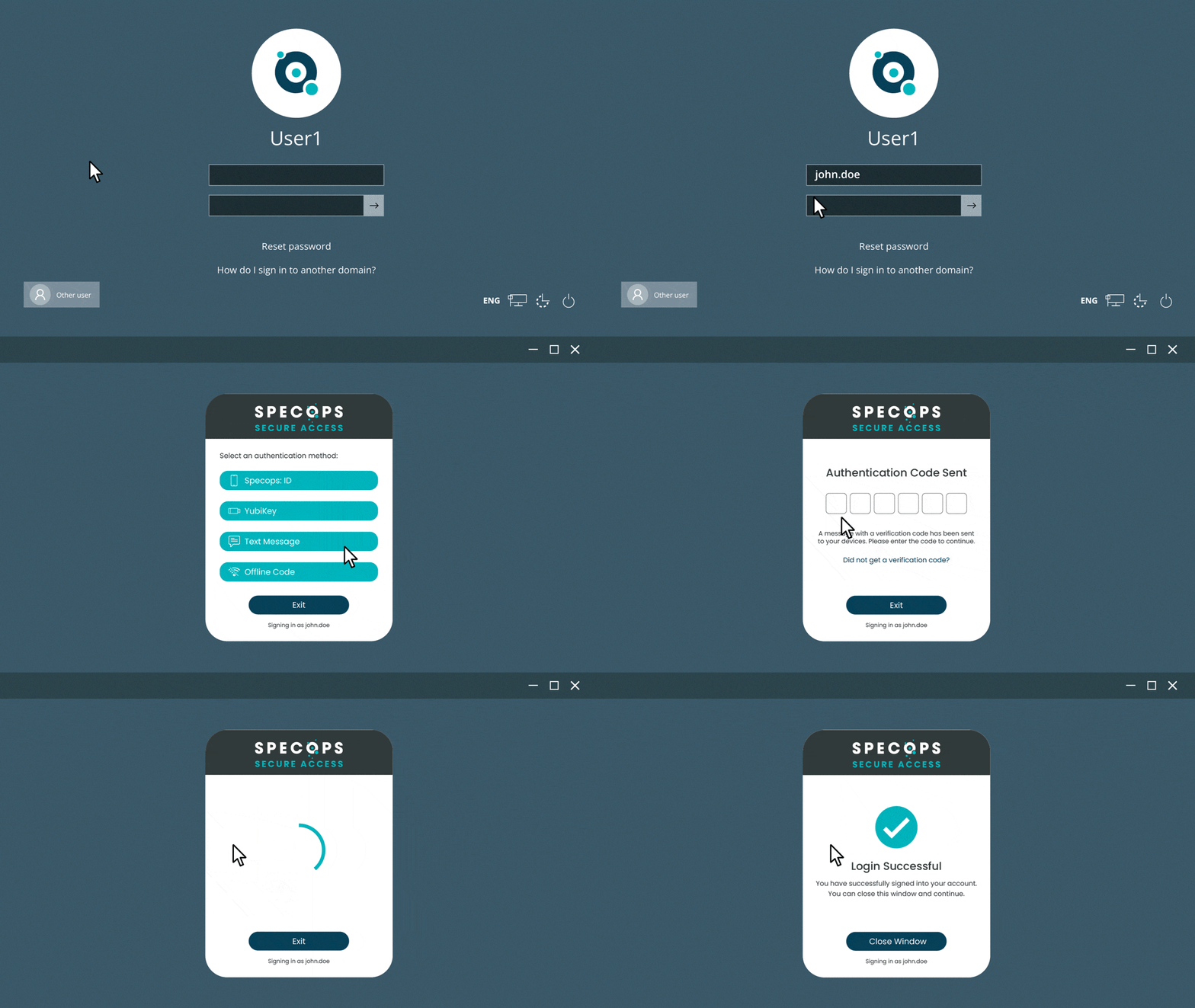
Solutions like Specops Secure Access help organizations defend against password attacks and includes support for SSO for SaaS applications via OIDC and SAML.
Alongside adding MFA to Windows Logon, RDP and VPN authentications, Specops Secure Access helps organizations manage user access from a single place, reducing the identity attack surface while satisfying regulatory audits and cyber insurance conditions.
Secure the assets behind the SSO login
Organizations also need to secure the assets that sit behind SSO and control how identity is issued, trusted, and delegated.
Start with IdP administrator accounts. These accounts can change authentication policies, add applications, add and reset users, and approve integrations. They should be protected with phishing-resistant MFA, separate admin accounts, just-in-time access, and close monitoring.
Signing certificates and keys also need strict control. SAML certificates and token-signing keys are what allow applications to trust the identity provider. If they are exposed or misused, attackers may be able to impersonate users or abuse trusted sessions. Access should be tightly limited, changes should trigger alerts, and certificates should be rotated before they expire.
OAuth secrets and credentials deserve the same attention. Client secrets, app credentials, and refresh tokens can give attackers long-lived access, sometimes without another interactive login. Store them in a secrets vault, rotate them regularly, and review app registrations for excessive permissions.
Finally, review consent grants and delegated permissions. Attackers often look for ways to maintain access after the initial compromise, and risky third-party app permissions can give them that route. Restrict user consent, require admin approval for sensitive permissions, and remove stale or overprivileged grants.
Is SSO secure?
SSO is still worth using, provided it is implemented and protected properly. The benefit for users is simple: access becomes easier. They don’t have to remember separate passwords for every application or keep resetting forgotten credentials.
In most cases, SSO lets them sign in once and move between connected resources without unnecessary friction.
That also helps the service desk, as fewer forgotten passwords and account lockouts mean fewer support tickets, giving IT teams more time to focus on higher-value work.
From a security perspective, SSO gives organizations a central place to manage authentication. Applications do not need to handle the user’s password directly, instead relying on trusted authentication tokens from the identity provider. This reduces password exposure across different services and gives security teams one place to enforce controls such as MFA, conditional access, logging, and account revocation.
SSO can also speed up access to business-critical resources. When users do not need to enter credentials for every tool, they can get to the systems they need faster and with less disruption.
There are compliance benefits too. Centralized access management makes it easier to support reporting, auditing, strong authentication requirements, and rapid access removal when users leave or roles change.
SSO will not cover every sign-in scenario, and it is not secure by default. But when it is hardened properly, it can improve the user experience, reduce helpdesk pressure, strengthen security, and make access easier to govern.
Ensure your SSO is secure with Specops
The security of SSO environments currently depends heavily on credential strength, so it’s crucial that policies enforce strong passwords. Specops helps here with Specops Password Policy, helping organizations simplify policy management and continuously block over 6 billion unique compromised passwords.
Specops Secure Access then extends that protection by applying MFA to SAML and OIDC-based applications, including those federated through third-party identity providers.
If you’re interested in seeing how we can help strengthen the security of your SSO environment, contact us today or book a demo.
Sponsored and written by Specops Software.
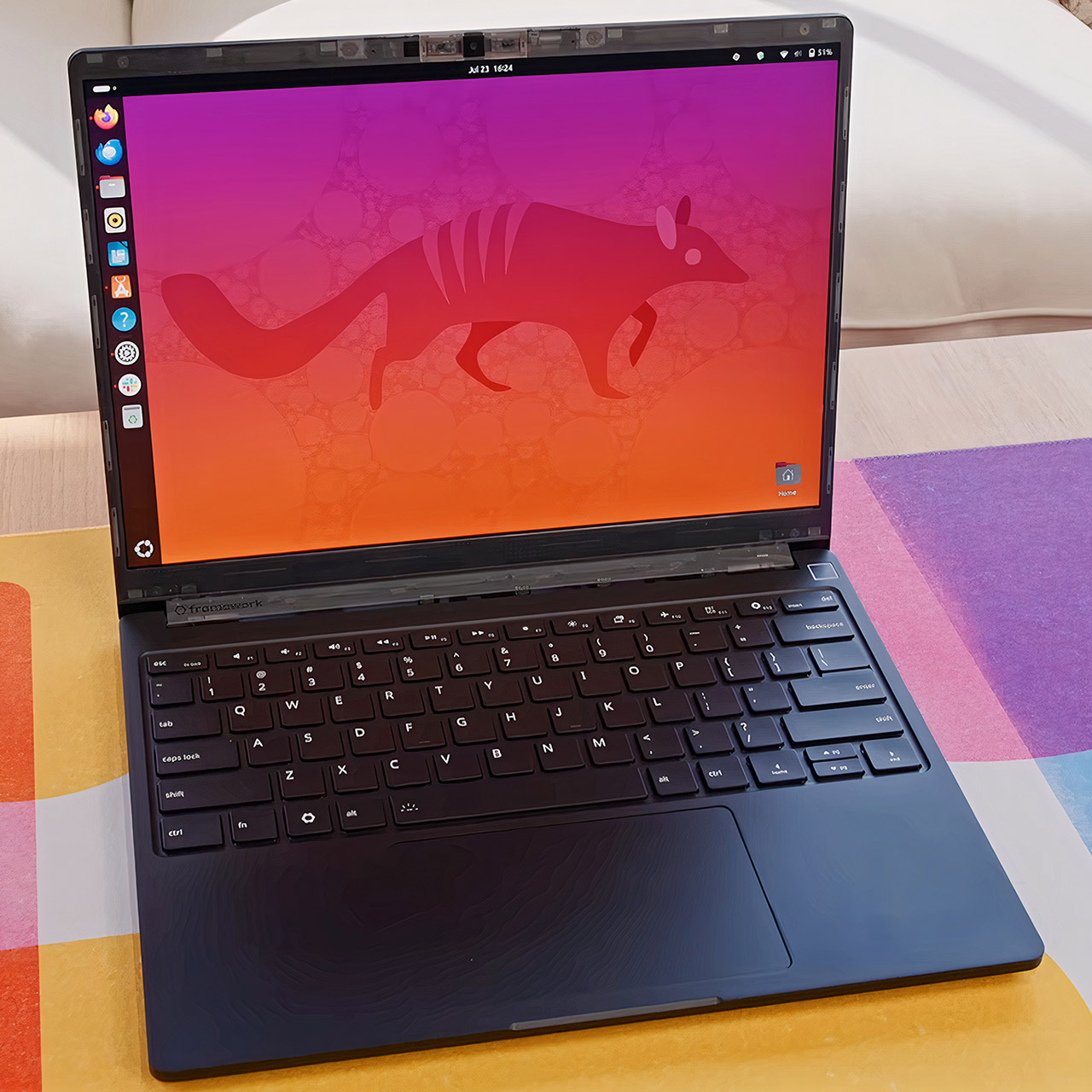
Framework spent years showing that a laptop does not have to be sealed shut forever. With the Framework 13 Pro, the company delivers a machine that finally matches the ambition of that idea. The chassis is cut from solid blocks of aluminum rather than assembled from thinner stamped pieces. The result is a rigid body that feels dense and quiet when you pick it up. Weight sits at 1.4 kilograms and thickness stays at 15.85 millimeters, the same outer size as earlier 13-inch models so existing bags and stands still work.
The screen is the first thing you see on this Framework system, a custom-built panel designed exclusively for this chassis. It has a 13.5-inch screen with a 3:2 aspect ratio, making it better suited for papers and coding than widescreen video. We’re looking at a resolution of 2880 by 1920 pixels, 700 nits of brightness, and an impressive 1800:1 contrast ratio, as well as a lovely matte anti-glare surface to keep the image from washing out. The refresh rate is more adjustable, ranging from 30 to 120 Hz depending on the system requirements, and the touch feature is built in, however a stylus is not included in the package.
Sale

Apple 2026 MacBook Air 15-inch Laptop with M5 chip: Built for AI, 15.3-inch Liquid Retina Display, 16GB…
- BUILT FOR COLLEGE. AND BEYOND — MacBook Air with the M5 chip packs blazing speed and powerful AI capabilities into an incredibly portable design…
- TEAR THROUGH TOUGH ASSIGNMENTS — With its faster CPU and unified memory, the M5 chip delivers even more performance and fluidity across apps, making…
- MAKE QUICK WORK OF YOUR TO-DO LIST — Apple Intelligence helps you write, express yourself, and get things done effortlessly — whether it’s for…

The keyboard has the same 1.5 millimeter travel distance as its predecessor, which is deep enough to keep your hand from getting sore after typing for hours at a time. The trackpad has been upgraded with a haptic feedback technology that uses four piezo components to produce a smooth, consistent click. No more fumbling with mechanical buttons, and you can click wherever on the trackpad. The speakers are side-firing this time and Dolby Atmos certified, which means you’ll get clearer sound than prior Framework versions, but don’t expect to outperform the competition in terms of volume and bass.
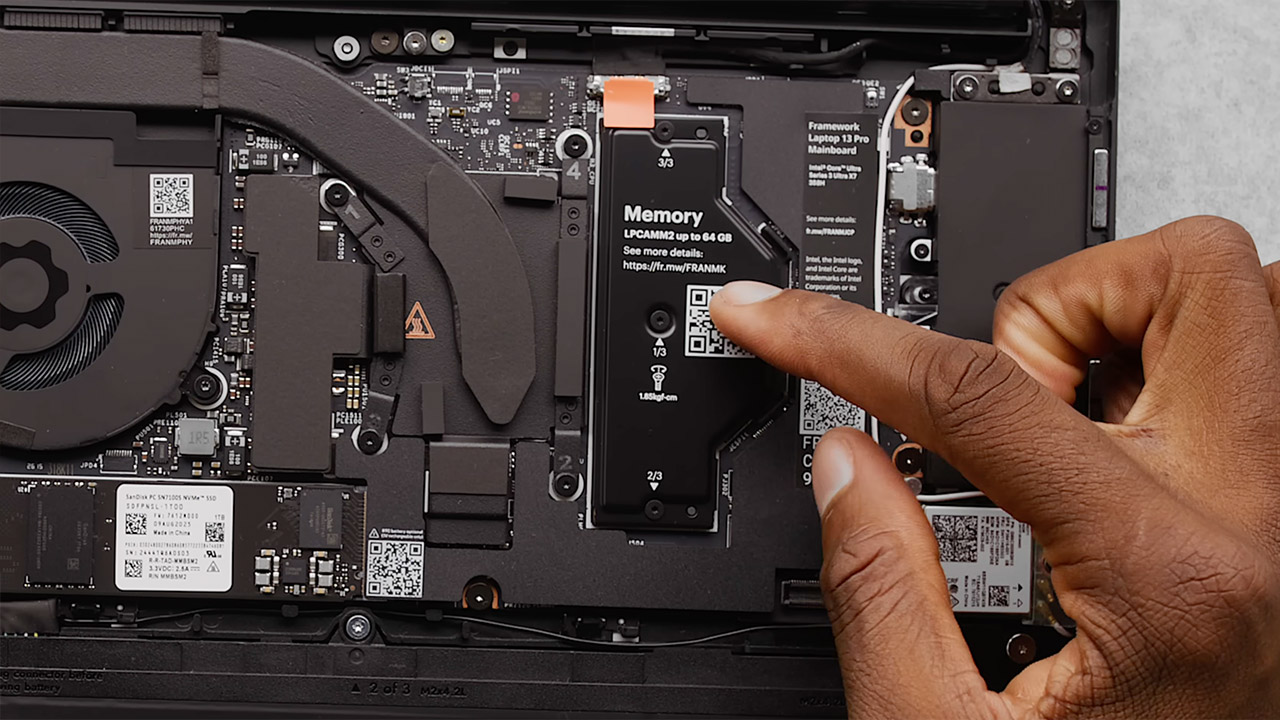
Internally, things have changed slightly with the new Intel Core Ultra Series 3 processors, known as Panther Lake. You may start with the Core Ultra 5 325 and work your way up to the X7 358H and X9 388H, or if you prefer AMD, the Ryzen AI 300 boards are still available. Memory has also changed; it now uses LPCAMM2 modules, which give those wonderful LPDDR5X speeds, and it is upgradeable, as previously. It comes in three capacities: 16 GB, 32 GB, and 64 GB. In terms of storage, the full PCIe 5.0 slot is back, allowing you to plug in drives up to 8 TB and achieve sequential speeds of over 14,000 MB/s.

The battery now holds 74 watt-hours of power. Framework’s own research revealed that you can watch more than 20 hours of 4K Netflix on a single charge, a 12-hour improvement over the previous version. In a real-world office situation, you can expect 15 to 18 hours of mixed usage, depending on how bright the screen is and what the processor is performing, and a 100-watt GaN charger recharges the battery at a reasonable rate. Plus, replacing the battery is simple; simply unclip it after releasing the three captive fasteners.
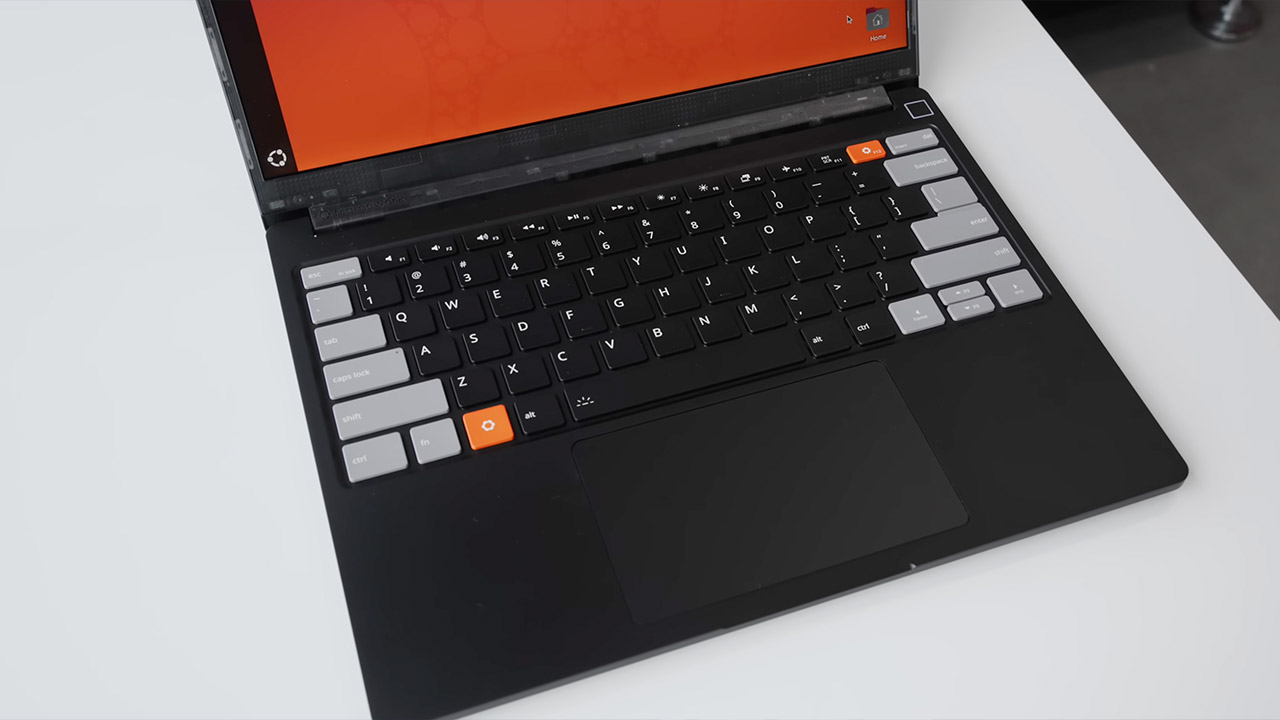
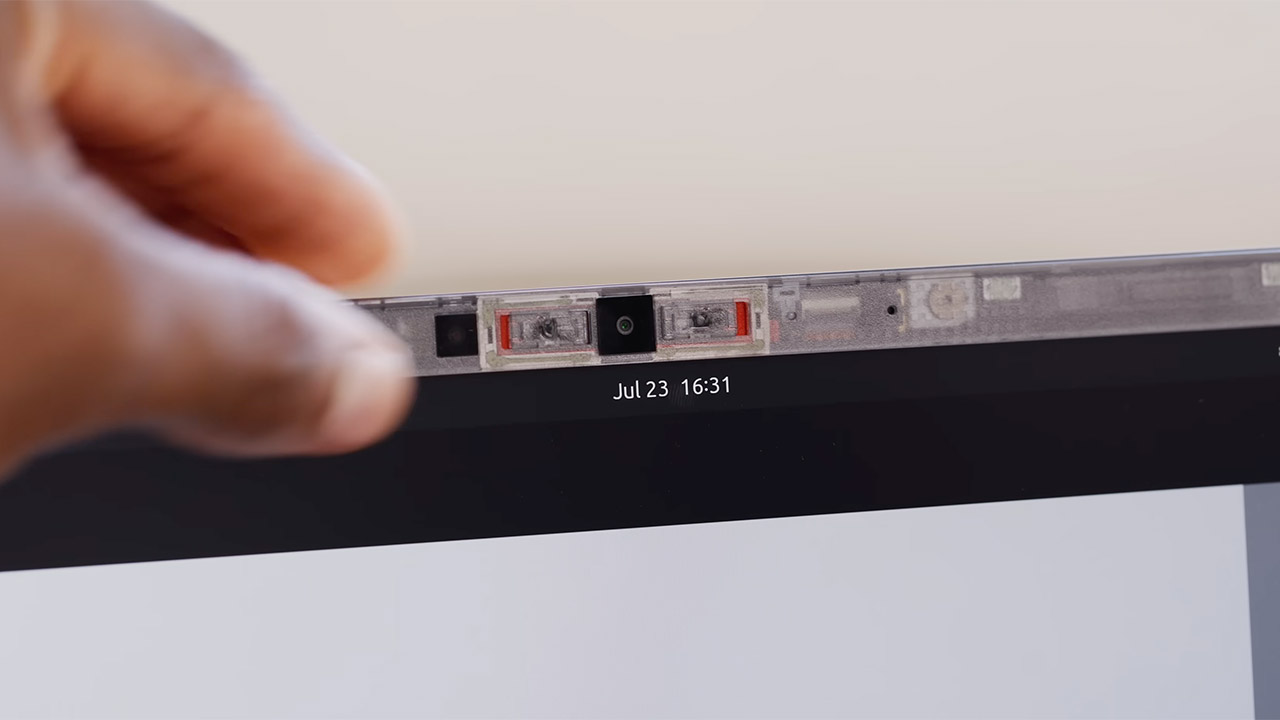
Then there are the expansion card slots, four in total, which allow you to organize all of your external connections. Each one includes Thunderbolt 4, DisplayPort 2.1, and high-wattage charging, as well as the option to use specific USB-C, HDMI, Ethernet, SD, or other modules and configure them as needed. The webcam is mounted behind a real shutter and can shoot 1080p at 30 frames per second. Not to mention the fingerprint reader, which is nicely built into the power button and works as well on Windows and Linux.
Modularity is still very much at the heart of Framework, since the mainboard and display kit can be dropped into the older 13 chassis with no effort. The opposite is also true: older boards can still fit into the new aluminum shell, assuming you slap on the larger battery and that extra input cover. Here’s where things get interesting: input covers, bottom cases, and batteries are all available separately, so you can upgrade a part at a time. The Ubuntu configuration that comes pre-installed on all of them is fully certified by Canonical, and Frameworks hardware receives regular firmware updates via the Linux Vendor Firmware Service. Windows is still an option for anyone who believes they require it.
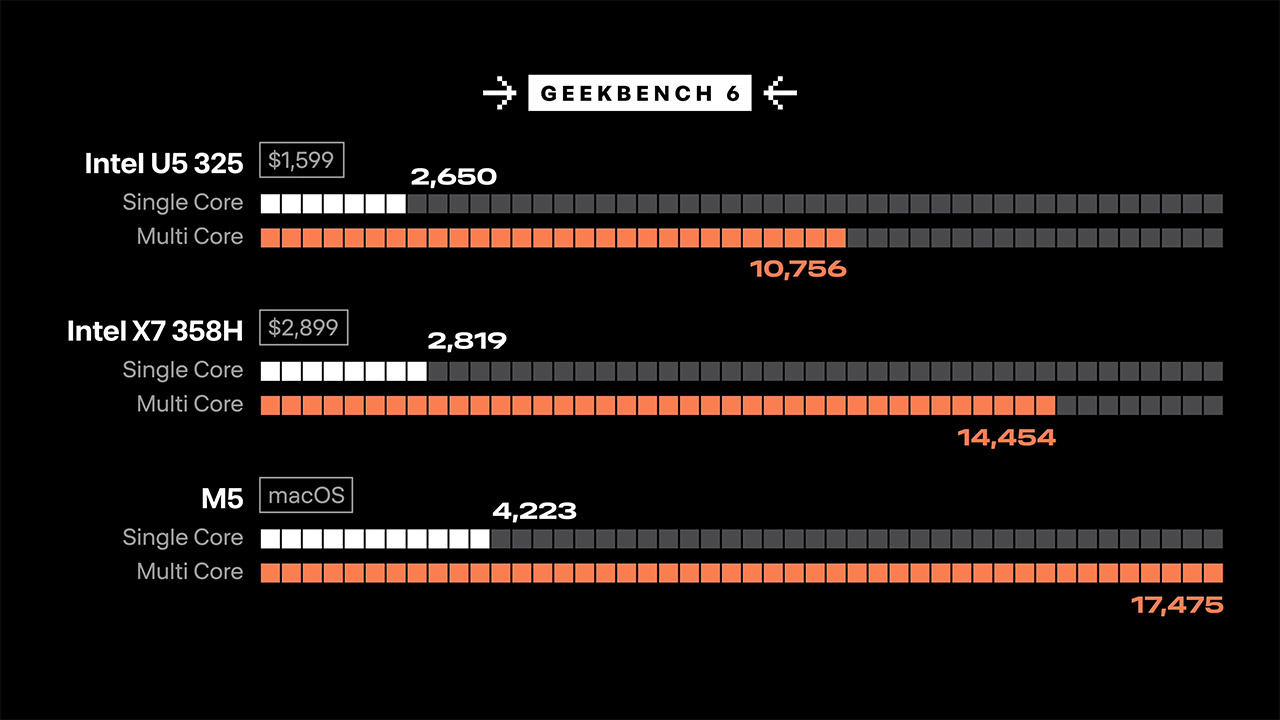
The DIY kit is priced at $1,199, but keep in mind that you will need to purchase RAM, storage, and your operating system separately. The fully assembled ones start a little higher, but they quickly rise when you start talking about higher-end processors, larger memory modules, and more storage. To be fair, recent pressure on LPCAMM2 modules has really driven up memory costs, so your final numbers can easily end up a fair bit higher than the entry price point. As it happens, shipping on the first batches has just begun.

Rideshare micromobility vehicles are a common sight in major cities around the world, whether that’s a bicycle program or electric scooters. Now, a company called Veo is introducing electric tricycles into the mix.
Announced Tuesday at an event in Denver, the company showed off the Rover, a three-wheeled, sit-down electric vehicle designed for anyone to ride on the streets. They are available in Denver for now, but Veo plans to expand the vehicle to cities across the US.
The Rover works like a shared bike or e-scooter. Sign up for the Veo app, pay a fee to unlock the trike, and then ride it around. It’s 2.5 feet wide, which means it can legally fit within bike lanes that are usually three feet wide. The trike has a max speed of 10 miles per hour. Cities tend to cap these kinds of rental bikes and scooters at 15 mph, but Veo chose to go with a slower speed for safety reasons. The Rover uses the same batteries as Veo’s other EV offerings, giving it a range of roughly 45 miles per charge; on the rear is a cargo basket that can hold up to 100 pounds of luggage or groceries.
Veo is a smaller player in the micromobility space, operating in about 60 smaller cities in the US. In May, the city of Denver signed an exclusive contract with Veo to replace the city’s scooters and ebikes made by rival companies Lime and Bird. Now the sole supplier of shared bikes and scooters in Denver, Veo wanted to use the city to show off the newest addition to its micromobility collection.

Courtesy of Veo
The Rover is primarily an accessibility play, as three-wheeled vehicles tend to stand on their own and self-balance better than two-wheeled bikes and scooters. City governments sometimes require micromobility companies to provide options for people who need more accessible vehicles. Lime has deployed a free accessible vehicle rental program called Lime Assist that lets users in need rent accessible vehicles for the day. Bird launched its own accessible rentals program in April. Veo offers similar options but wants to make those kinds of vehicles more widely available.
“The expectation is that your local bus or transit provider will offer accessible options for those who are in wheelchairs or can’t use certain products,” Alexander Keating, Veo’s vice president of policy and partnerships, tells WIRED. “There’s also an expectation for us, from the cities who permit our kinds of programs, to do everything they can to make them accessible.”
Veo says it worked with disability advocates, including the Disability Mobility Initiative, Parkinson’s Foundation, and Capitol Hill Village, to design the Rover, along with organizations like the AARP to make something that would appeal to older users, too. The trike’s three-wheeled design means it is self-balancing, so people can hop on without dealing with it falling over or fiddling with a kickstand.
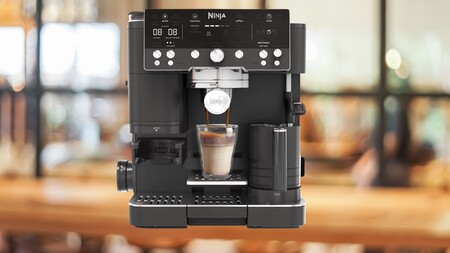
You can now get the Ninja Luxe Premier espresso, cold brew, and filter machine and save £133.99 off its usual £549.99 price tag.
That works out to a 24% discount, dropping the machine to £416, and the listing’s countdown clock is currently ticking down from just over fourteen hours before that price disappears and reverts to full for good.
This Ninja 3-in-1 espresso and cold brew machine deal ends today — here’s how much you can save
This Ninja 3-in-1 espresso and cold brew machine deal ends today, so here’s exactly how much you can save before it disappears for good.
What makes that saving count for more is that the Luxe Premier replaces three separate machines, brewing espresso, cold brew and filter coffee from the same unit alongside a built-in burr grinder, milk frother and portafilter.
That frother does more of the work than most kitchen gadgets manage, since its automated wand steams and whisks dairy or plant-based milk into micro foam at the same time, with four presets covering steamed, thin, thick and cold froth.
Getting the grind right no longer means guesswork either, with 25 individual grind settings and a built-in scale that lets you weigh beans directly on the machine before an intuitive control panel walks you through the rest.
None of that requires buying extra kit afterwards, since the Luxe Premier arrives with a double basket, single basket and dedicated luxe basket, plus a funnel, assisted tamper, cleaning kit and even a water hardness test.

There’s a recipe guide included too, aimed squarely at anyone who wants to move beyond instant coffee without having to learn proper barista technique entirely from scratch through repeated trial and error on their own at home.
Build quality holds up its end of the bargain as well, with a metal and stainless steel body, dishwasher-safe removable parts, and a two-year guarantee once you register the machine directly with Ninja.
If that reputation has you weighing up whether it’s worth it, £416 down from the usual £549.99 makes a strong case, especially next to the picks in our Best Coffee Machine 2026 guide, before the countdown clock runs out for good.
SQUIRREL_PLAYLIST_10148964


Australian Prime Minister Anthony Albanese’s proposed national environmental and energy controls for the country’s A$150 billion data centre pipeline hit their first obstacle on Tuesday, when two jurisdictions declined to back them. Federal, state and territory energy ministers met virtually to discuss the plan, and Queensland and the Northern Territory opposed most of the measures, including the idea of a national rulebook at all.
The structural problem is that the policy requires unanimity. Every state and territory must support the federal framework for it to proceed, which gives any single jurisdiction an effective veto.
What the rules would require
New data centres would have to add at least as much electricity generation to the grid as they consume, a requirement Albanese set out in a policy speech earlier in July. He described bringing these issues into a single national framework as a global first.
Operators would also be expected to build renewable generation, minimise water use, maximise energy efficiency, and fund any additional water infrastructure they need. Albanese offered few details on how any of it would work in practice.
Why Queensland objects
Queensland Premier David Crisafulli had signalled his position before the announcement, saying the state does not support imposing renewable power requirements because it wants to stay attractive to investors. That is precisely the behaviour the national framework was designed to prevent.
“The policy the PM has announced doesn’t work unless there’s buy-in from all the states and territories,” said Rob Nicholls, a senior researcher at the University of Sydney’s Centre for AI, Trust and Governance. “Part of the reason you have a policy is to avoid a race to the bottom from the states.”
The industry is broadly onside, with conditions
Belinda Dennett, chief executive of industry group Data Centres Australia, whose members include Google, AirTrunk, and Microsoft, said the group supports the principle that new electricity demand should be backed by new supply. Many operators and customers already underwrite renewable energy, she noted.
The industry wants clarity on three points. Whether the compliance obligation sits with the operator or the tenant, when it takes effect, and whether the offset is measured against actual electricity consumption or nameplate capacity.
That third question is not a technicality. Nameplate capacity is typically far higher than real-world draw, so the answer could change the size of the obligation by a wide margin.
The public is well ahead of the politics
A YouGov survey commissioned by Australia’s Climate Council found 82% of respondents agreed that new data centres should pay for the extra renewable energy and storage infrastructure needed to meet their power demand. The measure is not short of popular support.
The economics also cut both ways. Data centre investment could reach A$150 billion by 2030 with six gigawatts of planned capacity, according to Commonwealth Bank associate economist Lucinda Jerogin, and the construction boom is helping prop up a slowing economy.
Why Australia is a target market
Australia was second only to the United States in dollars invested in data centres in 2024, according to Knight Frank. Bloomberg Intelligence analysts led by Matt Ingram flagged the country in June as one of Asia’s top build locations, citing renewable potential, political stability, and low-latency submarine cables to the rest of the region.
Demand is coming from hyperscalers including Microsoft and Meta, alongside opposition from community and environmental groups. Both pressures are intensifying at once.
Everyone is grappling with the same problem
Australia is not alone in trying to attach conditions to compute. Brussels has told Big Tech to align AI data centres with climate goals or stay away, insisting operators support clean power and recycle waste heat.
Where regulators hesitate, grids are imposing their own limits. Denmark paused all new grid connection agreements after a 60-gigawatt queue overwhelmed the cleanest power system in Europe, a physical constraint no policy framework can negotiate away.
Ambitious clean-power targets have proved hard to hit. China wants renewables to supply roughly four-fifths of its AI data centre power by 2030, up from about 11% in 2023, a target its own grid is struggling to accommodate.
The default alternative is worse. The AI buildout has triggered the largest construction boom in gas-fired power plants on record, which is the outcome Australia’s additionality rule is designed to avoid.
What happens next
The federal government will work with states, territories, and market bodies on detailed policy design, with the possibility of more stringent local requirements layered on top. Energy ministers meet again in September.
National Cabinet is expected to consider the approach in August, with legislation anticipated in early 2027. Whether it arrives intact depends on whether Queensland and the Northern Territory can be persuaded that a national floor beats competing on who asks the least.


Samsung’s midrange lineup has long delivered solid phones that handle daily tasks without forcing people into flagship prices. The Galaxy A57 5G (2026), priced at $425 (was $550), continues that approach while shrinking the body and sharpening a few key details that make the phone feel more refined in the hand.
This device measures 161.5 by 76.8 by 6.9 mm and weighs 179 grams, making it surprisingly lightweight and easy to fit into a pocket, even for those who have spent years carrying larger screens. Gorilla Glass Victus+ protects the front and rear of the phone, and the metal frame adds to its robustness. With an IP68 classification, you may be a little casual with it, since it will shrug off dust and even get wet for a while without complaining.
Sale

Samsung Galaxy A57 5G (2026), Unlocked Android Smartphone, 128GB, AMOLED Display, Triple Camera, IP…
- ELEVATED DESIGN. EVERYDAY EASE: Galaxy A57 5G features the best of A Series design that’s lighter, slimmer¹ and made to fit with your outfit
- A VIVID VIEWING EXPERIENCE: Dive deeper into your content with the Super AMOLED Plus display² on Galaxy A57 5G that features slimmer bezels for a…
- SNAP IT. LOVE IT. SHARE IT: The triple-lens camera on Galaxy A57 5G lets you capture everything from low-light videos with Nightography Video to…
A 6.7-inch Super AMOLED Plus screen dominates the front. It has a 1080 by 2340 pixel resolution and a refresh rate of 120 Hz, so everything on the screen feels silky smooth. You can increase the brightness to 1900 nits, which is ideal for keeping the screen visible even while you’re outside, and it also supports HDR10+, so you can watch all that rich color content you’ve grown accustomed to on larger monitors and TVs.
This phone is powered by the Exynos 1680 chip, which is manufactured on a 4-nanometer technology, which means it’s a high-performance chip that should keep it running smoothly. The octa-core configuration includes a 2.9 GHz core that serves as the operation’s brain, as well as a slew of other cores that help with day-to-day programs and light multitasking without slowing down. You can get this phone with 8 GB RAM and 128 GB of storage. It ships with Android 16 and One UI 8.5, and Samsung promises to keep it up to date with six major OS upgrades and frequent security fixes, making it about as good as it gets at this pricing point.

So that’s the camera system, which is the standard triple-camera configuration we’ve come to expect these days on flagships. This time around, you’ll receive a 50-megapixel main sensor with optical image stabilisation, as well as a 12-megapixel ultrawide and a 5-megapixel macro camera. The front camera features a 12-megapixel sensor. Daytime images from the main camera are crisp and clear, and when it goes dark, the processing does an excellent job of minimizing noise while maintaining vibrant colors. You can even capture 4K video on both the front and rear cameras. The camera app also has functions like Best Face, Object Eraser, and Instant Slow-Mo.

The 5000 mAh battery will power this device for a full day of normal use, with some users getting a second day if they reduce their usage to a minimum. When it runs low, you simply plug it into a 45-watt charger and it will be ready to go in approximately 30 minutes. A pair of good stereo speakers provide audio, and connection includes all of the usual modern features, such as 5G, Wi-Fi 6E, Bluetooth 6.0, and more.

South Sudanese asylum seeker jailed after turning up outside school with arsenal of weapons and petrol can, aiming to ‘start a fire’

MycoTechnology, Adorvia Biotechnology form sugar-reduction partnership

Morgan Stanley debuts ether (ETH) and solana (SOL) ETPs after bitcoin fund success

Renter of Home in Anne Heche Crash Denies Settlement With Son

No Jackpot Winner as $257 Million Prize Rolls Over to $269 Million Monday Draw

Weekend Open Thread: Staud – Corporette.com

Old Money Doesn’t Carry Birkins Anymore. Here’s Why

GOLD LIVE – XAUUSD Forex Detector Live Trading Session# 465 #crypto #forexlive #forexdetector

Nirmala Sitharaman’s 5 Smart Financial Tips Everyone Should Follow Money Management Secrets
-

 Fashion4 days ago
Weekend Open Thread: Brooks Brothers
-
 Business7 days ago
New Jersey voter registration controversy explained: How 6,600 noncitizens got on the rolls, and what happens next
-

 Tech2 days ago
Intel is reversing course and bringing hyper-threading back to its server chips
-
 Entertainment7 days ago
Johnny Depp’s R-Rated Gothic Cult Classic Gets New Release Ahead of Sydney Sweeney Remake
-
 Sports2 days ago
Commonwealth Games boxing: Jadumani Singh seals dominant 5-0 win over Pakistan’s Sumama Rehman to enter quarter-finals | Commonwealth Games News
-

 Crypto World6 days ago
Ethics, other provisions in crypto Clarity Act to be further discussed
-

 Politics1 day ago
Luke Littler dismantles Gerwyn Price to retain title in Blackpool
-

 Sports5 days ago
2026 3M Open leaderboard: Scottie Scheffler finds putter in Round 1, sits three back
-

 Fashion5 days ago
16 Dresses for the High Summer Event
-

 Politics9 hours ago
The Part of the Electric Transition Nobody Wants to Discuss
-

 News Videos5 days ago
The Peugeot Family: How 200 Years of an “Old Money” Dynasty Died in A Boardroom
-

 Politics2 days ago
Spain sweeps the board at 2026 World Cup with individual awards
-
 Entertainment4 days ago
A New Post-Apocalyptic Gundam Anime Series Blasts Into SDCC
-

 News Videos2 days ago
BITCOIN JUST ENTERED THIS CRITICAL ZONE…
-

 Crypto World3 days ago
Ripple bought a bank in pieces. The $4 billion audit
-

 Crypto World2 days ago
XRP Ledger adds $2.6B as RWA inflows rank second
-

 Crypto World5 days ago
Uniswap (UNI) pushes deeper into tokenized RWAs with permissioned trading pools
-

 Tech4 days ago
Anthropic launches Claude Opus 5, a cheaper AI model for coding, agents and enterprise workflows
-

 Entertainment3 days ago
Sara Gilson Killed By Husband After Viral “Pedophile” TikTok Video
-

 Crypto World7 days ago
Sablier Labs Enters Maintenance Mode, Halts Development
You must be logged in to post a comment Login