Apple has released out-of-band security updates for iPhone and iPad devices to fix a Notification Services flaw that could allow notifications marked for deletion to remain stored on the device.
The bug, tracked as CVE-2026-28950, was fixed on April 22, 2026, in iOS 26.4.2 and iPadOS 26.4.2 and in iOS 18.7.8 and iPadOS 18.7.8.
“Notifications marked for deletion could be unexpectedly retained on the device,” reads the Apple security bulletin.
Apple says the flaw was fixed through improved data redaction but provided no additional information.
However, the company has not said whether the flaw was exploited in attacks or why it was addressed outside the normal security update cycle. Apple also did not share technical details about how long notification data remained on the device or how it could potentially be recovered.
Advertisement
While Apple has not explained why it released this emergency update, recent reporting by 404 Media described how the FBI recovered copies of Signal messages from a suspect’s iPhone, even after they had been deleted in the app.
According to trial notes published by supporters of the defendants, the recovered data did not come from Signal’s encrypted message store, but instead from iPhone’s notification storage.
“Messages were recovered from Sharp’s phone through Apple’s internal notification storage — Signal had been removed, but incoming notifications were preserved in internal memory,” the notes state.
404 also reported the notification data was retained even after Signal was deleted from the device.
Advertisement
Apple’s advisory does not reference the case, but its description of notifications being retained on the device closely aligns with the type of data persistence described in that report.
Users are advised to install the latest updates as soon as possible to prevent deleted notification data from being unexpectedly retained on their devices.
Furthermore, it is possible to prevent Signal message content from being retained in the iOS notification data storage by going to Signal Settings > Notifications> Notification content and setting Show to “Name Only” or “No Name or Content”.
BleepingComputer contacted Apple with questions about these updates, but has not yet received a response.
Advertisement
AI chained four zero-days into one exploit that bypassed both renderer and OS sandboxes. A wave of new exploits is coming.
At the Autonomous Validation Summit (May 12 & 14), see how autonomous, context-rich validation finds what’s exploitable, proves controls hold, and closes the remediation loop.
Kalshi announced Wednesday that it had taken action against three US politicians for violating the prediction market platform’s rules on insider trading. One of the candidates, Mark Moran, a former investment banker and contestant on the reality dating show FBoy Island, is running a long-shot campaign for US Senate in Virginia against incumbent Mark Warner. According to Moran, getting caught was actually his plan all along: “I bet $100 on myself, not denying that, I did do it,” he tells WIRED. “I wanted to see if they would enforce it.”
Moran claims he was inspired to pull off the stunt after observing what he believed was market manipulation on Polymarket related to the New York mayoral race in 2025. The intended goal, he says, was to raise awareness about how prediction markets are “contributing to the further devolvement of our society.” Describing his decision, Moran framed it as a kind of avant-garde campaign tactic that tested the limits of the “all press is good press” credo. “I’ve been waiting for months for attention to come,” Moran says. “Because in politics, money buys attention, but I know how to get it organically. It only cost $100 to get you on the phone, right?”
In a notice of disciplinary action against Moran that the company sent to the Commodity Futures Trading Commission, Kalshi claimed that the politician had purchased event contracts in markets related to his own candidacy and promoted them on social media. Kalshi noted that it had fined Moran $6,229.30 and banned him from the platform for five years after he “refused to resolve the matter via settlement.”
Moran claims that he stopped speaking to Kalshi because he objected to the company’s settlement terms. “They wanted me to make a public statement,” he says. That was the thing that I pushed back on, that’s a violation of my First Amendment rights, to compel my speech.” (Public statements are often included in the terms of legal settlements.) Kalshi declined to comment.
Advertisement
The other two enforcement actions Kalshi announced today, against candidates in congressional races in the Minnesota Democratic Primary and the Texas Republican Primary, were settled after the accused paid smaller fines. In another batch of cases announced in February, Kalshi revealed that it had fined far-right Republican politician and former California gubernatorial candidate Kyle Langford for market manipulation. In an interview with WIRED, Langford described his trades as a “campaign gimmick.”
Moran says that if he is elected, he plans to work on legislation to strengthen guardrails around prediction markets. A nationwide political battle is currently underway over what rules the industry should be required to follow. A number of states have filed lawsuits against leading companies in the space, alleging that they are running unlicensed gambling operations.
There is also growing concern over insider trading on political markets. New York governor Kathy Hochul signed an executive order on Wednesday banning state government employees from insider trading, following similar orders in California and Illinois.
Although he switched his affiliation from Democrat to Independent at the beginning of the month, Moran is still listed as a candidate on Kalshi’s market for the Virginia Democratic Primary. His odds are currently at 1 percent.
Loewe has acquired Cabasse following the French audio brand’s recent move into receivership and it’s not happening in a vacuum. It’s the latest move in a wave of consolidation that is reshaping the A/V industry at a pace we haven’t seen before.
Over the past 18 months, strategic partnerships and acquisitions have started to redraw the competitive map. TCL’s partnership with Sony signaled a shift in how major TV brands are thinking about scale and control, while Barco’s acquisition of VerVent Audio Holding brought Focal and Naim Audio into a broader ecosystem play that ties premium audio directly into professional and consumer video solutions.
Loewe stepping in to take control of Cabasse fits that pattern almost too well. A heritage European TV brand with ambitions beyond displays acquires a respected but financially vulnerable French loudspeaker manufacturer. It’s a practical move, not a sentimental one, and another clear indication that standing still in this industry is no longer an option.
It is being reported that Loewe has acquired Cabasse for €400,000; a figure that feels low for a brand with that kind of history, but one that reflects the reality of Cabasse’s recent move into receivership. The deal keeps the lights on and most of the team intact, with 24 of 26 employees retained. Not perfect, but in this market, it’s better than the alternative.
Advertisement
Loewe says Cabasse will continue to operate independently, which is the right move on paper. The French brand keeps its identity, its engineering DNA, and hopefully its voice, while Loewe gets a foothold in high-end audio that it didn’t have before.
The strategy is straightforward. Loewe is betting it can extract value by applying its operational structure and commercial reach to a brand that struggled on its own. The goal is to accelerate international distribution of higher-margin products and strengthen its position as a more serious player in the premium video and audio space.
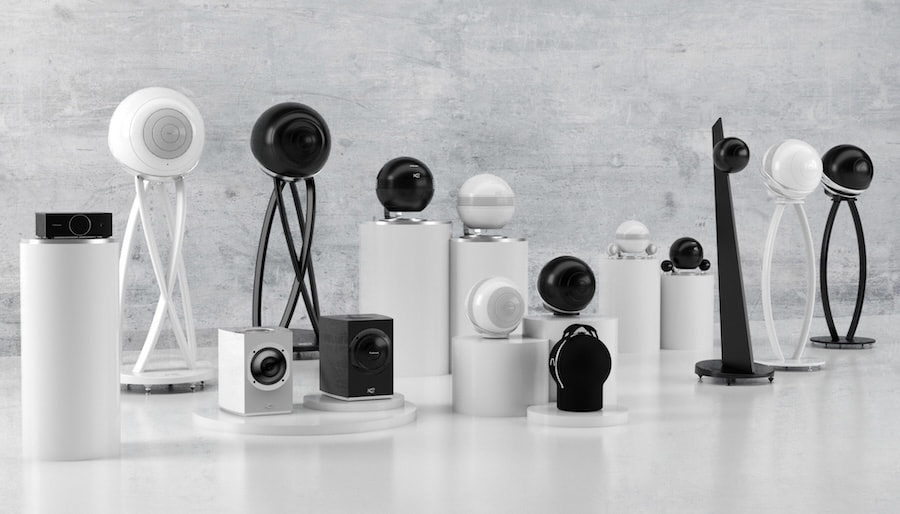
Cabasse Loudspeaker range
What Cabasse Brings to the Table
Cabasse was founded in Brittany, France, in 1950. Over the decades, they have established themselves as experts in designing and making coaxial speakers. Building on this foundation, Cabasse has created attention-getting products such as the Sphere Evo. and Pearl Theater
In addition, Cabasse has made sound systems for French cinemas and large venues, and has also made loudspeakers for studios and broadcast environments. Cabasse introduced active loudspeakers as early as the late 1950s and continued to refine coaxial and multi-driver technologies through the 1970s, 1980s, and 1990s.
Advertisement
By bringing Cabasse on board, Loewe gains access to established audio technologies, a portfolio of patents, and deep acoustic expertise, all of which can be leveraged to expand its reach in the premium A/V market.
“Cabasse represents the very essence of acoustic excellence,” declares Aslan Khabliev, CEO of Loewe Technology. “By integrating their exceptional expertise into the Loewe universe, we are taking our audio capabilities to a completely new level.”
“Joining Loewe marks a new chapter in our history. We will continue to innovate from Brest, true to our heritage, while benefiting from a powerful international platform to accelerate our development,” adds Arnaud Hendoux, Deputy Managing Director of Cabasse.
Advertisement. Scroll to continue reading.
Advertisement
Who Is Loewe?
Loewe has been around long enough to see the entire arc of consumer electronics play out in real time. Founded in 1923 in Berlin, the company was an early innovator in radio technology and one of the first to experiment with integrated electronic systems. By the postwar period, Loewe had established itself as a premium European manufacturer, leaning heavily into design and engineering at a time when most brands were chasing scale.
Through the latter half of the 20th century, Loewe built its reputation on high quality television sets, including early stereo TV implementations and later advancements in integrated AV systems. It was also among the first manufacturers to push smart TV concepts in Europe and became the first company to secure Dolby Vision certification for OLED TVs, reinforcing its position as a design forward, technically capable brand operating at the higher end of the market.
The transition from CRT to flat panel displays, however, didn’t do Loewe any favors. As production shifted toward Asia and price competition intensified, the company struggled to maintain relevance in markets like the United States. That pressure eventually led to bankruptcy and insolvency proceedings, effectively pulling Loewe out of the U.S. market and putting its future in doubt.
Advertisement
The turnaround began in 2019, when new investment and ownership gave the brand another shot. Loewe restructured its operations, reopened manufacturing in Germany, and rebuilt its product portfolio with a focus on premium positioning rather than volume. The current strategy is less about competing with mass market TV brands and more about carving out space in the luxury segment, where design, materials, and system integration still matter.
That shift became clearer last year when Loewe announced plans to return to the U.S. market with a refreshed lineup of luxury televisions and personal audio products, including headphones. It’s a more focused, more realistic version of the company, but one that still carries nearly a century of engineering DNA into a market that looks nothing like the one it left behind.
77″ Loewe Stellar TV at AXPONA 2026
The Bottom Line
Loewe’s acquisition of Cabasse makes sense on paper, and more importantly, it fills a gap that Loewe could not address on its own. Loewe knows displays, industrial design, and system integration. Cabasse brings decades of loudspeaker engineering, acoustic research, and a patent base that gives Loewe something it has lacked credibility in until now. That combination opens the door to fully integrated premium A/V systems that actually feel cohesive rather than stitched together from third party parts.
What should we expect? Start with tighter ecosystem plays. Think high-end TVs paired with purpose built wireless or active speaker systems that are designed from the ground up to work together. Better control over voicing. More consistent performance across video and audio. Possibly more aggressive moves into luxury all-in-one solutions where aesthetics matter just as much as performance. If Loewe is serious, Cabasse will not just remain a standalone speaker brand. It will become part of a broader platform.
There is some real upside here. We saw Loewe’s top OLED TV at both CES and AXPONA 2026 and it was one of the more impressive displays at the shows from both a design and picture quality standpoint. On the personal audio side, their Leo wireless headphones left a strong impression on our Headphone Editor Will Jennings. The pieces are already in place. This deal gives them more control over how those pieces fit together.
Advertisement
But none of this guarantees success. The premium A/V market is crowded and unforgiving. Brands like Sony have already figured out that scale and partnerships matter, which is why its alignment with TCL is worth watching. Loewe now has the tools to compete more seriously with a deeper bench of wireless audio technology.
Two newly discovered macOS threats are designed to harvest developer credentials and cloud access as attackers focus on long-term persistence and avoid fast, visible attacks.
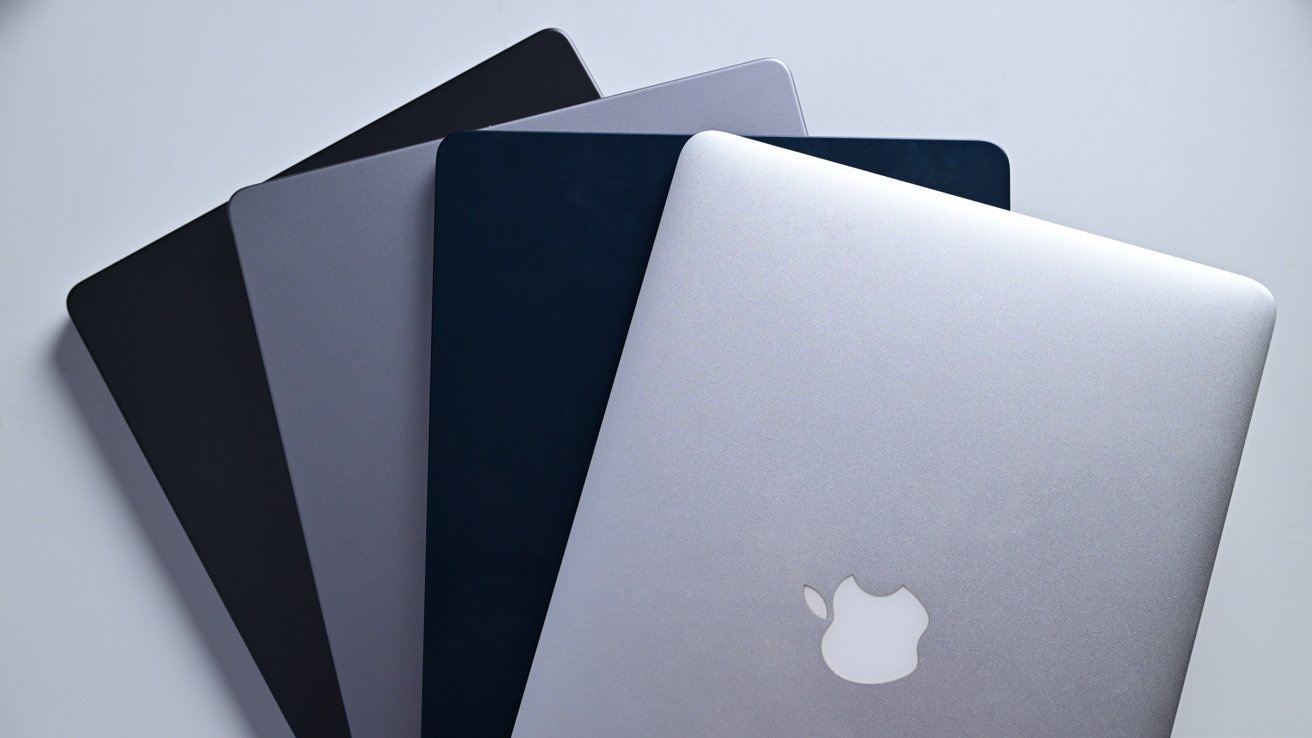
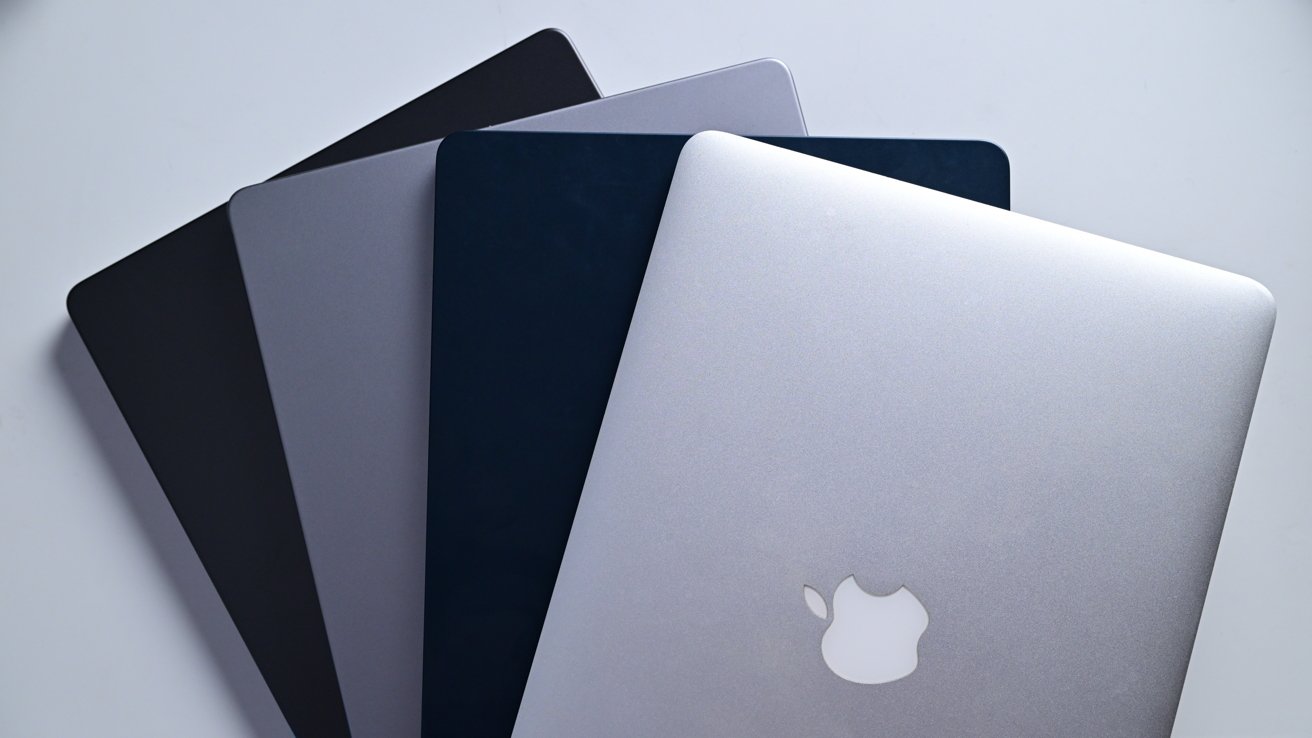
Some Mac computers have two security threats to worry about
The Mosyle security research team unveiled their discovery of “Phoenix Worm” and “ShadeStager” on April 22. These two are previously unknown malware that went undetected by antivirus engines at the time of their discovery. While the lack of detection sounds concerning, it’s important to remember that new malware often begins with limited or no antivirus coverage before signatures catch up. Together, Phoenix Worm and ShadeStager outline a full attack path that moves from initial system access to deep credential harvesting. Continue Reading on AppleInsider | Discuss on our Forums
Search giant Google has publicly confirmed that Apple’s updated Siri, complete with its long-promised personalized responses, will finally be coming out at some point in 2026.
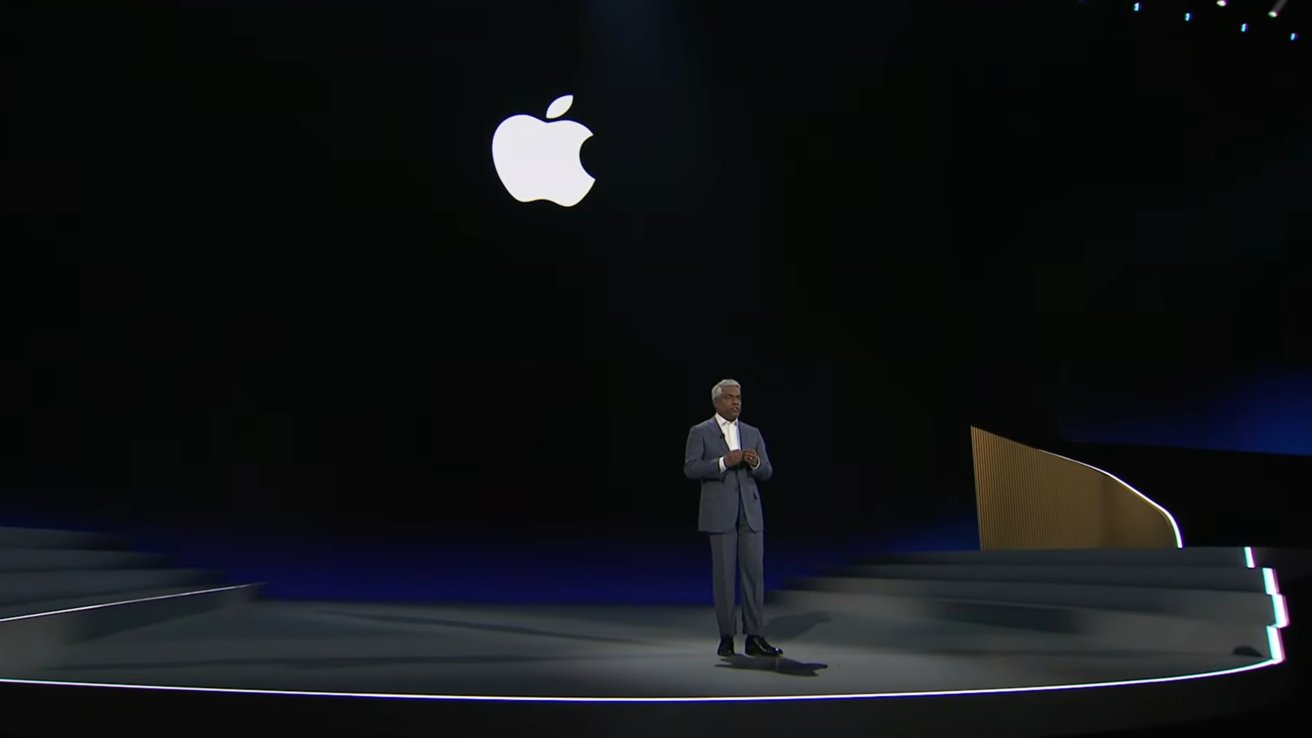
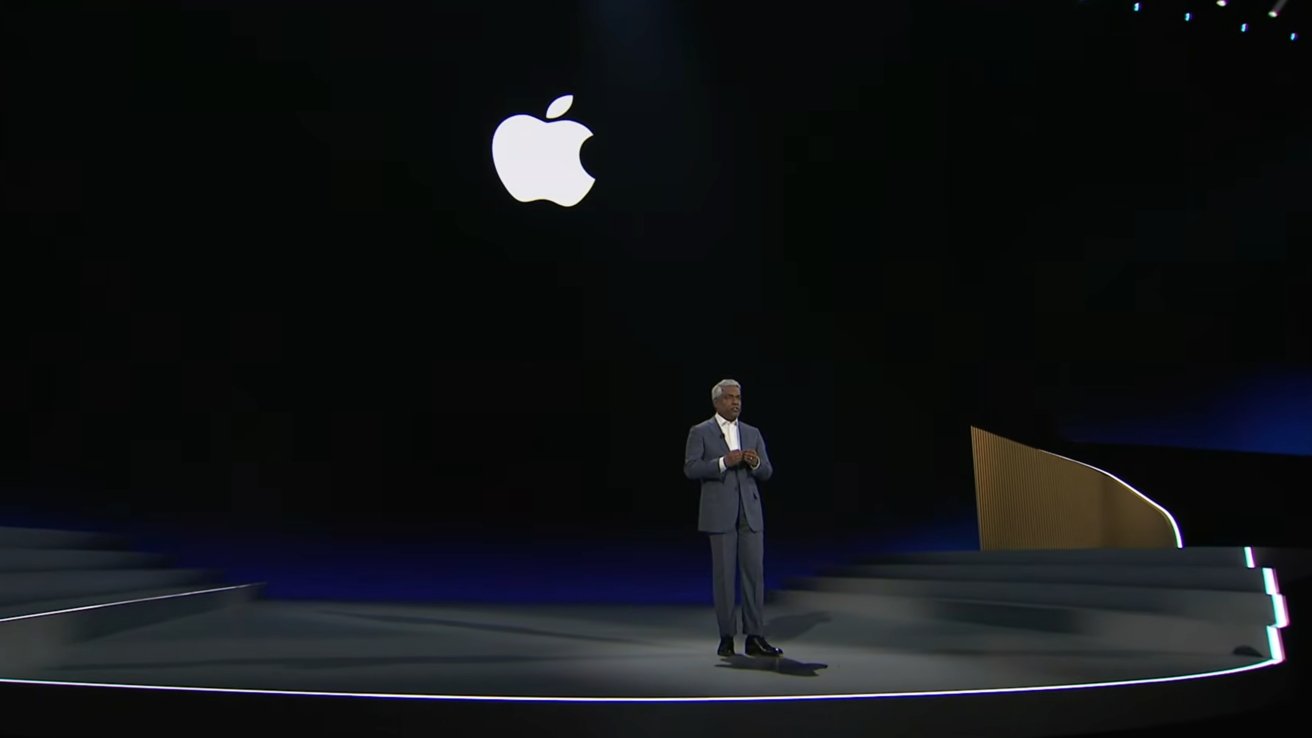
Google Cloud CEO Thomas Kurian talking about Apple at Google Cloud Next 26 – Image Credit: Google/YouTube
In January, Apple confirmed that it had entered into a multi-year deal with Google to use the Gemini model to create Apple’s Foundation Models. Google now says that the fruits of Apple’s AI labor will be on display before the end of 2026. Speaking at the Google Cloud Next 26 opening keynote, Google Cloud CEO Thomas Kurian talked about Apple as a key customer of the company. Standing in front of the Apple Logo in the auditorium, he enthused about how Apple was using its technology. Continue Reading on AppleInsider | Discuss on our Forums
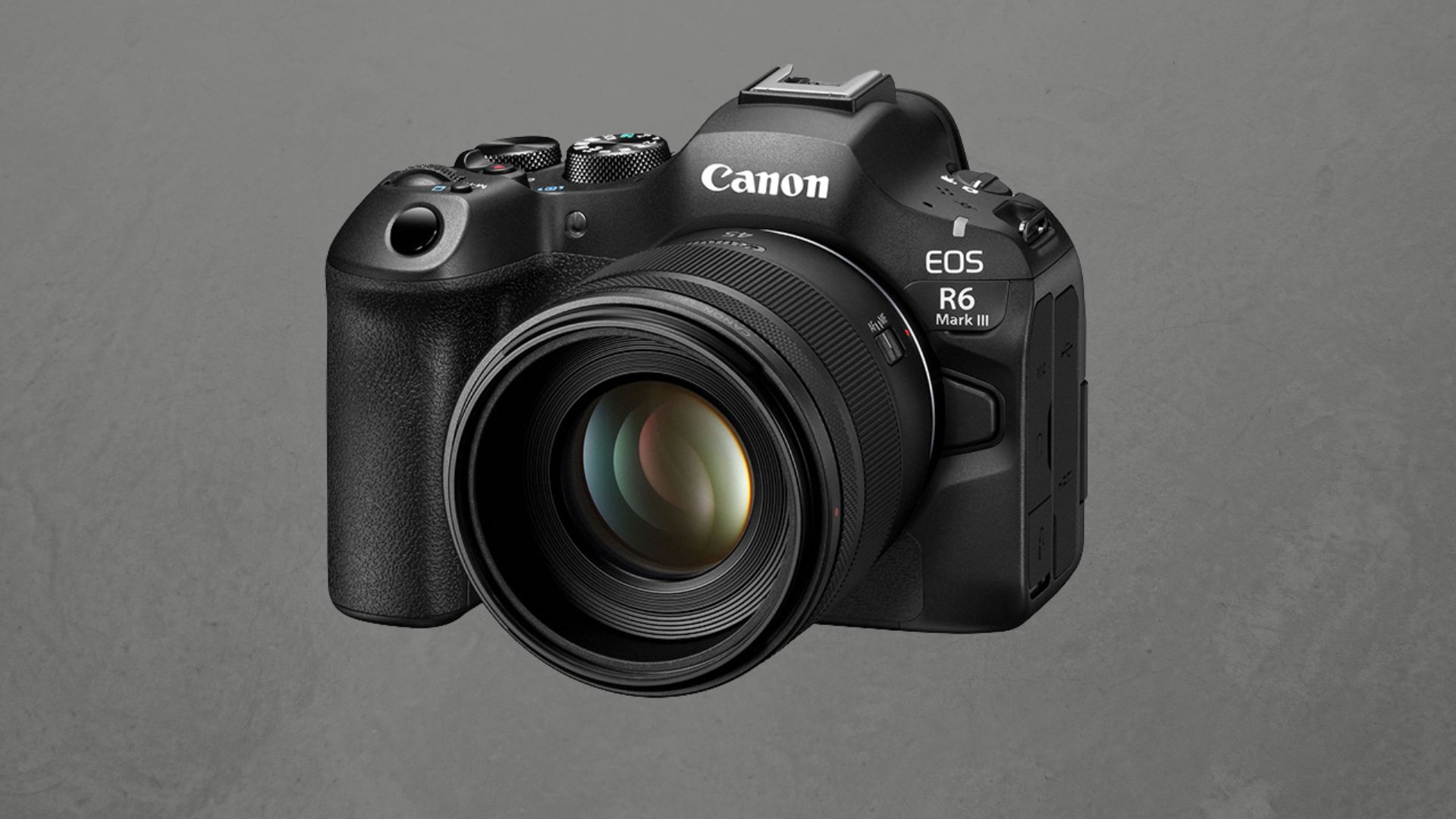
Canon might be about to lean into nostalgia with its next full-frame mirrorless camera.
According to a fresh leak, the EOS R8 II is in the works. It could arrive with a retro-inspired design to mark 50 years since the iconic AE-1.
The report, via CanonRumors, suggests the upcoming model will act as a direct successor to the EOS R8, which is now over three years old.
But instead of a routine refresh, Canon is said to be rethinking the design entirely. Specifically, Canon may draw inspiration from the Canon AE-1, one of its most successful cameras ever. Over five million AE-1 units have sold since its 1976 debut.
Advertisement
That could mean a more angular body, a smaller grip, and potentially a different control layout compared to Canon’s current mirrorless lineup. While details are still thin, the shift hints at something closer to the growing trend of retro-styled digital cameras. In other words, Canon might blend modern internals with classic aesthetics.
Advertisement
Outside of the design, there’s little confirmed about the EOS R8 II so far. Specs, pricing, and an exact launch date remain under wraps, though the leak claims the camera could arrive “soon.” Whether Canon will pair it with matching retro-style lenses is also unclear at this stage.
Interestingly, the EOS R8 II might not be launching alone. The same source suggests Canon is also preparing an EOS R6 V, reportedly aimed at video-focused users with upgraded filming features. However, specifics haven’t surfaced yet.
Advertisement
For now, the retro angle is the standout. If accurate, the EOS R8 II could signal a rare stylistic shift for Canon, which has largely stuck to modern, functional designs in its mirrorless range.
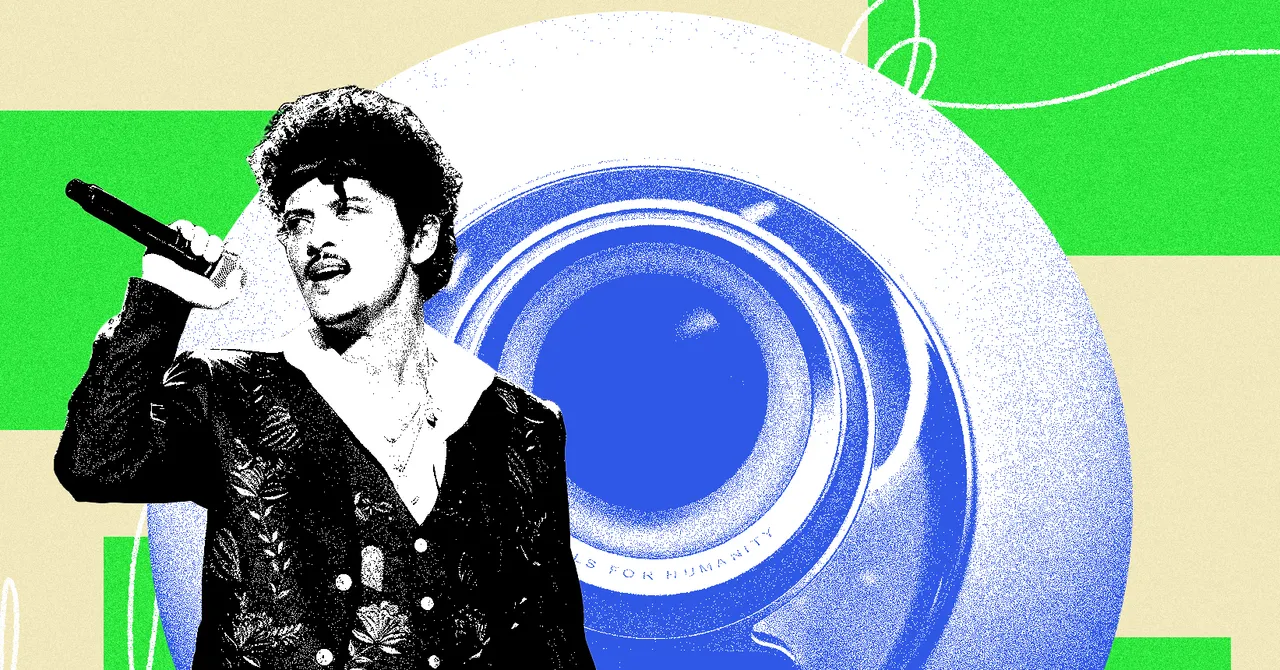
Sam Altman’s eyeball-scanning startup, Tools for Humanity, announced last week that a new product called Concert Kit—designed to give verified humans a way to purchase concert tickets—would first roll out on Bruno Mars’ world tour of his latest studio album, The Romantic.
However, Bruno Mars Management and Live Nation, the producer for the Romantic Tour, told WIRED in a joint statement on Tuesday that the partnership “does not exist,” and that Tools for Humanity never even approached them about working together.
The confusion stemmed from a Tools for Humanity event April 17 in San Francisco, where chief product officer Tiago Sada said the company would be joining the Romantic Tour to not just provide access to tickets but also “VIP experiences for verified humans.”
The statement was reiterated in a blog post published by the company, which read: “Concert Kit launches today and will roll out during the Bruno Mars World Tour featuring DJ Pee .Wee (aka Anderson .Paak), where verified humans will have exclusive access to VIP suite experiences at select stops.”
Advertisement
A video of the event, and the company’s blog post, have since been edited and reshared by Tools for Humanity. They now say that Concert Kit will roll out on the 2027 European tour for Jared Leto’s band, Thirty Seconds to Mars.
“To be clear, we were never approached by TFH, nor were we in any discussions regarding a partnership or tour access,” said Bruno Mars’ Management and Live Nation in a joint statement to WIRED. “We first learned that our tour was being used to promote their project after their keynote made those initial claims.” (WIRED had referenced the Bruno Mars partnership in its original story about the event; the story has since been updated to include this new information.)
A spokesperson for Tools for Humanity confirmed to WIRED in a statement Wednesday that the startup “does not have any agreement with Bruno Mars to test or feature Concert Kit, and there is no association or affiliation with the artist or his tour.” Tools for Humanity declined to explain why they announced Mars as a partner for the project in the first place.
Tools for Humanity was cofounded in 2019 by OpenAI CEO Sam Altman and German entrepreneur Alex Blania, with the aim of using blockchain technology to verify people in online environments where scams are prevalent. In 2023, the company launched a physical, iris-scanning orb that works in conjunction with a mobile app.
Advertisement
While Live Nation and Bruno Mars Management say they “have no opinions for or against their products,” it’s possible that Live Nation is feeling prickly about Tools for Humanity for other reasons. The startup is proposing that Concert Kit will help thwart the bot problem that plagues sites like Ticketmaster—which is owned by Live Nation.
In September, Bloomberg reported that the US Federal Trade Commission was investigating Ticketmaster over whether it had done enough to keep bots off its platform. Anderson .Paak made a cameo at the Tools for Humanity event to vouch for this approach, saying to the crowd, “I fucking hate bots … they make everything really shitty. Especially for the fans.” (Anderson .Paak, for what it’s worth, will soon be touring with Bruno Mars under his moniker DJ Pee .Wee. The plot thickens.)
Tools for Humanity also took a jab at Ticketmaster in its press release for last week’s event, saying that “diehard Swifties will never forget the Eras Tour presale, where Ticketmaster faced 3.5 billion system requests in a single day, locking out millions of fans.”
The partnership with Mars was one of many announced at Tools for Humanity’s Lift Off event, which aimed to legitimize the startup’s identity-verifying technology by working with major brands. Executives from Tinder, Zoom, and Docusign said they’d be expanding their work with Tools for Humanity at the event. In the past, Tools for Humanity has struggled to get governments around the world on board with its technology as a safe, privacy-protecting way to identify real humans.
Prasad Kalyanaraman, VP of AWS Infrastructure Services, has been named to Amazon’s senior leadership team. (Amazon Photo)
Amazon added a new member to its senior leadership team Wednesday, naming AWS infrastructure chief Prasad Kalyanaraman to the group known as the S-team or “steam,” while also promoting cloud computing and AI services leader Dave Brown to senior vice president.
CEO Andy Jassy announced the changes internally, according to a memo viewed by GeekWire, and the company updated its public list of S-team members to reflect the changes.
Kalyanaraman oversees AWS infrastructure, including data centers, networking, and supply chain. He has been with the company for more than 20 years, starting in Amazon’s fulfillment and supply chain operations before moving to the cloud division in 2012.
Jassy’s memo praised his “customer obsession, high standards, ability to be right often, delivery, and missionary approach (always focusing on what’s best for customers — and the company as a whole vs. just his own area),” alluding in part to Amazon’s leadership principles.
Dave Brown, newly promoted to senior vice president at Amazon, leads AWS EC2 and AI services including Bedrock and SageMaker. (Amazon Photo)
Brown leads AWS compute services (EC2) along with fast-growing AI services including Bedrock and SageMaker. He has been on the S-team since 2023, previously as a vice president.
“There are several reasons for his promotion, but chief among them are his outstanding delivery, propensity to look around corners and deliver services customers want, being right a lot, obsessing about customers, and continuing to develop strong teams,” Jassy wrote.
Advertisement
The addition of Kalyanaraman brings the S-team back up to 28 members. That’s still down from more than 30 when the last big round of additions was made in September 2023.
In the meantime, the group has seen departures including Adam Selipsky as AWS CEO (replaced by Matt Garman); longtime devices chief Dave Limp, (succeeded by former Microsoft executive Panos Panay); artificial intelligence leader Rohit Prasad; grocery head Tony Hoggett; and device software leader Rob Williams.
Meta is recording employee clicks, keystrokes, and screen activity to train AI agents on real work behavior
The program is part of a broader push to build AI systems that can perform everyday tasks with minimal human input
The move comes just ahead of reports of layoffs at the company
Meta has begun collecting everything its employees do as they go about their normal work to train its AI models, as first reported by Reuters. The Model Capability Initiative records mouse movements and clicks, keyboard keystrokes, and even occasional screenshots from computers used by Meta employees in the U.S. The company wants to observe how people actually use software, then feed that behavior into AI models so they can learn to do the same things.
Meta essentially wants to make its systems more reliable for the small actions that define a workday. That means everything from navigating a menu and moving between windows to parsing different website formats. These aren’t easily solved with text data alone.
“This is where all Meta employees can help our models get better simply by doing their daily work,” the internal memo states.
Article continues below
Advertisement
Training your own successor
AI systems are moving from generating content to performing actions. They are being trained to complete tasks that have always required a person at a keyboard. That requires more examples than just a list of steps to complete a task. They need to see how work unfolds. Meta’s approach is to capture those steps directly, turning everyday activity into training material.
Workplace monitoring has long existed, but Meta’s approach is more detailed and more specific in its purpose. The system records the fine-grained interactions that are usually overlooked, building a detailed picture of how tasks are completed in practice. According to the company, the data is not intended for performance evaluation, with safeguards in place to protect sensitive information.
Advertisement
The tracking program sits within a broader push at Meta to develop AI agents capable of handling everyday tasks. This Agent Transformation Accelerator focuses on building AI models for routine work across different tools and platforms.
The timing of the rollout is difficult to separate from other changes at the company. Meta is preparing to lay off around 10% of its global workforce, with more to follow. additional cuts expected later in the year.
Sign up to the TechRadar Pro newsletter to get all the top news, opinion, features and guidance your business needs to succeed!
Advertisement
All-seeing AI eye
Beyond how Meta plans to use the data, the level of detail the program is collecting is unusually comprehensive. Logging every keystroke and mouse movement is more familiar to factories and warehouses than corporate offices. It’s a new level of visibility, and possibly an uncomfortably intrusive one for many.
The fact that it’s happening in the U.S. is not surprising. Companies here are generally required only to inform employees of the surveillance, whereas European labor and data privacy rules put much stricter limits on this kind of oversight.
For Meta, the fact that need to be trained on examples of everyday tasks makes this monitor program the obvious move. Employees may feel less comfortable about having no choice but to expose every moment of their workday to observation and having that data used to potentially replace them and all of their coworkers.
If Meta’s program works like the company hopes, it’s unlikely to remain unique to the company. The demand for real-world behavioral data will increase as AI capable of carrying out those tasks becomes more common.
Advertisement
Meta wants to make AI models that can completely mimic what human employees do at work. Whether that leads to more efficient tools or just a more uncertain, and potentially depressed workplace depends on how those AI models are deployed, but there’s no question that they will be watching every click soon.
In the ongoing development of cancer immunotherapy, as well as our still developing understanding of the human immune system, there’s always been a bit of massive elephant in the room. The thing about human bodies is that they’re not just human cells, but also consist of trillions of bacteria that mostly live in the intestines. What effect these bacteria have on the immune system’s functioning and from there on immunotherapies was recently investigated by [Tariq A. Najar] et al., with an article published in Nature.
The relevant topic here is that of antigenic mimicry, involving microbial antigens that resemble self-antigens. Since these self-antigens are a crucial aspect of both autoimmune diseases and cancer immunotherapy there is considerable room for interaction with their microbial mimics. Correspondingly these mimics can have considerable negative as well as positive implications, ranging from potentially triggering an autoimmune condition to hindering or boosting cancer immunotherapy.
In this study mice were used to investigate the effect of such microbial interference, in particular focusing on immune checkpoint blockade (ICB), which refers to negative feedback responses within the immune system that some cancers use to protect themselves. In some immunotherapy patients ICB inhibiting using e.g. anti programmed cell death protein (anti-PD-1) treatment does not provoke a response for some reason.
Advertisement
For the study mice had tumors implanted and the effect of a particular microbe (segmented filamentous bacteria, SFB) on it studied, with the presence of it markedly improving the response to anti-PD-1 treatment due to anti-gens expressed by SFB despite the large gut-skin distance. Whether in humans similar mechanisms play a similarly strong role remains to be investigated, but it offers renewed hope that cancer immunotherapies like CAR T-cell immunotherapy will one day make cancer an easily curable condition.
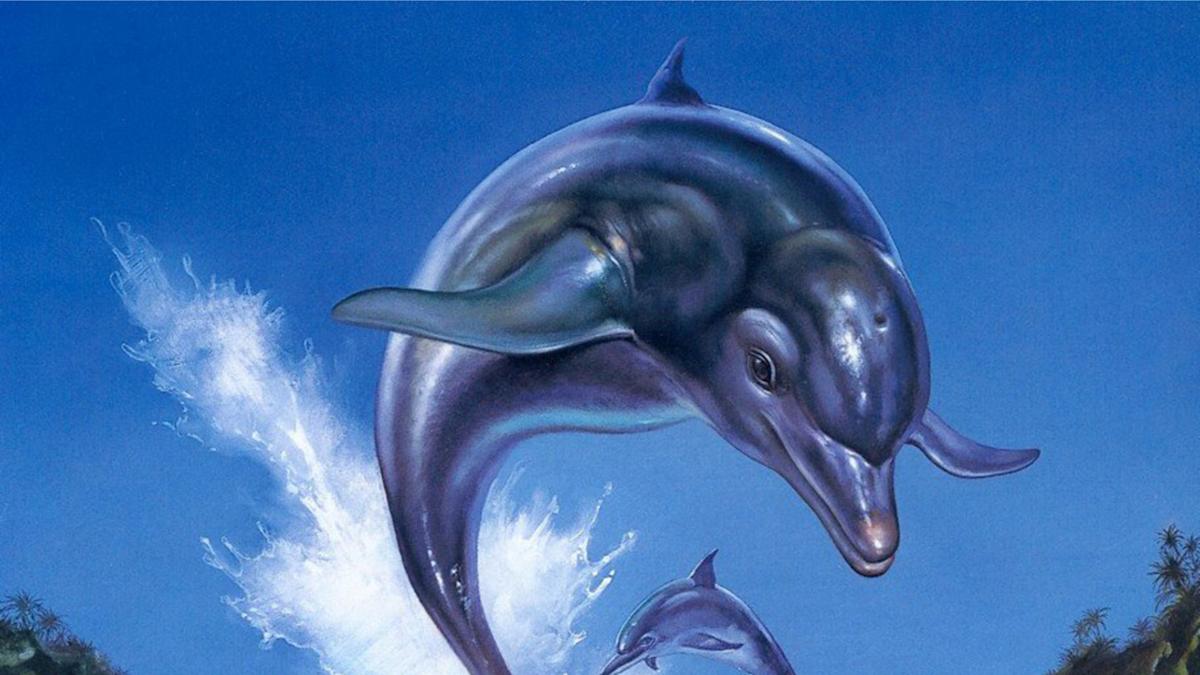
Last year, Ecco the Dolphin creator Ed Annunizata teased plans to remaster the first two games in the series and create an entirely new sequel. Ecco the Dolphin: Complete, announced by Annunziata’s studio A&R Atelier, appears to be the result of that work. The game doesn’t have a release date yet, but A&R Atelier says it combines the planned remasters and third title into “the complete, definitive Ecco the Dolphin experience, created by the people who made the originals.”
Complete includes “all versions of Ecco the Dolphin and Ecco: The Tides of Time,” according to the developer, alongside “a brand-new contemporary Ecco game.” Besides graphical improvements, A&E Atelier says the game will introduce “built-in speedrunning support, achievements and leaderboards,” and things like the ability to create custom courses from existing levels. And while A&R Atelier’s announcement doesn’t include footage of the new game or the platforms it’ll release on, the official Ecco the Dolphin website has a countdown clock that could point to when more information will be released.
Annunziata sued Sega to try and win the rights to the Ecco the Dolphin IP in 2013, the same year he failed to get The Big Blue, a spiritual sequel to Ecco the Dolphin, fully funded on Kickstarter. Sega and Annunziata ultimately settled their lawsuit in 2016, which may have laid the groundwork for Ecco the Dolphin: Complete to happen.





















































You must be logged in to post a comment Login