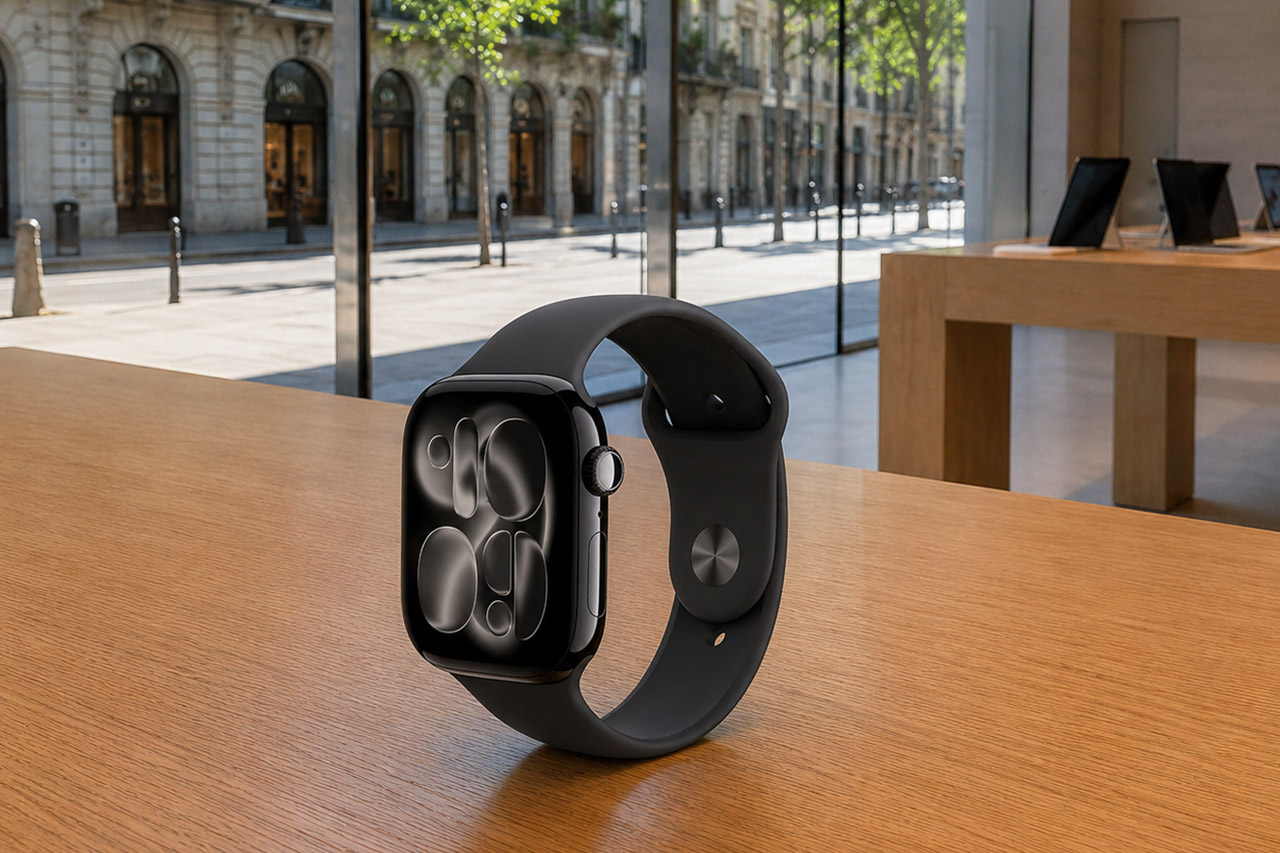
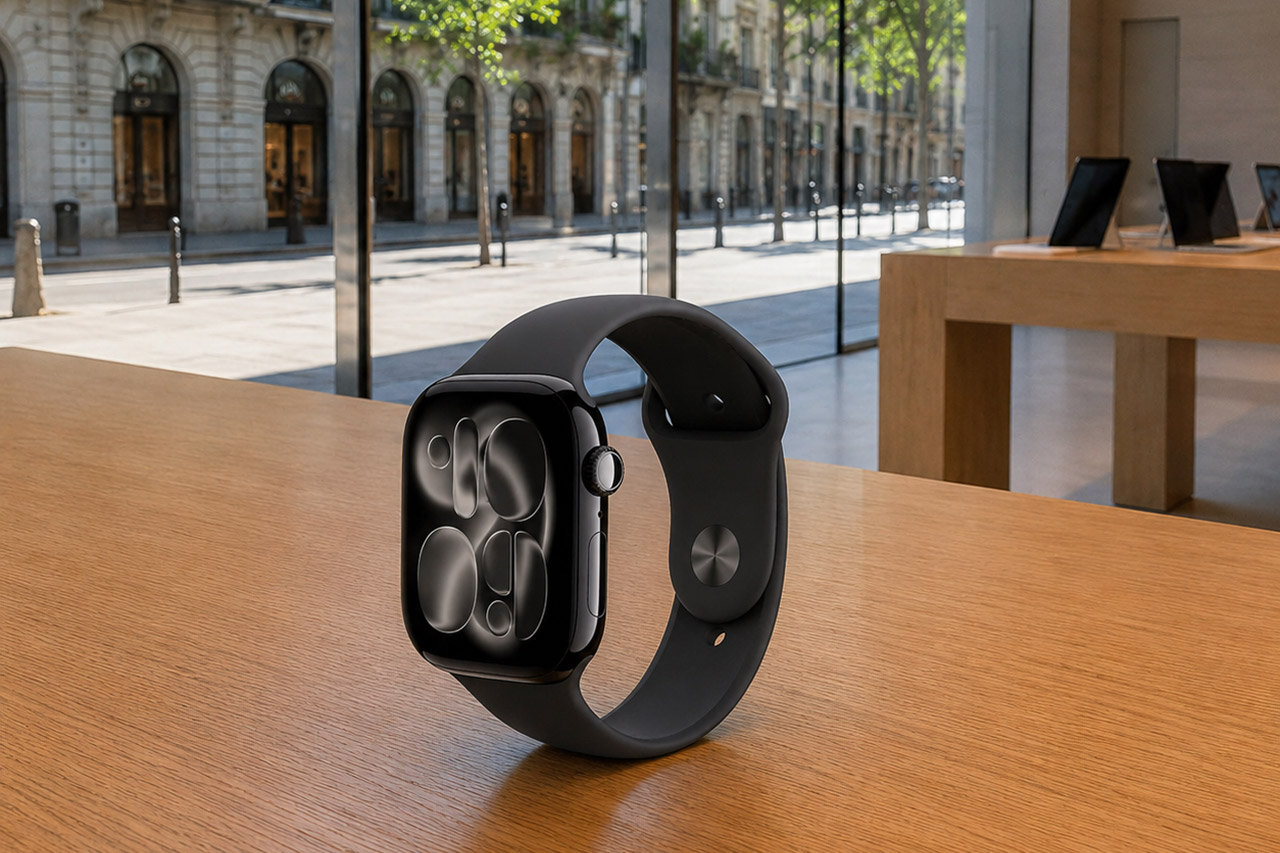
The Apple Watch Series 11 [GPS 42mm], priced at $279 for Prime Day (was $399), retains the same slim profile, while the always-on screen is clear even in direct sunlight. The battery now lasts nearly two full days on a single charge, allowing for less time plugged in and more time on the wrist, where it should be. Health tracking runs silently in the background and sends useful signals such as irregular beats or blood pressure changes without requiring any additional steps or complicated configuration. When paired with an iPhone, the watch handles calls, messages, and apps with ease, and the 5G option keeps everything responsive even when the phone is in a bag or another room.
Meta’s Quest 3S slips on easily and transports you immediately into virtual worlds without the use of wires or additional gear. The integrated Gorilla Tag experience transforms you into a nimble gorilla swinging from tree to tree and tagging teammates in fast-paced multiplayer battles that get your full body moving in a way that feels more like play than exercise. The full-color passthrough keeps the real room visible, allowing you to keep track of furniture and space while the virtual activity takes place around it. A three-month trial of other games, as well as exclusive in-game items and currency for Gorilla Tag, ensures that there is enough to discover straight away. Product page.
Ninja’s CREAMi 7-in-1 converts a simple overnight freeze into fresh homemade ice cream or sorbet in just a few minutes of processing after the base has set. You combine whatever ingredients seem appealing, such as milk and sugar for classic flavors, protein powder for a lighter treat, or fruit for a dairy-free option, pour them into the pint, freeze, and then insert the container into the machine and pick the desired setting. The powerful blades cut through the frozen block, changing it into a smooth, scoopable texture. A separate mix-in cycle allows you to fold in cookies, candy, or nuts at the end, retaining their delightful texture rather than blending into the foundation. Product page.
Elgato’s Stream Deck+ stands on your desk like a little command center, with eight LED buttons that identify their function and four smooth-turning knobs that allow precise control over whatever you assign them. A single button press can change camera angles during a stream, start or stop a recording, mute the microphone, or launch any software without the need to explore menus or recall complex key combinations. The dials allow you to easily increase or decrease volume, explore a video timeline, and change settings in small increments, while the touch strip above them allows you to swipe through additional menu pages when you need more options. Everything is linked using simple software that allows you to drag and drop operations onto the buttons and knobs, ensuring that the entire layout matches your personal workflow. Product page.
Roborock’s Q10 S5+ moves across floors according to its own schedule and returns to its port to empty its own dustbin, letting you to go weeks without touching the machine. The powerful suction takes pet hair and ground-in filth from carpets, while the vibrating mop removes ordinary spills and footprints from hard floors, automatically lifting itself when it detects carpet to ensure nothing gets wet where it shouldn’t. Smart mapping allows it to remember your home’s layout after the first run and thereafter clean only the rooms you designate or skip portions you indicate in the app. Dual tangle-resistant brushes keep things moving smoothly even in homes with long hair or shedding dogs, and the entire operation is quiet enough to be used while you are at home. formerly everything is set up the first time, the robot will simply keep the floors clean day after day with very little effort from you, transforming what was formerly a weekly duty into something that happens automatically. Product page.
The Anker SOLIX S2000 rests in a corner or closet and offers consistent power to a fridge, lights, or small appliances when the lights go out, allowing everything to run smoothly for hours or perhaps a complete day, depending on what you plug in. The efficient design consumes relatively little power on its own, so stored energy lasts longer than you may expect, and the long-life LFP battery cells allow for thousands of charges over many years without losing capacity. Five common wall plugs make it simple to connect daily gadgets without the need for adapters, and a quick recharge from a wall socket restores it to full power in less than two hours when needed again. App monitoring allows you to check the remaining runtime from your phone, while the complete unit remains small and portable enough to be transferred as needed. Product page.
The startup, which sells everything from sneakers to sports cards over livestream, is raising again barely a year after an $11.5bn round, as live commerce catches on in the West.
Whatnot, the livestream-shopping platform where hosts sell sneakers, trading cards, and vinyl to a live audience, is in talks to raise money at a valuation of about $20 billion. The figure would nearly double the $11.5 billion the company was worth as recently as late 2024.
The pace of the markup is the story. A near-doubling in under a year puts Whatnot among the fastest-appreciating consumer startups around, at a time when venture money has flowed overwhelmingly toward artificial intelligence rather than shopping apps.
Whatnot runs live video auctions and sales across categories from fashion to collectables, taking a commission on each transaction, a model that turns online shopping into something closer to entertainment.
The mechanics are half the appeal. A host holds up an item, buyers bid or tap to purchase in real time, and the urgency of a live sale, the countdown, the banter, the scarcity, does work that a static product page never could.
Advertisement
The numbers behind it are real. The company says it handled about $8 billion in livestream sales over the past year across North America and Europe, the kind of volume that justifies, at least to its backers, a valuation usually reserved for software firms.
The investor roster reads like a who’s who. Andreessen Horowitz, Sequoia, Lightspeed, and Google’s CapitalG have all backed Whatnot, the same names that chase the biggest rounds in technology, now betting that live commerce is more than a novelty.
The idea is not new, just newly working in the West. Livestream shopping has been enormous in China for years, where platforms like Taobao turned hosts into salespeople for millions of viewers, and Western investors have long waited for the format to cross over.
Whatnot’s bet is that it finally has. The company has grown by leaning into niche communities, the collectors and resellers for whom a live auction is both a marketplace and a hangout, rather than trying to be a general store.
Advertisement
It has also started buying capability. This month Whatnot acquired Shaped, a startup that builds real-time recommendation systems, a purchase aimed at pointing viewers toward the streams and items most likely to make them spend.
That acquisition hints at where the money would go. A larger raise would fund the recommendation engine, expansion in Europe, and the fight for hosts and buyers against social platforms circling the same behaviour.
Because the competition is coming. TikTok, Instagram, and Amazon have all pushed into live and social shopping, and Whatnot’s independence is both its advantage, a platform built for this alone, and its vulnerability against far larger rivals.
The valuation, for now, is a talk rather than a term sheet. Business Insider frames it as a round under discussion, and startup valuations at this stage can move before they are signed, especially in a market as selective as this one.
Advertisement
Still, the direction is telling. That investors would price a shopping app at $20 billion, in a year when nearly every large cheque has gone to AI, suggests live commerce has graduated from experiment to category.
It also stands out for what it is not. In a funding market fixated on AI models and infrastructure, Whatnot is a reminder that a consumer business with real transactions can still command a software-sized valuation, provided the growth is there.
The risk is the one every marketplace faces. Whatnot’s value rests on keeping hosts and buyers on the same platform, and that loyalty can erode quickly if a bigger rival offers better terms or a larger audience.
For now, the momentum is with the company. A near-$20 billion valuation would confirm that livestream shopping has arrived in the West, and that Whatnot, for the moment, is the name investors are willing to pay up for.
The company said it expects total expenses for 2026 to come to between $165bn and $169bn.
Tech giant Meta’s income and operating margin for the second quarter of 2026 were down in comparison to the same time last year amid significant outgoings for the period.
Although revenues were up 28pc to $60.8bn for the period ending 30 June, the company saw a big jump in costs and expenses from around $27bn in Q2 2025 to more than $42bn this year.
Total income fell from $20.4bn to $18.8bn, with operating margin dropping from 43pc to 31pc. Net income fell year-on-year from $18.3bn to $15.8bn.
Advertisement
The 55pc year-on-year jump in expenses includes a $2.4bn outlay on charges around various legal proceedings and $1.8bn in severance costs invoked from recent layoffs by the company. It said it expects total expenses for 2026 to come to between $165bn and $169bn.
Meta’s free cash flow for the most recent quarter was $784m, compared to more than $8bn a year earlier, following declared spending of more than $31bn on leases, property and equipment.
It said it expects capital expenditures for 2026 to amount to between $130bn and $145bn.
“As AI usage in our products and businesses continues to ramp, we continue to invest aggressively in infrastructure to meet the demand,” said Meta CEO Mark Zuckerberg on the company’s quarterly earnings call yesterday.
Advertisement
“Overall, we expect that a significant portion of our compute is going to go towards training our models, growing our core business, and delivering personal agents and new products. But we also expect to grow a large business serving large customers as well.”
Meta shares were down last night following an announced projected revenue for Q3 of around $62.5bn – lower than analysts’ expectations of more than $63bn, according to media reports.
Commenting on the financial results, analyst Mike Proulx of Forrester said that “Meta believes AI infrastructure is now a strategic asset, but its bill is arriving faster than the payoff,” noting that “what it generated in cash this quarter almost all got eaten by AI infrastructure spending”.
He added: “Meta’s AI spend was easier to celebrate when margins were expanding. It’s harder to celebrate now that the costs are showing up in the numbers.
Advertisement
“There’s a bit of similarity to Meta’s metaverse missteps in that Meta is once again spending ahead of proven product demand. The difference is that AI adoption and value are real.
“Investors now have to decide whether Meta’s growing list of AI initiatives represents company diversification or distraction. What makes that question more complicated is that Meta’s legal and regulatory challenges are getting more expensive, too.”
The company’s reported headcount as of 30 June was put at 75,472, which still includes approximately 8,000 employees who have recently been or will soon be laid off.
CFO Susan Li told the earnings call that the company would “continue to monitor active legal and regulatory matters that could significantly impact our business and financial results”.
Advertisement
She added: “For example, we continue to see scrutiny on youth-related issues in several markets and have a number of youth-related trials scheduled for this year in the US, which may ultimately result in a material loss.”
Proulx noted: “Meta’s biggest regulatory battles typically centred on privacy and competition. Now the pressure is mounting around youth wellbeing, addiction and platform safety.
“That’s a different kind of risk because it impacts the future audience growth that powers Meta’s ad business that’s literally underwriting the company’s exorbitant AI costs.”
Don’t miss out on the knowledge you need to succeed. Sign up for the Daily Brief, Silicon Republic’s digest of need-to-know sci-tech news.
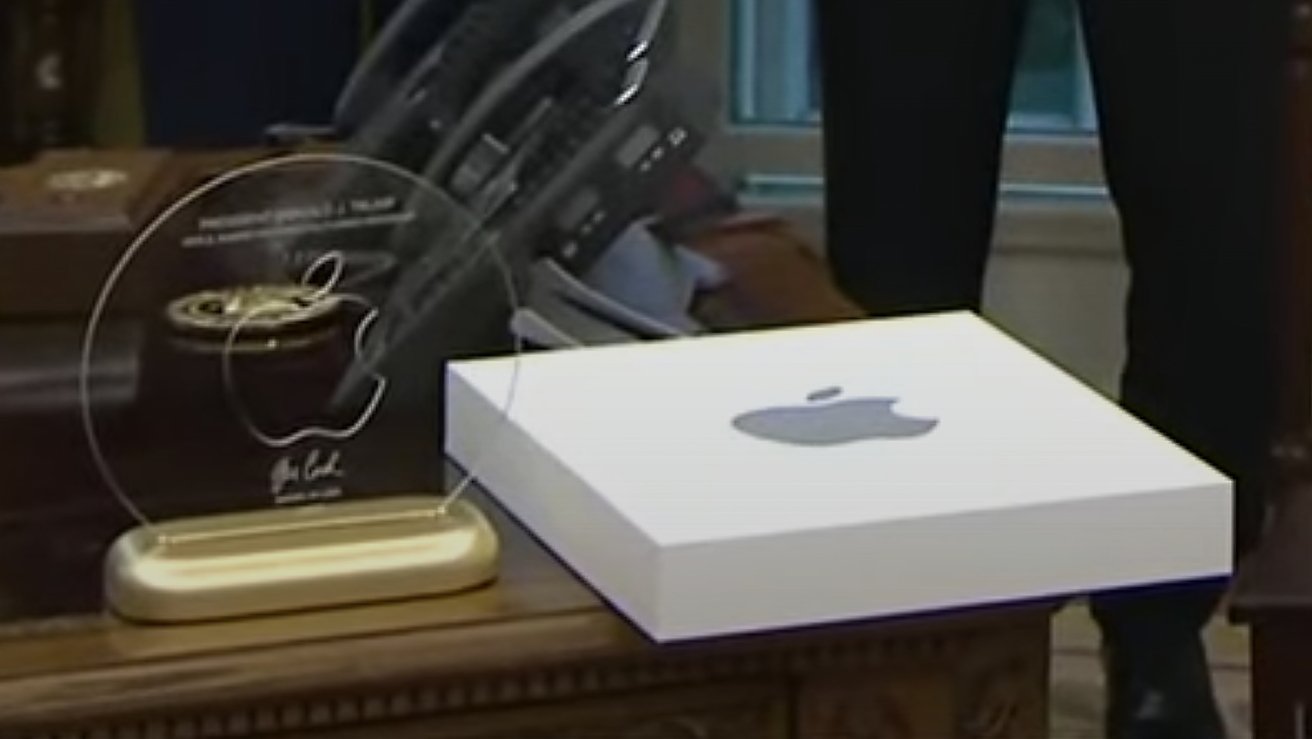
Apple wants to use China-sourced chips for products sold in China during the AI-driven memory shortage, but a letter from US senators hopes to persuade Apple otherwise.
The hype cycle around what is basically a natural evolution of an advanced autocomplete engine has destabilized the global economy and supply chain. The ever-increasing demand for more components to build data centers has led to a global chip and component shortage.
Apple has looked to blacklisted Chinese companies to bolster its supply chain, but, according to a letter viewed byBloomberg, US senators want to urge Apple away from this solution. They worry about various potential calamities like other companies following suit, potential national security issues, and yet another industrial exodus from the United States.
Apple has officially requested to buy from ChangXin Memory Technologies Inc. and has purchased chips, but not used them in products, from Yangtze Memory Technologies Co. The US senators have asked Apple to reconsider using chips from either company and commit to not using them by August 21.
Advertisement
The letter arrived only four days after Micron asked the White House to reject Apple’s plans.
Apple’s latest China problem
While Apple isn’t banned from buying chips from either company, it could face a few repercussions. First, the US Department of Defense could stop buying Apple products, even if the chips are only used in China-sold products, due to the Chinese Military Company Blacklist.
That’s only a drop in the bucket for Apple, but an important relationship that could be burned.
Apple could also face regulatory issues and increased pressure from the Trump administration. The company has already had to walk on eggshells to avoid the worst of the random and illegal global tariffs, and such a move could undo all of that overnight.
Advertisement
A possible Trump card
Alternatively, Apple could be attempting to play right into a developing situation where President Trump hopes to ease trade tensions with China. He is expected to meet with Xi Jinping in September, and offering Apple the blessing to build and sell using Chinese components could be quite the bargaining chip.
Apple has worked hard to keep Trump out of its business
However, the senators aren’t sure this would be a good idea:
“The limitation that CXMT memory would, for the moment, be confined to devices sold in China cannot be expected to hold, because once a part clears qualification for Apple production, extending it worldwide is a single procurement decision away,” they wrote in the letter to Apple. “The precedent Apple would set by addressing the memory shortage this way would shape the memory market and this country’s security for years after supply has returned to normal, and we urge you to weigh that carefully.”
Advertisement
Perhaps the senators could regulate the industry and attempt to stem the flood created by the far-fetched promises made by grifting billionaires. The memory shortage is tied to a bubble that is sure to deflate or pop at any time, which could be disastrous for the global economy.
When the AI boom ends, Apple sourcing chips for devices sold in China will be the least of our worries. We can only hope Senators Banks, Schumer, and the others will stop chasing distractions and target the root of the problem.
On a February evening in 1990, two presenters sat down with a stack of old reports and asked a simple question. What became of the cameras that were supposed to change photography forever? Peter Macann and Kate Bellingham pulled clips from the Tomorrow’s World archive and walked viewers through four ideas that had once looked like the next big thing. Some had already faded. One had quietly taken over. Another was still waiting for the rest of the technology to catch up.
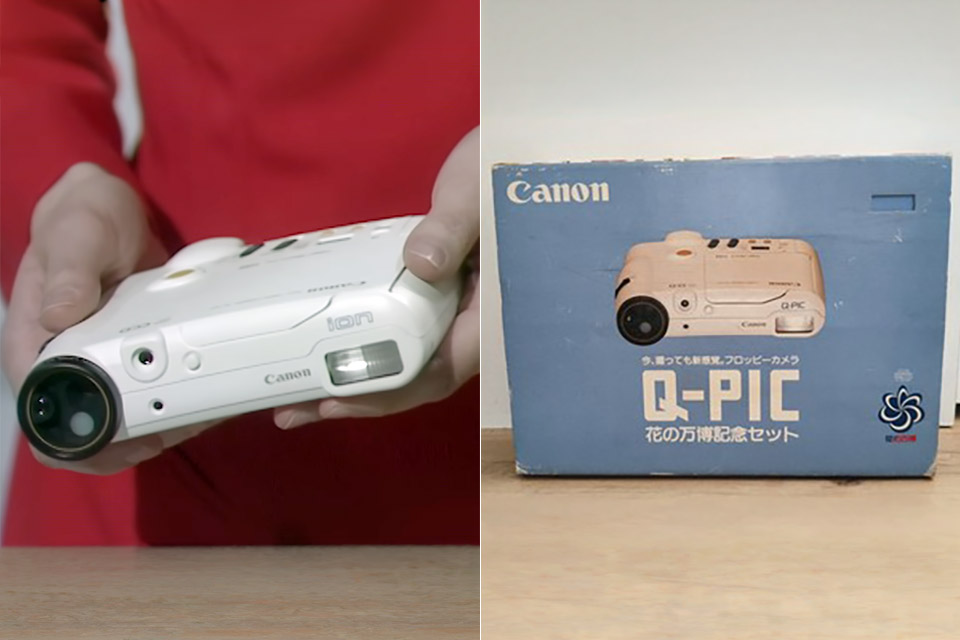
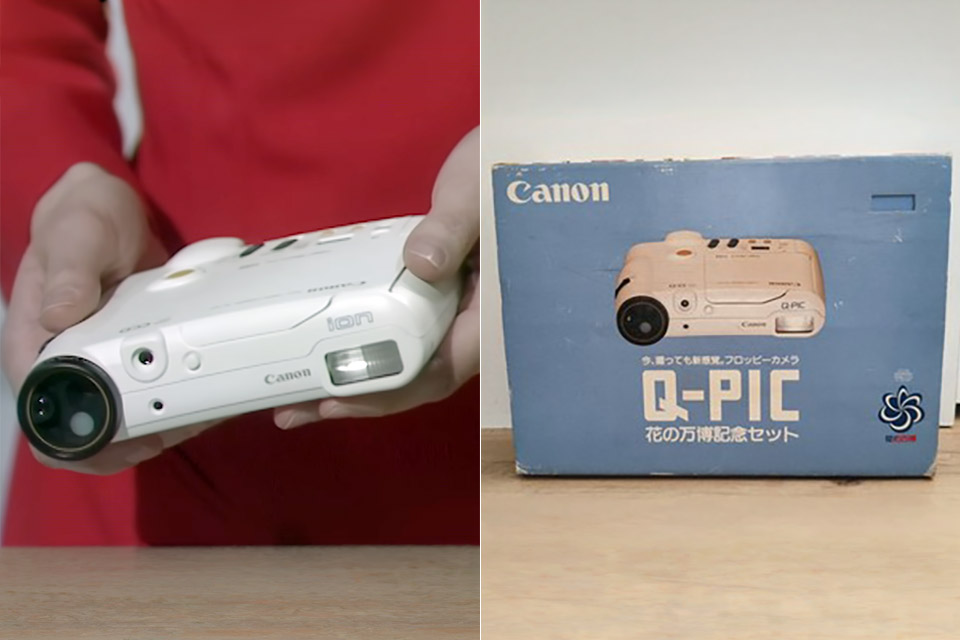
Peter returns to work on a device he showed off to the world four years ago. When 1986 arrived, the still video camera appeared to be rather ordinary, until you discovered that it saved images on a floppy disk rather than film. Can you imagine? Anyway, you merely pointed the contraption at what you wanted to photograph, and the pictures appeared on the TV straight away; no need to rush off to the chemist to have them developed, and no waiting for hours. By 1990, amateur versions were available in stores, but they were still quite expensive at around £500, and the prints they created appeared soft and expensive when compared to a regular color print. The prototype on the desk that night was a bit weird. It had a cumbersome adapter that fastened onto the rear of a standard camera body, allowing photographers to select between film and electronic storage, as if they could have it both ways. The problem was that the supporting ideas weren’t nearly ready yet.
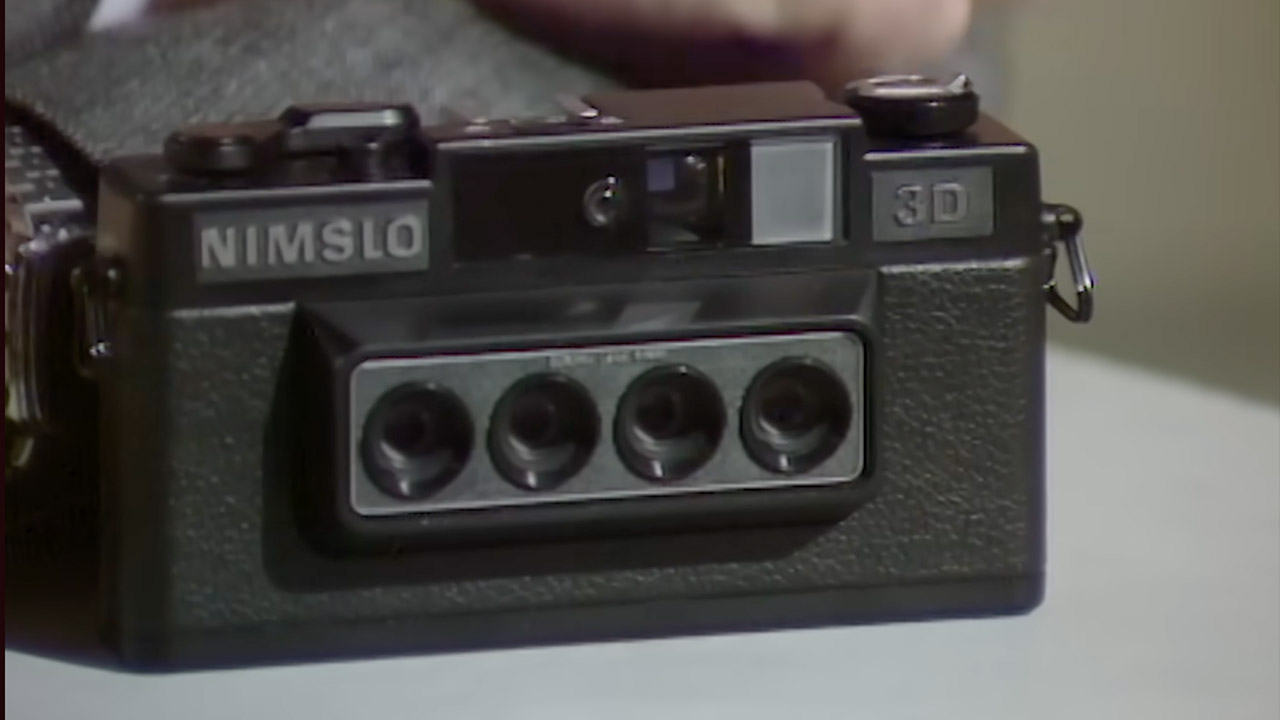
Next followed the Nimslo, a four-lens camera that debuted in 1981. Each of the lenses was capturing the same sight from a slightly different perspective. Special processing then merged all of the individual frames together to create a print with true depth, if viewed correctly. The American creators dubbed this the photography of the future, and British stores charged two hundred pounds for it. However, processing the film incurred an additional expense of three times the typical cost of film.
By the end of the year, the Nimslo had disappeared from store shelves. However, that innovative system of four lenses was eventually transferred to Japan to a business called Nishika. They were more practical in their approach, and the revised version they released later that year cut things down significantly. There was no more painfully difficult autofocus or automatic exposure; instead, you had fixed focus, manual film winding, and everything else. A far simpler, less expensive tool geared specifically at folks looking for that depth effect without spending a fortune.
Autofocus, on the other hand, was the complete polar opposite of an exciting story. In 1981, Michael Rodd invented one of the first interchangeable lenses capable of focusing on its own. Nine years later, that capability has simply become a normal feature of most cameras sold to the general public. You’d be hard pushed to detect a distinction between the actual process of shooting a photograph. The camera simply made it faster and more reliable, and that quiet, steady utility lasted far longer than many of the more absurd claims.
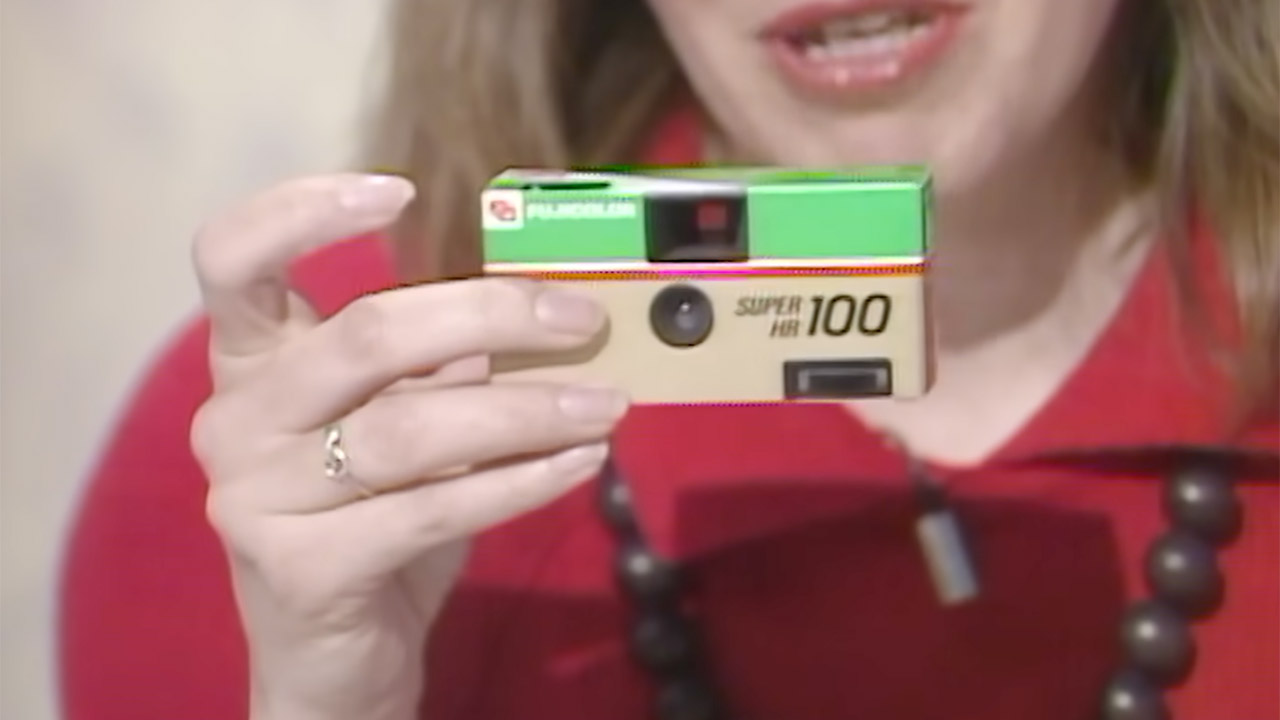
Then, returning on television, is Maggie Philbin from 1986, holding up a little plastic box containing a film cartridge, a rudimentary lens, a shutter, and a single hole that acts as a viewfinder. The concept back then was that the entire thing should be used once and then discarded. That initially seems dubious, if not wasteful. Four years later, however, disposable cameras flooded the market. People bought them for vacations, parties, and any other occasion when they didn’t want to risk throwing away a good camera. Soon, there were variants that worked underwater, captured panoramic images, and so on. Some manufacturers even anticipated the scenario by intending to collect plastic cases during processing and then return them to production. In the end, the old, old formulae won out: simplicity, low cost, and easy replacement; all of these proved to be considerably more powerful than all of the futuristic nonsense.
The pilot programme will bring together graduates, employers and industry professionals to build skills for a future-focused workforce.
Tech Industry Alliance and RDI Hub have announced the launch of the Graduate AI Launchpad pilot, which is a new programme designed to prepare graduates, employers and industry professionals in the South-West, for an AI enabled workplace.
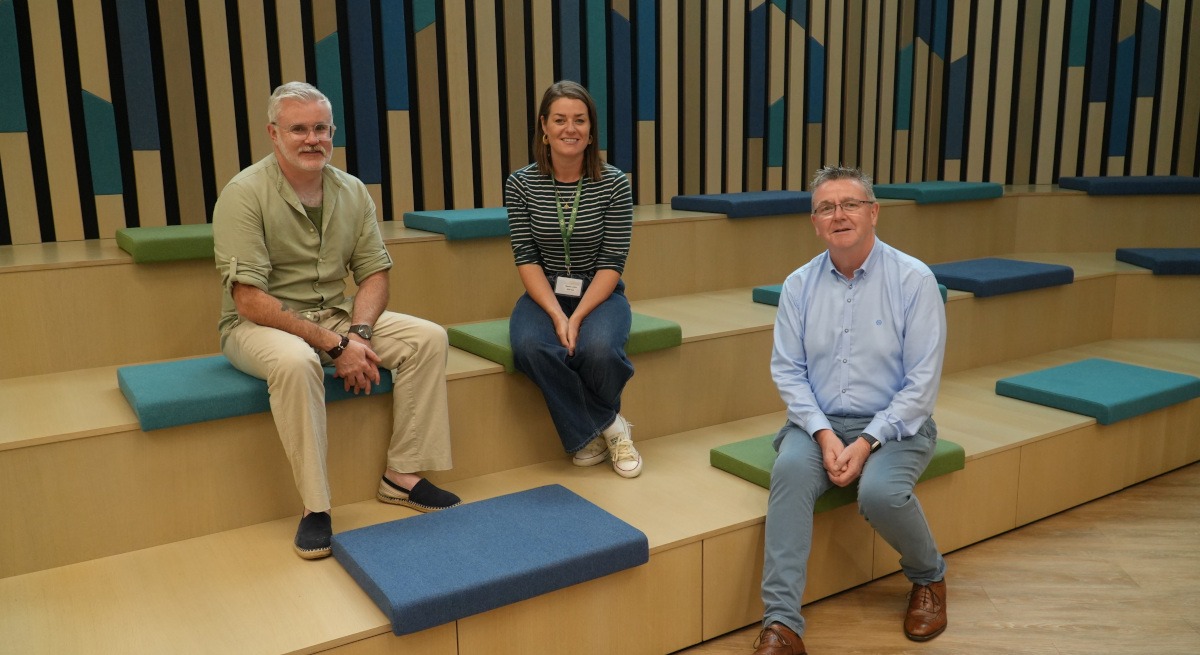
The inaugural programme, which aims to further expand across Cork and Kerry in the future, welcomed the first cohort this week to the RDI Hub in Killorglin. The four-week model will give graduates the opportunity to work on real industry challenges, learn from experienced professionals and build the confidence to apply AI in practical workplace settings.
Participants will work alongside industry mentors, collaborate on practical projects and hear from experienced speakers before presenting their own work at a showcase event upon the conclusion of the programme. Graduate AI Launchpad is built around practical learning, giving participants the opportunity to develop skills that will likely apply to future careers.
Advertisement
The first group of graduates involved were nominated by Astellas, Aspengrove, Fexco, Stingray Labs, TLI Group, ViClarity and MTU and are representative of a range of disciplines, such as engineering, quantity surveying, business, psychology and technology.
Commenting on the launch Juliette Crowley, the COO of the Tech Industry Alliance, said, “One of the Tech Industry Alliance’s core objectives is to strengthen the technology ecosystem across Cork and Kerry by creating meaningful collaboration between industry, education and the wider community.
“Graduate AI Launchpad is a wonderful example of that in action. By working alongside the RDI Hub and employers from across the South-West, we are creating opportunities that help graduates develop practical AI skills while giving businesses the talent they will need for the future.
“We hope this pilot will become the foundation for a programme that will support many more graduates across Cork and Kerry in the years ahead.”
Advertisement
Maeve Lyons, the programme manager at RDI Hub added, “AI is one of the RDI Hub’s key focus areas and for years we have been helping organisations understand, adopt and apply AI to solve real business challenges.
“Graduate AI Launchpad is a natural extension of that work, giving graduates the opportunity to learn directly from industry, work on practical projects and build confidence using AI in real-world settings.”
Don’t miss out on the knowledge you need to succeed. Sign up for the Daily Brief, Silicon Republic’s digest of need-to-know sci-tech news.
The Galaxy Z Fold 8 feels like a turning point for Samsung’s foldables, trading pure productivity for a lighter, more practical design that’s genuinely enjoyable day to day. It has compromises, especially around cameras, sustained performance and battery life, but it’s still the Samsung foldable I’d choose.
Fantastic passport-style design
Excellent inner display
Useful wide cover screen
Smooth everyday performance
Underwhelming dual cameras
Can stutter with more demanding tasks
SQUIRREL_PLAYLIST_10208646
Advertisement
Key Features
Review Price:
£1699
Advertisement
Content-first foldable design
A shorter, wider build makes the Z Fold 8 easier to use one-handed and better for videos, games and everyday apps.
Advertisement
Less visible crease
Samsung’s Flex Titanium tech helps reduce the crease while making the inner screen feel sturdier.
Advertisement
Flagship Snapdragon power
The Snapdragon 8 Elite Gen 5 and 12GB- or 16GB of RAM keep things feeling fast and fluid.
Introduction
The Samsung Galaxy Z Fold 8 is here, and it’s a completely different beast to last year’s Samsung Galaxy Z Fold 7.
Advertisement
Samsung has ditched the long-and-tall cover screen and boxy, productivity-focused inner panel for something more geared toward watching movies, gaming, messaging, and, y’know, most of the things we tend to do on our phones in day-to-day life. The productivity form factor remains, but that’s now under the upgraded (and more expensive) Fold 8 Ultra umbrella.
Honestly, I think Samsung might be onto something here. After a week of everyday use, the wider, squatter Z Fold 8 has changed how I think a book-style foldable should feel, with a far more approachable design that’s easier to use one-handed, better suited to apps and social media and surprisingly hard to put down.
Advertisement
Design
Shorter, squatter passport-style design
Easy to use one-handed
Very light at 201g
Despite the familiar naming convention, the Samsung Galaxy Z Fold 8 doesn’t look or feel like any other foldable we’ve seen so far. And that’s kind of the point.
Image Credit (Trusted Reviews)
It’s the first Samsung foldable to sport an entirely new book-style form factor, moving away from the long, tall cover screen and boxy inner panel that have become the norm over the past few years.
Instead, it’s pitched as a much more content-friendly foldable, with a smaller, squatter 5.5-inch 16:10 screen – similar in size and shape to a passport – on the outside, and a larger 7.8-inch panel on the inside with a more tablet-esque 3:4 aspect ratio.
Advertisement
Image Credit (Trusted Reviews)
Advertisement
Picking it up for the first time, I could already tell this thing was going to be popular – and that opinion hasn’t changed after a week or so of use. Even as someone who has used book-style foldables like the Z Fold 7 and Oppo Find N6 long-term, I don’t think I can go back to the boxier format after using the Fold 8.
The squatter cover screen makes it much easier to use one-handed, while still offering a proper smartphone experience. Apps like TikTok, YouTube and games all run perfectly well on that outer display, with more horizontal space to work with than Samsung’s previous Fold cover screens.
Image Credit (Trusted Reviews)
Then, when you want more room for browsing the web, scrolling through Instagram or watching something, you can unfold it into a larger 7.8-inch tablet-shaped display. It feels almost like a hybrid between a regular book-style foldable and the ultra-compact nature of flip-style foldables. It just makes sense.
Image Credit (Trusted Reviews)
It’s noticeably light too. At 201g, it’s the lightest book-style foldable by quite a margin, and also lighter than regular phones including Samsung’s own Galaxy S26 Ultra. For a device focused on social media, movies and gaming – something you’ll likely hold for extended periods – that matters.
Advertisement
That smaller footprint also means it slips nicely into pockets without the tall form factor or extra heft of previous book-style foldables.
Advertisement
Image Credit (Trusted Reviews)
The hinge isn’t as malleable as the Fold 8 Ultra’s, so it won’t easily sit open mid-way in a laptop-style position without a bit of fiddling. The flip side is that it’s much easier to open the foldable screen with one hand, popping open with very little effort. According to Samsung, that was a conscious decision based on how it expects people to use the phone.
You can still get it to stay open mid-way with some effort, whether that’s for watching YouTube on the cover screen in tent mode or using the internal screen in laptop mode without propping it up. That said, with the 3:4 aspect ratio, I can’t see many people using laptop mode all that often. If that’s your use case, the Z Fold 8 Ultra is the better choice.
Image Credit (Trusted Reviews)
As has been the case for a few years now, Samsung’s latest foldable also comes in some lovely finishes, including Graphite, Cream, Lavender and Pistachio, though the latter is a Samsung Store exclusive. That’s a shame – it’s definitely my favourite of the bunch – but the Lavender hue provided for review is a close second.
Advertisement
Image Credit (Trusted Reviews)
If there’s one area that hasn’t really changed, it’s dust and water resistance. The IP48-rated foldable remains water-resistant and can survive 1.5m dunks for up to 30 minutes, but there are no improvements to dust ingress; anything smaller than 1mm can still potentially cause an issue.
That said, it seems only Google has solved the ever-challenging issue of full dust and water resistance in foldables, so the Fold 8 isn’t much of an outlier – for now.
Screens
5.5-inch cover screen is genuinely useful
Larger 7.8-inch inner display is great for apps and video
Much less noticeable crease
While cover screens have long felt like an afterthought beside the big, shiny foldable displays, the Z Fold 8’s compact 5.5-inch screen is every bit as important as its foldable sibling.
The 16:10 aspect ratio works really well, offering a shorter but wider experience that doesn’t make replying to messages, scrolling through apps or doing everyday phone things feel awkward – something that hasn’t always been true of Samsung’s foldable cover screens.
Advertisement
Advertisement
Image Credit (Trusted Reviews)
The wider panel means bigger images on social media, more room to read messages, and easier Google Maps navigation without needing to unfold the phone. It’s also particularly well suited to gaming and watching 16:9 movies on Netflix, with only minor black bars above and below.
Despite its relatively dinky size, it doesn’t feel cramped or compromised, and there aren’t many foldable cover screens you can say that about – especially from Samsung’s own collection.
Image Credit (Trusted Reviews)
Specs-wise, it also closely matches, if not exactly matches, the inner panel, making it feel like a proper flagship screen in its own right.
But, of course, the inner display is still the main event – and what a display it is. The 7.8-inch foldable panel is bright, vivid and detailed, with Dynamic AMOLED 2X tech, an LTPO-enabled 120Hz refresh rate and a peak brightness of 3000 nits. Really, though, it’s all about two things: the aspect ratio and the lack of a noticeable crease.
Advertisement
Advertisement
Image Credit (Trusted Reviews)
It’s hard to convey just how much of an improvement the 4:3 aspect ratio makes to the foldable experience. Using a familiar tablet-style shape, practically every app I tried on the inner display ran without complaint in landscape mode, from WhatsApp and Slack to YouTube and Instagram.
For the first time, I didn’t have to ask myself whether an app I was using on the cover screen would work properly on a boxy foldable panel. I just opened it, and it worked. It sounds small, but it’s surprisingly freeing.
Image Credit (Trusted Reviews)
Video benefits too. The shorter, wider display better matches the aspect ratio of movies, so while there are still black bars, the video takes up more of the screen than it does on boxier foldables like the Z Fold 8 Ultra.
Image Credit (Trusted Reviews)
Advertisement
That said, I actually tended to use the inner screen in portrait orientation most of the time, essentially giving me a large smartphone display that’s perfect for scrolling through apps, playing portrait-oriented games and watching vertical video on TikTok in particular.
Image Credit (Trusted Reviews)
The trade-off is that it’s not quite as well-suited to intensive split-screen use, though I still found it perfectly capable of running two apps side by side for casual browsing or messaging. You don’t get as much space as you would on the Ultra, but it’s still far better than trying to do the same on a regular smartphone – so don’t let Samsung’s categorisation put you off entirely.
Image Credit (Trusted Reviews)
The other big leap comes from Samsung’s new Flex Titanium tech. It’s essentially two layers embedded in the inner folding panel, designed not only to reduce the crease but also to make the panel feel more solid under the finger – another long-running complaint about foldables and their plastic screens.
It works. The inner display is noticeably sturdier, and when paired with the same anti-reflective coating as the Galaxy S26 Ultra, it has less of that plastic sheen that can distort reflections. That alone is a big upgrade.
Advertisement
Advertisement
Image Credit (Trusted Reviews)
And then there’s the crease – or should I say, lack thereof. Put the phone down flat and, head-on at least, you can barely see a dip in the middle of the display. It’s still visible from an angle, and you can feel it if you run your finger across it, but I doubt it’ll bother many people.
I think Oppo’s Find N6 still has a slight edge when it comes to crease-less screen tech, but this is a big step forward from what Samsung offered just a year ago.
Performance
Snapdragon 8 Elite Gen 5 for Galaxy power
Snappy in everyday use
Can struggle with sustained demanding tasks
Despite sitting behind the all-singing, all-dancing Galaxy Z Fold 8 Ultra, the regular Z Fold 8 still gets the top-end Snapdragon 8 Elite Gen 5 for Galaxy, also found in the Galaxy S26 Ultra. That’s paired with 12GB of RAM and either 256GB, 512GB or 1TB of storage.
As we’ve already seen from the S26 Ultra and a host of other 8 Elite Gen 5 phones, it’s a very capable chipset, and that has largely reflected my day-to-day experience over the past week. Still, there are a few caveats.
Advertisement
Image Credit (Trusted Reviews)
I noticed the occasional stutter during particularly demanding tasks, like editing multi-track 4K video in CapCut Pad, and the phone doesn’t seem to love running massively demanding games like Wuthering Waves with top-end graphics enabled. It gets warm after only a few minutes.
The chipset is clearly capable on paper, then, but the Fold 8’s thinner body and smaller overall footprint compared to the Fold 8 Ultra seem to limit how well it can sustain that performance over longer periods.
Advertisement
Interestingly, Samsung appears to know this, as it has blocked the usual benchmarking apps – Geekbench 6, 3DMark and the like – that we use to test performance. That’s fairly common on pre-release phones from brands like Xiaomi and Honor, but it’s the first time I’ve seen Samsung do it. More tellingly, the Z Fold 8 Ultra doesn’t have the same blocks.
Image Credit (Trusted Reviews)
Luckily, Geekbench 7 launched during my testing period, and because it wasn’t on Samsung’s block list, I could get some numbers to back up the experience. They were pretty much as expected: despite the 8 Elite Gen 5 for Galaxy power, the Z Fold 8 can’t quite match the larger Fold 8 Ultra or other book-style foldables in CPU or GPU performance.
Advertisement
That has rarely been an issue in real-world use, however. The phone feels snappy and responsive when swiping through One UI, apps open instantly, and there’s no general stutter or lag when browsing. But if you’re a true power user, you might find the Z Fold 8 can’t always keep up.
Image Credit (Trusted Reviews)
Software
One UI 9 based on Android 17
A handful of new AI features
Seven years of OS upgrades
The Samsung Galaxy Z Fold 8, along with the Fold 8 Ultra and Flip 8, are the first phones to run Android 17 out of the box, beating Google’s upcoming Pixel 11 range to the punch by a few weeks.
Of course, this isn’t stock Android. It runs Samsung’s latest custom skin, One UI 9, and among Android skins from the likes of Honor, Xiaomi, Oppo and RedMagic, One UI remains one of the better options. It balances ease of use with genuinely useful extra features – most of the time, anyway.
Advertisement
Image Credit (Trusted Reviews)
Advertisement
It’s a pleasure to use day-to-day, with plenty of foldable-focused features to make the most of the larger internal display. The foldable taskbar, app tray, split-screen multitasking and floating window support are all present and accounted for, even if Samsung claims the regular Z Fold 8 isn’t its productivity-focused foldable.
Really, though, as with recent versions of One UI, the focus is AI. The usual suite of Galaxy AI features is here, including recent additions like Photo Assist from the S26 series, along with a few new tricks.
Image Credit (Trusted Reviews)
Content creators will appreciate the new MyFanCam shooting mode, which lets you crop in on and track a specific subject in a video you’ve already shot, adjusting things like the aspect ratio in the process. It works pretty well too, with smooth tracking that stayed locked onto the subject in my testing.
There are also a few Gemini-powered features previously exclusive to Pixel devices, including the upgraded Gemini advanced automation tech that rolled out in the US a couple of months ago.
It essentially allows Gemini to perform tasks in apps on your behalf, such as booking a stay in Expedia, though I couldn’t get it working during testing. Samsung has reassured me it is coming to UK users, but it likely won’t arrive until the phone’s official launch.
Advertisement
Advertisement
Image Credit (Trusted Reviews)
Now Brief has had some TLC too, pulling in more information from more sources to make it, y’know, actually helpful. It still works best with a Samsung wearable, where you’ll get health insights each morning, but the mix of weather, news, YouTube videos, Spotify playlists and weekly recaps of places I’ve been and photos I’ve taken feels much more personal than before.
You can even create your own custom Now Brief cards, again powered by Gemini, with over 100 combinations available. For now, though, it only covers weather, Samsung Health and YouTube videos. A wider selection would be nice.
One UI 9 also slips in a few, let’s say, iOS-inspired features, including AI-prioritised notifications that appear at the top of your lock screen and notification summaries for chat apps. The former is actually quite accurate, but given how meme-worthy Apple’s implementation of the latter was, it’s a bold move for Samsung to copy it. It’s there if you want it. I certainly don’t.
Image Credit (Trusted Reviews)
Like Samsung’s other flagship foldables, the Fold 8 also gets seven years of OS upgrades and security patches, so it should continue to improve for years to come.
Advertisement
Advertisement
Cameras
Dual 50MP rear camera setup
No dedicated zoom lens
Solid main and ultrawide performance
As irresistible as the new form factor is, Samsung’s decision to pair it with a fairly middling dual-camera setup will give some people pause for thought.
Image Credit (Trusted Reviews)
Yes, the Z Fold 8 is technically not Samsung’s top-end Fold this year, but it still costs comfortably more than phones like the iPhone 17 Pro Max and Oppo Find X9 Ultra, and the camera hardware should reflect that.
It’s a harder pill to swallow because last year’s Z Fold 7 offered a better camera setup for around the same price, with a 200MP main camera, an ultrawide and a dedicated zoom lens. This year, that trio is exclusive to the much pricier Z Fold 8 Ultra.
As it stands, the Z Fold 8 offers a dual 50MP setup made up of a main and ultrawide lens, with no dedicated zoom lens to help you get closer to the action. Samsung could have softened the blow by using the Ultra’s higher-res 200MP main sensor for better in-sensor zoom, but alas, that’s not the case. As such, zoom performance is pretty lacklustre.
Advertisement
It does a solid enough job at 2x, tightening the shot without a noticeable drop in quality, but that doesn’t last long. Push it far beyond the 2-3x mark, and you’ll start to see telltale signs of processing, from softer details to a flatter overall image. It’s just not a very versatile setup, even compared to similarly priced foldables.
Advertisement
Zoom aside, though, the two lenses fare pretty well in general use. Samsung’s signature vibrance is here, giving images a pop of colour that looks great on social media, while built-in filters – including one that lets you choose a colour profile from an existing image – mean you can tweak things to your liking.
Images are generally detailed, as you’d expect, and the main camera’s f/1.8 aperture pulls double duty, adding a nice natural bokeh to close-up shots while boosting light intake in darker scenes. It won’t work wonders with its smaller 1/1.57-inch sensor compared to most top-end camera phones, but it does a good job balancing lighter and darker areas in low-light scenes.
The ultrawide is pleasingly similar in most regards. Colours remain consistent across the two lenses for the most part, and there’s plenty of detail for scenic shots. It’s only when things get darker that you can tell the difference, with ultrawide shots looking a little dimmer and softer than those from the main lens.
Advertisement
Advertisement
They’re perfectly serviceable cameras, but if you want the best foldable camera experience Samsung has to offer, you’ll need to pony up for the 8 Ultra. It’s not the ideal solution – there are plenty of people, myself included, who prefer a content-focused foldable but still like taking great photos – but it’s the compromise you’ll have to make if you want this form factor.
Battery life
4800mAh battery gets through a full day
Around six hours of mixed screen time
45W charging with 20W wireless support
Considering the Z Fold 8 has a smaller overall footprint than the Z Fold 8 Ultra, the fact it has only a 200mAh smaller battery – 4800mAh compared to 5000mAh – is pretty impressive. For Samsung, anyway.
Yes, there are foldables with much bigger batteries out there – the 6600mAh Honor Magic V6, I’m looking at you – but for most people, what the Z Fold 8 offers will be absolutely fine.
Image Credit (Trusted Reviews)
Advertisement
I’ve been using the Z Fold 8 a lot over the past week, arguably more than I usually would because I’ve enjoyed the new form factor so much. That has meant an average of around six hours of screen time per day, yet I still managed to get to bed after 16- 18-hour days with battery left.
Granted, there wasn’t much left in the tank, usually around 5-10%, and there was one busier day when I had to top it up to get through the evening. But for more casual users, this shouldn’t be much of an issue.
Advertisement
Image Credit (Trusted Reviews)
45W charging isn’t the fastest we’ve seen on a foldable, but with the 4800mAh capacity, it doesn’t take too long to recharge. In my testing, a 15-minute charge got me to 35%, 30 minutes reached 67%, and a full charge took 68 minutes.
There’s also 20W wireless charging for added convenience, though there’s no MagSafe-like built-in magnet support, unlike the competing Pixel 10 Pro Fold. Given the Fold 8’s content-first focus, an easy way to mount it would have been a nice touch. There’s always next year, I suppose.
SQUIRREL_PLAYLIST_10208646
Advertisement
Final Thoughts
The Samsung Galaxy Z Fold 8 is a turning point for Samsung’s foldable line. By moving away from the productivity-first formula of previous Fold models, Samsung has made a book-style foldable that’s lighter, easier to handle, and far more enjoyable to use day-to-day.
Advertisement
There are compromises. The dual-camera setup feels underwhelming at this price, sustained performance can’t quite match the larger Fold 8 Ultra, and battery life will only just see heavier users through a long day. But none of that stops the Z Fold 8 from being one of the most refreshing foldables Samsung has made in years.
After a week of use, it has completely changed what I want from a book-style foldable. It still gives you that expansive inner display when you want it, but the wider, squatter design makes it feel far more natural as an everyday phone.
If you want Samsung’s most powerful, productivity-focused foldable, buy the Z Fold 8 Ultra. But if you want the foldable that’s the most fun, practical and genuinely easy to live with, the Galaxy Z Fold 8 is the one I’d choose.
We test every mobile phone we review thoroughly. We use industry-standard tests to compare features properly and we use the phone as our main device over the review period. We’ll always tell you what we find and we never, ever, accept money to review a product.
Used as a main phone for over a week
Thorough camera testing in a variety of conditions
Tested and benchmarked using respected industry tests and real-world data
FAQs
What’s the difference between the Galaxy Z Fold 8 and Z Fold 8 Ultra?
The Galaxy Z Fold 8 is the more content-focused foldable, with a shorter, wider design that’s easier to use one-handed and better suited to videos, games and everyday apps. The Z Fold 8 Ultra keeps the more productivity-focused form factor, with a boxier inner screen that’s better for split-screen multitasking.
Does the Galaxy Z Fold 8 have the best Samsung foldable camera?
Advertisement
Not quite. The Galaxy Z Fold 8 has a dual 50MP camera setup that seems capable from early testing, but it misses out on the Ultra’s higher-end camera hardware and dedicated zoom flexibility. If camera performance is your top priority, the Z Fold 8 Ultra is the better option.
How can one of the world’s largest smartphone companies lose money by selling more smartphones than ever? I think we all know the answer: soaring memory prices caused by the AI boom. Samsung just announced that despite “solid” smartphone sales and growing revenue, its DX division (which includes mobile) posted its first-ever loss of 800 billion won ($544 million) in the company’s second fiscal quarter.
“Although MX (Mobile eXperience) saw revenue growth year-over-year driven by solid sales of flagship products centered on the Galaxy S26 series and strong sales of the A series, operating profit decreased due to increased cost burdens across the industry, such as rising component costs,” the company said. (The DX division also includes TVs and appliances, but the loss was primarily in the mobile MX category.)
Samsung emphasized that flagship-level products like the Galaxy S26 Ultra and Galaxy Z Fold 8 series performed well, profit-wise. However, budget phones struggled to show a profit due to higher component costs and already-thin margins (Samsung foreshadowed this possibility back in April). As a result, the company plans to focus on “high-value-added products” in order to drive growth in future quarters.
With all that, consumers can expect higher smartphone prices across all categories from Samsung and other brands. This inflation will hit low-income buyers the hardest, as prices for smartphones in the $200-500 category will likely rise the most, percentage-wise.
Advertisement
Samsung, of course, has a huge advantage over most manufacturers, as it also manufactures the memory and storage components used in smartphones. In that area, the company absolutely smashed it this quarter.
“The Device Solutions (DS) Division posted a [quarter-on-quarter] sales increase of 56 percent, with the Memory Business setting an all-time high for quarterly revenue and operating profit,” Samsung wrote.
Overall, Samsung posted a record 171.5 trillion ($119 billion) won in consolidated revenue (up 28 percent from last year), an all-time quarterly high. Operating profit also hit an all time high of 89.5 trillion ($62.2 billion). “Earnings per share for both common and preferred shares increased by 52 percent to… among the highest levels for global tech companies,” Samsung added. With all that money rolling in and shareholders happy, that puts less pressure on its mobile division — unless the AI bubble bursts, of course.
Meta founder and CEO Mark Zuckerberg is trying to sell investors on his prediction for the future — one where billions of people will have their own personal AI agents in the next five years. (Let’s hope that future also comes with data centers efficient enough to power all those agents — without triggering a fresh wave of climate disasters.)
“I think that it’s extremely unlikely if you look out five years from now, for example — whatever period of time you want — that you don’t have billions of people with a personal agent that understands your goals and that is just working on your behalf 24/7 to achieve your goals in whatever the domain is that you care about,” Zuckerberg said on Wednesday’s quarterly earnings call with investors.
He added that he could see people using these agents to help them with their finances, health, interpersonal relationships, and household management.
“As we move toward a future where we’re all interacting with multiple agents, I think that WhatsApp and our other messaging surfaces are going to become increasingly important,” he said, noting that WhatsApp is already the leading platform where users interact with Meta AI.
Advertisement
Meta is not alone in setting high expectations for AI systems that can act on a person’s behalf rather than just answer questions. Google emphasized custom AI agents as a key new feature in its Search overhaul, which sparked outcry from users who felt bogged down by the constant onslaught of AI results on Google. Meanwhile, subscriptions to Anthropic’s Claude have skyrocketed as engineers fawn over the agentic coding assistant Claude Code.
Compared to its competitors, however, Meta may not enjoy as much confidence from investors as it continues dumping cash into innovative projects that may or may not pan out — Meta’s stock dropped almost 10% after posting this quarter’s earnings. Meta’s Reality Labs, the organization responsible for its AR glasses, VR headsets, and related software, lost around $4.6 billion this quarter, roughly in line with the losses the division has posted each quarter since 2021. That’s a running total now of around $88 billion.
Meta’s AI spending is likely to climb even higher, which is more of a concern at this juncture. The company reported free cash flow of $784 million this quarter, down from $8.55 billion the same quarter last year. That’s a 91% drop year over year, exacerbated by the company’s investments in AI infrastructure. This week, Meta and BlackRock announced a partnership to build a $14 billion data center in El Paso, Texas.
“We believe that there will continue to be a significantly higher margin on selling intelligence rather than selling compute directly, but we think that there’s a big opportunity, obviously, to sell compute as well,” Zuckerberg said.
Advertisement
Ultimately, he believes that the personal agents that Meta is developing will be “the foundation for our next wave of products and revenue lines in the months and years ahead.”
So far, Meta’s business agents, rolled out globally on WhatsApp and Messenger this quarter, have been adopted by more than one million businesses. It may be harder to get people to adopt consumer AI agents, but the road to “billions” has to start somewhere — the company can’t get there on enterprise agents alone.
When you purchase through links in our articles, we may earn a small commission. This doesn’t affect our editorial independence.
Thousands of ads for “nudify” apps on Meta-owned Facebook and Instagram have been traced back to GatherOne, one of Meta’s 11 Chinese advertising partners, according to a report published on Sunday by the Tech Transparency Project.
Nudify apps give users the AI tools to digitally remove clothing from photos of people, typically women and children, placing their faces in nonconsensual, pornographic images and videos. One of the advertised apps had Google Play reviews alerting others to what one reviewer called “illegal child porn.”
The ads themselves featured women simulating sex acts.
Meta’s community standards state that it doesn’t allow the promotion of nudify apps. Its advertising standards say that objectionable content includes ads that contain nudity, sexually suggestive activities or depictions of people in explicit or sexually suggestive positions.
Advertisement
TTP’s research also found that many of these ads appeared to come from fake accounts. This further violates Meta’s ad standards, which prohibit advertisers from using “inauthentic assets” to deceive Meta or its users about their identity.
Meta and GatherOne’s responses
Because Facebook and Instagram are banned in China, the Chinese government and Meta reached a compromise: Chinese advertisers must use a handpicked third-party agency, such as GatherOne, to run ads on these social media platforms.
While TTP was investigating the ads and the accounts behind them, it noticed that Meta had removed many of them.
“We do not allow non-consensual intimate imagery or nudify apps on our platform and we take aggressive steps to combat them: blocking links to sites that host this content, restricting related search terms, removing over 340,000 violating ads late last year alone and, when appropriate, taking legal action,” Cindy Southworth, Meta’s head of women’s safety policy, said in a statement provided to CNET. “Because confronting these persistent bad actors is an industry-wide challenge, we also proactively share information through Lantern so other platforms can act.”
Advertisement
Lantern is a Tech Coalition program that allows tech companies to share signals about child sexual abuse material, grooming manuals and other illegal content.
However, TTP said GatherOne’s accounts are still advertising, acknowledging that because the marketing agency generates so many ads — over 30,000 per month — Meta may be struggling to remove them all. While Meta’s ad review process includes multiple layers of analysis and detection, some of these occur only after an ad goes live.
Following publication of the report, GatherOne told TTP that it “suspended new ad account applications related to AI nudify, face swap and girlfriend services,” and told Bloomberg that it’s “undertaking a comprehensive compliance upgrade to address the technical evolution of synthetic [AI] media.”
In 2024, Meta reported that it generated $18.35 billion in China revenue, which accounted for 11% of its global revenue. Referencing Meta’s internal documents, Reuters said in December 2025 that more than $3 billion, or about 19%, of that 2024 China revenue came from ads for pornography, illegal gambling and other banned content.
Advertisement
What Meta is doing to address nudify apps
In a news release published by Meta in June 2025, the company said it’s taking action against nudify apps, stating that it filed a lawsuit in Hong Kong against Joy Timeline HK Limited, the company behind CrushAI, to prevent it from advertising on Meta’s platforms. Joy Timeline HK Limited isn’t one of Meta’s Chinese advertising partners.
Along with stating that it’s building new technology that can detect nudify app ads, Meta said in its release that it will “continue to take the necessary steps — which could include legal action — against those who abuse our platforms like this.”
In a March 2026 integrity report, Meta said that it removed 344,000 ads promoting nudify apps on Instagram and Facebook between November 2025 and January 2026. Cease-and-desist letters were sent to 46 companies that advertised these apps, but the company names aren’t listed.
“GatherOne works with companies across the internet, including Google, TikTok and X,” Ryan Daniels, Meta spokesperson, said in a statement sent to CNET. “All advertisers have to comply with our advertising standards, and failure to comply with our policies and standards can lead to the cancellation of ads placed, financial penalties and termination of ad accounts.”
Advertisement
Yet, while many of GatherOne’s ads were taken down, no action has been taken against GatherOne to prevent it from posting explicit or nudify app ads. A GatherOne representative didn’t respond to a request for comment.
Anna Gragert
Senior Editor, Health and Home
Anna Gragert (she/her/hers) was previously the lifestyle editor at HelloGiggles, the deputy editor at So Yummy and the senior lifestyle editor at Hunker. Over the past 12 years, Anna has also written for the LA Times, Elle, Bust Magazine, Dazed, Apartment Therapy, Well+Good and more. At CNET, she’s a senior editor on the Healthy Home team, and her coverage includes health, wellness tech, meal kits and home and kitchen tech with a focus on the technology that aims to help us live our healthiest, happiest lives.
See full bio
When I decided to take a last-minute ski trip, despite never having skied before, I went straight to Columbia. Was I shredding the slopes? Absolutely not, but at least I was warm, thanks to my Snowy Summit Insulated Jacket and Bugaboo II Pants. Here at WIRED, we’re fans of Columbia. The brand makes reliable, well-priced outdoor gear for skiing, hiking, hunting, or just a day at the beach. Plus, there’s almost always a deal to be found.
WIRED reviewer Chris Haslam loves the Columbia Konos Trillium ATR as a value all-around trail-running shoe for faster hikes, day trips, and mixed terrain excursions. The plush cushioning and 8-millimeter drop are ideal on packed dirt, gravel, and woodland paths. For hiking boots, he recommends the Tellurix Titanium OutDry, which are waterproof, offer serious traction on wet rock and mud, and are surprisingly lightweight at 1.6 pounds per pair.
With summer approaching, now’s the time to prepare for outings, and if you’re eyeing snow gear, the off-season is when prices hit their lowest. I’ve gathered the latest Columbia promo codes to sweeten the deal.
Don’t Miss the Columbia Summer Sale
Although we’re in peak camping season right now, it’s still not too late to upgrade your gear for the rest of the season and beyond. Take advantage of the Columbia Summer Sale and get outfitted for your next adventure for less, with discounts of $30 and more on men’s, women’s, and kid’s apparel, as well as shoes, accessories, and equipment. So whether you want to snag a packable Women’s Pouration II Jacket for 50% off, or a Men’s Strata Trail Low Waterproof Shoe for 40% off, there’s a Columbia discount for all of your outdoor adventure essentials.
Advertisement
Columbia Promo Code: 15% Off All Orders
Join Columbia’s Greater Rewards program—it’s free to sign up and you won’t need a Columbia promo code—to get 15% off your first online order. Note, this particular coupon can’t be combined with any other Columbia discount code or deal and expires if not redeemed within 30 days of the date of issuance. Plus, as a member, you’ll earn points on purchases, get free standard shipping, and receive a 20 percent discount on your birthday.
Unlock Columbia Discount Codes and Get $20 off
Once you sign up for Columbia’s Greater Rewards program and opt in for email notifications, you’ll acquire a unique Columbia coupon code for $10 off your online purchase when you spend $100 or more. If you subscribe to both email and text notifications, the single-use Columbia coupon will increase to $20 off your purchase of $100 or more.
Top Columbia Deals for Current Students
Columbia offers a 10% discount for students and teachers. You must log in to ID.me and verify your status to receive the Columbia promo code.
Columbia Military Discount: 10% Off
Active and retired military members, as well as first responders, are also eligible for a 10% discount. You must log in directly to ID.me and verify your status to receive the Columbia promo code.
Advertisement
Get Free Shipping With Columbia Codes
As a Greater Rewards member, you get free standard shipping on all online orders, with no minimum purchase requirement. As long as you’re signed into your account, the Columbia free shipping code will automatically be applied at checkout.
Give More With the Columbia Gift Card
Not sure what to get the adventurer in your life? If your loved one is a nature enthusiast, you need a great grad gift idea for someone taking their gap year, or the giftee is finally taking that backpacking trip, a Columbia gift card can be a thoughtful gift for many occasions. A Columbia gift card is a practical way to keep friends and family warm, dry, cool, and protected outdoors—and they can pick out what they want themselves, so you’re not left guessing. It’s also super easy to do: you pick out the design online and send them instantly by email.
How to Apply Your Columbia Coupon Code
So you’ve snagged a Columbia coupon code. Congrats! You’re on your way to big savings. There are two ways to use your Columbia promo code: you can see the first after you click on “Apply Promo Code or Discount” under the “order summary” tab. The second option will be shown during billing when you checkout, you’ll just need to click on the “Have a Promo Code or Gift Card?” text that lives right above where you enter card information during checkout. That’s it! Just ensure that the Columbia coupon code is entered exactly as it appears, including capitalization and hyphens.
























































You must be logged in to post a comment Login