Connect with us
DAPA Banner

Tech

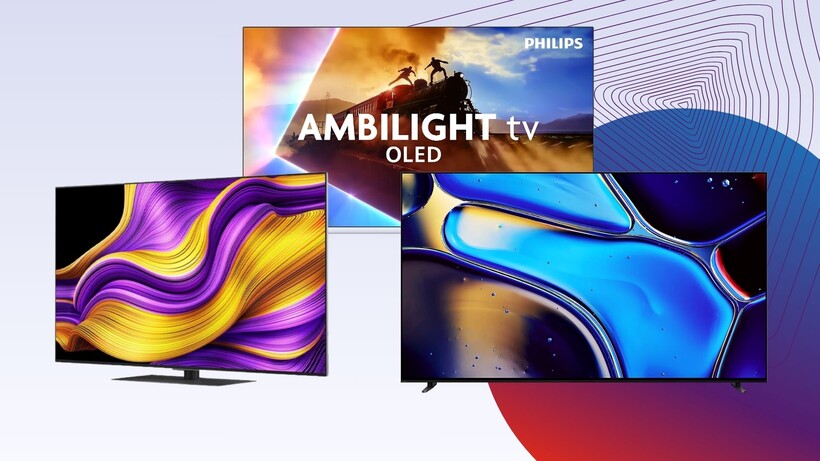
Best 55-inch TVs 2026: Our favourite Mini-LED, OLED and 4K models

Published

on

Best 55-inch TVs

While bigger screen sizes are becoming more popular, the best 55-inch TV screens offer that sweet spot of size, performance and value.

This list covers all the best 55-inch TVs that we’ve reviewed, from budget 4K TVs to Mini LEDs and OLED TVs. Everything that receives a four-star review is worthy of a best buy addition, so don’t think that a four-star review is necessarily worse than a 4.5 star. In some cases a four-star review might be the best TV for you.

When we review TVs, we base our assessments on measurable, quantifiable data alongside real-world content and impressions. We compare against price rivals where possible, with a focus on picture, sound and features to determine a TV’s value and performance.

If the choices we’ve made don’t float your boat, or you’re looking for a bigger size TV, we have other best buys you can look includes our best cheap TVsbest 4K HDR TVsbest 8K TVs and best OLED TVs.

Advertisement

Best 55-inch TVs at a glance

SQUIRREL_ANCHOR_LIST

Learn more about how we test televisions

Every TV we review is put through the same set of tests to gauge its picture performance, usability, and smart features.

Tests are carried out over several days and are done by eye but supported with technical measurements. Testing by eye involves an expert watching a wide range of material to understand and determine a TV’s performance in fields such as brightness, contrast, motion processing, colour handling and screen uniformity.

We’ll consider the design of the TV in terms of build quality, study the spec sheets and see if the TV’s connections are up to spec, as well as playing video and audio content to ensure that the set handles playback as it claims. We also take note whether a product’s compatible formats and features are in line with industry trends or not to gauge whether it’s relevant for you.

Advertisement

Comparison to other related and similarly priced products is also important, to see if it’s missing any vital features and whether it impresses as a whole. After all this, we’ll come to a judgement on how the TV performs as a whole.

If you want to learn more, please visit our detailed page about how we test TVs.

Advertisement

LG OLED55G5

Best 55-inch OLED TV

Advertisement

Trusted Score

Advertisement

Pros

  • Superbly bright and colourful image

  • Outstanding upscaling

  • Easy to use interface

  • Top tier gaming spec

  • Five years of OS updates

Cons

Advertisement
  • Sound quality is merely fine

  • Would be nice to have the new remote

The LG OLED55G5 (G5) is easily one of the best 55-inch, 4K TVs currently on the market. With a vibrant and colourful picture, excellent upscaling and processing capabilities and a surprisingly high brightness, the LG G5 will suit most households.

LG’s TV interface is pretty easy to navigate through, and you can use either the included remote or via LG’s ThinQ smartphone app to do so. However, keep in mind that instead of Freeview Play support, you’ll see LG Channels.

Otherwise, the LG G5 is fitted with a Primary RGB Tandem panel and, unlike other LG models, doesn’t sport any green tint either. Instead, picture quality is realistic and vibrant too. However, where the TV especially impresses is with its brightness, as it can hit a peak of a whopping 4000 nits – no mean feat for an OLED.

Advertisement

Another area where the G5 excels is with upscaling, as 1080p content could genuinely be mistaken for a true 4K image.

Generally speaking, the G5’s audio quality is decent, with dialogue especially sounding clear and natural. However, lower frequencies does bring out some buzzing and it can sometimes lack the energy of other TVs. With this in mind, it might be a good idea to invest in one of the best soundbars.

Advertisement

Sony Bravia 8

Best mid-range OLED

Trusted Score

Advertisement

Pros

  • Expressive and natural picture quality

  • Engaging Google TV smarts

  • Convenient design

  • Dolby and DTS support

Advertisement

Cons

  • Less bright than the competition

  • Sounds tamer than previous models

It may not be quite as bright as alternatives from Samsung or LG, but overall the Sony Bravia 8 is a well-priced option for those seeking great picture quality in a sleek design.

Speaking of its design, at just 37mm with thin bezels, the Bravia 8 adopts a minimalist, slender look. The rear of the screen is also flat, so if you choose to wall-mount it then it’ll sit flush against the wall.

Advertisement

The Bravia 8 runs on Google TV and, unlike other UK Google TV models, Sony’s own includes the likes of BBC iPlayer and ITVX. Plus, Google TV allows you to control the set via its voice assistant.

Unsurprisingly the Bravia 8 is equipped with plenty of premium technologies, including HDR coverage, support for Dolby and DTS. There’s also Netflix Adaptive Calibrated Mode and Prime Video Calibrated Mode which adjusts the screen’s contrast and brightness depending on the room’s environment.

Overall, the Bravia 8 delivers rich and wide-ranged colours, with Sony’s processing drawing out more tones for a more vibrant look. Plus, the TV offers a brilliantly natural and detailed image that we found difficult to fault. Sure, it’s not as bright as some of its competitors, but it’ll fit perfectly into the right room.

Thanks to the XR processor, the Bravia 8 does a great job at upscaling and produces a clear, detailed image without much noticeable noise.

Advertisement

Finally, the Bravia 8’s audio system uses actuators to vibrate the screen and create sound, and is solid at reproducing the ambience of scenes. However, although DTS tracks sound clear and detailed, bass is lacking and there’s not quite as much power as we’d like. You can tinker with the settings, but we’d recommend opting for one of the best soundbars or best cheap soundbars to enhance the quality.

Sony XR-55A95L

Best 55-inch QD-OLED TV

Advertisement

Trusted Score

Advertisement

Pros

  • Stunningly cinematic picture quality

  • Attractive but also flexible design

  • Warm, detailed and immersive sound

Cons

Advertisement
  • Relatively expensive

  • No HDR10+ support

  • Doesn't use the latest QD OLED panel

The Sony A95L is a premium QD-OLED TV, and while the asking price is steep compared to most other 55-inch screes on this best list, it boasts stellar picture and sound quality.

The Sony A95L offers fantastically fine shading of colours that look impressively pure, along with excellent levels of sharpness and detail. It’s not the brightest QD-OLED, as it’s beaten by the Samsung S95D, but in its favour is that the Sony is capable of a more cinematic-looking image.

Sony’s Acoustic Surface Audio system delivers an audio performance that’s big and accurate in terms of where effects and dialogue are placed, pushing sound into a room, the woofers add some punch to the low frequencies too.

Advertisement

The A95L’s smarts are delivered by Google TV, and unlike the Philips OLED908, it is covered for the UK’s catch up services which are available as separate apps.

Connectivity covers two HDMI 2.1 inputs with support for eARCVRRALLM, and 4K/120Hz. For PS5 gamers there is the Auto Tone Mapping feature that optimises the HDR performance but with no support for AMD FreeSync or Nvidia G-Sync. Input lag is faster than the A95K at 16.7ms. The addition of Dolby Vision Game mode helps extract more contrast and brightness from supported games.

Advertisement

Xiaomi TV F Pro

Best budget 55-inch TV

Trusted Score

Advertisement

Pros

  • Affordable price

  • Likable picture quality

  • Good sound

  • Lots of entertainment options

Advertisement

Cons

  • Picture requires tweaks

  • Fire TV’s focus on all things Amazon

  • Sluggish Freely integration

For a budget TV, the Xiaomi TV F Pro is packed with a surprisingly large selection of features, has a great picture quality and sounds pretty good too. With a 4K QLED panel and support for HDR10, HDR10+ and HLG, you’re looking for a bargain, this is tough one to beat.

While it’s not the brightest around, the Xiaomi TV F Pro’s 400 nits is a better result than the more expensive Samsung Q7F.

Advertisement

Despite no Dolby Vision support, the TV’s colour performance is pretty good with saturated and punchy colours, while black levels look decent enough too. However, we should disclaim the black levels aren’t quite as strong as competitors, and you will need to play around with the settings to get the best picture quality.

One slight issue we noticed is that there’s a slight green tone to Xiaomi’s Movie picture modes. While it’s not prominent enough to be distracting, it’s certainly noticeable when you see another TV next to it.

Upscaling performance is exactly what you’d expect from a TV of this price: fine. It does an admirable job, but some details and colours are lost.

We were especially (pleasantly) surprised by the audio performance on offer here. The sound is big, loud and equipped with plenty of detail. Bass struggles slightly, but not as much as you’d fear. However, with three HDMI inputs, you can easily pair the TV with a soundbar if you so wish.

Advertisement

The Xiaomi TV F Pro runs on Amazon’s Fire TV OS which is pretty intuitive to use. Sure, it has a tendency to push Prime Video titles, and adverts are present, but overall it’s not a terrible system.

Sony Bravia 5

Best 55-inch Mini-LED TV

Advertisement

Trusted Score

Advertisement

Pros

  • Natural, immersive picture quality

  • Good value for what’s on offer

  • Clean, detailed sound

Cons

Advertisement
  • One or two colour quirks

  • No HDR10+ support

  • rt Only two game-friendly HDMI inputs

We should disclaim that we technically reviewed the 65-inch iteration of the Sony Bravia 5. However, the 55-inch option offers the same specs and naturally has a cheaper RRP of £1199.

That price point is especially noteworthy when you consider you’re getting a Mini LED panel with local dimming – 240 controlled zones to be exact. This, paired with Sony’s acclaimed XR processor, results in the Bravia 5 being an excellent all-rounder.

We’ll dive a bit deeper into its specs. The XR Processor includes XR Triluminos Pro and Live Colour analysis to enhance colour performance and XR Clarity to enhance sharpness and detail, various motion processing options, while the TV supports the likes of HDR10, HLG and Dolby Vision. While there’s no HDR10+ present, there are Netflix, Prime Video and Sony Pictures Core calibrated presets.

Advertisement

Overall, the Bravia 5 has a picture quality that’s remarkably similar to those found on more expensive Sony models, with HDR images looking bright and black levels consistently deep in dark scenes. Brightness and contrast levels are great here too, with colours looking engagingly vivid and expressive.

With a four-speaker system, the Bravia 5 results in a large and detailed soundstage. Plus, with Dolby Atmos and DTS:X, the TV is able to extend beyond the screen’s boundaries too.

Add Sony’s Bravia Cam accessory and the TV will detect where you are in the room and adjust its brightness, sound balance and vocals accordingly too.

Otherwise, Google TV runs the show here and offers access to the likes of BBC iPlayer (which isn’t always a guarantee). When it comes to gaming, the Bravia 5 doesn’t support AMD FreeSync or Nvidia G Sync VRR, although it does support 120Hz.

Advertisement

Philips 55OLED760

Best value 55-inch TV

Trusted Score

Advertisement

Pros

Advertisement
  • Impressive OLED images at a sharp price

  • Three-sided Ambilight

  • Titan smart TV OS with Freely TV over Wi-Fi

Cons

  • Lacks flagship OLED brightness

  • Menu navigation quirks

Advertisement

Despite its RRP of £1199, Philips has managed to pack in plenty of premium features and technologies into its 55-inch 55OLED760. We especially like the inclusion of the rear mounted Ambilight LED bulbs which illuminate to match what’s on screen.

The 55OLED760 runs on TitanOS which is a viable alternative to Google TV and includes all the streaming platforms you’d expect such as Netflix, BBC iPlayer and Disney Plus.

Built on an OLED EX panel and driven by a seventh-gen P5 Perfect Picture Engine, the 55OLED760 delivers deep, natural blacks and does an excellent job at upscaling lower-res images too.

Speaking of the P5 processor, alongside its wide range of TV modes (Cinema, Sports and Gaming to name a few), there’s also an AI-driven option to intelligently tune colours to the room conditions.

Advertisement

Overall, we concluded that the 55OLED760 TV offers a consistently impressive picture quality, regardless of what we were watching. Thanks to multi-format HDR support which covers Dolby Vision, HLG and HDR10, any disc or stream you throw at it looks great.

Perhaps surprisingly for a two-channel system, audio quality is strong too. There’s Dolby Atmos and DTS:X decoding built-in, and the set can also function within a wider DTS Play-Fi multiroom system set-up too. The TV can also bitstream audio out over HDMI eARC to compatible external sound systems too.

If you’re looking for an eye-catching TV that offers a surprisingly brilliant picture and audio quality, then the Philips 55OLED760 is a lot of bang for your buck.

Advertisement

Amazon Fire TV Omni Mini LED

Best value Mini LED

Trusted Score

Advertisement

Pros

  • Easy to assemble

  • Full HDR support

  • Lots of entertainment apps

  • Rich colours

Advertisement

Cons

  • Fire TV’s emphasis on all-things Amazon

  • Not the most subtle image

  • Odd brightness fluctuations with Dolby Vision

Put simply, the Omni Mini LED is easily Amazon’s best TV to date and, with an RRP of £849/$819, it’s brilliant value too. If you’re cemented in Amazon’s ecosystem, then the Omni Mini LED TV is almost a no-brainer.

Advertisement

Naturally, the Omni Mini LED is fitted with Amazon’s Fire TV OS and Alexa. Fire TV OS can be a bit overwhelming at times, especially as Amazon pushes its own content ahead of literally everything else, but generally it’s fairly easy to get your head around.

In terms of features, the Omni Mini LED is equipped with many technologies you’d expect, from HDR support that covers HDR10, HLG, HDR10+ Adaptive (HDR10+ Gaming) and Dolby Vision IQ, Filmmaker Mode and Dolby Atmos audio too. On the gaming front, there’s Dolby Vision Gaming, ALLM and AMD FreeSync Premium Pro too.

Generally, the Omni Mini LED’s picture is rich and colourful, although it sometimes makes skin tones slightly unnatural while dark performance varies for seemingly unknown reasons. We found, however, that to get the best picture you’ll need to dive into the TV’s settings. For example, we found the Adaptive Light Sensor made images darker while Adaptive Colour and Intelligent HDR made things overly vibrant.

Another thing to note is blooming and black levels get worse at wider angles. While the matte screen does a good job of obscuring background reflections, it’s best to consider where you’re placing the TV.

Advertisement

Sound quality is decent, but you may want to invest in a supporting soundbar to get the most out of the TV. While the low end is weighty, dialogue doesn’t always sound natural and Dolby Atmos soundtracks aren’t quite as sharp.

Anyone wanting a Mini LED TV without the hefty price tag should seriously consider the Amazon Omni Mini LED. Yes, it’s very Amazon-centric, but it’s a great choice for those already in its ecosystem.

Advertisement

Sylvox Pool Pro 2.0

Best outdoor

Trusted Score

Advertisement

Pros

  • Bright picture works in full sunlight

  • Rugged, weatherproof chassis

  • Quality image

Advertisement

Cons

  • Slightly uneven backlight visible at night

  • No iPlayer support

Hailed by us as being the “ultimate garden TV”, the Sylvox Pool Pro 2.0 is designed to be visible in bright, sunny conditions.

Naturally, the Sylvox Pool Pro 2.0 is weather-proofed, with an IP55 rating and resistant to temperatures between -30°C to 50°C. While that’s obviously a necessity with an outdoor TV, it does mean that it’s fitted with a hefty metal chassis that weighs 21.8kg (for the 55-inch model).

Advertisement

Speaking of weatherproofing, there’s a panel at the pack which requires a screwdriver to access. If you want to connect external devices, we’d recommend connecting an HDMI cable but wrapping the exposed end in a plastic bag and cable tie to protect it from the elements.

The Sylvox Pool Pro 2.0 has a 2000 nits panel which is, unsurprisingly, much brighter than any of the other models on this list. That’s because brightness is key when viewing a screen outdoors. This high brightness means it can overcome any ambient lighting condition – even sunlight shining directly onto the screen. It’s still better to avoid too much direct sunlight, but it’s still extremely watchable.

You’ll likely need to enter the TV’s settings to tweak the brightness, contrast and hue controls to bring out the best picture. Fortunately, with the Google TV interface, this isn’t difficult to do – however keep in mind that this iteration doesn’t support UK services like BBC iPlayer or ITVX.

Similarly, you’ll probably need to adjust the TV’s audio settings too. Although audio is generally clear and loud, the aforementioned hefty design does make sound feel enclosed. You can opt for a waterproof soundbar to remedy this, although we haven’t reviewed that ourselves yet.

Advertisement

If you spend a lot of time outdoors, and are sick of squinting into a tablet or laptop to watch TV, then the Sylvox Pool Pro 2.0 will be a worthy investment. However, due to the nature of the device, you shouldn’t expect the best TV experience here.

FAQs

What’s the best 55-inch TV under £500?
Advertisement

Out of the models we’ve tested, the TCL Roku would be our choice with its Dolby Vision support, colourful SD performance and fast input lag for gaming.

Test Data

  LG OLED55G5 Sony Bravia 8 Sony XR-55A95L Xiaomi TV F Pro Sony Bravia 5 Philips 55OLED760 Amazon Fire TV Omni Mini LED Sylvox Pool Pro 2.0
Contrast ratio Infinity
Input lag (ms) 13 ms 12.7 ms 16.7 ms 13.2 ms 13 ms 13.2 ms
Peak brightness (nits) 5% 463 nits 381 nits 797 nits
Peak brightness (nits) 2% 462 nits 2093 nits 391 nits 710 nits 551 nits
Peak brightness (nits) 10% 430 nits 1337 nits 381 nits 800 nits 760 nits 950 nits
Peak brightness (nits) 100% 121 nits 226 nits 381 nits 592 nits 460 nits
Set up TV (timed) 421 Seconds 69 Seconds 108 Seconds 720 Seconds 98 Seconds

Full Specs

  LG OLED55G5 Review Sony Bravia 8 Review Sony XR-55A95L Review Xiaomi TV F Pro Review Sony Bravia 5 Review Philips 55OLED760 Review Amazon Fire TV Omni Mini LED Review Sylvox Pool Pro 2.0 Review
UK RRP £2399 £2199 £2499 £379 £1399 £1199 £849 £3159
USA RRP $2499 $2799 $1499 Unavailable $819
EU RRP €2779
CA RRP CA$3999 CA$2099 Unavailable
AUD RRP AU$5295 AU$1999 Unavailable
Manufacturer LG Sony Sony Xiaomi Sony Philips Amazon Sylvox
Quiet Mark Accredited
Screen Size 54.6 inches 54.6 inches 54.6 inches 54.6 inches 64.5 inches 54.6 inches 54.6 inches 54.6 inches
Size (Dimensions) 1222 x 263 x 742 MM 1223 x 248 x 786 MM 1224 x 34 x 707 MM 1226 x 312 x 770 MM 1447 x 345 x 862 MM x x INCHES 1230 x 300 x 800 MM 124.4 x 8.7 x 72.6 CM
Size (Dimensions without stand) 703 x 1222 x 27.2 MM 706 x 1223 x 37 MM x x INCHES 711 x 1226 x 76 MM 832 x 1447 x 58 MM 708 x 1228 x 58 MM x x INCHES 124.4 x 8.7 x 72.6 CM
Weight 22.1 KG 18 KG 17.6 KG 9.2 KG 24.9 KG 17.2 KG 16 KG 21.8 KG
ASIN B0F9PFNQJJ B0CZTZTQXJ B0CBN9YGML B0F29KYPN4 B0F24VHMK4 B0C7SJFB2W B0D1GFGQPG
Operating System webOS 25 Google TV Google TV Fire TV Google TV Titan OS Fire TV Google TV
Release Date 2025 2024 2023 2026 2025 2025 2024 2024
First Reviewed Date 16/04/2024 08/05/2025
Model Number K55XR80 XR-55A95L 55OLED760/12 ML55F700 Sylvox Pool Pro 2.0
Model Variants OT43A2KOGF, OT65A2KOGF, OT75A2KOGF
Resolution 3840 x 2160 3840 x 2160 3840 x 2160 3840 x 2160 3840 x 2160 3840 x 2160 3840 x 2160 3840 x 2160
HDR Yes Yes Yes Yes Yes Yes Yes Yes
Types of HDR HDR10, HLG, Dolby Vision HDR10, HLG, Dolby Vision HDR10, HLG, Dolby Vision HDR10, HLG, HDR10+ HDR10, HLG, Dolby Vision HDR10, HLG, Dolby Vision, HDR10+ Adaptive HDR10, HLG, HDR10+ Adaptive, Dolby Vision IQ HDR10
Refresh Rate TVs 48 – 165 Hz 40 – 120 Hz 40 – 120 Hz 50 – 60 Hz 48 – 120 Hz 48 – 120 Hz 48 – 144 Hz – 60 Hz
Ports Four HDMI 2.1, three USB, ethernet, optical digital out, CI+, two RF tuners Four HDMI, digital audio out, two USB ports, Ethernet, two satellite, RF terrestrial Four HDMI, Ethernet, two USB, digital audio out, RF terrestrial, two RF satellite Three HDMI, USB, Ethernet, Digital Optical Audio output Four HDMI (two with full HDMI 2.1 features), 2 x USB, Ethernet, RF input, optical digital audio output Four HDMI 2.1, digital audio output, two USB ports, Ethernet, terrestrial/satellite Four HDMI, USB 3.0, a digital optical port, RF antennae, Ethernet and a 3.5mm input 3x HDMI 2.1 (one eARC), 2x USB, satellite and coax aerial inputs
HDMI (2.1) eARC, ALLM, VRR, HFR, QMS, QFT eARC, ALLM, VRR, HFR, SBTM eARC, ALLM, VRR, HFR eARC, ALLM eARC, VRR, ALLM, 4K/120Hz eARC, ALLM, VRR, HFR eARC, ALLM, VRR, HFR Yes
Audio (Power output) 60 W 50 W 60 W 20 W 40 W 20 W 20 W
Connectivity Wi-Fi, Bluetooth 5.3, AirPlay 2, Google Cast Wi-Fi, AirPlay 2, Google Cast, Bluetooth 5.3 Wi-Fi, Chromecast, AirPlay 2, Bluetooth 5.2 Mircast, AirPlay 2, Wi-Fi, Bluetooth Wi-Fi, Bluetooth 5.3, Apple Airplay 2, Google Cast Wi-Fi, Bluetooth Wi-Fi 6E, Bluetooth Wi-Fi
Colours Black
Display Technology OLED OLED OLED, QLED QLED Mini LED, VA OLED Mini LED Direct-LED
Advertisement

The post Best 55-inch TVs 2026: Our favourite Mini-LED, OLED and 4K models appeared first on Trusted Reviews.

Advertisement

Source link

Continue Reading
Click to comment

You must be logged in to post a comment Login

Leave a Reply

Tech

Fluidic Contact Lens Treats Glaucoma

Published

on

We’ve always been interested in fluidic computers, a technique that uses moving fluids to perform logic operations. Now, Spectrum reports that researchers have developed an electronics-free contact lens that monitors glaucoma and can even help treat it.

The lens is made entirely of polymer and features a microfluidic sensor that can monitor eye pressure in real time. It also has pressure-activated drug reservoirs that dispense medicine when pressure exceeds a fixed threshold. You can see Spectrum’s video on the device below.

This isn’t the first attempt to treat glaucoma, which affects more than 80 million people, with a contact lens. In 2016, Triggerfish took a similar approach, but it used electronic components in the lens, which poses problems for manufacturing and for people wearing them.

Naturally, the device depends on 3D printed molds to create channels and reservoirs in the lens. A special silk sponge in the reservoirs can absorb up to 2,700 times its weight. One sponge holds a red fluid that is forced by pressure into a serpentine microchannel. A phone app uses a neural network to convert the image of the red fluid into a pressure reading.

Advertisement

Two more sponges hold drugs that release at a given pressure determined by the width of the associated microchannel. This allows the possibility of increasing the dose at a higher pressure or even delivering two drugs at different pressure levels.

It is fairly hard to hack your own contact lenses, although we’ve seen it at least once. But smart contacts are not as rare as you might think.

Advertisement

Source link

Continue Reading

Tech

‘Han Solo Wants to Be Me’: Artemis II’s Victor Glover on Flying the Orion

Published

on

Even if you’re 250,000 miles from Earth, sleep is important. However, for all the life-sustaining accoutrements aboard the Orion spacecraft, the capsule lacked bedrooms, leaving the four-person Artemis II crew with a truly bizarre sleeping arrangement.

“I slept really close to an air conditioning vent. And so I’d wake up and I just see this big hunk of metal,” Glover told CNET during a video call. “And it was like, ‘Oh, I’m in space. I am weightless.’”

Sleep wasn’t just a means for the astronauts to recharge; it also grounded them during their historic journey. Glover explained, “What really resonated with me is we’re also humans. It’s like camping, and this is a very important part of this journey.”

Advertisement

Watch this: Artemis II’s Victor Glover Chats With CNET

Artemis II was the first crewed mission to the moon in over 50 years. It followed Artemis I, a 2022 uncrewed mission that was the first for NASA’s new Space Launch System rocket and Orion spacecraft. The goal for Artemis II was to have a crew test the spacecraft, life support systems, the SLS rocket and the procedures needed for future lunar missions that will involve landing on the moon and eventually building a base there.

Glover, the Orion’s pilot, along with commander Reid Wiseman and mission specialists Christina Koch and Jeremy Hansen, made up the Artemis II crew. The mission made a lot of history. It’s the first time a woman, a Black man or a Canadian has journeyed to the moon. The four Artemis II astronauts traveled 252,756 miles from Earth, farther than any other human being, surpassing the record set by the 1970 Apollo 13 mission.

Advertisement
Artemis II's Orion capsule in deep space

This image of NASA’s Orion spacecraft was taken with a camera mounted on its solar array wings.

NASA

This wasn’t Glover’s first time in space. In 2020, with a Falcon 9 rocket for liftoff, he piloted the Crew Dragon capsule to and from the International Space Station for NASA’s SpaceX Crew-1 mission, spending over 167 days in space. But Artemis II gave Glover the opportunity to be the first to fly the Orion, a new vehicle designed for Artemis missions. For the majority of the nearly 10-day journey, Orion was on autopilot. But Glover had several opportunities to take manual control of the spacecraft to test its handling.

“It was such a treat and a joy,” Glover said about flying the Orion. “It was a test pilot’s dream to fly a new spaceship for the first time by hand.”

Advertisement

Even after spending time training to fly in a simulator back on Earth, he was surprised by how responsive the Orion’s hand controller was and by the clarity of the cameras, used to maneuver the craft around the Interim Cryogenic Propulsion Stage that holds the fuel for the upper stage of liftoff. He said the view from the cameras and monitors was like “looking out a window.”

Artemis II's Victor Glover looking off to the side

Artemis II astronaut and pilot Victor Glover wears an orange flight suit.

NASA

When I asked Glover if he felt like Han Solo when piloting the Orion, he retorted, “Han Solo wants to be me when he grows up!” Throughout my interview, Glover was gracious, passionate and funny.

Advertisement

“I get to do stuff that’s cooler than Han Solo. I mean, just the fact that it’s real, it’s better.”

While landing on the moon wasn’t in the cards for this trip, the Orion crew traveled about 4,000 miles beyond the moon, allowing them to see parts of the moon that had never been seen before. For comparison, Apollo missions flew about 70 miles above the moon to make landings, limiting how much of it they could actually see.

Earth seen as a bright blue and white crescent just over the dimly lit brown surface of the moon

Earthset captured through the Orion spacecraft window at 6:41 p.m. EDT, April 6, 2026, during the Artemis II crew’s flyby of the moon.

Advertisement

NASA

The images that Glover and the crew took of the moon were stunning. Shots like the Earthset were a reminder of how beautiful our planet is and our place within the solar system. The astronauts even witnessed a total solar eclipse as they rounded the far side of the moon. But none of the photos they took compares to what they saw, according to Glover.

“I could see the curvature of the moon. Depth is just one aspect that you cannot see in the pictures. But here’s the other thing, the pictures lack scale.”

The moon, half in light, half in dark

When the Artemis II flew over the terminator, the crew said that this boundary between day and night was “anything but a straight line,” according to NASA.

Advertisement

NASA

For the lunar flyby, the Orion was moving fast: 60,863 mph relative to Earth, but only 3,139 mph relative to the moon, according to NASA. The speed meant the shadows across the surface were constantly morphing into different shapes. Glover was particularly enamored with the moon’s terminator, where the light and dark sides of the moon meet. The terminator isn’t fixed and depends on the moon’s position relative to the sun. As Orion moved, it transformed into various shapes that looked like letters of the alphabet.

“People know, I fell in love with the terminator when I got to see the real one up close. I watched the terminator go from a letter C to a letter D, which means there was a point when the moon was half light, half dark. It was pointing right at me.”

Four astronauts huddled together wearing eclipse glasses.

The Artemis II astronauts take a selfie of themselves wearing eclipse glasses using an iPhone 17 Pro Max.

Advertisement

NASA

Artemis II’s lunar flyby was a highlight of the journey for many of us on Earth, in part because we could watch it in real time on streaming services like Netflix. Nearly the entire mission was streamed live on NASA’s website and YouTube channel, making it feel like a reality show. One minute you’re watching the crew eat, work out, take photos of the moon; the next, there’s a random jar of Nutella floating by one of the cameras. I asked Glover whether it felt like he was on a TV show while on the Orion.

“It did not feel like a reality show on my end,” said Glover. “For you to see the science and hear us describing the moon, and to see us flying the spaceship by hand, and to see bedtime and bath time and teeth brush time, that’s what it’s like. The mission was all of those things.”

Glover was ecstatic to hear how I and others felt so connected to the crew during their mission. He said it was important to NASA to let the world in on everything it took to send four people a quarter of a million miles away.

“I think that maybe one of the really, most special things about this mission is how much you were able to see,” Glover said with a smile. “It makes me feel good that you felt like you were there.”

Advertisement

Watch this: Getting Personal With the Crew of Artemis II | Tech Today

Source link

Advertisement
Continue Reading

Tech

GoPro’s Mission 1 camera series will start at $600

Published

on

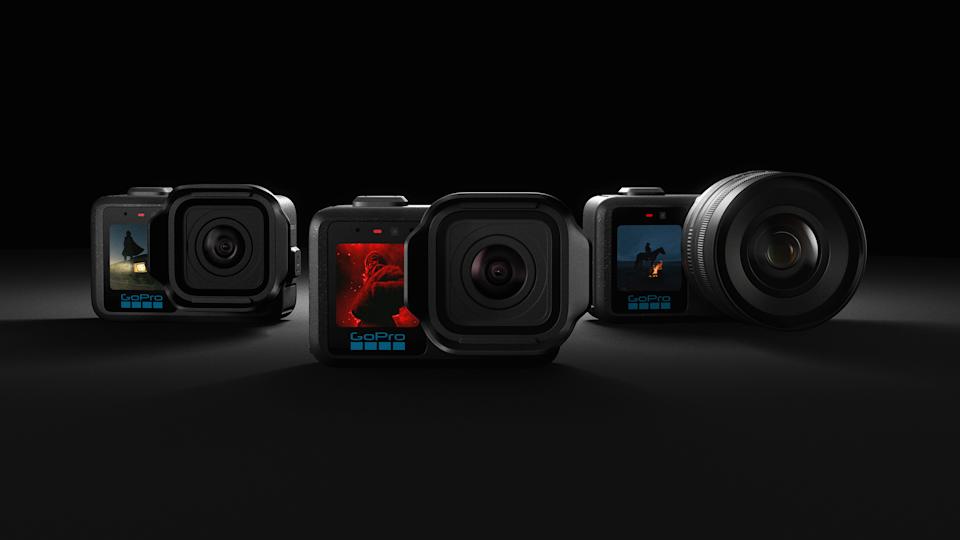
We heard all about GoPro’s new action camera series last week, but the company is now unveiling the pricing across its Mission 1, Mission 1 Pro and Mission 1 Pro ILS cameras. The entry-level Mission 1 ($600) features GoPro’s new 50-megapixel 1-inch sensor, which the company says will offer a major leap in image quality and low-light performance over the Hero 13 line. While largely looking the same as the Hero series (and still waterproof), the Mission 1 can record 8K video at 30fps and 4K at 120fps. It lacks the higher frame rates of the other Mission 1 cameras, but supports 10-bit GP-Log2 color and 32-bit float audio.

The Mission 1 Pro ($700) is the flagship fixed-lens model this year, aimed at the professional (or semi-pro) videographer. It has upgraded frame-rate capture to 8K at 60 fps and 4K at 240 fps, along with an extreme “burst” slow-motion mode that hits 960 fps at 1080p. It also captures 4:3 “Open Gate” recordings at 8K/30fps and 4K/120fps, covering the entire sensor area, enabling more versatile editing and cropping across different screen sizes, including vertical video.

GoPro Mission 1 camera series

Steve Dent for Engadget

Then there’s the beastly Mission 1 Pro ILS (Interchangeable Lens System). It swaps the standard GoPro lens for a Micro Four Thirds (MFT) mount lens. It otherwise shares the same 1-inch sensor and high-speed 8K/60fps video specs as the Pro model. It also matches the Pro model’s $700 price, with an additional $100 discount for GoPro subscribers. However, it won’t be launching until Q3 2026.

All of the Mission 1 Series accessories will be available on a rolling basis beginning May 28, with GoPro’s own wireless mic system (take note, Rode and DJI) priced at $160. If you preorder a Mission 1 or Mission 1 Pro directly from GoPro now, you’ll get the point-and-shoot grip bundled for free. The company still doesn’t have an official release date for the cameras.

Advertisement

Source link

Continue Reading

Tech

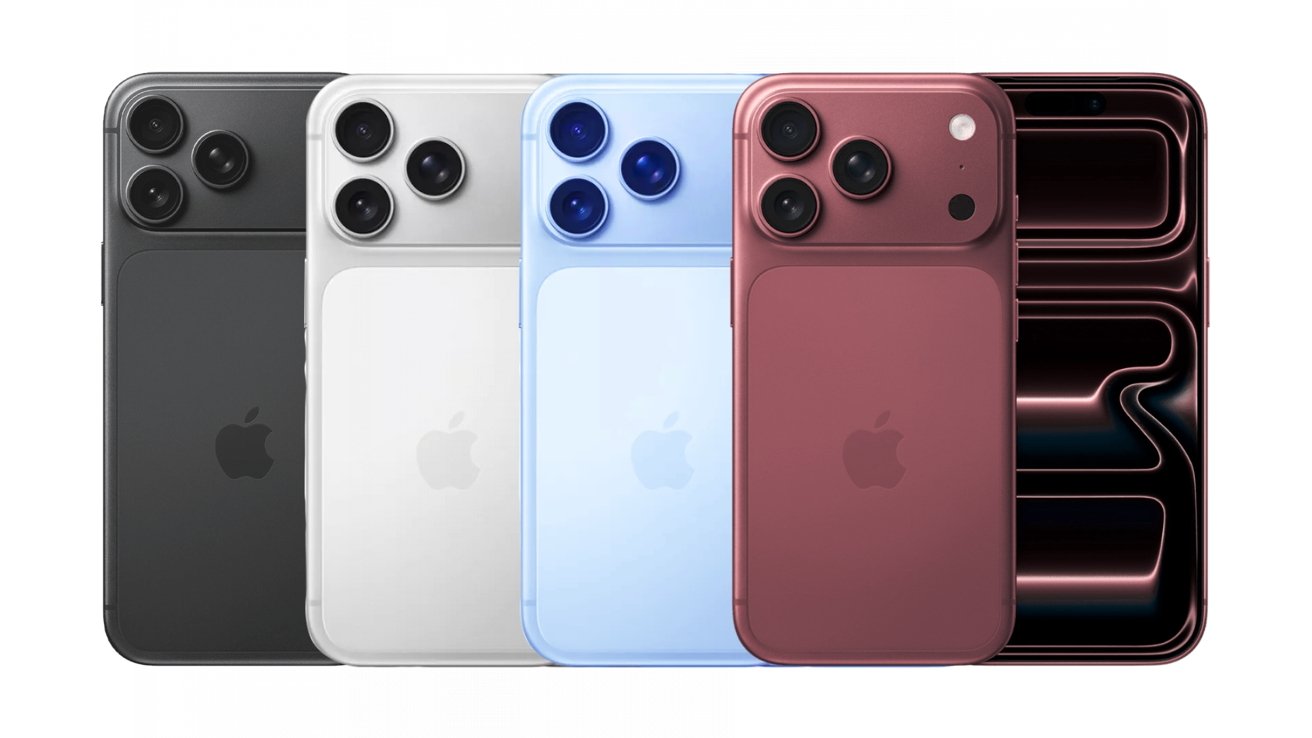
These are rumored to be the four iPhone 18 Pro colors

Published

on

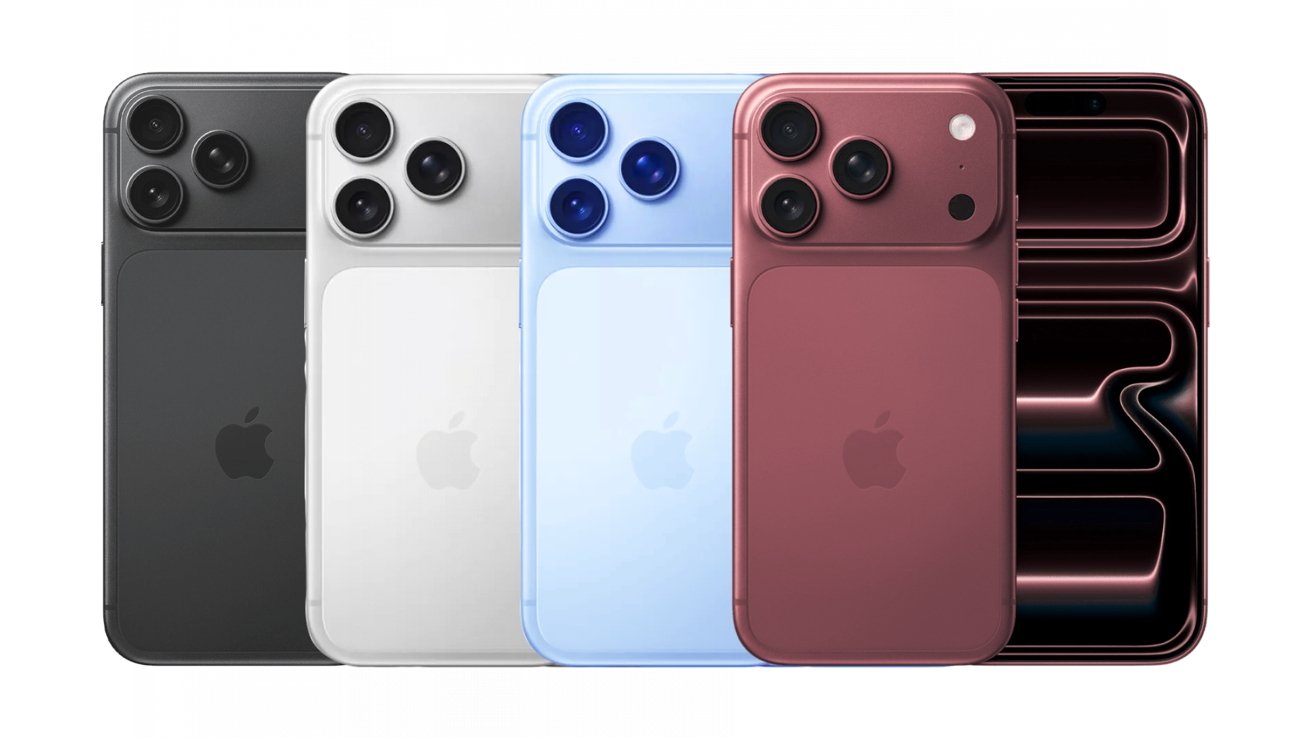
The rumor mill is still churning on the iPhone 18 Pro colors, with a new leak showing what the colors may be.

Row of modern Apple smartphones in black, white, light blue, and rose colors, showing rear triple cameras and sleek design, with one phone on the right displaying a glowing abstract screen pattern
Four possible colors of iPhone 18 Pro

The iPhone rumor mill has been on a bit of a color kick lately, with multiple rumors claiming to know which Apple will use in 2028. For the iPhone 18 Pro, it seems that there could be four colors on the way.
The image shared by Weibo leaker Ice Universe shows what appear to be rear camera plateaus for the iPhone 18 Pro. It is unclear where they were sourced from, but they may be shots gathered from an accessory maker, rather than the actual Apple supply chain.
Continue Reading on AppleInsider | Discuss on our Forums

Source link

Continue Reading

Tech

Flagship Rematch: Ryzen 7 5800X3D vs. Core i9-12900K

Published

on

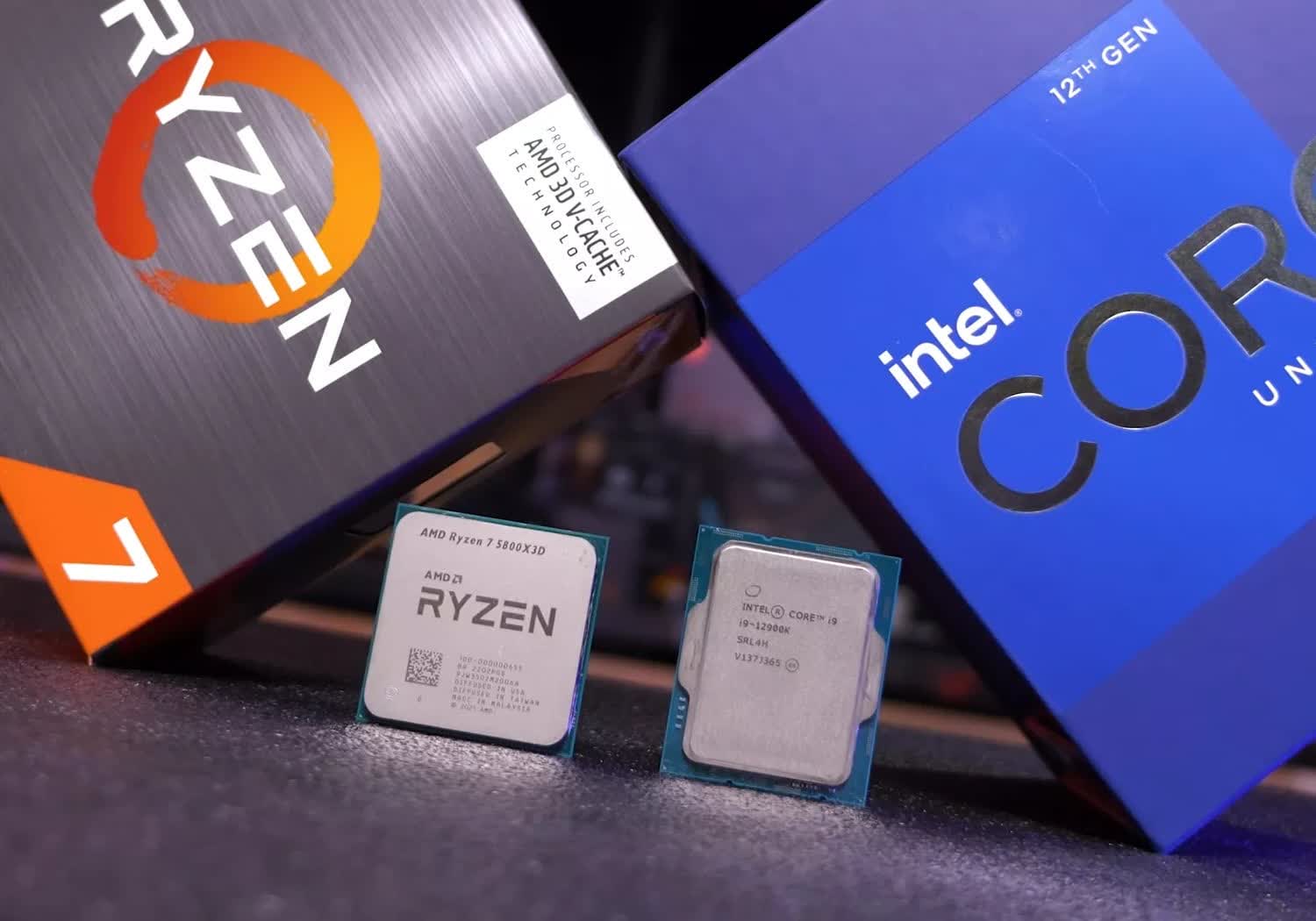
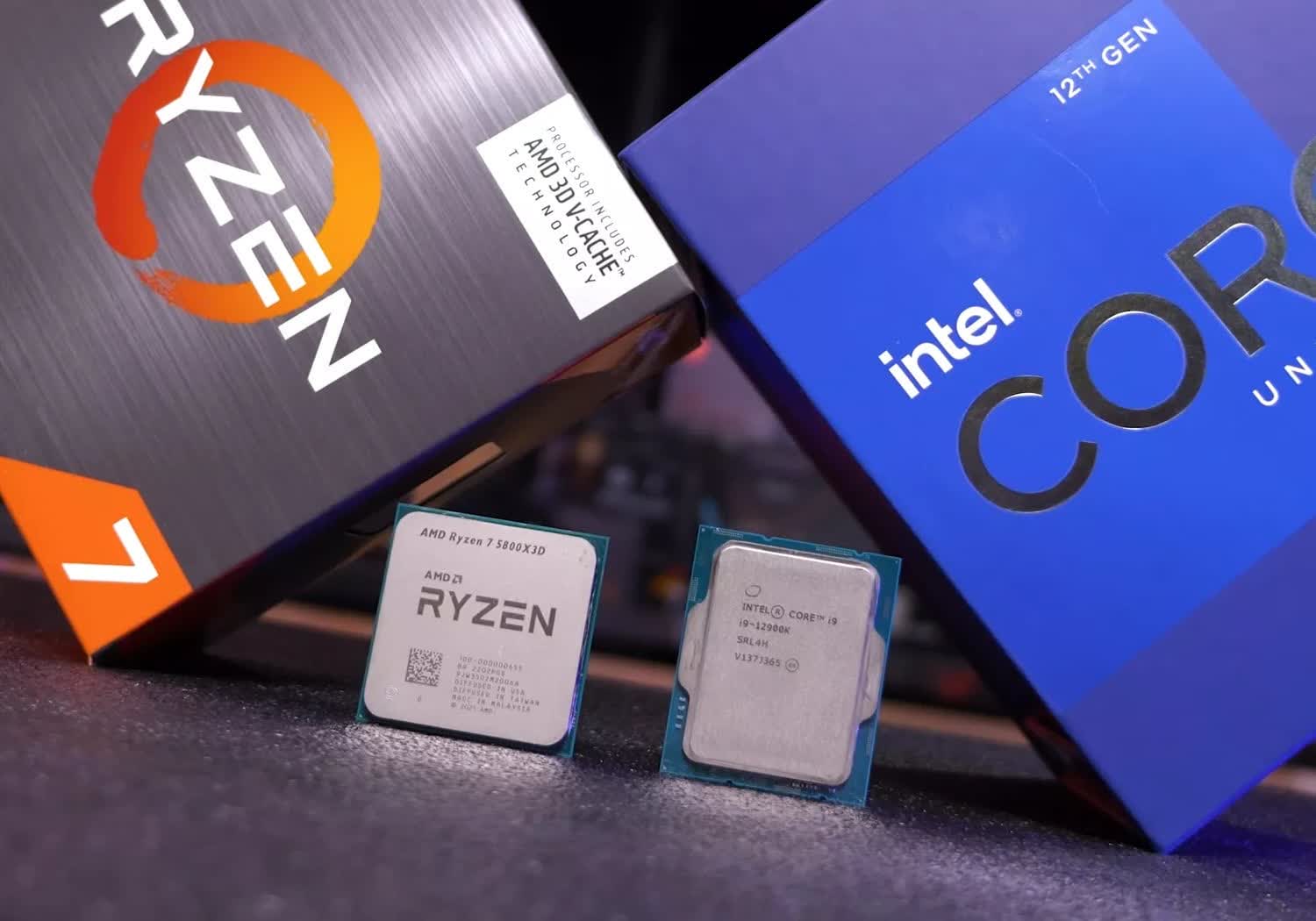
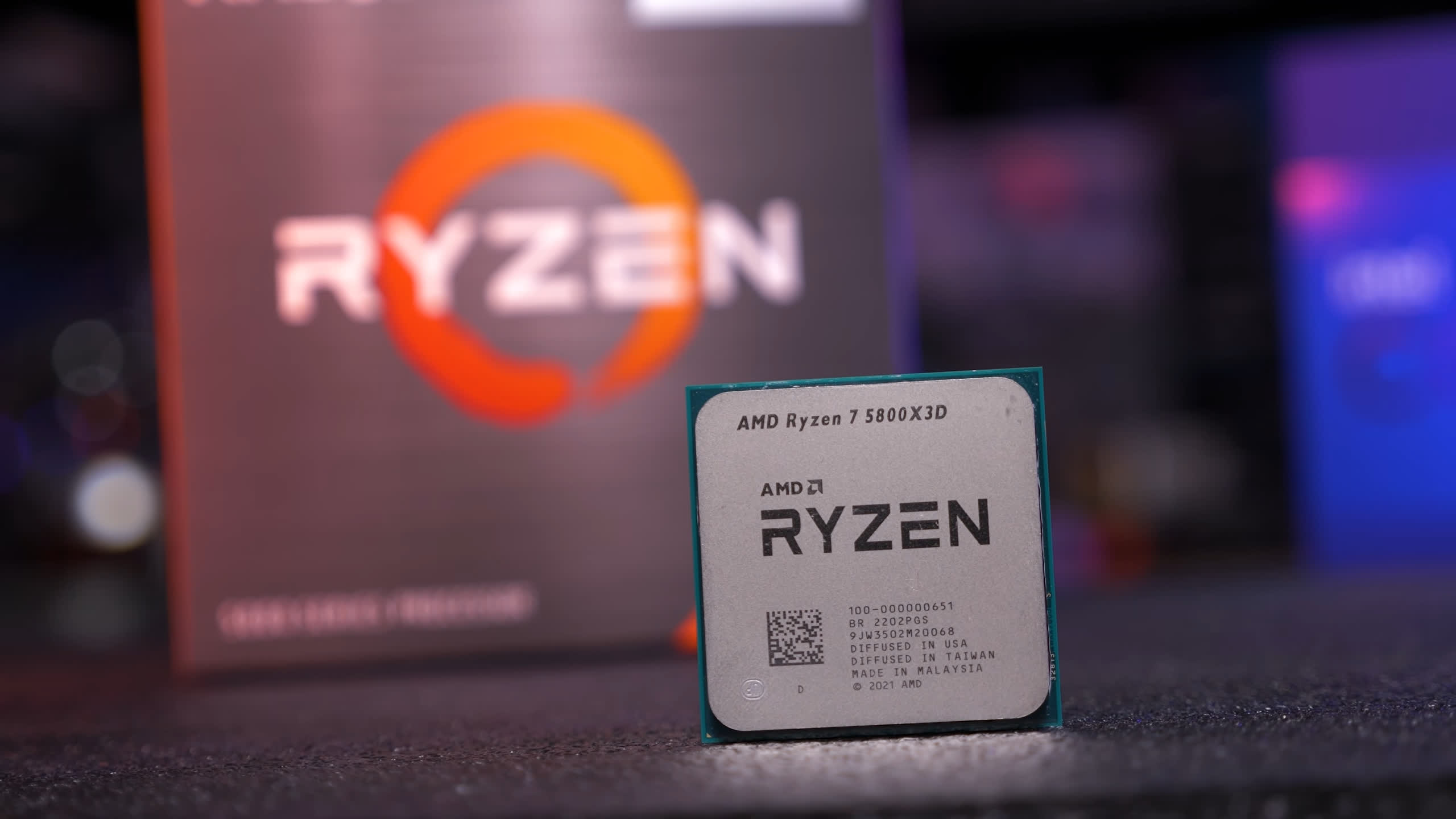
Four years on, we revisit the Ryzen 7 5800X3D vs Core i9-12900K with modern games and DDR4 vs DDR5 configs. The result: still neck and neck, but memory choice now makes a real difference.

Read Entire Article
Source link

Continue Reading

Tech

The first CD recorder was shockingly expensive – guess how much

Published

on

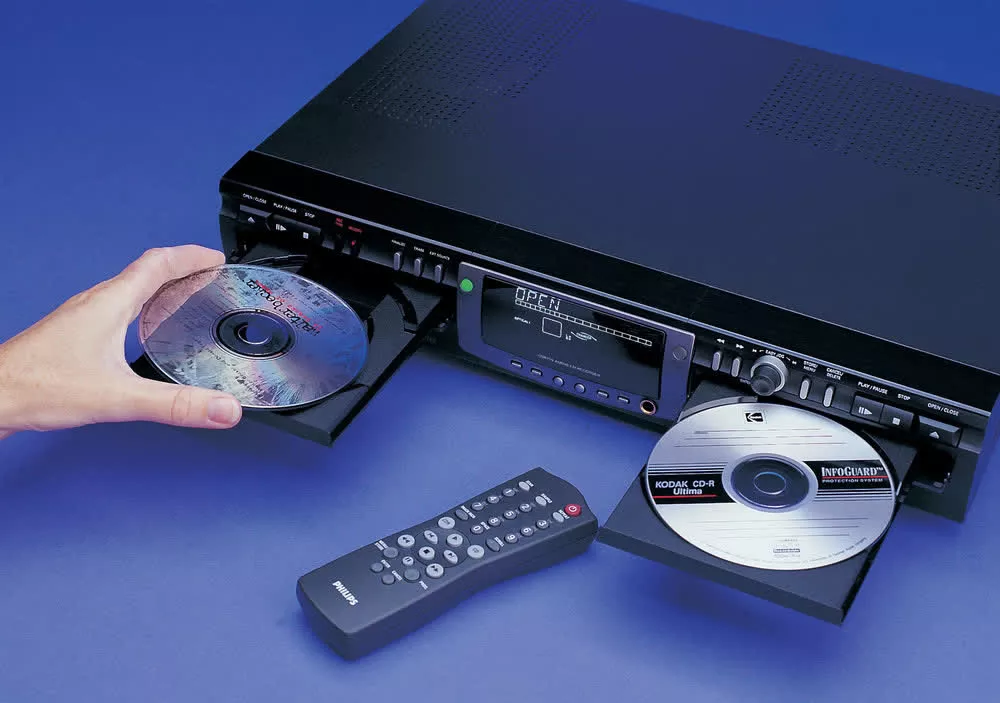
Before CDs went mainstream, recording one cost a small fortune. Made by Denon in 1991

Read Entire Article
Source link

Continue Reading

Tech

I Was Cooking Bacon Wrong for Decades, and You Probably Are Too

Published

on

Stop fighting a losing battle with a grease-spattered stovetop. If you’re buying high-end bacon, you want a perfect crunch without the 20-minute cleanup. The real problem with a frying pan isn’t the taste, though. It’s all that popping and the errant grease spots that mark your skin and kitchen walls. 

Home Tips

In an effort to find the best, cleanest way to make bacon for a Sunday brunch or BLT, I tried several methods, including the stovetop, oven and air fryer.

It turns out I’ve been doing it all wrong. 

Advertisement

A frying pan

  • Cooking time: 10 minutes
  • Hassle: 8/10
  • How much bacon: 7-8 strips
Strips of bacon cooking in a greasy black pan on the stove.

I grew up on pan-fried bacon but my test revealed there’s a better way. 

Mike Mackinven/Getty Images

This is the way I grew up cooking bacon and it’s perfectly fine. There isn’t much skill needed to fry bacon in a pan, although just about every batch I’ve ever made sends a healthy splatter over the stove. In more unfortunate instances, that infernal grease lands directly on my skin or clothes, presenting two distinct but equally aggravating problems.

Pan-fried bacon soaks up a ton of grease, which is why many turn to paper towels to drain it after cooking.  Pan-frying these strips of pork belly also tends to curl them into little bacon balls. While that has no impact on the taste, it can make for a suboptimal presentation.

Advertisement
bacon in a frying pan

I can feel the splatter bombs just looking at this photo.

David Watsky/CNET

Another drawback of cooking bacon in the frying pan is its limited capacity. A 10-inch frying pan can hold only about 7 average-sized strips of bacon at a time, although you can add more as they shrink during cooking. 

Then there’s the matter of cleaning said pan after use. It’s not recommended to put most cookware in the dishwasher, so you’ll have to manage that grease-soaked surface yourself.

The oven 

  • Cooking time: 18 minutes
  • Hassle: 6/10
  • How much bacon: 10-12 strips
9 strips of bacon on a cooking tray.

Oven bacon is best for cooking large batches. 

Advertisement

CNET

While it requires more prep, oven-cooked bacon has clear advantages over pan-frying. For one, there is little concern about capacity, as a standard cookie sheet or baking tray can hold nearly a full package of bacon, making the oven ideal for cooking large quantities.

Using a baking tray and rack allows grease to drip off. That makes for crispier, less greasy results, but it does present a headache when it’s time to clean. Cookie sheets and baking trays don’t fit well in the sink, and there’s typically enough grease that you don’t want to run them through your dishwasher.

You can line the baking tray with aluminum foil, but it takes a lot of foil, and most of the time, bacon grease finds its way under or through it anyway.

Oven-cooked bacon takes longer than bacon cooked in a frying pan — about 18 minutes — but if you’re planning to cook a whole package and don’t want to tend to the stove while it cooks, your oven is the best bet.

Advertisement

The air fryer

  • Cooking time: 7 minutes
  • Hassle: 4/10
  • How much bacon: 6-7 strips
bacon in an air fryer shot from above.

Thanks to its quick cooking time and hassle-free execution, the air fryer is my new go-to for making bacon.

David Watsky/CNET

There’s almost nothing I won’t try to make in the air fryer but, astoundingly, this is my first attempt at bacon. I anticipated a quick cook, because air fryers sizzle most food about 25% faster than a standard oven. 

The air fryer proved to be my favorite way to make bacon, with one big caveat (more on that later). My favorite glass-bowl air fryer cooked those strips in about 7 minutes at 375°F — faster than the oven and the frying pan. Because air fryers include a crisping rack, grease naturally drips into the vessel below, so there was no need to nestle it in a paper-towel lasagna. 

Advertisement
air fryer shot from the side with bacon on crisping tray

The crisping tray drained excess fat while the bacon cooked.

David Watsky/CNET

The bacon turned out perfectly crispy and kept its shape better than when fried in a pan. 

And the mess was minimal. Because the air fryer cooking chamber fits easily in my sink, I was able to wash it in seconds with a sponge and soapy water. My glass bowl air fryer chamber is also dishwasher-safe so another option would have been to wipe the grease and stick it all in the dishwasher.

Advertisement
air fryer bacon

Air fryer bacon is really crispy, y’all.

David Watsky/CNET

The big caveat: Capacity

I use a modest 4-quart air fryer so I can only fit about six strips in at a time. That’s plenty for my partner and me but if I were making bacon for a group, I would have had to cook in batches or invest in a larger model.

That said…

Not having to keep watch over a sizzling, splattering pan or negotiate a grease-filled baking tray pulled from the oven is worth running it back another time to feed a group. There’s also no preheating needed, unlike with an oven, and the sheer speed and cleanliness gave the air frier the edge over the other methods I’ve tried. 

Advertisement

Source link

Continue Reading

Tech

Sky Smart Home vs Ring: how much can you save with Sky’s new smart doorbell bundle?

Published

on

Sky has mastered all things TVs and broadband, and now it’s stepping into the world of smart home with its latest venture, Sky Smart Home — a service that could challenge rivals such as Ring and Blink.

The Smart Home Plan is Sky’s entry-level package, which unlocks advanced features including cloud storage for recordings, Smart Alerts, Activity Zones, and more. There’s also the new Smart Home Plan+ that allows you to add extra devices including the Indoor Camera, Leak Pack, or Motion Pack — taking your smart home ecosystem to the next level.

Source link

Advertisement
Continue Reading

Tech

We Love the Bose QuietComfort Ultra 2, Especially at $50 Off

Published

on

Bose’s QuietComfort Ultra 2 earbuds are the best noise-canceling earbuds you can buy. Right now, they’re $50 off, which matches the best price we tend to see outside of special events like Black Friday and Cyber Monday. If you want to wait until November, they might hit $200 again, but otherwise $250 is a very fair deal—especially since they pop back up to $300 regularly. The discounted price applies to all five color options, including Black, Deep Plum, Desert Gold, Midnight Violet, and White Smoke (another rarity, as usually only the vivid colors go on sale).

Bose

QuietComfort Ultra 2 Earbuds

Sometimes you just need to quiet the world. Whether it’s to play 10 hours of Coconut Mall on a loop to help you lock in and meet your Friday deadlines (thanks to my colleague Julia Forbes for that suggestion); muffle the crying babies, sniffling neighbors, and mysterious, potentially concerning clunking noises on an airplane; or to help you better appreciate the mix on Space Laces’ Vaultage 004 EP, active noise cancellation makes a huge difference to your listening experience.

Advertisement

The Bose QuietComfort Ultra 2 earbuds also have some of the best active noise cancellation you can find. They sound great out of the box, thanks to a custom sound profile based on the shape of your ears, but you can customize the EQ by using the app. The app also allows you to tweak touch controls and spatial audio.

The battery life lasts for about six hours, or 24 with the charging case. And while the noise cancellation can’t be beaten, these also have a pass-through feature called Aware mode, which filters in outside noise but smooths the loudest bits. That means you’ll be able to hear what’s going on, but you won’t be startled. True-crime podcast listeners, this one’s for you.

In fact, just about the only drawback we can find is that these might not be ideal for folks with super-small ears. Otherwise, they’re great all around, with solid call quality, excellent sound overall, and a sleek aesthetic. We think they offer good value at full price, so an extra $50 off is especially nice.

If you’re in the market for new headphones, but these don’t exactly fit what you’re looking for, we have plenty of other recommendations. Check out our guides to the Best Wireless Earbuds, Best Headphones for Working Out, Best Noise-Canceling Headphones, and Best Open Earbuds for additional hand-tested picks.

Advertisement

Source link

Continue Reading

Tech

Space-tech Mbryonics plans for new production facility in Shannon

Published

on

Mbryonics has been tapped for the final leg of an ESA space communication project.

Galway space-tech Mbryonics is building out a second manufacturing facility in Shannon to keep up with a growing demand for its services.

The new 40,000 sq ft manufacturing facility called Photon-2 will produce thousands of terminals by 2027, the company said.

Mbryonics specialises in tools for space-based communication, having risen to become one of Ireland’s most notable space-techs in the 12 years since its founding.

Advertisement

Last September, the company opened the Photon-1 production facility in Dangan, Galway, and announced 125 new jobs to be created by 2027.

The latest expansion comes as Mbryonics continues its work with the European Space Agency (ESA) on communication-related projects – the most recent being the ‘High-throughput Digital and Optical Network (Hydron)’, which is building an advanced laser-based satellite system to extend fibre-based internet into space.

The project is divided into parts – or ‘Elements’ – with the first establishing a constellation of satellites in low Earth orbit, the second extending this capability into higher orbits, and the third, which brings industry into the network to validate the technology.

After a successful contribution to the second part of this project, Mbyronics was tapped for the final leg, in collaboration with Kepler Communications.

Advertisement

Specifically, the company’s optical terminal and its ground station test bed have been selected to demonstrate full interoperability with other optical terminal providers during the in-orbit demonstrations and to also verify on-ground interoperability verification.

“Hydron will serve as the world’s first multi-orbital optical communications network with a terabit per second capacity, offering resilient and efficient data transfer to address the challenges of bringing connectivity to multiple users securely, quickly and reliably,” said Laurent Jaffart, the director of resilience, navigation and connectivity at ESA.

John Mackey, the CEO of Mbryonics, added: “The internet was built by making different networks talk to each other, and that’s exactly what we’re enabling in space.

“Just as we demonstrated in DARPA Space BACN, this ESA award allows us to showcase how our laser communication technologies enable satellites from different providers to communicate seamlessly in orbit.

Advertisement

“We are delighted to partner with Kepler, and other ecosystem providers, on this strategic engagement with the European Space Agency.”

Don’t miss out on the knowledge you need to succeed. Sign up for the Daily Brief, Silicon Republic’s digest of need-to-know sci-tech news.

Source link
Advertisement
Continue Reading

Trending

Copyright © 2025