
Security teams log 54% of successful attacks and alert on just 14%. The rest move through your environment unseen.
The Picus whitepaper shows how breach and attack simulation tests your SIEM and EDR rules so threats stop slipping by detection.


July is supposed to be one of the quieter months of the year.
Apparently nobody told the audio industry, TV manufacturers, streaming services, record labels or the lawyers attempting to untangle the latest media merger without setting the furniture on fire.
eCoustics published more than 120 reviews, product stories, features, news reports and buying guides during July 2026. Nobody has time to read them all, so we have done the heavy lifting and selected the stories that mat
From affordable streamers and British loudspeakers to RGB MiniLED televisions, CanJam London, all-analog vinyl and the increasingly awkward arrival of AI-generated music, these were the eCoustics stories worth revisiting.
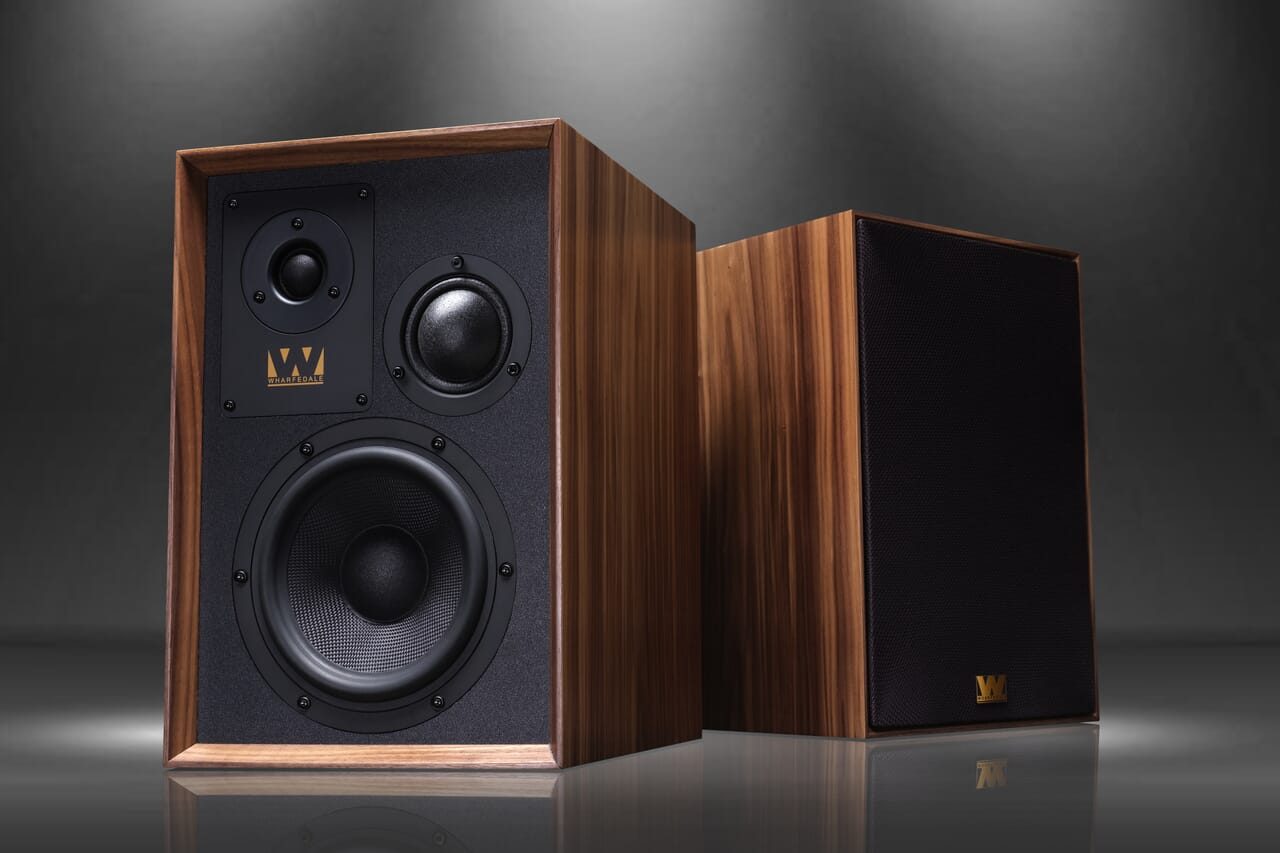
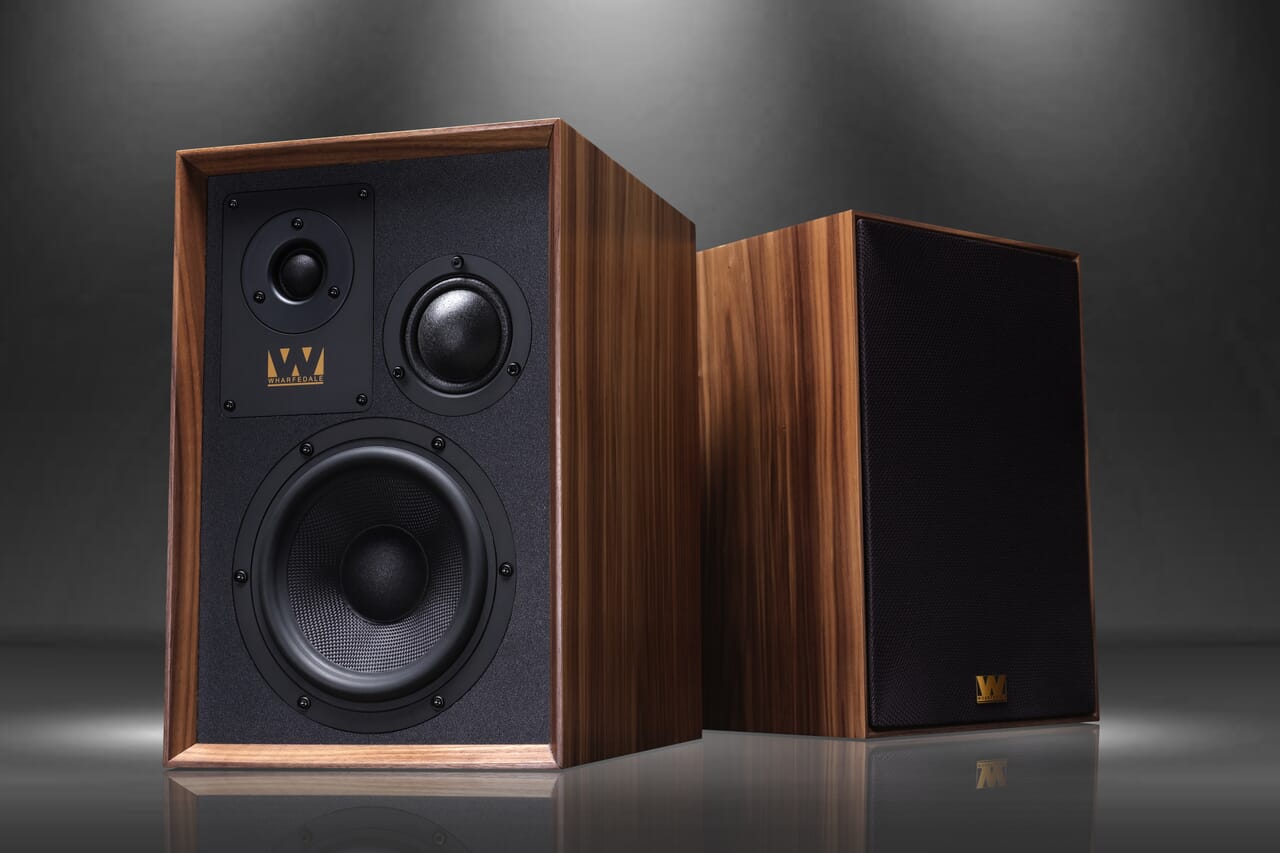
The Wharfedale Super Denton is not the smallest, most technically radical or least expensive standmount loudspeaker in its class. It is, however, one of the most enjoyable.
Its three-way design delivers a warm midrange, surprisingly deep bass and the kind of tonal balance that encourages long listening sessions rather than an emergency search for the treble control. It also happens to be one of our favorite loudspeakers currently available below $1,500.
The Super Denton needs proper stands and enough room to breathe, but listeners who value natural timbre, scale and musical engagement should put it near the top of their audition list.

The Bluesound NODE has spent years occupying the middle ground between affordable WiiM streamers and more expensive network players from Cambridge Audio, Eversolo and others.
The latest version offers improved sound quality, a stable BluOS platform, broad streaming support and the potential addition of Dirac Live room correction. It is not the cheapest option, but it makes a stronger case for itself as the digital hub of a serious two-channel system.
Whether that is enough to hold off increasingly capable and considerably less expensive competitors is another matter. The streaming category has become rather impolite.

Klipsch’s second-generation Sevens combine powered stereo loudspeakers, HDMI eARC, music streaming, substantial bass output and Dirac Live room correction in one system.
They can replace a soundbar, amplifier, streamer and pair of passive loudspeakers without making music sound like an afterthought. Their size and energetic presentation will not suit every room, but few wireless speaker systems offer the same combination of scale, flexibility and outright entertainment.

Subwoofers are often sold through increasingly absurd claims about output, infrasonic extension and their ability to rearrange the foundations of your home.
The Q Acoustics Q SUB100 takes a more useful approach. It delivers controlled bass for music and home theater, works with a wide range of loudspeakers and does not require a room the size of an aircraft hangar.
For listeners building a two-channel or compact home-theater system, that may prove considerably more valuable than another specification designed primarily to frighten the neighbors.
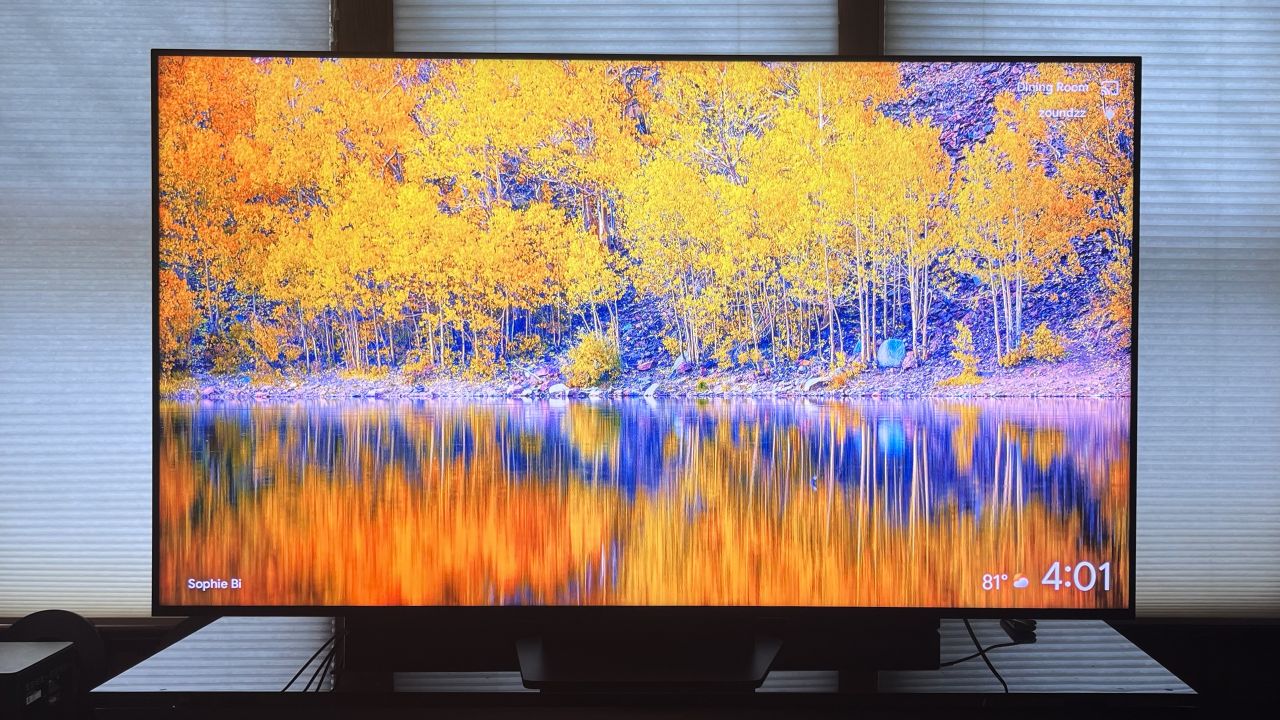
RGB MiniLED televisions are shaping up to be one of the most important TV developments of 2026, promising greater color volume and improved brightness without relying on OLED panels.
The Hisense UR9 brings that technology to a lower price tier than several flagship competitors. Its aggressive value proposition does not make it perfect, but it demonstrates that advanced RGB backlighting will not remain confined to televisions priced like lightly used German automobiles.

Specifications only tell part of the story, especially when manufacturers create competing names for variations of similar technology.
After reviewing both televisions, we compared Samsung’s flagship R95H Micro RGB with Sony’s BRAVIA 7 II True RGB to determine where each model excels, what buyers give up and whether Samsung’s higher price is justified.
This is the kind of comparison consumers need before standing inside a brightly lit warehouse store while a salesperson explains that every television on the wall is “basically the best one.”

Samsung’s latest flagship soundbar system attempts to deliver immersive Dolby Atmos sound without filling the room with an AVR, speaker cables and enough loudspeakers to alarm the family.
The HW-Q990H cannot completely replace a carefully assembled component system, but its combination of surround immersion, bass response, ease of use and competitive pricing makes it one of the most complete soundbar packages available.

Streaming may have won the convenience war, but physical media continues to offer the most consistent route to superior picture and sound quality.
Our midyear selection includes Fight Club, Ben-Hur, Perfect Blue, Stranger Things, The Patriot, Jackie Chan and Steven Spielberg collections, and several other discs worthy of shelf space.
Ownership remains a remarkably attractive feature when streaming services keep removing films, changing formats and behaving as though customers should be grateful for the privilege.

CanJam London returned with more new headphones, wireless models, electrostatic designs and boutique manufacturers than one person could reasonably evaluate over a single weekend.
James Fiorucci listened to nearly 30 models and selected the designs that stood out across a broad range of prices. The results include established manufacturers, unexpected newcomers and several products we intend to review more thoroughly.
No, they were not all inexpensive. This is CanJam, not a church rummage sale.

The electronics surrounding headphones have become almost as varied as the headphones themselves.
CanJam London showcased compact Class A amplifiers, R2R digital audio players, portable DACs, desktop systems and several products designed to serve both sensitive IEMs and considerably more demanding full-size headphones.
The best products did more than add power or specifications. They offered useful features, thoughtful ergonomics and a clear reason to exist in a category already crowded enough to require traffic control.

The Tea Pro SE is not merely a cosmetic variation of the original Tea Pro.
Its warmer, reference-inspired balance, articulate treble and sturdy metal shells make it a strong alternative to the increasingly standardized tuning found across the modern IEM market. Listeners seeking heavy bass or a strict upgrade over the original should look elsewhere, but those who value texture and long-term comfort will find plenty to like.
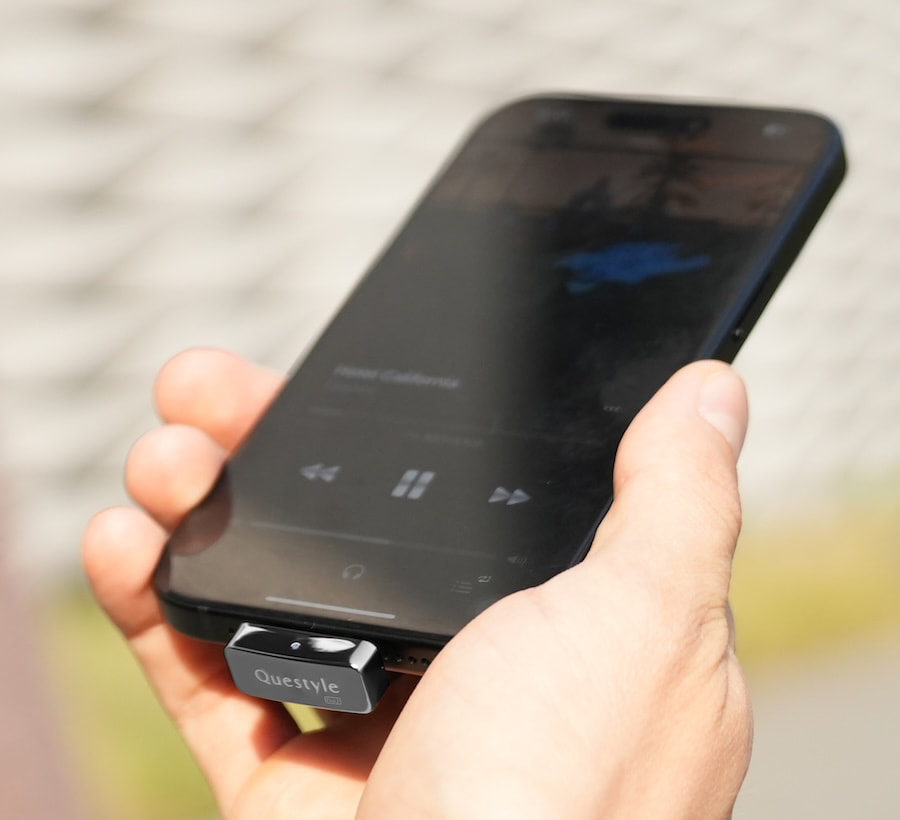
Bluetooth audio has improved significantly, but codec compatibility, latency and inconsistent device support continue to complicate what should be a simple process.
Questyle’s compact transmitter adds Bluetooth 6.1, broad codec support, low-latency operation and Auracast compatibility to phones, computers and gaming consoles. It is designed for listeners who want the best wireless performance available without first consulting three compatibility charts and an electrical engineer.

Joni Mitchell’s Court and Spark has been an audiophile demonstration record for more than five decades, but affordable premium single-disc editions have been surprisingly limited.
Rhino’s new High Fidelity pressing uses all-analog mastering, lacquers cut by Kevin Gray and 180-gram vinyl pressed at Optimal Media. More importantly, it sounds warmer, wider and more natural than typical original copies and easily surpasses the thin, bright Nautilus SuperDisc pressing.
The glossy replacement artwork cannot match the textured original jacket, but the record itself is the reason to buy this edition. The old cover can stay. The Nautilus pressing can start packing.

Rhino applied a similar formula to Dusty in Memphis, pairing Kevin Gray’s mastering with an Optimal pressing and a price that remains far below many premium audiophile releases.
The result brings greater openness, dynamics and presence to one of the defining soul albums of the late 1960s without turning it into another oversized box containing certificates, gloves and enough packaging to survive re-entry.
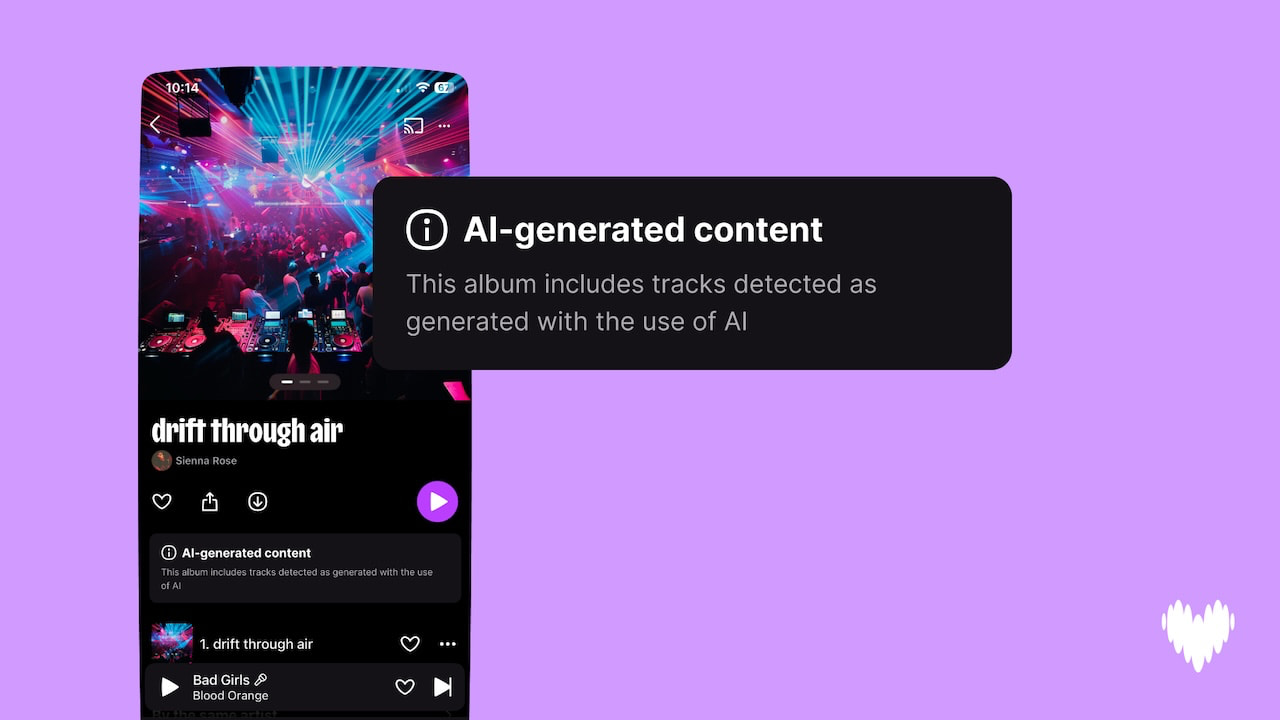
Major record labels have proposed rules determining when music involving generative AI should qualify for official chart recognition.
Those rules include licensing, disclosure, legitimate streaming activity and a requirement that the final work remain substantially human-made. All of that sounds reasonable until one remembers that several of the same companies are already negotiating licensing agreements with AI platforms.
More human than human, apparently—provided the royalty statement clears.

Winamp and Deezer want to combine subscription streaming with the music files listeners already own.
That sounds almost revolutionary in an era when most streaming platforms behave as though local music libraries were discovered in an archaeological dig. The idea has genuine potential, but execution, availability and platform support will determine whether it becomes a useful listening tool or another promising service that disappears after everyone has created an account.
July also delivered our coverage of the 2026 TV Shootout, 25 Essential American Films That Explain America at 250, the best summer horror films, the Revox World Foundation’s preservation of 800 Studer and Revox components, AudioBro V2, the Q Acoustics 3040c and KEF’s sculptural LS LUXE wireless loudspeakers.
There was also the small matter of Paramount and Warner Bros. Discovery, whose proposed merger remains trapped in an antitrust fight that will now drag well into 2027. Hollywood has once again demonstrated that no amount of expensive content can compete with lawyers billing by the hour.
August begins with Audio Advice Live in Raleigh, where eCoustics will be covering new home-theater systems, loudspeakers, electronics and one particularly ambitious 9.7.4-channel demonstration from ASCENDO, Trinnov and Christie.
CanJam SoCal and CEDIA are also approaching, while our review queue includes more loudspeakers, headphones, digital sources, music releases and home-theater products.
July was not quiet. August does not appear interested in behaving any better.
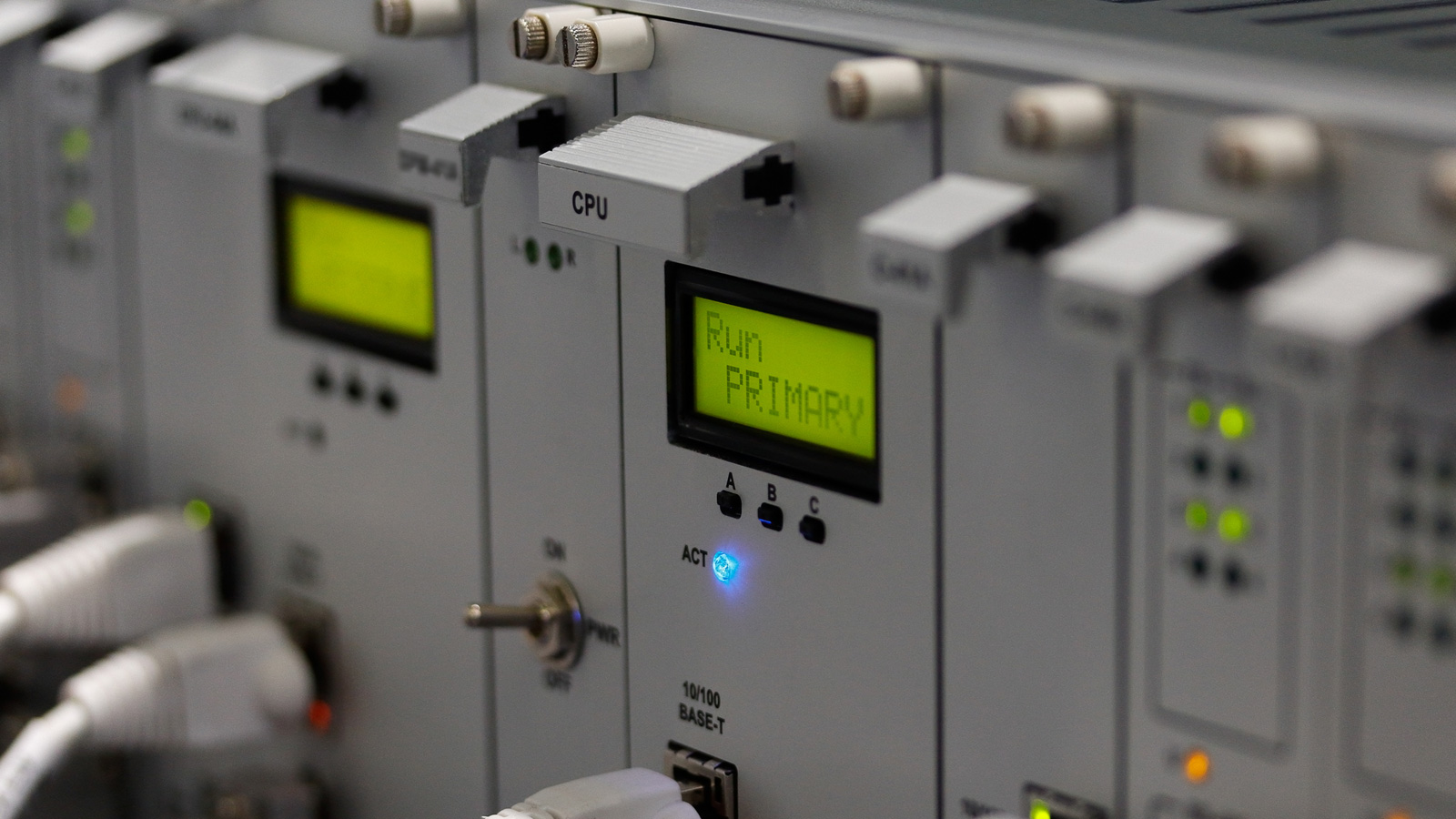
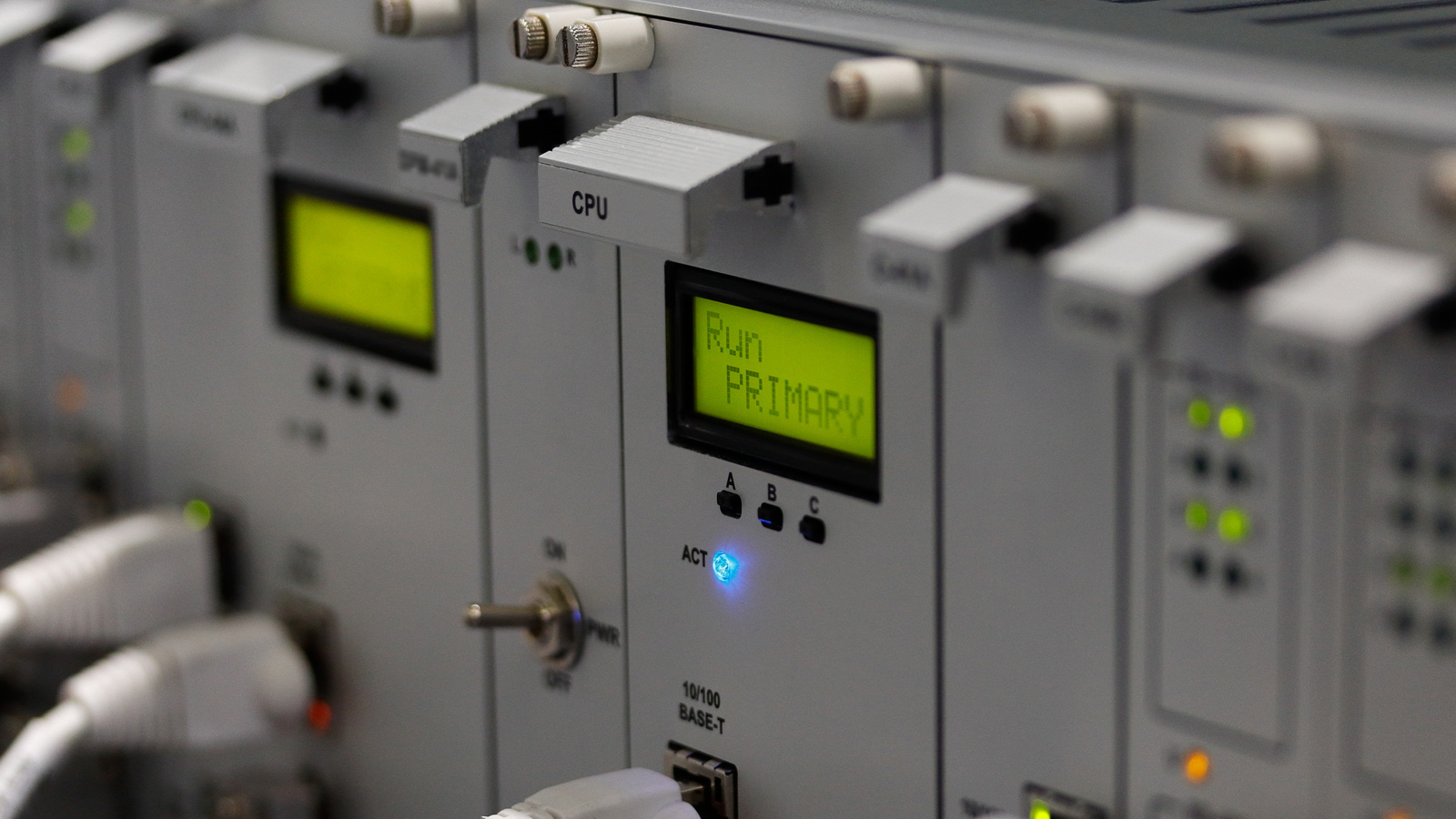
The U.S. Cybersecurity and Infrastructure Security Agency (CISA) is warning of a significant increase in attacks targeting internet-exposed programmable logic controllers (PLCs) in the water and wastewater systems sector.
The agency’s urgent alert comes after hackers disrupted more than 30 community water systems in Minnesota in attacks that started last Sunday and continued through Monday.
CISA’s alert refers to threat activity involved hackers targeting exposed programmable logic controllers (PLC) and changing passwords to lock operators out, modifying IP addresses to disconnect devices from the internet, and other actions that disrupted operations.
“CISA urges critical infrastructure owners, operators, and integrators to remove publicly exposed PLCs and other operational technology (OT) from the internet as soon as possible.”
Organizations of all sizes running water and wastewater systems are being targeted, including some with mature cybersecurity programs.
The bulletin notes that exposed operational technology (OT) may include undocumented cellular modems installed by operators, vendors, or system integrators.
Internet-facing assets are exposed to defacement attacks, configuration changes, operational disruptions, and even physical damage, the agency said.
CISA recommends immediately removing these assets from direct internet exposure. If this is not possible, organizations should use a VPN connection or gateway devices for secure access.
Additionally, default passwords should be changed, and access should be limited to an IP address allow-list.
The agency also pointed owners of Rockwell Automation MicroLogix 1400 PLCs to vendor guidance for recovering access if passwords have been changed.
Cybersecurity search company Censys published a blog post where it quantifies internet exposure, estimating that currently there are more than 4,100 internet-exposed Rockwell Automation/Allen-Bradley hosts, 4,100 Siemens hosts, and over 2,000 Schneider Electric hosts.

However, it should be clarified that the map above shows devices reachable over the public internet, not systems that are necessarily being targeted or compromised.
Regarding the MicroLogix 1400 controllers mentioned in CISA’s bulletin, Censys notes that many appear to be running EoS (end-of-sale) firmware versions.
The cybersecurity company also highlighted the problem of undocumented cellular modems as a common blind spot, reporting that nearly half of the exposed Rockwell devices are reachable via Verizon Business, AT&T, T-Mobile, Comcast, Charter, and Starlink networks.
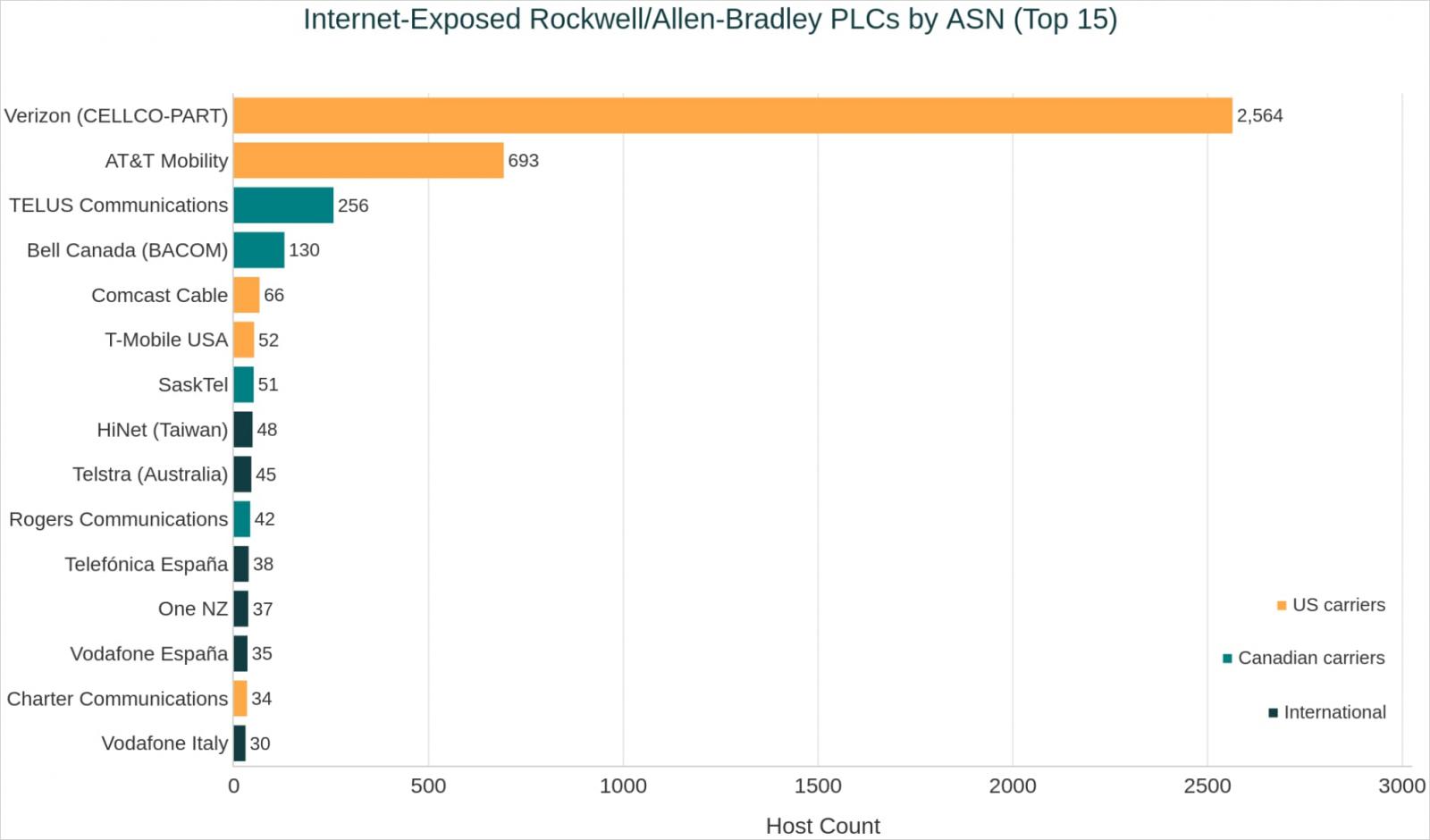
Censys also provided an expanded set of indicators of compromise (IoCs) in its report, along with threat-hunting guidance.
Earlier this week, the Minnesota IT Services (MNIT) agency activated the state’s cybersecurity incident response plan after identifying what it described as “a coordinated cyberattack targeting operational technology at more than 30 Minnesota community water systems.”
Multiple municipalities reported disruptions caused by the cyberattack, with equipment malfunctions forcing some utilities to temporarily switch to manual operations.
MNIT has shared threat intelligence collected from the affected systems and provided guidance and best practices to help impacted utilities restore normal operations.

Security teams log 54% of successful attacks and alert on just 14%. The rest move through your environment unseen.
The Picus whitepaper shows how breach and attack simulation tests your SIEM and EDR rules so threats stop slipping by detection.


Many drivers turn on the air conditioning in their cars without ever giving much thought to how the system works. That is, unless your A/C starts to smell bad or worse yet stops working properly. Until then, it’s easy to assume that a car’s air conditioning unit is one of those systems that engineers have mostly perfected over the decades. However, behind the scenes, it’s a very different story. Scientists have been working for years to try and cut down the amount of emissions that A/C systems generate, and it turns out that the industry’s previous efforts might not quite have been as successful as it was initially hoped.
The culprit is the refrigerant that’s used in many modern systems. It was supposed to be a more environmentally-friendly alternative to the previously used chemicals, but new studies have cast doubt on that idea. This isn’t the first time that this has happened either; manufacturers have already changed the refrigerant that they used twice before, and now it looks like they’ll have to do it again.
Early automotive A/C systems mostly used a refrigerant called R-12. It was synthesized by researchers who were trying to create a stable, non-toxic substance to replace the litany of potentially hazardous chemicals that the first commercial refrigerators had used. The new chemical proved to be very effective and just as stable as hoped, but scientists later found that it was contributing to the loss of the Earth’s ozone layer. In response, automakers switched to a new refrigerant, R-134a, in the 1990s.

This initial change was seen as an improvement; R-134a, which is also called HFC-134a, didn’t contribute to ozone depletion. However, it was part of the chemical group known as per- and polyfluoroalkyl substances, or PFAS. They’re sometimes referred to as “forever chemicals,” because they can cause long-lasting contamination when they’re released into the environment. Research about the full effects of these chemicals is ongoing, but studies have shown that areas with high levels of PFAS contamination in drinking water have seen higher instances of some types of cancer, as well as other diseases.
R-134a is also a greenhouse gas with a high global warming potential (GWP). As the use of R-134a-based A/C systems increased, so did the concentration of R-134a in the atmosphere. This finding prompted European authorities to ban the use of R-134a refrigerant in new car’s A/C systems in 2017, with manufacturers instead replacing it with R-1234yf (also called HFO-1234yf). This new refrigerant has a much lower GWP, but now new research has suggested that it pollutes the environment in a different way.
A 2026 study published in the journal Environmental Science and Technology Letters found that R-1234yf can break down into trifluoroacetic acid (TFA) in the atmosphere at a significantly higher rate than R-134a. According to the findings, R-1234yf produces between 3.6 and 10.3 times as much TFA as R-134a. TFA is a type of PFAS that scientists are particularly worried about, since it’s been linked to liver disease and developmental issues with unborn children. It’s also extremely long-lasting, with scientists warning that its accumulation in the environment is effectively irreversible.
With R-1234yf being a lot less eco-friendly than scientists initially thought, the clock is ticking for manufacturers to find alternatives yet again. Some are already beginning to phase out R-1234yf, with several Volkswagen Group brands switching certain models to R-744 instead. This latest refrigerant is more commonly known as carbon dioxide (CO2).
This is far from a new idea — carbon dioxide’s suitability as a refrigerant has been known for decades, and it drew a lot of attention in the late 1990s when researchers were trying to find alternatives to R-134a. At the time, carmakers like GM opted not to use R-744, in part due to the fact that it needs to operate at significantly higher pressure than R-134a.
Volkswagen came across the same problem, but chose to use it anyway because R-744 brings a couple of key benefits when it’s used in EVs. Battery packs can deliver less range when they’re cold, and R-744 is particularly good at transferring heat in colder operating temperatures. In turn, that helps boost the car’s range, which is a big enough benefit to offset the inconvenience of the high-pressure system.
Another refrigerant that’s attracting interest is R-290, which is propane. It has a low GWP and it’s efficient, but the compromise is that it’s flammable. Still, it’s considered less polluting than today’s main refrigerants, and a report by IDTechEx suggests that demand for both of these alternatives is set to increase significantly over the coming years as manufacturers start to make this latest switch.

CNN tells the unfortunate tale of hedge fund Situational Awareness, “founded in 2024 by German-born Leopold Aschenbrenner when he was in his early 20s.”
Aschenbrenner, a former OpenAI employee, founded the hedge fund on the premise that “AI will be the dominant driver of global market returns over the next decade,” according to the firm’s site… Aschenbrenner managed to turn hundreds of millions of dollars into tens of billions of dollars over the course of roughly two years… That streak ended on Thursday, though, when the fund was forced to sell the bulk of its public holdings to a bigger rival after many of its investments went south.
But that’s only part of the story. The fund employed a risky strategy of borrowing money to purchase stocks. When the investments appreciate, the payoff can be massive. But when the investments sour, the losses can be catastrophic. The downturn in AI stocks over the course of this month, like chip makers and cloud computing providers, hit the hedge fund extra hard. It was forced to sell off many investments at a steep discount to rival hedge fund Citadel in what Aschenbrenner reportedly compared to a “bank run” in a letter to investors.
“Critics pointed out that Aschenbrenner had no experience running money prior to launching his fund in July 2024, calling him more lucky than smart,” writes CNBC:
Some noted that his early work experience was at the doomed crypto firm FTX, where he helped now-disgraced founder Sam Bankman-Fried run a charity out of a Bahamas penthouse. Others on Wall Street, including former traders at global investment banks, noted that in light of reports Situational Awareness used as much as 400% leverage, the collapse wasn’t shocking.
The Wall Street Journal reports that Situational Awareness “also used options to amplify its returns. That meant that even small declines in individual names could have big impacts on Situational’s portfolio.”
And so, as the New York Post put it, “The celebrated crystal ball of the ‘Nostradamus of AI‘ hasn’t merely gone cloudy — it has rolled off the table and shattered on the parlor floor.”
Wall Street breathed a huge sigh of relief last week as an AI-focused hedge fund called Situational Awareness reportedly sold most of its portfolio — reportedly down 67% last month on the backfiring of debt-fueled bets on chipmakers and assorted artificial-intelligence firms — to billionaire Ken Griffin’s Citadel…
The prevailing sentiment was best summed up by a veteran Wall Street sage who has seen a lot of flameouts in his day. Let’s just say he wasn’t impressed by Leopold Aschenbrenner, the 25-year-old German-born “Nostradamus” figure who is the founder of Situational Awareness… “Just your typical leveraged Âidiot who was right until he was wrong,” the source said, adding that the implosion is a “one-off…”
[Another trusted source] felt there was room for conversation: “A significant issue. Not viewed as systemic right now. I wonder if that changes as more problems arise.” Indeed, the fact is that most of Wall Street is closely monitoring the Situational Awareness situation because they were holding many of the same positions as ÂAschenbrenner. Another top hedge fund manager I won’t name tells me he has been getting crushed on similar investments in chipmakers essential to the AI supply chain, as well as other companies feeding off this technology.
Thanks to Slashdot reader joshuark for sharing the news.


software
The first job was lucrative and went well, but a pension was preferable to rolling projects
ON CALL Happy System Administrator Appreciation Day, dear reader! And happy Friday, too, as it heralds both the end of the working week and the day on which The Reg delivers another edition of On Call, the reader-contributed column in which we share your stories of support jobs that twisted, tanked, or turned out terrifically.
This week, meet a reader we’ll Regomize as “Roger” who told us he spent decades providing application support for a UK-based software biz.
In 2015, Roger’s company ended support for legacy products and assumed users would decommission their systems. The company advised them to preserve their old documents and invoices on paper or in durable file formats, just to be safe.
Roger retired in 2021, and a year later heard that a large US-based corporation had acquired his former employer. “They immediately modernized the business by making the entire European support team redundant,” Roger told On Call.
He therefore put his old job out of his mind and settled into life as a pensioner.
And then, a few months ago, the American company contacted Roger.
“They had a customer in Germany who had used our software in the past, lost their paper archive, but still had their digital archives,” he told On Call.
“Every single backup disk was still there and contained every byte of raw data with military precision. What they did not contain were the few insignificant items required to turn those bytes back into documents.”
Which was awkward because the customer was undergoing a tax audit and needed every last document to prove its affairs were in order.
The American company asked if Roger could restore the documents – for a daily fee roughly equal to one month’s pension.
Those sums meant Roger was sure he could help – and proved it by remembering that backups of the application in question produced raw ASCII data that could be converted into human-readable documents with a print server running on bespoke software.
Roger found all the relevant code, got it running, and converted the ASCII files into PDFs.
“Twenty years after last using the software, I still remembered the installation procedure,” he told On Call. “Apparently retirement affects one’s recollection of obscure print server parameters less than where one left one’s reading glasses.”
Once he converted all the files, Roger assumed the job was done.
Then came news that the auditors had refused to accept the data for 2013.
“Apparently a large number of invoices for that year existed in the documents I had provided, but were missing in the accounts data. The expression ‘large-scale tax fraud’ began appearing with uncomfortable frequency.”
Roger rescued the situation by realizing that someone had imported one year’s archives twice, doubling the number of invoices and confusing the taxman.
“I had to charge them another day to discover their error,” Roger told On Call.
One of the younger people on the project casually mentioned several other archives were preserved using the same techniques, suggesting there was plenty more work for Roger to do.
“At that point I decided that retirement was still preferable to returning to full-time employment,” he told On Call.
This story has a bittersweet ending, because Roger told us that as he worked on the project, he realized the income would complicate his own tax affairs. He therefore donated his fees to the care home where he lives.
“That was very positively received by the home’s management,” he told On Call.
Have you been hauled out of retirement to support ancient tech? If so, make one more mouse click here to send On Call and email and share your story. ®

Why it matters: The video game industry has seen a historic wave of layoffs in recent years, with thousands of workers impacted in the last few weeks alone. To support some of the developers affected, indie game storefront itch.io is collaborating with an industry union to sell a collection of over 100 heavily discounted games.
The Game Industry Hardship Fund bundle is live on itch.io through August 13. The collection currently includes more than 100 indie titles, along with a few soundtracks, assets, and other materials, all for just $10.
All proceeds go toward the Game Industry Hardship Fund, which the United Videogame Workers union has promoted amid repeated massive rounds of layoffs throughout the industry. US and Canada-based developers can add more games to the bundle, so it will likely keep growing over the next couple of weeks. Customers can download any games added after their purchase at no additional cost.
The bundle mostly consists of small indie titles, but it also includes a few gems with positive Steam ratings. Examples include A Short Hike (MSRP: $8), Dungeon Bodega Simulator ($10), Eldritch ($15), Neon Struct ($18), Holedown ($10), and more.

Although games purchased through the bundle do not activate on Steam, downloads via the itch app or website are DRM-free. Many of the included titles also natively support macOS and Linux, and items from bundles appear in a separate tab on itch.io’s library section.
The Game Industry Hardship Fund aims to support the thousands of employees laid off over the past several years amid the industry’s pandemic-era overinvestment. The bundle page cites reports claiming that 33% of the industry’s workers have experienced job losses in the past two years.
Publishers have announced layoffs impacting thousands this summer alone. France’s video game union, the Syndicat des travailleurs et travailleuses du jeu vidéo, announced a strike after more than 1,000 workers lost their jobs. Bungie also recently eliminated roughly 400 positions after pivoting away from Destiny 2.
Ubisoft laid off 51 workers at its Barcelona studio shortly after the massively successful launch of Assassin’s Creed Black Flag Resynced, a game the office helped develop, and MindsEye developer Build A Rocket Boy recently faced protests from laid-off workers in the UK while flying in fans for playtesting.
Most notably, Microsoft recently eliminated 1,600 positions, with another 1,600 employees set to be laid off over the course of this year. In a bid to “reset” Xbox, the company let go of five studios and began reorganizing its gaming business. That move has already prompted further layoffs at the now-independent Double Fine.

The writing is on the wall, so CodeWeavers is removing its reliance on Rosetta 2. A very early test version of Apple Silicon-native Crossover is now available for testing.
Cross-platform app compatibility tool CrossOver was designed to work on Intel Macs and could only work on newer M-series models thanks to Apple’s Rosetta 2 translation layer. Apple put developers on notice in June 2025, warning them that they would need to build apps designed without needing Rosetta 2 before 2027’s big macOS software update.
Since then, the developers of CrossOver have been working to get ready for the big transition. It announced in June 2026 that CrossOver 27 would ditch support for Intel Macs and transition fully to Apple Silicon.
Now, CodeWeavers has announced the availability of a preview version of CrossOver 27, complete with Apple Silicon support.
Simplifying a complex issue, Apple Silicon uses ARM64 architecture. CodeWeavers has been working on an ARM64-native version of CrossOver for some time.
Wine, the compatibility layer that allows Windows apps to run on Macs, is core to CrossOver and began work to transition to ARM64 in January 2023.
There have been various milestones since that date, culminating in the release of this preview version of CrossOver.
However, while the preview can be downloaded and used on Apple Silicon Macs today, there are some caveats to keep in mind. CodeWeavers warns that the current very early preview has three big, known limitations.
Thankfully, all three limitations are expected to be resolved before CrossOver 27 launches. It’s currently penciled in for a release in early 2027.
If you’re still using an Intel Mac, the good news is that CrossOver 26 will continue to work even after CrossOver 27 is released. But Apple’s upcoming macOS Golden Gate update will not support Intel Macs, giving Intel owners yet another reason to upgrade to a new model.
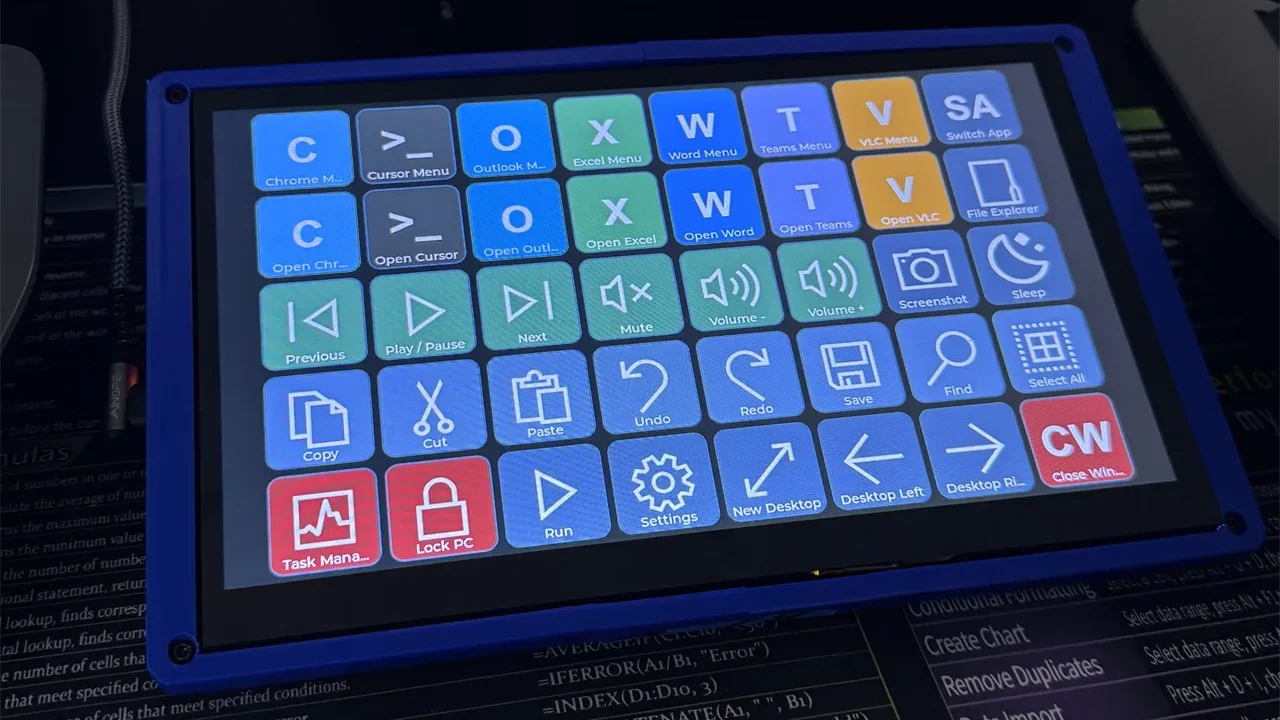
Stream decks are very useful when you’re live on camera and you need to hit some complicated macro at a glance. However, there is sometimes a perception that commercial options are a touch expensive for what they are, an attitude which has spawned many DIY builds. [Fady Faheem] has developed just such a device of his own.
Named Stream32, the build is intended to be simple to understand and adapt to one’s own individual workflow. Putting one together is as easy as buying a display, hooking it up to an ESP32, flashing the firmware, and then adding pages of shortcuts as desired. [Fady] has designed the firmware to be flexible with regards to screen choice — currently, it can be set up for a 4″ Waveshare LCD or a nice roomy 10.1″ display from Elecrow. Since it’s open source, adapting to a wider range of displays is a potential exercise for the builder.
The great thing about custom stream decks is you have all the freedom in the world to customize them to your own specific setup. Play with the code, the functionality, the visual layout—all to suit your own needs. If you’re working on your own custom hardware, be sure to tell us on the tipsline.
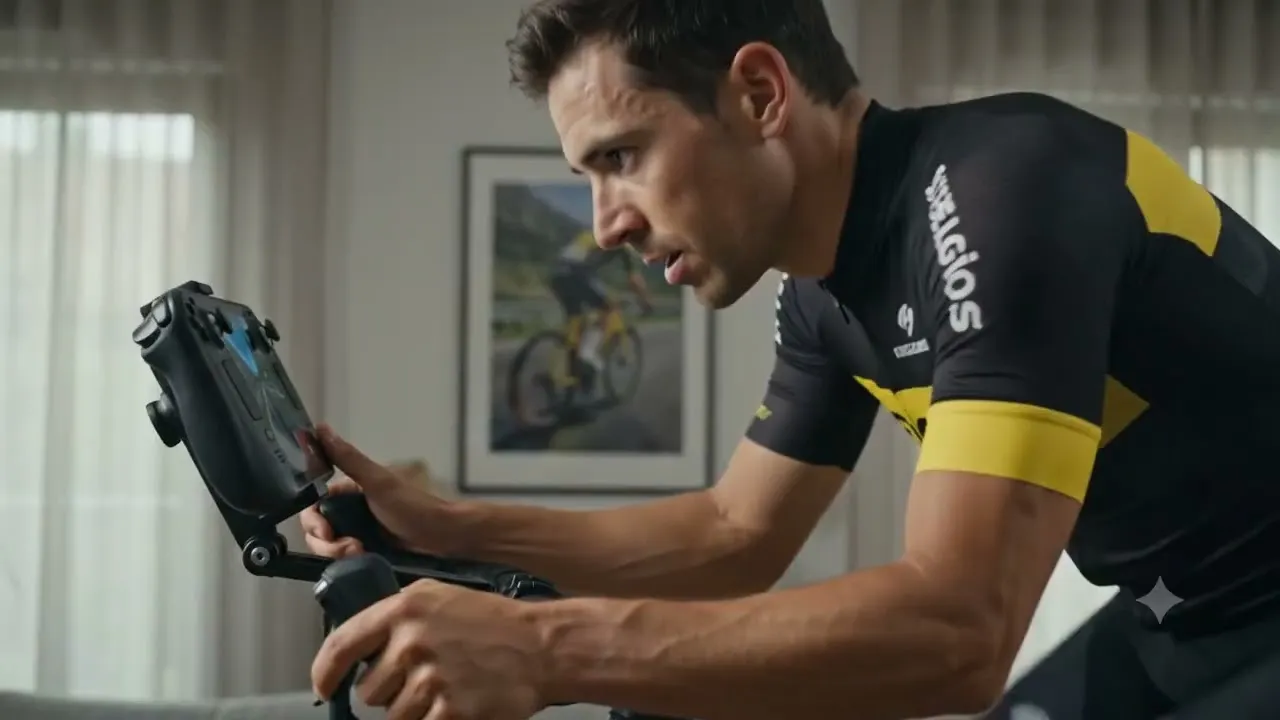
While we’ve largely settled on analog sticks and digital buttons for controlling video games, there’s all sorts of projects to create truly esoteric controllers that allow playing games in unique ways. This one from [sukolupo] lets you use data from standard bike trainers to get your virtual character moving.
Called Deck de France, it maps the data coming from one of the supported bike trainers to a virtual controller which can then be “plugged in” to a gaming console of choice, in this case a Steam Deck mounted to the trainer’s handlebars. Although a bike trainer doesn’t have the same number of inputs as a modern gaming controller, it does have enough to play games like Rocket League. As you might expect, it’s also perfect for biking titles such as the Tour de France series.
As far as unique controllers for video games go, this one is surely up in the rankings with a real trombone or a controller purpose-built for riding virtual horses. It’s also a great way for those who are getting a bit bored of riding their trainers to breathe some new life into their exercise routine. We’ve also seen some open-source alternatives for modern bike trainer software as well, which is another great way to get excited about exercise equipment too.

Majestic Labs, a startup founded in 2023 by former Google and Meta engineers, has unveiled a server built to rival Nvidia‘s GPU and HBM combination.
The Tel Aviv-based company argues that pairing costly graphics processors with high-bandwidth memory has become a fundamentally memory-bound and dead-end approach for AI inference.
Its answer is the Prometheus server, which swaps GPUs for Ignite AI Processing Units combining Arm cores with RISC-V vector and tensor engines.
Latest Videos FromTechRadar
Each Prometheus server can house up to 12 AIUs, sharing between 8 TB and 128 TB of LPDDR6 memory across one contiguous, coherent pool.
That memory pool is accessed through custom memory aggregation chiplets linked by copper cables up to one metre long instead of memory attached directly to GPU packages.
A standard 40U rack can hold four such servers, drawing 120 kW total and cooled through cold-plate liquid systems rather than air.
By comparison, an Nvidia DGX B300 system with eight Blackwell GPUs offers 2.3 TB of HBM3e plus up to 4 TB of DDR5 system memory.
Majestic claims its architecture therefore delivers over 50 times more fast memory than that rival configuration, alongside 1.7 times its interconnect bandwidth.
“One Majestic rack holds the fast memory capacity of 25 Nvidia NVL72 Vera Rubin racks at a fraction of the power,” Majestic Lab said.
“Organizations that could never justify hyperscaler infrastructure can now run any workload. In fact, there can be up to “1000× more memory per processor.”
Majestic Labs says the Prometheus server could cost between 10 and 50 times less than a GPU system of equivalent performance once it ships next year, while consuming less electricity per rack.
The server is designed to be OCP-compliant and will support PyTorch, vLLM and OpenAI’s Triton frameworks, letting existing AI models run without modification.
Founded by CEO Ofer Shacham, President Sha Rabii and COO Masumi Reynders, the company employs around 40 people across Tel Aviv and Los Angeles and raised $100 million in an A-round late in 2025.
It claims to have already received significant orders from large enterprises, neoclouds and hyperscalers.
Yet several details remain unclear, including how many memory aggregation chiplets a single server actually requires.
If a 128 TB configuration relies on widely available 2 GB LPDDR6 dies, it would need roughly 64,000 of them, implying well over a hundred aggregation chiplets per server.
The numbers Majestic Labs presents are striking, but they remain the startup’s own projections ahead of any independent benchmarking or shipped hardware.
Enterprise buyers considering a shift away from established GPU vendors may have to wait for independent validation to verify Majestic’s claims.
Via Blocks and Files

Follow TechRadar on Google News and add us as a preferred source to get our expert news, reviews, and opinion in your feeds.
Morgan Stanley has pared its Apple price target from $364 to $360 after slowing Services growth and higher memory costs weakened its earnings outlook, despite strong demand for the company’s products.
The investment bank kept its Overweight rating on Apple, but analyst Erik Woodring said two of the three factors that usually support the stock are under pressure. Morgan Stanley identified those factors as the iPhone, Services, and gross margins.
The iPhone remains the strongest part of Morgan Stanley’s report, seen by AppleInsider. Services growth and margins now appear weaker than the firm expected, however, prompting it to reduce its fiscal 2027 earnings estimate from $10.39 to $10 per share.
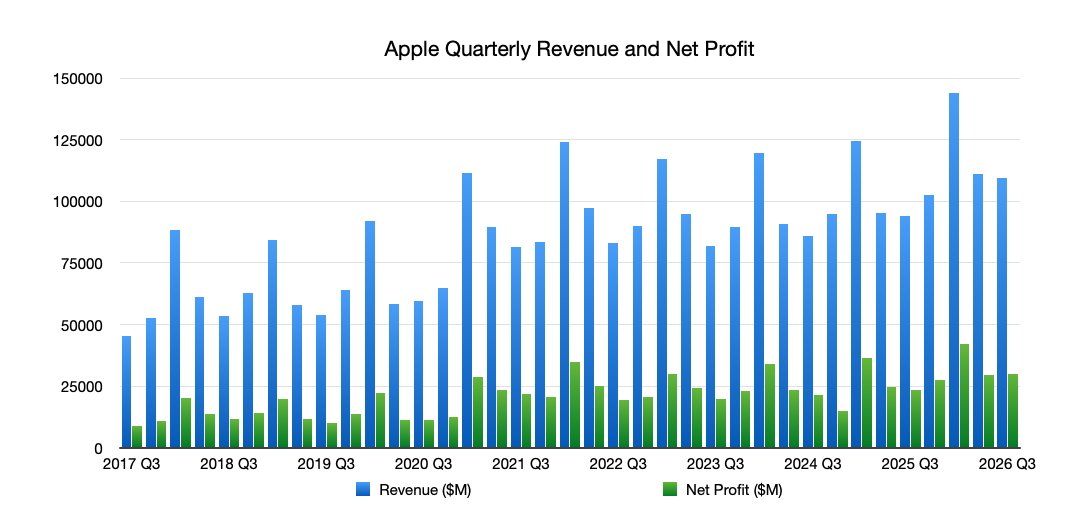
Apple reported fiscal third-quarter revenue of $109.4 billion on July 30, up 16% from the previous year. iPhone revenue reached a June-quarter record of $54.3 billion, while Mac revenue climbed 29%.
The company also told analysts that its active installed base and number of customers upgrading devices reached records. Morgan Stanley said the results could indicate that replacement cycles are beginning to shorten after several years of customers holding onto devices for longer.
Apple’s Services business generated $30.7 billion during the quarter, up 12% from 2025. Morgan Stanley said the growth rate missed its 14.6% consensus forecast.
The firm expects Services growth to slow to about 9.5% in the September quarter, which would mark the first result below 10% since the June 2023 quarter. Foreign exchange accounts for much of the slowdown, but Morgan Stanley also pointed to weaker App Store performance.
According to the report, Apple cited softer mobile gaming activity, uneven game-release schedules, litigation, and changes to App Store business models in some countries. Management also referred to broader changes in consumer engagement without blaming the weakness on a single factor.
Services gross margin fell from 76.7% in the March quarter to 75.6% in the June quarter. Morgan Stanley said the decline supports its view that the App Store is no longer outperforming the rest of the Services business.
 Apple’s Services business generated $30.7 billion during the quarter, up 12% from 2025.
The slowdown makes future price increases and the launch of Apple’s upgraded Siri more important to the investment case. Morgan Stanley said Apple described internal and developer feedback as overwhelmingly positive, but the company is still evaluating the feature’s computing costs and revenue potential.
Apple also suggested that heavier Siri use could create opportunities for higher-tier iCloud+ subscriptions. Morgan Stanley said it hasn’t yet seen a clear measurable boost from AI in either product demand or Services revenue.
Apple guided for a September-quarter gross margin between 47% and 48%. Morgan Stanley estimates that tariff refunds contribute about one percentage point, leaving an underlying midpoint of roughly 46.5%.
Morgan Stanley’s estimated underlying gross margin of 46.5% would be about 1.5 percentage points lower than Apple’s June-quarter gross margin. The firm said Apple’s gross margin has historically remained flat or increased by as much as half a percentage point during the same seasonal transition.
Management told analysts that higher memory costs would account for more than the entire sequential decline. Savings on other components and a more profitable sales mix weren’t enough to offset the increase.
Morgan Stanley expects future iPhone price increases and shipments of a foldable iPhone assumed in its model to provide some relief in the December quarter. Neither has been announced by Apple, and the larger question is whether memory inflation will delay a sustained margin recovery into fiscal 2027.
The firm’s revised $360 target is based on projected calendar 2027 earnings of $10.30 per share and an unchanged multiple of about 35 times earnings.
Apple management also acknowledged constraints affecting advanced 3-nanometer chip production for the iPhone, Mac, and iPad during the September quarter. Morgan Stanley said the problem reflects demand exceeding Apple’s earlier forecasts more than a supplier failing to execute.
 Apple’s outlook implies that iPhone revenue will grow in the mid-teens percentage range year over year during the quarter.
Apple also said its supply chain has less flexibility than usual to respond. Channel inventory was lean at the end of the June quarter, and Morgan Stanley expects it to remain tight through September.
Apple’s outlook implies that iPhone revenue will grow in the mid-teens percentage range year over year during the quarter. Morgan Stanley believes growth could have been stronger without the component constraints.
The firm’s supply-chain checks also indicate that Apple hasn’t reduced its production plans for the second half of calendar 2026. Morgan Stanley interprets that as a sign Apple still expects customers to upgrade when its next iPhones arrive, even if higher prices test demand.
Despite its near-term concerns, Morgan Stanley remains positive about Apple’s longer-term prospects. The firm pointed to the company’s growing installed base, strong cash generation, faster product launches, and potential expansion in AI, health, payments, cloud services, and the home.
Apple shares closed at $333.43 on July 30, leaving room for near-term upside in Morgan Stanley’s view. The firm expects the stock to remain under pressure until new iPhones, the upgraded Siri, regulatory approvals, or stronger earnings estimates give investors another reason to buy.



Commonwealth Games boxing: Jadumani Singh seals dominant 5-0 win over Pakistan’s Sumama Rehman to enter quarter-finals | Commonwealth Games News


Why Trees Belong on the Risk Register


Weekend Open Thread: Wit & Wisdom


Intel is reversing course and bringing hyper-threading back to its server chips


Meta enters AI-training agreement with far-right ‘propaganda rag’ Newsmax


Luke Littler dismantles Gerwyn Price to retain title in Blackpool


MicroStrategy Post-Earnings CLARITY Act Push Could Add New Catalyst for Its Stock


The Part of the Electric Transition Nobody Wants to Discuss

‘Stargate’ Creator’s New Sci-Fi Series Returns for Season 3 Tomorrow


BITCOIN JUST ENTERED THIS CRITICAL ZONE…


Major shareholder moves on Canyon


XRP Ledger adds $2.6B as RWA inflows rank second


Spain sweeps the board at 2026 World Cup with individual awards


Bitcoin Enters the 3rd Stage of the Bear Market
XRP Ledger v3.3.0 brings five institutional features


Kraken Enables Retail Access to Jersey Mike’s IPO via Tokenized Shares


New macOS Sequoia & Sonoma security updates for older Macs


Claude: Build Financial Dashboards in Minutes (2026)


Luke Littler’s dominance sparks GOAT debate


Seema Kaliramna Wins Discus Throw Bronze, Takes India’s CWG Medals Tally To 17
You must be logged in to post a comment Login