No timeline to restore IT systems as probe remains ongoing
Medical device maker Boston Scientific’s global operations have been disrupted by an ongoing cyberattack, the company disclosed on Wednesday. According to an SEC filing, the “cybersecurity incident” affecting its IT systems started on Tuesday, and resulted in a “global disruption to the company’s operations.”
Advertisement
Upon detecting the digital intruders, the company began an investigation with third-party infosec experts who are working to contain the threat, the filing says.
The medtech firm did not immediately respond to The Register’s inquiries, including if this was a ransomware infection and what data, if any, the criminals stole after breaking into the IT systems.
“The incident has caused, and is expected to continue to cause, disruptions and limitations of access to certain of the company’s information systems and business applications that support aspects of the Company’s operations, including the ability to process and ship customer orders,” Boston Scientific reported to federal regulators.
The company doesn’t have a timeline for full restoration, and noted the “full scope, nature and impacts, including operational and financial impacts” of the cyberattack remain unknown.
Advertisement
The news did, however, send Boston Scientific shares spiraling down more than 4% on Wednesday morning.
At press time, none of the usual suspects had claimed responsibility for the attack. In recent months, both ransomware/extortion gangs and government-backed hackers have disrupted other medtech firms’ operations and stolen sensitive data.
A month later, medical-device maker Medtronic disclosed a cyberattack in a filing with federal regulators. Notorious data-theft-and-extortion group ShinyHunters claimed to be behind this intrusion, and the company in July warned patients that their names, contact details, dates of birth, Social Security numbers, and health information was stolen in the breach. ®
“Look, I’m not trying to do a conspiracy here,” wrote right-wing commentator Sydney Watson in an X post on Monday, before proceeding to implicitly endorse one.
The Australian YouTuber, who has more than a million followers on that platform, had shared a 2024 video of Brittney Griner, center for the WNBA’s Connecticut Sun, admiring a new basketball arena at Baylor University, where she was a legendary powerhouse NCAA player between 2009 and 2013. Watson speculated in her post that “maybe the reason the WNBA refuses to define ‘woman’ and definitively say that men can’t play in the league is because there is already a man … in the league.”
The baseless and inflammatory remark (Griner is a cisgender woman) came amid an ongoing moral panic about transgender women in sports, which has been ginned up by MAGA world and Donald Trump with help from a handful of female athletes. The most outspoken of these is Riley Gaines, a former collegiate swimmer for the University of Kentucky; she tied for fifth in a 2022 NCAA championship event with Lia Thomas, a transgender competitor, and soon rocketed to fame as an anti-transgender activist thanks to the grievance-industrial complex of the far right.
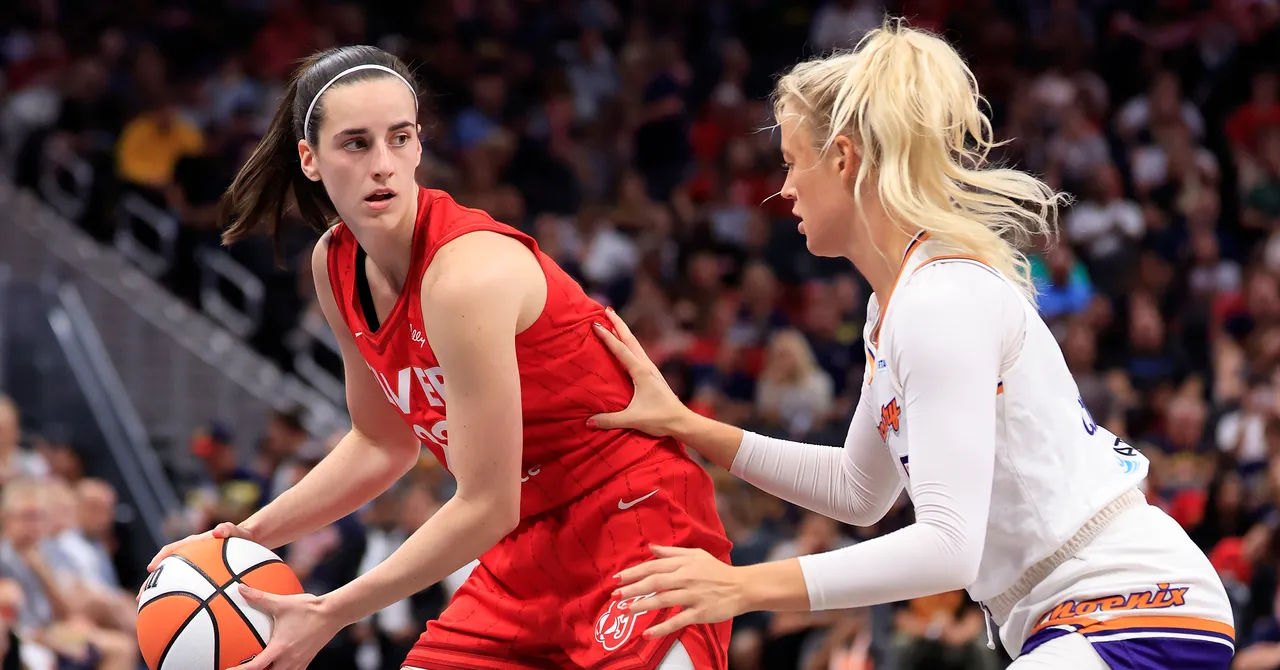
In the WNBA, Sophie Cunningham, a shooting guard and small forward for the Indiana Fever, has likewise begun to embrace a role as spokeswoman for this rancorous movement.
Advertisement
Cunningham made waves with a July ESPN profile that quoted her opposition to allowing trans women in leagues such as the WNBA, becoming an icon of transphobic fear-mongering overnight. She explained in the interview that she wanted to “protect young girls in a locker room, or young girls in sport who shouldn’t have to go against biological men.” In subsequent comments, Cunningham reaffirmed her stance: “I think it’s kind of common sense,” she told members of the press before a game. “I think it’s really important to protect children, and that’s little girls who are also involved in that category. I stand on what I said.”
But the uproar over the WNBA not expressly forbidding the inclusion of trans athletes is much ado about nothing. No transgender women have ever played in the league, which noted in a statement this month that there are also “no immediate eligibility matters” for it to address. League commissioner Cathy Engelbert has dismissed the anti-trans online vitriol and tiny protests outside stadiums as the work of “haters.”
To keep their non-controversy alive, then, culture warriors have been forced to get creative. As former NBA players Enes Kanter Freedom and Royce White, both cisgender men, fight to prove that identifying as women makes them eligible for the 2027 WNBA draft in April (it doesn’t), Watson and others in her orbit are seeding the lie that active players such as Griner are secretly transgender. It’s a development that validates years of warnings from activists that the right’s campaign to allegedly “save women’s sports” harms cisgender women as well as transgender athletes, leading to dangerous harassment across the board.
Another MAGA influencer with nearly 400,000 followers on X, for example, on Tuesday went far beyond demands that the WNBA bar trans players, calling for cheek swabs to determine the sex chromosomes of active players. That Tuesday post included a photo of Griner on the court. “Women’s sports exist because men and women are different,” the user wrote. “If the league is terrified of a cheek swab, that tells you everything you need to know.”
Meta has reached a proposed settlement worth up to approximately $18 billion with a bipartisan coalition of 52 attorneys generals over allegations that Facebook and Instagram were deliberately designed to encourage compulsive use by children and teenagers.
The settlement, which is awaiting court approval, resolves a lawsuit filed in 2023 by California Attorney General Rob Bonta and a bipartisan coalition of state attorneys general.
The lawsuit accused Meta of designing features that drove compulsive use among young users while misleading users, families, and the public about the risks of its platforms.
The attorneys general also alleged that Meta illegally collected and used data belonging to children under 13, violating federal and state laws, including the Children’s Online Privacy Protection Act (COPPA), California’s False Advertising Law, and California’s Unfair Competition Law.
Under the agreement, Meta will introduce new restrictions for users under 18 on Facebook and Instagram, including a default two-hour daily usage limit that can only be turned off with parental permission. If YouTube and TikTok agree to similar terms, that limit would be reduced to one hour.
Advertisement
Meta will also block teens from using its apps between midnight and 6 a.m. by default and mute most notifications between 10 p.m. and 7 a.m. and during school hours, which a parent can modify. Direct messages and some account security or safety alerts are excluded from some of these restrictions.
Other requirements include hiding like and reaction counts from teenagers, blocking cosmetic surgery filters, providing an option for a non-personalized feed, strengthening parental supervision tools, and deploying additional age-verification technology to identify users under 18 and remove children under 13.
An independent auditor will also oversee Meta’s compliance with the agreement, while the company will be prohibited from making false or misleading claims about its safety features.
Meta says the agreement includes approximately $18 billion in payments over ten years. Participating states are set to receive roughly $12.7 billion.
Advertisement
Another $5.3 billion will only be released if YouTube and TikTok adopt similar changes, including one-hour daily limits, nighttime restrictions, and age-assurance measures, and each makes a matching payment.
“The agreement is designed to drive industry-wide adoption, ensuring teens receive consistent protections across the apps they use most, like YouTube and TikTok. If industry peers adopt this new standard, certain provisions will be strengthened,” announced Meta.
Of this money, California expected to receive between $1.5 billion and $2.1 billion.
“How a significant portion of the payment received by California will be spent will ultimately be decided by the Legislature and Governor, but in the proposed settlement it is earmarked for purposes related to the prevention or remediation of mental health or other harms to young Californians associated with social media use,” explains the press release by Attorney General Bonta.
Advertisement
Meta said it expects to incur approximately $10 billion in legal expenses related to the agreement in the third quarter of 2026
Most of the new protections must remain in place for ten years, and the agreement also establishes an independent research foundation focused on teen well-being and social media use.
Overall prevention scores can hide what happens after initial access. Once attackers are using valid credentials, prevention drops sharply.
The Blue Report 2026 measures defenses technique by technique across 338 million simulations run in customer production environments.
Meta must overhaul Instagram and Facebook for young users by enforcing daily time limits, turning off push notifications during school hours, and blocking access late at night. (BigStock Photo)
Washington state will receive up to $339 million as part of a historic $17.1 billion multistate settlement with Meta, resolving allegations that the tech giant intentionally designed Facebook and Instagram with addictive features that harmed youth mental health.
Attorney General Nick Brown said Wednesday that the landmark agreement delivers on core youth-safety product changes — including hard caps on daily time limits, late-night scrolling blocks, and disabled push notifications during school hours — that state lawmakers failed to pass through legislation over the past two years.
“Let me say to the young people of Washington state: This agreement shows that your health and safety is more important than Meta’s profits,” Brown said in a news release.
Under the deal, Meta must overhaul Instagram and Facebook for young users by enforcing a two-hour combined daily time limit, turning off push notifications during school hours (8 a.m. to 3 p.m.), and blocking access late at night between midnight and 6 a.m. Teen users will also get the option to switch off algorithmic feeds in favor of a chronological timeline.
The agreement resolves claims brought by a coalition of 47 states, Washington, D.C., and three territories. While Meta acknowledged the settlement could cost up to $18 billion total over 10 years, it marked a rare legal resolution for a major platform facing nationwide youth safety litigation.
Advertisement
Outside the landmark Big Tobacco agreements of the late 1990s, the $17.1 billion deal represents the largest state consumer protection settlement in U.S. history. State officials and tech policy experts are framing the enforcement action as a similar watershed moment for regulating algorithmic harms and digital product design.
Washington state will receive a guaranteed baseline of $237 million from the core youth-safety agreement, with its payout potentially scaling up to nearly $339 million over the next decade if other major platforms like TikTok and Snapchat adopt comparable terms.
The Attorney General’s Office plans to use the funds to cover legal costs, bolster ongoing consumer protection enforcement, and directly fund state programs tackling the youth mental health crisis driven by social media use.
The settlement also mandates an independent third-party auditor to evaluate and report Meta’s technical compliance directly to state regulators annually over the next five years. Beyond usage limits, Meta must restrict social comparison features such as targeted beauty filters, hide public “like” counts for younger users, and implement stricter age verification to prevent children under 13 from creating accounts.
Advertisement
In addition to the core youth-safety agreement, Washington will receive a separate $10.2 million payment resolving long-standing state claims against Meta for sharing nonpublic user data with third parties like Cambridge Analytica during the 2016 election cycle.
Oregon Attorney General Dan Rayfield announced that his state’s share will total more than $125 million over 10 years.
In a public statement, Meta praised the agreement as setting a new benchmark for youth safety, while emphasizing that the restrictions should apply across the entire industry.
“While this is an important step, these protections will only be truly effective if our peers — TikTok and YouTube — put the same measures in place,” a Meta spokesperson said.
Advertisement
The agreement remains subject to final judicial approval in federal district court.
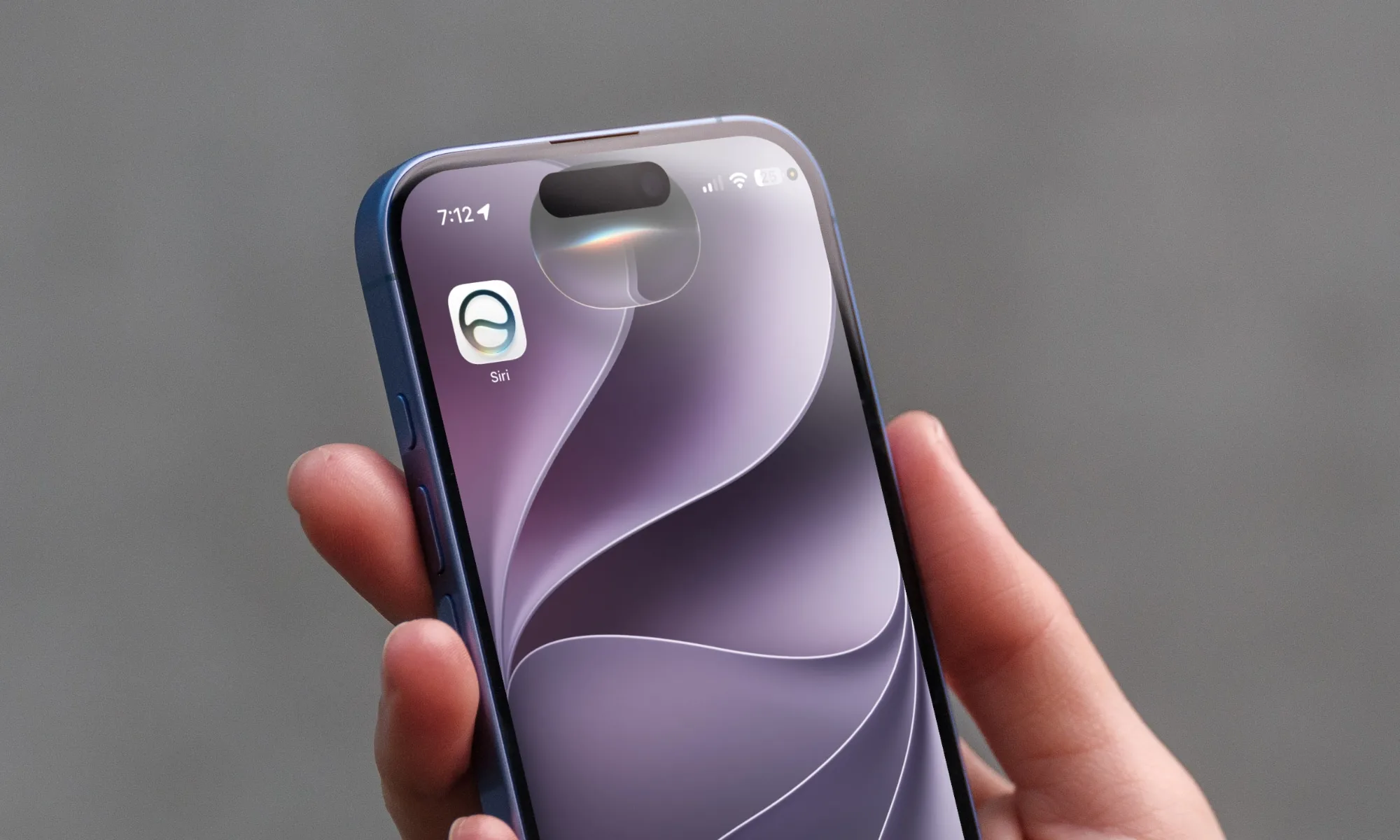
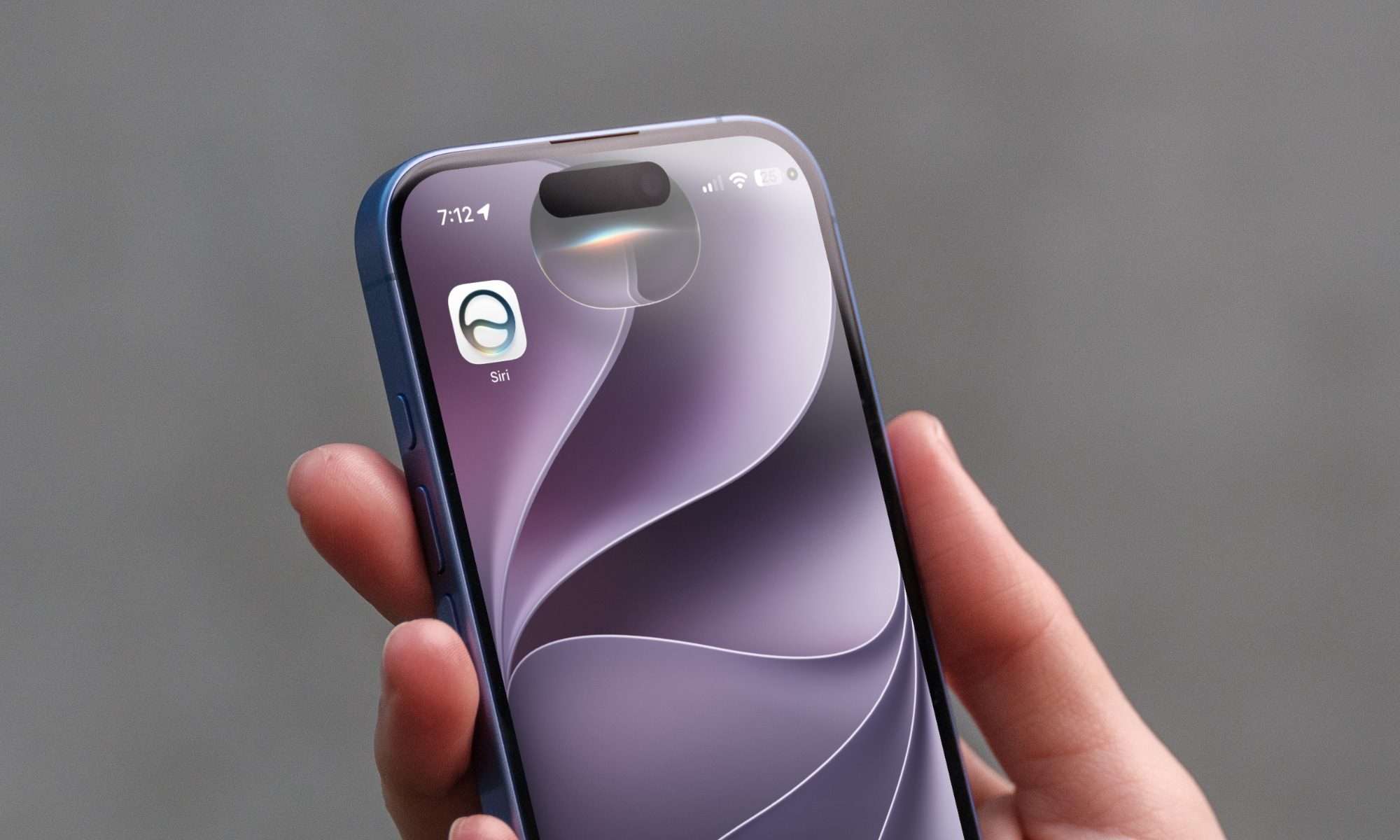
Apple’s big AI push has reached the iPhone, iPad, and Mac, but a couple of noticeable devices are missing from the conversation. The Apple TV and HomePod have largely been left watching from the sidelines, despite Siri being such an important part of how you interact with both. That could finally change.
With iOS 27 getting closer to its public release, the latest beta appears to contain another clue that Apple is preparing to bring Apple Intelligence features to its living room devices. As spotted by Apple Home Authority, the Home app now includes a new menu called “Apple Intelligence Report” for compatible Apple TV and HomePod devices running beta software. On its own, a menu buried inside a beta might not sound particularly exciting. But considering neither the Apple TV nor HomePod currently supports Apple Intelligence, its appearance raises some interesting questions about what Apple has planned for later this year.
Siri could finally get smarter in your living room
The strongest possibility here is an upgraded version of Siri. Apple has been pushing toward a more consistent Siri experience across its ecosystem, which makes the current situation a little awkward. You could eventually have a much smarter assistant on your iPhone while asking the HomePod sitting a few feet away the same question and getting a far more limited response.
Rachit Agarwal / Digital Trends
Bringing the newer Siri experience to the HomePod and Apple TV would help close that gap. On a HomePod, that could make everyday voice requests more useful, particularly when you don’t have another Apple device in your hand. The Apple TV could similarly benefit from a smarter assistant for finding something to watch, answering questions, or navigating content without forcing you to phrase every request carefully. There is an important catch, though. Simply installing iOS 27 on your iPhone isn’t enough to make the new Apple Intelligence Report appear. According to the discovery, the connected Apple TV or HomePod also needs to be running the tvOS 27 or HomePod 27 beta. That makes this look like more than an iPhone feature accidentally referencing other devices.
New hardware may be the missing piece
The bigger question is whether current Apple TV and HomePod models will actually get these AI features. Apple Intelligence has relatively demanding hardware requirements elsewhere in Apple’s lineup, so it wouldn’t be surprising if the company needed new chips inside its home devices before bringing its latest AI features over. Previous rumors have already pointed toward refreshed Apple TV 4K and HomePod hardware, making the timing of this new discovery particularly interesting.
Advertisement
Shimul Sood / Digital Trends
Some existing devices may still receive at least part of the new functionality. The menu’s appearance doesn’t tell us which models will be supported, and Apple hasn’t officially announced Apple Intelligence support for either product yet. Fortunately, we may not have to wait much longer for answers. Apple is expected to hold its next major event on September 9, where it could finally explain why Apple TV and HomePod were so quiet during its earlier software announcements. If that happens, your iPhone might not be the only Apple device getting a much smarter Siri this fall; the little speaker in the corner of your room could finally be joining the AI party, too.
Apple TV just handed viewers a first look at its newest crime drama, and the pitch practically writes itself. Picture Grand Theft Auto colliding with Heat, then add two leads who can carry a screen on charisma alone. That’s 12 12 12, an eight-episode heist thriller starring and executive produced by Anthony Mackie and Jamie Dornan, set to premiere globally on November 13 with a two-episode debut. From there, new episodes drop every Friday until the finale lands on December 25.
What is 12 12 12 actually about?
The catchy title actually describes the show’s whole structure. Each episode moves across three timelines tied to one elaborate heist, covering the 12 months spent planning it, the 12 hours it takes to pull off, and the 12 days of fallout afterward.
Mackie plays a disgraced FBI agent squaring off against Dornan’s American career criminal, and their rivalry plays out as a tense game of cat and mouse across Europe. The endgame is a massive heist on a bank vault buried beneath the streets of Zurich.
Advertisement
The cast and crew behind Apple TV’s 12 12 12
The supporting cast brings real range, including Jack Kesy (Hellboy: The Crooked Man), Agathe Rousselle (Titane), Sallie Harmsen (Blade Runner 2049), José Garcia (Now You See Me), and Emmy nominee Kali Reis (True Detective).
Apple TV
Behind the camera, we have Emmy-nominated and BAFTA-winning filmmaker Kari Skogland directing multiple episodes, including the pilot, and also as an executive producer. She’s known for her work on The Falcon and the Winter Soldier, so expect a steady hand guiding the tone.
Series creators Dudi Appleton and Jim Keeble also serve as executive producers, with Paramount Television Studios and Anonymous Content producing. With that much talent stacked on both sides of the camera, 12 12 12 has high expectations to live up to.
Richie Bell stood at the door of an East Village bar, nervous for a singular reason: he had to hand over his phone to a bouncer to get in. At 23 years old, Bell had hardly ever been without a device — he got his first iPhone in elementary school — but when he saw a video on TikTok advertising a queer, phone-free, funk dance party called Who’s Dancing?, he decided to test his limits. He immediately purchased a ticket and planned to attend alone.
Bell was pleasantly surprised to discover he wouldn’t have to relinquish his phone at all, but simply allow security to place tape on both the back and front-facing cameras. “You can’t scroll Reels because, think about it, on iPhones anyway, if they’re taping the front camera, that’s also the speaker area,” Bell told Vox. Without the temptation of content on his phone, Bell mingled with other attendees, who were similarly unoccupied and also flying solo. Even though event staff kept their eyes peeled for any errant phone usage, no one seemed to reach for them anyway.
Compared to other bars and parties he’s been to, Bell found this one more conducive to unbridled socializing and dancing. It’s easier to approach a stranger when they’re not hunched over their phone. No one is worried about looking like a fool, immortalized in video, because everyone is a little foolish, moving their bodies without fear of judgment.
Across the country, clubs, bars, music venues, and other social spaces are encouraging attendees to lock their phones away — or, at least keep them out of sight — for screen-free gatherings. According to event hosting platform Eventbrite, phone-free experiences have increased more than 500 percent globally between 2024 and 2025. Musicians Phoebe Bridgers and Harry Styles banned phones at their concerts; comedians John Mulaney and Bill Burr have followed suit. Clubs from Los Angeles to Miami are creating camera-free dance floors. Bars and restaurants in cities like San Francisco and Philadelphia that have long prohibited phone and camera use have been joined by newer establishments in Charlotte, North Carolina and Fort Worth, Texas.
Advertisement
The rise of phone-free socializing speaks to a growing exhaustion with an always-connected world. More than half of US adults say they use their smartphone too much, according to a 2022 Gallup survey. Excessive smartphone use has been linked to poor sleep quality and depression, and even the mere presence of a phone lessens cognitive capacity. The ubiquity of devices — and the cameras on them — has instilled a low-grade panic that you might end up going viral for eating a sandwich in the background of an influencer’s video. Even Gen Z, who has always lived under the spectre of technology, is nostalgic for times before everyone was “plugged in” and widely accessible.
Screen-free events are the natural evolution of the cultural desire to break up with tech. By transforming physical spaces, ridding them of distracting devices, event organizers and bar owners aim to foster connection, reclaim attention, and maintain a sense of privacy. Even a short detox from smartphones has the ability to dramatically shape the tenor of a get-together for the better.
“Exploited for content”
Before X&ND (pronounced “zand”), the funk and soul artist who organized the phone-free party Bell attended, first conceived of Who’s Dancing?, they noticed very few people actually cutting loose at clubs. Instead, they were on their phones. “The second that anybody starts dancing in a club where there’s meant to be dancing, people pull out their phone,” X&ND told Vox. “They’re getting surveilled, they’re getting essentially exploited for content and being put in a position where they’re on display for people that they didn’t necessarily want to be on display for.” X&ND wanted to create a space for women, queer, and trans people to dance and express themselves without the fear of ending up on the internet.
Advertisement
Since last summer, X&ND has hosted eight sold-out dance parties (and Bell estimates he’s attended seven). Phone-free events, X&ND said, are a reclamation of culture, of attention, of self-expression. “Influencers aren’t able to post anything. Different companies aren’t posting anything about our parties because we don’t give them the material to,” they said. “I think it’s the culture taking the culture back.”
The bar and nightclub scene has struggled in recent years, with many venues closing due to high rent and fewer patrons spending money on alcohol. But perhaps a less obvious culprit is the pervasive anxiety of being captured on video during a moment of vulnerability. Some might be turned off from entering these spaces altogether due to the high risk of embarrassment if they’re captured and mocked online.
In Washington, DC, 28-year-old Jo Vee had similar concerns about privacy and craved an environment where they could be anonymous. Like Bell, Vee has had access to a camera phone since they were a child and can’t remember a time when they weren’t thinking about what to post on Instagram. But when a friend organized a phone-free dance party, Vee jumped at the opportunity to enjoy themselves, free from the pressures of the algorithm — and the potential of accidentally becoming a meme. “There’s nothing more terrifying than thinking that you’re going to a party just to have fun, and then you wake up the next morning and there’s a video of you that has 10 million views that you had no idea about, and now you’re like a GIF reaction on the internet.” (Vee clarified that they do not speak from personal experience, but said that a version of this has happened to a couple of friends.)
Distraction-free connection
Advertisement
Although many people inherently recognize the downsides of excessive phone use, they also realize they’re fighting an uphill battle. Demanding jobs can tether workers to their emails and algorithms are designed to keep us engaged and scrolling. Our attention is constantly being pulled from the real world to the digital one. But even a brief respite from screens can be beneficial.
In his research, Georgetown associate professor Kostadin Kushlev found that phone usage during a social interaction undermines how much people enjoy spending time with others. “It’s not so much [that] the phone is making us feel unhappy,” Kushlev told Vox, “it’s more like I could be happier if I was not using a phone.” Put another way, people enjoy social gatherings more when they keep their phone out of sight because they can give their full attention to their conversation partner.
Kushlev’s other research has shown that as people curbed their phone usage over a two-week period, their ability to pay attention improved. Even a shorter detox period, like a two-hour phone-free gathering, could minimize overstimulation and encourage greater focus, Kushlev said.
Inside the Charlotte, North Carolina, bar Antagonist, couples on dates engage in heart-to-hearts and neighboring tables of strangers strike up conversations. That’s because the bar has banned phones. Upon entering, visitors are asked to secure their phone in a pouch which they keep with them for the duration of their stay. If they need to use their phone, they can do so outside.
Advertisement
Since Antagonist opened in March, owner Michael Salzarulo has observed patrons clamoring for a Friday night detox after a long week of screen-mediated work. “Normally Saturday is your biggest day,” Salzarulo said, “but Friday nights are our busiest nights of the week.” While anyone can lock their phone in another room for a few hours, Antagonist provides an element of accountability, Salzarulo said: a dedicated space for distraction-free connection.
Alex Becker was yearning for a break from her phone and her “email, Microsoft Excel job” when she co-founded PA Unplugged, a nonprofit championing policies that advocate for more mindful uses of technology, last year. One of the nonprofit’s initiatives, Screen Free Philly, maintains a calendar of screen-free events and organizes its own gatherings at breweries, parks, and other civic institutions, urging attendees to set aside their phones for discussions, art projects, and board games. At the most recent get-together, dozens of attendees handed their phones to Becker while they completed a series of puzzles throughout the city.
Although these gatherings are still fairly niche, Becker sensed a hunger among participants to seek out further opportunities for tech-free connection. While ditching a smartphone completely may be unrealistic, setting it aside for date night or an afternoon of gaming might be a salve for our tech-addled brains. We can implement these best practices at our own gatherings, too, by encouraging friends to leave their phones in a basket by the door or offering disposable cameras at parties.
“People are just done and ready to take their attention back, take their time back, and encourage more real-world connection,” Becker said.
Audio-Technica has expanded its StreamSet range with the ATH-M20xSTS.
The ATH-M20xSTS joins Audio-Technica’s StreamSet range as its second model and arrives after the ATH-M50xSTS established the line as a bridge between studio monitoring hardware and everyday streaming setups aimed at newer content creators.
That entry point suits streamers and creators new to dedicated audio gear and extends studio-grade monitoring technology into a lower price bracket than Audio-Technica’s professional line occupies. It builds on the ATH-M20x, a professional monitor headphone from the M-Series that has sold more than two million units, paired with microphone technology from the 20 Series.
Inside the ATH-M20xSTS, 40mm CCAW voice coil drivers deliver a wide bandwidth and flat frequency response, specifications that allow users to monitor original game audio accurately rather than through a coloured or bass-heavy tuning.
Advertisement
The headset weighs approximately 230g and uses breathable mesh earpads alongside elliptical earcups designed for extra noise isolation, a combination that helps keep it comfortable through long recording or gaming sessions lasting several hours at a time.
Advertisement
An integrated AT20 cardioid condenser microphone sits on a flexible boom arm that keeps it close to the mouth during movement, and flipping the arm upward mutes the microphone instantly for quick control during a live stream.
Connectivity runs through a detachable cable fitted with a 3.5mm TRRS mini-plug, alongside USB Type-A and USB Type-C adapters that extend plug-and-play compatibility across PCs, consoles and mobile devices without additional software or drivers required for setup.
The ATH-M20xSTS is available now from Audio-Technica site, with general sale following from 1 September at €99 / £89.
Mozilla plans to enable JPEG XL decoding by default in Firefox 157, which is due at the end of September. Phoronix reports: Firefox Nightly has JPEG-XL support enabled by default right now to help in vetting this support while Mozilla believes the support is in good enough shape for a stable debut with Firefox 157. This follows Chrome shipping JPEG-XL and Google Research developing jxl-rs as a Rust-based JPEG-XL image decoder that is both performant and secure.
In today’s Mozilla Hacks blog post they elaborate on JPEG-XL vs. AVIF image formats: “JPEG XL: Excels at lossless imagery, progressive rendering, and further compressing JPEGs without quality loss. AVIF: Excels at web-quality photographic images, and images that have a mix of sharp edges and flat surfaces. … Although AVIF tends to produce smaller files at web-quality than JPEG XL, AVIF only has basic progressive rendering support. So, for very large images, it may be worth taking the filesize hit with JPEG XL.”
This year, gluten-free dishes included a lemon-oregano shrimp with schug and feta—a lemony-herbal romp served over rice livened up with dried apricots. (Adding dried fruit to liven up rice is a favored trick by Green Chef, one I might plan to add to my normal cooking routines.) The American-fished shrimp were plump and hearty, with no briny fishiness.
Yemeni schug remains one of my favorite condiments in existence, though this version could have been spicier. And the rice could have been more plentiful, perhaps. But these are small quibbles on a light, bright meal with lovely layers of flavor from herbal schug to toasted cauliflower and kale and the lightly tart bite of apricot.
I would almost never bring together this many ingredients on a weekday night, were they not helpfully bagged up in single portions. Indeed, if I tried, I probably would end up spending more at the grocery store than on the meal kit, as I discovered after an experiment last year.
Photograph: Matthew Korfhage
But especially, I have been impressed with protein sourcing. A well-trimmed bavette steak last year came from a fourth-generation meat purveyor in Texas. So did my chicken breast this year, on a harissa chicken dish. Shrimp are Atlantic coast, not Southeast Asian coast. My salmon was wild-caught. My steelhead came from a fishery in Norway. Each is clearly and transparently marked—a rarity among proteins from meal delivery services.
Advertisement
That steelhead in particular was among my favorite home meals of the summer. The dish’s secret, again, was layering: earthy spice on the fish, citric accents and crispness on the gremolata. The pleasing chew of dates countered the soft give of ginger-spiced couscous.
While eating it, I actually felt proud of myself—though it only took a scant 40 minutes to make. If anything, this summer’s meals were more sophisticated, but lower effort, than the Green Chef meals I tried last year.
Quibbles
Green Chef’s recipe cards are thoughtfully designed, with helpful pictures guiding the way. But their format tends to separate out each prep step in full, carrying the entire step through to completion, whether veggie chopping or couscous cooking.
This makes sense, of course. But this does lead to a simple caution: Green Chef does not hold your hand as well as some meal kits as regards the best order of operations. Read through each recipe in its entirety before cooking, and decide your game plan.
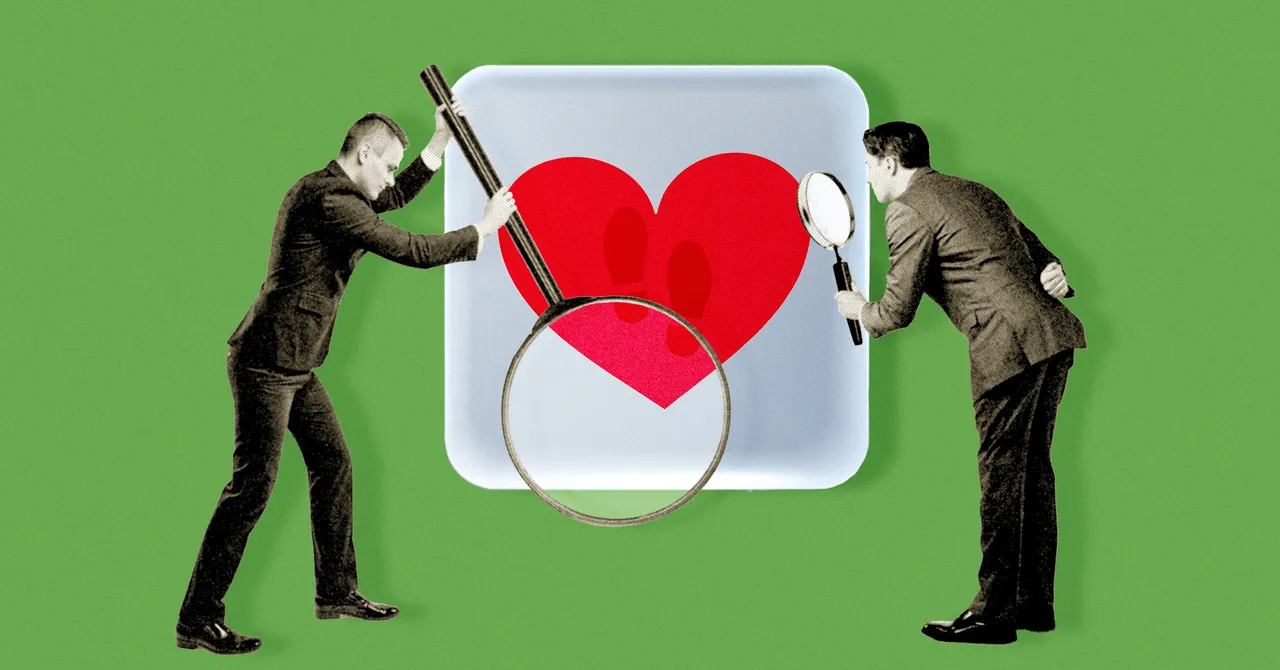
We’ve all been there. You meet someone new on a dating app, start to envision a life together, only to wonder: Is the person actually who they say they are?
It’s an experience that has led many singles, sometimes out of concern or just genuine curiosity, to prescreen dates by tracing their digital footprint: scanning social media posts, browsing their LinkedIn profile for clues.
The platform Stud or Dud—not to be confused with stud’s use as a slang term for a masculine-presenting Black lesbian—wants to introduce even more transparency into that part of the dating process. According to its website, the platform uses “public records, publicly available information, and other permitted sources” to create a profile of your potential match. It launched today in the US and was created by the company behind PeopleFinders.com, the online data broker service that collects public records from multiple sources and makes them searchable to help clients locate individuals or run background reports.
Intended to help daters make informed decisions about the people in their life, like identifying possible warning signs, Stud or Dud aggregates courthouse documents, bankruptcy filings, tax liens, pre-foreclosure data, phone directories, social media posts, and more to create a snapshot of your potential suitor’s personal life. All daters need is the person’s name or phone number to run a search. The aggregated data is presented in a single report, where it is divided into four categories: finances, property or assets owned, employment history, and criminal background. Each report comes with an AI-generated overview.
Advertisement
The tool will also earmark what it determines to be red or green flags about the person. Criminal records—a DUI or time spent in prison, for example—signal a red flag, but PeopleFinders CEO Amber Higgins encourages users not to pass judgement even if the site does.
“We give enough information for the user to determine, is that really a red flag for them or not? And that all kind of speaks to your lifestyle expectations.” In this sense, the reports lean prescriptive since the company suggests what safety details to consider, calling attention to things like how many times you’ve been evicted or if your name is on a sex offender registry. There is also an AI assistant (“the dating detective”) users can chat with when they want more tips for first dates or general advice.
According to the company, one of the biggest historical use cases of PeopleFinders.com has been for online dating safety.
“Modern dating has changed dramatically, and the tools people have used to establish trust haven’t kept pace,” Higgins says. “People are meeting across dating apps, social media, DMs. They have very little context of who’s actually on the other side.”
Advertisement
While some might consider that the whole point of dating—the early talking stages, however awkward, are all about navigating the unknown when getting to know someone—Higgins adds that the site, which requires a subscription, was built to provide additional context on a potential match. She recommends that people use it as a “sidekick” to the apps. “This is meant to confirm your trust about a dating profile.”
Even as online vetting is a crucial safety measure and fully part of the modern dating process—daters in San Francisco, for example, lost more than $40 million to romance scams in 2025, according to the FBI—there also seem to be legitimate opportunities for bad actors to exploit the information gathered from the site. The platform assumes that the person doing the searching is the one at risk, but that may not always be the case.


























































You must be logged in to post a comment Login