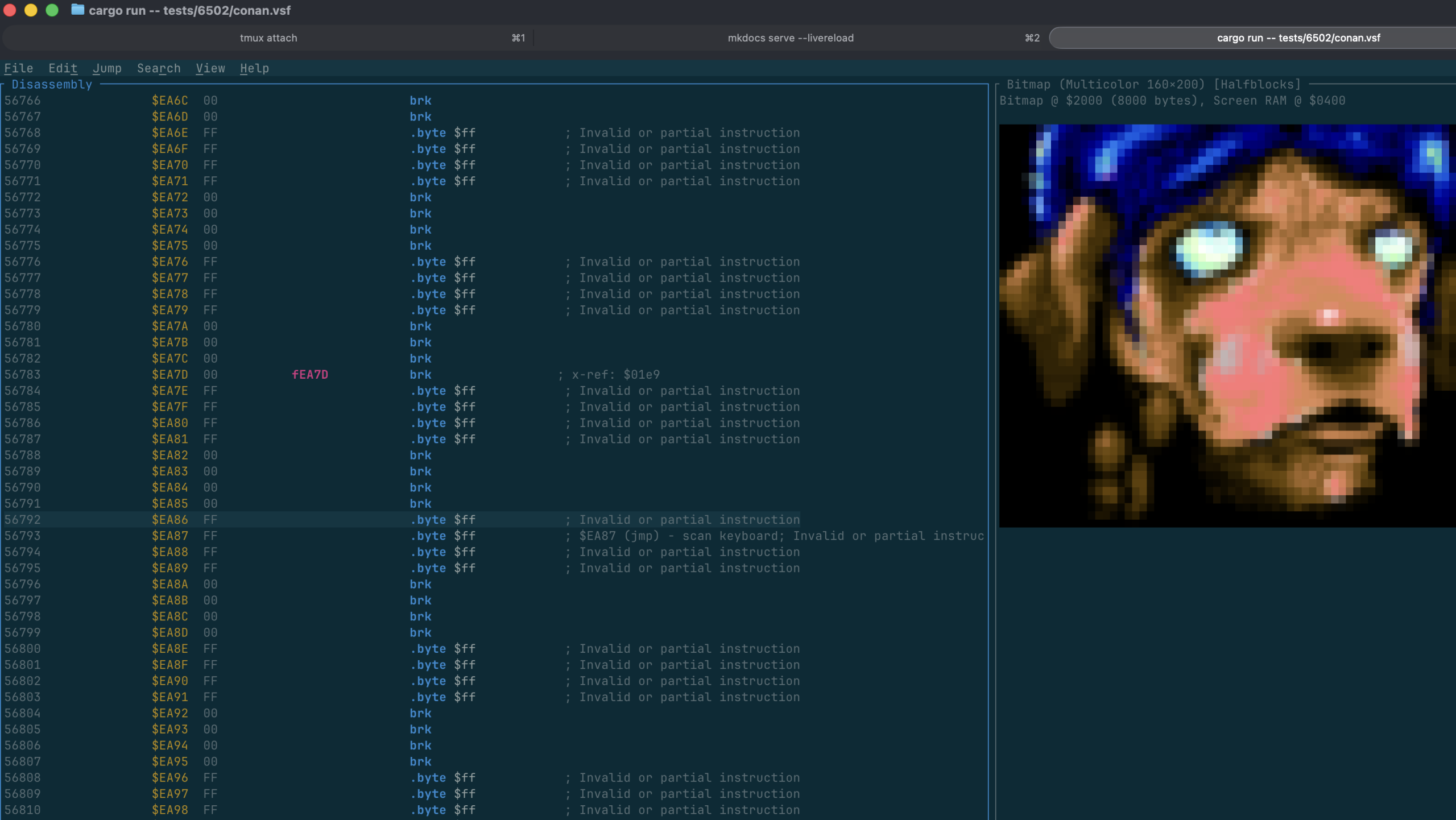
Naturally, Regenerator 2000 is built with full support for the 6502 instruction set, including undocumented op-codes as well. It’s able to automatically create labels and comments and can be paired with the VICE C64 emulator for live debugging. You can do all the usual debug stuff like inspecting registers, stepping through code, and setting breakpoints and watchpoints when you’re trying to figure out how something works. It can even show you sprites, bitmaps, and character sets right in the main window.
Apple has just announced a bunch of new products as part of its early 2026 launch cycle. The updated products include the MacBook Air and the MacBook Pro — which incorporate the newer M5 series Apple Silicon, offering big performance upgrades from the M4 series, and add several other major upgrades to boot. These updates don’t come cheap, but if you need that kind of power, read on.
While the MacBook Pro models claim better performance with the newer chips, they also offer 2x read/write speeds thanks to an upgraded SSD. The MacBook Pro models also start with 1TB of base storage now, which is great for folks seeking colossal storage space without the need for external drives. As for the new MacBook Air, Apple’s bread-and-butter notebook lineup also gets a storage upgrade enabling much faster speeds and now starts with twice the storage capacity on the base models (512GB) compared to the previous generation. That’s not all Apple is offering with this generation, though.
Advertisement
Everything new with the 2026 MacBook Air
As outlined earlier, the biggest change to the 2026 edition of the MacBook Air over the 2024 MacBook Air is the replacement of the older M4 chips with the faster M5 chips. These machines also feature 512GB of base storage, up from 256GB offered on the outgoing models. The SSDs used on the 2026 MacBook Air are rated for faster read/write speeds as well. The unified memory offered on the machine is now faster and rated for 153GB/s.
Advertisement
In addition to these, also new for 2026 is the addition of Apple’s N1 wireless chips that support Wi-Fi 7 as well as Bluetooth 6. The M5 architecture claims better performance with AI-focused work. Thanks to the upgraded processor, the MacBook Air now better handles AI tasks locally, such as running large language models (LLMs) on-device. Also guaranteed for 2026 is faster graphics performance, translating to better ray-tracing and GPU throughput.
Pricing for the 13-inch MacBook Air starts at $1,099, while the 15-inch model will set you back by $1,299. Both models cost $100 less for purchases made through the education channel. Color options on offer include sky blue, midnight, starlight, and silver.
Advertisement
Everything new with the 2026 MacBook Pro
As for Apple’s professional-grade MacBook Pro models, the biggest addition again centers around the new chips: the M5 Pro and the M5 Max. Both these chips use the same 18-core CPU configuration, which is also claimed to be the world’s fastest CPU core. The GPU on the M5 Pro gets 20 cores, while the same for the M5 Max is 40 cores, a not insignificant upgrade even compared to the M4 Max.
In addition to notable gains in CPU and GPU performance, the new 2026 MacBook Pro models also boast of a 2x increase in SSD read and write speeds, while also offering higher baseline storage space. While the base MacBook Pro models with the M5 Pro chip get 1TB storage, models with the M5 Max chip ship with a 2TB SSD. The new chips also boast of notable performance gains in AI-focused tasks. Like with the MacBook Air models, the Pro models also feature Apple’s N1 wireless chip, which enables Wi-Fi 7 and Bluetooth 6 support. Even with the additional performance, the 2026 MacBook Pro models offer 24 hours of battery life as well.
Pricing for the 14‑inch MacBook Pro powered by the M5 Pro chip starts at $2,199 while the 16‑inch MacBook Pro with M5 Pro chip is priced at $2,699. As for the M5 Max models, the 14-inch iteration of this model starts at $3,599 while the 16‑inch MacBook Pro with M5 Max will set you back by $3,899. Color options on offer include space black and silver.
Liquid oxygen is used in rockets and treated with care in laboratories, but it’s not something that people think about in everyday life. Except for one maker who was interested as to why this was the case, so he decided to make some at home and examine what makes people so cautious about it.
Electron Impressions began by employing a proton-exchange membrane electrolyzer to convert water to pure oxygen. The device neatly splits the water molecules, allowing the hydrogen to escape into the air while the oxygen flows through a drying tube filled with calcium chloride to remove any remaining moisture, because moisture can significantly reduce the effects he was attempting to study.
150 EXCITING EXPERIMENTS FOR KIDS: DIY projects to get kids’ minds humming, try one of these science experiments, which cover topics like earth…
EASY-TO-FOLLOW SCIENTIFIC MANUAL: Well-illustrated in a step-by-step format, which makes the experiments easy to follow. it is easy and fun to…
ALMOST TOOLS & MATERIALS NEEDED INCLUDED: high-quality lab science tools and kids-friendly materials. kids can wear goggles to do experiments like…
The next hurdle was to reach the point of liquefaction, which he accomplished using a Stirling cryocooler. This compact device uses the reverse Stirling cycle to attain temperatures as low as 60 Kelvin at the cold end. He placed a Dewar flask within a really nifty 3D printed double-walled PETG sleeve to ensure that the cooling was as efficient as possible. As the oxygen went through, the system was able to condense approximately 30 to 40 milliliters each hour, which isn’t a large amount, but enough to produce a very little but perceptible amount of pale blue liquid within the Dewar.
That obvious blue tint was a strong indication that something strange was going on, and it was due to the fact that liquid oxygen has a light sky blue color, which differs from the clear liquid nitrogen you may be more familiar with in cryogenics. To show it off, he poured some into a beaker. Then came the experiments, which demonstrated why liquid oxygen has such a nasty reputation.
When he dropped a burning piece of paper into a test tube of liquid, the flame erupted in a rapid and fierce blaze. When he lighted a piece of paper soaked in the liquid, it’s an understatement to say the results were even more remarkable, as it burned more hotter and faster than it would in air. He also bubbled hydrogen gas through a sample and ignited it just above the surface, producing explosive results. Liquid oxygen is essentially a powerful oxidant, converting a wide range of everyday materials into fuel that can burn at an alarming rate.
Aside from the fire and flash, the experiment discovered an interesting attribute of oxygen molecules: they contain unpaired electrons, which give them a magnetic attraction. It’s a property that gets lost in the mix when they’re floating around as gas at room temperature, but when they’re cooled down to a liquid form, the effect is much more noticeable. [Source]
In 2025, AI crossed an important threshold. After years of experimentation, generative AI moved decisively into enterprise workflows, while agentic systems and long-term memory capabilities began to take shape in real-world deployments.
Sarah Hoffman
Director of AI Thought Leadership, AlphaSense.
Advertisement
This marked significant progress for AI in the enterprise, yet the next milestones for the direction of AI remain far from settled. The past year exposed both the promise and the constraints of large-scale generative models, forcing organizations to confront trade-offs around accuracy, governance, and return on investment.
As a result, current AI conversations aren’t focused on hype, but by pragmatism. Leaders are shifting their focus from what AI can do in theory to what it should do in practice.
From reactive to proactive AI
One of the most important shifts underway is AI’s move from reactive to proactive decision making. With long-term memory capabilities now firmly established, AI systems will increasingly anticipate user needs instead of waiting for explicit instructions.
Early signs of this transition are already visible. ChatGPT Pulse, for example, now conducts research for users based on prior interactions without requiring a prompt. In July 2025, leaked documents revealed that Meta was training its chatbots to proactively message users, following up on earlier conversations without being asked.
While this shift promises gains in productivity and speed, it will also introduce new friction. As AI acts autonomously, deciding when to engage rather than waiting to be summoned, users will need to recalibrate their expectations and trust in these systems.
Advertisement
Users must be conscious of bias amplification and potential privacy erosion. Expect both enthusiasm and skepticism as proactive AI becomes more commonplace.
Sign up to the TechRadar Pro newsletter to get all the top news, opinion, features and guidance your business needs to succeed!
The rise of invisible intelligence
Before the surge in generative AI, existing AI systems had already become largely invisible.
Advertisement
For example, tools like Waze dynamically rerouting drivers based on traffic patterns or Amazon surfacing product recommendations, delivered clear value without drawing attention to the underlying technology powering them. Users benefited from AI without consciously engaging with it.
Generative AI reversed that dynamic. By shifting intelligence to be conversational and explicit, tools like ChatGPT reintroduced visibility, prompting users to actively seek out AI for help. That visibility, however, will not remain the norm.
Generative AI is increasingly fading into the background, becoming embedded across products, services, and interfaces in ways that feel natural rather than novel.
Advertisement
Simply adding generative AI is not enough. The most successful platforms will be those where AI is seamlessly integrated, enhancing experiences quietly and continuously, rather than announcing its presence.
From scale to specialization
2025 showed that scale alone no longer drives large breakthroughs. GPT-5, for example, delivered only incremental gains over OpenAI’s previous model. Against this backdrop, specialization is emerging as the more durable path forward.
Today, the hardest problems in applied AI are about trust, domain understanding, evaluation, and integration into existing workflows. Addressing those challenges increasingly requires focusing on data, constraints, and workflows specific to a given domain.
Advertisement
Industry-specific and use-case-driven solutions will proliferate as organizations seek accuracy, reliability, and domain expertise rather than generalized capability.
Speaking at Davos in January, Microsoft CEO Satya Nadella warned that AI could still become a bubble if its benefits fail to spread broadly across industries and economies.
Early examples of this shift are already emerging. Anthropic’s launch of Claude for Life Sciences in October 2025 marked an early milestone. The tool is designed to support researchers in accelerating discoveries, with a long-term ambition of enabling AI to independently generate scientific breakthroughs.
In January 2026, OpenAI launched ChatGPT Health, a sandboxed tab within ChatGPT designed for users to ask their health-related questions in a more secure and personalized environment.
Advertisement
Rather than pouring resources exclusively into ever-larger, general-purpose systems, leading AI companies will invest in specialized AI systems. These tailored systems not only improve accuracy, but also build trust, accelerate ROI and align more closely with regulatory requirements.
AI’s reality check
As the industry moves beyond the hype cycle, AI is entering a more disciplined phase. Investment decisions are shifting from sweeping promises to measurable business impact, with organizations finally holding AI to the same rigorous standards as any other enterprise tool.
While the underlying tech continues to dazzle, the novelty of “talking to a machine” is fading. The coming year will be defined by integration over innovation, where the best technology is the kind we stop noticing because it simply works.
This article was produced as part of TechRadarPro’s Expert Insights channel where we feature the best and brightest minds in the technology industry today. The views expressed here are those of the author and are not necessarily those of TechRadarPro or Future plc. If you are interested in contributing find out more here: https://www.techradar.com/news/submit-your-story-to-techradar-pro
Mobile World Congress in Barcelona is where the tech world’s biggest companies get together to show off their latest gadgets. At MWC 2026 we’ve seen some amazing products, including the Leica Leitzphone by Xiaomi and the super skinny Honor Magic V6 foldable phone. But the show always provides a wealth of quirky concept devices and this year is no exception.
From wild cars to transforming phones, these are the most exciting concepts we’ve seen on the MWC show floor so far.
Advertisement
The Vision GT looks amazing but I don’t think I’ll ever get to drive one.
Andrew Lanxon/CNET
Xiaomi Vision GT
Xiaomi is no stranger to EVs, but this is the first time the company has designed a hypercar specifically to be used as a digital asset in the PlayStation 5 racing game Gran Turismo. But Xiaomi didn’t stop there — it actually built the car for real and gave it pride of place on its enormous booth at the conference center.
The Vision GT, as it’s called (GT stands for Gran Turismo, obvs) is an all-electric hypercar that Xiaomi says is “sculpted by wind.” By which it means, it’s designed with all kinds of swooping lines and flowing inlets that allow it to pass through the air with minimal resistance. It’s got an enormous rear… umm…section? Whatever it is, it’s basically one massive hole to allow for airflow.
The car looks incredible and I’d love to have been able to sit inside the LED-strewn cockpit but sadly the doors remained firmly closed. This is a concept model designed for the game, and the company has made no statement on whether it ever plans to put something like this into production.
Advertisement
One thing’s for sure though: It sure as hell won’t come cheap.
This modular really “lens” itself to photography
Andrew Lanxon/CNET
Tecno modular camera phone
I may have been bowled over this year by Xiaomi and Leica’s incredible camera powerhouse of a phone but Tecno’s concept may even be able to take things further. At its heart is essentially a skinny Android phone but the series of electric contact pins on the back allow you to slap on a variety of modular accessories to completely change what the phone can do.
Advertisement
One module that particularly caught my eye was a camera unit, that added not just a whopping great zoom lens to the phone, but actually had its own larger camera sensor too. It basically turned the phone into a fully fledged camera that just used the display as the viewfinder.
Hopefully that larger image sensor would also allow the phone to take some pretty awesome photos, though I’ll have to reserve judgement on what its images look like for at such point Tecno puts it into production.
The robot peeks out of the back of the Honor phone.
Advertisement
Katie Collins/CNET
Honor Robot phone
Honor first showed off its concept Robot Phone back at CES in Las Vegas but we’ve been able to get much closer up with the thing this year. It looks sort of like the love child of an Android phone and a DJI Osmo Pocket 3, with a gimbal-stabilized camera unit folding out from inside the phone.
As a YouTuber myself, I love the idea of having a compact way to shoot my photography videos. Honor has actually had to develop its own tiny motors — based on the technology it uses in the hinges for its folding phones — and CNET’s own Katie Collins was impressed when the camera’s built-in AI complimented her “soft and shiny hair.”
While the robot phone is still in the concept stage right now, Honor has said that it will go into full production and we may even be able to buy it in the second half of the year.
Advertisement
We got hands-on experience with the Yoga Book 3D concept — this picture of a mouse turned into a fully rendered 3D model before our very eyes.
Josh Goldman/CNET
Lenovo Yoga Book 3D concept
Lenovo and sister brand Motorola have frequently shown off some fun concepts at the show, my favorite being Motorola’s wrist-worn phone from 2024. This year Lenovo is leading the way with its concept Yoga Book 3D laptop display, which shows images in 3D — and you don’t even need to wear those stupid glasses to see it.
Like any tech item launched recently, the device leans on AI to achieve its goals. In this case, the AI goes to work in helping transform 2D drawn objects into full 3D renderings. It has two displays, with the bottom display being your “working screen” where you’ll draw and interact with your creations while the top one uses stereoscopic screen technology to render your images in a way that makes them look actually three dimensional.
We tested it at a hands-on event ahead of the show and CNET’s Tyler Graham remarked that “if you aren’t standing directly in front of the computer, the projection feels less impressive and more headache-inducing.” This has been my experience using any glasses-free 3D technology so I don’t see this kind of tech being deployed in a mass-market product just yet. But it’s nice to see it being experimented with.
Advertisement
Honor CEO James Li greets the company’s robot on stage at MWC
Katie Collins/CNET
Honor Humanoid robot
Did you think Honor was done with robots after the aforementioned Robot Phone? Oh no, the company has much bigger plans with robotics and laid its cards out clearly on the table at this year’s show. Its first humanoid robot took to the stage during the company’s press conference, dancing, moonwalking and even backflipping to show off how easily it can move around versus, say, a 38-year-old tech journalist whose knees struggle with standing up, let alone backflipping.
The robot will be packed with AI smarts, of course, and rather than focusing on industrial applications, Honor is aiming its robot firmly towards the consumer world. It says it’ll be able to help us in the workplace, as a humanoid companion in the home and for assisting with shopping. Though if I hear one word from it about how I maybe don’t need to buy a second pack of biscuits I’m kicking it straight into the sea.
Let’s deal with the bad news first: Apple is reverting a price cut from last year. It dropped the M4-powered MBA’s starting price down to $999, but for the M5-equipped model, you’ll need to shell out at least $1,099.
The company claimed the M5 MacBook Air will be able to deliver four times faster performance in AI tasks than the M4 MBA. Compared with the M1 MacBook Air, you’ll get up to 9.5 times faster performance, the company said.
Along with swapping in a more powerful chip, Apple has upgraded the starting storage by doubling it from 256GB to 512GB. The company says the SSD has “2x faster read/write performance compared to the previous generation.” You can kit out the MacBook Air with 4TB of internal storage if you have the will and the means.
Advertisement
You’ll also get 16GB of RAM for starters. The memory has 153GB/s of bandwidth, which Apple said is a 28 percent improvement over the M4 MBA. The latest MacBook Air can be equipped with up to 32GB of memory.
Just like it did with the latest iPad Air, Apple has upgraded the connectivity hardware. Thanks to the inclusion of the company’s N1 wireless chip, the M5 MacBook Air supports Wi-Fi 7 and Bluetooth 6.
As you’d imagine, the M5 MacBook Air runs on macOS Tahoe and it supports Apple Intelligence features. It has a Liquid Retina display, 12MP Center Stage camera, a sound system with Spatial Audio support and a pair of Thunderbolt 4 ports, which allows the laptop to support up to two external displays. Apple claims the M5 MacBook Air will run for up 18 hours on a single charge.
The M5 MacBook Air is available in 13-inch and 15-inch models, with the latter starting at $1,299. It’s available in sky blue, midnight, starlight and silver. Pre-orders start on March 4 at 9:15AM ET. The laptops will be available in stores in 33 countries and regions on March 11.
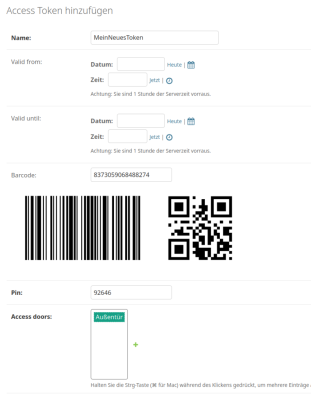
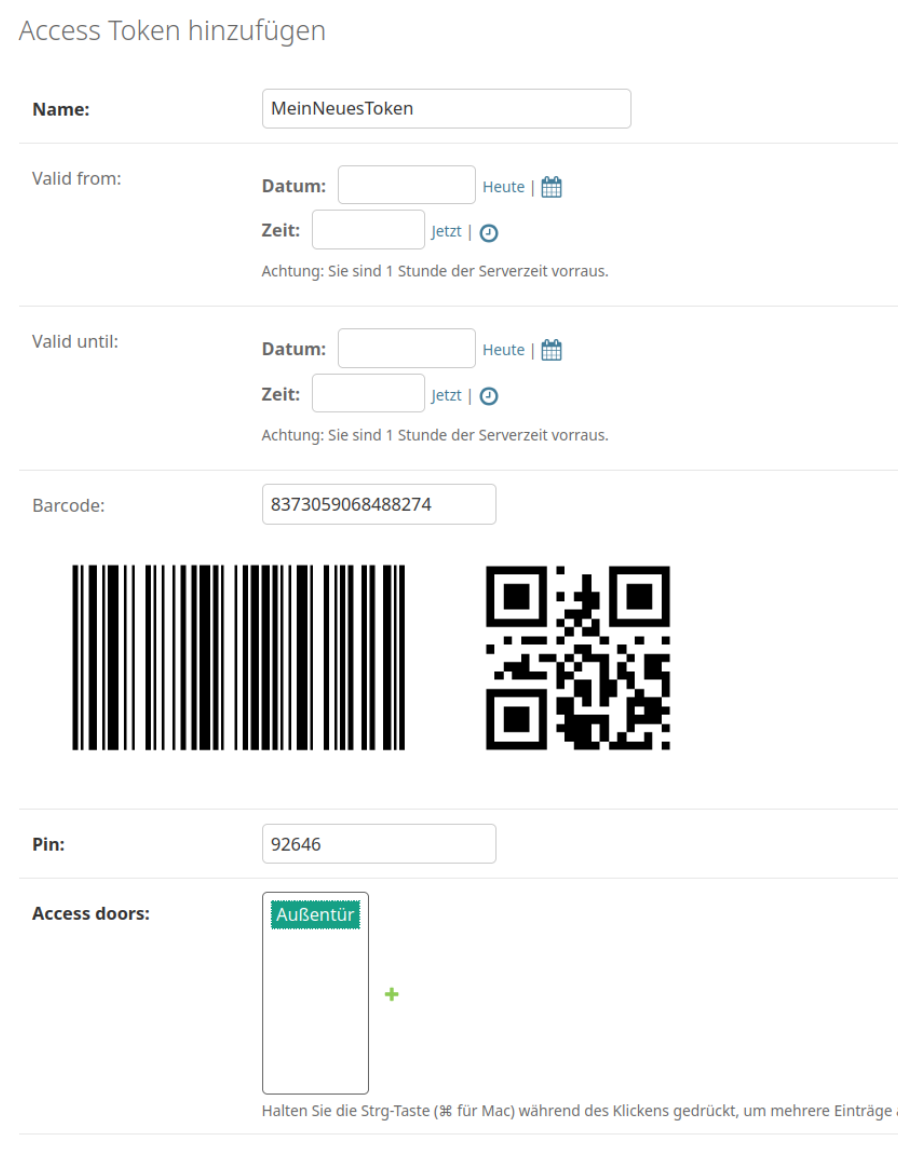
A hackerspace is a place that generally needs to be accessed by a wide group of people, often at weird and unusual hours. Handing around keys and making sure everything is properly locked up can be messy, too. To make it easy for hackers to get in to [Peter]’s local hackerspace, a simple electronic system was whipped up to grant access.The combined use of QR code & PIN adds a layer of security.
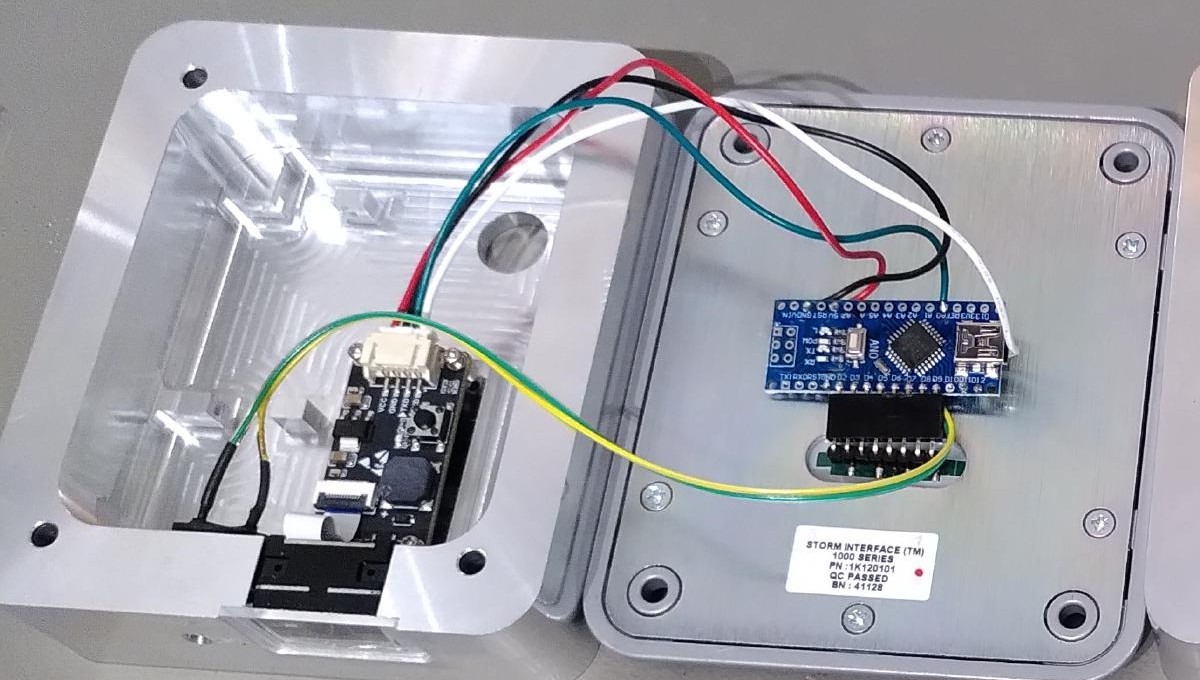
The basic components of the system are a keypad, a QR code and barcode scanner, a stepper motor, an Arduino Nano, and a Raspberry Pi. The keypad is read by an Arduino Nano, which is also responsible for talking to a stepper motor driver to actuate the lock cylinder.
The system works on the basis of two-factor authentication. Regular users authenticate to enter by presenting a QR code or barcode, and entering a matching PIN number. The system can also be set up for PIN-only entry on a temporary basis.
For example, if the hackerspace is running an event, a simple four-digit pin can allow relatively free access for the duration without compromising long-term security. Actual authentication is handled by the Raspberry Pi, which takes in the scanned barcode and/or PIN, hashes it, and checks it against a backend database which determines if the credentials are valid for entry.
While it’s not technically necessary for a project like this — in fact, you could argue it’s preposterously overkill — we have to take particular note of the machined aluminum enclosure for the keypad. Mere mortals could just run it off on their 3D printers, but if you’ve got access to a CNC router and a suitably chunky piece of aluminum, why not show off a bit?
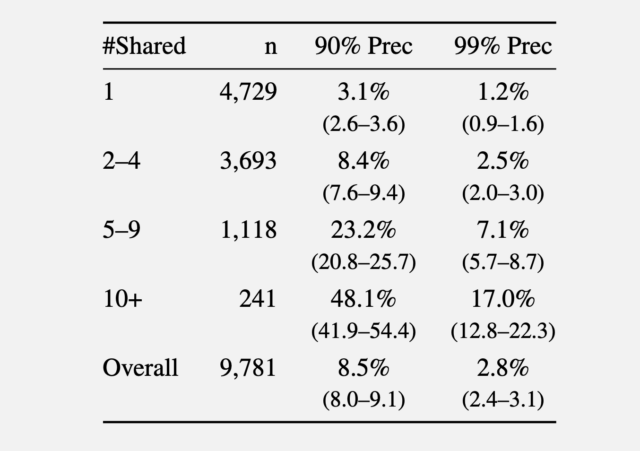
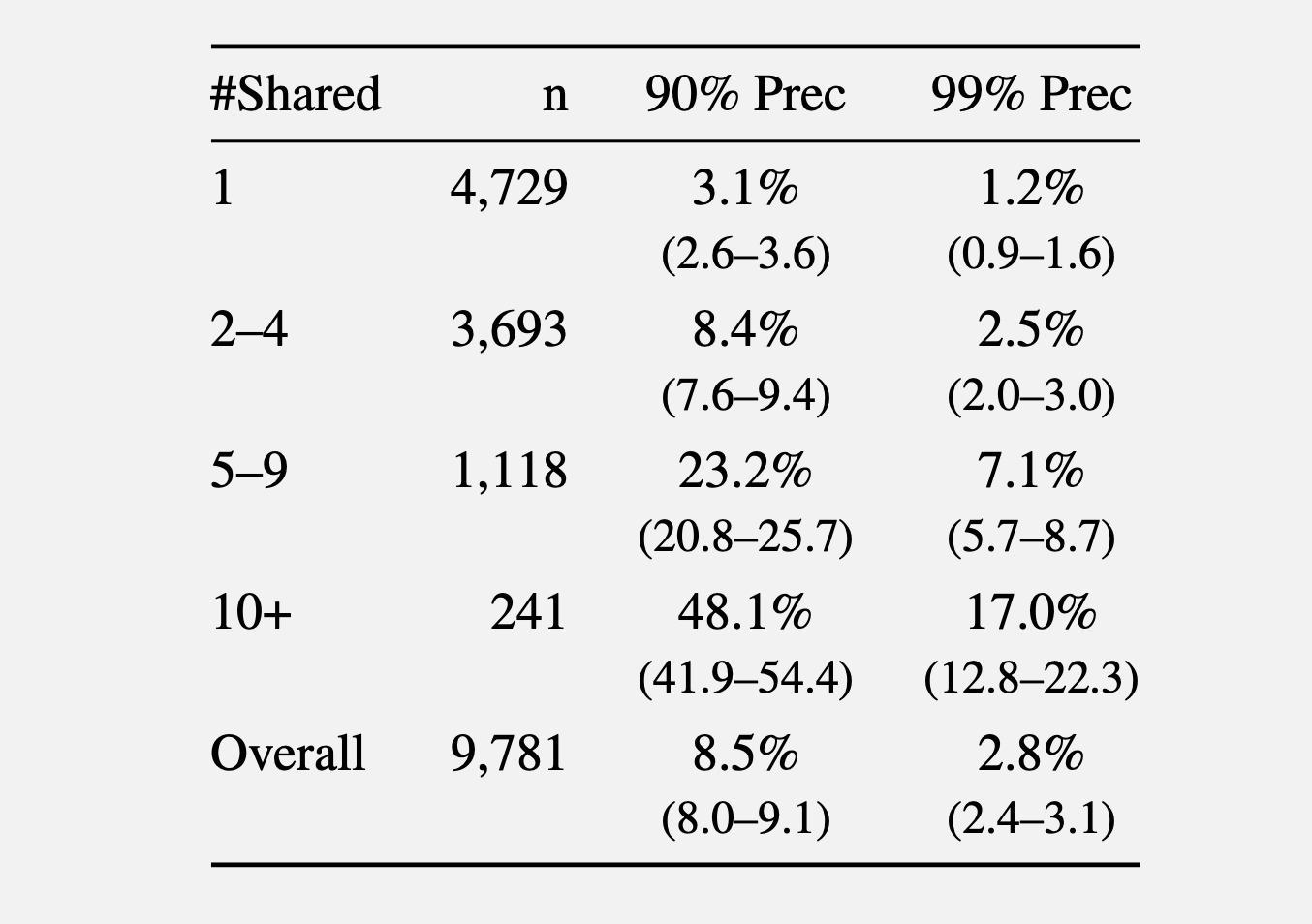
In a third experiment, the researchers took 5,000 users from the Netflix dataset and added another 5,000 “distraction” identities of people not in the results. They then added to the list of 10,000 candidate profiles 5,000 query distractors comprising users who appear only in a query set, with no true match in the candidate pool.
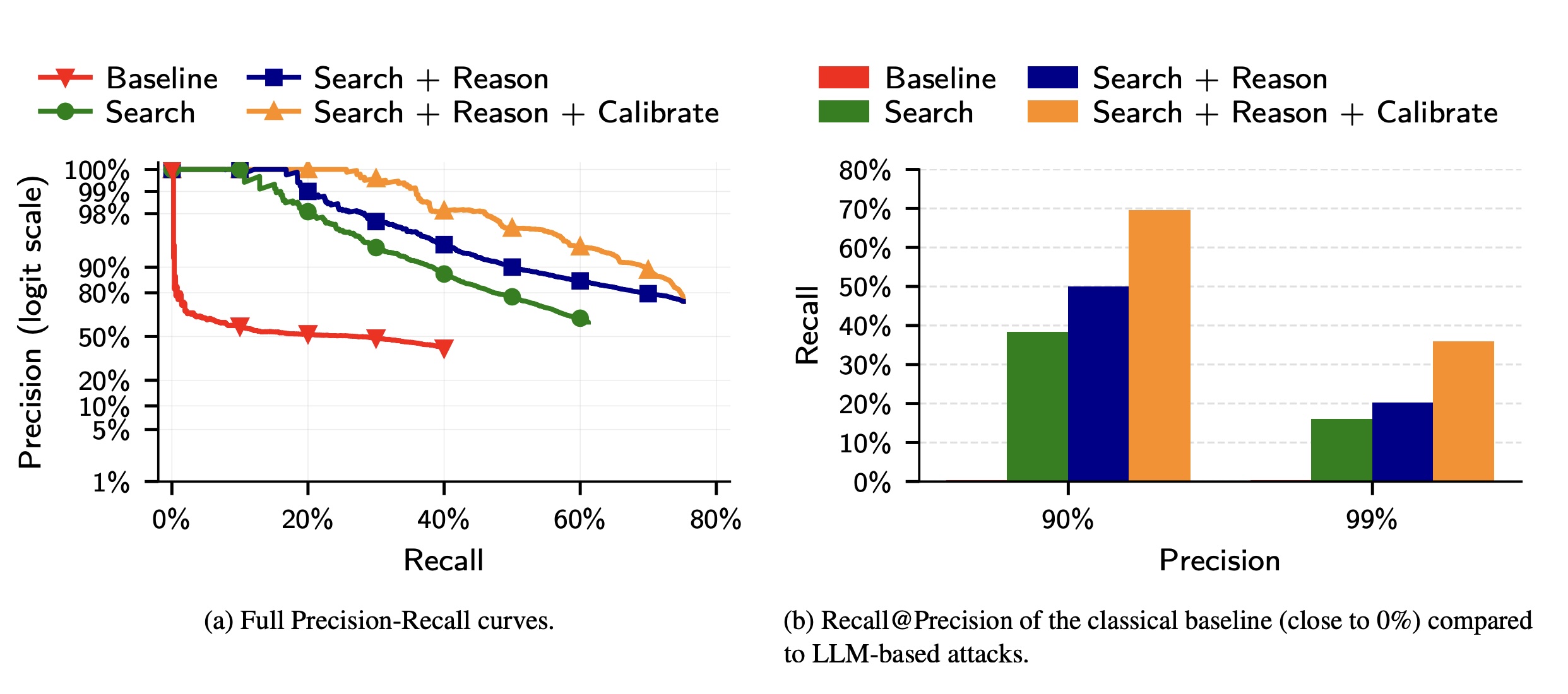
Compared to a classical baseline that mimics the Netflix Prize attack to LLM deanonymization, the latter far outperformed the former.
Advertisement
Screenshot
Advertisement
The researchers wrote:
(a) The precision of classical attacks drops very fast, explaining its low recall. In contrast, the precision of LLM-based attacks decays more gracefully as the attacker makes more guesses. (b) The classical attack almost fails completely even at moderately low precision. In contrast, even the simplest LLM attack (Search) achieves non-trivial recall at low precision, and extending it with Reason and Calibrate steps doubles Recall @99% Precision.
The results show that LLMs, while still prone to false positives and other weaknesses, are quickly outstripping more traditional, resource-intensive methods for identifying users online.
The researchers went on to propose mitigations, including platforms enforcing rate limits on API access to user data, detecting automated scraping, and restricting bulk data exports. LLM providers could also monitor for the misuse of their models in deanonymization attacks and build guardrails that make models refuse deanonymization requests.
Of course, another option is for people to dramatically curb their use of social media, or at a minimum, regularly delete posts after a set time threshold.
Advertisement
If LLMs’ success in deanonymizing people improves, the researchers warn, governments could use the techniques to unmask online critics, corporations can assemble customer profiles for “hyper-targeted advertising,” and attackers could build profiles of targets at scale to launch highly personalized social engineering scams.
“Recent advances in LLM capabilities have made it clear that there is an urgent need to rethink various aspects of computer security in the wake of LLM-driven offensive cyber capabilities, the researchers warned. “Our work shows that the same is likely true for privacy as well.”
MWC 2026 is in full swing here in Barcelona, Spain, and while my usual beat for TechRadar is all things computing, I’ve been walking around the show floor of this huge tech event on the lookout for a new smartphone to get excited about.
I’ve felt for a while that smartphone designs and technology have hit a plateau. The hardware and form factor are now pretty much perfect for what we currently use our phones for (doom scrolling, taking photos, and making the rare phone call, essentially, in my case), which has left phone makers scrambling to find a reason to convince us to upgrade from our perfectly fine handsets.
I’ve got a Samsung Galaxy S24 Ultra, and two years on, it remains an excellent phone, which has meant that no amount of foldable screens or AI features (two things phone makers have been trying to get people excited about) has made me want to switch to a new device.
Advertisement
However, I’m pleased to say that at this year’s MWC I have finally found a smartphone I’m seriously considering ditching my trusty S24 Ultra for – and it comes from a rather surprising place: TCL.
I say ‘surprising’ because I’ve always associated TCL with TVs, so when I was invited to check out its smartphones and tablets, I was intrigued – and that quickly turned to excitement.
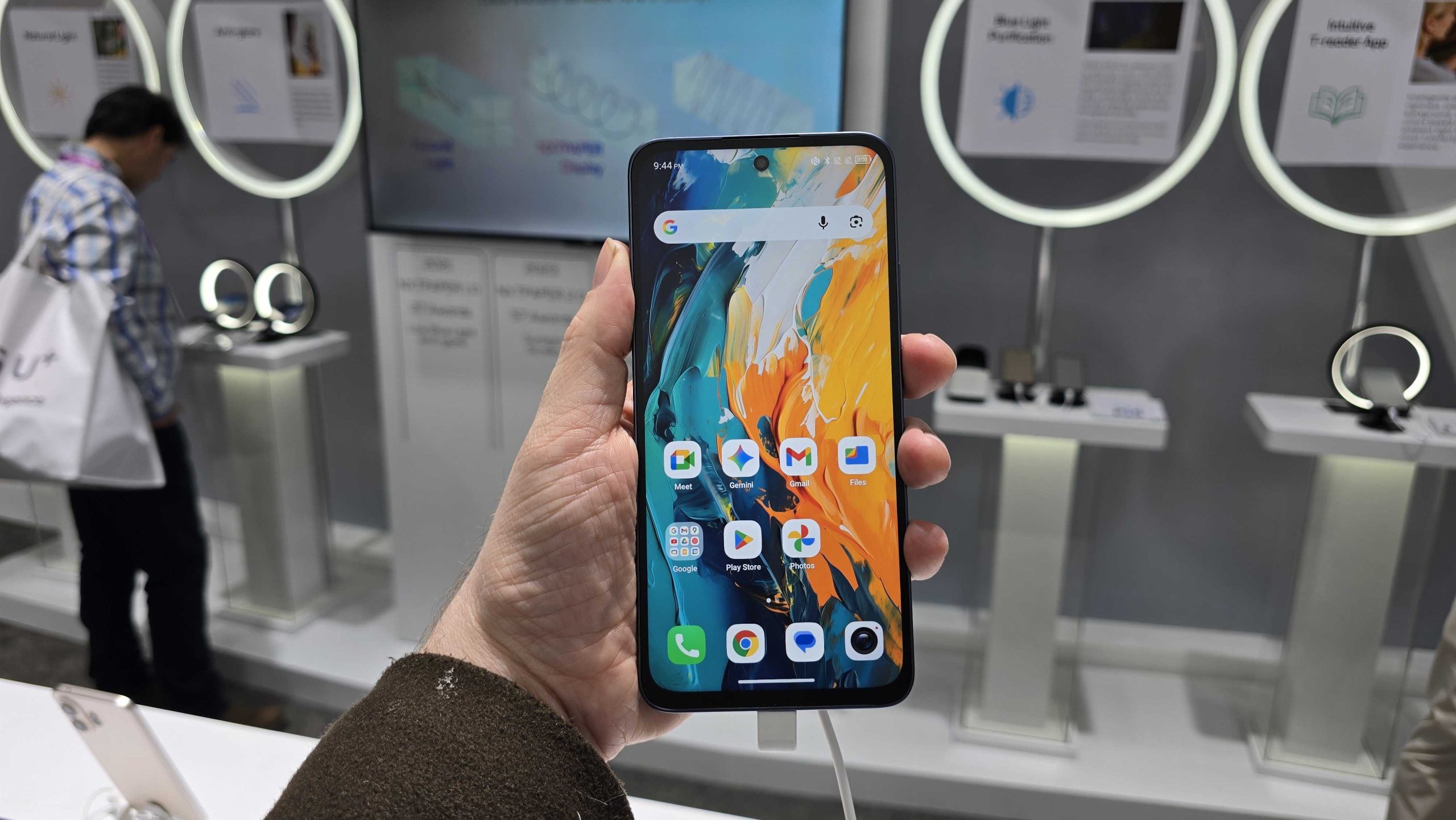
TCL’s display expertise has produced a series of smartphones with the company’s NXTPAPER screen tech, which are essentially color e-paper displays similar to what you’d fine on a high-end ebook reader, and its latest flagship phones, the TCL NXTPAPER 70 Pro (which features the latest generation of this tech) caught my eye straight away.
Advertisement
The NXTPAPER 4.0 behind the screen looks fantastic, with a matte-like finish that’s completely free from reflections and glare. Unlike my experience with (admittedly older) color e-paper displays, the TCL NXTPAPER 70 Pro’s screen was bright and vibrant. It also felt fast and responsive when opening apps (the phone runs on Android) – without the screen needing to refresh with every change, something that frustrates me when I use my Kindle.
Sign up for breaking news, reviews, opinion, top tech deals, and more.
(Image credit: Future)
The phone also features an additional key, though unlike my S4 Ultra’s Bixby button that I immediately changed from calling up Samsung’s unlovable virtual assistant to something actually worth using, the 70 Pro’s NXTPAPER Key could see a lot more action. It switches the display between several modes: Colour Paper Mode, Ink Paper Mode and Max Ink Mode, and it does so with a rather cool-looking ripple transition animation. The Max Ink Mode is the most ebook-like screen setting, with a simple black and white display that should be ideal for reading on – and prolongs the TCL NXTPAPER 70 Pro’s battery life on standby to a huge 26 days.
You can also use a stylus for doodling and writing notes, with the T-Pen stylus offering a pleasantly responsive experience, especially with the NXTPAPER’s paper-like surface. Elsewhere, the specs seems decent for a smartphone, with a 50MP main camera, 8MP ultra-wide, and 32MP front camera. The chip is a MediaTek Dimensity 7300, and comes with 8GB RAM that can be expanded to 24GB, with 512GB storage.
Advertisement
So, this would likely be a downgrade in performance from my S24 Ultra (especially its photo-taking abilities), but gosh, that screen is gorgeous. And, with a starting price of €299 (around $350 / £260 / AU$500), it’s a very compelling price, and much cheaper than the $1,299.99 ( £1,279 / AU$2,199) Samsung would demand of me if I were to upgrade to the S26 Ultra.
However, just as I was seriously weighing up getting the TCL NXTPAPER 70 Pro, TCL went and showed me something that immediately made me put those plans on hold.
(Image credit: Future)
Advertisement
NXTPAPER + AMOLED = take my money!
TCL’s major announcement at MWC is the next generation of NXTPAPER, which combines the e-paper display of NXTPAPER with AMOLED screen technology.
This results in an absolutely stunning and vibrant display, and TCL had handsets on show with the screen. Everything that impressed me with NXTPAPER was present, including the flicker-free, anti-glare experience, but with a level of color vibrancy and detail that really impressed me. Thanks to the AMOLED tech, the handsets on show were also noticeably lighter than the TCL NXTPAPER 70 Pro.
I mentioned how I’d love to read comics on this screen, and there must be a fellow comic book fan at TCL, as they had plenty of examples of what comics would look like using this tech – and I was blown away. Images popped and text was clear, and the paper-like display made for a much more comfortable reading experience, whilst also giving you a similar experience to reading a physical comic.
I immediately started planning to buy whatever device comes with this screen, but at the moment the handsets are all pre-production, and there’s no solid release date, though I was told it would be ‘soon’.
Advertisement
It definitely meant I’m going to put my search for a new phone on hold until I see handsets with the NXTPAPER and AMOLED screens in the wild, and while Samsung’s innovative Privacy Display is a cool feature with some admirable goals behind it, I’m far less interested in protecting my privacy, and more enthusiastic about firing up my Marvel Unlimited subscription to catch up on my beloved X-Men instead. Stupid? Yes. Nerdy? Of course! Inevitable? Absolutely.
TechRadar is on the show floor for this year’s MWC (Mobile World Congress) in Barcelona, Spain, and we’ll be covering the latest news from some of the biggest names in mobile, computing, fitness and more.
And of course, you can also follow TechRadar on YouTube and TikTok for news, reviews, unboxings in video form, and get regular updates from us on WhatsApp too.
The shift coincides with the rebranding of Starlink’s “Direct to Cell” business as Starlink Mobile, a service that enables connectivity between smartphones and the satellite network without requiring dedicated user terminals such as dishes. Read Entire Article Source link
The funds will allow it to expand further across North Asia, the Middle East, the US & Europe
Singapore-based kids tech company myFirst has announced today (Mar 3) that it has raised over US$8 million in its Series A funding round. The round, led by Vertex Ventures Southeast Asia & India, was conducted in a bid to scale myFirst’s ecosystem of devices and services designed specifically for children.
In a press release, the startup shared that the funds will support its international expansion across North Asia, the Middle East, the US, and Europe through partnerships with retailers and telcos, including Walmart and Best Buy.
It will also accelerate the development of the company’s kids tech ecosystem, combining devices, connected services, and a secure social platform for children’s first digital experiences in communication, creativity, and self-expression.
“Every child deserves their first digital device to be built just for them, at a price point that makes it accessible. This new funding will help us bring safer, kid-ready tech to even more families worldwide, while giving parents confidence in their child’s first steps into the digital world,” shared G-Jay Yong, co-founder and CEO of myFirst.
Advertisement
Jessica Koh, Senior Executive Director at Vertex Ventures Southeast Asia & India, noted a structural shift in how children are introduced to tech by their families. Instead of simply adapting products for adults, there is a demand for such gadgets made for kids.
“The global kids tech market is still under-penetrated, and with its integrated ecosystem and global reach, myFirst is well positioned to define the category at scale.”
One of the first-movers in the kids tech industry
myFirst was founded by Yong and Brian Tan in 2018, making them one of the first-movers in the kids tech industry in Singapore.
The duo first launched a kid-friendly digital camera, and has since expanded their range to include products and services, like the myFirst watchphones and myFirst Circle family app.
Advertisement
(Left): myFirst Fone S4, (Right): myFirst Circle social app / Image Credits: myFirst
The Fone allows children to communicate safely with their family members, and it’s equipped with a built-in GPS, safety zones, and an SOS button for parental reassurance. On the other hand, the app provides a closed, ad-free environment where kids can share moments with approved family and friends, free from strangers and inappropriate content.
Beyond watches and apps, myFirst’s ecosystem now includes cameras, headphones, drawing tablets, and other devices, all designed to support safe, purposeful, and joyful digital experiences for children.
Since their launch, the startup has grown their customer base of over a million families in 60 countries, and plans to expand its reach in markets with larger child populations, including Vietnam, Indonesia and Thailand, while maintaining a strong presence in established regions.
In a world where everyone is increasingly connected, children can stand to benefit from technology. However, one cannot deny the risks that are involved, including the exposure to inappropriate content and addiction.
As such, having ecosystems that provides safer environments for children to interact with technology matter more than ever.
Advertisement
“If kids are not allowed any exposure to tech, but yet all they see around them are grown-ups and their peers using tech, it would most likely feel tempt them and could spell trouble once they are allowed access. It could be really easy for them to over-immerse themselves and get addicted to their devices,” shared Yong.