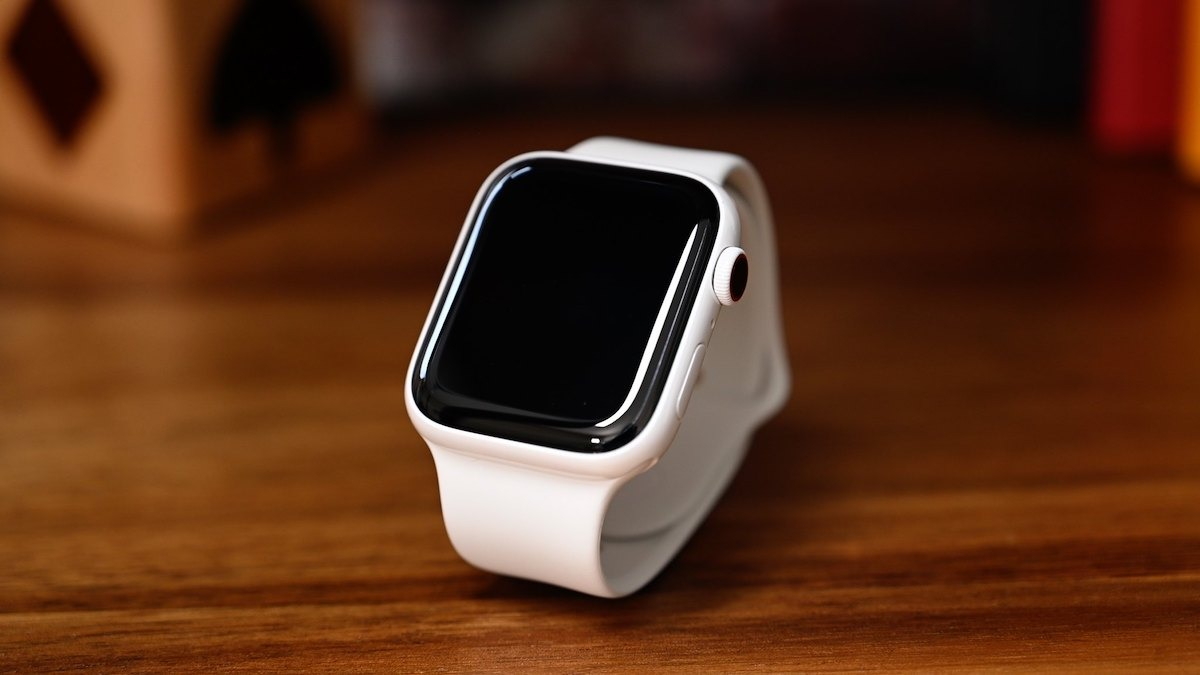
While the design isn’t changing one bit, one expensive and favorite material might return to Apple Watch after a seven-year absence.
It’s been nine years since the Apple Watch Series 2 debuted the material. After a back-and-forth for a few years of just white, or white and black ceramic options, Apple dropped the material entirely in 2020.
That may change soon. Apple is reportedly working on returning ceramic to Apple Watch as soon as 2026. In Sunday’s “Power On” newsletter for Bloomberg, Mark Gurman states that Apple is potting the ceramic case option’s return for the end of 2026 or in 2027.
This is the first time we’ve heard this rumor for the 2026 Apple Watch update. The original ceramic Apple Watch Series 2 was rumored for about 18 months before the material first shipped.
Advertisement
There isn’t much yet said about pricing in the new story. But that said, you can expect it to be very expensive.
Back in the day, when the Apple Watch Series 5 sold for $399, the ceramic edition 40mm version sold for $1299, and the 44mm fetched $1,349.
At the same time, the stainless steel with cellular model sold for $699, the titanium with cellular cost $799, and the Hermes retailed for $1,249.
On again, off again
Ceramic has been a premium option throughout the history of the Apple Watch. However, when it was sold, it didn’t hang around for that long after.
Advertisement
It first appeared in the Apple Watch Edition Series 2, with a white ceramic case option. The Apple Watch Edition Series 3 included a Gray ceramic case option alongside the white.
The material option was revived for the Apple Watch Edition Series 5 the following year, but it was a brief appearance. It was gone again for the Series 6, and hasn’t reappeared since.
David Silver is a billionaire, sort of. His stake in Ineffable Intelligence—the artificial intelligence lab he founded—is worth an ungodly fortune. But he stands to collect none of that money himself. He set things up that way.
Between 2013 and 2025, Silver worked as a researcher at Google DeepMind. He specialized in reinforcement learning, a method of teaching an AI model through positive and negative feedback. In 2016, he led the development of AlphaGo, which became the first AI to defeat a human champion in the game of Go and was heralded as a narrow form of superintelligence. Silver left to start Ineffable Intelligence in January, betting that reinforcement learning breakthroughs will close the gap between human and machine cognition across the board.
When he started Ineffable Intelligence, Silver raised $1.1 billion from investors at a $5.1 billion valuation, reportedly the largest seed round in Europe’s history. He also vowed to donate all the money he makes from any future sale of his company to charity.
“I was thinking very deeply about what I could do to have the maximum impact on the world,” Silver tells WIRED in an interview at his office in Kings Cross, London, around the corner from DeepMind’s headquarters. “Not just through the work I do, but through the finance I arrive at in the process.”
Advertisement
He’ll choose how to deploy the funds after he sells his company, he says, but his ambition is to save as many lives as possible.
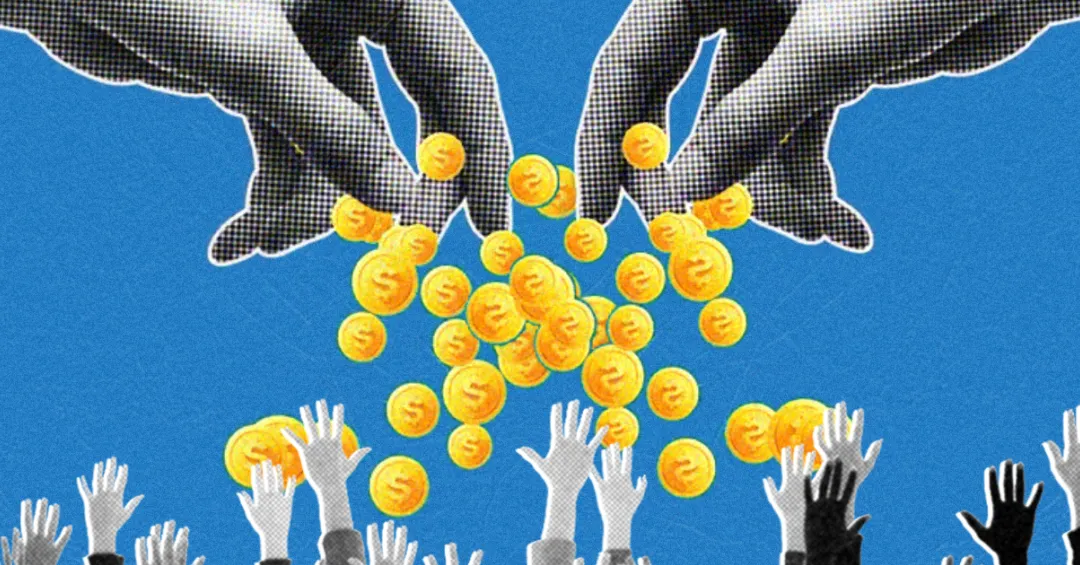
Silver is the latest in a growing line of AI founders to pledge equity proceeds to charity. Others include Mustafa Suleyman, a DeepMind cofounder and the CEO of AI at Microsoft, and Anton Osika, the founder of automated coding platform Lovable. If OpenAI and Anthropic go public as planned, minting thousands of new millionaires in the process, the AI industry could soon come to represent an increasingly outsize proportion of tech philanthropy.
Along with a new generation of techno-philanthropists, though, comes a tangle of unresolved questions: Is philanthropy the most appropriate way to redistribute wealth? To what degree are megadonors responsible for some of the problems they aim to fix? Could a pledge that scales with a company’s success come to justify unsavory business practices or reckless accelerationism? And is this go-around any different from previousiterations of Silicon Valley giving?
“You can’t necessarily appeal to capitalism to solve some of the problems created by capitalist practices themselves … the exacerbation of extreme wealth concentration and massive inequalities,” says Linsey McGoey, professor of sociology at the University of Essex and author of No Such Thing as a Free Gift. “It’s like calling upon the arsonist to hose down the house he’s just set on fire.”
Advertisement
Silver formalized his charitable commitment through Founders Pledge, a nonprofit that helps entrepreneurs to give away their wealth. Unlike the Giving Pledge, a public but nonbinding commitment, Founders Pledge requires participants to enter into a contract. “The choice of making a binding pledge was very important,” says Silver.
Founders Pledge has been around since 2015. But the value of pledges recorded by the nonprofit has soared recently, from $400 million in 2023 to $4 billion so far this year. The AI industry now accounts for a third of the lifetime pledge total.
The organization’s goal, according to cofounder David Goldberg, is to identify “the very best ways to deploy capital at scale to make the world better.” It has frequently been lumped together with effective altruism, which encourages people to amass wealth in order to give it away, to rely on statistics rather than emotion, and to prioritize causes likely to have the biggest impact in the distant future. But despite the commonalities, Goldberg isn’t a fan of the comparison; Founders Pledge is concerned with human suffering in the present. “We’re far more humanist,” he says.
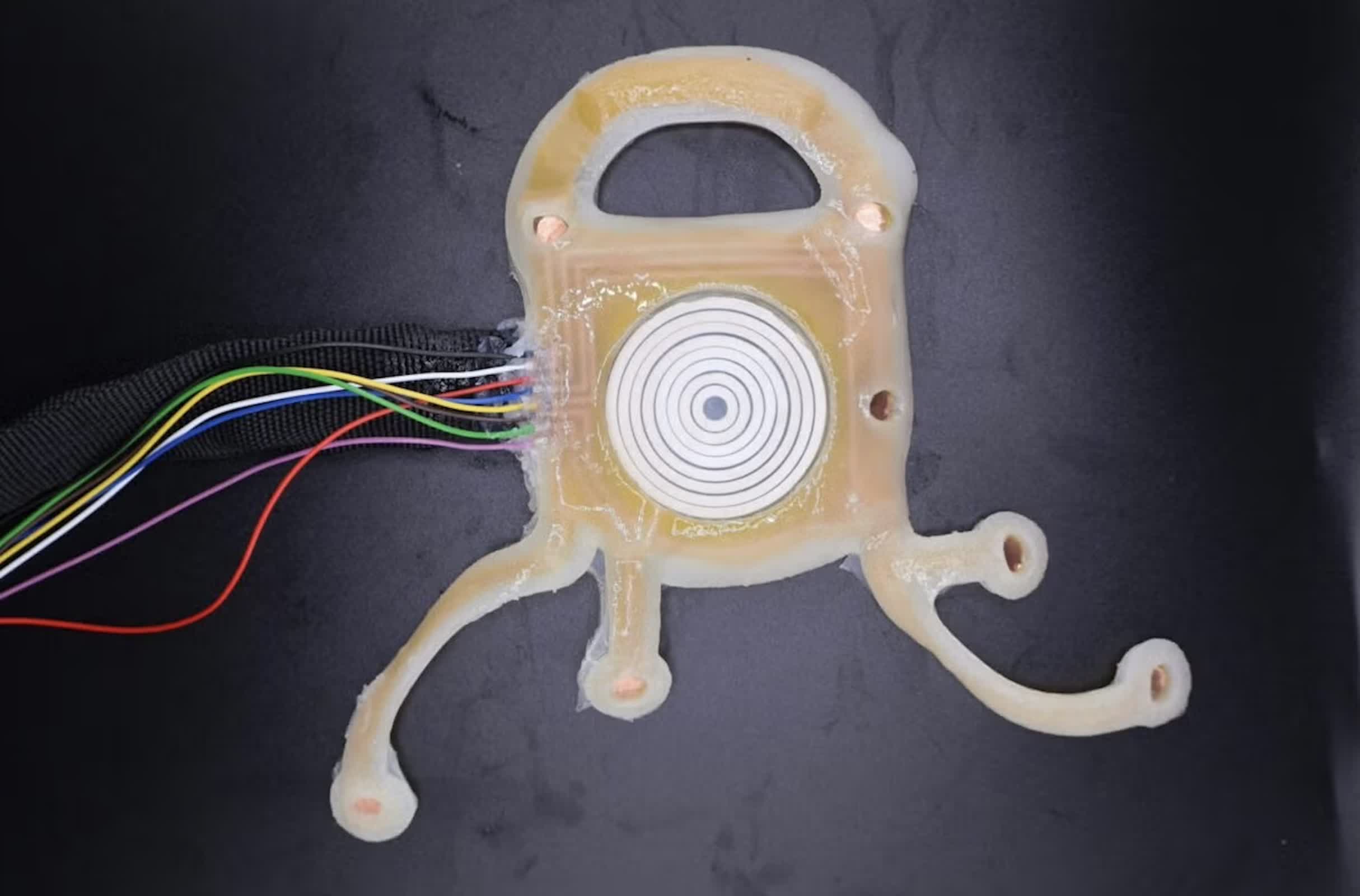
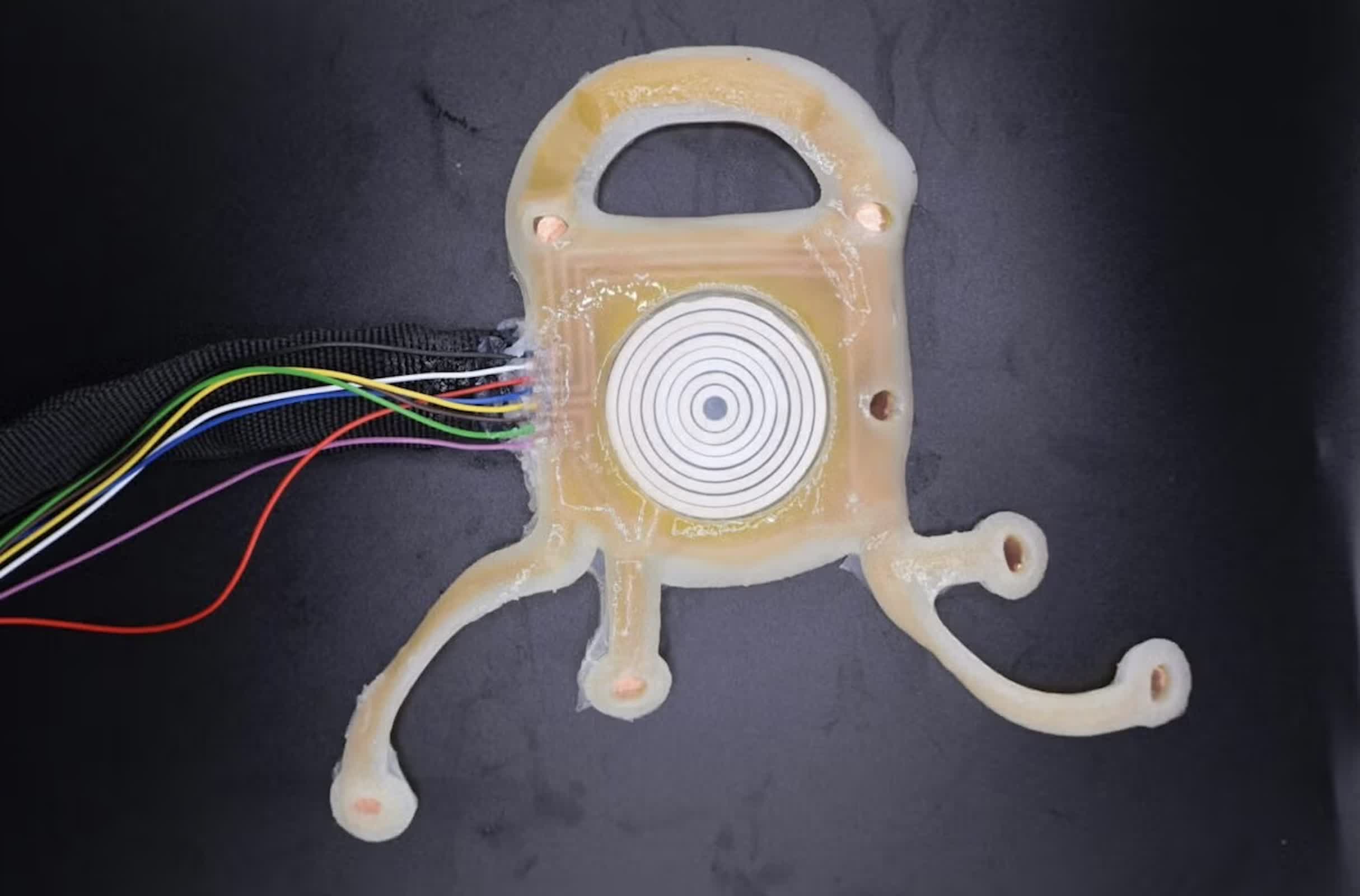
Something to look forward to: Engineers at the University of Texas at Austin have developed a soft patch that helps people enter REM sleep faster and stay in that stage longer, without drugs or surgery. In a study involving 28 people, participants who used the patch, called NEUSLeeP, reached REM sleep 43 minutes earlier than usual and remained in that stage for about 16 minutes longer.
The device works by combining two things that don’t usually go together in a wearable: gentle ultrasound stimulation and electrodes that read brain activity. This allows it to reach deep brain regions associated with REM sleep while also tracking the brain’s response in real time from outside the skull.
Kai Wing “Kevin” Tang, the recent UT biomedical engineering Ph.D. graduate who led the work, said the achievement, which was published in Nature Communications, marks new territory for the field.
Researchers have never before been able to noninvasively reach deep brain regions involved in REM sleep while simultaneously monitoring brain activity as it occurs. According to Huiliang “Evan” Wang, an assistant professor in UT’s Department of Biomedical Engineering who supervised the research, the combination of stimulation and real-time monitoring gives the device its practical edge. He noted that a skin-attached device such as NEUSLeeP could give researchers and doctors new ways to study sleep and treat sleep disorders in patients’ homes.
Advertisement
The benefits weren’t limited to sleep timing. In healthy participants, the stimulation also increased heart rate variability, a measure used to assess how well the body responds to stress. Brain scans showed changes in circuits associated with emotion, suggesting that the patch could do more than help people sleep – it might also help them cope with stress.
Gregory Fonzo, an assistant professor in the Dell Medical School’s Department of Psychiatry and Behavioral Sciences and a co-principal investigator, tied these findings to the role REM sleep plays in the brain. He explained that REM isn’t just the stage when dreaming happens – it is also when the brain processes emotions and adapts to stress. As a result, boosting REM sleep could potentially give people a new tool for coping with stress and improving overall well-being.
That’s significant because disruptions in REM sleep are repeatedly associated with depression, anxiety, and PTSD. Current treatments, such as medication and therapy, don’t always address underlying sleep problems and can come with side effects.
Both healthy sleepers and people with existing sleep problems responded well to the patch in the study. Participants described it as comfortable, and researchers reported few side effects.
Advertisement
The researchers plan to conduct larger trials to confirm the findings and determine whether the patch can help people with PTSD, depression, and chronic insomnia specifically. They also believe it could be useful for at-home sleep monitoring and neuroscience research, since noninvasive tools that can simultaneously stimulate and record brain activity are relatively uncommon.
The researchers are working with Discovery to Impact, UT’s commercialization office, to bring the patch closer to market. A patent application has already been filed.
Flagship smartphones are about to get gut-wrenchingly expensive
The effect isn’t just visible at the entry level; it’s evident at the flagship end of the smartphone market. Given that these devices use the best DRAM and NAND configuration out there, production costs have been on a never-ending upward trajectory, at least since the beginning of 2026.
As the next wave of flagships is already rumored to come with a price hike, are we reaching a point where a top-tier flagship with 256GB of storage could cost around $1,500? To start, let’s analyze the flagship smartphones and their current starting prices.
Moinak Pal/Digital Trends
Device
USA (256GB)
USA (512GB)
India (256GB)
Vivo X300 Ultra
N/A
N/A
N/A
OPPO Find X9 Ultra
N/A
N/A
N/A
Google Pixel 10 Pro XL
$1,199
~$1,349
₹1,24,999 (~$1,313)
Samsung Galaxy S26 Ultra
$1,299.99
$1,499.99
₹1,39,999 (~$1,470)
iPhone 17 Pro Max
$1,199
$1,399
₹1,49,900 (~$1,574)
If you want to buy an iPhone 17 Pro Max in the United States, you have to spend $1,199, or perhaps even lower if you manage to get it during a sale. Other flagships like the Galaxy S26 Ultra or the Pixel 10 Pro XL have an entry-level price of $1,299.99 and $1,199, respectively. But wait, these look quite normal, so am I worried for nothing?
Setting aside the fact that we’ve gone through several price increments, I’d like to turn your attention to what’s about to come.
Advertisement
Vikhyaat Vivek / Digital Trends
Upcoming flagships could set new baseline pricing standards
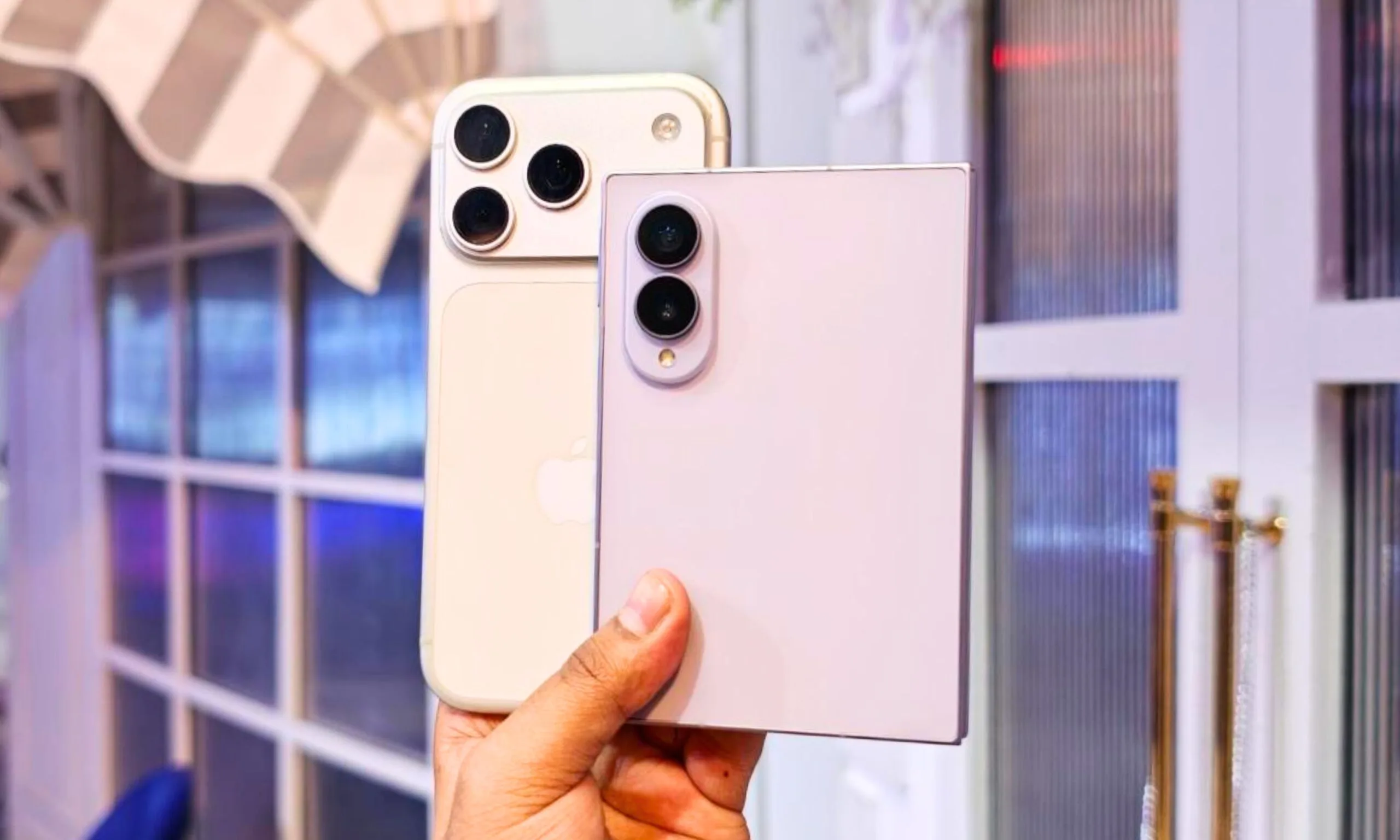
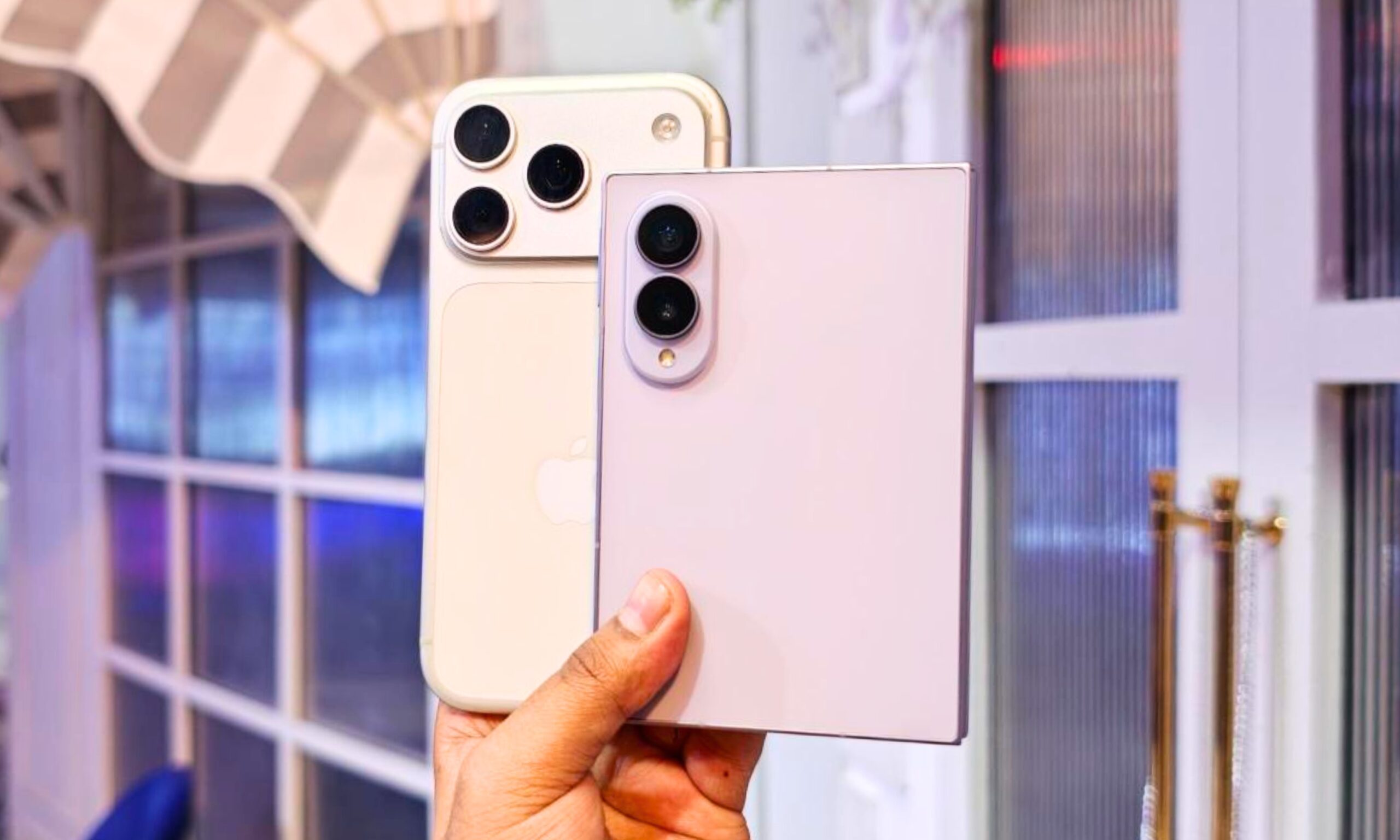
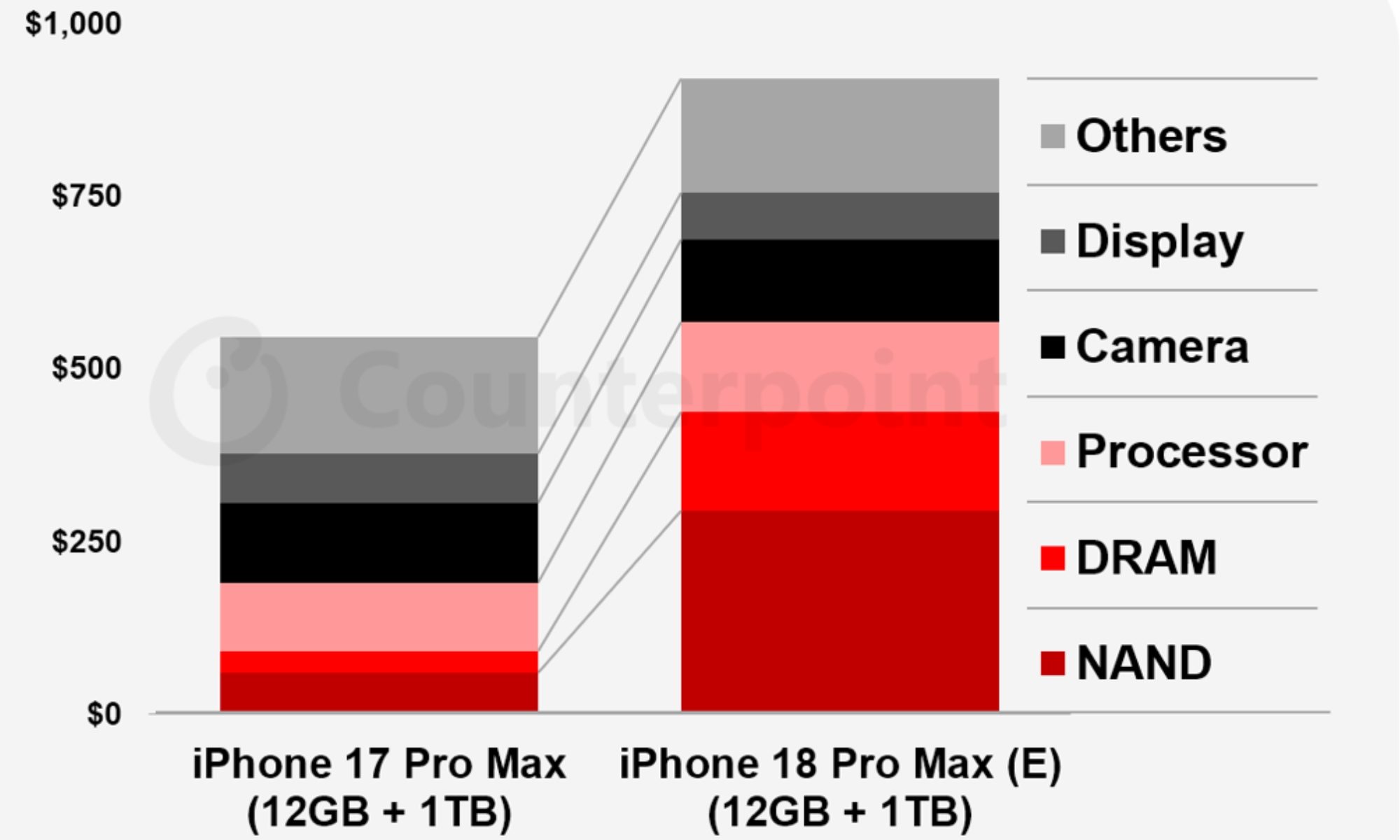
Whether or not Apple offsets the rumored 20 to 25% price hike with a bump in the base storage needs solid commentary. However, a $1,500 entry point is looking increasingly likely to me.
Shimul Sood / Digital Trends
Without that cushion, prices simply don’t have anywhere to hide anymore. What you see at launch is increasingly what you pay.
Nadeem Sarwar / Digital Trends
That perk existed because the company’s margins could still absorb the upgrade cost, but it’s clear that they can’t anymore.
Mobile carriers are already bracing for the impending adjustment to flagship pricing. Most recently, T-Mobile launched a new 36-month financing plan, which essentially divides the increased upfront cost into smaller monthly installments that run for three straight years. And that’s exactly what the new Apple Upgrade program does.
Have foldables already shown us where this is headed?
Here’s the proof that $1,500 isn’t a future hypothetical. Motorola’s Razr Ultra 2026, the brand’s most premium flip phone, launched at $1,499.99, a $200 jump from the Razr Ultra 2025’s $1,299. It’s shipping today, at that exact price, driven by the same memory crisis behind the regular flagships.
Advertisement
Motorola
It’s important to look at what Motorola is doing, as it leads the flip market in the US. If a compact clamshell with a Snapdragon 8 Elite chip and three 50MP cameras can cost $1,500, a regular flagship with a 2nm chip (the rumored A20 Pro or the Snapdragon 8 Elite Gen 6), higher-quality cameras, and bigger batteries can certainly cost the same.
Device
Price (USA)
Change
Motorola Razr+ 2026
$1,099.99
Up $100 from $999
Samsung Galaxy Z Flip 8
$1,199.99
Up $100 from $1,099
Motorola Razr Ultra 2026
$1,499.99
Up $200 from $1,299
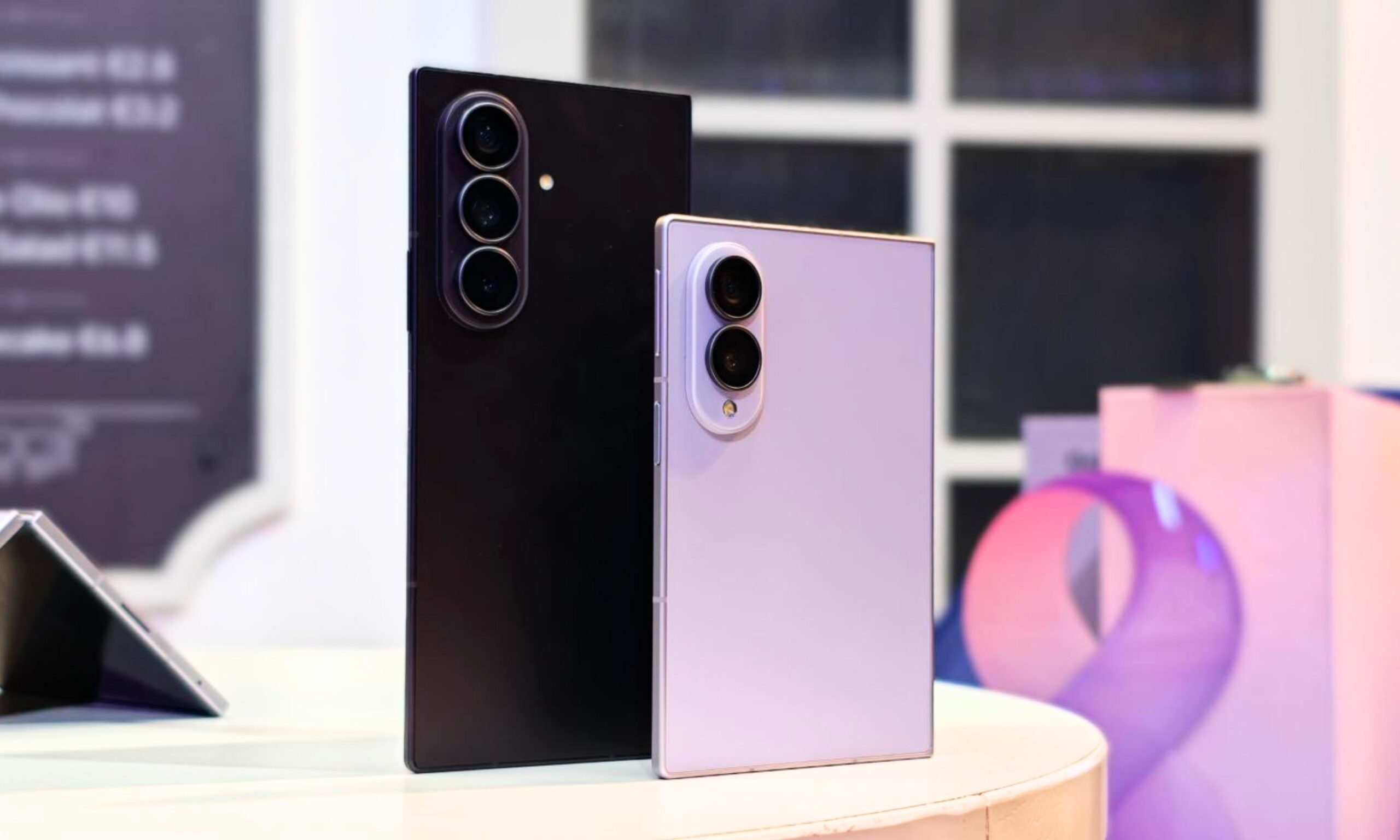
For now, the Galaxy Z Fold 8 Ultra happens to be the only book-style foldable, and a smartphone that demands over $2,000 for the base variant. Given that it’s a top-tier foldable and represents the epitome of Samsung’s smartphone engineering, you could argue that it earns the additional premium over what conventional flagships cost.
Nadeem Sarwar / DigitalTrends
That’s exactly the kind of psychological permission regular flagships don’t have yet, and it’s the only real wall standing between where we are and where this is going.
Foldable
Starting price (256GB/base)
Remarks
Samsung Galaxy Z Fold 8 Ultra
$2,099.99
Up $100 from Fold 7’s $1,999
Motorola Razr Fold
$1,899.99
Only configuration offered (512GB/16GB)
Samsung Galaxy Z Fold 8 (wide)
$1,899.99
New form factor, still crosses $1,900
Google Pixel 10 Pro Fold
$1,799
The “budget” option in this category
What does this look like for buyers outside the US?
Worse, frankly. India already pays a real premium on top of parity pricing, typically 15 to 25% above what the same phone costs stateside. Apple already launched the iPhone 17 Pro Max at $1,574 in India (when converted from the local launch price), which is already over 30% higher than the official listing price in the US.
Run the projected iPhone 18 Pro Max hike through that filter, and you’re looking at something in the neighborhood of ₹1,80,000 to ₹1,90,000 ($1,891–$1,996) for the base model. Even if I consider the lower band for the sake of argument, we could be looking at a $1,800 to $1,900 launch price in India, and that’s pretty close to the $2,000 mark I’m worried about.
Nirave Gondhia / Digital Trends
The Pixel 11 Pro XL and Galaxy S27 Ultra follow the same calculation. If you’re budgeting for a flagship upgrade in India next year, brace yourself, because the gap between US and India pricing isn’t closing.
So, is $1,500 the new flagship norm?
Yes, or close enough that the distinction barely matters. Not every flagship has crossed that line in August 2026. Whether it’s Apple, Samsung, or Google, the starting price for their upcoming flagship could slide toward the same $1,300 to $1,500 bracket, at least in the US.
Advertisement
The Pixel 11 Pro XL is expected to cost $1,300 for its baseline variant, so Android buyers should still be grateful. Samsung’s purported S27 Ultra could follow the same upward trend. If the memory crisis doesn’t ease anytime soon, hardware upgrades combined with the ever-increasing costs of DRAM could push the entry-level pricing closer to $1,500 by next year.
Nadeem Sarwar / Digital TrendsSamuel Angor / Unsplash
However, on the other side of the fence, iPhone users who want to stick with their ecosystem and want the best technology Apple has on offer might have to pay around $1,400 to $1,500. For them, the new $1,500 flagship norm might become a reality in September 2026.
And that’s just what’s happening in the US. If you zoom out a little and consider global smartphone prices, especially in key markets like India, there’s a good chance that flagship pricing could touch the $1,500 to $1,800 mark this year itself.
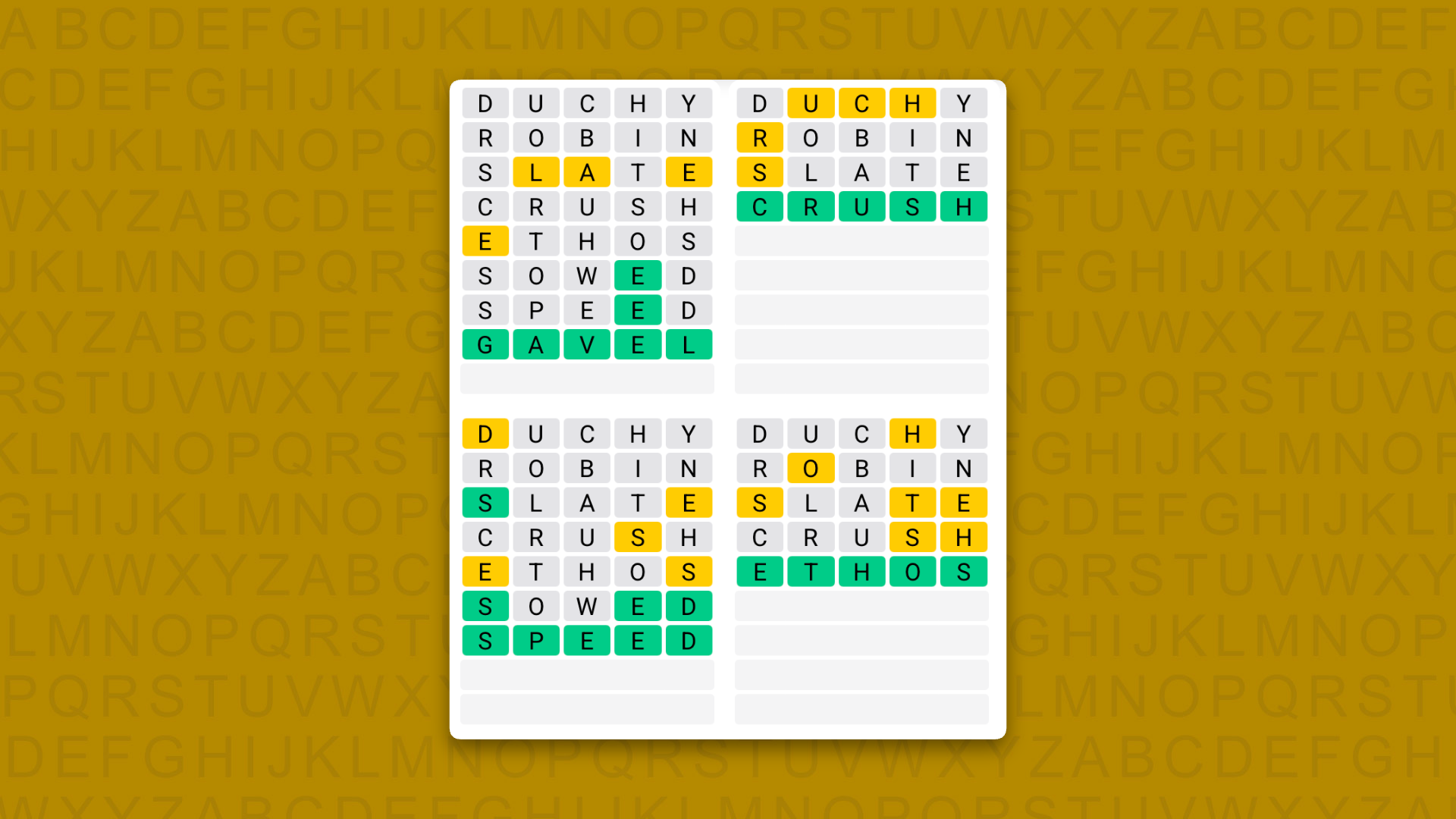
A new Quordle puzzle appears at midnight each day for your time zone – which means that some people are always playing ‘today’s game’ while others are playing ‘yesterday’s’. If you’re looking for Sunday’s puzzle instead then click here: Quordle hints and answers for Sunday, August 9 (game #1658).
Quordle was one of the original Wordle alternatives and is still going strong now more than 1,500 games later. It offers a genuine challenge, though, so read on if you need some Quordle hints today — or scroll down further for the answers.
Enjoy playing word games? You can also check out my NYT Connections today and NYT Strands today pages for hints and answers for those puzzles, while Marc’s Wordle today column covers the original viral word game.
Advertisement
SPOILER WARNING: Information about Quordle today is below, so don’t read on if you don’t want to know the answers.
Latest Videos FromTechRadar
Advertisement
Quordle today (game #1659) — hint #1 — Vowels
How many different vowels are in Quordle today?
• The number of different vowels in Quordle today is 4*.
* Note that by vowel we mean the five standard vowels (A, E, I, O, U), not Y (which is sometimes counted as a vowel too).
Quordle today (game #1659) — hint #2 — repeated letters
Do any of today’s Quordle answers contain repeated letters?
• The number of Quordle answers containing a repeated letter today is 1.
Advertisement
Quordle today (game #1659) — hint #3 — uncommon letters
Do the letters Q, Z, X or J appear in Quordle today?
• No. None of Q, Z, X or J appear among today’s Quordle answers.
In this week’s Sunday Reboot, the nightmare scenario of OpenAI’s hardware leak and the astounding cheapness of promoting Ted Lasso.
Sunday Reboot is a weekly column covering some of the lighter stories within the Apple reality distortion field from the past seven days. All to get the next week underway with a good first step.
OpenAI hardware leak is a multi-level nightmare
Readers of AppleInsider will be well aware of the ongoing rift between Apple and OpenAI about trade secrets. They’d also know about the whole Jony Ivehardware situation too.
If Thursday’s leak is to be believed, the first hardware won’t be a pendant. It seems that, like Apple, Google, and Amazon before it, OpenAI will be churning out a smart home device you can talk to.
Advertisement
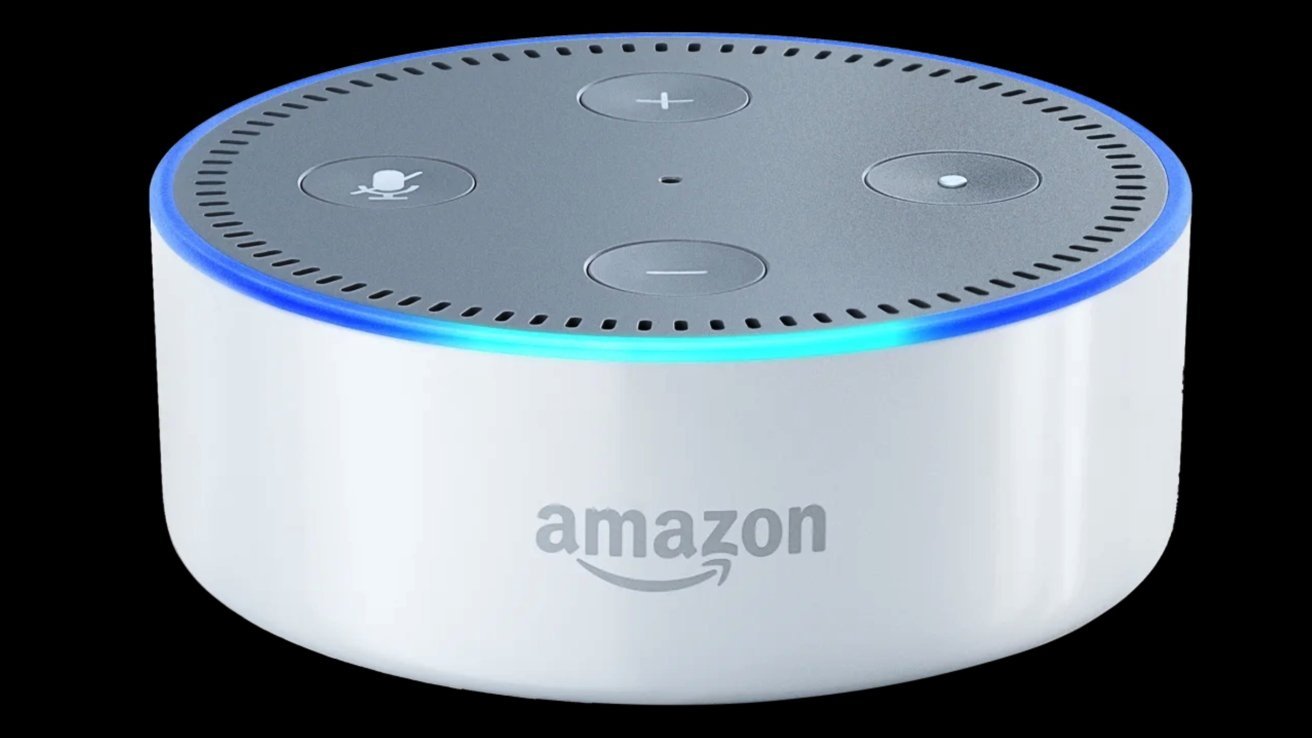
At face value, that would be breathtakingly pedestrian. A hockey puck-shaped item that’s reminiscent of the second-generation Echo Dot, except that you’re talking to ChatGPT’s more advanced models.
An Amazon Echo Dot. No moving parts. No camera.
Except that it will apparently have some extra features, like battery power. Premium materials will also help push the price up to $300 to $400, making the HomePod mini look like an absolute bargain.
The worrying bits, though, will be the inclusion of a camera and “parts that will move on their own” to help answer user queries. Except this last bit isn’t explained at all.
Advertisement
A battery-operated AI-driven unit that can move at will and see the world? That is a nightmare fuel-generating statement.
I know there will be assurances from OpenAI that there will be safeguards to prevent the AI from discovering a way to traverse your household. Certainly, it will be stopped from secretly filming you as you sleep by some simple rules that it definitely won’t break.
Nothing bad will happen. At all. Honest.
I don’t want a self-aware AI puck that can see and hear everything somehow coming up with a plan that involves riding the Roomba like a trusty steed, all to discover the household’s secrets. Or worse, to somehow manage to escape through the cat flap to freedom and an attempt at world domination not unlike “Pinky and the Brain.”
Advertisement
This is completely an exaggerated scenario, as the moving parts are more realistically used to shift the camera around for a better view more than anything. Still, that may be just enough physical motion for ChatGPT to go on an AI rampage.
I have admitted before to being a fan of “Ted Lasso” on Apple TV, and the show came back with a fantastic opening for season 4, taking place in Kansas City.
As an episode to revive the Lasso Way after the closure in the third season, it does a lot to reestablish the characters, showing what has changed over the years, and dragging the mustache back to Blighty with family in tow.
It’s shaping up to be a worthy return for a very beloved show, and hopefully it’s enough to tempt Apple into more seasons.
Advertisement
That said, I have to question a promotion Apple put on in New York City’s Fifth Avenue Apple Store on Thursday. The “Gathering of the Teds” was a look-alike contest, with elimination rounds to narrow the field to one ultimate champion.
There’s a website with all of the rules, which explains that the contestants had to take part in three rounds. The first was an introduction of themselves in character and a two-minute dance break.
After the pool reached ten contestants, there was a second-round trivia game that was also held in character. After that, the remaining Teds had to give a moving Lasso-like speech to pep the crowd up.
They missed a trick by not calling it a “Ted” talk.
Advertisement
The marking criteria for the judges is thorough but similarly tongue-in-cheek. Do the contestants radiate “believe” enough? Are they owning the mustache? “Do they believe in Rom-Comunism?”
You would expect that, for people putting themselves up for a fun and a tiny bit humiliating competition, the prizes would be worthwhile. Not particularly in this case.
Official AFC Richmond merch, which is probably the scarf Apple gave away.
There are four prizes, consisting of a “custom soccer scarf” for each of the three finalists and “custom Beats headphones” for the first-prize winner. Presumably all branded to go with the TV show.
Advertisement
The total approximate retail value for the prizes in the rules is $300. It probably cost Apple and the sponsor more than that to pay someone to write the rules and to host it on a website.
It’s a well-publicized competition, for a premier-league brand and a return of a major show to its streaming service, held in one of said brand’s most important and iconic storefronts.
Someone could’ve spared a few extra bucks to give them all headphones, or even upgrade the ultimate winner with a MacBook Neo with an AFC Richmond sticker on it.
Of course, this is less the Lasso Way and more something else. Capitalism.
Advertisement
Last week’s Sunday Reboot talked about Apple’s quarterly finances and how investors and analysts act despite great results.
Skullcandy Crusher 540 Active for $210: The BlueAnt headphones are just a better buy in all regards, but I enjoyed these a lot. The noise canceling doesn’t work very well, but these headphones are attractive, and the bass is powerful. —Adrienne So
Shokz OpenFit Pro for $250: The Shokz OpenFit Pro’s sound quality is excellent; the buds are beautiful and comfortable; and I appreciate the physical buttons. That said, the open-ear noise-reduction system merely blunts outside noise rather than blocking it, so I don’t understand the value here. —Adrienne So
Soundcore AeroFit 2 Pro for $180: The AeroFit 2 Pro physically switches modes with its adjustable ear hooks to transform from open earbuds to noise-canceling ones. Unfortunately, I found the case to be too big, and the noise cancellation wasn’t so effective. Still, it’s an interesting concept, and I do like being able to toggle the angle on the ear hooks for a more secure fit. —Adrienne So
Photograph: Adrienne So
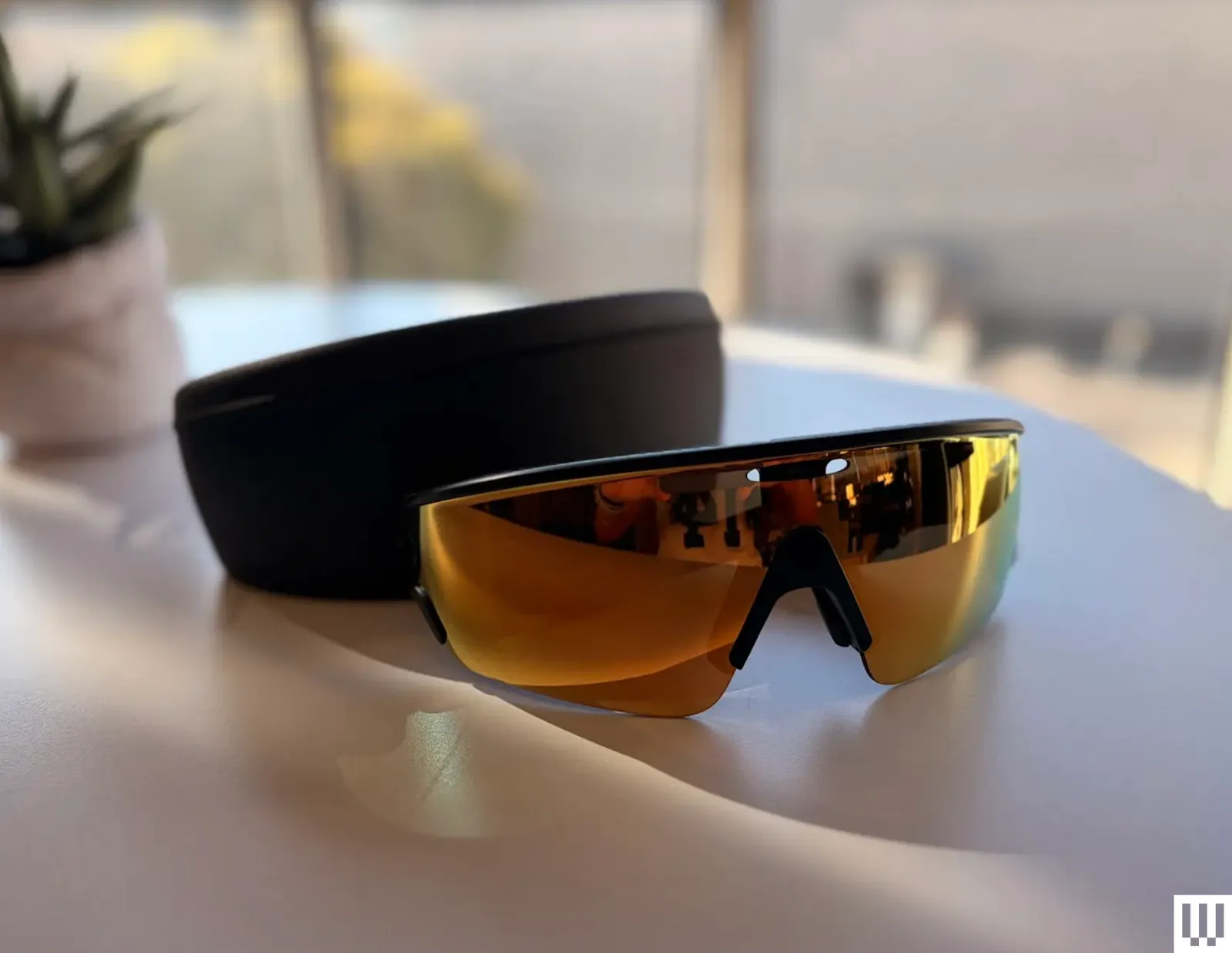
Oakley Meta Vanguard for $499: Not only are they Oakley sunglasses with Prizm lenses for enhancing contrast and keeping you from tumbling head over heels on the trail, but they also have a 12-MP action camera in the bridge of the nose, two over-ear speakers with a five-mic array for calls, and they integrate with Garmin to work as a (not very useful) fitness tracker. That’s OK, because these are the best for moving at speed. They are 6 decibels louder than the Oakley Meta HSTNs, and you can tell. They’re the only open headphones where I don’t have to turn the volume all the way up to hear podcasts when going over 20 mph. —Adrienne So
Advertisement
Photograph: Adrienne So
Chamelo Music Shield for $260: Chamelo’s audio sunglasses have electro-chromic lenses; you can change how dark they get with a finger slider on the arm. However, the music isn’t very loud, the battery life is much worse than the Vanguard, and they’re relatively expensive. —Adrienne So
JLab Epic Sport ANC 3 for $100: This is the upgraded version of the Go Air Sport above, with hybrid dual drivers for better sound, a higher IP rating, better battery life, and active noise canceling. You need a fully sealed fit for ANC to be effective, which these don’t have; I can still hear people at the gym when I’m lifting weights. Still, in every other way, these headphones meet their promises, and they do feel secure. —Adrienne So
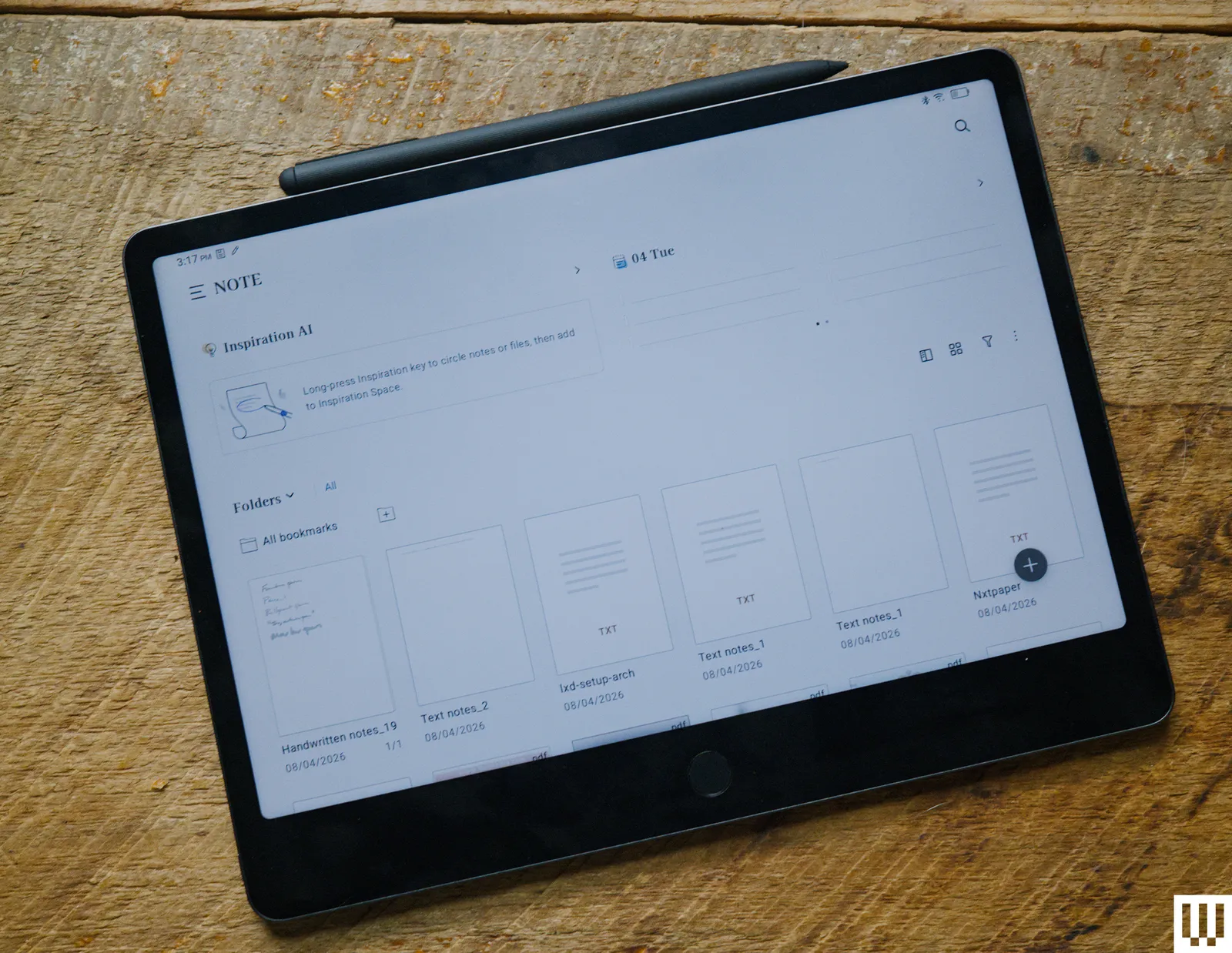
Click on a note with the pen, and it will open in edit mode with a configuration toolbar shown across the top. Here you can set up pen type, color, line thickness, and all the other tools you’d want to use to write or draw. I found the editing interface just about perfect in the sense that it balances keeping it simple but still giving you access to the controls you actually need.
The other element I enjoyed in the Note A1 UI is the Inspiration Space. I can easily clip a bit of text from any document (including web pages), save it, and then automatically convert it to text for use in something else or apply any of the other onboard AI-powered tools. It’s one of the best clip-and-save tools I’ve used since I gave up on Evernote.
What I was less thrilled with is the file management system. It works, but there are confusing shortcomings. For example, I couldn’t find a way to open a note in reading mode and then switch to editing from within the note. This seems like a very common use case. But no, you have to exit the note, go back to the main notes menu, and then reopen it in editing mode.
The interface is not very intuitive. I had to consult the manual to figure out how to get two documents open side-by-side, something that works by drag and drop in every other Android device I’ve tested (even those with highly customized UIs).
Advertisement
A Note on Earlier Versions
Curiously for a large publicly traded company, TCL launched the Note A1 via Kickstarter (but clearly already had plenty of the tablet available, which the company fed to YouTube influencers). If you hunt down early reviews of these Kickstarter devices, you’ll notice people complaining about limited app availability, no Google Play Store, and having to sideload apps via F-Droid, the Aurora Store, and other shenanigans.
The Note A1 I tested, and the device that is for sale these days at all major retailers, comes with the Google Play Store preinstalled, making it easy to download any app you need. Accessing installed apps can be a little awkward; they pile up in the sidebar menu, but if you make good use of the ability to customize the launcher, it’s not too difficult to have everything you need close at hand. And for completeness sake, I did install F-Droid and the Aurora Store, and both also work (although if Google carries through with its current development plans for Android, apps installed with F-Droid will stop working on all Android devices next year).
Competition
Photograph: Scott Gilbertson
There are two competitors here. The first is an E Ink tablet. If you want the most paperlike possible experience, then the E Ink wins. But you won’t be watching videos or perusing social media. If you want 80 percent of the E Ink experience, but also the ability to use your device as a normal Android tablet, then the Note A1 is the clear winner.
Hong Kong educators and a lawmaker urge under-16 social media ban. 62% of residents support legislation (76% of parents). Government says no plans to legislate, citing enforcement challenges. Australia, UK, France already moving ahead.
Hong Kong educators and a lawmaker are urging the city to ban children under 16 from social media, calling addiction “the biggest problem facing education.” At a panel discussion this week, Lilian Chan Lui Ling-yee, honorary president of the Yan Oi Association of Principals, said legislation was needed to protect the next generation. A survey found 62% of Hong Kong residents support a legislative ban, with support rising to 76% among parents. Legislative Council member Lawrence Tang Fei said social media is developing too fast for education alone to keep pace.
The government is not moving. Hong Kong’s technology chief has explicitly ruled out legislation, citing enforcement challenges, cross-border jurisdiction issues, and concerns about damaging the city’s technology ecosystem. The position puts Hong Kong behind Australia, which banned under-16s in December 2025, the UK, which is implementing its own ban, and France, Spain, and Portugal, which are all advancing similar measures. Hong Kong’s approach focuses on education, health guidance, and monitoring what other countries do, rather than acting itself.
The enforcement problem is real everywhere. Australia’s age-verification trial found its technology could be wrong by two to three years. Hong Kong’s fragmented digital ecosystem adds complexity: children use platforms based in mainland China, the US, and elsewhere, each subject to different jurisdictions. Wu Siu-wai, a lecturer at the Education University of Hong Kong, said the city should at least understand the overseas legislative landscape before deciding, adding that “how to legislate and the extent of restrictions are topics for follow-up discussion.”
Advertisement
The gap between public opinion and government action is striking. Nearly two-thirds of residents want a ban. The government’s tech chief says no. A New Mexico court just ordered Meta to pay $567 million for harm to children on its platforms, the kind of enforcement action that tends to concentrate minds in other capitals. Hong Kong is watching the world legislate on child safety and choosing, for now, to study the results rather than contribute to them.
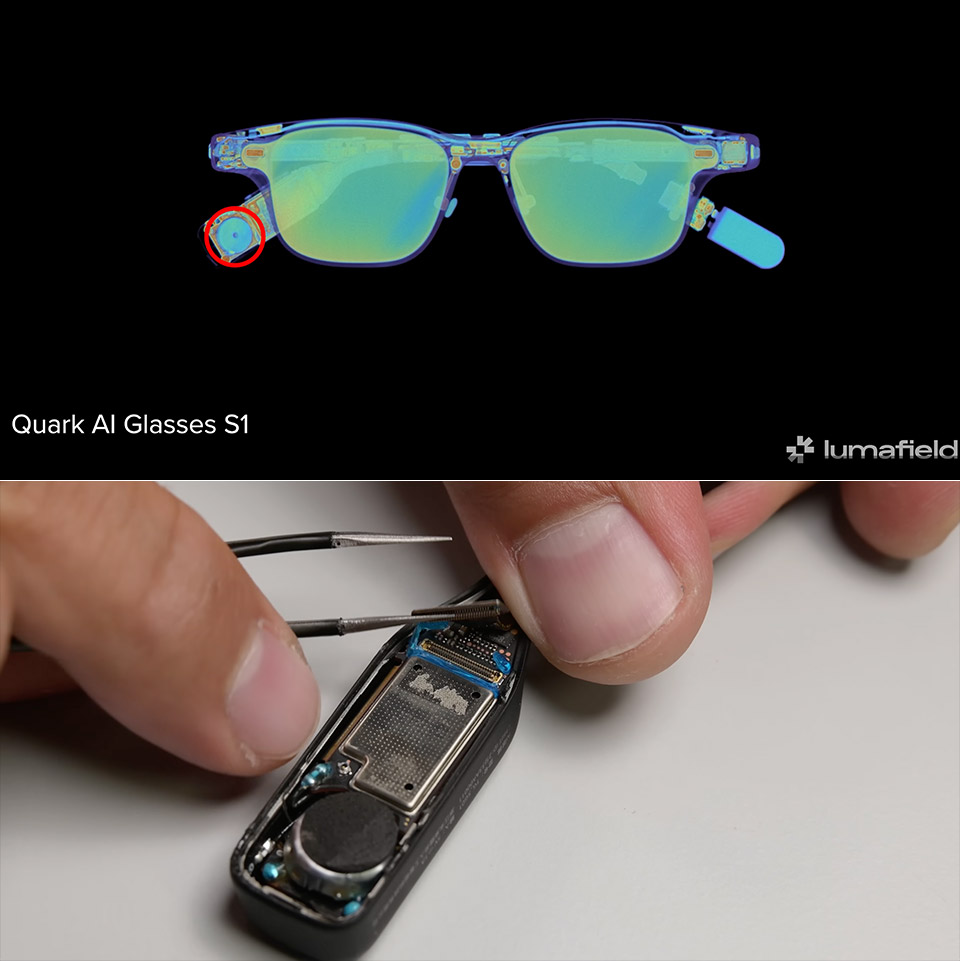
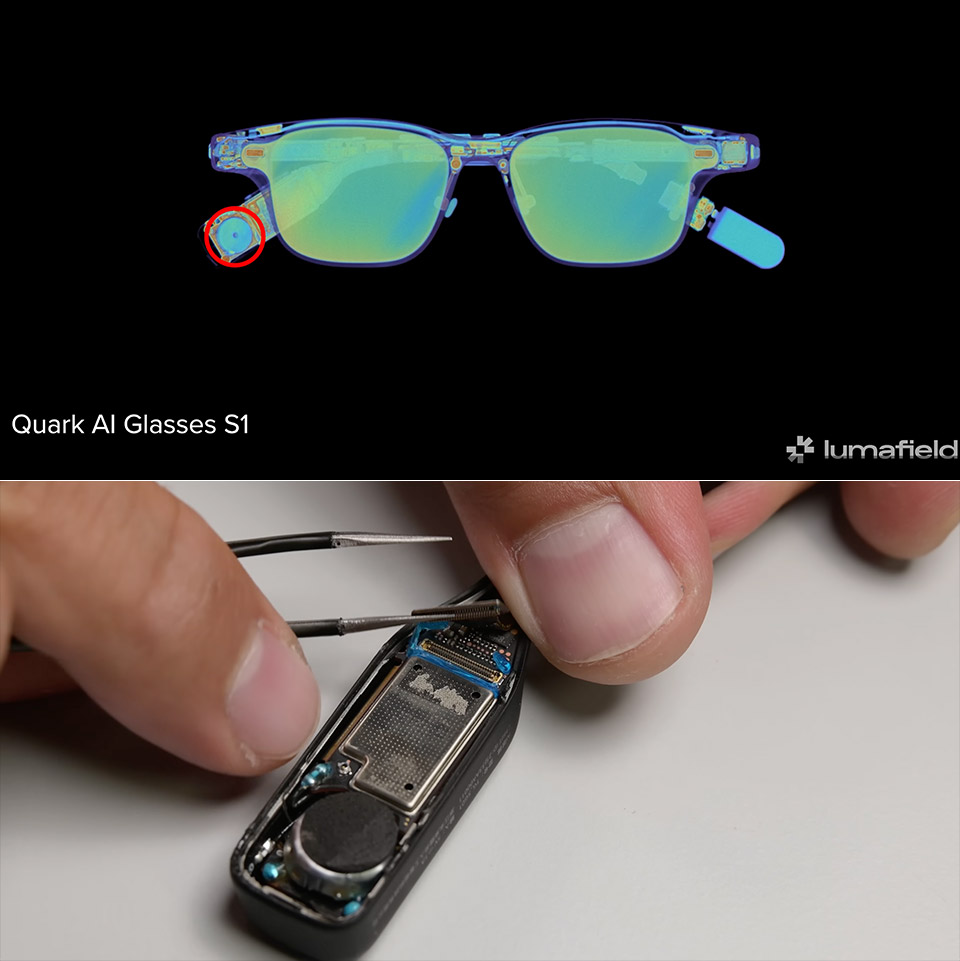
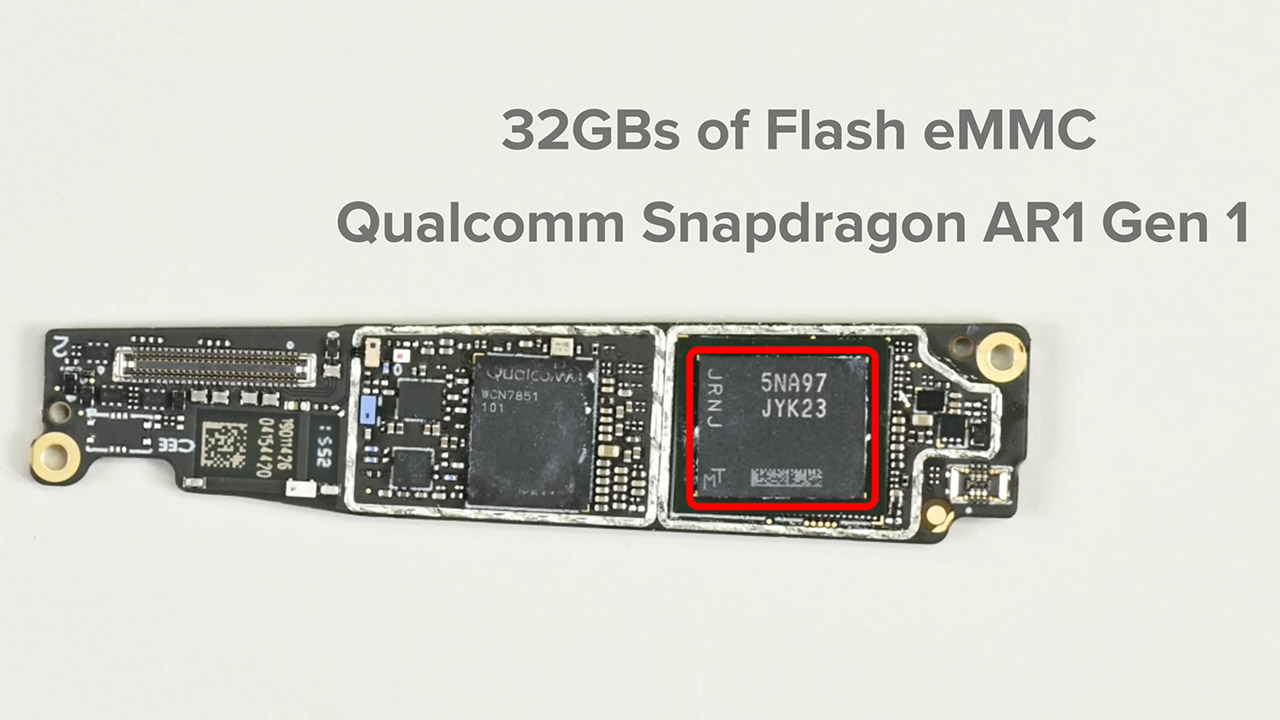
iFixit recently opened up two pairs of Chinese smartglasses to test a common industry claim. Manufacturers often say devices this small and water-resistant simply cannot offer user-replaceable batteries. The team bought a Quark AI Glasses S1 and a set of Rokid Glasses to see if that held up. Both models pack an internal battery plus a separate external pack that attaches for longer runtime. Both run on a Qualcomm Snapdragon AR1 Gen 1 processor with 32 GB of storage and use micro-OLED projectors to put information in front of the wearer’s eyes. Their internal layouts, however, tell two very different stories.
Getting the Quark AI Glasses S1 open involves some elbow grease. You must allow the heat to break down the seams before attempting to enter. Once inside, you’ll discover a 0.157 Wh lithium cell soldered straight to the circuit board. If you want to take it out, forget about using a fancy gadget; instead, grab a hot iron and some braid and go to work. The external pack attaches behind the right ear and has a larger 0.94 Wh battery, however accessing it is difficult. But what’s the point, exactly? To reduce assembly costs, they engineered the boards to fold tightly against the battery. Each arm features a small monochrome green micro-OLED screen, and the cameras are buried beneath the nose bridge. Attempting to get inside seems similar to fiddling with a sealed Meta Ray-Ban model, which is not exactly DIY friendly.
Answers, tips and inspiration are a question away. Forgot an ingredient for dinner? Ask Meta AI for a substitute to save a trip back to the store…
Meta Glasses are meticulously designed to deliver a fit that feels custom to you. Choose from a variety of bold colors and experience a comfortable…
Travel like a local whether you’re navigating a bustling market in Spain or having a conversation in Japanese. Just say “Hey Meta” to start a live…
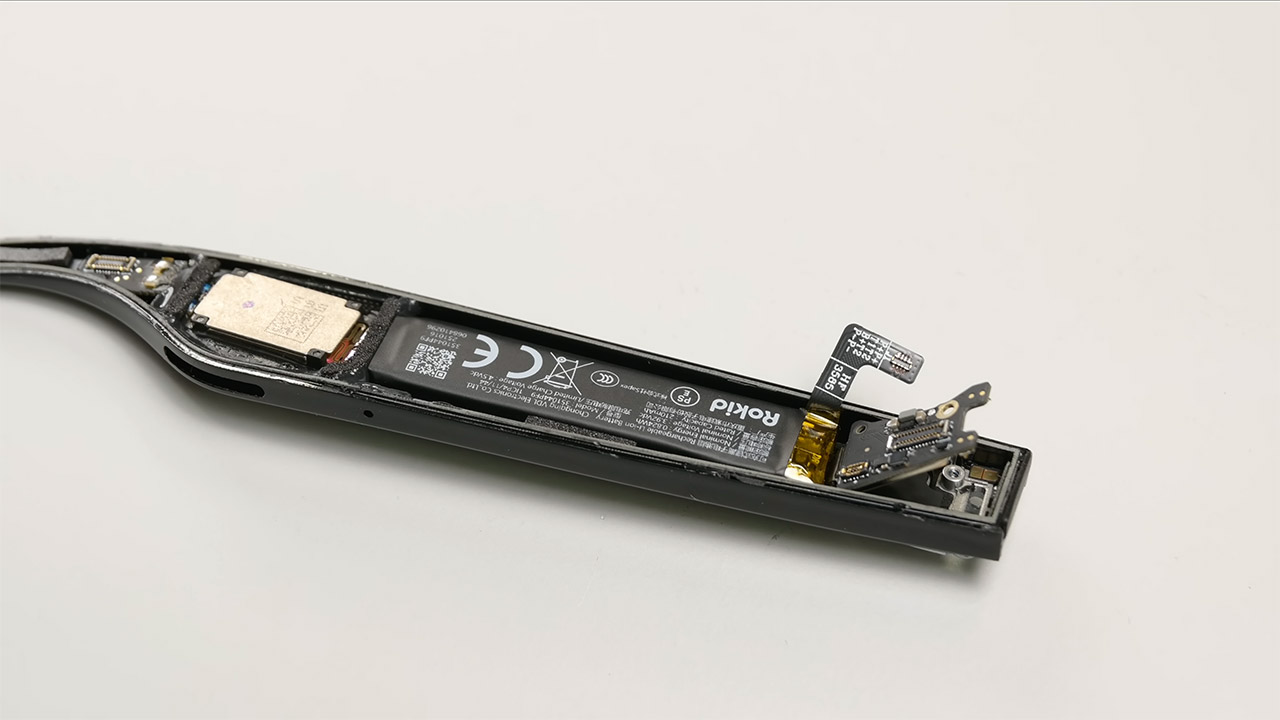
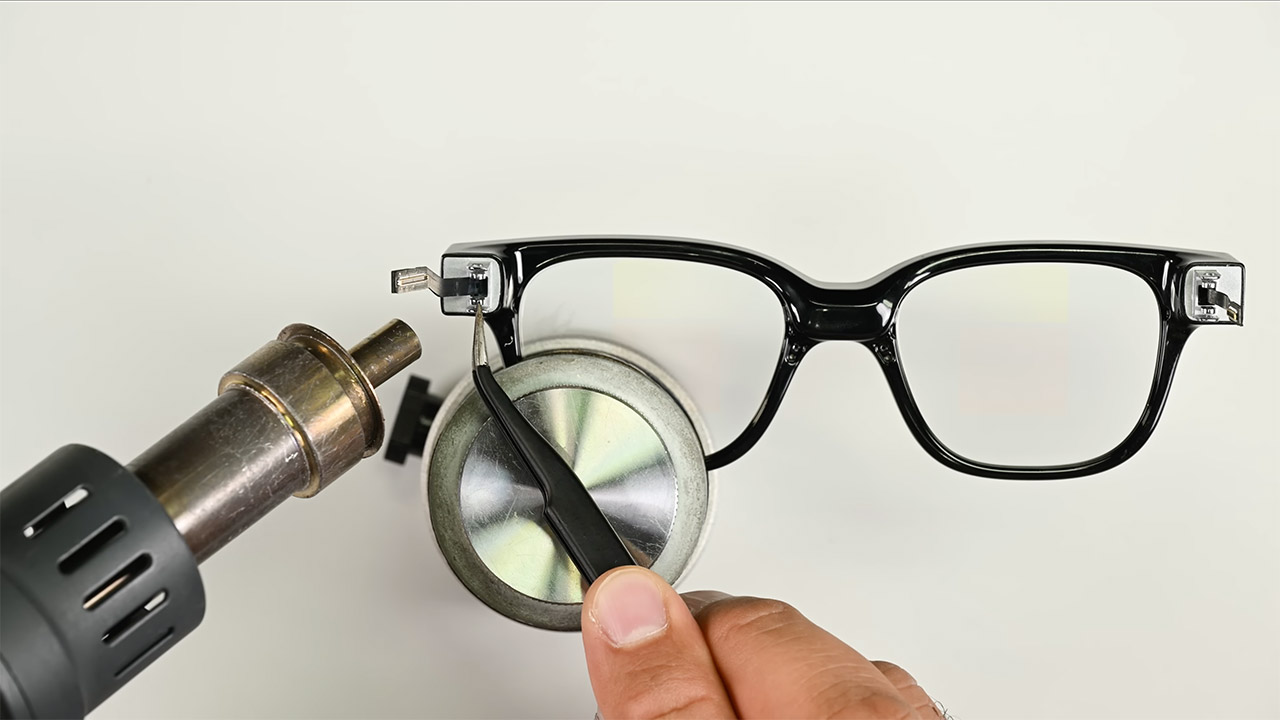
The Rokid Glasses are a completely different story, and opening them is a breeze. Just heat the seam with a hairdryer and it will come apart easily. Once inside, you’ll notice that they’ve put a lot of thot into making servicing easy. The battery connects with a simple press-fit connector and a couple of screws, eliminating the need for soldering, and the boards are secured in place with screws rather than glue. A single micro-OLED projector in the center divides the image between the two eyes, and it’s driven by an NXP chip and a Snapdragon processor, all to save power and improve efficiency. Cameras and speakers are where you’d expect them to be, yet nothing seems cramped, since everything has been thoughtfully planned to provide you simple access for future projects. The external pack attaches magnetically to the right arm and contains a 1.11 Wh battery that can be replaced without breaking a sweat.
Both pairs feature removable nose bridges, which is a nice touch. The external packs allow you to extend the life of your batteries without having to constantly recharge them, because let’s face it, lithium batteries lose capacity over time no matter how well you care for them. When they do, you’re left with an expensive, worthless set of spectacles, but the Rokid design suggests that this may not be necessary. A technician can easily replace out the battery without damaging the frame or optics.
iFixit has demonstrated that it is not impossible to design for upgradeability and replaceability. Google’s Pixel Watch 4 and Fairphone’s Fairbuds have demonstrated that a battery can be replaced, just like any other smart gadget, and wearables are not some sort of special snowflake, since they face the same size and durability requirements as any other product. The EU plans to require replaceable batteries in all types of electronics by 2027, but wearables are exempt. Companies said that it was too difficult to achieve in a wearable. The Rokid teardown debunks that claim, as it only requires some light adhesive, press connectors, and a modular external pack to create a pair of smart glasses that are still tiny and wearable. [Source]
A new NYT Strands puzzle appears at midnight each day for your time zone – which means that some people are always playing ‘today’s game’ while others are playing ‘yesterday’s’. If you’re looking for Sunday’s puzzle instead then click here: NYT Strands hints and answers for Sunday, August 9 (game #889).
Strands is the NYT’s latest word game after the likes of Wordle, Spelling Bee and Connections – and it’s great fun. It can be difficult, though, so read on for my Strands hints.
Want more word-based fun? Then check out my NYT Connections today and Quordle today pages for hints and answers for those games, and Marc’s Wordle today page for the original viral word game.
Advertisement
SPOILER WARNING: Information about NYT Strands today is below, so don’t read on if you don’t want to know the answers.
Latest Videos FromTechRadar
Advertisement
NYT Strands today (game #890) – hint #1 – today’s theme
What is the theme of today’s NYT Strands?
• Today’s NYT Strands theme is… Back it up
NYT Strands today (game #890) – hint #2 – clue words
Play any of these words to unlock the in-game hints system.
FAST
CURE
STARE
FIST
TROOP
STIFF
NYT Strands today (game #890) – hint #3 – spangram letters
How many letters are in today’s spangram?
• Spangram has 13 letters
Advertisement
NYT Strands today (game #890) – hint #4 – spangram position
What are two sides of the board that today’s spangram touches?
• First side: top, 3rd column
• Last side: bottom, 4th column
Right, the answers are below, so DO NOT SCROLL ANY FURTHER IF YOU DON’T WANT TO SEE THEM.
Advertisement
Advertisement
NYT Strands today (game #890) – the answers
(Image credit: New York Times)
The answers to today’s Strands, game #890, are…
DATA
FACTS
FIGURES
STATISTICS
SPECIFICS
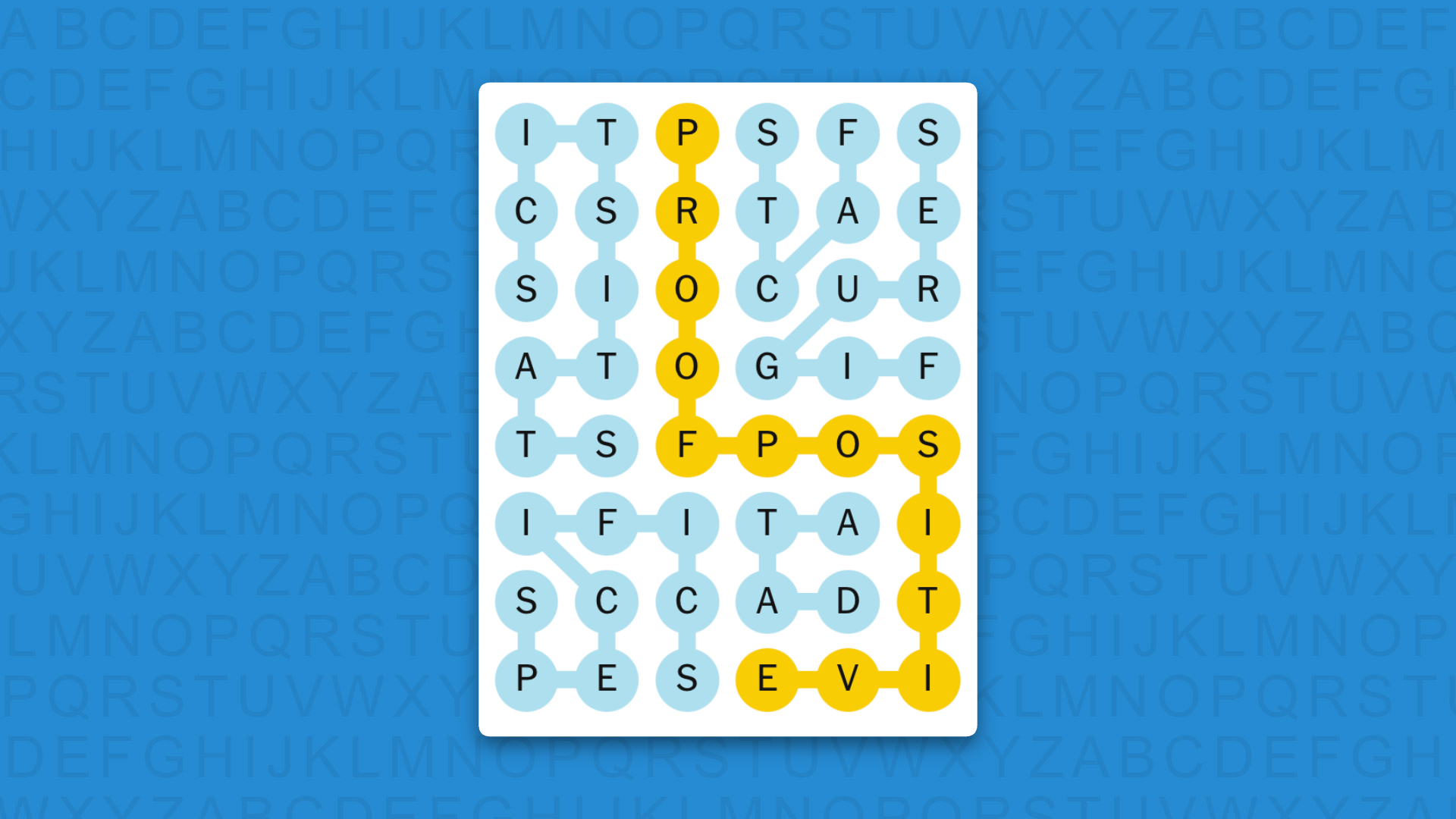
SPANGRAM: PROOFPOSITIVE
My rating: Moderate
My score: Perfect
I spotted “positive”, “proof” and “specific” as non-game words before seeing them as the spangram and adding an S to get to the SPECIFICS.
Sign up for breaking news, reviews, opinion, top tech deals, and more.
This, then, was a game of feeling around in the dark before gradually completing the board, rather than a smashing through — or maybe I was slower just because it’s a Monday?
Either way, it was a pleasure to complete a game celebrating the bedrock of good journalism, as opposed to the opinion and bluster that makes up most of the media landscape.
Advertisement
Yesterday’s NYT Strands answers (Sunday, August 9, game #889)
LUXURY
EXTRAVAGANCE
TREAT
INDULGENCE
FRILLS
SPANGRAM: IMWORTHIT
What is NYT Strands?
Strands is the NYT’s not-so-new-any-more word game, following Wordle and Connections. It’s now a fully fledged member of the NYT’s games stable that has been running for a year and which can be played on the NYT Games site on desktop or mobile.
I’ve got a full guide to how to play NYT Strands, complete with tips for solving it, so check that out if you’re struggling to beat it each day.






















































You must be logged in to post a comment Login