Nuclear batteries are pretty simple devices that are conceptually rather similar to photovoltaic (PV) solar, just using the radiation from a radioisotope rather than solar radiation. It’s also possible to make your own nuclear battery, with [Double M Innovations] putting together a version that uses standard PV cells combined with small tritium vials as radiation source.
The PV cells are the amorphous type, rated for 2.4 V, which means that they’re not too fussy about the exact wavelength at the cost of some general efficiency. You generally find these on solar-powered calculators for this reason. Meanwhile the tritium vials have an inner coating of phosphor so they glow. With a couple of these vials sandwiched in between two amorphous cells you thus have technically something that you could call a ‘nuclear battery’.
With an approximately 12 year half-life, tritium isn’t amazingly radioactive and thus the glow from the phosphor is also not really visible in daylight. With this DIY battery wrapped up in aluminium foil to cover it up fully, it does appear to generate some current in the nanoamp range, with a single-cell and series voltage of about 0.5 V.
Advertisement
A 170 VAC-rated capacitor is connected to collect some current over time, with just under 3 V measured after a night of charging. In how far the power comes from the phosphor and how much from sources like thermal radiation is hard to say in this setup. However, if you can match up the PV cell’s bandgap a bit more with the radiation source, you should be able to pull at least a few mW from a DIY nuclear battery, as seen with commercial examples.
This isn’t the first time we’ve seen this particular trick. A few years ago, a similar setup was used to power a handheld game, as long as you don’t mind waiting a few months for it to charge.
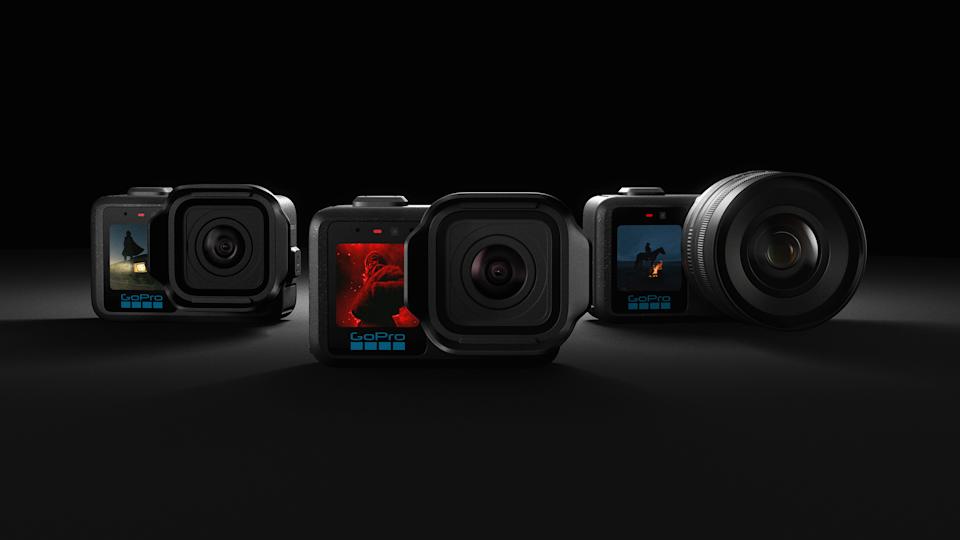
We heard all about GoPro’s new action camera series last week, but the company is now unveiling the pricing across its Mission 1, Mission 1 Pro and Mission 1 Pro ILS cameras. The entry-level Mission 1 ($600) features GoPro’s new 50-megapixel 1-inch sensor, which the company says will offer a major leap in image quality and low-light performance over the Hero 13 line. While largely looking the same as the Hero series (and still waterproof), the Mission 1 can record 8K video at 30fps and 4K at 120fps. It lacks the higher frame rates of the other Mission 1 cameras, but supports 10-bit GP-Log2 color and 32-bit float audio.
The Mission 1 Pro ($700) is the flagship fixed-lens model this year, aimed at the professional (or semi-pro) videographer. It has upgraded frame-rate capture to 8K at 60 fps and 4K at 240 fps, along with an extreme “burst” slow-motion mode that hits 960 fps at 1080p. It also captures 4:3 “Open Gate” recordings at 8K/30fps and 4K/120fps, covering the entire sensor area, enabling more versatile editing and cropping across different screen sizes, including vertical video.
Steve Dent for Engadget
Then there’s the beastly Mission 1 Pro ILS (Interchangeable Lens System). It swaps the standard GoPro lens for a Micro Four Thirds (MFT) mount lens. It otherwise shares the same 1-inch sensor and high-speed 8K/60fps video specs as the Pro model. It also matches the Pro model’s $700 price, with an additional $100 discount for GoPro subscribers. However, it won’t be launching until Q3 2026.
All of the Mission 1 Series accessories will be available on a rolling basis beginning May 28, with GoPro’s own wireless mic system (take note, Rode and DJI) priced at $160. If you preorder a Mission 1 or Mission 1 Pro directly from GoPro now, you’ll get the point-and-shoot grip bundled for free. The company still doesn’t have an official release date for the cameras.
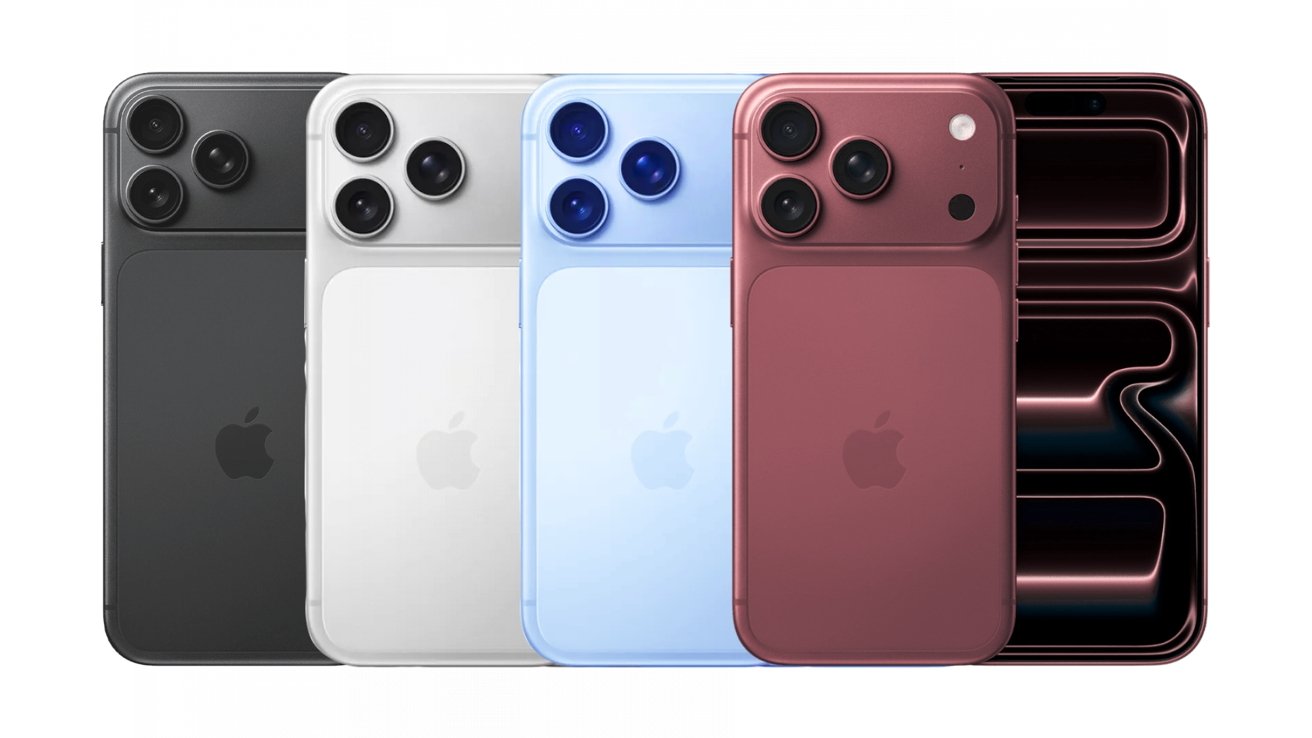
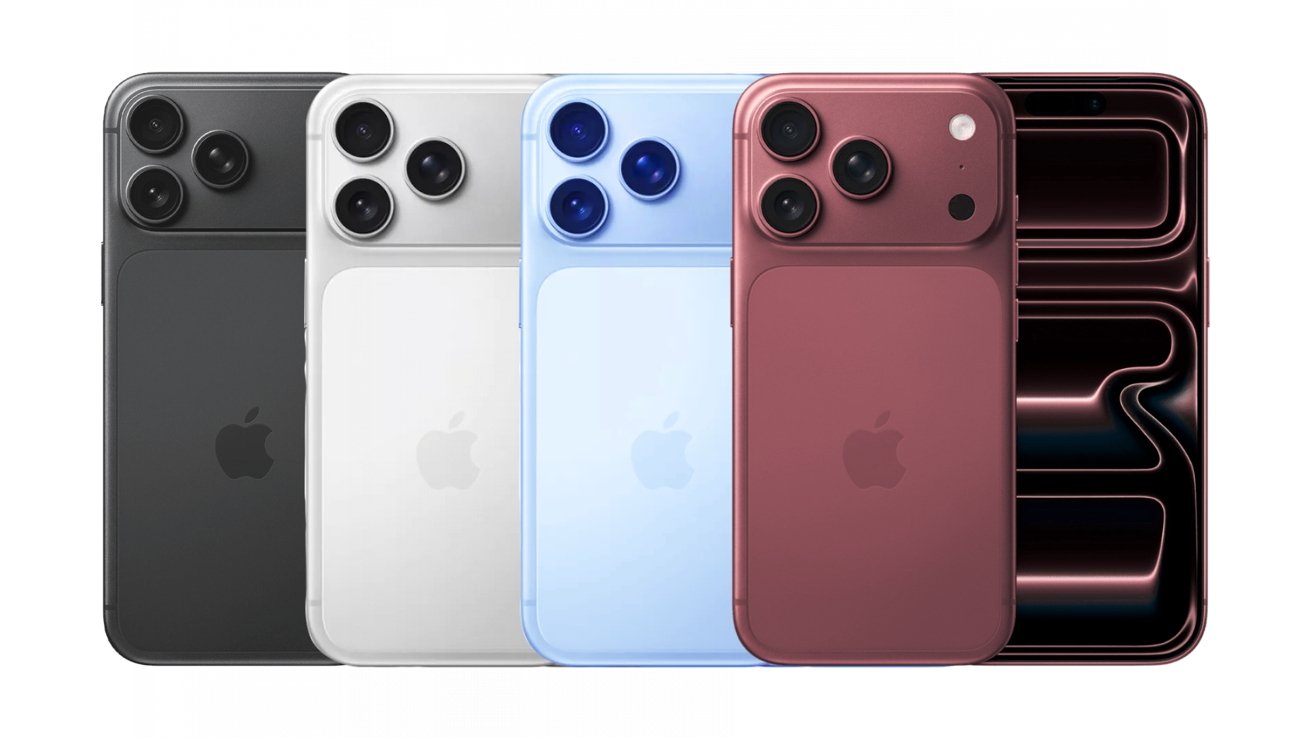
The rumor mill is still churning on the iPhone 18 Pro colors, with a new leak showing what the colors may be.
Four possible colors of iPhone 18 Pro
The iPhone rumor mill has been on a bit of a color kick lately, with multiple rumors claiming to know which Apple will use in 2028. For the iPhone 18 Pro, it seems that there could be four colors on the way. The image shared by Weibo leaker Ice Universe shows what appear to be rear camera plateaus for the iPhone 18 Pro. It is unclear where they were sourced from, but they may be shots gathered from an accessory maker, rather than the actual Apple supply chain. Continue Reading on AppleInsider | Discuss on our Forums
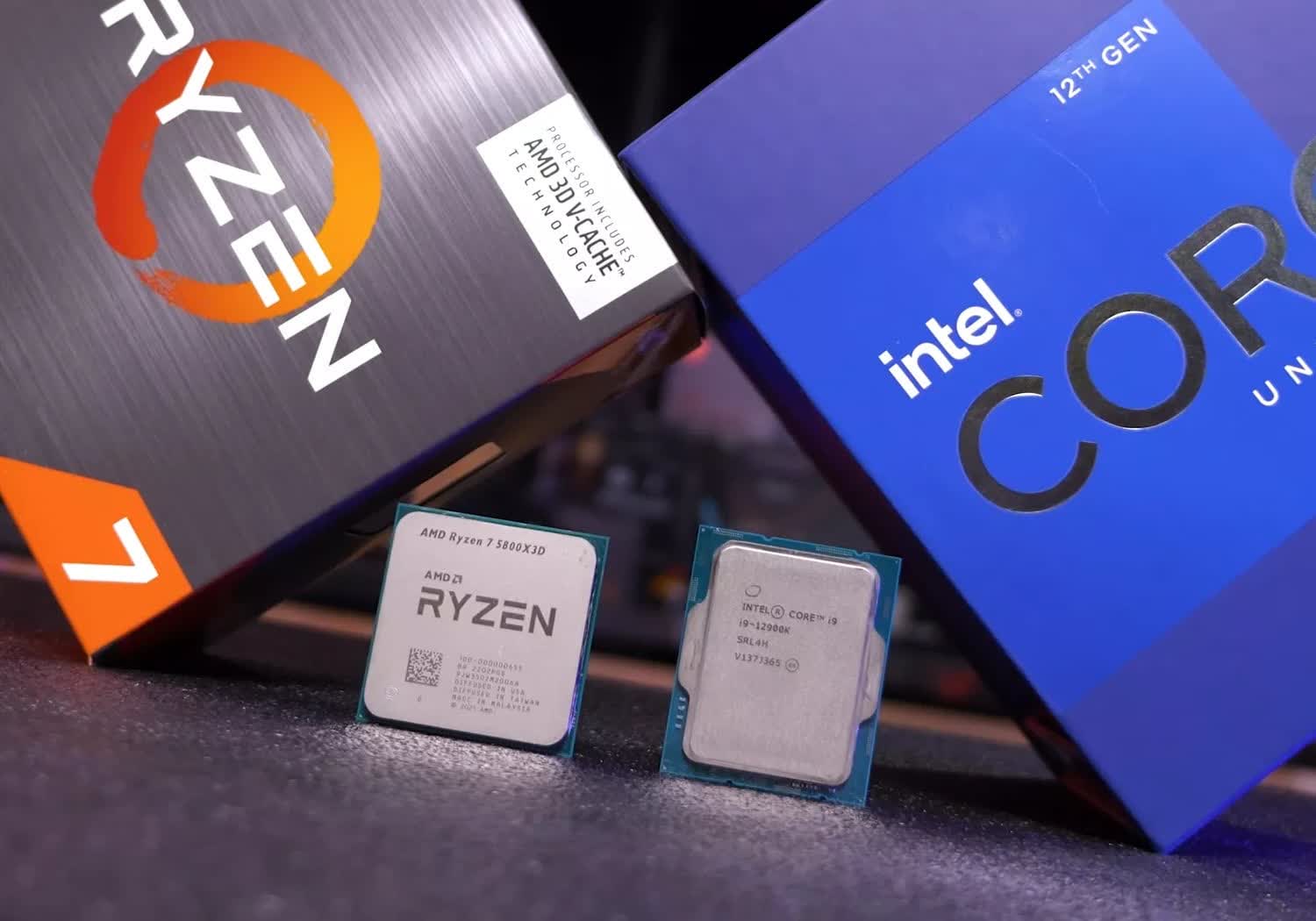
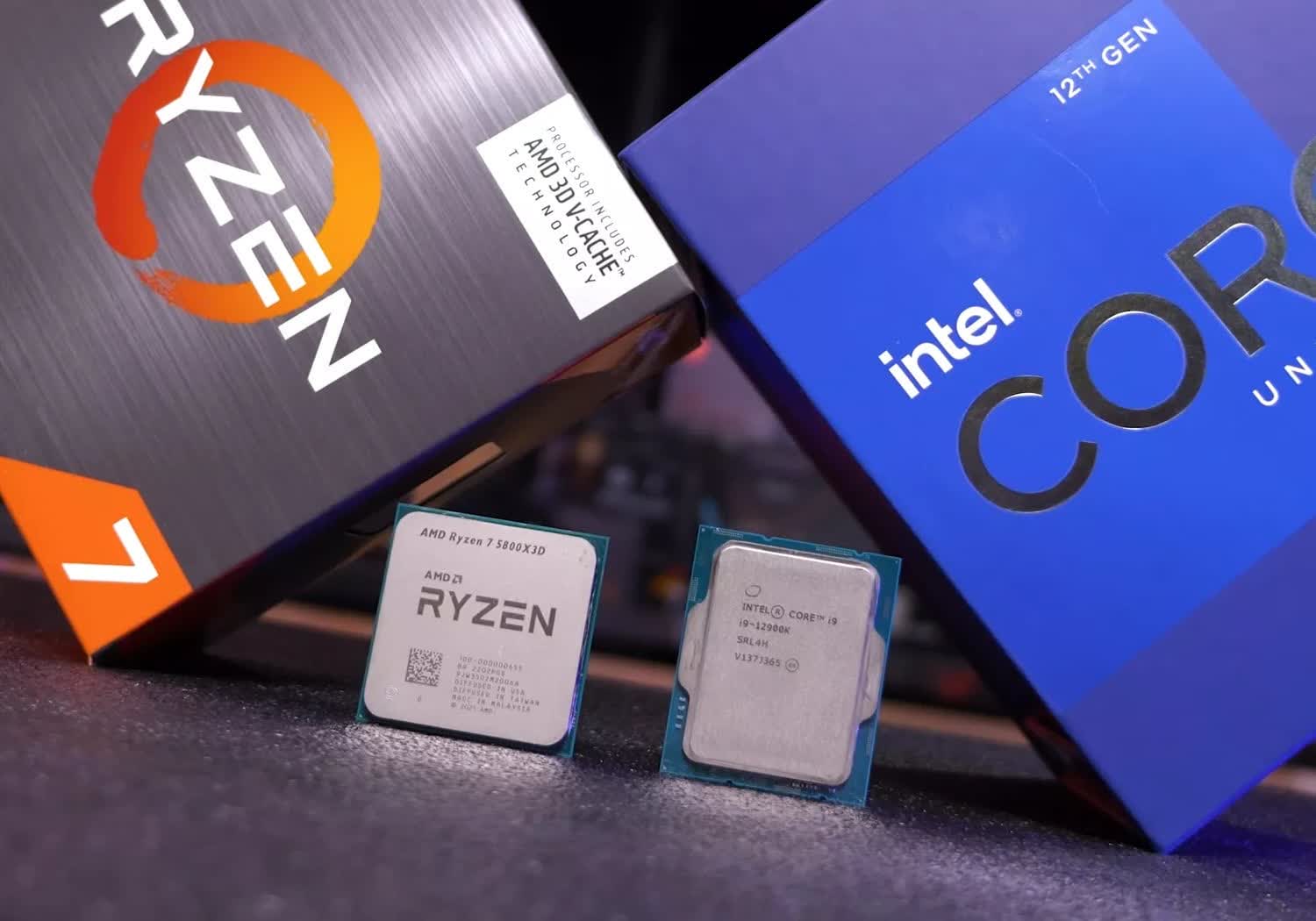
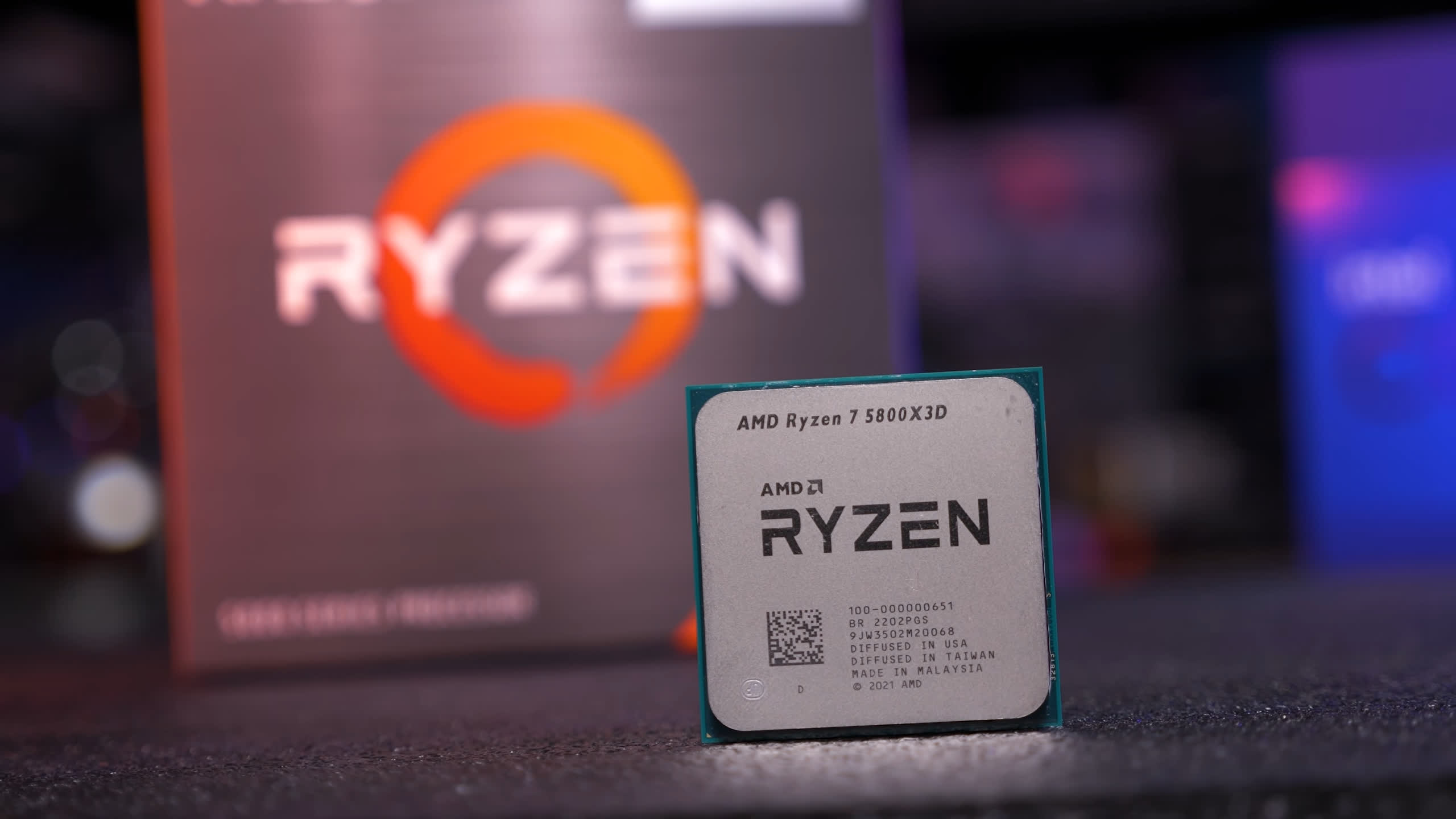
Four years on, we revisit the Ryzen 7 5800X3D vs Core i9-12900K with modern games and DDR4 vs DDR5 configs. The result: still neck and neck, but memory choice now makes a real difference.
Stop fighting a losing battle with a grease-spattered stovetop. If you’re buying high-end bacon, you want a perfect crunch without the 20-minute cleanup. The real problem with a frying pan isn’t the taste, though. It’s all that popping and the errant grease spots that mark your skin and kitchen walls.
In an effort to find the best, cleanest way to make bacon for a Sunday brunch or BLT, I tried several methods, including the stovetop, oven and air fryer.
It turns out I’ve been doing it all wrong.
Advertisement
A frying pan
Cooking time: 10 minutes
Hassle: 8/10
How much bacon: 7-8 strips
I grew up on pan-fried bacon but my test revealed there’s a better way.
Mike Mackinven/Getty Images
This is the way I grew up cooking bacon and it’s perfectly fine. There isn’t much skill needed to fry bacon in a pan, although just about every batch I’ve ever made sends a healthy splatter over the stove. In more unfortunate instances, that infernal grease lands directly on my skin or clothes, presenting two distinct but equally aggravating problems.
Pan-fried bacon soaks up a ton of grease, which is why many turn to paper towels to drain it after cooking. Pan-frying these strips of pork belly also tends to curl them into little bacon balls. While that has no impact on the taste, it can make for a suboptimal presentation.
Advertisement
I can feel the splatter bombs just looking at this photo.
David Watsky/CNET
Another drawback of cooking bacon in the frying pan is its limited capacity. A 10-inch frying pan can hold only about 7 average-sized strips of bacon at a time, although you can add more as they shrink during cooking.
Then there’s the matter of cleaning said pan after use. It’s not recommended to put most cookware in the dishwasher, so you’ll have to manage that grease-soaked surface yourself.
The oven
Cooking time: 18 minutes
Hassle: 6/10
How much bacon: 10-12 strips
Oven bacon is best for cooking large batches.
Advertisement
CNET
While it requires more prep, oven-cooked bacon has clear advantages over pan-frying. For one, there is little concern about capacity, as a standard cookie sheet or baking tray can hold nearly a full package of bacon, making the oven ideal for cooking large quantities.
Using a baking tray and rack allows grease to drip off. That makes for crispier, less greasy results, but it does present a headache when it’s time to clean. Cookie sheets and baking trays don’t fit well in the sink, and there’s typically enough grease that you don’t want to run them through your dishwasher.
You can line the baking tray with aluminum foil, but it takes a lot of foil, and most of the time, bacon grease finds its way under or through it anyway.
Oven-cooked bacon takes longer than bacon cooked in a frying pan — about 18 minutes — but if you’re planning to cook a whole package and don’t want to tend to the stove while it cooks, your oven is the best bet.
Advertisement
The air fryer
Cooking time: 7 minutes
Hassle: 4/10
How much bacon: 6-7 strips
Thanks to its quick cooking time and hassle-free execution, the air fryer is my new go-to for making bacon.
David Watsky/CNET
There’s almost nothing I won’t try to make in the air fryer but, astoundingly, this is my first attempt at bacon. I anticipated a quick cook, because air fryers sizzle most food about 25% faster than a standard oven.
The air fryer proved to be my favorite way to make bacon, with one big caveat (more on that later). My favorite glass-bowl air fryer cooked those strips in about 7 minutes at 375°F — faster than the oven and the frying pan. Because air fryers include a crisping rack, grease naturally drips into the vessel below, so there was no need to nestle it in a paper-towel lasagna.
Advertisement
The crisping tray drained excess fat while the bacon cooked.
David Watsky/CNET
The bacon turned out perfectly crispy and kept its shape better than when fried in a pan.
And the mess was minimal. Because the air fryer cooking chamber fits easily in my sink, I was able to wash it in seconds with a sponge and soapy water. My glass bowl air fryer chamber is also dishwasher-safe so another option would have been to wipe the grease and stick it all in the dishwasher.
Advertisement
Air fryer bacon is really crispy, y’all.
David Watsky/CNET
The big caveat: Capacity
I use a modest 4-quart air fryer so I can only fit about six strips in at a time. That’s plenty for my partner and me but if I were making bacon for a group, I would have had to cook in batches or invest in a larger model.
That said…
Not having to keep watch over a sizzling, splattering pan or negotiate a grease-filled baking tray pulled from the oven is worth running it back another time to feed a group. There’s also no preheating needed, unlike with an oven, and the sheer speed and cleanliness gave the air frier the edge over the other methods I’ve tried.
Sky has mastered all things TVs and broadband, and now it’s stepping into the world of smart home with its latest venture, Sky Smart Home — a service that could challenge rivals such as Ring and Blink.
The Smart Home Plan is Sky’s entry-level package, which unlocks advanced features including cloud storage for recordings, Smart Alerts, Activity Zones, and more. There’s also the new Smart Home Plan+ that allows you to add extra devices including the Indoor Camera, Leak Pack, or Motion Pack — taking your smart home ecosystem to the next level.
The main thing we need to address is the price point. Sky’s Smart Home Plan gets you a video doorbell and a chime for an upfront cost of £15, and then requires a £5 monthly subscription fee which gives you access to its slew of additional functions. This is required for a minimum term of 24 months, so if you want to cancel your commitment before the end of your contract you’ll be issued early termination fees.
Advertisement
As for its rival, a Ring video doorbell subscription will cost you the same amount (Ring Solo covers one device for £4.99 a month, or £49.99 for a year) and there’s no maximum commitment period, but the upfront costs are significantly more expensive. For example, the standard Ring Battery Video Doorbell is priced at £99.99, while its more advanced models such as the Ring Video Doorbell Pro can reach a price point as high as £179.99 but has improved features such as color night vision.
When it comes to the roster of features for both models, there’s a difference in scope and quality for sure, but if you’re a video doorbell newbie or you’re just after a simple model that will do the job, this shouldn’t matter too much.
As mentioned, Sky’s video doorbell package offers just-below surface-level features from 1080p full HD (1920 × 1080) with HDR video recording to clip sharing, to custom Activity Zones and 30 days of cloud storage. Additionally, you can access two-way talk through the Smart Home app and night vision with an infrared sensor of up to 10 metres.
Sign up for breaking news, reviews, opinion, top tech deals, and more.
Advertisement
Its rival does have the upper-hand on the features front, allowing you to access basic features such as live video footage without the need for a subscription. While its best features are locked behind the paywall, but some are slightly better than Sky, such as 1,440 x 1,440 video footage resolution, a staggering 180 days of cloud storage, and color night vision viewing to say the least.
With all things considered, Sky’s video doorbell would cost you £135 (including the £15 up-front cost and £5 monthly fee) if you were to stick out the full 24 months, whereas Ring would be £219.75 once you’ve factored in the £99.99 up-front cost and £4.99 monthly subscription for 24 months. If you were to purchase two annual subscriptions however (£49.99 a year), that would bring the total down to just under £200 for two years.
If you’re sticking to a budget and can live without all the bells and whistles, the Sky Smart Home Plan is the clear winner — if you know you won’t change your mind and are committed to the 24-month agreement.
Bose’s QuietComfort Ultra 2 earbuds are the best noise-canceling earbuds you can buy. Right now, they’re $50 off, which matches the best price we tend to see outside of special events like Black Friday and Cyber Monday. If you want to wait until November, they might hit $200 again, but otherwise $250 is a very fair deal—especially since they pop back up to $300 regularly. The discounted price applies to all five color options, including Black, Deep Plum, Desert Gold, Midnight Violet, and White Smoke (another rarity, as usually only the vivid colors go on sale).
Bose
QuietComfort Ultra 2 Earbuds
Sometimes you just need to quiet the world. Whether it’s to play 10 hours of Coconut Mall on a loop to help you lock in and meet your Friday deadlines (thanks to my colleague Julia Forbes for that suggestion); muffle the crying babies, sniffling neighbors, and mysterious, potentially concerning clunking noises on an airplane; or to help you better appreciate the mix on Space Laces’ Vaultage 004 EP, active noise cancellation makes a huge difference to your listening experience.
Advertisement
The Bose QuietComfort Ultra 2 earbuds also have some of the best active noise cancellation you can find. They sound great out of the box, thanks to a custom sound profile based on the shape of your ears, but you can customize the EQ by using the app. The app also allows you to tweak touch controls and spatial audio.
The battery life lasts for about six hours, or 24 with the charging case. And while the noise cancellation can’t be beaten, these also have a pass-through feature called Aware mode, which filters in outside noise but smooths the loudest bits. That means you’ll be able to hear what’s going on, but you won’t be startled. True-crime podcast listeners, this one’s for you.
In fact, just about the only drawback we can find is that these might not be ideal for folks with super-small ears. Otherwise, they’re great all around, with solid call quality, excellent sound overall, and a sleek aesthetic. We think they offer good value at full price, so an extra $50 off is especially nice.
Mbryonics has been tapped for the final leg of an ESA space communication project.
Galway space-tech Mbryonics is building out a second manufacturing facility in Shannon to keep up with a growing demand for its services.
The new 40,000 sq ft manufacturing facility called Photon-2 will produce thousands of terminals by 2027, the company said.
Mbryonics specialises in tools for space-based communication, having risen to become one of Ireland’s most notable space-techs in the 12 years since its founding.
Advertisement
Last September, the company opened the Photon-1 production facility in Dangan, Galway, and announced 125 new jobs to be created by 2027.
The latest expansion comes as Mbryonics continues its work with the European Space Agency (ESA) on communication-related projects – the most recent being the ‘High-throughput Digital and Optical Network (Hydron)’, which is building an advanced laser-based satellite system to extend fibre-based internet into space.
The project is divided into parts – or ‘Elements’ – with the first establishing a constellation of satellites in low Earth orbit, the second extending this capability into higher orbits, and the third, which brings industry into the network to validate the technology.
After a successful contribution to the second part of this project, Mbyronics was tapped for the final leg, in collaboration with Kepler Communications.
Advertisement
Specifically, the company’s optical terminal and its ground station test bed have been selected to demonstrate full interoperability with other optical terminal providers during the in-orbit demonstrations and to also verify on-ground interoperability verification.
“Hydron will serve as the world’s first multi-orbital optical communications network with a terabit per second capacity, offering resilient and efficient data transfer to address the challenges of bringing connectivity to multiple users securely, quickly and reliably,” said Laurent Jaffart, the director of resilience, navigation and connectivity at ESA.
John Mackey, the CEO of Mbryonics, added: “The internet was built by making different networks talk to each other, and that’s exactly what we’re enabling in space.
“Just as we demonstrated in DARPA Space BACN, this ESA award allows us to showcase how our laser communication technologies enable satellites from different providers to communicate seamlessly in orbit.
Advertisement
“We are delighted to partner with Kepler, and other ecosystem providers, on this strategic engagement with the European Space Agency.”
Don’t miss out on the knowledge you need to succeed. Sign up for the Daily Brief, Silicon Republic’s digest of need-to-know sci-tech news.
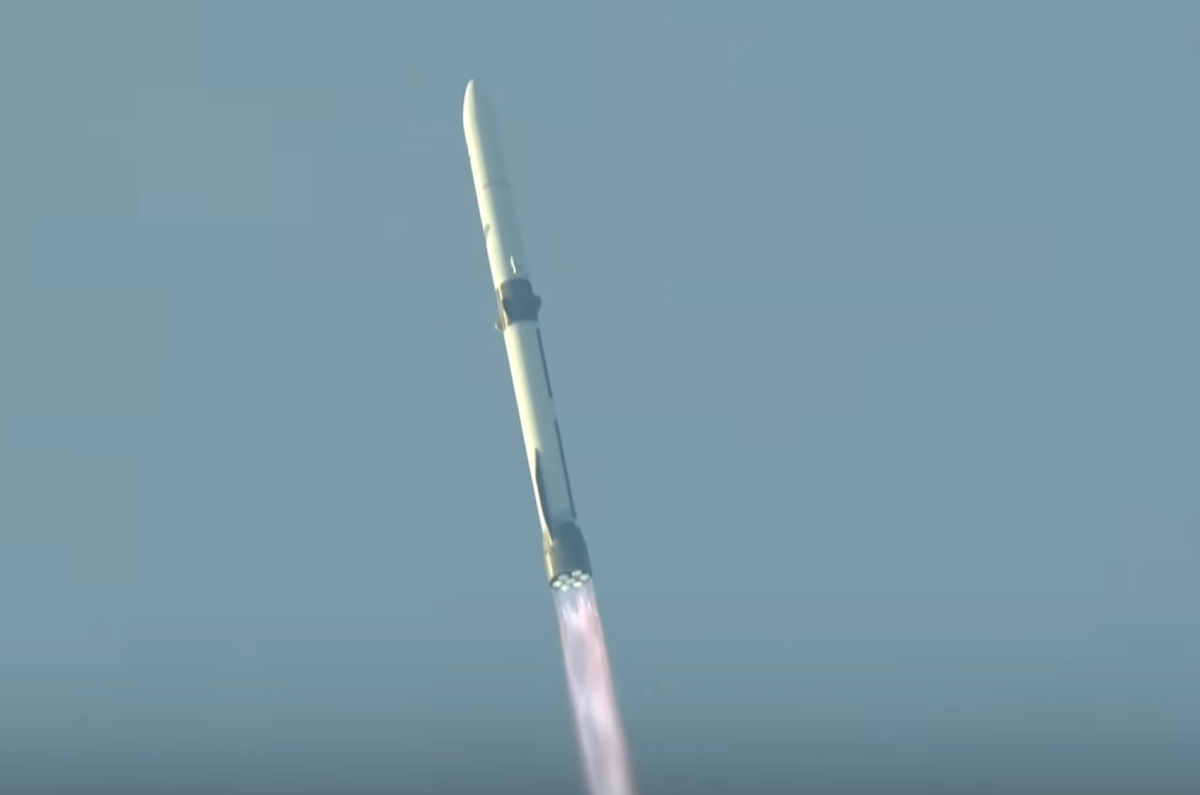
Blue Origin has successfully reused one of its New Glenn rockets for the first time ever, marking a major milestone for the heavy-launch system as Jeff Bezos’ space company looks to compete with Elon Musk’s SpaceX.
But the overall mission’s success may be in question. Roughly two hours after the launch, Blue Origin revealed that the communications satellite that New Glenn carried to space for AST SpaceMobile wound up in an “off-nominal orbit,” meaning something may have gone wrong with the rocket’s upper stage. In other words, it appears the company missed the mark.
“We have confirmed payload separation. AST SpaceMobile has confirmed the satellite has powered on,” the company wrote on X. “We are currently assessing and will update when we have more detailed information.”
According to a timeline provided by Blue Origin prior to the launch, the upper stage of New Glenn should have performed a second burn roughly one hour after the rocket lifted off from Cape Canaveral, Florida. It’s unclear if that second burn ever happened, or if there were other problems with it, before the AST satellite was deployed.
The company accomplished the re-use feat Sunday on just the third-ever launch of New Glenn, and a little more than one year after the first flight of the new rocket system, which has been in development for more than a decade.
Making New Glenn reusable is crucial to its economics. SpaceX’s ability to re-fly Falcon 9 rocket boosters is one of the main reasons why it has come to dominate the global orbital launch market.
Techcrunch event
Advertisement
San Francisco, CA | October 13-15, 2026
While Blue Origin has already sent a commercial payload to space with New Glenn — Sunday was the second-such mission — the company wants to use the rocket for NASA moon missions, and to help both it and Amazon build space-based satellite networks. Blue Origin is currently finishing getting its first robotic moon lander ready for an attempted launch later this year.
Advertisement
The booster that Blue Origin re-flew on Sunday was the same one the company used in the second New Glenn mission in November. During that mission, the New Glenn booster helped put two robotic NASA spacecraft into space for a mission to Mars, before returning to a drone ship in the ocean. On Sunday, Blue Origin recovered the rocket booster a second time on a drone ship roughly 10 minutes after takeoff.
Any trouble deploying AST’s satellite could present a risk to Blue Origin’s near-term plans for New Glenn. Blue Origin has a deal with the communications company to send multiple satellites to orbit over the next few years as it works to build out its own space-based cellular broadband network.
This story has been updated with new information from Blue Origin and AST SpaceMobile.
For the last 18 months, AI has fundamentally disrupted the way people search and find information.
The SEO industry’s response was disjointed, and—let’s be honest—entirely reactive.
We simply did not have the data to understand what was changing, how fast it was changing, and where we would ultimately end up.
Advertisement
Article continues below
Back then, rather than solving for the actual problem, such as lost traffic, broken attribution, and the looming threat to revenue, practitioners reached for a lexicon.
Andrew Warden
Advertisement
Chief Marketing Officer, Semrush.
We saw a sudden explosion of new acronyms: GEO, AEO, LLMO. Each new acronym narrowed the conversation to a single tactic.
Each one splintered budgets and reinforced a categorically incorrect idea: in order for brands to be visible in the AI era, radically different approaches needed to be built from scratch.
Advertisement
It’s been a distraction. While the industry is busy debating acronyms, the actual behavior of the consumer—and the search surfaces—are evolving right in front of us.
Sign up to the TechRadar Pro newsletter to get all the top news, opinion, features and guidance your business needs to succeed!
The end of the acronym soup
The dust has finally settled. And I want to remind everyone of something that should make marketers breathe a sigh of relief: the core human behavior behind search, including curiosity, problem-solving, decision-making, hasn’t changed.
Advertisement
Just as importantly, brand visibility in the AI era is still built on the same foundations that have always driven great SEO: crawlable infrastructure, authoritative content, and consistent brand signals.
But SEO alone is no longer enough. Today AI search systems are constructing answers rather than simply ranking links. They retrieve, evaluate, and synthesize information across multiple inputs, then surface recommendations, often without sending users to a website at all. The intermediary has changed. And with it, the entire surface area that determines whether your brand gets selected.
This shift is already visible in the data. AI Overviews appear on roughly 16% of Google search results, and generative platforms like ChatGPT, Perplexity, and Claude are increasingly becoming part of everyday research behavior. The latest research shows also that AI-driven search traffic grew from under 2% to more than 9% of desktop search traffic between 2024 and 2025, while traditional Google searches per user in the U.S. declined by nearly 20% during the same period.
Advertisement
The implication is clear: visibility today is about being selected based on the strength, consistency, and authority of your entire digital presence. This is why the conversation needs to move beyond acronym dissonance and name the shift for what it actually is now and will likely be into the future: a new operating layer for discovery.
This shift is called Agentic Search Optimization (ASO).
Why ASO?
Every AI-generated answer already involves a machine retrieving sources, judging credibility, and composing a response. That’s agentic behavior, and it’s happening today in ChatGPT, Google AI Mode, and Perplexity. What’s emerging now are agents that browse, compare, and transact with no human in the loop.
Advertisement
ASO is the discipline that ensures your brand is found, understood, and trusted across that entire spectrum.
Every time an AI system processes your brand, compares it to others, and determines whether to include it in a response, that is an agentic decision. And those decisions are not based solely on your website; AI agents interpret the entire digital footprint, including media coverage, Reddit discussions, YouTube videos, reviews, partner mentions.
And here’s the shift most brands are still underestimating: AI doesn’t just want to hear from you. It wants to hear what others are saying about you. That’s why, in my view, Agentic Search Optimization, combined with core SEO principles, represents both the present and the future of brand visibility.
Advertisement
Why search is now a board-level concern
For too long, SEO was treated as a marketing motion and, in many cases, an individual contributor’s task. Those days are over.
In an AI-driven environment, visibility is not created through isolated efforts. It’s the result of how consistently your brand shows up across every surface that influences discovery. That makes search a reflection of the entire business. Which is why it now sits at the board level.
Growing visibility today requires synchronized alignment across content, brand, product, and communications to create consistent, AI-trusted signals at every touchpoint. Because when visibility depends on consistency, misalignment becomes a growth risk. If your content says one thing, your product signals another, and your external presence tells a different story, AI systems don’t reconcile that in your favor. Instead, they dilute it, and that dilution has a cost.
This is what I call “The Beige Tax”, the cost of safe, generic, average content. In an AI-driven environment, mediocre doesn’t just underperform–it disappears. The only way to compete is through signal alignment: ensuring that every part of your organization reinforces the same narrative, with enough authority and consistency for AI systems to trust and surface it.
Advertisement
Winning in the next era
The biggest misconception about this shift is that it requires starting over. It doesn’t. Winning in this era is accretive meaning it builds on what already works. Once again, the same fundamentals apply. But they need to scale across more surfaces, more signals, and more systems. From our data, three factors consistently drive AI visibility:
Entity authority: If people aren’t searching for your brand, AI won’t either. Brand demand is now a leading indicator of inclusion.
Information density and originality: AI prioritizes content that adds something new—proprietary data, unique insights, strong perspective. Original research can increase visibility by 30–40%.
Advertisement
Signal alignment: Consistency across channels matters more than ever, because AI looks for consensus across your ecosystem rather than simply trusting isolated claims.
This is how brands move from being indexed… to being selected.
The future is clearer, but it doesn’t mean it’s easier
The future of brand visibility demands the combination of SEO + ASO. We aren’t asking teams to start from scratch; we are making the case that investment in teams, tools, and strategy must expand to match the new surfaces that influence search.
Advertisement
There are plenty of “AI-native” point solutions popping up right now. They can track a mention or see a single moment in a ChatGPT window. But they lack the historical depth and competitive benchmarking required to contextualize why performance is shifting. They see a moment. At Semrush, we see the trajectory.
The goal for any brand today is simple but difficult: build durable visibility wherever people search. AI just made “being everywhere” the most valuable place to be. The brands that win in the next era will be the ones that show up consistently across exactly there—everywhere.



















































You must be logged in to post a comment Login