A big change from the company’s previous robots, the Dyson Clean+Wash Hygiene comes with a bag-free self-emptying, self-cleaning dock, and a roller-based mopping system. Overall, it’s a decent cleaner and mopper, but the competition is tough. For a similar price you can get robots that mop better or that are more flexible when it comes to mixed environments of hard floors and carpets. And the Dyson app is a little inflexible compared to the competition, too.
Self-cleaning roller
Bag-free emptying
Generally good vacuuming
Powerful mopping on most stains
Expensive for the features
App is a little basic
Key Features
Review Price: £1049.99
Bagless emptying
Sucks up dust into the large, reusable bin in the dock.
Roller mopping
Advertisement
A self-cleaning roller is used to mop.
Introduction
As powerful as they are, Dyson’s robot vacuum cleaners have been overtaken by the competition in terms of features and, in particular, mopping performance. The Dyson Spot+Scrub AI is the chance for the company to set the record straight, and deliver a robot that matches the best competition.
Powerful suction, an auto-emptying, auto-cleaning dock, roller-based mopping and stain detection facilities are all features that I’d expect to see in a high-end robot. Are they enough? Read on to see what my full review has to say.
Advertisement
Advertisement
Design and features
Roller mopping
Bagless dock
Connects via MyDyson app
All previous Dyson robot vacuum cleaners, such as the 360 Vis Nav, have all been standard robots, with a charging-only dock, with emptying left up to you. The Dyson Spot+Scrub Ai is a fresher, more modern robot vacuum cleaner, with a self-empty, self-clean docking station of the type you’d expect to see in the competition, such as the Dreame Aqua10 Ultra Roller Complete.
Dyson’s is a chunky dock, but the first thing you’ll spot is the familiar-looking purple-clad cannister on the left-hand side. This is the bin for the self-emptying system, and it looks exactly like one taken from a regular Dyson vacuum cleaner.
Image Credit (Trusted Reviews)
Indeed, it’s a Cyclone-powered emptying system, sucking dust out of the robot into the 3-litre bin in the dock. There are no bags here (the only docking station to do without since the Shark PowerDetect NeverTouch Pro Robot Vacuum and Mop RV2800ZEUK), so no ongoing consumable costs. It’s a shame that more robot vacuum cleaners don’t follow suit.
Image Credit (Trusted Reviews)
Advertisement
This bin is very large, and Dyson says it can hold up to 300 days’ worth of dust, so you’ll realistically only need to empty it every two to three months.
There are then two water tanks: a 2.1L tank for dirty water, and a 2.3L tank for clean water. Both are easy to remove for filling/emptying.
Behind the clean tank sits the detergent dispenser, which is mixed with clean water automatically. Dyson sells its own hard floor solution you can use, but it’s a shame that a sample isn’t provided in the box. I used my own third-party hard water cleaner instead.
Advertisement
Image Credit (Trusted Reviews)
Dyson’s previous robots have looked quite distinctive, but the Dyson Spot+Scrub AI looks very similar to robots from other companies, although a bit chunkier. At 110mm tall, it can’t squeeze under as much furniture as the svelte Roborock Saros 10 or Dreame X50 Ultra Complete.
Image Credit (Trusted Reviews)
Advertisement
Flip the robot over, and there’s everything that you’d expect. There’s a single brush bar underneath for floor agitation, and two side brushes for teasing dirt out from the edges of rooms. Neither of these side brushes can swing out for corner cleaning, although they do have quite long brushes that protrude from the sides of the robot.
Image Credit (Trusted Reviews)
There’s a roller-based mopping system, too. This is dosed with clean, fresh water, and then dirt is collected by the roller and deposited in a tank. In this way, the roller is kept clean and won’t smear dirt around.
Image Credit (Trusted Reviews)
Common to other recent roller-based robot vacuum cleaners that I’ve reviewed, the Dyson Spot+Scrub AI has an extendable roller that can stick out 40mm to one side. That helps it clean right to the edges of rooms.
Image Credit (Trusted Reviews)
Advertisement
This roller can be lifted off the ground when carpet is detected to avoid wetting it, but it won’t fully rise above deep-pile carpet, and there’s no self-sealing system as with the Dreame Aqua10.
Control of the robot is via the MyDyson app, home to all of the company’s smart products. It’s very quick to connect to the app with a similar process to onboarding one of the company’s smart purifiers: the robot is detected automatically, and you just have to hold your phone close to it to connect.
Once connected, the robot needs to map your home. As the Dyson Spot+Scrub AI uses LiDAR for navigation, the process is relatively quick, and far better than the laborious process used by the company’s previous cleaners.
Advertisement
At the end of mapping, the app suggests room layouts for you, which were quite out, and also lacked some detail. Due to furniture placement in the Trusted Reviews Home Technology Lab, the robot split the main room up into six different ‘rooms’. The back room was mapped properly, but the map makes it look as there’s no way to get into it.
It was easy enough to merge rooms to create the ones that I wanted, and to label them. I could add no-go and no-mop zones, thresholds to climb, and I could add furniture to rooms, too.
Image Credit (Trusted Reviews)
Advertisement
With other robot vacuum cleaners that I’ve reviewed, such as ones from Roborock and Dreame, furniture gives me a quick-select zone to clean around, such as for cleaning around a table after eating. With the Dyson app, furniture is visible, but I couldn’t do anything with it.
Instead, cleaning options are limited to either cleaning a room or rooms of my choice, or a Target area, selected by drawing a box on the map. Only one Target can be added at a time.
Advertisement
Cleaning options then include Vacuum and Wash, Vacuum, Wash or Vacuum then Wash. That covers the basics, and there’s a choice of four vacuum modes, including an Auto mode, and three hydration levels for the mop.
There’s an option to select one or two wash repetitions for the mop in Wash, and Vacuum and Wash modes; if you want to mop after vacuuming, you can have a single pass. There’s no option to have multiple passes for the vacuum cleaner, and few advanced options in the app.
Largely that’s because the Dyson Spot+Scrub AI is designed to be automatic. It has one of Dyson’s fancy green lights for highlighting dirt on the floor, which you get with its vacuum cleaners, such as the Dyson V16 Piston.
Advertisement
Image Credit (Trusted Reviews)
Cameras in the robot feed into an AI engine that is designed to spot and recognise stains, formulating how many passes the cleaner needs to make or, in Auto mode, the level of suction required. The cameras are also used to spot and avoid common household obstacles.
Performance
Good vacuuming performance on carpet and hard floors
Edge performance could be better
Decent mopping on all but the toughest of stains
After getting the Dyson Spot+Scrub AI to create a map of the Trusted Reviews Home Technology Lab, I set it about on a few cleans, starting with the vacuum-only tests. For this, I add a teaspoon of flour to the test carpet, which was placed 50cm or so in front of the docking station.
Cleaning on Auto, the Dyson Spot+Scrub AI dealt with the mess well and got rid of most of the flour, bar a little section that was still faintly visible. Rated at 18,000Pa, this vacuum cleaner is powerful but a little way behind the competition, such as the 22,000Pa Roborock Saros 10, and also behind the previous Dyson model: the 360 Vis Nav was also rated at 22,000Pa. The higher-rated vacuum cleaners did slightly better in my carpet tests.
Advertisement
Advertisement
Moving on to the hard floor test, the Dyson Clean+Wash Hygiene easily picked up the flour placed in the middle of the room.
Its edge performance wasn’t so good, leaving a lot of the flour behind when in vacuum-only mode. Passing over the mess with the mop later on improved results a lot.
I then moved on to my mopping tests, which I ran in mop-only mode with two passes, although the auto-detection system meant some areas were covered multiple times.
Advertisement
My coffee stain was removed easily, with the floor completely clean.
Advertisement
Likewise, the red wine stain was also removed without any issues. In fact, both stains would have been fine with a single pass.
My mud stain has some small particles, which were vacuumed up in the previous tests. This just left the trod-in mess, which was removed well.
Advertisement
My ketchup test is the hardest one, and it took four passes for the stain to be reduced a lot.
Advertisement
I then gave it a helping hand by spraying the remaining stain with some kitchen cleaner, leaving it to soak in. After a couple more passes, the stain was greatly reduced, but the overall cleaning wasn’t as good as with the Narwal Flow, which has a wide, flat mopping system.
Image Credit (Trusted Reviews)
I finished off by adding human hair to the carpet. This was all collected, but it was also all wrapped around the edge of the brush bar, which is a little disappointing.
I measured noise at 57.2dB on the highest suction setting, which is good. You can get on with your regular life while the Dyson Clean+Wash Hygiene does its job around the house.
Advertisement
Battery life is good, too. It’s rated to last for 200 minutes, but I found that on higher power settings, I had enough power to do the entire lab (similar in footprint to a floor in a house), with one vacuuming pass and two mops; plus, there was power left for spot jobs and going over areas again.
Advertisement
Should you buy it?
You don’t want to use disposable bags
Advertisement
Bag-free auto emptying means that there are no ongoing costs for this robot.
Advertisement
You want more features or deeper cleaning
There are robots that are more flexible with mixed environments, that have better apps and that can deeper clean a home.
Advertisement
Final Thoughts
There are some clear improvements over previous Dyson robot vacuum cleaners, with proper navigation and mopping, but overall suction power is down. The biggest issue is the direct competition.
For just a little more, the Narwal Flow is better at mopping, while the Roborock Saros 10 (itself now replaced as the flagship by the upcoming Saros 20) is far more flexible. Both devices have more flexible apps, with more cleaning options and more advanced settings.
If the Dyson Clean+Wash Hygiene were a little cheaper or had a few more features, it would be an easier buy, but for now, there are better options in my guide to the best robot vacuum cleaners.
How we test
We test every robot vacuum cleaner we review thoroughly over an extended period of time. We use industry standard tests to compare features properly. We’ll always tell you what we find. We never, ever, accept money to review a product.
Advertisement
Find out more about how we test in our ethics policy.
Used as our main robot vacuum cleaner for the review period
We test for at least a week
Tested with real-world dirt in real-world situations for fair comparisons with other vacuum cleaners
FAQs
Can the Dyson Spot+Scrub AI move over carpets without getting them wet?
It can lift its roller off the ground to avoid short-pile carpets.
Advertisement
Do you need to buy bags for the Dyson Spot+Scrub AI?
A few years ago agricultural equipment giant John Deere found itself on the receiving end of multiple state, federal, and class action lawsuits for its efforts to monopolize tractor repair. The lawsuits noted that the company consistently purchased competing repair centers in order to consolidate the sector and force customers into using the company’s own repair facilities, driving up costs and logistical hurdles dramatically for farmers.
“As we continue to innovate industry leading equipment and technology solutions supported by our world-class dealer network, we are equally committed to providing customers and other service providers with access to repair resources,” said Denver Caldwell, vice president, Aftermarket & Customer Support. “We’re pleased that this resolution allows us to move forward and remain focused on what matters most – serving our customers.”
Except if John Deere had cared about customer service, they wouldn’t be in this predicament.
In addition to intentionally acquiring repair alternatives to monopolize repair and drive up consumer costs, John Deere also routinely makes repair difficult and costly through the act of software locks, obnoxious DRM restrictions, and “parts pairing” — which involves only allowing the installation of company-certified replacement parts — or mandatory collections of company-blessed components.
More recently, the company had been striking meaningless “memorandums of understanding” with key trade groups, pinky swearing to stop their bad behavior if the groups agree to not support state or federal right to repair legislation. Several such groups backed off their criticism, only to have John Deere continue its monopolistic behavior, the FTC’s complaint notes.
The annoyance at John Deere’s behavior has driven a broad, bipartisan movement that’s in very vocal support for state and federal guidelines enshrining “right to repair” protections into law. Unfortunately, while all fifty states have at least flirted with the idea of a state law, only Massachusetts, New York, Texas, Minnesota, Colorado, California, Oregon, and Washington have actually passed laws.
Advertisement
And among those, not one has taken any substantive action to actually enforce the new law, something that needs to change if the movement is to obtain and retain meaningful policy momentum.
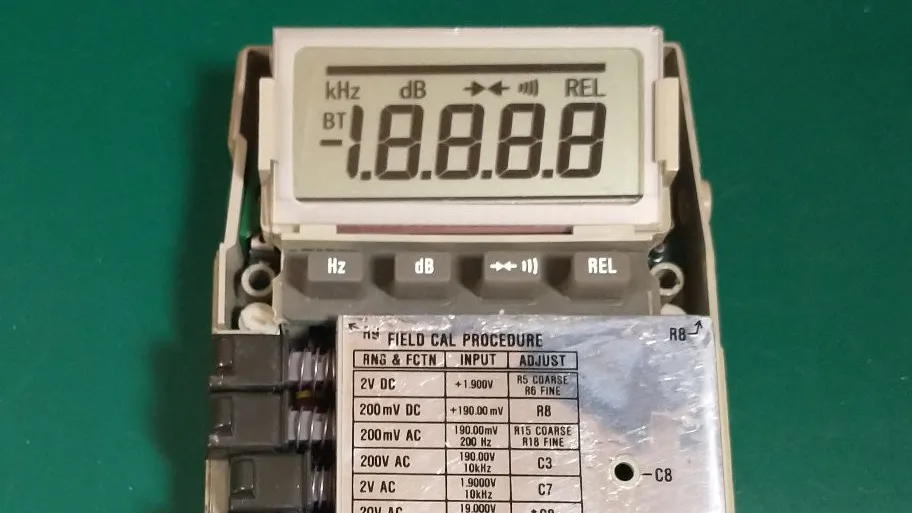
As a company, Fluke has been making electronic test equipment longer than the bipolar junction transistor has been around for. In that time they’ve developed a fairly stellar reputation for quality and consistency, but like any company they don’t support their products indefinitely. [ogdento] owns a Fluke meter that isn’t nearly as old as the BJT but still has an age well outside of the support window, and since the main problem was the broken LCD display they set about building a replacement for this retro multimeter.
Initially, [ogdento] had plans to retrofit this classic multimeter with a modern OLED, but could not find enough space for the display or a way to drive it easily. The next attempt to get something working was to build a custom one-off LCD using a drill press as an end mill, which didn’t work either. But after seeing a Charlieplexed display from [bobricius] as well as this video from EEVblog about designing custom LCDs, [ogdento] was able to not only design a custom PCB and LCD display to match the original meter, but was able to get a manufacturer in China to build them.
The new displays have a few improvements over the old; mostly they are more stylistically inspired by later Fluke models and have a few modern improvements to the LCD itself. There were are few issues during prototyping but nothing that was too hard to sort out, such as ordering the wrong size elastomeric strips initially. For anyone who needs to replace a custom LCD and can’t find replacement parts anymore, this project would be a great starting point for figuring out the process from the ground up.
If you have been waiting for Gemini to actually feel like it knows you, your wait is almost over. Google’s Personal Intelligence, which launched earlier this year for paid US subscribers, is now rolling out globally.
What is Gemini Personal Intelligence and what can it do?
Google
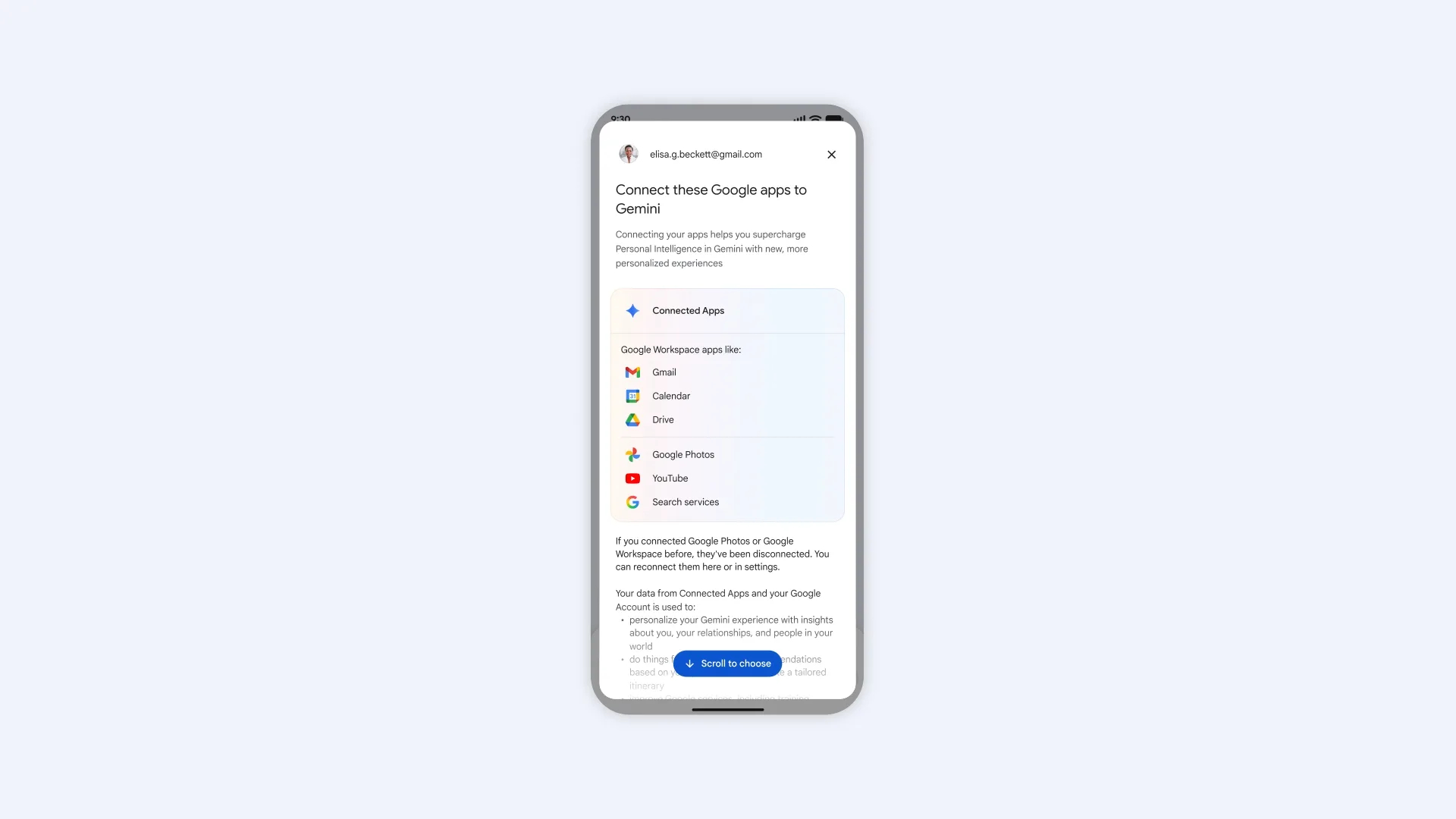
Personal Intelligence connects Gemini to your Google apps. Think Gmail, Google Photos, YouTube, Search, Maps, Calendar, Drive, and more. It uses your existing data to give smarter, more tailored responses without requiring you to explain everything each time.
The use cases are genuinely impressive. Ask Gemini for shopping recommendations, and it will factor in your recent purchases and style preferences. Stuck troubleshooting a device you do not remember buying? It can pull the exact model from your purchase receipts in Gmail.
Google
If you are planning a trip with a tight layover, Gemini can use Personal Intelligence to check your gates, walking time, and meal preferences all at once. It can even suggest a new hobby based on patterns it notices across your activity.
Google says this is an opt-in feature, so you choose which apps to connect. Importantly, Gemini does not train directly on your Gmail or Photos data. It references them to answer your questions, but keeps the underlying personal content separate from model training.
Who can use Gemini’s Personal Intelligence feature?
Personal Intelligence works across desktop, Android, and iOS with languages supported by Gemini. The global rollout is now live for Google AI Plus, Pro, and Ultra subscribers everywhere except the European Economic Area, Switzerland, and the UK. Free Gemini users globally will get access within the next few weeks.
Advertisement
Why does this matter?
Google
Personal Intelligence is probably the most significant thing Google has done with Gemini so far. Gemini is slowly becoming the kind of AI assistant that actually understands your life, not just the internet.
With access to Gmail, Photos, Maps, and more, Gemini will no longer feel like a generic chatbot and behave like a genuine personal assistant. No other AI assistant comes close to having this kind of data advantage baked in from the start.
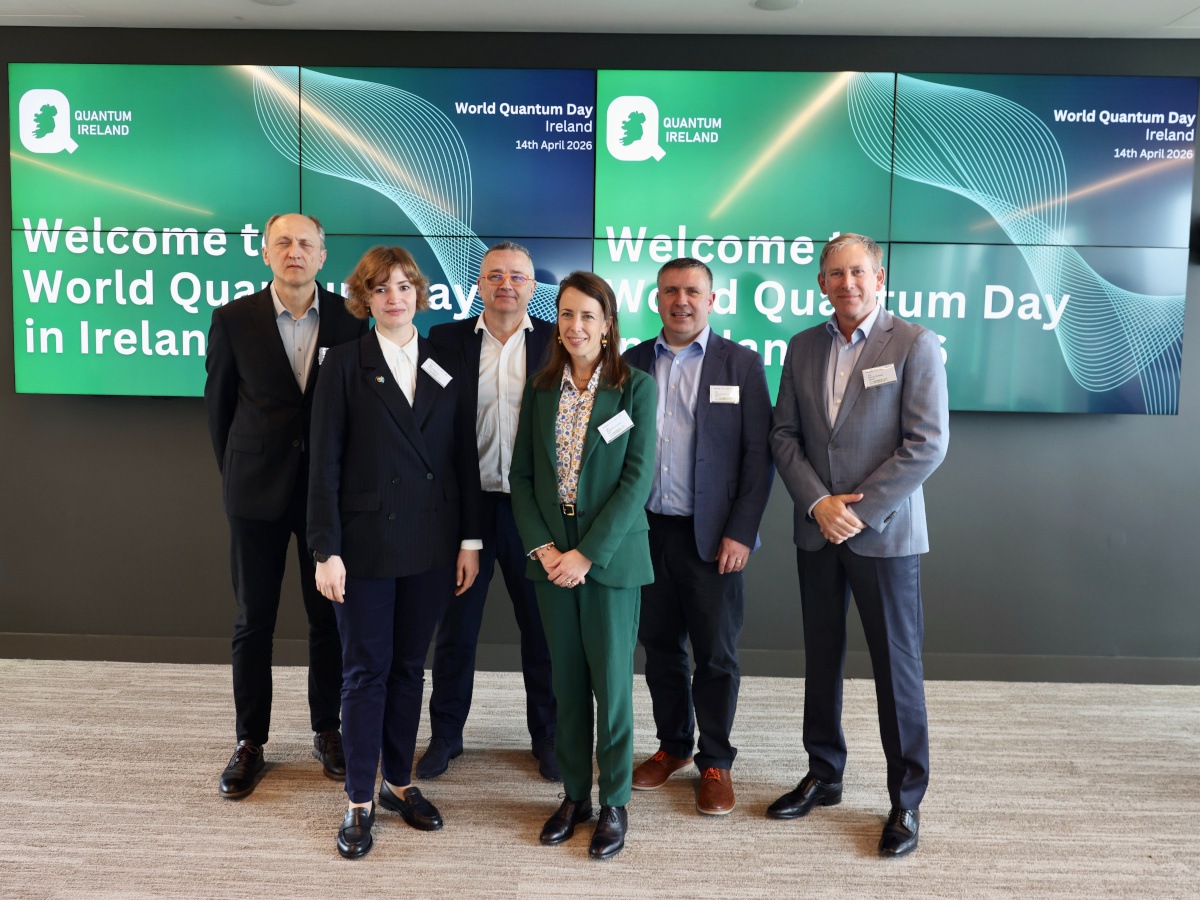
The partnership will bring together Bull’s supercomputing infrastructure and Equal1’s ‘breakthrough’ silicon-spin quantum computers.
Bull, a Paris-based high-performance computing (HPC), artificial intelligence and quantum technology company, is to partner with Dublin start-up Equal1, a silicon-powered quantum computing technology provider.
Equal1 and Bull stated that their deal will “advance the next generation of hybrid quantum-classical technologies with European solutions”, at a time when quantum computing is beginning to transition from promise to practical reality.
The pair said the partnership will combine Bull’s supercomputing infrastructure and quantum emulation expertise with Equal1’s breakthrough silicon-spin quantum computers, as agreed in a memorandum of understanding.
Advertisement
The collaboration will focus on three core pillars – technical integration, joint research and development to advance innovation, and a focus on sovereign European projects whereby both companies will collaborate on EU-led quantum initiatives amid the global quantum race.
Commenting on the announcement, Bruno Lecointe, the senior vice-president and global head of HPC, AI and quantum at Bull, said: “The convergence of high-performance computing and quantum technologies is redefining how we address the world’s most complex challenges.
“10 years after launching the first quantum emulator of the market, innovation has always been part of Bull’s DNA and we remain committed to designing hybrid architectures that help translate emerging technologies into operational capability.
“By integrating Equal1’s silicon-spin quantum servers into our Qaptiva ecosystem, we are enabling a seamless bridge between HPC, quantum emulation and quantum execution. This alliance ensures our customers can leverage quantum-centric supercomputing to achieve real-world outcomes with unprecedented efficiency and performance.”
Advertisement
Jason Lynch, the CEO of Equal1, added: “By building quantum processors on standard silicon, we are turning quantum from bespoke laboratory hardware into deployable infrastructure. This collaboration with Bull is a vital step in bridging the gap between breakthrough hardware innovation and industrial workloads.
“Together, we are positioning our joint solutions as the standard for high-performance computing, enabling seamless integration into existing data centres and driving a more sustainable digital future.”
Earlier this year, Equal1 announced it had raised $60m in a funding round led by Ireland Strategic Investment Fund, with participation from Atlantic Bridge, the European Innovation Council Fund, Matterwave Ventures, Enterprise Ireland, Elkstone and TNO Ventures.
At the time, Equal1 said that the investment would enable deployment to HPC centres – including to the European Space Agency’s Phi-lab in Italy – advance the roadmap towards “millions” of on-chip qubits, scale manufacturing and grow its team.
Apple sometimes closes retail stores. The company always has private and public reasons why, but the communities and workers that are impacted don’t care much about what they are.
Apple Trumbull – Image Credit: Apple
On April 9, it was revealed that Apple was preparing to close three of its stores in the United States in June. The group consists of Apple North County in Escondido, California, Apple Towson Town Center in Towson, Maryland, and Apple Trumbull in Trumbull, Connecticut. After the initial shock of the closures, people are still expressing their feelings about the store closures. However, as usual, nothing is straightforward in the court of public opinion. Continue Reading on AppleInsider | Discuss on our Forums
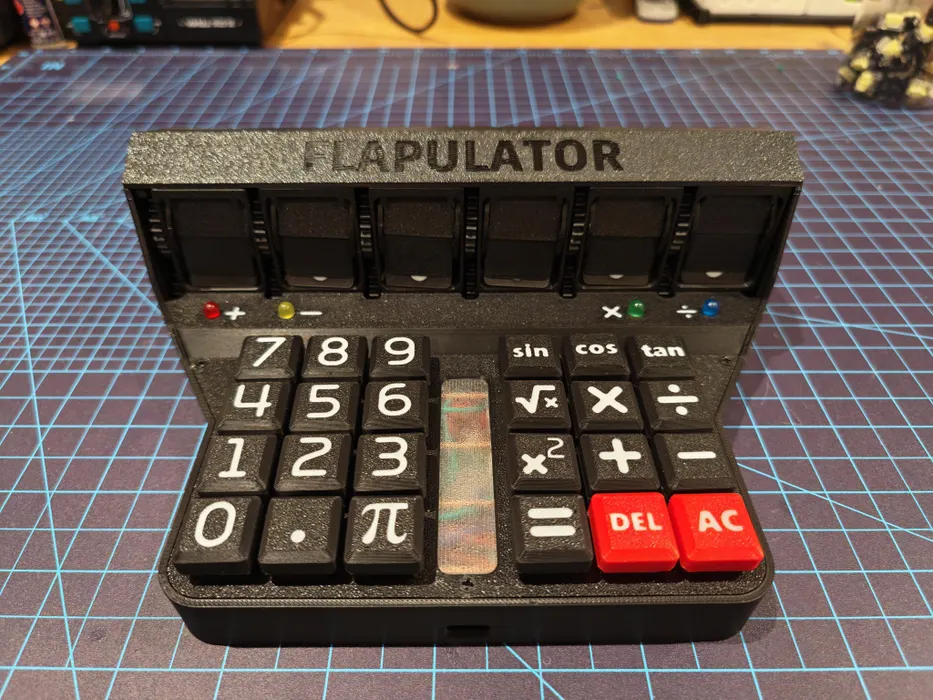
Oh sure, you’ve got calculators. There’s that phone program of course, and the one that comes with your OS, and the TI-86 and possibly RPN numbers you’ve had since high school.
But what you don’t have is a Flapulator, at least not until you build one. Possibly the be-all, end-all of physical calculating devices, the Flapulator does its calculating live on a split-flap display. It’s kind of slow and the accuracy is questionable, but the tactility is oh, so good.
This baby boasts a 6-digit display, where the decimal point and negative sign each require one digit. Inside is a Raspberry Pi Pico, which can calculate for around 4 hours on a full charge. But the coolest part (aside from the split-flap display, naturally) has got to be the 24-key, hand-wired mechanical keyboard. There’s also a couple of LEDs that light up to keep track of the current mathematical operation.
Advertisement
The story behind this one is kind of interesting. [Applepie1928] found out that one of their favorite mathematician-comedian-pi-lovers who is known for signing calculators was coming to town. With four weeks to whip something up, this was, amazingly, the result. Check it out in action after the break.
Intel and Google signed a multi-year deal to keep Xeon in cloud infrastructure
Google Cloud instances C4 and N4 already run on Xeon 6 processors
Intel and Google are co-developing custom IPUs for networking and storage
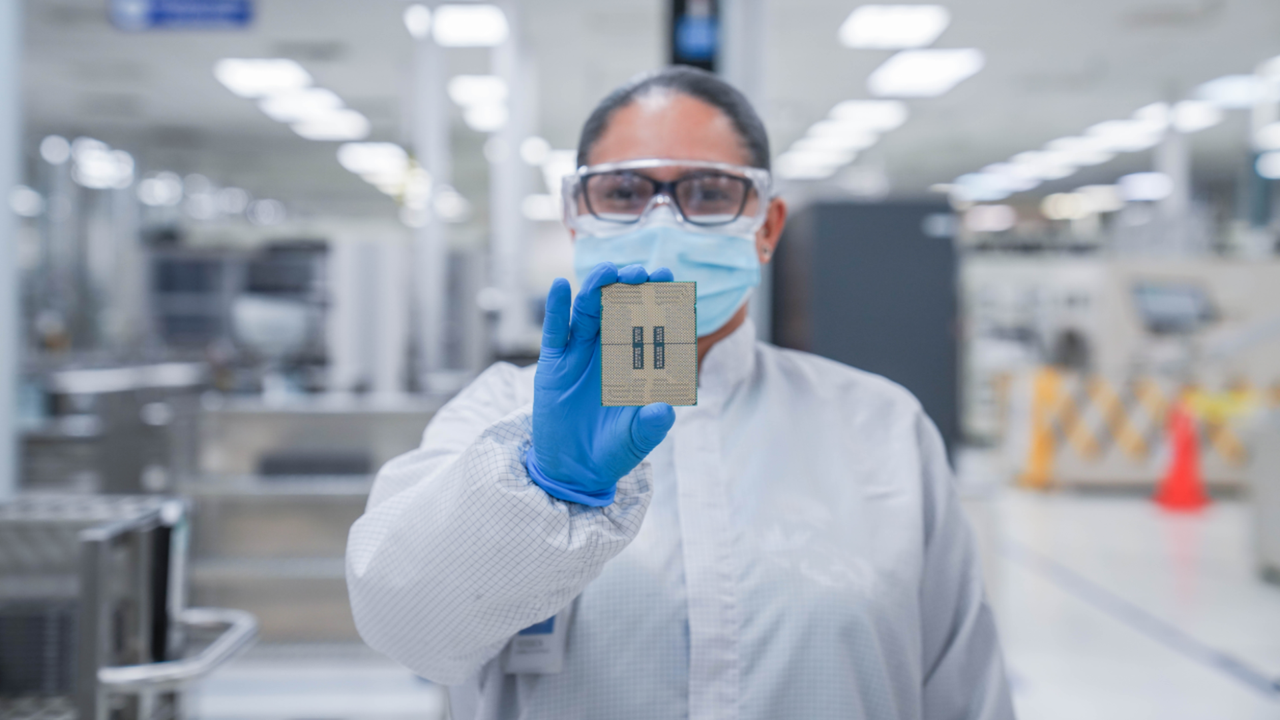
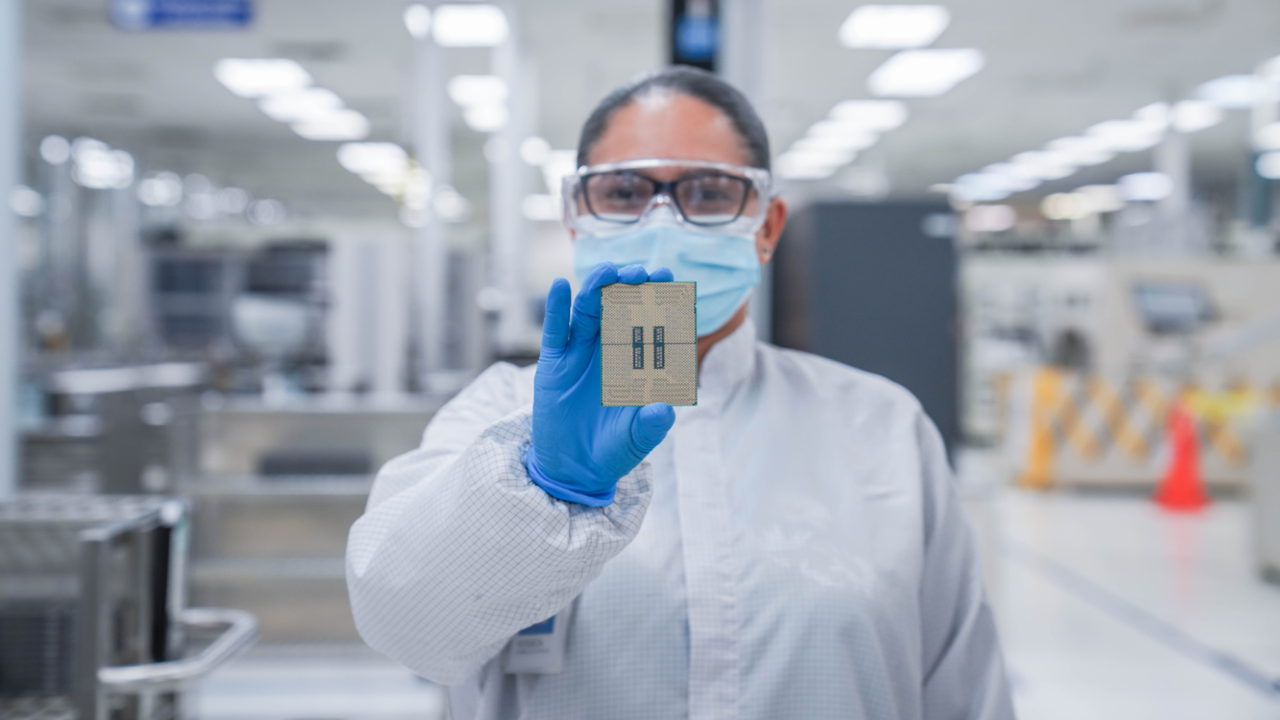
Intel and Google have announced a multi-year collaboration that will keep Intel Xeon processors at the heart of Google Cloud infrastructure for the foreseeable future.
The agreement spans multiple generations of Xeon chips and includes systems used for AI workloads, inference tasks, and general-purpose computing across Google’s global data centers.
Google Cloud instances such as C4 and N4 already rely on Xeon 6 processors, and this deal ensures that pattern continues.
Article continues below
Advertisement
Why CPUs still matter in an era of specialized AI hardware
“AI is reshaping how infrastructure is built and scaled,” said Lip-Bu Tan, CEO of Intel.
“Scaling AI requires more than accelerators — it requires balanced systems. CPUs and IPUs are central to delivering the performance, efficiency, and flexibility modern AI workloads demand.”
Advertisement
The announcement comes at a time when many hyperscalers are accelerating adoption of custom Arm-based processors for AI tasks.
Counterpoint Research recently claimed 90% of AI servers running custom silicon will rely on the Arm instruction set architecture, leaving x86 with only a small share of new deployments.
Sign up to the TechRadar Pro newsletter to get all the top news, opinion, features and guidance your business needs to succeed!
To ensure Xeon remains relevant, Intel and Google are also jointly developing custom infrastructure processing units designed to handle networking, storage, and security workloads.
Advertisement
These IPUs operate as ASIC-based accelerators that move infrastructure tasks away from host CPUs, freeing Xeon processors to focus on application execution.
This separation improves system efficiency and resource allocation across large cloud deployments running AI tools, AI agents, and large language models.
CPUs and infrastructure acceleration remain a cornerstone of AI systems — from training orchestration to inference and deployment,” said Amin Vahdat, SVP and Chief Technologist for AI Infrastructure at Google.
Advertisement
Google currently uses both Xeon 5 and Xeon 6 processors across multiple service layers alongside its own custom Arm-based Axion processors.
These deployments continue alongside Google’s own custom processors used in other parts of its infrastructure stack.
Intel and Google state that collaboration across CPUs and IPUs will continue across future system generations, covering ongoing integration efforts across cloud infrastructure layers.
They maintain that CPUs and infrastructure accelerators remain part of current cloud design patterns across distributed systems.
Advertisement
Many workloads running in Google’s data centers require backward compatibility with x86 architecture, while others need maximum single-thread performance that Xeon CPUs deliver.
These requirements are expected to persist for years, which explains why Intel and Google signed this multi-year agreement.
The Kraken cryptocurrency exchange announced that a cybercrime group is trying to extort the company by threatening to release videos showing internal systems that host client data.
The company’s Chief Security Officer, Nick Percoco, stated that the incident did not put client funds at risk and involved an insider threat, with two instances of improper access to limited customer data by support employees.
Kraken says that it will not pay or negotiate with the threat actor.
“We are currently being extorted by a criminal group threatening to release videos of our internal systems with client data shown if we do not comply with their demands,” stated Percoco.
“It’s important to start with the most important points: our systems were never breached; funds were never at risk; we will not pay these criminals; we will not ever negotiate with bad actors.”
Advertisement
Kraken is a U.S.-based cryptocurrency exchange that enables millions of users across 190 countries to buy, sell, and trade digital assets such as Bitcoin, Ethereum, and 200 others.
It is considered one of the largest and most established exchanges, with a daily trading volume of hundreds of millions of U.S. dollars.
Following a “tip from a trusted source” in February 2025 about cybercriminals circulating a video demonstrating access to its client support systems, Kraken initiated an investigation and uncovered a support employee recruited by the threat actor.
More recently, Kraken received a tip about another, more recent video showing insider access to its systems.
Advertisement
In both cases, the company reacted quickly by revoking the employee’s access, launching investigations, and strengthening controls. Where user exposure was identified, Kraken notified affected users directly.
According to Percoco, the incident affects only about 2,000 accounts, which represents 0.02% of Kraken’s user base. For this small subset, the exposed information reportedly only concerns client support data.
Kraken stated that its investigation has gathered enough evidence to legally prosecute all involved individuals attempting to blackmail them, and the company is closely working with federal law enforcement across multiple jurisdictions towards this goal.
Insider threats and malicious recruitment are a broader problem impacting multiple industries, and especially the cryptocurrency sector.
Advertisement
In mid-2025, it was revealed that another major American cryptocurrency exchange, Coinbase, suffered a data breach after hackers bribed employees of an India-based customer support agency to disclose to them private client support information.
In that case, the incident impacted 70,000 customers, with Coinbase estimating the total financial damages to be $400 million.
Automated pentesting proves the path exists. BAS proves whether your controls stop it. Most teams run one without the other.
This whitepaper maps six validation surfaces, shows where coverage ends, and provides practitioners with three diagnostic questions for any tool evaluation.
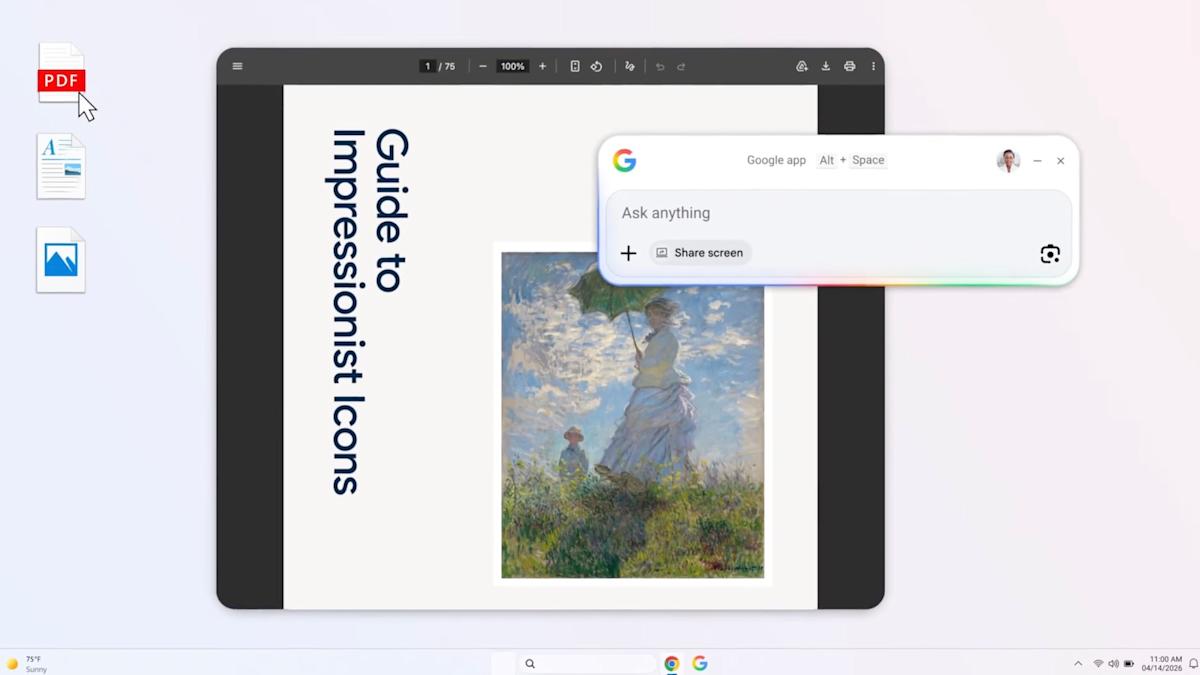
Google has introduced a new app for Windows desktops and, unsurprisingly, it puts AI front at center. If you aren’t a big fan of Google’s Gemini chatbot, then skip on past this download. For those of you who are heavy Gemini users, though, this could mean a simpler and more integrated experience on Windows machines.
Once installed, you can pull up the app’s search bar with the Alt + Space shortcut. Queries typed into this open-ended search box can hunt down information from the web like typical Google search, where AI Mode will be enabled for an extra layer of artificial intelligence for follow-up questions or a deeper dive down a rabbit hole. But the app isn’t limited to web search. It can delve into your computer’s files, other installed apps or Google Drive files to retrieve information. Screen sharing is also built into the app, which enables using Google Lens to conduct AI-powered searches on content displayed on your monitor.
The app is rolling out globally today in English. Interestingly, this hasn’t been gated to the most recent Windows 11, but it does require a machine running at least Windows 10.
Ambassador leaders, from left: COO Mark Steffler, CEO Geoff McDonald, and Chief Strategy Officer John Larson. (Ambassador Photos)
Seattle customer engagement startup Ambassador has acquired the operating assets of Tacoma-based programmatic ad platform Humming, part of a roll-up strategy that anticipates a larger shakeout among startups as major AI platforms expand their capabilities.
The deal will bring Humming’s technology for automatically buying and placing digital ads into Ambassador’s platform, which uses AI to manage and act on customer referrals, loyalty programs, surveys, and other feedback. Ambassador said the addition will improve its attribution capabilities, connecting ad spending to purchases, leads, and other customer actions.
It’s the latest in a series of acquisitions for the 22-person Seattle company, which has raised about $11 million.
The AI shakeout: Ambassador CEO Geoff McDonald said he sees more opportunities for deals in the future as AI startups that essentially built wrappers around large language models struggle to hold onto customers as Anthropic, OpenAI and others add similar capabilities.
The companies that will succeed, in McDonald’s view, are the ones sitting on years of proprietary customer data that can’t be quickly reproduced, what he calls the context layer.
Advertisement
Ambassador has been accumulating that data since well before the current AI wave, bolstered by its 2021 acquisition of a referral marketing platform from an Apollo Global Management subsidiary. It has since rebuilt the platform around AI.
Customers of relatively nascent AI startups are increasingly saying, “Oh, well, Claude just came out with this tool. I’m just going to build it internally,” McDonald said, referring to Anthropic’s popular AI assistant. “And I think that’s where we differentiate.”
Latest acquisition: The Humming deal, structured as an asset purchase, closed last week. Financial terms were not disclosed. Humming, founded in 2018, built a platform for buying and managing ad campaigns across websites, apps, and streaming services.
Based in Tacoma, the company was co-founded by Bill Herling and Jill Nealey-Moore, a psychology professor at the University of Puget Sound, and raised more than $5 million, according to Herling’s LinkedIn profile.
Advertisement
The company had more than 30 employees at its peak. Herling stepped down as CEO in 2023 and has since launched a new ad tech startup called Atrium, focused on TV advertising. He is not joining Ambassador, and Humming’s standalone product will be discontinued.
Ambassador expects to integrate Humming’s technology into its platform within 60 days, an accelerated timeline that McDonald attributed to Ambassador’s use of AI in its own engineering process. Chief Operating Officer Mark Steffler said the team has been shipping new features to customers every two weeks, crediting the company’s use of AI coding tools.
Business model: Ambassador has also shifted its approach away from traditional software subscriptions toward what McDonald calls “Results as a Service,” or RaaS — charging customers based on consumption credits tied to outcomes rather than flat fees for seats or contacts.
The model is designed so that customers pay more when the platform delivers more value, and less when it doesn’t. McDonald said he plans to apply the same pricing approach to Humming’s programmatic ad capabilities, which he described as a first for the space.
Advertisement
Zipwhip connection: Ambassador’s chief strategy officer and co-founder is John Larson, who co-founded Seattle-based business texting startup Zipwhip, which Twilio acquired for $850 million in 2021. He spent three years at Twilio after the deal before joining Ambassador full-time in mid-2024.
He was part of a $7 million funding round in December that included other former Zipwhip execs, calling the company the biggest personal investment of his career.
M&A: Larson said this week that he believes the current environment will produce more acquisition targets. While the “graveyard” of failed AI startups may not be as dire as headlines suggest, many companies with solid teams and technology simply can’t raise money, he said.
Before Humming, the company acquired Predictive Solutions, a Seattle customer data platform, and ChalkLabs, a Spokane-based semantic search startup, before buying the Ambassador referral marketing platform from Intrado, a subsidiary of Apollo Global Management, in 2021.
Advertisement
McDonald, who previously co-founded Seattle startup Element Data, a decision intelligence platform, launched the company as i2H in 2019. The holding company began doing business under the Ambassador name after completing the acquisition from the Apollo Global subsidiary.
Customers: Ambassador says it works with more than 200 companies, listing customers including Visible by Verizon, Canadian bank CIBC, and HR software company Rippling on its website. Its customers are primarily in telecom, financial services, and B2B software.
Financials: The privately held company is approaching cash-flow neutral, McDonald said, distinguishing it from many startups that are burning through their funding as they grow.












.png)












































You must be logged in to post a comment Login