Connect with us

Tech

Global research highlights growing AI and job fears among undergraduates

Published

on

The research from the Global Undergraduate Awards highlighted the concerns held by undergraduate students as they prepare to enter the workforce.

According to new research published by the Global Undergraduate Awards (GUA), during the announcement of the undergraduate winners for 2026, more than half of students who took part in the report regard AI as a significant concern. 

Data was collected from 400 globally diverse undergraduate students across more than 200 universities in nearly 100 countries, from 8-15 June.

55pc of participating undergraduate students cited AI as a concern this year, a figure which rose from 48pc in 2025, moving it from fifth to second place in global rankings of concerns. The report noted that it was the only issue in the top five to rise, even as the overall field of concerns held broadly steady.

Advertisement

The fears around artificial intelligence were second only to social and economic inequality and came ahead of the climate crisis, mental health and environmental issues. Much of the fear was related to concerns around job loss or destruction. 

Commenting on the results report, Jim Barry, the chair of the GUA, said: “The findings clearly show that AI is rising up the agenda as a key area of concern for undergraduates globally. 

“This is something that policymakers need to take note of. The central focus is the job market post-graduation and what sort of impact AI is going to have on career prospects for many. 

“There is a palpable concern about the prospect of jobs destruction. The fact that AI has accelerated in our research findings from fifth to second place in just one year is a tangible demonstration of how quickly it has become a significant issue for students as they look to the future.”

Advertisement

While the changing rankings highlight the growing prominence of AI alongside the longstanding social and environmental challenges facing the next generation, Barry is of the opinion that it is concerning to see other issues fall somewhat to the wayside. 

He explained: “While climate change remains firmly in the top three concerns, it is worrying to see it fall in the rankings as its impacts become increasingly visible and significant. It highlights the challenge of keeping climate change to the forefront as other issues compete for attention and the societal and economic changes required are increasingly weaponised politically.”

Worldwide worry

The GUA report suggests that for students, artificial intelligence is no longer a distant or theoretical concept, rather, it is ingrained in how people study, research and think about their future careers. 

The research said: “There are huge opportunities that come with it, but also a lot of uncertainty about what its rapid development will mean for this generation.”

Advertisement

The GUA’s research comes at a time when there is increasing worldwide concern about the impact the advancement of artificial intelligence is having – particularly in relation to how it might damage career opportunities for both new and established professionals.

SiliconRepublic.com recently spoke to Pluralsight’s Beckey Woodard Cole about the growing issue of AI in the workplace and how it is disassembling the traditional career ladder. 

Earlier in the month, global talent platform Andela released a report which found that in a working landscape being transformed daily by AI, 53pc of AI job postings are asking for skills that don’t match the listed job title, highlighting a disconnect between organisations, recruiters and jobseekers.

Additional research from Microsoft Ireland, via the 2026 Work Trend Index, also found that many Irish employees are considering new career opportunities as AI reshapes the environment. 

Advertisement

Don’t miss out on the knowledge you need to succeed. Sign up for the Daily Brief, Silicon Republic’s digest of need-to-know sci-tech news.

Source link

Advertisement
Continue Reading
Click to comment

You must be logged in to post a comment Login

Leave a Reply

Tech

Flock Offers Employees Buyouts as Customers Flee

Published

on

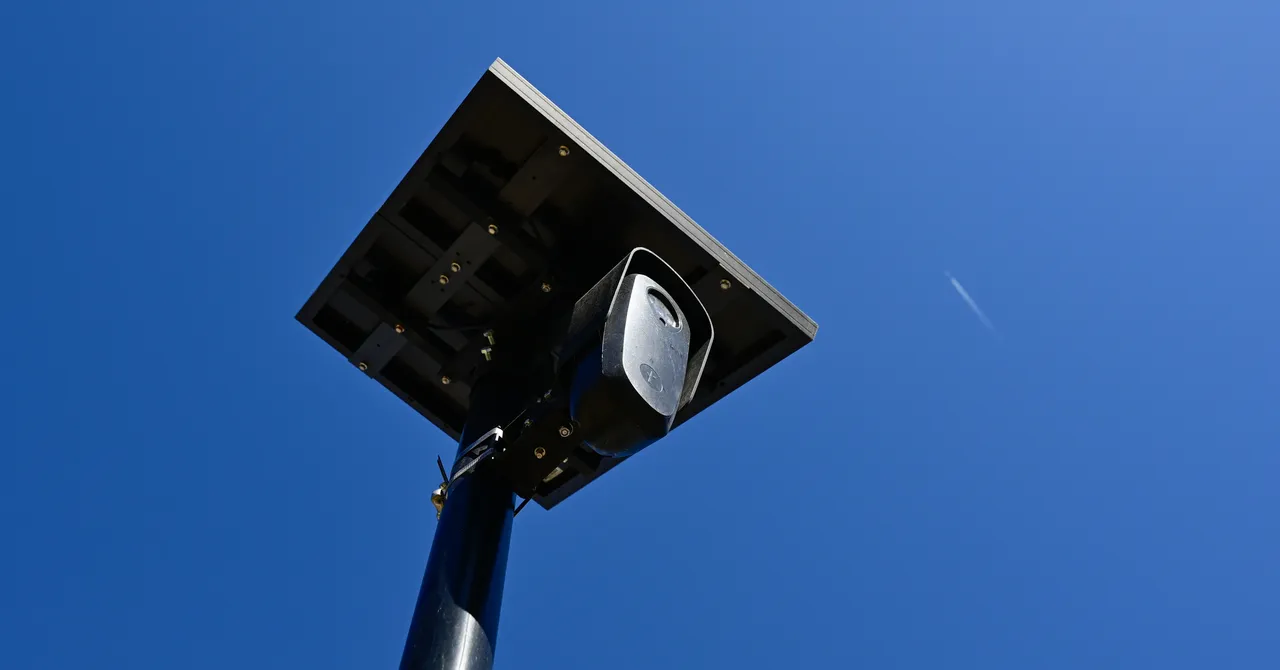
Flock Safety announced a voluntary employee separation program on Friday, offering a “generous” severance package to those who want to leave amid growing backlash against the surveillance technology company, according to an internal email shared with WIRED.

Applications for Flock’s voluntary severance program opened Friday, and employees have until October 2 to decide whether to leave the company. Flock expects to grant buyouts to the majority of workers who apply, according to the email. People familiar with the program but not authorized to discuss it publicly say they believe that a significant number of the startup’s roughly 1,500 employees may try to depart.

Flock is making the severance offers as it continues to lose customers amid growing frustration across the US about its sprawling network of license plate readers, which have raised concerns about privacy and misuse. In the last month, WIRED has documented officers allegedly abusing Flock to track former romantic partners and colleagues, exposed how widely some agencies share access to the system, shown how little is known about the manufacturing of the devices, and revealed in new detail how much information Flock’s cameras collect based on data from a dismantled Flock device.

Founded in 2017, Flock raised money at a valuation of more than $8 billion in a funding round that closed in April. The company has had many of its contracts either not extended or dropped this year, which could leave it short of revenue goals, according to two of the people. A wave of vandalism targeting its cameras has unexpectedly increased expenses. Without buyouts, Flock almost certainly would have to lay off some staff, one of the people believes.

Advertisement

In an internal announcement, Flock said the separation program provides “greater agency” for its workers and “treats employees with transparency, respect, and choice.” It also described the package as the “most generous” ever offered by the company, roughly double its previous severance offers.

Flock did not immediately respond to requests for comment.

Some Flock employees have said they have received buyout offers in the range of tens of thousands of dollars, one of the people said. The package also gives employees several months of health care coverage and the ability to exercise stock options within two years after separation, a longer period than the company typically offers resigning employees, according to the email and people familiar with the offer.

Flock employees are expected to learn whether their applications were accepted on October 9, according to the email. Most accepted employees would leave the company by October 29, though in some cases Flock may ask employees to remain for another one to three months.

Advertisement

People familiar with Flock’s severance plan tell WIRED that some employees may take the offer amid speculation that the company, which has raised about $1.2 billion in venture capital, might resort to selling off parts or all of its business to stay afloat. “When you see enough of the vandalism” targeting Flock cameras this year, one of the people says, “you know the writing is the wall” that something has to change.

Flock CEO Garrett Langley said on the All-In podcast last month that “the biggest damage” caused by the backlash against the company had been “internal morale.”

“Because you go on to X or you go on to Reddit and you go, why are people so mad at us when we’ve been doing the same thing for nine years?” Langley said. “And why are they so mad at us for things we don’t do? And we just want people to be safe.”

Source link

Advertisement
Continue Reading

Tech

Paris probes smart glasses use for suspected sexual harassment

Published

on

Several countries are planning to regulate smart glasses over growing concerns around nonconsensual recording and harassment.

Prosecutors in Paris have launched a criminal probe into suspected sexual harassment committed using smart glasses, Reuters reported earlier today (18 September), citing local officials.

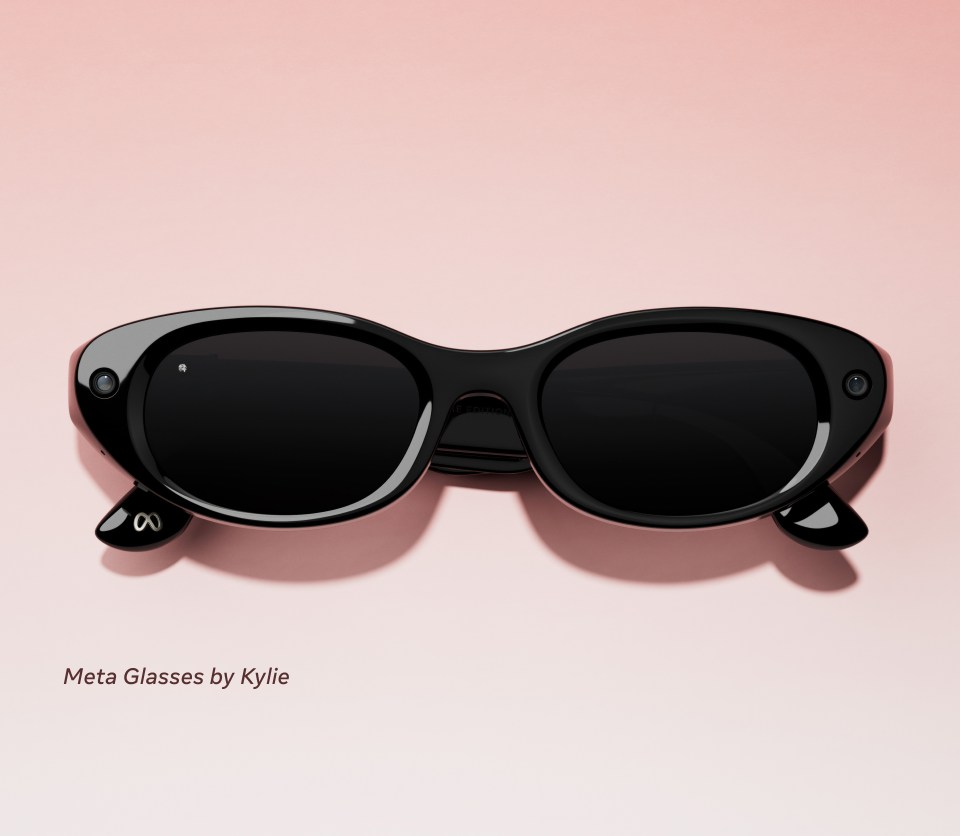
According to the publication, at least one probe has been launched following complaints over users filming women nonconsensually using smart glasses to post to social media – a trend that has risen in popularity since the launch of Meta’s AI glasses earlier this summer.

The French prosecutors, however, did not name a company or brand in their response to Reuters’ questions about the investigation. SiliconRepublic.com has reached out for further information.

Advertisement

The French data protection authority CNIL further told Reuters that it had received fewer than 10 complaints regarding smart glasses being used in the workplace.

While smart glasses are not new technology, Meta’s growing portfolio has contributed to a steep rise in global sales, according to a Counterpoint report from February.

AI-equipped smart glasses accounted for 88pc of total shipments in the sector as of H2 last year, while Meta held more than 80pc of global smart glasses shipments – AI-powered and otherwise.

The social media giant sold more than 7m of its AI glasses made in partnership with the French-Italian eyewear brand Essilor last year. The two were also reportedly in discussions to double production of their glasses to at least 20m by the end of this year to meet the “unprecedented” demand for their products, mainly in the US.

Advertisement

The sharp growth in sales and popularity of these types of glasses comes despite huge public backlash against the technology, with people highlighting issues around covert recording and sexual harassment.

This year, in particular, has seen a rise in social media videos of men approaching unsuspecting women while wearing camera-fitted glasses, and recording them without consent to post to social media.

Some wearers have also tampered with an indicator light on the Meta devices to hide the fact that glasses were recording. Although Meta updated the glasses to address the issue, many still say it is hard to discern whether a recording indicator is active or not.

The backlash has led to a number of UK cinemas considering ​banning smart glasses, while a German consumer advocacy group filed a complaint against Meta and other companies that sell these devices in the country.

Advertisement

Australia, meanwhile, is considering banning camera-equipped smart glasses in the workplace, while Norway said it is also planning to regulate their use.

Don’t miss out on the knowledge you need to succeed. Sign up for the Daily Brief, Silicon Republic’s digest of need-to-know sci-tech news.
Source link

Advertisement
Continue Reading

Tech

Single-Phase Direct Liquid Cooling Is Proven for the Next Decade of Ultra-Dense Compute

Published

on

More Information

As computing systems move toward denser processors, tightly coupled server nodes, and higher-power racks, managing the heat they generate has become a defining challenge in data center design. Modern AI accelerators can dissipate well over 1,000 watts, and a single rack may release more than 100 kilowatts of heat. This is far beyond what air cooling can practically remove. Single-phase direct liquid cooling addresses this by circulating water or a water-glycol coolant through coldplates mounted directly on high-heat components. The coolant absorbs the heat and carries it away in a closed loop to a coolant distribution unit. Because liquid stores far more heat than air and removes it much faster, this approach supports higher chip and rack densities within a smaller footprint. This paper explains how single-phase direct liquid cooling works, how it compares with two-phase and immersion cooling, and how rising processor power and rack density are shaping the future of thermal


Source link

Advertisement
Continue Reading

Tech

New AI Glasses, A Mixed Reality Headset And More

Published

on

There’s a lot for Mark Zuckerberg to cover at this year’s keynote.

Meta is about to hold its biggest event of the year. While Connect was once solely dedicated to virtual reality, the event now covers all the company’s hardware projects, as well as AI and the metaverse.

And this year could be even more jam-packed than usual. Between Meta’s ever-expanding smart glasses lineup, its breakneck AI releases and the current industry freakout over the pace of AI development, there’s certainly a lot of ground for CEO Mark Zuckerberg to cover.

Like last year’s event, Meta has again opted for an evening keynote, with Zuckerberg taking the stage at 4PM PT/7PM ET on September 23. There will be additional talks and developer sessions the following day, starting with a 10AM PT/1PM ET “developer state of the union.” As usual, I’ll be on the ground watching the keynote live from Meta’s HQ in Menlo Park so check back for our liveblog and post-keynote coverage. In the meantime, here’s everything I’ll be looking out for during Connect.

Advertisement

New and updated smart glasses

As with the last few years, there’s likely to be a lot of glasses-related news. One interesting change with this year’s strategy is that the company is reportedly working on a pair of camera-free frames. These glasses, which will reportedly come in two styles, will instead come with extra microphones for chatting with Meta’s AI assistant. The lack of cameras could offer Meta a couple of advantages. The frames will reportedly be a bit slimmer and look more like “normal glasses.”


More significantly, they could also help Meta address ongoing privacy concerns and backlash against its current lineup of glasses. Meta has been trying to get ahead of the “creep glasses” narrative in recent weeks by cracking down on people who tamper with the LED lights and post videos of themselves harassing others. In a recent AMA on Instagram, Meta CTO Andrew Bosworth said the company would have “more to say” about the issue during Connect.

Advertisement

Ray-Ban has recently hinted that it has new Meta-branded glasses coming soon. That could be a reference to these camera-free frames or, perhaps, a new Gen 3 lineup (the first Gen 2 models debuted at last year’s Connect). Another possibility is the next generation of Meta Ray-Ban Display. There have been reports that Meta is working on a version of the glasses that will come with displays in both lenses, which would open up some interesting possibilities in terms of their UI. But it’s been a while since we’ve heard anything about the rumored device, sometimes called “Hypernova 2,” so Meta could be holding that one back for now.

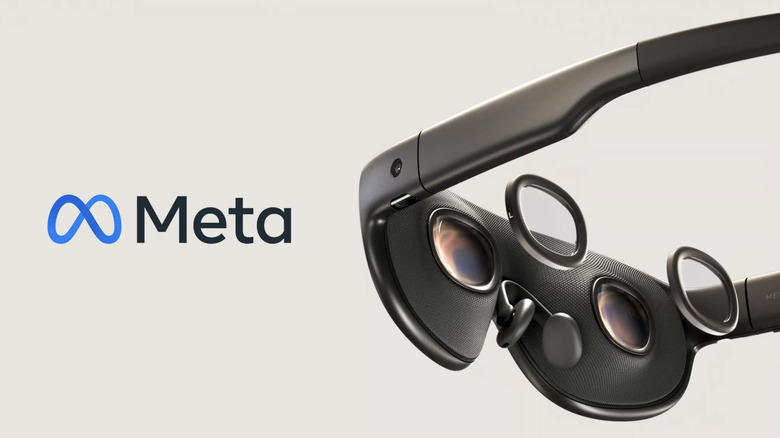
‘Phoenix’ Mixed Reality headset

It’s been a while since we’ve seen a new headset from Meta, and we’ve never seen anything from them quite like the device currently known as “Phoenix.” The mixed reality headset has been rumored for some time, but it certainly seems like the company is gearing up for it to make its official debut at Connect.

Several images of the lightweight device recently surfaced in a HorizonOS update. Those images show a thin device that almost looks more like a pair of goggles than a headset. It also clearly shows a cable, which supports previous reporting that Phoenix will rely on a tethered connection to a separate puck. It’s also rumored to support hand and eye tracking rather than a dedicated controller.

Advertisement

And while we don’t know much about what Phoenix will look like in the way of specs, it seems like a pretty good bet the headset will be among the first devices to use the new Snapdragon Reality Elite chip Qualcomm announced earlier this year. Intended for mixed reality headsets, the chip was specifically designed to support slimmed-down form factors.

Avatars and the metaverse

A new kind of headset will probably also mean some updates to HorizonOS, and it will be interesting to see what kinds of experiences Meta will promote alongside the new hardware. The company has been shuttering VR studios left and right, so I doubt we would see any huge game announcements to go with Phoenix. But it does seem like Meta could promote more entertainment-focused offerings. Deadline reported last year that Meta was backing a new “3D horror series” based on A24’s Talk to Me that’s apparently meant for viewing in the company’s headsets.

Advertisement

We may also hear more about Meta’s holographic avatars that we first saw two years ago with its Orion prototype. Meta told me at the time that the technology would eventually come to virtual reality and, given that Qualcomm has highlighted “photorealistic avatars” as one of the benefits of its aforementioned chip, this seems like a very real possibility. The Information also recently reported that an avatar of Meta’s CTO could make an appearance during the Connect keynote. These avatars could also factor into Meta’s evolving vision for the metaverse. When the company almost shut down Horizon Worlds in VR earlier this year, Bosworth said that augmented reality was very much part of the company’s “expansive construct of the metaverse.”

AI and developers

The last few years of Connect have included a lot of AI news and this year shouldn’t be any different. This will be the first Connect since we’ve seen a flood of new AI releases from the company’s superintelligence group, and I’m sure the company is saving some AI-focused updates for Connect.

Advertisement

I fully expect Meta to talk a lot more about its AI agent, Muse. The company teased that glasses support for the agent would be coming “soon,” so I wouldn’t be surprised if we hear more about how this will work at Connect. (Agent capabilities could also be a good selling point for camera-free glasses.)

I’m also hoping to hear more about Meta’s work to bring more third-party apps to its glasses ecosystem. Last year at Connect, the company announced a handful of apps that would be coming to its camera glasses, but we haven’t seen a whole lot of momentum since. And earlier this year it started allowing developers to create dedicated apps for Meta Ray-Ban Display. Showing off a new slate of third-party apps for the frames could be a good way to build more excitement for the product even if we don’t see updated hardware.

Advertisement

Source link

Continue Reading

Tech

5 Tech Brands Trying To Compete With Apple’s MacBook Neo

Published

on


We may receive a commission on purchases made from links.

Amid the ongoing silicon crisis that has led prices of consumer gadgets to rise, Apple introduced the MacBook Neo, its cheapest laptop ever. The MacBook Neo was first announced at a starting price of $599 for the 256 GB model, and $699 for the 512 GB variant. Although Apple hiked its gadget prices in July in response to the memory crisis by adding an extra $100 to each variant of the Neo, it still remains the cheapest MacBook model you can buy brand new. The MacBook Neo features a 13-inch IPS display, 8 GB of memory, 256 or 512 GB of storage, a 36.5 Wh battery, and a 1080p webcam in a lightweight 2.7 lbs package. 

With Apple finally taking a stab at the entry-level laptop market, it was only a matter of time before other major laptop manufacturers were forced to step up their game to try and take on the Neo. Because of its affordable sticker price, the MacBook Neo is simply a product that other tech companies couldn’t afford to ignore. Indeed, barely a few months after its launch, several tech brands have responded by introducing different laptops in an attempt to compete. 

Advertisement

If you’re in the market for a cheap laptop, there are quite a number of alternatives that you can consider. To identify these five tech brands trying to compete with the MacBook Neo, we’ve done our research by digging through manufacturer websites and news sites to find companies that have launched models that directly target Apple’s cheapest laptop.

Advertisement

Dell

Apple launched the MacBook Neo on March 4, 2026, and Dell didn’t wait long to reveal its answer. The company revealed toward the end of May that it would launch a new XPS 13 model starting at $699. Given its portability and price, it’s clear that Dell was trying to pitch the XPS 13 as an alternative to the MacBook Neo. In fact, Dell has a dedicated page on its website that pits the two models against each other. 

We’ve compared the XPS 13 and the MacBook Neo, and it’s a pretty tight race between the two. Although both models start at $699 — $599 for students – Dell offers 512 GB of storage in the base variant, while Apple only gives you 256 GB. The XPS 13 is also a tad lighter than the Neo, 2.2 lbs compared to 2.7 lbs. Screen-wise, you’re also getting a better panel on the XPS, as it not only offers touch-screen functionality but also 100% coverage of the DCI-P3 color space and up to a 120 Hz high refresh rate. 

Dell’s XPS 13 also wins over the Neo by offering a backlit keyboard, more configuration options, and promises up to 17 hours of battery life (vs. the Neo’s 16 hours). In addition to the XPS 13, Dell has also announced the Dell 14S, another potential MacBook Neo competitor, and it also has other models that can be considered alternatives, like the $699 Dell 15.

Advertisement

Asus

Asus has also stepped up its game, and is now yet another tech brand trying to give the MacBook Neo a run for its money. The company’s model leading the charge is the ZenBook 14. For context, the ZenBook 14 starts at $799, $100 more expensive than the Neo. Despite a slight price disadvantage, the Asus ZenBook 14 looks like a good competitor to the Neo. It comes with a slightly bigger 14-inch screen, which supports 100% of the DCI-P3 color space and uses OLED display technology for inky blacks and richer colors, and you can configure it to include touchscreen functionality. 

While the MacBook Neo only offers a headphone jack and two USB-C ports, the ZenBook 14 is more versatile as it has a USB-A, HDMI 2.1, 3.5 mm headphone jack, and four USB-C ports. Its keyboard is backlit, which is something the Neo doesn’t offer. The ZenBook 14 promises over 21 hours of battery life and is powered by either an Intel, AMD, or Qualcomm chip, with up to 24 GB of memory and 512 GB of storage, depending on the processor. 

Advertisement

Besides the ZenBook 14, the company also has other laptop models that can compete with the MacBook Neo. For example, the Vivobook 16 sells at $619.99 and includes 8 GB of memory and 512 GB of storage, making it worth considering if you’re shopping for cheaper alternatives to the MacBook Neo that offer better specs. Also, the Vivobook 14 (X1407QA) is another worthy alternative.

Advertisement

Acer

Acer unveiled its MacBook Neo competitor, the Swift Air 14, at this year’s Computex in Taipei, Taiwan. The Swift Air 14 also has nearly the same selling points as the Neo. For starters, its $699.99 starting price makes it pretty affordable as well, and it also comes in a thin and light package for portability. However, it offers some extra goodies that make it a worthy alternative.

The Swift Air 14 features a slightly larger 14-inch IPS display panel with a higher 120 Hz refresh rate, which is something you won’t find on the Neo. An Intel Core Series 3 processor powers this laptop, paired with 8 GB of LPDDR5X memory (upgradeable to 16 GB) and up to 512 GB of storage. With a 69 Wh battery, nearly twice as much as the Neo’s 36.5 Wh cell, the Swift Air 14 promises up to 19 hours of video playback. This model offers you four ports: two Thunderbolt 4 USB-C, one USB-A, and a headphone jack.

Apple offers the Neo in more fun colors than the MacBook Air and Pro, and Acer didn’t miss out on that detail on the Swift Air 14 — in addition to black and silver, it’s also available in purple, blue, pink, and green. Besides the Swift Air 14, which was clearly launched to compete with the Neo, there are other models in the company’s lineup that can take on Apple’s laptop, like the Acer Swift Go 15 and Aspire Vero Green.

Advertisement

Lenovo

Lenovo already has a well-diversified laptop portfolio that targets different types of users and price points, from the entry-level consumer to users seeking a premium high-end laptop. Despite that, the company responded to Apple’s launch of the MacBook Neo by launching a competitor, dubbed the Lenovo IdeaPad Vibe, that targets the same type of user. 

The Lenovo IdeaPad Vibe was launched at the IFA event held in Berlin, Germany. It’s an ultra-thin and lightweight laptop that sports either a 14-inch or 15-inch display. Lenovo gives you a choice between a Qualcomm Snapdragon, Intel Core or AMD Ryzen series chip, and the memory and storage are also configurable up to 24 GB and 1 TB, respectively. For the display, you also get to pick between LCD and OLED technology. The Lenovo IdeaPad Vibe launched at a starting price of $699, although as of this writing, it’s not available to order just yet.

It will only be available to buy from November 2026. Taking notes from Apple’s MacBook Neo playbook, Lenovo is also offering the IdeaPad Vibe in colors that pop. However, it has gone a mile further by offering a total of seven color options. Besides the IdeaPad Vibe, there are other laptop models in Lenovo’s lineup that can compete with the Neo, such as the IdeaPad Slim 3i, IdeaPad Slim 5x and IdeaPad Slim 3x.

Advertisement

MSI

While MSI revealed its Modern 14S AI+ laptop at CES 2026 back in January (before Apple unveiled the Neo), it was powered by Intel’s Core Ultra series chip. Then, once Apple dropped the Neo at the beginning of March, MSI revealed a shift in strategy at an event in Tokyo, revealing plans to introduce a budget non-AI+ Modern 14S powered by Intel’s Core Series 3 chip, indicating the company’s intention to compete with it. However, as of this writing, MSI has yet to reveal when the Modern 14S will be unveiled and what it will cost. 

Advertisement

But even before the Modern 14S is launched, the Modern 14S AI+ is also a worthy competitor. The MSI Modern 14S AI+ is a thin and light laptop with an aluminum alloy chassis. With a starting weight of 3.09 pounds, it’s heavier than the 2.7-lb Neo, but only by a slight margin. It features a 14-inch screen, and you get to pick between an IPS panel with a 48 to 120Hz refresh rate, as well as a 60 Hz OLED panel. 

Unlike the Neo, MSI’s model offers seven ports, including HDMI 2.1, RJ45 Ethernet, a micro SD card reader, two USB Type-C ports, and two USB Type-A ports. The Modern 14S AI+ is yet to launch in the U.S. Besides the MSI Modern 14S AI and Modern 14S, the company also has plans to launch the Modern 14 LE that will also compete with the Neo.

Advertisement

How we selected these tech brands

Even before the MacBook Neo hit the market, there were Windows and ChromeOS-powered laptops that you could get for cheap. As a result, to put together this list of tech brands that are positioning themselves to compete with Apple’s entry-level MacBook, we focused on more than just companies that have laptops selling for around the same price as the Neo. For a brand to be selected, it had to have launched (or plan to launch) a model or models specifically aimed at taking a stab at the MacBook Neo. We did so by checking the different models that have been revealed by various laptop brands since Apple launched the Neo in March. 

We’ve discussed how some of the MacBook Neo alternatives from each brand stack up against the Neo, but that doesn’t mean the mentioned model is the only worthy competitor. For those that haven’t released new models trying to compete with the Neo, we went through their current laptop lineup to see if there’s at least one model that offers a solid overall package that can compete with the Neo. We didn’t focus on the price alone, so some of the alternative models from these brands are pricier than the Neo.

Advertisement


Source link

Continue Reading

Tech

Clicks Communicator Shipments Begin In December

Published

on

The BlackBerry-like phone also got a spec bump and an impending price hike.

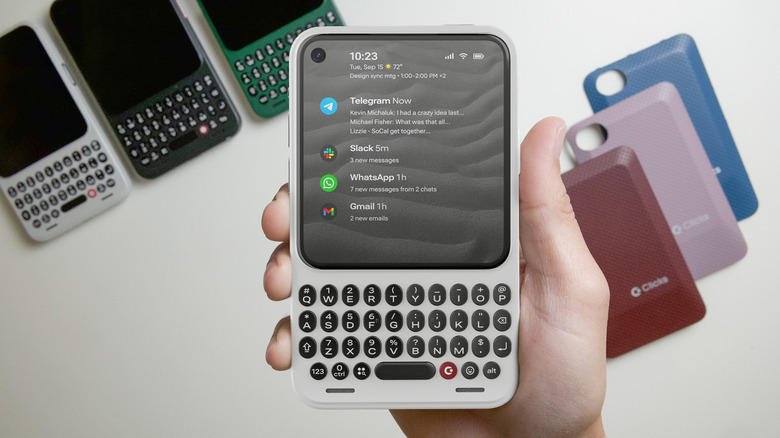
Gadget maker Clicks will soon learn how much pent-up demand there is for a modern-day BlackBerry. The company’s first smartphone, the Clicks Communicator, will begin shipping in December, nearly a year after its CES 2026 rollout. The final version is getting a few spec upgrades, along with an October 1 price hike.

The Communicator will now ship with 12GB of RAM, up from the originally announced 8GB. Its battery capacity has grown from 4,000mAh to 4,350mAh and is rated to handle more than 800 charge cycles. It will run Android 17 out of the box with software support through Android 20, along with five years of security updates.

The device embraces a combination of quirky design and nostalgia. Inspired by BlackBerry phones of old, the Communicator has a physical keyboard below its 4.03-inch, 120Hz AMOLED display. It runs on a MediaTek Dimensity 8300 chip and has 256GB of internal storage with microSD expansion. In another old-school nod, it has a 3.5mm headphone jack.

Advertisement

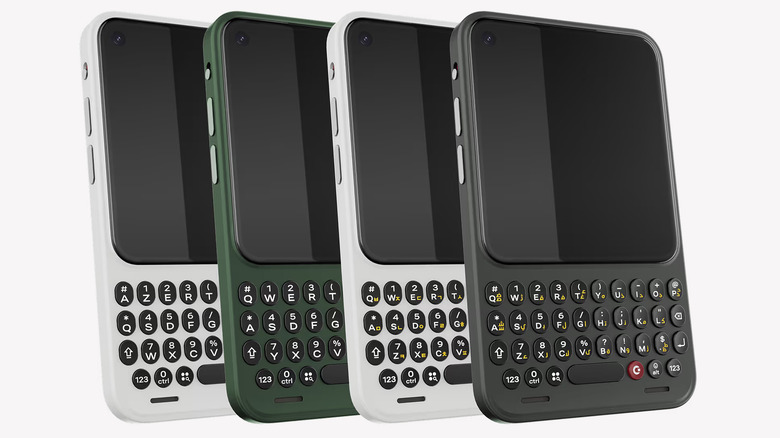
That keyboard is more than rows of tiny buttons. Its surface is touch-sensitive, so you can swipe across it to scroll and navigate. Its spacebar doubles as a dedicated fingerprint sensor. In addition to the English QWERTY layout, Clicks offers versions for French (AZERTY), German (QWERTZ), Korean and Arabic.

Clicks is pitching the Communicator as a second phone, better suited for messages and calls than endless scrolling. The company isn’t trying to go head-to-head with the latest flagships, instead branding it as “a new kind of mobile communicator.” (A new spin on an old kind of mobile communicator may be more accurate.) Not every Android app will be ideal for this squareish aspect ratio, its processor is a notch or two below flagship-level and there’s no multi-lens camera array on the backside, opting for a 50MP rear camera and a 24MP front-facing one.

Advertisement

Availability

Now for the bad news: although you can still reserve a Communicator now for its original $499, its price will go up to $649 on October 1. That’s arguably pushing past a reasonable limit for something marketed as a novelty-infused second phone.

Clicks Communicator is available to pre-order on the company website. Reservation holders can configure their phones now, choosing colors, keyboard layouts and charging covers. While you mull over the decision, you can read our founder interview from CES and check out the new demo video below.

Advertisement

Source link

Continue Reading

Tech

10 boats in one van: Russia goes DIY with a plywood vessel that can be built in 4 hours and can carry 4 fiber-optic UAVs

Published

on


  • Russia’s Scientific and Production Center Ushkuynik says ten disassembled Skorlupa hulls fit in one GAZelle van
  • Each hull can be assembled in an estimated four hours (by Russian estimates) using a cordless screwdriver and can travel up to 200 km while carrying up to 250 kg of payloads
  • The Skorlupa comes with up to four communication modules and can carry up to four fiber-optic drones, allowing it to serve as both a mothership for attack or recon drones and a one-way attack craft

Russia’s Scientific and Production Center Ushkuynik has released new details on Skorlupa, a light uncrewed surface vessel whose headline feature isn’t speed, stealth, or sensors.

According to www1.ru, company CEO Alexey Chadayev says ten of the boats fit into the cargo bed of a single GAZelle light van when broken down, and that one hull goes together in about four hours with an ordinary screwdriver.

Source link

Continue Reading

Tech

How to watch Family Full House With Rohit Sharma online from anywhere

Published

on

Sony’s all-new show, Family Full House With Rohit Sharma, is set to go on floors this Saturday, September 19, 2026. Indian cricket star Sharma, best known for his three ODI double centuries and leading India to the 2024 T20 World Cup title, is all set for yet another debut – this time, off the field.

The date is special for Rohit himself, as it was the same date when he made his T20I debut. This time, though, fans will be seeing Rohit off the field in his quirky, outspoken “Shana” avatar. He’s well known for his cheeky stump-cam remarks, which have gone viral on multiple occasions.

Source link

Advertisement
Continue Reading

Tech

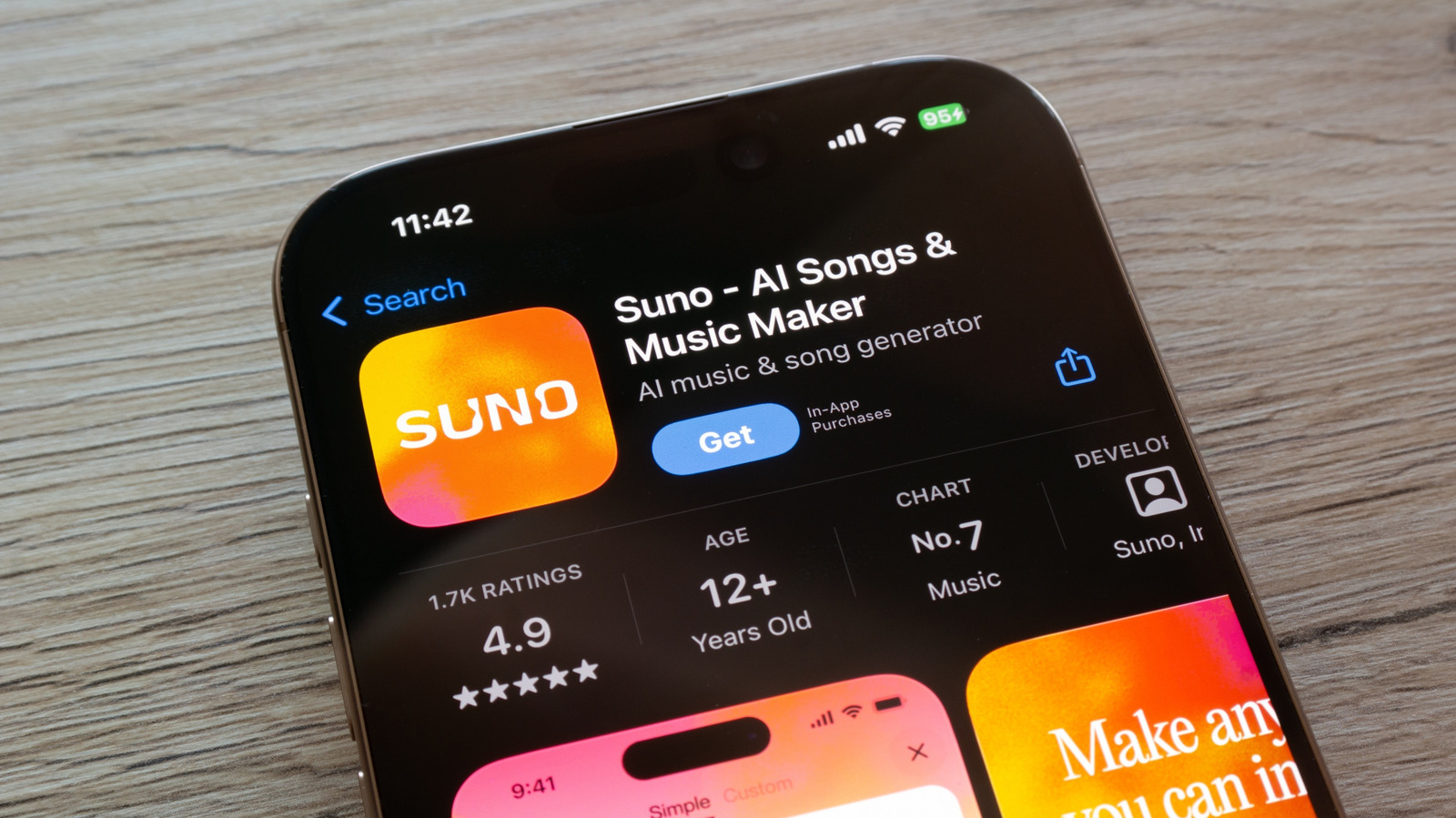
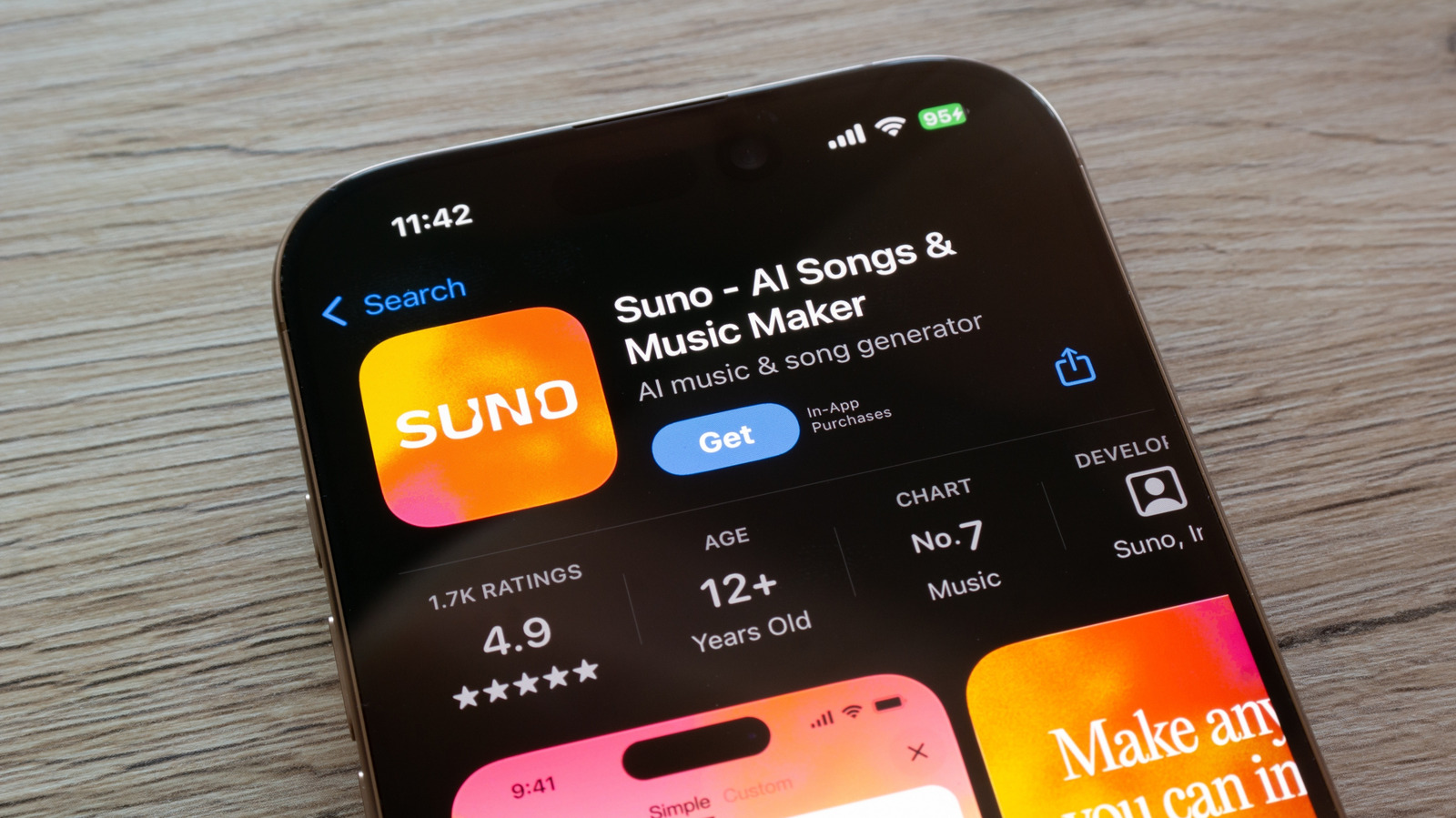
Sony Music And UMG Say Suno’s New Models Still Violates Their Copyright

Published

on

Sony Music Entertainment and Universal Music Group (UMG) are suing AI music generator Suno for allegedly infringing on their copyright with its newest v6 models, Variety reports. The claim challenges the story Suno has generally told about its latest AI models, which are the first it’s released since signing licensing deals with Warner Music Group and BMG.

While Suno used licensed material to create the v6 lineup, in their lawsuit (obtained by Music Business Worldwide), Sony Music and UMG specifically take issue with the company’s public acknowledgement that the models were also trained on “users’ ‘interactions’ with Suno’s service,” which they take to mean “the outputs of, and preference signals derived from, prior models that Suno built by copying Plaintiffs’ recordings without authorization.” Under that understanding, both companies claim Suno could be responsible for infringing on the copyright of at least 60,202 sound recordings. That leaves it liable for up to $9 billion in damages under US copyright law, plus up to $2,500 for each time Suno circumvented YouTube’s anti-downloading tech to scrape songs, according to MusicBusinessWorldwide.

Naturally, the company disagrees with Sony Music and UMG. “These claims remain fundamentally flawed on both the facts and the law,” the company said in a statement to Engadget, while reaffirming that “Suno exists so that more people can make new music.”

“Over the past two years, we have doubled down on this goal, launching v6 in partnership with WMG, BMG, and Believe,” the company continued. “v6 was trained on content licensed from our partners, interactions including creations and preference signals from our community, and the accumulated learnings from our team. We are excited for a future where AI and the music industry continue to strengthen one another and build entirely new product experiences for artists, fans and the broader music community.”

Advertisement

This new lawsuit builds on Sony Music, UMG and WMG’s previous suit against the company, and a July 2026 hack of Suno’s data that revealed the AI company scraped millions of songs and lyrics from platforms like YouTube Music, Deezer and Genius to train its earlier models. In the past, Suno has justified scraping music to train AI as falling under the fair use doctrine. Alongside the release of its v6 models, though, the company ended support for its older models, which at least suggests it thinks offering a product trained on licensed material is more palatable to critics. If a judge is swayed by record companies’ understanding of how Suno trained its models, that might not be enough.

Source link

Advertisement
Continue Reading

Tech

Researchers Say ‘Kia Boys’ Crime Spree Could Last Into The 2040s

Published

on


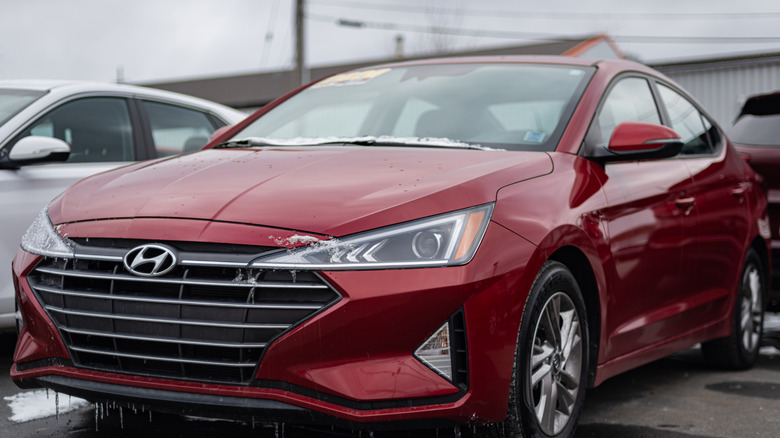
If you keep up with true crime stories and follow recent cases online, then you may be familiar with the “Kia Boys.” This story involves the theft of certain Kia and Hyundai vehicles that lack an electronic immobilizer, a security system that prevents the engine from starting without the correct key. According to a study published in August 2026, this crime spree could continue for years to come.

The story dates back to 2020, when thieves first discovered the security vulnerabilities. Videos showing how to steal the affected vehicles later turned the technique into a social media trend, and the thefts have continued since then. Though the problem was happening in cities around the country, researchers focused on Los Angeles, where they found that the Hyundai Sonata was stolen at a rate of about 38 per week from 2017 through 2019. Using those theft patterns, along with historical data on other vulnerable vehicles, they estimated how long the problem could continue.

The research team’s long-term projection into the 2040s is based, in part, on what happened with other vehicles that had similar security weaknesses. That includes certain Honda Civic and Toyota Camry models, which were targeted for years after newer versions were equipped with immobilizers. Additionally, vulnerable Hyundai and Kia vehicles are likely to become more concentrated in lower-income communities as older cars are resold. Based on those patterns, researchers estimate that annual thefts of affected Sonatas will dip below 100 in 2039 and below 10 in 2042.

Advertisement

How automakers responded to the Kia Boys

Researchers studying the wave of Hyundai and Kia thefts over the past several years in Los Angeles took the time to explore a hypothetical model. In this model, both automakers issued recalls that completely fixed the security vulnerabilities in 2024. While that would dramatically reduce the number of projected thefts that year, it would only shorten the period of elevated thefts by about 12 months. This would still have placed the estimated thefts below 10 vehicles in 2041 instead of 2042.

Hyundai and Kia eventually addressed the security vulnerabilities and dealt with the legal fallout from the thefts, but they did not initially issue recalls for the affected vehicles. Hyundai said in 2023 that the vehicles met federal safety standards, and that the thefts were not caused by a malfunction or defect. Instead, the automaker offered a free software upgrade designed to improve the factory alarm system and ignition start logic. Hyundai also worked with law enforcement to provide steering wheel locks and offered a security kit for some affected vehicles.

Advertisement

Kia also addressed the problem with a free software upgrade for vehicles that were built without an engine immobilizer. The update changed how the alarm and ignition worked, including making the key necessary to actually start the vehicle. Kia began by making the upgrade available in February 2023, then expanded it to additional vehicles over the following months. Kia also participated in efforts to distribute steering wheel locks to affected owners.


Advertisement

Source link

Continue Reading

Trending

Copyright © 2025