

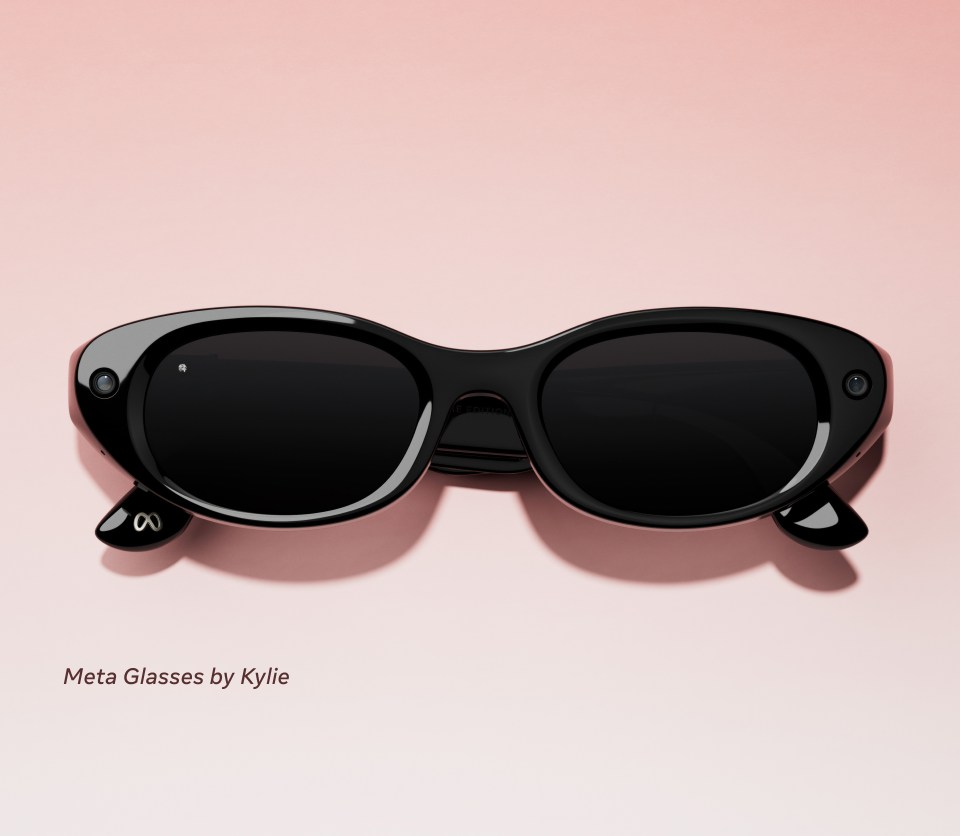

Several countries are planning to regulate smart glasses over growing concerns around nonconsensual recording and harassment.
Prosecutors in Paris have launched a criminal probe into suspected sexual harassment committed using smart glasses, Reuters reported earlier today (18 September), citing local officials.
According to the publication, at least one probe has been launched following complaints over users filming women nonconsensually using smart glasses to post to social media – a trend that has risen in popularity since the launch of Meta’s AI glasses earlier this summer.
The French prosecutors, however, did not name a company or brand in their response to Reuters’ questions about the investigation. SiliconRepublic.com has reached out for further information.
The French data protection authority CNIL further told Reuters that it had received fewer than 10 complaints regarding smart glasses being used in the workplace.
While smart glasses are not new technology, Meta’s growing portfolio has contributed to a steep rise in global sales, according to a Counterpoint report from February.
AI-equipped smart glasses accounted for 88pc of total shipments in the sector as of H2 last year, while Meta held more than 80pc of global smart glasses shipments – AI-powered and otherwise.
The social media giant sold more than 7m of its AI glasses made in partnership with the French-Italian eyewear brand Essilor last year. The two were also reportedly in discussions to double production of their glasses to at least 20m by the end of this year to meet the “unprecedented” demand for their products, mainly in the US.
The sharp growth in sales and popularity of these types of glasses comes despite huge public backlash against the technology, with people highlighting issues around covert recording and sexual harassment.
This year, in particular, has seen a rise in social media videos of men approaching unsuspecting women while wearing camera-fitted glasses, and recording them without consent to post to social media.
Some wearers have also tampered with an indicator light on the Meta devices to hide the fact that glasses were recording. Although Meta updated the glasses to address the issue, many still say it is hard to discern whether a recording indicator is active or not.
The backlash has led to a number of UK cinemas considering banning smart glasses, while a German consumer advocacy group filed a complaint against Meta and other companies that sell these devices in the country.
Australia, meanwhile, is considering banning camera-equipped smart glasses in the workplace, while Norway said it is also planning to regulate their use.
Don’t miss out on the knowledge you need to succeed. Sign up for the Daily Brief, Silicon Republic’s digest of need-to-know sci-tech news.




























































You must be logged in to post a comment Login