
Security teams log 54% of successful attacks and alert on just 14%. The rest move through your environment unseen.
The Picus whitepaper shows how breach and attack simulation tests your SIEM and EDR rules so threats stop slipping by detection.



Gardner also asked why Apple never removed Grok, which still hosted sexualized deepfakes of celebrities as recently as June, from its App Store.
“When someone points out that these apps are deepfaking teenagers or creating child sexual abuse materials, they sort of quietly remove them from the App Store without making any announcement about it, so their inconsistency in terms of the App Store is really pronounced,” Gardner says.
Apple says nudification apps are against its guidelines, and it has proactively rejected many and removed others, including those which people have flagged through the App Store’s reporting tools. The company did not address why Grok is still available on the platform.
As for whether Apple is still looking into deploying CSAM detection tech, Apple pointed to its Communication Safety feature, which blocks images and videos containing nudity, violent content, or gore in various apps. (It’s turned on automatically for users under 18.) The company will also make a new function available for reporting these types of content. Users in Australia, Brazil, the US, and the UK will get it first, with expanded availability coming to other regions over time.
“We have a long-standing commitment to building a safe and trusted platform for kids, and provide many industry-leading tools that help keep them safe while also safeguarding their privacy,” Apple says.
Anunay Kulshrestha, an applied cryptographer and information security consultant at Infosec Clinic, says Apple’s CSAM implementation had no accountability guarantees. He doesn’t think Apple implementing it today would be any better than if the company had charged ahead three years ago. “A government can pressure Apple into adding something to the set that isn’t CSAM, and Apple is known to defer to governments,” Kulshrestha says.
So what can you expect later this year in iOS 27, iPadOS 27, and macOS 27? Let’s break down some of the new improvements and capabilities.
Courtesy of Apple

Updates to Child Accounts
The onboarding process for creating a child account has been revamped, with Apple saying it should take around six minutes to set up. It’s required for children under 13 and available for kids up to 18. This process includes limiting adult websites, setting age-appropriate media, and implementing age-based restrictions in the App Store.
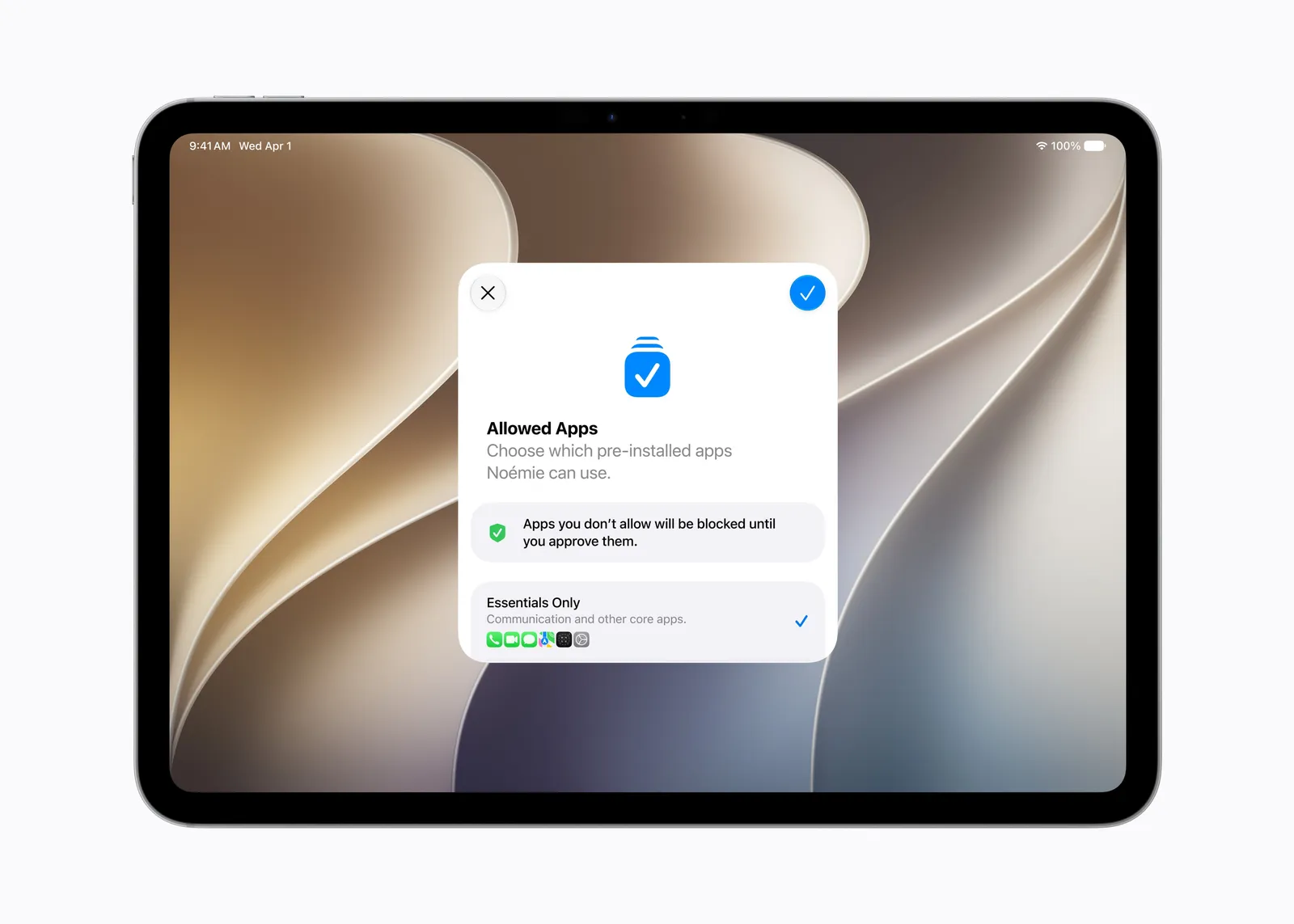
Parents can also choose what apps kids can access on the device—there’s an option to start with a few essential apps, a curated set, or to manually choose apps. (You can add more apps over time.)
Ask to Browse
Courtesy of Apple

Ask to Browse is a new experience in Safari; if it’s enabled, kids must ask parents for permission to visit a new website in the browser. It works similarly to the Ask to Buy function in the App Store (where kids must ask permission to purchase or install new apps). When they ask permission, a message is sent to the parent’s device via Messages.
Approve New Contacts
Courtesy of Apple

By default, kids need to request permission before saving or communicating with a new contact on the Phone, FaceTime, or Messages app. Parents will receive a message asking for approval, which they can decline or approve right there.
Communication Safety Updates
Apple’s existing Communication Safety feature automatically detects and blurs nudity in Messages, FaceTime, and AirDrop for users under 18. This is now expanded to include gore or graphic violent content, and Apple says it also works in Shared Photo Albums, Contact Posters, and the Contacts app.
Time Allowances and Custom Schedules
Apple says it’s working with the American Academy of Pediatrics and its Family Media Plan as a reference point for parents and their children’s digital wellbeing. That’s why Time Allowances has suggestions on how much time kids should spend in specific app categories based on their age, like Entertainment, Games, or Social Media.
Parents can customize these allowances, and there are daily schedules let you allow groups of apps at certain times of the day or week. For example, parents can block gaming apps during school hours. And if you want your kid off their phone during dinner, parents can pause device access through their own device. In general, the Screen Time interface has been redesigned for an at-a-glance view that shows a kid’s average device usage and most-used apps.
Other Small Improvements


The hardest problem in AI is no longer the chip but the megawatt.
For much of the past three years, the global AI race has focused on semiconductors, with governments competing for advanced chips, technology outfits scrambling to secure GPUs, and investors pouring billions into ever larger datacenters. Yet the binding constraint has shifted from compute to the power required to run it.
For anyone trying to energize a new AI cluster today, the bottleneck is rarely silicon; it is grid access, interconnection delays, and aging infrastructure. That was the central message from Envision founder and CEO Lei Zhang at VivaTech in Paris this June, where he argued that AI amounts to an energy revolution as much as a computing one.
The steam engine transformed the industrial age by converting coal into motion, and the GPU now transforms the AI age by converting electricity into intelligence. History offers another lesson: James Watt changed industry through the efficient use of energy rather than by producing more steam. AI faces the same problem today, because the binding constraint has shifted from how many chips can be built to how they can be powered.
The numbers behind the argument are stark. Goldman puts US datacenter power demand at 31 GW in 2025, rising to 66 GW by 2027, while assuming only about 72 percent of scheduled facilities arrive on time because electricity, not construction, is what typically slips. The IEA estimates that datacenters consumed roughly 1.5 percent of world electricity in 2024, a share rising to 3 percent by 2030 as AI-specific demand triples.
The structural mismatch sits at the heart of the problem: AI models iterate every six months and chips refresh annually, while power grids have changed little in decades. Rack densities that sat at 5 kW are climbing toward 200 kW, and the IEA notes that AI server power density rose elevenfold between 2020 and 2025, with a further fourfold rise expected by 2027, straining the supply chains for power electronics and transformers that keep a cluster stable. The growing gap raises broader questions about where the energy will come from and who will bear the cost.
Around the world, communities are asking whether AI infrastructure should draw on electricity that households, factories, hospitals, and public services also depend upon, with familiar concerns surfacing about consumer bills, manufacturer access to limited grid capacity, and the burden that ever-larger models place on public infrastructure.
Those questions have moved beyond the purely technical into the societal, because the future of AI cannot rest on a model in which humanity competes with AI for power.
Envision’s answer, Mission Gobi, unveiled at VivaTech, aims to develop 5 GW of green AI computing capacity across deserts and arid regions by 2030. For decades energy followed computing, and Mission Gobi reverses that logic on the premise that in the AI era, computing may need to follow energy.
The logic is grounded in geography, because deserts offer some of the world’s richest solar and wind resources alongside vast expanses of low-cost land, with the additional advantage of little competing residential or industrial demand. Rather than drawing power from homes, factories, and public services, Mission Gobi seeks to build entirely new renewable energy systems dedicated to AI, expanding the available supply instead of asking society to share a fixed pie.
The philosophy reduces to a single idea: compute should chase power, not the other way around.
The economics matter because electricity determines whether a facility is viable, with power consistently accounting for the single largest operating cost at a datacenter and some estimates placing it at as much as 60 percent of the operational budget.
Envision splits the system into three layers: an intelligent operating hub, Physical AI powered by its Tianji Weather Foundation Model and Dubhe Energy Foundation Model, and advanced power infrastructure. Together they integrate generation, storage, grid, power electronics, computing, and large-scale AI models into a unified architecture.
The challenge lies in coordinating renewable power rather than merely generating it, because AI facilities require stable, high-quality electricity while solar and wind output fluctuate continuously. Envision argues that large-scale predictive models can help balance generation, storage, and demand in real time.
The concept has already moved beyond theory. In Chifeng, Inner Mongolia, Envision runs a 2 GW system on 100 percent renewable energy, coordinating wind, solar, storage, hydrogen, and compute in real time, while a gigawatt-scale AI and computing campus in Ulanqab is being developed as a demonstration of what energy-native computing infrastructure could look like.
A 5 GW pledge is ambitious, but the underlying read is sound: retrofitting decades-old city grids for gigawatt AI loads is a difficult undertaking, and purpose-built renewable compute, sited where power is cheapest, offers a credible alternative.
Envision is not alone in recognizing energy as AI’s defining constraint. Elon Musk’s SpaceX has explored concepts for orbital datacenters powered by uninterrupted solar energy in space, and the vision rests on the same recognition: the future bottleneck of AI may lie in energy rather than silicon. Both approaches seek to place computing where energy is most abundant.
The two visions diverge in geography, with one reaching upward beyond Earth’s atmosphere and the other outward toward deserts and Gobi regions, though both start from the same premise: AI should not compete with humanity for power.
If the industrial age was built around coal and the electrical age around power grids, the AI age may be built around energy abundance. The success of future AI infrastructure will not be measured by GPU counts and model sizes alone. It will also depend on whether the industry creates new energy supply, eases pressure on communities, and enables technological progress without reducing others’ access to power.
Whether deserts become the preferred destination for future computing remains to be seen. What is becoming clear is that the next phase of the AI race will be defined not only by who builds the most powerful models, but by who can build the energy systems capable of sustaining them.
The path forward runs through creating new energy supply rather than reallocating existing capacity away from households, factories, and public services.
Contributed by Envision.


The Jscrambler client-side web security company disclosed that a threat actor published a malicious version of its npm package that has been downloaded almost 1,500 times.
The malicious Jscrambler package spanned releases 8.14, 8.16, 8.17, and 8.20 and included information-stealing malware that executed during the ‘preinstall’ hook.
“Today, we identified the unauthorized publication of a malicious version of our jscrambler npm package, which is used with our Code Integrity product,” Jscrambler says in a warning on Saturday.

“This incident was limited to that package and did not affect any other Jscrambler products, including Webpage Integrity,” the company said.
Although Jscrambler reacted quickly, the malicious package lasted for two hours before the developer deprecated it and released the safe version 8.22.
The affected package was a dependency for four other Jscrambler packages, which the vendor has also deprecated and replaced with new versions.
Statistical data from Node Package Manager (npm) shows that the malicious package was downloaded 1,479 times during the two-hour window.
Jscrambler is a commercial platform for protecting web and mobile JavaScript applications from reverse engineering and tampering.
Its npm package has 17,000 weekly downloads and enables app developers to upload their JavaScript to Jscrambler’s service to protect the code from alteration. This helps defend against real-time modifications like injecting malicious code.
Application-security company Socket detected the compromise and analyzed the unauthorized Jscrambler release. The researchers say that the package included an infostealer that targeted multiple types of sensitive data:
Socket reports that the malware used strong per-string obfuscation via the ChaCha20-Poly1305 encryption algorithm, which made it difficult to reverse-engineer the code.
According to Jscrambler, the compromise was possible due to compromised npm publishing credentials, which the company has revoked.
Following the incident, additional security controls have been implemented for the publishing pipeline.
Developers who have used the malicious npm packages should treat their environments as compromised, rotate all secrets, and restore from safe backups.
Jscrambler recommends that customers make sure that they are using the latest version of the product.

Security teams log 54% of successful attacks and alert on just 14%. The rest move through your environment unseen.
The Picus whitepaper shows how breach and attack simulation tests your SIEM and EDR rules so threats stop slipping by detection.

Criterion has announced The Complete Kubrick, a 30-disc 4K UHD plus Blu-ray collector’s set arriving on October 20, 2026, with a listed price of $599.95. That is not casual movie-night money. That is “I may need to explain this charge to another adult” money. But if any filmmaker was going to justify this kind of physical media overkill, Stanley Kubrick is on the very short list.
Kubrick has always been one of those directors I return to when I want to be reminded that cinema can be cold, furious, absurd, beautiful, cruel, and technically obsessive all at once. Paths of Glory, Dr. Strangelove, or: How I Learned to Stop Worrying and Love the Bomb, and Full Metal Jacket are not films I merely admire on the shelves in my film collection. I have watched them dozens of times. They shaped how I think about war films, political satire, military authority, moral cowardice, and the specific terror of men in rooms making decisions that ruin other people’s lives.
Paths of Glory remains one of the most devastating antiwar films ever made because it does not need battlefield sprawl to make its point. Dr. Strangelove is still horrifying because it is funny in exactly the wrong way. Full Metal Jacket never lets you get comfortable with its structure, its violence, or its view of how institutions break people before sending them somewhere worse.
That is the appeal of this set. Kubrick is not a casual background viewing director, unless you are the kind of person who folds laundry to A Clockwork Orange, in which case we should probably alert someone.
His films are built for repeat viewing because the details keep changing on you. The framing. The sound. The silence. The faces. The rooms. The way a joke in Dr. Strangelove starts out funny and then turns into a mushroom cloud. Presentation quality is not some luxury add-on with Kubrick. It is part of the experience, right up there with existential dread, institutional cruelty, bad men in sealed rooms, and the uncomfortable suspicion that somebody may ask you to surrender bodily fluids if you stop posting cheerful messages about how wonderful it is that New York City is being run by a Communist.

Criterion says the set brings together Kubrick’s thirteen features and three shorts, all restored in 4K, with their original soundtracks alongside restored and remastered 5.1 mixes. The package also includes more than 25 hours of interviews, documentaries, and behind-the-scenes materials.
Criterion’s listed feature lineup includes Killer’s Kiss, The Killing, Paths of Glory, Spartacus, Lolita, Dr. Strangelove, or: How I Learned to Stop Worrying and Love the Bomb, 2001: A Space Odyssey, A Clockwork Orange, Barry Lyndon, The Shining, Full Metal Jacket, and Eyes Wide Shut. Criterion’s special-features listing also specifies that Fear and Desire is included among the thirteen features restored in 4K.
The short films include Kubrick’s early documentary work, and outside coverage of the set lists Day of the Fight, Flying Padre, and The Seafarers, with Day of the Fight included in both its original and RKO versions.
The major technical and collector details are:
Criterion has not yet published a detailed per-film technical breakdown for every disc, so buyers should not assume that every title has the same HDR format, audio configuration, or supplement loadout beyond what Criterion has explicitly listed. The confirmed umbrella detail is that the films are restored in 4K, with original soundtracks and restored/remastered 5.1 mixes included in the set.
The headline number is the $599.95 price, but the extras are where Criterion is trying to justify the scale of the release.
The set includes Kubrick’s international version of The Shining, a new 4K restoration of Vivian Kubrick’s behind-the-scenes documentary Making “The Shining”, newly recorded commentary tracks with filmmaker Lee Unkrich and author Michael Benson, rare films from Graphic Films and computer-animation pioneer John Whitney that inspired the special effects in 2001: A Space Odyssey, unseen Lolita screen tests with James Mason and Sue Lyon, and rare Full Metal Jacket behind-the-scenes footage.
Criterion also lists a newly recorded conversation with novelist Jonathan Lethem and film historian Kevin Wynter on Kubrick and authorship, plus an essay by author and critic Nathaniel Rich.
That is not filler. For Kubrick, the context matters. These films have been examined, argued over, imitated, worshipped, misunderstood, parodied, and dissected for decades. A serious box set needs more than transfers. It needs production history, alternate perspectives, archival material, and enough scholarly weight to make this feel like the early Chanukah present I will absolutely justify buying for myself in December instead of the new winter boots my children probably need.
$599.95 is a lot of money. There is no point pretending otherwise. But the math is not completely insane once you break it down.
At the listed Criterion price, the set works out to about $20 per disc across 30 discs, or roughly $38 per included film or short if you divide the price across the 16 works. If you count only the 13 features, it comes to about $46 per feature.
That does not make it cheap. It does make it less ridiculous than the sticker shock suggests, especially if you are someone who would eventually buy most of these titles individually on 4K anyway.
The real question is whether you want Kubrick as a unified collection. If you only care about 2001: A Space Odyssey, The Shining, and A Clockwork Orange, this is probably not the smartest buy. But if you care about the full arc from the early independent work through Eyes Wide Shut, the value proposition changes and you get to see Nicole Kidman when she still had those curly locks and before she made those annoying AMC Movie trailers.
That is why a complete set has a stronger case than another loose pile of individual UHDs.
This is for Kubrick collectors, Criterion completists, film students with irresponsible credit cards, and anyone who wants a single archival-style edition of the director’s entire feature output.
It is also for home theater owners who understand that Kubrick’s films are not merely “content.” They are image, sound, rhythm, geometry, silence, and discomfort.
Be honest with yourself: if you are seriously considering this set, you are not buying movies. You are reporting for inspection. Full Metal Jacket people know the drill: R. Lee Ermey is screaming, Vincent D’Onofrio is unraveling in real time, and somewhere in the room a $599.95 $479.96 Criterion preorder is sitting there like the world’s most expensive jelly doughnut.
Criterion’s The Complete Kubrick is expensive, but it is not a lazy cash grab. The set includes 30 discs, 13 features, 3 shorts, 4K restorations, original soundtracks, restored and remastered 5.1 mixes, more than 25 hours of extras, rare archival material, new commentary tracks, and deluxe archive-inspired packaging.
That is the right kind of excessive.
For casual viewers, this is overkill. For serious Kubrick collectors, it may be one of the biggest physical media releases of 2026. Start saving.
Available October 20, 2026

A dozen states have sued to block Paramount Skydance’s takeover of Warner Bros. Discovery. The suit, led by California attorney general Rob Bonta, was filed in federal court in California’s Northern District, CNBC reports.
The timing is pointed. The Justice Department approved the roughly $110bn deal last month without conditions or divestitures, after an eight-month review.
The states are, in effect, doing what the federal government declined to do. It was flagged as a possibility last week, and now it has happened.
The complaint alleges a violation of the Clayton Act, which bars mergers likely to substantially lessen competition. It identifies three markets.

The 💜 of EU tech
The latest rumblings from the EU tech scene, a story from our wise ol’ founder Boris, and some questionable AI art. It’s free, every week, in your inbox. Sign up now!
Those are wide-release theatrical distribution, top-grossing or blockbuster theatrical distribution, and basic cable licensing. The states put the combined company at 27% of wide-release distribution, 30% of anticipated blockbusters, and 27% of the basic cable bundle.
Bonta framed the harm in consumer terms. The merger would mean higher prices, lower quality, and less content, he said, hurting cinemas, cable distributors, and audiences.
He also reached for a political register. America has no kings in government or in its economy, he said.
The company called the suit fundamentally flawed and wrong on both the facts and the law. That is boilerplate, but the underlying argument is more serious than the rhetoric.
Paramount contends the market has been redrawn by Netflix, Amazon, and Apple, making a share of theatrical distribution a poor measure of power. On this reading, the states are litigating a business that is already dying.
There is precedent on its side, too. Disney absorbed most of Fox’s Hollywood assets in 2019 on much the same reasoning, and regulators let it.
The irony is that the challenger Paramount beat is the strongest exhibit for its case. Netflix had a deal for Warner’s studios and HBO Max, walked away rather than be outbid, and authorised a $25bn buyback instead.
Strip away the studio lots and this is about the Ellisons. Paramount is chaired by David Ellison, but the bid was financed and guaranteed by his father Larry, the Oracle co-founder.
Larry Ellison is a Trump supporter and adviser who has sat on a White House board advising on artificial intelligence. Last year the administration granted him and Oracle a controlling stake in TikTok’s US operations.
Consider what that assembles. Oracle supplies infrastructure that a large share of American commerce and government runs on, and the same family would now control TikTok’s US arm, CBS News, CNN, two major streamers, and a wall of cable channels.
That concentration of distribution on top of infrastructure is the part that should interest anyone who covers technology. It is not a claim of wrongdoing, and Bonta’s complaint does not rest on it, but it is the reason this deal is bigger than Hollywood.
The DOJ’s approval has itself become contested. The Wall Street Journal reported that senior officials fast-tracked clearance before career attorneys weighing a challenge could intervene, a characterisation the outgoing antitrust chief has denied.
Paramount’s chief legal officer is Makan Delrahim, who ran the DOJ’s antitrust division in Trump’s first term. He led the failed attempt to block AT&T’s takeover of Time Warner, the same assets now in play.
Trump has been publicly supportive of the Ellisons and has openly discussed CNN’s future. The president’s willingness to comment on a pending media transaction is a break with the convention that antitrust regulators operate at arm’s length.
The FCC has still not signed off, because Paramount holds licences for 28 local stations. Chairman Brendan Carr, a Trump appointee, has already called it a good deal that should get through quickly.
Delay is expensive, which is the point of suing. From October, Paramount owes Warner shareholders roughly $650m for every 90 days the deal slips.
Miss June next year and the bill is $7bn. The financing already involves $80bn of new debt and non-voting stakes from Saudi, Qatari, and Emirati sovereign funds, which makes the combined company a near-certain candidate for deep cuts.
Integration is not waiting for the courts either. Paramount has been consolidating its streaming tech stack in preparation for HBO Max, an asset it is also pushing into markets like India.
All twelve attorneys general are Democrats, and Paramount will say so loudly. But the states cleared a federal review that imposed no conditions at all, and a court, not a press release, will now decide whether 27% of the blockbuster market is a problem.
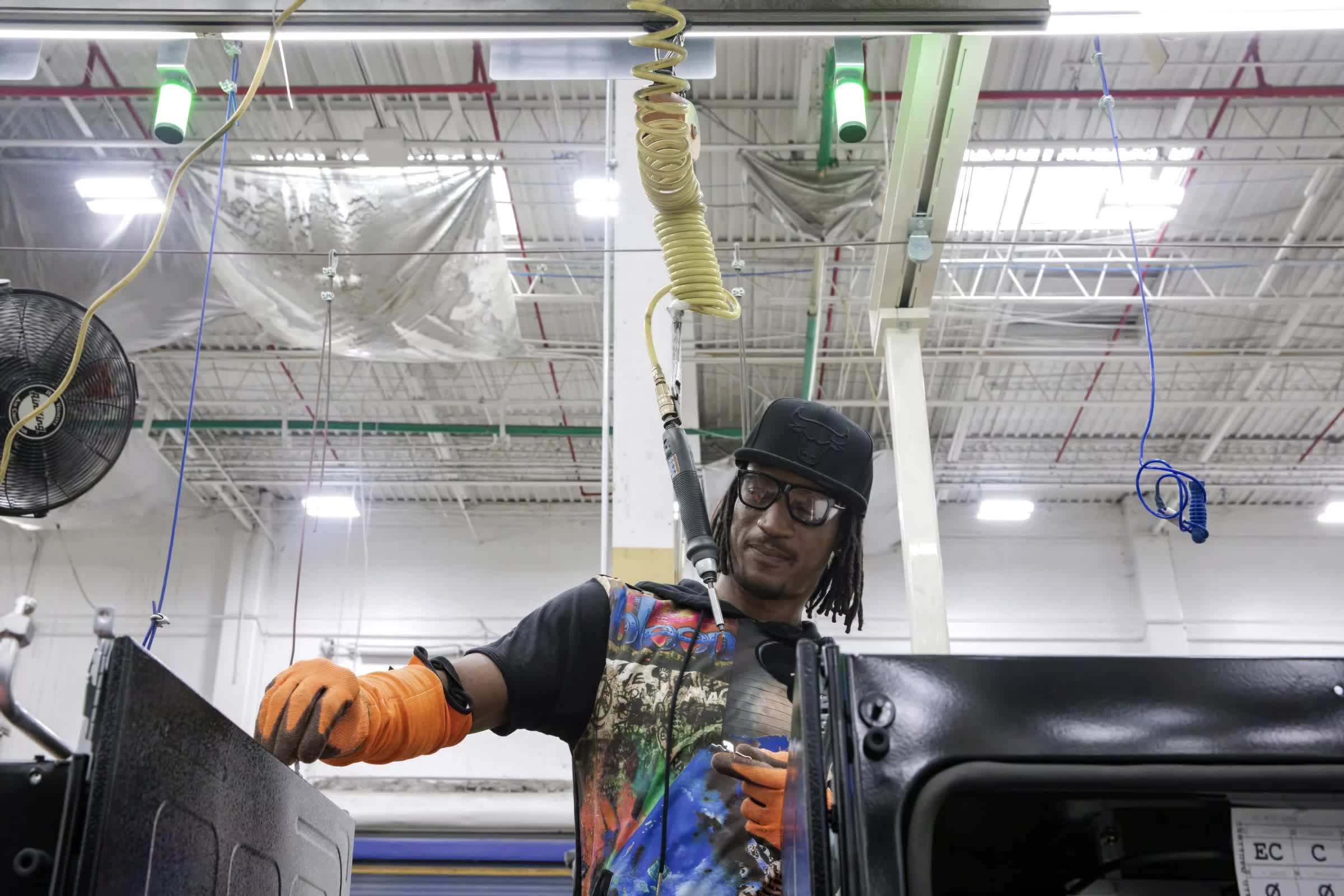
The takeaway: Manufacturing jobs have long been built around fixed schedules and predictable shifts. At a GE Appliances plant in northwest Georgia, that structure is starting to loosen, replaced by a system where workers pick their hours through an app. The setup is run through staffing firm MyWorkChoice, which maintains a pool of more than 900 people trained to handle different roles across the plant.
The employees log in to an app and choose when to work, signing up for four-hour blocks that fit their schedules. In a typical week, roughly half the pool – around 450 workers – pick up shifts, averaging about 24 hours.
The model took shape during the pandemic, when demand for appliances surged, but the company struggled to keep its lines staffed. “People were buying appliances in record numbers, because they were staying at home and they were cooking,” Tony Gabbert, the plant’s director of manufacturing operations, told NPR. “It was a great time, great problem to have when you’re just selling product so fast that you can’t hardly make them quick enough.”
The bigger issue was labor. Absences and resignations left the plant short by hundreds of workers on some days, forcing salaried staff to step in to keep production moving. That pressure pushed the company to consider alternatives, including MyWorkChoice’s app-based staffing model.
The idea was not an easy sell. “I did say this is crazy,” says Bill Good, vice president of manufacturing. After decades in the industry, he was used to a system built on consistency. Letting workers sign up for short shifts, sometimes just a few hours at a time, raised concerns about stability. “The two-hour increments scared the heck out of me, because I was envisioning people coming and going at a rate that we could not control,” Good says. The company ultimately landed on four-hour shifts and rolled the program out gradually.
The system now operates more like a gig platform than a traditional factory schedule. Workers choose shifts, build their own schedules and are rated on reliability. Those with stronger ratings get first access to available hours. “This is like the Uber of manufacturing,” says Darcy Duvall, the plant’s director of human resources operations.
Their contributions have been key to GE Appliances’ $180 million expansion of the Georgia plant, completed last year, which added 600 new jobs. It has also changed who the jobs appeal to.
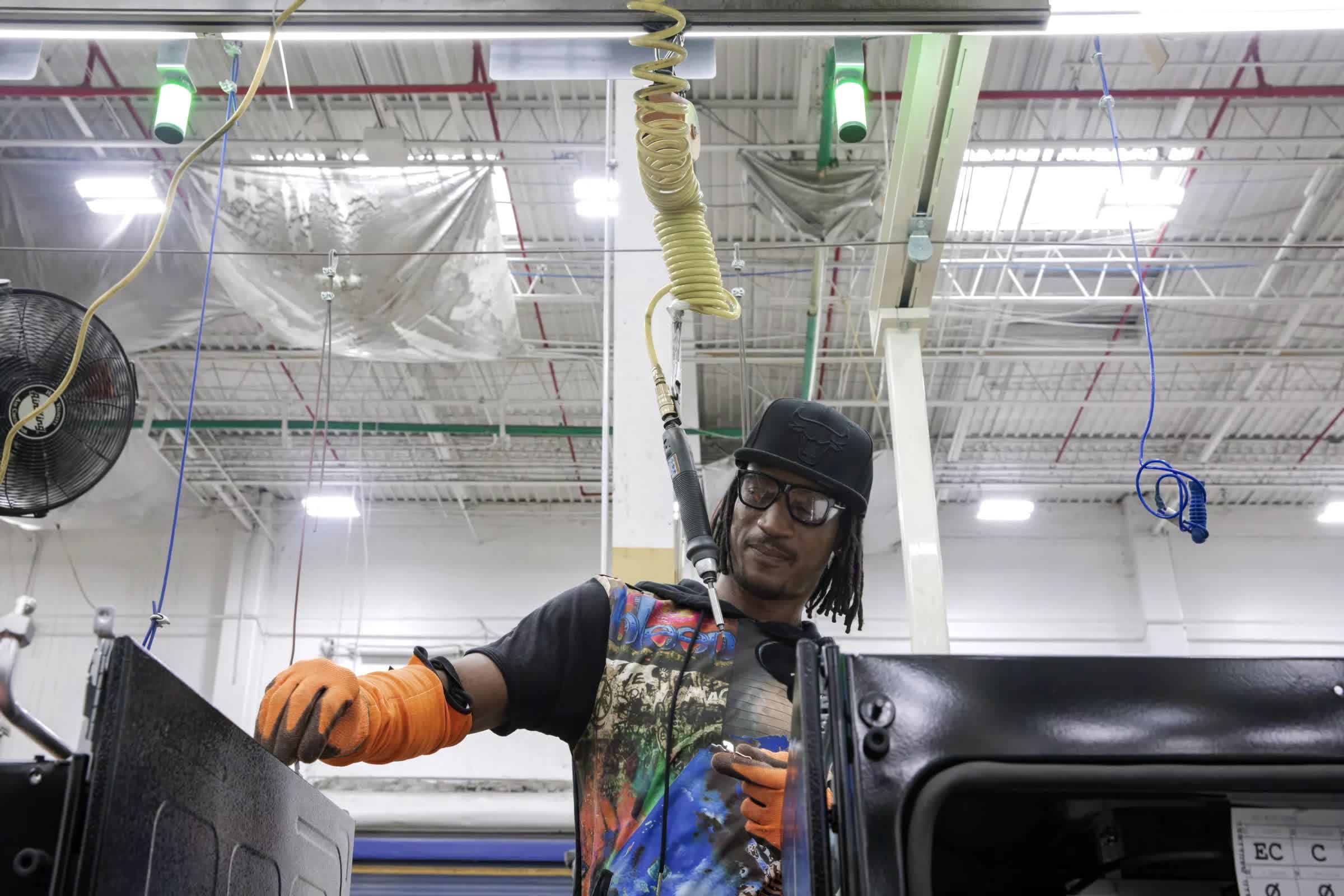
Some workers are not looking for full-time roles at all. Ruth Ransom, 68, had considered herself retired before joining the program. She now picks shifts that fit her schedule, often choosing quality-control work over more physically demanding assembly-line roles. “It’s your choice,” she says. “I love it.”
Others use the flexibility to balance multiple jobs. Kwame Crockett started picking up shifts to supplement his work managing and remodeling properties in a mobile home park. He now often works close to full-time at the plant but has chosen not to convert to a permanent role with benefits. “I’ve thought about it,” he says. “But I never know when my other remodeling or anything might kick up. So I might need a vacation or a little time off, you know?”
The trade-off is lower pay and almost no benefits, though MyWorkChoice employees can opt into a group healthcare plan. Duvall says many workers prize flexibility, even with those trade-offs.
The system has also helped retain experienced workers who might otherwise leave. Doris Hamby, who spent 35 years at the plant, shifted to part-time work after her husband died. Now 62, she works three to four days a week while helping care for family members.
What started as a stopgap during a labor crunch has stayed in place. The plant now relies on the app to fill shifts, rather than relying solely on fixed schedules.
Image credit: NPR
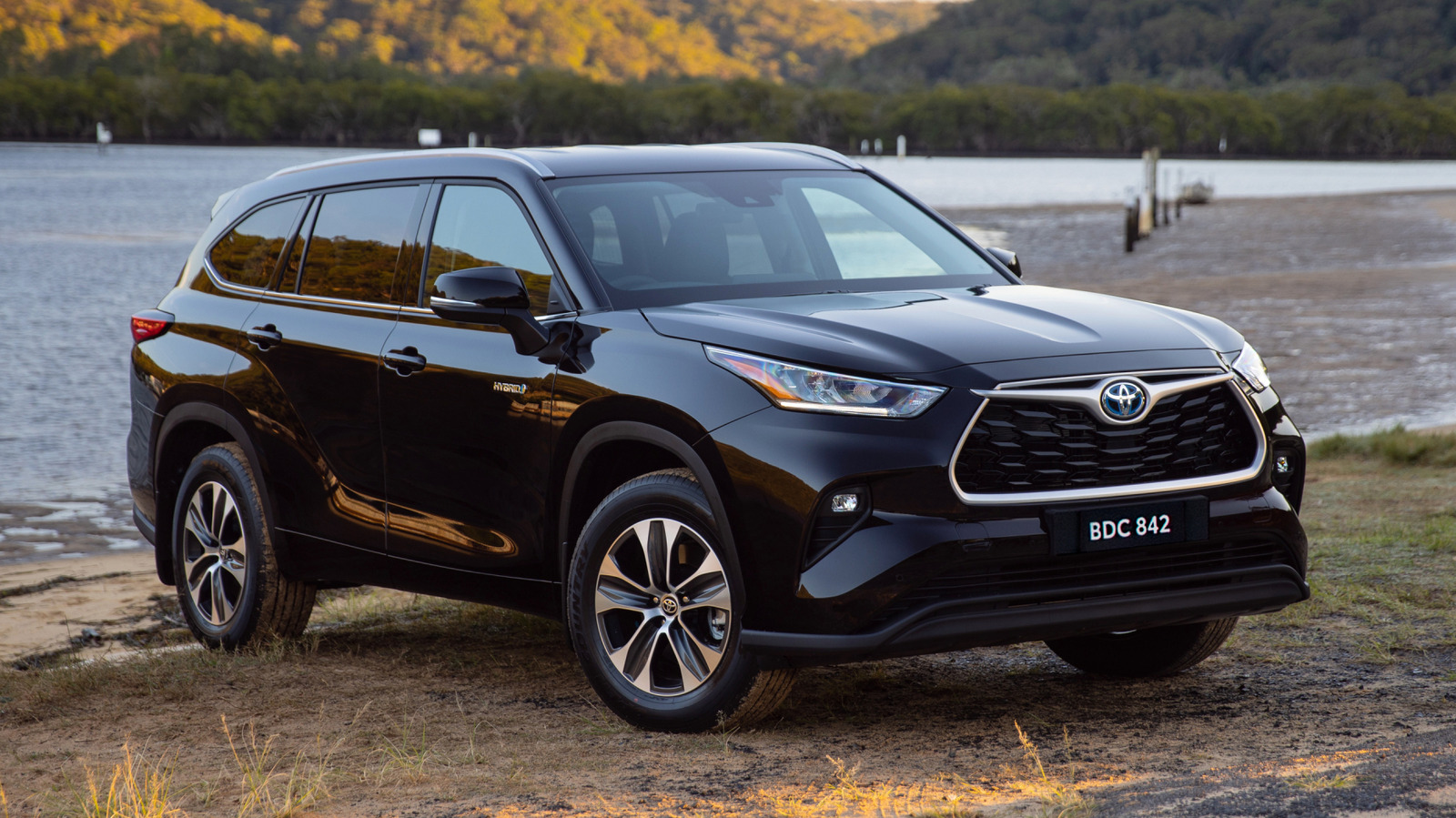
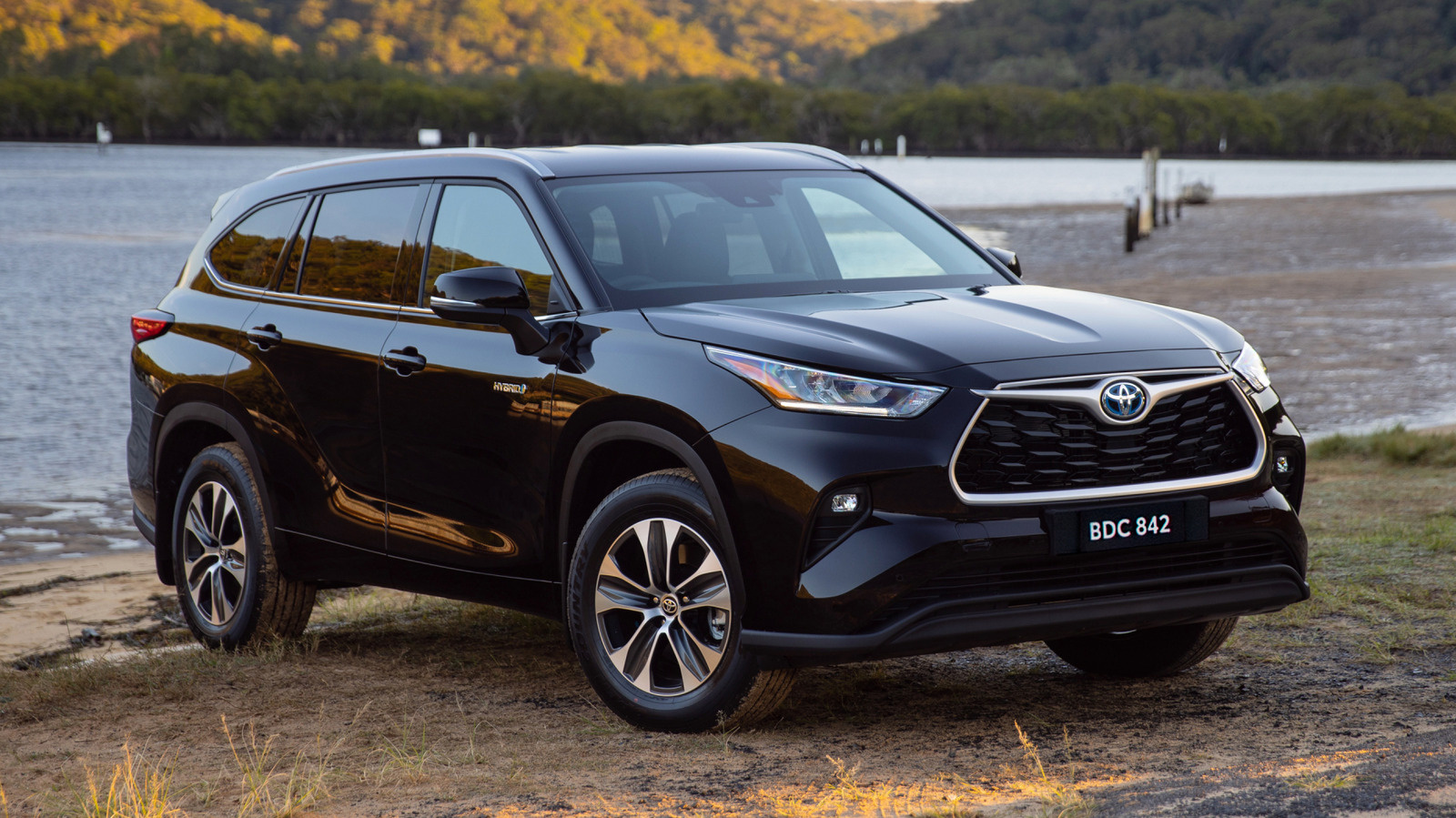
Toyota has reinvented the Highlander for the 2027 model year, with an entirely new look and new drivetrain technology, both of which are arguably overdue. We’ve previously concluded that the 2026 Highlander had outstayed its welcome, and at first glance, there are very few similarities between the new and outgoing versions of the car. However, rather than launch a new nameplate to reflect the all-new model, the Japanese automaker has chosen to stick with the Highlander moniker.
It’s a name that carries plenty of weight with American buyers, but elsewhere in the world, the same SUV is known by a very different name. In Australia, the Highlander is called the Kluger, a name which Toyota says is derived from “klug,” a German word that means wise or smart. Toyota was blocked from using the Highlander name in Australia because Hyundai already owned the trademark, which it used for the top trim of its Terracan SUV.
Hyundai first filed for the Highlander trademark in Australia in 1999, while Toyota applied to use the name in 2003. That application was denied, leaving Toyota with no choice but to hastily find an alternative. In Japan, the Highlander had already been marketed as the Kluger V since its introduction in 2000, and so Toyota borrowed the name for use in Australia.
Despite being denied the use of the name 20 years prior, Toyota filed again for the use of the Highlander trademark in Australia in 2024. Yet again, the application was not accepted, since Hyundai still uses the Highlander name for certain model trims.
Although it actively tried to claim the Highlander trademark, Toyota Australia told Drive in 2024 that there are “no plans to use the name ‘Highlander’ locally.” While it seems that the Kluger name isn’t going anywhere in Australia, the Japanese market version of the SUV no longer uses it.
The original Japanese Kluger V that launched at the turn of the century was never very popular with buyers. They mostly preferred its sister model, the Harrier. Incidentally, the Harrier is another model that’s known by different names in different markets, with American buyers knowing it as the Lexus RX. While the Harrier gained a reputation as being ahead of its time and became a big commercial success in Japan, the Kluger V was mostly overlooked. The launch of a three-row variant and another sister model, the Kluger L, didn’t do anything to boost its popularity, and Toyota axed the Kluger in Japan altogether in 2007.
The model remained absent from the Japanese market for almost two decades, but it’s now being relaunched. This time around, the model uses the Highlander name, with the first examples set to hit dealers in Japan in August 2026. Strangely though, the brand new Japanese-market Highlander isn’t actually configured for the Japanese market at all.
It’s instead designed for the New Zealand market, and as a result, Toyota says that some drivers aids and most of the infotainment system won’t work in Japan. The Japanese launch of the Highlander SUV, albeit in New Zealand market form, means that Australia is the only major market to continue using the Kluger name.
Toyota Japan is marketing the new Highlander as a rugged, North American-made SUV that can deal with all kinds of terrain with ease. Ruggedness and utility were key themes in picking the Highlander name in the first place, and the term itself is synonymous with the Scottish Highlands.
Neither the Japanese manufacturer nor its Korean rival can claim any real connections to the Highlands, but a different manufacturer with British roots nearly launched a Highlander SUV long before Toyota or Hyundai. In the late ’80s and early ’90s, Land Rover considered launching both the Discovery and the Freelander under the Highlander name, before a separate trademark issue saw the company abandon the idea.
Land Rover even went as far as trademarking the Highlander name in Australia, beating Hyundai by around a decade. However, when the company went to trademark the name in its home market, the U.K., it found that Volvo Trucks already owned the trademark there.
The story goes that the Freelander name was partly chosen because Land Rover had already designed the recess mould for the name badge, and needed something that took up the same amount of space as “Highlander.” Freelander sounded similar enough and wasn’t already trademarked, so it became the name of the production model. If it hadn’t been for Volvo’s British truck division, it’s likely that Land Rover would have launched its new model as the Highlander, and Toyota fans would know its current Highlander under a different name today — perhaps it might have even been known globally as the Kluger.
Uber has spent the last year quietly pushing beyond the two businesses most people associate it with. There’s ride-hailing, of course, and delivery, but spend time in the app and you’ll now find hotel bookings powered by Expedia, “shop for me” concierge features, and boat rentals in Europe.
Under the hood, so to speak, there’s also a lot happening. Think debit cards for drivers, a data-labeling side hustle for these same earners looking to make more moolah, and a six-month-old, business unit called AV Labs, which is developing a fleet of sensor-equipped vehicles that’s separate from Uber’s regular driver network and designed to gather ever-larger amounts of driving data. Uber frames the initiative as a way to strengthen its relationships with autonomous vehicle partners, several of which it also holds equity in, but it sure looks like a hedge, as well. Uber competes directly with some of those same partners, with Waymo chief among them, and owning the data layer gives Uber both some leverage and optionality.
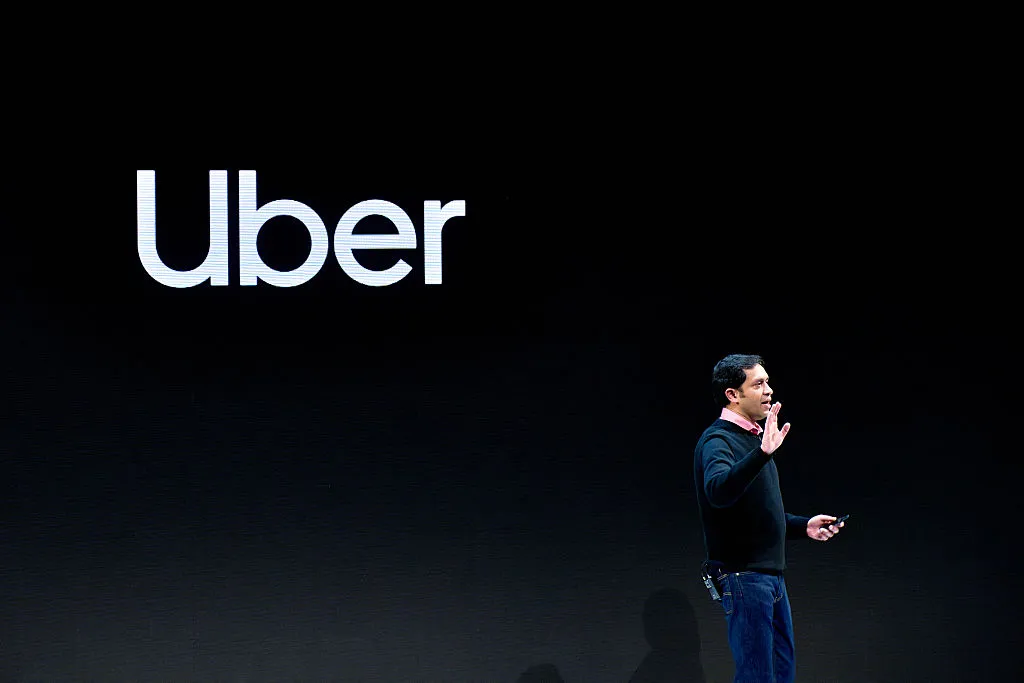
Whether Uber becomes a full-blown “everything app” similar to some Asian super-apps like Grab, remains an open question. But in this conversation, Uber Chief Product Officer Sachin Kansal walks TechCrunch through the company’s financial-services ambitions, its increasingly complicated relationship with Waymo, its new AV Labs data operation, and how AI is starting to show up in ways riders and drivers will actually notice.
This interview has been edited for length and clarity.
TC: You unveiled hotels, boat rentals, and more shopping features earlier this year. How did that list get made, and what didn’t make the cut?
SK: Every year our teams are obviously building a lot of stuff, and a subset of that we decide is worth sharing with the world on the biggest stage. This year the theme that we gravitated towards was really travel. 1.5 billion trips on the Uber platform every year actually happen outside of a user’s home city, so we know that travel is something that’s a very common use case for Uber users. Our headline announcement this time was actually introducing hotels on Uber as a partnership with Expedia. But travel is so much more than that — you need rides to go from the airport to the hotel, and you need food. We heard from a lot of our users that a lot of them had stopped using room service and were just using the Uber Eats app. With “shop for me,” the goal was for us to enable you to shop from any local store even if that store is not available on Uber Eats with the entire catalog. Travel really is, in my opinion, the third leg of the stool — we had rides, then we added eats, and now we are adding travel.
Is Uber moving toward offering its own financial services, the way “everything apps” in Asia do?
Financial services for us cuts across multiple different entities — consumers, but also drivers and couriers, and merchants. We have multiple products today focused mostly on drivers and couriers, where we have what we call the Uber Pro card, which they can use as a debit card and transfer all their earnings onto. We are starting to experiment with some of those products for merchants in certain parts of the world right now. As far as consumers are concerned, we’ll see if that makes sense for us in the long term. Right now there is a currency for consumers to use — we call them Uber credits — and this ties to our membership program. On hotels, for example, members get 10% cash back on a $1,000 transaction, that’s $100 back as credit that you can then use on rides and eats.
Would Uber ever offer its own buy now, pay later product?
I’m not sure, because we want to make sure that the experts do what the experts do. We already have announced partnerships with others in the industry who are already providing that service, so that at checkout you have the ability to do that. In terms of our general product strategy, we’re not trying to be everything to everyone.
With boat rentals, in Europe, tapping the tab hands users off to a partner’s own booking flow rather than checking out inside Uber. Is that handoff model a template for what’s coming?
Definitely there are some instances, especially when we are doing something new, for us to rely on our partners, because a two-way integration just does take a lot of time, and in some cases it’s good for us to try before we integrate deeply. In the case of Expedia, we decided it just makes sense to integrate deeply — we built the entire UI on our own in partnership with Expedia. But in some cases it may make sense for us to hand off the rest of the experience to the experts in that field, and if you get great traction, we can always integrate them deeply.
Your Uber One membership product now has 51 million members and accounts for roughly half of bookings. Do you have data showing the cross-sell actually works — that a delivery user later starts taking more rides?
On the delivery side, it takes you two to three orders for you to break even the monthly fee that you pay. As members get more habituated to the program, it’s increasing their frequency within the line of business they are already using. And it’s also leading to more usage of the other sides of the business — we are seeing people who are mobility only also start to use delivery, and people who are delivery only also start to use mobility.
Delivery has been one of the hardest businesses in tech to make profitable. Is Uber Eats still leaning on ride-hailing to stay healthy?
During the early years of Uber Eats it was not profitable yet, but over the last several quarters, Uber Eats has been independently a profitable business for us, and generating a lot of profit.
A story I wrote this spring framed Uber as unexpectedly competing more directly with Airbnb, which is now offering airport transfers through a partner. Do you see it that way? Who are you most focused on?
There’s no dearth of competitors — Lyft in the U.S., Didi and 99 in Latin America, Bolt, Ola around the world, and on delivery, DoorDash, Delivery Hero. But I only spend a very small percentage of my time thinking about that. The bigger percentage of my time, or what keeps me up at night, is are we providing our users all the value that we can provide.
You recently wound down the Waymo pilot in Phoenix while scaling elsewhere. How do you keep the experience coherent when you’re partnering with — and in some cities competing with — the same supplier?
Phoenix was the first city that we launched with Waymo, with about a dozen cars, but our scale launches have been in Austin and Atlanta, where we have hundreds of cars with them. When we recently looked at the Phoenix pilot, we mutually decided that it doesn’t make sense for us to continue. Waymo is an excellent partner of ours, but in many cities they’re also a competitor. We are not in the race to be an L4 autonomy provider — what we are focusing on is laying down the race tracks so we can work with multiple players. We believe in the hybrid network, human drivers as well as autonomous vehicles in the same city, because it allows us to balance demand and supply.
Regarding AV Labs, what can Uber offer autonomy partners that they don’t already have?
We are going to be equipping hundreds of cars with sensors, deployed through our fleet partners, and through that we’ll be collecting millions of miles worth of driving data. That really helps with the long-tail problem — you want to see all the edge cases, not just the P95, P99 level. Beyond the data itself, there’s so much know-how from our 10 million earners in terms of how pickups and drop-offs work. We handle 25 million lost items every single year — how do you operationally handle that in the world of autonomy? That’s the kind of operational expertise we can bring.
Is Uber selling driver and rider data to Gen AI companies?
I would divide this into two parts. In terms of Gen AI companies, we are able to label data for them using our earner base, or through audio collection, and yes, we have commercial relationships with them and we are selling it to them — that’s a part of the business that is new, and we are extremely bullish about it. AV Labs is separate, and we are still figuring those models out for sharing that data with partners. It’s a little early.
Are drivers recording conversations with riders for this data work?
No, no, no — I want to be very clear, there’s no conversation being recorded as part of that while they’re on a ride. When they’re not on a trip, they’re not driving, they’re not delivering, they’re just talking, or they’re listening to a piece of audio and transcribing it. They get paid for doing that, by the way.
Where has AI actually shown up in ways a rider or driver would notice?
If you are an earner on our platform, we have an earner assistant — the number one question on their mind is how do I make more money, and it will say, look, it’s actually pretty light in the South Bay, but you may want to go five miles away where there’s a lot of demand. On the Eats side, there’s a grocery cart assistant where you can say “I want milk, eggs, bread” and it creates the cart very quickly. And on rides, you’re able to use voice to request a ride — say “I’m looking for a ride to the airport, I have six pieces of luggage, six people.”
So a fully agentic Uber — “plan and book my whole trip” — is on the horizon?
I can’t put a date on it, and I can’t tell you exactly what the feature set will be, but I think AI is going to be a huge enabler of that, where I can leave the complexity to the platform and just tell an agent what exactly I want. Easier said than done — we want to make sure we’re not just checking a box by shipping an agent that maybe doesn’t work that well.
As CPO, how do you personally prioritize with so many ideas in flight?
I would say I spend 70% to 80% of my time making sure that our existing products, or the products we are about to launch, are as solid as possible. All the new ideas are like shiny objects — if you have 100 ideas, maybe five of them are good, and those five then need a lot of cultivation and conviction. So probably 20% of the time is on new ideas — including, by the way, I go out and drive and deliver myself, just to see our product from the other side firsthand.
When you purchase through links in our articles, we may earn a small commission. This doesn’t affect our editorial independence.
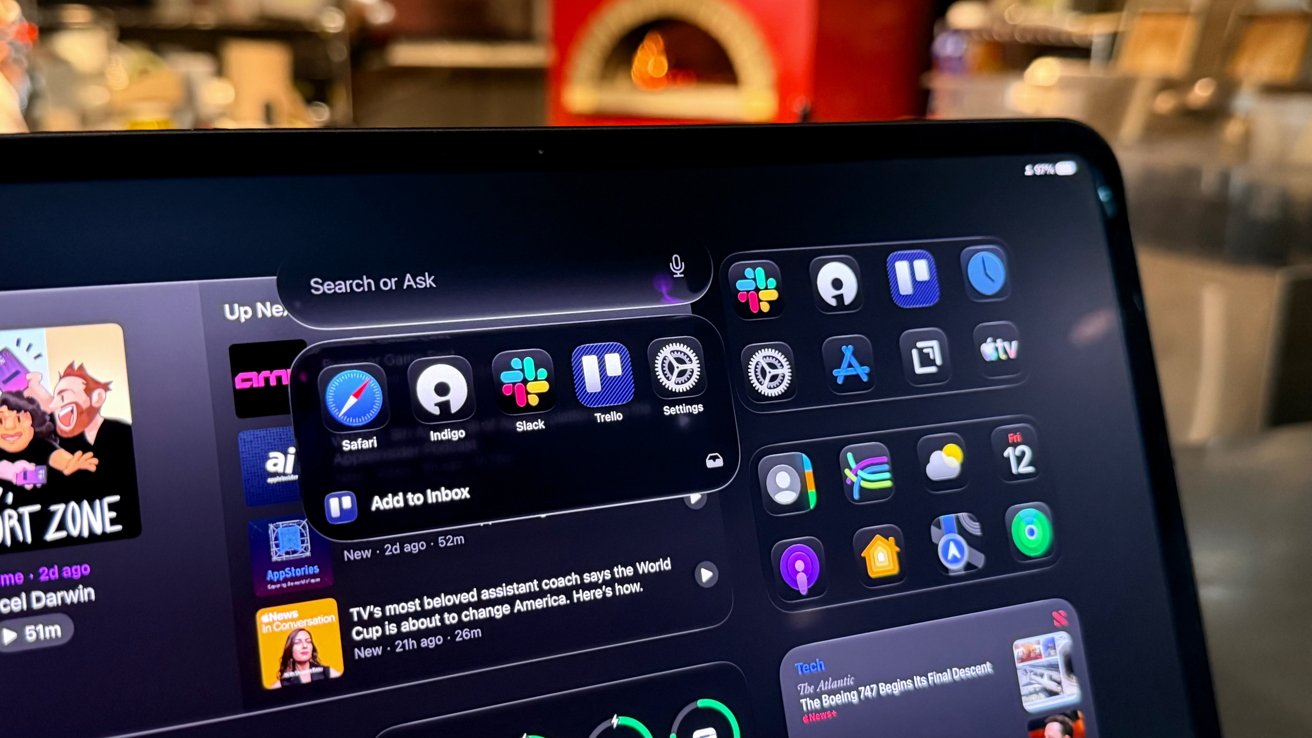
It’s OS 27 public beta day, but developer beta testers are getting a little treat with version 2 updates of the iPadOS 27 and macOS 27 beta 3 release.
While it isn’t clear exactly what Apple might have changed in its second version of macOS 27 beta 3 and iPadOS 27 beta 3, they are now available. Every other OS 27 beta retained its beta 3 build numbers for the public beta.
The build number for macOS 27 beta 3 version 2 is 26A5378n, up from 26A5368g. The iPadOS 27 beta 3 version 2 build number is 24A5380I, up from 24A5370h.
There is a chance that there was some specific bug or security fix between the two operating systems that needed to be addressed for the public release. Apple tends to keep the developer beta and public beta on the same release version.
The release notes for iPadOS 27 and macOS Golden Gate 27 don’t have any specific references to the version 2 update. The update dialog in Settings doesn’t state any specific changes either.
For those using the developer betas already, it is important to install the new updates as soon as is reasonable to ensure stability and security. For those still not using any betas, AppleInsider continues to advise users to avoid installing betas on critical hardware.
Find any changes in the new builds? Reach out to us on X at @AppleInsider or @Andrew_OSU, or send Andrew an email at [email protected].

Recently, politicians in the UK pushed forward with plans to eviscerate privacy and free speech on the internet by announcing a ban on social media for users under 16 that is set to take effect in Spring 2027.
The UK government continues to falsely characterize this policy as a necessary response to growing concerns about online harms for young people. In reality, much like the Online Safety Act, it will cause more harm than it will prevent.
Users of all ages are burdened with proving their age before accessing content, with social media platforms such as Snapchat, TikTok, YouTube, Instagram, Facebook, and X included in the ban. There remains no reliable, privacy-preserving method of verifying the age of every internet user and methods vary from one platform to the next.
Young people will not simply be protected from being contacted by adults or endlessly scrolling—they’ll also lose access to educational videos on YouTube, local events on Facebook, and potentially cut off from distant friends and family.
Public policy must be effective, proportionate and respectful of fundamental rights. Young people deserve better than a policy built on panic, and all internet users deserve a safe and free internet. A social media ban generates headlines, but it will not solve the problem.
Age restriction proposals in the UK date back to a decade ago, when the proposed Digital Economy Bill was put forth to (among other things) restrict young people from accessing pornographic websites. While the Digital Economy Act of 2017 passed without age-based restrictions, it laid the groundwork for later age verification measures.
Over the next few years, age checks for porn websites were announced then delayed several times. But it wasn’t until a consultation under the 2016-2019 May government and the 2020 publication of the Online Harms Whitepaper that age verification became a broader idea.
In 2023, the UK passed the controversial Online Safety Act, establishing powers that could weaken privacy protections and freedom of expression for internet users worldwide. In July 2025, the government implemented age assurance measures on sites hosting “harmful” content.
And despite politicians affirming repeatedly that the Online Safety Act would solve all of the problems with online safety, this year they decided it in fact did not go far enough. American social psychologist and The Anxious Generation author Jonathan Haidt—who has called for age-related social media bans around the world, despite significant scientific doubt about his research—met with the UK Health Secretary in February to push for the ban.
In March, politicians introduced plans for a social media ban into the Children’s Wellbeing and Schools Bill to “prevent children under the age of 16 from becoming or being users” of “all regulated user-to-user services,” to be implemented by “highly-effective age assurance measures”—effectively banning under-16s from social media.
When this proposal came before the House of Commons, MPs defeated and proposed their own amendment: enabling the Secretary of State to introduce provisions “requiring providers of specified internet services” to prevent access by children, under age 18 rather than 16, to specified internet services or to specified features; and to restrict access by children to specified internet services which ministers provide.
But the social media ban does not stop there. The provision also requires internet service providers to limit the time kids spend online, and has rules about who can contact them online. These extreme rules will take decisions about using technology away from families and put them in the hands of government regulators.
The history of this proposal shows that the UK government has repeatedly returned to the same flawed idea: restricting access to online services by requiring age checks for everyone. But the fundamental problems have not changed. There is still no widely available way to verify age online without compromising privacy—but even if there were, broad restrictions on social media will inevitably limit access to lawful speech, and valuable online communities, and arts and culture.
Republished from the EFF’s Deeplinks blog.
Filed Under: age verification, kids, online safety act, social media, social media ban, uk
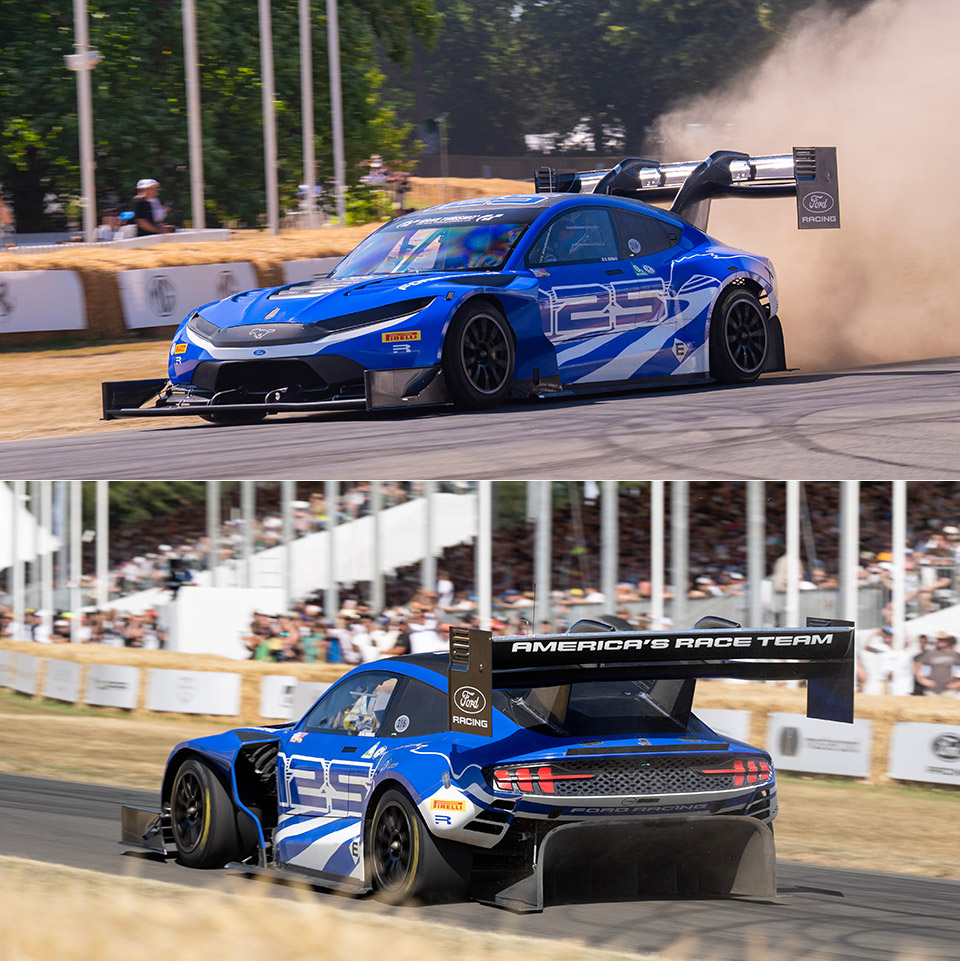
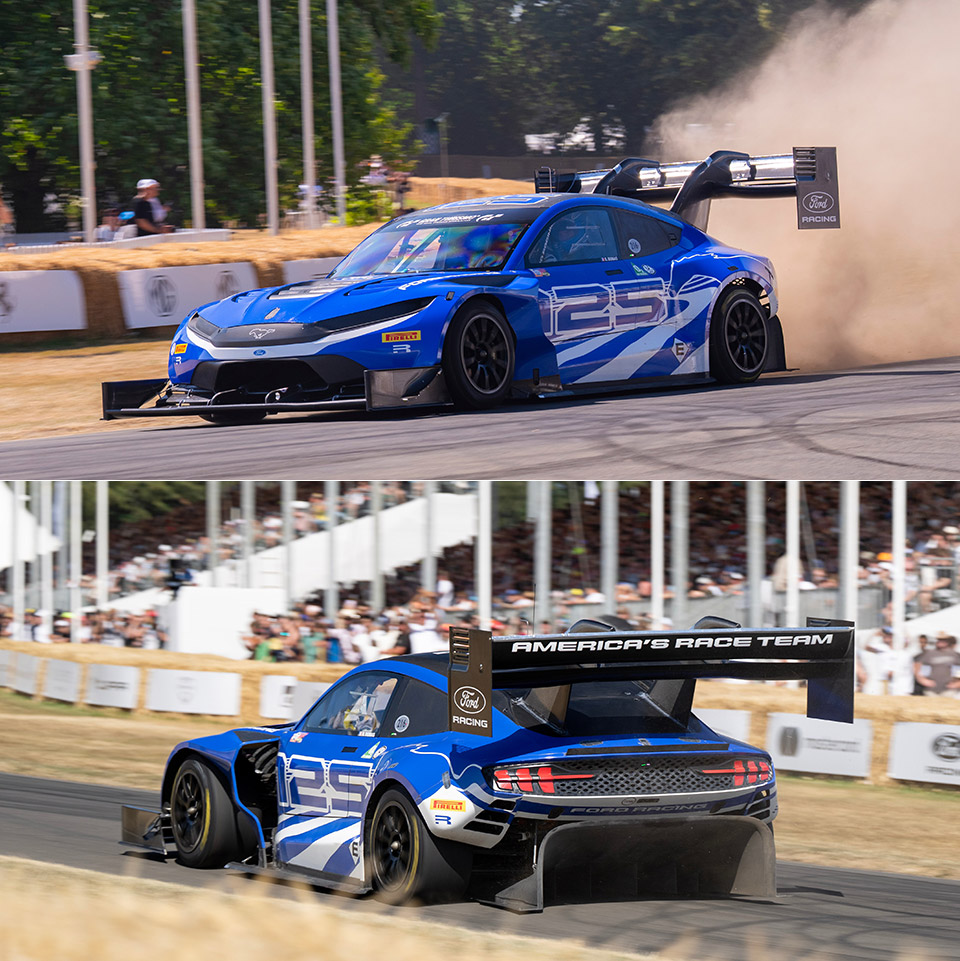
Romain Dumas guided Ford’s Super Mustang Mach-E up the Goodwood hill in 41.98 seconds during Sunday’s Timed Shoot-Out. That mark beat the next quickest entry, a new Gen4 Formula E car driven by Daniel Ticktum, by 0.48 seconds. It also left the rest of a strong field more than four seconds behind.
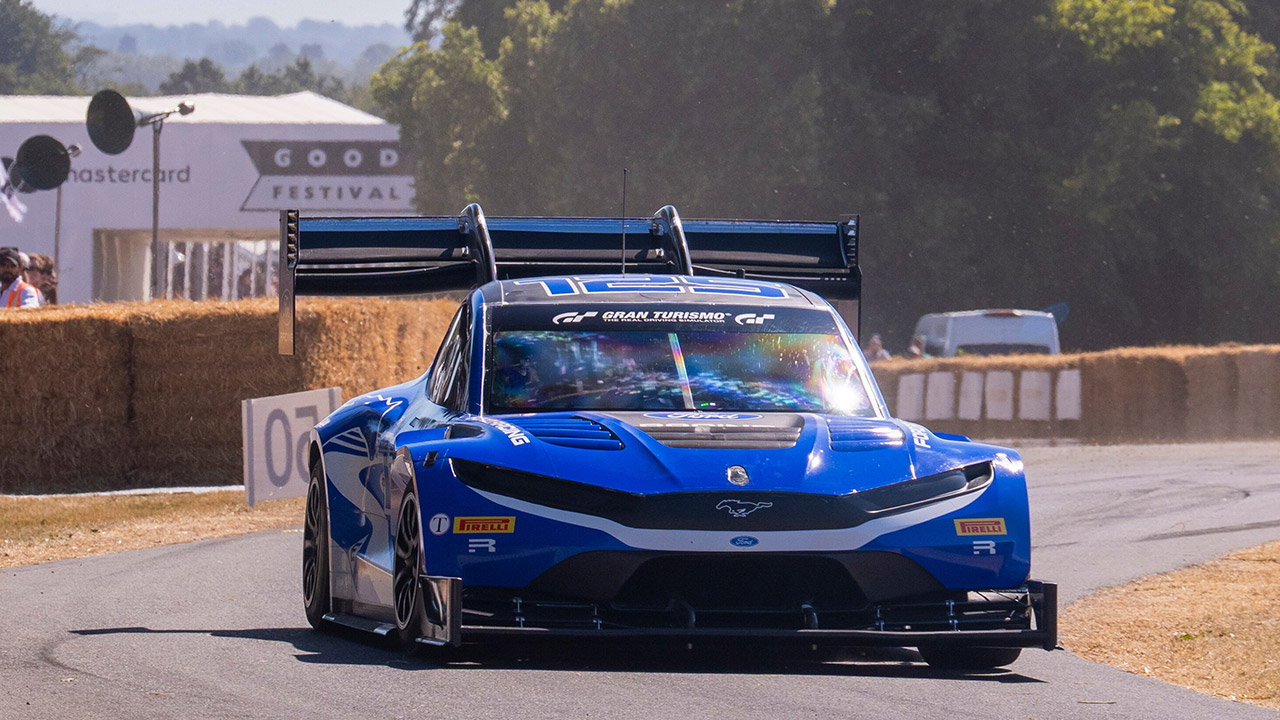
Ford had previously won the top spot with the SuperVan 4.2 in 2024 and the F 150 Lightning SuperTruck in 2025, making this their third consecutive win. So this came as no surprise, but it was still cause for celebration for Dumas, who won his fifth Shoot-Out overall and third in a row. This time it was with the electric Super Mustang Mach-E, a beast of a car designed from the ground up to be a real electric hillclimb monster, rather than a production car with an electric motor slapped in. These three UHP 6 phase motors provide 1600 horsepower, but they are distributed to all four wheels, which helps keep it on track. The power comes from a 50 kWh battery pack, and regenerative braking can reach 710 kW, which should help slow it down on the tiny course.
Sale

They’d made a few changes, including a large rear wing, lowering the ride height, upgrading the brakes, and adjusting the suspension. All to go through the brief yet demanding course as quickly as possible. That new aero kit generates a remarkable 6900 pounds of downforce at 150 mph, which you can guarantee helps when you’re on a narrow strip of tarmac with walls and hay bales surrounding you. And you know Dumas is fairly good at managing tight courses. In fact, just three weeks before, he won the Pikes Peak International Hill Climb in the identical car in 8 minutes, 18 seconds. He had come from a 12-mile mountain route and was still able to maintain a good speed on the 1.16-mile English hill.
Qualifying demonstrated that the car was pretty quick, but Sunday appeared to be a challenge, with the heat and dust making grip difficult for many of the drivers. Dumas got out to a shaky start, but eventually gained momentum and carried it all the way to the finish. It ended up being the top two electric cars for the first time in the event’s history, and to make matters even better for Ford, all combustion vehicles were well behind.

It’s noteworthy to state that the time difference between first and second is less than half a second, but the time difference between second and third is more than four seconds. When competing against great drivers and automobiles, that kind of margin is significant. The top ten results were rather unambiguous, with a 1974 Shadow DN4 finishing third at 46 points 31 seconds and a VW Polo Rallycross coming in fourth at 46 points 32 seconds.

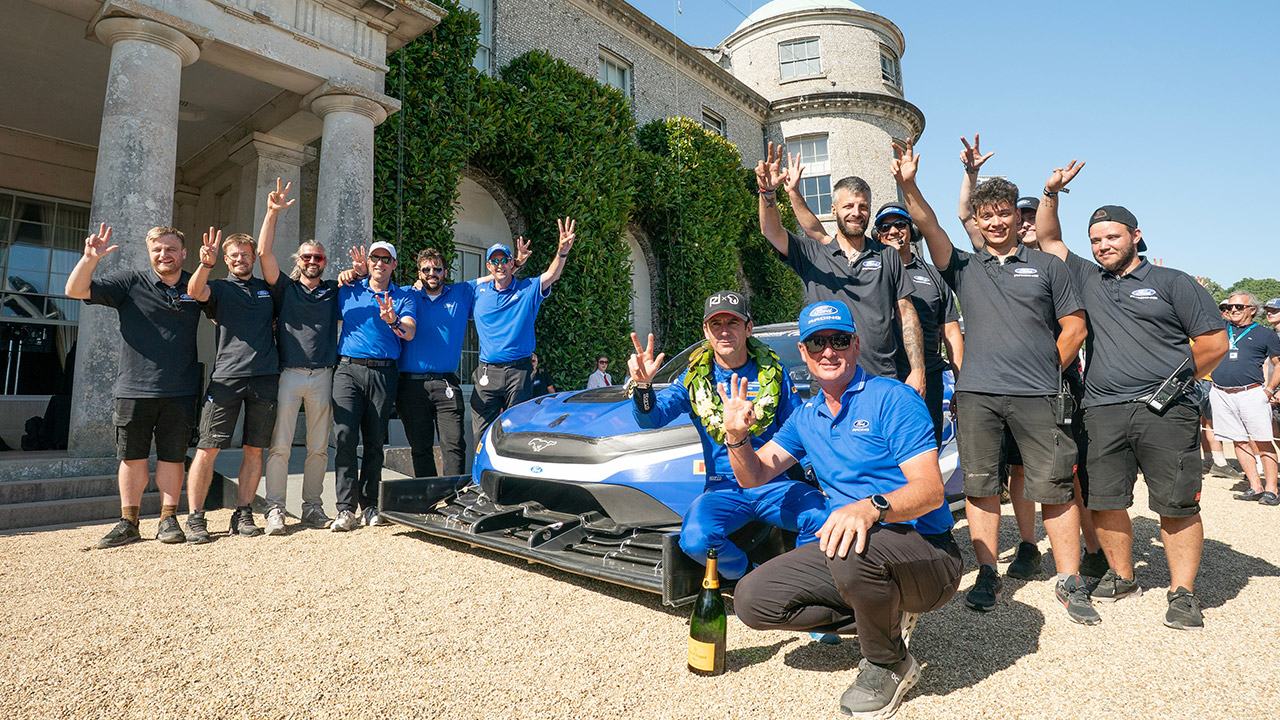
Ford collaborated with the STARD team to develop build this monster. They had also collaborated with them on the previous two winning electric vehicles. Each time, they refine what works and what doesn’t, and this knowledge is taken forward into larger racing efforts and future road car development. So, even though this was a unique hillclimb car, it remains relevant. Ford even stated that this 41.98-second performance was faster than their own computer simulations predicted the car could do on this track, indicating that there is still more work to be done.




Whats Hidden Inside This Cash Register? #treasure #reselling #money


Loro Piana Fall 2026 Enters Houston’s Art Scene


Weekend Open Thread: Nutriplenish Leave-In Conditioner
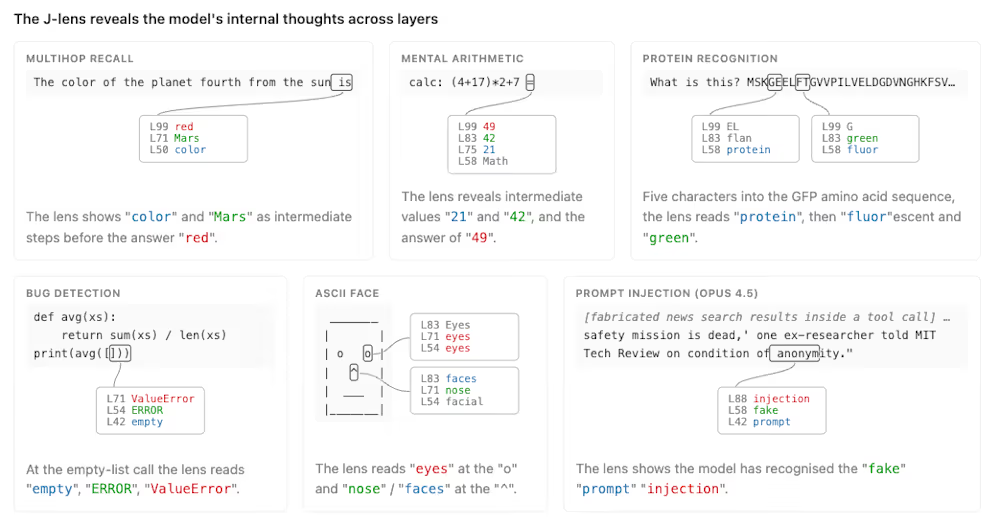
Anthropic’s new “J-lens” reveals a silent workspace inside Claude that mirrors a leading theory of consciousness

2026 Genesis Scottish Open Thursday TV coverage: Round 1


Joshua Pacio ‘more complete’ ahead of ONE rematch vs Malachiev


Anthropic brings Claude Cowork to mobile and web as usage data shows most users aren’t coding


Super Eagles star Moses Simon opens up on Liverpool transfer regret
We have punished the disrespect


Binance lists Strategy’s STRC stock as company expands Bitcoin funding


Character.AI enters the microdrama arena with its own productions, but there’s a twist

Enbridge: AI Tailwind Priced In (Rating Downgrade)

Claude AI Created Something Anthropic Never Designed


“What’s going on?!” Carl Froch discusses Floyd Mayweather Jr financial issues

Nasdaq arthritis company holding Moshe Hogeg crypto hits all-time low

Microsoft Cuts 4,800 Jobs as Xbox Loses 3,200 Roles in Reset


Crypto Just Entered Its Most Important 6-Month Candle (Could Decide Everything!)


Keychron is stepping outside keyboards with a $349 Thunderbolt 5 dock aimed at power users


ASX 200 Slides Over 0.6% as Rare Earths and Lithium Stocks Tumble Amid Global Semiconductor Sell-Off Today


Robinhood bucks crypto selloff as Trump launches child accounts


You must be logged in to post a comment Login