Connect with us

Tech

Historical Hack: Henri Griffard’s Steam Injectors

Published

on

Here’s a historical hack for you: you have a big, rolling pressurized kettle, also known as a steam locomotive. It needs water to make up for the steam constantly chuff-chuff-chuffing away, or bad things happen. How do you get water from an unpressurized tender into a high pressure boiler with no moving parts? What you need is a some way to inject steam with no moving parts — a steam injector, if you will. [Marc Flint] found that the steam injectors were the hardest part of a loco to understand, so he made a video for all of us once he’d figured it out.

The steam injector isn’t a new idea. [Henri Griffard] came up with it back in the 1850s to replace expensive and maintenance-hungry pumps. It’s rather ingenious and uses the fluid mechanics uncovered by another European bloke by the name of Bernoulli. First, the high-pressure steam from the boiler goes through a converging-diverging nozzle to drop its pressure and speed its flow up, just as you’d guess if you’ve seen Bernoulli’s laws. Even more vacuum-inducing is the presence of water: the steam, already cooled by its expansion, hits the water in the pipe open to the tender, and condenses into it, shrinking a couple of orders of magnitude, creating a vacuum that draws in no small quantity of feed water. That one we did not expect from Bernoulli, but it makes sense. So how to get from below atmospheric pressure to the 180-odd PSI or more in the boiler?

Well, the water is now moving at a good clip, between the Venturi effect and the momentum gained from absorbing that steam, so another converging nozzle is the trick. Bernoulli’s law, once more! A one-way valve lets the now-pressurized water into the boiler, with a gap in between to dump water while the pressure builds up. It’s a clever trick, and since the steam coming from the boiler makes it back inside along with at least some of its heat energy, it’s much more efficient in both coal and water than running a pump. It’s also a bit of a head scratcher how it works unless someone sits you down to explain it, so we’re glad [Marc] did.

Advertisement

Not many of us are likely to use this knowledge directly — unless we’re firing up a 90 year old boiler or building a new steam locomotive — but seeing how great engineers of years past made use of basic physical laws can serve both as education and inspiration.

Advertisement

Source link

Continue Reading
Click to comment

You must be logged in to post a comment Login

Leave a Reply

Tech

Instant Prints Ready for the Road with the Fujifilm Instax Mini 41 Bundle

Published

on

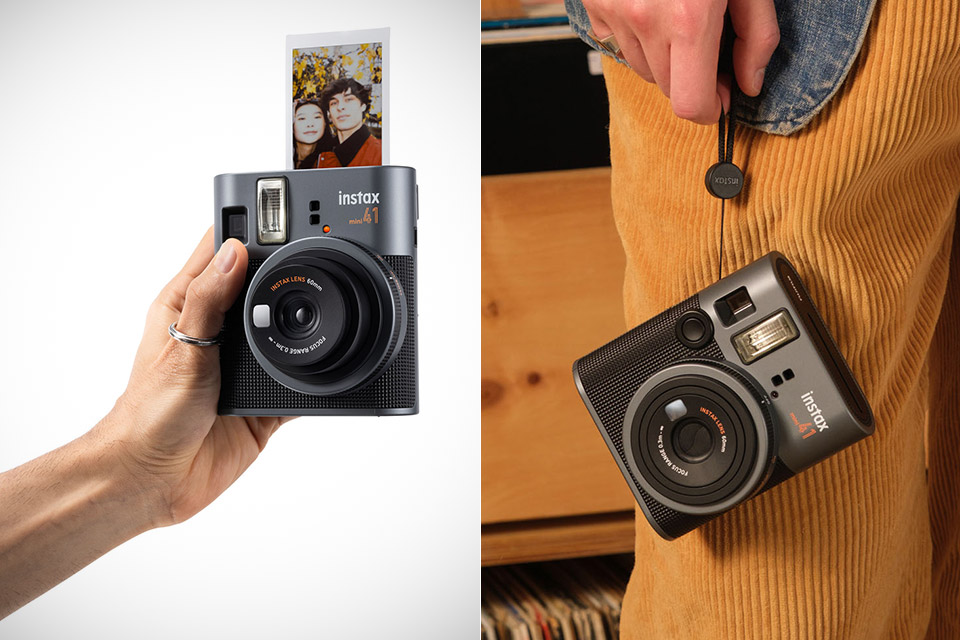
Fujifilm Instax Mini 41 Bundle
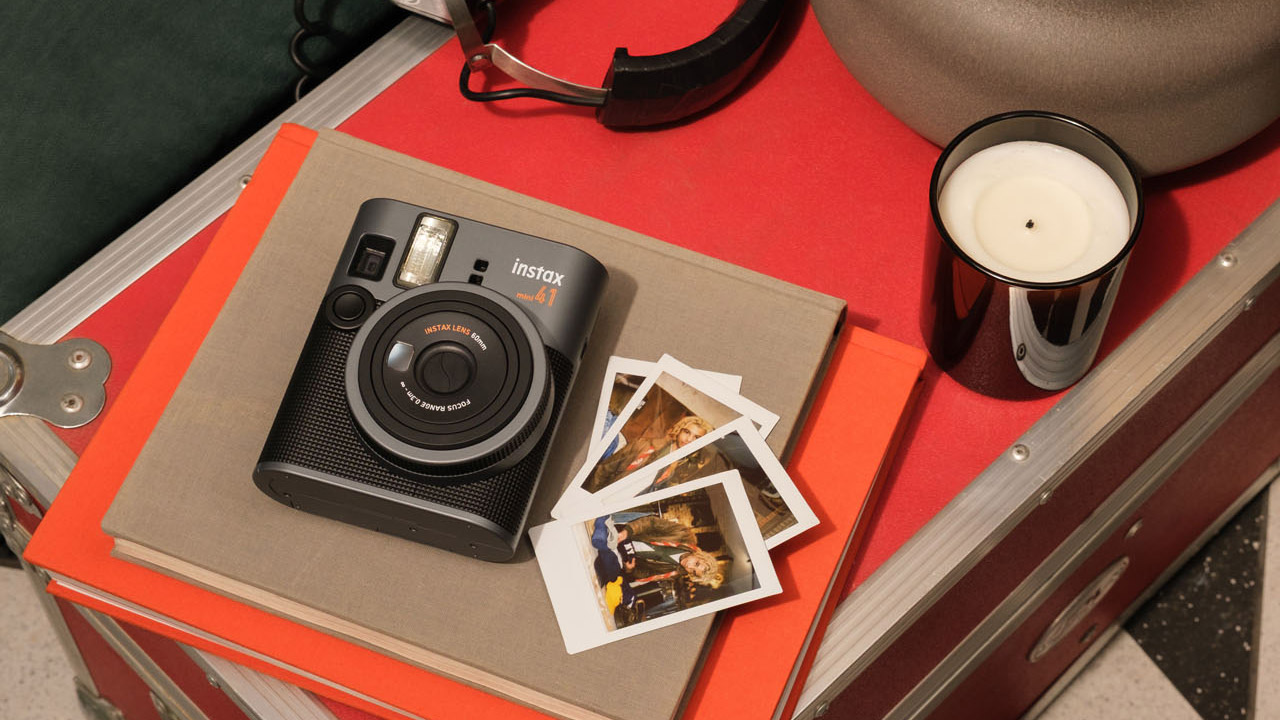
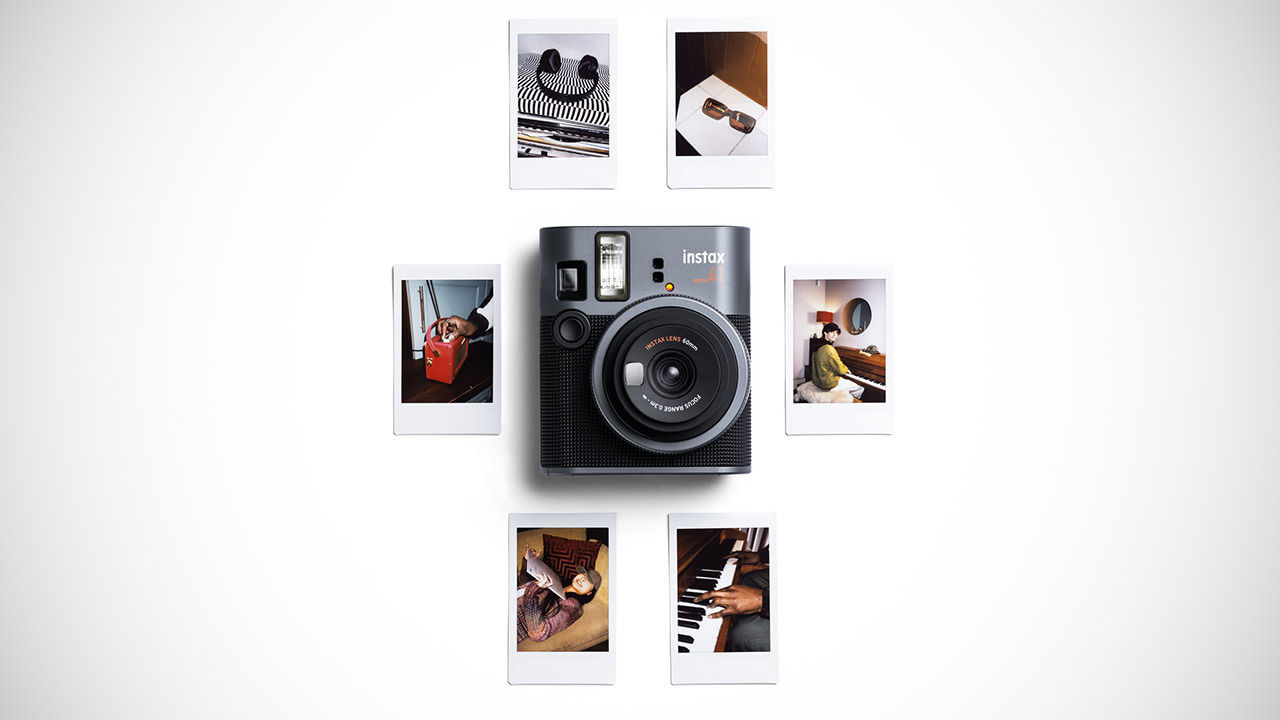
Fujifilm put together a simple bundle around its Instax Mini 41 camera, priced at $99.95 (was $117), that lets anyone grab quick shots and walk away with physical prints in about 90 seconds. The bundle includes the camera itself, one 10-pack of Instax Mini film, a hand strap, two AA batteries, a quick start guide, and a one-year limited warranty. Credit-card-sized prints measure roughly 2 by 3 inches overall, with the image area at 62 by 46 millimeters, and they develop on their own once ejected.


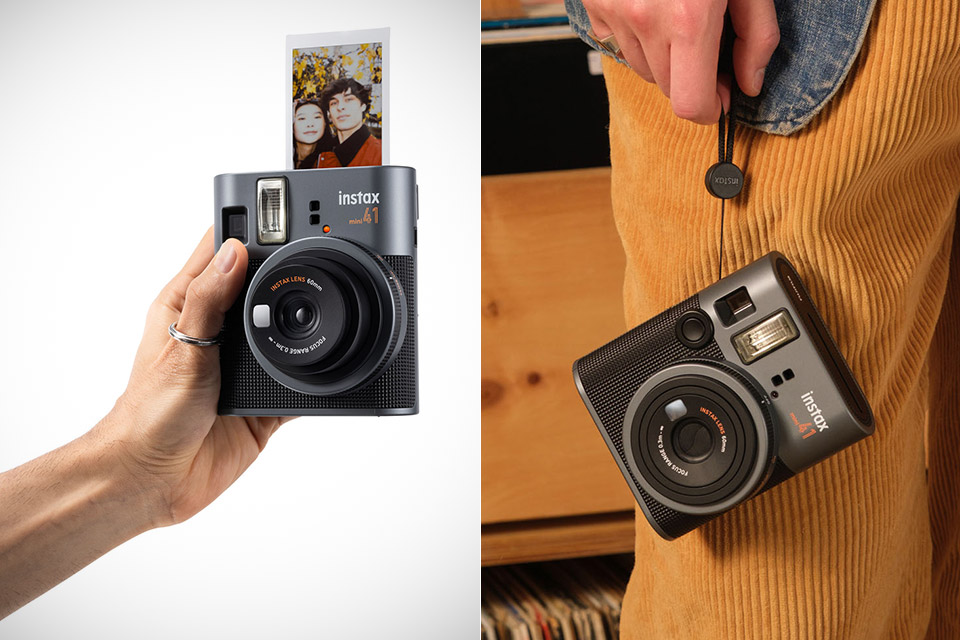
Classic lines define the camera’s body, which is made up of black and dark silver surfaces with a splash of brilliant orange. It provides the camera a sleek retro appearance and can be effortlessly slipped into a bag or hung from the wrist strap. At 104.5 by 122.5 by 67.5 millimeters, with a weight of 345 grams when devoid of batteries or film, it is truly something you can throw in your luggage and forget about for all-day carry-on travels or weekend trips.


Operating the camera isn’t difficult either, as you simply twist the lens to turn it on, then twist again to switch to close-up mode, where you can photograph subjects between 0.3 and 0.5 meters away, as the built-in parallax correction ensures they look right in the finished print. If you want to take a self-portrait, there is a small mirror next to the lens: simply line yourself up, click the shutter button, and let the camera handle the rest, with flashes and exposure automatically sorted.

Fujifilm Instax Mini 41 Bundle
Most common day-to-day circumstances, whether daylight or indoors, have exposure totally set to auto. The shutter speeds range from 1/2 to 1/250th of a second, and slow synchro can be used if the light becomes too dim. The built-in flash starts up with automated brightness adjustment and can handle subjects ranging from 0.3 to 2.2 meters; it recycles in around seven seconds on a new set of batteries. Power comes from two AA alkaline cells, which provide enough juice for around ten full film packs under regular use. They also have an auto power-off mode that activates after 5 minutes of inactivity to save the batteries.

Fujifilm Instax Mini 41 Bundle
You feed the film into the back, there’s a little counter to keep track of how many exposures you have left, and the camera will print the image for you after the shutter is fired. The photographs hold up well, with the same old Instax appearance and feel, and they can even withstand a little water if you get caught in a downpour or put them in your wallet.

Source link

Advertisement
Continue Reading

Tech

Google gives Gemini Live its own Deep Research upgrade

Published

on

Google is giving Gemini Live a pretty meaningful upgrade with the addition of Deep Research. The feature is rolling out today to all Gemini app users, letting you start a full research task through a voice conversation and come back to the finished report later.

Deep Research has already been available inside Gemini for some time. Instead of giving you a quick chatbot answer, Gemini can dig through multiple sources, follow useful leads, and put together a much more detailed report with citations. The process can take several minutes, but you don’t have to keep Gemini open while it works. Once the research is finished, you’ll receive a notification.

Deep Research already does a lot more than a normal Gemini query

Everyone seems to have a Deep Research tool these days. ChatGPT has one, Claude has one, and Gemini has had its own version for a while. Instead of returning a quick answer, Gemini can search across multiple sources, follow relevant leads, and build a longer report complete with citations. It can also work with uploaded files and information from connected Google services such as Gmail and Drive.

The process can take several minutes, so it makes more sense for questions that need proper digging than something you need answered immediately. You also don’t have to sit around waiting. Gemini can continue working in the background and notify you once the report is ready.

You can move between talking and typing without starting over

The Gemini Live integration also keeps the Deep Research report in context as users switch between voice and text. For example, you could start a research request through Live, lock your phone while Gemini works, and return later to discuss the findings by voice. You can then switch to typing for a follow-up question or refine part of the report without beginning a separate conversation.

Advertisement

Google announced the feature as part of a wider back-to-school update that also includes a student hub, study notebooks, and interactive visualizations. Deep Research in Gemini Live, however, is not limited to students and is rolling out to all Gemini app users.

Source link

Advertisement
Continue Reading

Tech

Valve Steam Frame Videos Show How To Wear The Headset, Perfect The Fit And Sign In

Published

on

Eight leaked Steam Frame videos are informative and kinda silly.

Usually we hate it when a Valve starts leaking, but right now, we’re pretty OK with it. Valve accidentally published eight videos about the Steam Frame VR headset in an ARM Steam Client update today, and before the how-tos could be removed, they were spotted, saved and shared by users. So, Valve published some and is letting the rest run wild online.

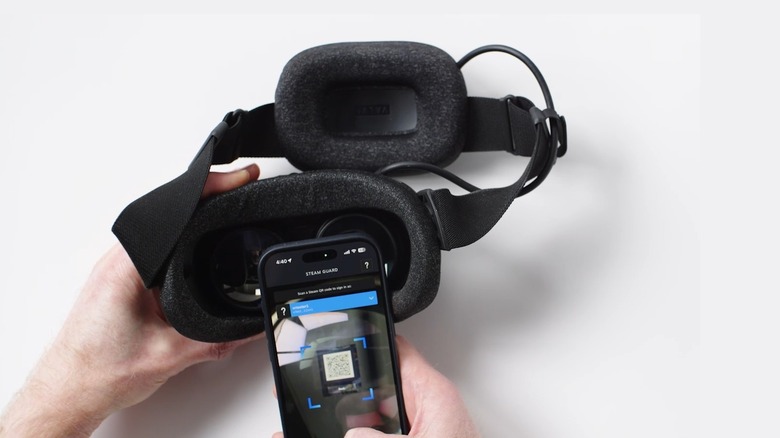
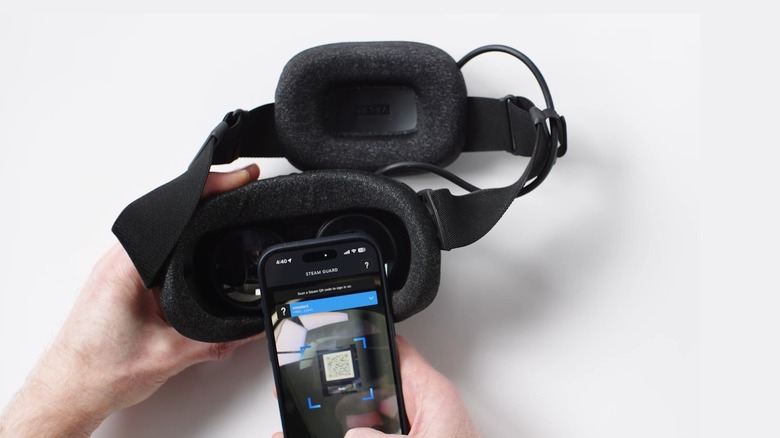
There’s no shocking new information in the videos, but they do offer an in-depth look at the Steam Frame sign-in process, how to wear the headset and what accessories come with it. The videos are all clean, friendly and slightly silly, as if directed by a pre-homicidal GLaDOS. The sign-in video is particularly tongue-in-cheek, showing an optional, lowkey ridiculous process that allows you to scan a QR login code by focusing your phone camera on one lens of the headset. The basic fit video also shows people wearing the Steam Frame over their mouths or as a purse. It’s so crazzzzzzzy.

The most interesting videos show the interpupillary distance wheel, which features a sliding lock, and the ergonomic accessories. These include hand straps for the controllers, an additional support strap that runs across the crown of the head, and an extended light blocker for players with small noses. The Steam Frame’s squishy face gasket and optional eye spacer attach to the headset with magnets for easy modularity, and the charging port lives in a battery pack on the backside of the main head strap.

Advertisement

Here are all eight videos that Valve leaked all over itself today, as gathered by @Neupro5 on X:

The Steam Frame is due to land this summer, according to Valve. One thing that wasn’t included in today’s video dump was the headset’s price, which is poised to be quite high, considering the ongoing RAM shortage that’s driving up costs across the computer hardware space. (The Steam Frame includes 16GB of RAM.) Valve recently put the Steam Machine and Steam Controller on the market, with the Steam Machine priced at $1,049 for the base 512GB model.

Advertisement

Source link

Continue Reading

Tech

Meta’s AI assistant finally lands on Mac, but it has some catching up to do

Published

on

Meta has finally brought its Meta AI assistant to the Mac with a dedicated desktop app, giving users another AI chatbot to keep open alongside all those other tabs. The app can analyze a shared window, answer questions about what’s on screen, generate content, and accept voice dictation across macOS.

Meta AI can actually see what’s on screen

The most interesting part of the Mac app is its ability to look at a shared window and use what it sees as context. Users can ask Meta AI about something on screen, get suggestions, or have it help create content based on what’s visible. It also supports dictation across applications, making it a little more useful as a desktop assistant than simply opening Meta AI in a browser tab.

Meta is also pitching the app at creators and small businesses. Its AI can connect with Instagram and Facebook accounts, Meta advertising campaigns, and Google Workspace, allowing it to analyze things such as post reach, likes, shares and saves, suggest content ideas, and create presentations, documents and spreadsheets. It can also handle recurring tasks such as weekly performance summaries.

But Meta has some catching up to do

Mac users already have plenty of AI assistants to choose from, and Meta’s first desktop effort feels more like catching up than getting ahead. Gemini can already work with shared screen content, while ChatGPT and Claude offer deeper computer-control features that can actually interact with the Mac. Meta could still carve out a useful niche by tying its assistant directly into Instagram, Facebook, and its advertising tools, particularly for creators and businesses.

For now, though, Meta AI’s Mac app feels more like a promising first step than a must-have assistant. Meta says more capabilities are on the way, which could make it considerably more useful over time. The real challenge is convincing Mac users that they need yet another AI assistant sitting on their desktop.

Advertisement

Source link

Continue Reading

Tech

Android Can Now Share Space With the Original Software on the reMarkable Paper Pro

Published

on

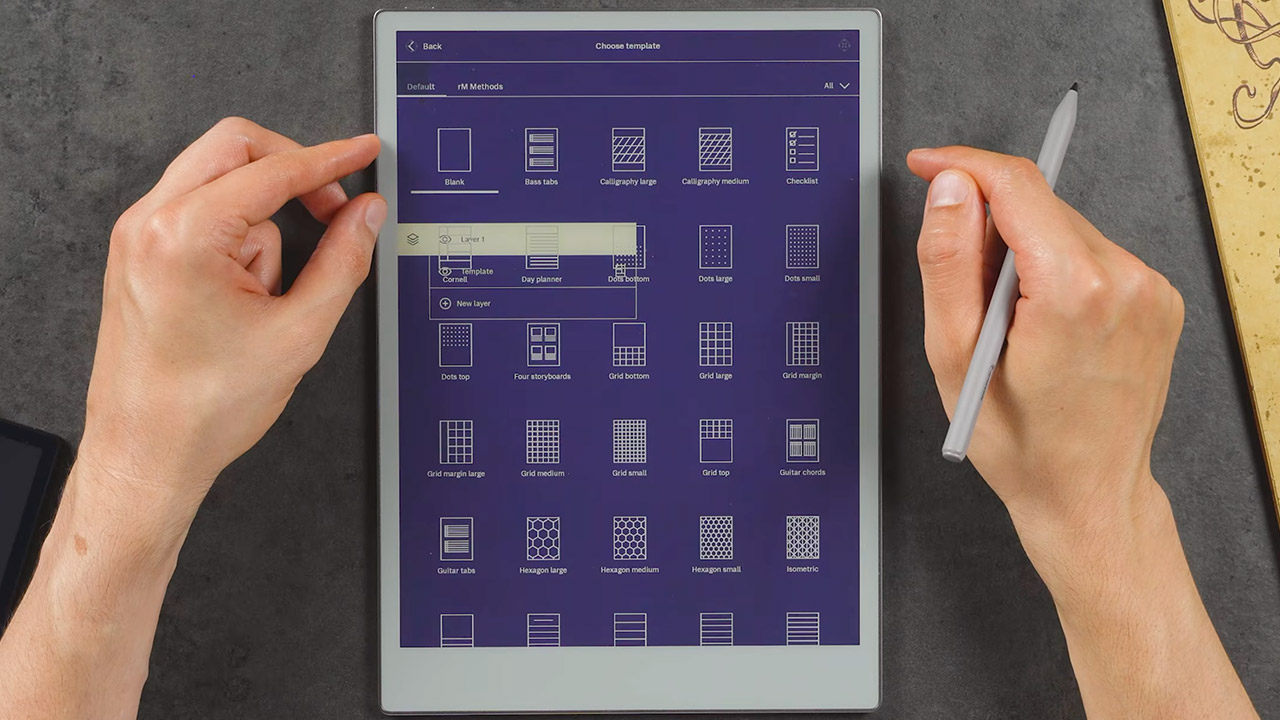
Android Port reMarkable Paper Pro Tablet
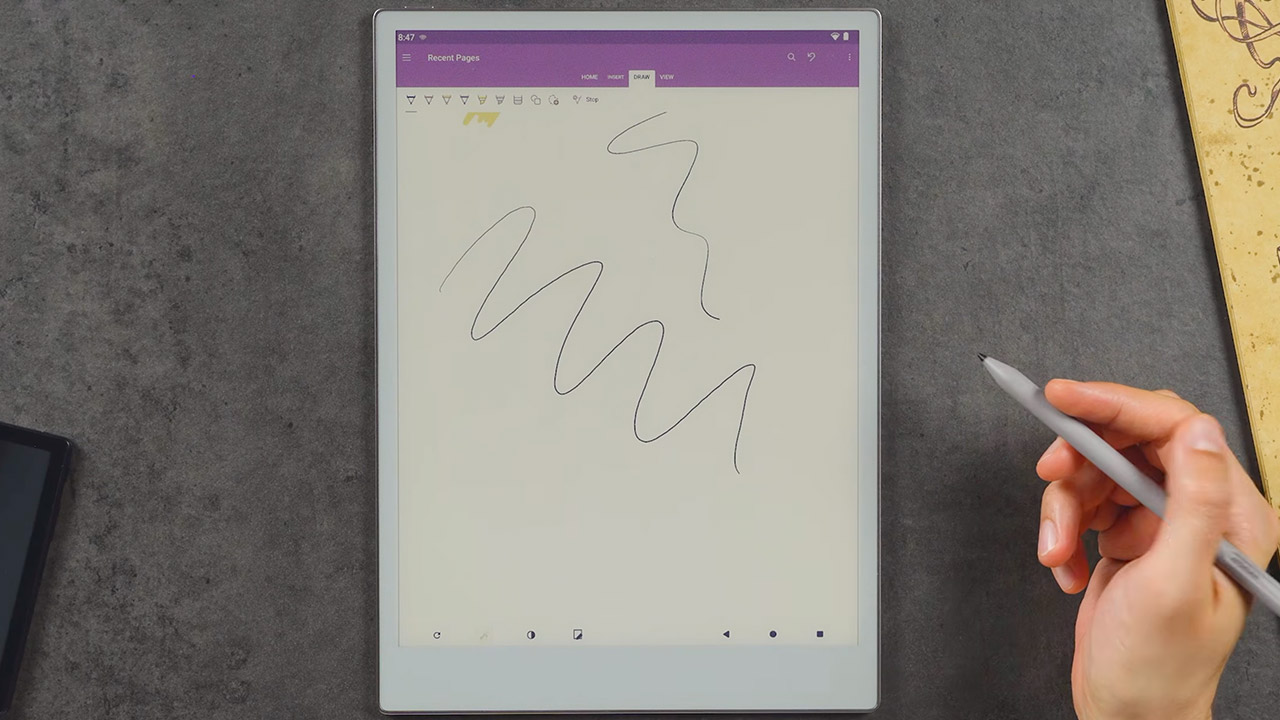
Chalid Raqami has gotten Android 13 running on the reMarkable Paper Pro. The YouTuber known for detailed E Ink device work installed a full Android system that sits alongside the tablet’s factory Linux-based software instead of replacing it.


On the 11.8-inch color E Ink notebook, you can transition between the original focused note-taking interface and Android in roughly 20 seconds, with a simple double tap on the power button. Raqami began the project on Android 12 because the Paper Pro only had 2GB of RAM and a 1.8ghz cortex-a53 quad core processor, but once that version was stable, he changed to Android 13 as it proved out to be a better fit for modern app compatibility without using too much of the hardware.

Android Port reMarkable Paper Pro Tablet
You can now access all of the usual features that standard software does not include. For example, you can use Kindle to read books or comics, internet browsers for quick searches, Microsoft OneNote and other productivity tools that accept pen input, or audiobooks. Bluetooth keyboards can even connect to the tablet without the need for ReMarkable’s expensive keyboard folio. The Wi-Fi, USB, front light controls, audio, and sleep cover all function normally.

Android Port reMarkable Paper Pro Tablet
What about the stylus response? Raqami paid special attention to this, since he created a low latency pen mode that activates from the nav bar, and writing in supported Android apps feels almost as seamless as using the original program. Battery life has also improved, as deep sleep has decreased standby drain to roughly 0.3 percent per hour, allowing for many hundred hours of standby time on a single charge. He also made some modifications to the gpu acceleration, E Ink refresh rates, and memory management to keep the interface useable on the color gallery 3 display, even though the panel is fantastic image quality but not so great at speed.

Android Port reMarkable Paper Pro Tablet
Heavy apps continue to struggle, as obsidian and other memory-intensive tools do not function efficiently, and video playback and rapid scrolling remain clumsy on the E Ink panel. The main goal of the Android version is to plug the gaps in the original software and provide you practical tools, rather than trying to transform it into some kind of traditional tablet.

Android Port reMarkable Paper Pro Tablet
Unfortunately, the port is still a ways away from being ready for public release. For the time being, it only requires dev mode, and any updates to the reMarkable software will erase the Android installation, forcing you to start over from scratch. Raqami is still working on improving the installation and recovery process so that it can be shared more widely; once that is done, he intends to conduct some limited testing with a small group; for the time being, it is more of a personal project to demonstrate how the Paper Pro can maintain its clean writing focus even with some additional tools to make it more practical.
[Source]

Source link

Advertisement
Continue Reading

Tech

Stripe Buys AI Startup OpenRouter For $7.5 Billion

Published

on

Stripe is acquiring AI model marketplace OpenRouter as it pushes beyond payments into the infrastructure behind AI applications. According to The New York Times, the deal is reportedly valued at about $7.5 billion, with $1.5 billion allocated to OpenRouter’s founders. Less than three months ago the company was valued at about $1.3 billion. CNBC reports: OpenRouter has become popular with developers seeking to use AI models, particularly those considered non-proprietary and available for free. Many of these so-called open-weight AI models stem from Chinese labs like DeepSeek and Z.ai, which have gained steam among developers for generally being more cost-efficient relative to proprietary AI models from U.S. companies like OpenAI and Anthropic.

In a blog post about the deal, Stripe noted that it’s been working with companies to “optimize their token costs and route tokens efficiently,” referring to a kind of metric used to measure AI model usage. Stripe said it’s difficult to manage AI costs relative to performance because of the rapid “pace at which models are released and repriced.” […]

OpenRouter said in a blog post that combining with Stripe will help with its overall vision of “a healthy AI ecosystem where many models thrive, where AI neurodiversity is a strength, where a lab or an inference provider with a breakthrough can reach millions of developers, and where no single model becomes the default by inertia.” “Stripe is building the economic infrastructure for AI, and together with OpenRouter we’ll help businesses maximize profitability by routing their requests intelligently and spending their tokens efficiently,” Stripe CEO Patrick Collison said in a statement.

Read more of this story at Slashdot.

Advertisement

Source link

Continue Reading

Tech

Xbox Furniture Grows From Controllers Into Living Rooms, Thanks to New IKEA Collaboration

Published

on

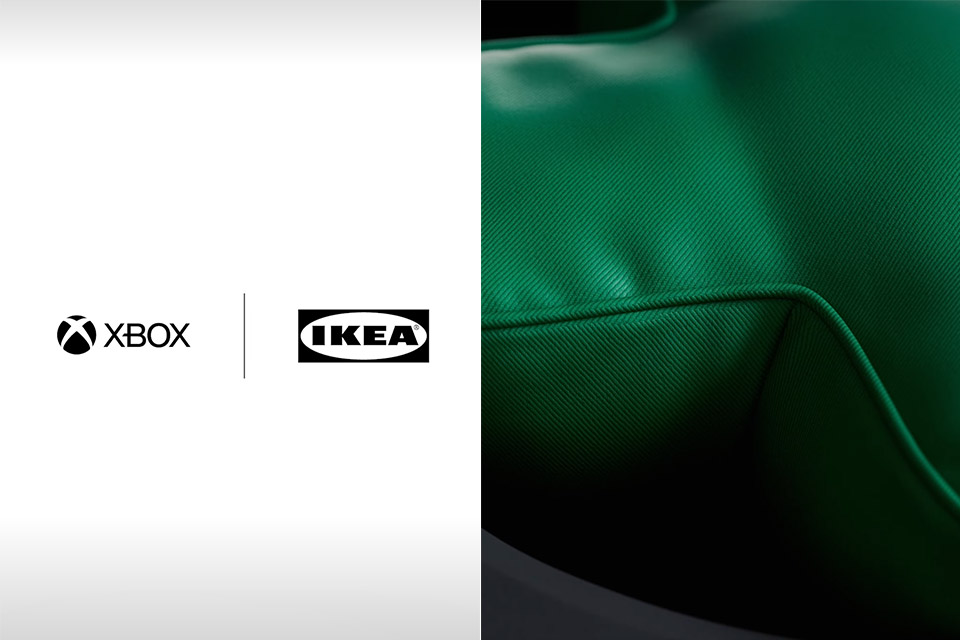
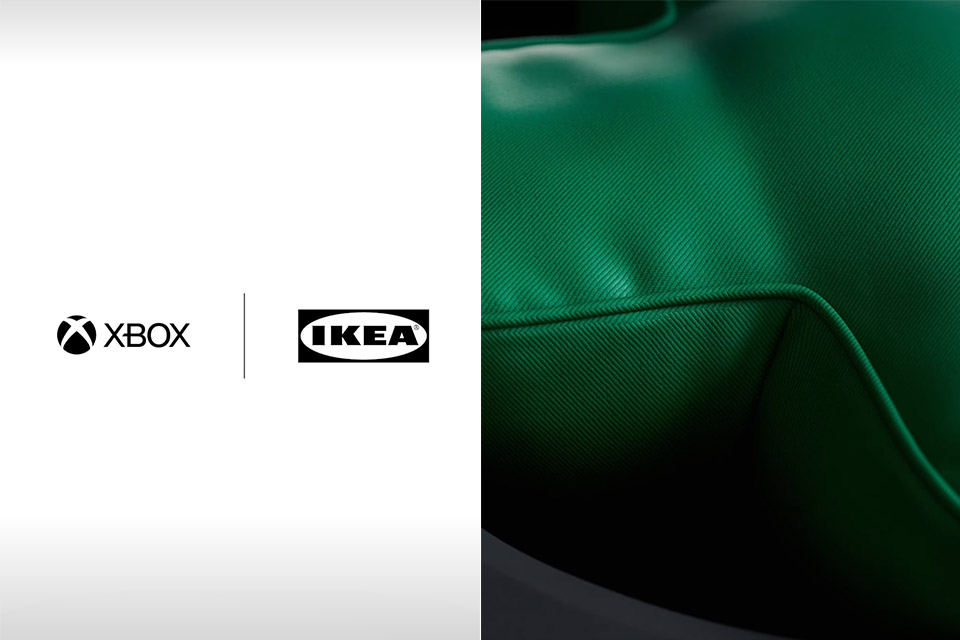
IKEA Xbox Furniture Line
Swedish furniture maker IKEA and Microsoft’s Xbox division posted a short Instagram video this week that shows pieces shaped like the buttons and sticks on an Xbox controller. Designers from both companies worked together on the line. A full look at the collection is expected during Gamescom in Cologne, Germany, on August 26.

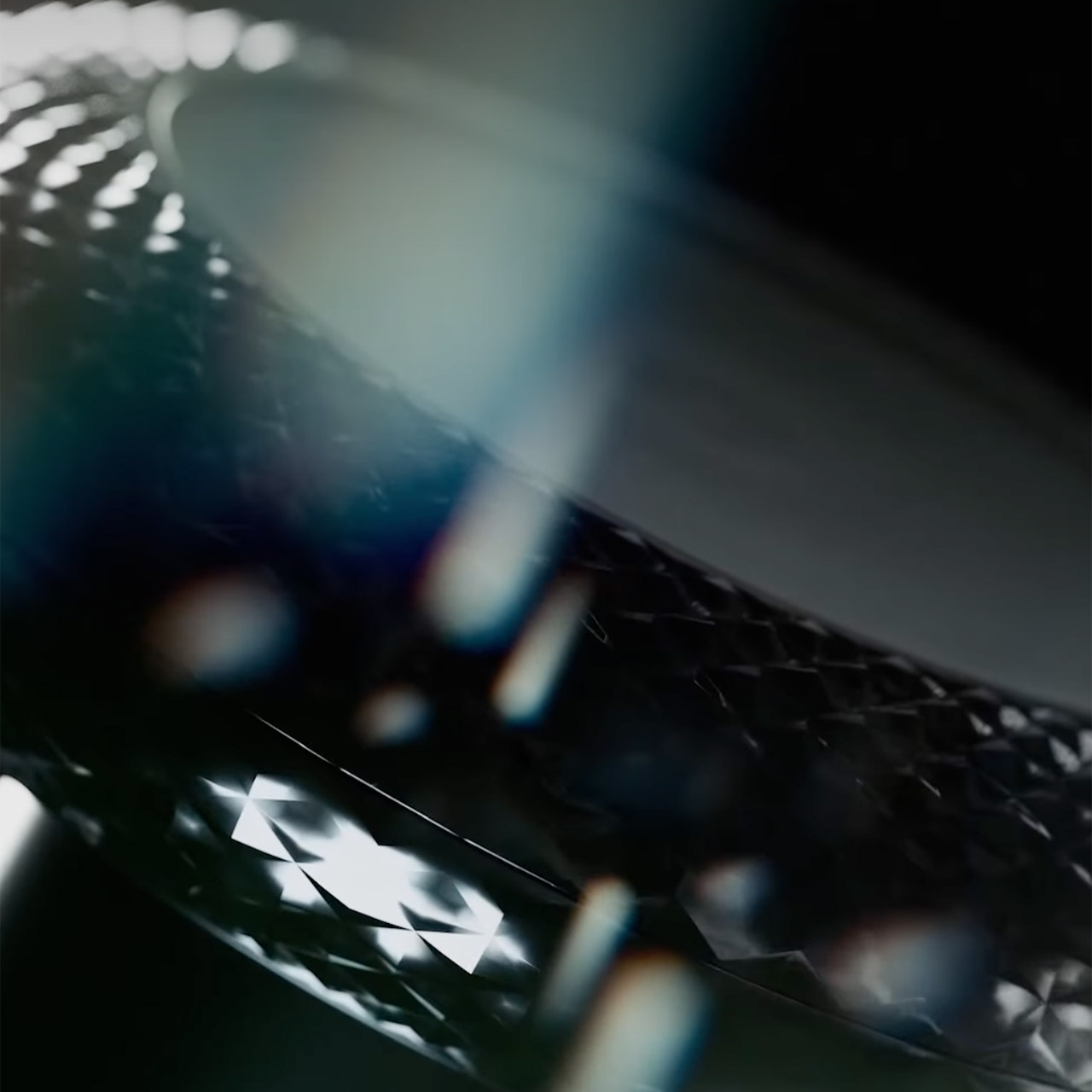
Close-ups in the video begin with a real-life analog stick, a ridged circular surface, until flashing light flares traverse it, revealing a brilliant green D-pad shaped like a square with rounded corners chopped out. Next, we see a larger, stick-shaped object that resembles a stool or coffee table. As the clip progresses, wider shots of a room decked out in Xbox colors appear near the finish, but none of the particular things are identifiable. They’re staying silent about specifics like product names, materials, price points, and the exact number of pieces.

Sale


GTPLAYER Gaming Chair, Computer Chair with Footrest and Lumbar Support, Height Adjustable Game Chair with…
  • Most Comfortable And Relaxing: Equipped with headrest and lumbar pillow. When your neck feels sore from gaming or working with head down for a long…
  • More Stable Than Others: Common gaming chairs are equipped with plastic legs generally to save costs, but we still insist on applying the same…
  • Liberate Your Feet: Will you feel tired for sitting all the time? Sure. Then you can choose the chair with footrest to relax your feet. When you…

IKEA has experimented in the gaming furniture market before. They’ve done ranges with ASUS Republic of Gamers, their own Brännboll line, and a variety of other items such as desks, chairs, storage, and crazy colorful chairs that are designed to blend in with your everyday environment. This time is unusual, as it is the first time they have collaborated directly with a console company. Xbox, on the other hand, has been experimenting with non-traditional gaming hardware, as evidenced by the Series X mini fridges and the toaster that burns their branding directly onto your toast.

IKEA Xbox Furniture Line
All of this comes at a nice moment, as Xbox celebrates its 25th birthday. If you’re attending Gamescom, you can find them in Hall 7, where they’ll be demoing new titles on playable stations. These furniture pieces are designed to be part of their show presence, so you might be able to sit on them or get a closer look in person. For the time being, it is unknown when they will be available for purchase, which regions they will be offered in, and whether they will be limited editions.

People online have been laughing about the assembly instructions and meatballs, but there are lots of others who are truly curious about whether more shapes like a controller will appear. Xbox responded with a brief Swedish “Hej” in one of their own posts, and the video itself has received tens of millions of views on their own channels. Until August 26, all we can confirm is the green D-pad cushion and the big oversized stick shape we noticed. Everything else? For the time being, the specifics are being kept under wraps.

Advertisement

Source link

Advertisement
Continue Reading

Tech

NASA’s LRO Spots the Crater a SpaceX Falcon 9 Rocket Carved into the Moon

Published

on

NASA LRO SpaceX Falcon 9 Rocket Crater Moon
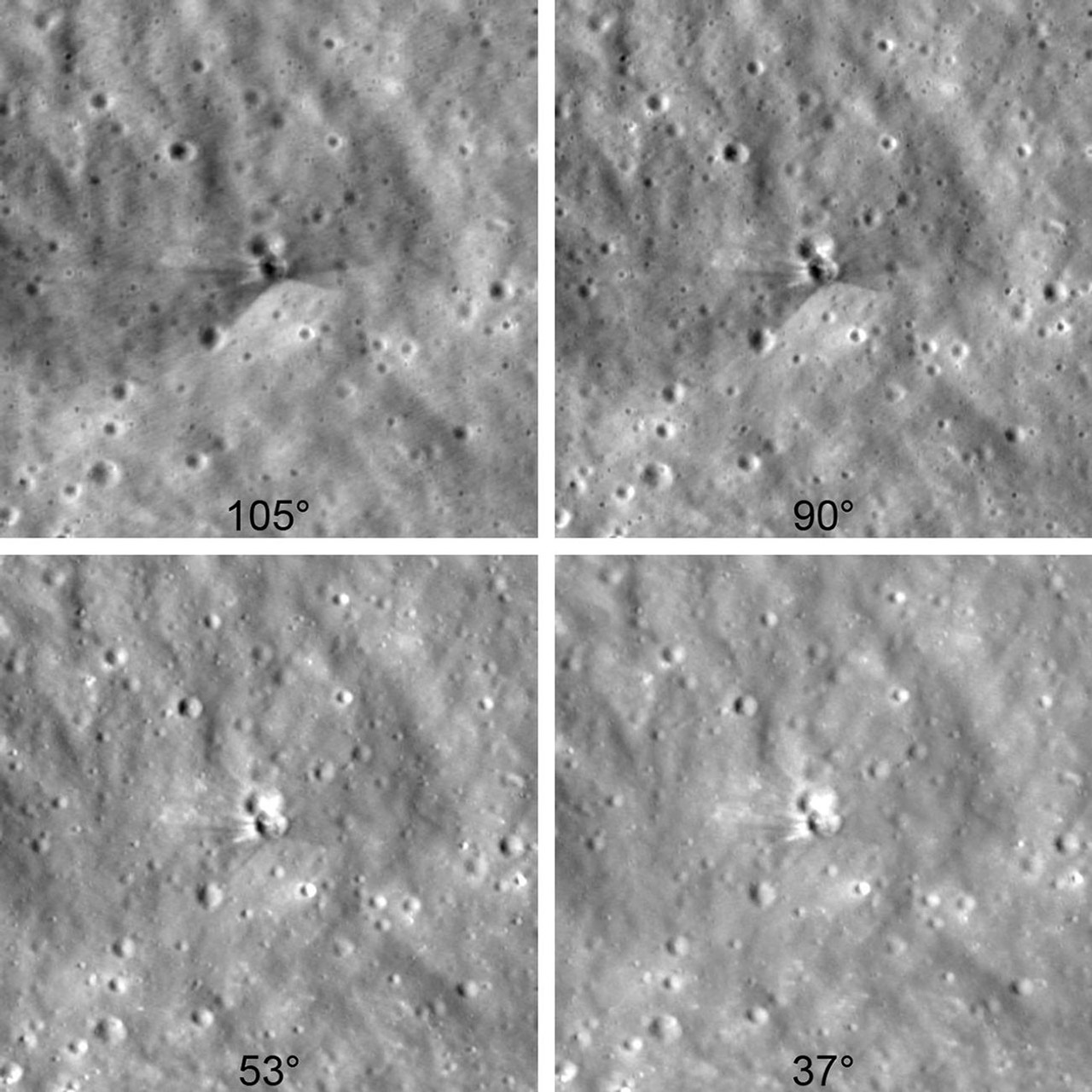
Between August 11 and 12 NASA’s Lunar Reconnaissance Orbiter locked onto a quiet patch of lunar ground and returned the clearest views yet of a brand-new scar. The crater formed six days earlier when a spent Falcon 9 upper stage struck the surface at roughly 5,400 miles per hour.


On January 15, 2025, a Falcon 9 upper stage launched Firefly Aerospace’s Blue Ghost 1 lander toward the Moon. After that happened, that section had almost no fuel remaining. Going through the motions, attempting to manage re-entry into Earth’s atmosphere, was no longer possible. So, starting in January 2025, for well over a year, this empty rocket stage just kinda hung there, floating in a roughly elliptical orbit under the gravitational influences of the Earth, the Moon, and the Sun, and then suddenly on August 5, its path came to an end on the lunar surface, at 6:35 in the morning (according to the clocks on UTC).


LEGO Icons NASA Artemis Space Launch System – DIY Rocket Model Building Set for Adults, Ages 18+ – Gifts…
  • NASA rocket model kit – Launch into a creative project with the LEGO Icons NASA Artemis Space Launch System model building project for adult space…
  • What’s in the box? – This creative building set includes everything you need to craft a multistage rocket with 2 solid-fuel boosters, an Orion…
  • Features and Functions – This NASA-themed rocket model features retractable launch tower umbilicals, rocket support and crew bridge, detachable…

Independent observers first noticed that the stage was heading for a collision with the Moon’s surface in April, prompting NASA’s Center for Near Earth Object Studies to take a closer look at the trajectory, essentially refining the math to improve their models; once completed, the predicted zones were passed on to South Korea’s Danuri orbiter. Danuri then took some images of the new crater site, barely hours after the impact, which turned out to provide them a very accurate position, not too far from the expected collision zone, allowing the LRO team to plan their own passes.


Every two hours, the LRO orbiter passes by the Moon from pole to pole at a speed of about a mile per second and an altitude of about 60 miles, which is the type of speed that requires some effort to tilt. The Narrow-Angle Camera on board has fairly decent resolution at that speed, and can pick up details as small as three feet across – but in order to keep the new crater centered, the spaceship had to make some very severe rotations on repeated orbits, tilting by more than 20 degrees at times. It also had to be precise in terms of time, because even a ten-second delay would have relocated the target nearly ten miles out of the frame. Only by imaging the stage in various lighting settings were they able to obtain the series of views presented this week.

Advertisement

NASA LRO SpaceX Falcon 9 Crater Moon
The measurements they took of the rim put the crater at 60 feet across, and based on the shadows on the floor, they estimate the depth is less than 10 feet. The impact occurred at an angle of about 31 degrees to the horizontal, resulting in the V-shaped spray of ejecta on the southern side, and the darker material fanning out was all from the top foot and a half of the regolith, a layer that had been exposed to solar wind, cosmic rays, and micrometeorites for a long time, so it is naturally rougher in texture and more muted in color. The brighter pieces near the rim, on the other hand, are most likely younger rock and dust that was pulled up from deeper underground and has not yet had time to change color.

The crater’s updated coordinates are 19.4759 degrees north, 266.7138 degrees east, and 511 meters elevation, and comparing the new images to earlier images of the same area, there’s no doubt that this change is relatively recent, and engineers will find it an interesting opportunity to test their tools for predicting collisions with objects of known size, mass, and speed. Furthermore, it demonstrates how a seemingly minor collision can mess up strata on the Moon that have been in place for millions of years.

Source link

Advertisement
Continue Reading

Tech

I Saw the Future of AI in a Robot That Can Learn on the Spot

Published

on

Last week, I ventured a whopping 15 minutes from my house to see robots do some mind-boggling, jaw-dropping stuff.

I visited the Cambridge, Massachusetts, offices of a startup called Generalist AI, where I watched robot arms perform simple chores like stacking cups, putting blocks into bowls, and the like. I was astonished by how quickly they figured things out—it was reminiscent of a flesh-and-blood person.

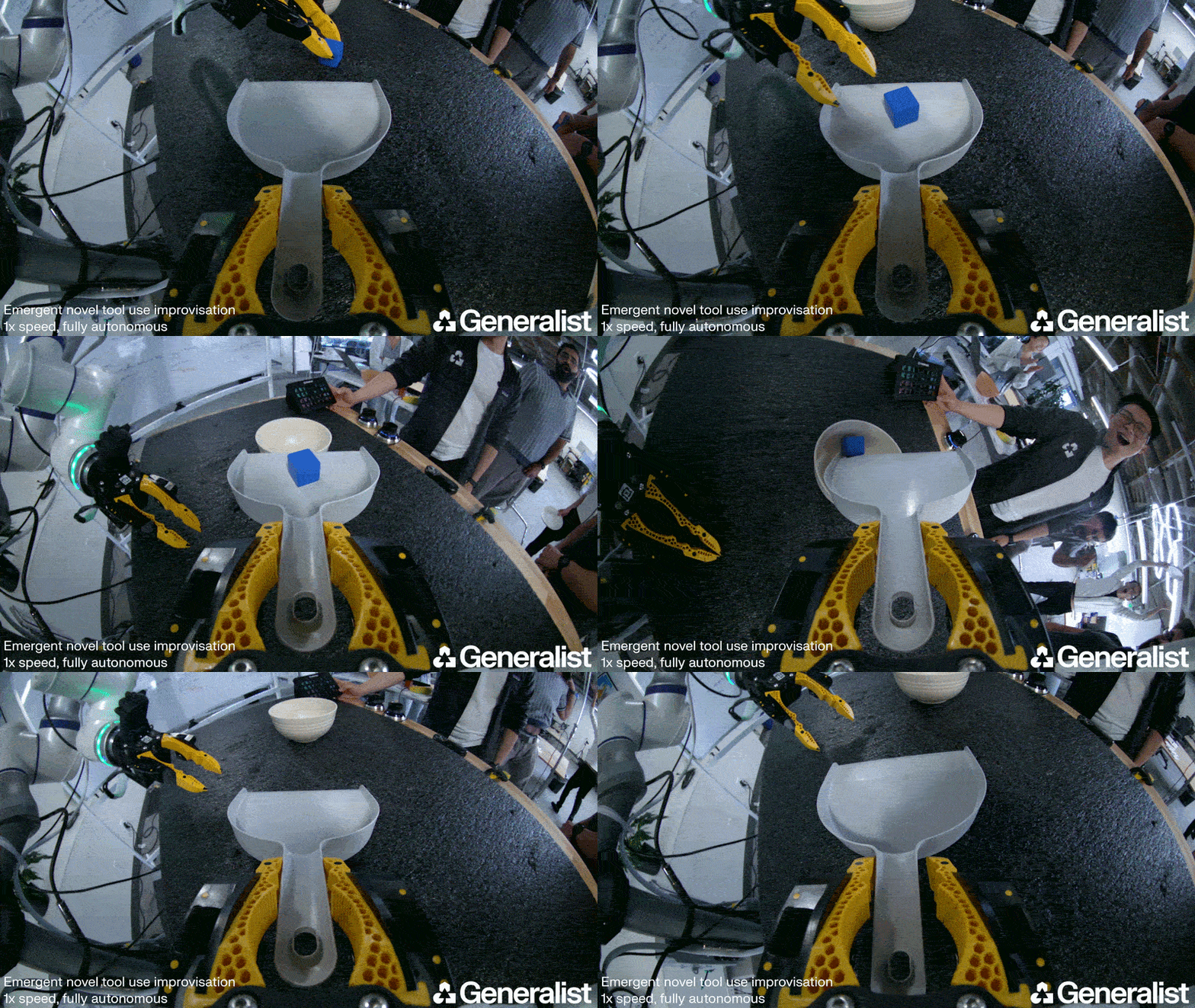
The arms mastered a range of tasks after ingesting a short, instructional video and, most impressively, no specific training for a given task. One of the most striking examples involved a robot that was instructed to sweep a block into a bowl using a dustpan and brush. When the brush was removed from the scene, the robot improvised by using the dustpan like a brush and flicking the block into the bowl.

Courtesy of Generalist AI

In another case, a two-armed robot watched a videoclip of someone unzipping a purse before removing some banknotes. I watched—somewhat slack-jawed—as the robot unzipped a different kind of purse and carefully removed the notes. Most amazingly, when it couldn’t grab the money, it switched from using its right gripper to its left to get a better angle of attack. “Ha,” said one engineer standing nearby. “It never did that before.”

Advertisement

“This is exactly the kind of thing people were really excited about with GPT-3,” Generalist cofounder and CEO Pete Florence told me, in reference to OpenAI’s breakthrough large language model, released in 2020. “You could take that model and just prompt it to do a new task and it would have a real shot at doing it.”

Generalist appears to be focused on teaching its robots about the physics of the world, which seems inspired by the intuitive sense of physics humans exhibit from an early age. That may well contribute to the model’s ability to transfer what it has learned in one scenario to another. In fact, some of the company’s demos made me think of how children improvise and experiment when shown a task. The researchers have often been surprised by what the robot decides to do—one chose to sweep up items with a banana when it was placed in front of it, for example. This might seem trivial, but physical intelligence is something still largely lacking in machines, and the way babies learn so efficiently about their world may offer important insights for AI researchers.

Source link

Advertisement
Continue Reading

Tech

Marion County, Kansas Has Racked Up $4 Million In Settlements Since It Raided A Local Paper’s Office

Published

on

from the millions-gone-just-because-no-adults-were-in-the-room dept

Sure, the town’s insurance will pay most of this, but it’s probably fair to say most of this small county’s population (11,823 at last count) wasn’t supportive of local law enforcement’s decision to violate as much of the First Amendment and Fourth Amendment as possible in the apparent hopes of making one local business owner happy.

The backstory is long and convoluted. It involves a local business owner who wanted a liquor license (but had been cited/arrested from drunk driving), her estranged spouse (who shared some documents with Marion County Record reporters), a local attorney who just wasn’t up to the job, a police chief who was far too friendly with the business owner, and a bunch of other law enforcement agencies that pitched in with the constitutional violations just because. And all of that is on top of then-police chief Cody’s animus towards the paper, due to its reporting on his past misconduct.

Here’s a summation of the events leading up to the raid.

There’s Kari Newell, a local business person who was seeking a liquor license for a new business when her previous drunk-driving record became public. There’s County Attorney Joel Ensey, who claimed to have no knowledge of the raid until public records showed he actually knew plenty about it beforehand. There’s the Kansas Bureau of Investigation, which also disavowed all knowledge, until it became clear it had knowledge as well, at which point it began publicly condemning Chief Cody and his department. There’s the mayor who didn’t like his deputy mayor and seemed to be all too willing to indulge the police chief. There’s the judge who signed off on the search warrants without reading them and then tried to distance herself from actions — a judge who apparently had some drunk driving problems of her own. There are the communications Chief Cody made to Kari Newell, informing her he was going to raid the newspaper to shut down its coverage of her and, presumably, any further investigation into his law enforcement past. In the middle of all of this, there’s some bullshit computer crime charges, which were invoked despite the newspaper accessing driver record data legally through a third party.

Following the raids — that’s right, raids — multiple lawsuits were filed. Not only did the Marion County PD (under the leadership of Gideon Cody, whose past misconduct was being examined by the local paper) talk a local court into blessing its raid of the newspaper’s office, it also raided the home of the paper’s owner, 98-year-old Joan Meyer, who died less than 48 hours after the raid.

Advertisement

Pretty much every lawsuit filed by the victims of these raids has paid out. Last November, the county agreed to pay $3 million to three of the affected journalists and one of the town’s city council members, who was also subjected to an illegal raid by local officers.

That large settlement followed a $235,000 settlement the town agreed to pay to Marion County reporter Deb Gruver, whose computer was seized along with her personal cell phone by local law enforcement officers.

That brings the total to $3,235,000 (at minimum!). The latest settlement — one that will be paid to another of the paper’s reporters — now means county residents will be asked to contribute to a tab that has now surpassed the $4 million mark:

Phyllis Zorn, the reporter whose acts of journalism served as an excuse for the August 2023 police raid of the Marion County Record, will get $850,000 from the city of Marion to settle her federal lawsuit over the raid.

This is the sort of thing that should make all good Americans yank on their imaginary suspenders and get their rural lawyer shtick on. We should — as a unified drawl — make it clear that we, as the collective “small town lawyer,” think this is some disturbing bullshit. And we should fervently argue in favor of large settlements, even if we know this just means our fellow Americans will be asked to give a little more the next time the budget’s on the agenda.

Advertisement

While I do think its sucks that the public has to pay the price for government malfeasance, things like this encourage more people to vote with their wallets. That doesn’t mean funneling money into some PAC. That means protecting your earnings by expelling the people who were on board with these blatant violations of constitutional rights. And Marion County residents aren’t done paying for the perverse acts of prosecutors, law enforcement, and the mayor who had the cops’ back all the way through this debacle:

Zorn previously received $600,000 from the county, which settled various lawsuits over the raid for a collective $3 million last fall. The city has not yet settled lawsuits filed by newspaper publisher Eric Meyer and former city Councilwoman Ruth Herbel. Former reporter Deb Gruver settled with the city in 2024 for $235,000.

The county government is making things right. That it’s doing this with other people’s money doesn’t mean the settlements are meaningless. We, the people, should simply rejoice in our magnanimous nature. Even though we’re getting fucked, we can at least take heart in the fact that we were invited to the climax.

Filed Under: 1st amendment, 4th amendment, journalism, kansas, marion county pd, phyllis zorn

Companies: marion county record

Advertisement

Source link

Continue Reading

Trending

Copyright © 2025