Tech
How To Deep Clean Your Workshop Floor So It Looks (Nearly) New Again


We may receive a commission on purchases made from links.
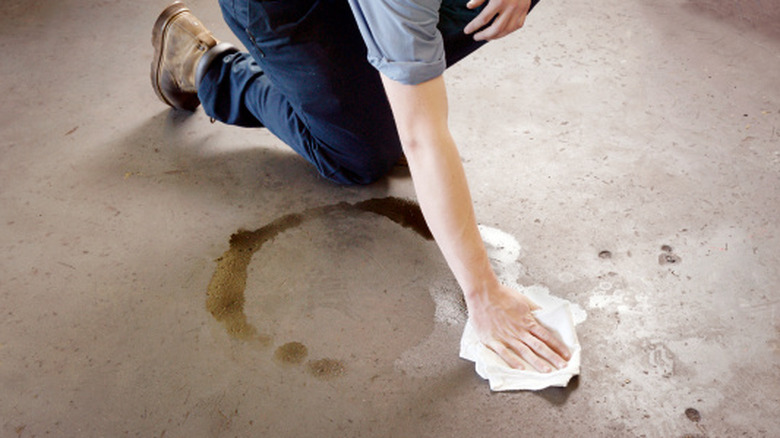
We always strive to keep our house clean. In most cases, however, because keeping our DIY workspace dust and dirt-free is not always at the top of our to-do list, our workshop spaces are often saved for last or skipped entirely. But if you’re serious about woodworking or you love spending time on project cars, you know that one of the biggest challenges DIYers face is keeping their workspace floor clean. After all, it deals with a lot (the occasional coffee spill, oil spills, metal shavings, dirt from shoes, paint stains, and sawdust), and not only will all these ruin the appearance of your garage, but they will also risk making your cordless power tools unusable at a certain point if dirt gums up moving parts or blocks airways.
If you’re like most of us, you’ve probably built small habits that help you stay on top of surface spills, dirt, crumbs, and dust. For instance, you might have set aside one hour a week to wipe down surfaces and sweep away dust, or you might be used to cleaning up oil spills when they happen. Either way, such habits will keep your garage floor looking tidy and safe to walk on. But that’s not to say that they’ll make your workshop floor look all-new, and that’s where deep cleaning comes in handy.
As the name suggests, deep cleaning entails setting aside a few days each year to thoroughly clean your workshop beyond your regular cleans. This allows you to handle oil spills that can get pretty gross when left for too long, and even get into corners and nooks that can go unnoticed on a weekly basis.
Prepare your workshop floor for deep cleaning
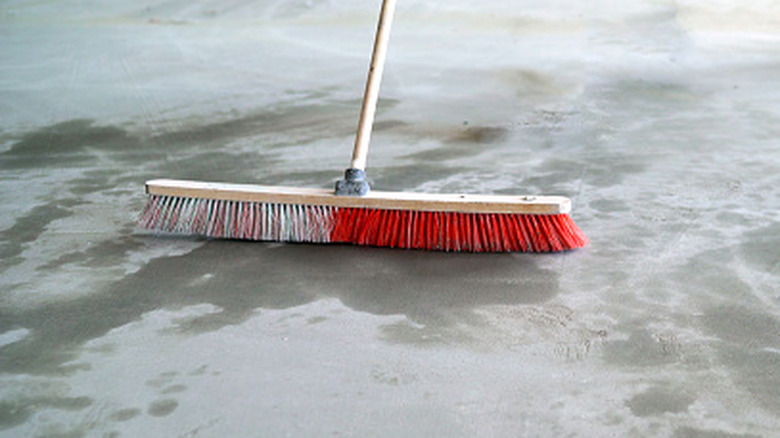
Choose an appropriate day to begin deep cleaning your workshop floor. A sunny, dry day will work best because it allows your space to air-dry quickly, preventing mold growth. Then, gather the tools you need to tackle the mammoth task. A thorough workshop cleaning requires specific tools and cleaners, and you’ll want to know which work best for your type of garage flooring to avoid accidentally damaging it. If your workshop floor has an epoxy coating, for instance, you’ll want to skip anything with ammonia or bleach. Instead, opt for a safe cleaner, such as Zep Neutral pH Industrial Floor Cleaner, which is available on Amazon for $12.
The next step is to completely clear the floor by removing all your power tools, furniture, and hand tools. You’ll also want to separate everything into donate, keep, and throw piles. Once you’re done, vacuum or mop the floor to remove loose debris and dirt. It’s worth noting that if your workshop has woodworking tools that are difficult to move, like a table saw or a thickness planer, you’ll want to make sure they’re free of debris and clean before vacuuming your floor.
Deep clean your workshop floor the right way
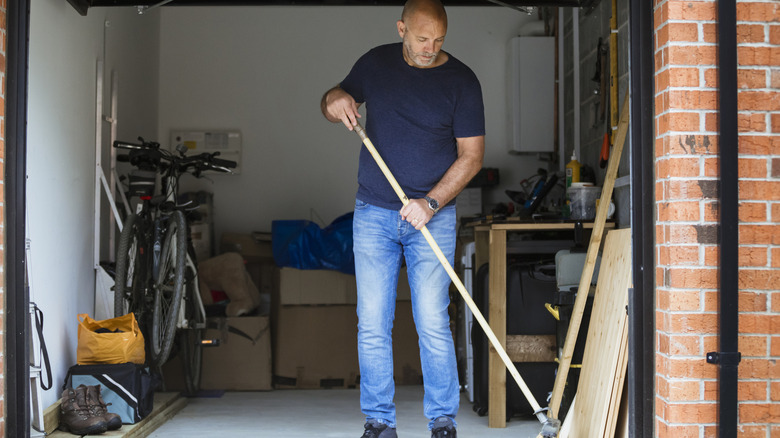
Once you’re done prepping, the next step is to thoroughly clean your workshop floor. To do so, start by soaking your workshop floor with a warm water and mild soap solution for a few minutes. You can even cover the dirty floor with a degreaser, but remember that some of these cleaners have harsh fumes. Wear personal protective equipment like gloves and make sure your workshop is well-ventilated when using them.
Next, use a soft-bristled brush to scrub the floor and remove stubborn stains. If you have a pressure washer, you can use it instead of a mop. Not only is pressure washing a fun way to clean your workshop floors, but it’s also a quick and easy way to blast away layers of stubborn grime and dirt. If you don’t have one, you can rent a gas-powered pressure washer from Home Depot at around $87 a day. If you need to remove stubborn rust stains from your workshop floor, you can achieve this by using lemon juice and vinegar. Just sprinkle the rusted area with some lemon juice and apply vinegar directly over the lemon. Let it soak for a few minutes, then scrub with a stiff brush.
Finish by rinsing the area well with clean water and drying it thoroughly with a dry mop. It’s a wise idea to let your garage air-dry completely before bringing your power tools back into the workshop. If time is not on your side, however, you can use a dehumidifier or a fan to speed up the drying process. This way, you’ll create a conducive environment that prevents mold and mildew growth.
Remove stubborn oil, grease, and other auto fluid stains from your garage
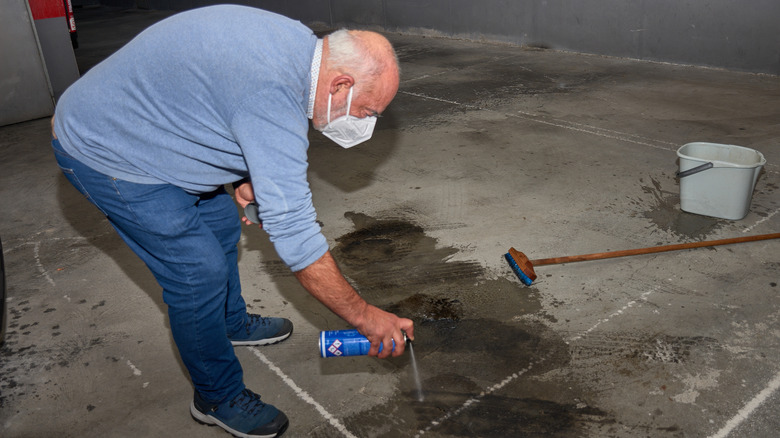
If you’re a DIY mechanic and you always perform your own car repair or maintenance at home, you know that your workshop floor is an absolute magnet for oil and other fluid spills. While the deep cleaning process of a woodworking workshop floor is still the same as that of an at-home auto repair shop, there are certain things you should know. Getting rid of stubborn oil, grease, and other automotive fluids is going to be a pain. Of course, there are plenty of tips and products that can help remove stubborn oil stains from your concrete, but not all of them will work as well as they claim.
To remove stubborn oil and grease stains from your garage floor the right way, you’ll need an absorbent material like cat litter or cornmeal. Sprinkle it on the affected area and let it soak for about 15 to 20 minutes before sweeping it away and scrubbing the area with a stiff broom and soapy water. Alternatively, you can give a degreaser like Krud Kutter Concentrated Cleaner/Degreaser Stain Remover or WD-40 a try. They’ll safely dissolve grease, oil, and other fluids from concrete without damaging your floor.
You must be logged in to post a comment Login