Accurate and speedy sensors for areas other security sensors aren’t made for
Tests showed excellent performance on garage door and fence gate
Abode’s hub automatically connects to sensors and makes setup one of the easiest I’ve done
Offers a variety of automations and alert options through Abode’s intuitive app
Sensors have many additional applications for sheds, tilting windows and more
Abode’s standard hub requires a permanet Ethernet connection
The outdoor contact sensor design could use another pass
Security systems have stayed the same for years, with only minor advances, but 2026 is changing that. I’ve seen new sensors start to hit the shelves, from presence-sensing devices that can detect people without needing security cameras to small sensors that monitor tilting, opening and tampering all at once. But Abode’s latest offering is even more unique.
If you’ve been looking for a special device to help monitor access to backyards, detached buildings on your property, or garage doors that always seem to get left open, these sensors are a remarkable answer, particularly if you already have an Abode system. If not, I’ll cover what you need to know from my testing.
Unboxing and setup
Abode’s new sensors work flawlessly with its existing hub.Tyler Lacoma/CNET
I was able to fully test an Abode starter security kit as well as its two new sensors for this review, providing a clear look at how the security brand functions. As far as setup experiences go, this has been one of my speediest. And I’ve tested many different systems.
Abode’s beginner’s kit is small, offering an indoor sensor, motion sensor and fob, along with the hub. I was pleased to find out, after downloading the app and connecting the hub, the other base devices automatically added themselves and made the setup process effortless, smoother than nearly any other security system except possibly Ikea’s affordable sensors.
Adding the new garage and outdoor sensors also proved quick, with pairing happening only seconds after I installed the batteries and typed in the activation code.
Advertisement
Abode’s hub connects to new sensors in a snap.Tyler Lacoma/CNET
The one problem I have with Abode’s system is how the standard hub connects to Wi-Fi. This hub requires an Ethernet connection to your router or gateway, not only during setup but all the time. That’s a not-so-small problem if, like me, you have a router, gateway and other necessary devices already taking up all nearby outlets, which forced me to jury-rig a solution for the hub while I was testing.
Abode’s Iota hub does offer Wi-Fi, but that requires a more expensive upgrade to a $200 starter kit, not including extra sensors. It’s baffling that Abode’s standard hub still doesn’t support Wi-Fi when every other brand does. Check the outlets near your router before you choose this solution.
Garage sensor installation and performance
Abode’s garage sensor can sense any kind of tilt up and down.Tyler Lacoma/CNET
Equipped with internal gyroscope technology, Abode’s garage door sensor is made to detect orientation, and setup couldn’t be simpler. Using the included adhesive strips, I slapped the small monitor on my closed garage door, and it began accurately detecting open/closed states immediately in the Abode app.
Smart garage door motors and controllers can also do something like this, plus app controls, but this is one of the first standard home security systems to expand to the garage, and adding a single $50 sensor is far more affordable than replacing your garage controller entirely. Abode let me know if the garage was left open, and advised me on unexpected garage door movement when no one was at home, just as advertised.
Placing the sensor shouldn’t be any trouble, no matter what kind of garage you have. It sticks onto the inside of the garage door where there is plenty of space, and doesn’t require any complicated calibration. You may have to reset the sensor after placement to make sure it’s reading open and closed states correctly, but that, too, takes only moments.
Finally, you could use this sensor on anything that tilts up and down like a garage door, such as tilting windows, so it could have other applications in your home.
Advertisement
Gate sensor installation and performance
Abode’s outdoor sensor is a little annoying to put together, but works like a charm.Tyler Lacoma/CNET
Abode’s outdoor access sensor proved more complicated than the garage monitor. Bulkier than most access sensors and equipped with weather-resistance capabilities, it’s made to tell when anything outdoors opens and shuts. The two parts sense when they are close or when they’ve moved apart, with a bit of extra leeway compared to indoor sensors, since outdoor fences and other access zones have varied designs and gaps.
The complex housing proved adequate, but was more frustrating to install and is in need of some future refinements. The screw-in backplate, for example, had pop-out sections to make room for the screws, but the plastic base was so thick I couldn’t put out the sections at all, not even with a hammer that nearly destroyed the base itself (I used another tool to carve them out eventually, not an ideal situation). And the battery casing was so tight and awkwardly designed, I was afraid forcing the batteries in would harm the nearby, unprotected circuitry.
In these ways, the design feels a little too close to a prototype model for me, and it probably needs another pass or two. But it works, and works very well, when it’s finally set up.
Connected to my old fence gate, the sensor accurately and immediately told me whenever it was opened or closed. I’ve found that gate left open more than a few times, so this gave me welcome peace of mind. I also tested it during a stormy downpour, which did nothing to affect the performance of the sensor.
You may want to turn off beeps from the hub that sound every time it alerts to the sensor being opened, but Abode provided a setting to do just that. However, alerts and monitoring aren’t the only things these sensors can do.
Advertisement
App automations that benefit from Abode’s support
Abode’s app allows for customizations and automations, too.Tyler Lacoma/CNET
One of the most impressive parts of Abode’s security platform is how it maintains connections to other third-party smart home gadgets, from Google Home connections to the rare-to-find Apple support for certain devices. There are also Abode’s own devices, including cameras and smart locks, which naturally work with the system
Abode’s CUE function offers automations similar to Google Home or Apple Home.Tyler Lacoma/CNET
When Abode’s system is armed, triggering one of these garage or gate sensors can trip the system and sound a siren. But using the CUE automation tool in the Abode app, I found you can also set up many other types of automations, depending on what you want to activate.
This can include setting lights to turn on a warning glow if a fence gate is left open, or automatically unlocking your door when the garage is opened. You can also set times for these triggers to work, so they only function in the evening, on weekdays or only trigger after a certain time (the gate has been left open for 2 hours, for example). This adds more possibilities if you want to expand your smart home, but it’s not necessary to get value out of these sensors.
Remember, Abode’s app can also support third-party integrations with other devices.Tyler Lacoma/CNET
If you want to pay for an Abode subscription, you can add more features with plans starting at $80 a year, but these are mostly camera-focused, and I don’t think they’re necessary for these sensors at all.
Final thoughts on Abode’s new access sensors
Abode’s sensors signal helpful new trends in the home security world.Tyler Lacoma/CNET
Abode’s newest sensors offer exceptional performance in spots other sensors aren’t really made for. They’re also more expensive than typical sensors, and the outdoor sensor might need another design pass in the future, but I otherwise found them easy to set up and start using for customized, helpful alerts.
One word of caution: Abode’s standard hub requires an Ethernet connection, so consider where you’ll put it, and if you’ll need to run Ethernet cable anywhere during installation. Otherwise, this system sets itself up in minutes.
I’m enjoying this 2026 wave of security tech innovations. They’re finding new applications in the home – and finding them with success. Aqara’s multipurpose sensor is one such model. Abode’s proved another strong example, so if you’ve been looking for extended security capabilities outdoors or in the garage, take note of this update.
Tyler Lacoma
Senior Editor / Home Security and Smart Home
Advertisement
Tyler has worked on, lived with and tested all types of smart home and security technology for over a dozen years, explaining the latest features, privacy tricks and top recommendations.
With degrees in business management, literature and technical writing, Tyler takes every opportunity to play with the latest AI technology, push smart devices to their limits and occasionally throw cameras off his roof, all to find the best devices to trust in your life. He always checks with the renters (and pets) in his life to see what smart products can work for everyone, in every living situation.
Living in beautiful Bend, Oregon, gives Tyler plenty of opportunities to test the latest tech in every kind of weather and temperature. But when not at work, he can be found hiking the trails, trying out a new food recipe for his loved ones, keeping up on his favorite reading or gaming with good friends.
See full bio
TikTok has agreed to pay Alabama at least $100m to settle the state’s lawsuit over the app’s effect on children, Attorney General Steve Marshall’s office said on Friday. The case had been due to go to trial on Monday.
The first payment is due within 45 days, according to the attorney general’s announcement. Alabama could receive up to $300m in total if certain conditions are met, the office said, without giving details.
The extra money depends on other states reaching qualifying settlements with TikTok within a set period, the Associated Press reported.
As part of the deal, TikTok must limit teens to two hours a day, with parental controls. It must also add pauses after 15, 60 and 90 minutes of continuous use, block access between midnight and 6am, and limit use during school hours.
Advertisement
Other changes include age checks, tighter controls on contact between adults and teens, a ban on cosmetic filters for teen users and a feed that is not personalised by default. The AP reported that the changes apply to teen users in Alabama.
Alabama sued TikTok in 2025. It claimed the company designed the app to be addictive, exposed young users to serious mental health harms and misled the public about its safety.
“Tonight, they can rest easier knowing real protections are in place to shield their children from the dangers of social media addiction,” Marshall said of Alabama parents.
A spokesperson for TikTok’s US joint venture said the company’s priority has always been a safe and positive space for its users, the AP reported.
Marshall’s office called the deal a first-in-the-nation settlement. It follows a pattern of TikTok settling before juries hear its cases. In August, it settled three teen-harm cases that were due for trial in October.
Advertisement
However, TikTok has not avoided every ruling. Earlier this month, a Texas judge found it liable for misleading parents about child safety.
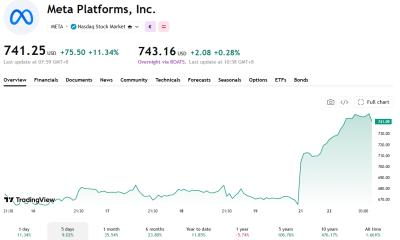
Meanwhile, Meta agreed in August to pay up to $16.68bn to settle a youth safety case brought by 29 states.
Tisha Johnson is a rarity in the car world: an automotive design leader who is not a man. Women are sometimes put in charge of the interiors or the materials, but few get to shape the whole look of a vehicle. As head of design at the EV-maker Slate, Johnson does. The pickup truck version of its EV starts at just under $25,000, making it the cheapest pickup on sale in the US, electric or not. Trouble is, cheap products are usually a compromise, and compromises rarely inspire affection. Johnson’s Slate, however, has won design awards, not just praise for its price tag.
“We didn’t want [Slate] to be a jerk,” Johnson says, “or look like a beast on the road.” That thinking shows in the truck itself—not just in its modular, add-on-friendly design (pictured here in its Fastback guise), but in the fact the EV was designed to be loved. Strong shoulders and approachable round headlamps were favored over macho arrowed surfacing. “The attraction that draws you to Slate is based on something that is lasting from inside out. It’s a deeper connection,” Johnson says. Some 180,000 reservations and counting for the Slate, along with those awards, seem to more than prove her point.
Away The Carry-On: Aluminum Edition
Courtesy of Away
Away was founded in 2015 by entrepreneurs Jen Rubio and Steph Korey, both with backgrounds at the eyewear maker Warby Parker. In its first year, Away generated $12 million in sales and sold more than 100,000 stylish, reasonably priced suitcases. It has been an impressive rise, and the Softside Carry-on currently tops WIRED’s best buy list. Here however, we’ve chosen the aluminum version of the company’s handsome roll-aboard that’s built tough but perfectly sized for the overhead bin. It has a 32-liter capacity, dual TSA locks, 360-degree wheels, and an internal compression system. The signature hidden laundry bag remains a brilliant accoutrement.
Jelenew Mont Blanc Ultralight Long Windproof Jacket
Courtesy of Jelenew
Cofounded by six-time cycling world champion Marion Clignet, Jelenew combines female-specific articulated shaping, recycled nylon, mesh ventilation and an adjustable hem in a windproof shell that packs into a 6.3 x 9.8-inch bag. Clignet brought elite racing experience directly into the brand’s development, with the fit shaped around women’s proportions rather than scaled down from men’s clothing. This particular jacket uses 94 percent recycled nylon, a PFAS-free water-repellent treatment, UV protection, and mesh ventilation. Generous waist pockets and adjustable drawstrings add practical detail.
Advertisement
TaylorMade Kalea Gold Driver
Courtesy of TaylorMade
Light, easy to launch, and forgiving, Kaela has been designed for women who want more performance than they can get from hacking a set of men’s clubs. Principal product-development engineer Michelle Penney helped lead the development of the range, with input from female TaylorMade employees, players, and and dedicated women’s advisory board. The final design takes into account the key differences in women’s swing profiles. The 460 cc carbon driver is 44 inches long, with 11.5- or 13.5-degree lofts and a lightweight 47-gram shaft intended to help generate speed without making the club harder to control.
Natural Cycles NC° Band
Courtesy of Natural Cycles
Cofounded by CERN physicist Elina Berglund Scherwitzl, who helped discover the Higgs boson, Natural Cycles makes the world’s first FDA-cleared birth-control app. Its screenless NC° Band syncs its health readings to the app. Wear it on your wrist while you sleep and it tracks your temperature, heart rate, and movement during the night, then automatically syncs all that data to your phone in the morning. Those numbers are fed into the app’s algorithm to give you accurate—Natural Cycles claims an impressive 93 percent accuracy—daily fertility guidance. A recently announced Whoop partnership helps strengthen both brand’s offerings too.
Adafruit Pimoroni Badgeware Badger
Courtesy of Adafruit
Ladyada, aka Limor Fried, became the first female engineer to appear on the cover of WIRED in April 2011, just six years after she founded Adafruit from her MIT dorm room. Her alias was inspired by 19th-century English mathematician and computing pioneer Ada Lovelace, which in turn provided inspiration for the brand’s name. Fried has grown Adafruit into a 100 percent woman-owned force in open-source electronics, making components, tools, and educational kits that lower the barrier to coding and hardware hacking. The company’s range spans beginner-friendly boards, wearable controllers, and touchscreens, alongside quirky maker gear such as the pictured programmable, wearable e-paper name badge.
Raide Women’s TrailTech Cargo Tank
Courtesy of Raide
More than just another running top, this multifunctional design combines an unpadded sports bra, a vest, and much of the carrying capacity of a small hydration pack in a single 4.6-ounce layer. Five well-positioned pockets hold up to 30 fluid ounces of water, a phone, your rain shell, and up to six fuel gels, all while keeping the load close to your body to help minimize bounce. Laser-perforated chest panels add ventilation, and the fit is designed around female anatomy rather than adapted from a men’s cut. It is a neat solution for runners who want to go the distance without adding layers on layers.
Advertisement
Vacheron Constantin Overseas Self-Winding
Courtesy of Vacheron Constantin
There was a time, not so long ago, when all serious timepieces had two clear traits. They were massive—we’re talking over 48 mm here, which fine if you have Schwarzenegger-sized forearms but useless for those who don’t—and they were aimed just at men. Women’s watches would have comparatively basic mechanical movements, or be quartz powered and covered in jewels.
Thankfully, general watch size trends have swung back the other way, and now small- and mid-size pieces are very much in demand. This means women with a serious eye for horology now have some truly excellent choices. This new Vacheron is a perfect example: Clocking in at 34.5 mm, this Overseas will suit both men and women very well in either stainless steel or pink gold. It’s a nearly exact shrunken version of the 41 mm model, and nothing has been dropped in the downsizing apart from the outer seconds track on the dial. The quick-release bracelet, two extra quick-change straps, 40-hour power reserve, and sapphire caseback are all present.
Dreame Miracle Pro
Courtesy of Dreame
AI is drying hair now, or more specifically, adjusting temperature, heat, and airflow automatically. Dreame’s dryer also includes a conditioning essence atomizer and red light therapy to take extra care of your scalp. The 1,400-watt dryer monitors temperature 1,000 times per second to keep the airflow ultra consistent. The dryer also comes with four magnetic attachments: nozzles for styling, smoothing, and defrizzing, plus a diffuser. Snap one on, and the Miracle pro senses which one you’ve attached and adjusts the dryer’s power and heat for the best possible results.
Music Man St. Vincent HHH
Courtesy of Ernie Ball Music Man
Annie Clark, aka art-rocker St. Vincent, sketched the original shape for her signature guitar using angles that combine midcentury retro-futurism with the bold triangular tuxedo worn by avant-garde performer Klaus Nomi. She then worked through around 20 prototypes to get the weight, balance, and feel for the design just right. Despite the sharp lines, the body is heavily beveled with an exceptionally narrow waist, and Clark explicitly designed it to sit comfortably against a woman’s torso. Built from lightweight okoume wood, it weighs around 7.5 pounds, with a roasted maple neck that offers easy access to the upper frets (where the shredding happens). The three custom DiMarzio mini-humbuckers are controlled by a five-way selector.
Advertisement
KiwiCo STEM Kits
Courtesy of KiwiCo
Chemical engineer and mother-of-three Sandra Oh Lin founded KiwiCo to make hands-on science, engineering and creative projects fun, practical, and easy to tackle at home. It offers kits for babies, kids, teens, and adults, with age-appropriate builds (and yes, we wouldn’t be surprised if the kids’ stuff was more advanced than the adults’) ranging from simple sensory play and mechanical grabbers to animatronics, marble roller coasters, and working desk lamps. Available individually or by subscription, everything that’s needed to build each device arrives in the box, with clear instructions and explanations of the ideas behind each project.
IDA Helia Pro
Courtesy of IDA Sports
Informed by biometric data from professional women soccer players, IDA builds high-performance boots around women’s feet, combining specific fit with lightweight materials. Cofounder Laura Youngson started the company after seeing how poorly existing boots served women players. The Helia Pro packs in the tech with a lightweight mesh upper, a highly responsive soleplate made from Pebax thermoplastic, and a soft foam insole. There are also female-specific flex zones throughout the shoe, and shorter, rounded cleat studs laid out in a unique pattern that’s designed for firm ground and artificial grass.
New Balance Fresh Foam Cremorne Toe Safety Shoe
Courtesy of New Balance
Looking closer to a pair of trail runners than conventional safety footwear, these are proof you don’t need to be clodhopping around in heavy boots to stay protected on the job site. The composite toe guards shield your piggies from impacts without the weight of steel, an anti-perforation layer protects the sole of your foot, and a reinforced heel support adds stability when you’re lifting loads. Its grippy outsole is designed for wet, slick, or oily floors, and offers antistatic protection while also being able to withstand temperatures of at least 572° Fahrenheit for 60 seconds. The shoes borrow foam cushioning and a springy polyurethane insert from New Balance’s athletic footwear to make long shifts easier on your feet.
Circular Smart Ring 3 Slim
Courtesy of Circular
We’re not quite at the point where smart rings are indistinguishable from jewelry, but the gap is closing. At just 1.9 grams, and with a noticeably slimmer profile than the second-generation model, Circular’s Ring 3 Slim blends in well, yet still tracks sleep, heart rate, blood oxygen level, skin temperature, daily activities, and heart-rate variability. It now adds NFC for contactless payments and practical vibration alerts and alarms. There’s also a larger Ring 3 Pro, which adds FDA-cleared electrocardiogram sensors for detecting signs of atrial fibrillation. Blood-pressure trends and glucose insights are planned for a later update.
Advertisement
Posedla Joyseat 3.0
Courtesy of Posedla
Finally, a saddle that actually fits. Posedla sends an at-home imprint kit, then uses sit-bone measurements, riding position, and algorithmic modeling to 3D-print bespoke padding precisely profiled for your posterior. The resulting Joyseat is not merely made in a chosen width. Its shape and stiffness are individually generated too, using a custom TPU lattice rather than stock foam. Width can be specified from 130 to 170 mm in one millimeter increments, and Joyseat will also take into consideration the bike you use and what sorts of riding you do—whether you’re a racer, a weekend tourer, a bike camper, or a long-haul commuter.
Liv EnviLiv Advanced Pro 0-AXS
Courtesy of Liv
Bonnie Tu, chair of the company behind Giant bikes, founded Liv after struggling to find bikes that fitted properly. Liv designs from women’s biometric data, giving every frame size its own geometry, then applies its findings to a collection that includes city, gravel, commuter and elite bikes like the EnviLiv Advanced Pro. Its carbon frame, handlebars and stem are shaped using computer modelling and wind-tunnel testing to reduce drag, while 50 mm-deep carbon wheels and SRAM Force AXS wireless electronic gears complete the race-ready build. More importantly, fit is treated as a complete system, with stem length, handlebar width, crank length and saddle choice all selected to suit the rider rather than added later as generic components.
What just happened? Less than two months after filing a lawsuit against prediction market platform Kalshi for allegedly running illegal gambling operations in the state, New York has sued Kalshi’s rival, Polymarket, over similar allegations. The lawsuit claims that Polymarket does not have a valid license to operate in New York and does not pay state taxes, unlike licensed casinos and mobile sports betting platforms.
The lawsuit, filed in the New York Supreme Court in Manhattan by Attorney General Letitia James and Governor Kathy Hochul under Executive Law 63(12), noted that Polymarket’s products are also being marketed to New Yorkers between the ages of 18 and 20, even though state law requires a person to be at least 21 to participate in mobile sports betting.
New York is asking the court to impose financial penalties on Polymarket for exposing New Yorkers to “serious personal and financial risk,” proposing that the fines should be “equal to three times the gains the company made through its illegal actions.” The state also wants the company to forfeit its allegedly illegal profits and pay restitution to people who lost money on the platform.
In a statement, Governor Hochul said Polymarket’s “unlicensed gambling operation” not only violates state law, but also puts New Yorkers at risk, especially underage users, who are most vulnerable to gambling addiction. She added that the lawsuit should serve as a reminder that nobody is above the law in New York, and that companies operating illegally will be held accountable for their actions.
Advertisement
Echoing Governor Hochul’s sentiments, Attorney General James said New York’s gambling regulations are designed to protect its residents from “potential harms of problem gambling” and ensure funding for educational and public benefit programs. She added that “by avoiding taxes, Polymarket is hurting the most vulnerable New Yorkers and depriving them of critical services and support.”
Polymarket denies violating any New York law, arguing that its presence in the state is good for the local economy. In a statement, the company’s chief legal officer, Neal Kumar, vowed to fight the lawsuit in court, noting that Polymarket started out of a “tiny NYC apartment” and now has 350 employees in the city. “We believe in New York and we’re staying here,” he added.
Polymarket previously opposed being classified as a gambling platform, insisting that its products are legally distinct from traditional sports betting as it provides odds based on “measurable events.” It also claimed that it is offering financial services and should not therefore be subject to gambling regulations.
James has sued other gaming and crypto platforms in the past for allegedly violating state laws. In July, she sued Kalshi, accusing it of running an illegal and unlicensed gambling operation. In 2023, her office secured more than $22 million from crypto exchange KuCoin for operating illegally, while in 2024, she settled with crypto brokerage firm Genesis for $2 billion over similar allegations.
Advertisement
A relatively new addition to the online gaming space, prediction markets currently lie in a legal gray area in the US, with no consensus on how they should be regulated and taxed. US courts have previously disagreed on the classification of prediction markets, issuing conflicting verdicts on who gets to regulate their operations.
In April, a federal appeals court in New Jersey ruled that the state could not regulate Kalshi because its business falls under the purview of federal regulators. But in a seemingly contradictory verdict in August, a federal appeals court in Nevada allowed the state to apply its own gambling regulations to Kalshi’s sports contracts.
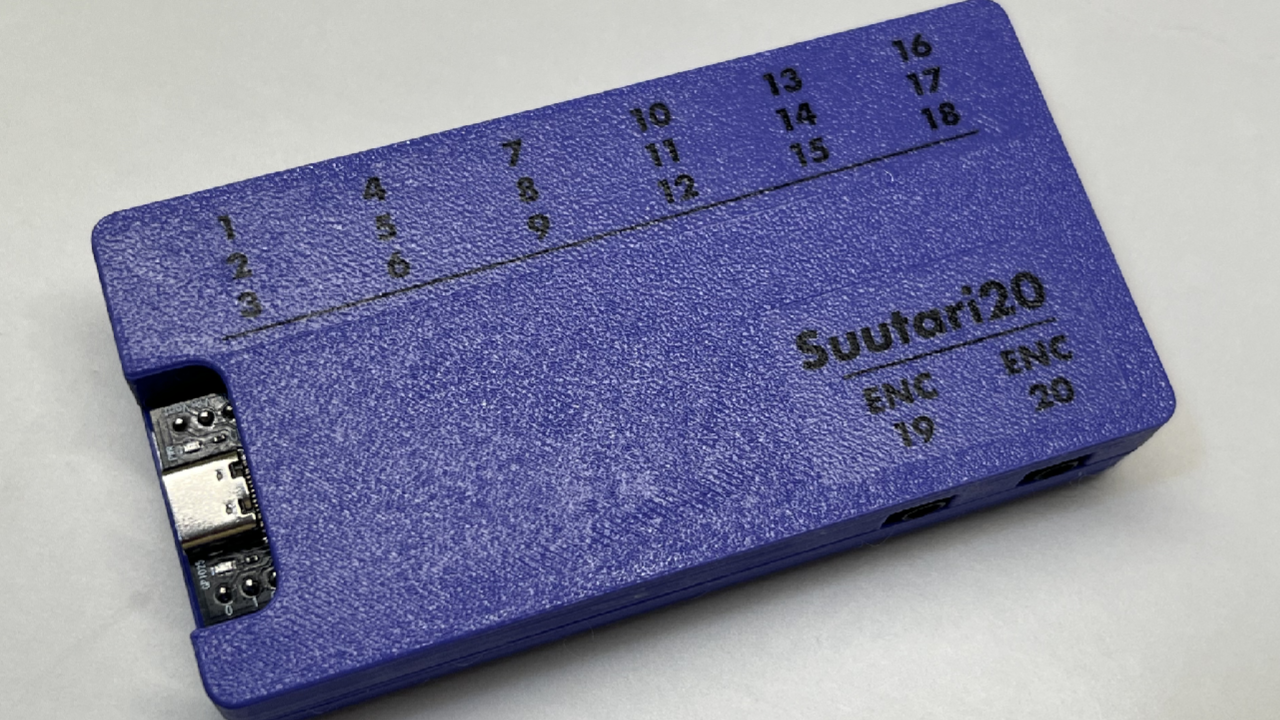
The introduction of the ATmega32U4 microcontroller, with its integrated USB controller, made a lot of hardware tasks much simpler than they were before. One of the arenas it revolutionized was custom keyboards, making it much easier to build not only standard mechanical keyboards, but keyboards of all kinds of shapes and layouts and custom macro keyboards as well. This trend has continued on for the better part of the past decade with other microcontrollers beyond the 32U4 now available as well, but this modular macro keypad takes it to a new level by keeping that simplicity but also keeping costs down.
The suutari20, as it is called by its creator [Squalius] is able to achieve these aims by using 3.5 mm jacks commonly found in audio equipment. Each jack can support up to three keys, with the hub ultimately able to support 18 different keys. Those can include analog devices as well, such as volume knobs or jog controllers. The macro pad is powered by an RP2040 microcontroller from a Raspberry Pi Pico and uses QMK firmware, so those already familiar with custom keyboard programming will have no problem getting started.
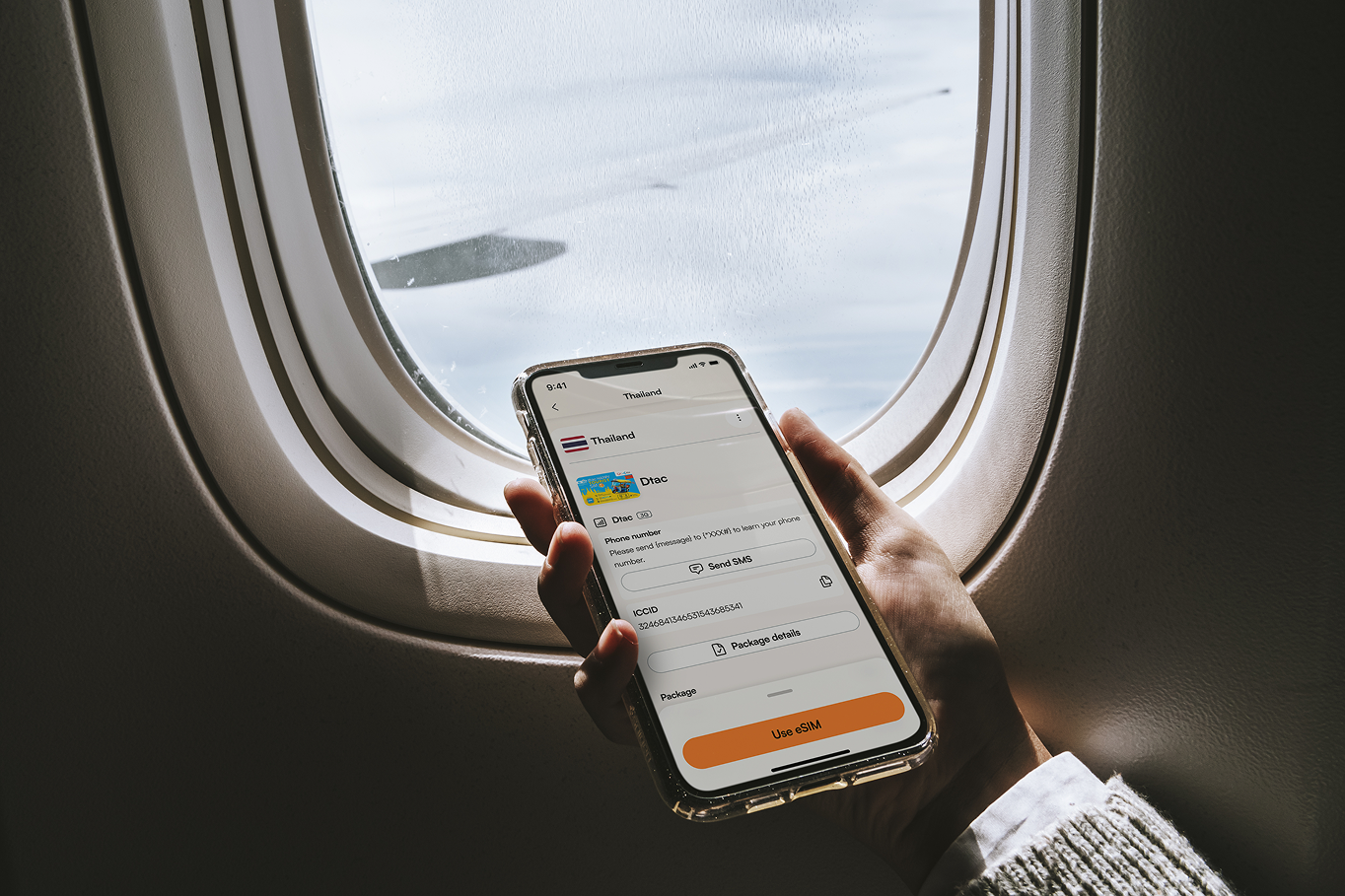
Landing in a new country and watching data charges creep up before the first coffee is ordered is one of travel’s most avoidable frustrations. Airalo fixes it with an eSIM installed before you even board.
Airalo has earned its scale rather than bought it, growing since 2019 into the world’s leading travel eSIM service used by more than 30 million travellers across 200-plus destinations.
What began as a way to skip the airport SIM kiosk has become the default fix for anyone who wants their phone working the moment the plane doors open, whether that’s for maps, messages, or checking into a hotel.
Instant connectivity
Instead of hunting for a signal or relying on patchy hotel Wi-Fi, an Airalo eSIM installs digitally through the app in minutes and connects the second a traveller lands. Local, regional, and global data packages cover the same trip differently depending on whether it’s a single city break or a multi-country route, so the plan can match the itinerary rather than forcing one contract to stretch across borders. They also offer unlimited data so you never need to worry about running out, and you can hotspot to as many devices as you wish!
Advertisement
That flexibility carries real weight for business travellers checking emails between meetings, families coordinating logistics across time zones, and solo travellers navigating unfamiliar transit systems, since all three need data that works immediately rather than data that needs troubleshooting. Existing eSIMs can also be topped up once a package runs low, so a longer trip doesn’t mean starting the setup process over from scratch.
Easy installation and pricing
Setting one up only requires checking that a device is eSIM-compatible and unlocked, then downloading the Airalo app and following the prompts to install the plan before departure. Once activated, the eSIM connects automatically to a supported local network on arrival, without a physical SIM ever changing hands or a phone needing to restart.
Advertisement
Plans start from just £3.50, and applying the code TRUSTEDREVIEWS10 at checkout adds a further 10% off sitewide, available to new and existing users until 31st December 2026. Between the local, regional, and global options on offer, there’s a package suited to a weekend abroad and to a longer route through several countries alike.
Last weekend KDE’s annual Akademy conference included a presentation proposing
an AI-native KDE,” writes The Register. This led KDE developer Nate Graham to open a discussion about proposed restrictions on LLM-assisted contributions which “rapidly became heated. Moderators issued warnings, restricted further comments, and eventually removed the thread.”
But as Graham writes on his blog, “A bunch of people mostly outside of KDE who disapprove of LLM usage derailed KDE’s attempt to add restrictions to LLM usage.”
Two people unknown to any KDE contributors appeared and began fighting with one another about the broader topic of the morality of AI, not the proposed guidelines… Someone else outside of KDE set up kdeforpeople.com in an attempt to… pressure KDE into banning LLMs. A bunch of people signed onto it, almost none of whom are known KDE contributors.
The topic was picked up on social media and the press with… varying levels of accuracy. The draft proposal was removed and the whole topic hidden… Yep, that’s where we’re at in the state of online discourse around AI…
The “lovable, sovereign, AI-native KDE” idea was presented by two people important to KDE in decades past, but who had not made any contributions recently besides this Akademy talk. Their idea does not reflect the overall direction of KDE or Plasma, and I don’t think it ever will. If “a lovable, sovereign, AI-native KDE” freaks you out, I believe it is completely reasonable and safe to ignore…
Advertisement
I completely understand why a lot of people have problems with LLMs. I have these concerns as well.
He concluded by asking people not to derail any future process to set usage guidelines, fighting over “the broader topic of AI in general.”
“The discussion is gone, but the argument continues,” adds The Register:
GNOME developer Jordan Petridis has also published The GNOME LLM Policy That I Want, proposing that LLMs be barred from creating or modifying anything submitted to GNOME or hosted on its infrastructure.
Advertisement
“You might be asked to prove your code meets this requirement,” Petridis writes, arguing for proposals that target the norms around developer behavior. His rationale? “The GNOME Project prioritizes the social and human aspects of collective software creation,”
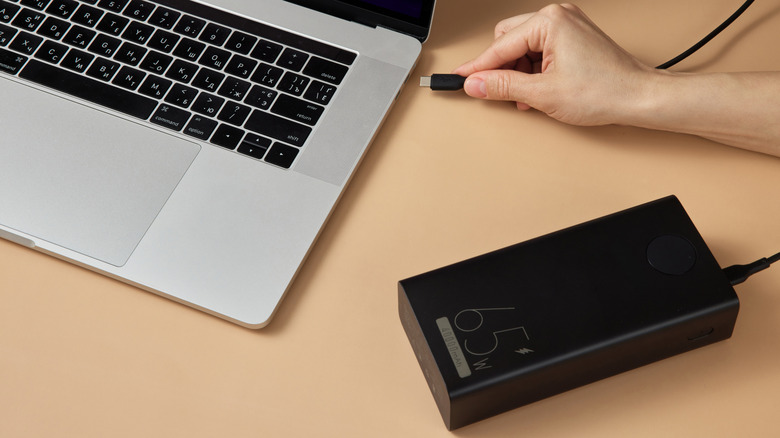
Don’t let the big mAh number fool you. The better comparison is watt-hours.
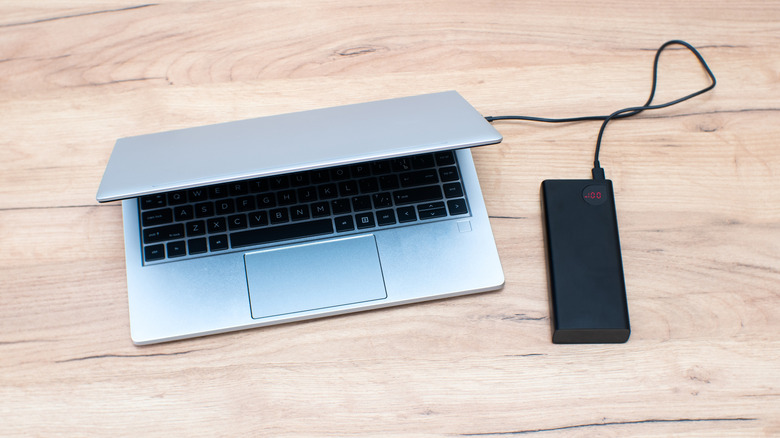
Erstudiostok/Getty Images
While most good power banks can theoretically extend your laptop’s runtime by providing a small amount of charge, a proper laptop power bank will store enough energy and charge faster than the battery drains. Two values explain the experience you’ll have: watt-hours (Wh) for capacity and watts (W) for output. Power banks provide their capacities in milliamp-hours (mAh), but for a proper measure of capacity across devices (especially for a higher-drain device like a laptop), you need to multiply this value by the voltage to get the true amount of energy stored in watt-hours.
Most power banks store energy in lithium-ion cells at about 3.7 volts (V). Watts are equal to volts times amperes, and you must divide the mAh count by 1,000 since 1,000 mAh is one amp. So for example, a 10,000 mAh bank stores roughly 37Wh (3.7V x 10Ah) before conversion loss. Doubling the mAh doubles the Wh as long as voltage stays consistent, so a 20,000 mAh bank is about 74Wh.
Next, you need to know the Wh rating of your laptop’s battery, which you should be able to find on the manufacturer’s website. Without a wattmeter, it’s difficult to know how much power your laptop uses on average, so we can estimate it by dividing the Wh capacity by how many hours the battery lasts. For example, a 70Wh battery that runs for 5 hours is averaging 14W of power usage. Of course, the instantaneous power usage differs based on what you’re doing (scrolling a PDF uses far less energy than rendering video).
Advertisement
Using modern MacBooks as an illustration, their batteries are rated from ~37Wh (MacBook Neo) up to 100Wh (16-inch MacBook Pro). That means charging your MacBook with a 10,000 mAh (37Wh) bank won’t even provide a full top-up in most cases. And the capacity doesn’t tell you how fast the charging happens.
Understanding what your power bank is capable of
Before you calculate how long a power bank should run your laptop for, you also must take into account that the charging process isn’t perfectly efficient. For fast charging standards like USB Power Delivery, the bank has to increase its voltage to push enough power (watts) to charge your laptop quickly enough that it doesn’t drain. Some energy is lost in this changeover, as well as generally from heat. 20 percent efficiency loss is a general rule for normal charging, but around 30 percent (or even higher) is more realistic when fast charging.
Advertisement
With all these values, you can finally estimate how much additional time a power bank will run your laptop for. Say you connect a 20,000 mAh 45W USB-C bank to the theoretical laptop mentioned above. Subtracting 30 percent for the overhead, that 74Wh power bank has an effective capacity of ~52Wh. With a laptop averaging 14W, the power bank would extend its runtime by around 3.7 hours. If the laptop ever needs to draw more than the 45W the bank can provide, it will draw power from its internal battery alongside it — the bank is thus supplementing the internal battery to extend its life.
The important point is that you can’t assume a power bank’s capacity is the same as its output. A portable 50,000 mAh battery is great, but that capacity doesn’t tell you how much power it pushes. A large-capacity bank rated at 15W will only slow the laptop’s power drain, or it could be rejected entirely. For laptop banks, the label to look for is “USB-C PD.” In simple language, this means the bank and laptop negotiate a higher charging level than an ordinary USB port.
Always check the bank’s per-port output too, because the total output number can be deceptive. For instance, if the bank description says “100W total,” it may not be capable of this full output on any given port, or it may deliver less than 100W when you’re charging a phone and a laptop at the same time.
For most people, a 20,000 mAh/74Wh bank is a reasonable emergency or partial-charge option, while a 27,000 mAh/100Wh is closer to the sweet spot. In the US, 100Wh is also the limit for power banks allowed on a plane without approval. if you need suggestions, our favorite laptop power banks span all needs.
Advertisement
Why can’t my power bank charge my laptop?
Vadym Plysiuk/Getty Images
Similarly to plugging your laptop into your car’s USB port, a weak power bank might be providing power to your laptop, but not as fast as the laptop’s battery is draining under use. There are a few other possibilities. Check whether your laptop supports charging through USB-C. Some USB-C ports handle data, video or other accessories, but can’t run a charger. If there’s no indication on the ports themselves, check the manual if you still have it or look at the product specs online.
Next, check whether the bank supports USB-C Power Delivery at a high enough per-port wattage. A basic 15W USB-C output can charge a phone, but won’t make a dent in a laptop drawing 65W+. If the bank’s output is below the laptop’s needs, the computer will either reject it or only charge under light use after warning you of a “slow charge.”
Lastly, check the cable, as not every USB-C cable is rated to carry high-wattage power. A standard USB-C cable generally supports up to 3 amps, while higher-power 100W and Extended Power Range connections will require a 5-amp-rated cable. USB PD 3.1 can provide up to 240W, but only when the laptop, bank and cable all support the needed power level.
Advertisement
As long as the hardware is compliant, your USB-C PD devices will negotiate a compatible voltage and current. Avoid anything that’s damaged or ancient cables you hauled out of a cardboard box — those aren’t going to handle today’s power needs.
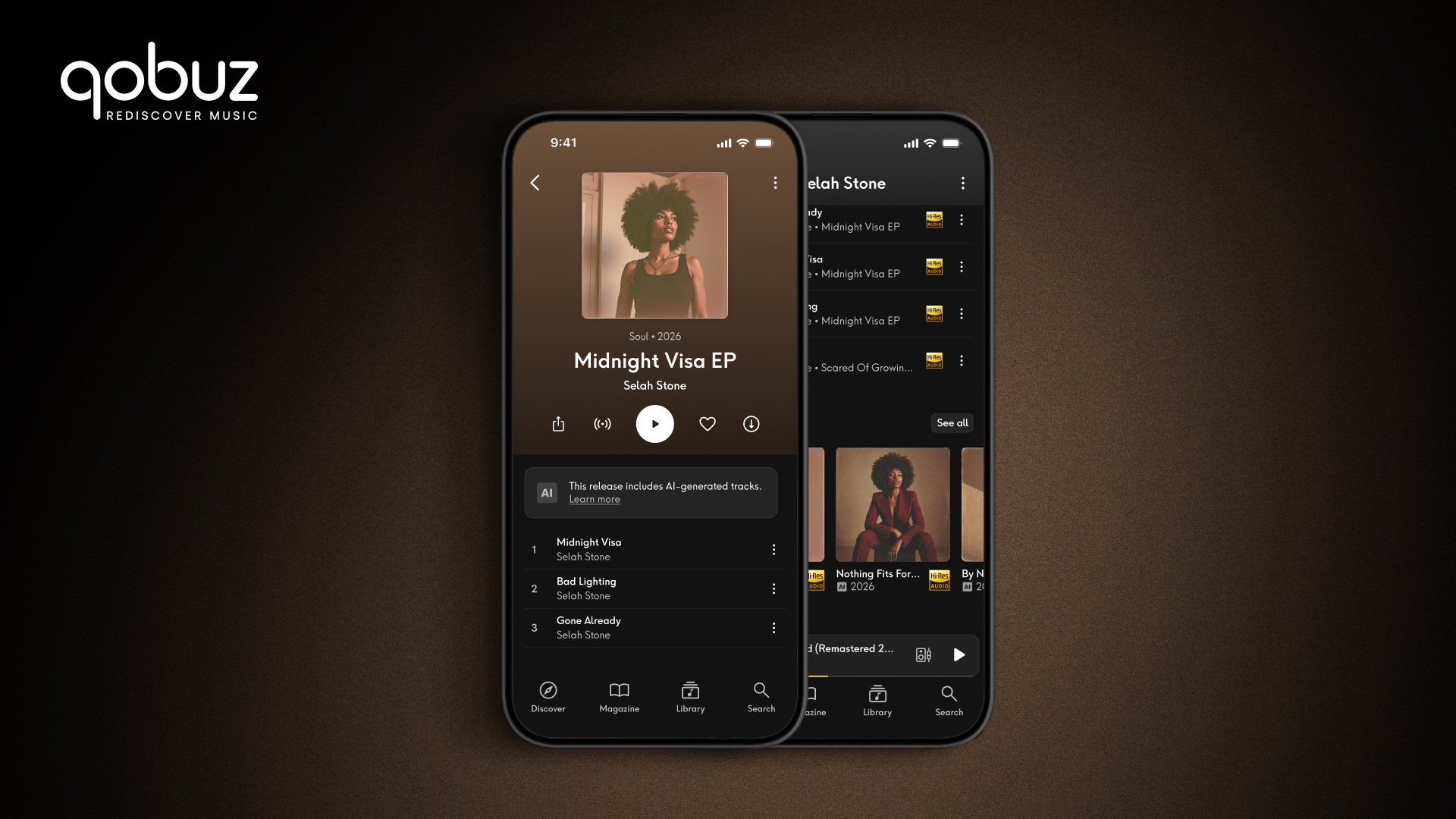
Qobuz has begun displaying a tag inside its app to flag tracks identified as AI-generated.
The tag appears directly above the track listing on flagged releases, reading “This release includes AI-generated tracks” alongside a Learn more link that gives listeners more detail on how Qobuz identifies such tracks.
Major streaming platforms across the industry are grappling with a rising volume of AI-generated tracks entering their catalogues, some of which artificially inflate streaming numbers and divert royalties away from human artists.
Qobuz’s editorial approach has been guided by its interest in music, with handpicked playlists and featured selections coming from human curators rather than automated recommendation engines, a distinction the French platform has long used to set itself apart from algorithm-driven rivals.
Advertisement
Editorial curation already keeps AI-generated material out of the selections and playlists, so the new tag mainly covers tracks that surface through search or direct upload.
Advertisement
Georges Fornay, Qobuz’s Deputy CEO, said: “Today, the challenge is no longer just detecting AI-generated music but enabling listeners to identify it clearly. At Qobuz, this transparency—which is our hallmark—comes with a core conviction: musical discovery must remain guided by human choices. Everyone should be able to know what they are listening to and make informed choices”.
Qobuz reports that just 0.38% of its total streams come from tracks identified as AI-generated, a figure the platform attributes to its human-led approach to musical discovery rather than algorithms.
Advertisement
Among the AI-identified tracks that do get streamed, Qobuz’s anti-fraud systems currently classify 60% of those streams as fraudulent, and excludes them from rights-holders’ royalty payouts entirely.
Qobuz became the first platform to have its per-stream rate independently audited at $0.01873, currently the highest rate in the industry, so maintaining this approach and identifying AI tracks will help make sure that humans are at the centre of music creation and can profit of it.
A purge of more than a third of AI-generated albums with no listening activity has already stripped roughly four million tracks from Qobuz’s search engine, a scale that underlines how much unlistened AI content had accumulated on the platform.
Advertisement
Advertisement
Qobuz designed and built the new tagging system in-house, and the company frames it as a further step under the AI Charter it published in February 2026, with further revisions expected as regulation around AI-generated content continues to develop across the streaming industry.
Far from hurting sales, raising iPhone prices has brought Apple growing market share in India, at least for now, and at least while it also has installment plans.
Analysts have predictably yet plausibly argued that higher iPhone prices and no base iPhone 18 would hit Apple’s bottom line. That may well be true in most places, but a new CNBCreport says it definitely is not in India.
Reportedly, the iPhone 18 Pro is seeing almost 20% more demand in the country than the iPhone 17 Pro at this point in 2025. “Apple’s volume market share is likely to hit 10% in 2026,” said Counterpoint Research director Tarun Pathak, “reaching double digits in a single calendar year for the first time, up from 4% in 2022.”
On September 18 when the new models were released, customers traveled for hours to buy them at the Apple Stores in major cities such as Mumbai. Once there, some are said to have waited in line for up to ten hours.
Advertisement
Significantly, the demand is apparently not linked to the new features of the iPhone 18 Pro. Based on comments from customers at the Apple Stores, what mattered much more was simply owning the latest iPhone.
The now higher prices are affirming the iPhone as a premium and so aspirational smartphone. This Indian “premiumization” is not limited to smartphones, but Apple is benefiting from it.
And Apple is helping the situation through providing various financing offers. The base iPhone 18 Pro costs the equivalent of $1,700 in India, but zero-interest payment programs mean buyers can pay under 10% per month for a year.
Only Apple is benefiting
Apple’s sales in India have actually dropped in the June quarter, but that’s reportedly because of supply constraints. Otherwise, sales have been growing for four years.
Advertisement
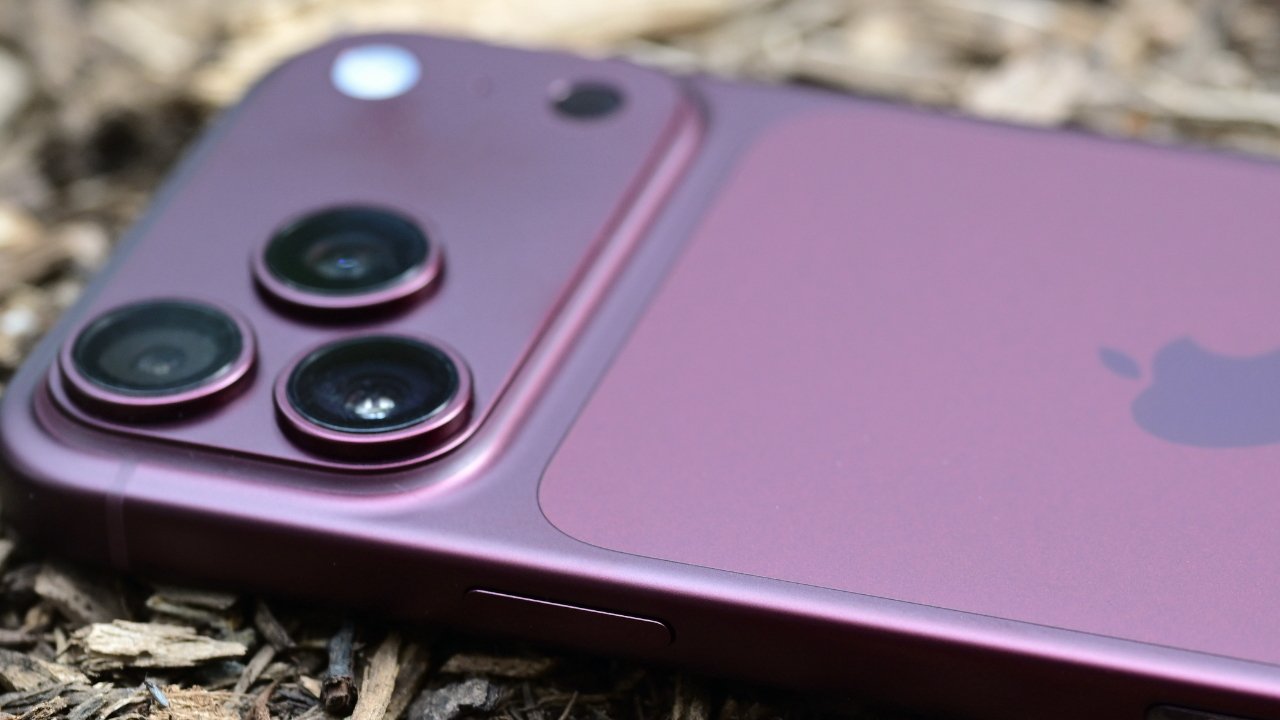
Apple’s new iPhone 18 Pro comes with a variable aperture camera, but new features are not the reason sales are up in India.
The same can’t be said for rival manufacturers, though, and particularly not for those making entry-level smartphones. The sales drop for those is said to have been acute since the start of 2026, although no figures were given.
It may not last
If Apple gets the balance of aspirational purchase and zero-interest purchase plans wrong, it could mean the end of the iPhone as a status symbol. Then, too, there can always be a new status symbol.
There won’t be one from Samsung, though, as Apple’s main smartphone rival has consistently struggled in China. A Chinese rival is more likely, and at times phones by local manufacturers have taken market share from Apple.
Advertisement
If new features are not the priority for customers, then it’s hard to predict when a sales bubble might burst. But one reason that Chinese brands have done well has been because of locals favoring them during the US/China trade disputes.
That may well happen again as the new US sanctions against Russia may affect that country’s sale of energy to India. Then, too, there are reportedly boardroom disputes at the Tata Group, which is now a major manufacturer of the iPhone.
The Tata Group’s iPhone factory was recently accused of contaminating local water supplies and came close to being shut down. Then it was also hit by a hack that exposed confidential Apple documents.
But then India, already a growing manufacturing hub for the iPhone, has recently introduced tax breaks to sweeten Apple’s deals there.
Advertisement
And while it has yet to be officially launched, it appears that Apple Pay may finally be coming to India. If so, it’s going to be limited to a few banks at first, which could even increase its status as a premium device.
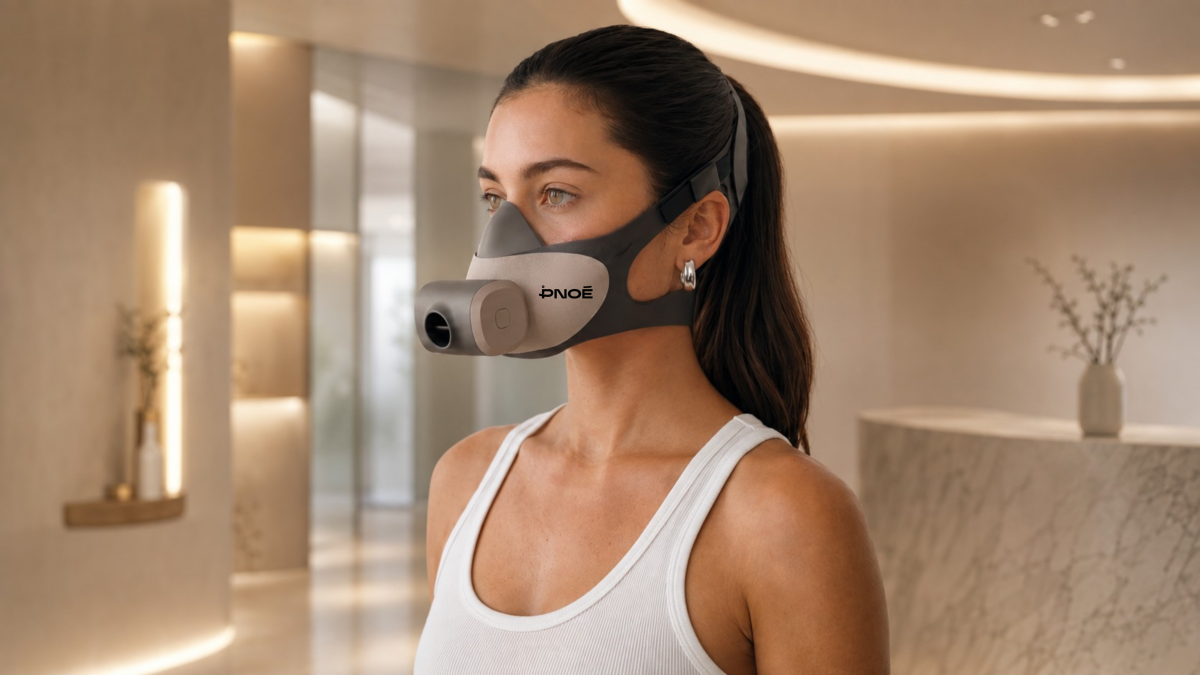
At first glance, the newest device from PNOĒ looks like something a comic-book villain might wear. The mask, which covers the nose and mouth and straps around the back of the head, bears more than a passing resemblance to the one worn by Bane, Batman’s hulking nemesis. But its purpose is far more benign; it measures how much oxygen you consume and how much carbon dioxide you exhale, then turns that data into advice about how to eat, train, and, the company hopes, live longer.
PNOĒ, which is based in Malden, Massachusetts, and has operations in Athens, Greece, is preparing to launch the PNOĒ 2.0 on October 1. The big change from its current device is that users can administer the test themselves. According to co-founder and CEO Apostolos Atsalakis, someone can walk into a gym, “just wear the mask, push the button, sit down,” and breathe for eight minutes. “That’s it. It’s that easy,” he said recently, talking with this editor over a Zoom call from the company’s Athens location.
That matters because PNOĒ’s current device requires a trained operator, which limits where it can be used. A self-serve version could open the door to fitness centers without dedicated staff and potentially even pharmacies, Atsalakis said.
The science behind PNOĒ isn’t new. Metabolic testing, which analyzes the gases in a person’s breath to gauge how their body produces energy, has been around for more than a century. For decades, it has been the gold standard for measuring VO₂ max, the maximum amount of oxygen the body can use during exercise and a widely used measure of cardiorespiratory fitness. But the tests have traditionally required bulky, expensive equipment found mainly in sports labs and hospitals, which is why they’ve largely been the province of elite athletes and executive wellness programs.
Advertisement
What 10-year-old PNOĒ promises is the same accuracy in a portable package, paired with software that translates the results into recommendations. “We made it accessible to everyone,” Atsalakis said.
The company says its test captures 23 biomarkers, including (beyond measuring VO₂ max) one’s resting metabolic rate (how many calories the body burns at rest), and metabolic flexibility (how well the body switches between burning fat and carbohydrates). Atsalakis argues that these metrics answer questions that blood tests can’t, such as how many calories a person needs or how they should train.
The timing is good for PNOĒ. VO₂ max has become a buzzword among longevity enthusiasts, thanks in part to research linking higher cardiorespiratory fitness to lower mortality. Atsalakis calls VO₂ max the strongest predictor of human longevity, and he sees his company’s data as a kind of scorecard for the booming wellness industry.
The new device is smaller and more compact than its predecessor, with fewer parts, which Atsalakis said makes it more reliable. It was designed with Milan-based Design Group Italia over what Atsalakis described as “a lot, a lot, a lot of iterations,” since a self-administered metabolic testing device hadn’t been done before.
Advertisement
It also addresses a question that post-pandemic users are likely to ask: who wore it last? The answer: it doesn’t matter, as the electronics detach from the silicone mask and straps, so multiple people can share the costly hardware while each user keeps their own mask.
For all its clinical ambitions, PNOĒ is careful about what it claims. The device isn’t cleared by the U.S. Food and Drug Administration, and Atsalakis said that “we do not provide medical recommendations.” Instead, PNOĒ considers itself a wellness device. “It’s like a body composition device, like a scale,” he said. “A doctor cannot prescribe medication based on our results.”
That could change down the road. Researchers have long explored whether compounds in human breath can signal diseases such as cancer, and Atsalakis believes the company’s growing trove of data could eventually help it flag health issues. But he acknowledged that full diagnoses are “definitely a couple of years away,” with regulatory hurdles likely stretching that timeline further. “We’re not there yet,” he said.
PNOĒ traces its roots to Atsalakis’s PhD work in sensing technologies at the University of Cambridge, when wearables were taking off and he became fascinated by what the breath could reveal about the body. He co-founded the company with Panos Papadiamantis, a childhood friend who is now the company’s chief product officer.
Advertisement
The startup went through Y Combinator’s Winter 2019 batch, back when “longevity” was not yet the industry it is today. It has since raised about $22 million, including a recently closed $11 million round, from investors including 50 Years and Google Maps co-founder Lars Rasmussen, who is himself now based in Athens.
PNOĒ sells only to businesses, which then offer the test to their customers. Its clients include Equinox, where it’s available at almost all clubs, said Atsalakis, as well as Four Seasons hotels, Red Bull, the NBA, the Mount Sinai Health System, and the med spa chain Restore Hyper Wellness.
About 85% of its business comes from the U.S., which Atsalakis described as “by far the most advanced market globally” for longevity. The company is now expanding in Europe and, through partners, in Latin America and Asia.
Businesses pay a subscription ranging from $400 a month to more than $1,000, which covers the hardware, software, training, and marketing materials, a package Atsalakis calls a “business in a box.” PNOĒ also links its results to the services a business sells, so a gym or spa can recommend specific offerings based on a customer’s test. Many clients use the test during onboarding, Atsalakis said, positioning it somewhere between a full clinical workup and the estimates people get from their smartwatches.
Advertisement
That middle ground is increasingly crowded. Apple, Garmin, and Whoop all estimate VO₂ max from heart-rate data, while consumer devices like Lumen analyze breath to gauge fat and carb burning. At the high end, traditional metabolic carts remain the standard in labs and hospitals.
PNOĒ, which employs 110 people, says it recently turned profitable, while growing more than 100% a year. Atsalakis said the company plans to raise a Series B within the next six to 12 months as it tries to put its mask — Bane comparisons and all — in front of more faces.
When you purchase through links in our articles, we may earn a small commission. This doesn’t affect our editorial independence.

























































You must be logged in to post a comment Login