







Connect with us

Tech

I Tried Holafly eSIM in Vietnam For 2 Weeks: It’s the Best eSIM Service

Published

on

International travel in 2025 is a tricky business. That’s because there’s so much to worry about. Booked your tickets? Now, got to check whether the layover flight you booked requires a transit visa from the connecting country. Applied for the visa for the destination? Need to check if immigration is open 24/7, or you’ll be stuck at the airport at night for hours. The list doesn’t stop. And every time, I forget something, which often means my travel experiences involve running frantically through the airport. Another thing that has caused a lot of headaches is connectivity. Everyone needs a taxi from the airport to the hotel, and for that, you need data. Unfortunately, at most airports, I’ve only seen long queues to get a new SIM, which can sometimes take hours. Beyond that, buying a SIM at the airport is generally more expensive, making the overall experience less than ideal.

Fortunately, there is a solution to this headache, and that’s eSIM. As you may already know, eSIMs are just regular SIMs without the physical card. They function exactly the same and can be used in different countries. With an upcoming Vietnam trip, I decided to finally give eSIMs a go and chose Holafly for this test. These guys offer unlimited data plans in over 200 destinations, with no hidden charges or fuss.

Options

Holafly-image

As mentioned, Holafly covers over 200 destinations spanning across North America, South America, Asia, Africa, Europe, Oceania, and even the Caribbean. For all these places, the company provides unlimited data, without a phone number. This means you can browse the web, watch content, and even make calls using apps like WhatsApp and Telegram.

In addition, if you’re planning to visit multiple countries, Holafly also offers regional eSIMs and a global option that provides connectivity in 110+ countries and starts at $9.90 per day. The cost per day decreases with a longer plan. And if you use my code FOSSBYTES, you get a 5% on your eSIM.

Beyond that, if your work requires you to travel to various countries each week, Holafly recently introduced a subscription, called Holafly Plans, with coverage in 160+ destinations. The 25GB plan costs $49.90, the unlimited data plan costs $ 64.90 monthly, and you can cancel the service at any time. It is important to note that this is an introductory price offer, and you can get 10% off for 12 months using the coupon FOSSBYTES.

Advertisement

Holafly’s eSIMs are not transferable, and, like every other eSIM, your phone must be unlocked to use the service. The eSIM does not work with carrier-locked phones, so be sure to check the compatibility before buying. Also, older phones might not have eSIM technology, so check Holafly’s website or app to see if your mobile is compatible. Fortunately, if you do end up purchasing an eSIM and it’s not compatible, Holafly offers a generous 6-month return policy, which also applies if you cancelled your travel plans. Plus, for any help, you can contact the company’s 24/7 multilingual customer support team, with real people, who’d be happy to assist you.

The Setup

A person holding a phone with holafly installed

To have a pleasant travel experience, I needed to set up the eSIM before the actual flight date. After all, nobody wants to be stuck using the airport wifi to install the eSIM. Fortunately, Holafly’s setup is actually simple. I headed to the Holafly website, searched for Vietnam, and bought a 15-day plan for a total of $50,90. However, you can configure it from 1 to 90 days if you wish.

From there, it was another straightforward journey to install it on my Android device, and there are multiple ways to do so. You can either set up manually, using the QR code or the Holafly app for a one-button install, available for iPhone users with iOS 17.4 or above. I went with the QR code route, and it took just a few minutes.

The Experience

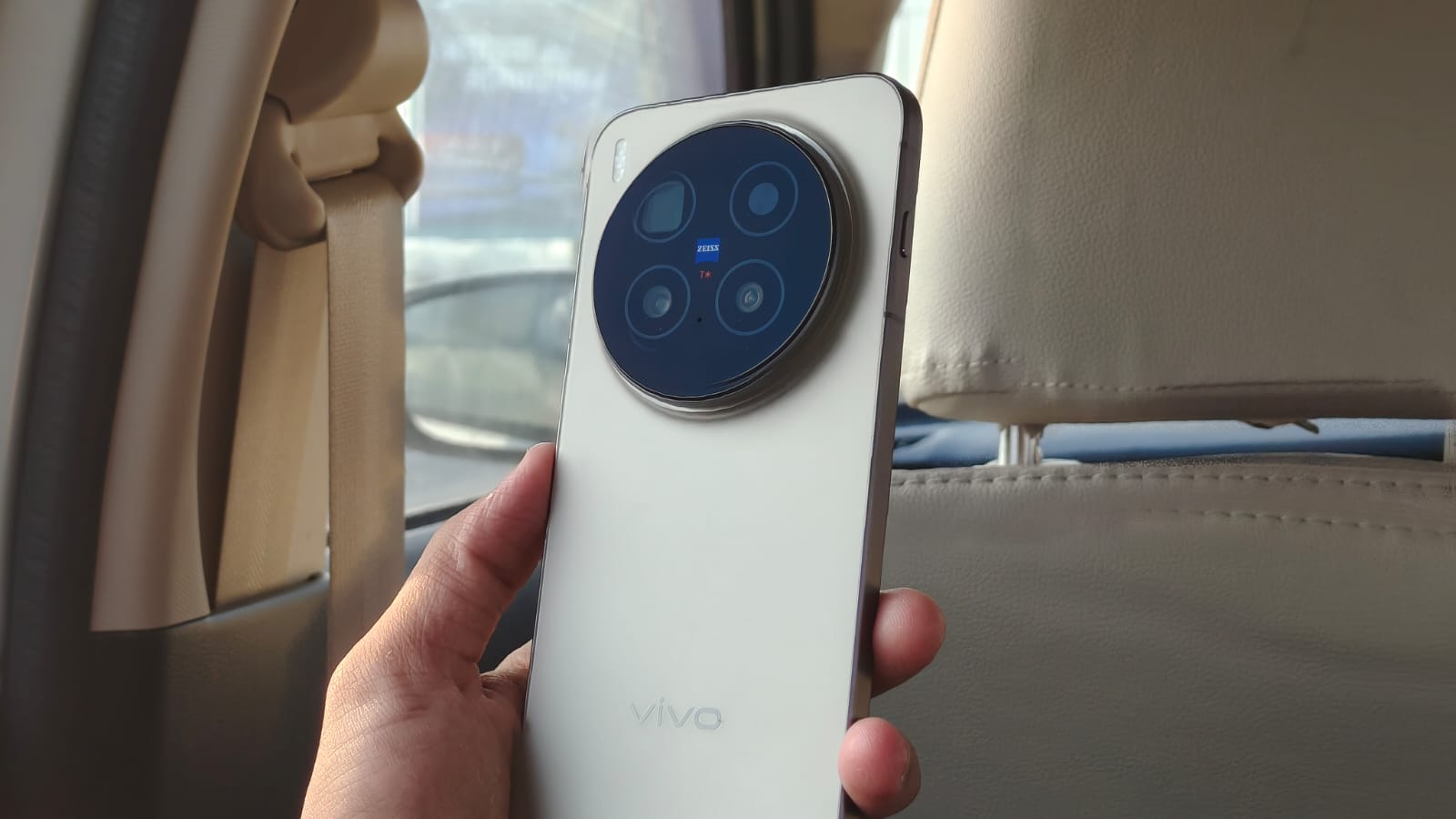
a person holding the vivo x300 pro

Everything was set up a day before flying, and for the test, I was using my daily driver, the vivo X300 Pro. As soon as my plane touched down at Tan Son Nhat International Airport in HCMC, I was instantly connected to the service, with mobile data running. Naturally, the first order of business was to inform my parents since this was my first solo international trip, and they were obviously worried. I sent them a text, and it went pretty smoothly.

Once I got out of the plane, the next item on the list was immigration. If you aren’t already aware, immigration in Vietnam can take hours. However, there’s a fast-track paid service that helps you get past all this nonsense. Since my Vietnamese speaking skills are basically non-existent, I used ChatGPT as my translator, which, thanks to the connection, worked super fine.

After reaching the hotel, it was time to push Holafly’s connection to the limit. For that, I first started downloading the new episodes of Squid Game Season 3. They were done in just a few minutes, and I was also able to track my data usage using the Holafly app. I then ran a series of speed tests. On average, download speeds ranged from 45.6 Mbps to 56 Mbps, while upload speeds reached 39 Mbps. These speeds are pretty fine for just about anyone, since I could do everything from streaming content to playing PUBG with my friends. However, some streaming services like Netflix did not play well with the eSIM, thanks to the weird “this content is not available at your location” error, which I faced a couple of times. I also faced a couple of errors with the Holafly app, which crashed when tracking my data usage.

Advertisement

After spending a few days in Ho Chi Minh City, the next destination on my travel list was Tuy Hoa. I’m the kind of person who likes to stay away from the touristy places, and it seemed like the best of the bunch. I took a train from Saigon to the region. Since Vietnamese trains don’t have Wi-Fi on board, I was relying on the Holafly connection, which, barring a few desolate forest regions, worked really well. There was decent coverage for about 90% of my journey. Even in the super quiet town of Tuy Hoa, the speeds were the same as in the big city, and I had no problems on my few excursions out of the city and into the wild as well.

Verdict

holafly campaign with fossbytes image

Holafly’s eSIM service is really good for just about anyone, simply because you get unlimited data. Throughout my Vietnam trip, I never worried about finishing my daily data quota, and that’s a very reassuring feeling. Beyond that, you get really solid coverage across almost the entire globe, a simple setup with various options, a global eSIM for frequent travellers, excellent customer support, and a generous 6-month refund policy. Sure, the app can be a bit buggy at times, and some streaming services can freak out, but Holafly is still a fantastic travel companion. If you have a trip coming up, be sure to give it a try, and don’t forget to save some money using my code FOSSBYTES.

Source link

Continue Reading
Click to comment

Leave a Reply

Your email address will not be published. Required fields are marked *

Tech

The Netherlands’ Offshore Wind Farms Are Doing A Lot More Than Generating Electricity

Published

on


Renewable energy solutions are not only being explored by countries around the world; they’re also being heavily implemented into everyday life as well. The Netherlands is an excellent example of this. The country’s wind turbines, despite controversies surrounding their possible impact on human health, accounted for 18% of its total electricity output in 2022. However, thanks to an agreement between two energy companies and a marine solutions company, a new initiative is integrating artificial reef structures directly into wind turbine foundations in an effort to not just provide green energy but also safeguard the marine environment.

RWE AG, alongside TotalEnergies, is working with ARC marine to install specially-made reef cubes. The eco-friendly cubes will be part of the new OranjeWind offshore wind farm being constructed in the North Sea. Made from recycled materials, these cubes are expected to promote underwater habitats in the region. A total of 66 reef cubes will be spread among 11 different turbines, making it one of the largest man-made reefs in the area, though not the world’s biggest. The cubes are expected to be in place for the life of the turbines.

Erecting massive wind turbines directly into the ocean can heavily impact any underwater life that exists there. However, the use of artificial reefs is intended to prevent or at least mitigate any negative impact by encouraging marine growth and enhancing existing habitats that may be affected by turbine construction. This is apparent from the design of the reef cubes, as they are intended to attract local species such as cod and oysters that are beneficial to the local ecosystem.

Advertisement

Reaching new heights in offshore wind energy

Plans for the OranjeWind offshore wind farm in the Netherlands moved forward when RWE and TotalEnergies formed a partnership in 2024. The facility is expected to produce around 795 megawatts of power, which will be used to provide electricity to several projects as well as create green hydrogen for local industry. The overall goal of the OranjeWind project is to reduce CO2 emissions by about 5 million tons per year while also cutting back on emissions produced by local refineries.

Offshore wind farms in the Netherlands, similar to the ones in China, require a solid foundation, as they’re not built on dry land. RWE accomplishes this by either installing turbine supports into the ocean floor or by using floating foundations in deeper waters. When these turbines generate electricity, it’s harnessed at a nearby offshore power station. The energy then transfers to a substation on land, where it’s then distributed to the local power grid.

Advertisement

The push to develop and harness wind energy in the Netherlands has resulted in the country taking some big leaps forward over the past several years. Wind energy capacity had increased overall by the close of 2024, reaching about 11.7 gigawatts of power. This figure also included a higher contribution from offshore wind farms, which accounted for about 19% in 2024. In fact, the country’s goal of increasing offshore wind was realized a full year earlier than planned.


Advertisement

Source link

Continue Reading

Tech

Irish jobs market competitive, despite ‘fatigue’ in Europe

Published

on

The report found that Irish jobseekers are applying for roles in strong numbers, compared to UK, French and German counterparts.

New data published by LinkedIn, exploring the European jobs market, has found that in comparison to other European nations, Ireland’s jobs market remains competitive. Trends in LinkedIn’s December jobs data found that there is candidate fatigue among European jobseekers, amid lower levels of hiring.

The UK recorded the largest drop in activity, down nearly 8pc year-on-year, followed by France at 5pc and Germany at 3pc year-on-year. By comparison, Ireland experienced a 2.4pc year-on-year rise in applications per candidate. 

Commenting on the data, LinkedIn Ireland’s country manager Cara O’Leary, said, “While many European countries are showing clear signs of jobseeker fatigue, Ireland is moving in the opposite direction. At a time when applications per candidate are falling in the likes of Germany and the UK, Irish jobseekers are switched on and still confident of finding their next role regardless of economic uncertainty.”

Advertisement

What was also discovered is that a candidate’s network is becoming increasingly important, as LinkedIn’s data showed that applicants are more than 3 times as likely to get hired if connected to an employee already at the organisation they are applying for a role at.

O’Leary said, “Our data shows who you know is just as important as what you know, with candidates significantly more likely to be hired when they know someone at the organisation, reinforcing the importance of relationships alongside experience. For employers, this highlights the growing influence of their own people in attracting talent, with referral schemes one option to incentivise staff.”

AI talent magnet

LinkedIn’s research explored how the global labour market is evolving in response to AI becoming more prevalent in the workplace and in broader industry trends. It said, “In the near term, AI is creating more jobs globally than it is replacing. In the past two years, employers across the world have created at least 1.3m ‘new collar’ AI‑related job opportunities, including data annotators, AI engineers and forward‑deployed engineers.”

Additionally, LinkedIn’s research explained that this demand for AI talent is outstripping supply in Ireland, as the country is further establishing itself as a net importer of skilled workers. 

Advertisement

AI engineering talent is 8 times more likely to move across borders than the average LinkedIn member and the data showed a 2.2 net increase in net migration of AI engineering talent to Ireland, placing the region second in terms of net beneficiaries globally. The UAE was the biggest AI talent magnet globally, with the top five rounded out by Germany, Australia and Singapore.

O’Leary said, “Demand for ‘new collar’ jobs continues to outpace supply, but Ireland is proving to be an AI talent magnet, successfully attracting more AI engineers to these shores than those departing. Given that many of these jobs simply didn’t exist five years ago, with the pipeline from the education system playing catch up as a result, companies need to realise that upskilling is the solution. 

“We have never seen higher levels of interest in AI content on LinkedIn, so people are clearly eager to learn. It is in employers’ best interests to give their workforce the opportunity if they are to seize a competitive advantage.”

Don’t miss out on the knowledge you need to succeed. Sign up for the Daily Brief, Silicon Republic’s digest of need-to-know sci-tech news.
Advertisement

Source link

Continue Reading

Tech

Kii Audio SEVEN Wireless Bookshelf Speakers Get New Titanium Finish and DSP Update

Published

on

High-end audio is moving away from passive boxes, racks of separates, endless cable debates, and systems like the Kii SEVEN explain why. As Kii Audio brings its ultra compact wireless music system to the 2026 Bristol Hi-Fi Show, the updates being previewed underscore a broader shift: premium loudspeakers are increasingly defined by integrated amplification, software control, and flexible system architecture rather than nostalgia for traditional hi-fi hierarchies.

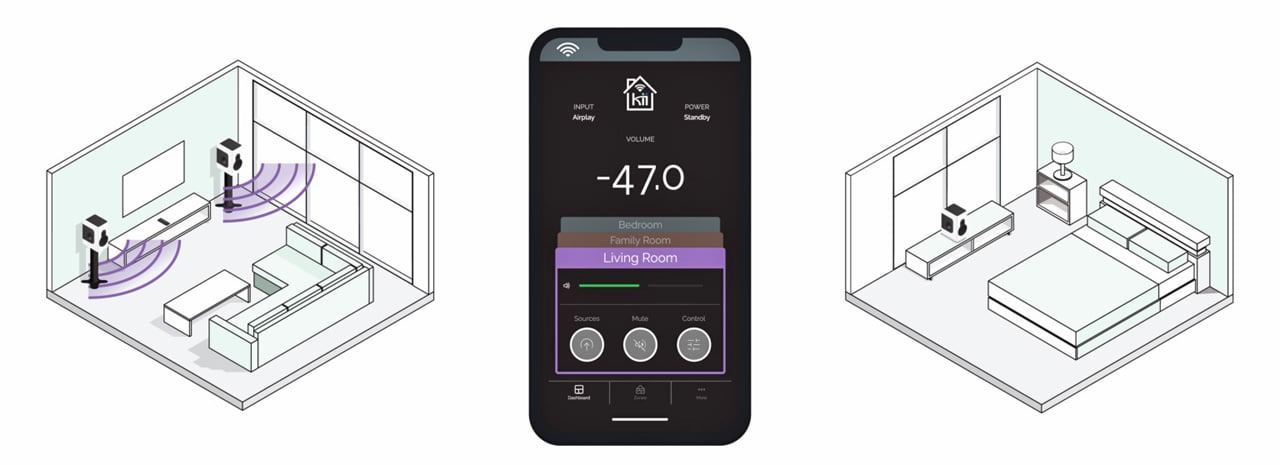
Introduced in 2023, the Kii SEVEN was designed to function as a complete, scalable audio solution. Each speaker can be used individually, as a stereo pair, part of a multi-speaker home theater setup including Dolby Atmos, or within a multi-room environment. This level of flexibility is not about replacing “real” hi-fi, it’s about acknowledging that the future of high-end audio is smarter, more adaptable, and far less dependent on stacks of external hardware.

“You now just need Kii SEVEN speakers, a power connection and a streaming service subscription to create a complete high-end audio system. With our unique technologies and room-optimisation tools, this means you can get rid of a traditional hi-fi stack and a spaghetti of cables, streamline your life, and improve your listening experience at the same time” says Kii Audio co-founder, Wim Weijers.

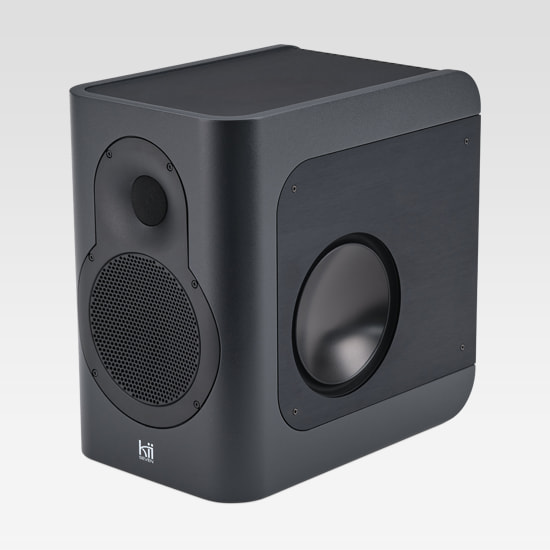
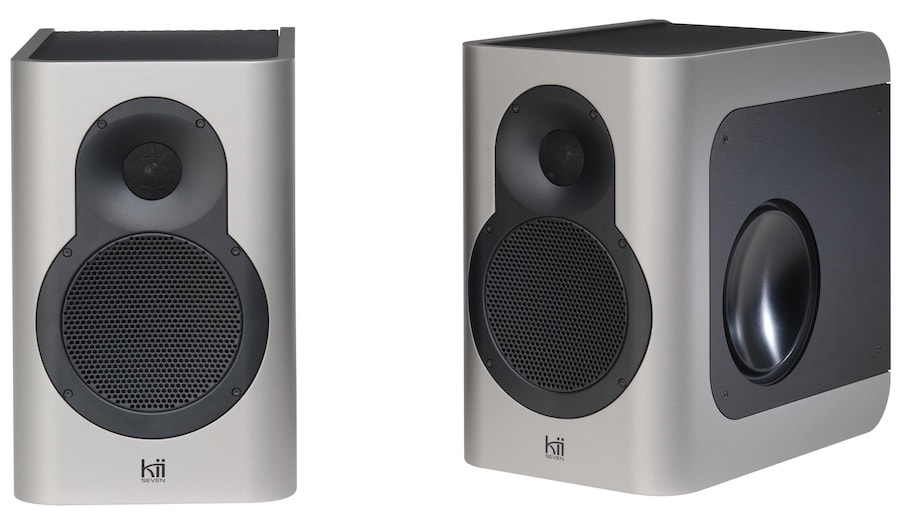
Kii Audio SEVEN Wireless Bookshelf Speakers Updated With New Titanium Finish
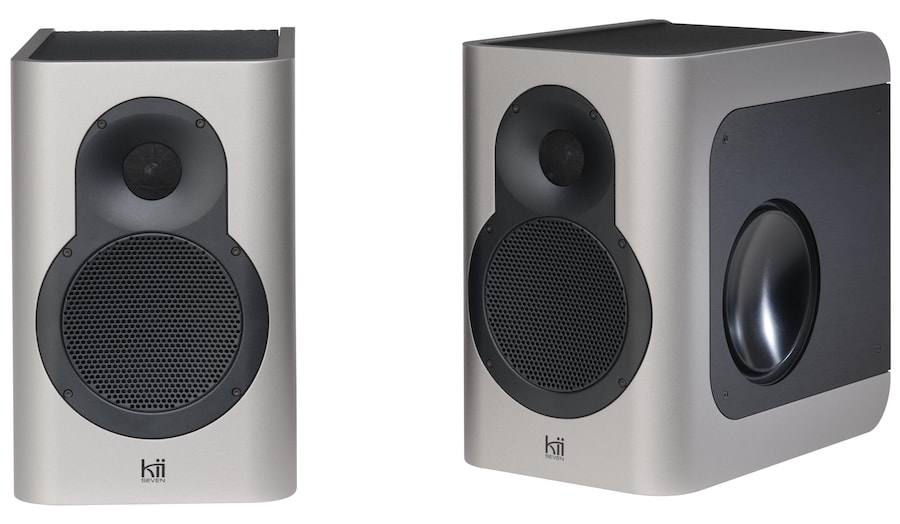
Kii Audio SEVEN Wireless Speakers in new Fine Touch Titanium

Core Features

Wireless Music System: The Kii SEVEN is a compact, high-end three-way active wireless (or wired) bookshelf sized loudspeaker designed for both professional monitoring and serious home listening. It supports a wide range of wired inputs, including AES/EBU, XLR, and TRS, alongside wireless connectivity via Bluetooth, Wi-Fi, and Apple AirPlay 2. Each speaker incorporates 600 watts of Class D amplification, delivering 1,200 watts per stereo pair, with amplification and DSP fully integrated into the cabinet.

Advertisement

Cardioid Speaker Design: Engineered by Kii Audio, the Kii SEVEN employs a true cardioid dispersion pattern that extends down into the low-mid and bass frequencies. By controlling rearward energy, the design reduces unwanted room interaction, improving bass definition and placement consistency across a wider range of listening environments.

Kii Home App

Kii Home App: The Kii Home App for iOS and Android provides straightforward control of the Kii SEVEN from a mobile device. It allows users to manage playback, assemble streaming playlists, and control multiroom audio when multiple Kii SEVEN speakers are deployed throughout a home. The app is designed to handle system setup and day-to-day operation without requiring additional hardware or a separate control interface.

Active Wave Focusing: Rather than relying on conventional crossover filters alone, Kii’s Active Wave Focusing technology uses DSP and strategically positioned drive units to shape a coherent wavefront directed toward the listener. This approach enables precise time alignment across the full frequency range, improving clarity, imaging, and phase consistency without requiring external calibration hardware.

Weijers further stated, “Because our own DSP and firmware drive every Kii speaker, we’re always looking to add refinements, features, and ecosystem upgrades through software instead of forcing owners to buy a ‘Mark II’. These updates enhance the system you already own – without making it obsolete.”

Advertisement

What’s New for the Kii SEVEN in 2026

Since 2015, Kii Audio has focused on combining engineering-driven design with a streamlined user experience. That approach continues at the 2026 Bristol Hi-Fi Show, where the company is previewing a new color option and a series of functional updates for the Kii SEVEN.

Alongside the existing Fine Touch White and Fine Touch Dark Grey finishes, the Kii SEVEN will now be offered in a new Fine Touch Titanium finish.

Software updates are equally practical. New features include native Qobuz Connect support, improved TIDAL Connect and Spotify Connect performance including compatibility with Spotify Lossless, and even simpler setup with 24-bit/192kHz wireless communication between speakers.

Advertisement. Scroll to continue reading.

The software update will be available at no cost to existing owners and can be downloaded directly through the Kii Audio Support Center.

Advertisement
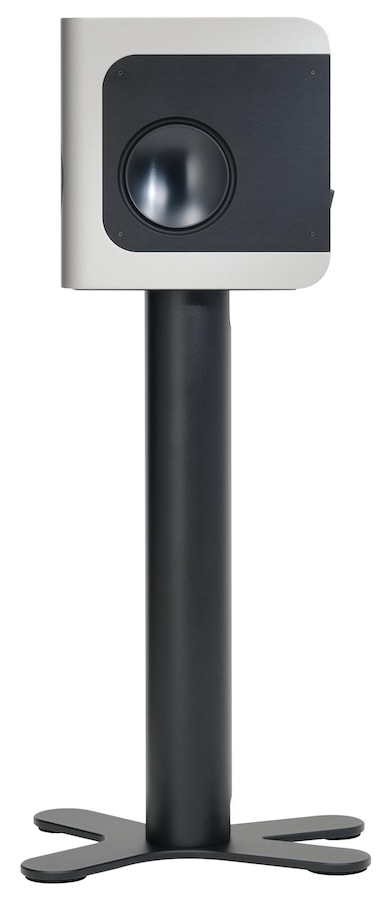
kii-audio-seven-fine-touch-white-speaker-on-stand-side
Kii SEVEN (side view) in white on stand

The Bottom Line 

Rather than chasing a replacement model, Kii Audio is doing the smarter thing by keeping the Kii SEVEN current through software and a subtle hardware refresh. The addition of Qobuz Connect, improved TIDAL and Spotify Connect support (including Spotify Lossless), and higher-quality wireless speaker setup improve system performance without forcing owners into an upgrade cycle.

This approach will resonate most with listeners who want high-end performance in a compact, self-contained system and expect it to evolve with streaming standards rather than become obsolete.

Tip: The Kii SEVEN were awarded Best in Show at NAMM 2025, while the larger Kii THREE BXT Loudspeaker System earned Best in Show at NAMM 2026.

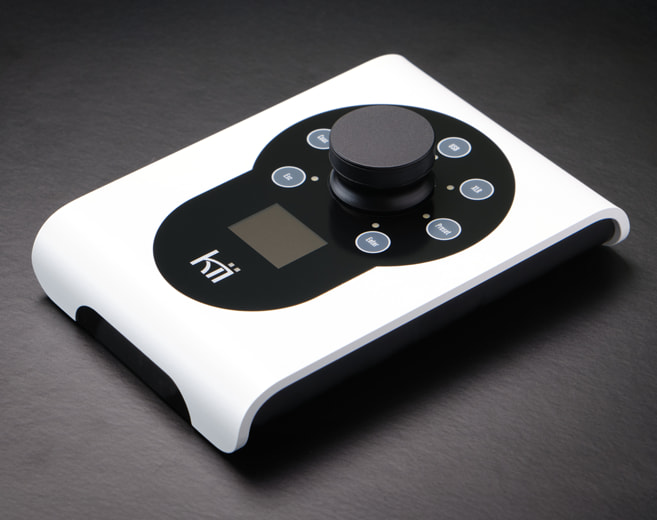
kii-control-white
Kii CONTROL

Price & Availability

The Kii SEVEN wireless active speakers can be purchased individually for $4,495 each or $9,885/pair with Kii CONTROL (remote) from Authorized Dealers. Optional companion stands are $445 each ($890/pair). The updated Kii SEVEN will be demonstrated at the Bristol Hi-Fi Show, taking place from February 20-22, 2026.

For more information: kiiaudio.com

Advertisement

Source link

Continue Reading

Tech

Dutch police arrest man on hacking charges after mistakenly sending him confidential files

Published

on


The farcical story began on February 12, when a 40-year-old man from Ridderkerk contacted the police in relation to a separate investigation.
Read Entire Article
Source link

Continue Reading

Tech

Apple’s Podcast glow-up brings video, ads, and offline viewing

Published

on

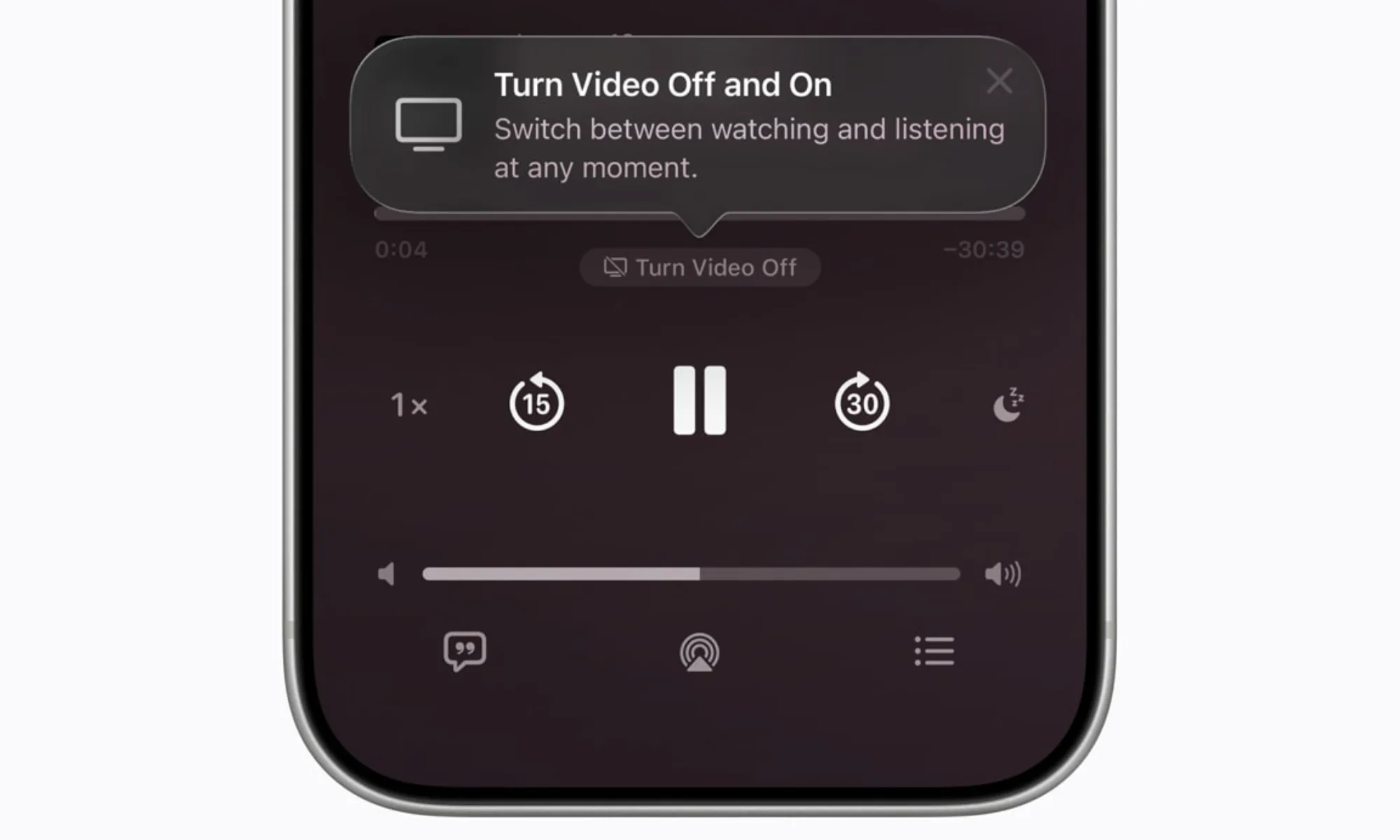
If you’ve ever felt the need to open two versions of the same podcast, one with the audio and the other with audio plus video, Apple has something for you. The company has unveiled an Apple Podcasts overhaul that brings native video streaming support to the app.

The native video support in Apple Podcasts is available as part of iOS 26.4 developer beta (for now). It aims to offer a seamless video podcast experience, similar to what platforms like YouTube and Spotify provide, rather than the current RSS feed-based mechanism.

A proper video experience for viewers

The underlying upgrade is support for HTTP Live Streaming (HLS), something that already works very well on Apple TV. It lets you switch between listening and watching experiences, with an inline or expanded video window and automatic adjustments to video quality (depending on connectivity).

As and when the feature moves out of beta, you’ll be able to watch video podcasts on the entire screen (including horizontal orientation), and even download video episodes for offline viewing, making the app much more useful for subway or airplane rides.

While these additions will benefit listeners, Apple Podcasts has also announced updates related to creator distribution and monetization.

Advertisement

At launch, several distributors, including Acast, ART19, Omny Studio, and SiriusXM (including SiriusXM Media, AdsWizz, and Simplecast), support HLS video.

A monetization boost for creators

Further, the platform will allow creators to insert advertisements dynamically, including host-read placements for the first time, giving creators new monetization avenues.

While Apple doesn’t charge creators for distribution via Podcasts, ad networks will pay impression-based fees later this year.

Even though the new Podcasts experience remains in beta, it is due for a launch this spring, arriving with iOS 26.4, iPadOS 26.4, and visionOS 26.4.

The update marks a shift from purely audio podcasts toward audio/video streaming. Integrating video streaming into Podcasts will help Apple place the app better against other giants.

Advertisement

Source link

Continue Reading

Tech

AI Digital Twins Are Helping People Manage Diabetes and Obesity

Published

on

Based on logged meals, the app predicts a person’s blood sugar response to those foods. It also makes personalized recommendations throughout the day, such as adjusting portion size, choosing a different food combination, or taking a walk after eating. Users can accept or ignore these suggestions—maybe broccoli isn’t their favorite food, or they prefer to exercise during a particular time of the day. The app uses AI to adapt to their preferences over time. Users can also chat with human coaches if they have specific health questions.

For Buckley, Twin Health has helped him make healthier choices, such as swapping out frozen, prepackaged breakfast sandwiches for homemade breakfast burritos with low-carb, high-fiber wraps. He no longer drinks soda, and he walks several miles a day.

“When I first started the program, I could barely make it a mile before my back was hurting, my knee was hurting. Now I’m doing six and a half miles every morning,” he says.

He likes getting instant feedback from the app and also tracking his biometrics over time. He can see that his body fat percentage and blood pressure have been trending downward.

Advertisement

“That’s where I get my motivation to keep walking and keep doing the work,” he says.

Buckley reached his initial weight goal of 300 pounds and is now around 275. After being on blood pressure medication for decades, his doctor recently suggested a lower dose.

When Twin Health approached the Cleveland Clinic’s health plan about using its program, staff endocrinologist Kevin Pantalone was initially skeptical. He decided to conduct a study himself.

“We have really struggled to implement lifestyle modification in a very effective manner. Patients often require numerous therapies to control their diabetes,” he said. “So I was certainly very interested.” Despite the age-old advice of simply exercising more and eating healthy, most Americans struggle to get the recommended amount of weekly physical activity and have difficulty sticking to a healthy diet.

Advertisement

Pantalone and his colleagues recruited 150 participants with type 2 diabetes, randomly assigning 100 people to the Twin program and the rest to a control group. On average, participants were 58 years old with obesity and had a blood glucose level, or A1C, of 7.2 percent. A level of 6.5 percent or higher indicates diabetes. The goal of the trial was to see if participants could reach an A1C of less than 6.5 percent with fewer medications.

After 12 months, 71 percent of the study participants using the Twin app achieved that blood sugar level with fewer medications, whereas only 2 percent of people in the control group did. The people using Twin also lost more weight—8.6 percent of their body weight versus 4.6 percent in the control group.

At the beginning of the study, 41 percent of those using Twin were on a GLP-1 medication, but by the end of the study, only 6 percent still were. In the control group, 52 percent of participants started off on a GLP-1, and at the end of the study that increased to 63 percent. The results were published in the New England Journal of Medicine Catalyst last year.

Source link

Advertisement
Continue Reading

Tech

How To Deep Clean Your Workshop Floor So It Looks (Nearly) New Again

Published

on


We may receive a commission on purchases made from links.

We always strive to keep our house clean. In most cases, however, because keeping our DIY workspace dust and dirt-free is not always at the top of our to-do list, our workshop spaces are often saved for last or skipped entirely. But if you’re serious about woodworking or you love spending time on project cars, you know that one of the biggest challenges DIYers face is keeping their workspace floor clean. After all, it deals with a lot (the occasional coffee spill, oil spills, metal shavings, dirt from shoes, paint stains, and sawdust), and not only will all these ruin the appearance of your garage, but they will also risk making your cordless power tools unusable at a certain point if dirt gums up moving parts or blocks airways.

If you’re like most of us, you’ve probably built small habits that help you stay on top of surface spills, dirt, crumbs, and dust. For instance, you might have set aside one hour a week to wipe down surfaces and sweep away dust, or you might be used to cleaning up oil spills when they happen. Either way, such habits will keep your garage floor looking tidy and safe to walk on. But that’s not to say that they’ll make your workshop floor look all-new, and that’s where deep cleaning comes in handy.

Advertisement

As the name suggests, deep cleaning entails setting aside a few days each year to thoroughly clean your workshop beyond your regular cleans. This allows you to handle oil spills that can get pretty gross when left for too long, and even get into corners and nooks that can go unnoticed on a weekly basis.

Advertisement

Prepare your workshop floor for deep cleaning

Choose an appropriate day to begin deep cleaning your workshop floor. A sunny, dry day will work best because it allows your space to air-dry quickly, preventing mold growth. Then, gather the tools you need to tackle the mammoth task. A thorough workshop cleaning requires specific tools and cleaners, and you’ll want to know which work best for your type of garage flooring to avoid accidentally damaging it. If your workshop floor has an epoxy coating, for instance, you’ll want to skip anything with ammonia or bleach. Instead, opt for a safe cleaner, such as Zep Neutral pH Industrial Floor Cleaner, which is available on Amazon for $12.

The next step is to completely clear the floor by removing all your power tools, furniture, and hand tools. You’ll also want to separate everything into donate, keep, and throw piles. Once you’re done, vacuum or mop the floor to remove loose debris and dirt. It’s worth noting that if your workshop has woodworking tools that are difficult to move, like a table saw or a thickness planer, you’ll want to make sure they’re free of debris and clean before vacuuming your floor.

Advertisement

Deep clean your workshop floor the right way

Once you’re done prepping, the next step is to thoroughly clean your workshop floor. To do so, start by soaking your workshop floor with a warm water and mild soap solution for a few minutes. You can even cover the dirty floor with a degreaser, but remember that some of these cleaners have harsh fumes. Wear personal protective equipment like gloves and make sure your workshop is well-ventilated when using them.

Next, use a soft-bristled brush to scrub the floor and remove stubborn stains. If you have a pressure washer, you can use it instead of a mop. Not only is pressure washing a fun way to clean your workshop floors, but it’s also a quick and easy way to blast away layers of stubborn grime and dirt. If you don’t have one, you can rent a gas-powered pressure washer from Home Depot at around $87 a day. If you need to remove stubborn rust stains from your workshop floor, you can achieve this by using lemon juice and vinegar. Just sprinkle the rusted area with some lemon juice and apply vinegar directly over the lemon. Let it soak for a few minutes, then scrub with a stiff brush.

Finish by rinsing the area well with clean water and drying it thoroughly with a dry mop. It’s a wise idea to let your garage air-dry completely before bringing your power tools back into the workshop. If time is not on your side, however, you can use a dehumidifier or a fan to speed up the drying process. This way, you’ll create a conducive environment that prevents mold and mildew growth.

Advertisement

Remove stubborn oil, grease, and other auto fluid stains from your garage

If you’re a DIY mechanic and you always perform your own car repair or maintenance at home, you know that your workshop floor is an absolute magnet for oil and other fluid spills. While the deep cleaning process of a woodworking workshop floor is still the same as that of an at-home auto repair shop, there are certain things you should know. Getting rid of stubborn oil, grease, and other automotive fluids is going to be a pain. Of course, there are plenty of tips and products that can help remove stubborn oil stains from your concrete, but not all of them will work as well as they claim.

To remove stubborn oil and grease stains from your garage floor the right way, you’ll need an absorbent material like cat litter or cornmeal. Sprinkle it on the affected area and let it soak for about 15 to 20 minutes before sweeping it away and scrubbing the area with a stiff broom and soapy water. Alternatively, you can give a degreaser like Krud Kutter Concentrated Cleaner/Degreaser Stain Remover or WD-40 a try. They’ll safely dissolve grease, oil, and other fluids from concrete without damaging your floor.

Advertisement


Source link

Continue Reading

Tech

Photographer Crams Functional Computer Inside a DSLR Camera Lens Adapter

Published

on

Computer Camera Lens Adapter Mod
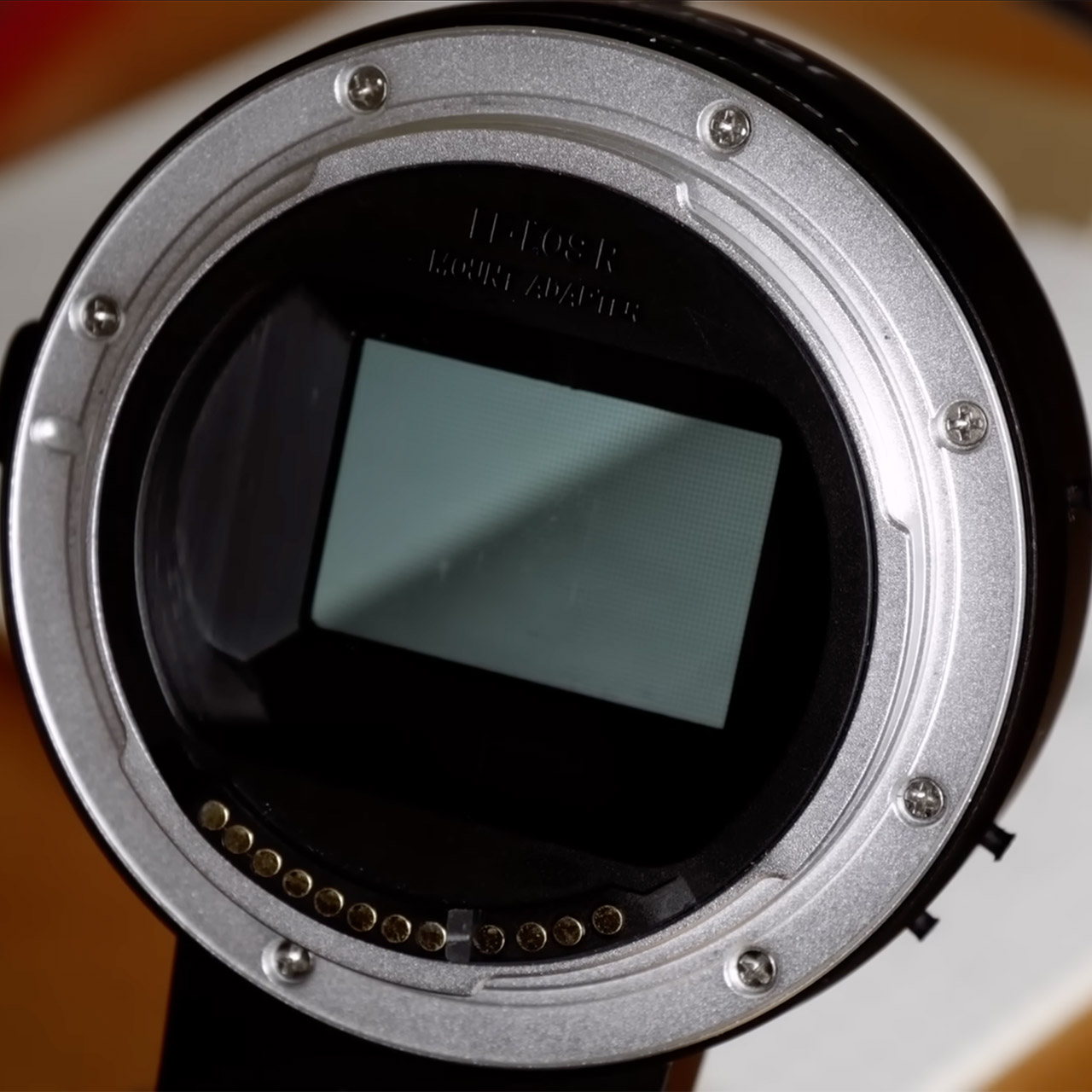
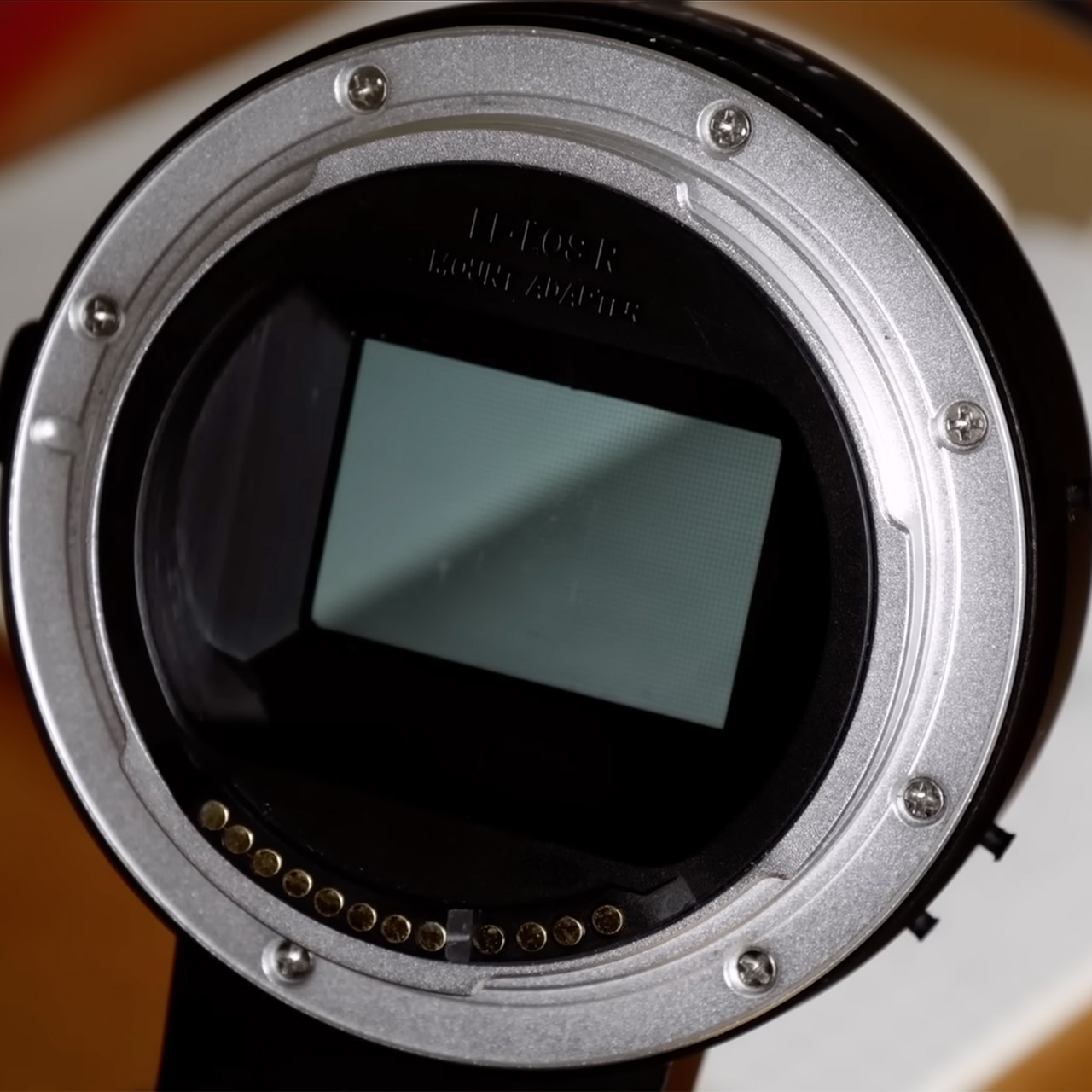
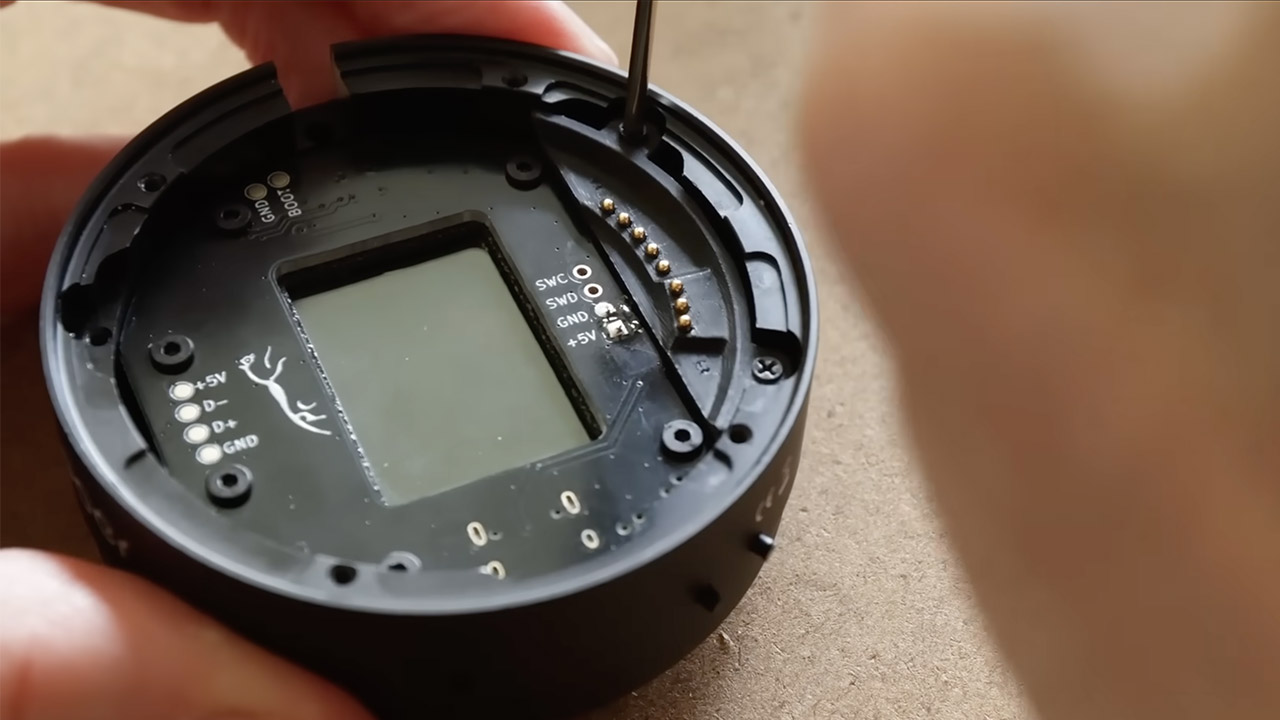
Photographer Ancient crammed a fully functional computer into the tiny gap of a lens adapter, which may seem like an odd location to put one, but that’s just the goal. This adapter, which connects DSLR lenses to mirrorless camera bodies, is often just a hole in a metal item, but Ancient didn’t think that was adequate. Instead, they transformed that often-overlooked sliver into a home for a miniature computer and a programmable aperture.


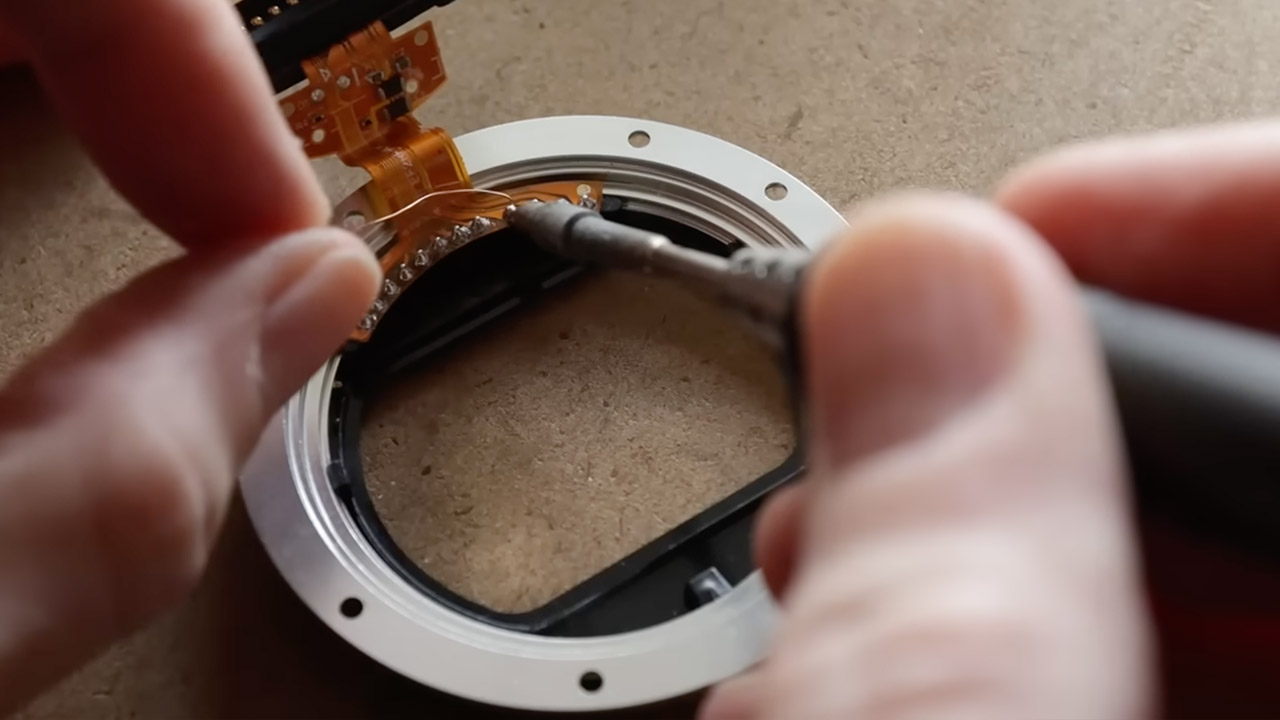
Ancient recovered a transparent LCD screen from an ancient phone that was well past its prime. After the backlight and other unneeded layers were removed, the screen sat in the light path as if nothing was there, unless the computer commanded it to block the way. Under the LCD is a custom PCB that Ancient designed from scratch, complete with a configuration that allows the entire assembly to fit into the adaptor enclosure.

Sale


Canon PowerShot V10 Compact Vlogging Camera, 1″ CMOS Sensor, 4K Video Streaming, Built‑in Wide‑Angle…
  • Compact Powerhouse: Canon PowerShot V10 vlogging camera features a sleek, pocket-sized design; perfect for on-the-go creativity; enjoy the ultimate…
  • Versatile Vlogging Camera: Incredible low-light capabilities with a 15.2-megapixel 1-inch back-illuminated CMOS sensor; features a retractable…
  • Adaptable Built-In Stand: Comes with an innovative stand that folds in both the front or back; content creator camera with a flexible stand allows for…

Computer Camera Lens Adapter Mod
Power is delivered to the rig via some gold contacts on the adapter, which Ancient meticulously matched to an odd pinout after extensive investigation. A few buttons slapped on the outside of the housing allow you to control the computer directly. The firmware for this little board is available on Github under AncientJames/aperture, and it handles all of the LCD’s sophisticated functions.

Computer Camera Lens Adapter Mod
The LCD functions similarly to a dynamic iris, with no mechanical parts to bother with and only a collection of pixels that change from clear to opaque and back again to change the shape of the aperture in whatever insane way you like. Unlike a regular iris which just opens and shuts the whole thing, this digital one can do all sorts of interesting things, like display a lot of shapes continuously or even generate animations that change over time.

Computer Camera Lens Adapter Mod
Photographers gain a lot more control over bokeh and depth effects. Your out-of-focus area can now be a spinning flower, a collection of caution signs, or even tiny little animations reminiscent of childhood cartoons. When you move the camera while the aperture scans horizontally, you get a really amazing parallax wobble that looks like 3D without the need for repeated exposures or post-processing.

Advertisement

Source link

Continue Reading

Tech

Valve admits Steam Deck availability is affected by memory and storage shortages

Published

on

Don’t expect the Steam Deck to be easier to get anytime soon. Valve has posted a notice on the Steam Deck page with a warning that the handheld gaming console “may be out of stock intermittently” in certain regions “due to memory and storage shortages.” The company also reiterated that the more affordable Steam Deck LCD is no longer in production and will no longer be available once stocks run out. Valve started phasing out the LCD console back in December, which means the OLED handhelds are now the only choice for gamers who want to get a Steam Deck. The company’s notice comes after it completely ran out of Steam Deck units a few days ago.

RAM and storage shortages are plaguing tech manufacturers due to massive demand for those components from the artificial intelligence industry. AI companies have been snapping up available memory chips and hard drives for their rapid infrastructure buildouts, leaving everyone else short. In fact, we couldn’t find any deals for RAM last Black Friday, and Samsung global marketing leader Wonjin Lee warned at CES 2026 that memory price hikes are on the horizon.

Valve also had to delay the release of the Steam Machine and the Steam Frame VR headset due to industry-wide memory and storage shortages. It had intended to start shipping those devices in early 2026, but it admitted in its announcement that it has to rethink their launch date and pricing, insinuating that they could be priced higher than the company had planned,

Source link

Advertisement
Continue Reading

Tech

Should You Clean New Brake Rotors Before Installing Them?

Published

on


Anyone who has worked on a car’s brakes knows that it can be a dirty job. Grease and brake dust get everywhere, though to some people that’s just part of the “fun” of getting your hands dirty while working on cars. 

That being said, there are a number of situations where getting dirty isn’t necessarily a good thing. When you’re reinstalling brake rotors, for example, cleanliness is a big deal, whether you’re using the old rotors or not. You don’t want to introduce corrosion between the brake rotor and the wheel’s hub, and you want to make sure the surface of the brake rotor is free of debris before installing its brake pads. 

What about new brake rotors? Let’s say you just picked up a new set of rotors for your prized 1997 Acura Integra Type R and you’re eager to get them installed. The new rotors look clean right out of the box, so there’s no harm in unwrapping and slapping them on the car, right? Not so fast: You should always take a few minutes to ensure the rotors are clean. 

Advertisement

New brake rotors need to be cleaned before installation

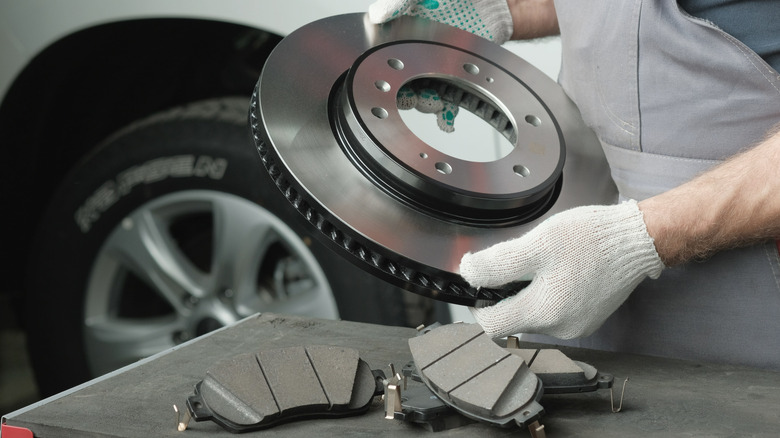
Most of the time, new brake rotors will come covered with a thin film of protective oil to prevent corrosion while it’s sitting in the box. Putting that rotor on the hub without cleaning it first can potentially end up placing this film of oil between the rotor’s surface and brake pads, possibly reducing your vehicle’s ability to stop by increasing your braking distance. It’s the reason why using a lubricant like WD-40 is a bad idea.

A little bit of good, old-fashioned elbow grease is what’s called for here. Giving the rotor a nice scrub with some warm, soapy water and and then drying it thoroughly with a clean cloth will do the trick. Lightly using brake cleaner spray may also help dissolve any more stubborn oil that remains on the brake rotor.

Advertisement

However, it’s definitely not as simple as just giving the rotor a few shots of brake cleaner spray and calling it a day. Carefully inspecting the new rotors for any debris from the manufacturing or packaging process can prevent a lot of headaches down the figurative and literal road. You should also clean the hub you’re mounting the rotor on as well to ensure your new rotor fits well. Use a wire brush on your hub for the best results — even the thinnest coatings of rust can lead to performance problems.


Advertisement

Source link

Continue Reading

Trending

Copyright © 2025