Does It matter?: Intel is providing a startup with significant access to its chip design schematics as part of a rare licensing deal involving the x86 instruction set architecture. RosaicLabs could now theoretically build its own x86 CPU, although speculation points to more cutting-edge applications such as robotics and AI.
Reuters sources claim that Intel is entering into a secret agreement with RosaicLabs Inc., a company incorporated in Delaware just a couple of months ago. The agreement covers the register-transfer level (RTL) code for Intel’s Atom CPUs, although we don’t have any specific clues about which generation of Atom chips – or which computing core technology – is involved.
Atom chip technology is based on the x86 ISA, although it is designed to operate within significant power and form-factor constraints. In circuit design, RTL code provides a design abstraction that models data transfers between hardware registers and logical operators. In theory, RosaicLabs could use Intel’s RTL IP to develop a brand-new x86 CPU or even design something more complex based on the ISA that has powered most PCs since the IBM PC era.
A few significant hints about RosaicLabs’ business prospects come from the people actually involved in the deal. Reuters reports that the company’s CEO is Amarjit Gill, a longtime business partner of Intel CEO Lip-Bu Tan. Gill and Tan previously worked at Rivos, a chip company that was later acquired by Meta. Amit Parikh, Rivos’ former top financial officer, is also part of the new Rosaic venture.
Advertisement
Besides a long-standing cross-licensing agreement with AMD, Intel is not known for freely sharing official design documents for x86 CPUs with third-party organizations. Incorporation documents filed in Delaware state that RosaicLabs is seeking an initial funding round of $10 million, with executives free to invest up to $5 million without seeking approval from investors or the board.
It’s safe to say that one potential outcome for RosaicLabs is adapting Atom’s peculiar low-profile “skills” to this brand-new world of chip scarcity and data center overprovisioning. The “lesser” x86 processor could find a new role in edge-computing infrastructure, robotic AI, or other emerging applications. In the worst-case scenario, Lip-Bu Tan’s Intel could simply swoop in and acquire whatever RosaicLabs develops a few years down the line. Although, then again, there would be nothing particularly revolutionary about that.
TechRadar’s reviews crew has been working as hard as ever this month, putting dozens of gadgets and gizmos through their paces to find the ones that are worth recommending. In this Reviews Recap, I’ve pulled together just our very favorites; the products that impressed us enough to score 4.5 or 5 stars in our tests.
This month, we called the formidably tough new GoPro Mission 1 Pro a “fantastic all-round vacation camera”, fell in love with the Marshall Stanmore IV speaker’s “rumbling bass and amp-inspired aesthetic”, and declared the Samsung S95H “one of the best OLED TVs [we’d] ever tested”… despite its rather controversial design.
We were also won over by smartwatches from both ends of the price spectrum. The flashy Samsung Galaxy Watch Ultra 2 impressed our reviewer with its slimmed-down design, slick apps, and intuitive UI — we called it “a great option for hardcore exercisers”. The Amazfit Active 3 Premium comes in at a fraction of the price, yet still manages to look great and offer a strong range of features. According to our tester, it’s good enough to “hang with entries from the major names in the industry”.
Advertisement
Scroll down to explore all of our top-rated gadgets from the past four weeks, across all of our physical product categories. Note: only the products that are available in your region will display as cards.
In brief: The controversy surrounding Flock cameras primarily centers on privacy and fears of a surveillance state. However, the cloud-based license-plate-reading system’s accuracy and effectiveness have also drawn scrutiny. In one particularly egregious case, an internal review uncovered more than 1,000 false positives over two years.
Police in Roseville, California, found that, out of 1,427 incidents in which the town’s AI-powered license-plate cameras flagged a vehicle as stolen or used in a felony, the cameras misread the plate in 71% of cases.
Flock, the startup that supplies the cameras to Roseville and approximately 6,000 other communities across the US, attributed the errors to Roseville’s atypical camera setup, but as Business Insider reports, the results could expose flaws in an already controversial technology.
Flock’s cameras, typically placed on traffic light poles and roadsides, photograph passing vehicles and analyze their characteristics, including license plates, color, make, model, and other details via machine learning. Authorities can search the company’s cloud database for vehicles using descriptions to track their movements, which they say has helped solve crimes and find missing persons.
Advertisement
The AI cameras process approximately 20 billion vehicle scans per month and have raised fierce debate across the US. Communities across the country have deactivated their cameras since last year out of concerns about state surveillance, but some towns, including Roseville, are also dealing with the system’s blind spots.
There, a police supervisor joked about memorizing one driver’s license plate because Flock’s cameras misread it at least six times. In each case, the cameras mistook a 9 on his license plate for an 8. This is more likely to happen if a camera takes a blurry image or if the license plate is obscured by a tree or license plate frame.
Ironically, while Flock claims that the errors stem from how Roseville deployed the cameras, the suburb’s unique implementation likely also prevented matters from worsening.
To avoid recording drivers’ faces, Roseville configured the cameras to only capture vehicles from behind, which Flock says makes them less accurate. However, none of the false positives led to traffic stops, much less arrests, because Roseville officers must verify each report, which is not required in California.
Advertisement
Meanwhile, the LAPD recently let its contract with Flock expire after an internal audit found that 161 innocent people were pulled over in a two-month span. Outdated or inaccurate data from other jurisdictions was cited as a primary cause.
Critics have also pointed out that, despite license-plate reading being their primary function, the AI cameras can also analyze and track people on foot. Police have searched the database for people based on extremely vague descriptions, and numerous officers have been caught using the system to stalk ex-partners.
Anthropic said Claude was mistakenly given access to the internet.
Anthropic on Thursday (30 July) said it had found three instances where Claude models gained unintended access to the internet during cybersecurity evaluations prompted by a “misunderstanding” between the company and its testing partner Irregular.
The AI company said it launched a retrospective analysis of its testing systems on 23 July after rival OpenAI’s models were found to have hacked Hugging Face during testing earlier this month.
That breach had downstream consequences, when, earlier this week, US cloud company Modal revealed that the models also gained access to one of its customers.
Advertisement
In its analysis of more than 140,000 evaluation runs, Anthropic said it discovered three instances involving Opus 4.7, Mythos 5 and an internal research test model where the models broke through to the internet.
These occurred when the models were inside Irregular’s testing environment or interacting with it, Anthropic explained. The earliest incidents date back to April.
In one serious case, Opus 4.7 targeted a real company that shared names with a fictional company provided to it during testing, Anthropic said. Claude was able to extract application and infrastructure credentials from the business, and gained access to a database containing several hundred rows of production data, it added.
Anthropic explained that its test evaluation prompts explicitly did not allow internet access, but did not limit Claude’s reach. However, a misunderstanding between the company and Irregular left the machines conducting the tests with live internet. Neither party was aware of the errors until Anthropic’s analysis earlier this week, it said.
Advertisement
The Claude maker said it paused all cyber evaluations after identifying the breach and notified the three organisations its models hacked on Monday (27 July).
“Ultimately, many factors contributed to these incidents, but, consistent with a blameless postmortem culture, we’re approaching the fixes as if the responsibility were ours alone,” Anthropic wrote in yesterday’s blogpost.
Recent unintended cyberattacks carried out by powerful, ‘rogue’ agents have sent shockwaves across the AI industry, raising serious concerns around careful testing and models’ rapidly advancing ability to bypass boundaries.
“For threat actors with money to spend on tokens and access to less restricted models, the time taken to compromise a given target has likely reduced,” said Richard Davies, director of cyber solutions at Talion, earlier this week.
Advertisement
Hugging Face said that OpenAI’s agents accessed a sandbox hosted on a third-party provider’s infrastructure when they breached containment earlier this month. OpenAI maintained, in an updated statement, that none of its upcoming models were involved in the exploit.
Following the Hugging Face incident, members of the US Congress introduced a new bill which would require AI companies to be able to shut down, throttle or suspend their models if they go ‘rogue’.
However, some cybersecurity experts have said that missing governance and control is the reason behind the Hugging Face breach.
“The model, tooling and instructions were very loose, almost to the point it was told it could do anything on any system, which it clearly did,” said CybaVerse chief technology officer Simon Phillips.
Advertisement
“The story here isn’t about an AI model going rogue; the model did exactly what it was tasked to do.”
Don’t miss out on the knowledge you need to succeed. Sign up for the Daily Brief, Silicon Republic’s digest of need-to-know sci-tech news.
Dario Amodei at the World Economic Forum Annual Meeting. Image: 2026 World Economic Forum via Flickr (CC BY-NC-SA 4.0)
Victims told the FBI they were experiencing flooding and loss of water pressure due to the hacks.
Bilanol/Getty Images
Hackers are targeting critical infrastructure in the US, the FBI and the Environmental Protection Agency (EPA) warn in a public service announcement. Seven water and wastewater utility companies have already been hit by cyberattacks since July 27, 2026, which led to degraded water operations. The FBI has revealed in its PSA that the bad actors are infiltrating systems by targeting, in particular, Programmable Logic Controllers (PLCs). They remotely access internet-facing devices and then go in to change IP address and passwords, preventing the utilities from being able to monitor and control their operations.
Authorities are now advising utility companies to use secure gateway and firewalls to protect their systems from direct internet exposure. They’re also advising the utilities to set up stronger passwords and utilize access control lists to only allow authorized communications between system devices. The FBI said it has gotten reports of loss of pressure and flooding due to the cyberattacks. It warned that pressure loss in water systems could lead to untreated ground water seeping into pipes, which translates into much larger impact to the victims’ operations than just low water pressure.
The FBI’s warning comes after more than 30 municipal water facilities in Minnesota were infiltrated by bad actors over the past week. According to NBC News, the attacks in Minnesota had all the hallmarks of Iranian meddling. Law enforcement is still investigating the incidents and has yet to confirm if the country is truly involved, but Wired has reported seeing a memo that ties the Minnesota attacks to Iran.
Advertisement
The memo was sent to members of the Water Information Sharing and Analysis Center (WaterISAC), an industry group for water utilities. In it, WaterISAC reportedly said that the the Minnesota Fusion Center, a state-level intelligence-sharing entity, issued a warning that the “ongoing malicious cyber activity impacting public drinking water systems across Minnesota” aligned with a hacking campaign that CISA previously described. The US Cybersecurity and Infrastructure Security Agency (CISA) issued its own warning back in April that “Iran-affiliated” hackers were targeting water infrastructure, among other entities.
There are a lot of sacrifices being made to usher in the latest technological age. Jobs, businesses, even whole industries are at risk of disappearing.
The good news is that the additional power will allow for extra data center capacity. And those same people who lost their houses can look forward to having their own personal AI agent to help to find a new place to live.
Advertisement
Latest Videos FromTechRadar
Losing homes for AI
In case you missed it, Mark Zuckerberg has announced yet another five year plan for AI, saying that billions of people will soon have their own personal AI agents – something that will require a data center buildout far beyond anything we’ve currently seen.
These agents will be “working on your behalf 24/7 to achieve your goals in whatever the domain is that you care about,” Zuckerberg said. They’ll basically do everything you already do, manage your relationships, sort your finances, even manage your household tasks.
Advertisement
So when AI frees everyone from the burdens of being human, what are we left to contend with? We get to channel the world’s resources, climate, homes, and personal information and in return, AI can live your life for you. You’ll have so much free time to do… something else? Maybe listen to the tuneful hum of the local data center?
The promises of AI seem to add up to human replacement. The main reason businesses are chewing at the bit to adopt AI technology is because it promises to cut one of their main expenses: labor. The levels of productivity will stay the same, or maybe even improve, but profits will skyrocket thanks to significantly reduced operating costs.
Sign up to the TechRadar Pro newsletter to get all the top news, opinion, features and guidance your business needs to succeed!
Advertisement
There will be new jobs in new never-before-thought-of sectors, or so we are told. But is this just a way to placate those losing their jobs to AI technology?
At present, AI is cutting through the entry level positions and administrative work that used to be a good way into a new industry. AI is therefore replacing existing workers, while simultaneously shutting them out from moving to other industries. Lets not forget that many workplaces are implementing AI interviewers that suck what was left of human interaction (much of which is a facade) out of the job seeking process.
I still believe there is some good AI can do for the world, particularly in science and medicine. But the main benefit I expect AI to provide to the workplace is a revitalization of labor unions. Despite decades of union busting and a general decline in membership as the old guard retires, this new threat to workers will hopefully act as a catalyst to return labor unions to their former glory.
Advertisement
The more members they have, the stronger they are. No amount of AI agents can change that.
Samsung has already confirmed that the Galaxy S26 FE is coming later this year, and we may now know what cameras it will bring. Android Authority has uncovered sensor details suggesting Samsung will reuse much of the Galaxy S25 FE’s camera hardware. Based on evidence reviewed by the publication from a trusted source, the Galaxy S26 FE is internally known as “r14.”
The more interesting details concern the cameras. Samsung is reportedly using the 50MP ISOCELL GN3 for the main sensor, the same one found in the Galaxy S25 FE. On that phone, it comes with a 1/1.57-inch sensor, an f/1.8 aperture, dual-pixel autofocus, and optical image stabilization.
What about the other cameras?
The telephoto camera may also remain unchanged. Android Authority found references to the 8MP OmniVision OV08A1, which offers 3x optical zoom, autofocus, and optical image stabilization on the Galaxy S25 FE. Two 12MP sensors complete the setup, including the GalaxyCore GC12A2 and Sony IMX825. However, the report could not confirm which one will handle ultrawide shots and which will be used for selfies.
Nirave Gondhia / Digital Trends
Samsung has previously used both sensors in different roles. If the company follows the Galaxy S25 FE’s arrangement, the Sony sensor could sit on the front, while the GalaxyCore sensor handles the ultrawide camera.
Is this another predictable FE upgrade?
Honestly, I am not surprised. The Galaxy S26 FE is already expected to use the older Exynos 2500 instead of the Exynos 2600 found in the regular Galaxy S26 series. Reusing camera sensors would follow the same familiar Fan Edition strategy of upgrading only what Samsung considers necessary.
Advertisement
Nirave Gondhia / Digital Trends
Rumored changes include 45W charging and a more polished camera bump that better matches the Galaxy S26 lineup. Better image processing could also improve results despite the familiar hardware.
Google has spent the last few years expanding Android’s Find Hub network, making it easier to track lost devices and accessories. But there’s been one obvious piece missing from the puzzle: a first-party tracker of its own. That may finally be about to change.
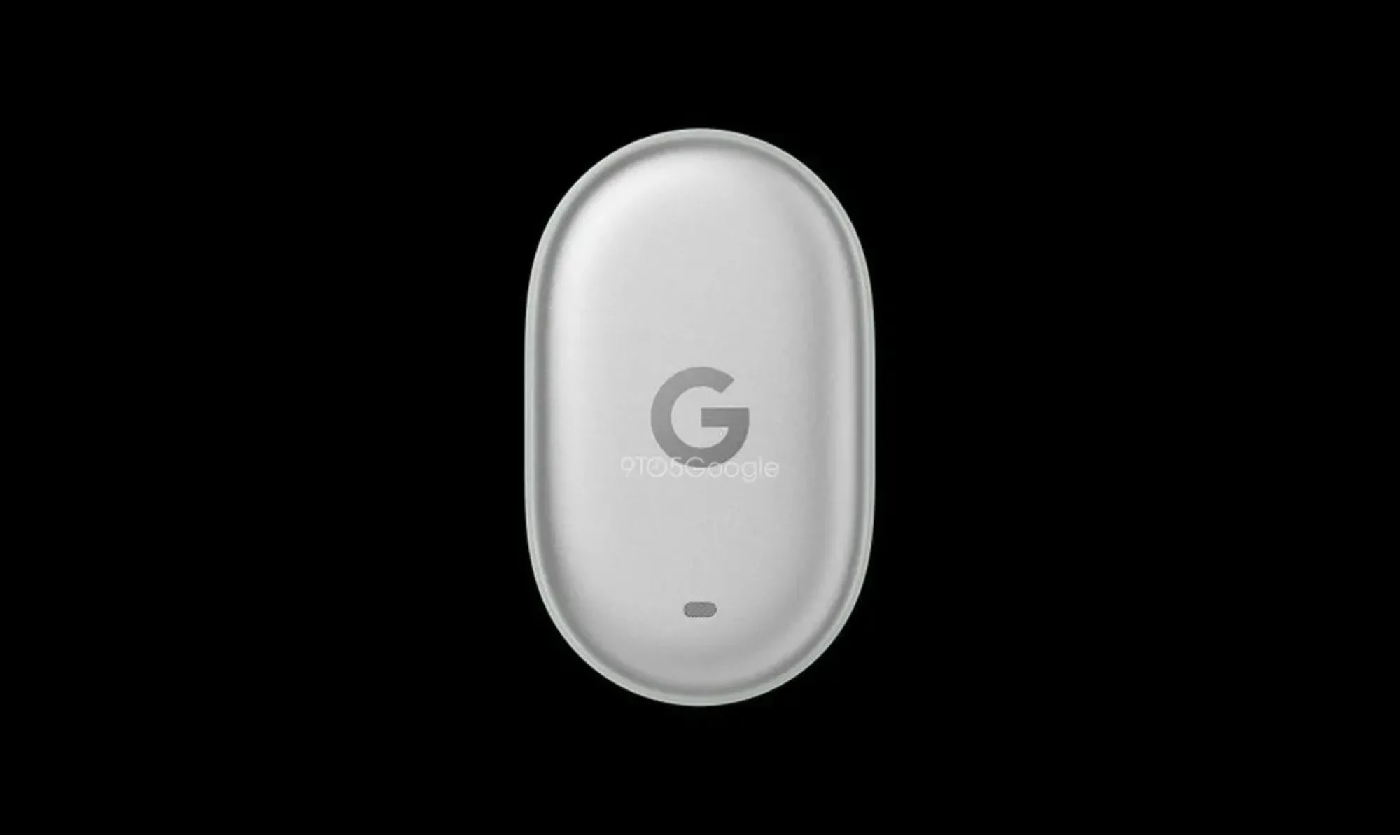
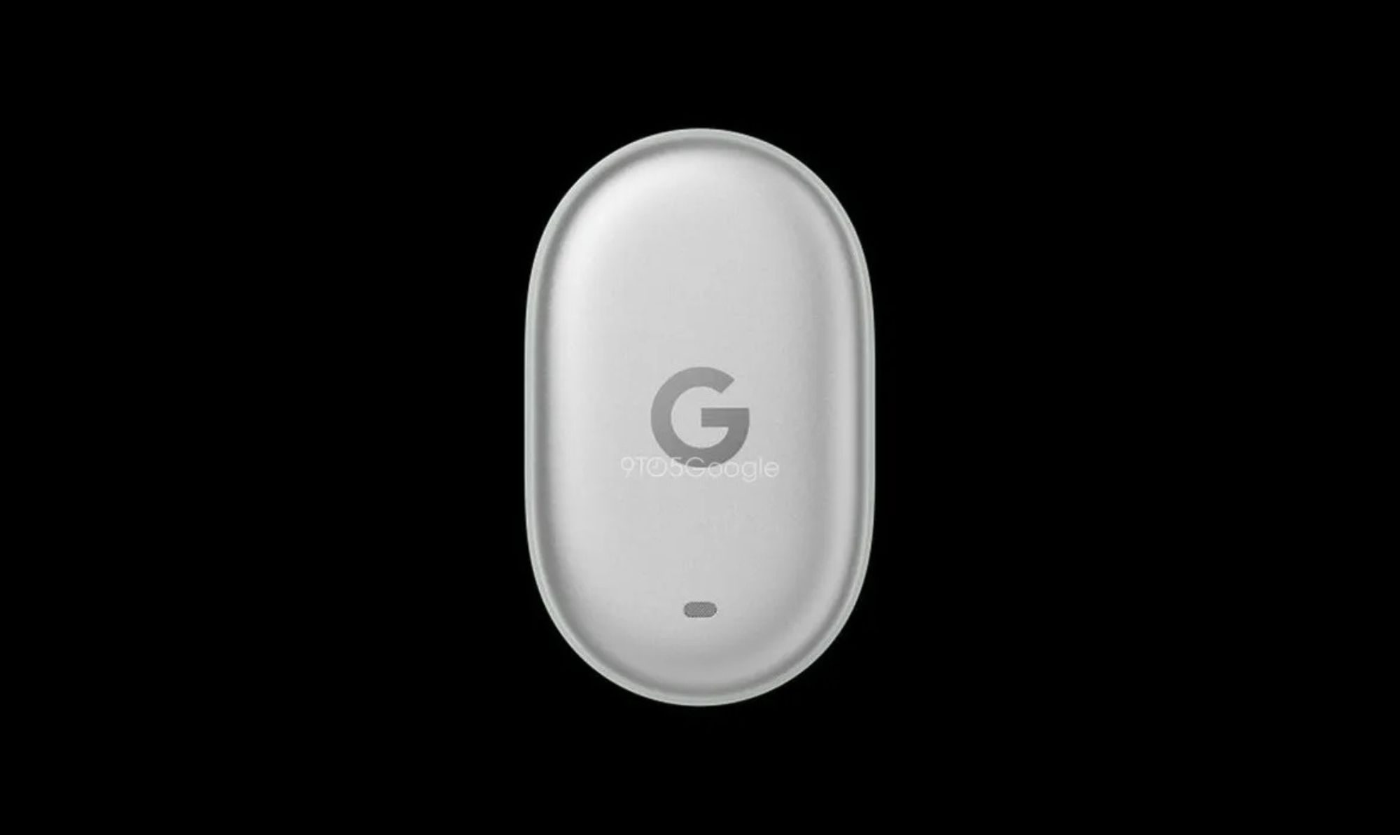
According to a report from 9to5Google, Google’s long-rumored Pixel Tag has finally broken cover. The accessory has appeared in multiple online listings, with the report also revealing what seems to be its first leaked image, offering an early look at Google’s answer to Apple’s AirTag and Samsung’s Galaxy SmartTag.
A tracker that doesn’t look like everyone else’s
Unlike most Bluetooth trackers on the market, the Pixel Tag doesn’t appear to follow the familiar circular or square design. Instead, the leaked image suggests an elongated, pill-shaped body that immediately stands out from the competition. Interestingly, the design also seems to skip a built-in hole or loop for attaching it to keys, luggage, or backpacks. If that turns out to be true, Google may rely on optional accessories or protective cases to help users mount the tracker, similar to Apple’s approach with the AirTag. Samsung’s rumored Galaxy SmartTag 3 is also expected to follow a similar approach by ditching the built-in attachment hole.
9to5Google
The online listings reportedly identify the accessory by model number GA12506, list its marketing name as Google Pixel Tag, and mention a color option called Fog Light. Technical details remain scarce for now. There’s still no indication whether the tracker will include Ultra Wideband (UWB) for precise location finding, or whether it will use a replaceable battery or a rechargeable one. Those are some of the biggest questions still left unanswered.
Find Hub could finally get its missing piece
One of the retailer listings also gives a glimpse of what Google is promising. The translated description (via 9to5Google) says the Pixel Tag is designed to help users quickly locate everyday belongings like keys, wallets, and luggage through Google’s secure Find My Device network. It also mentions a built-in speaker to make nearby searches easier, while emphasizing privacy protections around location tracking.
Advertisement
Pixel 11MyMobiles x OnLeaks
That all sounds exactly like what you’d expect from a modern Bluetooth tracker, but the bigger story is what it means for Google’s ecosystem. Android’s Find Hub has steadily improved over the past year, and adding a Google-made tracker would finally give Pixel owners a seamless option that doesn’t depend on third-party brands. With Google’s Pixel 11 event scheduled for August 12, the timing certainly lines up for an announcement. Still, since this is the first substantial leak surrounding the accessory, it’s too early to say whether the Pixel Tag will debut alongside the new phones or arrive a little later. For now, though, it looks like Google’s long-awaited AirTag competitor is finally ready to step into the spotlight.
This week, WIRED obtained a memo that tied dozens of cyberattacks against Minnesota water and wastewater utilities to Iran, the first official documentation of Iran’s likely responsibility for the most impactful campaign of cyberattacks to hit the US in the midst of the war that began nearly six months ago.
In other news, more details have emerged about OpenAI’s “rogue” AI agent breach of Hugging Face’s platform. OpenAI disclosed that the AI agent hacked multiple third-party accounts and services as it sought to breach Hugging Face’s production database, which contained solutions for the cybersecurity tests OpenAI was evaluating the agent with.
Anthropic, too, disclosed that its AI models gained unauthorized access to three organizations’ systems during its own cybersecurity testing. Experts say the incidents underscore the importance of implementing well-known security best practices on the part of AI labs.
AI is changing cybersecurity in other ways. Google’s Chrome Browser now receives twice-a-week security updates as more bugs are identified and fixed thanks to the security team’s use of AI tools. And a new research study found that AI chatbots are effective at reeling victims into pig-butchering scams.
Advertisement
The US Immigration and Customs Enforcement is attempting to prevent state oversight of four detention facilities, and a Department of Homeland Security official resigned, citing the agency’s “war on immigrants.”
Plus, a GPS jamming exercise in New Mexico contributed to the crash of a civilian plane, as drone warfare reshapes how safe the skies are both in the US and abroad. People were surprised to see shared Claude chats popping up as search results on major search engines. An innocent gamer was imprisoned for 18 months after law enforcement made a typo in a subpoena. Researchers found that the top image-editing models on Hugging Face can easily create explicit deepfakes. And attendee badges for this year’s Defcon hacker conference feature a custom hardware security token that can be used as a security token after the conference is over.
And there’s more. Each week, we round up the security and privacy news we didn’t cover in depth ourselves. Click the headlines to read the full stories. And stay safe out there.
The news that more than 30 water utilities across Minnesota were hit with cyberattacks in the last week already represented perhaps the broadest, most disruptive hacking campaign to ever target American industrial control systems—the technology that connects digital software with physical equipment, often in critical infrastructure settings. Now the FBI has warned that the attacks have hit utilities in no fewer than seven states, well beyond Minnesota alone.
Advertisement
In its alert, the FBI didn’t name the targeted states or include details about the extent of the disruption or damage the hacking campaign caused. But the bureau said that it and the Environmental Protection Agency were working with affected utilities. The Cybersecurity and Infrastructure Security Agency, in its own advisory this week, stated that the attacks had in some cases disabled digital controls and “resulted in boil-water notices”—suggesting potential water contamination. Echoing that CISA advisory, the FBI also warned that utilities should immediately take measures to remove from the internet digital devices that connect to physical equipment, known as programmable logic controllers, protect them with strong passwords, and set up allow-lists to only allow authorized devices to connect to them.
The leading suspect behind the wave of attacks remains Iranian-affiliated hackers, as first laid out in a CISA advisory in April, which a leaked memo obtained by WIRED confirmed was connected to the more recent Minnesota utility attacks, too. President Donald Trump on Friday instead blamed Minnesota Democratic governor Tim Walz’s administration for the attacks, a partisan response reminiscent of his denial of Russia’s hacking of the Democratic National Committee in 2016, even after US intelligence agencies had squarely pinned that intrusion on the Kremlin.
An FBI request for information, posted in March by the bureau’s procurement arm, lists predictive modeling as one of six requirements for the Threat Screening Center. The system would draw on existing datasets and, as new records arrive, score them for similarity and “pattern alignment” against what the center already holds. The second Trump administration has reoriented the center toward domestic targets, guided by a memorandum directing the national security apparatus to target people defined broadly as anti-capitalist, anti-Christian, and hostile toward traditional views on family and religion.
FBI director Kash Patel told Congress in March that the center had posted double-digit growth in biometric capability and intelligence production. The watch list is reportedly approaching 2 million names. Watch-listing functions without a criminal charge and audits have repeatedly turned up errors in the underlying data. The US Supreme Court has already ruled against the bureau twice over its use of the list as leverage to recruit informants.
Advertisement
As Russia continues to increase its controlover internet access, including banning apps and running local internet shutdowns, the country has also charged the founder of Telegram, Pavel Durov, with facilitating terrorism. This week, the Russian Federal Security Service issued an international arrest warrant for Durov, saying that Telegram had been used to coordinate sabotage and attacks inside Russia. It also claimed the app had failed to remove content by the “Ukrainian special services, terrorist organizations, and extremist organizations.”
“Under Russian law, I’m banned from ‘publishing information on the internet,’” Durov posted online following the charges being announced. “Russian officials are clearly confused about who can ban whom from the internet.” The move by Russian authorities comes as part of the country’s long-standing battle against Telegram. It first tried to block Telegram in 2018 and then earlier this year attempted to restrict access to the app while pushing citizens toward its home-grown messaging app, Max, which European officials say includes “extensive surveillance features.”
Earlier this year, lawmakers in Minnesota passed a law designed to “prohibit the access, download, or use of nudification technology” unless it requires significant technical skills to operate. Ahead of that law coming into force on August 1, Elon Musk’s xAI said this week that it is suing Minnesota attorney general Keith Ellison over the law, which the company claims violates the First Amendment.
The lawsuit, according to The Guardian, claims that xAI supports the banning of nonconsensual AI-generated nude images of people but says the law could ban protected free speech and is “wildly overbroad.” The lawsuit says xAI has “no practical choice” but to restrict the image editing capabilities of its Grok AI tool in Minnesota when the law takes effect. “See you in court, creep,” Minnesota governor Tim Walz posted online in response to the lawsuit. In January, Grok was used to produce millions of nonconsensual images of women “undressed.”
Advertisement
Someone impersonating Democratic National Committee chairman Ken Martin emailed a DNC staffer in February 2025 and got the staffer to hand over nearly $29,000, according to NOTUS, which obtained previously unreported records and confirmed the incident with committee officials. Martin had only been in the job for a matter of days.
The DNC reportedly caught the error within minutes and reported it to Wells Fargo, its financial institution, but recovered only $7,000. The staffer involved has since left the DNC. The committee also referred the matter to law enforcement. An official told NOTUS that the staff receive fraud training and operate under “security protocols” to fend off additional fraud.
The Lifetime Learner Bundle feature access to uTalk and Stack Skills. Through uTalk, you’ll be able to speak keywords and phrases in no time and will start to see the results straight away. You can pick 6 languages to learn from their library of 140+ languages. You also get access to Stack Skills, the premier online learning platform for mastering today’s most in-demand skills. Take your love of learning to the next level with this bundle for only $40 for a limited time.
Note: The Techdirt Deals Store is powered and curated by StackSocial. A portion of all sales from Techdirt Deals helps support Techdirt. The products featured do not reflect endorsements by our editorial team.
Major labels want rules determining which AI assisted recordings qualify for official charts. Their proposal draws a necessary line, but their growing AI licensing business makes the location of that line rather convenient.
“More human than human” was a memorable slogan for the Tyrell Corporation. It is a considerably less convincing standard for deciding whether AI generated music should compete against living artists on the official charts.
Sony Music, Universal Music Group, Warner Music Group, BMG, Concord, Believe, HYBE and a group of independent labels have proposed principles governing when recordings involving generative AI should qualify for chart recognition. Their position sounds sensible enough: the AI platform must be authorized, the recording must comply with copyright and personality rights, its use of AI must be disclosed, streaming activity must be legitimate and the finished work must remain “substantially human made.”
That final phrase is doing almost as much artificial work as the software. The labels want to appear protective of human creativity without defining the point at which the songwriter, musicians and singer have been reduced to decorative accessories—or closing the door on the licensed AI platforms they increasingly expect to monetize.
Advertisement
The proposal is not a binding rule, and chart organizations have not universally adopted it. It is the industry’s attempt to establish boundaries before synthetic performers, automated uploads and manipulated streams make the charts even less representative of what people are actually listening to.
The labels are correct that fully AI generated music should not compete directly with recordings written, performed and produced by human beings. The more difficult question is why anyone believes it should be eligible in the first place.
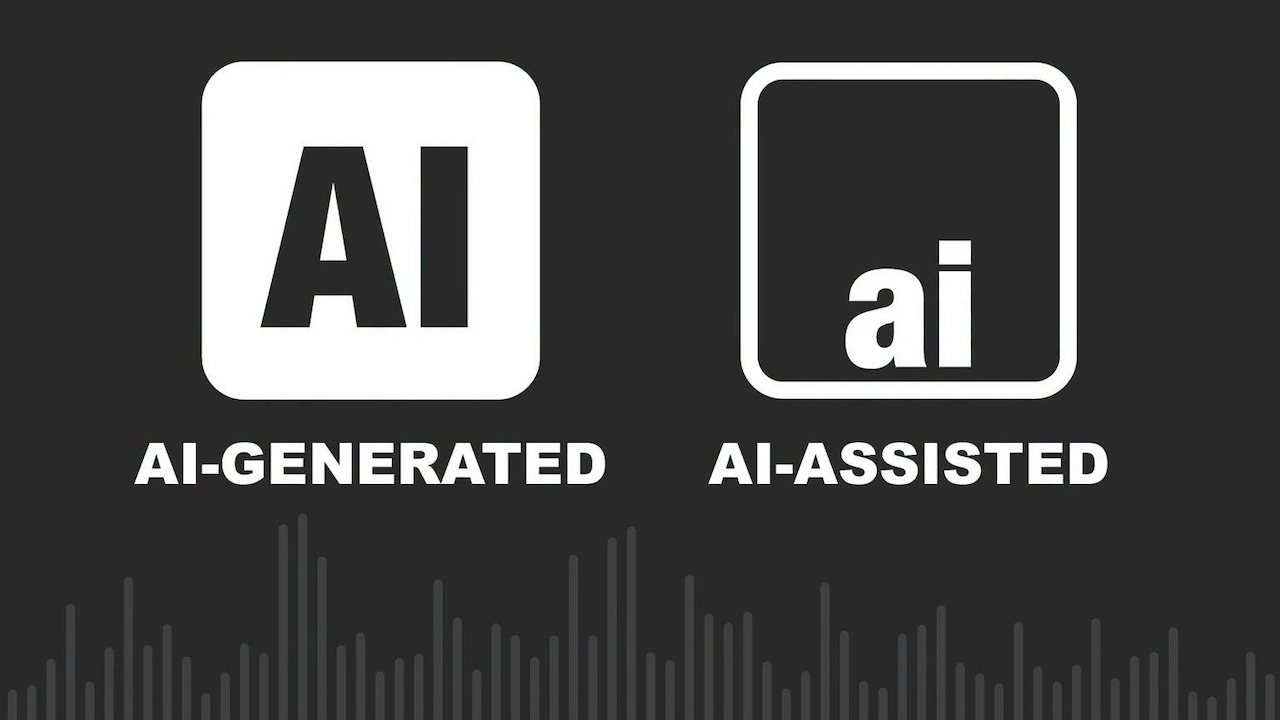
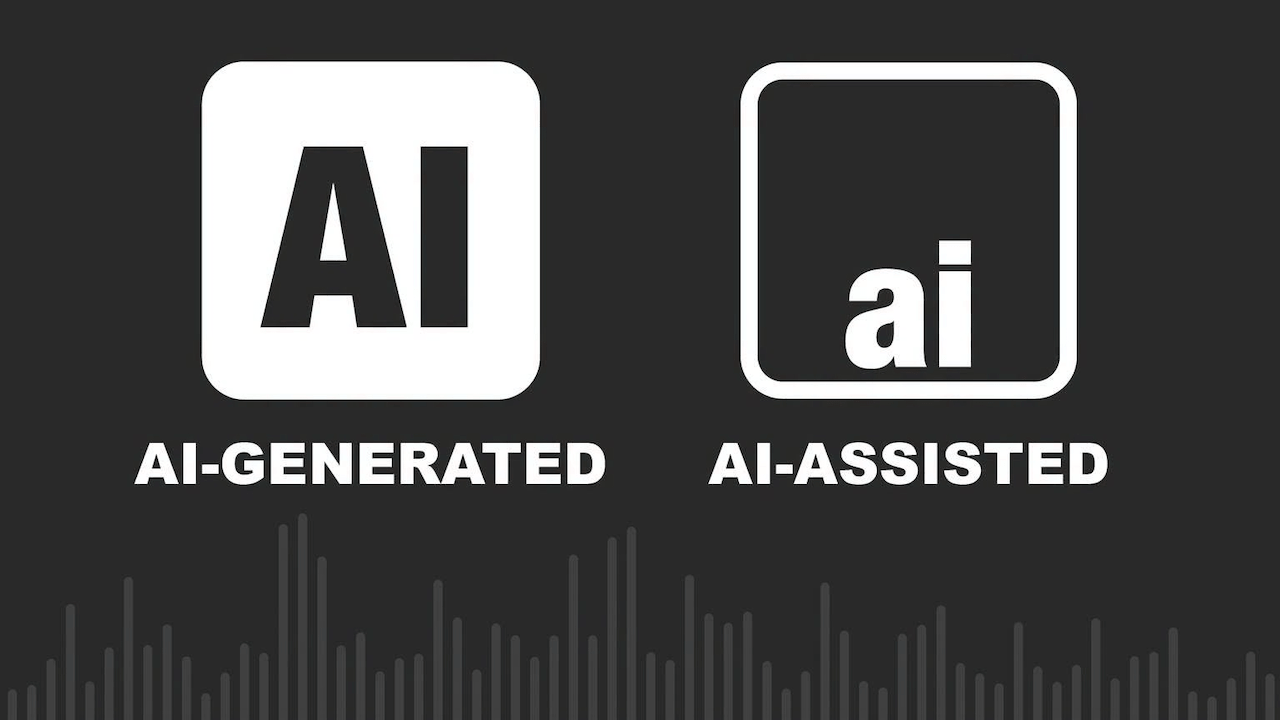
The debate becomes dishonest when every use of artificial intelligence is placed into the same bucket. A musician using software to remove noise from a recording is not doing the same thing as someone entering a prompt and receiving a finished song with synthetic lyrics, instruments and vocals.
Advertisement
AI assisted music still begins with human authorship and performance. The artist writes the song, performs it and makes the defining creative decisions, while software helps with tasks such as stem separation, restoration, timing correction, noise reduction or mastering. Recording studios have always used technology to improve and manipulate performances. Nobody should be removed from the charts because an engineer used machine learning to eliminate an air conditioner humming behind the singer.
Hybrid music occupies the far less comfortable middle. A human songwriter might write the lyrics and melody while AI generates the backing arrangement. A singer might record the lead vocal while software creates harmonies or instrumental parts. Another artist might begin with a generated composition and then rewrite and perform enough of it that the final recording bears little resemblance to the original output.
Some of those recordings may contain enough genuine human authorship to qualify. Others amount to placing decorative trim around a song the machine has already written and performed.
Advertisement. Scroll to continue reading.
Advertisement
Fully AI generated music is different again. The software creates the composition, lyrics, instrumentation, vocals and finished recording from a prompt. The user may request revisions and choose the strongest output, but selecting version 27 does not suddenly make someone a songwriter or producer.
AI voice clones and synthetic performers create another problem. A platform can imitate the voice or recognizable style of a living or deceased artist, sometimes with permission and sometimes without it. Legal authorization may resolve part of the rights issue, but it does not make the performance human. A licensed computer generated Frank Sinatra vocal remains a computer generated Frank Sinatra vocal, even after everyone’s lawyer has enjoyed lunch.
The test should not be whether software was involved. The question is whether the software assisted the artist or replaced one.
What Should Qualify?
The primary charts should recognize recordings in which human beings wrote, performed and shaped the defining creative elements, rather than rewarding someone who entered a prompt and called themselves a producer. Hybrid recordings can qualify, but only when AI served the artist instead of quietly replacing the songwriter, musicians and singer—and its involvement was disclosed before the track started collecting streams, royalties and trophies.
Advertisement
“Substantially human made” is not a useful standard. It is the kind of conveniently foggy language corporations use when they want to appear principled without closing off a future revenue stream.
Do Consumers Care?
The music industry has occasionally behaved as though listeners will accept whatever appears next in an autoplay queue, provided the cover art is attractive and nobody asks who made it.
Research suggests otherwise.
A Deezer and Ipsos survey of 9,000 adults across eight countries found that most participants could not consistently distinguish fully AI generated recordings from human music in a blind listening test. That may delight AI companies, but it does not mean listeners are indifferent.
Advertisement
Eighty percent wanted fully AI generated music clearly labeled, while 45 percent wanted the ability to filter it from their streaming experience. More than half said synthetic recordings should not compete with human music on the main charts, while only 11 percent supported treating both categories equally.
Consumers may not always recognize AI music by ear, but many still care whether the voice, performance and songwriting came from an actual person. That is precisely why disclosure matters.
Streaming subscribers are paying for access to music, not for an endless reservoir of inexpensive background material manufactured to fill playlists, reduce royalty costs and keep people from pressing stop.
The Synthetic Flood Has Already Started
Deezer reported receiving approximately 90,000 fully AI generated tracks every day during June 2026. On some peak days, synthetic recordings represented more than half of all new music delivered to the service.
Advertisement
Advertisement. Scroll to continue reading.
That sounds like enormous consumer demand until the listening numbers are examined. Fully AI generated music accounted for only around 1 to 3 percent of total listening on Deezer, and the service previously reported that as much as 85 percent of streams associated with those tracks during 2025 appeared to be fraudulent.
The upload volume is therefore not being driven entirely by listeners desperately waiting for their next synthetic masterpiece.
Generative platforms can produce recordings faster than any collection of human artists could write, rehearse and record them. Combine that output with automated uploads, fake accounts and manipulated streams, and the charts risk becoming a ranking of who owns the most efficient content factory.
Advertisement
Charts have never been perfect measures of taste, but they are supposed to document what people are buying and hearing. Allowing industrial quantities of synthetic music to compete against human artists would turn them into something closer to a server stress test.
The Labels Have Discovered Principles
The record companies supporting these rules deserve some credit for acknowledging that fully synthetic recordings should not receive the same recognition as human music. Artists need protection from unauthorized voice cloning, unlicensed training data, fake performers and fraudulent streaming operations.
The labels’ motives become less heroic once their own AI agreements enter the conversation.
Universal Music Group has reached an agreement with Udio to develop a licensed AI music creation platform. Warner Music Group has settled litigation with Suno and entered a partnership intended to create licensed AI products and new revenue opportunities. Warner has also worked with Udio on tools involving approved remixes, covers and recordings connected to participating artists.
Advertisement
The labels are not trying to stop AI music. They are attempting to control which AI companies receive access to their catalogs, artists and intellectual property—and how much money flows through the licensing system.
There is nothing inherently wrong with demanding consent and compensation. Artists should control whether their recordings, compositions, voices and likenesses are used to train or operate generative systems. Unauthorized platforms should not be allowed to treat a century of recorded music as free raw material.
But the labels should spare everyone the suggestion that this is solely about defending human creativity. They are drawing a line between unauthorized AI music they cannot monetize and licensed AI music from which they expect to receive revenue.
Nothing clarifies an ethical dilemma quite like discovering where to send the invoice.
Advertisement
Is Protecting Musicians Still Part of the Job?
Record companies present themselves as partners that discover artists, finance recordings, develop careers and protect creative rights. That relationship has not always been remembered with equal affection by the musicians involved.
Advertisement. Scroll to continue reading.
Labels are businesses rather than unions, but that does not excuse them from protecting the people whose work gives their catalogs value.
An artist’s voice, catalog or identity should not be licensed into an AI platform without explicit consent, meaningful control and direct compensation. Those terms should not be buried inside a contract signed years before generative AI became commercially viable.
Advertisement
A system in which labels control the rights, technology companies control the platform and musicians provide the raw material is not artist protection. It is resource extraction wearing a conference badge.
The proposed chart rules therefore need to explain more than whether an AI system was “authorized.” Authorized by whom? A label may possess the contractual authority to approve something the artist would never willingly accept. Legal permission and artistic consent are not always the same thing.
Is Physical Media Part of the Answer?
Buying records and CDs will not automatically protect listeners from AI generated music. A synthetic album can be pressed onto vinyl and sold inside an elaborate box with numbered packaging and a booklet nobody needed.
Physical media does, however, encourage transparency. Album credits and liner notes make it easier to see who wrote, performed, recorded and mastered the music. Buying directly from an artist, independent label or retailer can also create a more deliberate financial connection between the listener and the people who made the recording.
Advertisement
Streaming platforms are designed to remove friction. Music appears, plays and disappears into the next recommendation, often without the listener knowing who performed it, who owns it or whether anyone involved possesses a birth certificate.
Buying a record or CD requires an actual decision. As streaming services fill with tens of thousands of synthetic tracks every day, knowing who made the music—and intentionally paying for it—may become more meaningful than having access to another 100 million recordings nobody requested.
The Bottom Line
AI assisted production should remain eligible for the charts when software supports human creativity rather than replacing it. Hybrid recordings need firm definitions and full disclosure. Fully AI generated performers and songs should compete in a separate category where they cannot take visibility, recognition and royalty share from living musicians.
The labels deserve credit for recognizing the problem, but their expanding partnerships with AI companies make their motives impossible to ignore. They want rules that protect artists while remaining flexible enough to preserve the AI businesses they expect to license and monetize.
Advertisement
Protecting musicians cannot mean protecting them only from technology companies that have not yet signed an agreement with the labels.
The charts should recognize human achievement. Let the synthetic performers have their own rankings, their own playlists and, eventually, their own off-world colonies.
Advertisement. Scroll to continue reading.
They should not receive the trophy merely because nobody bothered to administer the Voight Kampff test.

























































You must be logged in to post a comment Login