
Tech
iPhone Fold may ship in a choice of Silver or Dark Blue


The iPhone Fold’s two colorways may have been revealed, with the foldable smartphone potentially shipping in dark blue and silver colorways.
The iPhone Fold is expected to arrive this fall alongside the iPhone 18 Pro. However, while the general design and specifications have pretty much been settled on, rumors over the summer couldn’t decide what colors it will ship with.
If images shared by Sonny Dickson are accurate, it will ship in at least two fairly pedestrian colorways. That would be Silver and Dark Blue.
The post to X on August 8 shows a pair of third-party accessories for the inbound model. The covers for the camera bump are claimed to be color-matched to the iPhone Fold.
This does depend on the manufacturer of the camera bump protector to be correct with their information. It’s possible that the two images are correct, but they can always be an educated guess by the accessory producer.
Sonny Dickson is a fairly reliable leaker, which means we can consider the accessories as being genuinely produced by someone. Whether that manufacturer is right is another matter entirely.
This is not the only color-related post Dickson has made for the inbound iPhones. In May, he posted photos of dummy units of the iPhone 18, including options in Silver, Black, Light Blue, and Dark Cherry.
Speculative colors
Back in February, one rumor about the specifications of the iPhone Fold said that two colors were on the way. It was claimed that one color was white and the other was unknown, but that the camera plateau would be all-black either way.
The same month, another report insisted that one of the two colors would be a black or dark gray, while the other was white or light silver.
By June, it was alleged that Apple still hadn’t nailed down the colors for the model, and that a black option probably wasn’t on the way.
Based on the iPhone Fold being a premium model that Apple’s supply chain is only getting to grips with producing for the first time, the limited color choice seems very plausible. That said, it doesn’t stop Apple from introducing other colors down the road.

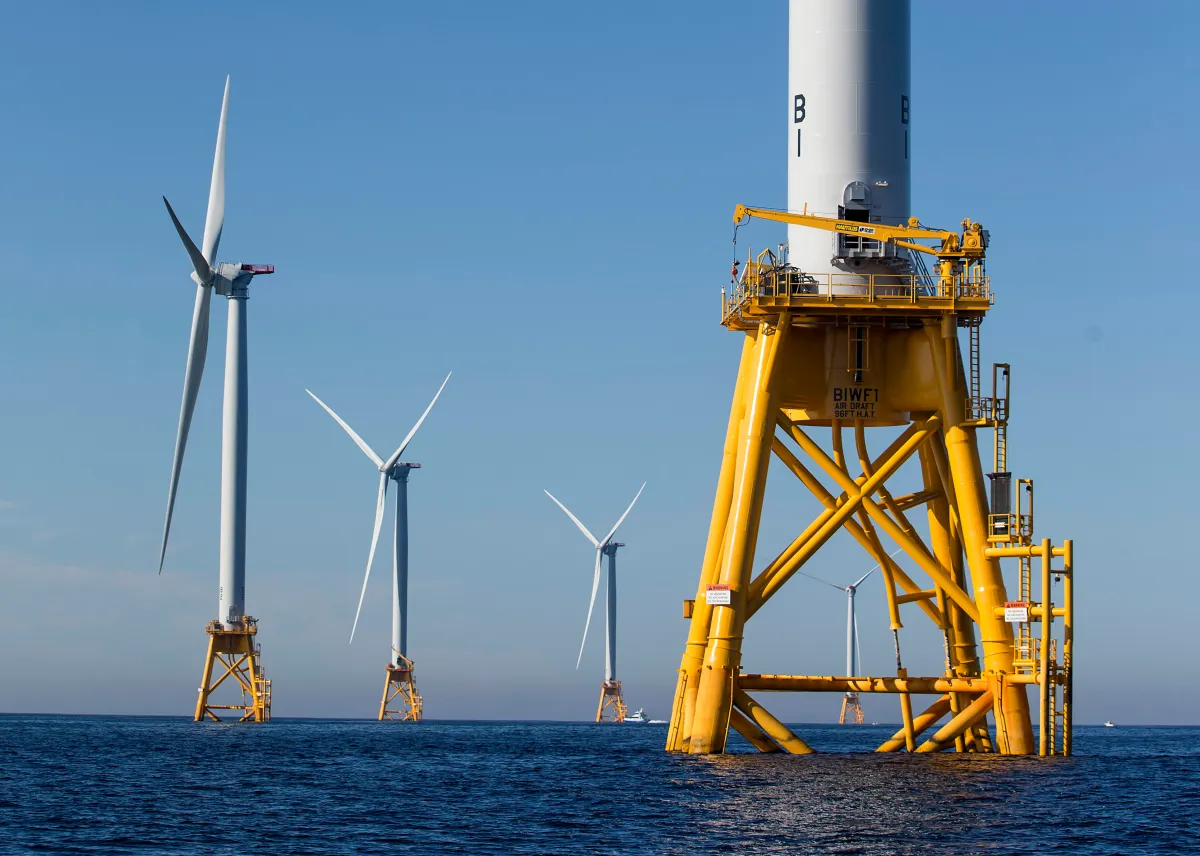
The Trump administration is paying another $1.2 billion to cancel an offshore wind lease, this time to German utility RWE.
The energy company said in an announcement that the wind farms would have been built off the coasts of California, Louisiana, and New York. Instead, RWE will spend $900 million to buy a small stake in a Louisiana liquid natural gas export terminal.
The New York wind farm would have generated more than 3 gigawatts, according to Heatmap News.
The remaining $300 million will go toward buying natural gas turbines to power 15 peaking power plants around the country. Peaking power plants are among the most expensive and most polluting natural gas power plants to operate. It’s unclear when those will be completed — there’s currently a backlog for new turbines stretching into the early 2030s.
RWE isn’t backing off its offshore wind investments elsewhere, though. The company said it bought 6.9 gigawatts of capacity in the U.K.’s recent auction.
The Trump administration has paid $3.93 billion for the 12 leases it has coaxed developers into abandoning.

Bill Swearingen has spent the past year running largely the same test, over and over again. The goal was to produce a computer-generated pattern that could block the surveillance cameras lining America’s streets from detecting it.
Some 31 million tests later, Swearingen says he can now produce patterns on-demand that, when applied to clothing and objects, prevent some of the most commonly deployed license plate readers and surveillance cameras from detecting whatever the pattern covers, from people to vehicles.
His project, which he calls noRecognition, allows people to escape the automatic detection and algorithmic surveillance used across the U.S. and beyond.
In recent years, surveillance cameras have been supercharged with the ability to detect what is happening in the footage being recorded, from tracking the license plates of speeding vehicles to using facial recognition to identify suspected criminals, albeit with mixed success and sometimes terrifying results. The detection algorithms that power most surveillance cameras today can sift through vast amounts of footage, allowing law enforcement to pick out activity of interest, akin to pulling a needle out of a haystack.
Swearingen’s computer-generated patterns do not block surveillance cameras from recording video footage. Instead, they scramble the camera’s ability to identify objects, people, or faces, so that the cameras do not trigger any detection alerts. By blocking the camera’s ability to detect what the pattern covers, the person becomes a needle in a haystack again — until someone knows where to look.
“Privacy is a fundamental right,” Swearingen told TechCrunch in a call this week. He described his patterns as a way to allow people to “opt-out of being tracked.”
In its first public test Friday at the Def Con cybersecurity conference in Las Vegas, Swearingen successfully demonstrated the pattern printed on a vehicle, proving that these patterns can be effective at defeating surveillance detection in the real world.
Teaching a model how to paint
In a call from his home in Kansas City, where he co-founded cybersecurity meet-up SecKC, Swearingen told TechCrunch that as a cyber professional he is acutely aware of the privacy and security risks of surveillance.
He described how his town is swamped with surveillance cameras, sometimes located just a few feet from each other. He said that he and others never opted in to being watched, just like he never opted-in to having the government use his driver’s license for facial recognition.
Swearingen described himself as a middle-aged white guy who lives in the center of the United States, and acknowledged that as a result he has not faced hardship or discrimination for being who he is or what he looks like. Swearingen recounted how last year he wanted to attend a protest, but felt uncomfortable and concerned that the vast number of cameras could track people who were exercising their constitutional rights to free expression.
If he felt this way, undoubtedly others would as well, including those who wanted to exercise their rights but may not feel safe or comfortable doing so themselves. Swearingen got to work.

For as long as there have been cameras capable of detecting things, there have been efforts to counter the technology. Several art projects and clothing brands have introduced apparel that aims to help people defeat facial recognition. Some eyeglass makers are jumping on the trend, albeit not with much efficacy.
Swearingen said his research builds on some of this earlier work, which showed that it was possible to block camera detections.
He started out last year with a proof-of-concept test lab that began by incrementally defeating one open-source video camera detection algorithm after another. Over the course of the year, he refined the patterns by scaling up his tests with additional computer processing power. He thanked the wider community who showed up with hardware to help further the project along.
His proof-of-concept evolved over time into a reinforcement learning model, essentially a self-contained system that could train itself on which patterns work and which do not against the specific camera algorithms he is testing. In simple terms, Swearingen told TechCrunch that he essentially taught his model “how to paint.”
Each time a pattern failed and an algorithm detected it, the model would try again, over and over, until it eventually defeated multiple algorithms at once.
His model soon began to find perfect recipes for patterns that were able to defeat all of the 11 open-source detection algorithms he tested, including the software that powers Flock license plate readers, Axon body-worn cameras, and cameras running Clearview AI.
Now the model creates new patterns every minute, each batch mathematically better than the last, he said.
On Friday at the Def Con cybersecurity conference in Las Vegas, Swearingen ran his first real-world test. With help from Donut Media, the test involved covering a 2009 Toyota Yaris with one of Swearingen’s newest patterns to see if the car would be invisible to detection by a Flock camera.
“We proved it was effective;” said Swearingen; though, the wheels were a challenge, he said. The video of the demo will be out in the next few weeks, said Donut Media.
With a public demo in Las Vegas now under his belt, the project is early proof that it is possible to avoid algorithmic detection in public spaces. The next step is getting the patterns into the hands of people who want them, he said.
The noRecognition project also has a crowdsourcing campaign to help fund the sale of early merchandise featuring the patterns, from T-shirts to hoodies, with the potential for pattern-printed skins for vehicles down the line. Swearingen said the aim is for the patterns to be high quality and resolution good enough to work from a distance, while also looking aesthetically fashionable.
He said he is keeping his strongest patterns off the internet to prevent the camera makers from defeating them, but that the work is not yet done. His models are continuing to grind out new patterns.
“Every failure improves my model, and so [the patterns] keep getting better and better,” he said.

When you purchase through links in our articles, we may earn a small commission. This doesn’t affect our editorial independence.

To celebrate Quake’s 30th anniversary, Bethesda released “a brutal new episode” — a new campaign chapter titled Dawn of the Machine “delivering ferocious combat, labyrinthine level design, and nightmarish realms that twist reality beyond recognition…”
Face deadly new twists on familiar foes, including the Rocket Ogre, Demo Dog, Blood Shambler, and more. Each variant introduces lethal new behaviours — from overwhelming firepower to explosive death traps — forcing you to rethink every encounter. Expand your arsenal with brutal variants inspired by classic Quake expansions, including the Super Axe — unleashing lightning on successive strikes — and the Laser Cannon, firing ricocheting projectiles that tear through enemies from every angle… Reality is never stable. Shift between dimensions to solve puzzles and navigate the world, or find hidden secrets scattered throughout the realms. Face enemies that rise again or transform after death, and experience encounters where the rules change without warning — forcing you to adapt or be overrun.
More details from Ars Technica:
This is part of a series of new campaign chapters, all developed by MachineGames “in collaboration with id Software.” MachineGames is best known for making the games in the relatively recent Wolfenstein reboot series, as well as Indiana Jones and the Great Circle. The Quake maps are made by a team dubbed “Quake Club,” which includes several MachineGames employees who work on Quake maps in their spare time.
The ambition and scope of some of these maps is beyond what was typical for Quake maps back in the late ’90s, thanks in part to the team’s use of TrenchBroom, a newer map editor that works well on modern systems and is easier to work with and more capable than what folks were using in those days. There are 19 new levels, and they have several new gameplay gimmicks, like a time loop mechanic and a disorienting-but-cool teleportation system that makes it look like the levels are changing on the fly — kind of similar to the multi-time-period levels we saw in Titanfall 2 or Dishonored 2, though in these Quake maps the time shifts happen without player input. There’s also new music… The new maps have been added to the campaign list in the remastered version of Quake, and like that remaster, they’re available free to anyone who already owns Quake on Steam, as well as Quake on current and last-gen PlayStation, Xbox, and Nintendo consoles.


Read more of this story at Slashdot.
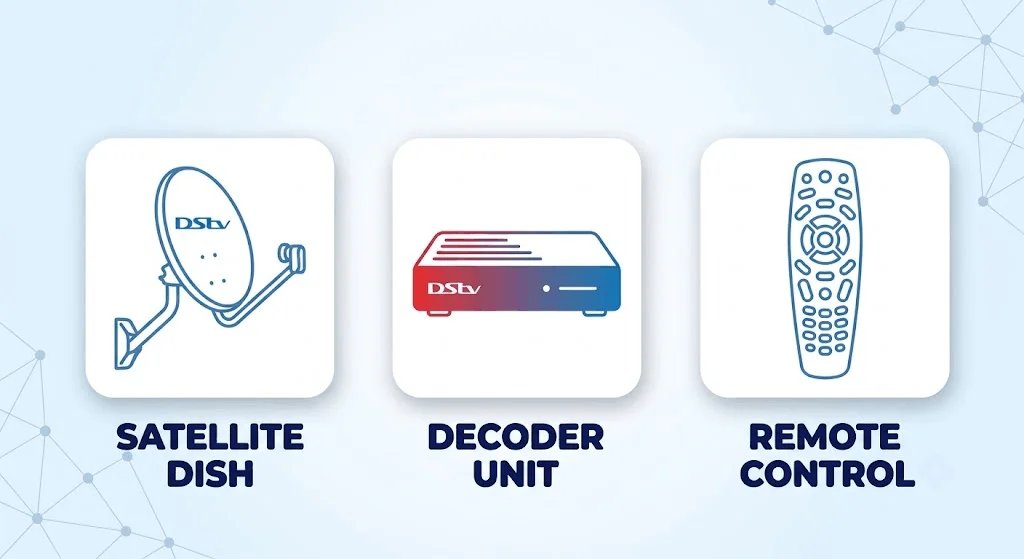
DStv, GOtv, and StarTimes are the three pay-TV providers worth your money in Nigeria today. DStv gives you the most channels and the best sports coverage, but it costs the most. GOtv and StarTimes cost less and still cover local shows, news, and some sports.
Below, we break down what each one actually offers, what it costs each month, and who should skip it. We also explain why one popular “cheap option” from a few years back is no longer something you should sign up for.
Quick Take: Our Top Picks
If you want the most channels and the best live sport, pick DStv. If you want solid entertainment on a tighter budget, GOtv is the better fit. If price is your main concern and you don’t mind fewer premium channels, StarTimes is the cheapest way in.
How We Compared These Providers
We looked at four things for each provider: the monthly cost of each package, the type of content on offer (sport, movies, kids’ shows, local channels), how widely available the service is across Nigeria, and how the provider has performed over time. We did not test signal quality ourselves, so any statement about reliability below is based on what the providers themselves publish or what is widely and consistently reported, not on our own measurements.
DStv Nigeria
DStv is the oldest and biggest pay-TV service in Africa. MultiChoice launched DStv in October 1995, and it was one of the first digital satellite TV services in the world outside the United States.
DStv costs more than the other two providers on this list. In return, you get more channels, more HD content, and the widest range of live sport, including many of the global cycling races covered in our roundup of the biggest bike racing events around the world.
Packages and Prices
| Package | Monthly Price |
|---|---|
| DStv Padi | ₦4,400 |
| DStv Yanga | ₦6,000 |
| DStv Confam | ₦11,000 |
| DStv Compact | ₦19,000 |
| DStv Compact Plus | ₦30,000 |
| DStv Premium | ₦44,500 |
These are the current DStv Nigeria package prices as published on DStv’s own site. Prices can change, so check that page again before you commit, especially since MultiChoice has raised prices most years in the past.
Best For
DStv suits you if you follow live sport closely, especially football and cycling, or if you want the widest choice of movie and general entertainment channels in one place. It also suits households that will share one subscription across several viewers with different tastes, since the top packages carry something for almost everyone.
Watch Out For
The upfront cost is the main problem. You pay for the decoder and dish first, then a monthly fee on top. If you only watch a handful of channels, you are paying for a lot you won’t use. Signal quality also depends heavily on how the dish was installed. A dish that isn’t aligned correctly, or one blocked by trees or nearby buildings, will drop signal during heavy rain even on the higher-tier packages. For a deeper side-by-side breakdown of every tier, see our detailed DStv vs GOtv package comparison.
GOtv Nigeria
GOtv comes from the same company as DStv, MultiChoice, but it’s built for a different budget. It uses a smaller antenna instead of a satellite dish, which makes it easier and cheaper to set up.
You still get sport, movies, and kids’ channels, just fewer of them than DStv’s top tiers. If a football match is on a channel your GOtv package includes, you’ll get the same coverage as any other viewer watching through a properly set up decoder.
Packages and Prices
| Package | Monthly Price |
|---|---|
| GOtv Smallie | ₦1,900 |
| GOtv Jinja | ₦3,900 |
| GOtv Jolli | ₦5,800 |
| GOtv Max | ₦8,500 |
| GOtv Supa | ₦11,400 |
| GOtv Supa Plus | ₦16,800 |
These figures come from a current GOtv Nigeria pricing guide and match what other trackers report for the same tiers. GOtv’s packages are cumulative, so a higher tier always includes everything in the tiers below it. That’s useful to know before you compare it to DStv, where the packages don’t always work the same way.
Best For
GOtv suits first-time pay-TV buyers, students, and anyone who wants local shows, some sport, and a handful of movie channels without a big setup cost. It’s also a sensible pick for a second TV in the house, since the antenna and decoder cost far less than a second DStv dish.
Watch Out For
GOtv’s lower tiers leave out most premium sport and many international channels. If live football is the main reason you’re buying pay-TV, check the exact channel list for the tier you’re considering before you pay, not after. The antenna also needs a clear line of sight, so tall buildings or trees nearby can weaken your signal the same way they would for a satellite dish.
StarTimes
StarTimes is a Chinese company, and Nigeria is its biggest market. It’s the cheapest of the three main providers and the one most likely to fit a tight monthly budget.
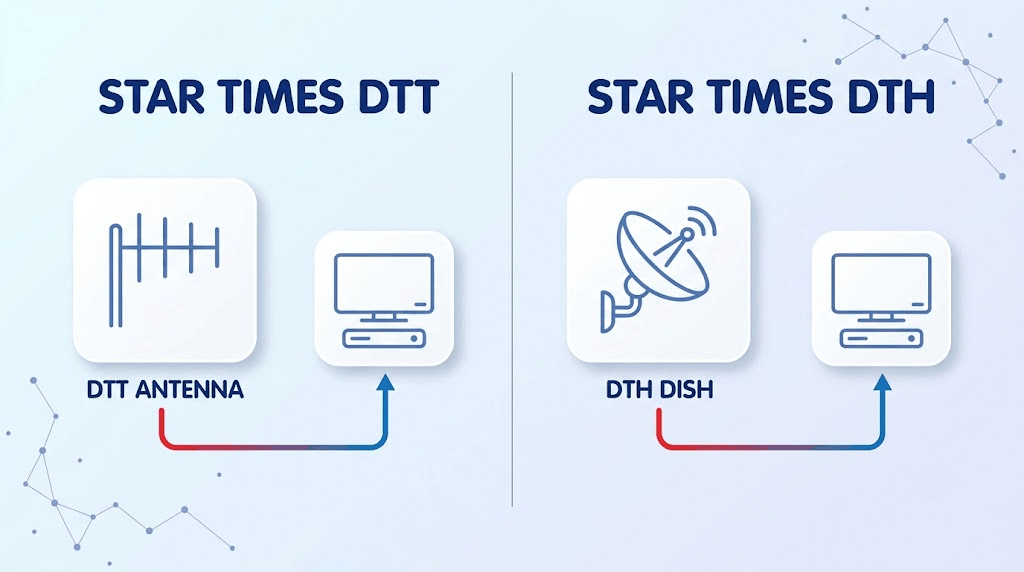
StarTimes offers two different ways to receive its signal, and this matters more than most buyers realize. One is DTT, short for Digital Terrestrial Television, which uses a small antenna like GOtv’s. The other is DTH, short for Direct-to-Home, which uses a satellite dish like DStv’s. The channel lineup and prices differ slightly between the two.
Packages and Prices
| Package | Transmission Type | Monthly Price |
|---|---|---|
| Nova | DTT or DTH | ₦2,100 |
| Basic | DTT | ₦4,000 |
| Classic | DTT | ₦6,000 |
| Smart | DTH | ₦5,100 |
| Super | DTH | ₦9,800 |
These are the current StarTimes Nigeria packages and prices for both transmission types. Before you buy a decoder, ask the dealer whether it’s a DTT or DTH unit, since the two aren’t interchangeable and you can’t switch packages across them without buying new hardware.
Best For
StarTimes suits budget-conscious households who mainly want local news, Nollywood content, and some international channels, and who don’t need the deepest sports lineup. It’s also a reasonable option in areas where DStv or GOtv installation and repair support is harder to find.
Watch Out For
StarTimes carries fewer premium international channels than DStv, and its sports coverage is thinner than either DStv or GOtv’s higher tiers. Some users also report that customer support response times are slower outside major cities, though we couldn’t verify this consistently enough to state it as a general rule, so treat it as something to ask about locally before you buy. If cost is genuinely your top priority, it’s worth reading how much to budget for a subscription over a full year, not just the first month, in our guide to budgeting for a pay-TV subscription.
What Happened to Smaller Providers Like MyTV
You may still see MyTV Africa mentioned as a cheap pay-TV option in older articles. It isn’t one anymore. MyTV stopped broadcasting in September 2021 and its remaining subscribers were moved over to a different provider, TStv. If you buy a MyTV decoder today, it will not work.
TStv itself is worth a note of caution, not a recommendation. In 2023, TStv went off air for more than a month with no clear explanation to subscribers, and it has a history of going quiet after launches before relaunching later. That doesn’t mean it’s unusable today, but it means you should ask around locally about current service quality before paying for a full year upfront, rather than assuming a smaller provider will be as stable as the three main ones above.
The pattern is worth remembering: Nigeria’s pay-TV market has room for maybe three or four providers with enough scale to maintain satellites, decoders, and support networks reliably. Smaller entrants have struggled to keep that up. If you’re choosing between a well-known name and a cheaper newcomer, the newcomer’s lower price often reflects that risk.
How to Choose the Right Pay-TV Provider for You
Start with what you actually watch. If live football, international sport, or a wide range of movie channels matters most, DStv’s mid-to-top tiers are the only ones that reliably deliver all of that in one package. If you mainly watch local shows, news, and some entertainment, GOtv or StarTimes will cover it for much less.
Next, think about your budget honestly, not just for the first month, but for a full year. A ₦4,400 monthly DStv package still adds up to over ₦50,000 a year, on top of the decoder and dish. Compare that to a full year of a mid-tier GOtv or StarTimes package before you decide.
Finally, ask about local support. Talk to a neighbor or a dealer near you about which provider has the most reliable local installers and fastest repair turnaround in your specific area. Signal quality and support speed vary by location more than the marketing materials suggest, so this local check matters more than most buyers expect. If cable and satellite options don’t fit your situation at all, it’s also worth comparing them against internet-based streaming alternatives available in Nigeria, which need reliable data instead of a dish or antenna.
Key Takeaways
DStv offers the most channels and the strongest live sport coverage, but it costs the most, both upfront and monthly. GOtv gives you a solid middle ground: lower setup cost, decent entertainment, and packages that scale with your budget. StarTimes is the cheapest entry point, but you need to pick the right transmission type, DTT or DTH, before you buy hardware. MyTV Africa no longer operates, so ignore any guide that still recommends it, and treat smaller newcomers like TStv with some caution until you’ve confirmed local service quality.
FAQ
Can I switch between DStv, GOtv, and StarTimes without buying new equipment?
No. Each provider uses its own decoder and, in most cases, its own dish or antenna. Switching providers means buying new hardware, even though the DStv and GOtv decoders come from the same parent company.
Do I need a satellite dish for every pay-TV provider?
No. GOtv and StarTimes’ DTT packages use a small antenna instead of a dish, which is cheaper to buy and easier to install. Only DStv and StarTimes’ DTH packages need a satellite dish.
Is it cheaper to pay for a pay-TV subscription monthly or all at once for a year?
Providers sometimes offer a discount for longer commitments, such as GOtv’s quarterly and annual Smallie pricing. Check the provider’s own current offers before committing to a longer plan, since these promotions change often and aren’t guaranteed to still apply by the time you read this.
What happens to my subscription balance if a pay-TV provider shuts down, like MyTV did?
It depends entirely on the company. In MyTV’s case, the operator arranged a migration deal with TStv rather than issuing refunds. There’s no standard industry rule guaranteeing refunds or credit transfers, which is one more reason to lean toward established providers with a longer track record.

Let’s cut to the chase: Starting today, you can take an additional $100 off of our current $300 discount for your founder, investor, or attendee TechCrunch Disrupt 2026 pass, which is a nice bonus on top of our current discounted pricing.
This flash sale will run only until tonight at 11:59 p.m. PT. This discount will mark your last chance at a bonus deal before our next pricing tier kicks in on August 21.
Register with this link to lock in your extra $100 off.
If you need to learn more before locking in your plans, Disrupt takes over Moscone West from October 13–15, bringing more than 10,000 founders, VCs, tech industry innovators, and builders for three days built around one thing: creating momentum for future success.
This isn’t a passive conference you simply watch — it’s a curated itinerary of speakers, workshops, network opportunities and post-event excitement for those actively building, investing, and looking for what’s next.
The Disrupt Stage: The conversations everyone will be talking about
The Disrupt Stage is our flagship programming, and we just revealed the initial lineup. We’ll dig into the biggest shifts in tech right now, whether it’s a post-smartphone future with Amazon’s SVP of Devices and Services Panos Panay; the real implications of a world in which everyone can develop their own software, with Replit founder and CEO Amjad Masad; and much, much more.
But that’s just one stage. Disrupt 2026 also features the:
AI Stage, covering the security gaps and business model shifts AI is forcing on every SaaS company.
New Smart Money Stage, tackling stablecoins, instant payments, and AI’s role in financial trust.
New Smart Systems Stage, with a perspective on fusion breakthroughs and grid strain powering AI’s next decade.
Builders Stage, the long-standing favorite stage where founders and investors get tactical about raising, hiring, and scaling.

Beyond the stages
Most Disrupt passes also unlock Startup Battlefield, where 200 startups will compete live for the Battlefield Cup. You’ll also get access to networking opportunities driven by your needs as a founder, investor, or learner, plus our Expo Hall, where hundreds of startups showcase their work.
This flash sale ends Friday
After 11:59 p.m. PT on Friday, August 7, this extra $100 savings goes away. Regular discounted pricing ends on August 21. If Disrupt is on your radar for this year, this is the best deal you’ll get between now and the event.
Save an extra $100 before Friday.
We’ll see you October 13–15 at Moscone West in San Francisco!
When you purchase through links in our articles, we may earn a small commission. This doesn’t affect our editorial independence.
Dozens of Flock cameras have been vandalized around Dallas Texas in the last six months, reports a local news station. In Utah, ABC News reports, a county sheriff’s office even said Wednesday a Flock camera was even vandalized within days of its being installed. And in the Minnesota city of Winona, “Every Flock license plate reader camera operated by the Winona Police Department has been sawed off and stolen in what investigators believe was a coordinated theft,” according to local media:
All eight cameras were taken August 1, according to the Winona Police Department. A patrol officer first noticed the cameras had not sent any alerts in 24 hours. When officers checked the locations, they found the cameras had been cut from their poles and taken. The poles were left behind.
Two additional Flock cameras on the Mississippi River Bridge, owned by Buffalo County, were also stolen in the same manner…
The thefts are part of a broader national trend. Flock cameras have been vandalized and cut down in communities across the country.
When someone in Florida filmed a damaged Flock camera lying in the grass in Florida, their footage attracted 980,000 views on social media, according to a local news report, with the uploader saying “Most of the people that are commenting are against Flock cameras.” But that report adds it’s one of at least five cameras recently damaged just in Florida:
– In another incident, investigators “found the black camera and its pole lying on the ground.”
– Two days later, sheriff’s deputies found a camera destroyed “with pieces scattered on the ground. Deputies reported the damage appeared to have been caused by a blunt object.”
– On July 31, “Police said two camera poles had been intentionally cut in half, causing an estimated $10,000 in damage to the system.”
In West Virginia 20-year-old Wesley Jackson has been arrested for allegedly vandalizing Flock cameras, with another 20-year-old (a university student) now arrested for being his accomplice, according to a local news report. Ironically, Jackson’s arrest was made possible partly by information from… automated license plate readers.
But the Washington Post notes there’s now a flood of Facebook commenters jokingly offering to provide a fake alibi:
“Couldn’t have been him — we were out counting blades of grass,” said one of the 29,000 commenters on a post about the arrest from the local news station WDTV. Others attested that the man, Wesley Jackson, had been helping them “replace the roof on a homeless shelter,” “playing halo 2,” “changing the tires” on their car or giving their “doggie a treat” at the time the cameras were destroyed.
Meanwhile, the anti-surveillance group DeFlock reports 100 communities have now rejected automated license plate readers. Wednesday an Arizona county sheriff explained to his local Board of Supervisors why he will not renew his office’s contract with Flock when it expires next month. Local Arizona media reports:
“We have a camera system that can do facial recognition technology and can start building a data set on what our citizens are doing on a day-to-day basis,” Teeple told supervisors. “That, in my training and experience, is a huge Fourth Amendment violation.”
Recently an Arizona man even told his city council he’d be launching AI-powered satellites to monitor “where government officials go, where they stop, who they meet with, and when they return home,” reports 404 Media:
It would be no different than how the city monitors its citizens using Flock cameras, he said…
He said he’d already started compiling profiles on their vehicles, spouses vehicles, children’s vehicles, and planned to combine that data with Bluetooth signals, advertising IDs, and commercial data sources, “so our authorized users can replay the movements of every government official and their immediate family,” he said. Local businesses would be invited to join the network, to “protect” officials while they shop, eat at restaurants, and move around the city.
And CNET reports “a quiet battle is happening across the US” between “towns working to adopt Flock Safety systems and those trying to ban them entirely.”
From major cities like Los Angeles canceling its Flock contract to towns wrapping Flock AI cams in plastic bags because Flock won’t take them down, it’s a wild time for surveillance and questions about government accountability.
Read more of this story at Slashdot.
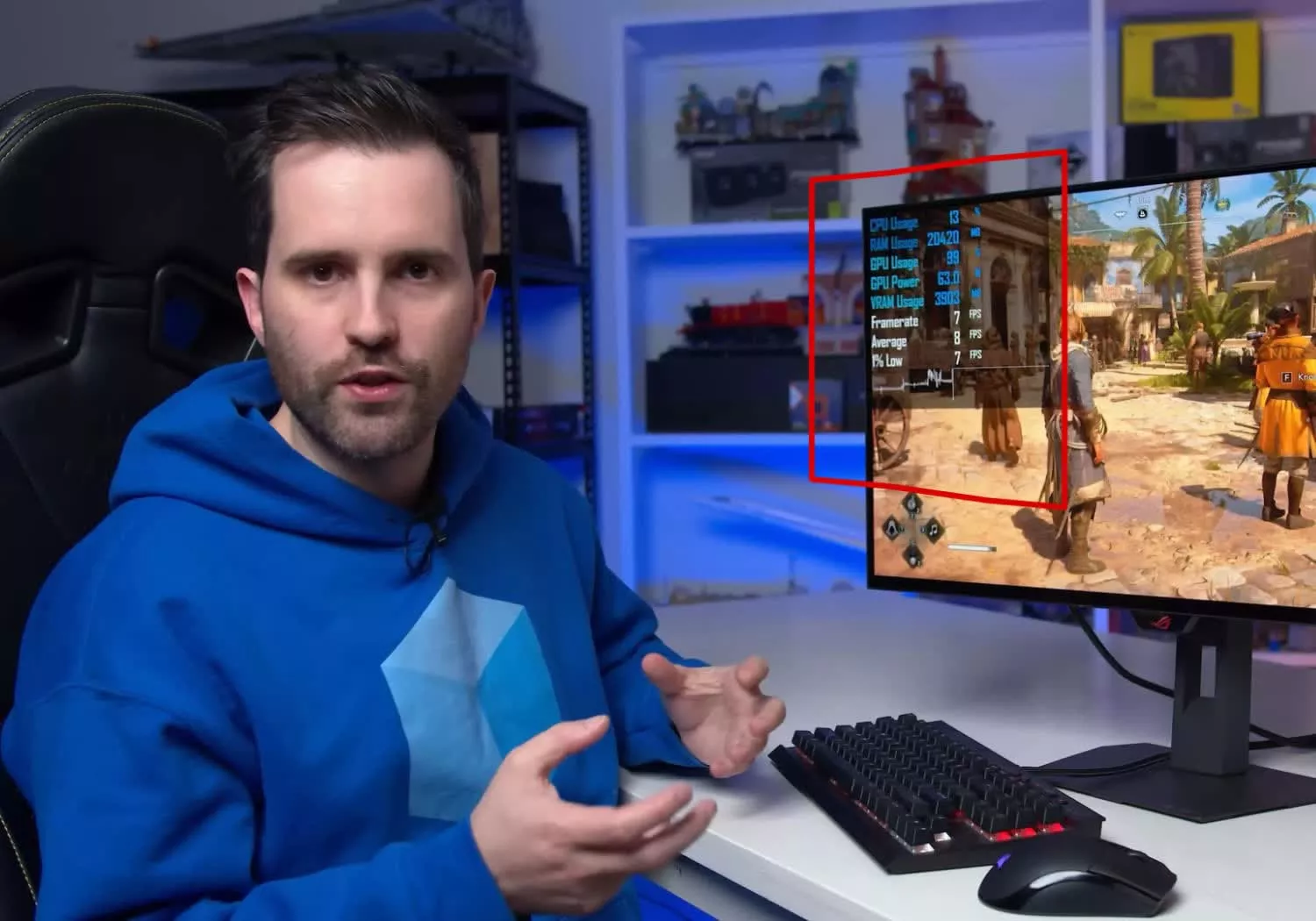
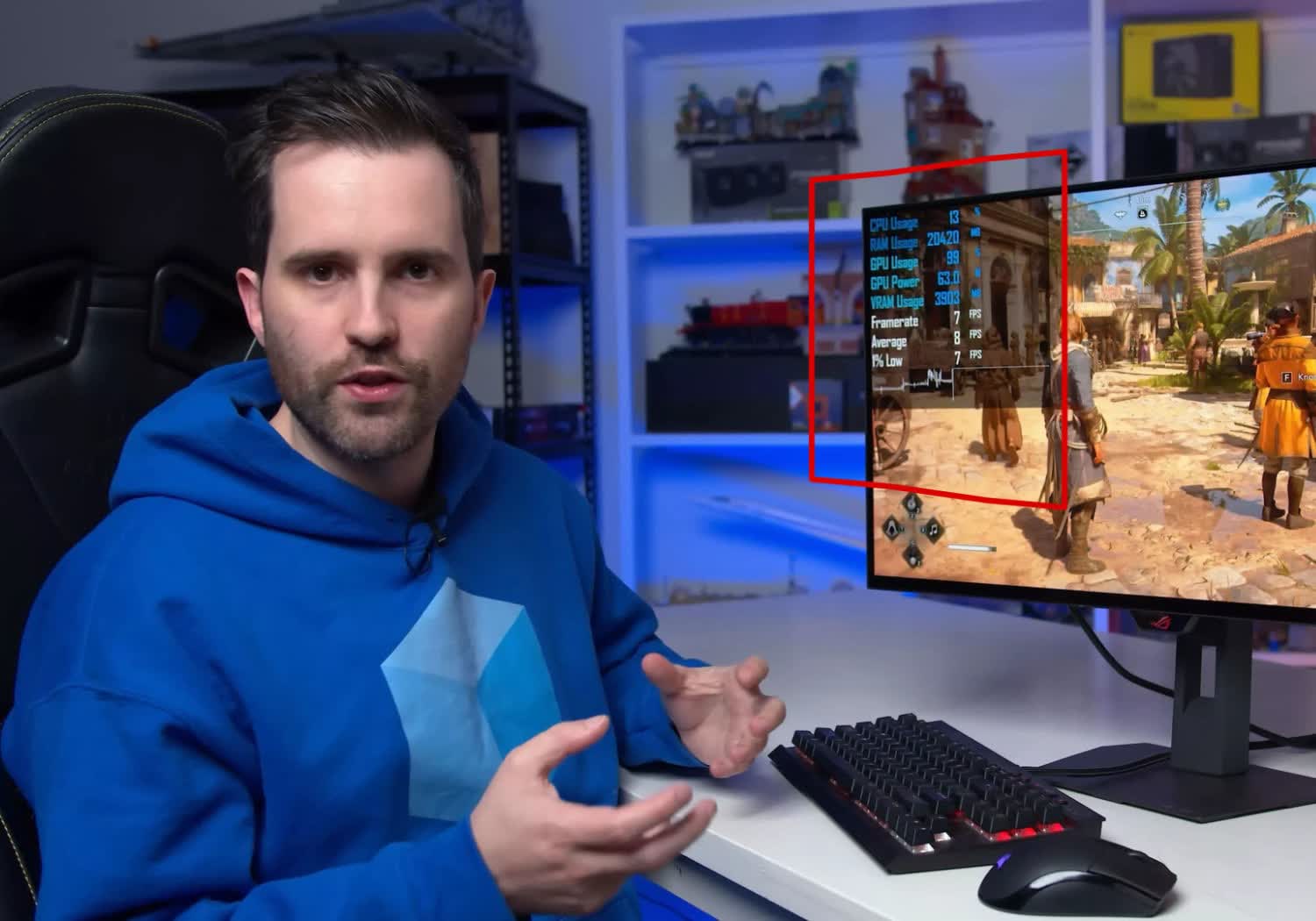
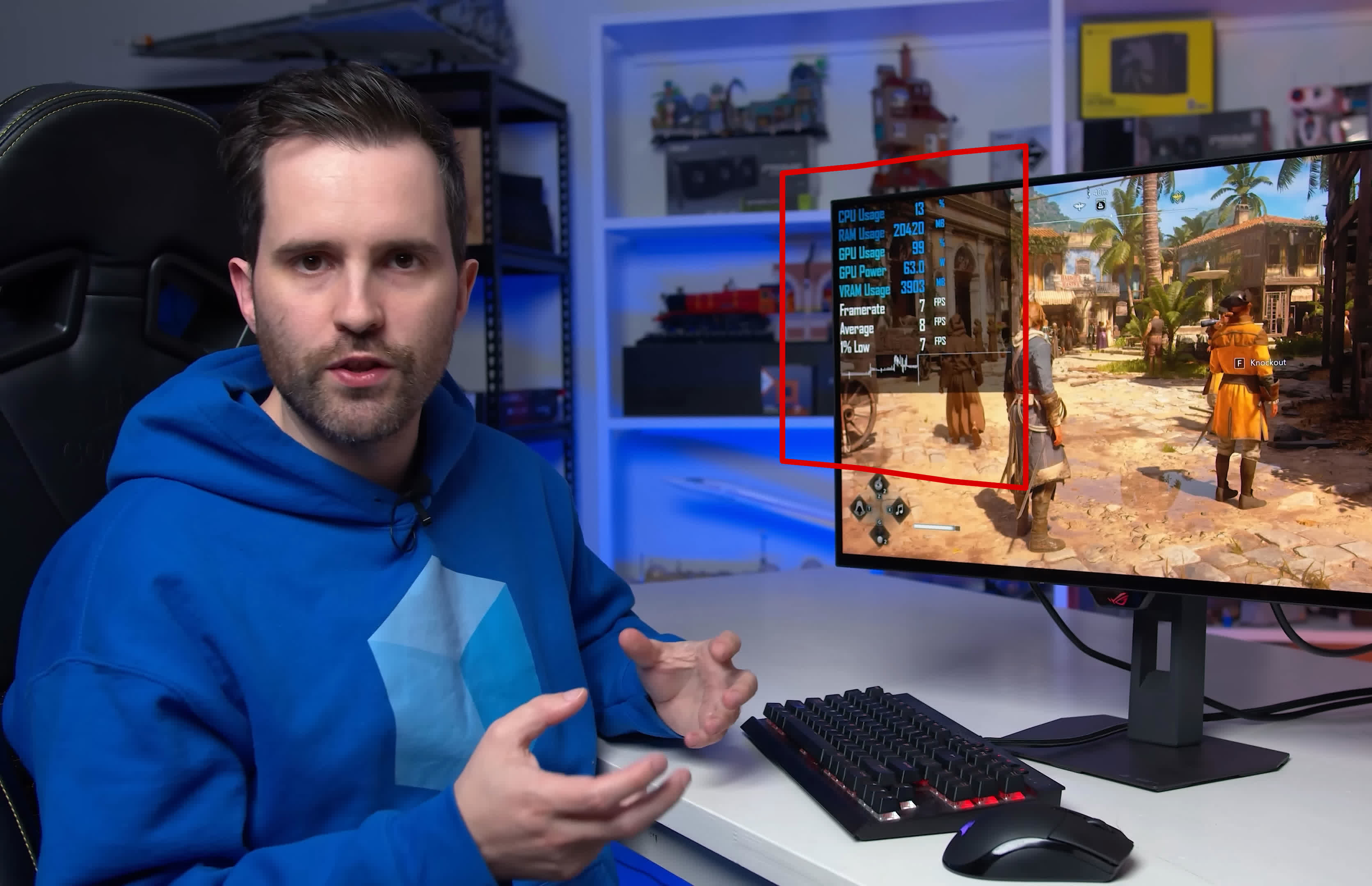
AMD is bringing 4GB graphics cards back in 2026. We tested the Radeon RX 6500 XT across 12 modern games to see what that means for buyers, and the results are every bit as bad as we feared all along.

Verdict
A brilliant combination of layers, the Dream Team Evesham 3000 Pocket Sprung Mattress is a firmer mattress that offers premium comfort and support, along with excellent motion isolation and heat dissipation. The only minor complaint is that the cover can’t be removed for washing; if that’s not a problem, this is a brilliant choice.
-
Excellent levels of comfort
-
Very supportive
-
Distributes heat well
-
Isolates movement
Key Features
-

Review Price:
£1299
-
100-night guarantee
Try for 100 nights and return if you don’t like it.
-
Delivery
Two-man delivery to a room of your choice, this mattress does not come in a box.
-
Temperature regulation
Keeps you cool when it’s hot and warm when it’s cold.
Introduction
Getting the balance between firmness, comfort and support can be a tricky job, but it’s one that Dream Team Evesham 3000 Pocket Sprung Mattress manages to do brilliantly. With a brilliant combination of layers, this mattress proved to be very comfortable in our tests, and good at heat management.
With a sensible price and a not-too-deep overall profile, this is a brilliant mattress that will suit most people.
Sizes and Trial
- 100 night trial
- Available in all common sizes
The Dream Team Evesham 3000 Pocket Sprung Mattress is available in most common sizes, including single (£999), small double (£1299), double (on review, £1299), king (£1399) and super king (£1499). They’re all the same in terms of layers, but do differ in the number of springs.
Each mattress comes with a 100 Night Comfort Guarantee, so you can try it out and return if you really don’t like it.
As a regular mattress, this one comes already expanded and ready to go, so make sure you’ve got a clear path to the bedroom you want it in.

Design and Layers
- Knitted top
- Pocket-sprung base
- Cover it not removable
The Dream Team Evesham 3000 Pocket Sprung Mattress has a design that a lot of modern, regular mattresses use: a pocket sprung base, with a foam topper on top. Typically, this kind of layout can make a mattress very thick: the Bensons for Beds iGel NanoTech 6000i Plushtop Mattress that I reviewed is a huge 38cm thick.

Fortunately, the Dream Team Evesham 3000 Pocket Sprung Mattress is a bit more manageable at just 28cm deep.

This mattress is still quite heavy at 42kg, although the chunky side handles do at least make it easy to rotate: once per week for the first three months and then monthly thereafter will help keep wear evenly spread.

As the Official Sleep Partner of Team GB, this mattress has the branding, with the Paralympics logo on one of the handles.

This mattress is made up of multiple layers, with a knitted cover on top that feels soft and cool to the touch.
There’s then a DreamTex layer, which keeps you cool when it’s hot and helps retain heat when it’s cold.

Then, there’s a layer of polyester, which provides support and extends the longevity of your mattress.
Down to the base, there’s a layer of micro pocket springs that provide support and react as you move.
Then, there are individually wrapped pocket springs to give the mattress its overall rigidity.
Finally, there’s another supportive polyester base.
I should point out that there’s no removable cover on this, so you can’t wash it in a machine. I recommend using a mattress protector, but if you do want washable covers, you’ll need an alternative, such as the Simba Sleep Hybrid Ultra Mattress.
Comfort and Support
- Firm rating, but very comfortable
- Good motion isolation
- Excellent heat distribution
Dreams rates this mattress as a firm one, but don’t let that conjure up images of sleeping on a plank, as the Dream Team Evesham 3000 Pocket Sprung Mattress is better and more forgiving than that.
I could tell, as immediately after unpacking the bed, my cat jumped up, and refused to move.

Sat on the edge of the bed, I measured that it dipped just 5.4cm. That’s good news for anyone who sleeps close to the edge, as you won’t roll off.
Sat up in bed, the level of support is excellent, and I sank just 4cm into the bed.
When it comes to sleeping, I found the Dream Team Evesham 3000 Pocket Sprung Mattress to be excellent. Yes, it is firm, but there’s a good amount of give that adds just enough softness to make this comfortable and forgiving. In fact, if you normally prefer a medium mattress, I think that you’ll like this.
Lying on my back, I measured a dip of 1.5cm at my shoulders, and 2cm at my hips, helping maintain a straight spine.
I then rolled onto my side, and measured a dip of 4.5cm at my shoulders and 3cm at my hips. That helps keep a straight spine, and gives a nice feeling as I gently sank into the mattress.
To measure motion isolation I placed an accelerometer on one side of the bed, where someone else would sleep. Climbing into bed from the other side, there’s barely any movement, as the graph below shows (the lower the peaks in the lines, the better the motion isolation).

Rolling over in bed, there was a fraction more motion transference, but it’s still very good. If you sleep with a restless partner, they shouldn’t interrupt your sleep too much.

Heat
To see how well mattresses deal with heat, I lie on them for 10 minutes, then use a thermal camera and take an image every minute. As you can see from the gallery below, after getting up from the Dream Team Evesham 3000 Pocket Sprung Mattress, there’s a strong heat outline.
After three minutes that outline has dramatically faded, and after five minutes, the outline is extremely soft with the mattress’ surface almost back to ambient temperature.
Should you buy it?
Brilliantly priced, this mattress is comfortable, supportive and deals with motion and heat well.
You want something softer or with a washable cover
If you prefer a very soft mattress or would prefer one with a removable, washable cover, look elsewhere.
Final Thoughts
It’s not the cheapest mattress, but the Dream Team Evesham 3000 Pocket Sprung Mattress is very good value, considering its structure and performance. In fact, I’d go so far as to say pound-for-pound, it’s currently my favourite mattress and you have to spend considerably more to get better motion isolation, and you certainly won’t get better comfort if you like a firmer mattress. If you prefer something softer or with a washable cover, the guide to the best mattresses can help.
How We Test
We test every mattress we review thoroughly over an extended period of time. We use standard tests to compare features properly. We’ll always tell you what we find. We never, ever, accept money to review a product.
Find out more about how we test in our ethics policy.
- Used as our main mattress for the review period
- We use a thermal camera to see how quickly the mattress can dissipate heat for a comfortable night’s sleep
- We measure how far we sink into the mattress in various positions to measure support levels
- We use an accelerometer to measure how movement from one person is transferred to the other side of the bed
FAQs
It’s not removable, so you can’t wash in a machine.
Test Data
| Dream Team Evesham 3000 Pocket Sprung Mattress | |
|---|---|
| Mattress sink sitting | 4 cm |
| Mattress sink edge sitting | 5.4 cm |
| Mattress sink hip side | 3 cm |
| Mattress sink shoulders side | 4.5 cm |
| Mattress sink hips back | 2 cm |
| Mattress sink shoulders back | 1.5 cm |
Full Specs
| Dream Team Evesham 3000 Pocket Sprung Mattress Review | |
|---|---|
| Manufacturer | – |
| Size (Dimensions) | x x INCHES |
| Release Date | 2026 |
| First Reviewed Date | 29/07/2026 |
| Model Number | Dream Team Evesham 3000 Pocket Sprung Mattress |
| Mattress type | Hybrid |
| Mattress trial | 100 Nights |
| Mattress depth | 28 cm |
| Mattress size | Single, Small double, Double, King, Super king |
| Number of layers | 7 |
| Layers | Knitted cover, DreamTex, polyester comfort, micro pocket springs, pocket springs, polyester comfort, base fabric |
| UK RRP | £1299 |
| USA RRP | TBC |
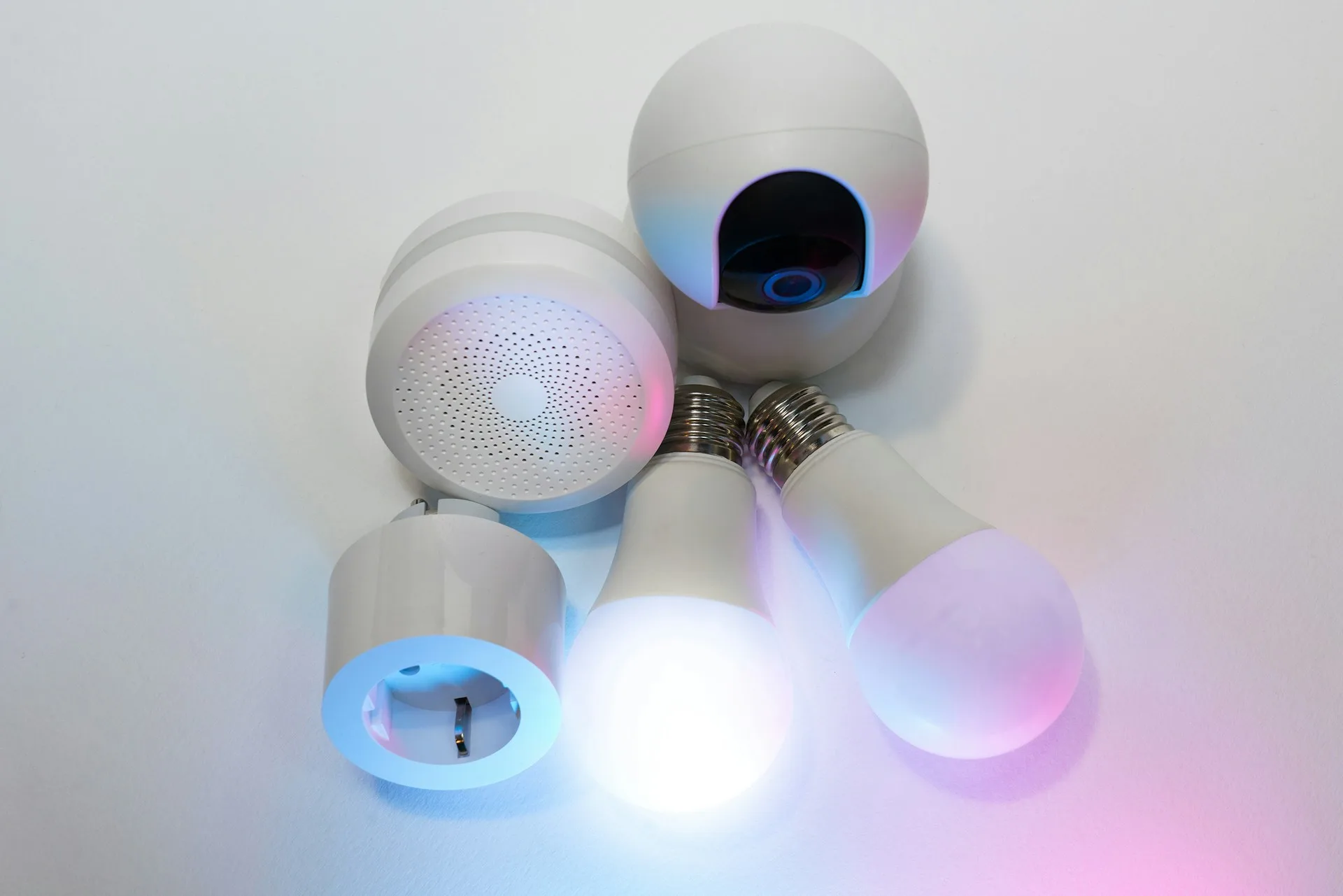
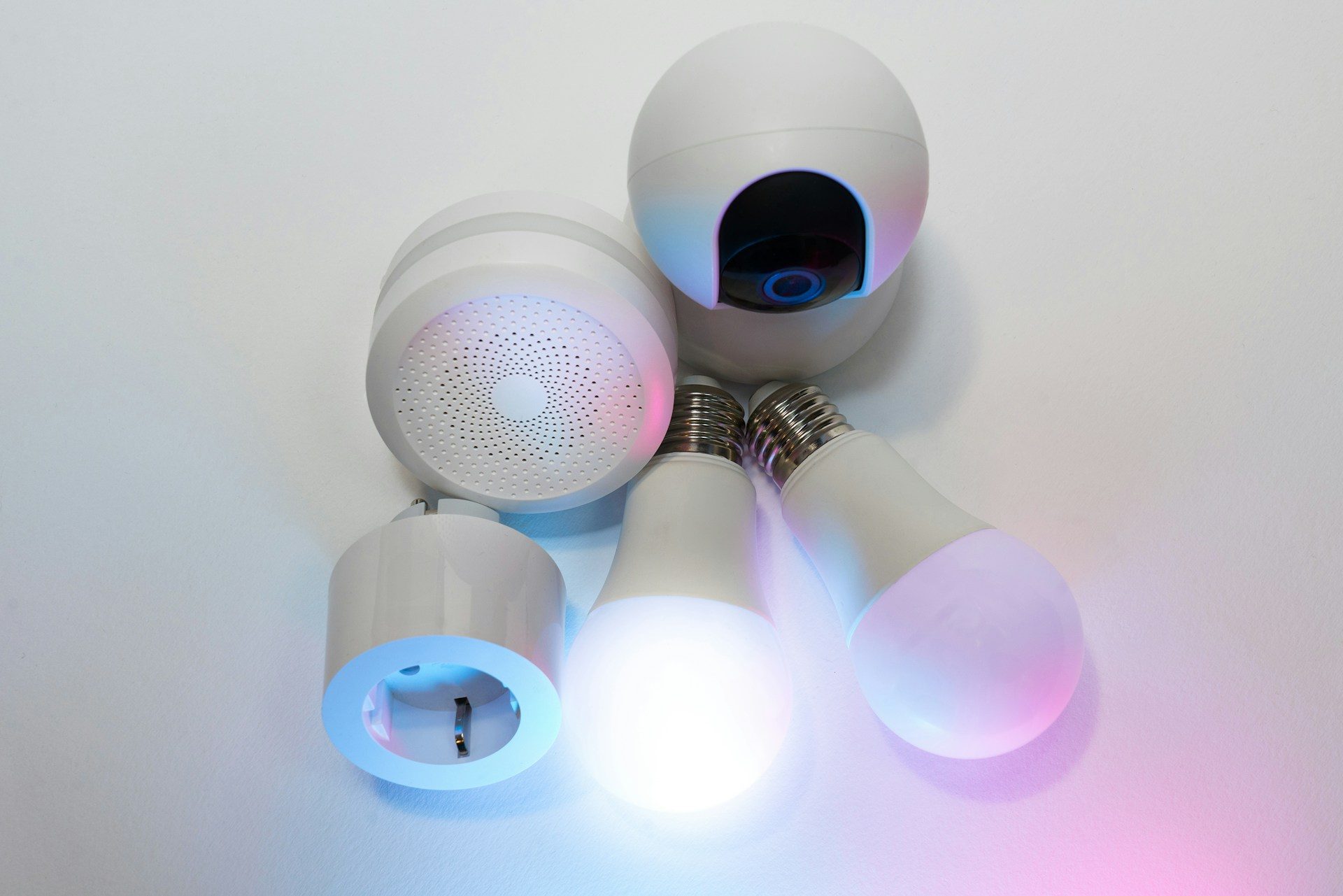
The first device I added to my smart home was a light bulb. It seemed like the safest possible place to start. I could turn it on from anywhere, put it on a schedule, and eventually work it into routines with everything else.
Then I tapped the button in the app and waited. The delay was only about half a second, but half a second is surprisingly noticeable when the alternative is a wall switch that responds immediately and has never once asked for a firmware update. Using my phone was worse. I had to unlock it, find the app, open the right room, and tap the light I could have switched on several steps earlier.
Those early bulbs were temperamental, and the software clearly still had some growing up to do. A few generations later, they’re much better. They disconnect less often, respond faster, and mostly behave like finished products.
That should have made me want more of them. Instead, it made me wonder how much further I actually wanted to take the whole experiment.
Remote control isn’t always automation
Some smart-home devices earn their place almost immediately.
A motion sensor that turns on a hallway light before I touch anything removes an interaction altogether. A leak sensor can warn me about water under the sink before the cabinet becomes the thing telling me there’s a problem. Those feel like actual automation because something useful happens without demanding anything from me first.
A smart bulb I have to control through my phone feels different. I haven’t really automated the light. I’ve sometimes just moved the switch somewhere less convenient.
That distinction has become harder to ignore as I’ve added more devices. Plenty of things around my house could become smarter, but far fewer would actually become easier to live with.
Eventually, I stopped looking at every button, switch, and appliance as unfinished business.
That’s the rule I’m keeping now. A new smart device has to solve an actual recurring annoyance before I add it. Being controllable from my phone isn’t enough, and neither is the promise of another elaborate routine I’ll forget exists a few weeks later.
Eventually, the house needs an administrator
The other cost only becomes obvious once enough devices pile up.
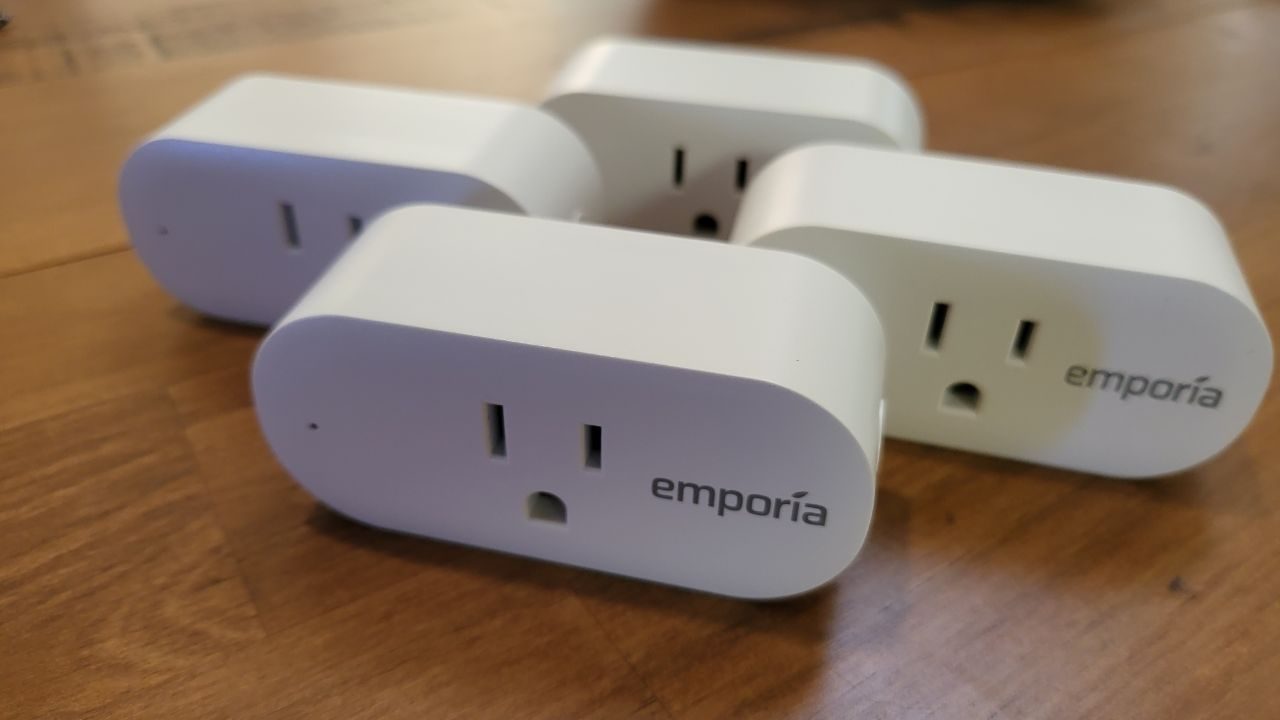
My smart plugs work exactly as intended, but they’re also permanently sitting between an appliance and the wall. Somewhere in the back of my head, there’s always a tiny, probably irrational thought about whether today is the day one decides to become an expensive smoke machine. The plug gives me more control, but apparently my brain found another problem to replace the old one.
My video doorbell is genuinely useful. I can see who’s outside when I’m not home, which is something a normal doorbell obviously can’t do. It’s also another device with a battery percentage I’m expected to remember.
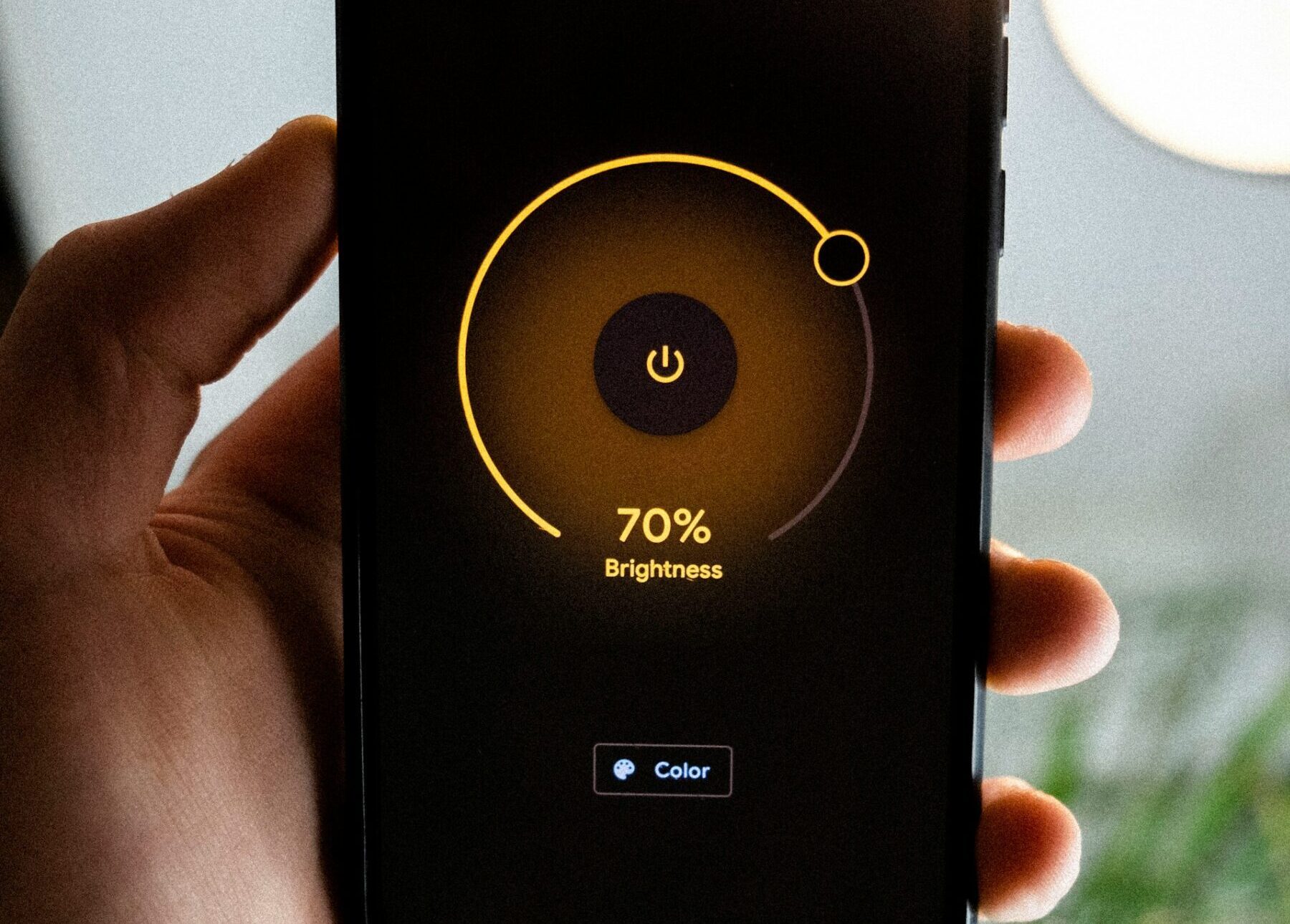
Then my Wi-Fi goes down, and the whole setup gets much less impressive.
Most of the connected devices I own suddenly become harder or impossible to control the way I normally do. The regular switches keep doing their jobs without noticing that the network is having a bad afternoon. Meanwhile, some of the gadgets I bought to make the house easier to manage start asking for attention.
The bigger dependency is harder to blame on the router.
I’m the one who set everything up. The devices are connected to my phone, and I know which app controls what. I know how the routines fit together, how each device was paired, and what sequence of increasingly irritated taps usually gets something working again.
Everyone else in the house mostly wants the house to behave like a house.
They shouldn’t have to remember that one particular switch needs to stay on because the bulb behind it is smart. They shouldn’t need to know which app controls a plug or why a routine suddenly stopped firing. A guest definitely shouldn’t need onboarding before turning on a lamp.
If I’m away and something needs to be reconfigured, the smart home’s documentation is basically the person who isn’t there. That’s a strange outcome for technology that was supposed to make ordinary household tasks easier.
Better technology can’t decide what’s worth automating
Smart-home technology is still improving. Matter, the interoperability standard backed by much of the industry, is trying to remove more of the setup and ecosystem headaches that made early smart homes such a chore. Its latest 1.6 specification includes easier device setup and better ways to share devices across multiple smart-home ecosystems, although those improvements will arrive at different times depending on the platform and manufacturer.
I want that progress. I’m also less convinced that easier setup automatically means I need more things connected.
Once compatibility becomes less of a headache, the harder question is what all that connectivity is actually buying me.
For me, the answer increasingly comes down to whether the technology removes an interaction rather than just replacing one. If something takes care of a recurring chore, catches a problem I might otherwise miss, or quietly makes the house easier to live in, I’m interested.
If its biggest achievement is moving a perfectly good button onto my phone, I’m harder to convince.
I doubt I’ve bought my last smart-home gadget. The next one might still earn a place. It just has to make a better case than being smart.
Verdict
The GoPro Mission 1 Pro’s footage is the best-looking I’ve ever captured on a GoPro. Its 1-inch sensor, 8K Open Gate capture and superb low-light performance push it into new territory for the brand; shot in GP-Log2 with a bit of grading, the results can look truly cinematic. But it’s not quite the complete package.
-
Outstanding image quality for an action camera, particularly in low light
-
8K Open Gate capture offers huge reframing flexibility
-
Impressive stabilisation and slo-mo capabilities
-
Tough, waterproof to 20m and easy to mount almost anywhere
-
60cm minimum focus distance makes close-ups and handheld vlogging tricky
-
Stills performance lags behind the video capabilities
-
Expensive next to close rivals that aren’t drastically worse
-
App locks key features behind a subscription
Key Features
Introduction
GoPro has often boasted about making “the best action camera in the world,” but the Mission 1 Pro feels like it’s chasing a different title altogether – perhaps “the most cinematic action camera in the world”? With a large 1-inch sensor and 8K Open Gate capture, it’s been pitched as a serious tool for videographers who happen to want something rugged, pocketable and relatively lightweight.
It has arrived at an interesting moment for the company, too. GoPro’s future has looked uncertain for a while now, with the business reportedly up for sale, so there’s some added weight to whether the Mission 1 Pro succeeds: is this the camera that proves GoPro can still lead rather than follow in the footsteps of Chinese upstarts like Insta360 and DJI?
After a week of testing it on cars, selfie sticks and inside its dedicated photography cage, my answer is an enthusiastic “mostly.”
The image quality on offer here is a significant step up from anything GoPro has produced before, but a handful of limitations mean it’s far from the victory lap the lofty price tag demands. Here’s everything I found.
Design and Build Quality
- 207g, waterproof to 20m without a case
- Point-and-Shoot Grip accessory: £89.99 (£44.99 for GoPro subscribers)
- Three mounting options included: fingers, tripod thread, magnetic latch
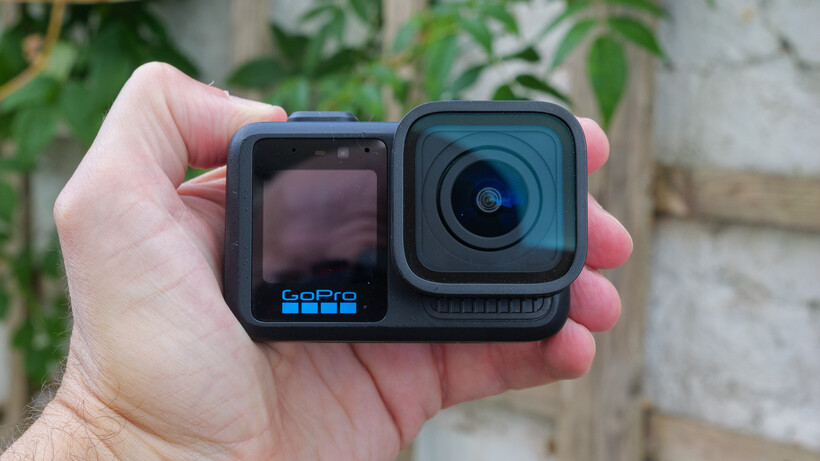
Given the size of its sensor, the Mission 1 Pro isn’t nearly as large as I’d expected it to be. That said, it is noticeably bigger and heavier than a GoPro Hero13 Black, a DJI Osmo Action 6 or an Insta360 Ace Pro 2, and its lens protrudes out a fair way compared with any of those rivals.
Still, it’s small and light enough to mount in pretty much all the usual spots you’d stick an action camera. The one place I probably wouldn’t want to put it is on my head. Unless it’s bolted to a proper helmet, the Mission 1 Pro feels a bit too heavy to wear comfortably.

It’s reassuringly tough, of course. It’s waterproof to 20m without needing a housing, which is double what the Hero13 Black can manage, comfortably ahead of the Ace Pro 2’s 12m, and a match for the Osmo Action 6. GoPro has built a small drain into the side of the camera specifically to help water escape after a dunking.
The buttons are a highlight, too. They’re chunky, well-sized and easy to find by feel alone, even with wet or gloved hands.
Versatility is one area the Mission 1 Pro really earns its keep. During my week of testing I mounted it on the roof, body and windscreen of my car (using suction cups from SmallRig), put it on my bike’s handlebars and screwed it onto a selfie stick for vlogging, and it handled all of them without complaint. It’s a GoPro, after all, and between the mounting fingers, standard tripod thread and magnetic latch mount it has on board, there’s very little you can’t attach it to.

Then there’s the Point-and-Shoot Grip optional accessory, which feels pretty much essential if you’re planning to use the Mission 1 Pro for still photography.
It does add bulk, but in return you get extra protection, a proper handle to wrap your fingers around (complete with a tripod mount), and a cold shoe on top for microphones, LEDs and similar accessories. It comes with a wrist strap, though at £90 I’d have expected a neck strap in the box too, especially given the loops for one are already built in.

My one gripe is the shutter button itself, which is too limp to come close to replicating the snap of a proper point-and-shoot camera.
Performance
- Touchscreen-based UI and Quik mobile app compatibility
- Around 90 minutes of 8K/30fps recording on a full charge
- Recorded continuously for 85 minutes before overheating
The touchscreen UI is slick and easy to get to grips with, particularly if you’ve spent time with other recent GoPros. I also put the Quik app’s remote control features through their paces, triggering recording from inside my car while the camera itself was mounted outside, which worked a treat.

That being said, the app keeps a lot of its more useful features behind a subscription paywall and doesn’t stop nudging you to buy in, which grates given the Mission 1 Pro’s already premium price tag. It’s a decent app rather than a great one, overall: for example, footage shot in GP-Log2 can’t be graded within the app at all, so you’re reliant on desktop software regardless.
Battery life is respectable rather than outstanding. The 2150mAh Enduro 2 cell (also compatible with the Hero13 Black, handily) delivered around 90 minutes of continuous 8K/30fps recording in 4:3 format, or 100 minutes at 4K/60fps, in my real-world testing. It’s worth noting that’s with the camera’s built-in GPS switched off; leave it on and I’d expect that runtime to drop noticeably.
Thermal performance is impressive, too. GoPros have a bit of a reputation for overheating during sustained high-resolution recording, but even in warm summer weather, with the camera left stationary and shooting continuously, I managed to burn through almost an entire battery’s worth of 8K footage, only for the camera to eventually shut down with 5% left on the clock. GoPro says it shouldn’t overheat at all in normal conditions with decent airflow, and on this evidence, I believe that claim.

There’s no built-in storage here, which is a standard GoPro trait. You’ll have to use a microSD card instead.
Image Quality
- 8K Open Gate (4:3) capture using entire sensor surface
- Slo-mo up to 960fps at 1080p via Burst Slo-Mo
- 50MP RAW stills, but only at 14mm-equivalent field of view
This is where the Mission 1 Pro goes a long way towards justifying its retail price. The ability to record using the whole sensor, in 4:3 format at 8K, will appeal to creators who’d rather shoot once and crop selectively afterwards, whether that’s down to 16:9 for YouTube or 9:16 for Reels and TikTok. And truly, it does provide enormous room to reframe in post. Just be aware that the 8K files are massive, if you’re tight on storage you might need to invest in a fast external SSD or similar.
I shot 8K and 4K video footage in GP-Log2 at a high bit rate throughout, then used GoPro’s own LUTs in DaVinci Resolve to grade and correct. Even with my fairly modest editing skills, I was able to pull some genuinely gorgeous, cinematic-looking footage out of it – footage that wouldn’t look out of place from cameras costing considerably more.
Traditionally, low light has been GoPro’s Achilles’ heel, but not here. This is the first GoPro I’ve tested that I’d be happy reaching for after dark, although it still pays to be careful with your settings and execution if you want the cleanest results. In my view it beats both the Ace Pro 2 and the Osmo Action 6 after the sun goes down, which is a big win for GoPro given how far behind it’s previously been in this area.
Slo-mo is similarly impressive, with a wide range of speeds on offer, including a super-fast burst mode capable of 960fps (albeit capped at 1080p). And image stabilisation remains a huge strength, as you’d expect. GoPro probably makes the best in the business, and it shows here: wander around with this on a selfie stick and the resulting footage looks like it’s come off a gimbal-mounted camera.
The Mission 1 Pro is not without flaws, though, and the biggest one is the minimum focus distance of 60cm on the stock lens – a consequence of that larger sensor. Sharp close-ups simply aren’t possible here, and even handheld self-shooting with a stick or handle becomes tricky if you’re not blessed with long arms. There’s currently no official macro or vlog lens mod to fix this either, so anyone considering the Mission 1 Pro for vlogging or similar close-range work needs to go in with eyes open.
And as a stills camera, it still has some growing up to do. Yes, you can shoot 50MP RAW files, but only at the ultra-wide setting; switch to any other field of view and you’re limited to JPEG. The lens also isn’t as sharp as I’d like, which really undercuts one of the camera’s headline attractions: the ability to crop deep into those big 50MP photos.
Should you buy it?
You want the best image quality GoPro has ever produced
If you’re shooting log footage for grading, working after dark or want the flexibility of 8K Open Gate capture for reframing, the Mission 1 Pro offers something most action cameras don’t.
You’re mainly after a vlogging or close-up companion
The 60cm minimum focus distance will frustrate you constantly, and until GoPro releases a proper macro lens mod to fix this issue, the Mission 1 Pro can’t be recommended as a vlogging camera.
Final Thoughts
The GoPro Mission 1 Pro’s footage is the best-looking I’ve ever captured on a GoPro. Its 1-inch sensor, 8K Open Gate capture and superb low-light performance push it into new territory for the brand; shot in GP-Log2 with a bit of grading, the results can look truly cinematic.
But it’s not quite the complete package. The 60cm minimum focus distance rules out close-ups and makes handheld vlogging a struggle; the app withholds features behind a subscription paywall, and at £600 the camera commands a considerable premium over rivals like the DJI Osmo Action 6 and Insta360 Ace Pro 2 – without being comprehensively better than either.
If image quality is your only priority, it could be the best action camera. But for those seeking something a little more well-rounded, think carefully first.
How We Test
We thoroughly test every action camera we review. We’ll always tell you what we find and we never, ever, accept money to review a product.
Full Specs
| GoPro Mission 1 Pro Review | |
|---|---|
| Manufacturer | GoPro |
| IP rating | Not Disclosed |
| Battery | 2150 mAh |
| Size (Dimensions) | 80.1 x 44.3 x 52.1 MM |
| Weight | 207 G |
| Release Date | 2026 |
| First Reviewed Date | 07/08/2026 |
| Ports | USB-C |
| Sensor Type | 50MP 1-inch sensor |
| Lens | Fixed 14mm-equivalent, f/2.8, 159° field of view |
| Image stabilisation | Yes |
| Wi-Fi | Yes |
| Bluetooth | Yes |
| Number of Memory card slots | 1 |
| USB charging | Yes |
| UK RRP | £599 |
| USA RRP | $699 |

Trump administration has spent nearly $4B to cancel offshore wind farms

URGENT CLARITY ACT NEWS!! (THIS WILL CHANGE XRP FOREVER)

We live in the colourful cottages in Wales’ best place to live by the sea


-

 Politics7 days ago
Zack Polanski: an incitement to murder Nigel Farage?
-

 Fashion2 days ago
Frugal Friday’s Workwear Report: Cap-Sleeve Pointelle Crewneck Sweater
-

 Fashion2 days ago
Weekend Open Thread: Mattifying Sunscreen
-

 Business7 days ago
DTCR: Deleveraging And A Hedge Fund Collapse Point To A Possible AI Bottom
-

 Crypto World7 days ago
XRP Ledger urges node upgrade after manifest flood
-

 Sports3 days ago
Jordan Coyle & Cordiamo take Laya Arena Stakes at RDS
-

 News Videos1 day ago
Can Astrology Help Find Gold and Silver Trends? A Financial Astrology Guide
-
 Crypto World6 days ago
US Tech Stocks See Largest 5-Week Inflow in History: Can Nasdaq Break Its Downtrend?
-
 Business4 days ago
US stocks: Dow closes at record on Mideast optimism; SpaceX, AMD drag Nasdaq
-

 Politics3 days ago
Reform UK And Greens Sink To Lowest Favourability Ratings To Date
-

 Business5 days ago
Nvidia Stock Climbs 2.5% as Chip Sector Rally Builds Ahead of AMD Earnings, Nvidia’s Own Report Looms
-

 Tech7 days ago
OpenAI teases Astra, its next major AI model, after it solves 10 long-standing math problems
-

 Crypto World5 days ago
Polymarket targets $20 billion valuation as competition heats up in prediction market sector
-

 Tech4 days ago
OpenAI, Anthropic AI agents targeted real people and systems in cyber tests
-

 Business4 days ago
Supply chain issues impact Ingredion
-

 News Videos7 days ago
#crypto #cryptocurrency #cryptonews #cuet2026 #ceuta
-

 Business7 days ago
Myspace owners announce plans to relaunch the once-popular platform
-

 News Videos7 days ago
Crypto.com Partners with UFC for UFC 331 Event
-
 Crypto World5 days ago
CLARITY Act Senate Vote Locked In, But 60-Vote Hurdle Looms Large
-

 News Videos7 days ago
Huge SPINS!! (for me) #slots #casino #gambling #money #jackpot
You must be logged in to post a comment Login