Connect with us

Tech

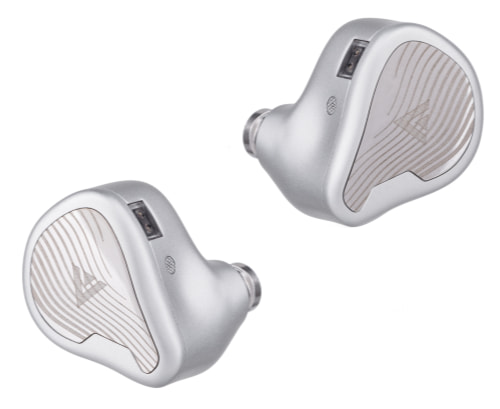
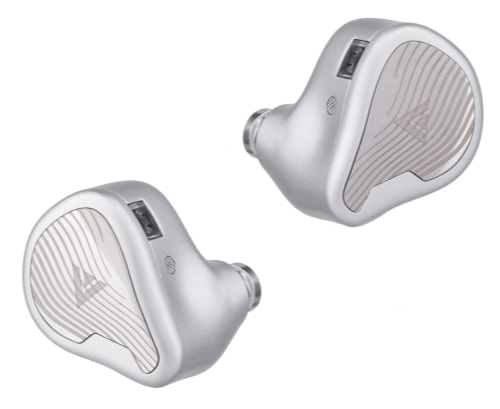
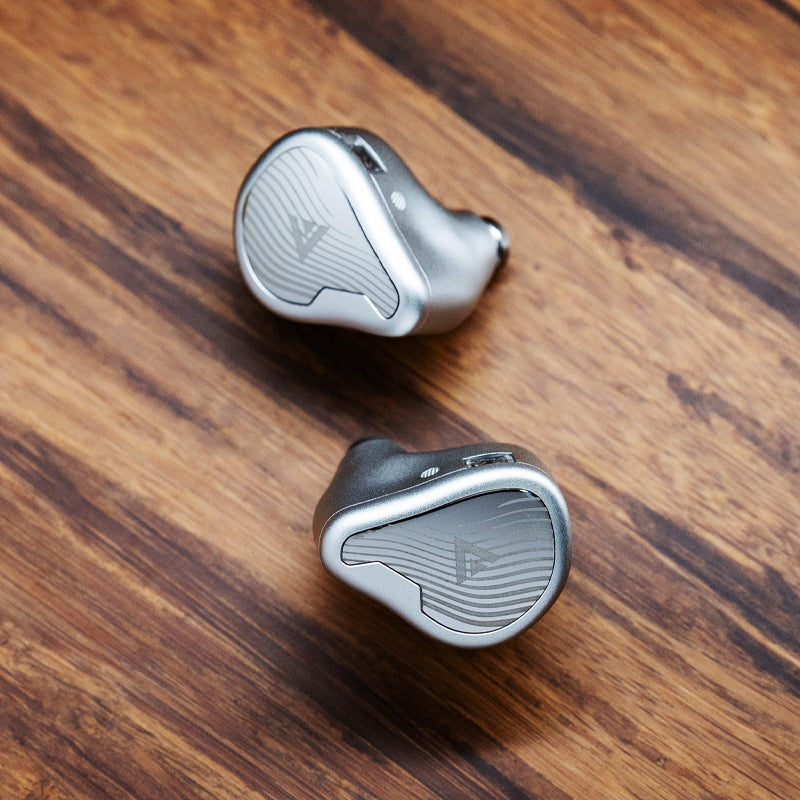
Linsoul Avant Is the Company’s First IEM, With 2DD, 3BA and MEMS Drivers for $369

Published

on

Linsoul has spent the past decade selling and distributing a rather staggering number of IEMs, headphones, DACs and headphone amplifiers from other manufacturers. For 2026, however, the company has decided that watching everyone else have all the fun was apparently no longer sufficient.

The $369 Linsoul Avant is the first in-ear monitor developed and sold under the Linsoul name, and it enters one of the most brutally competitive segments of the headphone market with six drivers per earpiece: two dynamic drivers, three balanced armatures and one MEMS solid-state driver. Linsoul officially released the Avant on August 21, following prototype demonstrations earlier this summer, including CanJam London.

That timing is also interesting. Linsoul is scheduled to attend CanJam SoCal on August 29-30, 2026, although the company has not specifically confirmed on its event page that the Avant will be available for demonstration.

What Makes the Linsoul Avant Different?

linsoul-avant-iems-silver

The most important part of the story isn’t really the driver count.

The Avant is significant because Linsoul is putting its own name on an IEM after years of working with dozens of brands and hundreds of models. That also means the company has had a very good seat from which to observe what works, what doesn’t and how crowded the $300 to $500 IEM category has become.

Advertisement

Its 2DD + 3BA + 1 MEMS arrangement is unusual, but it is not unprecedented. The Binary Acoustics EP321 already uses a similar six-driver 2DD/3BA/MEMS configuration and sells for $309.99. Linsoul also sells the Kiwi Ears Halcyon, a $259 tribrid using one dynamic driver, three balanced armatures and a MEMS driver.

So no, six drivers and MEMS technology do not automatically make the Avant revolutionary. Driver count is not horsepower, regardless of what some IEM marketing departments would like us to believe.

What makes the Avant more interesting is how Linsoul is implementing those drivers.

Bass is handled by two custom 10mm PET diaphragm dynamic drivers arranged in what Linsoul describes as a dome-to-dome constant-pressure configuration. The company says this arrangement was designed to deliver stronger sub-bass extension and more focused kick-bass rather than simply increasing overall bass quantity.

Advertisement

The midrange uses two custom Dibei 653011 balanced armature drivers, while a Knowles 33518 BA tweeter contributes to the upper frequencies. A silicon-based MEMS solid-state driver handles additional treble information and transient detail.

Linsoul also claims its MEMS implementation can operate at the same voltage levels as the dynamic and balanced armature drivers, without requiring the specialized high-voltage amplification associated with some earlier MEMS designs. That’s potentially useful for anyone planning to run the Avant from a portable DAC/headphone amplifier rather than a dedicated desktop system.

Advertisement. Scroll to continue reading.

How Is the Avant Tuned?

Linsoul describes the Avant as having a warm-neutral presentation, with a 9dB sub-bass shelf concentrated between 20Hz and 200Hz. The company specifies only a 1dB change between 200Hz and 1kHz, followed by a 9dB peak around 3kHz intended to increase vocal presence and clarity.

Advertisement

The upper treble then rolls off progressively rather than remaining elevated, which Linsoul says should help prevent the MEMS driver from becoming excessively aggressive. That sounds promising on paper, but frequency-response targets only tell part of the story and we have not heard the production version yet.

linsoul-avant-iems-top

Linsoul Avant Specifications

  • Type: Wired tribrid in-ear monitor
  • Driver configuration: 2DD + 3BA + 1 MEMS per earpiece
  • Dynamic drivers: 2 × 10mm PET diaphragm
  • Balanced armatures: 2 x Dibei 653011 + 1 x Knowles 33518
  • High-frequency driver: Silicon-based MEMS solid-state driver
  • Impedance: 12 ohms at 1kHz
  • Sensitivity: 104dB at 1kHz
  • THD: ≤0.5%
  • Connector: 0.78mm 2-pin detachable cable
  • Warranty: 1 year on IEMs; 3 months on cable

Linsoul has not published a complete frequency-response specification, shell material, crossover details, supplied cable conductor material or termination information on the current product page. Those are rather conspicuous omissions on a $369 IEM and worth keeping in mind until we get a complete production sample and specifications.

linsoul-avant-iems-side

The Bottom Line

The Linsoul Avant is more important as a statement of intent than as another exercise in cramming more drivers into an acrylic shell.

Linsoul already knows the IEM market extremely well, and the Avant represents its decision to compete under its own name with a combination of dual dynamic woofers, dedicated balanced armatures and MEMS technology. The standard-voltage MEMS implementation and dual 10mm bass arrangement are the parts we are most interested in hearing.

At $369, however, the Avant also costs more than the Binary EP321 and Kiwi Ears Halcyon, which means the execution needs to justify that premium. Six drivers make for an impressive specification sheet. Making six drivers sound like one coherent transducer is the considerably harder part.

Where to buy: $369 at Linsoul

Advertisement

Source link

Continue Reading
Click to comment

You must be logged in to post a comment Login

Leave a Reply

Tech

Microsoft rolls out fix for Windows 11 crashes, gaming issues

Published

on

Windows 11

Microsoft has started rolling out a permanent fix for a known issue that causes system crashes and gaming issues on Windows 11 devices.

On affected PCs, users have also reported games failing to launch and freezing with “EXCEPTION_ACCESS_VIOLATION” errors.

When it was first confirmed, Microsoft said that this issue affects games like ARC Raiders, MARVEL Tōkon: Fighting Souls, and The Finals on systems running Windows 11 24H2 and 25H2.

image

While it was initially believed that the August 2026 updates may be behind these problems, Microsoft later blamed them on peripherals with built-in RGB lighting.

“Ongoing investigation indicates that this issue is related to peripherals or internal device components which have RGB lighting features,” Microsoft noted. “Such devices may install drivers or code components with file names similar to inpoutx64. In systems where these drivers are found, the issue is then triggered by launching certain games.”

Advertisement

On Wednesday, the company confirmed that the inpoutx64.sys driver causes these issues and said that it has begun rolling out a fix that disables it on affected devices.

“This issue is resolved by a block that prevents the inpoutx64 driver from loading. The block targets devices with this specific driver enabled and the game ARC Raiders installed,” it added in a Windows release health update. “This resolution disables the inpoutx64 driver and displays a message window with information about the disablement. Following this message, the game will launch as normal.”

The fix is now propagating to Windows consumer and business devices that aren’t managed by IT departments and requires a system restart to be applied.

The rollout began on August 26, 2026, at 6 PM PT, and it might take up to 24 hours to reach all affected devices. The driver block will also be included in the September 2026 Windows security updates and future releases.

Advertisement

Temporary workaround for enterprise systems

Microsoft has also shared a temporary fix for enterprise-managed devices where the fix will not propagate automatically.

This requires IT administrators to disable the inpoutx64 driver using the Windows Registry by going through the following steps (however, they should back up the registry first, because they may need to undo the changes if a problem occurs):

  1. Open the Windows Registry by opening the Start menu and typing “regedit”. Select the Registry Editor from the results.
  2. ​Navigate to the key HKEY_LOCAL_MACHINE\SYSTEM\CurrentControlSet\Services\inpoutx64. You can do this using the folders on the left side of the window or by typing the path into the address bar at the top.
  3. ​On the right side of the window, find the registry value named Start. Double-click this key and enter the number “4″ under the field titled Value data.
  4. ​Close the window and restart your computer.

“Ongoing investigation does not indicate that disabling this registry key can result in unintended behavior. If you want to re-enable the driver, you may do so by restoring the registry key to its previous value,” Microsoft added.

Microsoft has addressed other gaming stability and performance issues caused by Windows updates in recent years.

For instance, it removed several upgrade blocks set up to prevent players of Star Wars Outlaws, Assassin’s Creed, Avatar: Frontiers of Pandora, and Asphalt 8: Airborne from upgrading their devices to the latest Windows version.

Advertisement

Most recently, Microsoft lifted another compatibility hold in January 2025 after fixing a bug in the Auto HDR Windows feature that was breaking some games on Windows 11 24H2 devices.


article image

Overall prevention scores can hide what happens after initial access. Once attackers are using valid credentials, prevention drops sharply.

The Blue Report 2026 measures defenses technique by technique across 338 million simulations run in customer production environments.

Get the report

Source link

Advertisement
Continue Reading

Tech

Your Xfinity Gateway Already Knows When Someone Crosses the Hall, Thanks to WiFi Motion

Published

on

Comcast Xfinity Shield WiFi Motion Security System
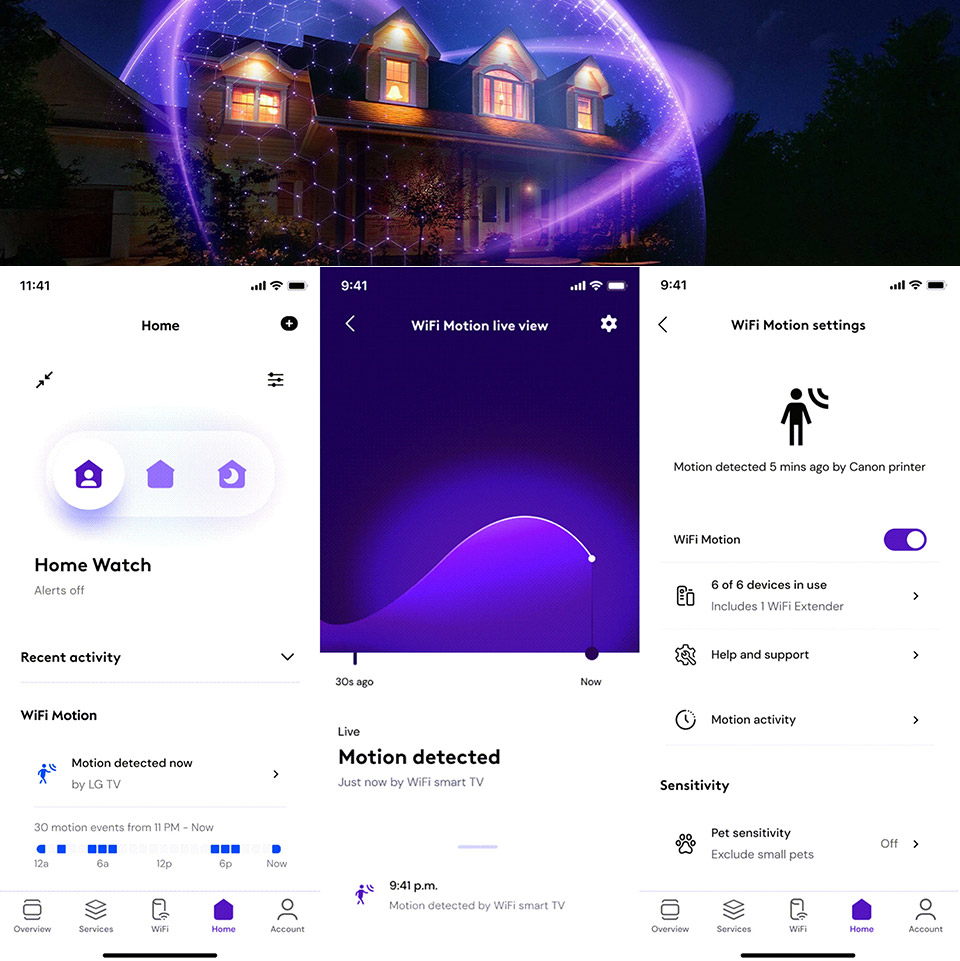
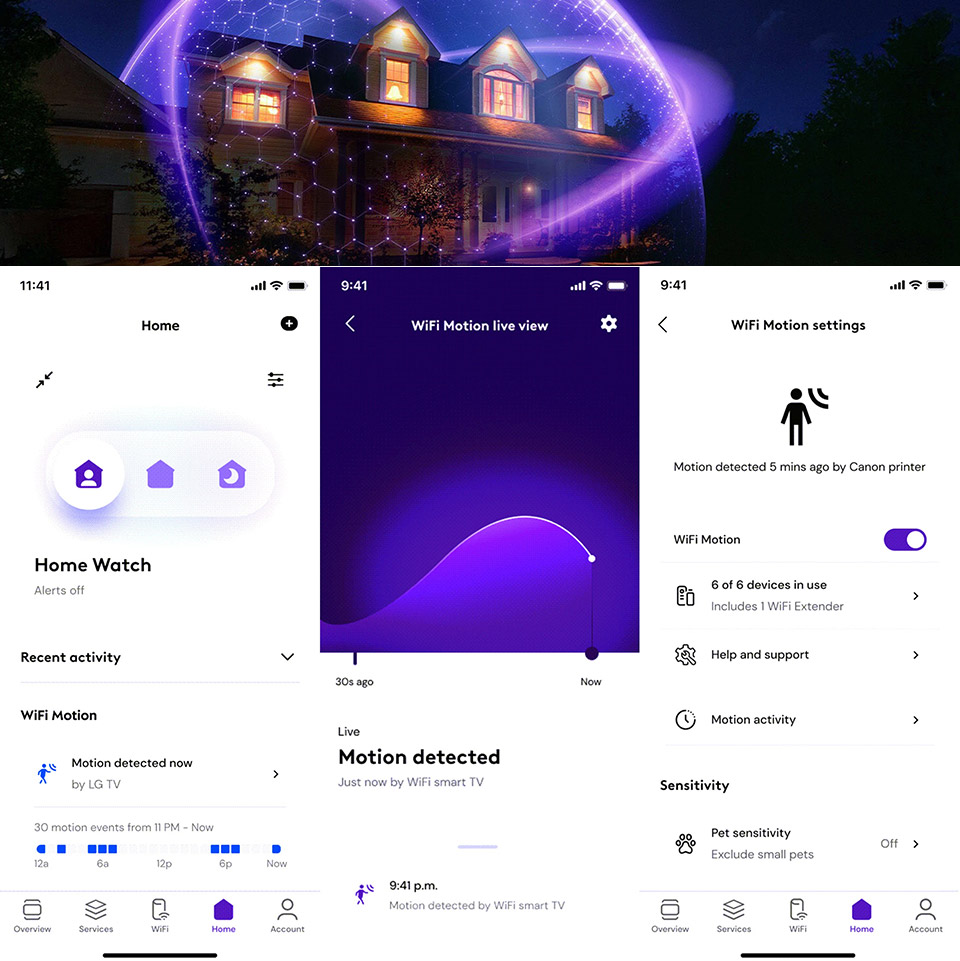
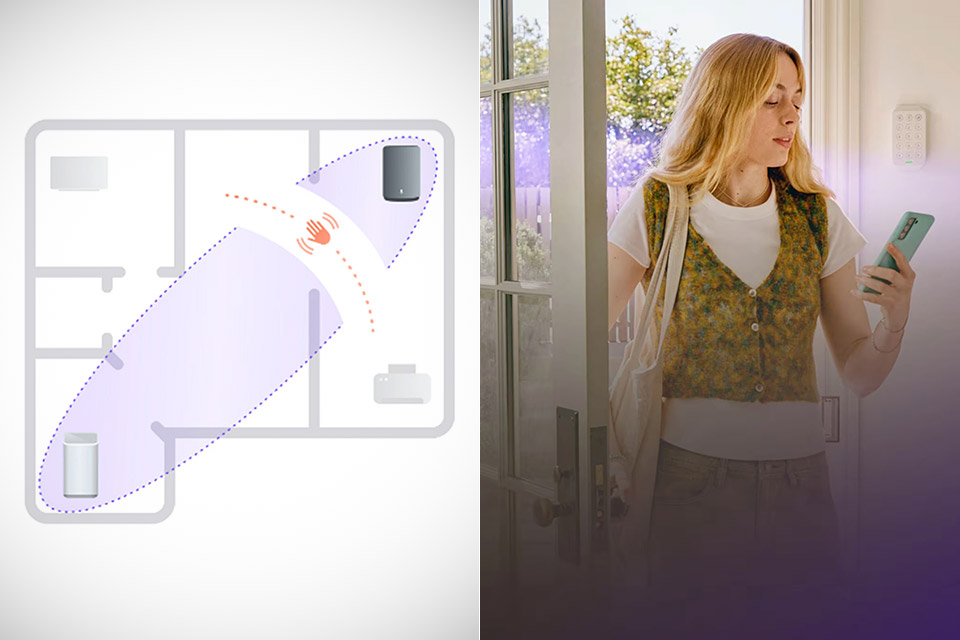
Comcast started rolling out Xfinity Shield this month, and the free piece that has everyone talking is WiFi Motion. Eligible internet customers who rent a recent Xfinity gateway can turn their existing Wi-Fi into a basic movement watcher without buying cameras or extra sensors. Radio waves already fly between the gateway and other gadgets that stay plugged in. A person walking through those paths changes how the waves arrive, and software in the box treats that change as motion.


Compatible boxes include the Technicolor XB7, XB8, XB9, XB10, MXB1, and XER10 variants, with the exception of the CommScope XB7 units. Simply launch the Xfinity app and follow the steps to complete the setup process. You can connect up to five fixed Wi-Fi devices, such as a smart speaker, thermostat, or TV, as well as any approved XE2 extenders you may own. As you do this, you will begin to notice regions of your home that will shape up as oval zones, where activity will trigger notifications on your phone. If you walk through one of those zones and there is any motion near the hallway speaker, for example, a notification may appear. These events will actually be available in the app for a week.

Sale


Ring Indoor Cam (newest model) — Home or business security in 1080p HD video, White
  • Get the whole picture – Watch over your home day or night in 1080p HD video with Live View and Color Night Vision.
  • Video previews – Record a few extra seconds before every motion event with Advanced Pre-Roll to get a more complete picture of what happened.
  • Privacy at your fingertips – Turn off your camera and mic with the manual Privacy Cover, then reactivate with a simple swivel.


Home Watch, Away Watch, and Dark Watch allow you to customize which notifications you get. Dark Watch is essentially the overnight option, and it may be configured to turn on automatically at nite. You can also experiment with the sensitivity level, setting it to low, medium, and high. The default settings detect even minor movements, including pets, but you may optionally apply a pet filter. However, this setting may miss a small child. It appears that where you place your gateway is far more crucial than most people realize. For the greatest results, choose a central, open place a few feet from the floor. Unfortunately, confined rooms, thick walls, and weak signal routes all work together to degrade overall reliability. Mobile devices, laptops, and wearables, as well as anything else with the potential to move independently, will not be considered “sensing partners.”

Advertisement


Apparently, Comcast spent three years fine-tuning the algorithms after being disappointed with their previous attempts. Linksys tried something similar and was withdrawn. However, company executives now assert that the most recent version is precise enough for everyday use in an average home. However, they are quick to stress out that it is not a replacement for proper cameras and door sensors. It’s also worth noting that professional monitoring is not included, so don’t expect someone to check your alerts in real time or call the cops for you.

Comcast Xfinity Shield WiFi Motion Security System
WiFi Shield’s free tier also features CyberSecure network threat filtering and Family Settings, which allow you to establish screen time and website limits. Shield Select is a $15 monthly upgrade that includes an indoor camera, door and window sensors, cloud video storage, and 24-hour urgent response. If you’re willing to pay for the additional gear, WiFi Motion can be used in conjunction with camera notifications.
[Source]

Source link

Advertisement
Continue Reading

Tech

Australia’s Nationwide Phone Outage Was An Embarrassing Failure

Published

on

The phones! They were one of the basic utilities of the 20th century, and were just about as reliable as death and taxes. Even when then power grid went down, you still had a fair shot of getting a phone call through thanks to the reliability of the Plain Old Telephone Service.

Today, we eschew the simplicity of copper and mechanical switches for the supreme bandwidth and capability of high-speed cellular connectivity. With that, we accept that the additional complexity comes with a risk of complicated failures that bring everything tumbling down. Australia’s largest telecommunications provider found that out to its peril just a few short months ago.

Networked Failures

Generally, we expect our telecommunications networks to be supremely reliable. There is no moment of the day when someone doesn’t need to make a call, particularly in emergencies, and the wheels of industry and commerce depend on constant connectivity these days. Tolerance for failure is generally very thin. Despite this, and the efforts of engineers to maintain uptime at as many nines as possible, Telstra fell badly short on July 8th, 2026. The company had a nationwide outage that affected 8.8 million people, leaving them unable to make calls or connect to the network at all.

The cause of the outage would prove to be particularly embarrassing. Telstra owns and operates a highly advanced cellular network, offering 4G and 5G service across the nation’s cities and much of its outback areas. The company may outwardly appear to be a shining beacon of modern connectivity, but there was something dank lurking in the company’s server closets. Namely, three aging network time servers that had the capacity to bring the whole system to its knees.

Advertisement
The NTP server in question is old enough to still rock a vacuum fluorescent display, something you don’t see on a lot of modern network hardware. Credit: Microsemi

The culprit? A Microchip Technologies SSU 2000 NTP server. The model dates back to the early 2000s. Twenty four years later, Telstra still relied upon three of the units to provide network time protocol (NTP) services across its network. The servers were generally perfectly adequate in this role on any given day. That was, until the Melbourne server had a wobble.

A technician was working in the early morning to replace a backup power feed in the chassis housing the server. This caused the server to be rebooted at 3:38 AM, which normally would not be a problem. However, at some point in the last two decades or so, the server had gone through a configuration change. While it was originally intended to be a Stratum 3 NTP server, getting its time reference from a Stratum 2 unit, that process had failed at some point. It had been reconfigured instead to use its internal GPS card to gain time directly from the satellite network instead. Unfortunately, the server was also remarkably old, and suffered from a well-documented GPS date rollover bug, such that when it rebooted, it reported the time as 2006 rather than 2026.

Victoria’s V/Line train services were unable to run, as the Telstra network outage made communication across the system impossible. Credit: Thomas Hobley, CC BY-SA 4.0

The problem that stemmed from this was because time is critical to authentication. An endless cascade of devices downstream of the NTP server picked up the wrong time, and started using it to sign digital certificates and the like. This immediately caused other systems on the network to reject the spurious traffic with certificates that were 20 years out of date. The impact was swift and vast—Telstra was quickly facing a nationwide outage affecting millions of customers.

The issue was first detected at 4:20 AM. The naughty server was isolated by 7:11 AM, but it would take until 10:30 AM to identify all the network components which had received erroneous time data. It took several hours further—until 4 PM—to properly quell the NTP issues. In the meantime, a significant portion of the country had seen its phones offline all day, and entire rail networks had ground to a halt as their Telstra-based communications systems went completely offline.

Later submissions to a government inquiry would reveal Telstra had received two reminders to patch the GPS card, in 2020 and 2022. The vendor itself had issued warnings about the GPS rollover bug as early as November 2000. A decision not to fix the bug had been taken as recently as January 2026, because the undocumented change to have the server rely on GPS time was unknown, and thus the update was considered unnecessary. Simply patching the system would have prevented the issue from ever occurring in the first place.

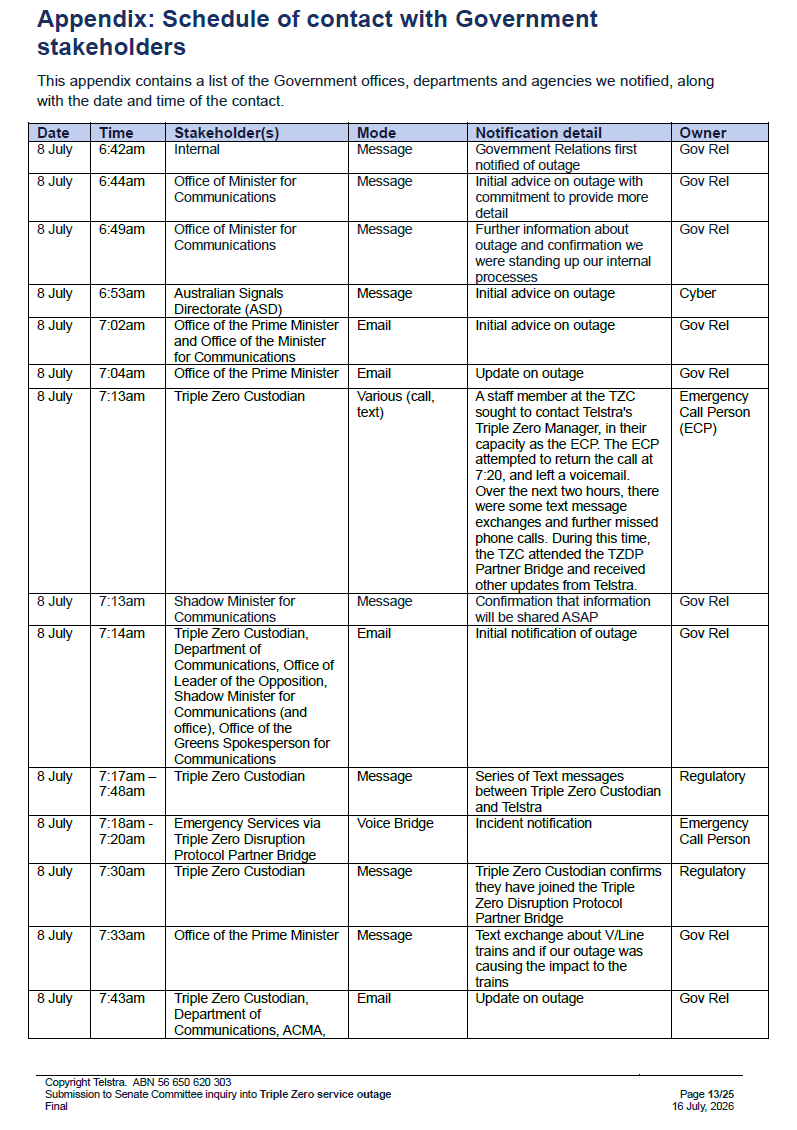
When the outage became apparent, Telstra notified the Triple Zero Custodian, a body founded in 2025 to oversee the integrity of the emergency service. Credit: Telstra submission to government inquiry

The issue once again brought telecommunications availability in Australia to the forefront of the conversation. Repeat outages across Australian mobile networks have led to particular concerns about the ability for people to reach emergency services by calling Triple Zero from mobile handsets. The latest failure on Telstra’s behalf has led the local telecommunications industry to issue new guidance to the public on what to do when a call to Triple Zero doesn’t go through.

Modern handsets are designed to switch to a different cellular network in the case an emergency call can’t be connected—a process called emergency camp-on. However, this process takes time, and the caller will often hear silence on the line while the phone is attempting to connect. The new advice is that callers should hang up and try again straight away if their first call to Triple Zero doesn’t connect within a few seconds. On the second call, though, the phone should be given up to a minute to find another network to get the call through.

Advertisement

In the case of this outage, camp-on functionality worked—some 3,200 Triple Zero calls were passed to Optus and TPG networks when Telstra’s failed. However, there were some ongoing issues that saw a further 604 Triple Zero calls fail over the period to 2 PM the next day.

Overall, Telstra’s failure was a major one. It’s rare for a major network to go down so completely and over such a wide geographical area. The fact that it happened because of an undocumented change to an ancient network appliance is all the more embarrassing. It will drive home the message that documenting even seemingly minor changes is important, with the lesson likely to be told in the halls of the Australian telco for some decades to come.

Source link

Advertisement
Continue Reading

Tech

The Mactini: A Computer That Does Almost Nothing

Published

on

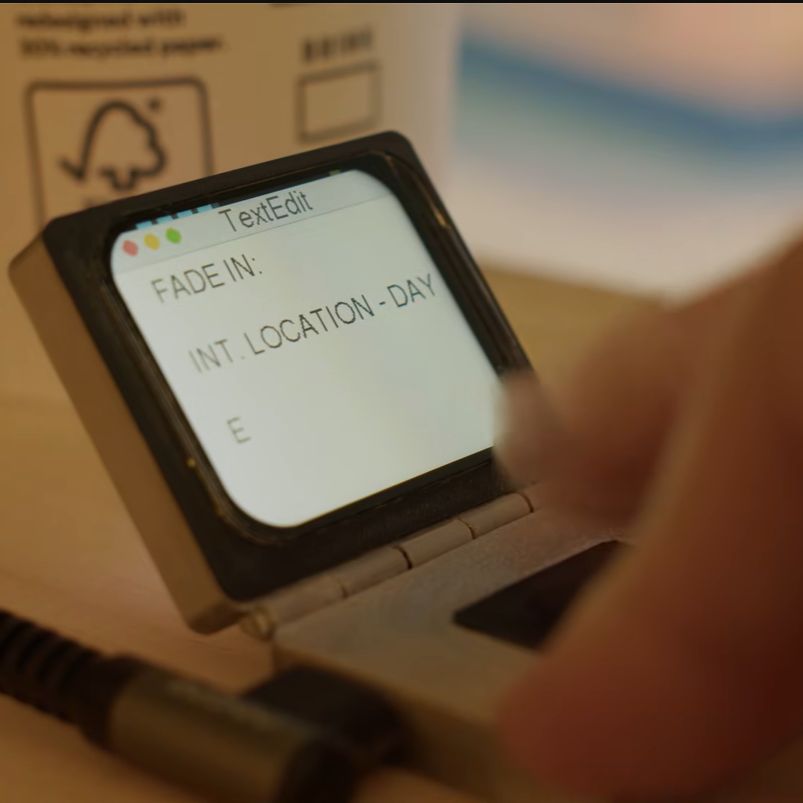
Recently [Tucker Osman] brought to life what once was just a meme created by the BBC as it poked fun at Apple’s push for ever smaller devices that also dropped many features along the path towards questionable innovation. This ‘Mactini’ was a super-small laptop, with just a single button that did everything, befitting the overpriced more-money-than-sense status symbol vibe that [Jony Ive] brought to Apple.

The input method suggested in the BBC video involves convoluted patterns using the single button, which would be functional, albeit cumbersome. Even as [Tucker] set out on this mission to make the Mactini real, he had to answer a lot of questions, while sticking to the rules that it had to follow the rough form factor of the original and have the same features.

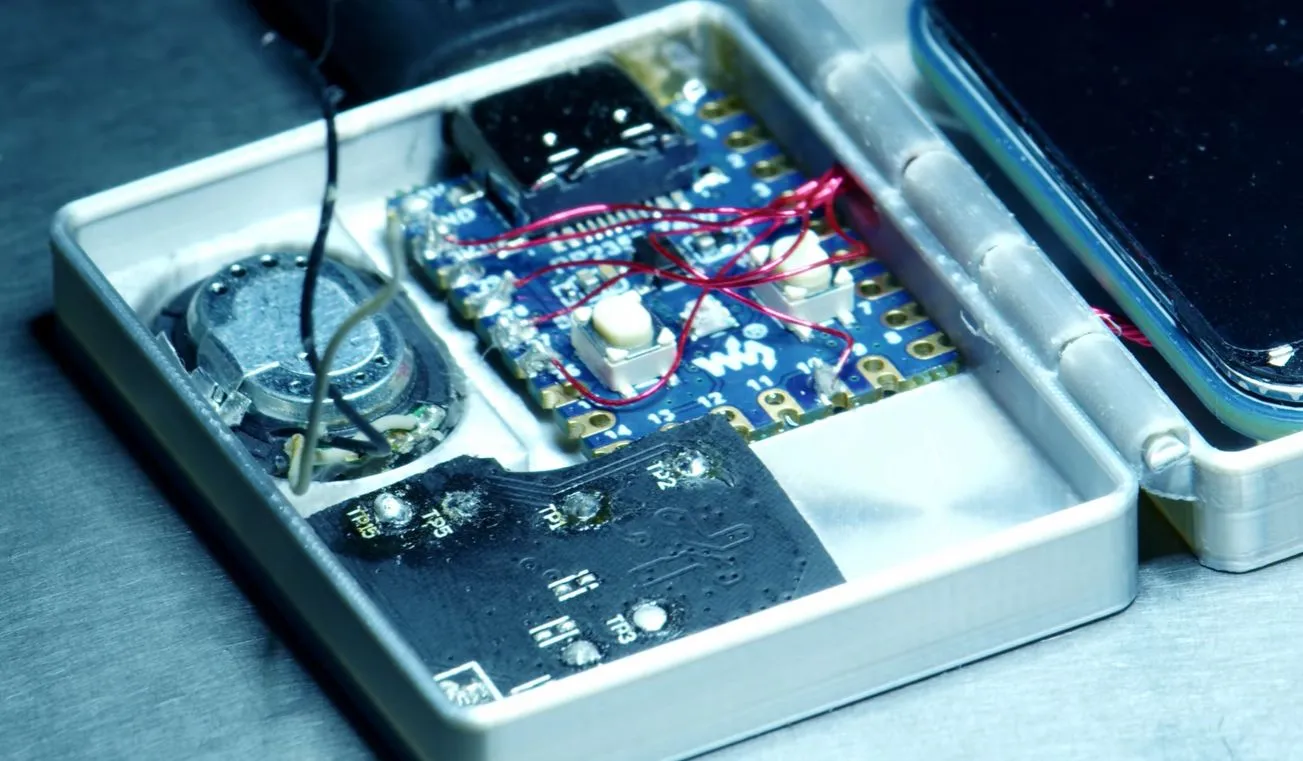
In lieu of overcomplicating things, he opted to use a 1.69″ ST7789V2-based SPI LCD along with a small RP2350-based board from Waveshare for the brains. Rather than just slapping the LCD example for the Pico board on it as firmware, he actually used DMA to do the screen data copying, freeing up a lot of CPU cycles.

The rest of the hardware was cobbled together from e-waste parts, including an iPad speaker and an audio amplifier from a scrap board. Video was handled using Motion JPEG decoding for a not-horrible-framerate. All of this was put into a 3D printed case that was designed in FreeCAD, to make the Mac that [Ive] could only have dreamed of back in the 2000s.

Advertisement

Advertisement

Source link

Continue Reading

Tech

AI, athletes, and Keith Rabois: StrictlyVC is back in New York on September 10

Published

on

Mark your calendars: on Thursday night, September 10, StrictlyVC — TechCrunch’s boutique evening series — is heading to New York’s West Village (the real one — brownstones, cobblestones, and all — not the Mission Bay stretch of San Francisco that’s earned the nickname “Vest Village” for all the Patagonia-clad VCs roaming around).

It’s our first New York event in two years, and after a run of great nights this year in San Francisco, L.A., and Athens, we couldn’t be more excited to be back — with a stacked lineup to match. What’s in store:

Keith Rabois. We’re kicking off the night with the inimitable Keith Rabois, who recently relocated East from Silicon Valley and, true to form, seems intent on shaking things up wherever he lands. Rabois has never been shy about what he thinks is working in venture and what isn’t — he’s backed Ramp four times and invested as often in State Affairs, a company using AI and local journalists to track statehouse-level news and policy data across all 50 states. He’ll share his strong opinions on founders who raise more capital than they actually need, just because they can. And we’ll get him talking about Khosla Ventures’ boldest AI bet yet: its early $50 million check into OpenAI back in 2019 when the outfit had no clear business model — plus what he makes of the narrative that OpenAI is facing more headwinds right now than its rivals.

Craig Shapiro and Jason Levien. After our sit-down with Keith, stick around for a conversation you won’t find anywhere else. Craig Shapiro’s venture firm, Collaborative Fund, is generously co-hosting the evening with us, and we’ll sit down with Shapiro and Jason Levien, CEO of D.C. United, to talk sports organizations as business investments — and the increasingly tangled intersection of sports, fandom, commerce, and community.

Advertisement
Image Credits:StrictlyVC/TechCrunch /

Tristan Walker. Staying on the theme of community, we’ll dig into a conversation with two founders building for a world where AI does more — but also takes something away. Tristan Walker, who sold his last company, Walker & Company Brands (maker of Bevel), to Procter & Gamble in 2018, is back with Heirloom Craft, a startup focused on reshoring American fine craftsmanship — training a new generation of artisans and rebuilding the supply chains behind them.

Brynn Putnam. Walker will be joined by Brynn Putnam, who sold her last company, connected-fitness startup Mirror, to Lululemon for $500 million, just three years after it was launched. Putnam’s newest venture is Board, a game company blending physical play with AI-powered creation tools — built as something of an antidote to the isolation tech has fueled, bringing people back together around, literally, a board.

Deven Parekh. Last but not least, we’re thrilled to catch up with Deven Parekh, who has co-run Insight Partners — the New York powerhouse investment firm — for more than 25 years. Insight doesn’t do a lot of press, but Parekh has agreed to pull back the curtain on how the firm is thinking about a landscape where it’s gotten harder to tell asset classes apart, as some of the biggest funds have grown exponentially larger. What we want to know: how does Insight compete in a world where capital itself is a commodity, but the potential returns on massive investments have also never been bigger?

Expect a fun night all around, with drinks, hors d’oeuvres, and plenty of networking before and after the fireside chats, including with Connie Loizos, Rebecca Bellan, and other TechCrunch writers (as well as our friends from other outlets).

Giant thanks again to the team at Collaborative Fund for making the night possible. More details and ticketing info right here. See you in the (real) West Village.

Advertisement

When you purchase through links in our articles, we may earn a small commission. This doesn’t affect our editorial independence.

Source link

Continue Reading

Tech

Is ChatGPT Changing How You're Writing?

Published

on

An anonymous reader quotes a report fro SFGATE: From “rizz” to “meat proxy,” words and phrases have fallen in and out of favor for centuries. Culture, politics and technological development have long influenced these trends, and now, new research shows that ChatGPT is beginning to influence how humans communicate. The findings from a team at the Pew Research Center show how, in a short time since OpenAI released ChatGPT in November 2022 and other chatbots followed, the use of certain words and phrases has spiked on the web. The researchers, led by data scientist Samuel Bestvater, studied nearly half a million English language webpage texts in snapshots over the past five years. Not only has AI-written text become more common, but it could also be influencing how people write, such as trying to avoid using the “tells” that have become associated with AI-generated text.

Bestvater and his team detected double the number of em dashes, double the frequency of particular words — such as “delve,” “testament” and “interplay” — and nearly triple the use of a phrasing known as negative parallelisms (“it’s not X, it’s Y”), as well as a 63% increase in Oxford commas. But while AI labs continually try to tweak their models to generate more humanlike text, the people they’re mimicking aren’t staying the same. “Human writers might also be changing the way that they write in response to AI. I’ve seen some anecdotal evidence of people saying, ‘Now I avoid em dashes,’” Bestvater said. “If human writers are adjusting their choices of words and phrases and punctuation to try to differentiate their writing from AI-generated text, then you would see a pattern that looks sort of like that in the chart.”

“You can see changes in people’s speech. People are tending to more commonly use these low-frequency words in their speech because they’re spending a lot of time listening to or reading AI-generated content,” said Roger Kreuz, a cognitive psychologist at the University of Memphis who recently wrote about how difficult it is for people to identify bot-written text.

Read more of this story at Slashdot.

Advertisement

Source link

Continue Reading

Tech

Running Multiple Linux Kernels Without Hypervisor

Published

on

In a move that’s no doubt going to trigger a lot of confusion and nostalgia, Mklinux is back, in a sense. As the announcement makes clear, this is multikernel Linux, not microkernel Linux, which is an experimental OS designed to run the Linux kernel as a user-space server running on top of OS X’s Mach kernel.

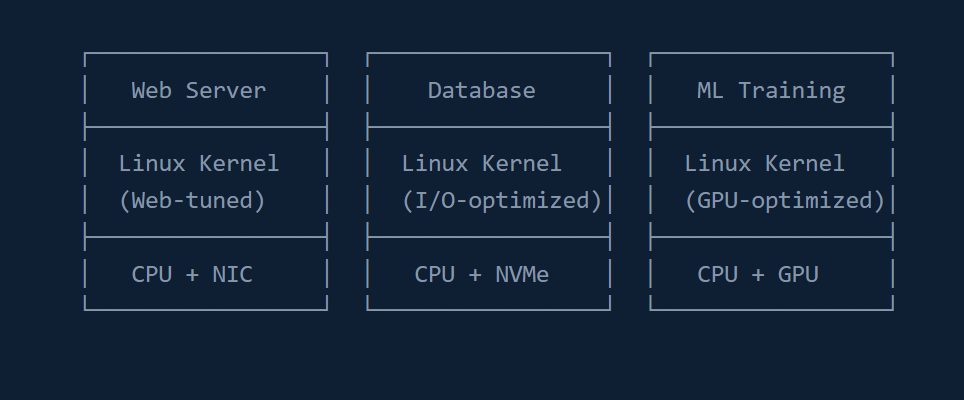
Naming overlap niggles aside, this neo-mklinux lets multiple independent Linux kernels run simultaneously on bare metal. There is still a host kernel which handles the carving up of hardware resources to the newly spawned kernels, but unlike with a hypervisor there are no abstraction or translation layers.

In theory this should mean basically perfect isolation between kernels, which is one of the main selling points along with increased performance. Compared to running KVM guests the provided benchmarks show much lower latency, at between parity to two times faster.

Advertisement

A website is provided with instructions to get started, along with architectural details if that’s your thing.

Source link

Advertisement
Continue Reading

Tech

Google AI Mode can now tell you when flights get cheaper and book your hotel

Published

on

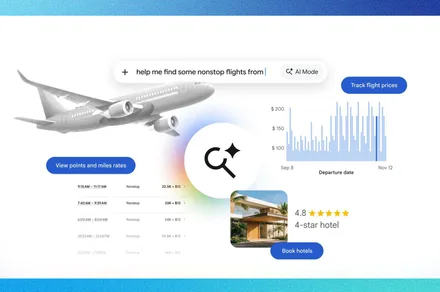
Trip planning usually means a dozen browser tabs, three airline apps, and a spreadsheet nobody asked for. Google wants to collapse all of that into one conversation. The company just added three travel features to AI Mode that let you watch flight prices, weigh your rewards points against cash, and book a hotel room without ever switching windows.

Flight alerts and rewards, sorted in one chat

Google Flights has offered price alerts for quite some time, but now that same tracking lives inside AI Mode itself. If you tell Google where you’re headed and when, it scans over 300 airlines and travel sites for current fares. Not ready to commit? Ask it to keep watching, and Google emails you the second something changes. The feature covers more than 180 countries.

We’re bringing Google Flights’ price tracking feature directly into AI Mode, so you can set up price alerts as you chat. Just describe where and when you want to fly, then try asking “track these flight prices for me.” Once you confirm, you’ll get an email if prices change, so… pic.twitter.com/pEFHL0nkZy

— Google (@Google) August 27, 2026

Points hoarders get something new too. Instead of digging through a rewards portal, you can ask AI Mode directly what a flight or hotel costs in miles. Say you’re flying Atlanta to Miami on American, it’ll pull the AAdvantage rate on the spot. Alaska Airlines, Hawaiian Airlines, American, Choice Hotels, Hilton, and Wyndham are on board at launch, with Accor, Flying Blue, Hyatt, LATAM, and Lufthansa’s Miles & More arriving soon.

Advertisement

Booking your hotel without switching tabs

The latest upgrade lets you book a hotel directly through AI Mode. Describe your ideal stay with budget, and it surfaces hotels with reviews and the key details that matter. Once you’ve picked one, selecting “Continue on Google” walks you through choosing a room, checking the cancellation policy, and payment through Google Pay.

And finally, we’re introducing hotel booking through AI Mode in Search, so you can discover and book your next hotel in one conversation.

Simply tell AI Mode about your upcoming trip and your hotel preferences to get a visual list of options, complete with guest reviews and key… pic.twitter.com/vxW1j0BI8z

— Google (@Google) August 27, 2026

Google isn’t the merchant here and the hotel or booking platform still handles the transaction or any customer service. This feature is rolling out in the US over the coming weeks, with partners including Booking.com, Expedia, Marriott, and Priceline. Between tracking fares, comparing rewards, and booking a room, planning your next trip shouldn’t require a dozen open tabs.

Advertisement

Source link

Continue Reading

Tech

Australia arrests alleged TeamPCP hackers behind supply-chain attacks

Published

on

TeamPCP

Australian authorities have arrested and charged two young men accused of being part of the TeamPCP hacking group linked to a string of far-reaching developer supply chain attacks.

TeamPCP is a hacking group known for widespread supply-chain attacks over the past year that targeted open-source software and developer platforms to steal credentials, authentication secrets, and source code.

High-profile attacks attributed to TeamPCP have impacted Trivy, LiteLLM, Telnyx, SAP, and TanStack packages, while the group has also breached the European Commission, Mistral AI, OpenAI, and GitHub.

image

To carry out their attacks, the threat actors injected malicious code into software hosted on open-source repositories, which developers then unknowingly incorporated into their own applications on systems used by government, academic, and private-sector organizations.

Rather than a cohesive group, the malicious activity is believed to have been carried out by a loose-knit collective of threat actors who all frequent the same hacking forums, Discord servers, and Telegram channels.

Advertisement

According to the Australian Federal Police (AFP), the FBI, and Western Australia Police, malicious code distributed by TeamPCP has potentially compromised over a thousand organizations worldwide, enabling the theft of half a million credentials and the exfiltration of at least 300GB of data.

“The alleged compromise of a small number of trusted software components had a significant global impact,” reads the AFP announcement.

“To date, the financial impact includes global remediation costs estimated to be hundreds of millions of dollars.”

The investigation began in April 2026, after the AFP and FBI received key information from cybersecurity firms.

Advertisement

The two men, aged 21 and 23, were arrested in the western Australian cities of Cottesloe and Mandurah on August 26, 2026.

Photographs of the arrests
Photographs of the two arrests
Source: AFP

During the law enforcement action, investigators also seized electronic devices and other evidence for forensic analysis.

Police allege the two men received an undisclosed amount in cryptocurrency payments for their involvement in TeamPCP operations.

After the arrests were announced, both Flare and Brian Krebs published separate investigations detailing how Telegram activity, reused aliases, accounts, and other online traces linked alleged TeamPCP members to real-world identities.

The two suspects now face a combined 14 charges related to possessing and supplying data for computer offenses and modifying data to facilitate serious crimes.

Advertisement

The younger of the two also faces charges for allegedly dealing with at least $100,000 in criminal proceeds and failing to comply with an order requiring access to electronic data. The charges carry maximum penalties of 3 to 20 years’ imprisonment per charge.

The AFP said further arrests or charges have not been ruled out at this stage, as it examines seized evidence.


article image

Overall prevention scores can hide what happens after initial access. Once attackers are using valid credentials, prevention drops sharply.

The Blue Report 2026 measures defenses technique by technique across 338 million simulations run in customer production environments.

Get the report

Source link

Advertisement
Continue Reading

Tech

US says Chinese hackers broke into Justice Department, NASA, Federal Reserve, Senate, and more

Published

on


  • Multiple US agencies and departments were breached by Chinese state-sponsored hackers
  • The hackers use a massive botnet of compromised IoT devices to obscure the origin of their traffic
  • The hackers breached computers belonging to NASA, the Federal Reserve, the Senate, the Department of Justice, and more

As part of a disclosure into the Justice Department and FBI operations to prevent Chinese threat actors from accessing a malicious botnet and hacking platforms, the US Office of Public Affairs has revealed that the hackers managed to breach computers belonging to multiple US government departments.

The disclosure said the victims of “computer intrusion” included the National Aeronautics and Space Administration, Federal Reserve, Department of Energy, Department of Justice, Department of Health and Human Services, National Institutes of Health, and the US Senate.

Source link

Continue Reading

Trending

Copyright © 2025