










Every year, Apple adds a handful of camera features to the iPhone Pro line that sound impressive on paper but change almost nothing about how the phone is actually used. ProRes RAW is not one of those features.
It’s the first time a smartphone has shipped with true RAW video capture, and after spending real time pulling iPhone 17 Pro Max footage into DaVinci Resolve, I don’t think that claim is marketing spin.
What ProRes RAW actually gives you
Every video an iPhone has ever recorded, including previous ProRes modes, has baked-in decisions the camera made at the moment of capture: white balance, exposure curve, and color rendering.
Latest Videos FromTechRadar
Once that’s baked in, pulling it back apart in the edit only gets you so far before the image starts falling apart, blocking up in the shadows or clipping in the highlights.
ProRes RAW skips that step entirely. It preserves the sensor’s raw data, including ISO, shutter speed, and white balance, as separate, adjustable metadata rather than a fixed look.
That’s the same fundamental idea behind RAW photo capture, applied to video for the first time on a phone, and it’s why cinema cameras costing tens of thousands of dollars have shot this way for years.
Grading it like cinema footage

The real test of a RAW format isn’t whether it looks good straight out of the camera. It’s how far you can push it in the grade before it breaks.
I shot the same handheld run-and-gun setup I’d normally use with a mirrorless camera: mixed lighting, a blown-out window in the background, warm tungsten practicals in the foreground. In standard ProRes, that shot is a compromise from the moment you press record.
In ProRes RAW, I was able to pull the window back from clipping, cool down the tungsten cast, and lift the shadows on the foreground subject’s face without introducing any banding or noise that was unmanageable.
That flexibility is exactly what colorists mean when they talk about grading cinema camera footage, and it’s genuinely new territory for a phone. This isn’t a LUT slapped over Apple’s existing color science.
It’s the same underlying control a Blackmagic or RED shooter works with, just captured on a device that also makes phone calls.
How to actually shoot it

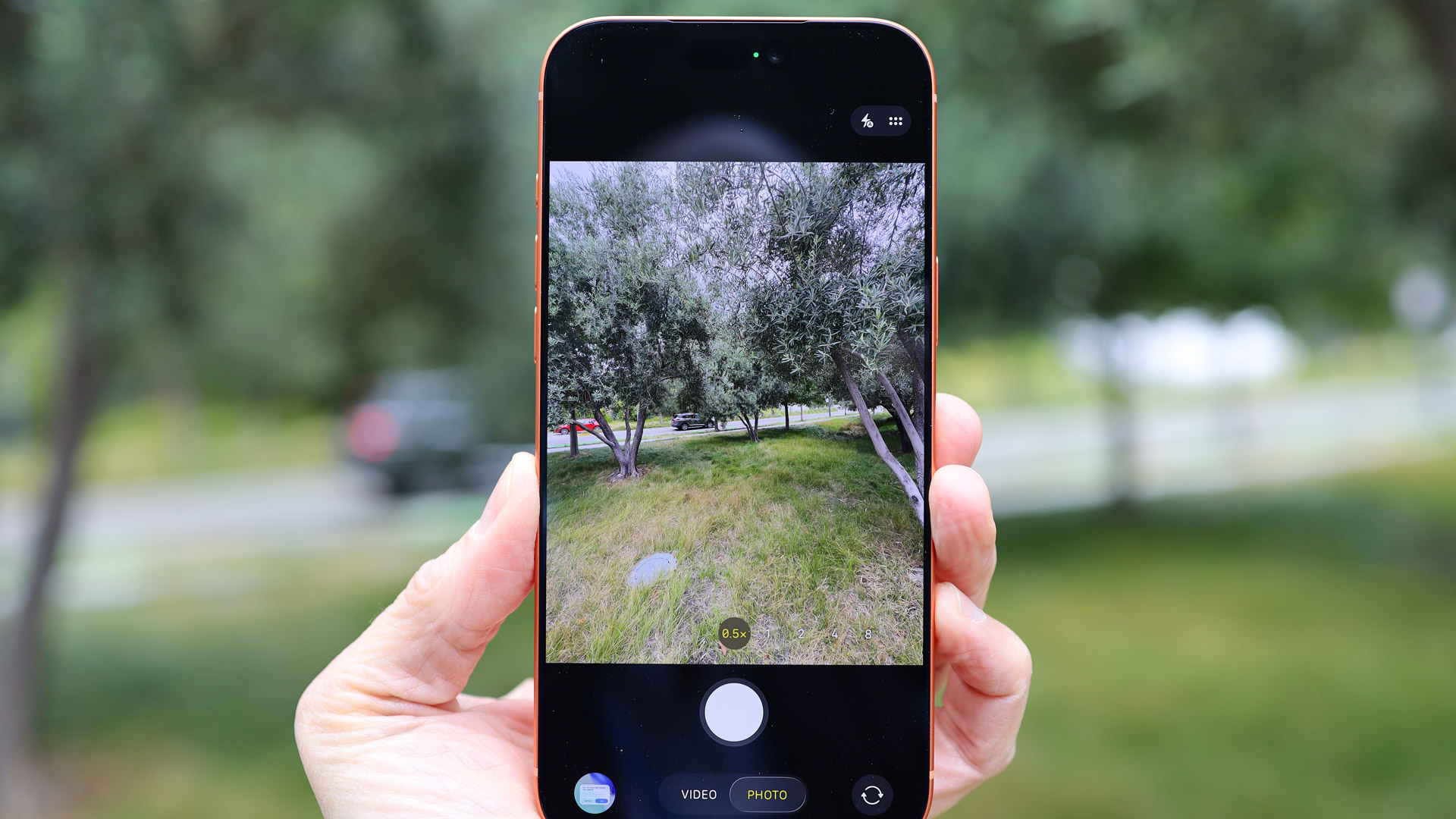
ProRes RAW isn’t available in the stock Camera app. You’ll need Apple’s free Final Cut Camera app, which added ProRes RAW support alongside genlock sync in its 2.0 update, or Blackmagic’s Camera app, which has also added native support. Apple has published an API as well, so expect other third-party camera apps to add compatibility over time.
Worth knowing before you start filling a card: ProRes RAW files are large, though Apple has kept the format more compressed than ProRes HQ to keep storage demands from becoming completely unmanageable.
Apple’s answer for anyone shooting seriously is a new 2TB storage option, exclusive to the Pro Max, and if you’re planning to shoot RAW regularly, it’s worth budgeting for.
The caveat worth knowing
None of this makes the iPhone 17 Pro Max a replacement for a dedicated cinema camera, and it isn’t trying to be. The sensor is still a phone sensor, with the dynamic range and low-light ceiling.
That implies, and RAW footage demands, a real editing workflow rather than a quick export to social media. If you’re not already grading footage in DaVinci Resolve or Final Cut, ProRes RAW won’t mean much to you day to day.
But for anyone who already treats their iPhone as a genuine second camera body, this update changes the relationship between what the iPhone captures and what you can do with it afterward.
That’s a bigger deal than another megapixel bump or another zoom range, and it’s the iPhone 17 Pro Max feature I’ve found myself using the most.















![LISA - 'MONEY' 2023 WORLD TOUR [BORN PINK] KYOCERA DOME OSAKA](https://wordupnews.com/wp-content/uploads/2026/02/1770253317_hqdefault-80x80.jpg)




































You must be logged in to post a comment Login