Wayve has signed a definitive production agreement with Mercedes-Benz to put its AI Driver into future vehicles within the next two years, providing urban and motorway point-to-point driving assistance. Mercedes invested in Wayve’s $1.5B Series D in February, and the software has been integrated into its production architecture using MB.OS.
Wayve has signed a production agreement with Mercedes-Benz to put its AI Driver into future Mercedes cars within the next two years, the London company said. It will provide urban and motorway point-to-point driving assistance.
That is British software in a German car.
Wayve opened a hub near Stuttgart in March 2025, saying at the time that it wanted to partner with German manufacturers and tier one suppliers. It now has one. The teams integrated the software into Mercedes production architecture, using its hardware, its MB.OS operating system and its map interfaces.
Advertisement
The word doing the work is assistance.
Both companies describe point-to-point driving assistance rather than autonomy, which means the person in the seat remains responsible. Chief technology officer Jorg Burzer called it the world’s first integration of the Wayve AI Driver in the premium segment. Alex Kendall, Wayve’s co-founder and chief executive, said the work reflected a deep technical alignment between the two teams.
Mercedes already sells something stronger than that.
Drive Pilot holds the first internationally valid approval for conditionally automated driving, and Germany’s federal motor transport authority cleared it to 95 km/h in December 2024. The driver may turn their attention elsewhere, in the right-hand motorway lane, behind a lead vehicle, above 4 degrees Celsius.
Advertisement
So a buyer gets two different promises.
One lets you stop watching the road on a motorway. The other drives you across a city while you keep watching it. Mercedes put money into Wayve’s $1.5B Series D in February at an $8.6B valuation, alongside Nissan and Stellantis.
Wayve says the system travels.
Its AI Driver learns without HD maps and trains on Nvidia infrastructure hosted on Microsoft Azure, which the company says lets it generalise to new cities without geofences or local retraining. It demonstrated the Mercedes integration in Stuttgart, London and San Francisco. The same system is designed to run from assistance up to driverless products across a carmaker’s line-up.
Advertisement
London is where that claim meets a regulator.
Wayve and Uber run fewer than 20 Ford Mustang Mach-Es there, licensed as private hire vehicles with a paid driver legally responsible for every journey. That is because nobody has finished the permit scheme Britain opened in May. A production deal reaches customers first.
Through the looking glass: Sonic the Hedgehog has been the face of Sega for well over three decades. In the early 90s, Sonic squared off with Mario for 16-bit console supremacy – and some say he got the better of the bout. But it hasn’t always been sunshine and rainbows for the furry blue hedgehog. Indeed, at one point in the not too distant past, Sega almost did away with their iconic mascot.
During a recent interview at the Tokyo Game Show, Sonic boss Takashi Iizuka recalled both the good and bad times. “During the worst times, I was told by the higher-ups that we should cancel the entire franchise. I had to fight within the organization to keep the franchise as long as possible.”
A key turning point in the fight to keep Sonic alive came in 2020 with the first live-action movie. If you recall, the first trailer sent the Internet into a tailspin. Viewers were horrified by Sonic’s normal-sized eyes, white fur hands, and a mouth full of human-looking teeth. Fortunately, the film’s director listened to the criticism and total redesigned the character ahead of launch.
Advertisement
The gamble paid off. Sonic the Hedgehog ended up grossing $320 million at the box office and paved the way for multiple sequels. More importantly, it proved to Sega that the demand for Sonic was alive and well.
The tale highlights just how unstable the entertainment industry can be, and how one project has the potential to make or break a franchise and change the trajectory of history. To date, the Sonic franchise has sold over 1.5 billion copies worldwide.
Imagine how Nintendo’s timeline might have looked had the company abandoned Mario following the release of the 1993 live action film. Had the 2020 Sonic film flopped, it’s very possible that Nintendo might have thought twice about releasing The Super Mario Bros. Movie in 2023. That animated flick raked in $1.36 billion at the box office.
And who knows how many awesome games and characters we have missed out on because an executive prematurely pulled the plug on a budding franchise. Perhaps in an alternate, parallel timeline, folks are enjoying movies and games we never will.
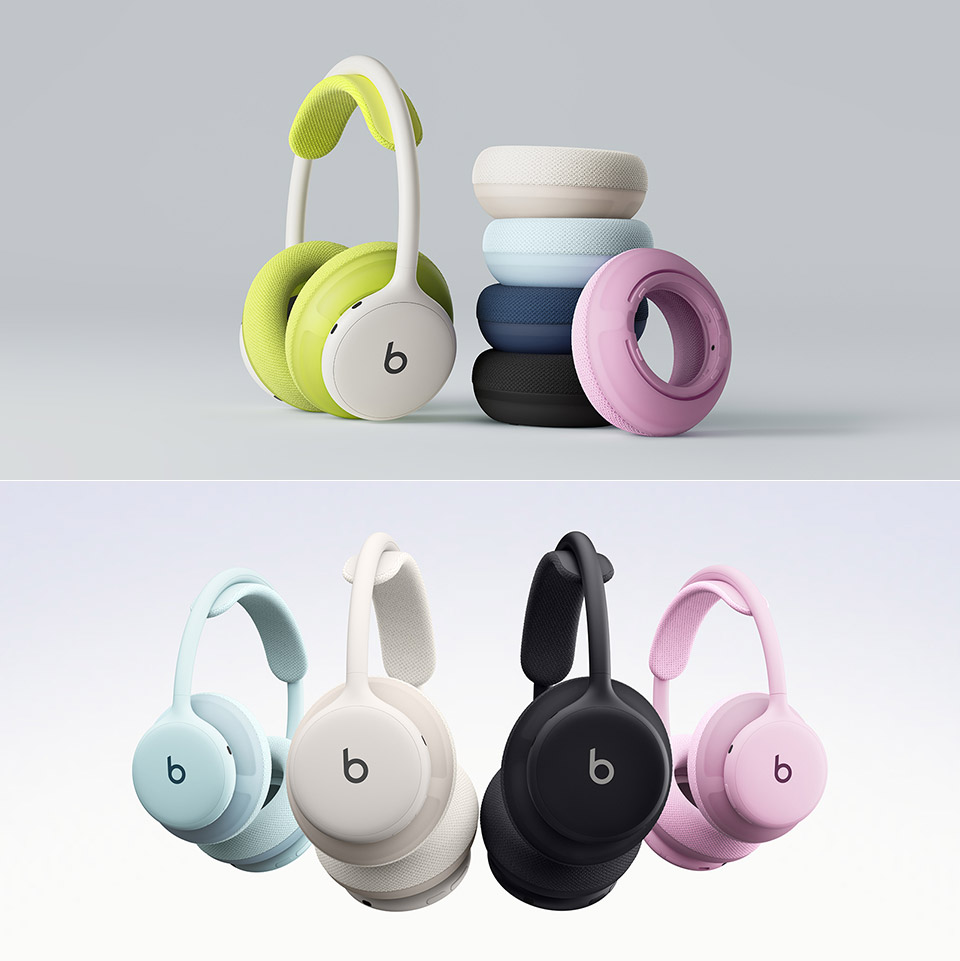
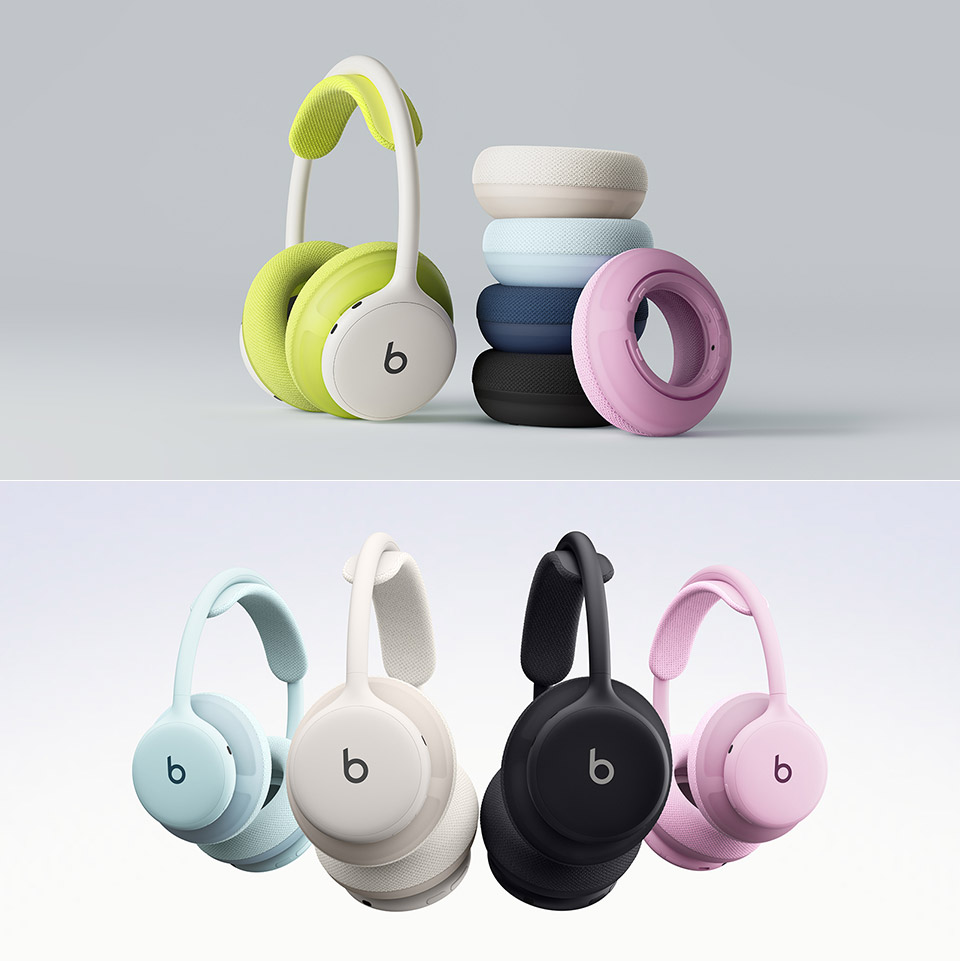
Beats finally put a price and a ship date on the over-ear headphone it has been teasing for months. Beats 360 costs $349.99, with preorders open today from Apple, Amazon, and other retailers in more than 100 countries, and units arriving in stores Thursday, September 24. Four core colors ship first: Black, Cloud, Pink, and Sky. Each pair arrives with matching Performance Knit ear and headband cushions, plus a woven ripstop case that lets the cups twist flat for travel even though the headband itself does not fold.
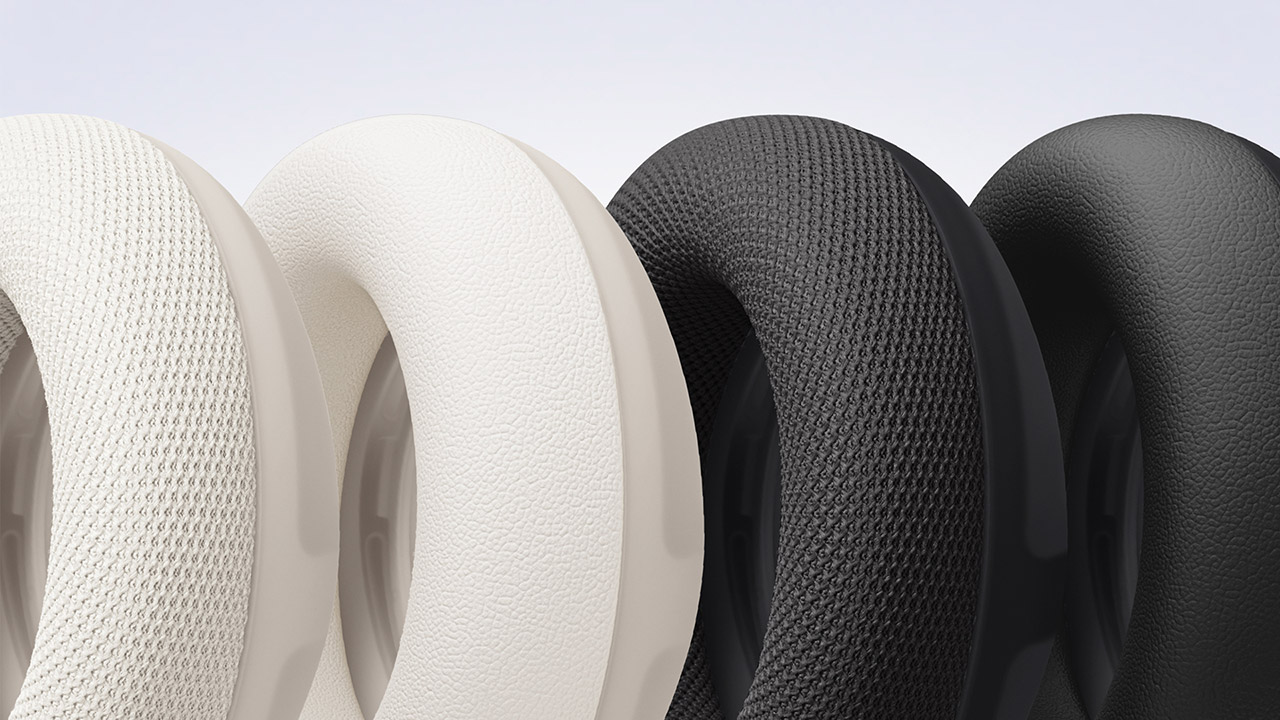
Cushion kits are essentially the entire purpose of the name. The ear pads twist off in about 2 seconds, and the headband pad snaps off, allowing you to simply change colors and materials on the same pair without purchasing a new one. The Performance Knit kits are available in all four initial colors, as well as Navy and Volt. They’re comprised of breathable memory foam covered in diamond weave, which has 36 micro threads per strand. In contrast, UltraPlush kits employ engineered leather over the same foam in Black and Cloud, giving them a feel similar to Studio Pro. The sensors can detect the type of pad you’re using and adjust the sound and noise cancelation to keep the seal intact. Extra kits are generally $49.99, but there is a launch special in the US, UK, Canada, Australia, France, China, and South Korea that reduces the price to just $9.99 for a limited time, allowing you to mix and match to create well over 200 distinct color combinations.
Beats 360 has interchangeable cushion options for both earcups and headband, so you can have a fresh set ready post-workout or a new color just to…
Active Noise Cancellation (ANC) blocks out unwanted noise to help you focus, after adapting to your environment and unique fit — with up to 1.75x…
The bespoke, high-fidelity acoustic platform delivers powerful bass and pinpoint precision across the tonal range with ultra-low distortion for the…
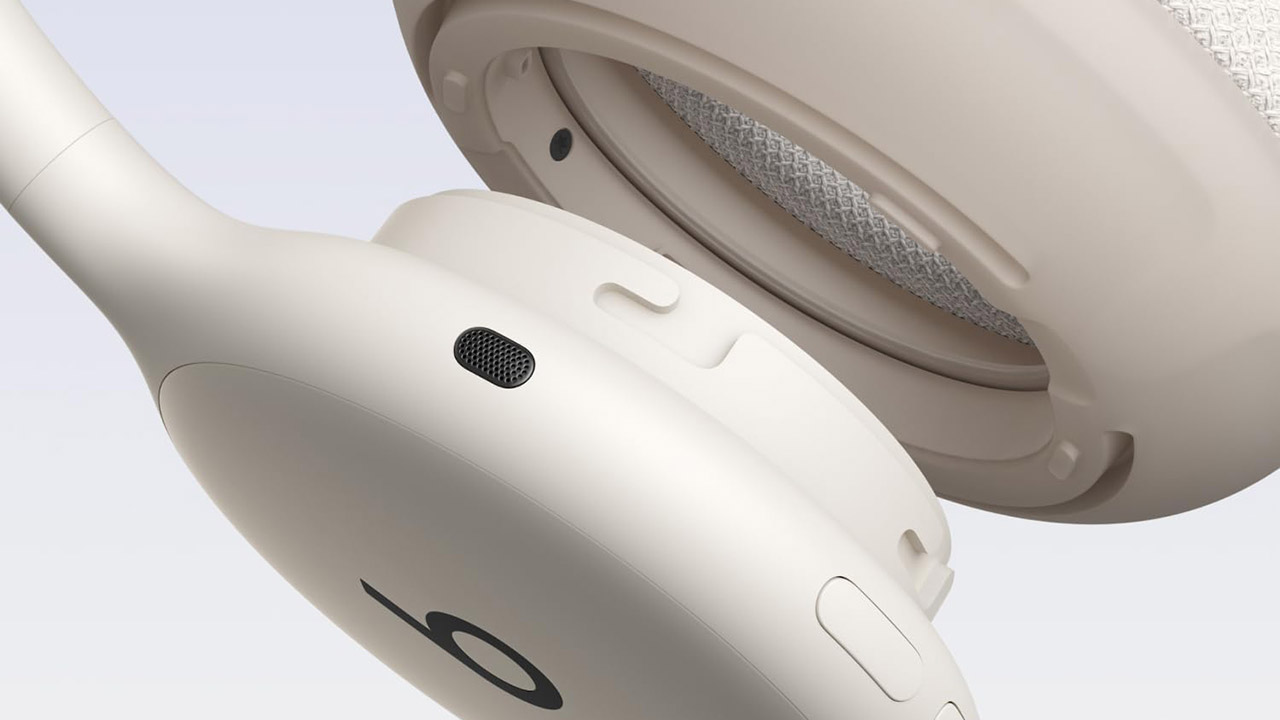
Each ear cup has its own battery, antenna, and CPU, and there is a single power line that runs through the headband, but it charges both sides simultaneously via a single USB-C port on the left cup. Because of this configuration, engineers were able to place more mass in the pads and less in the band, allowing a 294.5 gram pair to sit closer to Studio Pro in terms of comfort, but being slightly heavier. Telescoping stainless steel arms and rotating cups make it easier to get a good fit. Beat has incorporated additional IPX4 sweat and rain resistance to these, which is aided by an acoustic firewall behind the drivers and a sealed rear chamber. They’ve also managed to incorporate a significant amount of recycled materials into the design, with 80 percent of the interior and cup pieces made of recycled plastic, while the magnets are made of recycled rare earth metal.
The sound originates from new 40mm speakers with two neodymium ring magnets and a three-layer diaphragm arrangement. Beats claims that the output has increased by 12 dB compared to Studio Pro while maintaining low distortion levels throughout the frequency spectrum. After you’ve turned off ANC and Transparency, Adaptive EQ will constantly modify the sound to fit your head. There are nine MEMS microphones in the frame, eight of which input into Beats’ noise cancelation system, which they claim is at least 1.75 times more effective than Studio Pro. Three microphones are dedicated to speech pickup, two of which are shared, with beamforming designed to improve call quality.
Advertisement
On Apple devices, you can also enjoy tailored Spatial Audio with dynamic head tracking via the motion sensors in the left cup for Dolby Atmos. A listening mode button on the left cup cycles through ANC, Transparency, and Adaptive EQ, while volume and play/pause controls are located on the right cup. You can also have hands-free Siri on an iPhone, which is pretty standard fare. Unfortunately, wear detection and auto pause did not make the cut, and there is no 3.5mm connector or USB-C analog audio.
Even with Active Noise Cancelation and Spatial Audio switched on, or if you set Adaptive EQ on and turn those modes off, battery life is a decent 32 hours, and 5 minutes on the plug will get you an hour of audio. It’s all powered by a custom 4th generation Beats chip and sophisticated Class 1 Bluetooth 5.3, which quickly couples your headphones with an iPhone or an Android device. You also receive a slew of Apple-specific features, such as one-tap setup, seamless device switching, Audio Sharing, which works with other AirPods or Beats, and Find My, which allows you to keep track of where you last had them if you can’t remember.
Android users get Fast Pair, which allows you to quickly connect with a new device, Audio Switch, which allows you to switch between them, and Find Hub, which is useful for keeping track of your audio gear. Oh, and Beats Studio Pro is still available at a new price of $299.99, putting Beats 360 ahead of it as your best chance for a completely customized flagship sound that is sweat rated for high-intensity workouts rather than a replacement. The new Beats 360 has a flashy debut, with Kendall Jenner appearing in the promotional video, shifting headphones between outfits like she’d change shoes for an evening workout. If you’re already a member of that scene, the $10 kit accessory is definitely a good place to start.
Over the last two or so years, I’ve been slowly swapping out the plastic in my kitchen for better alternatives to avoid as many microplastics as possible. I use glass Pyrex for storage, bamboo utensils for cooking, a wooden cutting board for all of my slicing and dicing, glass dishes and reusable, stainless steel water bottles. But there was still one thing I knew for a fact contained plastic: my coffee maker.
Although I haven’t removed every single piece of plastic from my kitchen, I was extra cognizant of my coffee maker because every time it’s used, boiling water goes over the plastic and into the coffee. No, I don’t put my morning beverages under a microscope, but I feel like there’s a good chance that microplastics are leached during this process. And it seemed unavoidable, because every single drip coffee maker I’ve used has had plastic either in the basket where the coffee grounds are placed or on the carafe lid.
So when I learned that Caraway was entering the appliance scene with a drip coffee machine that has absolutely no plastic in the brew path, I had a sneaking feeling that it would end up being my favorite coffee machine ever. Two weeks into having it in my kitchen, I can say I was right.
Trying out Caraway’s new coffee maker
I was already familiar with Caraway through the brand’s ceramic-coated cookware, so I wasn’t surprised to find an exceptionally sharp-looking appliance when I opened the box. Aesthetically pleasing kitchenware is what the brand is known for after all. The design, the color, the quality of the build — all of it made a great first impression. Even the removable cord is thoughtfully designed, but I had to make sure it functioned as well as it looked.
The brew basket is stainless steel, and it comes with a reusable stainless steel coffee filter, too. The glass coffee carafe holds up to 10 cups, and although there’s silicone around the lid, the part that comes into contact with your hot coffee is stainless steel. All of those pieces are dishwasher safe.
Advertisement
The coffee only comes into contact with stainless steel.Corin Cesaric-Epple/CNET
There is only one knob on the coffee maker, which helps it keep its sleek look. It controls the brew, clean and start/stop options. After the coffee is finished brewing, it stays warm in the carafe for up to an hour and a half.
You can twist the knob for brew or clean and push it for start or stop.Corin Cesaric-Epple/CNET
No plastic, no rogue grounds
After using it multiple times, it has consistently made great coffee with no grounds in it, so the reusable coffee filter was a success, too.
Although it’s simple in design, there are nice details throughout, such as a matte finish, a tall, glass carafe and the blue light that illuminates when you pour water into the reservoir.
If you like to schedule your coffee ahead of time, though, you won’t be able to do so with this appliance. There are no extra buttons for scheduling or digital screens, which is partly why this appliance looks so chic.
After the coffee is finished brewing, the stainless steel filter can be rinsed out and reused next time.Corin Cesaric-Epple/CNET
I’m loving this coffee machine for many reasons, but the biggest one is that it solves a problem I’ve been focused on for a while. As we continue to learn more about microplastics and their potential impact on our health, I’m becoming more cautious about how often my food and drinks come into contact with plastic.
Before this launch, if I wanted to avoid plastic when making coffee, a pour-over was the main option I saw. Caraway’s new coffee maker not only keeps plastic out of the brew path but also offers the convenience of a drip coffee maker — and looks great doing so.
Corin Cesaric-Epple is an Editor at CNET covering home and kitchen tech and meal kits, and reporting regularly on artificial intelligence. She earned her bachelor’s degree in journalism from the University of Missouri-Columbia. Before joining CNET, she covered crime at People Magazine and national and international news for NBC Local Television Stations.
See full bio
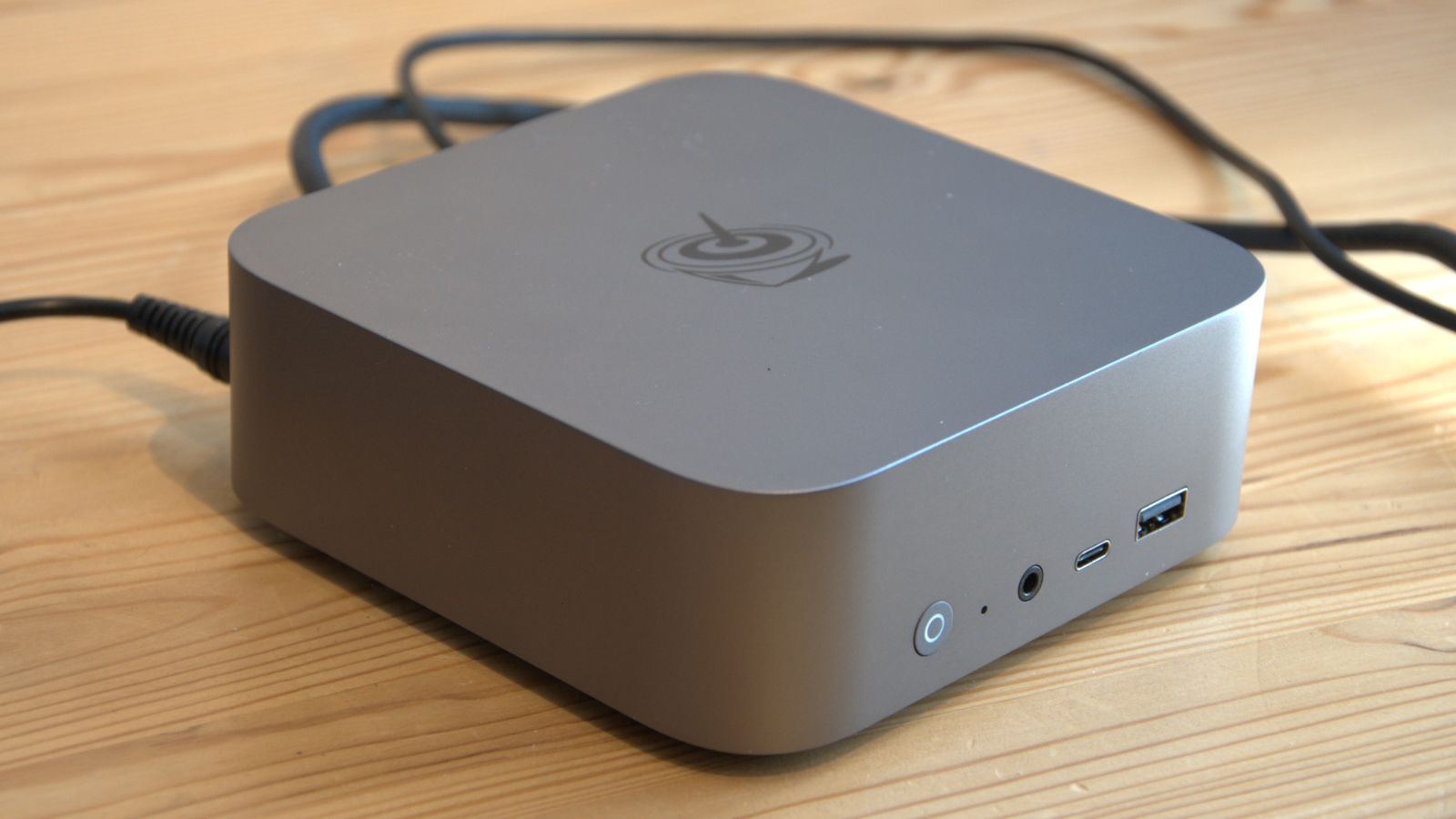
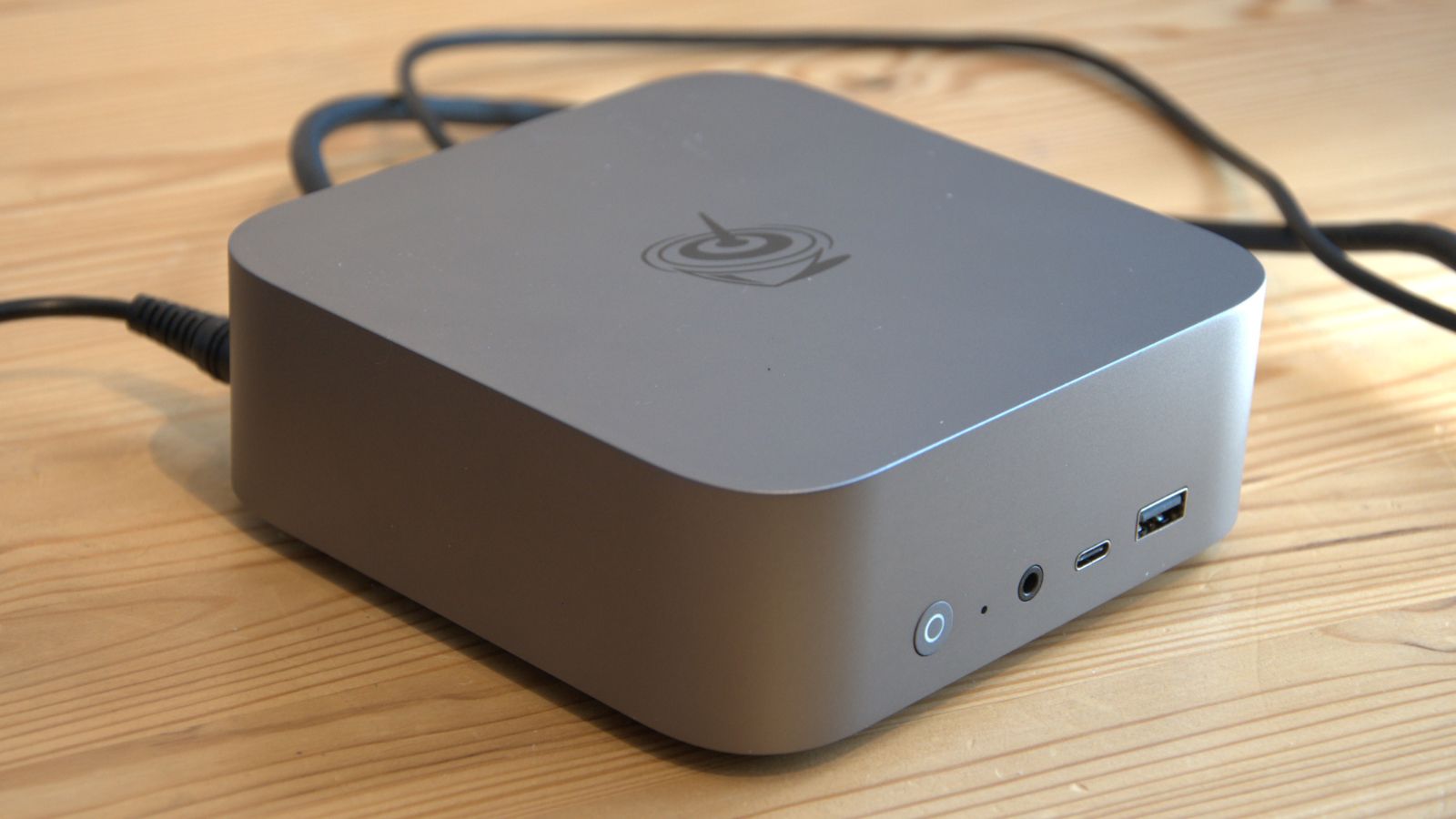
You don’t need a bulky tower to get serious desktop performance. The Beelink SER8 min PC squeezes an eight-core Ryzen 7 processor, 32GB of DDR5 RAM and fast PCIe 4.0 storage into a chassis measuring just 5.3 x 5.3 x 1.8 inches.
• Best for: Anyone who wants a powerful desktop PC for productivity or creative work but would rather have a compact machine that takes up very little desk space.
• Why it matters: This is the lowest price we’ve seen for this configuration. You get an eight-core Ryzen 7 8745HS processor with 16 threads and Radeon 780M integrated graphics, alongside plenty of upgrade potential and support for three external displays.
Advertisement
Why we recommend it
The Ryzen 7 8745HS CPU delivers boost speeds up to 4.9GHz, giving the SER8 enough processing power to handle most tasks. There’s plenty of scope for upgrading with two memory slots and support for up to 256GB of DDR5 RAM and up to 8TB of SSD storage.
In his four-star review, our expert Mark said it was “a classy small system ideal for those needing processing power (or even AI)” and that “Beelink makes some excellent mini PCs, and the SER8 is another in a long line of high-quality products from that brand. The enclosure’s engineering delivers styling and refinement that even Apple would admire.”
Advertisement
Price context & historical value
The reduction from $929 to $769 saves you $160, equivalent to around 17% off the regular price. This configuration for the SER8 is the same price right now on Amazon, and is the cheapest it’s ever been there.
You want solid performance without taking up a lot of desk space. The Ryzen 7 8745HS, Radeon 780M graphics and 32GB DDR5 RAM make it suitable for demanding tasks. You can replace the memory and add considerably more internal storage if required.
❌ Skip the Beelink SER8 mini PCif…
You need a dedicated graphics card for demanding 3D workloads. The Radeon 780M is capable integrated graphics, but it isn’t a substitute for a powerful discrete GPU.
New security research has found that well over a thousand U.S. water and wastewater providers are exposed to hacks due to malware that’s capable of stealing their employees’ passwords and active logged-in sessions.
While password-stealing malware is not new, the research highlights how stolen passwords offer hackers an easy route to break into an organization’s network without using AI tools.
SpyCloud said it built a database of more than 66,000 public-facing systems that are registered with the U.S. Environmental Protection Agency, amounting to 10,000 organizations. The company found password-stealing malware had swiped passwords and credentials from 1,787 organizations, or nearly two in 10 providers they checked. The firm noted at least 250 organizations had credentials exposed that appeared to allow access to their operational networks and remote-access systems, which control the physical pumps and water flows.
Advertisement
The analysis covered an unnamed metering tech provider, which had a device on its network that was infected with password-stealing malware. The malware stole reams of credentials, including passwords for 167 U.S. utility companies that rely on the metering tech provider.
SpyCloud Chief Investigations Officer Jason Lancaster said in the post that this single breach handed criminals the keys to access “a hundred otherwise unrelated organizations.”
Password-stealing malware, also known as infostealers, allows hackers to steal a person’s stored passwords as well as the session tokens that are used to keep them logged in. These session tokens can allow a hacker to log in as if they were the legitimate user, and can often bypass multi-factor authentication systems. Hackers regularly trade stolen credentials in order to obtain passwords or session tokens for accessing specific organizations.
This research comes weeks after a spate of hacks targeting water providers around the United States, which the U.S. government has privately tied to Iran-backed hackers. SpyCloud said it found no evidence that those Iran-linked hacks relied on stolen passwords. In those cases, the signs point to security weaknesses, such as manufacturer-set default passwords, in the mechanical switches and physical controllers used by critical infrastructure, SpyCloud said, echoing earlier findings from U.S. cybersecurity agency CISA.
Advertisement
Rather, the researchers note that stolen passwords are a major source of access to “whoever wants to buy or find it,” in parallel to the known security risks with critical infrastructure tech. Lancaster said that the water-sector “has to hold both stories at once.”
When you purchase through links in our articles, we may earn a small commission. This doesn’t affect our editorial independence.
Anthropic’s newest model, Opus 5.5, was released on Tuesday, setting a new state-of-the-art in coding and knowledge work performance, according to the company. Notably, the company says, the release outpaces the larger Fable model in many benchmarks, and succeeded in a number of informal tasks that Fable failed to complete.
The new model is also significantly cheaper than its predecessor. Output tokens will be charged at $20 per million tokens for Opus 5.5, compared to $25 for the previous model. Other metrics have similar price drops. The model is also faster to run, reflecting an overall drop in the compute required to serve it.
The new version also makes significant changes to how Opus communicates, with the Opus 5.5 less likely to use jargon and more likely to put important information at the start of its messages.
The launch comes just two months after the release of Opus 5 on July 24th. According to the announcement, Sonnet 5.5 and Haiku 5.5 will be released “in the coming weeks,” with similar performance improvements.
Advertisement
Anthropic says that Opus 5.5 is comparable to Mythos in its biology and cybersecurity capabilities, so its release is subject to the same safeguards as the company’s Fable model. Those safeguards limit how much the models can be used to discover exploits in compiled programs or developing recognizable biological weapons, among other tasks.
Opus 5.5 is Anthropic’s first model release since CEO Dario Amodei embraced calls to pace the frontier, deliberately slowing down progress on AI capabilities to match the rate of progress on alignment.
“I have become convinced that fully addressing the risks requires even more prudence,” Amodei wrote in a post earlier this month, “not just investing in risk prevention, but pacing the rate of capabilities advancement so that risk prevention has time to keep up.”
Opus 5.5’s safety training was broadly similar to its predecessors, with alignment testing and pre-release evaluation by outside organizations like METR and Frontier Design. But Anthropic emphasized that more advanced training and evaluation systems were already being prepared for future models, including improved security and monitoring systems.
Advertisement
“As AI becomes more capable, public policy should play a larger role in making sure the systems people rely on are safe. That capacity takes time to build, and we’ve started to put the infrastructure in place to support it,” the blog post reads. “We expect to share more details on these efforts soon.”
When you purchase through links in our articles, we may earn a small commission. This doesn’t affect our editorial independence.
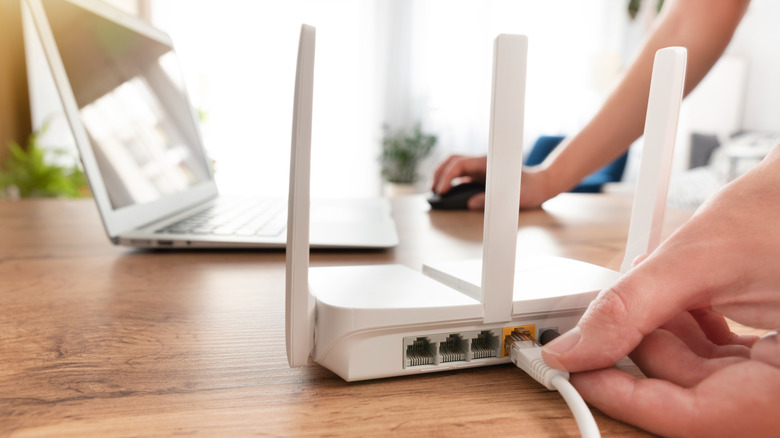
You don’t need a new router to get more Ethernet ports; the solution is much simpler.
Otto-photos/Getty Images
With more and more devices offering internet connectivity, running out of Ethernet ports on your router is a common frustration. A few ports aren’t enough to connect your smart TV, game consoles, desktop computers, NAS drives, home office equipment and more. If you’re maxed out, you might assume you need a new router, but that’s not the case.
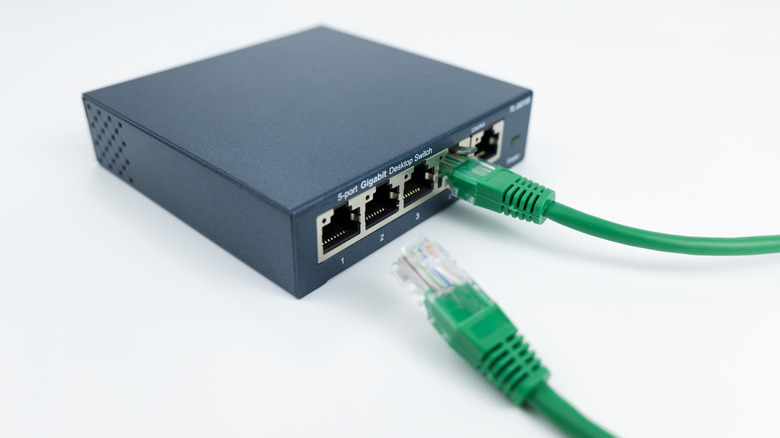
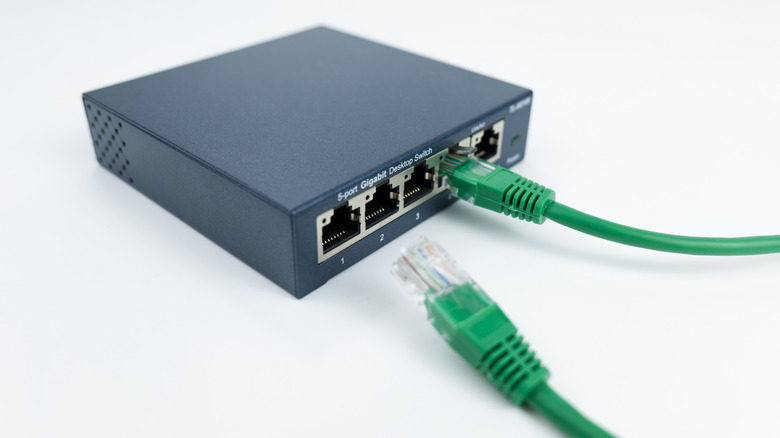
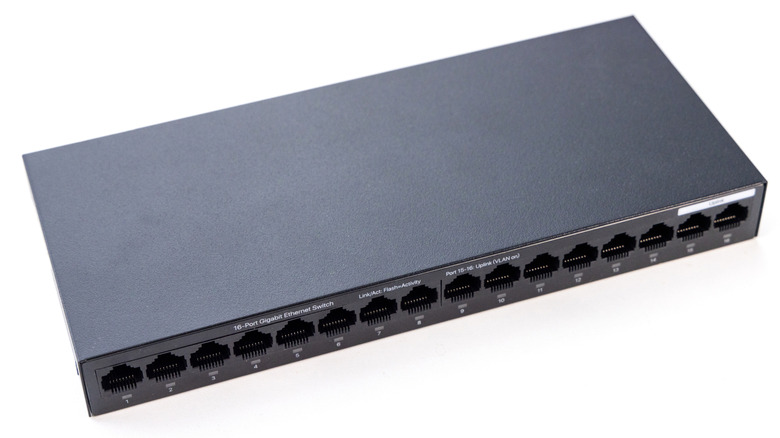
The real solution is simpler, more affordable and takes only minutes to set up: an Ethernet switch. This (often compact) plug-and-play device connects to one of your router’s LAN ports and immediately expands your wired network capacity. Depending on the model, a single switch can add four, seven, 15 or even more ports to your setup — all without replacing your router or reconfiguring your network.
This matters because while Wi-Fi has improved significantly over the years, a wired Ethernet connection still delivers a better, more consistent performance for activities like online gaming, 4K streaming and large file transfers. Let’s go over how Ethernet switches work and how they differ from routers, which port to use and what alternatives exist if running new cables isn’t an option.
Advertisement
An easy fix to your home’s network issues
Most home routers come with four LAN ports and one WAN port. The WAN port is for connecting to your modem (if you don’t have a combo unit), which leaves four for your use. Even if this was enough when you bought your router, needs can change. For instance, maybe smart TV starts buffering when you upgrade to a 4K streaming plan, so you don’t want it to use Wi-Fi anymore.
If all ports are already in use, an Ethernet switch (not a splitter) will add more connections to your existing router. Then you can enjoy the full internet speed you’re paying for on more of your devices, while also enabling more direct connections between devices. The switch acts as an expansion to provide more LAN ports, much like an HDMI switch or USB hub. They’re most commonly sold with five, eight or 16 ports, but the usable number is one fewer since one slot connects the switch to your router.
Advertisement
For most people, an unmanaged switch is the way to go as they require zero setup and come at a lower cost. Managed switches have advanced features like monitoring and virtual networks, which aren’t necessary when all you want is more ports.
How a network switch works
YouraPechkin/Shutterstock
A router’s job is to direct traffic between devices on your home network and the internet. When data comes in from the outside, your router sends it to your phone, laptop or other device as needed. A basic switch doesn’t do this; it simply provides more Ethernet ports for the router and makes sure data sent from devices connected to it goes to the right place. A switch doesn’t replace your router or affect Wi-Fi performance.
If running new cables through your walls isn’t realistic, there are a few alternatives to get a wired-style connection without the mess. You could use MoCA adapters to send broadband over your home’s coaxial wiring, or powerline adapters that do the same using your electrical outlets. Alternatively, surface-mounted fiber optic kits allow you to run super thin cables along baseboards for a high-speed performance without signal degradation. However, this is more expensive and requires careful installation to avoid damaging the cables.
Advertisement
How to know which Ethernet port to use
Proxima Studio/Shutterstock
Not every port on your router serves the same purpose. Aside from the WAN and LAN distinction mentioned earlier, you also need to check the speeds that each port supports. Ethernet performance is affected by the standard of the ports on both your router and device, as well as the cable itself.
If your computer and router both have a 2.5 gigabit Ethernet port and are connected by a cable that supports 2.5 Gbps, adding a switch that only supports 1 gigabit speeds will bottleneck performance for devices connected to it. Most unmanaged switches today offer at least gigabit speeds, so unless you have extremely fast internet, this shouldn’t be a huge concern. If your router’s ports don’t have any indication of their standards (like 1G or 2.5G), check the manual or online documentation.
Generally, plugging your Ethernet switch into the router’s highest-speed port that it can take advantage of is wise. Keep in mind that your connection speed to the internet and back will be capped by your ISP plan, though this doesn’t affect direct connections on your network (like your PC communicating with a NAS).
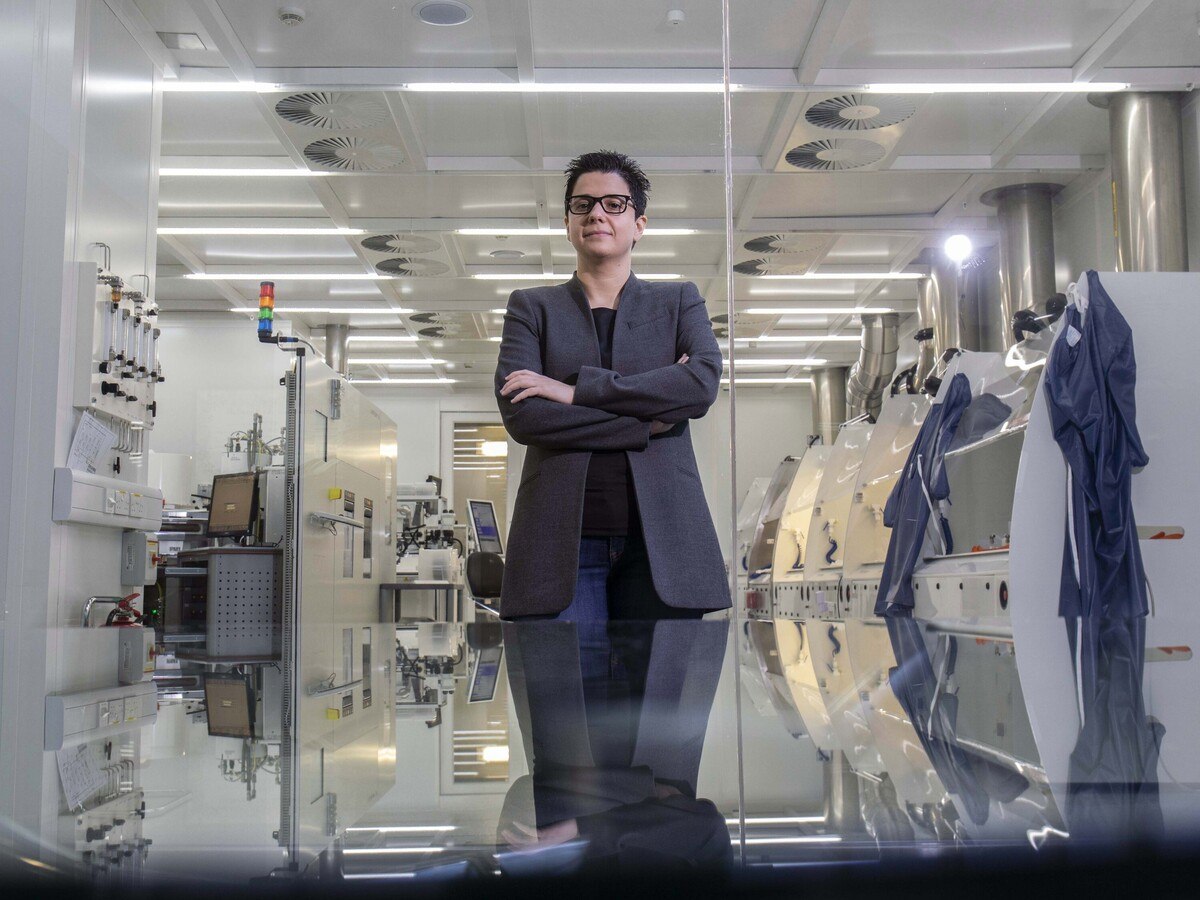
The study represents an important advancement in RF semiconductor tech, says Tyndall expert Andrés Fontana.
In a breakthrough that could help boost the journey towards next-generation 6G communication, researchers from Tyndall National Institute have helped develop a new microchip that can continuously adapt to changing network demands, while consuming minimal standby power.
6G networks are expected to handle significantly more data than today’s communication systems while operating with greater flexibility and lower energy consumption, while the overall radio-frequency tech market is expected to grow to nearly €70bn by 2030.
But achieving this will require new wireless hardware capable of delivering high performance, energy efficiency and real-time adaptability.
Advertisement
Earlier this year, Nvidia announced a new joint project with global telecommunication leaders including BT, Cisco and Deutsche Telekom to fast-track 6G infrastructure ready to handle AI workloads – something expected to be even more widespread in the coming years.
While in July, Dublin-based Pilot Photonics was approved for a recommended investment of up to €10.4m from the European Innovation Council to scale its photonic chip technology that uses laser light to generate extremely pure wireless signals, built for AI data centres, satellite communications, and 5G and 6G mobile networks.
Tyndall experts, adding this this, have developed a new type of programmable microchip, which integrates switches directly on to fully functional millimetre-wave communication circuits.
“This research represents an important advance in radio-frequency (RF) semiconductor technology,” explains Andrés Fontana, a senior postdoctoral researcher at the institute.
Advertisement
“By integrating novel two-dimensional materials with gallium nitride microchips, we have demonstrated a new class of programmable, ultra-low-power devices that could support the flexible, high-performance wireless systems needed for future 6G satellite and terrestrial communication networks.”
The research was conducted in conjunction with researchers from Tyndall, University College Cork, the National University of Singapore, Argentina’s Universidad Tecnológica Nacional and Saudi Arabia’s King Abdullah University of Science and Technology.
Their study, called ‘Reconfigurable mmWave microchips co-integrating hBN switches on GaN’, was recently published in Nature magazine. The microchip was successfully demonstrated in several key radio-frequency components used in wireless communication systems, confirming its suitability for real-world applications, the institute said.
“This publication in Nature highlights the strength of international collaboration in addressing some of the most important challenges facing future wireless communications,” said Prof Dimitra Psychogiou, the head of the advanced technologies group at Tyndall.
Advertisement
“This breakthrough demonstrates how innovative materials and device engineering can help shape the next generation of 6G and satellite communications.” The project was partially funded by Research Ireland.
Don’t miss out on the knowledge you need to succeed. Sign up for the Daily Brief, Silicon Republic’s digest of need-to-know sci-tech news.
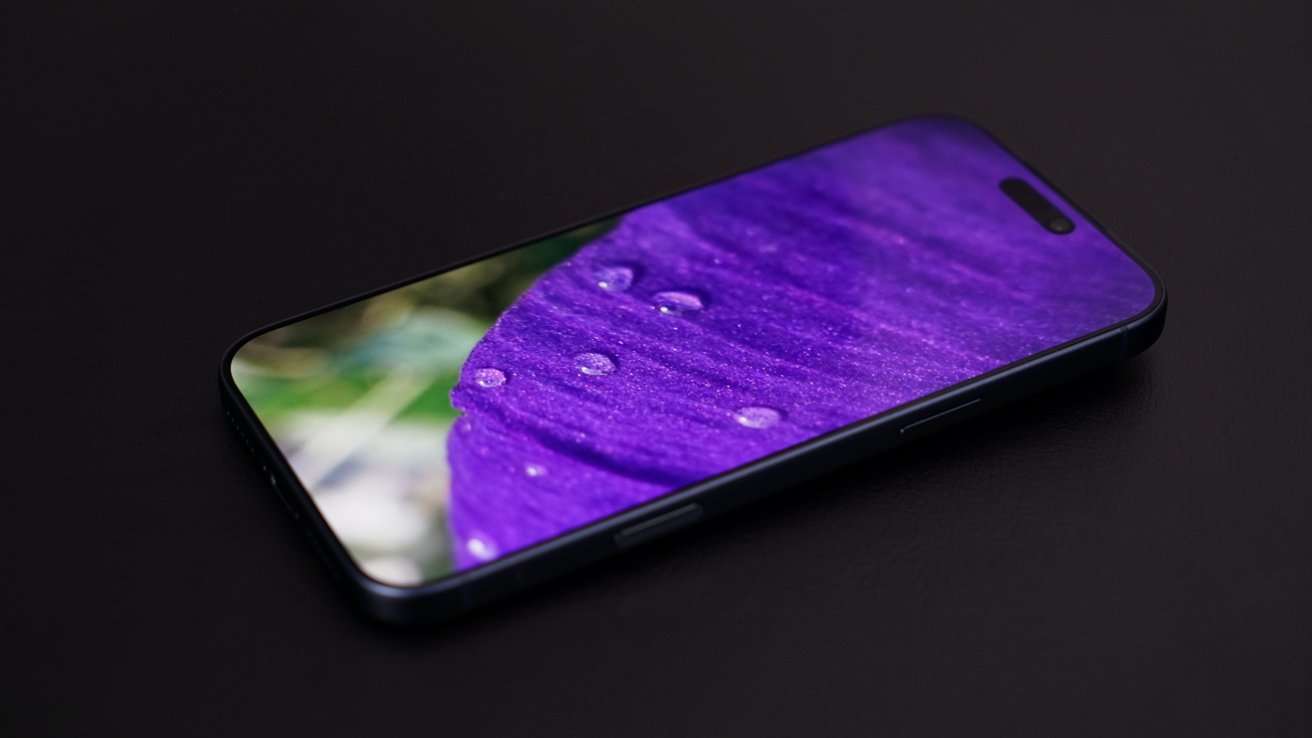
New research claims that Apple will add a significantly improved OLED display to the iPhone, but some years later than previously expected.
The improved technology is called Color Filter on Encapsulation (CoE) OLED, and key to it is that it is OLED without a polarizing layer. That layer prevents blurring on screen, but there are significant benefits if it can be dispensed with.
Apple had previously been reported to be planning to use this screen technology in its 20th anniversary iPhone, due in September 2027. However, according to UBI Research, Apple will not use CoE until its Pro model iPhones in late 2029.
That’s despite the same research claiming that Samsung has been using a version of CoE in its Galaxy Z Fold3 in 2021. UBI Research does not question why Apple would choose to wait eight years to use the technology.
Advertisement
However, in its coverage of the delay, ET Newspresents reasons for why Apple continues not to use CoE. It argues that up to now, Apple has not regarded the technology as being mature enough to use at scale.
While it appears that Apple does now regard it as useful, and was planning to add it to the iPhone 20 Pro, there is now another reason to delay. Reportedly, Apple has concluded that it would further add to the cost of the iPhone at a time when prices have already had to rise.
UBI Research does claim that the iPhone Duo was at least expected to use CoE, but no teardowns have yet confirmed whether it has.
Benefits of CoE
It is practically certain that Apple will want to move to CoE OLED displays as soon as it is practical, because there are multiple benefits from quality to cost.
Advertisement
Removing any layer means that the screen display will be thinner and also easier to manufacture, for instance. Then if the polarizing layer is removed, the light from the OLED would take less power to produce a brighter display.
That’s clearly a significant improvement on everything from daily use to the demands on the battery. But it requires manufacturers Samsung and LG Display to produce ways of removing blur without a polarizing layer.
These reports follow a recent leak that re-affirmed most previous claims regarding the displays on the iPhone 20 Pro and iPhone 20 Pro Max. So far such reports have concerned the display size and resolution, though, with no reference to CoE.
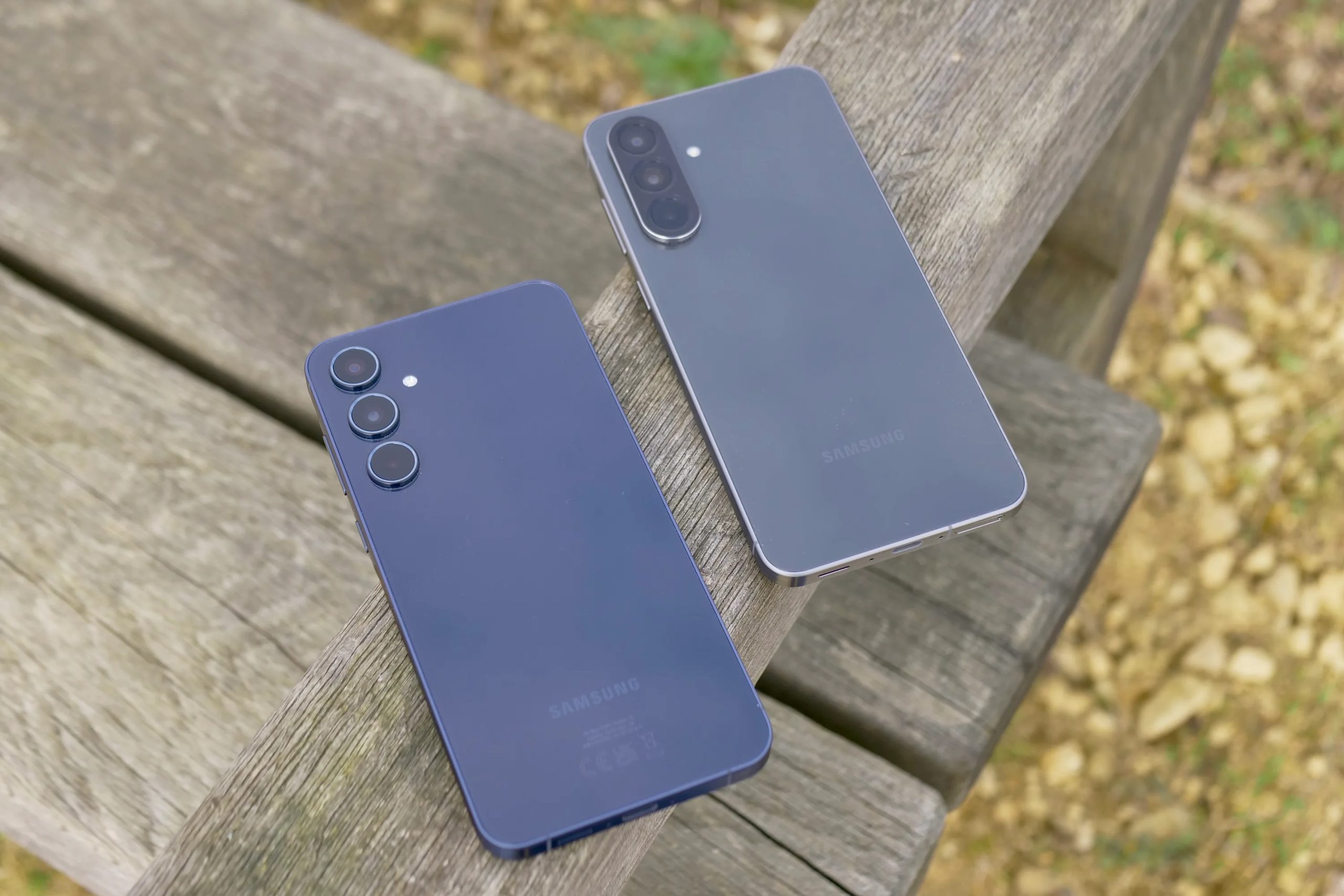
Samsung is reportedly borrowing a page from Apple’s long-term playbook, and if you’re a DIY repair fan, you won’t like it. Korean outlet The Elec reports that upcoming Galaxy A series phones will ship with a dedicated security chip embedded in their batteries.
Apple has used a similar approach for years. The iPhone checks for a cryptographic chip inside the battery, and an unverified third-party battery can trigger warnings or disable features such as battery health. Samsung could be heading in a similar direction with its mid-range phones starting next year.
Andy Boxall / Digital Trends
So what are the advantages of a verified battery?
Samsung is planning to add a security chip with a unique hardware “fingerprint” using Physical Unclonable Function (PUF) technology to its batteries, making them nearly impossible to fake. Samsung is producing the chips on its 28nm manufacturing line with partners ICTK and Analog Devices. The company also plans to equip around 50 million mid-range phones with them next year.
Now, let’s look at both sides of this coin. The upside is quite straightforward. Verified batteries will help catch unsafe copies before they cause overheating or fires.
Given that Samsung hasn’t officially announced how it wants to implement the process, the worry is mostly based on speculation about a particular approach: parts pairing or serialization.
Apple initially practiced the same thing. It tied each battery to the phone’s logic board. That made swapping original batteries between iPhones nearly impossible. With the iPhone 16 series, the company introduced an on-device Repair Assistant that allowed calibration of used genuine parts.
If Samsung goes down the harder path, it will make it harder for independent shops and DIYers to swap batteries without triggering error pop-ups or losing some battery-related features. As a result, official replacements could cost more than aftermarket options, something that often pushes buyers to replace the entire phone instead of buying a pricey battery.
That would not only result in more e-waste, but it would also shorten device lifespans. Samsung’s only comment is that it “cannot confirm the direction of technology development.” Whether that means open repair tools or an Apple-style lockdown should become clear once these phones actually ship.



























































You must be logged in to post a comment Login