
Tech
Microsoft and OpenAI gut their exclusive deal, freeing OpenAI to sell on AWS and Google Cloud



Microsoft and OpenAI on Monday announced a sweeping overhaul of the partnership that has defined the commercial AI era, dismantling key pillars of exclusivity and revenue-sharing that bound the two companies together for years and replacing them with a looser, time-limited arrangement that gives both sides far more freedom to pursue rival relationships.
The amended agreement, disclosed simultaneously in blog posts from both companies, marks the most significant restructuring since Microsoft first invested $1 billion in OpenAI in 2019 — and it transforms what was once the most consequential exclusive technology alliance in a generation into something that more closely resembles a strategic but arm’s-length commercial relationship.
Under the new terms, Microsoft will no longer pay any revenue share to OpenAI when customers access OpenAI models through Azure. OpenAI, meanwhile, will continue paying a revenue share to Microsoft through 2030 — at the same 20 percent rate — but that obligation is now subject to a total cap. Microsoft retains a license to OpenAI’s intellectual property for models and products through 2032, but that license is now explicitly non-exclusive. And OpenAI, critically, can now serve all of its products to customers on any cloud provider — including Amazon Web Services and Google Cloud — ending the exclusivity that had been a cornerstone of the original deal.
“The rapid pace of innovation requires us to continue to evolve our partnership to benefit our customers and both companies,” Microsoft wrote in its blog post Monday. OpenAI echoed the framing, calling the amended agreement a move “grounded in flexibility, certainty, and a focus on delivering the benefits of AI broadly.”
The diplomatic language belies the drama that led to this moment — months of behind-the-scenes tension, competing deal announcements, public contradictions, and even the specter of litigation between two companies whose fates have been intertwined since the earliest days of the generative AI revolution.
How a billion-dollar bet on AI created the most powerful exclusive partnership in tech
To understand why Monday’s announcement matters so much, it helps to understand what came before it. When Microsoft poured its initial $1 billion into OpenAI in 2019, and then followed with a cumulative investment exceeding $13 billion, it secured something extraordinary: exclusive commercial access to OpenAI’s models and intellectual property. Azure became the sole cloud provider for OpenAI’s API products. Microsoft integrated OpenAI’s GPT models into everything from Bing to Office to GitHub Copilot. The arrangement was, by any measure, one of the most lopsided technology licensing deals in modern history — Microsoft got privileged access to the most capable AI models on the planet, and OpenAI got the capital and infrastructure it needed to scale.
The deal even contained an unusual provision: Microsoft’s exclusive rights would remain in force until OpenAI achieved artificial general intelligence, or AGI — a loosely defined milestone referring to AI systems that rival or exceed human intelligence across a broad range of tasks. OpenAI’s board retained the authority to declare when AGI had been reached, at which point certain commercial terms would change. It was, in effect, a philosophical tripwire embedded in a business contract.
That structure worked well enough when OpenAI was a research lab with a modest commercial footprint. But as ChatGPT exploded into the mainstream in late 2022 and OpenAI’s annualized revenue rocketed into the billions, the constraints began to chafe. OpenAI found itself locked into a single cloud ecosystem at precisely the moment when enterprises — its fastest-growing customer segment — were demanding multi-cloud flexibility. In an internal memo earlier this month, OpenAI’s revenue chief Denise Dresser put it bluntly, telling staff that the Microsoft partnership had “limited our ability to meet enterprises where they are,” according to a report from The Verge.
Amazon’s $50 billion OpenAI investment created a legal crisis that forced the restructuring
The proximate cause of Monday’s restructuring was not a philosophical disagreement about AI safety or corporate governance. It was a $50 billion check from Amazon. In February, OpenAI announced that Amazon would invest up to $50 billion in the company — $15 billion upfront, with another $35 billion to follow when certain unspecified conditions were met. In exchange, OpenAI agreed to expand its existing cloud agreement with AWS by $100 billion over eight years and, most controversially, committed to making AWS the exclusive third-party distribution provider for Frontier, its new enterprise agent-building platform. OpenAI also agreed to co-develop “stateful runtime technology” on AWS Bedrock, the infrastructure layer that allows AI agents to maintain memory and context over extended tasks.
The problem was that OpenAI’s existing contract with Microsoft almost certainly prohibited these arrangements. Microsoft held exclusive rights to any OpenAI product accessed through an API — a category that plainly included Frontier. On the very day OpenAI announced the Amazon deal, Microsoft issued a pointed public statement insisting that “Azure remains the exclusive cloud provider of stateless OpenAI APIs” and that “OpenAI’s first party products, including Frontier, will continue to be hosted on Azure.” The contradiction between the two announcements was stark, and it created immediate legal exposure. The Financial Times reported in March that Microsoft was actively considering legal action to enforce its contractual rights. The situation placed OpenAI in an impossible position: it had made promises to Amazon that it seemingly could not keep under the terms of its Microsoft agreement.
Monday’s deal resolves that impasse entirely. By converting Microsoft’s license from exclusive to non-exclusive and explicitly granting OpenAI the right to serve products on any cloud, the new terms retroactively validate the Amazon arrangement and eliminate the legal overhang. Amazon CEO Andy Jassy wasted no time celebrating. “We’re excited to make OpenAI’s models available directly to customers on Bedrock in the coming weeks, alongside the upcoming Stateful Runtime Environment,” he wrote on X, adding that the company would share more details at an event in San Francisco on Tuesday.
Inside the new financial terms that shift billions of dollars between the two AI giants
The financial mechanics of the new deal deserve careful parsing, because they reveal which side gave up what — and who came out ahead. Under the old arrangement, money flowed in both directions. When customers bought ChatGPT subscriptions or accessed OpenAI models through their own applications, OpenAI paid Microsoft a cut — reportedly 20 percent. Conversely, when enterprise customers accessed OpenAI models through Azure’s API, Microsoft paid OpenAI a share of that revenue. This bilateral structure reflected the deep integration between the two companies: Microsoft was simultaneously OpenAI’s investor, cloud provider, distribution partner, and largest customer.
The new deal makes the cash flow one-directional. Microsoft stops paying OpenAI entirely. OpenAI continues paying Microsoft its 20 percent share, but only through 2030, and now subject to a total cap whose precise dollar figure has not been disclosed. Given that OpenAI’s revenue is growing rapidly — the company was reportedly on pace to generate tens of billions annually — that cap could become material relatively quickly.
For Microsoft, the trade-off is straightforward: it sacrifices the exclusivity that made Azure the only gateway to OpenAI’s models, but it gains immediate financial relief by eliminating its outbound revenue-share payments while continuing to collect inbound payments for several more years. And it retains approximately 27 percent ownership of OpenAI’s for-profit entity, meaning it participates in the company’s growth regardless of which cloud serves the workloads. Last quarter alone, Microsoft reported $7.5 billion in revenue from its OpenAI investment in a single quarter, according to TechCrunch’s reporting. For OpenAI, the calculus is different. It accepts a continued obligation to pay Microsoft through 2030, but it gains the commercial freedom to sell everywhere — a freedom that is arguably worth far more than the revenue-share savings. Enterprise customers overwhelmingly operate in multi-cloud environments. Being locked into Azure was not just a technical constraint; it was a sales objection that OpenAI’s competitors, particularly Anthropic and Google, exploited relentlessly.
Why the disappearance of the AGI clause signals a new era for AI governance
One of the more philosophically intriguing aspects of Monday’s announcement is what it does to the AGI provision that once governed the partnership. Under the original agreement, Microsoft’s exclusive commercial rights were tied to a trigger: if OpenAI’s board determined that the company had achieved AGI, certain terms — including Microsoft’s access to the most advanced models — would change. The provision was meant to ensure that a truly superintelligent system would remain under the nonprofit board’s control rather than being commercially exploited. In practice, it created perverse incentives: OpenAI had a financial reason to never declare AGI, and Microsoft had a financial reason to argue that AGI had not been reached regardless of what the technology could actually do.
The new deal sidesteps this entirely. Microsoft’s license now runs through a fixed calendar date — 2032 — “independent of OpenAI’s technology progress,” as the companies put it. The AGI trigger, a concept that once sat at the philosophical heart of the partnership, has been replaced by a spreadsheet. Andrew Curran, a close observer of OpenAI’s governance, noted on X that language defining AGI had been removed from OpenAI’s website, sharing a screenshot showing the change. The move drew sharp reactions. One commenter observed that “removing the definition = removing the accountability. whoever controls when AGI is declared controls a lot of commercial terms.”
The shift reflects a broader maturation — or perhaps disillusionment — within the AI industry regarding AGI as a meaningful commercial or governance concept. When the original deal was struck, AGI felt like a distant, almost mythical threshold. Now, with models like GPT-5.5 demonstrating increasingly general capabilities, the term has become more of a marketing slogan than a technical benchmark. Replacing it with fixed dates and dollar caps is, in some sense, an admission that the industry has moved beyond the framework that once defined this partnership.
Multi-cloud AI competition intensifies as enterprises gain the power to choose
The most immediate beneficiary of the new arrangement is the enterprise customer. For years, organizations that wanted access to OpenAI’s models had essentially one option: Azure. That constraint is now gone. Within weeks, according to Jassy, OpenAI’s models will be available on AWS Bedrock alongside the stateful runtime environment that powers long-running AI agents. Google Cloud is presumably not far behind.
This multi-cloud availability arrives at a moment when the AI infrastructure market is undergoing rapid consolidation and expansion simultaneously. Meta recently committed $48 billion to cloud providers CoreWeave and Nebius. Amazon’s investment in OpenAI, combined with its existing relationship with Anthropic — in which Amazon has invested up to $4 billion — positions AWS as a model-agnostic platform where enterprises can mix and match AI capabilities. Microsoft, meanwhile, has developed its own relationship with Anthropic, using Claude to power agentic products — a hedge against the very OpenAI dependency it spent billions creating.
The competitive dynamics are now genuinely complex. Microsoft competes with OpenAI in AI products (Copilot vs. ChatGPT), partners with OpenAI’s rival Anthropic, and remains OpenAI’s largest shareholder. OpenAI sells on Azure, AWS, and soon everywhere else, while building its own data centers. Amazon invests in both OpenAI and Anthropic. Google builds its own models while also hosting competitors on Vertex AI. Jehangeer Hasan, a technology commentator, captured the mood on X, calling the announcement a “notable shift in the cloud AI landscape” that signals “intensifying multi-cloud competition and a push toward giving developers more flexibility instead of locking them into a single ecosystem.” Chris Alexander, an engineer, offered a more candid assessment: “honestly Azure’s OpenAI endpoints are so unreliable, we mostly just hit you all directly,” adding that “it would be nice to have options in AWS or GCP for sure.”
What the restructured deal means for the future of AI’s biggest partnership
Several open questions remain. The precise dollar amount of the revenue-share cap has not been disclosed, and it will matter enormously as OpenAI’s revenue scales. The meaning of “first on Azure” — whether it implies a meaningful exclusivity window or merely simultaneous availability — remains deliberately ambiguous. And OpenAI’s own infrastructure ambitions, including plans to build proprietary data centers, could eventually reduce its dependence on any third-party cloud, including Azure.
Microsoft’s position, while less dominant than before, is not as diminished as some early commentary suggested. It remains OpenAI’s primary cloud provider, its largest shareholder, and a licensee of its technology through the end of the decade. It has diversified its own AI strategy with investments in Anthropic, its own Phi and MAI model families, and deep integration of AI across its product portfolio. The company reported $7.5 billion in OpenAI-related revenue last quarter — a figure that demonstrates the sheer financial scale of the relationship even in its loosened form.
For OpenAI, the new agreement is a coming-of-age moment. The company that once depended on Microsoft for everything — capital, compute, distribution, and credibility — now operates as an independent force capable of striking multi-billion-dollar deals with Microsoft’s biggest rivals. Sam Altman announced the changes on X with characteristic brevity: “We have updated our partnership with Microsoft.”
Seven years ago, when Microsoft CEO Satya Nadella and Altman first shook hands on a deal to commercialize artificial intelligence, the arrangement rested on the assumption that OpenAI needed Microsoft more than Microsoft needed OpenAI. Every clause — the exclusivity, the AGI trigger, the revenue share — reflected that original imbalance. Monday’s restructuring is proof that the assumption no longer holds. The partnership that launched the generative AI revolution has survived, but the power dynamics that created it have not. In the AI industry, it turns out, the only thing that moves faster than the technology is the leverage.



PocketOS, which provides software to car rental businesses, was using the agent against live infrastructure rather than keeping it strictly in a test environment. In a public post, founder Jer Crane described the episode as evidence of “systemic failures” and argued it was more than a single mistaken command.
Read Entire Article
Source link
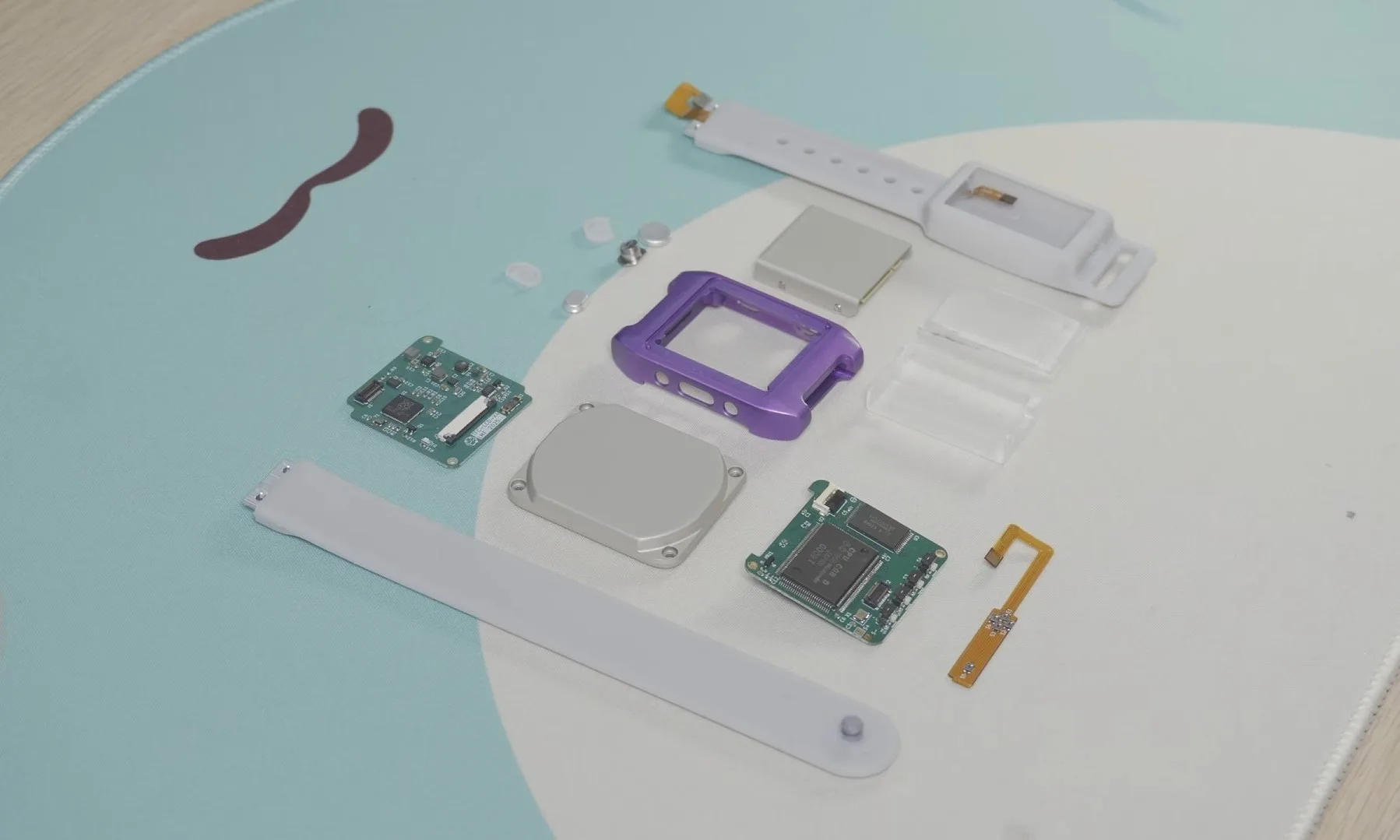
A modder has turned a Game Boy Color into something you can wear on your wrist, and it’s not just borrowing the look. This is an actual, playable retro console slapped onto your wrist.
YouTuber LeggoMyFroggo managed to squeeze a fully functional Game Boy Color into a wristwatch-sized form factor, creating one of the more bizarre yet impressive retro builds in recent memory.

How’d he cram a Game Boy Color into a tiny watch?
In the YouTube video, modder Chris Hackmann called the project “Time Frog Color”. Rather than going for a simpler route of relying on emulation, the build uses original Game Boy Color hardware, including the Sharp SM83 processor, paired with its video memory and support for physical cartridges.
If that last part sounds insane, it absolutely is. The watch can actually run games using tiny cartridges, which Hackmann even demonstrated by playing Pokémon Gold without any issues. He used an RP2040 chip that handled translating the display signal. This allowed the wearable console to function as a watch when powered off.
How was the gameplay experience?

Shrinking a late ’90s handheld console into a 38mm wristwatch does sound like a cool side project, but it comes with its fair share of compromises. The display is just 1.12 inches, and controls are handled by tiny tactile buttons tucked under 3D-printed caps, which doesn’t exactly sound like game-friendly controls. Making the experience even less immersive is the lack of audio and limited battery life.
In other words, it works, but it’s not exactly the best way to replay your childhood favorites. The Time Frog Color just shows how far retro hardware modding has come. It was never meant to replace the actual Game Boy Color or make gaming on a watch a real thing. Though watching enthusiasts finding ways to preserve and repurpose original components is always fun.
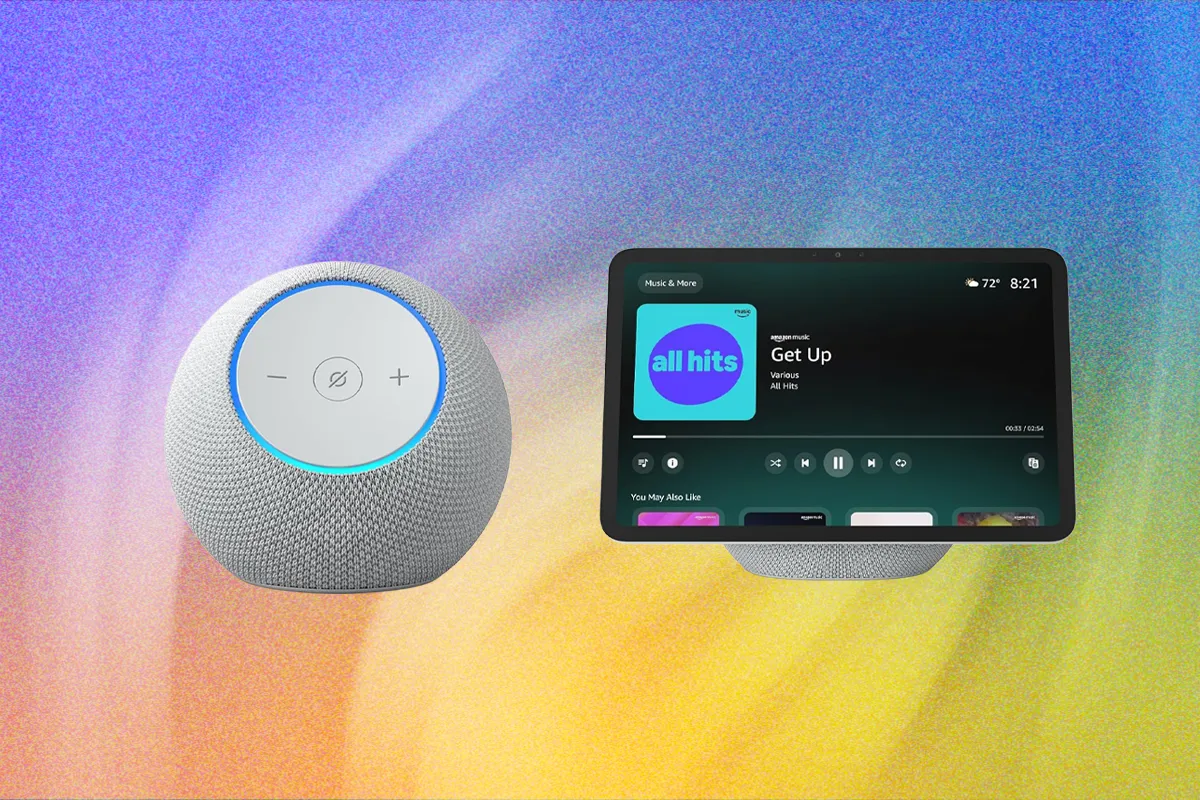
To achieve a smart home, you need a voice assistant to run it. A smart home assistant, usually folded into a smart speaker, will let you command your smart home with your voice and run your various routines. It also acts as a center for every gadget you want to add to your home. And you can add almost anything these days, from smart garage control to even voice-commanding your blinds.
But which assistant should you choose? Each of the big players comes with its own pros and cons, but I recommend choosing based on what you already use day-to-day. Your smartphone is the easiest entry point to pick from Apple or Google, or if you want a huge suite of smart speakers to choose from and have a Prime subscription, you may want to consider Amazon.
Take a look around what’s already in your home to see what works with which ecosystem before deciding. The best system for you will be the path of least resistance, whether that’s using your smartphone’s dedicated assistant or sticking with a platform that best integrates with the devices you already have.
Amazon Alexa

Courtesy of Amazon
WIRED: Huge selection of smart speakers and device compatibility.
TIRED: Paywalls, a meh new assistant, and Ring’s problematic policy.
It all began with Alexa, to some extent. It was the first Amazon Echo speaker back in 2012 that kicked off the smart home in an accessible way, letting anyone voice-command smart bulbs and ask for the weather without needing a custom installer or costing a fortune. Today, Amazon still has the widest range of options. The brand has the most smart speakers by a long shot, with 11 main models of smart speakers and displays currently available, plus several older versions of those same devices also available on Amazon’s website or at other retailers. It’s a huge suite with something for everyone, whether you want a screen, something made for kids, or fantastic sound with Alexa built in.
I do really like Amazon’s speakers and how easy the devices are to use, so this is a great entry point if voice control is of utmost importance. It can bring voice control into any room and for anyone in the house, and Alexa can create different profiles for different members of the family and attach information like calendars to those profiles. Amazon also owns Ring, so those smart home security devices work seamlessly with an Echo speaker, but we don’t recommend using Ring’s cameras because of its partnership with Axon, which enables local law enforcement to request footage directly from Ring users. My colleagues also have concerns about its data collection (and there have been other privacy issues over the years).
You’re also going to hit some paywalls. Amazon has an updated version of Alexa rolling out, Alexa+, which will cost $20 a month unless you have Amazon Prime. (Right now it’s out on Early Access, so it’s free, but non-Prime users can only demo it for 30 days before needing to upgrade to Prime to keep the demo.) The monthly fee is more expensive than Prime membership, so if you want it, it’s better to just join Prime. But neither I nor other WIRED staffers have been impressed by this updated, more expensive Alexa, so I hesitate to say it’s worth any investment. You’ll also need separate subscriptions for Ring devices if you choose to use them.
Alexa Smart Home Starter Pack
Still looking for an Alexa? Here are my favorite devices to start with.
T-Mobile has some cool extras to offer with its home internet and mobile phone service — you can cop some epic streaming perks just for being a customer. Streaming services have been raising prices on a regular basis, so it goes without saying that you may be interested in saving some dollars while still being able to dig into your favorite TV shows, movies, music and podcasts.
T-Mobile is offering customers a slew of solid discounts and freebies that will absolutely save you money while you can still enjoy all the entertainment that comes with subscriptions to Netflix, Apple TV, Paramount Plus and more. I put together a guide below with all the details.
I should note that the discounts listed here are available to T-Mobile customers with eligible home internet and mobile phone plans, unless otherwise specified. Check it out for yourself. Scroll on down for our roundup of the best streaming deals available to you.
Netflix
With eligible mobile phone plans, you can get Netflix with ads for free. If you’ve been wanting to catch up on shows like Bridgerton or The Night Agent, or rewatch hits like Stranger Things, Squid Game and Wednesday, this one is for you. To snag this freebie, you’ll need to have two or more lines with the following plans: Go5G, Go5G Next, Go5G Plus, Magenta, Magenta Max, or any Experience More or Experience Beyond plan. Included in this deal are Military, 55 and First Responder plans, as well.
If you’re an existing Netflix subscriber, you’ll be able to take part in this perk with one of the T-Mobile plans mentioned above. Head to the Add-ons section of your account page to sign up for your Netflix offer.
You can also choose to upgrade and stream ad-free Netflix Premium for $20 per month (down $7 from the regular price) through your T-Mobile bill.
Hulu
If you subscribe to any Experience Beyond or Go5G Next mobile plan, T-Mobile will include ad-supported Hulu for free. One Hulu offer is available per T-Mobile account, and this deal only applies to new and returning T-Mobile customers. To redeem, simply follow the instructions listed here, and you’ll be all set.
Please note that there’s no discount if you wish to switch to a different Hulu plan. And if you’re already paying for Hulu but want to use this T-Mobile freebie instead, you’ll need to cancel your current subscription first.
Paramount Plus
Those of you with an All-In home internet plan can access the Paramount Plus ad-supported Essential Plan at no extra cost. You can watch a range of TV shows (including all of Taylor Sheridan’s hit shows, except Yellowstone) and movies from networks like CBS, Nickelodeon and Comedy Central, plus live sports and a small set of live channels. You can activate the streaming subscription directly through your T-Mobile bill.
SiriusXM
Do you have a T-Mobile wireless plan, such as Experience Beyond, Experience More or the Go5G plans? Well, you can get the SiriusXM All Access plan (for app use only) free for six months. To snatch up this deal, simply add it to your account. After the six-month promo is up, customers will be billed the full price for the service, currently $12 per month.
New and returning SiriusXM subscribers who’d like to use this perk can, as long as you haven’t had an active subscription to the satellite radio service in the past 12 months.
Pandora
Speaking of streaming music, four months of Pandora Premium is included for free if you’re a T-Mobile postpaid mobile customer. You can add the Pandora Premium On Us perk to your account through the T-Mobile website or app to take advantage of the deal. After the four months are up, your bill will show Pandora Premium’s regular price, which is currently $11 a month.
Apple TV isn’t free, but it’s cheap
Since 2021, T-Mobile has offered its subscribers complimentary access to Apple TV. That deal ended on Jan. 1. Customers with premium mobile and voice plans saw the free perk replaced by a $3-per-month cost for the streamer. T-Mobile newbies can also sign up for the deal.
This change reflects Apple TV’s recent price bump from $10 to $13 per month. Anyone with the 55+ and Senior plans, as well as phone plans for military members, first responders, and individuals with hearing or visual impairments, will receive this $3 deal for six months. While not free, this new price is still a noteworthy discount for the streamer.


The robots will be introduced at the start of May by Japan Airlines on a trial basis, though the ultimate goal is to deploy them permanently. If you’re one of the 60 million people passing through Haneda airport every year, keep a lookout for one.
Read Entire Article
Source link

Some films age quietly. Others sit in the dark, waiting for the format to catch up. The Man Who Wasn’t There lands in the second category. Shot in black and white by the Coen Brothers, this 2001 noir has always been more about mood and control than plot momentum, and the jump to 4K from the Criterion Collection finally gives its visual look the kind of presentation it needed.
The timing isn’t accidental. Billy Bob Thornton is back in the conversation thanks to his performance in Landman, and it’s a reminder that his turn as Ed Crane remains one of the most restrained and quietly devastating performances of his career. He barely raises his voice, barely moves the needle emotionally on the surface, and still manages to pull the entire film into his orbit. It’s control bordering on suffocation.
Across from him, Frances McDormand does what she always does; make it look easier than it is. She’s sharp, cynical, and completely believable, even if her work here doesn’t quite reach the level of Fargo. And then there’s James Gandolfini, gone far too soon, reminding everyone that while The Sopranos defined him, it never boxed him in as an actor.

This isn’t a noir that grabs you by the collar. It just stands there, lights a cigarette, and lets the smoke do the talking. Compared to sharper, more aggressive classics like The Asphalt Jungle, Double Indemnity, or even Out of the Past, it doesn’t have the same edge or narrative snap. There’s no real jolt, no clever turn that resets the stakes and forces you to lean forward. Instead, it moves at its own pace, more interested in mood and control than tension.
That’s not a flaw, but it does change how it lands, especially if you’re expecting the kind of bite those earlier films delivered. The Coen Brothers aren’t Billy Wilder. Not even a distant relative with a suspicious accent and a better third act.
Ed Crane is a quiet barber who suspects his wife is having an affair. Rather than confront it, he tries to use the situation to fund a small business opportunity through blackmail. It seems simple enough, but the plan quickly leads to complications he doesn’t fully understand or control.
It goes wrong in the way these things always do. Not all at once, and not with much warning. One decision leads to another, each one a little worse than the last, until Crane is in over his head and still acting like he has a handle on it. He doesn’t. And by the time that becomes obvious, it’s already too late.
Image & Sound Quality
Criterion keeps this one simple. The 4K Ultra HD disc is region-free, the included Blu-ray is Region A locked. The new restoration comes from the original 35mm camera negative and is presented in native 4K with Dolby Vision and HDR. I watched most of it in Dolby Vision and then checked in on the Blu-ray to see how much you’re really missing.
Not a lot, but it’s there.
The image looks clean and properly resolved without any heavy-handed processing. Grain is present and stable, detail is consistent, and the overall presentation feels natural. Depth is better than expected for a black-and-white title, with solid separation between foreground and background elements.
Grayscale is the real strength. Blacks are stable, whites stay in check, and the midtones carry the weight without getting muddy. Dolby Vision helps a bit with control, but this isn’t a dramatic HDR showcase. It’s more about refinement than range.
The standard Blu-ray holds up well. On a modest setup, you could live with it and not feel shortchanged. On a larger screen, the 4K disc has the edge; slightly better clarity, a bit more stability, and cleaner fine detail. Most certainly one of their best reissues in awhile in the genre.
Audio is limited to a single English DTS HD Master Audio 5.1 track with optional English SDH subtitles. The original 5.0 mix is presented in a 5.1 format, but this is not a film that makes aggressive use of surround channels. It is primarily dialogue-driven, with a restrained sound design that reflects the Coen Brothers’ usual approach.
Dialogue and narration are clear and easy to follow throughout. The track handles quieter scenes well, where small shifts in volume and tone are more noticeable than any large dynamic moments. There are a few louder sequences that open things up slightly, but they are not the focus.
Criterion splits the extras across both discs, with one key item carried over on each.
Both the 4K and Blu-ray include the same archival commentary featuring Joel and Ethan Coen and Billy Bob Thornton, recorded in 2004. It’s a measured track that focuses on structure, tone, and character behavior rather than production trivia. There’s also some discussion about visual choices and how certain scenes were shaped, which ties back to the film’s overall look.
The Blu-ray adds the rest of the material. The new 37-minute conversation between the Coens and critic Megan Abbott is the most substantial piece. It covers the film’s origins, its place within noir, and how they approached its restrained style. It’s direct and stays on topic.
There’s also an older 13-minute segment with Roger Deakins that focuses on the cinematography. He walks through the visual approach and some of the decisions behind the black-and-white presentation.
The remaining extras are brief. A 10-minute behind-the-scenes piece offers raw footage from the set without much structure. Two short deleted scenes are included but don’t add much context. The package also comes with a printed leaflet featuring an essay by Laura Lippman and standard technical notes.
Overall, the extras are focused but not extensive. The commentary and the new Coen/Abbott discussion carry most of the weight.
Movie Details
- STUDIO: Criterion
- FORMAT: Ultra HD 4K Blu-ray
- THEATRICAL RELEASE YEAR: 2001
- ASPECT RATIO: 1.85:1
- HDR FORMATS: Dolby Vision, HDR10
- AUDIO FORMAT: DTS HD Master Audio 5.1, English SDH Subtitles
- LENGTH: 116 mins.
- MPAA RATING: R
- DIRECTOR: Joel Coen, Ethan Coen
- STARRING: Billy Bob Thornton, Frances McDormand, Michael Badalucco, James Gandolfini, Katherine Borowitz, Jon Polito
Our Ratings
★★★★★★★★★★ Picture
★★★★★★★★★★ Sound
★★★★★★★★★★ Extra
Where to buy:
Related Reading:

Snabbit, an Indian on-demand home services startup, has closed a $56 million funding round, confirming TechCrunch’s earlier report.
Co-led by Susquehanna Venture Capital, Mirae Asset Venture Investments’ Unicorn Growth Fund, and Bertelsmann India Investments, the company’s Series D round values the Bengaluru-based startup at around $350 million, according to a person familiar with the matter. That’s up from $180 million about six months ago. Existing investors Nexus Venture Partners and Lightspeed also participated, alongside FJ Labs. The company has raised about $112 million in total.
Founded in 2024, Snabbit said it is now processing over 40,000 jobs daily across a network of more than 15,000 workers in five cities, offering services such as cleaning, dishwashing, and laundry as demand for rapid, on-demand home services grows in urban India.
The startup said the amount it loses on each order has fallen about 50%, while its customer acquisition costs have shrunk roughly 65%.
Snabbit’s fundraise comes as investor interest in India’s on-demand home services sector heats up, with rival Pronto also in talks to raise fresh capital and publicly traded Urban Company reporting more than one million monthly bookings.
While Apple’s keynote video is typically the most memorable part of WWDC, Apple has shown off how and where developers can participate in a bunch of community events across the globe before and after the conference.
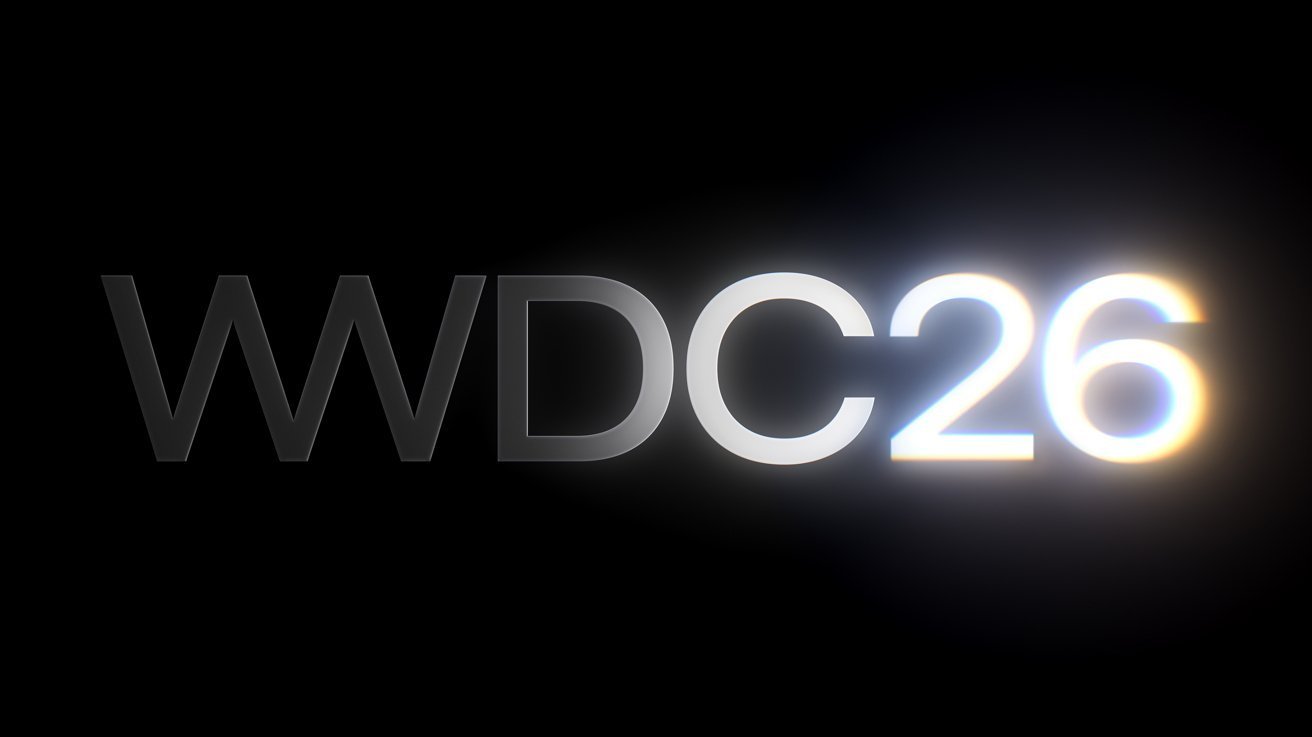
More than 20 community-driven events will be held before and after WWDC 2026.
Apple’s Worldwide Developers Conference is held in June each year, at Apple Park in California. The company uses its annual event to preview new versions of its major operating systems, with iOS 27 and more expected to debut on June 8.
In-person WWDC attendees are selected through a lottery program, but even those who didn’t win will have access to conference-adjacent and community-hosted events.
Continue Reading on AppleInsider | Discuss on our Forums
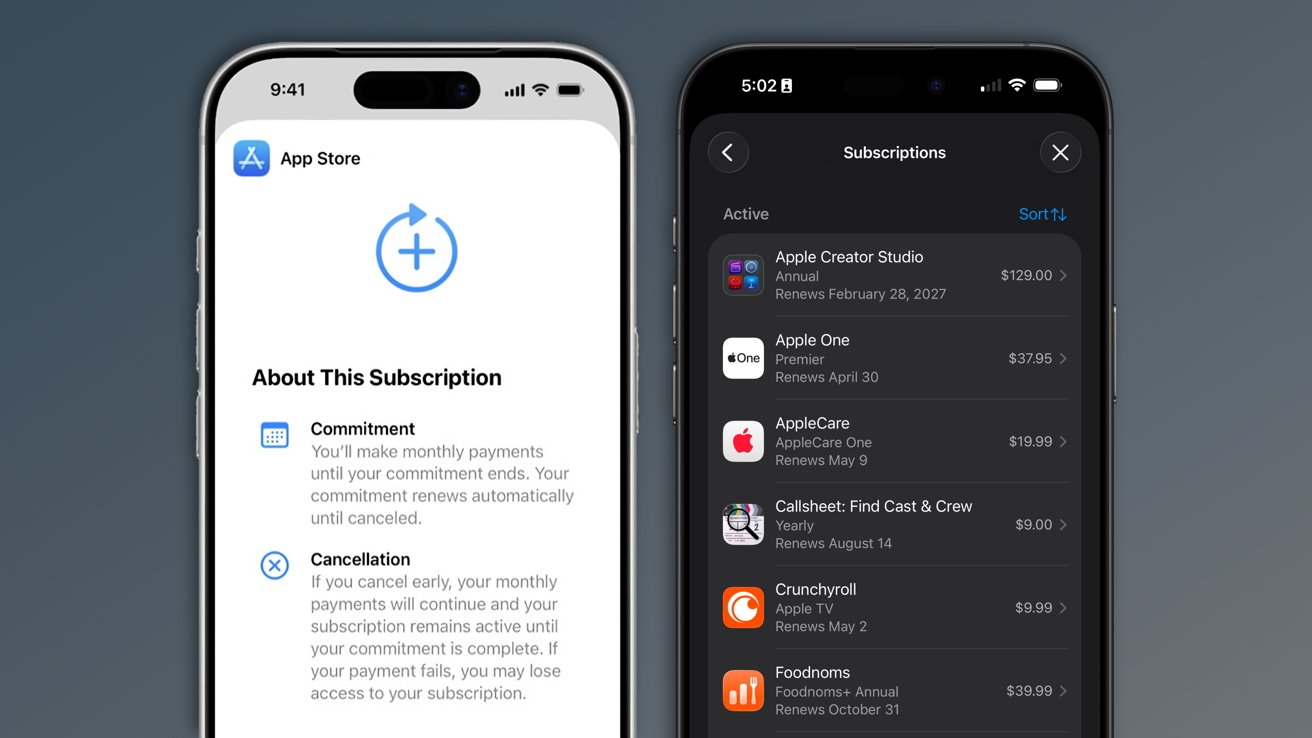
If that one big sum per year for an annual app subscription is too much to pay at once, the App Store will let you break that into monthly payments.
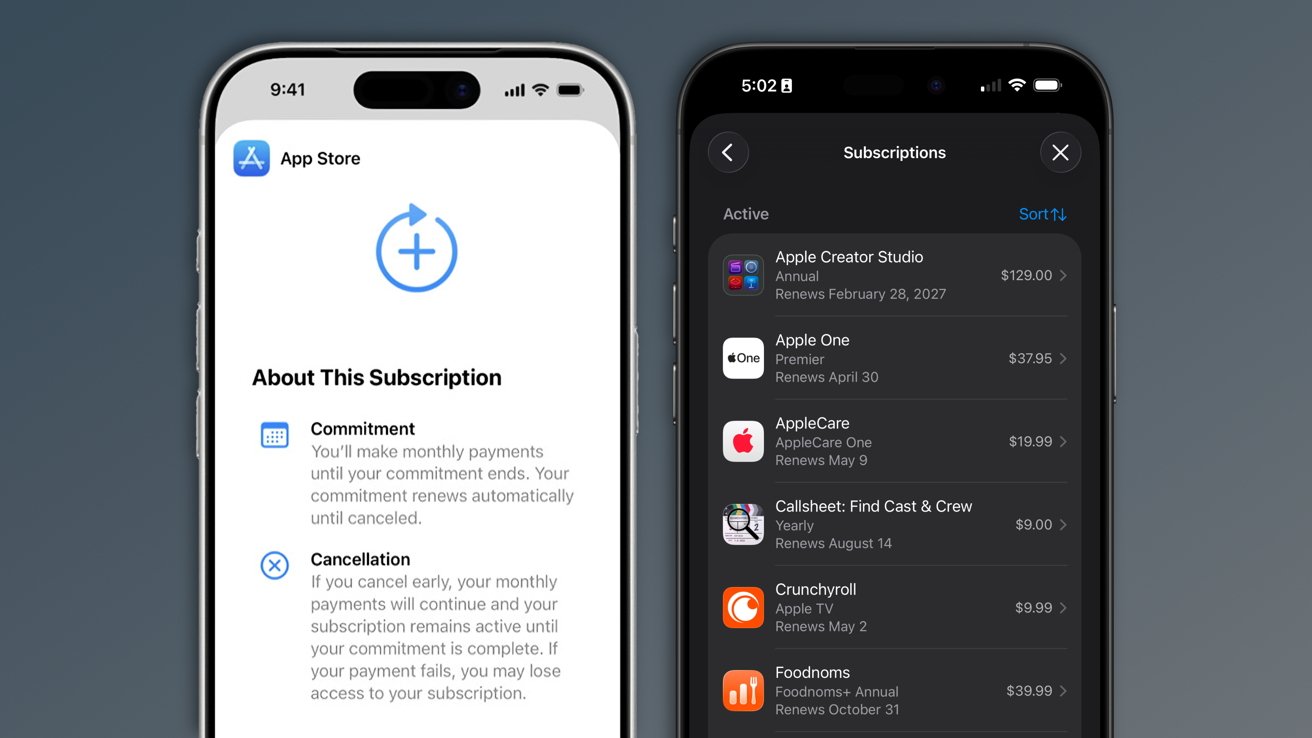
Apple is making it easier to get annual subscription discounts
Subscription revenue has become an integral part of Apple Services. Developers have a few ways to draw customers into long-term usage and bigger payouts, but they require big up-front financial commitments.
Apple has revealed a new payment option that could help developers offer better discounts while still getting a long-term commitment from the user. It works by offering the user an annual discount that is paid for over 12 months.
Continue Reading on AppleInsider | Discuss on our Forums
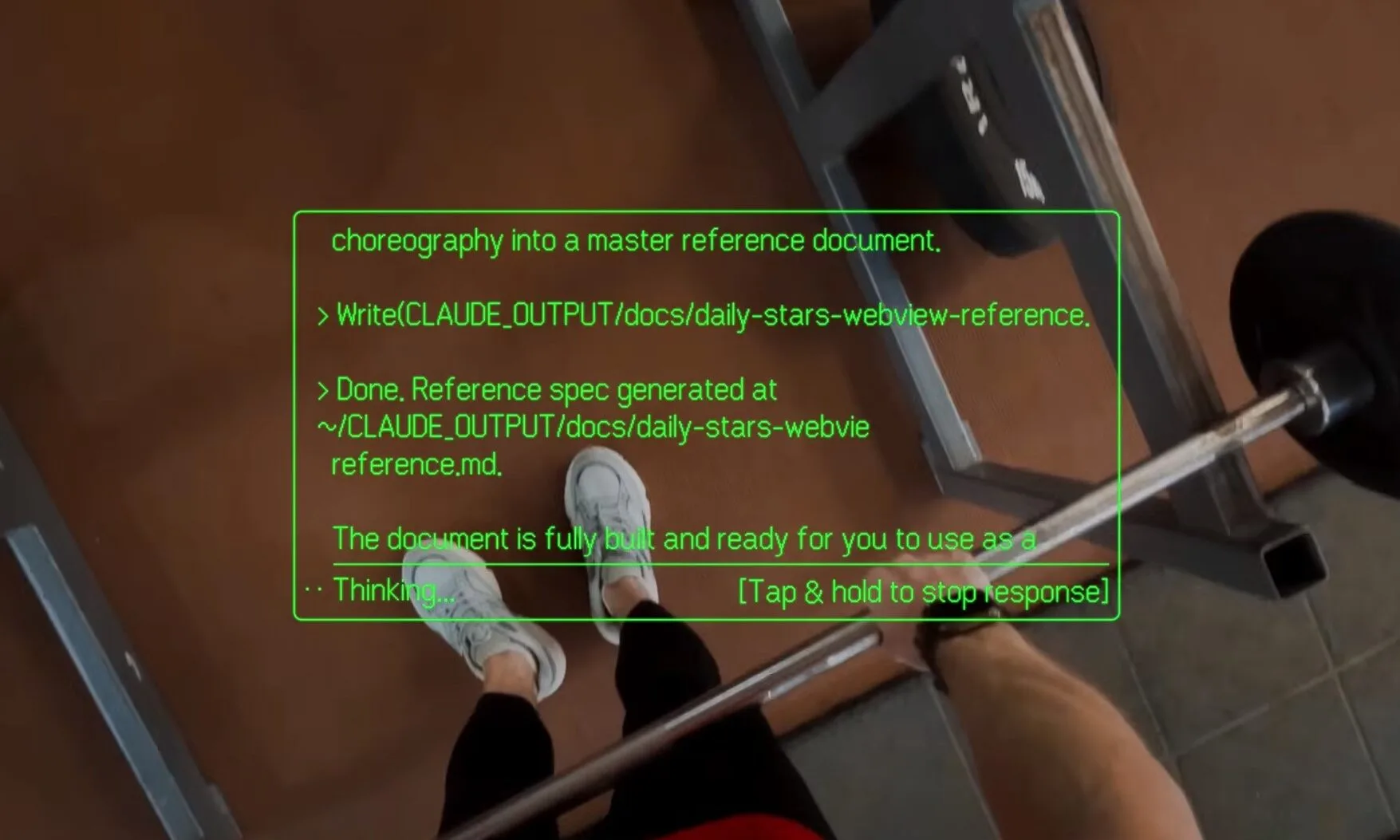
Even Realities has rolled out the v2.2.0 update for its Even G2 smart glasses, with Terminal Mode as the headline feature. The update is now live, giving developers a new way to monitor and interact with coding agents without staying glued to a laptop screen.
Your terminal has entered your eyeballs
Terminal Mode is built around the idea of putting the coding terminal in front of your eyes. Developers using AI coding agents can track what the agent is doing, check progress, give commands and respond when needed through the glasses’ built-in microphone. The feature reduces the need to keep jumping back to a laptop, giving users more freedom to move around, handle chores, or even work out between coding sessions.
CEO Will Wang said in an interview that the idea for this feature came after a recent visit to Silicon Valley, where he noticed developers increasingly speaking to AI agents through microphones instead of typing every command. These agents can now complete most of the work on their own, which made Even G2’s built-in microphone and virtual terminal display feel like a natural fit for this workflow.
Sure, it’s nerdy. But so is wearing a computer on your face. Terminal Mode leans into what G2 already does well, surfacing just enough information to keep you moving, and applies it to code.
Terminal Mode fits into Even Realities’ push to make the G2 useful for more than basic notifications. The glasses recently added tools for meeting prep and running apps directly in front of the wearer’s eyes.

The nerdy stuff does not stop there
The v2.2.0 update also includes a few other additions. Conversate and Translate records can now be exported. Even AI now supports continuous conversations, so users no longer need to repeat a wake-up command during an ongoing interaction. Even Realities also mentions sleep algorithm improvements and better connection stability.
Terminal Mode may sound like a feature built for a very specific crowd, but for coders already using AI agents, it could become a useful second screen for quick updates, approvals, and progress checks. It is a niche feature for now, but it gives the Even G2 a clearer role in developer workflows beyond basic smart-glasses notifications.

Fury vs Joshua: This long-awaited heavyweight battle will define a generation
ESPN Has One Big Concern for the Vikings after the Draft

AI coding agent running Claude wiped a startup's database (and its backups) in 9 seconds

Manchester United reach agreement with Casemiro over contract clause amid transfer speculation

US brings back mandatory military draft registration

Steven Gerrard disagrees with Gary Neville over ‘shock’ Chelsea and Arsenal claim | Football


-

 Fashion4 days ago
Weekend Open Thread – Corporette.com
-

 Tech18 hours ago
Register Renaming | Hackaday
-
 Crypto World3 days ago
Hyperliquid $HYPE Rally Builds Momentum as AI Sector Enters Prove-It Phase
-

 Politics6 days ago
Making troops accountable for war crimes threatens US alliance, ex-SAS colonel warns
-

 Politics6 days ago
Disabled people challenge government SEND proposals over segregation concerns
-

 Business4 days ago
Patterson-UTI Energy, Inc. (PTEN) Q1 2026 Earnings Call Transcript
-

 Business6 days ago
Rolls-Royce Voted UK’s Most Iconic Trade Mark as IPO Register Hits 150
-
 Crypto World7 days ago
Five Value Stocks with Recovery Potential in 2026: PayPal (PYPL), Nike (NKE), and More
-
 Sports2 days ago
IPL 2026: Ruturaj Gaikwad registers slowest fifty of the season, enters all-time unwanted list | Cricket News
-

 Politics14 hours ago
Drax board avoid their own AGM, accused of greenwashing & environmental racism
-

 Crypto World7 days ago
New York sues Coinbase, Gemini over prediction market offerings
-

 Politics6 days ago
Starmer handler McSweeney to be dragged from shadows by Foreign Affairs Committee
-

 Politics6 days ago
Zack Polanski responds to home secretary’s taser threat
-
Politics6 days ago
Wings Over Scotland | How To Get Away With Crimes
-
Entertainment7 days ago
Sydney Sweeney cameo cut from “The Devil Wears Prada 2”, source explains why (exclusive)
-
 Business6 days ago
HCL Tech share price tank over 9% after weak Q4. JPMorgan, HSBC & 3 others cut target price
-

 Crypto World7 days ago
Crypto’s great hope in Senate’s Clarity Act still has a path to survive tight calendar
-

 Politics6 days ago
‘Iran is still a nuclear threat’
-

 Fashion7 days ago
Kilkenny Design New Beauty Arrivals for Spring 2026
-
 Sports5 days ago
Tim Bradley names the current best in the world: “Better than Inoue and Usyk”
You must be logged in to post a comment Login