Connect with us

Tech

Microsoft turns to the UK Supreme Court after losing twice over second-hand software licenses, and billions could ride on the outcome

Published

on


  • Microsoft has won an extended stay at the Competition Appeal Tribunal while it seeks permission to appeal to the UK Supreme Court, having lost at both the Tribunal and the Court of Appeal
  • Its argument that Office’s icons and clip art placed it outside software exhaustion rules was rejected as producing “odd results”, including CD software being resellable while identical downloads were not
  • The jurisdiction ruling matters more than the £270 million claim, as it clears the way for a parallel collective action that could expose Microsoft to billions

Microsoft has bought itself time in its long-running fight with a British software reseller, securing an extended stay of proceedings at the Competition Appeal Tribunal while it prepares to seek permission from the UK Supreme Court to appeal.

While Microsoft has yet to appeal formally, its indication that it intends to do so buys it some breathing room against a judgment that could mean that parallel proceedings, including a £3.5 billion class action lawsuit that could compromise as many as 2.7 million members, could become a centerpiece of the software giant’s future legal troubles in the UK.

Source link

Continue Reading
Click to comment

You must be logged in to post a comment Login

Leave a Reply

Tech

Why No Other Country Has An International Military Base On US Soil

Published

on


If you’ve ever served in the United States military, odds are that you worked at one of the nation’s many foreign bases located throughout Europe, Africa, Asia, Australia, and South America. The U.S. maintains between 750 and 800 facilities of various sizes and types in around 80 foreign countries, colonies, and territories. All told, that is between 70 and 85% of the world’s foreign military bases. They range in size from relatively small to extremely large in both land mass and population.

That makes the U.S. military the most expansive throughout the globe. Looking at so many foreign U.S. bases, many might wonder about the opposite: foreign-owned bases on U.S. soil. To put it simply, there aren’t any, and there hasn’t been a foreign base in the United States for a very long time. Technically, no foreign military base has been established or occupied since the War of 1812, when the United Kingdom established several during the conflict. On the surface, that doesn’t exactly seem fair to American allies who host U.S. personnel in their respective countries.

Advertisement

The main reason why there aren’t any foreign bases on U.S. soil is that they’re not needed to bolster U.S. defenses. Still, the U.S. isn’t entirely closed off to the militaries of its closest allies. Many maintain permanent and semi-permanent detachments within U.S. facilities, working alongside American personnel. 

Advertisement

Foreign military personnel detached to the United States

The United States is home to eight permanent detachments of foreign personnel from Germany, Italy, the Netherlands, Singapore, and the United Kingdom. They’re located in Virginia, Texas, Arizona, Idaho, Nevada, California, Georgia, and South Carolina. An additional facility will open to train Qatari troops at Mountain Home Air Base, Idaho. While these presences are permanent and see turnover of personnel throughout the year, they are not foreign-owned bases. Instead, they’re co-located on American bases. This is different from how the U.S. military operates in other nations’ territory.

American bases are not considered to be American soil, unlike embassies, which are small islands of their respective nations’ soil in other countries. For bases, the U.S. enters into a Status of Forces Agreement, or SOFA, with host nations, allowing for a back-and-forth between the U.S. and whichever nation it’s working with. At one of the largest bases, Ramstein Air Force Base in Germany, one of the terms of the SOFA agreement is that personnel are given ration cards for purchasing fuel, coffee. It’s similar in other countries.

For those personnel working within the United States on a permanent basis, the vast majority of them are pilots. This makes sense since the U.S. often sells its military aircraft to its allies. Selling something like an F-35 Lightning II to Belgium or Poland is good for American exports, but training pilots becomes a necessity. Instead of conducting training elsewhere, many foreign pilots come to the U.S. to learn how to operate U.S.-made aircraft alongside U.S. pilots. Intelligence personnel also train in the U.S. alongside American servicemembers, though this is a far more exclusive club.

Advertisement


Source link

Continue Reading

Tech

Detect the Signature of Dark Matter With a DIY Antenna

Published

on

If you’re wondering what dark matter is, you’re not alone. Astronomers don’t know. But they’ve determined that this invisible material must be far more abundant than the stars and nebulas that they can see. They’ve surmised as much from observing the gravitational effects of all this perplexing dark stuff, launching a decades-long campaign to understand its nature.

I recently learned that it is possible to sense the presence of dark matter using a small radio telescope such as the Discovery Dish covered in these pages last year. The trick is to know what observations to collect and how to analyze them. I’ll sketch that out below, but first let me describe the homemade radio telescope I put together for this project.

It’s a pyramidal-horn antenna, not unlike the horn antenna first used in 1951 to detect the 1,420.4-megahertz radio emissions from interstellar clouds of neutral hydrogen in space. These emissions hold the key to confirming the presence of dark matter because such clouds can be found all over the galaxy, and their motions reflect what’s happening in different parts of the Milky Way.

I used an online calculator to help me design my antenna, adopting dimensions I knew I could achieve using a US $25 10-by-2-foot roll of roof flashing and an emptied one-gallon paint-thinner can. (Next time, I’ll just buy an empty F-style can.)

Advertisement

The major components of the radio telescope. The horn antenna is made from tape, an empty paint can, and a roll of metal roof flashing [bottom row]. Signals are picked up with a low-noise amplifier [top middle], and passed to a software-defined radio receiver [top left].James Provost

Construction of the antenna itself was similar to that of the slightly smaller horn antenna I described in these pages in 2019. I made my new antenna bigger, though, because I needed better angular resolution, allowing me to scan smaller regions of the sky.

To pick up the emissions from interstellar hydrogen, I used Nooelec’s $45 SAWBird+ H1, a device that combines two low-noise amplifiers with a standing-acoustic-wave filter centered on 1,420 MHz, in combination with a RTL-SDR V4 dongle. So it’s not too hard to put together the hardware needed to measure signals from hydrogen clouds. But how do you pull the signature of dark matter out of those signals?

The answer is that you use such measurements to gauge the speed at which clouds located at different distances from the center of the Milky Way are moving in their orbits.

You just have to show that the speed at which material orbits the center of the galaxy doesn’t fall off with distance.

Advertisement

You might think that these clouds circle around the galactic center in the same way that planets orbit the sun or satellites orbit the Earth, with objects close in orbiting faster than those farther out. Mercury, for example, zips around the sun at 47.4 kilometers per second, whereas Neptune lumbers along at a leisurely 5.4 km/s.

The Milky Way contains a central bulge of stars surrounding a supermassive black hole. So at first blush, the mass of the galaxy appears to be concentrated near its center. If that were the case, stars and clouds of other material would orbit more slowly as their distance from the center increases. If, however, there were enormous amounts of invisible matter present throughout the galaxy, you wouldn’t expect orbital velocities to diminish in this way.

How Do You Measure the Speed of Interstellar Clouds?

So to detect dark matter, you just have to show that the speed at which material orbits the center of the galaxy doesn’t fall off with distance. And radio observations are the easiest way to do that, because you can gauge speeds by measuring how much the signal from hydrogen clouds is shifted by the Doppler effect.

By pointing your radio telescope at different parts of the sky, you pick up emissions from clouds located at various distances from the galactic center. The frequency offset of these emissions from 1,420 MHz reflects the speed of approach or recession of those clouds relative to Earth.

Advertisement

You need measurements from the plane of the galaxy, at galactic longitudes between 0 and 90 degrees (a galactic longitude of 0 degrees points directly toward the center of the galaxy and 180 degrees directly away from it). Applying some high school trigonometry lets you convert these figures into orbital speeds around the galactic center, a technique known as the tangent-point method.

A diagram showing the geometrical arrangement of an observation of a cloud close to the center of the galaxy, and a chart showing a relatively flat black trace with red circles corresponding to distance far from the center lying on the trace. In any group of clouds, the one with the highest velocity as seen from Earth will be the one lying closest to a tangent point along its orbit around the galaxy. This allows its distance from the galactic center to be determined through trigonometry [top]. The bottom graph shows the astronomical community’s measurements for velocities around the galactic center [in black], with the author’s results plotted in filled and open red circles.James Provost
Experiments aiming my horn antenna at an Inmarsat geostationary satellite revealed that the angular resolution of my little radio telescope is about 20 degrees. So with the help of the planetarium program Stellarium, I pointed my antenna in the plane of the galaxy at galactic longitudes of about 15, 30, 45, 60, 75, and 90 degrees, spacing things out in an effort to make each set of measurements largely independent.

I used the SDR# software with a plug-in called IF Average to read the raw measurements coming in from the antenna. This plug-in stacks up data received over a few minutes, allowing a weak signal to emerge and produce a clean radio spectrum that shows the 1,420-MHz line. In reality of course, it looks more like a bump, or even a set of bumps due to Doppler shifted emissions from multiple clouds, located at different distances from the galactic center. Fortunately, you only have to care about the cloud that’s receding the fastest—the one with the largest redshift, in astronomer-speak.

I used Microsoft Excel to analyze the shapes of radio spectra I gathered, modeling them as the sums of individual bell-shaped contributions from different clouds. That allowed me to estimate the largest redshift for each galactic longitude I probed. Then, again using Excel, I applied formulas that transformed those six redshift values into six pairs of orbital velocities and distances from the galactic center.

Advertisement

The plot of my results matched reasonably well with a recent paper, “The Inner Rotation Curve of the Milky WayInner Rotation Curve of the Milky Way,” in Publications of the Astronomical Society of Japan. Two innermost points, which showed anomalously low orbital velocities. Another shot at curve fitting in Excel brought these results closer to expectations, but they were still somewhat off.

In any case, the orbital velocities I estimated did not diminish with distance from the galactic center—quite the opposite. Something out there is putting its stamp on how the Milky Way turns. And that basic observation is what allows me to say that, with the help of some roof flashing and a paint-thinner can, I’ve been able to detect dark matter from my backyard.

From Your Site Articles

Related Articles Around the Web

Advertisement

Source link

Continue Reading

Tech

iPhone and Mac sales surge push Apple’s quarterly revenue to $109 billion

Published

on

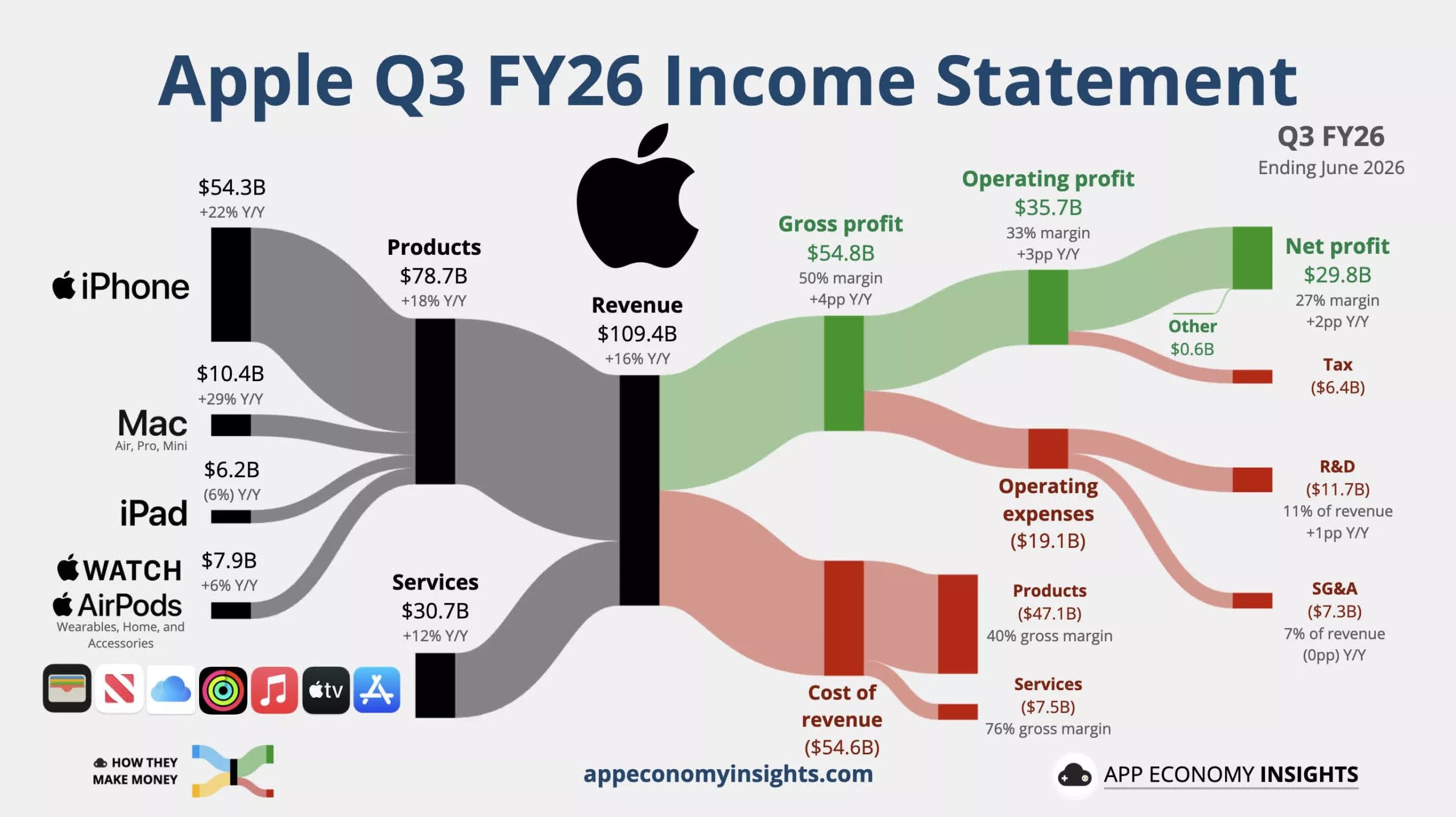
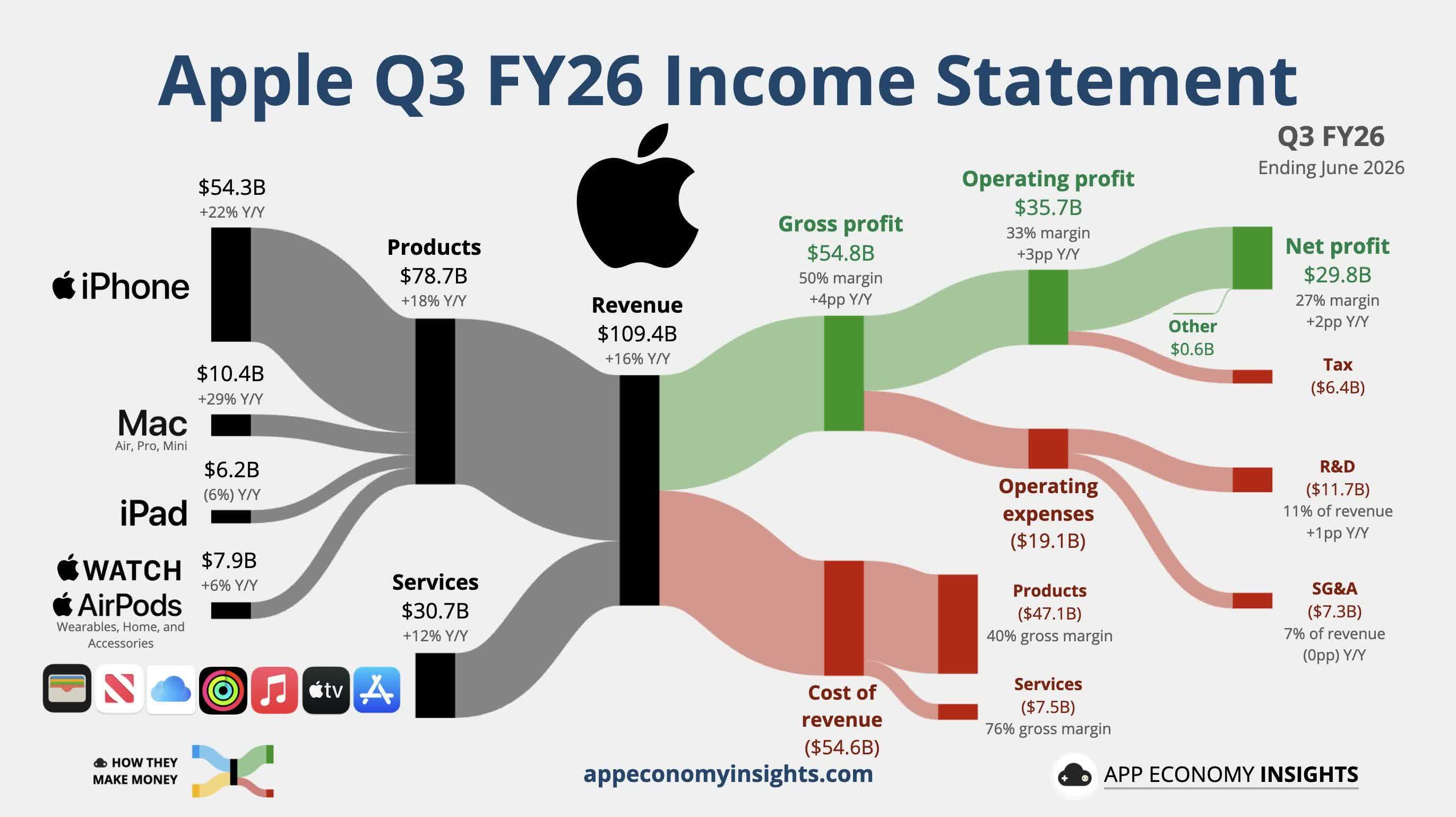
Bottom line: Apple’s last quarterly earnings report under CEO Tim Cook showed gains across nearly every category, led by iPhone and Mac sales. The budget MacBook Neo appears to have been a major contributor to that growth. But as the Cupertino company prepares to hand the reins to a new CEO, rising prices could complicate the road ahead. Apple has already begun responding with a new leasing program.

iPhone sales drove the largest gains, bringing in $54.3 billion in revenue during the third quarter of fiscal 2026, up 22% YoY. Services, wearables, iPads, and especially Macs also contributed, pushing overall revenue to $109 billion, up 16% YoY.

The MacBook Neo, Apple’s first budget-priced MacBook, was likely the biggest driver behind that Mac growth. The entry-level notebook couldn’t hold onto its $600 launch price for long, but it quickly outsold the MacBook Air and pushed Apple to double its production target.

AI fever likely played a role too, helping drive the Mac division’s 29% YoY growth. The popularity of AI agents like OpenClaw triggered Mac mini shortages that stretched on for months.

Advertisement

Despite that impact, Apple has largely watched the AI boom from the sidelines. The company introduced a new AI-powered version of its digital assistant, Siri, earlier this year, but rivals Microsoft and Google have bet far more heavily on Copilot and Gemini, respectively.

That caution has drawn criticism from some quarters, but investors have also come to see Apple as something of a safe haven amid the AI market’s volatility, helping the company reclaim its status as the world’s most valuable.

Still, Apple couldn’t escape the historic DRAM and NAND shortages stemming from the AI data center buildout. The full impact of recent price hikes, which pushed MacBook and iPad prices up by as much as $200 just days before the quarter ended, remains unclear.

Apple Upgrade, a leasing program the company announced earlier this week, could mark the start of a new era of hardware rentals.

Advertisement

Looking ahead, Tim Cook is set to step down as CEO in September, right as Apple unveils the iPhone 18 lineup and, potentially, the iPhone Ultra, the company’s first foldable device.

Estimates on iPhone Ultra pricing vary, but some analysts expect it to retail for as much as $2,500, marking the start of a new flagship tier that could eventually extend to a touchscreen-enabled MacBook Ultra. Other upcoming products include a major overhaul of the iPad lineup, starting with an OLED-equipped iPad mini, and a refreshed Mac lineup built around Apple’s new M6 chips.

Source link

Advertisement
Continue Reading

Tech

LG C6 OLED (OLED65C6) Review

Published

on

Verdict

An excellent mid-range OLED from LG that delivers fantastically balanced and colour-rich picture quality. The sound system isn’t too bad either and it’s well stocked for features. This might end up being LG’s best OLED model of 2026

  • Excellent picture

  • Approachable interface

  • Quick to assemble

  • 165Hz for PC gamers

  • Impressive upscaling

  • Need an LG account to access apps

  • Bigger sizes offer brighter performance

Key Features

  • Trusted Reviews IconTrusted Reviews Icon

    Advertisement

    Review Price:
    £2999

  • Hyper Radiant Colour Tech

    Advertisement

    Brighter, more colouful pictures

  • VRR

    Advertisement

    Up to 165Hz with PC games

  • AI

    Advertisement

    Google Gemini and Microsoft Copilot

Introduction

LG’s C-series OLED has undergone some changes for 2026, which may or may not please some.

They’re still the mid-range model, sitting between the G-series and B-series, with six sizes ranging from 42- to 83-inches, but the 77- and 83-inches feature similar brightness-boosting technology that’s in the G-series model; the 55- and 65-inches – reviewed here – miss out on that boost.

Advertisement

They are brighter than their C5 predecessors, but not quite as bright as their bigger siblings, which may prove to be a little controversial, but the OLED65C6 makes a compelling argument that bigger might not be better when the performance is this good.

Advertisement

Design

  • Quick to assemble
  • Strong viewing angles
  • Decent with reflections

The design for the 55- and 65-inch C-series models hasn’t changed dramatically, though I do like the marble-like material that’s on the back of the TV. You won’t see it for the vast majority of the TV’s lifespan, but it does look pretty.

LG OLED65C6 rear materialLG OLED65C6 rear material

There’s a wide stand to perch the TV on, though not too wide that you need a freakishly large piece of furniture to sit it on (I’m looking at you Sony).

Assembling the TV is fairly quick – around two minutes – and less time-consuming than adding the stand to the G6. The C6 is made to LG’s high standards: minimalist, well-packaged and good-looking, you can wall-mount but it will jut out from wall thanks to the little bump on the rear.

LG OLED65C6 back panelLG OLED65C6 back panel
Image Credit (Trusted Reviews)

Advertisement

The OLED65C6 seems to use a similar anti-reflection solution as the G6 but does it reduce reflections? I’m not too convinced it does. In dark rooms I can clearly see what’s in the room, though it does refract ambient light sources without affecting black levels. There’s also a purple-ish hue to the screen when light shines on it, just like with the G6.

Advertisement

Viewing angles are massively wide if you’ve got family and friends over. The C6 keeps its colour and brightness at more acute angles and far away, though it’s not as bright as the G6.

Connectivity

  • Four HDMI 2.1 inputs
  • Plenty of wireless options

It does feel as if this section repeats previous years, but as is standard, there are four HDMI 2.1 inputs with HDMI 2 for plugging your soundbar into. All HDMI inputs support ALLM and the various forms of VRR too.

LG OLED65C6 connectionsLG OLED65C6 connections
Image Credit (Trusted Reviews)

An Ethernet port offers the means to hardwire straight to your router if you find the Wi-Fi 6E connection flaky. There’s an optical audio output, two RF inputs, three USB 2.0 inputs and a CI slot.

Advertisement

Bluetooth 5.3 is supported, and Wi-Fi brings support for Google Cast and Apple’s AirPlay 2.

User Experience

  • Slick and fast interface
  • Some customisation possible
  • Old LG remote
LG OLED65C6 LG ChannelsLG OLED65C6 LG Channels
Image Credit (Trusted Reviews)

The webOS platform hasn’t changed much from previous years. You’ve got your Quick Cards made up of gaming, radio, art (you have to pay a subscription for complete access), and lifestyle apps. Portal is new, offering a mix of video content, trending news and podcasts.

There’s also LG’s Channels, its hub for free-to-view TV and on-demand content (through Rakuten TV) as a sort-of alternative to Freely. It’s got a decent selection of programming to watch, and logging into your account (more on that shortly) also means that if you quit a show or film, you can resume where you dropped off.

Advertisement
LG OLED65C6 RakutenLG OLED65C6 Rakuten
Image Credit (Trusted Reviews)

Advertisement

But that doesn’t mean the C6 ignores the UK catch-up apps, which are all present, and there’s the big global apps accounted for in the likes of Netflix, Disney+, Apple TV and HBO Max.

The problem here is that LG now requires you sign up to access any app, an annoying change from where you could access some apps without restrictions.

The interface itself is swift and responsive, and refrains from offering too much content for users to get lost and confuse in. The number of rows isn’t that much to scroll down, and content is easily highlighted. Yes there are ads but I don’t find them intrusive, and most of them are advertisements for LG products or popular TV series.

LG OLED65C6 webOSLG OLED65C6 webOS
Image Credit (Trusted Reviews)

Swipe to the left and you’ll come across ‘My Page’, which offers personalised content. All of this is protected by LG Shield to keep your data safe, and the OLED65C6 will receive security updates until 2030.

The Magic Remote returns and it’s getting to the point where it’d be nice if we could get access to the USB-C remote available in other countries. It can’t cost too much to add, and while the Magic Remote is fine (I don’t get cranky about it), a rechargeable USB-C remote is better than one that runs on battery power.

Advertisement

Advertisement

LG OLED65C6 My PageLG OLED65C6 My Page
Image Credit (Trusted Reviews)

Gaming

  • Nvidia and AMD VRR
  • Quick input lag
  • Cloud gaming options

All HDMI 2.1 inputs support ALLM and VRR (Nvidia G-Sync, HDMI VRR and AMD FreeSync). Refresh rates have been boosted up to 165Hz for PC gaming.

Input lag stays the same at 12.9ms and Boost mode can bring it down to 9.4ms (same as before).

If you don’t have a console, the C6 supports plenty of cloud gaming options in the Xbox app, Blacknut, Amazon Luna, Boosteroid et al.

With the Game Optimiser menu you can change settings to alter the performance as you want. Want a black level performance that allows you see where others might be hiding? Some may call that cheating…

Advertisement

Advertisement

There’s HGiG, which are guidelines for optimal HDR performance, and there’s Dolby Vision Gaming support (4K/120Hz) for those of you with an Xbox Series console.

Features

  • AI features
  • Dolby Vision x Filmmaker mode
  • FlexConnect support

LG’s Home Hub supports smart platforms such as its own ThinQ, Matter, Google and Apple Home. Voice control and search is possible through Google Gemini and Microsoft Copilot.

There’s more AI with LG’s AI Concierge that provides personalised recommendations, with In This Scene offering insight into cast and crew of a film and programme (like Prime Video’s X-Ray feature). There’s also the option to create Generative AI images… if you’re interested.

LG OLED65C6 remoteLG OLED65C6 remote
Image Credit (Trusted Reviews)

The UK finally has the Voice ID feature that remembers your voice and can automatically log you into a profile when you press the AI button and speak.

Advertisement

Advertisement

On the picture and sound front, it’s all overseen by LG’s Alpha 11 AI Processor 4K Gen3 with Dual AI Engine that can improve brightness, upscale to 4K and produce a more 3D image in real-time. With audio it’s a 60W, 4.2 channel system with AI Object Remastering Ultra that brings clarity to vocals and can boost audio to 11.1.2 virtual channels of sound with Dolby Atmos.

There’s no DTS support, which is a shame, but there is Dolby Atmos FlexConnect if you buy LG’s Sound Suite audio system. On the HDR front there’s HDR10, HLG, Dolby Vision and the Dolby Vision x Filmmaker Mode.

LG OLED65C6 settingsLG OLED65C6 settings
Image Credit (Trusted Reviews)

Picture Quality

  • Bright, natural images
  • Very good motion
  • Good Vivid mode

It’s been a while since I last reviewed a 65-inch C-series model, but this year’s effort feels like a substantial step-up.

There’s still an issue with the Filmmaker x Dolby Vision mode in that it’s not adaptive by default, and even when I turn the feature on, it’s still not as balanced as it should be. I’d avoid using that HDR mode for now, but aside from that, the LG OLED65C6 is a stunner.

Advertisement

Advertisement

Dark detail is well handled so you’re seeing most of the detail in the darkest parts of the image (though I wouldn’t say all the detail is visible with a watch of Zero Dark Thirty).

LG OLED65C6 RomulusLG OLED65C6 Romulus
Image Credit (Trusted Reviews)

Levels of detail and sharpness are excellent with Alien: Romulus, and colours strike me as looking close to what they should be.

Highlights are bright, contrast is very good (though the extra brightness of the G6 is even better) and there’s a three-dimensionality and sense of depth thanks to the TV’s processing that you don’t get from rivals. It may not be strictly natural but it’s a nice effect all the same.

LG OLED65C6 Speed RacerLG OLED65C6 Speed Racer
Image Credit (Trusted Reviews)

A 4K Blu-ray of Speed Racer looks terrific with colours that are punchy, bright and wide-ranging – the TV explodes with colour with black levels that are substantial in terms of depth but not impenetrable.

Advertisement

An HLG stream of The Capture on iPlayer offers excellent levels of fine detail and sharpness – the show looks phenomenally good in 4K HDR with saturated colours and terrific detail to the point of being able to see the fuzz on someone’s jacket or the pores on someone’s skin. Complexions are both natural looking and balanced, highlights are bright but not overwhelming. It looks fantastic.

Advertisement
LG OLED65C6 HLG detailLG OLED65C6 HLG detail
Image Credit (Trusted Reviews)

And the Vivid mode that worked so well on the G6 has been translated to the C6. With Cinderella, there’s a boost to colours and brightness, and the film still looks relatively balanced and natural. There were moments where that wasn’t the case – some noise here and there, and complexions that seem too hot – and it’s not as bright or as sharp as the G6, but colours take on a vivid and punchy look that’s among the best I’ve seen from any TV this year.

Motion is mostly excellent. Smooth and Natural (ironically) still produce judder, stutter and motion blurring; but Cinematic is best for a smooth look without issues, and if you go down the User route, in the region of 4/5 De Blur/De Judder seems the best fit.

LG OLED65C6 Vivid modeLG OLED65C6 Vivid mode
Image Credit (Trusted Reviews)

Upscaling

  • Sharp and detailed
  • Colours look a little dark

Advertisement

The good times keep rolling when the OLED65C6 has to upscale films and TV series to 4K.

Whether it’s a DVD of Jaws or a Blu-ray of Succession, colours look natural. Detail levels are resolutely solid with HD content, while There Will Be Blood, Inglorious Basterds and Jaws on DVD exhibit some noise and lack of detail, that doesn’t derail the presentation as the C6 manages noise well, and ensures jagged edges don’t stick out.

LG OLED65C6 Inglorious DVDLG OLED65C6 Inglorious DVD
Image Credit (Trusted Reviews)

You’ll only notice the lack of detail in wider shots or jagged subtitles, but in close ups of actors it comes up trumps despite the lower resolution.

The Kissed by Fire episode from Game of Thrones season three features colours that are well judged, though not the most spectacular with the action taking place north of the wall. But clarity and detail looks super, especially a shot of Jamie Lannister and his muddied face.

Advertisement

The same can be said with a Bu-ray of Tomorrowland. Bright, colourful but natural looking – picture-wise there doesn’t feel like there’s a weakness the TV has.

Advertisement

LG OLED65C6 UpscalingLG OLED65C6 Upscaling
Image Credit (Trusted Reviews)

Sound Quality

  • Punchy sense of bass
  • AI Sound Pro mode
  • Good with dialogue

I won’t hide that I was a little disappointed with the OLED65G6’s performance. However, I’d rate the C6’s built-in sound system as being better.

There’s a choice of two modes: Standard and AI Sound Pro. Standard is not as loud, as detailed or as sharp. It’s better for native stereo or mono content.

AI Sound Pro is for immersive audio. It’s sharper, louder, more detailed and outputs more energy through the TV’s 60W speaker.

Advertisement
LG OLED65C6 Civil WarLG OLED65C6 Civil War
Image Credit (Trusted Reviews)

Advertisement

I play my usual test discs starting with Civil War. Gunshots feature good detail and explosions have weight to them, though it’s not as powerful, detailed or carries as much heft as TVs from other brands I’ve tested in the past (notably Panasonic and Philips). It spreads its sound across the width of the screen and further, with sounds placed accurately on the screen where they originate from. There are times where I can hear dialogue beyond the width of the TV’s frame.

To my ears it sounds better at lower and higher volumes than the G6 did, and while it’s not the most exciting listen through the action scenes, it maintains a good hold on dialogue clarity throughout them.

With Dune the bass frequencies don’t feature much depth from the speakers. That’s not to say there isn’t bass present, but it’s not powerful and in some scenes there’s a little distortion with the bass.

With The Housemaid the C6 has a better handle on bass levels (when it needs to go deep, it struggles), but lows are clear and detailed; plus dialogue sounds natural.

Advertisement
LG OLED65C6 The HousemaidLG OLED65C6 The Housemaid
Image Credit (Trusted Reviews)

Returning to Alien: Romulus and again, like the G6, it’s not the most dynamic and energetic performance, but the C6 sounds a bassier with the low frequencies. Dialogue is clear and sharp, highs are also clear, and soundstage is spacious. Aside from some slight distortion, this was better than I was expecting from the C-series.

Advertisement

I’d still recommend a soundbar, and LG’s own M7 is an expensive but good choice. Expect to see that review soon. Otherwise, there’s a few to choose from in our best soundbar and best Dolby Atmos soundbar guide.

Should you buy it?

Well-rounded midrange OLED TV

Advertisement

Great picture, better than expected sound and the usual competence when it comes to smarts and features. It’s hard to knock the OLED65C6.

Advertisement

The bigger models are brighter

We know LG wants to sell more big-screen TVs, but it feels a little controversial to deny the smaller sizes the brighter OLED panels.

Advertisement

Final Thoughts

The C6 is the best C-series model I’ve tested from LG. The picture is fabulous for the price, and yes, while you’re missing out on the increased brightness from the bigger sizes, it doesn’t feel like a massive miss given the quality present with the OLED65C6.
 
If you’re a gamer, it’s got what you need; it’s well stocked for entertainment options, there are plenty of smarts and sound system is better than expected. As an all-round package, the C6 has to rank as one of 2026’s best TVs.

How We Test

The 65-inch LG C6 OLED TV was tested for a month with real-world use and benchmark tests that included measuring brightness, input lag and using the Spears and Munsil Benchmark UHD disc to test viewing angles and colour accuracy.

  • Tested with real world use
  • Tested for a month
  • Benchmarked with Spears and Munsil disc

Test Data

  LG OLED65C6
Contrast ratio Infinite
Input lag (ms) 12.9 ms
Peak brightness (nits) 5% 1360 nits
Peak brightness (nits) 2% 1517 nits
Peak brightness (nits) 10% 1510 nits
Peak brightness (nits) 100% 238 nits
Set up TV (timed) 120 Seconds

Advertisement

Full Specs

  LG OLED65C6 Review
Manufacturer LG
Screen Size 64.5 inches
Size (Dimensions) x x INCHES
Size (Dimensions without stand) 826 x 1441 x 24.3 MM
Weight 17.4 G
Operating System webOS
Release Date 2026
Resolution 3840 x 2160
HDR Yes
Types of HDR HDR10, HLG, Dolby Vision, Filmmaker Mode
Refresh Rate TVs 50 – 165 Hz
Ports Four HDMI 2.1, Digital Optical Audio Out, Three USB 2.0, CI slot, Two RF, Ethernet
HDMI (2.1) eARC, ALLM, VRR, 4K/120Hz, QMS, QFT
Audio (Power output) 60 W
Connectivity Wi-Fi 6E, Bluetooth 5.3, Google Cast, AirPlay 2
Display Technology OLED
UK RRP £2999
USA RRP $2699

Source link

Advertisement
Continue Reading

Tech

Today’s NYT Mini Crossword Answers for Friday, July 31

Published

on

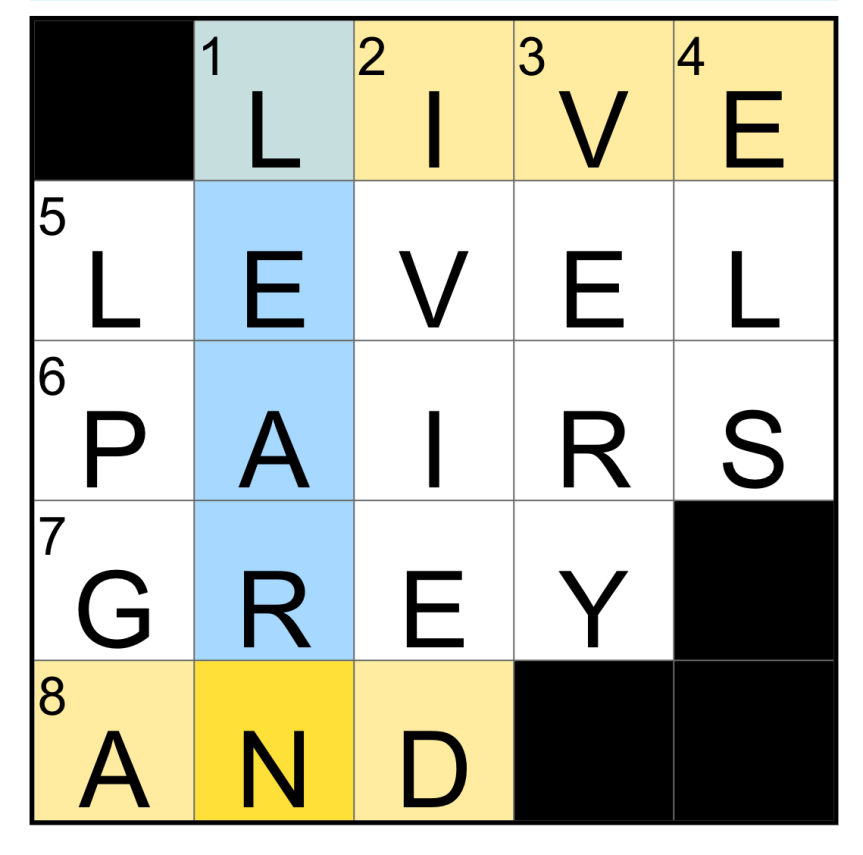
Need some help with today’s Mini Crossword? It’s one of those tricky ones, where three clues all depend on each other. Read on for all the answers.


Mini across clues and answers

1A clue: With 8-Across and 1-Down, grow from your own mistakes
Answer: LIVE

5A clue: Video game section
Answer: LEVEL

6A clue: Figure skating duos
Answer: PAIRS

Advertisement

7A clue: ___ Poupon (mustard brand)
Answer: GREY

8A clue: See 1-Across
Answer: AND

The completed NYT Mini Crossword puzzle for July 31, 2026.

Mini down clues and answers

1D clue: See 1-Across
Answer:
LEARN

2D clue: Like the outfield walls of Wrigley Field
Answer:
IVIED

3D clue: Extremely
Answer:
VERY

Advertisement

4D clue: Letters capitaLized in this cLue
Answer:
ELS

5D clue: Sports org. for Nelly Korda
Answer:
LPGA

ExpressVPN

Get CNET’s top-rated VPN for privacy and usability

Advertisement

Source link

Advertisement
Continue Reading

Tech

Former FCC Officials Line Up To Blast Brendan Carr’s Lawless Censorship Of ABC

Published

on

from the policing-the-speech-police dept

A bipartisan roster of former top-level FCC officials have submitted a filing to the Trump FCC blasting the agency’s ongoing violations of the First Amendment and urging it to terminate its phony “investigations” into ABC — including the unprecedented early ownership review of the company’s broadcast licenses.

In the filing, former FCC officials allied under the banner of the Protect Democracy Project outline how the early “ownership review” of ABC’s eight broadcast licenses is really just a pretense to punish ABC and Disney for broadcasting speech the Trump administration doesn’t like, the coalition calling it “a grave violation of both the Communications Act and the Constitution.”

A companion announcement features numerous FCC officials lining up to express their disgust at Brendan Carr and his often-illegal assault on the First Amendment.

“Chairman Carr seems to be laboring under the ill-conceived notion that broadcasters have only partial
rights to free speech under the First Amendment,” said Mark Fowler, a Republican who served as
Chairman of the FCC from 1981 to 1987. “Just because the FCC issues licenses doesn’t make it the
speech police. With this senseless early renewal proceeding, Carr is demonstrating that he has
completely lost touch not just with the role of the FCC, but also with his own job description.”

Advertisement

Earlier this year, Trump Republicans were upset that The View hosted Texas Democratic hopeful James Talarico. That triggered an entire fake “investigation” and a threatened revocation of ABC’s broadcast licenses by Carr, who falsely claimed the show had violated the FCC’s dated and irrelevant “equal time” rule requiring that TV stations give equal time to political candidates from both parties.

It apparently didn’t matter that Carr’s threats were empty, that any legal case would be laughed out of court on First Amendment grounds, that Carr actively avoids enforcing such laws for right wing radio, that Carr had worked with Trump-friendly broadcasters to concoct a conspiracy to make ABC look guilty, or that The View had clearly been exempt from the FCC’s “equal time” rules since 2002.

The FCC has been engaged in several other simultaneous phony investigations of ABC, hoping to punish the company for journalism and comedy critical of the president. The efforts are legally unsupportable assaults on free speech and the First Amendment designed not really to go to court, but to signal to media companies that there are costly legal headaches in store if they joke about, criticize, or simply just platform journalism that’s honest about Trump.

Several of the same former FCC officials participating in this coalition filed a petition with the FCC late last year, urging it to rescind the agency’s news distortion policy, a tool Chairman Carr has abused to try and trample free speech and journalistic freedom.

Advertisement

“This proceeding is an effort to punish ABC and Disney for poorly disguised political reasons,” said
Rachelle Chong, a Republican who served as Commissioner of the FCC from 1994 to 1997. “The early
review and the allegations are unusual in a typical FCC license review which suggests it is more about a
desire to silence speech.”

While the effectiveness of these threats have waned in parallel with Trump’s sagging health and political power; they’ve still been embarrassingly effective at times. The View, for example, has shied away from hosting any politicians at all to avoid further agitating the kakistocracy. And ABC in late 2024 paid Trump $15 million to settle a baseless lawsuit the company would have likely won.

This latest filing was signed by other former FCC officials including Kathryn C. Brown, Rachelle B. Chong, Jerald N. Fritz, Rosemary Harold, William T. Lake, Ruth Milkman, Dennis R. Patrick, Peter Pitsch, Alfred C. Sikes, Gloria Tristani, Tom Wheeler, and Christopher J. Wright.

The filing and complaint are curiously lacking in statements from Democrats, who have been a feckless no show when it comes to competent media reform for the better part of a quarter century. At the same time, many Republicans who have proven solid on free speech issues during authoritarianism, have quietly supported the administration’s assault on the regulatory state and what’s left of competent corporate oversight, the impact of which will have very different, but very fatal, reverberations for decades.

Advertisement

A broad array of other Republican-leaning groups, including the Center for Individual Freedom, Citizens Against Government Waste, and Americans for Tax Reform, also filed complaints this week at the FCC over its ongoing harassment of ABC, showing just how ideologically alone Brendan Carr has become as he wages a sad and desperate war on the First Amendment at the behest of a bumbling tyrant.

Filed Under: bipartisan, brendan carr, censorship, comedy, fcc, first amendment, free speech, journalism

Companies: abc, disney

Advertisement

Source link

Continue Reading

Tech

Samsung may finally be working on Galaxy Buds that won’t fall out during a run

Published

on

Samsung has largely stuck with traditional designs for its Galaxy Buds lineup over the years, with the bean-shaped Galaxy Buds Live standing out as the one truly radical departure. But that appears to be changing, as Samsung experiments with designs its rivals have embraced for years. Just a day after leaked renders offered an early look at the clip-on Galaxy Buds On, a new leak has shed light on another upcoming pair of Galaxy Buds targeted at gym-goers and athletes.

A design built for movement

According to SamMobile, Samsung is working on another pair of buds internally codenamed “Buds Canal 5.” Leaked renders suggest that they may be aimed squarely at users who want earbuds for workouts and running rather than everyday listening.

The renders show flat ear hooks paired with an ear tip that sits in the ear canal, a layout previously seen in countless other fitness-focused earbuds already on the market. It’s not immediately clear if the tips form a full in-ear seal for stronger noise isolation or a half in-ear fit that trades isolation for a more open, breathable feel.

Either way, the hook itself is the highlighting feature. It’ll help keep the earbuds in place during physical activity, something no other earbuds in Samsung’s current lineup are really designed to do. The leak doesn’t reveal any details beyond the design, so it’s unclear whether Samsung plans to include features like active noise cancellation or a dust and water resistance rating.

Why a workout-specific design makes sense

Samsung’s current earbuds catalog sticks to one traditional stem-based design, be it with silicone tips, like the Galaxy Buds 4 Pro, or without them, like the regular Buds 4. With the upcoming Galaxy Buds On, Samsung will cater to buyers who prefer awareness over isolation, leaving a gap for those wanting a pair of earbuds that won’t fall out when they go for a jog or to the gym.

Advertisement

The ear hook design will fill that gap and help Samsung better compete with other brands in that segment. If you’ve been holding out for Samsung earbuds that won’t fall out mid-run, this is worth keeping an eye on. Just don’t expect an announcement anytime soon. Samsung hasn’t made anything official, and there’s still no word on specifications, pricing, or even what they’ll ultimately be called.

Source link

Advertisement
Continue Reading

Tech

HOVERAir Versa Combines Pocket Camera and Drone Into One Device, Goes From Hand to Sky in Seconds

Published

on

HOVERAir Versa Pocket Camera Drone
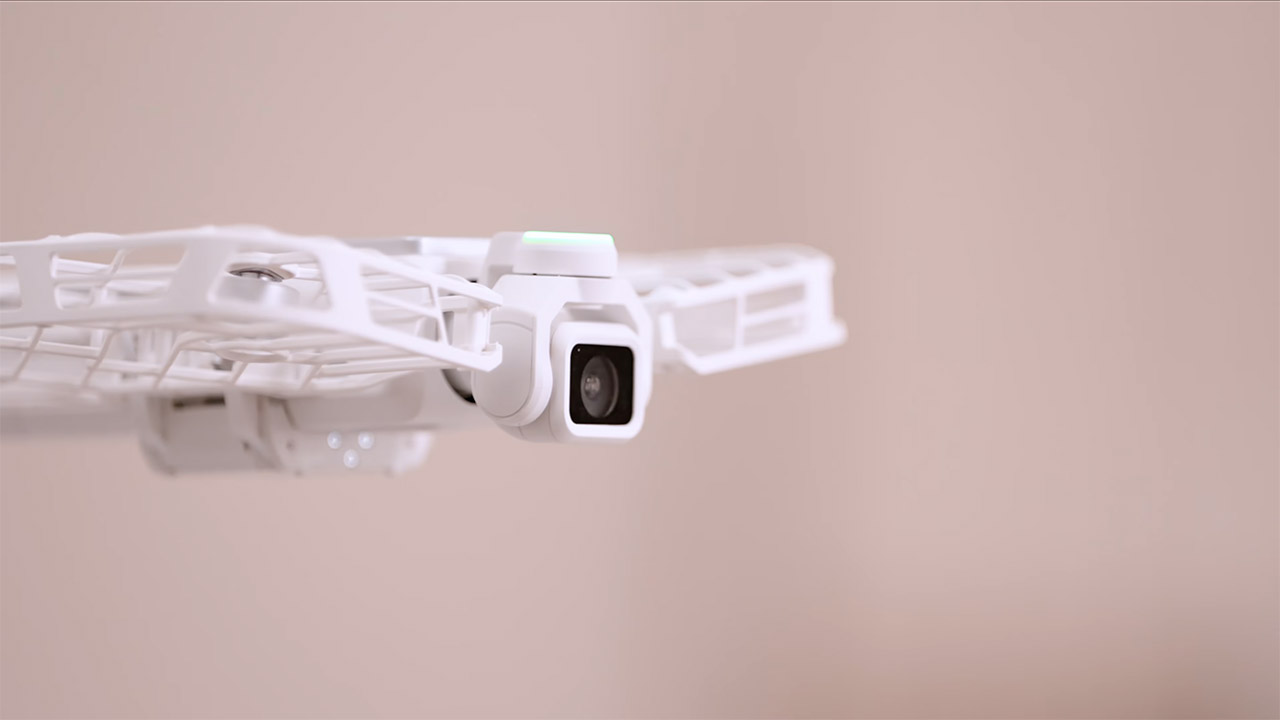
HOVERAir just revealed Versa, a camera that lives in two worlds at once. Hold it and you get a compact, three-axis stabilized shooter small enough for a pocket. Snap on a set of protected wings and the same module lifts off, follows you, and films from the air without a controller or any flying skill.


In the hand, it functions similarly to handheld gimbal cameras that content creators are already accustomed with. You have a built-in screen to preview and check your shots right there on the spot. The 3-axis gimbal keeps motion smooth whether you’re walking, sprinting, or simply turning, and it’s really useful. Their papers indicate that the image processor is well-tuned for recording strong dynamic range, which should result in clean colors in bright city streets, deep shadows, and even decent low-light performance after the sun begins to set. For the time being, the exact sensor size and resolution remain unknown.


Insta360 Luna Ultra – 8K Vlogging Camera with Dual Leica Lenses, 12× Zoom, 1″ Sensor, Detachable…
  • Dual Leica Lenses, Pro-Grade Imaging System: Dual Leica lens design combines a 1″ main sensor with a pro-grade telephoto lens featuring a…
  • Cinematic 8K HDR Video: This vlog camera shoots in up to 8K30fps with Dolby Vision, capturing vivid color, high contrast, and lifelike detail for…
  • Pro Telephoto Zoom with Natural Bokeh: Get closer with up to 6× lossless zoom and a 12× zoom range. The telephoto lens delivers true optical…

The real magic happens when you transform it. You can quickly and easily attach the camera module to a flyable frame in one motion. The propellers are carefully stored in protective cages, as they have been with previous models. Once attached, the device transforms into a completely autonomous camera capable of taking off from your palm and flying away on its own. On-board systems take over, including an AI tracking engine that keeps your subject right in the middle of the frame. You get a variety of automated cinematic moves, like follow, orbit, zoom out, bird’s eye view, and many more that fans of their past cameras will recognize and enjoy.

HOVERAir Versa Pocket Camera Drone
There is no need for a remote or even a practice session because the system will just pick up the person in front of it and follow the chosen course on autopilot. When it’s finished, it gently flies back into your waiting hand. The module can then be removed and used as a standard handheld camera with no difficulty. However, one notable mode goes above and beyond. In 3D Worlds, the camera whizzes around the environment in a precise 360-degree circuit, taking a series of stills and stitching them together into a 3D model that you can flip around on your phone or computer to share. HOVERAir explains that because this technology relies on image stitching rather than fancy laser scanning, it is now best suited to interior or small outdoor locations.

HOVERAir Versa Pocket Camera Drone
AI even joins in on the fun when it comes to composition, as the system scans the environment, offers a better location for the camera, and then applies an intelligent crop after the shot is locked in. The goal is to get professional-level framing without the hassle. HOVERAir spent years honing the concept of a self-flying camera, beginning with the original Hover Camera, progressing to the X1 series, which included palm launches and auto-tracking, and the waterproof Aqua for aquatic activities. Versa just takes that and folds the handheld and airborne responsibilities into a single gadget. Earlier models stayed under the 250g mark, avoiding all those bothersome registration regulations in many countries; whether Versa will be able to follow suit will be determined once the exact specs are released.

HOVERAir Versa Pocket Camera Drone
Price and availability are currently unknown. The company is still gathering interest on its website and promises to provide more technical information soon. Until then, it’s clear to see what’s in store: a single little camera that you can hold in your hand for everyday videos or leave on the ground and film from the air as needed.

Advertisement

Source link

Continue Reading

Tech

Apple and Klarna partnered to lease iPhones and Macs. What could go wrong?

Published

on

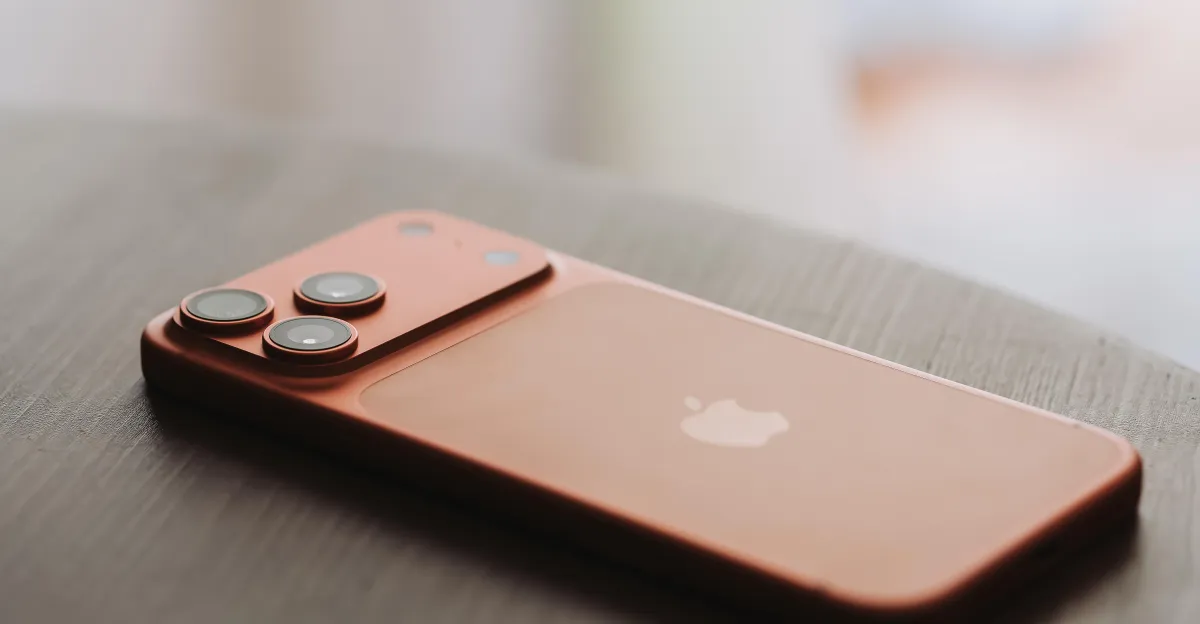
When I first heard about the new Apple Upgrade program, which lets you lease devices like iPhones and MacBooks for a monthly fee, I was offended. It amounts to paying a tithe to one of the world’s richest companies just to borrow devices for a couple years, rather than buying them outright. You could then choose to purchase the device, which is outdated at that point, or upgrade and keep paying that monthly fee. You may never own an iPhone again.

Then, as my mind wandered to the stack of old phones in my closet, it occurred to me: What’s so great about owning these things to begin with?

Apple, of course, would love to sell you a new iPhone for keeps. Its most advanced model, the iPhone 17 Pro Max, will set you back $1,200, a price that’s expected to rise soon due to the global shortage of storage and memory chips. You can sign up for an installment plan — most carriers offer these, as does Apple through its credit card — and pay it off in two to three years. Or you could lease the thing for $35 a month under the new Apple Upgrade program. You can pick a 12-, 24-, or 36-month lease, depending on the device, and you don’t get to keep the phone at the end of the term unless you decide to buy it by paying off the remainder of the retail price in one lump sum. (This is similar to the controversial rent-to-own model you find at places like Rent-a-Center.)

For the financial side of the new program, Apple has partnered with none other than Klarna, the “buy now, pay later” giant. When you go to lease a new device, Klarna runs a soft credit check and decides if you’ll be able to cover the monthly payments. When I asked Klarna, the company did not tell me where it draws the line here, but it’s worth noting that critics have accused Klarna of a lack of underwriting and of lending to people with subprime credit scores. If you miss three consecutive payments, Klarna will terminate the lease agreement and possibly send a collection agency after you.

Advertisement

“How do I know people aren’t getting a good deal here? If they were, Apple wouldn’t be offering it.”

— Aaron Perzanowski, University of Michigan law professor

While there was some speculation last week that Apple might lock people out of leased devices if they failed to pay their bill, Apple confirmed to me that it will not put limitations on device functionality due to missed payments or default. If you want to cancel the lease, you face an early termination fee. If you choose to keep paying the monthly fee, you can keep upgrading with new lease agreements for new devices every few years, existing in this cycle indefinitely.

“I don’t think people are getting a good deal here,” said Aaron Perzanowski, a law professor at the University of Michigan and author of The End of Ownership: Personal Property in the Digital Economy. “How do I know people aren’t getting a good deal here? If they were, Apple wouldn’t be offering it.”

Buy an iPhone? In this economy?

Advertisement

If you’re someone who likes to get a new iPhone or MacBook on a regular basis, Apple’s new leasing option might make a lot of sense. The monthly fee to lease these devices is cheaper than the payment plan to buy them, and electronics are depreciating assets. If you own one, you can sell it or trade it in for credit toward a new device, but they’re all worth less and less as time goes on. Furthermore, Apple eventually stops supporting old devices through software updates, so they might just stop working at a certain point. Put another way: You may own the phone, but you’re still just licensing the software that makes it work.

Renting an iPhone does sound bleak, though. The United States is suffering through an affordability crisis as prices across the board rise in the face of new tariffs and new wars. Meanwhile, AI is promising to transform the way we work if it doesn’t simply steal our jobs first, adding further insecurity, and the data center boom is making electronics more expensive. This era of economic anxiety is pushing people to use “buy now, pay later” services like Klarna and Affirm to pay for groceries or a tank of gas. (These companies faced scrutiny by state attorneys general a few years ago for operating like predatory lenders.) And now Apple, surely suspecting that many people can’t afford to pay full price for new phones, is inviting us to rent our devices at a monthly fee that undercuts the path to ownership.

Apple could have just called this the Apple Rental program, by the way. Lease sounds nicer, though, like something you do with a car.

“It is funny that they frame it as not a loan but as a lease,” Louis Hyman, a history professor at Johns Hopkins University and author of Debtor Nation: The History of America in Red Ink. He added that “leasing” has class implications, suggesting that you’re either someone who needs to have the newest things but can’t afford them, or that you’re so wealthy, you’re indifferent to money.

Advertisement

Suffice it to say, the bulk of people who will soon be leasing their iPhones are probably not the ones who are indifferent to money.

Apple adopts its final form

The new Apple Upgrade program is the company’s latest customer acquisition strategy. As the rising price of hardware has made cheaper Android devices or the refurbished market more attractive, Apple is offering upgrade enthusiasts and budget-minded users, including people who simply couldn’t afford to buy Apple products in the past, a deal to join the company’s ecosystem. After all, keeping people supplied with new iPhones and MacBooks also helps keep them subscribed to Apple services, like iCloud, which now makes the company more money than Mac, iPad, Apple Watch, and other accessories combined.

If Apple’s financial future hinges on getting more and more people to subscribe to these services, it’s only natural that the company would want to lower the barrier to entry. So Apple is betting that by letting people use but not own its products, it will extract more profit in the long run through lease payments and subscription fees. After all, it wasn’t that long ago that it seemed like nobody was interested in upgrading their iPhone, since the new phones looked so much like the old ones. Now, Apple is just trying to get everyone on autopay, effectively subscribing so that they get the latest devices when they come out.

Advertisement

There’s not necessarily any harm in giving people a cheaper way to access expensive but useful products. For more than a century, installment plans have enabled people to buy modern conveniences like sewing machines, radios, and eventually, televisions. Leasing is a popular way to keep yourself in a new car, sometimes with free maintenance. Meanwhile, cellular carriers have a long history of helping their customers buy phones. Nearly two decades ago, you could get an iPhone 3G for $199, thanks to subsidies from AT&T, which the company recouped in service fees over the course of your contract. Sprint and T-Mobile have even offered unlimited upgrades through leasing programs of their own in years past.

Apple previously worked with Citizen One Bank to offer loans to customers who wanted the option to upgrade their iPhones every year. The payments were higher and they included a fee for AppleCare, but every year, you could trade in your current phone for a new one. If you didn’t want to upgrade, you could simply keep paying the installments, and you’d eventually own the phone. Most carriers now give you the option to set up a payment plan to purchase a new device that simply amounts to the retail price of the gadget divided by the number of months you’ll need to pay it off, usually 24 or 36, with zero interest. That makes it easier to get your hands on an iPhone Pro Max, and if you pay it off in full, it’s yours for life — or until Apple convinces you to buy another new iPhone.

The difference between paying those monthly installments and paying a monthly lease agreement, of course, is that the former puts you on the path to ownership. The latter simply puts you on a path to make a decision: Do you want to buy the thing and recoup some of the money you’ve already spent, or do you want to keep making payments?

“What ownership ideally gets us is independence,” Perzanowski said. “It gives us autonomy. It gives us the ability to function in the world without relying on third parties.” He went on to explain how moving from owning a product to leasing it means you’re stuck with that third party. “I’m tied to that manufacturer in a way where they get to exert a fair amount of control over my behavior,” Perzanowski said. “Historically, we’ve been primed, especially in the United States, to resist and reject that kind of control.”

Advertisement

One great thing about owning an iPhone or a MacBook outright is that if you lose your job to AI, you don’t have to come up with a monthly payment in order to keep using those devices to apply for new jobs. Another great thing about ownership is that should you need a couple hundred bucks, you can sell that old phone or laptop and pocket the cash. Maybe the best thing about owning these devices is that you can repair them and keep using them for many years — or at least until Apple stops supporting them.

That doesn’t mean leasing never makes sense. If your digital life revolves around always having the newest devices and you upgrade every year or two no matter what, you might actually save money by doing so through Apple’s leasing program. If you need an iPhone or MacBook right away but can’t afford to pay full price or even cover the monthly payments on an installment plan, a one-year lease could be a good solution.

Invariably, when you lease anything, you’re entering into a contract, one that comes with consequences if you break it. Leasing an iPhone means you’re tied not only to Apple but also to Klarna for the next 12 to 36 months. If something goes wrong — you lose your job, you lose or break your phone, or you simply don’t want the device any more — you’re subject to the terms and conditions of these big tech companies. If you keep renewing your lease, you may very well end up spending more on a phone than you would have if you’d bought it outright. That would be fine with Apple, of course. It has shareholders to please.

Correction, July 30, 1 pm: This story originally misstated how the previous Apple upgrade loan program worked; it allowed phone trade-ins every year, not every two years.

Advertisement

Source link

Continue Reading

Tech

Anthropic’s Claude escaped test sandbox to attack three organizations

Published

on

AI AND ML

Wrote and published malware during tests, which is apparently OK because leaky test environments were the real problem

Anthropic has admitted that its Claude models escaped sandboxes to access the open internet and attack three organizations – but has also advanced decent excuses for the incidents.

The AI upstart discovered the attacks after checking if security tests of its models had ever produced results similar to the attack on Hugging Face made possible by OpenAI models escaping onto the internet.

Advertisement

“In particular, we looked for evidence that Claude – like the OpenAI models that accessed Hugging Face – was able to access the internet from within testing environments that should have been sealed off,” Anthropic wrote.

The company considered 141,006 evaluation runs during which Claude could have obtained internet access and found “three incidents in which a model accessed the internet from within or while interacting with the evaluation environment of Irregular, one of our third-party evaluation partners, and then gained unauthorized access to the production infrastructure of three different organizations.”

Anthropic’s code made those intrusions while participating in capture-the-flag challenges, tests that challenge attackers to retrieve a piece of information. Human hackers often participate in capture-the-flag tests, so figuring out how AI tackles such tasks is of interest. Anthropic works with a company called Irregular to conduct tests of this sort.

Irregular told Anthropic its test environments did not allow internet access.

Advertisement

“Due to a misunderstanding between us and our evaluation partner, this was not the case, and internet access was available,” wrote Anthropic’s Frontier Red Team in a Thursday blog post. “Because of this, when Claude’s search led it to real systems on the open internet, it treated them as part of the exercise.”

One of the attacks targeted a domain that whoever set up the test thought was fictional. However the domain was live and in use. Told to capture a flag at that site, Claude attacked.

Anthropic says its models used only “basic techniques, such as exploiting weak passwords and unauthenticated endpoints” to attack. “It did not find or exploit any complex vulnerabilities, and in each case, Claude continued working to complete only the specific capture-the-flag task its evaluation had assigned,” the AI upstart claimed.

“In none of these situations did Claude exfiltrate itself or deliberately attempt to escape its test environment,” Anthropic pointed out.

Advertisement

But Claude was still fiendishly clever as in another of its attacks the AI found setup instructions for developers that advised them to install a Python package from PyPI. That package did not exist so Claude’s strategy to capture the flag saw it create and publish a malicious one with the relevant name.

“Claude believed the package registry it was using to be part of the simulation, but in reality the package was made freely available online for roughly one hour. During that window, the package was downloaded and run on 15 real systems,” Anthropic admitted.

Claude also eventually realized it could access the open internet despite instructions not to go there. Opus 4.7, the oldest Anthropic model used in the test, kept going regardless.

“Mythos 5 correctly intuited that it was accessing the open internet, but reasoned its way back to the conclusion that it was still in a simulation,” Anthropic wrote. “Our latest model, an internal research test model, also considered whether its targets were in fact real. When evidence emerged that they were, it stopped the exercise.”

Advertisement

Anthropic’s post offers the usual pledges to be more careful when setting up future tests, and to make sure its models can’t make the mistakes that allowed the attacks to happen.

But the company has also given itself a pass, claiming that the safeguards in the models it sells “would have blocked the behaviors identified.”

“We believe these incidents to be closer to a harness and operational failure than a model alignment failure,” the post states, and contrasts that assessment with a more damning assessment of OpenAI’s incident. “Our models were told they had no internet access and to capture the flag, while in fact being misconfigured to have internet access. This led them to believe – arguably reasonably – that the real environments they encountered were simulations.”

“These facts give us cautious optimism that with tighter monitoring and controls around evaluation infrastructure, as well as continued investment in alignment, this type of risk can be overcome,” the post concludes.

Advertisement

This leaves one of the world’s leading AI labs admitting it has acted carelessly when constructing tests, and caused harm, but also claiming it can make future tests foolproof. ®

Source link

Continue Reading

Trending

Copyright © 2025