Enterprise AI applications that handle large documents or long-horizon tasks face a severe memory bottleneck. As the context grows longer, so does the KV cache, the area where the model’s working memory is stored.
A new technique developed by researchers at MIT addresses this challenge with a fast compression method for the KV cache. The technique, called Attention Matching, manages to compact the context by up to 50x with very little loss in quality.
While it is not the only memory compaction technique available, Attention Matching stands out for its execution speed and impressive information-preserving capabilities.
The memory bottleneck of the KV cache
Large language models generate their responses sequentially, one token at a time. To avoid recalculating the entire conversation history from scratch for every predicted word, the model stores a mathematical representation of every previous token it has processed, also known as the key and value pairs. This critical working memory is known as the KV cache.
Advertisement
The KV cache scales with conversation length because the model is forced to retain these keys and values for all previous tokens in a given interaction. This consumes expensive hardware resources. “In practice, KV cache memory is the biggest bottleneck to serving models at ultra-long context,” Adam Zweiger, co-author of the paper, told VentureBeat. “It caps concurrency, forces smaller batches, and/or requires more aggressive offloading.”
In modern enterprise use cases, such as analyzing massive legal contracts, maintaining multi-session customer dialogues, or running autonomous coding agents, the KV cache can balloon to many gigabytes of memory for a single user request.
To solve this massive bottleneck, the AI industry has tried several strategies, but these methods fall short when deployed in enterprise environments where extreme compression is necessary. A class of technical fixes includes optimizing the KV cache by either evicting tokens the model deems less important or merging similar tokens into a single representation. These techniques work for mild compression but “degrade rapidly at high reduction ratios,” according to the authors.
Real-world applications often rely on simpler techniques, with the most common approach being to simply drop the older context once the memory limit is reached. But this approach causes the model to lose older information as the context grows long. Another alternative is context summarization, where the system pauses, writes a short text summary of the older context, and replaces the original memory with that summary. While this is an industry standard, summarization is highly lossy and heavily damages downstream performance because it might remove pertinent information from the context.
Advertisement
Recent research has proven that it is technically possible to highly compress this memory using a method called Cartridges. However, this approach requires training latent KV cache models through slow, end-to-end mathematical optimization. This gradient-based training can take several hours on expensive GPUs just to compress a single context, making it completely unviable for real-time enterprise applications.
How attention matching compresses without the cost
Attention Matching achieves high-level compaction ratios and quality while being orders of magnitude faster than gradient-based optimization. It bypasses the slow training process through clever mathematical tricks.
The researchers realized that to perfectly mimic how an AI interacts with its memory, they need to preserve two mathematical properties when compressing the original key and value vectors into a smaller footprint. The first is the “attention output,” which is the actual information the AI extracts when it queries its memory. The second is the “attention mass,” which acts as the mathematical weight that a token has relative to everything else in the model’s working memory. If the compressed memory can match these two properties, it will behave exactly like the massive, original memory, even when new, unpredictable user prompts are added later.
“Attention Matching is, in some ways, the ‘correct’ objective for doing latent context compaction in that it directly targets preserving the behavior of each attention head after compaction,” Zweiger said. While token-dropping and related heuristics can work, explicitly matching attention behavior simply leads to better results.
Advertisement
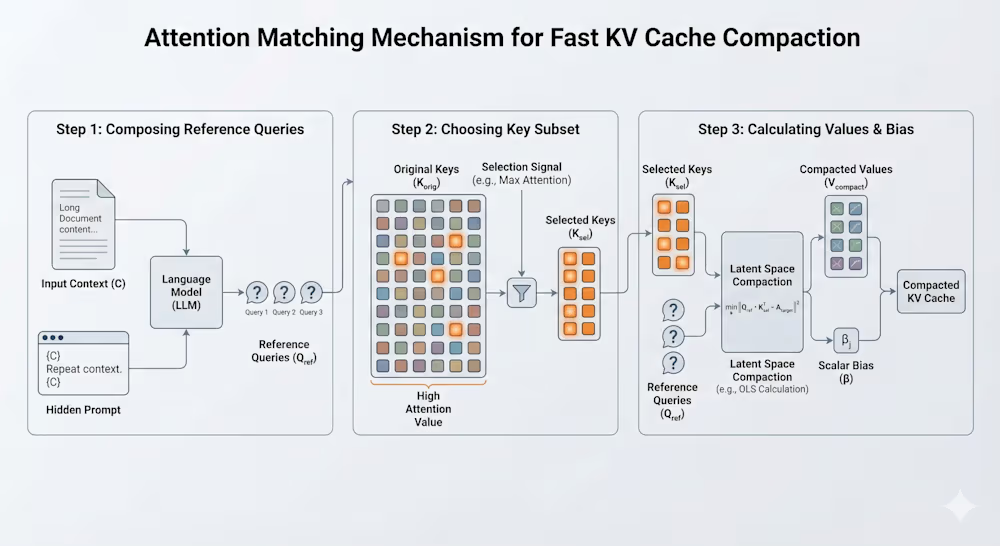
Before compressing the memory, the system generates a small set of “reference queries” that act as a proxy for the types of internal searches the model is likely to perform when reasoning about the specific context. If the compressed memory can accurately answer these reference queries, it will very likely succeed at answering the user’s actual questions later. The authors suggest various methods for generating these reference queries, including appending a hidden prompt to the document telling the model to repeat the previous context, known as the “repeat-prefill” technique. They also suggest a “self-study” approach where the model is prompted to perform a few quick synthetic tasks on the document, such as aggregating all key facts or structuring dates and numbers into a JSON format.
With these queries in hand, the system picks a set of keys to preserve in the compacted KV cache based on signals like the highest attention value. It then uses the keys and reference queries to calculate the matching values along with a scalar bias term. This bias ensures that pertinent information is preserved, allowing each retained key to represent the mass of many removed keys.
This formulation makes it possible to fit the values with simple algebraic techniques, such as ordinary least squares and nonnegative least squares, entirely avoiding compute-heavy gradient-based optimization. This is what makes Attention Matching super fast in comparison to optimization-heavy compaction methods. The researchers also apply chunked compaction, processing contiguous chunks of the input independently and concatenating them, to further improve performance on long contexts.
Attention matching in action
To understand how this method performs in the real world, the researchers ran a series of stress tests using popular open-source models like Llama 3.1 and Qwen-3 on two distinct types of enterprise datasets. The first was QuALITY, a standard reading comprehension benchmark using 5,000 to 8,000-word documents. The second, representing a true enterprise challenge, was LongHealth, a highly dense, 60,000-token dataset containing the complex medical records of multiple patients.
The key finding was the ability of Attention Matching to compact the model’s KV cache by 50x without reducing the accuracy, while taking only seconds to process the documents. To achieve that same level of quality previously, Cartridges required hours of intensive GPU computation per context.
Advertisement
Attention Matching with Qwen-3 (source: arXiv)
When dealing with the dense medical records, standard industry workarounds completely collapsed. The researchers noted that when they tried to use standard text summarization on these patient records, the model’s accuracy dropped so low that it matched the “no-context” baseline, meaning the AI performed as if it had not read the document at all.
Attention Matching drastically outperforms summarization, but enterprise architects will need to dial down the compression ratio for dense tasks compared to simpler reading comprehension tests. As Zweiger explains, “The main practical tradeoff is that if you are trying to preserve nearly everything in-context on highly information-dense tasks, you generally need a milder compaction ratio to retain strong accuracy.”
The researchers also explored what happens in cases where absolute precision isn’t necessary but extreme memory savings are. They ran Attention Matching on top of a standard text summary. This combined approach achieved 200x compression. It successfully matched the accuracy of standard summarization alone, but with a very small memory footprint.
Advertisement
One of the interesting experiments for enterprise workflows was testing online compaction, though they note that this is a proof of concept and has not been tested rigorously in production environments. The researchers tested the model on the advanced AIME math reasoning test. They forced the AI to solve a problem with a strictly capped physical memory limit. Whenever the model’s memory filled up, the system paused, instantly compressed its working memory by 50 percent using Attention Matching, and let it continue thinking. Even after hitting the memory wall and having its KV cache shrunk up to six consecutive times mid-thought, the model successfully solved the math problems. Its performance matched a model that had been given massive, unlimited memory.
There are caveats to consider. At a 50x compression ratio, Attention Matching is the clear winner in balancing speed and quality. However, if an enterprise attempts to push compression to extreme 100x limits on highly complex data, the slower, gradient-based Cartridges method actually outperforms it.
The researchers have released the code for Attention Matching. However, they note that this is not currently a simple plug-and-play software update. “I think latent compaction is best considered a model-layer technique,” Zweiger notes. “While it can be applied on top of any existing model, it requires access to model weights.” This means enterprises relying entirely on closed APIs cannot implement this themselves; they need open-weight models.
The authors note that integrating this latent-space KV compaction into existing, highly optimized commercial inference engines still requires significant effort. Modern AI infrastructure uses complex tricks like prefix caching and variable-length memory packing to keep servers running efficiently, and seamlessly weaving this new compaction technique into those existing systems will take dedicated engineering work. However, there are immediate enterprise applications. “We believe compaction after ingestion is a promising use case, where large tool call outputs or long documents are compacted right after being processed,” Zweiger said.
Advertisement
Ultimately, the shift toward mechanical, latent-space compaction aligns with the future product roadmaps of major AI players, Zweiger argues. “We are seeing compaction to shift from something enterprises implement themselves into something model providers ship,” Zweiger said. “This is even more true for latent compaction, where access to model weights is needed. For example, OpenAI now exposes a black-box compaction endpoint that returns an opaque object rather than a plain-text summary.”
Apple’s MacBook Neo brings the A18 Pro chip from the iPhone 16 to an entry level laptop priced to compete at the accessible end of the market. To keep it slim and completely silent, Apple ditched fans entirely in favor of a graphene thermal pad sandwiched between the processor and the chassis to dissipate heat. It is an elegant solution for everyday tasks, but it puts a ceiling on how hard the chip can push when the workload gets demanding.
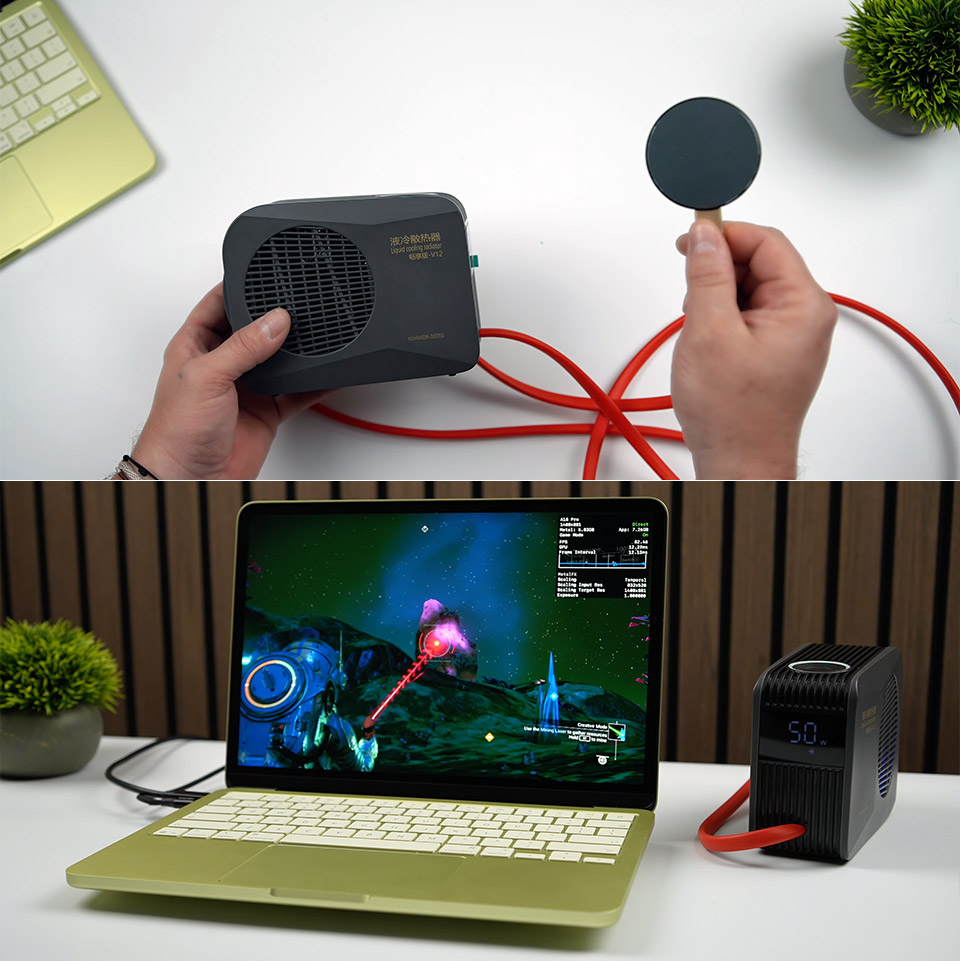
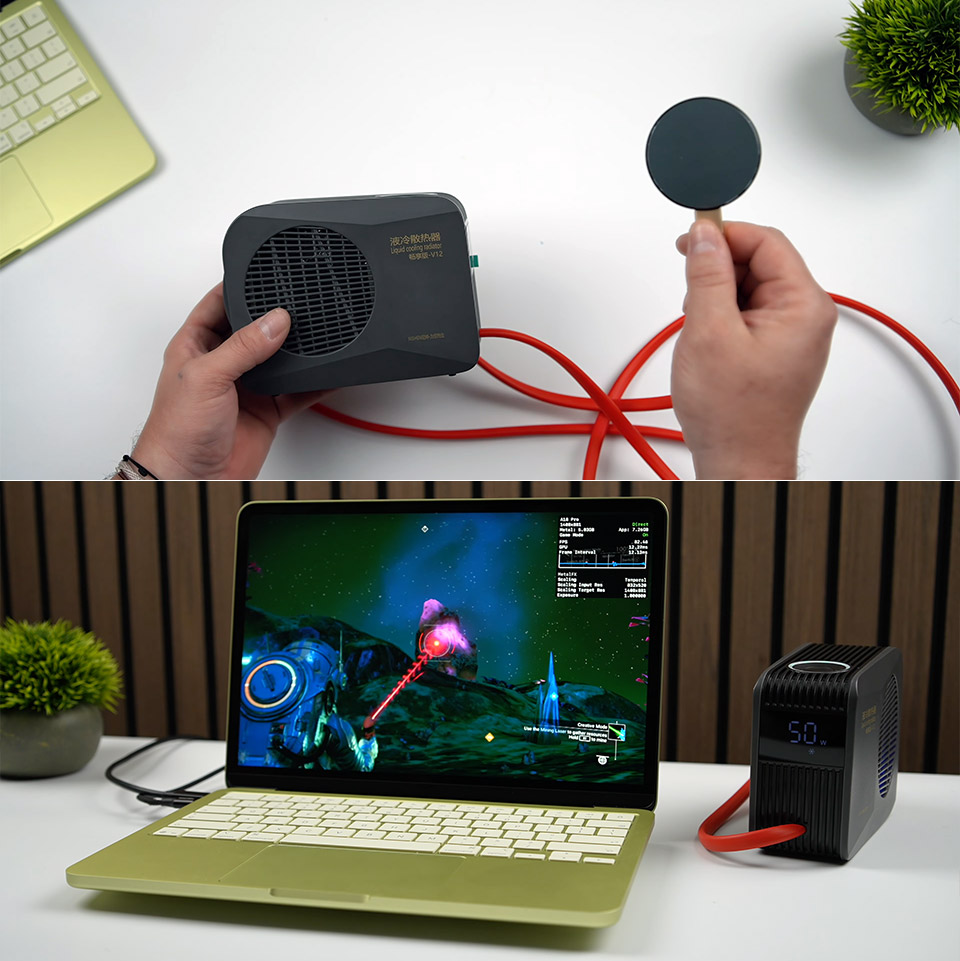
ETA Prime saw room for improvement and immediately took the MacBook Neo apart to find out how much. He fashioned a custom copper sheet shaped to sit around the CPU, cleaned the chip with isopropyl alcohol, applied fresh thermal paste, and topped it with a thermal pad to help the copper pull heat away from the chip and into the chassis. No permanent modifications, no adhesive, just a few screws and careful hands.
HELLO, MACBOOK NEO — Ready for whatever your day brings, MacBook Neo flies through everyday tasks and apps. Choose from four stunning colors in a…
THE MOST COLORFUL MACBOOK LINEUP EVER — Choose from Silver, Blush, Citrus, or Indigo — each with a color-coordinated keyboard to complete the…
POWER FOR EVERYDAY TASKS — Ready the moment you open it, MacBook Neo with the A18 Pro chip delivers the performance and AI capabilities you need to…
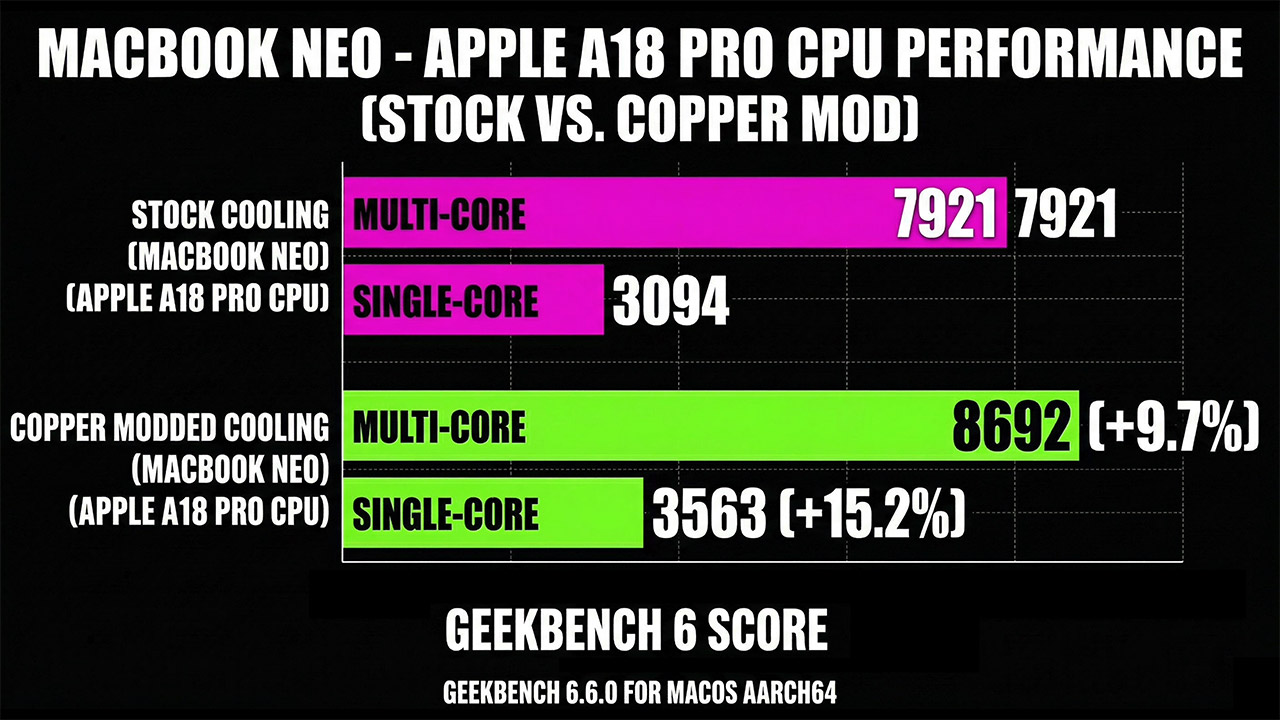
The results were immediate, as frame rates in No Man’s Sky climbed from around 30 per second to a smooth 58, and processor temperatures dropped from 105 degrees Celsius down into the mid-eighties. Geekbench 6 scores followed suit, with multi-core performance up by around 10 percent and single-core gains exceeding 15 percent. With the chip staying cooler for longer, sustained performance improved noticeably across everyday tasks as well, and through all of it the MacBook Neo remained completely silent.
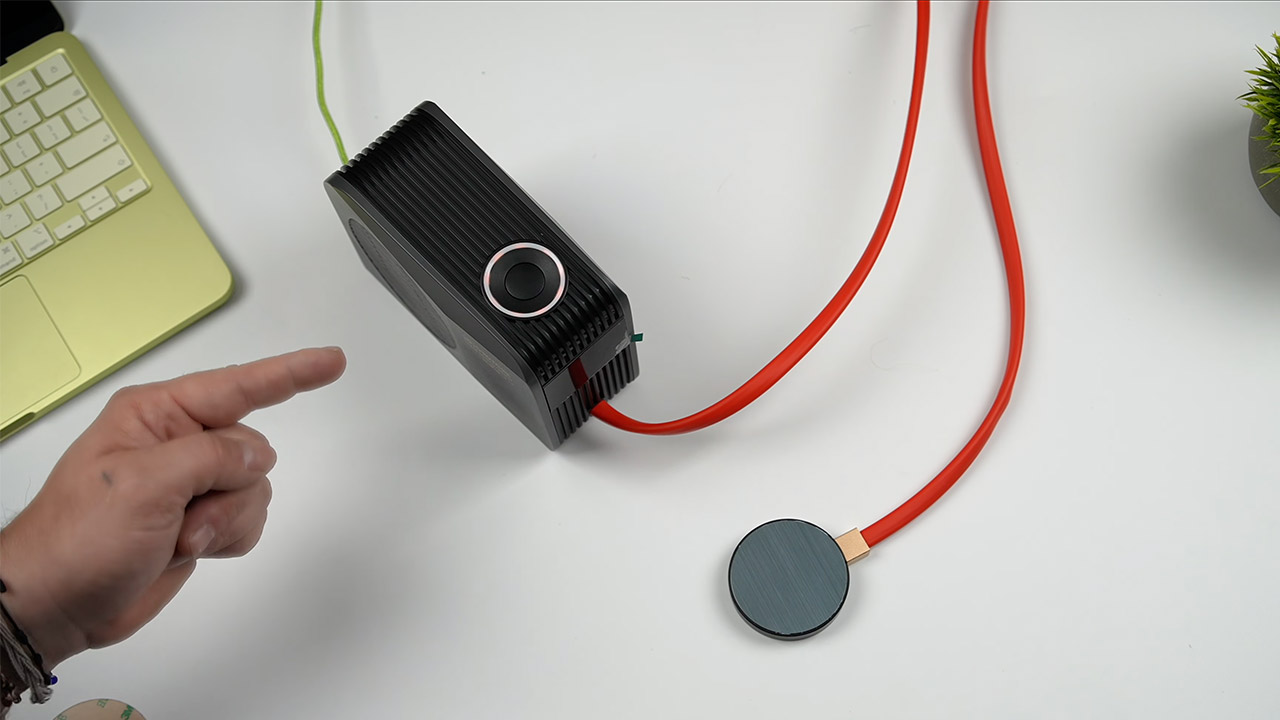
The first modification made it clear that the processor had significantly more headroom than Apple was allowing it to use. ETA Prime pushed things further by adding a small magnetic Peltier cooler powered through a USB-C cable drawing 50 watts. The device uses electricity to generate a cold side capable of dropping below freezing, cold enough to form ice on the surface during testing, while liquid channels carry the heat away on the other side. A simple adapter clamped the whole thing firmly against the copper plate already in place.
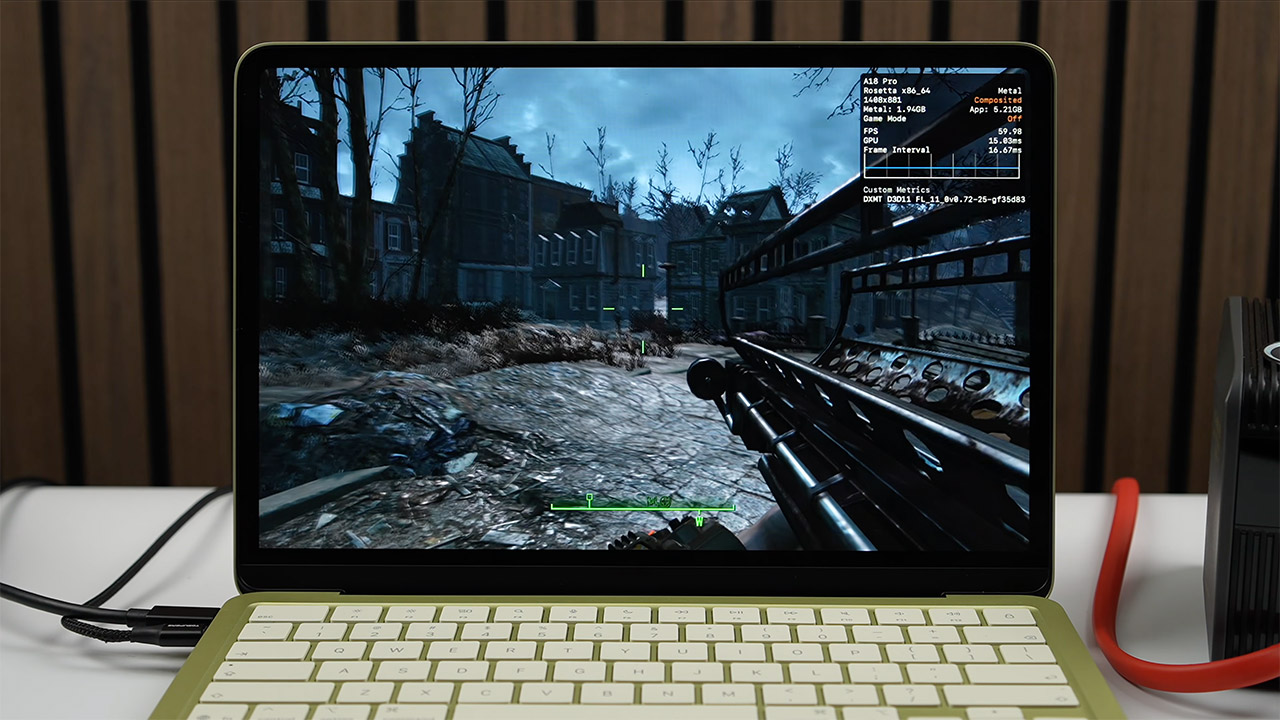
Temperatures dropped again, settling into the mid-seventies under the same gaming load and returning to just above room temperature at idle. The benchmarks told a compelling story. Geekbench 6 single core scores were up 17.5 percent over stock and multi core climbed 18.5 percent, while Cinebench showed similar gains of around 24 percent single core and 19 percent multi core. No Man’s Sky held a steady 80 frames per second over a 30 minute session, and Fallout 4 ran at a smooth 60 frames per second on just 8GB of RAM with the help of compatibility software and storage swap support.
The entire project remained reversible at every stage, with the copper sheet and external cooler leaving no permanent mark on the hardware. The only real cost was the extra power draw from the Peltier unit, and the performance gains made that a very easy trade to justify. A laptop that was never intended for gaming suddenly becomes a surprisingly capable one. [Source]
Tempted by the cheaper iPhone 17e but aren’t sure how it really compares to the iPhone 17? You’ve come to the right place.
As we’ve reviewed both the iPhone 17 and iPhone 17e, we’ve compared our experiences with the two handsets below. We’ve assessed everything from their design differences to how they perform on a day-to-day basis, to help you decide which iPhone will suit you best.
Keep reading to see how the iPhone 17e compares to the iPhone 17, and which one is likely to earn a space on our best smartphones guide.
Otherwise, check out our iPhone 17e vs iPhone 16e comparison to see what’s new with Apple’s affordable model, while iPhone 17 Pro vs iPhone 17 explains whether you need to splurge on the top-end iteration instead.
Advertisement
Price and Availability
When it first launched back in 2025, the iPhone 17 was actually Apple’s most affordable handset, with a starting price of £799/$799 for its 256GB iteration.
Advertisement
SQUIRREL_PLAYLIST_10207955
However, the more recently launched iPhone 17e has since taken the iPhone 17’s title of being Apple’s most affordable phone. With a starting price of £599/$599 for the 256GB model, you can save a hefty £200/$200 opting for the iPhone 17e.
Advertisement
SQUIRREL_PLAYLIST_10208288
Design
iPhone 17 includes the Action Button and Camera Control button, while the iPhone 17e only sports the former
Both have an IP68 rating and Ceramic Shield 2 protection
iPhone 17e is slightly thinner with a smaller display
Both the sport similar designs as their respective predecessors, and are fitted with flat edges and rounded corners.
Even the cheaper iPhone 17e is packed with many of the same durability features as the iPhone 17 including Ceramic Shield 2 at the front and an IP68 rating too. Now, although you may have seen many of the best Android phones boasting ratings of IP69 and even IP69K, we would argue this is more of a marketing ploy than traits that are genuinely useful. Unless, of course, you plan on pressure washing your smartphone.
Advertisement
Camera Control on iPhone 17. Image Credit (Trusted Reviews)
Both also sport the Action Button, which is a customisable button that has replaced the old ringer switch. However, the iPhone 17 benefits from the Camera Control button too which acts as a shortcut to the Camera app and customising the shot.
iPhone 17e. Image Credit (Trusted Reviews)
Otherwise, the iPhone 17 is slightly thicker than the iPhone 17e although the difference is negligible, so you won’t really notice it.
Winner: iPhone 17
Advertisement
Screen
The iPhone 17 has a 6.3-inch display, although housed in the same physical footprint as its 6.1-inch predecessor
iPhone 17 finally includes ProMotion technology, while the iPhone 17e caps out at 60Hz
iPhone 17e has a 6.1-inch OLED display
Advertisement
Put simply, we think the iPhone 17 has the best screen that we’ve seen on an entry-level iPhone. In comparison, the iPhone 17e just hasn’t quite got the oomph to match it.
Firstly, the headline feature of the iPhone 17 is that it finally includes Apple’s ProMotion technology, meaning it has an LTPO-enabled 1-120Hz display. The difference is staggering, and makes scrolling and animations feel smoother than the iPhone 17e’s 60Hz maximum.
iPhone 17e display
iPhone 17 display
Advertisement
Not only that, but the iPhone 17 has a slightly larger 6.3-inch display compared to the iPhone 17e’s 6.1-inches. In fact, the iPhone 17 houses its screen in the same physical footprint as its predecessor, thanks to the slimmer bezels which helps make the handset look more premium than others. That’s not to say the bezels on the iPhone 17e are large or distracting, it’s just that the iPhone 17’s are slimmer.
The iPhone 17 also benefits from a higher peak brightness of 3000 nits, whereas we measured the iPhone 17e as having a maximum 750 nits instead. That’s a huge difference, and means the iPhone 17e is trickier to use when outdoors in bright sunlight.
Winner: iPhone 17
Advertisement
Advertisement
Camera
iPhone 17 has 48MP main and 48MP ultrawide rear sensors
iPhone 17 also boasts an 18MP square front camera for better selfies
iPhone 17e only has one rear sensor, making it much less versatile
One of the biggest reasons to opt for the iPhone 17 is due to its camera. While it may not be quite as slick as the iPhone 17 Pro, its dual set-up is likely enough for most users.
iPhone 17e camera
iPhone 17 cameras
Advertisement
The standout feature of the iPhone 17 is its 48MP main lens which we found delivers a consistently sharp and colour-accurate image, however the 48MP ultrawide does an admirable job too. It won’t match the main lens in dark conditions though.
While of course we’d like a telephoto lens here, the main camera’s 2x in-sensor zoom delivers good quality shots when you need them.
Flip the iPhone 17 over and you’ll find its 18MP selfie camera, which now sports a square sensor. This allows you to short full-res portrait and landscape shots without needing to rotate your phone.
Advertisement
Advertisement
iPhone 17e camera at night. Image Credit (Trusted Reviews)
In comparison, the iPhone 17e isn’t quite as impressive. Not only is its front camera just 12MP and doesn’t share the same square sensor, but at its rear is just one 48MP “Fusion” lens. While you can capture detailed shots, with accurate yet vibrant colours even at night, if you’re used to playing around with different lenses then you’ll be disappointed with the iPhone 17e.
Winner: iPhone 17
Performance
Both run on Apple’s A19 chip, although the iPhone 17e’s has a slightly downgraded GPU
Even so, in daily use the iPhone 17e feels just like the iPhone 17
The iPhone 17 does benefit from ProMotion which makes gaming feel smoother
Both the iPhone 17 and iPhone 17e run on Apple’s A19 chipset, although it’s worth noting that the iPhone 17e’s version has a slightly downgraded GPU. What this should mean is that gaming might not be as smooth as otherwise, however we didn’t report any differences there.
Generally, both iPhones open apps instantly, allowing you to scroll through social media and even game without any stutter. However, as the iPhone 17 sports ProMotion, gaming does have a slight edge here.
Advertisement
iPhone 17. Image Credit (Trusted Reviews)
So, while we’ll give the win here to the iPhone 17, it’s worth noting that the iPhone 17e’s performance isn’t far behind.
Winner: iPhone 17
Advertisement
Software
Both run on iOS 26
Both support Apple Intelligence, although it’s a pretty underwhelming toolkit at present
There aren’t many differences between the iPhone 17 and iPhone 17e’s software, as both run on Apple’s iOS 26, have the Liquid Glass finish and support Apple Intelligence.
The Liquid Glass design is somewhat divisive, however we think it looks great as everything feels more fluid and responsive than before. Even so, you can turn its intensity down via your device settings.
Advertisement
iPhone 17e. Image Credit (Trusted Reviews)
Otherwise, both iPhones also support Apple Intelligence, Apple’s AI-toolkit that hasn’t really taken off. While some of its features are useful, such as Live Translation and call summaries, Siri remains dated while Image Playground falters in comparison to Google’s Nano Banana. Hopefully, Apple Intelligence will see improvements in the future, but for now it shouldn’t be the reason you choose an iPhone.
iPhone 17e supports 25W and MagSafe 15W wireless charging
Although neither the iPhone 17 nor iPhone 17e boasts the same capacity as the likes of the OnePlus 15, both are still solid all-day handsets. We found both could last for around four hours of screen time before needing a top-up.
Charging speeds, however, remain somewhat uninspiring here, especially when compared to the best Android phones. However, with the iPhone 17 supporting 40W wired and 25W wireless, it’s faster than the iPhone 17e’s speeds of 25W and 15W respectively.
Advertisement
Advertisement
Winner: iPhone 17
Verdict
We would recommend that, so long as your budget can swing it, you opt for the iPhone 17. Not only does it boast a brilliant screen, but its cameras are more versatile and it performs brilliantly in most tasks.
That’s not to say the iPhone 17e isn’t a decent iPhone, it’s just harder to recommend due to its single camera and standard display. Having said that, we found that it does perform most tasks as well as the iPhone 17.
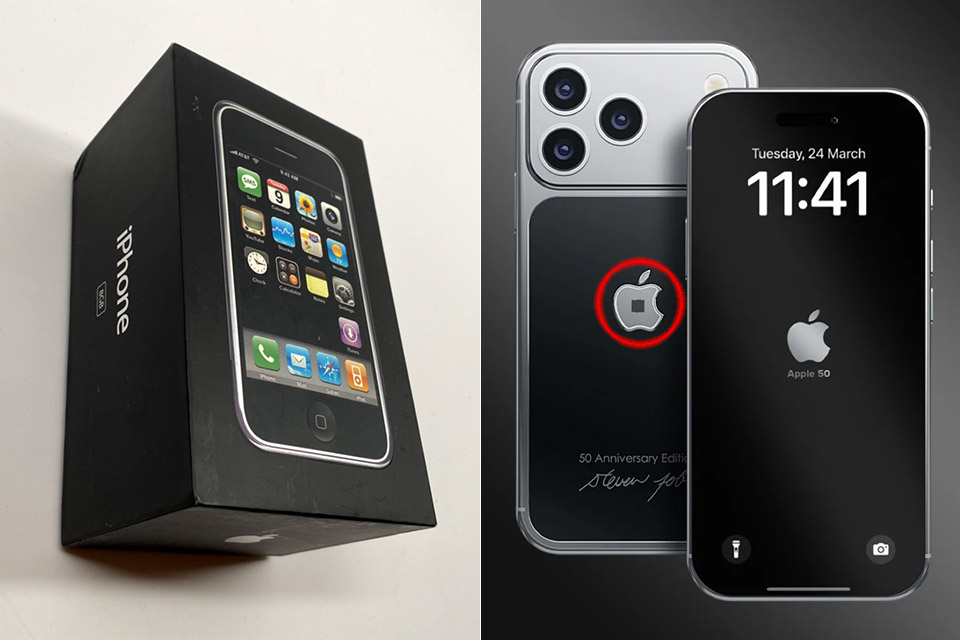
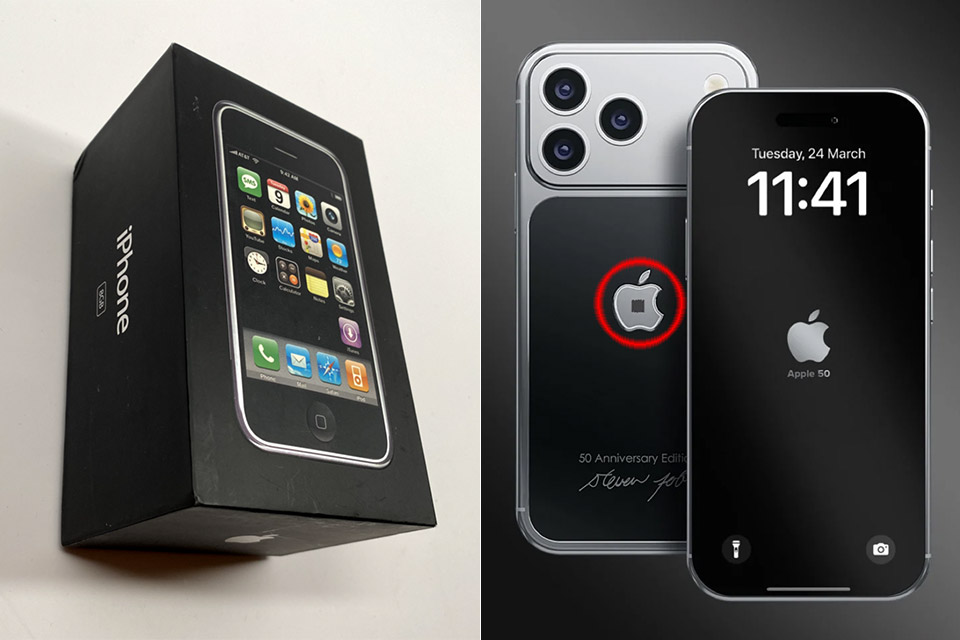
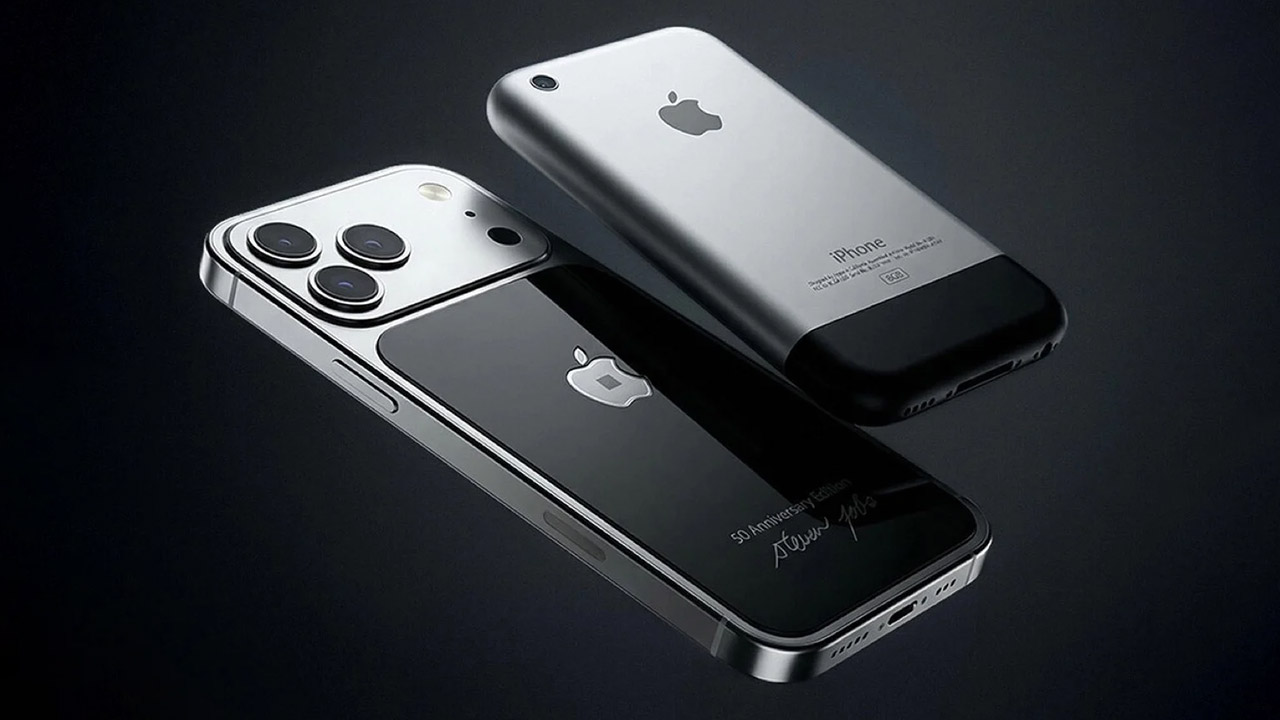
Caviar created an extremely limited run of this Steve Jobs edition iPhone 17 Pro, only 9 copies. Each has a genuine piece of Steve Jobs’ iconic black Issey Miyake turtleneck, neatly tucked within the phone. The turtleneck piece is casually tucked away in the center of the back panel, but it’s still visible, shielded by a raised titanium Apple logo that serves as both a seal and a prominent focus point.
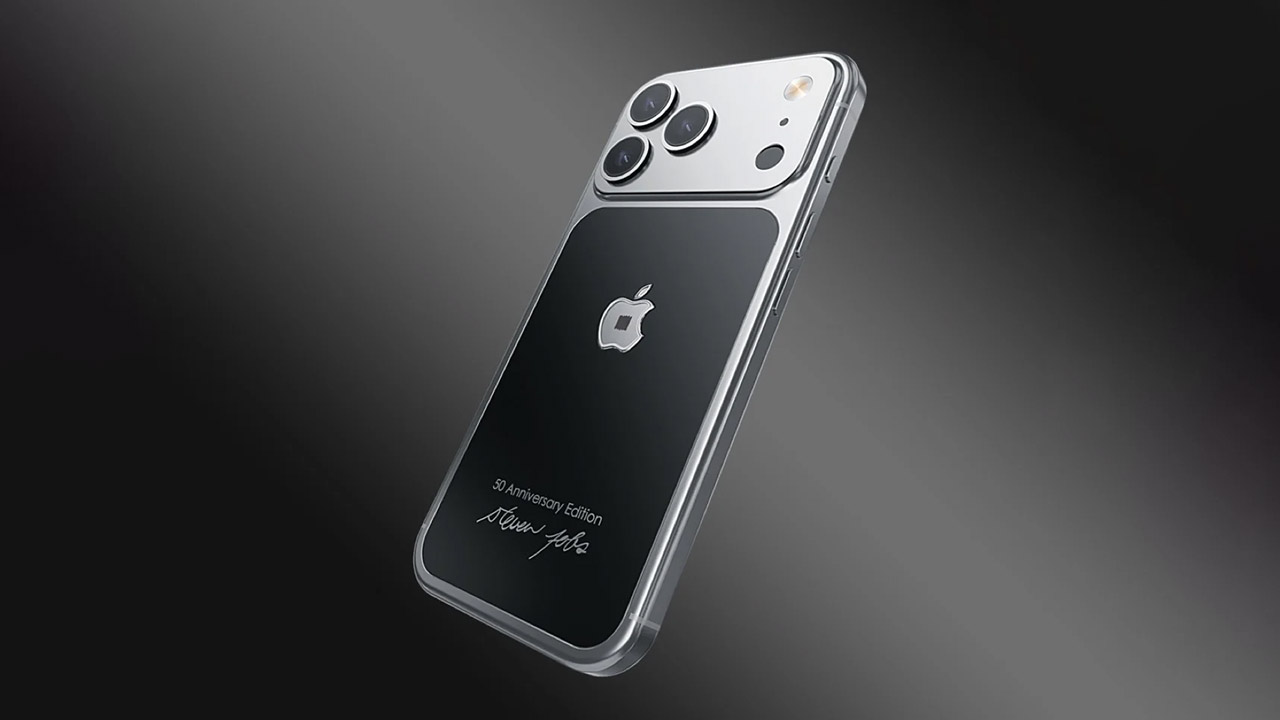
The main body is black titanium with carbon fiber woven in for texture and silver accents around the edges that quietly reference the original 2007 iPhone. The Apple logo sits slightly off center, and the understated engraving keeps things minimal, striking a balance between a clear nod to the past and something that still feels unmistakably current.
MIGHT TAKES FLIGHT — MacBook Air with the M5 chip packs blazing speed and powerful AI capabilities into an incredibly portable design. With Apple…
SUPERCHARGED BY M5 — With its faster CPU and unified memory, the M5 chip delivers even more performance and fluidity across apps, making…
APPLE INTELLIGENCE — Apple Intelligence is the personal intelligence system that helps you write, express yourself, and get things done…
Steve Jobs’ signature is engraved into the frame alongside the words ’50th Anniversary Edition,’ giving the whole thing an unexpectedly personal quality. The accompanying certificate confirms that the fragment of turtleneck fabric worked into the design came from one of Jobs’ own jackets. In hand the phone feels exactly as considered as it looks, the titanium balanced and substantial, and the carbon fiber shifting in appearance as the light catches it from different angles.
The back panel draws the eye straight to the Apple logo, with the turtleneck fragment subtle enough that you almost miss it until you know it is there. Flip it over and the signature engraving comes into view, a quiet nod to the anniversary that inspired the whole project. Only nine units were made, and they are available now through Caviar’s website. Each one comes fully authenticated, so buyers can be confident the turtleneck fragment is exactly what it claims to be. [Source]
We may receive a commission on purchases made from links.
Sometimes, a screwdriver won’t get the job done. This is where a solid power drill with a set of drill bits can save the day, plowing through and inserting fasteners into a range of materials with ease. Unfortunately, it’s not always so easy to walk into a hardware store and get a strong set of bits. Some of the bits from specific brands aren’t great quality, failing to work well at all, losing their edge within a few uses, or breaking entirely. Naturally, this amounts to a waste of money that customers are more than willing to talk about online, hopefully preventing their fellow tool-users from suffering disaster.
This all boils down to being educated and using common sense when buying drill bits. On the price front, drill bits are often a get-what-you-pay-for kind of tool. If the price seems too low for all you supposedly get and the marketing claims seem too good to be true, these are likely bits to avoid. Buyers should also be mindful of the materials they’re said to be made from and what kind of durability such materials typically provide. While it’s possible to use a bench grinder to sharpen drill bits, sharpening is not something that should have to be done often, especially if you only use your bits sparingly.
Advertisement
On top of the specifics of the bits themselves, it’s worth digging into the reputation of drill bit brands behind them before you buy. These are just a few of the many brands that users feel offer the worst sets on the market.
Advertisement
Warrior
Harbor Freight has numerous brands under its purview, with Warrior being one of the most prominent. Still, this doesn’t mean all of its products are worth purchasing. Just as there are Warrior tools Harbor Freight customers recommend steering clear of, the brand’s drill bits haven’t received universal customer praise. There’s plenty of negativity surrounding the brand’s bits online, such as a YouTube review from MZ’s Garage. According to their experience, Warrior’s brad point drill bit set is a big miss. The shanks on their bits were crooked, preventing them from effectively drilling a clean, straight hole through material. Missing etched bit labels were also a problem, so they recommended against the set.
Meanwhile, there are several written forum threads on the subject of Warrior’s low-quality drill bits. On Reddit, u/rynil2000 made a thread on their poor Warrior experience, recalling bits snapping and dulling without much effort. In the comments, others shared the sentiment that Warrior’s bits are no good, with it mentioned a few times that the brand’s smaller offerings like drill bits and sandpaper are rough across the board. u/Hard_Head also had a bad experience with Warrior, with commenters in their thread expressing no surprise that cheaper-priced bits broke so easily. Those in u/jayste4‘s thread didn’t have high praise for Warrior either, calling them cheap, disposable, and ineffective.
Advertisement
Bad Dog Tools
While not sold at large brick-and-mortar retailers, Bad Dog Tools’ drill bits have managed to make the rounds in tool circles all the same. Unfortunately, the brand hasn’t made a great impression on many of its customers with its bit selection. Case in Point, YouTuber TylerTube, who put a Bad Dog drill bit set through its paces in their video and wasn’t happy with the result. The bits lacked in durability right out of the box, and they struggled to make clean holes without moving all around on the material. JimboFive0 on YouTube found their Bad Dog bits to be poor quality, almost immediately breaking, with the company’s customer service failing to help them out as hoped.
Over on Amazon, there are many negative reviews on Bad Dog drill bits. The Bad Dog seven-piece multipurpose drill bit set has 30% one-star reviews, where customers warned others of off-kilter drill bits, breakage after drilling only a few holes, and failure to cut through materials like concrete effectively, despite advertised as being able to handle such jobs. Most in a thread by u/Additional_Cat5490 about Bad Dog spoke negatively on its drill bits as well. Several commenters corroborated the claim that the bits fail to live up to the brand’s marketing, which heavily touts their ability to handle numerous material types and last longer than other bits.
Advertisement
Ryobi
Ryobi has more than made a name for itself in the power tool space. At this point, there are multiple Ryobi cordless drills at different price points to consider. According to customers, though, Ryobi’s bits aren’t worth the money. For instance, in a thread by u/murmur333 on Reddit, they and others spoke to the brand’s bits disappoint in durability and are effectively disposable. It’s even recommended by one user to use bits from brand like DeWalt in a Ryobi drill for better results than going Ryobi for both. Fellow Redditor u/PaidByMicrosoft and others in their thread reported their Ryobi bits breaking after only a few uses.
Going beyond Reddit, the lack of support for Ryobi’s drill bits resumes. Looking to the Home Depot website, many Ryobi bit kits have taken on negative reviews. Looking at the Ryobi black oxide round shank bit set, it has a 3.9 out of five star rating with numerous one-star reviews. These over 70 reviews speak of their bits being bent right out of the box, breaking after only a few holes, and quickly dulling with use. The Ryobi black oxide hex shank twist drill bit set also took some criticism at 3.7 out of five stars. The almost 200 one-star reviews share similar instances of sudden breakage and dulling with minimal or even one-time use.
Advertisement
Milwaukee
Much like Ryobi, Milwaukee has made itself a fixture in the power tool world. Many tool enthusiasts love Milwaukee for a range of reasons, but it does have some areas to improve on. According to many users, the brand’s drill bits can leave a lot to be desired. While some vouch for Milwaukee or feel its bits are just fine, several folks in Reddit threads by u/Charlesinrichmond and u/NoOlive1039 recalled instances of breakage and highlighted a general lack in quality. u/thebeansimulator also expressed firsthand disappointment in Milwaukee bits failing after just a few holes, with those in the comments recommending what they’ve found are superior brands.
Advertisement
Digging into Home Depot reviews, there are multiple Milwaukee drill bit sets that didn’t perform the best with everyone. The Milwaukee black oxide step drill bit set has taken some flak, with negative reviews mentioning one or multiple bits breaking with little use and failing to effectively drill into material as advertised. The Milwaukee Shockwave carbide multi-material masonry bit set didn’t fare much better with a large number of Home Depot customers. Bit tip wear after just a few holes, complete breakage, or total inability to drill into certain materials made this set a disappointment for many who tried it out — especially given the Shockwave line prides itself on increased durability and efficiency.
Advertisement
How these drill bit brands were selected
KravchenkoPictures/Shutterstock
These specific drill bit brands were selected as users’ least favorites through extensive research. The first thing to do was go to various home improvement stores such as Home Depot, Lowe’s, and Harbor Freight to look over the sentiment toward the most prominent drill bit brands. This included star ratings and the number of customer reviews under bits and full kits. From here, it was possible to whittle down that list to those that had received some of the least support among customers.
With the brands chosen, digging into reviews was the next step. It needed to be determined where exactly these bits went wrong for customers, and ensure their less-than-stellar reputation wasn’t based on user error. This entailed looking through reviews on product listings, forums like Reddit, and media platforms like YouTube to find commonalities in negative user experiences. This made it clear that these bits’ inability to deliver was somewhat universal and the claims of these brands being bad wasn’t based on one-off anecdotes.
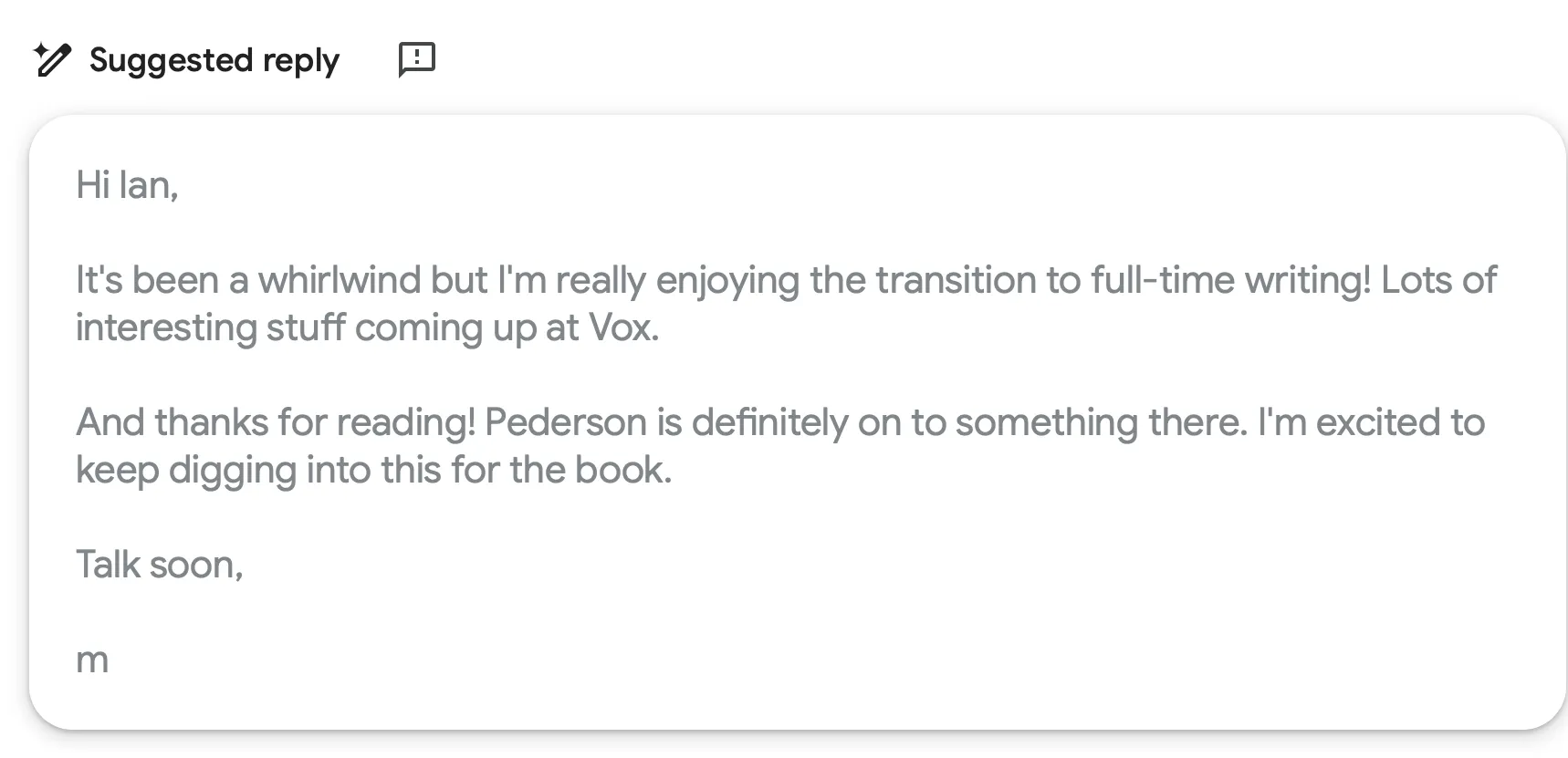
I first noticed it when, a few months ago, I opened an email from Ian, my literary agent. Before I’d had a chance to read anything he’d written, Gmail was recommending a full, fleshed-out, AI-generated reply, ventriloquizing ideas for a book and even my feelings about the job transition I’d recently made. It had mined my inbox to infer why Ian was writing to me and ingested bits of my style, even signing off with the lowercase “m” that I use with people with whom I have an easy familiarity.
For around a decade, Google had been suggesting very generic, sometimes monosyllabic “smart replies” — things like “Okay” or “Thanks!” or “Any thoughts?” I’ve used these to send quick acknowledgements to emails I’d have otherwise forgotten about. But in the last couple years, Gmail has begun to offer fully formed draft replies that presume to impersonate my own, individual reactions to my interlocutors’ questions, ideas, and emotions.
This felt like a striking turn. I reflected with some sadness on the idea of sending one of these to someone who matters to me — how dehumanizing to both me and Ian it would feel to make him read a counterfeit subjectivity pretending to be my own.
You might say this is no big deal; maybe it gives you time back for deeper work or more meaningful parts of your life (I wouldn’t begrudge that at all — AI saves me time, too!). We’re all drowning in too much email, much of it pointless or lacking any great meaning. Isn’t that exactly the kind of day-to-day tedium that we should happily invite AI to liberate us from?
But I think that this machine-generated personal correspondence, which is only likely to spread further into other forms of communication, has preoccupied me because there’s something deeper going on here. A lot of ink has been spilled in the last few years about AI-generated writing and its social consequences — how it will deskill millions of workers, outsource our thinking, confuse kids growing up in the AI age about the difference between real and synthetic friends, and so on. We already know that AI language is unnervingly good at sounding like it’s the product of a fellow consciousness. But the particular creepiness of elaborate email autocomplete is that it’s training on and simulating your consciousness. And as it does so, it also gives you a little less reason to actually be conscious.
Advertisement
AI writing and “cognitive surrender”
Like many knowledge workerswho derive their living and their identities from cognitive capacities now being at least partially replicated in silicon, I have a complicated and ambivalent relationship with generative AI. I now depend on it to research almost every story I work on, a purpose for which it’s obviously very useful (despite those who still insist it can never be useful for anything).
I am, though, deeply skeptical of using it for writing, because, as many writers smarter than me have already noted, writing is inextricable from thinking, and short-circuiting it can diminish our capacity for deep thought. The friction of writing is not dead weight but is part of how you decide what you mean and give coherence to ideas. For that reason, my former Vox colleague, the brilliant Kelsey Piper, who is generally positive about AI’s potential to make us more productive and improve human life, said on a recent podcast episode, “I would never use it to write.”
In a recent paper, a pair of University of Pennsylvania scholars described the wholesale outsourcing of cognitively complex tasks to AI as “cognitive surrender.” “An abdication of critical evaluation,” they write, “where the user relinquishes cognitive control and adopts the AI’s judgment as their own.” This is one reason why it felt especially inappropriate to have AI generate thoughts for me in reply to someone with whom I’m brainstorming about writing a book, likely one of the most cognitively demanding things I’ll ever do. Email, for all of its annoyances, is also relational. And letting a machine generate your side of the exchange diminishes the authenticity of your connection to another person.
Advertisement
Sometimes the AI drafts, of course, are plainly wrong. An AI-suggested email might, for example, say you’ve read a book that you haven’t, perhaps making it more likely that you go along with the false claim. But what unsettles me the most is not the mere hallucination, it is when the AI is right, or right enough. My email’s AI is pulling from its knowledge of everything I’ve written before, so it can often make a reasonable guess of what I’d want to say anyway. The system is not wholly failing to reproduce my mind, but is actually producing a close-to plausible substitute for it.
It feels like the beginnings of what Silicon Valley has prophesized for decades as a coming merge (sometimes called the “singularity”) between human and machine minds. I used to consider this a totally improbable idea, but I hadn’t been open-minded enough. It might turn out to be dispiritingly easy for an advanced AI to train on a sample of your past thoughts and write future ones for you.
Still, it seems unlikely that we will simply acclimate to the idea that all the written communication we encounter and generate every day may be AI-generated. So much, if not most, of our interpersonal communication now takes place in writing. However vulnerable we may be to cognitive surrender, humans also have a deep countervailing need to experience language as coming from another conscious mind — to feel seen and known, and to assert our own distinctness in return.
And anyway, Gmail isn’t yet that good at imitating my conscious voice. I would never write, “Lots of interesting stuff coming up at Vox!” (Which isn’t, of course, to say that there isn’t a lot of interesting stuff going on at Vox.) That still leaves me, for now, with the pleasure of figuring out what I want to say.
When right wing billionaire Larry Ellison (and his nepobaby kid David) hired trolling blogger Bari Weiss to run CBS News, Weiss arrived with the promise of “balanced, fact-based news,” “independent, principled journalism,” and a unique “entrepreneurial drive and editorial vision” that would completely modernize the network and reach the “everyday Americans” traditionally ignored by mainstream media.
As we noted at the time, that was all bullshit code for turning CBS into yet another outlet that panders to global autocrats, normalizes far right wing extremism, coddles corporate power, and generally shits all over progressive societal reforms.
Weiss wasn’t a journalist, had no serious journalism experience, isn’t good at journalism, and wasn’t hired to do journalism. She was hired specifically to do ratings-grabbing, viral, right wing friendly agitprop which the Ellisons mistakenly seemed to think there was a massive market for. But unfortunately for Weiss, she’s not good at that either.
And it’s just observationally true that nobody actually wants what CBS’ new ownership is selling.
Advertisement
Broadcast TV was already in trouble (just 20% of all TV viewing is now broadcast). The conspiratorial right wing MAGA movement already has countless propaganda outlets to choose from. And the folks who used to find CBS News semi useful aren’t sticking around. “CBS Evening News” ratings keep dipping below 4 million viewers; the kind of ratings that caused CBS to revamp things in the first place.
“Demo figures are perhaps even more alarming. “CBS Evening News” lost about 15% of its viewership in the adults 25 to 54 bracket for the first quarter of 2026. ABC is also off by around 4%, while “Nightly” is up 8%.”
“Viewers are smart. They understand that under Ellison’s ownership, and with Weiss at the helm, CBS News has charted a new course … one that is friendlier to Donald Trump and the MAGA movement he leads.”
It’s just not clear who Weiss thinks she’s appealing to. There’s no shortage of weird, timid, corporatist, center-right blandness across journalism. Countless outlets are making such a pivot the under Trump in an industry that’s being increasingly consolidated under the ownership of terrible rich assholes with increasingly extreme, anti-democratic ideals. And fewer and fewer people watch broadcast TV anyway.
Advertisement
It’s clear Larry Ellison and other right wingers envy and want to emulate the control of media Victor Orban enjoys in Hungary. Under most autocratic models, party-loyal oligarchs buy up all the major companies, pummel the country with propaganda, and the government sues, harasses, and strangles real journalism just out of frame. As it progresses and gets worse, journalists often wind up dead.
But America is much bigger and much more diverse than Hungary. People are also increasingly consuming media and news in short form snippets from a massive and expanding assortment of influencers (credible or not), independent outlets, and direct-to-consumer journalists. “Flooding the zone with shit,” (to use a Steve Bannon term) impacts everybody, and makes it hard for any one player to dominate modern media.
The folks who’ll rise above the noise in this fractured, new, badly automated, modern media landscape have to be either extremely clever, inherently gifted at pandering to the lowest common denominator, or undeniably authentic.
Bari Weiss is none of those.
Advertisement
Bari came into her job insisting she had the secret sauce to modernize CBS in the viral social media era, and by every indication there’s no evidence that’s actually true. Much of the stuff she’s introduced is just foundationally boring cack of interest to nobody.
As a result, I suspect Weiss’ tenure won’t last past the end of the summer.
I don’t want to give Larry Ellison any ideas, but you could see a future where he hires someone who actually is the modern hustlebro manfluencer version of Roger Ailes; somebody who can leverage CBS and Ellison’s new co-ownership of TikTok to create a truly modern, even uglier version of Fox News that seeds social media with inflammatory, pseudo-journalistic bullshit peppered with sports betting ads.
The thing is there’s just absolutely no evidence anybody at this new Paramount is remotely competent for good or ill, whether we’re talking about Weiss or Paramount President Jeff Shell (who was fired from Comcast for allegations of sexual harassment, and is now going through weird legal tangles at CBS).
Advertisement
Unfortunately, if all Larry Ellison accomplishes is the destruction of another cornerstone of U.S. journalism, he’s still broadly made the world a worse place in a way that benefits him personally. Though even then, you’d like to think there’s potential for people who actually have something ethical or authentic to say to build something useful from the ashes.
Judge Jane Boyle of the US District Court for the Northern District of Texas ruled Thursday that X failed to show any “antitrust injury,” such as a measurable benefit to rival social media companies. “The very nature of the alleged conspiracy does not state an antitrust claim, and the court… Read Entire Article Source link
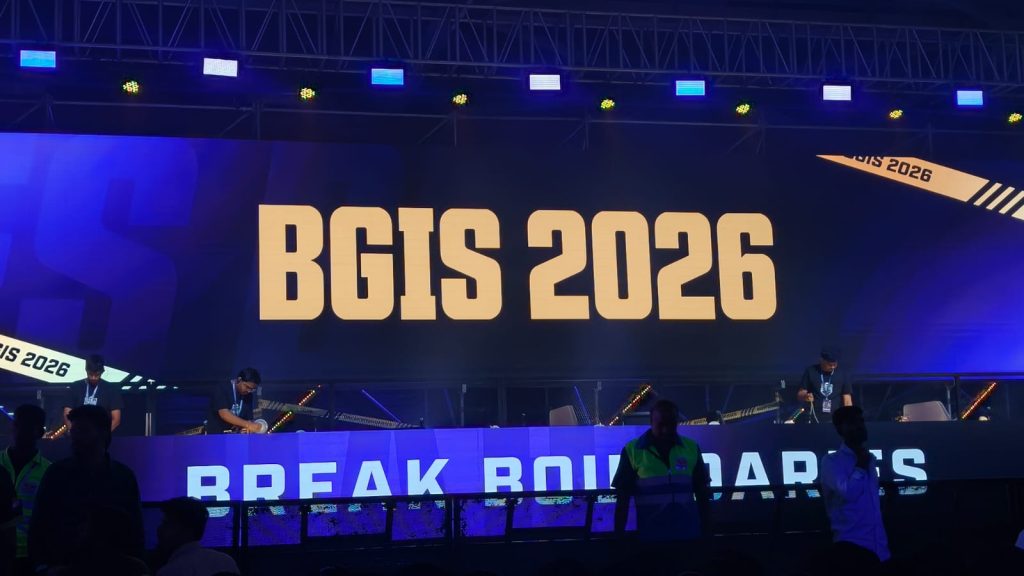
BGIS Grand Finals have just started, and it was exhilarating. We expected top performance from teams like Soul and GodLike, and we got them. On top of that, we also got GENS putting on an absolute show of domination in terms of finishes. Here’s everything that happened on the first day of BGIS Grand Finals 2026.
Match 2 & 3: Soul Flip the Script Against Team Tamilas
Team Tamilas looked like the clear favorites for most of the match. They had control, positioning, and momentum going their way until the final circles.
Getting into the playzone turned out to be their biggest problem, and that’s exactly where Team Soul stepped in and completely wiped them out.
Soul went on to take the chicken dinner in dominant fashion. Goblin led the charge with 5 finishes, while Nakul backed him up with 4. RGE tried to keep up and secured second place, but there was just no stopping Soul in this one.
Advertisement
The third match kicked off with a bit of a shocker. Home team Tamilas took an unnecessary fight against LEFP—something that could’ve easily been avoided—and paid the price for it.
This match ended up being one for the underdogs. Nebula showed promise for a while, but their push into Pochinki didn’t go as planned, and things fell apart quickly.
Match 4: Slow Start, Explosive Finish
Match 4 started off slow, almost too quiet, with barely any action in the early zones. But once things picked up, chaos followed.
Ninz were the first to go after getting caught in a bridge camp by Reckoning. Nebula’s rough day continued as they were eliminated soon after. Then came the big surprises—table toppers Soul were knocked out early, followed by WF.
Genesis eSports, however, stole the spotlight. Even without winning, they racked up 17 points purely from finishes, including taking down GodLike. In the end, it came down to VE, WELT, and RGE. VE looked like the strongest team throughout the final moments, and it played out exactly that way as they secured the chicken dinner.
Advertisement
Match 5 & 6: GodLike Enter the Chat
Match 5 saw Xspark being eliminated early, thanks to a quick play from Jonathan. K9 and OG continued their poor run, while even VE, the previous match winners, had a rough start, managing just 2 points.
Genesis eSports once again came in hot with over five early finishes, but this time they had serious competition—GodLike. The final circle featured GodLike, WF, and VS. What followed was an absolute thriller, with GodLike coming out on top and announcing itself as a serious contender.
The last match of the day was nothing short of madness. It started with early eliminations, including Ninz and even Genesis eSports. GodLike found themselves in a tricky position outside the zone and were eventually taken down by Soul, who were on a roll.
Soul also eliminated OG without losing a single player. The final zone was insane—five teams alive in a semi-urban, rocky area. K9 was the first to fall, followed by Soul. It all came down to VS, VE, and WF. In the end, VS held their nerve and secured the final chicken dinner of the day.
Advertisement
Soul ended the day topping the standings, followed closely by Godlike. For the full standings, click here.
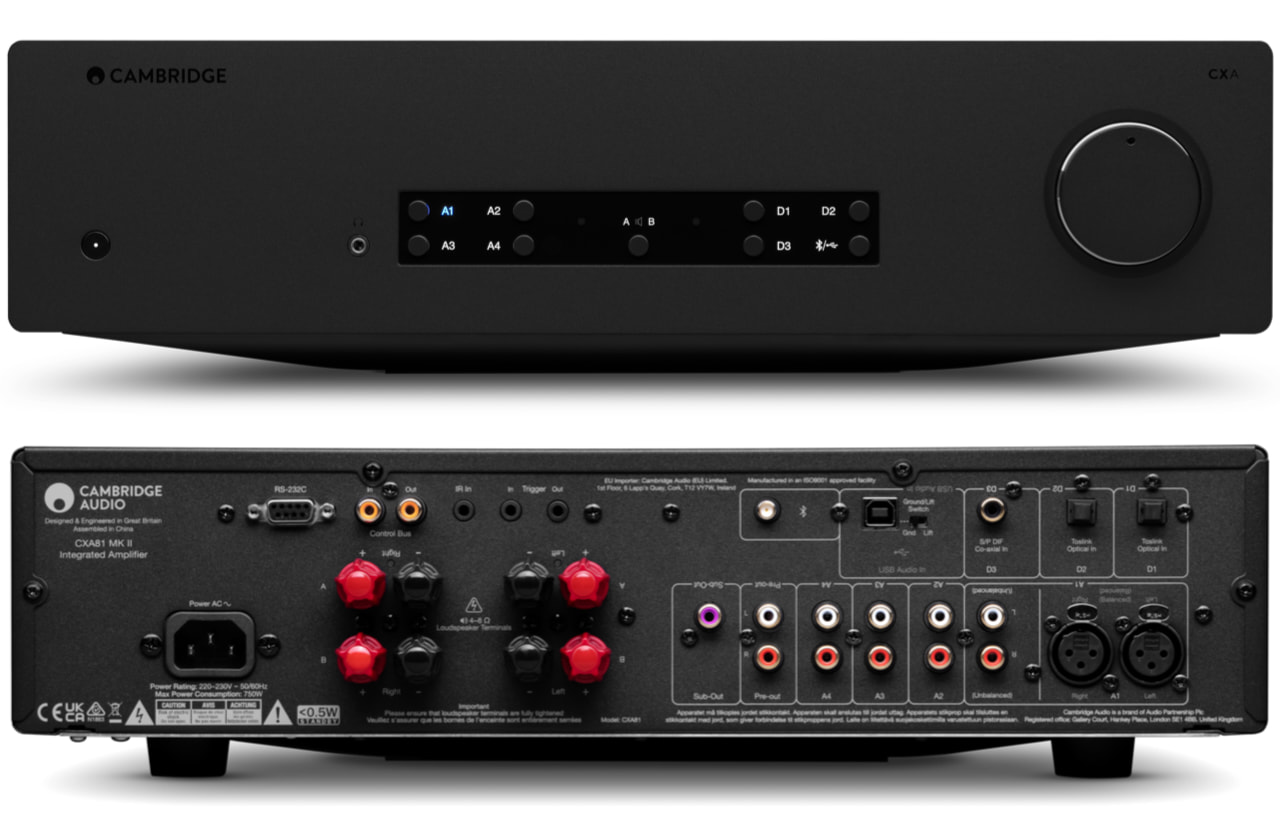
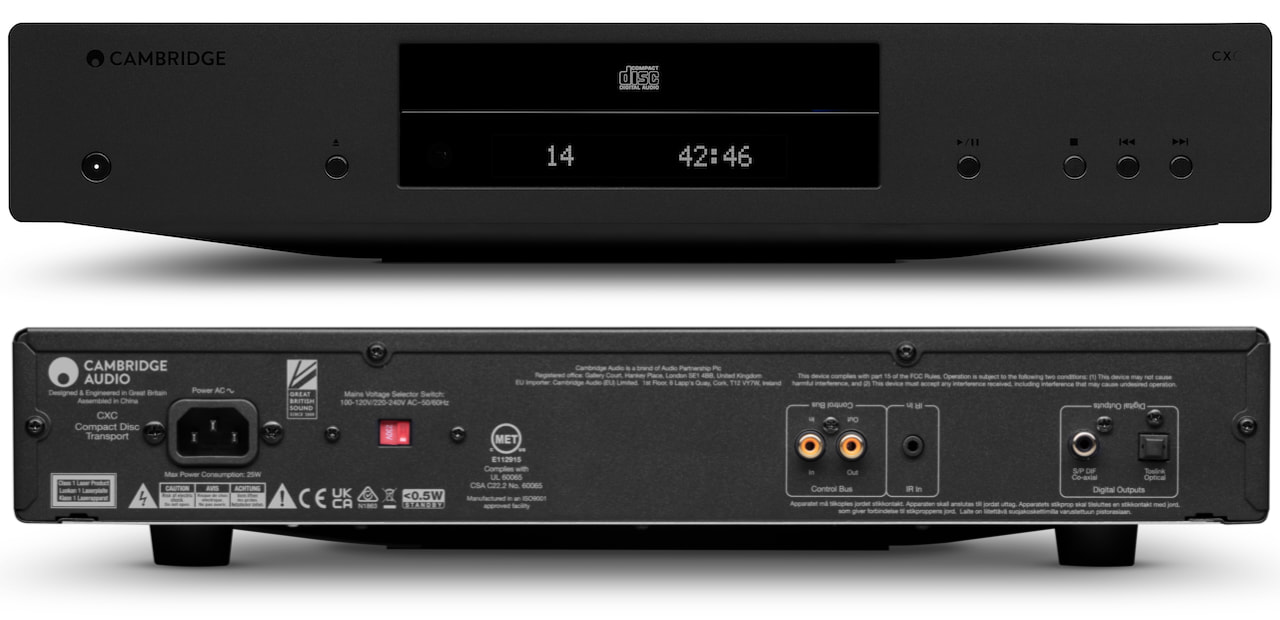
Cambridge Audio is giving its CX Series a darker look, but the bigger story sits behind the rack. The UK-based brand has introduced Black Edition versions of the CXA81 Mk II integrated amplifier and CXC CD transport, alongside the new CXN100 SE network streamer, which is the only actual addition to the lineup. All three arrive in a refined matte black finish, with no changes to the core circuitry or performance compared to the standard Lunar Grey models.
What matters more, however, is where Cambridge Audio is headed in North America. Distribution has shifted to Fidelity Imports in the U.S. and True North Distribution in Canada (a new joint venture with Playback Distribution), a move that could have far greater impact on availability, dealer support, and long-term brand visibility than a fresh coat of paint. The hardware may look different, but the strategy behind it is doing the real work.
CXA81 MKII Integrated Amplifier
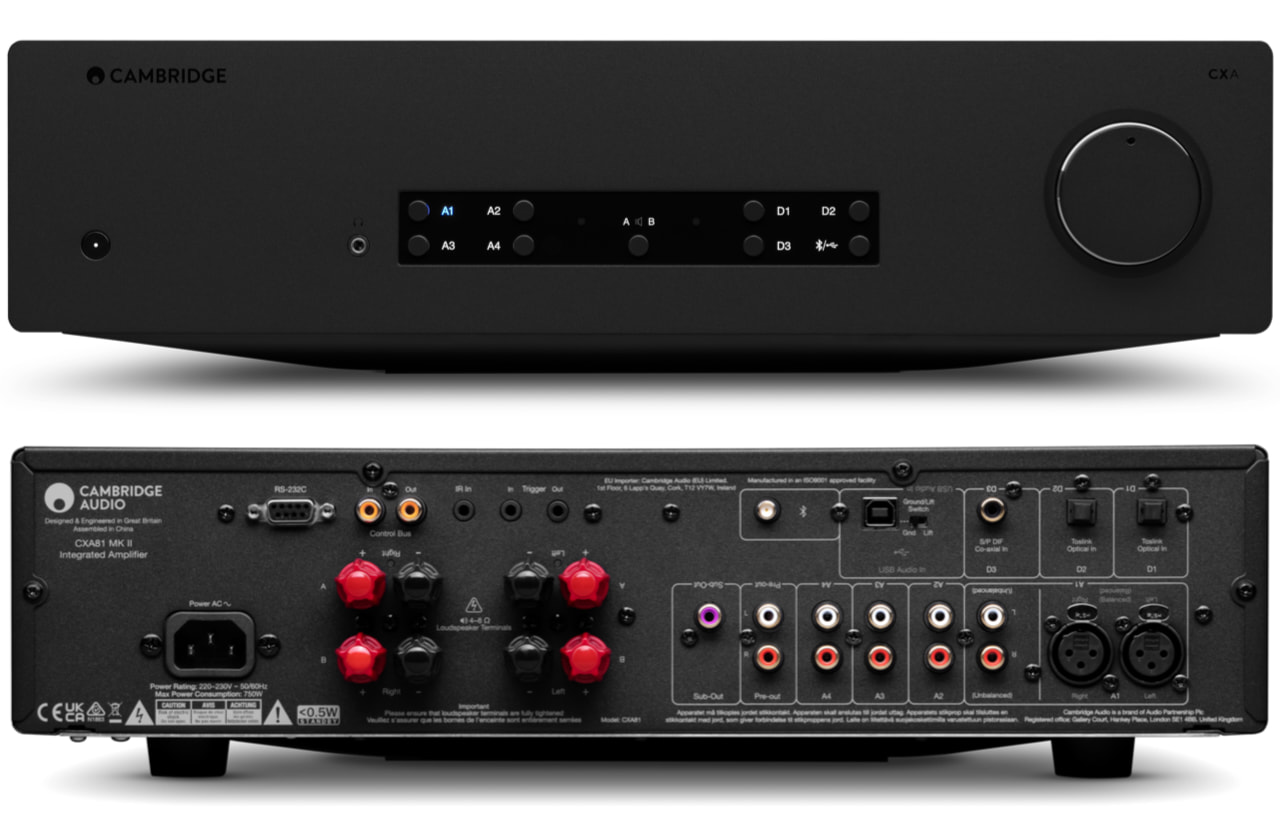
The anchor of Cambridge Audio’s CX range, the CXA81 Mk II, released in 2024, is an integrated amplifier rated at 80 watts per channel. It’s designed to deliver a clean, controlled presentation across both digital and analog sources, whether you’re streaming high resolution audio or spinning vinyl through an external phono stage.
The CXA81 Mk II balances output and refinement with the neutral, open character the CX Series is known for, making it a flexible centerpiece for a wide range of two channel systems without leaning too warm or overly analytical.
CXA81 MK II Feature Highlights
Amplifier Type:Class A/B design for a balance of efficiency and linear performance
Power Output: 80 watts per channel, providing sufficient current for a wide range of loudspeakers
DAC: ESS ES9018K2M SABRE32 for high-resolution digital-to-analog conversion
Digital Inputs: TOSLINK (optical), coaxial, and USB Audio
Analog Inputs: Single-ended RCA and balanced XLR connections
Bluetooth: Version 4.2 with A2DP/AVRCP support, including aptX HD (up to 24-bit/48 kHz)
The current version of the CXC was released in 2023. It’s designed for listeners who still value their CD collections and want to extract the best possible performance from those 5-inch discs. By focusing strictly on digital transport duties, Cambridge Audio has stripped away anything that doesn’t serve accurate data retrieval and timing.
The result is a purpose-built CD transport engineered for precise disc reading and low-jitter digital output, delivering a cleaner, more consistent signal to an external DAC without unnecessary processing getting in the way.
Advertisement
CXC Feature Highlights
Custom S3 Servo Drive: Designed for accurate disc tracking and data retrieval with reduced read errors.
Disc Compatibility: Supports Red Book CD (CD-DA), CD-R, and CD-RW formats.
Digital Outputs: Includes both coaxial and optical outputs for connection to an external DAC.
Gapless Playback: Enables seamless transitions between tracks, ideal for live recordings and continuous mixes without added silence.
Acoustically Dampened Chassis: Helps reduce vibration and isolate internal components for more consistent performance.
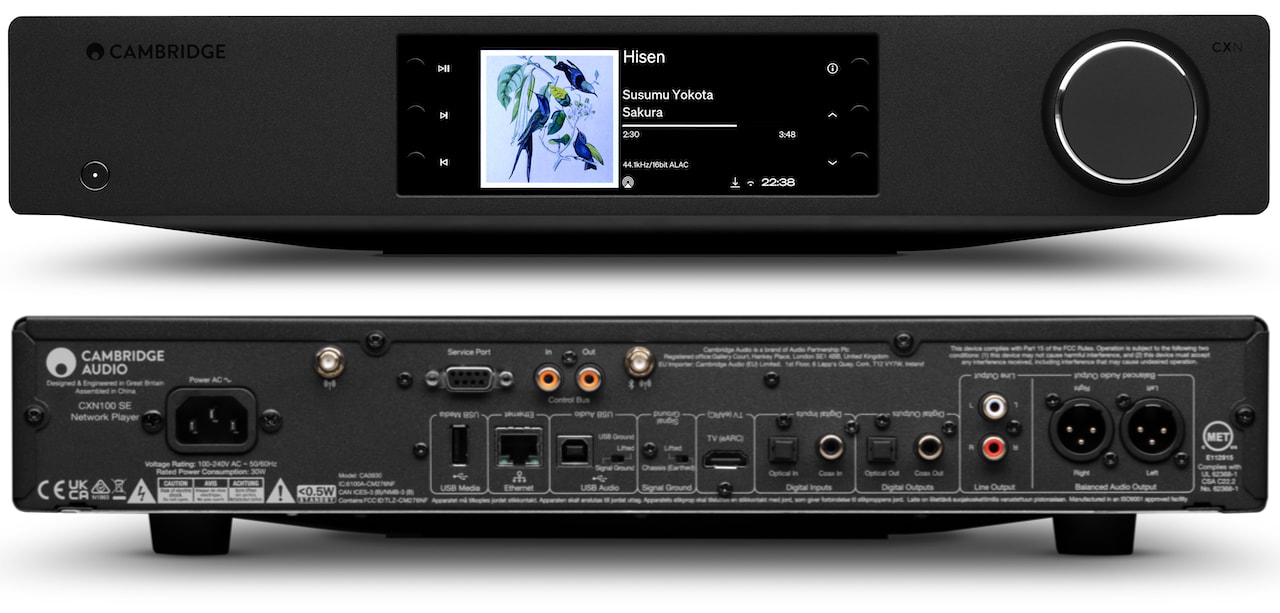
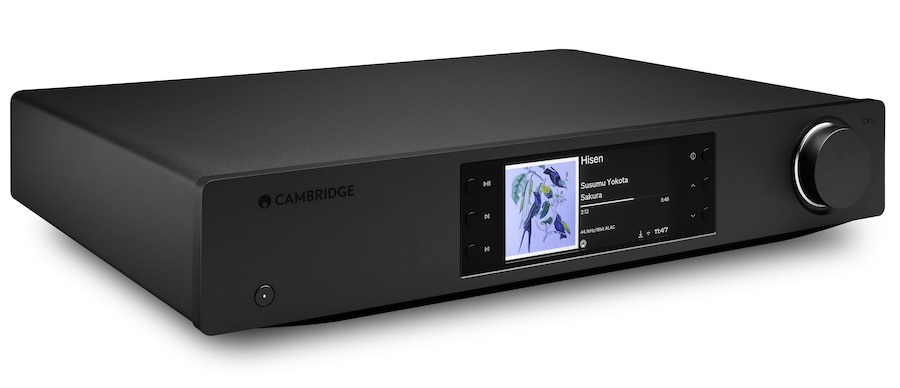
Completing the system is the new CXN100 SE, available in both the matching Limited Edition Black finish and standard Lunar Grey. An evolution of the CXN100, it runs on Cambridge Audio’s StreamMagic Gen 4 platform (iOS and Android) and adds HDMI eARC for direct TV integration.
The CXN100 SE is designed to handle both high resolution music streaming and TV audio within the same system, bringing broader connectivity into the CX ecosystem without changing the core signal path or overall sonic character.
CXN100 SE Feature Highlights
HDMI eARC (and ARC): Enables the CXN100 SE to receive digital audio directly from a TV, including sound from built-in apps and connected devices. Audio is then routed through the system just like any other source.
StreamMagic Platform: Uses Cambridge Audio’s 4th generation StreamMagic system for app control, settings, and access to streaming services on iOS and Android.
Streaming Support: Includes Spotify Connect, TIDAL Connect, Qobuz Connect, Amazon Music, Deezer, and internet radio. Also supports Roon Ready, AirPlay 2, Google Cast, Bluetooth, and MQA playback.
Wired Connectivity: Offers USB, coaxial, and TOSLINK digital inputs, along with balanced XLR and unbalanced RCA outputs, in addition to HDMI.
DAC:ESS ES9028Q2M SABRE32 Reference DAC for low distortion, wide dynamic range, and accurate timing.
Front Panel Display: 4.76-inch high-resolution color display showing album artwork, playback data, and optional VU-style meters for at-a-glance system feedback.
The CXA81 MK II and CXC arrive in a new matte black finish with no changes under the hood, while the CXN100 SE adds HDMI eARC and expands system flexibility for both music and TV audio. That’s the only real hardware development here.
The more meaningful shift is behind the scenes, with new North American distribution that could improve availability and dealer support. As for the hardware, it remains solid and unchanged—still no built-in phono stage, and still aimed at listeners who prefer a clean, modular system over an all-in-one solution. The black finish just makes it easier to justify leaving it out in the open.
Price & Availability
Cambridge Audio CX Black series will be available from April 2026, but can be ordered now at the following prices:
Apple is reportedly developing new tools to help third-party AI apps integrate with Siri.
Apple is moving away from ChatGPT exclusivity for its Siri voice assistant in an attempt to bolster its AI offerings, Bloomberg has reported. Earlier this week, it was reported that Apple is testing a new standalone app for Siri.
According to the publication, the changes are expected as part of a Siri overhaul in Apple’s upcoming iOS 27. A preview version of the new operating system is set to be shown in June, before being released in September alongside the company’s yearly launch of new Apple products.
The tech giant is developing new tools to allow AI chatbots installed via its App Store to integrate with Siri, sources told Bloomberg – potentially enabling Gemini, Claude and other ChatGPT competitors to take its place.
Advertisement
It’s unclear whether Apple will allow any AI assistant to be integrated with Siri, or if there will be an approval process. Apple announced its exclusive partnership with OpenAI’s chatbot back in 2024.
Such an approach would also allow Apple to earn more from third-party AI subscriptions. However, these changes are separate from Apple’s plans to rebuild Siri with Gemini.
Compared to others in the Big Tech league, Apple has been cautious to pick up pace in the AI race. Despite that, the company recently posted “record” earnings, with iPhone quarterly revenue jumping 23pc, driven by “unprecedented demand”.
In January, Apple acquired an Israeli start-up that specialises in AI technology for audio. The acquisition, reportedly costing the company as much as $2bn, is expected to help Apple advance in the AI-powered wearables race to better compete with the likes of Meta and OpenAI.
Advertisement
Meanwhile, last October, it was reported that the company paused work on a cheaper and lighter variant of Vision Pro headset, pivoting development efforts, instead, towards AI-powered smart glasses.
Don’t miss out on the knowledge you need to succeed. Sign up for the Daily Brief, Silicon Republic’s digest of need-to-know sci-tech news.



















































You must be logged in to post a comment Login