



Connect with us

Tech

OPPO Celebrates Holi 2026 with Special Upgrade Deals

Published

on

To mark Holi 2026, OPPO India has introduced festive offers on its Reno Series and Find X9 models. Customers will be able to take advantage of interest-free EMI options, zero-down-payment options, and other cashback benefits. These offers will be available for a brief period of time from March 1st to March 8th.

Festive Holi Offers

1. Zero Down Payment & Interest-Free EMI

Model Variant EMI Tenure
OPPO Reno 15 Pro Mini 512GB 24 Months*
OPPO Reno 15 Pro Mini 256GB 24 Months*
OPPO Reno 15 12GB + 512GB 15 Months
OPPO Reno 15 12GB + 256GB 15 Months
OPPO Reno 15 8GB + 512GB 15 Months
OPPO Find X9 12GB + 256GB 18 Months
OPPO Find X9 16GB + 512GB 18 Months
OPPO A6 Pro 8GB + 128GB / 8GB + 256GB 8 Months
OPPO A6 6GB + 256GB / 6GB + 128GB / 4GB + 128GB 6 Months

2. Bank Card Cashback Benefits

To make upgrades more attractive, OPPO is offering customers up to 10% cashback on bank card transactions. These offers will be available for EMI and non-EMI transactions. The cards issued by SBI, Axis Bank, Bank of Baroda, Federal Bank, DBS, IDFC First Bank, Kotak Mahindra Bank, and Yes Bank are eligible for these offers.

3. 10% Cashback on UPI Transactions

OPPO is offering up to 10% cashback on UPI transactions during the Holi sale. This benefit helps reduce the overall purchase cost. At the same time, it encourages customers to use digital payment methods.

OPPO Reno15 Series

Reno 15c

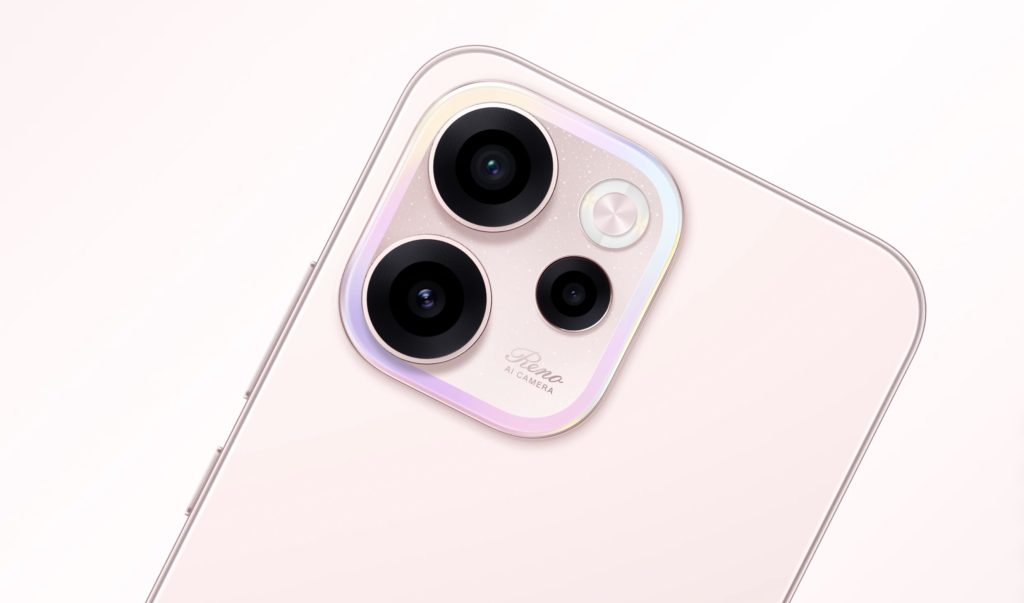
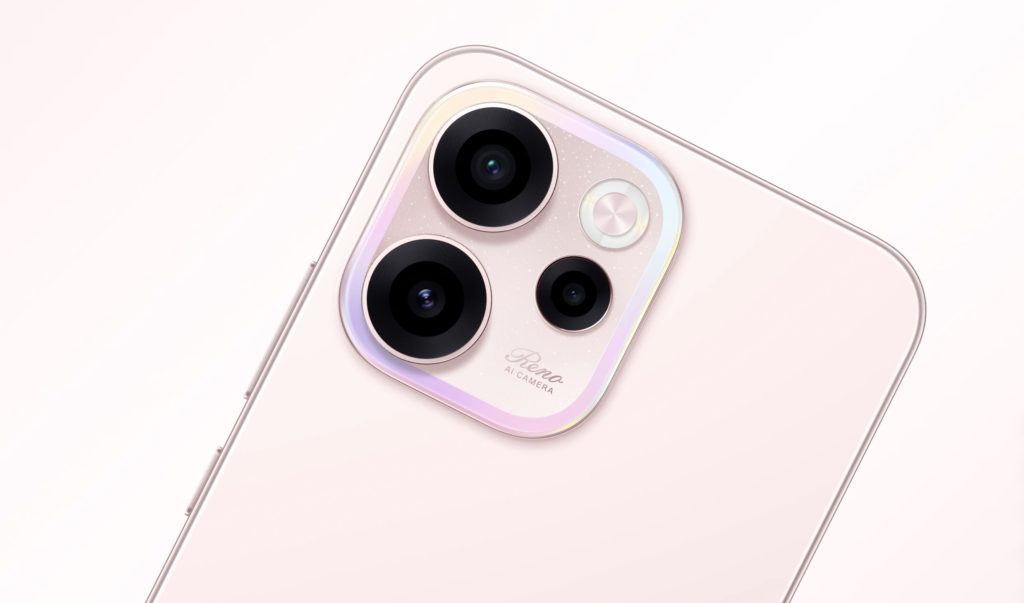
The OPPO Reno15 Series is built for those who love capturing colourful moments. The Pro Mini model features a 200MP camera, while the Reno15 comes with a 50MP main camera.

Both devices offer 3.5x telephoto zoom, PureTone Technology, and 4K HDR video recording. The Pop-Out feature makes photos look more dynamic. The Reno15 starts at Rs 41,399, and the Reno15 Pro Mini starts at Rs 53,999.

Advertisement

OPPO Find X9

OPPO Find X9

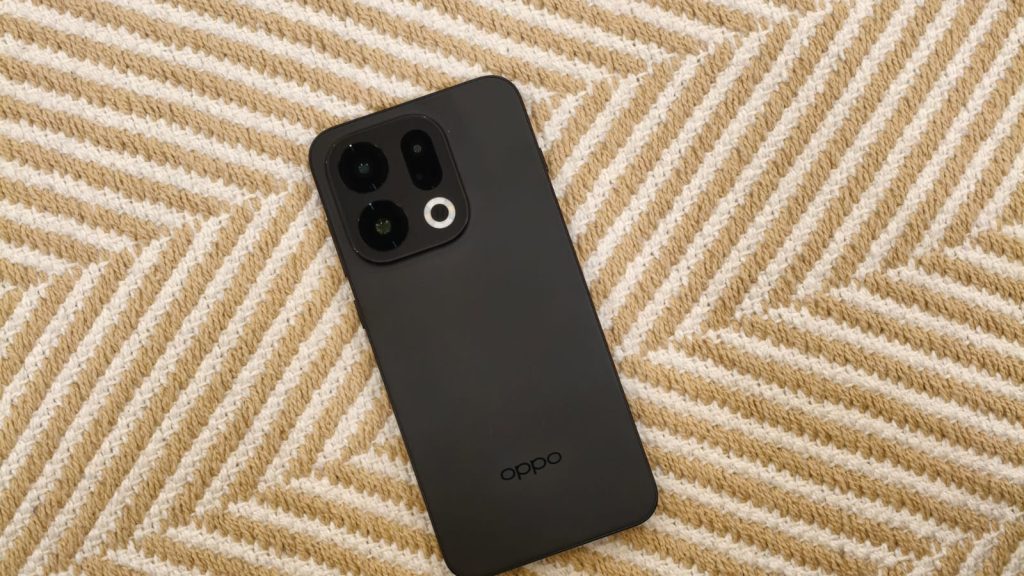
The OPPO Find X9 combines premium imaging with festive offers, starting at Rs 69,499. It includes a Hasselblad-tuned triple camera system led by a 50MP Sony LYT808 sensor with OIS, supported by a 50MP ultra-wide and a 50MP Sony LYT600 3X periscope telephoto lens.

The phone sports a 6.59-inch 120Hz AMOLED display protected by Gorilla Glass 7i and carries an IP69 rating. With the MediaTek Dimensity 9500 chipset, a 7025mAh battery, 80W wired and 50W wireless charging, plus AI tools like AI MindSpace, AI Editor, and O+ Connect, it delivers a complete flagship experience.

OPPO’s special Holi deals are valid between March 1 and March 8, 2026. Since the campaign runs for a short time, buyers should plan their purchase accordingly.

Source link

Advertisement
Continue Reading
Click to comment

Leave a Reply

Your email address will not be published. Required fields are marked *

Tech

Iran Is Still Flying These American-Built Fighter Jets Decades Later

Published

on


Ongoing fighting in Iran is giving the world a look at what the country’s current military hardware looks like. As one would expect, there is a fair amount of Russian and Soviet-era technology, including MiG and Sukhoi fighter jets like the MiG-29 and Sukhoi Su-30. Additionally, Iran constructs most of its own ballistic missiles and drones. 

For the people who are just taking a look at what Iran is flying, it may seem odd that there are some American-made planes in Iran’s inventory, as Iran and the U.S. have been politically opposed for decades. 

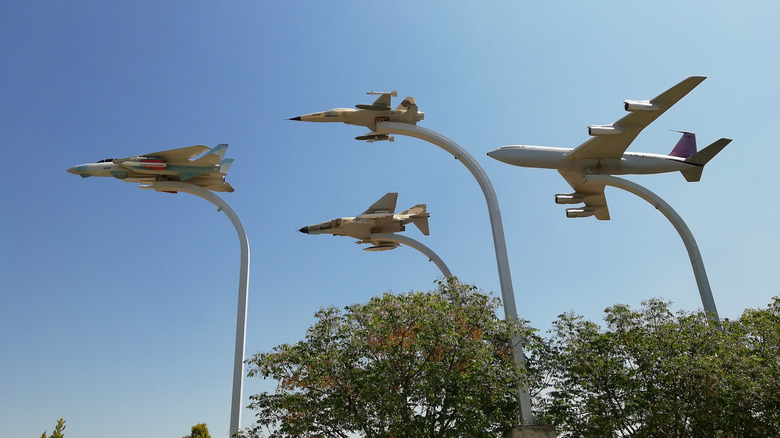
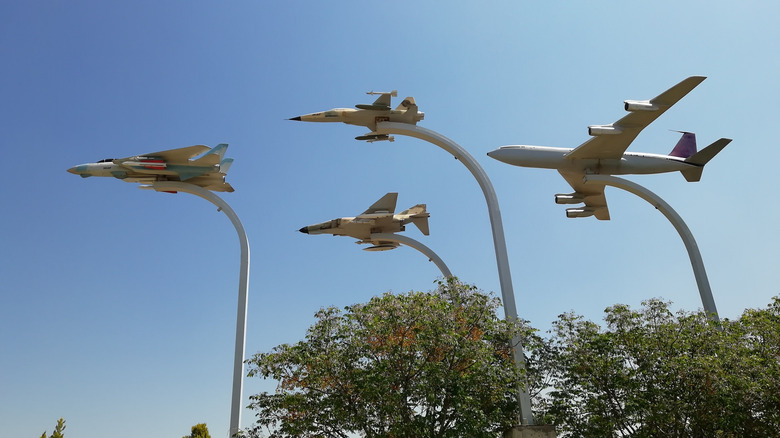
Aviation enthusiasts especially may notice that F-14 Tomcats, F-5 Tigers, and F-4 Phantom IIs have made an occasional appearance in both conversations online and in footage from the ongoing war. The F-4 Phantom II saw extensive service in the Vietnam War. The F-14, of “Top Gun” fame, of course went out of service with the United States in 2006 after having served continually since the closing years of the Vietnam War in 1973. 

Advertisement

How are the jets still flying?

SlashGear has reported on how Iran got a hold of Tomcats and its extensive operational history during the Iran-Iraq War. 

Now, several decades after the war and more than 50 years after the Tomcat first entered service, Iran still fields the plane. Concrete information about how the planes are maintained and whether or not most of them are even airworthy is hard to come by. As late as 2007, Iran was able to still buy surplus F-14 parts until American lawmakers banned the sale of technology they deemed sensitive. The United States even went through great effort to destroy remaining parts. Since then, it has relied on smuggling and the black market. Plus, given the high-profile nature of the plane itself, parked Tomcats and Phantoms have a high likelihood of being targeted or destroyed during Israeli and American sorties. 

Advertisement

However, Global Security, a defense-related think tank, reported that Iran had as many as 43 Tomcats and 60 Phantom IIs in its inventory as of 2025. It is unknown how many have been destroyed since.


Advertisement

Source link

Continue Reading

Tech

Daily Deal: Adobe Lightroom 1-Year Subscription

Published

on

from the good-deals-on-cool-stuff dept

Adobe Lightroom is a cloud-based photo editing and organizing tool designed for photographers of all levels. With an intuitive interface and advanced features, it allows you to create stunning images, manage your photo library, and work seamlessly across desktop, mobile, and web. Lightroom Classic provides robust tools for handling large volumes of images, offering precise control over photo organization and editing. It includes powerful modules like Develop and Map, making it ideal for desktop users who need in-depth editing capabilities. Enhance your photos effortlessly with easy-to-use editing tools. Adjust exposure, contrast, and color balance, crop and straighten images, and apply presets and filters with one click to achieve professional-quality results. With 1TB of cloud storage and automatic synchronization, Lightroom ensures your entire photo library is backed up and accessible from any device. Edit on the go and never lose your work—your photos are always at your fingertips. This one year subscription is on sale for $119.88.

Note: The Techdirt Deals Store is powered and curated by StackCommerce. A portion of all sales from Techdirt Deals helps support Techdirt. The products featured do not reflect endorsements by our editorial team.

Filed Under: daily deal

Source link

Advertisement
Continue Reading

Tech

Starlink’s next-gen satellite network could provide 150 Mbps speeds by end of next year

Published

on

Starlink is getting ready to launch its second generation of satellites, and it’s expected to match the speeds of a traditional terrestrial network. During a keynote at Mobile World Congress, Starlink execs detailed the roadmap for the company’s upgrade towards the next generation of satellites called V2.

“The goal of Starlink Mobile … is to provide a terrestrial-like connectivity when you’re connected to the satellite system,” Michael Nicolls, SpaceX’s senior vice president of Starlink engineering, said during the MWC keynote. “In the right conditions, it should look and feel like you’re connected to a high-performing 5G terrestrial network.”

Nicolls detailed that the V2 satellite constellation could offer download speeds up to 150 Mbps in ideal conditions, comparing it to a broadband experience. According to Starlink, next-gen satellites will offer 100 times the data density of its predecessors, which should help users with faster streaming and browsing as well as more reliable voice calls. Notably, Nicolls added that the V2 satellite constellation would offer better coverage to Earth’s polar regions, which are known to have unreliable coverage with traditional networks.

Nicolls said that SpaceX is planning to send out more than 50 V2 satellites on each SpaceX launch starting in mid-2027, with a goal of building out a full constellation in six months. Outside its MWC presser, Starlink also announced a partnership with German telecommunications company Deutsche Telekom. The partnership would help Deutsche Telekom address internet coverage gaps in Europe using Starlink’s constellation, starting in 2028.

Advertisement

Source link

Continue Reading

Tech

Cynus Chess Robot: A Chess Board With A Robotic Arm

Published

on

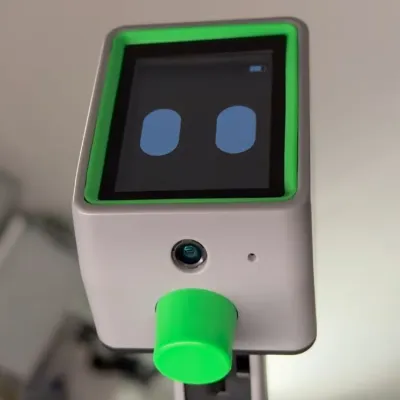
Downward-facing camera and microphone in the arm. (Credit: Techmoan, YouTube)

There are many chess robots, most of which require the human player to move the opposing pieces themselves, or have a built-in mechanism that can slide the opposing pieces around to their new location. Ideally, such a chess robot would move the pieces just like how a human would, of course. That’s pretty much the promise behind the Manya Cynus chess robot, which [Matt] over at the Techmoan YouTube channel bought from the Kickstarter campaign.

Advertising itself as a ‘Portable AI Chess Robot’, the Manya Cynus chess robot comes in the form of a case that unfolds into a chess board and also contains the robotic arm that contains the guts of the operation. Powered by the open source Stockfish chess engine, it can play games against a human opponent at a few difficulty levels without requiring any online connectivity or a companion app. It moves its own pieces by picking up the metal-cored chess pieces with its arm, while its front display tries to display basic emotions with animated eyes. A 3-MP downward-facing camera is located on the head section, along with a microphone.

As for how well it works, [Matt] isn’t the best chess player, but he had a fair bit of fun with the machine. His major complaints circle around how unfinished the firmware still feels, with e.g., invalid moves basically ignored with only a barely visible warning popping up on the screen. In general, he’d rather classify it as an interesting development kit for a chess robot, which is where the BLE 5.1-based interface and a purported Python-based development environment provided by Manya seem to come into focus.

From the site, it’s not clear where this documentation and software can be found, and the chess robot appears to be fully sold out on the Kickstarter page. In addition to this, a promised companion app seems to have gone AWOL, too.

With no clear support or even availability, it would seem that this is less of a crowdfunding scam and more of a confusing product which may or may not become available again, yet which could perhaps provide inspiration to some DIY projects, as the basic principle seems sound enough. Or, keep it simple and use a gantry.

Advertisement

Source link

Advertisement
Continue Reading

Tech

MWC: All the News and New Gear at Mobile World Congress

Published

on

There’s no bigger event for mobile tech enthusiasts than the Mobile World Congress in Barcelona, Spain. While CES in January has seen fewer major mobile announcements over the years, MWC remains the go-to event for major breakthroughs in the mobile industry.

In 2026, the show will take place from March 2 to March 5 at Fira Barcelona Gran Via, once again bringing the biggest names in mobile together for one of the year’s most important tech events.

Source link

Advertisement
Continue Reading

Tech

US Military Shoots Down CBP Drone, Which Certainly Instills Confidence In Its Offshore Murder Program

Published

on

from the goons-with-tech-are-still-goons dept

Wow. Imagine if you could just make this shit up.

The U.S. military used a laser Thursday to shoot down a “seemingly threatening” drone flying near the U.S.-Mexico border. It turned out the drone belonged to Customs and Border Protection, lawmakers said.

It is to LOL. Not only did the military friendly fire a CBP drone into the dirt, it also caused a bit of disruption. The military is required to notify the FAA when it engages in any anti-drone “action” in US airspace.

So it did, which is how this came out. It would be great if it were an isolated incident, but apparently this is just the sort of thing we’re doing regularly in the El Paso area.

It was the second time in two weeks that a laser was fired in the area. The last time it was CBP that used the weapon and nothing was hit. That incident occurred near Fort Bliss and prompted the FAA to shut down air traffic at El Paso airport and the surrounding area. This time, the closure was smaller and commercial flights were not affected.

The Associated Press is being far too coy in this paragraph. First off, CBP did not coordinate with the FAA before firing the anti-drone laser, which resulted in a scramble to secure the airspace after the fact, leading to a shutdown that grounded flights and raised alarm.

Advertisement

The link in the paragraph doesn’t lead to the full story. Here’s what happened the last time the laser was fired at something that shouldn’t have been fired at:

The sudden closure of El Paso’s airspace Wednesday came sometime after U.S. Customs and Border Protection officials used an anti-drone laser that was provided by the military to shoot down objects that were later identified as party balloons, four people familiar with the matter said.

I can only hope the Defense Department’s downing of a CBP drone was the result of determining the CBP itself couldn’t be trusted with the tech. If this isn’t the case, there’s a non-zero chance the CBP will shoot down its own drone at some point in the near future. I mean, it really doesn’t look like anyone is learning anything from these experiences.

But here’s what we can learn: tech is fallible. And given this chain of events, one has every right to demand more answers on the US military’s drone strike program targeting alleged drug traffickers in international waters. Even if you choose to ignore the legal issues, the logistics issues should be enough to keep you up at night. I mean, we’re only seeing what the administration chooses to share with us. What’s happening out there that we’re not seeing on DoD X timelines?

If drone-detecting lasers are being used to (1) shoot down friendly drones and (2) FAIL to shoot down party balloons, why should we believe the drones themselves are a better option when it comes to neutralizing threats? In both cases, humans are making mistakes, but their mistakes trigger tech that’s capable of killing people. Fuck around enough and there’s a chance someone with a federal paycheck is going to down an airliner.

Advertisement

It’s not really a matter of “if.” It’s a matter of when. This administration cranked up the proverbial heat, encouraging a shoot-first, sort-through-the-wreckage-later approach to pretty much everything. For the love of all that is unholy, it has rebranded the Defense Department as the Department of War. It’s all hair triggers and under-trained personnel. A national tragedy awaits, willed into being by an administration that considers collateral damage little more than viral content.

Filed Under: cbp, defense department, drone strikes, dumbfuckery, el paso, national security

Source link

Advertisement
Continue Reading

Tech

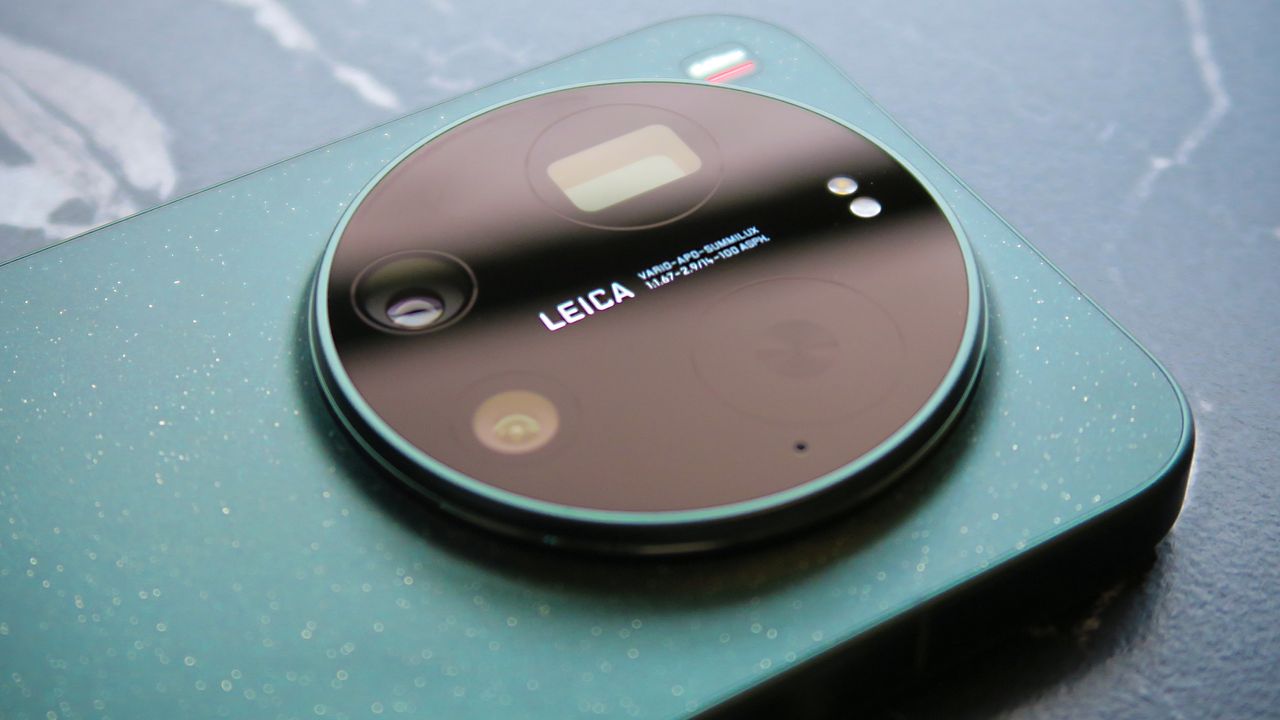
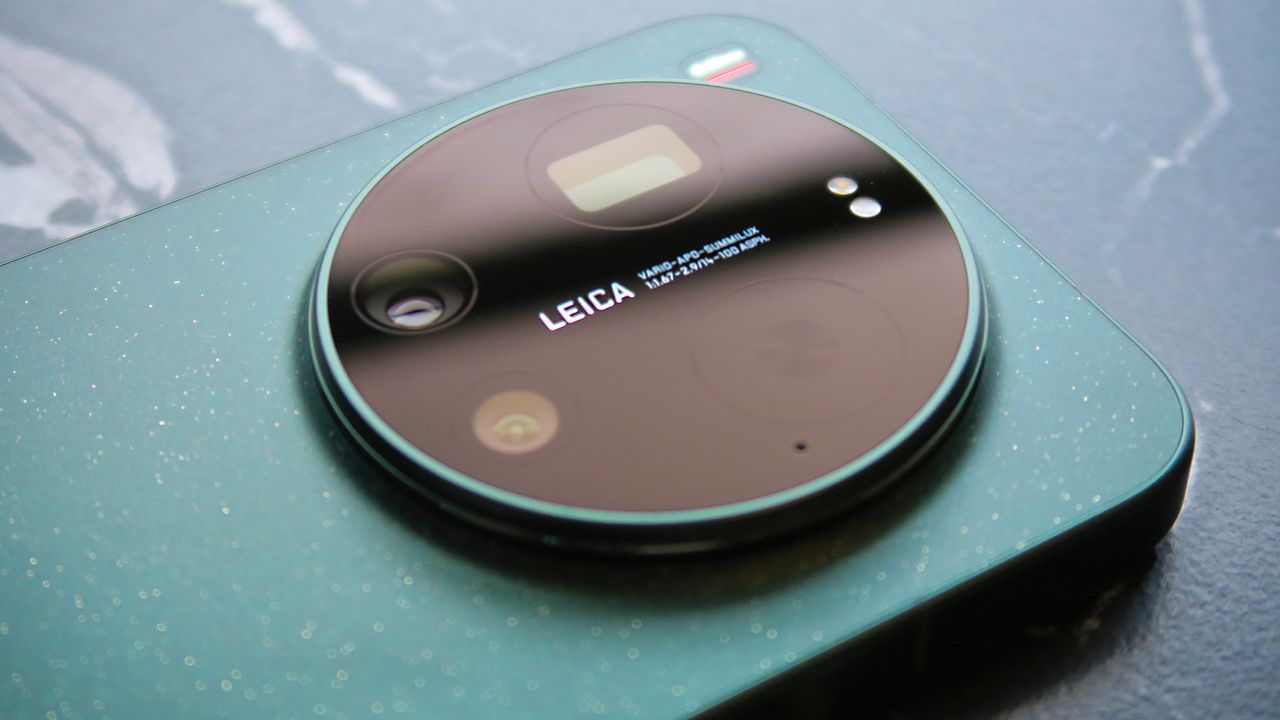
Hands-on with the Xiaomi 17 Ultra: three upgrades I love and two things I wish it had

Published

on


The Xiaomi 17 Ultra boasts a refined design, an impressive camera with a 1-inch sensor and a variable telephoto zoom, plus a huge battery.

Source link

Continue Reading

Tech

macOS Tahoe 26.4 absent from third round of developer betas

Published

on

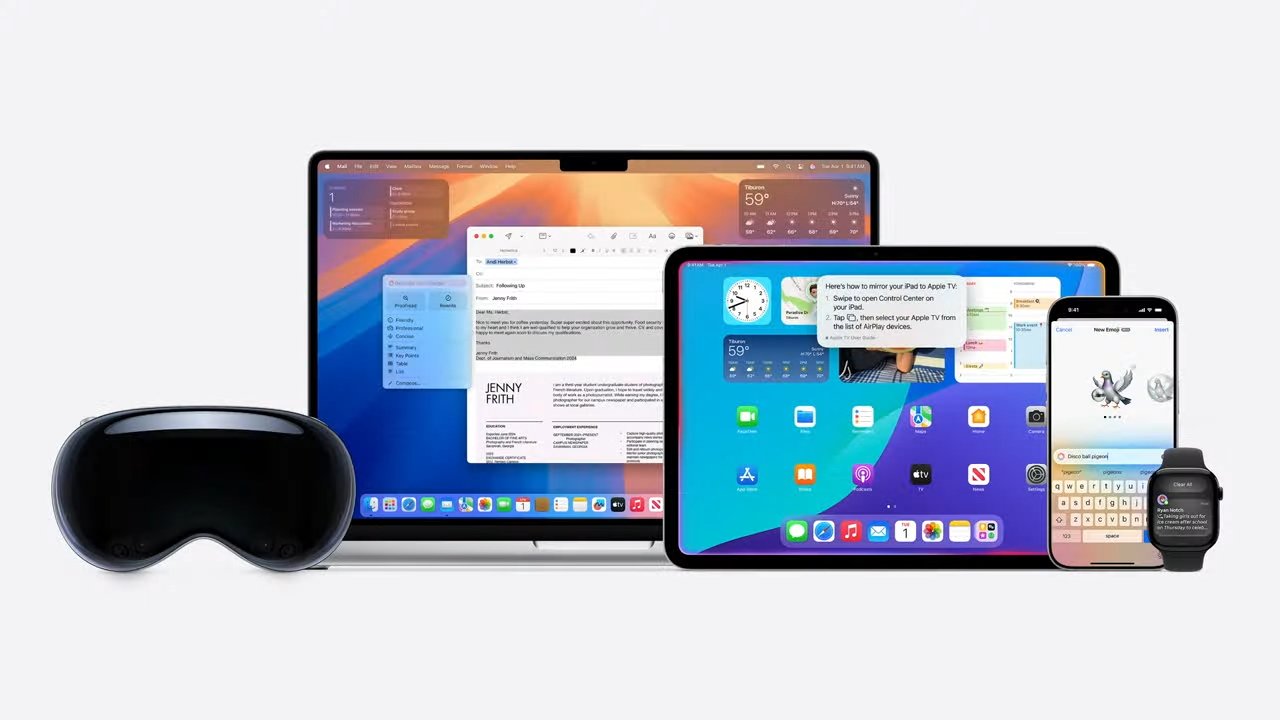
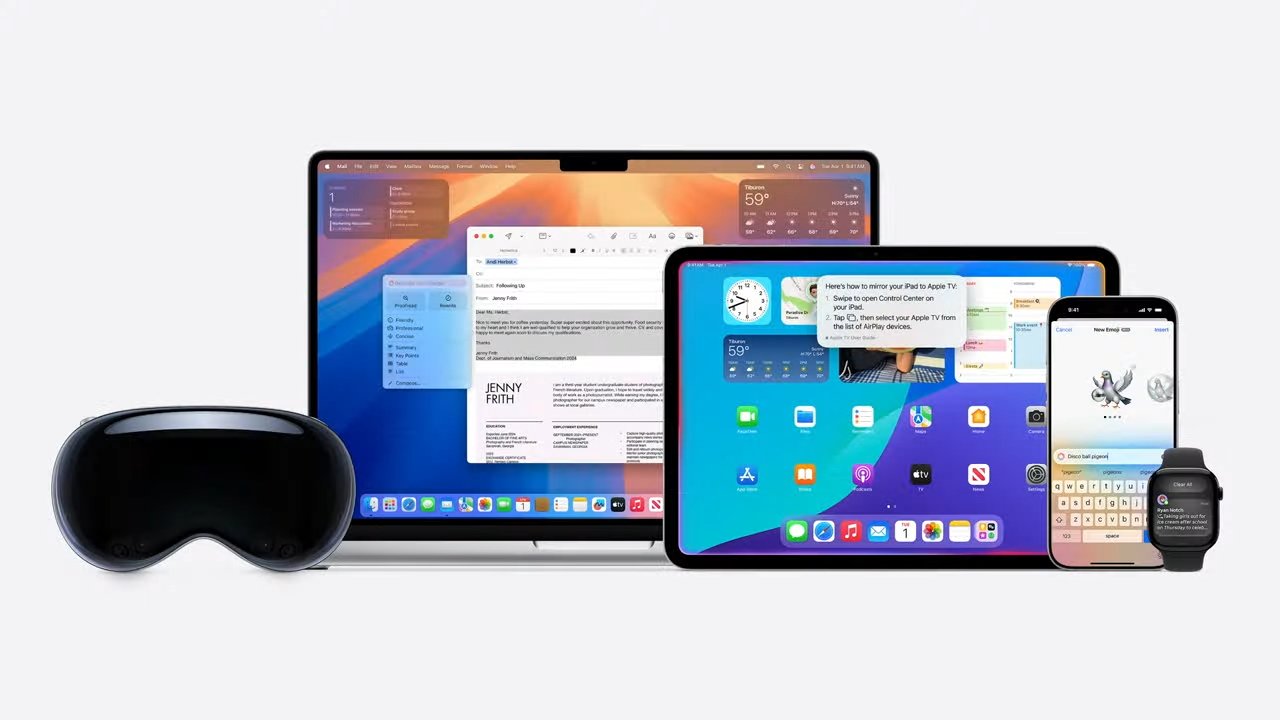
Apple’s developer beta program has reached the third round, with fresh builds of iOS 26.4, iPadOS 26.4, watchOS 26.4, tvOS 26.4, and visionOS 26.4 testable, but not macOS Tahoe 26.4.

Various Apple devices including a laptop, tablet, smartphone, smartwatch, and VR headset displayed together on a white background.
Apple’s hardware that works with the 26-generation operating systems – Image Credit: Apple

The third developer betas for iOS 26.4, iPadOS 26.4, watchOS 26.4, tvOS 26.4, and visionOS 26.4 arrive after the second, which appeared on February 23. The first round landed on February 16.
However, it’s not a clean sweep of builds, as there’s not a third developer beta for macOS Tahoe 26.4. It could still be introduced at a later point in the coming week.
Continue Reading on AppleInsider | Discuss on our Forums

Source link

Continue Reading

Tech

Bytedance’s Upcoming Project Swan VR Headset Wants to Be the Computer Meta’s Isn’t Yet

Published

on

In the last few months, Meta has seemingly taken its foot off the gas when it comes to developing next-generation VR hardware and experiences. The Beijing-based Chinese competitor, ByteDance, the creator of TikTok, is going the other way — and it appears focused on expanding its work beyond just gaming.

The Pico Project Swan, announced at Mobile World Congress in Barcelona this week, is a lot of head hardware. Coming “later this year,” according to ByteDance, it doesn’t sound cheap. An onboard micro OLED display will have 40 pixels per degree of resolution density, which should be in line with what the Apple Vision Pro and Samsung Galaxy XR offer. The headset will have similar capabilities to create mixed-reality overlays of graphics in real-world settings using passthrough cameras.

The headset is also powered by its own dual-chip custom processors that ByteDance claims are twice as powerful as Qualcomm’s Snapdragon XR2 Gen 2 chip that’s on Meta’s Quest 3 and 3S headsets, and in a stepped-up version on Samsung Galaxy XR. While that may still lag behind Apple’s M5 chip on the Vision Pro, it’s a lot for a mixed reality headset.

Advertisement

As for the price of Project Swan and what software it’ll run, that’s still a mystery. Pico headsets already run Android apps and can connect to Windows PCs, but the landscape of VR/AR is changing rapidly.

Apple and Samsung’s headsets feel like prototypes for future computers that still don’t have enough unique software yet. Meta’s emphasis on smaller AR glasses to come mirrors planned moves by Google and Samsung, and Apple could be following suit.

Meanwhile, Valve’s gaming-focused Steam Frame headset, coming later this year, shows another interesting wrinkle in the mix. Valve is running Steam on smaller ARM chips, which could mean Steam OS running on other XR hardware after that. Running more types of software on smaller chipsets is exactly what VR headsets needed more of in the first place.

I’m curious about Project Swan, though. At the least, it shows that other companies are keeping the ball rolling on high-end headsets, even if Meta currently seems not to be. 

Advertisement

Source link

Continue Reading

Tech

Honor’s New Foldable Phone Is Forbidden Fruit Of The Most Frustrating Kind

Published

on


A few things remain consistent about Honor phones from year to year. They will be powerful, they will be very thin, they’ll have awesome cameras, and they won’t be coming to the Unites States. All of those look to be consistent this year as well. The Honor Magic V6, launched at MWC 2026, is another version of that same theme.

Lovely hardware and a long-lasting battery lead the charge for this phone to make it one you should definitely consider if you’re in the market for a new, book-style foldable. There are also a few common themes from last year, including extraordinary thinness, a camera island that has its own zip code, and a case with the same ring/stand for extra grip.

I’m a fan of Honor foldables, and I’m thankful for the chance to play with one, even though most of my fellow countrymen won’t get the same chance. It should be mentioned that this isn’t a full review (in the traditional sense) since the software on the phone is still not complete. As such, we can’t include camera samples or performance metrics. But I’ve been using the phone for two weeks, and these are my thoughts so far.

Advertisement

Hardware is still stunning.

The Honor Magic V5 sample I got last year was black and has a vegan leather backplate. It came along with a case that covered the back, along with a flap over the hinge that was fun to play with, fidget-toy style, and added a ring stand that flips out from around the camera island and makes the phone easier to hold when it’s open. I primarily used it when reading, or when I wanted to stand the phone up to watch something.

This year’s phone case has all those same features which is great. My review sample is the gold colorway, which looks really nice — much preferred over black. There’s also a red colorway with a marble pattern to it that looks stunning, though some reports indicate it feels weird to hold. I haven’t tried that one myself, but if you’re considering that version, you might want to try to find it at a store to try out before you order it.

Advertisement

Both screens are AMOLED LTPO 2.0 with the dynamic refresh rater of 1-120Hz. They’re both extremely bright, with the outside screen reaching 6,000 nits and the inner screen achieving 5,000 nits of brightness at their peaks. Speaking of the screens, the outside screen checks in at 6.52 inches while the inner screen is just shy of eight.

Advertisement

Where the hardware goes a little wild.

Foldable screens are already a little crazy, but Honor has really outdone itself with the hardware this time. Starting off with the fact that this phone has a 6,660 mAh silicon carbon battery which is as insane as it sounds. I can’t speak to actual longevity numbers because of the beta software, but I found this was easily a two-day phone without breaking a sweat. I’ll have to wait until the production software rolls in, but this bodes well.

The phone itself is just 4mm thick when opened (not including the camera bump, of course), and 8.57mm when closed, with is by the way about the same thickness as an iPhone 17 Pro Max. It’s also a couple of dozen grams lighter than Apple’s biggest handset.

The folding screen has a crease that is just as visible as any other foldable on the market (though Samsung showed off a remarkably flat folding screen at CES 2026). The hinge is rated for up to 500,000 folds, though full disclosure — I didn’t test that actual metric.

Advertisement

Water and dust protection king.

Where this phone really stands out is in its IP68 and IP69 water resistance ratings. This is a book-style foldable that is achieving water and dust resistance ratings that were first reached just over a year ago on a bar-style phone — the OnePlus 13. Since then, a number of other phones have reached those same levels of dust and water resistance, but not in a foldable.

The closest we’ve gotten so far is in the Pixel 10 Pro Fold that has an IP68 water resistance rating. The difference between the two, is that IP69 is resistant to heated water jets. You can put this foldable into a dishwasher. Just let that sink in — no pun intended.

Again, in the interest of disclosure I should point out that I did not actually test that capability. I like testing phones to their extremes, but even that is a little too far outside the lines for me. Also, I tested this phone during the winter, so there were no trips to the beach for me. That is something I would happily test once the mercury climbs higher in Chicago.

Advertisement

Apple ready, so to speak.

One thing Honor is happy to talk about is how well its phones work with the Apple ecosystem. I feel like a broken record here, but as far as an Apple ecosystem is concerned, I do not have any Apple devices outside of the iPhone 17, iPhone Air, iPhone 17 Pro, and a last-generation iPad mini, so my capabilities in testing these features were negligible.

I could, and did, test the ability to transfer files between an iPhone and the Honor Magic V6 and it worked…fine. This is achieved via Honor Connect, an app that allows you to transfer files by way of a QR code. The app needs to be installed on the receiving iDevice, so this is not the seamless transfer that you can get with Airdrop, nor even the Airdthe drop functionality that Google built into Pixels.

Other Honor apps will allow you to connect an Apple Watch, or extend your MacBook’s screen to the phone, and even transfer a file from the phone to the MacBook by tapping it. Honor is directly addressing the fact that Apple does not have a folding phone yet, which is a gap that some people may want to take advantage of. The real question is how seamless it’ll feel in practice.

Advertisement

So far, so good, to a point.

Overall, we’re hampered by the fact that we don’t have final software yet. We’ll be sure to update this article when more facts come to light. We don’t have camera samples, we don’t have battery tests, and we don’t have benchmarks. I can tell you that historically, Honor cameras are usually top notch, and Honor still makes my favorite portrait mode I’ve ever had on a phone.

The Snapdragon 8 Elite Gen 5, which resides in the Magic V6, is still the undisputed king of phone processors. At last year’s Snapdragon Summit, it handily beat the best processors by Apple and MediaTek. So, this phone is a beast in multiple ways.

Advertisement

We still don’t know pricing, nor general availability, except that it won’t come to the U.S. But we do know that this phone is excellent in multiple ways, and the U.S. phone market is poorer for not being able to experience it. When I went to CES 2026, the Magic V5 was my main phone because of its camera and battery life, and it did not disappoint. When IFA and CES roll around next year, the V6 will likely take its place.


Advertisement

Source link

Continue Reading

Trending

Copyright © 2025