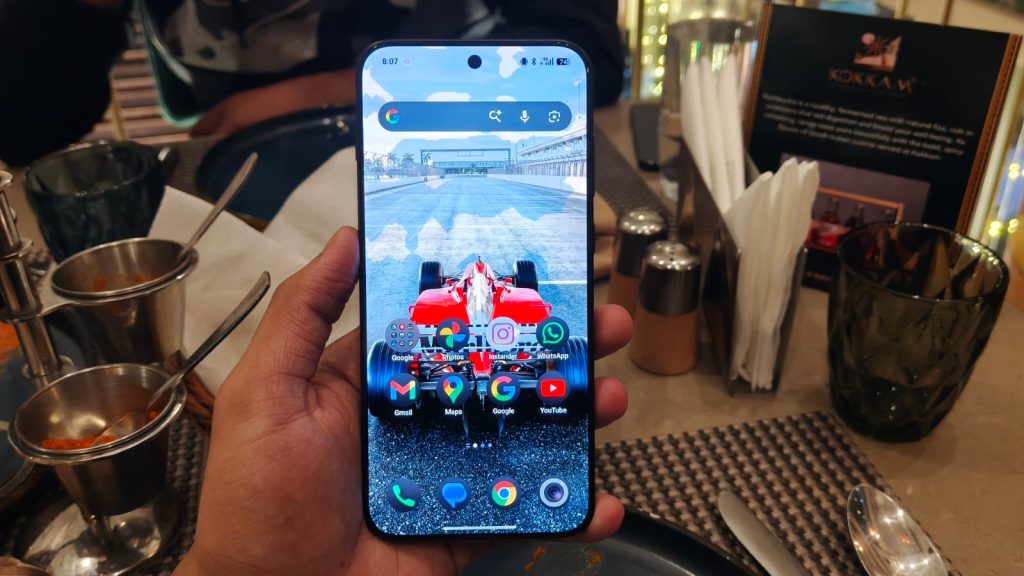
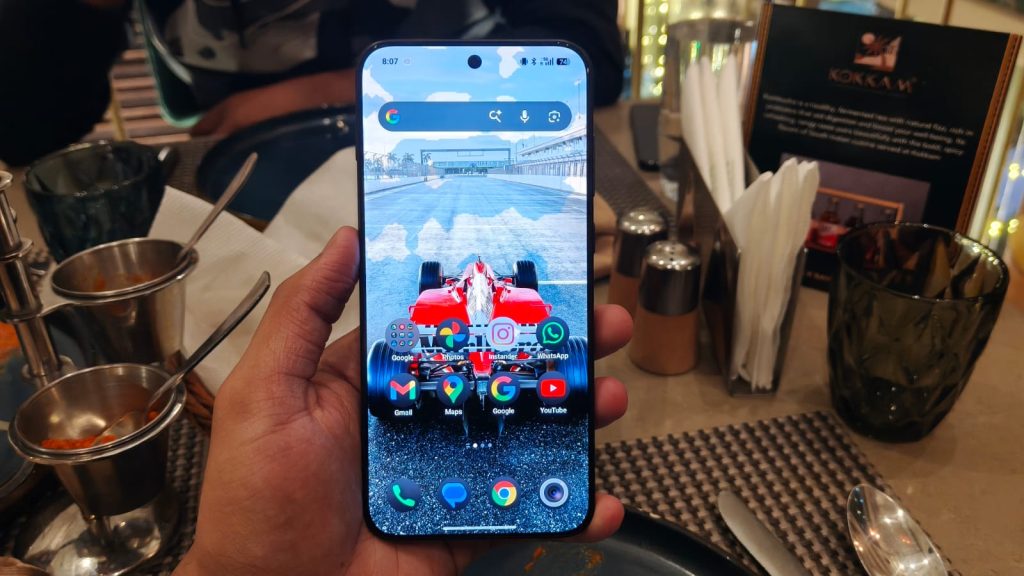
OPPO has officially announced that the Find X9s is coming to India. This is an addition to the Find X9 and the X9 Pro. Although the Chinese smartphone maker has not announced a launch timeline yet, industry reports suggest that the device could debut in China in the second quarter of 2026. The device is expected to reach India and other regions after its China debut.
Design and Processor
Rumors and leaks are whispering about a 6.3-inch OLED LTPS display with an approximate 1.5 K resolution. The smartphone is also rumored to feature an ultrasonic in-display fingerprint scanner and IP68 and IP69 certifications for dust and water resistance.
OPPO has officially revealed that the Find X9s will use the MediaTek Dimensity 9500 SoC. The chipset arrived recently with performance-focused upgrades. It is expected to boost overall performance while reducing power consumption. This makes the phone suitable for demanding apps and gaming.
Battery and Camera
According to leaks, the OPPO Find X9s is expected to feature a massive 7,000 mAh battery. It is also expected to support wireless charging, which is quite an exciting feature.
On the camera front, the Find X9s is rumoured to feature a triple-rear-camera setup. The phone may include a 200MP primary camera, a 200MP periscope telephoto lens, and a 50MP ultra-wide sensor. Some leaks also mention a multispectral lens.
Availability
OPPO has so far only confirmed the launch of the Find X9s in India. Alongside, the device is expected to launch in multiple regions, including Southeast Asian countries such as Vietnam, Singapore, and Malaysia. OPPO is yet to confirm the global timeline.
Expedia Group topped estimates for its fourth quarter results, posting revenue of $3.55 billion, up 11% year-over-year, and adjusted earnings per share of $3.78. Analysts expected $3.41 billion in revenue and EPS of $3.37.
Gross bookings rose 11% to $27 billion, also beating expectations. Expedia’s B2B arm, meanwhile, remained a major growth engine. In the fourth quarter, B2B gross bookings jumped 24% from a year earlier, compared with 5% growth in the consumer-facing B2C segment.
Expedia CEO Ariane Gorin said the earnings reflect “disciplined execution of our strategic priorities in a healthy demand environment.”
For the first quarter, the company expects gross bookings between $34.6 billion and $35.2 billion, up 10% to 12% year over year, and revenue between $3.32 billion and $3.37 billion, up 11% to 13%. The company’s full-year guidance is in line with estimates.
Self-driving cars are slowly becoming less sci-fi and more real-world as companies like Waymo, the autonomous arm of Google’s parent, Alphabet, expand into more areas. On Thursday, Waymo said it’s beginning fully autonomous operations with its latest, sixth-generation self-driving technology, which is built to handle extreme winter weather while scaling back costs.
The sixth-generation Waymo Driver builds on the company’s current autonomous technology by further tapping into AI advancements, Waymo said in a blog post. For instance, the updated vision system can find details in deep shadows or while being hit with high beams, and requires fewer cameras, thanks to higher-resolution image sensors. Waymo’s lidar sensors have gotten better at painting a 3D picture of the car’s surroundings in various weather conditions, and the company’s latest radar sensors use new algorithms to better track the distance, velocity and size of objects in rain or snow.
Advertisement
These capabilities can come in handy as Waymo expands to more cities with a variety of climates, such as Minneapolis, Detroit and London. The sixth-generation Waymo Driver will first be deployed on the Ojai, a modified Zeekr vehicle, before making its way to the Hyundai Ioniq 5. Fully autonomous trips using the sixth-generation driver will kick off with employees in the San Francisco Bay Area and Los Angeles before eventually opening up to the public.
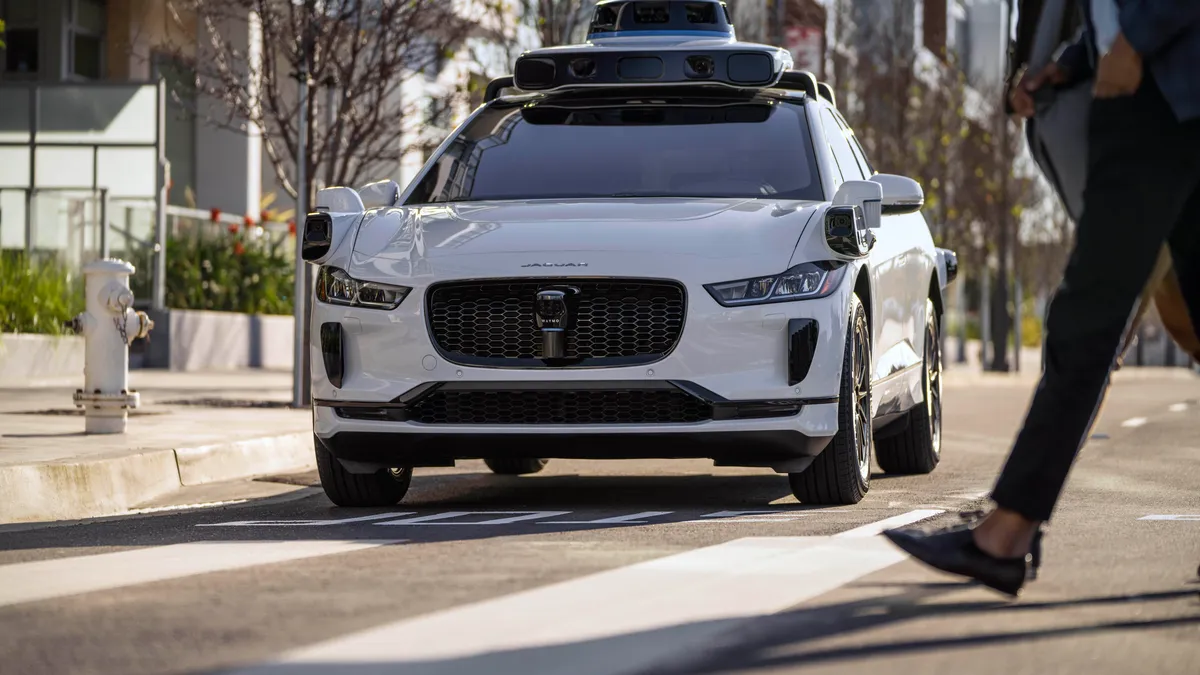
Waymo currently offers fully autonomous rides to the general public in the all-electric Jaguar I-Pace in Phoenix, San Francisco, Los Angeles, Atlanta, and Austin, Texas. The vehicles can be summoned either via the Waymo app or Uber, depending on the city. In November, Waymo began driving passengers on freeways in San Francisco, Phoenix and LA. And in January, it opened up to its first public riders in Miami as it gradually expands access.
The self-driving company has added several new cities to its roster in recent months. In an Aug. 29 blog post, Waymo noted it’s “entering a new chapter and accelerating our commercial expansion.” You can find a full list of where Waymo currently operates and plans to expand below.
Advertisement
Waymo’s newest vehicle, dubbed Ojai, is a modified Zeekr equipped with the company’s latest sixth-generation self-driving technology.
Abrar Al-Heeti/CNET
Waymo expands and grows
Waymo’s growth extends to its manufacturing facilities. In May, the company said it’s opening a new, 239,000-square-foot autonomous vehicle factory in the Phoenix area. The plan is to add 2,000 more fully autonomous Jaguar I-Pace vehicles to its existing 1,500-vehicle fleet. Notably, Waymo indicated it received its “final delivery from Jaguar” earlier this year, as it plans for future iterations of its driverless rides.
Waymo added that the “facility’s flexible design” will allow it to integrate its upcoming sixth-generation self-driving technology into new vehicles, starting with the all-electric Zeekr RT, which Waymo has dubbed Ojai. In February 2026, Waymo said it was beginning fully autonomous operations with the sixth-generation driver aboard the Ojai, starting with employees before eventually expanding to more passengers.
In October 2024, Waymo also announced it’s partnering with Hyundai to bring the next generation of its technology into Ioniq 5 SUVs. In the years to come, riders will be able to summon those all-electric, autonomous vehicles using the Waymo app. Testing with these vehicles began in 2025 and they’ll become available “in the years to follow.”
Advertisement
And in April 2025, Waymo said it reached a preliminary agreement with Toyota to “explore a collaboration” geared toward developing autonomous driving tech, which could someday be factored into personally owned vehicles.
Waymo is working to expand its autonomous driving tech into trucking as well, but it said in 2023 that it’s scaling back those efforts for the time being, to focus on ride-hailing with Waymo One. It noted, “Our ongoing investment in advancing Waymo Driver capabilities, especially on freeways, will directly translate to trucking and benefit its development efforts.”
Waymo safety and pushback
The self-driving company says it’s driven nearly 200 million miles on public roads, and completes over 400,000 fully autonomous rides each week in San Francisco, Los Angeles, Phoenix, Austin, Atlanta and Miami. I’ve hailed several rides myself in San Francisco, and as off-putting as it can seem at first (especially to see a steering wheel turn by itself), I quickly adjusted, and it soon felt like an ordinary ride.
Waymo’s Safety Impact report notes that over the course of 71 million autonomous miles driven through March 2025, its Waymo Driver technology had 88% fewer crashes leading to serious injuries or worse and 78% fewer injury-causing crashes, compared with “an average human driver over the same distance in our operating cities.” It also reported significantly fewer crashes with injuries to pedestrians (93%), cyclists (81%) and motorcyclists (86%).
In some cities, Waymo is available on the Uber app.
Uber/Waymo
How to hail a Waymo ride
As Waymo continues to expand and develop its self-driving tech, here’s how and where to summon a robotaxi if you’re in one of the few cities where the company currently operates its fleet.
Advertisement
Watch this: Testing Waymo’s Safe Exit Feature in a Self-Driving Taxi
Phoenix
Phoenix was the first city to open up fully autonomous Waymo rides to the public in 2020. To hail a ride, download the Waymo app on iOS or Android. The service operates 24 hours a day, seven days a week.
You can also use the Uber app to summon one of Waymo’s vehicles in Phoenix. When you request an UberX, Uber Green, Uber Comfort or Uber Comfort Electric ride, you’ll have the choice to confirm a Waymo ride if you’re matched.
In addition to hailing a ride, you may also have your Uber Eats meal delivered by an autonomous car. When placing an order in the Phoenix area, you might get a note that “autonomous vehicles may deliver your order.” When the Waymo car arrives, take your phone with you to pop open the trunk and grab your delivery. You can opt out of this during checkout if you’d rather have a human deliver your food.
Advertisement
Phoenix Sky Harbor International Airport became the first major airport to offer fully autonomous Waymo rides to its terminals. Waymo said in September 2025 that it had “served hundreds of thousands of trips to/from Sky Harbor, and it remains the single most popular Waymo destination in Phoenix.”
San Francisco followed suit after Phoenix, rolling out fully autonomous rides in late 2022. It scrapped the waiting list in June 2024, so now anyone can download the Waymo app to ride anytime. The service also operates 24 hours a day, seven days a week. There’s currently no Uber partnership in San Francisco.
In November 2024, Waymo scrapped its waitlist for Los Angeles and began welcoming all public riders via the Waymo app. Now any interested passengers can hop in the robotaxis 24/7 and ride across nearly 120 square miles of LA County, including Santa Monica, Beverly Hills, Inglewood, Silver Lake, Playa del Rey, Ladera Heights, Echo Park and Downtown LA, and along all of Sunset Boulevard.
There’s currently no Uber partnership in Los Angeles.
In November, Waymo began rolling out freeway access to LA riders.
Austin
Riders can hail a Waymo across 90 square miles of Austin, including neighborhoods like Crestview, Windsor Park and Franklin Park and locations like The Domain and McKinney Falls State Park. There are more than 100 Waymo vehicles in the city, with plans for further expansion.
Advertisement
In Austin, the only way to hail a Waymo ride is through Uber — no Waymo app here. By requesting an UberX, Uber Green, Uber Comfort or Uber Comfort Electric, you could be matched with a Waymo vehicle — and you won’t be upcharged. If you’d rather not take a driverless ride, you can switch to a standard one. On the other hand, if you want to boost your chances of being matched to a self-driving car, you can go to Account > Settings > Autonomous vehicles, then hit the toggle next to Get more Waymo rides.
Unlock the door, pop open the trunk and start the ride from the Uber app. You’ll still be asked to rate your ride at the end, but you won’t be asked to tip.
If there are any issues, riders can access human support 24/7 via the Uber app and from inside the Waymo vehicle (there are screens in the front and back that let you quickly summon customer support).
As part of the Uber partnership, Uber will manage tasks like vehicle cleaning and repair, while “Waymo will continue to be responsible for the testing and operation of the Waymo Driver, including roadside assistance and certain rider support functions,” the companies said. The collaboration should make autonomous rides accessible to more people, so they won’t have to download a separate app to ride a robotaxi.
Advertisement
Atlanta
Waymo operates across 65 square miles of Atlanta, with plans for future expansions. As in Austin, you can only climb aboard a Waymo robotaxi via the Uber app. When you book a ride through UberX, Uber Comfort or Uber Comfort Electric, you might be paired with a Waymo vehicle at no additional cost. You’ll have the option to accept or decline the driverless ride each time.
You can unlock the vehicle, pop the trunk, and start the trip all from the Uber app, and you can access human support 24/7 via the app and touchscreens inside the vehicle.
If you want to boost your chances of being paired with a Waymo vehicle, you can opt in by going to the Uber app, tapping Account > Settings > Autonomous vehicles (under Ride Preferences), and then hitting the toggle next to Get more Waymo rides.
Advertisement
Waymo vehicles can now drive passengers on freeways in Phoenix, San Francisco and Los Angeles.
Waymo
Upcoming expansions
Sacramento
Adding to the list of Californian cities in which it operates, Waymo said in February that it’s heading to Sacramento. The company will start by manually driving its Jaguar I-Pace vehicles around the city to better understand its layout, before scaling to autonomous driving.
It’s not clear when riders will be able to hail a ride in Sacramento. Waymo says it has the necessary DMV permit to operate autonomously in the city, but it hasn’t yet obtained a commercial deployment permit from the California Public Utilities Commission, which is required for driverless operations.
Boston
Waymo is bringing its vehicles to Boston, but there’s no clear timeline yet for when rides will be available to the public there. In a blog post, Waymo said it’s working with officials to get Massachusetts to legalize fully autonomous vehicles.
Advertisement
Baltimore
In December, Waymo said it was beginning manual driving in Baltimore. It’ll gradually work toward autonomous rides.
St. Louis
Waymo also launched manual driving operations in St. Louis in December, as it builds toward autonomous driving.
New Orleans
In November, Waymo said it would begin manual driving in New Orleans as it builds toward a robotaxi service there. It’s not clear when exactly the public will be able to ride in the city; it could be in 2026, depending on when the company validates its technology. Waymo is using its fifth-generation driving technology “as we lay the groundwork for our services,” the company said, with the option to add future vehicles equipped with its newer sixth-generation tech as it expands.
Minneapolis
Like New Orleans, Waymo began manual driving in Minneapolis in November. Once the company has validated its tech there, riders will be able to climb aboard.
Advertisement
Las Vegas
In January, Waymo said it would begin testing with manually driven vehicles in 10 new cities, starting with Las Vegas and San Diego. And in November, it announced that its robotaxi service will officially expand to those cities in 2026.
As part of the rollout, the company is deploying both its Jaguar I-Pace fleet, which already operates in a handful of other cities, and the newer Zeeker RT vehicles equipped with Waymo’s latest, sixth-generation self-driving technology.
“We’ve regularly visited Las Vegas over the years and found the Waymo Driver easily adapts to the city,” Waymo said in a blog post. “While Las Vegas is unique, its driving dynamics are familiar-similar to cities where we already operate. This familiarity positions us well to help serve Las Vegas’s 40-plus million annual visitors.”
Waymo said it plans to make its ride-hailing service available in Vegas in the summer of 2026. It began autonomous testing with a driver behind the wheel just before this year’s CES.
Advertisement
San Diego
San Diego is one of many cities Waymo is expanding to in its home state of California.
“As we work to expand our deployment permits, we’re partnering with local teams, training first responders, and deepening community relationships so we can best serve the community and its visitors when we open our doors,” the company said in a blog post.
It’ll deploy both its Jaguar I-Pace fleet and the newer Zeeker RT vehicles equipped with Waymo’s latest self-driving technology.
Waymo says it plans to open up its autonomous service in San Diego in 2026.
Advertisement
Detroit
Unlike many of the other cities Waymo is expanding to, Detroit presents the challenge of harsh winter weather. Similar to Las Vegas and San Diego, Waymo will deploy both its current Jaguar I-Pace fleet and Zeeker RT vehicles equipped with its latest autonomous technology.
In a blog post, Waymo said it has “regularly tested in Detroit during winter weather to develop our capabilities in snow and ice. We’ve made great strides in our efforts to operate in heavier snow – including testing in Michigan’s Upper Peninsula – and look forward to the 6th-generation Waymo Driver navigating Detroit streets this winter.”
London
In mid-October, Waymo said its vehicles are headed to London, making the city its first European location. It’ll start driving on the city’s roads with humans behind the wheel “while we lay the groundwork for fully autonomous operations,” the company said in a statement. “We will scale up based on guidelines established by the UK Department for Transport and Transport for London, and work closely with local and national leaders to secure the necessary permissions to offer fully autonomous rides in 2026.”
London is Waymo’s second international city, after it announced in 2024 that it’s expanding to Tokyo, though passengers can’t hail a ride there just yet either.
As part of the collaboration, Lyft will manage the robotaxi fleet, which includes vehicle maintenance and cleaning, while Waymo will be responsible for the self-driving technology.
Denver
Waymo arrived in Denver in the fall “to lay the groundwork for a fully autonomous service in the future,” the company said in an early September 2025 blog post. It’ll deploy a mixed fleet consisting of Jaguar I-Pace vehicles with its fifth-generation Waymo Driver as well as Zeekr RT vehicles with the sixth-generation Waymo Driver. That newer technology “is informed by years of winter weather experience across Michigan, upstate New York, and the Sierra Nevada and engineered to autonomously sustain operations in harsher climates,” Waymo said.
Seattle
In early September, Waymo shared that it’s heading to the Seattle metropolitan area, noting in a blog post that it “spent years getting to know the area — from communities around the Lake to its notoriously wet weather.” It’s not yet clear when exactly that service will launch.
Advertisement
Dallas, Houston and San Antonio
Waymo is currently conducting early testing in Dallas, with plans to launch public rides via the Waymo app next year. The company is teaming up with Avis Budget Group, which will manage the fleet, including vehicle cleaning and maintenance.
“Our partnership with Waymo marks a pivotal milestone in our evolution, from a rental car company to a leading provider of fleet management, infrastructure and operations to the broader mobility ecosystem,” Avis Budget Group CEO Brian Choi said in a statement. “Together, we’re committed to making scaled autonomous mobility a reality for the people of Dallas, with plans to expand to additional cities in the near future.”
Waymo is also planning to launch in Houston and San Antonio next year. In November, Waymo said it would begin rolling out fully autonomous rides in the three Texas cities for employees, before launching for the public in 2026.
In January, Waymo shared it was beginning employee testing at Dallas Love Field Airport and San Antonio International Airport.
Advertisement
New York City
In June, Waymo shared plans to bring its autonomous tech back to New York, after having first manually operated its vehicles there in 2021. It once again began driving manually in the Big Apple in early July, specifically in Manhattan and parts of downtown Brooklyn, as well as in nearby Jersey City and Hoboken. Waymo submitted a permit application with the New York City Department of Transportation to operate autonomously with a human behind the wheel, which was granted in late August.
As part of the New York City permit, Waymo can test up to eight autonomous vehicles in Manhattan and downtown Brooklyn until September. After that, it can apply for an extension to the pilot testing period.
Existing laws in the state of New York don’t permit the same fully autonomous ride-hailing service that companies like Waymo offer in other parts of the country, so Waymo is still unable to charge for rides. In June, Waymo said it was “advocating for a change in state law that would allow for operating a vehicle with no human behind the wheel,” adding, “we have every intention of bringing our fully autonomous ride-hailing service to the city in the future.”
Philadelphia and Pittsburgh
Waymo said in July that it’s bringing a limited fleet of its vehicles to “the most complex parts” of Philadelphia,”including downtown and freeways.” And in December, the company said it’s now operating autonomously with a trained human specialist behind the wheel.
Advertisement
It’s also kicking off manual driving in Pittsburgh before eventually building up to autonomous driving.
Washington, DC
Waymo plans to start offering rides through its Waymo app in Washington, DC, in 2026. The company returned to the nation’s capital in January last year to test its autonomous driving tech. In late March, it said it was bringing more vehicles to the city and working to scale its service throughout the year. In a blog post, Waymo said it’ll “continue to work closely with policymakers to formalize the regulations needed to operate without a human behind the wheel in the District.”
Miami, Orlando and Tampa
In January, Waymo began offering fully autonomous rides to the public in Miami. “With nearly 10,000 residents already signed up, we will be inviting new riders on a rolling basis to ensure a seamless experience across our initial 60-square-mile service area,” the company said in a blog post. The initial service area includes the Design District and Wynwood, as well as Brickell and Coral Gables. Waymo plans to expand to Miami International Airport “soon.”
The company conducted weather testing in the lead-up to Miami’s rollout, noting in a blog post, “Our previous road trips to the Sunshine State’s challenging rainy conditions have been invaluable in advancing our autonomous driving capabilities.”
Advertisement
Waymo is collaborating with Moove, a fintech company that offers vehicle financing, first in Phoenix, where Moove will manage the robotaxi’s fleet operations, facilities and charging infrastructure. In Phoenix and then Miami, “Waymo will continue to offer our service through the Waymo app, and remain responsible for validation and operation of the Waymo Driver,” the company said in a blog post.
Waymo is also rolling out driverless rides in Orlando for employees as it prepares to launch its service there this year.
Waymo is also starting manual driving in Tampa, though it’s not clear when people will be able to hail a robotaxi ride there. It could be in 2026, if the company has validated its self-driving tech in the city.
Tokyo
In December 2024, Waymo announced it’s expanding to Tokyo, making it the company’s first international location. Waymo is partnering with Japanese taxi service Nihon Kotsu and taxi app Go.
Advertisement
Waymo says trained Nihon Kotsu drivers will manually drive its vehicles across seven Tokyo wards, including Minato, Shinjuku, Shibuya, Chiyoda, Chūō, Shinagawa and Kōtō. This will allow engineers to test and adapt Waymo’s autonomous driving tech to local road features and traffic.
“In Tokyo, we are abiding by the same steadfast principles that guide us in the US — commitment to safety, dedication to earning trust in communities where we operate, and collaboration with local officials and community groups here in Tokyo,” Nicole Gavel, Waymo’s head of business development and strategic partnerships, said in a statement.
It’s not clear when riders will be able to hitch a self-driving ride with Waymo in Tokyo.
On Earth, we can punch an address into Google Maps and be on our way in seconds. But plotting a course for NASA’s Perseverance rover, 140 million miles away on Mars, is significantly more difficult. The rover’s course is usually plotted by a team at NASA’s Jet Propulsion Lab, who take into account terrain, obstacles and potential hazards.
For the first time, NASA’s JPL used AI to plot a course for Perseverance, and it seems to have worked out.
The two demonstrations, which took place on Dec. 8 and Dec. 10, were plotted by Anthropic’s Claude AI models and double-checked by JPL to ensure that the AI didn’t accidentally drive the rover into a ditch. Perseverance drove just under 1,500 feet across the two drives with no documented issues.
Advertisement
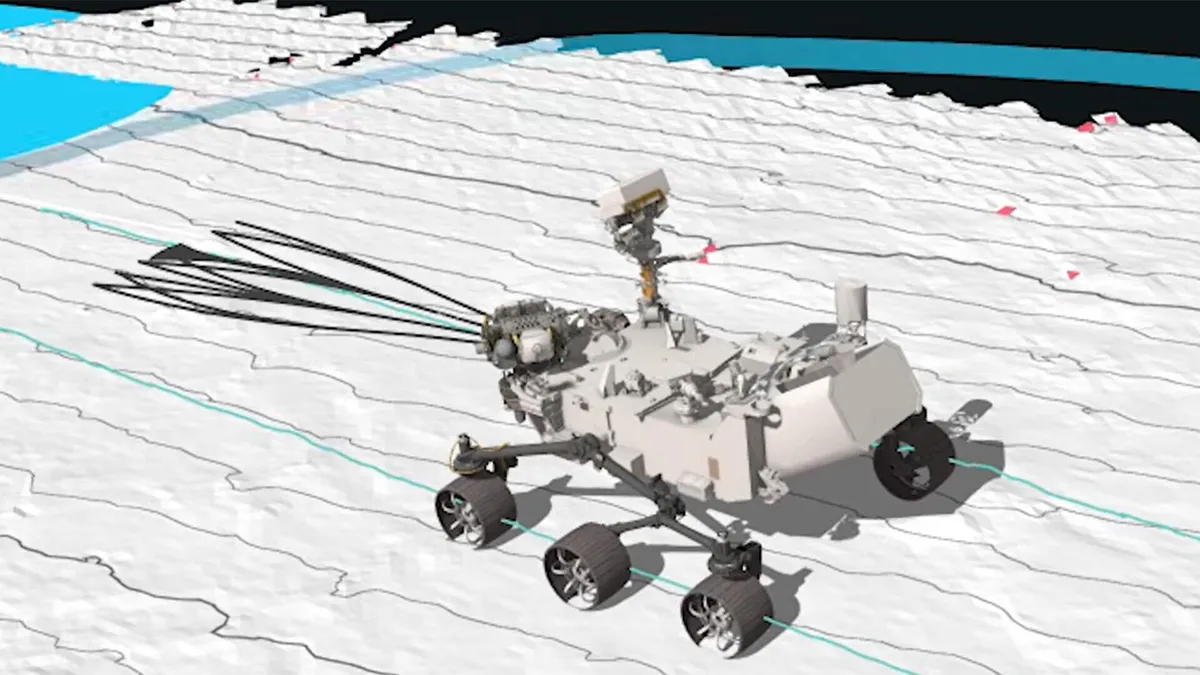
NASA took a similar approach with plotting the waypoints as it would with human operators. Claude was fed the same satellite imagery and data from NASA’s Mars Reconnaissance Orbiter that JPL scientists would use, and then asked to plot waypoints that Perseverance could handle safely.
The resulting path was slightly modified by NASA and then shipped to Perseverance, which then drove the path autonomously.
“This demonstration shows how far our capabilities have advanced and broadens how we will explore other worlds,” said NASA Administrator Jared Isaacman. “Autonomous technologies like this can help missions to operate more efficiently, respond to challenging terrain and increase science return as distance from Earth grows. It’s a strong example of teams applying new technology carefully and responsibly in real operations.”
You can watch the Dec. 10 drive on NASA’s YouTube channel, which has been condensed into a 52-second video.
Advertisement
The route planned by Claude is shown in magenta, and the actual path taken is in orange. NASA scientists only had to make minor adjustments to the AI’s pathing.
NASA/JPL-Caltech/UofA
A more efficient way to do it
While AI is largely known as a provider of slop, which has been blamed for rapidly degrading people’s internet experience, it can be useful in some scientific pursuits. It takes time to parse years of imagery and data, plot the Perseverance waypoints, and then execute them.
Advertisement
Per NASA, waypoints are usually set no more than 330 feet apart, which means Perseverance is exploring the red planet one football field at a time. Take its epic climb out of the Jezero Crater in 2024. The journey took Perseverance 3.5 months and, all told, the rover climbed a total of 1,640 vertical feet. As of December 2025, the rover has driven a total of just 25 miles in roughly four years.
The goal, according to JPL space roboticist Vandi Verma, is to let Perseverance (and other Mars rovers) travel much farther while “minimizing operator workload.”
Verma also notes that AI could be used to flag interesting features on the planet, saving the human science teams time by eliminating the need to manually check “huge volumes of rover images.”
“This demonstration shows how far our capabilities have advanced and broadens how we will explore other worlds,” said Isaacman. “Autonomous technologies like this can help missions to operate more efficiently, respond to challenging terrain and increase science return as distance from Earth grows. It’s a strong example of teams applying new technology carefully and responsibly in real operations.”
Riding a motorcycle is one of the most freeing experiences you can have. Even if you have all the luxuries of being inside a car and even a chauffeur to drive you around in it, sitting astride a bike is just a different feeling. Modern motorcycles offer a ton of features that make for a more comfortable ride. However, doing so will always be a high-stakes game of focus, physics, and continuous learning. It doesn’t matter if you have the one of the safest and most beginner-friendly motorcycles ever built — you still need to take care while on the road.
After years on two wheels, I have realized that the most dangerous habits aren’t only the obviously reckless ones like performing stunts on highways or unnecessary speeding through traffic. For serious riders who really want to drive safely, you can’t overlook even minor issues; a small lapse in judgment can result in la life-altering injury on a bike. It’s not always about wearing a well-ranked bike helmet or sturdy, protective riding jacket; you can avoid major accidents by simply removing unnecessary risks from your ride.
Dangerous behavior can include things like wearing the wrong shoes, adopting bad driving habits, allowing yourself to get distracted, or blindly trusting what you see while on the road. It’s time to unlearn some of these bad behaviors. Here are five things that you need to stop doing if you drive a motorcycle.
Advertisement
Stop wearing loose shoelaces
marino bocelli/Shutterstock
It may sound like something your mom would tell you, but it’s a crucial point. You don’t want a loose shoelace getting tangled in your bike. It even happened to me very recently. As I went to put my left foot down to stabilize the bike, I realized I couldn’t move as my shoelaces had gotten themselves tangled around the gear lever. Thanks to my years of experience, I avoided a drop that would have otherwise led to some bruises and scratched fairings, but others might not be able to save themselves.
Loose laces can easily end up tangled at the same spot of your own bike, preventing you from shifting gears when you need to change speed. Things get especially dangerous when you have someone riding pillion, though; their loose laces can get into the most dangerous moving parts of a motorcycle like the rear wheel, drive, and sprockets. If their laces get stuck into any of these parts at speed, it doesn’t just snap the lace — it can pull their foot right into the machinery, resulting in something dreadful.
Advertisement
For all these reasons, many state DMVs will highlight the issue. An example of this is how the Washington Department of Licensing explicitly advises keeping all your gear secure to avoid interference with controls, stating that “laces should be tucked in to prevent them from catching on parts of the bike.” To avoid such mishaps, you should be rigorous about the type of footwear you wear. The California DMV Motorcycle Handbook likewise warns against the dangers, clearly suggesting wearing sturdy, over-the-ankle or closed-toe shoes.
Advertisement
Stop changing speed or gears mid-corner
Motoed/Getty Images
Riding a motorcycle on a mostly-straight highway or freeway is a totally different skill from riding over hills or through twisty mountain roads. I’ve been a rider for more than a decade, but when I took my bike to Ladakh in the mountainous region of northern India, I learned a lot of new things about riding. One of the most crucial new lessons was you need to stay calm when approaching a sweeping curve so as to avoid slamming on the brakes or grabbing the clutch and downshifting.
Downshifting or braking might feel like a smart move, but it is actually one of the quickest ways to crash. Motorcycles rely on a limited amount of traction. When you lean your bike into a curve (the most common way of turning for heavy bikes those loaded down with gear), your tires are already using almost all the traction available. Downshifting or braking spikes your power delivery, and the bike loses traction.
Experts also agree that gear shifting and braking should happen before you are ready to lean the bike. According to a driving manual published by the Kentucky State Police (via DrivingTests.org), it is recommended to change gears before entering a turn. The manual notes that if shifting is necessary, it should be smooth and there should be no sudden change in power delivery, as it can cause the vehicle to skid. TVS Motor, one of the biggest manufacturers of two-wheelers in India, also suggests that you should enter the curve in the smoothest way possible. In other words, its safer to finish gear shifts and braking before entering the corner.
Advertisement
Stop watching the speedometer or using a phone
Dominik Pietruszka/Shutterstock
Modern-day motorcycles are equipped with TFT or LCD screens that are compatible with Apple CarPlay and Android Auto, allowing users to view all of their phone’s content, sometimes use apps on the display, and view other metrics. Even bikes that don’t support these features can often be fitted with a smartphone mount to use for navigation or other purposes. But because of all this, it becomes quite tempting for riders to spend too long looking down at these screens.
This distraction is often the cause of major accidents on the road. Looking down at the display or taking your eyes off the road, even for a fraction of a second, can result in a crash. While driving, your eyes are your primary tool. Not only should you stay vigilant about what’s happening in front of you, but you should also check your bike’s rear-view mirrors for possible dangers behind. You should be scanning the horizon for safely overtaking, avoiding potholes, or swiftly changing lanes, not flicking your eyes down to whatever’s on your phone screen.
Distracted riding is quite lethal, and even the best riding gear might not be able to save you from accident or injury. The NHTSA (National Highway Traffic Safety Administration) reports thousands of lives lost annually due to distraction, with more than 3,000 deaths in 2023 alone. Even manufacturers of smartphone mount holders like Mob Armor stress that paying too much attention to your phone can lead to catastrophic consequences while riding.
Advertisement
Stop blindly trusting brake lights
jpreat/Shutterstock
One of the biggest mistakes, often committed by beginners and experienced bikers alike, is believing that if the car in front isn’t showing red brake lights, it isn’t slowing down. If you rely solely on this signal, then you may end up kissing the trunk of someone’s car with a bang. This most commonly comes up with with manual transmission cars, which is very common where I’m from. A car with a manual transmission often uses engine braking to slow down, which doesn’t require a driver to step on the brake.
Brake lights only tell you that the driver is depressing the brake pedal. It doesn’t tell you if the driver is just coasting to a stop or downshifting. If you’re in the habit of following vehicles too closely, it’s all too easy for this to result in an accident. As per the Motorcycle Safety Foundation, a rider should remain highly engaged when on the road, doing your best to anticipate what’s coming down the road or to look for signs that the cars in front of you are slowing down.
This is why you should always leave adequate space between your motorcycle and the vehicle in front. By leaving a visible gap between you and them, you will have sufficient time to react and bring your bike to a stop safely. A good cue to look for is whether the tires of the vehicle in front of you are exhibiting signs of slowing. You should also evaluate whether the gap between the two of you is shrinking faster than normal. Is this a lot of work? Sure. It’s also critical for your safety.
Advertisement
Stop riding behind the center of a car
Ozgurdonmaz/Getty Images
Riding a motorcycle can make you feel like royalty. It’s only natural to feel like you’ve got the right to cruise right down the dead center of your lane. However, that’s often considered the most dangerous spot for a two-wheeled vehicle. Since cars have four wheels, drivers usually center their vehicles over hazards to protect their own tires. This means the center of the lane becomes the collection point for all the stuff that cars have avoided, such as potholes, broken vehicle parts, and even spilled or leaking vehicle fluids.
Riding in the middle puts your front tire at great risk of hitting any of these obstacles. The last thing you want is ending up wrecked because you hit a pothole or slipped on an oil slick that accumulated in the center. More importantly, driving directly behind a vehicle in this way might make it hard for that driver in front of you to see you in their side mirrors, leaving you in their blind spot.
Advertisement
This is why your best bet is often to drive aligned with the left bumper of the car ahead of you. This places you squarely in view of the driver’s side mirror, making you harder to ignore. And second, it gives you a clearer view as you can more easily see past that vehicle, letting you avoid trouble down the road and minimizing your risk of an accident.
On Thursday, Google announced that “commercially motivated” actors have attempted to clone knowledge from its Gemini AI chatbot by simply prompting it. One adversarial session reportedly prompted the model more than 100,000 times across various non-English languages, collecting responses ostensibly to train a cheaper copycat.
Google published the findings in what amounts to a quarterly self-assessment of threats to its own products that frames the company as the victim and the hero, which is not unusual in these self-authored assessments. Google calls the illicit activity “model extraction” and considers it intellectual property theft, which is a somewhat loaded position, given that Google’s LLM was built from materials scraped from the Internet without permission.
Google is also no stranger to the copycat practice. In 2023, The Information reported that Google’s Bard team had been accused of using ChatGPT outputs from ShareGPT, a public site where users share chatbot conversations, to help train its own chatbot. Senior Google AI researcher Jacob Devlin, who created the influential BERT language model, warned leadership that this violated OpenAI’s terms of service, then resigned and joined OpenAI. Google denied the claim but reportedly stopped using the data.
Even so, Google’s terms of service forbid people from extracting data from its AI models this way, and the report is a window into the world of somewhat shady AI model-cloning tactics. The company believes the culprits are mostly private companies and researchers looking for a competitive edge, and said the attacks have come from around the world. Google declined to name suspects.
Advertisement
The deal with distillation
Typically, the industry calls this practice of training a new model on a previous model’s outputs “distillation,” and it works like this: If you want to build your own large language model (LLM) but lack the billions of dollars and years of work that Google spent training Gemini, you can use a previously trained LLM as a shortcut.
Have you ever asked Alexa to remind you to send a WhatsApp message at a determined hour? And then you just wonder, ‘Why can’t Alexa just send the message herself? Or the incredible frustration when you use an app to plan a trip, only to have to jump to your calendar/booking website/tour/bank account instead of your AI assistant doing it all? Well, exactly this gap between AI automation and human action is what the agent-to-agent (A2A) protocol aims to address. With the introduction of AI Agents, the next step of evolution seemed to be communication. But when communication between machines… This story continues at The Next Web
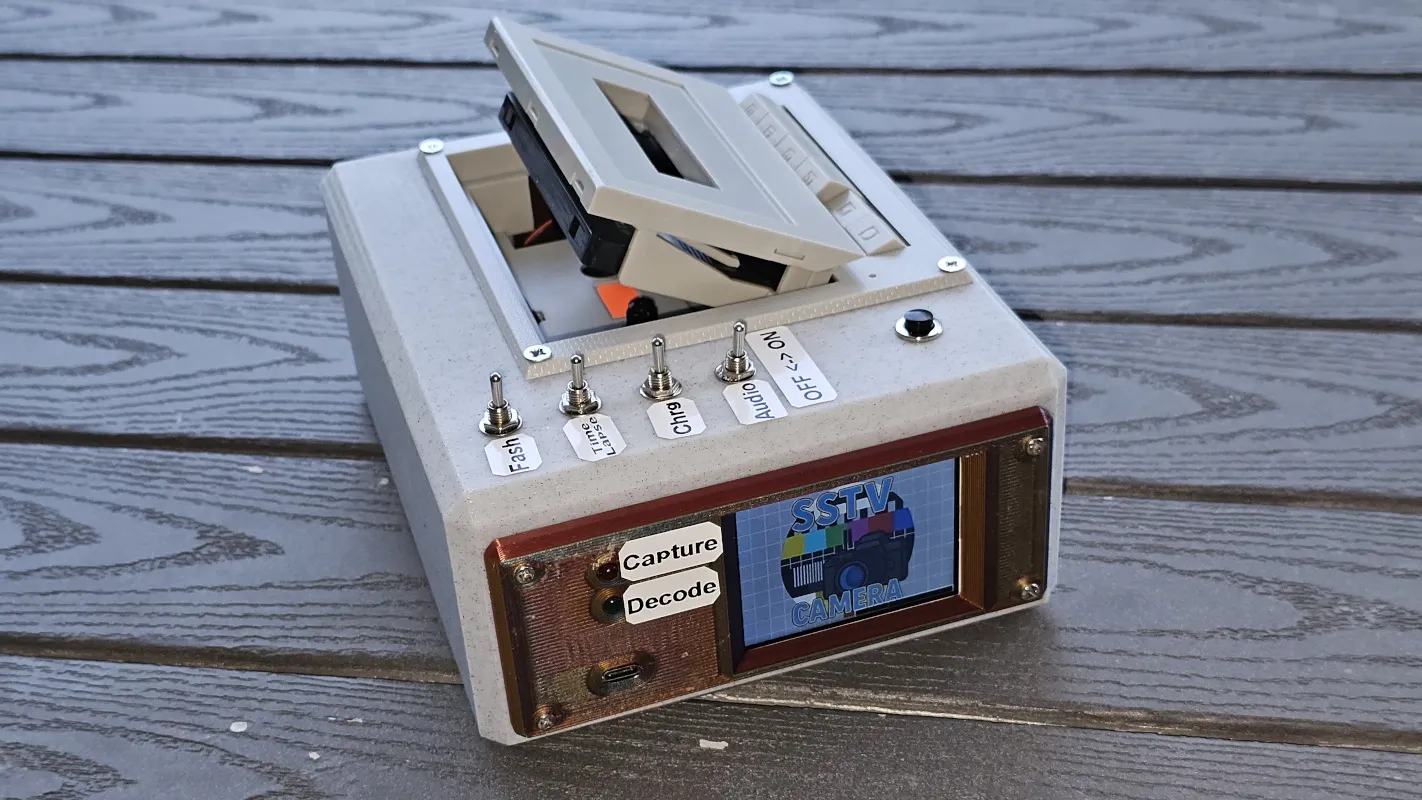
Ham radio operators may be familiar with slow-scan television (SSTV) where an image is sent out over the airwaves to be received, decoded, and displayed on a computer monitor by other radio operators. It’s a niche mode that isn’t as popular as modern digital modes like FT8, but it still has its proponents. SSTV isn’t only confined to the radio, though. [BLANCHARD Jordan] used this encoding method to store digital images on a cassette tape in a custom-built tape deck for future playback and viewing.
The self-contained device first uses an ESP32 and its associated camera module to take a picture, with a screen that shows the current view of the camera as the picture is being taken. In this way it’s fairly similar to any semi-modern digital camera. From there, though, it starts to diverge from a typical digital camera. The digital image is converted first to analog and then stored as audio on a standard cassette tape, which is included in the module in lieu of something like an SD card.
To view the saved images, the tape is played back and the audio signal captured by an RP2040. It employs a number of methods to ensure that the reconstructed image is faithful to the original, but the final image displays the classic SSTV look that these images tend to have as a result of the analog media. As a bonus feature, the camera can use a serial connection to another computer to offload this final processing step.
A critical pre-authentication remote code execution vulnerability in BeyondTrust Remote Support and Privileged Remote Access appliances is now being exploited in attacks after a PoC was published online.
Tracked as CVE-2026-1731 and assigned a near-maximum CVSS score of 9.9, the flaw affects BeyondTrust Remote Support versions 25.3.1 and earlier and Privileged Remote Access versions 24.3.4 and earlier.
BeyondTrust disclosed the vulnerability on February 6, warning that unauthenticated attackers could exploit it by sending specially crafted client requests.
“BeyondTrust Remote Support and older versions of Privileged Remote Access contain a critical pre-authentication remote code execution vulnerability that may be triggered through specially crafted client requests,” explained BeyondTrust.
“Successful exploitation could allow an unauthenticated remote attacker to execute operating system commands in the context of the site user. Successful exploitation requires no authentication or user interaction and may lead to system compromise, including unauthorized access, data exfiltration, and service disruption.”
Advertisement
BeyondTrust automatically patched all Remote Support and Privileged Remote Access SaaS instances on February 2, 2026, but on-premise customers must install patches manually.
Hacktron says approximately 11,000 BeyondTrust Remote Support instances were exposed online, with around 8,500 on-premises deployments.
Ryan Dewhurst, head of threat intelligence at watchTowr, now reports that attackers have begun actively exploiting the vulnerability, warning that if devices are not patched, they should be assumed to be compromised.
Advertisement
“Overnight we observed first in-the-wild exploitation of BeyondTrust across our global sensors,” Dewhurst posted on X.
“Attackers are abusing get_portal_info to extract the x-ns-company value before establishing a WebSocket channel.”
This exploitation comes a day after a proof-of-concept exploit was published on GitHub targeting the same /get_portal_info endpoint.
The attacks target exposed BeyondTrust portals to retrieve the ‘X-Ns-Company‘ identifier, which is then used to create a websocket to the targeted device. This allows the attackers to execute commands on vulnerable systems.
Advertisement
Organizations using self-hosted BeyondTrust Remote Support or Privileged Remote Access appliances should immediately apply available patches or upgrade to the latest versions.
BleepingComputer contacted BeyondTrust and Dewhurst to ask if they had any details on post-exploitation activity and will update this story if we receive a response.
Modern IT infrastructure moves faster than manual workflows can handle.
In this new Tines guide, learn how your team can reduce hidden manual delays, improve reliability through automated response, and build and scale intelligent workflows on top of tools you already use.
It’s rare that I spot something at the grocery store that makes my heart cry out with unbridled, capitalistic desire. Yes, both the wine and fancy cheese departments sometimes have fun finds, but otherwise, there are only so many ways to remix the foodstuff canon.
It wasn’t something edible that recently caught my eye, though, but rather a genius bit of infrastructure. And it was brightly colored packaging, in fact, but not in the processed-food department or the produce aisle. I spotted them in a fellow shopper’s cart: four technicolor shopping bags, one of them insulated, designed to fit inside the grocery cart, with overhanging handles that keep them open and in place while you shop.
Simple. Genius. How did I not realize that these were missing in my life?
Advertisement
I spotted these clever shopping bags in a fellow shopper’s cart. I knew I had to have them.
Pamela Vachon/CNET
The rainbow colors are certainly what grabbed my attention here, but once my brain processed what I was seeing, it was my type-A heart that decided I must have them. (I enthusiastically stopped the owner to ask if I could take a picture, as though they were a quartet of puppies and not shopping bags.)
Surely for a highly organized, competitive personality, efficiently sorting one’s grocery purchases into their shopping bags while parading the well-stocked aisles is about as much fun as one can have in the grocery store outside of contestantship on Supermarket Sweep. (The spice rack, you fools! Go to the spice rack!)
Advertisement
Sorting groceries into shopping bags in real time is about as much fun as one can have in the grocery store.
Pamela Vachon/CNET
Bags designed for grocery cart organization in real time
There are plenty of reusable grocery shopping bags that are sturdy enough to situate inside your cart, but to maximize space and organization, look for those called “cart bags,” “cart caddies” or “trolley bags,” which also offer the added bonus of making grocery shopping sound like a fun outing more than a weekly chore.
Advertisement
There are numerous bag designs to choose from.
Pamela Vachon/CNET
There are numerous designs and layouts here to choose from: Some have clip-on cart handles that retract, some have separate, removable clips, and others are outfitted with dowels that overhang the sides of the cart, which are then stored in what looks rather like a tent roll. (Again, adventure, not tedium.) Not every set comes with an insulated bag, and some brands feature bags that are all the same color. (Presumably so you don’t attract the attention of people like me who treat the grocery store like a fact-finding mission.)
You do you with regard to these various options, but here are several sets available on Amazon, all around the $30 to $40 range:
These bags create order out of chaos when grocery shopping.
Pamela Vachon/CNET
Perhaps your kitchen pantry, like mine, isn’t exactly designed with grocery aisle layouts in mind. Things that sit side by side on retail shelves often live in opposite corners in real life. “Snacks,” for example, are relegated to various shelves in my kitchen based on factors that I don’t know you well enough to divulge here.
Perhaps you get sniffy about cleaning products sharing bag space, or even cart space, with fresh produce. Perhaps you have numerous errands to run when you grocery shop, and you’re wondering about the condition of your refrigerated or frozen items once you leave the store. These bags create order for all of this potential chaos, real or imagined.
Advertisement
I use the color-coded bags for dedicated categories.
Pamela Vachon/CNET
The real beauty of these bags is that you can sort your groceries in real time, according to whatever system makes sense to you. (See “snacks,” above.) This is also the argument for multi-colored bags, which let you assign groceries to their appropriate bags, saving you time at the putting-away stage of grocery acquisition.
I’m sure I don’t need to mention that these are also environment-positive, if you’re not already in the reusable grocery bag game. A dedicated, ventilated bag for all your produce may even preclude the need to wrestle with the uncooperative produce aisle bag roll. Safe in their own color-coordinated zone, your lettuces and broccoli crowns won’t mingle with anything you don’t want them to touch.
Use with scan-as-you-go apps for extreme efficiency
Advertisement
Combine these clever bags with scan-to-pay shopping for the most efficient supermarket trip ever.
Pamela Vachon/CNET
Checking out and repacking your groceries becomes that much more sane when everything is already sorted in a like-with-like format. I realize this only amounts to mere minutes of your life, but for many of us, those minutes add up, not even over the course of a lifetime but in the course of a day, and a little bit of extra sanity can go a very long way in turbulent times.
If your grocery store has an app or device that allows you to scan as you go, now you’re really in a high-efficiency grocery zone. Like TSA Pre-check, except for the kind of elite grocery shoppers who would never double-park their cart in a high-traffic aisle. Those programs, which preclude even the need for checking out in any time-sucking sense, plus your pre-sorted groceries in these bags, amount to just about the pinnacle of what in-person grocery shopping can aspire to.
A Dutch appeal court also upheld an October decision to suspend the company’s Chinese CEO Zhang Xuezheng.
Nexperia’s Chinese owner Wingtech was unable to sway the Amsterdam Court of Appeal and regain control of the Dutch chipmaker that plays a vital role in the global automotive industry.
As per a translated press release published yesterday (11 February), the court’s enterprise chamber instead ordered an investigation into Nexperia, citing “well-founded reasons to doubt a proper policy and proper course of affairs” at the company.
The court also upheld an October decision to suspend the company’s Chinese CEO Zhang Xuezheng and hand control off to EU-based directors. Xuezheng’s shares were handed over to a trust, but he still retained economic benefits.
Advertisement
Nexperia’s seizure began in September last year when the Dutch government invoked the rarely used Goods Availability Act, pointing to “serious governance shortcomings” at the company.
The Netherlands believed that alleged mismanagement at Nexperia posed a “threat” to Europe’s semiconductor capabilities.
Responding to the seizure, China halted Nexperia chip exports in early October, which resulted in a disruption affecting nearly three-quarters of the company’s output. On 9 November, however, the export ban was lifted.
Nexperia’s Chinese and European arms have stopped collaborating since the seizure, and despite signs of easing tensions in November, issues between the parties still persist.
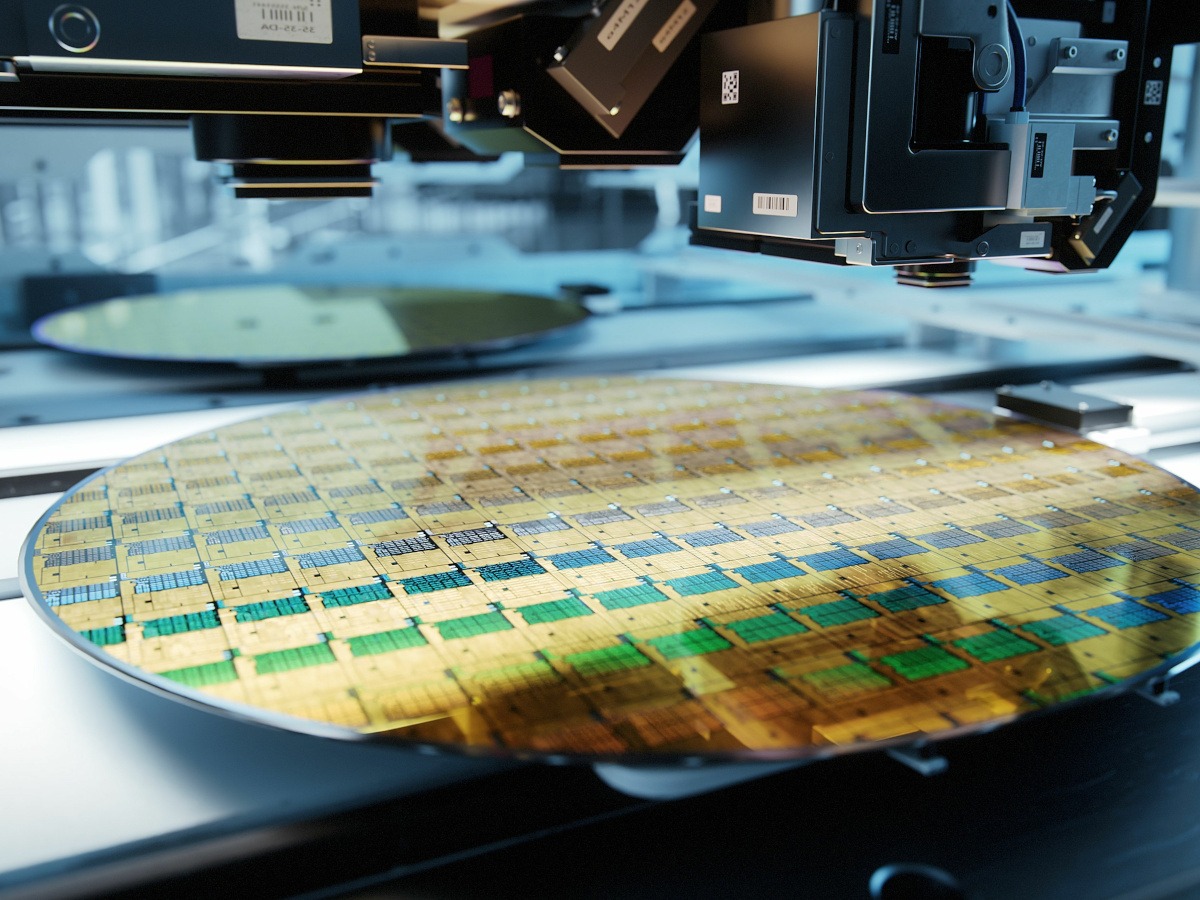
The Dutch company stopped shipping silicon wafers to its Chinese subsidiary last year, claiming the local unit refused to make payments. According to the Financial Times, customers are now purchasing wafers from the European unit and sending them to the Chinese unit for assembly themselves.
Nexperia supplies chips to the likes of Volvo, JLR and Volkswagen.
In its order following the public hearing of 14 January, the Dutch court found “indications that careless action was taken with a conflicting interest” at Nexperia.
Advertisement
It said that Xuezheng changed company strategies without consulting other board members. In a hearing last month, Nexperia’s lawyers claimed that Zhang was moving equipment to China and used its assets for Wing Systems, a different company he owned.
Responding to yesterday’s orders, Nexperia said it welcomed the ruling and is committed to fully complying with the investigation.
“Despite the challenging situation, our underlying business continues to be healthy and resilient and we remain committed to being a strong, reliable partner for all our stakeholders, including customers,” it said.
The Dutch-headquartered Nexperia – an offshoot of NXP – was acquired by China’s contract manufacturing giant Wingtech Technology in 2018.
Advertisement
Last year’s takeover has caused a severe strain in the relationship between parent company Wingtech and Nexperia, who have accused each other of disrupting operations and destabilising business.
In 2024, the US government added Wingtech to its Entity List – a designation given to companies that could pose a risk to the country’s national security. In 2022, the UK government ordered Wingtech-owned Nexperia to undo its acquisition of the Newport Wafer Fab, citing a national security risk.
Don’t miss out on the knowledge you need to succeed. Sign up for the Daily Brief, Silicon Republic’s digest of need-to-know sci-tech news.