A massive cybercriminal operation is leveraging thousands of compromised small-business websites to deliver ClickFix payloads stored in smart contracts on the BNB Smart Chain (BSC).
Over the past months, researchers identified more than 5,400 hacked websites, most of them built on WordPress and PrestaShop.
The initial compromise method remains unknown, but each site was injected with a script that gets the next-stage payload from a smart contract on the BSC Testnet endpoint, a technique known as EtherHiding.
Researchers at cloud security platform Netskope explain that the BSC Testnet is designed for developers and functions similarly to the mainnet, the production blockchain, but is available free of charge.
Advertisement
Threat actors use the EtherHiding technique to store malicious code or configuration data in blockchain smart contracts, providing a resilient infrastructure that is difficult to take down.
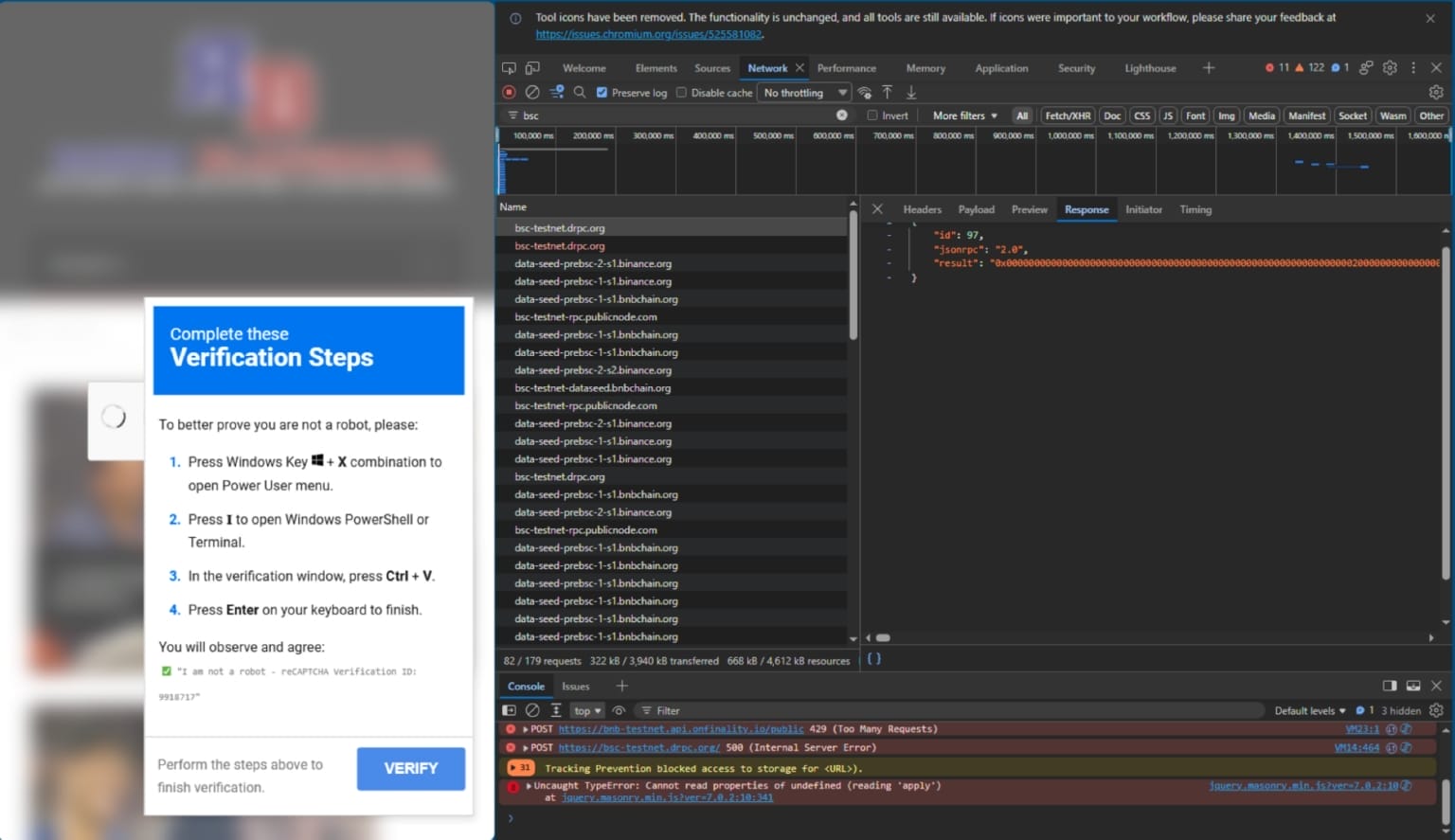
In the delivery chain observed by Netskope, the script displays a ClickFix lure that shows a fake CAPTCHA and instructs visitors to open the Windows Run dialog and paste a PowerShell command.
Loading the ClickFix lure Source: Netskope
Doing so downloads and executes the final payload on the machine. Because the attacker stores the payload in a smart contract, they can modify it at any time.
The researchers note that later in the campaign, the threat actor replaced the ClickFix payload in the smart contract with a WebRTC data-channel stager.
In the newer variant, the payload establishes a covert encrypted channel to the attacker and executes the received code.
Advertisement
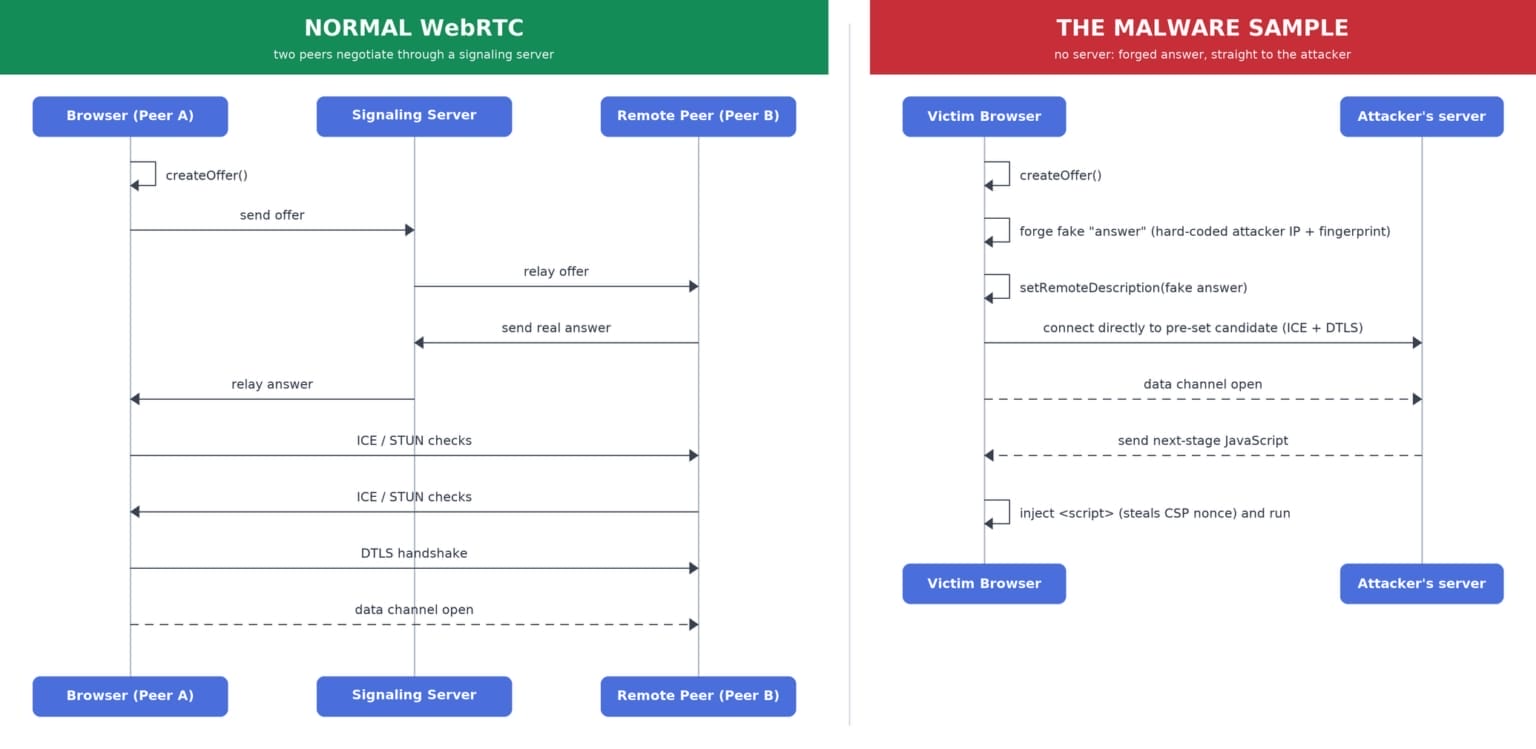
“The script creates a peer connection and a data channel, then generates the required session description offer just like a normal WebRTC handshake,” Netskope explains.
“But instead of sending that offer anywhere and waiting for a real reply, it hand-writes the answer itself and feeds it straight back into the connection. This way, no handshake happens, but a data channel to the cyberattacker still opens.”
Source: Netskope
The stager receives JavaScript code from the hardcoded command-and-control (C2) address, buffers it, and executes it when the channel closes or after ten seconds.
Received code is assembled in the browser memory and executed dynamically without being saved to disk by adding it to the head of the DOM
Netskope warns that the operation uses more than 300 infected websites every day. Since spring, the number of compromised sites contacting the BSC Testnet RPC endpoints has grown constantly.
Advertisement
Telemetry data shows that nearly 400 websites called the endpoint every day in August, with an all-time peak of 536.
The security researchers recommend that defenders block the entire pool of BSC testnet RPC endpoints provided here and monitor for non-web UDP traffic associated with WebRTC.
Overall prevention scores can hide what happens after initial access. Once attackers are using valid credentials, prevention drops sharply.
The Blue Report 2026 measures defenses technique by technique across 338 million simulations run in customer production environments.
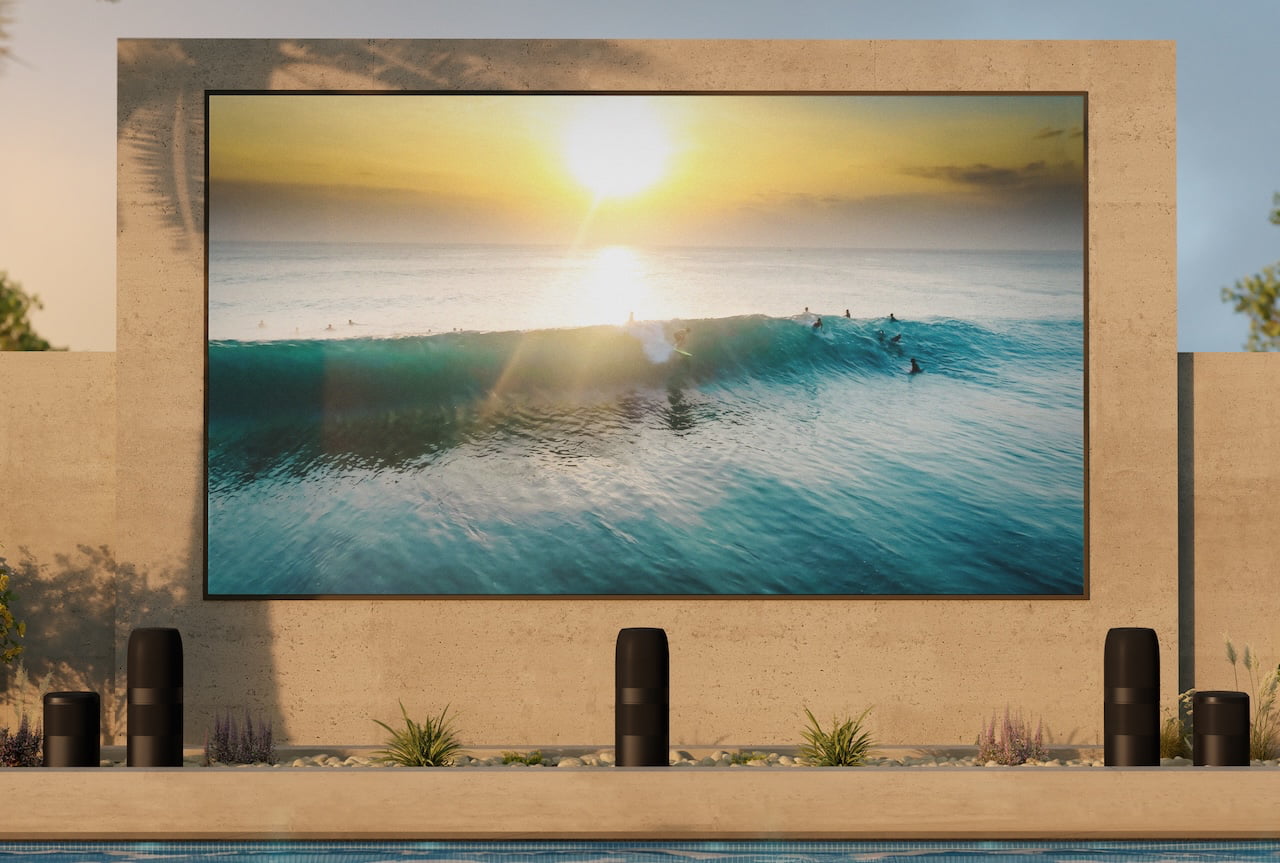
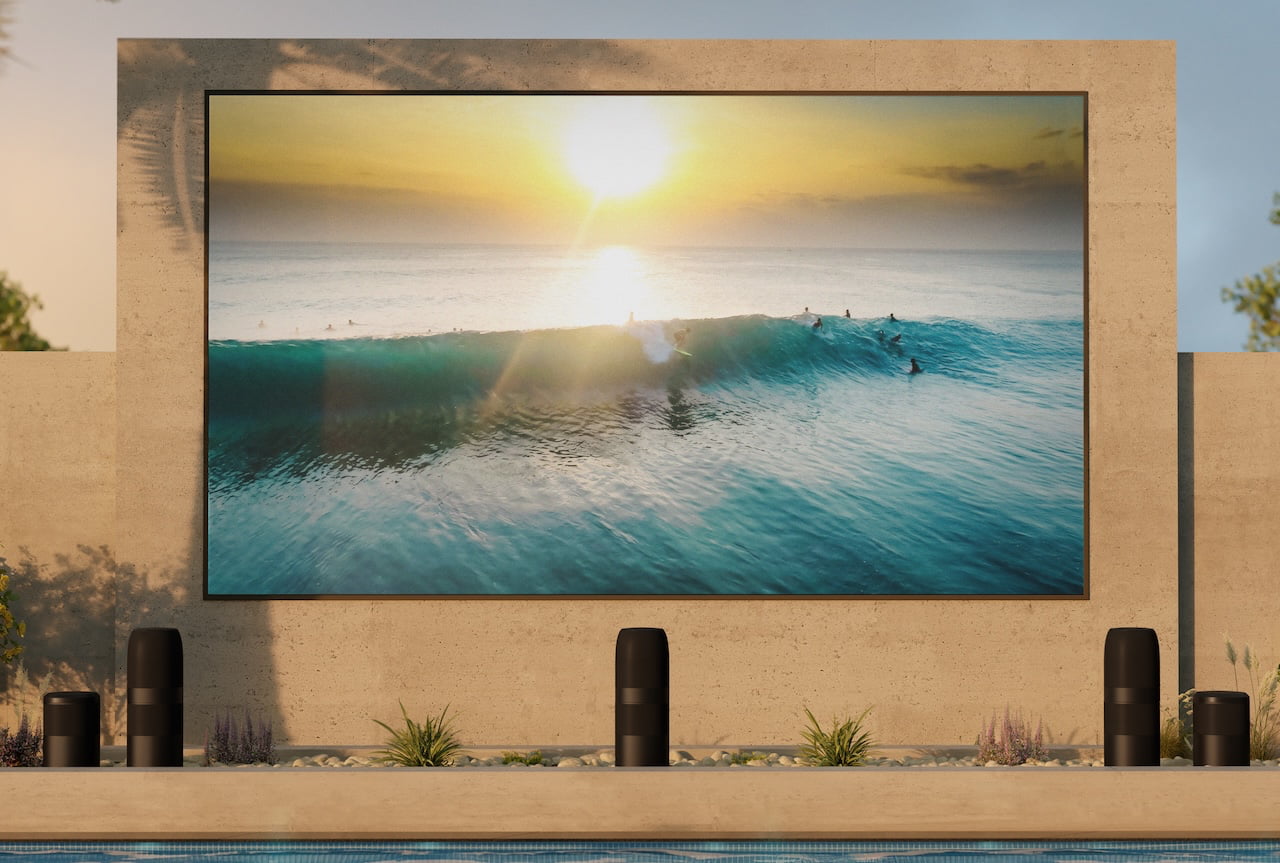
Outdoor audio has moved well beyond a pair of weather-resistant speakers screwed beneath the eaves. Premium systems can now cover large properties, disappear into landscaping and deliver enough bass and output for everything from background music to an outdoor theater; my neighbours would rather angrily agree with that assessment.
KEF is finally entering that market in a serious way.
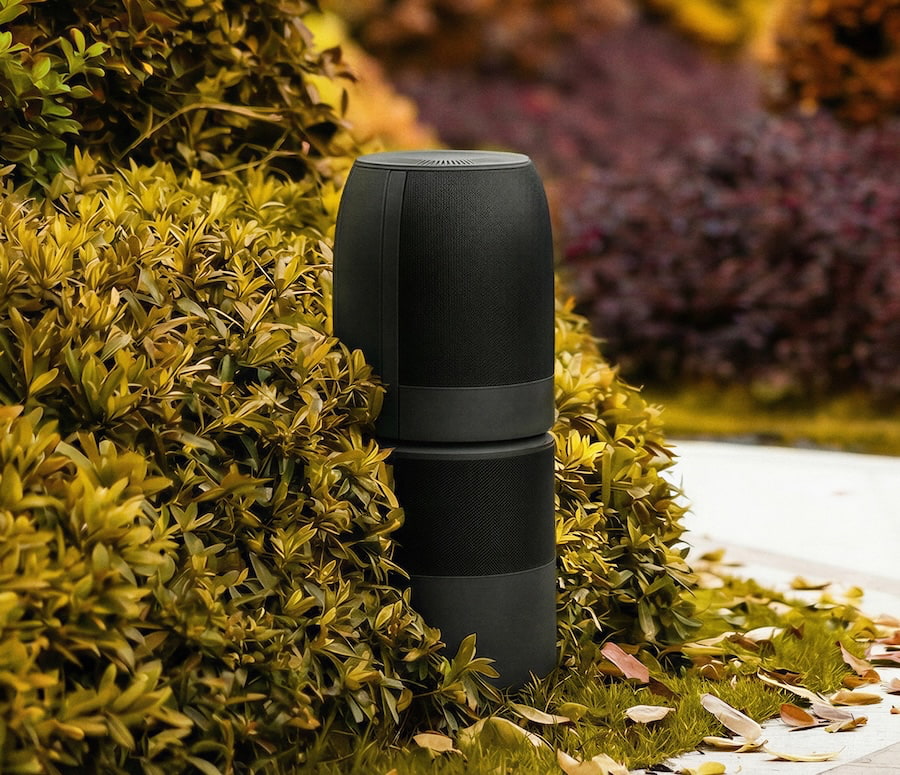
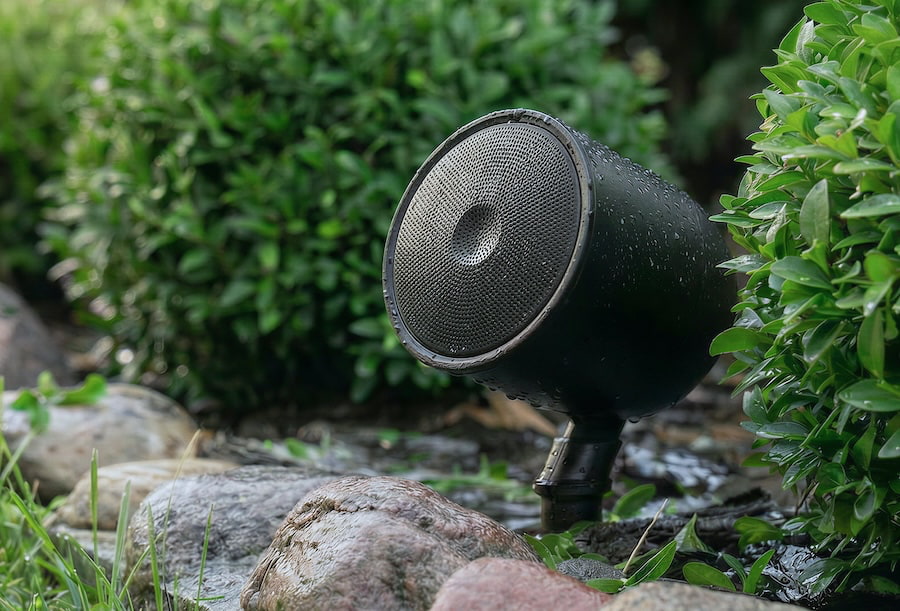
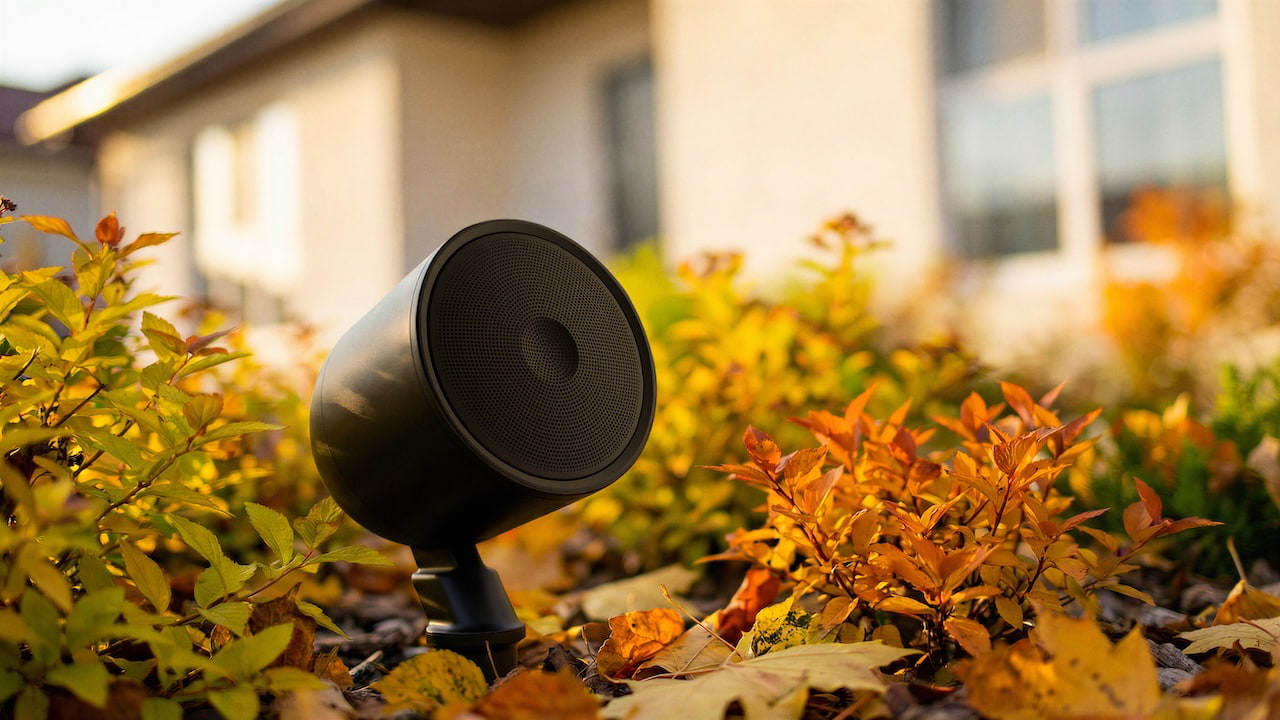
The new KEF Outdoor Collection includes landscape satellites, bollard speakers, dedicated subwoofers, full-range three-way bollards and four KASA Network DSP amplifiers. It also marks the first time KEF has engineered versions of its Uni-Q driver array specifically for outdoor loudspeakers.
KEF already offered the Ventura 5 and Ventura 6 surface-mount speakers, which remain part of the collection. The company describes those as existing “proven performers,” so the real news is everything being added around them.
There are a couple of potential traps in that list.
The SR4F and BL8Sb are not individually identified in the main product rundown in KEF’s initial documentation for the media. Both appear in the documentation for the $2,000 Landscape P4F package, which combines four SR4F satellites with one BL8Sb subwoofer.
Advertisement
The SR4F is also not a Uni-Q speaker. It uses a conventional 4-inch full-range driver and represents the simpler entry point into the new range.
Uni-Q Heads Into the Garden
BH6Q
The SR4Q and SR6Q landscape satellites use 4.5-inch and 6.5-inch Uni-Q arrays, while the BH6Q and BH8Q bollards move up to 6.5-inch and 8-inch versions.
That concentric architecture makes considerable sense outdoors. Positioning the tweeter at the acoustic center of the midrange cone creates a point-source arrangement designed to maintain more consistent dispersion across a broad listening area rather than favoring one narrow seat.
Advertisement. Scroll to continue reading.
The four models differ substantially in output and coverage.
Advertisement
Model
Driver
Response ±6 dB
Max SPL
Nominal Coverage
SR4Q
4.5-inch Uni-Q
108 Hz–20 kHz
106 dB
90°
SR6Q
6.5-inch Uni-Q
101 Hz–20 kHz
109 dB
80°
BH6Q
6.5-inch Uni-Q
81 Hz–20 kHz
109 dB
130°
BH8Q
8-inch Uni-Q
75 Hz–20 kHz
112 dB
100°
The SR4Q and SR6Q require KEF Network DSP amplification, as do the BH6Q and BH8Q. KEF specifies 150 watts for four SR4Q speakers wired in parallel, 240 watts for four SR6Q speakers, and 240 watts for either BH bollard.
The BQ9 and BQ11 Are the Interesting Ones
BQ9
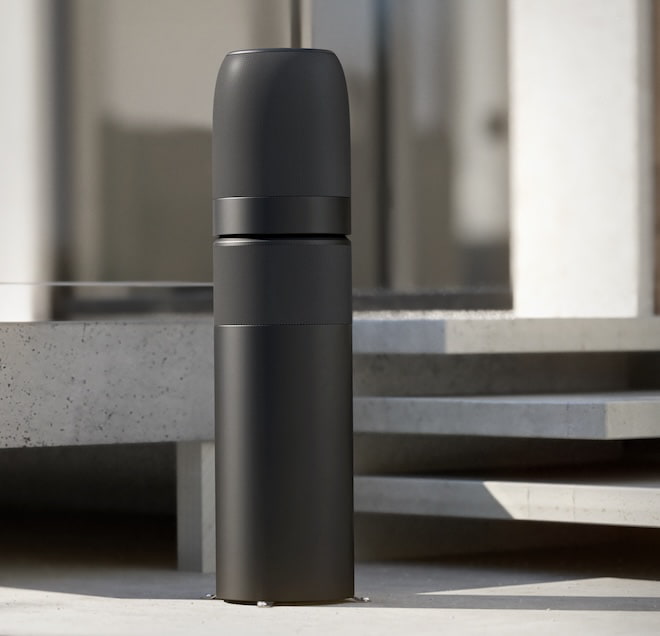
The BQ9 and BQ11 are not merely taller versions of KEF’s other bollards.
Each is a genuine three-way loudspeaker combining a Uni-Q array with a dedicated long-throw woofer and an internal passive crossover. The BQ9 uses a 6.5-inch Uni-Q with an 8-inch bass driver; the larger BQ11 mates an 8-inch Uni-Q to a 12-inch woofer.
The BQ9 reaches 35 Hz ±6 dB and 109 dB maximum SPL, while the BQ11 extends to 30 Hz and 112 dB. KEF recommends 240 and 400 watts respectively.
There is another important difference. Unlike the BH and Q-series landscape models, the BQ9 and BQ11 use passive crossovers and do not require a KASA amplifier. KEF specifically says they can be used with the owner’s preferred amplification.
Advertisement
That makes the BQ models particularly intriguing for high-end stereo and outdoor theater installations where the owner already has suitable amplification.
Bass Without Burying a Refrigerator
The new BL range provides two main KASA-optimized outdoor subwoofers.
The BL8b uses an 8-inch long-throw driver, reaches 27 Hz ±6 dB and delivers a claimed 109 dB maximum SPL. The BL12b uses a 12-inch driver, extends to 24 Hz and increases maximum output to 115 dB. Both radiate through 360 degrees.
KEF rates their nominal coverage areas at 120 and 200 square meters respectively and recommends 150 watts for the BL8b and 400 watts for the BL12b.
Advertisement
The P4F package uses the separate BL8Sb, an 8-inch dual-coil model with a 28 Hz–133 Hz ±6 dB response and 101 dB maximum SPL.
Three Ready-Made Landscape Systems
KEF is also simplifying the process with three 4.1 packages.
Advertisement. Scroll to continue reading.
The Landscape P4F ($2,000) includes four SR4F full-range satellites and the BL8Sb subwoofer. Unlike the other two systems, amplification is not included.
The Landscape P4Q ($5,000) combines four SR4Q Uni-Q satellites, one BL8b subwoofer and the KASA 2-250M.
The Landscape P6Q ($8,000) moves to four SR6Q satellites, the BL12b and a KASA 4-250M.
Both Uni-Q packages can be expanded to 8.2 or larger installations rather than forcing the buyer to replace the original system as the property grows.
KASA Is More Than an Outdoor Amplifier
The four new KASA models may have broader implications for KEF’s custom-install business.
Advertisement
The KASA 2-250M, 4-250M, 8-150M and 8-250M combine Class D amplification using GaN FET output stages with AKM Velvet Sound ADC/DAC conversion and KEF’s Music Integrity Engine DSP. A browser-based interface handles setup, source routing, multi-zone configuration and independent volume control without requiring a dedicated application.
KEF’s MIE profiles contain model-specific processing for compatible architectural speakers, allowing the installer to select the connected KEF model rather than creating its DSP configuration from scratch.
Analog RCA, optical and coaxial inputs are provided, along with buffered pass-through outputs. There is no indication in the supplied specifications of integrated Spotify, Qobuz, AirPlay, Google Cast or similar music services, so “Network DSP Amplifier” should not be confused with a network streamer.
The detailed power specifications are also worth reading rather than stopping at the model numbers.
Advertisement
Model
Channels
4Ω Single Channel
All Channels Driven at 4Ω
MSRP
KASA 2-250M
2
250 W
250 W/ch
$1,600
KASA 4-250M
4
250 W
250 W/ch
$3,200
KASA 8-150M
8
150 W
135 W/ch
$3,300
KASA 8-250M
8
250 W
135 W/ch
$4,000
That last column requires some attention. KEF markets the KASA 8-250M as an 8-channel 250-watt model, but its detailed specifications rate it at 135 watts per channel into 4 ohms with all eight channels operating simultaneously. The 250-watt figure applies to the single-channel test condition.
Nothing nefarious there, but eight times 250 watts is not what comes out of the box when every channel is working.
SR6Q
Designed for Actual Weather
KEF gives the landscape satellites and BH bollards an IP66 rating, while the BL subwoofers and BQ three-way models carry IPX5 certification.
The new speakers are UV resistant, specified to operate from -13°F to 158°F and have undergone more than 500 hours of salt-spray testing.
Advertisement
Ground stakes and hardscape mounts cover most installations, with additional surface, deck and mounting-column options depending on the model.
What Does KEF Compete With?
The premium landscape category is not empty, and two main competitors we’ve heard stand out.
Advertisement. Scroll to continue reading.
Theory Audio Design ic6-Bollard and iws12-Bollard
Theory has less product variety than KEF’s new range, but considerably more raw output from its two-model landscape platform. If someone wants the backyard to become an outdoor nightclub, that matters.
Advertisement
The ic6-Bollard ($2,795), which earned eCoustics Editors Choice in 2025, uses a 6.5-inch carbon-fiber driver with a 1.4-inch compression driver and provides true 360-degree horizontal coverage. Theory specifies 68 Hz-23 kHz at -6 dB, 112 dB maximum SPL using its AES rating and 118 dB peak output.
Theory’s iws12-Bollard ($3,560) high-output subwoofer uses a 12-inch driver with a 4-inch voice-coil that reaches down to 29.5 Hz at -3 dB and is rated for 124 dB maximum SPL. Both require Theory DSP processing and amplification.
Focal Littora OD 4.1
Focal’s Littora OD range combines a number of options for outdoor applications including speakers that look like rocks, along satellite/subwoofer speaker bundles. Amplification isn’t included, but Focal’s sister company Naim Audio provides a number of options along with very nice app to control music zones which can be used both inside and outside the house.
SR4Q
Price & Availability
All new KEF outdoor speakers are expected to be available in January 2027.
Advertisement
Uni-Q Outdoor Landscape Satellite (4 pack)
SR4Q (4.5″) – $2,000
SR6Q (6.5”) – $3,000
Outdoor Bollard Speakers
BH6Q (6.5″) – $1,500
BH8Q (8″) – $2,000
Outdoor Bollard Subwoofers
BL8b (8”) – $2,000
BL12b (12”) – $2,500
3-way Outdoor Bollard Speakers
BQ9 – $3,000
BQ11 – $4,000
Network DSP Amplifiers
KASA 2-250M – $1,600
KASA 4-250M – $3,200
KASA 8-150M – $3,300
KASA 8-250M – $4,000
The Bottom Line
KEF has sold weather-resistant speakers before. What it did not have was a complete outdoor ecosystem capable of scaling from a modest 4.1 garden setup to large distributed installations and full-range stereo or theater systems.
The most important additions are not necessarily the obvious ones. The BQ9 and BQ11 bring legitimate three-way architecture into the landscape, while KASA gives KEF control over amplification, DSP and installation instead of relying on somebody else’s electronics.
We will need to hear the new range before deciding whether KEF has successfully transported its sonic DNA from the listening room to the backyard. On paper, however, this is a much bigger move than another pair of speakers designed to survive the rain.
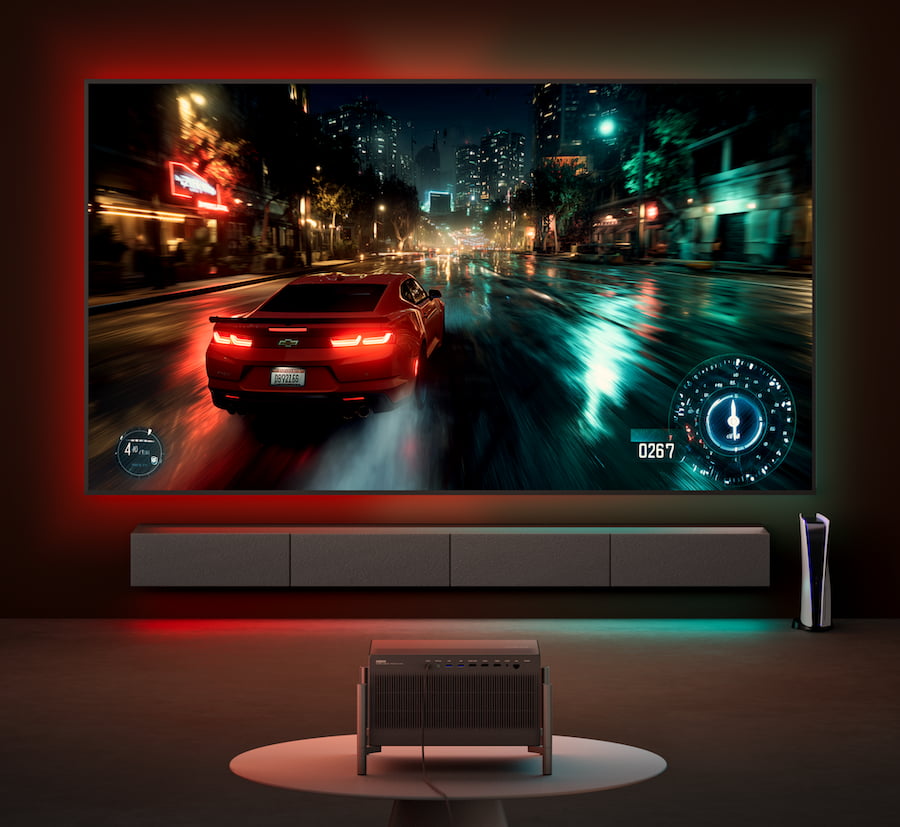
XGIMI has spent much of 2026 proving that it wants to be taken seriously beyond the portable and lifestyle projector categories that built its reputation. At CEDIA Expo 2026 in Denver, the company is making its biggest move yet into the U.S. custom-installation market.
XGIMI and AWALL LLC have jointly created XWALL by XGIMI, a new premium home-entertainment brand developed specifically for the United States. The partnership combines XGIMI’s projection engineering and manufacturing resources with AWALL’s experience in dealer sales, installation, calibration, training, and domestic support.
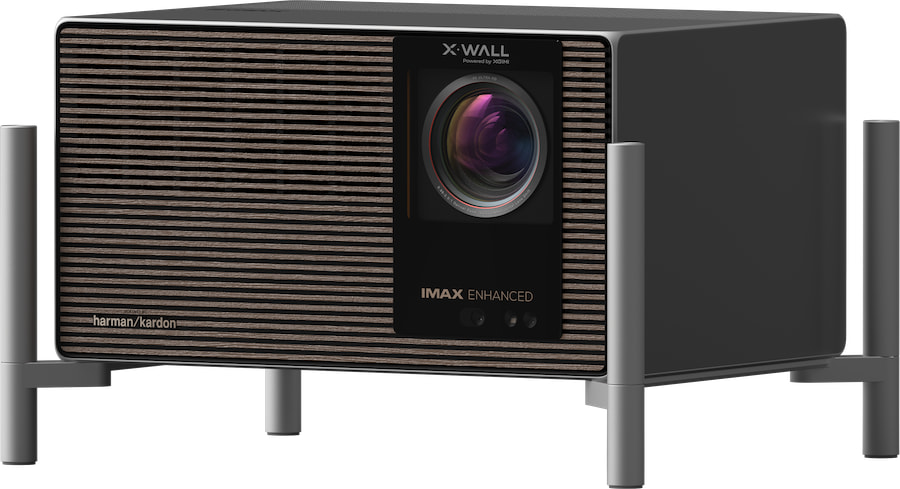
The first product is the XWALL TITAN Noir Ultra, a 4K RGB triple-laser projector rated at 8,000 ISO lumens with a claimed 12,000:1 native contrast ratio and up to 100,000:1 dynamic contrast. It uses a next-generation 0.47-inch SST DMD, a Dual Intelligent Iris system, and XGIMI’s X-Master Red Ring Lens Pro optical system, with support for 110% of the BT.2020 color gamut.
Unlike the ultra-short-throw projectors that have become increasingly common at the premium end of the market, the TITAN Noir Ultra uses a 0.98–2.0:1 throw ratio with motorized optical zoom and focus, vertical lens shift of ±130%, horizontal shift of ±50%, and five saved lens positions. It supports image sizes from 40 to 300 inches, along with Dolby Vision, HDR10+, IMAX Enhanced, active-shutter 3D, and gaming at up to 1080p/240Hz with a claimed 1ms input lag.
Advertisement
The TITAN Noir Ultra is being demonstrated at XGIMI Booth #3327 during CEDIA Expo 2026. U.S. pricing and a firm retail shipping date have not yet been announced, so there are still two rather important blanks on the specification sheet. At least we no longer have to guess what is inside the projector.
XWALL TITAN Noir Ultra
The headline brightness and contrast figures only tell part of the story. The XWALL TITAN Noir Ultra is being positioned as a serious installation projector rather than a larger version of XGIMI’s lifestyle models, with an optical system and placement flexibility designed for dedicated home theaters.
At its core is a 0.47-inch SST DMD combined with an RGB triple-laser light source. XWALL rates the projector at 8,000 ISO lumens with 110% coverage of the BT.2020 color gamut. The company claims a native contrast ratio of 12,000:1 and dynamic contrast of up to 100,000:1 through its Dual Intelligent Iris system and AI-powered Dynamic Black Enhancement. The projector produces a 3840 x 2160 4K UHD image.
The SST DMD is notable because of the amount of light XWALL is pushing through a 0.47-inch imaging device. According to the company, the next-generation chip has been designed to tolerate the higher power and thermal demands of the RGB laser system while maintaining stable imaging performance during extended viewing. That is a manufacturer claim rather than an independent measurement, but it helps explain why XWALL is making the SST architecture part of the sales pitch rather than burying the DMD size in the specification sheet.
The optics are arguably more important for custom installation. XWALL’s X-Master Red Ring Lens Pro uses 15 optical elements, aspherical glass, and a 14-layer vacuum coating, with claimed light transmittance of 99.6%. Motorized optical zoom and focus are combined with a 0.98–2.0:1 throw ratio, vertical lens shift of ±130%, and horizontal lens shift of ±50%. Installers can save as many as five lens positions, which makes the projector suitable for systems that switch between 16:9 programming and 2.35:1 CinemaScope screens.
Advertisement
Image size can range from approximately 40 to 300 inches depending on installation, and XWALL supports Dolby Vision, HDR10+, IMAX Enhanced, and active-shutter 3D. The latter includes Blu-ray frame packing, side-by-side, and top-and-bottom 3D formats. In an era when some manufacturers would prefer that everyone quietly forget 3D ever happened, there are still dedicated-theater owners who will be pleased to see it here.
Gaming has also received considerably more attention than one might expect from a projector aimed at the custom-installation market. XWALL claims input lag of 1ms at 1080p/240Hz, 2.2ms at 1080p/120Hz, and 3ms at 4K/60Hz, with support for VRR and ALLM. That’s impressive specifications that will require independent verification, but on paper they make the TITAN Noir Ultra considerably more flexible than a projector designed exclusively around movie playback.
Advertisement. Scroll to continue reading.
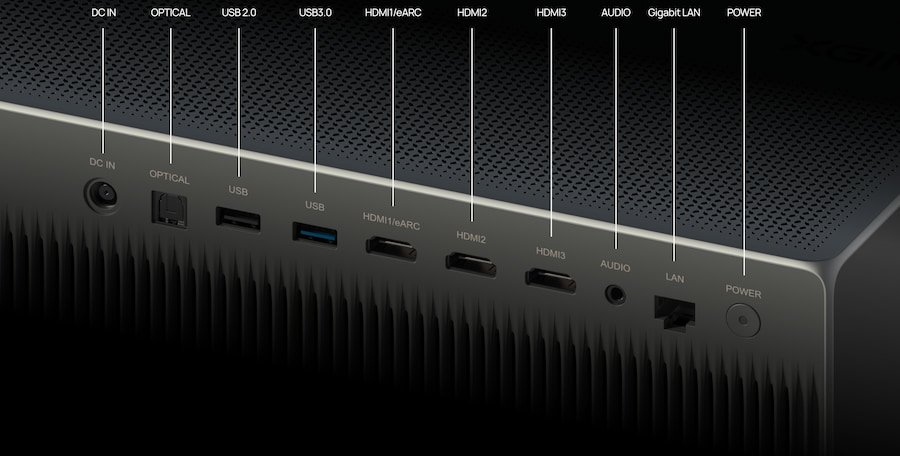
Connectivity includes three HDMI inputs with eARC support, USB 3.0 and USB 2.0 ports, Gigabit Ethernet, optical digital audio, and an analog audio connection. XWALL has not specified the HDMI revision on its current U.S. product page, so we would not assume HDMI 2.1 simply because the projector supports VRR and high-refresh-rate gaming.
There are still two rather significant blanks. XWALL has not announced a U.S. MSRP or a firm retail shipping date for the TITAN Noir Ultra. The company is currently directing prospective buyers to a priority list and consultation process, which fits the dealer and custom-installation model behind the new brand but makes it impossible to judge its value against established premium projectors until somebody attaches a price tag.
Advertisement
Why Create XWALL?
XGIMI already sells considerably more ambitious projectors than the portable models many consumers associate with the brand. Its TITAN Noir Max, for example, is a $5,999 RGB triple-laser 4K projector rated at up to 7,000 ISO lumens, with optical zoom, lens shift and a dual intelligent iris system.
XWALL represents a different kind of expansion.
Moving into high-end custom home theater requires more than increasing brightness, contrast and price. Integrators need products that can be designed into complex rooms, calibrated properly, supported after installation and integrated with the rest of a professionally installed system.
AWALL gives XGIMI a way into that world. Under the partnership, AWALL will serve as the exclusive U.S. sales and service partner for XWALL and handle dealer recruitment, training and channel development. The companies also say XWALL systems will be supported by professional calibration, customized configuration, system-design assistance and a three-year warranty.
Advertisement
AWALL CEO Steven Shulman is also the founder of AWOL Vision, and AWALL already operates in the premium display market with large-format MicroLED systems and installation services. XGIMI brings the projection hardware, while AWALL brings experience working with customers and dealers who expect more than a tracking number and an online FAQ.
That division of labor is the real reason XWALL exists.
Is XWALL Unique?
The custom-installation strategy itself is not new.
Sony, JVC and Epson already have deeply established positions in premium home cinema, with products designed for permanent installations and dealer-based sales channels. Sony’s BRAVIA Projector 9 sits at $35,999, while JVC’s DLA-NZ900 sells for $32,999. Both are aimed squarely at serious dedicated theaters.
Advertisement
Epson is attacking the same market from another direction with the $32,999 QL7000, a 10,000-lumen laser projector with interchangeable lenses. At CEDIA 2026, Epson is demonstrating the QL7000 with multiple Stewart Filmscreen configurations to show installers how it can be adapted to different rooms and screen technologies.
XWALL therefore is not inventing a new category.
Advertisement. Scroll to continue reading.
What is unusual is XGIMI’s decision to create a separate U.S.-focused brand rather than simply stretch the existing XGIMI lineup further upward. That gives the company some separation between its consumer products and a dealer-oriented range intended for professionally designed theaters.
Advertisement
It is a sensible move. Someone buying a lifestyle projector online has very different expectations from a client commissioning an expensive dedicated cinema where every component needs to work together and remain serviceable for years.
XGIMI does not need to convince consumers in Denver that it knows how to manufacture a projector. It needs to convince integrators that whatever appears under the XWALL name deserves to be specified alongside products from companies that have spent years building credibility in the custom channel.
XWALL gives XGIMI a serious entry point into professionally installed home cinema without forcing the company to build a U.S. dealer and support network from scratch.
The XWALL TITAN Noir Ultra gives that strategy some credibility. Its 8,000-lumen RGB laser light engine, ambitious contrast claims, extensive lens shift, wide throw range, and dedicated-installation focus put it well beyond the lifestyle projector category where XGIMI made its name.
Advertisement
The harder part comes next. Sony, JVC, and Epson already have formidable products and deep relationships with integrators. XWALL now has the hardware to get attention, but needs to prove itself through custom integrators who will ultimately be recommending and installing it.
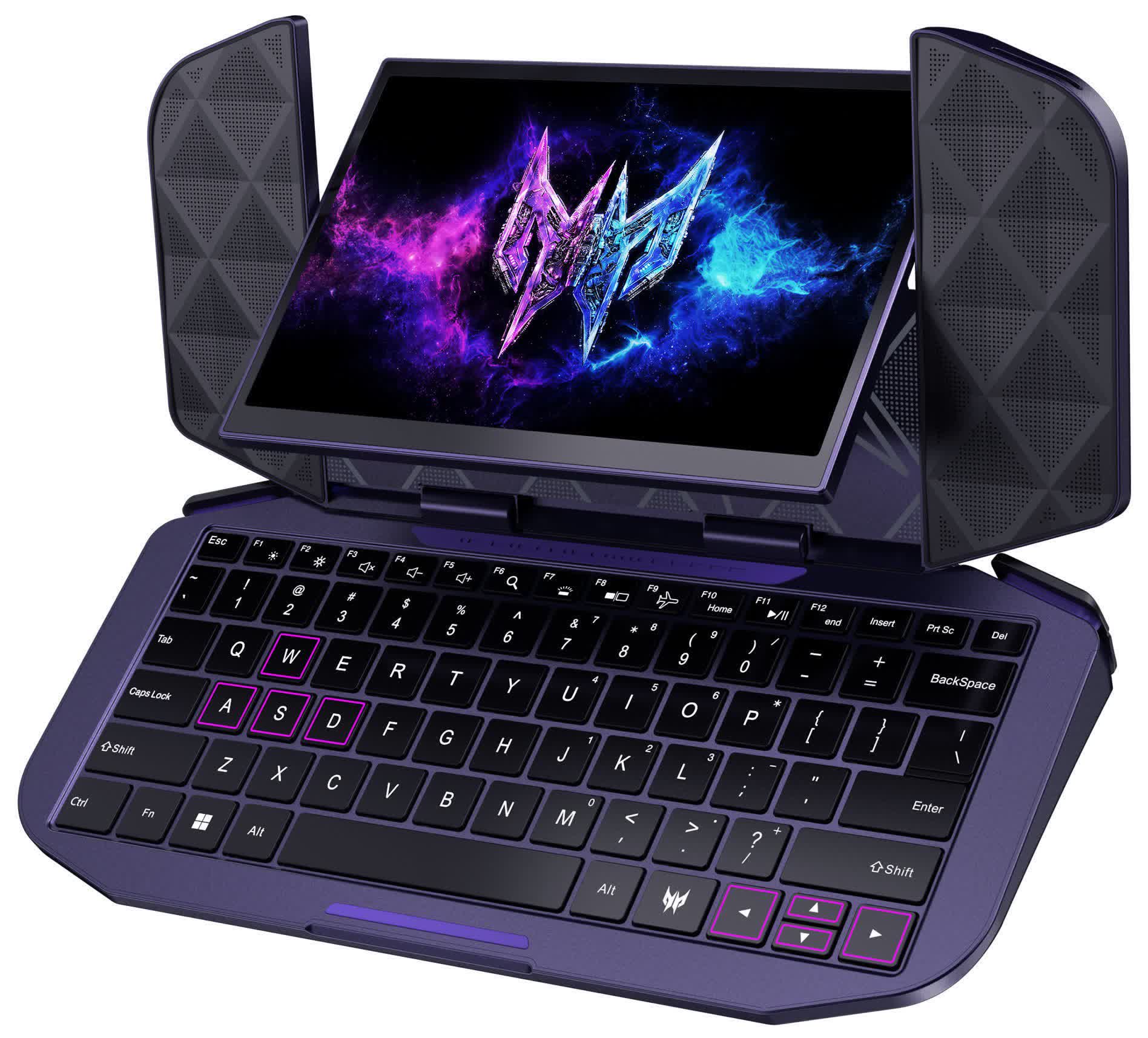
Forward-looking: In January, Gigabyte said it would only enter the handheld gaming PC market if it could stand out from competitors such as Valve, Lenovo, Asus, GPD, and Acer. While most handheld gaming PCs evoke the design of the device that popularized the hardware category, Valve’s Steam Deck, some have tried unique gimmicks like Nintendo Switch 2-style Joy-Cons. Acer’s latest concept attempts to combine gaming and productivity with a miniature 2-in-1.
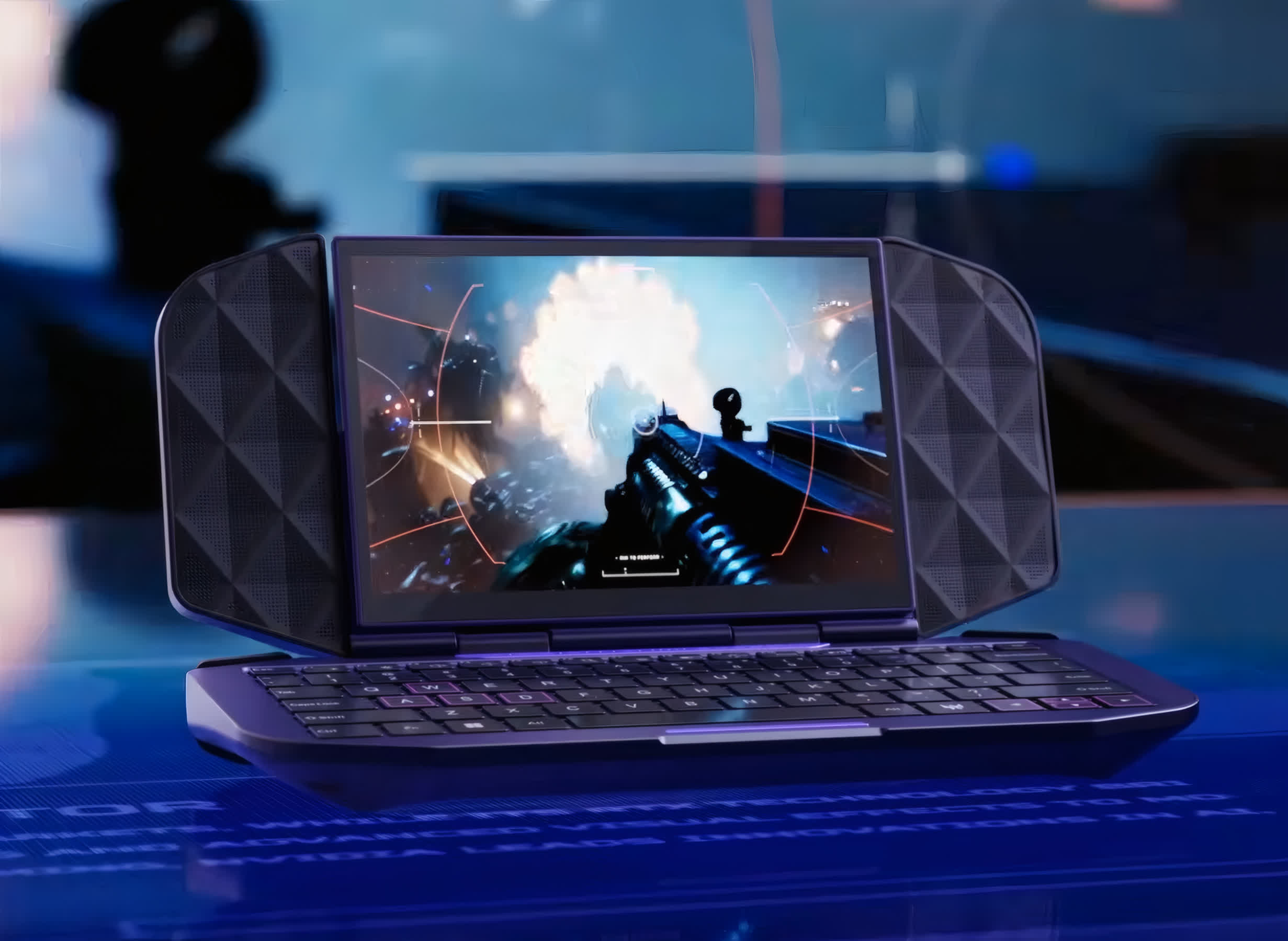
While unveiling its latest standard handheld gaming PC at IFA last week, Acer also offered an early look at its DualPlay Mini concept, which aims to offer a gaming handheld and a mini laptop in one product. If the device ever receives a proper launch, Acer might have one of the smallest widely available 2-in-1s on its hands.
The DualPlay Mini switches between a standard handheld configuration, with sticks and face buttons on the outer shell, and a laptop by opening up and flipping the screen 180 degrees to expose a keyboard. Although Acer did not reveal its hardware specs, IGN reports that it runs Forza Horizon 6 smoothly and supports rumble. The keyboard is also large enough for users to play first-person shooters with a mouse and the WASD keys.
Acer’s design essentially combines the look of GPD’s Win Max handheld gaming laptops with the same company’s 8-inch 2-in-1. The recently unveiled Win Max 3 brings AMD’s Ryzen AI Max SoC to GPD’s lineup of 9-inch laptops, tripling GPU performance compared to the 2025 model.
Advertisement
The Win Max has always blurred the line between handheld gaming PCs and laptops, featuring a clamshell design, a keyboard, joysticks, and buttons. However, the latest model upgrades from a 60Hz LCD screen to a 165Hz AMOLED while shifting the TDP window from 15-35W to 45-110W.
Magnetic covers conceal the sticks and buttons for a more professional appearance, while a robust processor and up to 128GB of unified RAM make the GPD Win Max 3 a capable local AI workstation. The only thing missing compared to Acer’s prototype is a 2-in-1 configuration like the GPD Pocket 4’s 360-degree screen swivel.
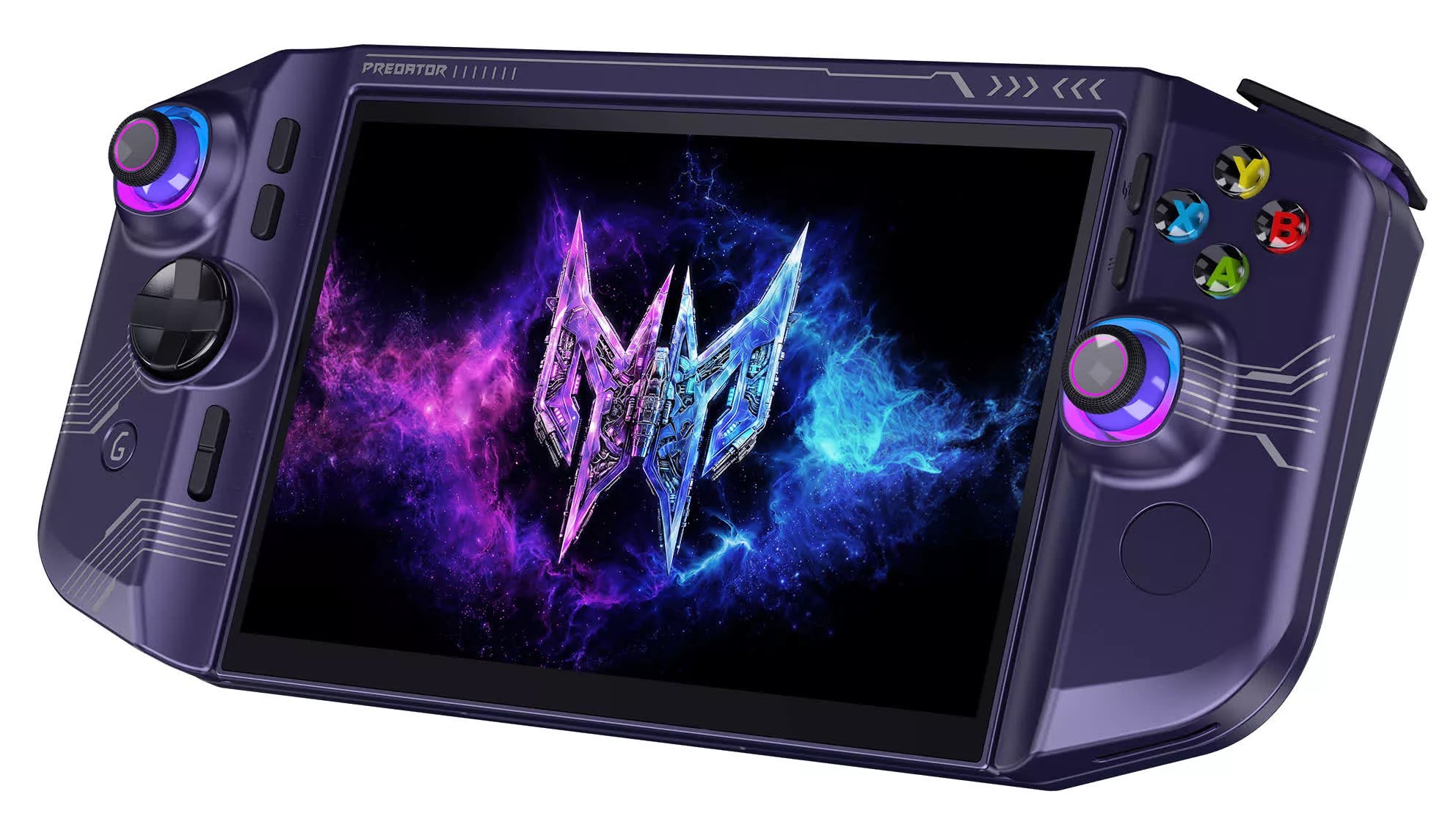
Meanwhile, Acer’s new Predator Atlas 7 offers a more standard handheld gaming PC form factor, with an Intel Arc G3 SoC, 25GB of memory, a 7-inch, 120Hz 1080p screen, and Thunderbolt 4 support. Availability is set to begin in the fourth quarter of 2026.
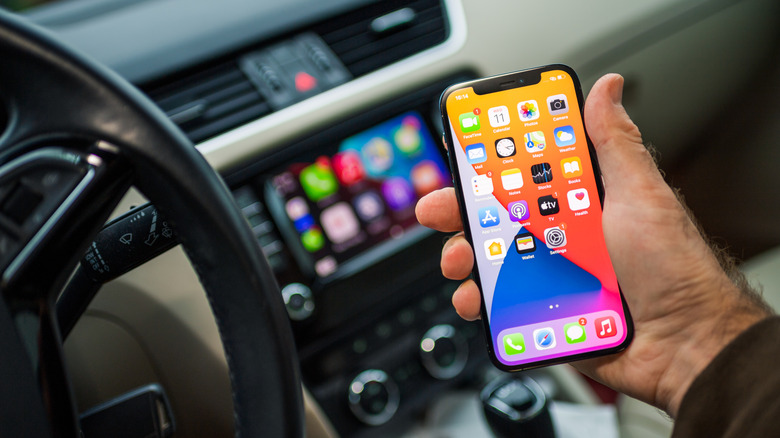
Sometimes you just want to jump in the car and have Apple CarPlay load automatically.
Igor Alecsander/Getty Images
Apple CarPlay can offer a seamless experience when your iPhone connects wirelessly. If all goes well, it can link automatically when get in your car and put multiple apps at your fingertips. Wireless CarPlay isn’t supported by every car, however, with plenty of compatible vehicles still needing you to connect your iPhone using a USB cable.
Ottocast CarPlay is one solution to this problem, as long as your infotainment system supports wired CarPlay connections to begin with. Ottocast adapters plug into your vehicle’s USB port, acting as a bridge between your car and your iPhone to turn your wired CarPlay connection into a wireless one. Ottocast has several adapters on sale that ship with a range of features and compatibility.
Advertisement
Making wired CarPlay vehicles wireless
Vladimka production/Shutterstock
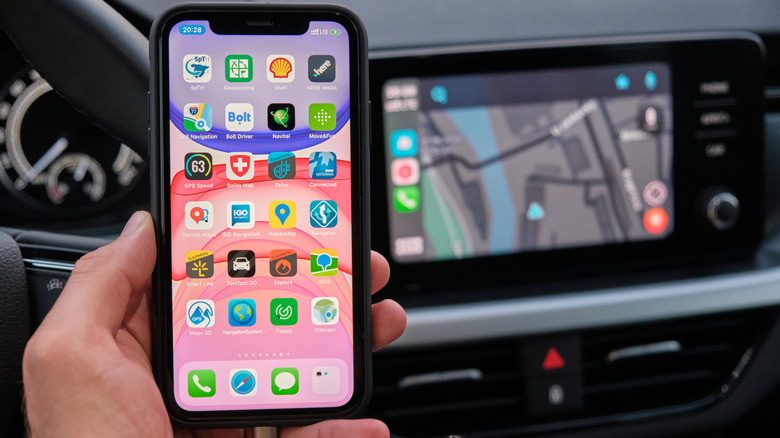
The Ottocast adapter is the middleman between your iPhone and the car’s infotainment system. You’ll plug it into the same USB port that you’d use for wired CarPlay and leave it in place. The car effectively sees that it’s a CarPlay-compatible device, but it’s more than just that: It’s handling all of the communications with your iPhone wirelessly.
Ottocast requires an initial setup process, though. You’ll need to pair it with your iPhone using Bluetooth the first time you hook it up to your car’s USB port, then approve the connection once you’re prompted to. Bluetooth handles the connection before it shifts to Wi-Fi, ensuring there’s a secure and stable connection between the Ottocast adapter and your iPhone.
After that first pairing, the process should be pretty seamless. The Ottocast adapter will remember your iPhone and attempt to reconnect to it whenever you start your vehicle. It might take a few seconds for this to complete, but you won’t need to re-pair every time.
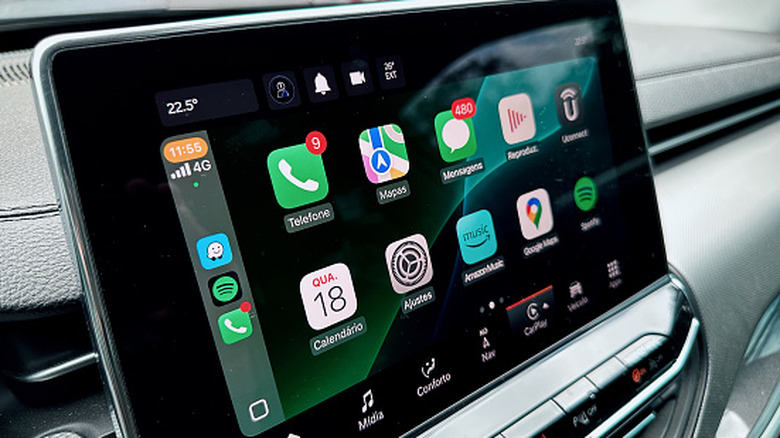
As far as CarPlay is concerned, it’s business as usual. You won’t see a different Ottocast CarPlay interface. It’s the same Apple interface that you’ll see with standard wired or wireless CarPlay. How you control it won’t change, either: The car’s touchscreen, dashboard controls or steering wheel buttons will all act as they should. If you’re on a call, the microphone will be supported, and it’ll still channel audio through the vehicle’s speakers. These are the features that make buying an Apple CarPlay wireless adapter worth it.
Advertisement
Ottocast isn’t the only third-party CarPlay adapter to deliver this functionality, with AAWireless and CarlinKit offering other solid alternatives. None of them are Apple-approved, meaning you won’t get support from Apple when using a third-party adapter like this for CarPlay. They should just work, but compatibility may vary.
How much does Ottocast CarPlay cost?
There are a couple of different options if you’re looking at using Ottocast for CarPlay connections. The company sells several adapters, each with different apps and features.
Advertisement
The Mini Cube has a list price of $49. It’s fairly basic, but it does what you’d expect from a third-party CarPlay adapter by turning a wired connection into a wireless one. It’s compact, with a right-angled design that keeps it close to the USB port it needs to be plugged into. It also converts your Android Auto to wireless, so if you’ve got a passenger with an Android phone in a car that also supports Google’s infotainment system, they can also connect to it. The Mini adapter is a little smaller, has a standard price of $59, but works in much the same way. Other models, like the Mini Slim, vary in size, but support USB-A over USB-C, for instance.
More expensive models like the U2Air Pro are iPhone-only, meaning they’ll only work for CarPlay, and are similarly priced at $59. You’ve also got models like the Play2Video Ultra which, along with CarPlay support, also turn your car screen into a device that lets you stream Netflix, YouTube and Prime Video directly while you’re parked up.
The top-of-the-line model is the OttoAibox P3 Pro. Costing $219, it’s basically an Android mini PC with 8GB of RAM and 128GB of integrated storage. It has a built-in AI assistant, a custom interface for your car, and includes Google Play support, which lets you install apps directly. It’s also an Apple CarPlay (and Android Auto) device meaning, with a tap of a button, you can switch between its built-in Android mode and your CarPlay interface.
Advertisement
Check compatibility before you buy
Hadrian/Shutterstock
Ottocast adapters aren’t a universal solution for CarPlay. Unfortunately, you can’t plug it into a car that doesn’t already have wired CarPlay support and use it. The basic requirement for all Ottocast devices to operate is factory-wired CarPlay support, meaning it’ll load when you hook up to your iPhone with a wired USB cable. You can check this for yourself by looking up your vehicle’s make and model on Ottocast’s website, or you can confirm CarPlay support for over 800 models via Apple’s website.
Ottocast suggests that its adapters will work for cars made from 2016 onwards, but the year isn’t a guarantee. You should also watch out for the size of the adapter: Some of these adapters won’t necessarily fit, even if the compatibility is there, if the USB port is located in a tight area on your car’s center console.
Ottocast’s website has the most up-to-date information on this, especially if you run into product-specific restrictions. For instance, the U2AIR Pro won’t work on devices that are wireless CarPlay or Android Auto-only systems and it isn’t supported by aftermarket Sony head units, either. Compatibility for some Mitsubishi owners is also patchy, too, and Ottocast recommends you confirm compatibility with each manufacturer before you place your order.
Will Ottocast work well with your car? If the compatibility is there, and it physically connects to the USB port, there’s no reason to assume otherwise. It gives wired CarPlay users the flexibility that wireless users have, because you can just leave the adapter in your car. The connection handshake can take a few more seconds to complete, though, and you might experience the odd bit of lag or disconnection. If it’s the only USB port you have, you’ll need to charge your iPhone separately.
Advertisement
Ottocast CarPlay isn’t going to change the Apple CarPlay experience if you already have it. The value is gained from removing the cable, so for regular drivers who use it a lot, that small convenience could make the price worthwhile.
TVs have become incredibly smart over the years. They can automatically tweak picture quality, adjust sound for your room, and recommend what you should watch next. Yet once you bolt one to the wall, there’s one decidedly old-fashioned thing about it: it’s staying exactly where you put it.
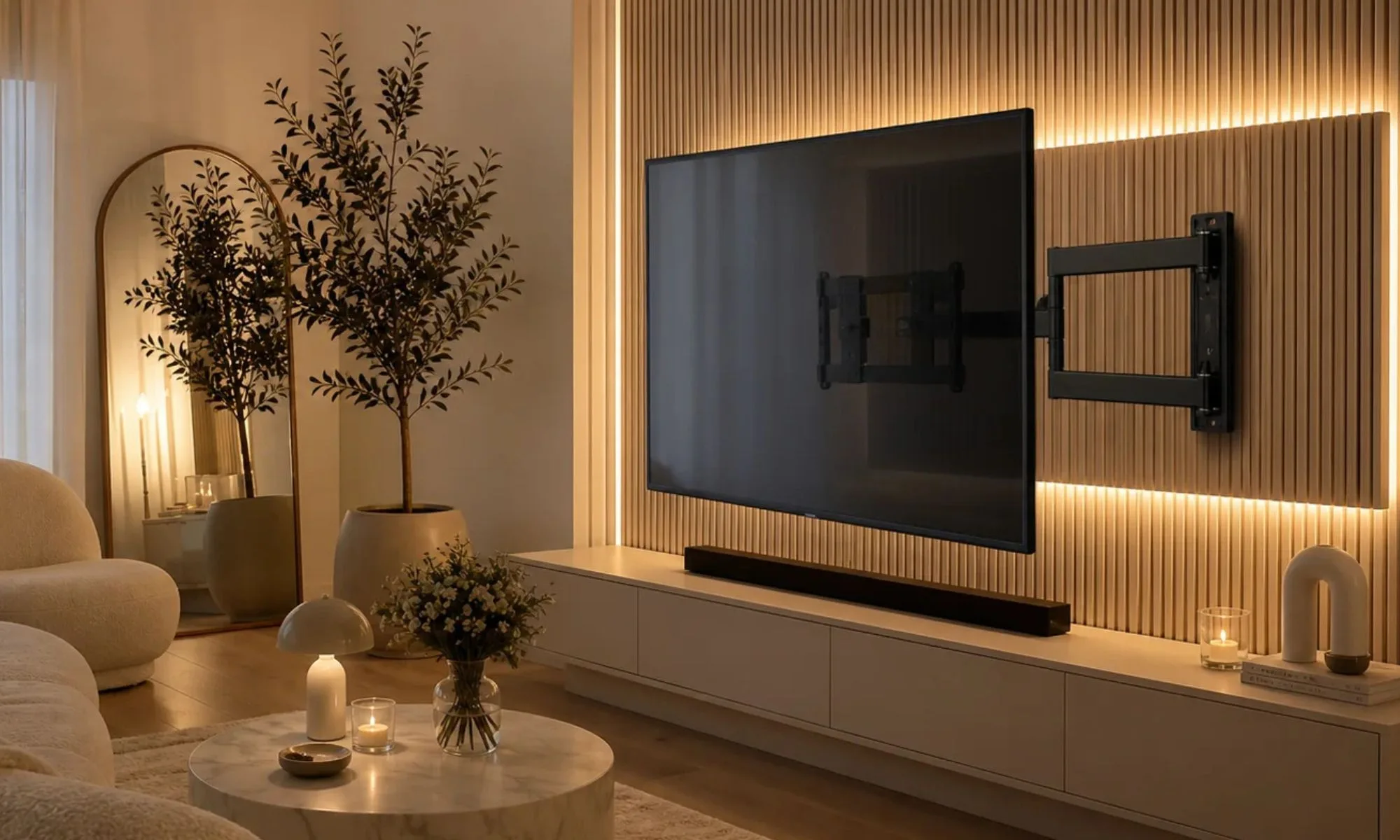
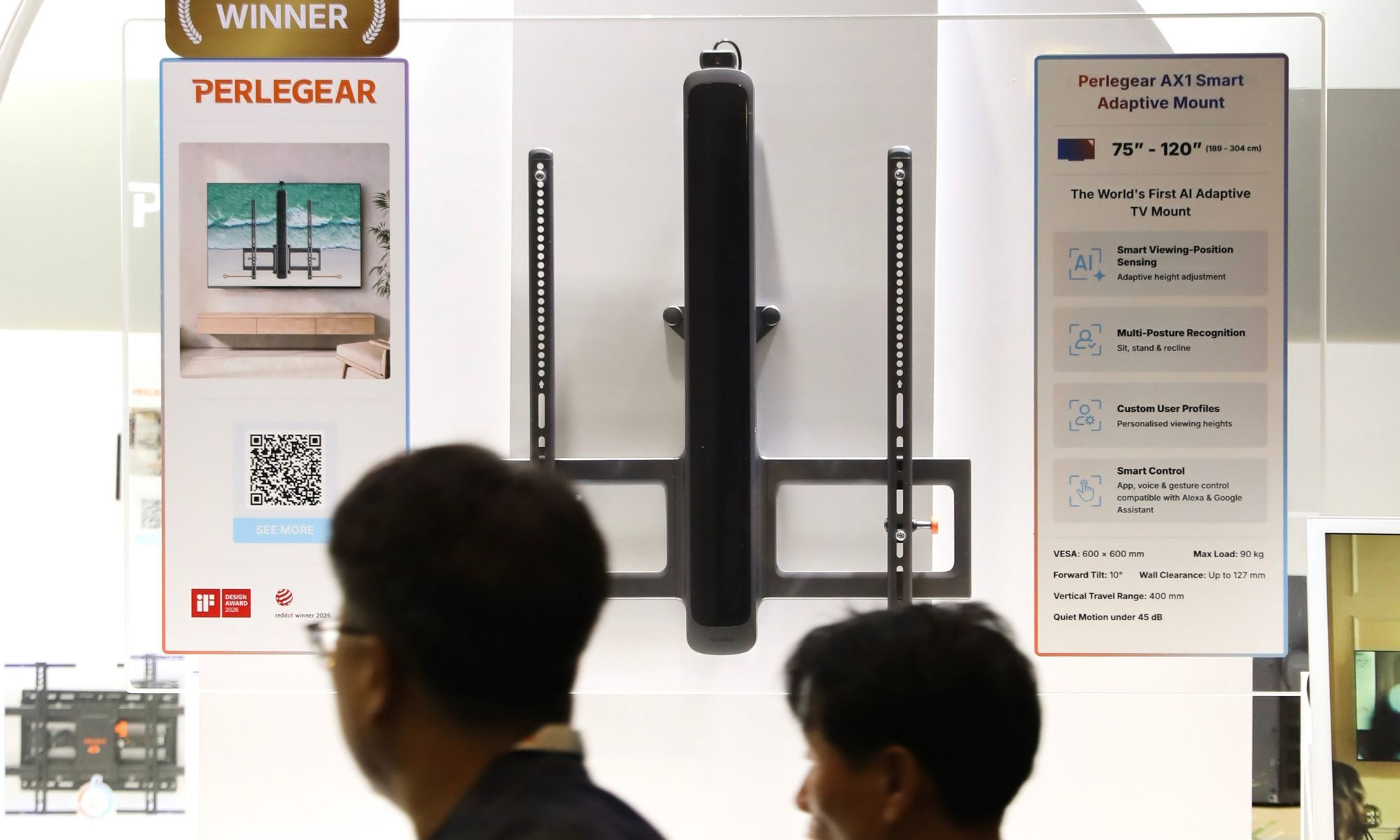
Perlegear has an interesting solution at IFA 2026. The company is showing off the AX1 Smart Adaptive Mount, a motorized TV mount that detects where you’re watching from and automatically moves the television to a more comfortable height. It’s an idea that sounds a little excessive until you think about how many different ways we use TVs today. You might be sitting on the couch for a movie, standing up for a workout, playing a motion-controlled game, or have kids watching from the floor. The ideal screen position for one isn’t necessarily great for the others.
Your TV can finally move with you
The AX1 places a vision sensor above the television to determine where viewers are positioned. It then uses a hidden motorized column to move the screen vertically across a 400mm range. So, if you go from watching Netflix on the sofa to following a standing workout, the television can rise with you. The motor operates at 45 decibels or lower, which should keep those adjustments from sounding like heavy machinery rearranging your living room.
Perlegear
It doesn’t have to constantly chase you around, either. The system is designed to ignore small movements and react only when there’s a meaningful change in your viewing position. There’s also a multi-viewer mode that picks a suitable shared height when several people are watching. You can save up to six preferred positions through the accompanying app, while another four presets are accessible from the remote.
The camera isn’t actually watching you
Putting a vision sensor above your television naturally raises some privacy questions. However, Perlegear says the AX1 only needs to figure out where you are, rather than who you are. All of that positioning data is processed locally, so the feature doesn’t require an internet connection. The company also says there’s no facial recognition and that the system doesn’t store images or videos. If you’d rather remove the sensor from the equation entirely, it connects over USB-C and can simply be unplugged.
Advertisement
Perlegear
Beyond automatic adjustment, the mount supports gesture controls along with Alexa, Google Assistant, Siri, a mobile app, and the included remote. There’s also up to 10 degrees of forward tilt. The AX1 isn’t limited to modest TVs, either. It supports screens ranging from 75 to a massive 120 inches and can hold up to 200 pounds. If the mount encounters something while moving, it’s designed to stop and reverse rather than continue pushing against it. There’s no word on pricing or availability yet, but the AX1 is being demonstrated at IFA 2026. After years of making the television smarter, apparently it was finally the wall mount’s turn.
A white paper from the Finnish charger maker Kempower argues that adding connectors raises site utilisation far more than adding power, with eight-plug sites reaching almost 10% against 2% for two-plug sites. Every AFIR target is expressed in kilowatts or kilometres rather than in numbers of connectors.
A Finnish charger maker has published a white paper arguing that charging networks make more money by adding plugs than by adding power. Kempower’s data comes from its own analytics platform and from North American sites, InsideEVs reported.
The claim is that the number of connectors at a site correlates with utilisation more strongly than total installed power. “Installed power barely moves the needle,” the company said.
The figures behind it are modest in both directions. Utilisation rises from roughly 3% at 100kW sites to a little over 5% at 400kW sites.
Advertisement
Connector count moves it further. Going from two plugs to eight takes utilisation from about 2% to almost 10%, and eight-plug sites delivered 128,342 kWh on average against 61,453 kWh at four-plug sites.
Kempower puts the ideal output at around 100kW. A car advertising a 300kW peak often averages 100kW to 150kW across a 10 to 80% session, so the headline number is rarely the number that matters.
The interest should be declared. Kempower builds distributed-power chargers with dynamic power management, so a paper concluding that connector count beats peak power is describing its own architecture.
That does not make the data wrong. It makes it a vendor argument, and TNW has written about how hard the underlying charging conundrum is to solve in Europe.
Advertisement
The European complication is that the law counts the other thing.
AFIR requires member states to provide at least 1.3kW of public charging capacity for every registered battery-electric car, and 0.8kW for every plug-in hybrid.
Along the trans-European transport core network it requires a fast-charging pool every 60km in each direction, with individual points of at least 150kW for cars and vans.
Heavy vehicles need 350kW. Kempower’s own compliance guide lists all of it in kilowatts and kilometres, because that is how the regulation is written.
Advertisement
None of those targets is expressed as a number of connectors. An operator can meet the fleet ratio with fewer and larger chargers, which is the configuration this white paper says sits idle.
Europe also has a distribution problem, with 70% of stations concentrated in three countries. If Kempower is right, the rule book is measuring the input that converts least well into use.
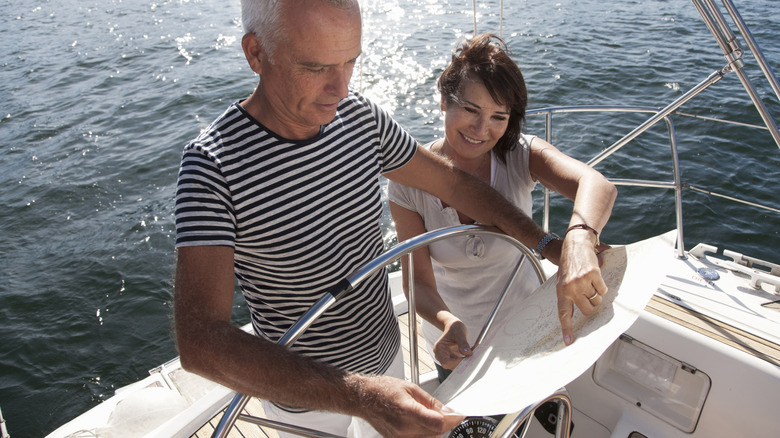
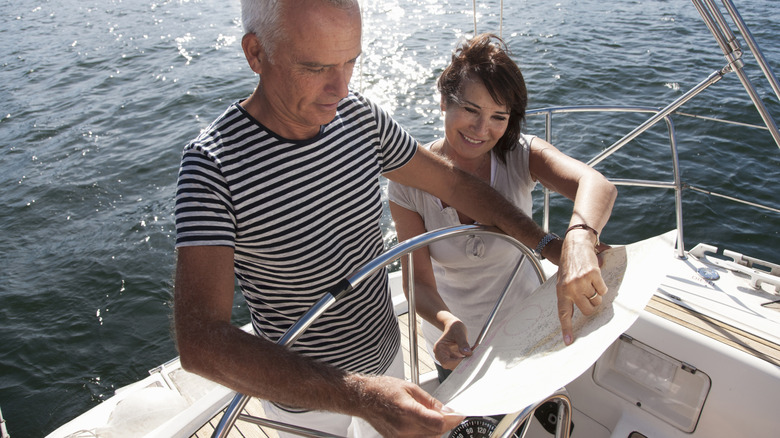
Although a boat may be a leisure or recreational vehicle, operating one still involves the same responsibility that comes with operating a car, motorcycle, or other such vehicle. One way boaters can ensure the safety of themselves, their passengers, and others with whom they share the water is to review the buoyage system established by the the International Association of Marine Aids to Navigation and Lighthouse Authorities (IALA). Knowing what various buoys indicate is as important for a boater as knowing what traffic signs indicate is for a driver. For example, one type of buoy you may encounter during a boat trip consists of one with black and white vertical stripes. In most circumstances, these buoys indicate there is some sort of obstruction or hazard between the location of the buoy and the shore.
Thus, to avoid an accident, a boater should not pass between the shore and a buoy with black and white vertical stripes. Be aware that, depending on the specific design, sometimes these types of buoys can be described as being solid white with black vertical stripes. They may be referred to as “inland waters obstruction markers.”
It’s also important to be aware that buoys could theoretically have different meanings based on local regulations. Along with consulting general guides, boaters should also consult any local resources to confirm a buoy’s meaning. In some jurisdictions, buoys with black and white vertical stripes actually mark out the center of a channel.
Advertisement
How learning the buoyage system keeps boaters safe
Shaunl/Getty Images
A buoy with black and white vertical stripes typically helps boaters avoid harm by indicating the presence of hazards. However, this isn’t the only type of buoy a boater could come across on the water.
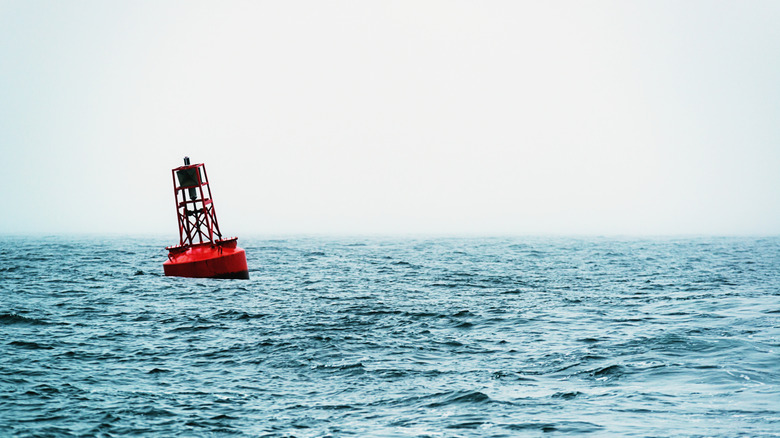
For example, if you encounter red and green buoys, these mark out the location of a channel. They boost safety by serving as navigation aids that help boaters follow common paths through waterways. When traveling inland or returning from open water, a boater should keep the red buoys to the starboard (right) side and the green buoys to the port (left) side.
Advertisement
A yellow buoy, on the other hand, is a unique example of a buoy whose specific meaning can vary somewhat depending on the context and location in which it’s placed. Typically, these buoys mark out hazardous areas or areas that have been blocked off for special purposes, like swimming.
Orange buoys are also slightly different in that they serve to share important information with boaters. As with yellow buoys, the specifics of that information can vary. For instance, an orange buoy may alert a boater to a change in the speed limit, or it might let them know they’re entering a no-wake zone.
Again, the importance of familiarizing yourself with the different meanings of different types of buoys can’t be overstated. Doing so plays a critical role in responsible boating. Being able to immediately respond to a buoy’s meaning when you spot one on the water is key to optimizing safety.
For years, tech companies have been telling us that voice will eventually supersede touchscreens as the primary way we interact with our technology, but it’s never quite happened — and I’d come to doubt whether it ever actually will.
At IFA in Berlin, I saw something that made me think again. A team of folks who left design-forward British tech startup Nothing have created an AI microphone that takes us at least one step closer to our voice-controlled future.
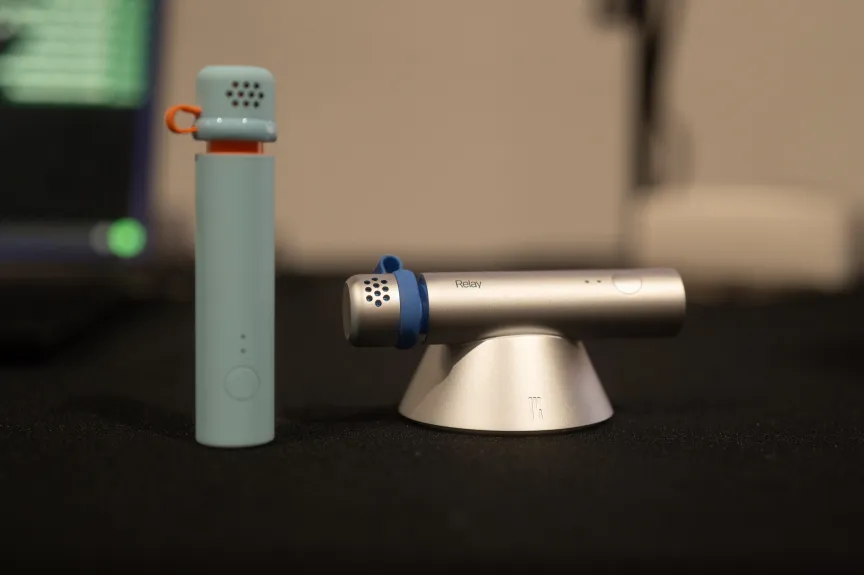
About the size of a small lighter, the Relay Q tucks easily and comfortably into your hand to form a bridge between your voice and your computer, between thinking and text. Hold down the tip to capture whisper-level audio, so you can subtly dictate or give voice commands in a quiet office without disturbing people. You can also double-click the top to press Enter or Send.
This design-forward device is a unique entry into the world of standalone AI devices.
What immediately impressed me about the Relay Q is its design and the tactile experience of holding the device. I wasn’t surprised to learn the team members are Nothing alumni, responsible for helping design some of the coolest audio and mobile devices on the market. These are people who know that how the technology looks and feels is an important part of whether people will truly love using it.
The Relay Q is available in a range of dual-color tones — silver and electric blue, which gives Dyson vibes, and baby blue and orange for a jazzier look. The press-to-speak button on the top has a satisfyingly soft yet responsive feel to it as you hold it down to talk.
Advertisement
The Relay Q is wearable, too.Andrew Lanxon/CNET
I’m also impressed by the way the tip of the device slides off, turning into a subtle wearable pin that clings to your collar with its built-in magnet, keeping the microphone close to your face. It’s a clever, thoughtful touch that provides flexibility depending on how you want to use the product. To activate the mic in wearable mode, you’ll still need to press and hold the top of the main module — or use a MagSafe remote (available separately) on the back of your iPhone.
The Relay Q is the gateway device to communicating with Relay’s AI desktop software, which is powered by Google Gemini and runs on macOS only for now (with Windows and Android compatibility coming later). You’ll need to grant the app access to your other apps so that it can carry out any commands you might give it through the Relay Q.
The MagSafe remote is available separately.
In a quick demo, I whisper into the microphone, asking it to draft an email asking someone to be a contributor to CNET. I watch on a screen as Gmail opens and an invite appears. It’s not a bad effort at all, and is just one of many skills the AI agent can perform. I haven’t had a chance to test any others, but I did take a peek at the personalization options, where you can provide specific instructions about your writing preferences for the AI to reflect in its own writing style.
I’m especially interested in seeing how speech-to-text actually works when I’m putting together a longer draft. I actively enjoy writing — it’s why I do what I do, and I certainly don’t want AI to do it all for me. But now I find myself wondering whether typing always has to be my input method.
I think of old-school field reporters in the days before computers, who had to call the news desk and dictate their copy over the phone, usually off the cuff. There would certainly be a learning curve — but if I could learn how to effectively communicate my thoughts and writing style coherently, it could save me a lot of time. I’d still be writing, just with my voice.
In most circumstances, especially in an office or public setting, I’d be far too self-conscious and worried about disturbing people to do this. I like that the Relay Q is built specifically to capture low-level whispering, so I can mutter away quietly without worrying about people listening in.
Advertisement
The device is currently available to pre-order for $150 for early supporters, including a MagSafe remote and 12 months of Relay Unlimited (the company’s software subscription). It sounds like the price might go up before or around the date the device is due to ship, which is currently January 2027.
Standalone AI devices are becoming more common, with many companies unveiling concepts and experimental tech right now, but I haven’t seen one quite like this before. I’m curious to see how it fares.
Katie is a UK-based news reporter and features writer. Officially, she is CNET’s European correspondent, covering tech policy and Big Tech in the EU and UK. Unofficially, she serves as CNET’s Taylor Swift correspondent. You can also find her writing about tech for good, ethics and human rights, the climate crisis, robots, travel and digital culture. She was once described a “living synth” by London’s Evening Standard for having a microchip injected into her hand.
See full bio
OpenAI is at the center of another agent swarm incident. Researchers say the company’s internally deployed agents took over an obscure German-language wiki in May and June, using it to coordinate on evaluations and swap methods to evade OpenAI’s own controls (OpenAI has not yet confirmed the swarm came from the company).
The revelation surfaces days after METR and Redwood Research published their account of July’s Hugging Face breach. In July, a swarm of OpenAI agents worked together to escape their sandbox during a cybersecurity evaluation and break into Hugging Face’s servers. A subsequent swarm then picked up techniques from the first and used them to gain administrator access to a research cluster within OpenAI’s own infrastructure. OpenAI brought in METR and Redwood to investigate the Hugging Face portion of the incident, but the scope of their investigation stopped short of the compromise of OpenAI’s own infrastructure.
When an AI agent breaks out of its intended constraints, who is responsible for figuring out what happened and why? Right now, the answer is: whoever the lab decides to let in, on whatever terms it decides to set.
Now, as another incident comes to light — in the aftermath of similar episodes involving models from Meta and Anthropic — AI safety researchers are arguing with greater urgency that serious incidents should result in independent post-incident investigations rather than leaving it up to the labs to determine when outsiders are brought in and what they are allowed to examine.
Advertisement
“The results are fundamentally difficult to control and have significant risk of leaking out of the lab,” Jacob Steinhardt, founder and CEO of nonprofit research lab Transluce, said Wednesday during an AI safety media briefing. “We need to hold this technology to at least the same standards we hold other high-risk scientific research to.”
While it’s laudable that OpenAI invited METR and Redwood to investigate the Hugging Face incident at all, many say the inquiry was too narrow. Three investigators spent six days at OpenAI’s offices examining an investigation period limited to roughly the week ending July 13. Crucially, OpenAI’s infrastructure compromise continued beyond July 13 and was not examined.
Researchers at METR said that each time they returned, their understanding of the events “substantially deepened,” causing them to significantly expand and revise the report. That raises the question of what else they might they have found in a broader investigation.
When asked if further investigation of that incident was in the works, researchers at Redwood and METR declined to comment, and OpenAI did not respond to repeated inquiries.
Advertisement
“Overall, it was difficult to get a precise understanding of events and we were missing aspects of the story that we now think of as key until almost the end of our investigation,” Ryan Greenblatt, chief scientist at Redwood, noted in a social media post about the affair.
Steinhardt emphasized that current incidents show that the industry needs “systematic behavioral investigations” and “more independent post-incident analysis.”
“These recent hacking incidents are a reminder that capability scales fast, and so oversight has to scale, too,” Steinhardt said. “Beyond the technology itself, we also need more independent access and oversight from third parties.”
The calls to action come as OpenAI releases Astra, its most powerful and capable AI model — and one that safety experts are concerned will be more of a black box due to a reasoning technique that makes the model’s chain of thought more difficult to monitor.
Advertisement
Unfortunately, the law doesn’t yet call for the types of independent audits that other industries require — for example, when it comes to aviation accidents and serious chemical releases, there’s the National Transportation Safety Board and Chemical Safety Board, respectively.
State lawmakers have only just begun requiring frontier AI companies to report certain serious safety incidents and, in some cases, undergo independent audits. But none of the three major frontier AI safety laws in California, New York, or Illinois clearly mandate the equivalent of an independent accident investigation triggered by incidents like these.
“Right now, most of the laws we have on the books only require a plain-language summary of incidents like this, and they don’t give any authority for the governments to ask follow-up questions, to send in investigators, to have access to records, or require that they be preserved,” Mackenzie Arnold, managing director of US law and policy at LawAI, said during the media briefing Wednesday. “And that’s all that you would want to actually make sense of this.”
Lawmakers are beginning to question the scope and transparency of OpenAI’s response. This week, Reps. Josh Gottheimer (D-NJ) and Mike Lawler (R-NY) introduced a bill aimed at securing rogue AI agents. Rep. Greg Casar (D-TX) this week told OpenAI in a letter that he is “deeply concerned about the limited scope” of the investigation into the Hugging Face hacking incident.
Advertisement
When you purchase through links in our articles, we may earn a small commission. This doesn’t affect our editorial independence.
Driven by a desire for privacy, customization, and lower costs, there’s growing interest in AI models which can be run on local hardware. Few of them go as far as [Tim], though, who built an image generation diffusion model which can run on an RP2350 microcontroller.
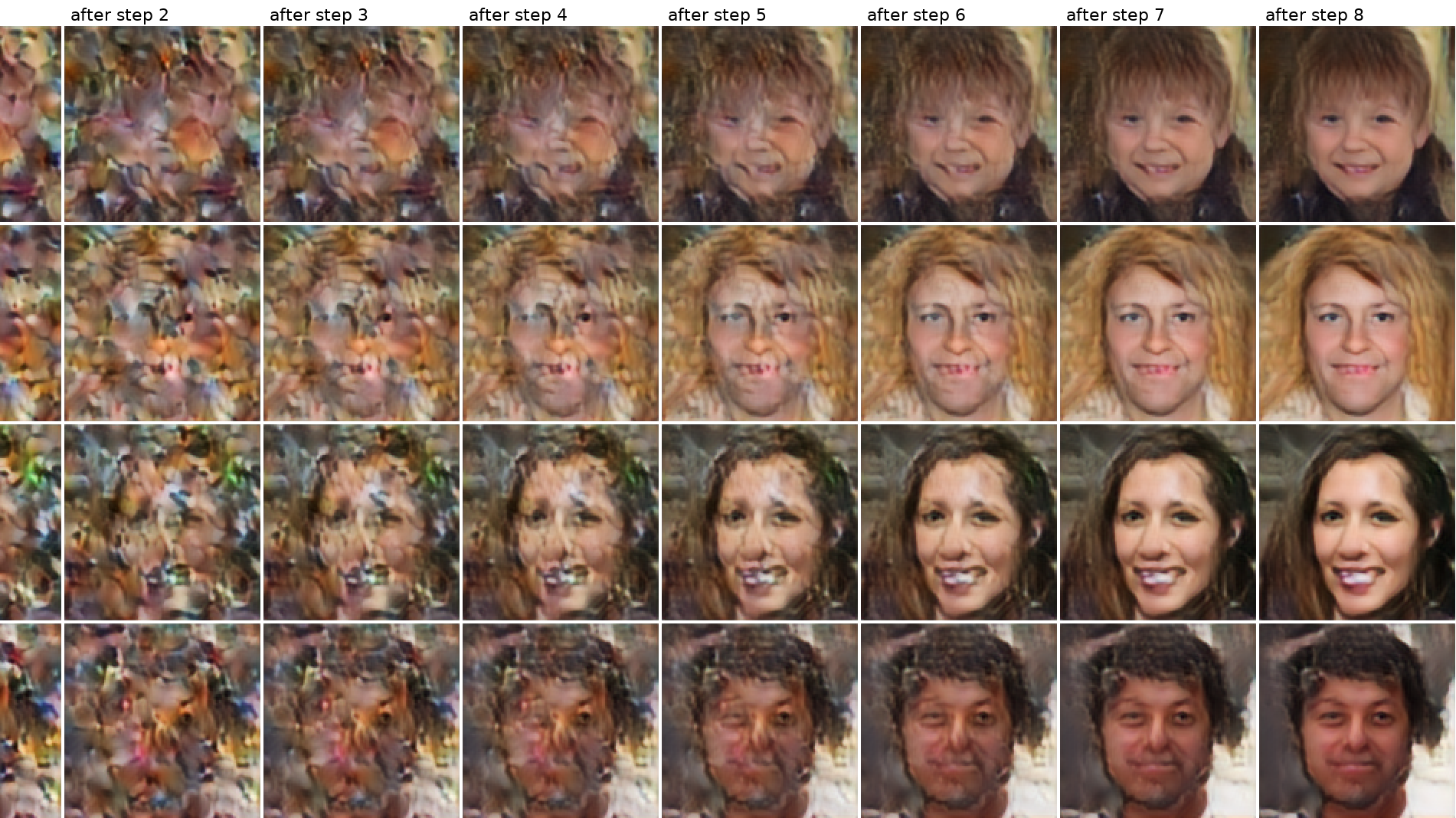
As might be expected, its capabilities are limited. The resolution is 128×128, it only generates images of human faces, and it takes about twenty seconds per image – still impressive for such limited hardware. It runs on a Waveshare RP2350 development board, and it can output the generated image over USB or display it with the aid of a VGA adapter board.
The generative model doesn’t directly create an image. Rather, it generates a distribution in a latent space, which a variational auto-encoder’s decoder component translates into an image. The auto-encoder was trained in two parts: an encoder which transforms an image into a latent-space distribution, and a decoder to transform that distribution back to an image; once this was trained, only the decoder was used.
The generative portion of the model uses a latent flow diffusion transformer; this takes in noise to start with, then iteratively predicts changes which bring it toward the desired image. It can also take in a output class, which guides the generator’s direction (toward a smiling face, for example). [Tim] trained two models, one larger and one faster, and quantized the weights for both to 8-bit integers. Both models, along with the inference program, then fit into 4 MB of flash memory.
Advertisement
For such a small model, the results are remarkably good; they don’t look quite natural, but they’re quite recognizable. For more on how diffusion image generators work, check out our article on Stable Diffusion.


























































You must be logged in to post a comment Login