


 The film “I’ll Take Sweden” featured a Project G, shown here with co-star Tuesday Weld.Nina Munk/The Peter Munk Estate
 Diane Landry, winner of the 1963 Miss Canada beauty pageant, poses with a Project G2. Nina Munk/The Peter Munk Estate
 Clairtone cofounders Peter Munk [left] and David Gilmour envisioned the company as a luxury brand.Nina Munk/The Peter Munk Estate
 Peter Munk visits the Project G assembly line in 1965. Nina Munk/The Peter Munk Estate
 David Gilmour’s wife, Anna Gilmour, was the company’s first in-house model.Nina Munk/The Peter Munk Estate



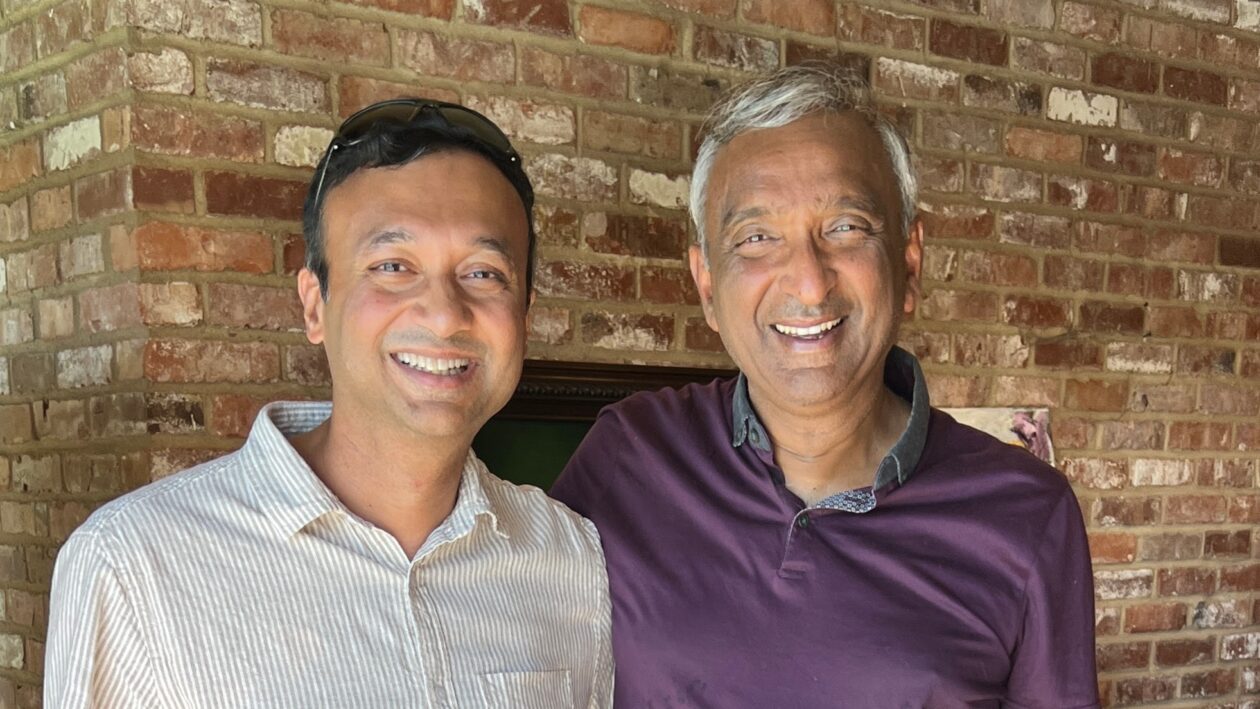












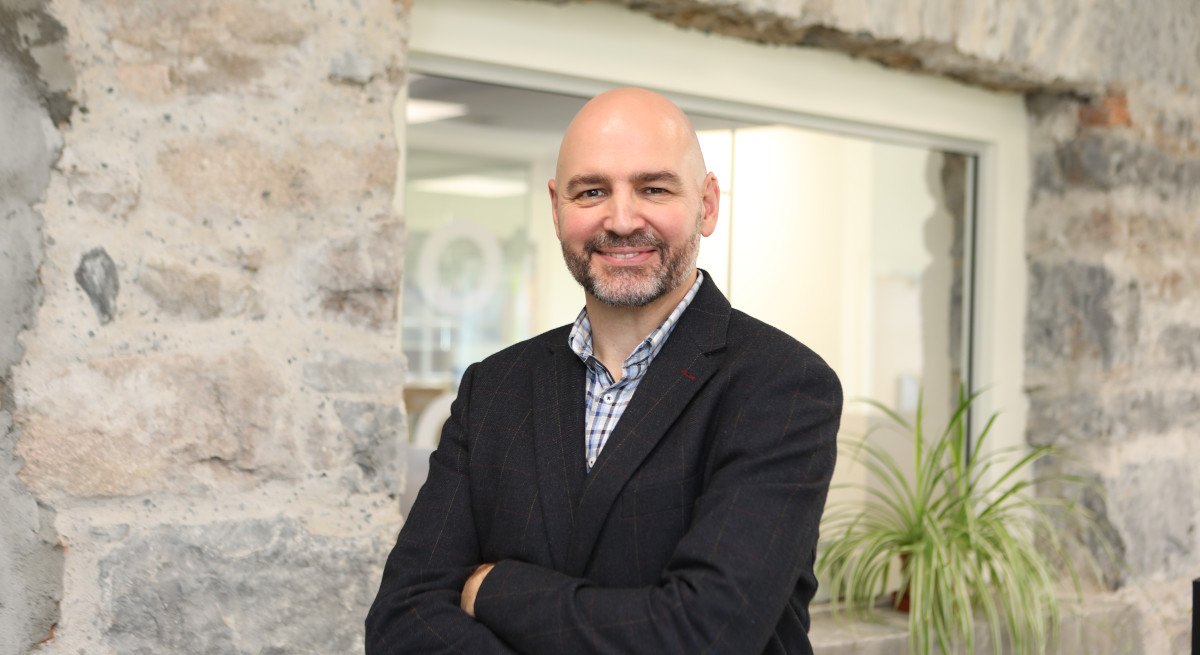

Rent the Runway’s Stephanus Meiring discusses the workforce of the future and what it will take to make it productive and sustainable.
For Stephanus Meiring, vice-president of engineering, managing director and site lead at Rent the Runway, the biggest challenge facing the workplace and workforce of the future is the pace of change.
He said, “Things are moving faster than many organisations and individuals are used to and that creates uncertainty. But the opportunity is just as real. The people who tend to do well in these moments are the ones who are willing to learn, adapt and get involved rather than dismissing change as hype.
“In my space – software engineering and delivery – AI is already changing how work gets done. I think that same pattern will play out across most industries in different ways.”
What part will diversity and inclusion play in the make-up of the workforce of the future?
A very important one. As technology becomes a bigger part of how work gets done, different perspectives shaping the tools, the decisions and the guardrails around them are needed. Inclusion will also mean making sure people have access to learning and the opportunity to build new skills, not just access to jobs. If that part is missed, the benefits of change will not be shared evenly.
Work-life balance is arguably central to job satisfaction – is this achievable by having a future-focused mindset?
It can be, but only if companies approach it in the right way. Technology should help remove repetitive work, reduce some of the manual grind and give people more time for the parts of work that really need judgement and creativity. Used well, that should improve work-life balance. But if companies simply use new tools to expect more and more output without rethinking workload and priorities, then it could just create a different kind of pressure.
We’ve recently seen increases in salary, particularly in tech. Do you think the future of work will bring in other types of non-salary benefits?
Yes, definitely. Salary will always matter, but I think other benefits will become even more important. Flexibility, learning opportunities, time to upskill, access to strong tools, good leadership and work that feels meaningful will all matter more. In a fast-changing environment, helping people stay relevant and grow their skills is a real benefit in itself.
We’re looking at a more automated future, so how do you think this will affect roles in your sector?
In software engineering, delivery and support, the nature of the work is already changing. The craft of sitting and typing code all day is shifting quickly. But writing code was never really the whole job, and it was rarely the biggest bottleneck on its own. The harder part has always been understanding the problem properly, making good decisions, and delivering something reliable, secure and useful.
AI can now help more with those parts too, which is exciting, but it also means human judgement, critical thinking and accountability become even more important, not less.
What new jobs do you think will come to the fore?
I think we will see more roles and responsibilities emerge around AI governance, automation oversight, quality control, platform enablement, model risk, as well as jobs where people need to bridge technical depth with business context. But beyond that, I think some of the most important jobs of the future may be ones we cannot fully describe yet.
A role a few years from now might look less like someone doing one narrow task all day, and more like someone directing systems, validating outputs, making judgement calls, and bringing creativity and context that machines do not have. In many cases, jobs may not disappear so much as evolve. A lot of what comes next is still speculation, so the best response is to get involved, keep learning and be ready for change.
What will companies need to do to attract and support the best talent?
They will need to create environments where people can learn quickly, use modern tools and still feel supported and trusted. The best talent wants room to grow, but also clarity and direction. Companies that combine ambition with sensible guardrails will be in the strongest position. People are much more likely to stay where they feel they are growing, where leadership is clear and where the company is helping them prepare for what is next rather than leaving them to figure it out alone.
In your opinion and from experience, what can companies do today to prepare for the work of tomorrow?
Start now. Encourage people to learn, experiment safely and build confidence with new tools. Update your ways of working, not just your technology. In the next year, I think the biggest shift will be how quickly teams bring AI into everyday work.
Over five years, I expect we will see many roles reshaped around judgement, oversight, creativity and decision-making far more than routine execution. The companies that prepare early, invest in people and build the right habits now will have a real advantage.
Don’t miss out on the knowledge you need to succeed. Sign up for the Daily Brief, Silicon Republic’s digest of need-to-know sci-tech news.







































You must be logged in to post a comment Login