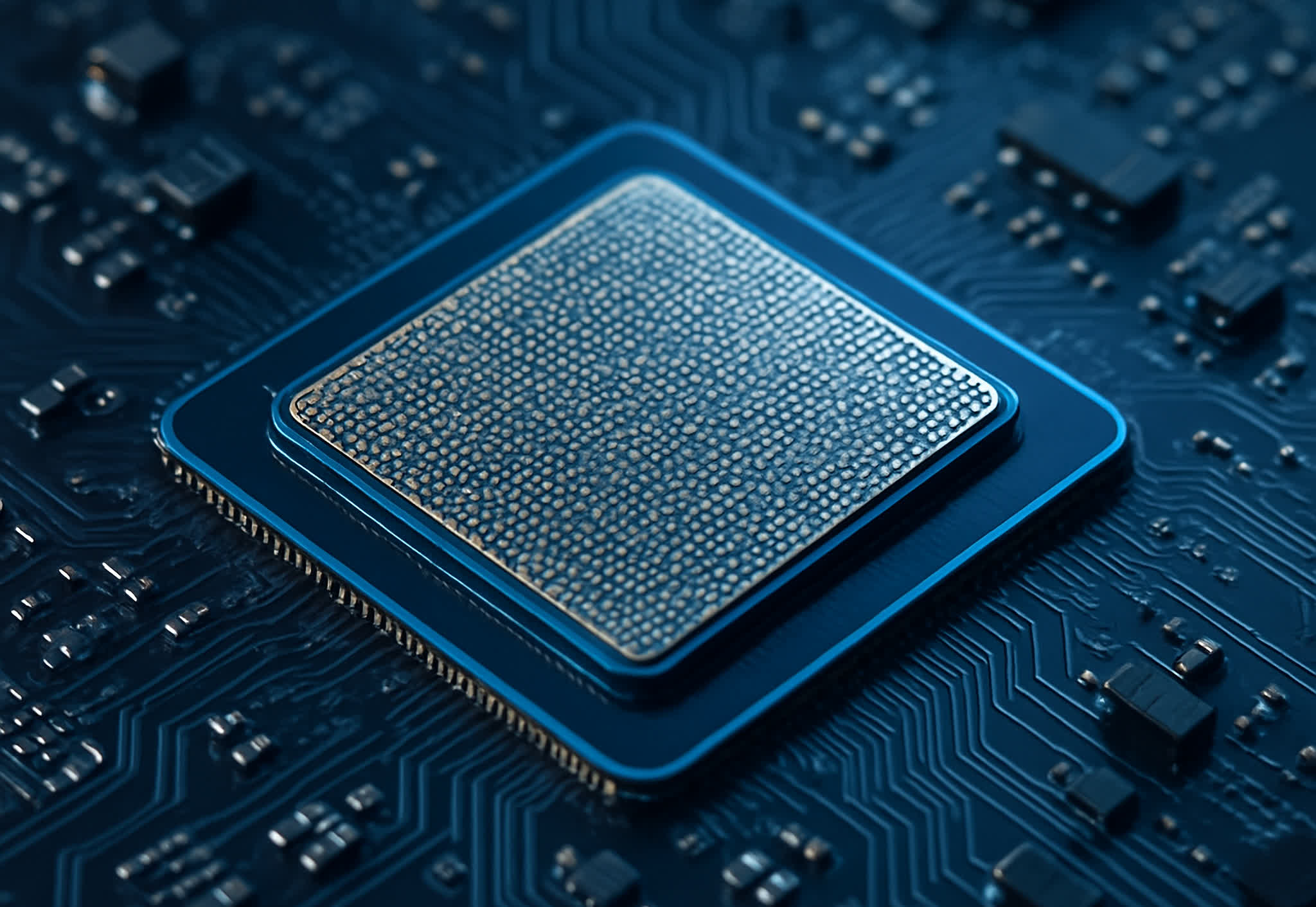
Why it matters: AI PCs have mostly meant one of three chip options: Intel, AMD, or Qualcomm, each bolting an NPU onto a general-purpose processor. Samsung’s GAIA is different, a dedicated, memory-centric AI accelerator from a company that also happens to control its own DRAM production. If PC makers validate it, Samsung would be back in PC silicon for the first time since its 2012 Chromebook experiment.
According to multiple Korean outlets, including Chosun, Samsung’s LSI division which works on the Exynos mobile chips, is developing a dedicated AI accelerator for PCs codenamed GAIA.
The company is reportedly already supplying prototypes to HP in the US and Lenovo in China to verify performance, with mass production possibly starting as early as 2027 and devices potentially landing in late 2027 or early 2028.
GAIA isn’t meant to run the whole system the way a Ryzen, Core, or Snapdragon X chip does. It’s a companion processor built on a 4nm-class node, described as a “memory-centric” AI accelerator that places compute close to memory rather than routing everything through a separate processor. Samsung is explicitly positioning it apart from GPU-based AI accelerators, the kind used for large-scale AI training and inference, in favor of an NPU architecture aimed at PC-side generative workloads: on-device language models, real-time translation, image generation, and similar tasks offloaded from the CPU and GPU.
Advertisement
That memory-centric design is also why Samsung is reportedly pushing further integration with processing-in-memory (PIM), its next-gen DRAM tech that runs computations inside the memory itself instead of shuttling data back and forth to a processor.
PIM has been a Samsung side project for years without a real commercial breakthrough. GPUs got fast enough, and their software ecosystems matured fast enough, that the bottleneck PIM was built to solve stopped mattering as much.
A dedicated NPU with real OEM traction, and a software stack built around it from the start, is a more natural fit for PIM than a general-purpose GPU ever was. It also plays to what Samsung actually controls: it’s one of the only companies that can pair custom AI logic with its own memory manufacturing.
Samsung last tried to sell PC silicon over a decade ago, when Exynos chips briefly powered early Samsung Chromebooks starting in 2012 before the business was shelved two years later. Since then, Samsung’s own Galaxy Book laptops have run on Intel or Qualcomm, including Snapdragon X2 Elite in the latest Galaxy Book. GAIA would put Samsung’s own logo back on the silicon inside its own laptops, and possibly others.
Advertisement
There’s an added tension here: Nvidia and Qualcomm both lean on Samsung’s foundry for parts of their chip production. Samsung competing with its own customers in the AI PC space, while still fabricating for at least some of them, is the kind of conflict that tends to complicate supplier relationships.
It’s also a business-unit story. Samsung’s LSI has run structural losses for years, and a credible win (on AI no less), on top of Exynos and automotive silicon, gives Samsung another lever to pull.
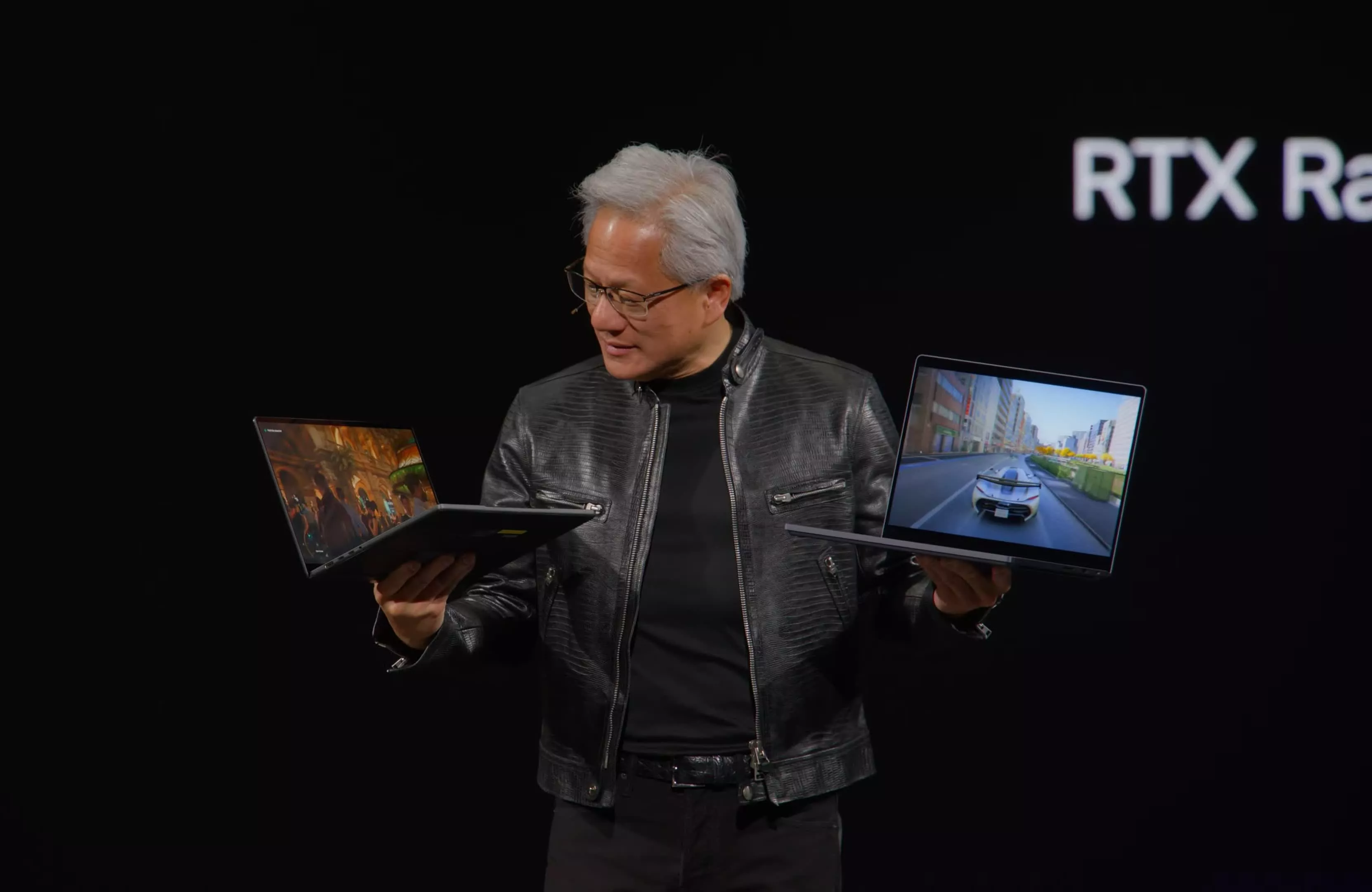
At this time there’s zero performance numbers, no power figures, and no details on GAIA’s architecture or how it could compare to AMD’s XDNA NPUs, Intel’s on-die accelerators, Qualcomm’s Hexagon NPU in Snapdragon X2, or Nvidia’s RTX Spark platform. In other words, we can’t imagine if GAIA is genuinely competitive or just enough to get Samsung a seat at the table. Samsung has yet to confirm any of this publicly.
The industry has been trying to convince PC buyers that NPUs matter for two years now, and the honest answer is that most people still can’t name a task their current NPU handles that they’d otherwise miss. A second or third NPU vendor doesn’t fix that either.
Advertisement
What GAIA could be betting on is that local GenAI workloads will be heavy and popular enough to need dedicated local silicon, not just a checkbox spec. Whether that’s a 2027 reality or another premature bet remains to be seen.
Wildfires and tornadoes destroy thousands of homes across the United States every year. Insurance carriers have begun stepping away from entire regions because the risks keep climbing. Families face the choice of expensive rebuilds or walking away from everything they built. A California company named HiberTec Homes developed a different response. Their houses do not fight the flames or winds at ground level, they simply move out of the way.
From the street, the homes appear to be any typical modern building, with clean lines, large windows, and varied materials that give off a highly contemporary vibe, suitable for a variety of communities. One model opts for a single-story configuration of approximately 1,600 square feet with three bedrooms. The larger variants are two floors tall and around 2,500 or 4,000 square feet. Rather than starting from scratch each time, builders can modify an existing modular home design to operate with this technology.
When danger calls, it all begins with a tap on a smartphone app, as is intended. Part of this patented method is the automatic separation of power, water, and gas lines, ensuring that nothing is left attached when you move the house. Hydraulic columns then step in to support the entire structure and guide it down into the pre-built subsurface vault. Gravity helps with this, and there are some backup power sources as well as a manual winch on standby in case the main power goes out. The journey from street level to safe place takes approximately 15 minutes.
As it descends, a fireproof spray is released around the property, adding to the level of protection. When the house reaches the end of its journey, a large heavy-duty cover emerges, sealing the vault with some highly fire-resistant material. The house and all of its belongings are now safely tucked away below ground level, protected from temperatures that can exceed 2,000 degrees Fahrenheit and last for days.
The underground vault is designed to withstand conditions that would be too extreme for standard fireproof construction. Some surface materials may be able to withstand brief exposure to temperatures as high as 850 degrees, but this technology ensures that the house never has to encounter such temperatures in the first place. Tornado-force winds and their accompanying debris lose their objective the moment the house is underground. Homeowners continue to follow evacuation orders because the vault is designed to protect the property, not the people inside, and they may return later to find everything completely intact.
The starting price for this system is roughly $1,200 per square foot, before you even consider the excavation and site preparation charges, which will be slightly more. Even the smallest model will cost over $2 million or more, depending on your location and soil conditions. As production scales up, the company intends to reduce the cost to around $500 per square foot. To get this system to work, you need stable ground and a water table that is not too high. Unfortunately, most existing homes are unsuitable since the vault and associated hydraulics must be incorporated into the foundation from the beginning.
There are three utility patents that cover the basic ideas: one for moving the structure, one for the retractable cover system, and one for safely disconnecting and reconnecting utilities. The entire creation process took over 5 years, with a team of engineers and architects on board. Later on, they intend to build a full-scale prototype near Los Angeles to demonstrate the entire system in operation under real-world conditions. [Source]
The best way to celebrate AI Appreciation Day is to not.
Yarrrrrbright/Shutterstock
It’s AI Appreciation Day on July 16 and we’re all left wondering who asked for this. In name, it’s about as serious as the marketing stunts that gave us gems like National Hot Dog Day or National Doughnut Day. In practice, the day calls for the intentional recognition of “the most consequential technology in human history” instead of simply claiming some free food like with other fake holidays. While we can acknowledge the impact that AI has made on society and industries so far, it doesn’t warrant its own day of dedication.
Going off the website, the proper way to celebrate AI Appreciation Day includes suggestions like “thank a person who builds or maintains AI,” “talk to a child or skeptic about it,” “sign the pledge and put the day on your calendar.” As satirical as these ideas sound, they’re apparently very much real recommendations.
We should be embracing the human experience instead of celebrating this AI slop of an excuse for a holiday. Instead of putting AI front and center for a day, you can support a local artist by buying some of their work, you can swim in a natural body of water before it’s forever impacted by data centers powering AI or you can catch up with old friends instead of burning through tokens with an AI chatbot. These are just a few tangible things that we should be appreciating on July 16, instead of AI.
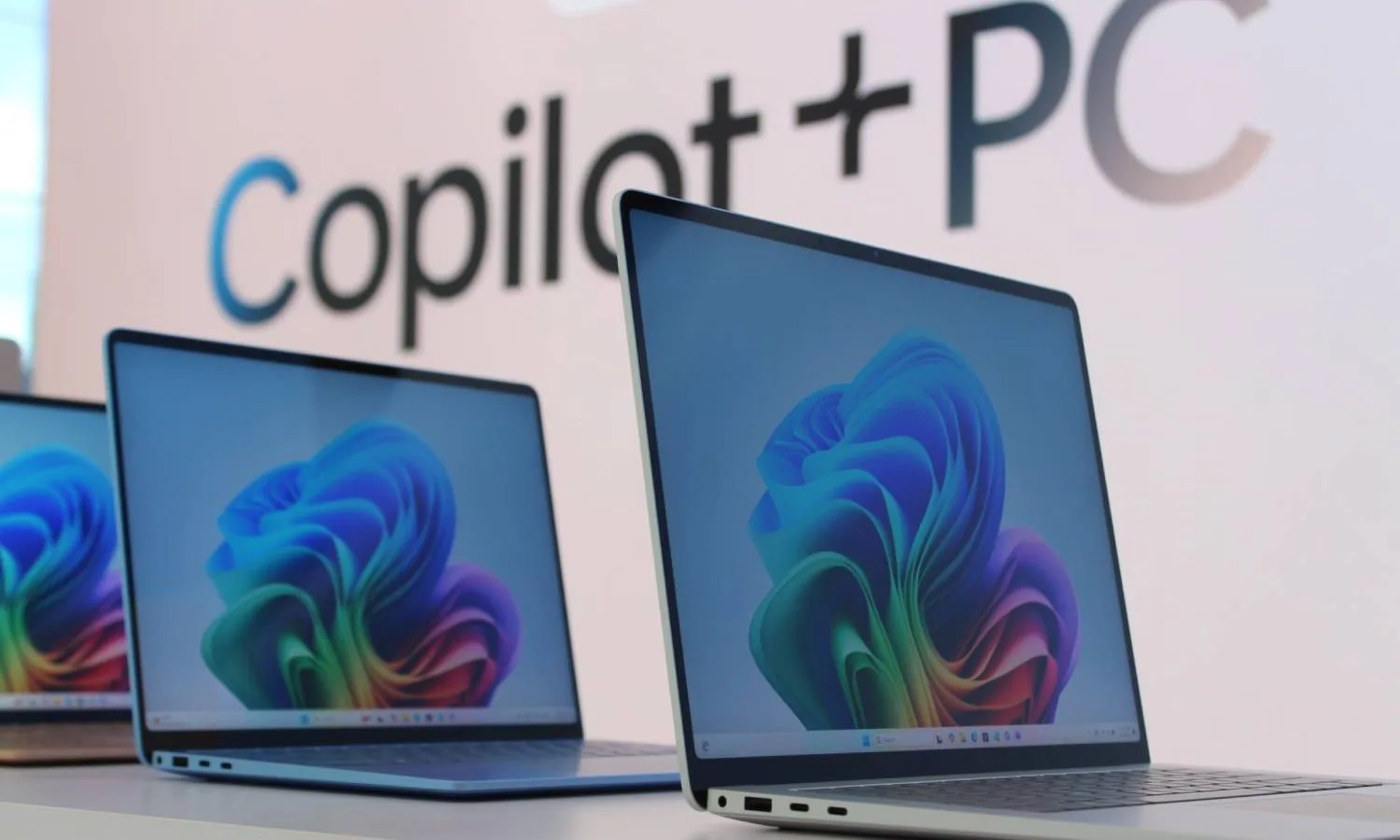
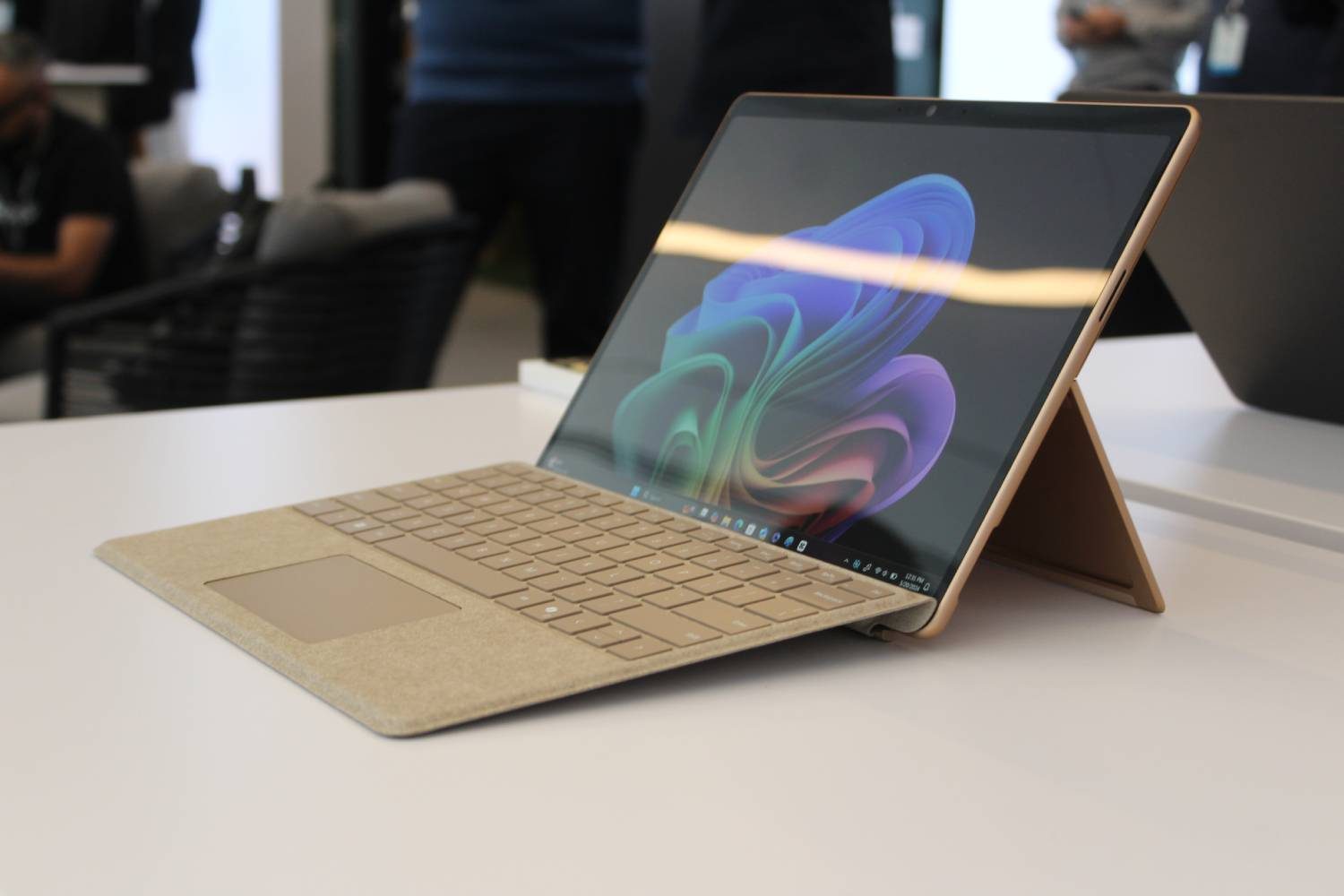
Walk through a laptop aisle in 2026 and the Copilot+ PC branding is highlight for most Windows laptops. From Microsoft’s own surface to other PC makers like Samsung, HP, and Dell, you can find notebooks that carry this badge to convey that they are AI-ready. At a glance, the name sounds like it refers to a computer with a better version of the Copilot chatbot, which only explains a small part of it.
A Copilot+ PC is a Windows 11 computer that meets Microsoft’s hardware standard for advanced on-device AI features like a compatible processor with a dedicated NPU. You also need a certain amount of RAM and storage, all of which brings access to Windows features such as Recall, Click to Do, and much more. Many of these experiences use the NPU to process information locally, reducing their reliance on cloud servers and helping them run more efficiently in the background.
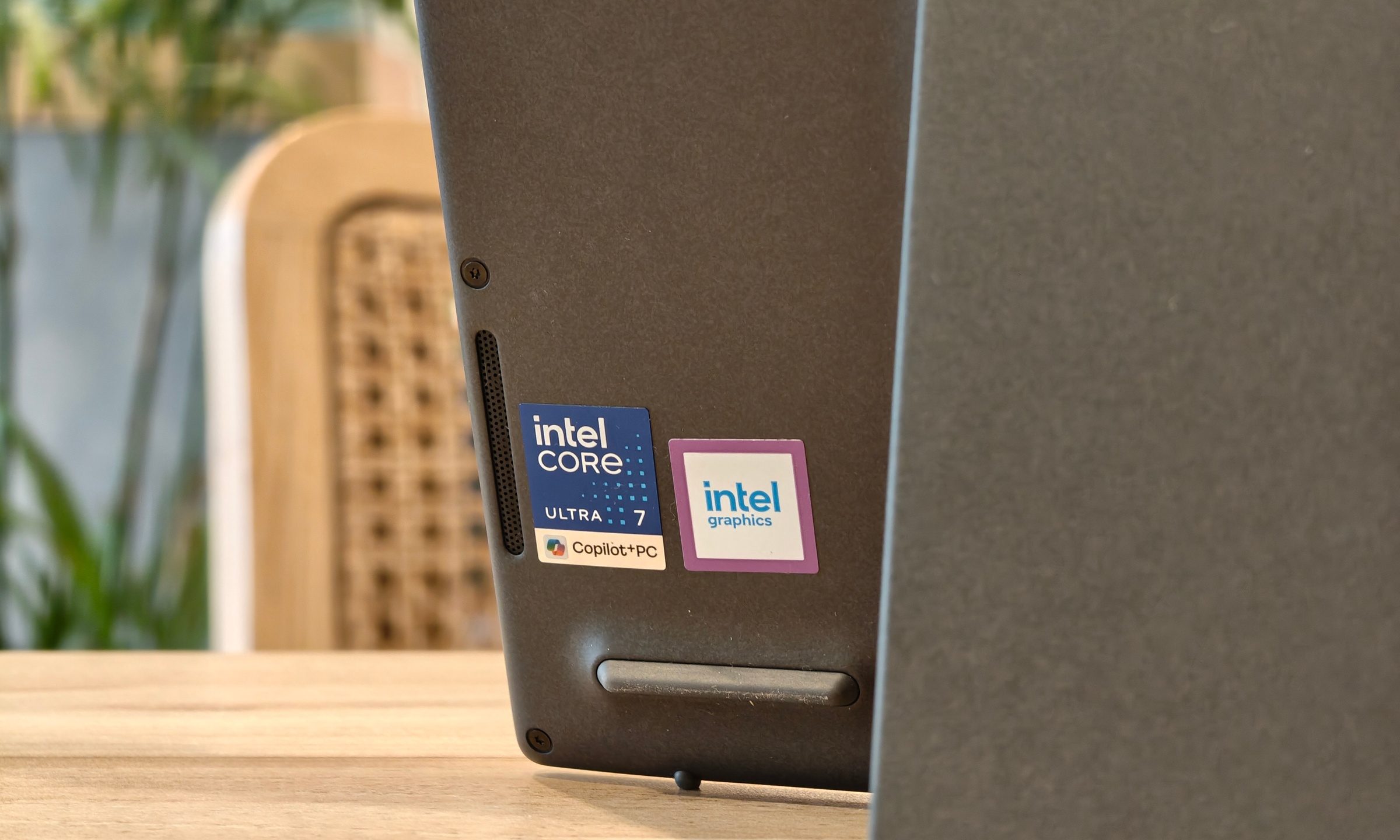
The badge has expanded considerably since the first Copilot+ laptops arrived in June 2024. Snapdragon X processors were initially the only option. Current models can also use qualifying AMD Ryzen AI and Intel Core Ultra chips, giving buyers a choice between Arm and conventional x86 Windows systems. So here’s everything you need to know.
Luke Larsen / Digital Trends
What is a Copilot+ PC?
Copilot+ is Microsoft’s certification for a class of Windows 11 AI PCs. A qualifying computer combines a sufficiently powerful NPU with Microsoft’s minimum memory and storage requirements. The Copilot app itself does not require this hardware. A regular Windows 11 PC can still access Microsoft Copilot since it relies on an internet connection. On the other hand, Copilot+ systems gain a separate set of Windows features designed around local AI processing.
It is also worth noting that buying a Copilot+ PC also does not automatically include a premium Copilot or Microsoft 365 subscription. Most built-in Windows experiences are part of the operating system, however, certain actions and connected services may require an account, internet access, or an additional subscription.
Advertisement
Copilot+ PC hardware requirements
Component
Minimum requirement
Processor
Compatible chip or system-on-chip with a 40+TOPS NPU
Memory
16GB DDR5 or LPDDR5
Storage
256GB SSD or UFS
Operating system
Windows 11, with current Copilot+ experiences requiring supported updates
As of right now, Microsoft has currently named these processor familiar as compatible:
AMD Ryzen AI 300 and 400 series
Intel Core Ultra 200 and 300 series
Qualcomm Snapdragon X series
A processor carrying one of those broader family names does not guarantee that every configuration supports every feature. Buyers should still look for the actual Copilot+ PC badge and check the manufacturer’s specifications.
Microsoft
What are TOPS, and why do you need an NPU?
Copilot+ PCs are all about AI. However, this was one of the biggest problems with previous-gen AI PCs. They had NPUs, yes, but little to do with them.The NPU is a dedicated part of the processor built to handle AI workloads efficiently. CPUs and GPUs can also run AI models, but the NPU is designed for sustained jobs such as background effects, image analysis, speech processing, and semantic search without placing the same load on the main processor or graphics hardware.
Microsoft measures the minimum NPU requirement in TOPS, short for trillion operations per second. A Copilot+ system needs at least 40 TOPS of NPU performance. This number only describes one part of the computer. It does not tell you how fast the CPU is, or how well it can run games. So two systems carrying the same Copilot+ badge can deliver very different everyday performance.
AI PC versus Copilot+ PC
“AI PC” is a flexible industry term. Manufacturers commonly use it for computers with an NPU or other hardware intended to accelerate AI tasks. Copilot+ PC is Microsoft’s more tightly defined category. Every Copilot+ computer is an AI PC, while many systems marketed as AI PCs fall below Microsoft’s 40TOPS requirement or lack access to the complete Copilot+ feature set. A great example of this is an older Intel Core Ultra laptop, which may advertise an NPU and AI features, while missing the Copilot+ badge because its NPU does not meet Microsoft’s threshold.
Luke Larsen / Digital Trends
Are all Copilot+ PCs Arm computers?
No. The first Copilot+ systems used Qualcomm’s Arm-based Snapdragon X processors, which made the category look closely tied to Windows on Arm. Intel and AMD have since added qualifying x86 chips. But compatibility isn’t consistent. While Snapdragon models can offer strong responsiveness and battery efficiency, Windows 11 uses Microsoft’s Prism emulator to run many x86 and x64 applications that do not have native Arm versions.
What AI features do Copilot+ PCs include?
Microsoft’s Copilot+ feature list has grown considerably since launch. Availability can vary by processor, region, language, account type, and Windows update. So here are the highlights:
Advertisement
Snapshot from Windows 11 Recall.Nadeem Sarwar / Digital Trends
Recall
Recall creates an optional, searchable timeline using snapshots of activity on your screen. You can describe a document, webpage, image, or app you remember seeing and search through the saved timeline to locate it. Microsoft continues to label Recall as a preview.
Click to Do
Click to Do analyzes selected text and images on the screen, then offers relevant actions. Depending on the content, it may let you copy text, summarize or rewrite it, search the web, remove an image background, blur a background, or open the selection in another app. Some actions require a subscription.
Improved Windows Search
Improved Windows Search uses semantic indexing so you can find supported files and images through natural descriptions. Searching for “team at the conference” can work without knowing the exact filename. It appears in File Explorer, the Windows search box, and supported Settings searches.
Agent in Settings
Agent in Settings lets you describe a Windows problem or setting in ordinary language. It can surface the relevant option and, for supported changes, help apply it. Microsoft expanded the feature’s language support in 2026.
Live Captions with translation
Windows 11 already supports Live Captions. Copilot+ systems add local translation from more than 40 languages into English and from supported languages into Simplified Chinese.
Advertisement
Creative and accessibility tools
Copilot+ PCs also support AI tools across Paint, Photos, Snipping Tool, Voice Access, Narrator, and Windows Studio Effects. These include Cocreator, Restyle Image, Image Creator, Super Resolution, Perfect Screenshot, flexible voice commands, richer image descriptions, background blur, eye contact, automatic framing, and voice focus.
Some tools still have processor restrictions. Automatic Super Resolution, Paint Generative Fill, and Photos Relight currently list Snapdragon X requirements on Microsoft’s feature page.
Is Recall private?
Recall attracted heavy criticism when Microsoft first announced it, which led the company to delay its broad release and redesign the security model. This concern was also reflected in our own experience with the feature. The current version is opt-in and requires Windows Hello Enhanced Sign-in Security with biometric authentication. Snapshots are encrypted, stored locally, and tied to the individual Windows profile. Microsoft says it cannot access them, and other apps cannot retrieve the Recall database.
Quick commands on Windows 11 Recall.Nadeem Sarwar / Digital Trends
Sensitive-information filtering is enabled by default to help avoid saving passwords, payment details, and identification numbers. Users can pause snapshots, delete them, limit storage, and exclude specific apps or websites. Recall can also be removed as an optional Windows component.
Storage is another consideration. Microsoft says Recall needs at least 50GB of free space to operate. A 256GB system allocates 25GB to snapshots by default, which Microsoft estimates can retain about three months of activity. Older snapshots are deleted once the allocation fills.
Advertisement
Are Copilot+ PCs faster and more efficient?
Microsoft markets Copilot+ systems as its fastest and longest-lasting Windows PCs. Its commissioned testing has claimed up to 22 hours of local video playback and 15 hours of web browsing on selected devices. Those figures vary with the processor, display, battery size, workload, settings, and manufacturer. But these figures are often seen in marketing material for recent high-end laptops.
Vikhyaat Vivek / Digital Trends
The Copilot+ badge itself is not a performance ranking. Qualcomm systems often prioritize efficiency, AMD offers great integrated graphics and strong multi-core performance, while new Intel Core Ultra processors can either focus on battery life or strong raw horsepower. So traditional specifications are still important.
Should you buy a Copilot+ PC?
A Copilot+ PC branding alone isn’t enough to justify a purchase, but if you’re looking for a high-end or upper mid-range model, chances are you’re going to get one anyway. Only the entry level models rely on processors based on older architecture that don’t get the shiny new NPUs. Another limitation currently is with RAM capacities. Owing to the RAMmageddon, 8GB machines are returning, so if you’re on a tight budget, Copilot+ PCs might be a little too expensive.
Regardless, you’re not missing out on much–at least for now that is. AI tools like Recall or Click to Do can be handy, but they won’t radically change the way you use or experience your Windows PC. I have a Copilot+ PC of my own, but I hardly ever found myself using these features.
A decade ago, then-Uber CEO Travis Kalanick said he saw autonomous vehicles as an existential threat to the ride-hail company’s business model.
“What would happen if we weren’t a part of that future? If we weren’t part of the autonomy thing? Then the future passes us by,” Kalanick told Business Insider.
In the years since, Uber has settled on a strategy that, rather than see it build and operate its own self-driving cars, puts it on track to become the place where riders can get connected with any ride, driven by a human or robot. “We think there are going to be many AV players around the world, and we want to be the go-to commercial platform for all of them,” now-CEO Dara Khosrowshahi told investors in 2024. Since then, the company has signed agreements with more than 25 major robotaxi players, with driverless vehicles from Waymo, Nuro, Baidu, and Volkswagen’s MOIA either available or soon to be available on the Uber app in several global cities.
Now, according to documents viewed by WIRED and another obtained through a public records request, Uber’s lobbyists are pushing to build that strategy into law. The company’s representatives have pressed lawmakers to deploy autonomous vehicles on what it calls “hybrid networks,” where human drivers work alongside robots as the new tech grows.
Advertisement
In New Jersey, a lobbyist representing Uber took the strategy a step further, circulating legislative language that would, for a period of three years, require any platform offering driverless ride-hailing services to have human drivers serve 85 percent of its rides.
The language would likely prevent self-driving vehicle developers, including Waymo, Zoox, and Tesla, from operating their own ride-hail apps in the state—effectively forcing them onto another ride-hail app if they hope to enter the market and limiting competition for Uber, the country’s reigning ride-hail leader.
A representative for Uber pitched a version of the proposal to New Jersey state senator Andrew Zwicker, according to his chief of staff, Ayla Rios. Zwicker is the sponsor of a bill currently being considered by the state legislature that would establish New Jersey’s first set of rules governing self-driving cars on public roads. The Uber lobbyists’ proposed language restricting standalone robotaxi-hailing apps is not currently part of the bill, which could come up for a vote this fall.
The New Jersey bill is the first proposed in the nation that would limit the operation of Tesla’s robotaxis, because it requires AV developers to use multiple sensors to power its software, rather than just cameras, as Tesla’s technology does. It would also require vehicles to be operated in emergencies using steering wheels and brake pedals, which purpose-built robotaxis like those from Zoox do not have.
Advertisement
In Washington, DC, where autonomous vehicle developers, including Waymo, are engaged in a pitched, months-long battle to allow robotaxi services to operate in the district, Uber representatives also sought to ensure that “hybrid networks” would be the future of ride-hail.
A bill introduced by city council member Charles Allen in April would allow driverless services on DC’s public roads under certain conditions. In an email sent more than a week before the introduction of the legislation and obtained by WIRED through a public records request, Uber lobbyist LáVita Gardner thanked an Allen staffer for committing to allowing ride-hail companies like Uber to participate in the district’s autonomous vehicle program. “Allowing for hybrid networks will be critical for a smooth transition that supports both technology and human drivers,” Gardner wrote. (The DC bill will be the subject of a hearing on Monday, and has not yet come up for a vote.)
A new NYT Strands puzzle appears at midnight each day for your time zone – which means that some people are always playing ‘today’s game’ while others are playing ‘yesterday’s’. If you’re looking for Sunday’s puzzle instead then click here: NYT Strands hints and answers for Sunday, July 12 (game #861).
Strands is the NYT’s latest word game after the likes of Wordle, Spelling Bee and Connections – and it’s great fun. It can be difficult, though, so read on for my Strands hints.
Want more word-based fun? Then check out my NYT Connections today and Quordle today pages for hints and answers for those games, and Marc’s Wordle today page for the original viral word game.
Advertisement
SPOILER WARNING: Information about NYT Strands today is below, so don’t read on if you don’t want to know the answers.
Latest Videos From
NYT Strands today (game #862) – hint #1 – today’s theme
What is the theme of today’s NYT Strands?
• Today’s NYT Strands theme is… Just what I needed
Advertisement
NYT Strands today (game #862) – hint #2 – clue words
Play any of these words to unlock the in-game hints system.
LEAN
TASTE
THESPIAN
HUNT
JEST
HIDES
NYT Strands today (game #862) – hint #3 – spangram letters
How many letters are in today’s spangram?
• Spangram has 11 letters
NYT Strands today (game #862) – hint #4 – spangram position
What are two sides of the board that today’s spangram touches?
• First side: left, 5th row
Advertisement
• Last side: right, 6th row
Right, the answers are below, so DO NOT SCROLL ANY FURTHER IF YOU DON’T WANT TO SEE THEM.
Advertisement
NYT Strands today (game #862) – the answers
(Image credit: New York Times)
The answers to today’s Strands, game #862, are…
PLEASANT
DELIGHTFUL
ENJOYABLE
SATISFYING
SPANGRAM: HITSTHESPOT
My rating: Hard
My score: 1 hint
Only four words to spot but my goodness were they difficult to see.
Sign up for breaking news, reviews, opinion, top tech deals, and more.
Advertisement
Fortunately, the board was brimming with non-game words, including a couple of uncommonly long ones, so I took a hint.
However, even after getting PLEASANT I still didn’t understand the search and labored over the remaining three words and the Woodhousean spangram.
I hope it was all more DELIGHTFUL and SATISFYING for you.
Advertisement
Yesterday’s NYT Strands answers (Sunday, July 12, game #861)
STOOP
BOROUGH
BODEGA
SUBWAY
TAXI
BAGEL
DELI
SPANGRAM: EMPIRESTATE
What is NYT Strands?
Strands is the NYT’s not-so-new-any-more word game, following Wordle and Connections. It’s now a fully fledged member of the NYT’s games stable that has been running for a year and which can be played on the NYT Games site on desktop or mobile.
I’ve got a full guide to how to play NYT Strands, complete with tips for solving it, so check that out if you’re struggling to beat it each day.
California drew more than $335 billion in venture capital funding this year, reports the Los Angeles Times, citing data released Thursday by PitchBook on private market funding:
Its next biggest competitor, New York, raised less than a tenth of California’s total. Texas raised 1/40th of the amount… Although a campaign for a new tax on billionaires has convinced some ultra-rich residents to shift to other states and businesses often complain that high property and energy costs and an anti-business regulatory regime make it too tough to make money in the state, the inability of the top talent, companies and investors in AI to set up elsewhere shows California’s enduring attraction.
The state’s economy grew 5% last year to a record $4.25 trillion, making it larger than every country other than the U.S., China and Germany. It is home to nearly 400 billion-dollar startups — more than any other state, according to CB Insights… Among metropolitan regions, Los Angeles ranked behind only Silicon Valley and New York, which attracted $98 billion and $11.5 billion in venture investment, respectively… Investors poured in nearly $8 billion across 207 deals in the Los Angeles, Long Beach, and Santa Ana metro areas, up 28% from a year earlier, according to PitchBook…
Nearly 90% of invested dollars [in California] went to AI firms, up from last year, when around 65% of new funds were allocated to AI. “If you’re a tech company and you’re not an AI company, you have a very, very difficult opportunity ahead of you to raise capital,” Stanford said.
Highly anticipated: CUDA has become so embedded in high-performance computing that most developers treat it as inseparable from Nvidia hardware. A small London startup is trying to change that by making CUDA code run across different chips without forcing developers to start over. Spectral Compute has built a compiler called SCALE that serves as a drop-in replacement for Nvidia’s NVCC, letting developers run existing CUDA code on other hardware, including AMD GPUs, without rewriting it.
Spectral Compute was founded in 2018 by four engineers with about 60 years of combined HPC optimization experience. The founders say the effort grew out of frustration: while working at an AI firm, they grew tired of the cost of Nvidia GPUs and the poor performance of alternative compilers, which pushed them to build their own solution using LLVM and Clang.
Unlike tools that translate CUDA into another language or operate on already compiled binaries, SCALE works as a compiler in its own right, recompiling CUDA directly for the target hardware. The model follows the way CPU compilers work, where code can run on different architectures and performance differences mostly come from the hardware, not the compiler.
Spectral is working from the assumption that CUDA is here to stay, noting that it accounts for about 80% of HPC code in use today.
Advertisement
“We take the approach that’s industry-standard for CPUs, but apply it to GPUs,” Giulio Malitesta, head of growth at Spectral, told HPCwire. He added that it’s “the same approach that enables C++ to run, for example, on AMD and ARM CPUs, where nobody expects a performance gap that isn’t directly caused by differences in the underlying hardware.”
Spectral is working from the assumption that CUDA is here to stay, noting that it accounts for about 80% of HPC code in use today. “CUDA is basically the de-facto standard of HPC,” Malitesta said. “We need to accept that as a fact and just do the work as compiler engineers to make it available on different platforms that are not necessarily Nvidia, but also improve on Nvidia GPUs.”
Several other tools also aim to make CUDA portable, but each has notable limitations. AMD’s HIPIFY converts CUDA code into C++ for its ROCm platform, but it doesn’t fully leverage low-level features such as PTX. Intel’s SYCLomatic migrates about 90% of the code, leaving the remaining 10% for manual cleanup. Tools like ZLUDA work at the binary level, which can hurt performance.
Spectral argues its method avoids those tradeoffs. By recompiling from source and checking results against NVCC outputs, the company says it can preserve accuracy while improving performance. Benchmarks published by Spectral show that SCALE can significantly outperform HIPIFY-based approaches on AMD GPUs, with gains in some cases approaching six times.
Advertisement
So far, the company has focused on AMD hardware but is working toward supporting other AI accelerators, though it hasn’t named them. It also continues to support Nvidia GPUs, where it believes there is still room to improve performance through better compilation.
The broader CUDA ecosystem adds another layer of complexity. There are hundreds of specialized libraries, including cuDNN, cuTENSOR and cuDF, that many applications depend on. Spectral is working to expand support for those, and it plans to roll out PyTorch compatibility to better integrate with common AI workflows.
Even as it works to make CUDA more portable, Spectral says it is not trying to compete directly with Nvidia. The company joined Nvidia’s Inception program in June and says it is working across the industry. “We’re on the good side of Nvidia and we’re on a good side with AMD,” said Ruben van Dongen, head of academic solutions and business development. “Of course, we want to be friends with the entire industry. We are neutral, truly neutral.”
SCALE has been shipping for only about two years, so Spectral does not yet have a long track record. Spectral has around 30 employees and is expanding. It sells the compiler to commercial users while offering it free to academic and nonprofit groups. The software has already been tested on large systems, including the Frontier supercomputer at Oak Ridge National Laboratory.
Advertisement
For the users Spectral is targeting, the appeal is mostly practical. Rewriting large CUDA codebases for different hardware is time-consuming and resource-intensive. Spectral is pitching a simpler path. “Especially in the field of research, the researchers lack time,” van Dongen said. “Instead of having to rewrite the entire code base or port away from their current existing code base, they can just recompile with our solution and even increase performance benefits.”
Spectral is stepping into a market dominated by Nvidia at a time when demand for GPU and AI infrastructure is rising quickly. Spectral’s approach hinges on a simple idea: keep CUDA as the standard, but break its dependence on a single vendor’s hardware.
Attitudes towards AI differ by country, gender, profession, age, and political affiliation. A few of those gaps are startling. This article is chock-full of stats. Read it for the surprises, or glance at the bar graph below for a quick overview.
Let’s start with geography, the widest split of all. Ask people in China whether they trust AI and, Edelman finds, nearly nine in 10 say yes; ask Americans and barely a third do. The same chasm shows up, in the Stanford AI Index, on the larger question of whether AI’s benefits outweigh its drawbacks, where most Chinese say it’s good stuff and most Americans have their doubts.
Here’s a possible explanation. Where economies are young and growing fast, AI reads as a ladder up; where they are mature, it reads as a threat to jobs and more. Trust in AI seems to track two things, confidence in institutions and the expectation of personal gain, and both run higher in many Asian countries than in a wary West.
(Click to enlarge)
In the U.S., men are about twice as likely as women to expect AI to be good for society, Pew finds, and the gap is wider still among the researchers who build it. The tempting explanation, that women use the tools less, no longer holds: over the past two years women have drawn even with men in using chatbots, yet they trust them less. Women are also likelier to say AI is moving too fast.
Adults under 50 reach for ChatGPT at twice the rate of their elders, Pew reports, yet it is the under-30s who are most convinced it will be bad for society. Here, familiarity breeds unease, and for a concrete reason: the young are not only the heaviest users but the most exposed. AI may be coming first for the entry-level jobs they are trying to land, and they sense it, with Gen Z likelier than any older group to expect it to cut into their job prospects, per the Harris Poll.
Advertisement
Among the AI researchers surveyed, most expect the technology to help the country over the next two decades, Pew’s survey shows; among the public, fewer than one in five do. Some of that is knowledge, since the experts grasp what the systems can and cannot do and fear the lurid scenarios less.
Of course, the people who design AI have their careers and fortunes riding on its success, while the people who answer phones or drive trucks see mainly the threat to their own. The same pattern runs across industries, from technology workers who welcome AI on the job to transportation workers who oppose it. As per Miles’ Law, where you stand depends on where you sit.
The last divide is one that’s moved in recent years, and it’s moved fast. Two years ago Republicans were the AI skeptics; Democrats have since caught up and passed them. Today, just over half of Republicans now trust Washington to regulate AI; barely a third of Democrats do, Pew finds.
AI companies are now more admired on the right than the left, a Harris Poll shows. Democrats are cooling on companies they once cheered, and Republicans are warming to a boom their side now champions. That said, in both parties more people worry that regulation will do too little than too much; what they split on is whom they trust to do the reining.
Advertisement
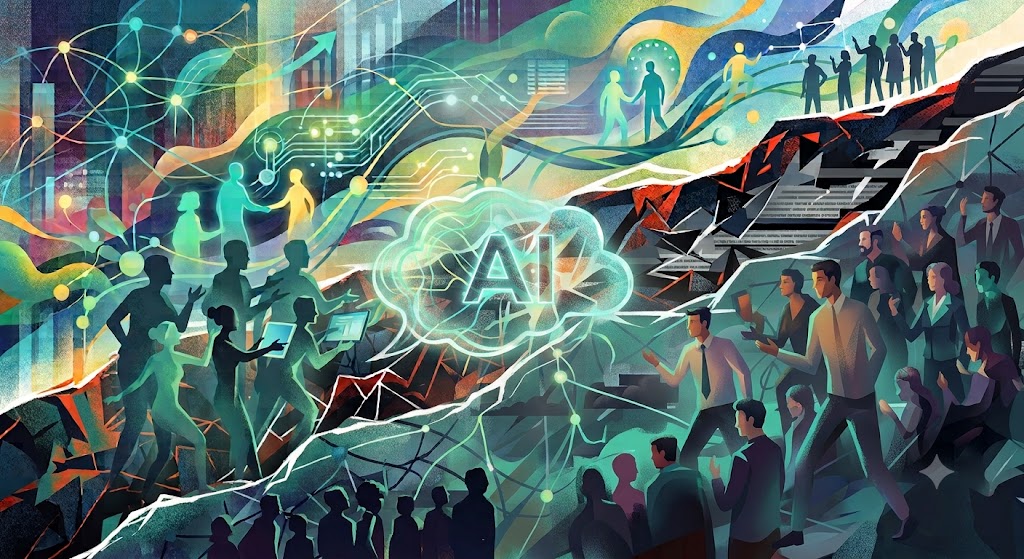
Despite some loud voices, there is no single verdict on AI. Optimism comes from those with the most to gain, in the rising economies and inside the labs; doubts rise from those with the most to lose or the most to fear. Whatever AI turns out to be, it is being built by the people most enthusiastic about it, for a public that is not.
More than three years after ChatGPT’s launch brought generative AI into the mainstream, OpenAI is broadening its focus beyond individual users to families.
OpenAI is hiring a dedicated product manager in San Francisco to build experiences for families, caregivers, and older adults across its products. The role calls for experience building products for parents and families, and other trust-sensitive consumer experiences, according to the job posting.
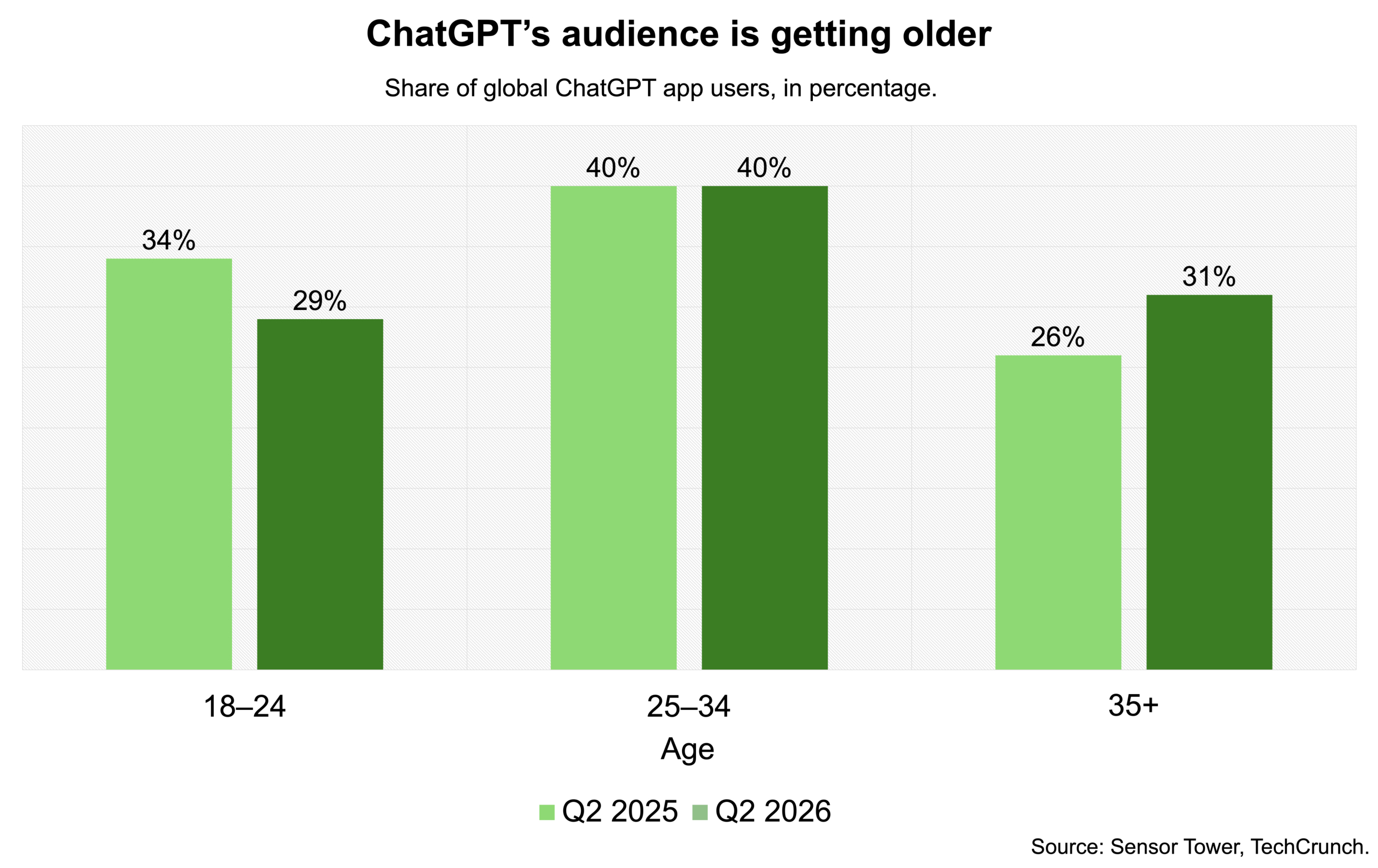
The hiring comes as ChatGPT’s audience continues to broaden beyond younger users. According to Sensor Tower estimates shared exclusively with TechCrunch, the share of ChatGPT users aged 35 and older globally rose to 31% in Q2 from 26% a year earlier, while the share of users aged 18 to 24 fell to 29% from 34%. In the U.S., nearly one in four smartphone users who are parents used ChatGPT during the quarter, up from 16% a year earlier, the firm estimates.
OpenAI did not respond to requests for comment about the job posting.
Advertisement
A dedicated product role focused on families signals that OpenAI is beginning to think about its products less as tools for individual productivity and more as technology designed for households, said Ben Bajarin, chief executive of technology consultancy Creative Strategies.
“This is similar to the path Google, Apple, and Meta eventually followed as their platforms became embedded in everyday life, but AI raises the stakes because the assistant is not just mediating content or devices,” he told TechCrunch.
That shift also brings new trust and safety challenges. Stephen Balkam, chief executive of the Family Online Safety Institute, said the hiring reflects both the maturation of OpenAI and a growing recognition that AI products used by children and teenagers require different safeguards than those designed for adults.
“I see this as safety by redesign,” Balkam told TechCrunch. “You take the initial product or service that was released… not really with kids in mind… so this is a much-needed reaction and response.”
Advertisement
The comments come as new research published this week by the Family Online Safety Institute found that parents are underestimating how often their children use generative AI. While 27% of U.S. parents said their child had used generative AI in the past week, 38% of children reported doing so themselves, according to the survey of more than 4,000 families in the United States and Australia.
Balkam told TechCrunch that AI companies should build products differently for younger users, with stronger content controls, age-appropriate experiences, parental oversight, and reminders to inform users that they are interacting with an AI — and not a human.
Image Credits:Jagmeet Singh / TechCrunch
AI companies, Balkam said, have an opportunity to avoid the mistakes made by social media platforms, which for years treated children much like adults before adding stronger safeguards amid mounting public pressure and regulatory scrutiny.
Advertisement
The hiring also aligns with OpenAI’s broader efforts around families. In a recent workshop organized with the San Antonio Spurs Community Impact organization and the Positive Coaching Alliance, the company said it aimed to explore AI’s role in learning, coaching, and youth engagement.
That said, the demographic shift is not unique to ChatGPT, though OpenAI’s audience is changing in some distinct ways.
Sensor Tower estimates that users aged 25 to 34 account for 40% of the global app audiences for Anthropic’s Claude and Google’s Gemini, matching ChatGPT, compared with 33% for Microsoft’s Copilot. Copilot, however, skews older, with 20% of its users aged 45 and above, compared with 14% for Claude, 12% for Gemini, and 11% for ChatGPT.
While ChatGPT remains relatively underpenetrated among older users, it is adding them faster than its rivals. The share of users aged 45 and above rose three percentage points year-over-year in the second quarter, compared with a two-point increase for Copilot and declines for Claude and Gemini, according to Sensor Tower.
Advertisement
Among U.S. smartphone users who are parents, Gemini had the widest reach at 32% in Q2, followed by ChatGPT at 24%, Claude at 4%, and Copilot at 2%.
For Bajarin, OpenAI’s decision to hire a product manager focused on families signals where consumer AI is headed. As AI becomes a technology shared across generations, he expects companies to roll out family plans, child and teen profiles, caregiver tools, shared household memory, AI tutoring, and stronger safety controls.
When you purchase through links in our articles, we may earn a small commission. This doesn’t affect our editorial independence.
Looking for the most recent Strands answer? Click here for our daily Strands hints, as well as our daily answers and hints for The New York Times Mini Crossword, Wordle, Connections and Connections: Sports Edition puzzles.
Today’s NYT Strands puzzle was pretty tricky. The answers all sound like they could be in a Pepsi ad. Some of the answers are difficult to unscramble, so if you need hints and answers, read on.
Your goal is to find hidden words that fit the puzzle’s theme. If you’re stuck, find any words you can. Every time you find three words of four letters or more, Strands will reveal one of the theme words. These are the words I used to get those hints but any words of four or more letters that you find will work:
PAST, PATS, PASTE, FULL, HULL, GULL, STED, ABLE
Answers for today’s Strands puzzle
These are the answers that tie into the theme. The goal of the puzzle is to find them all, including the spangram, a theme word that reaches from one side of the puzzle to the other. When you have all of them (I originally thought there were always eight but learned that the number can vary), every letter on the board will be used. Here are the nonspangram answers:
PLEASANT, SATISFYING, ENJOYABLE, DELIGHTFUL
Today’s Strands spangram
The completed NYT Strands puzzle for July 13, 2026.
NYT/Screenshot by CNET
Today’s Strands spangram is HITSTHESPOT. To find it, start with the H that is five letters down on the far-left row, and wind up and over.




























































You must be logged in to post a comment Login