


Connect with us

Tech

Samsung may finally kill the foldable crease next year, and make the screen stronger while it’s at it

Published

on

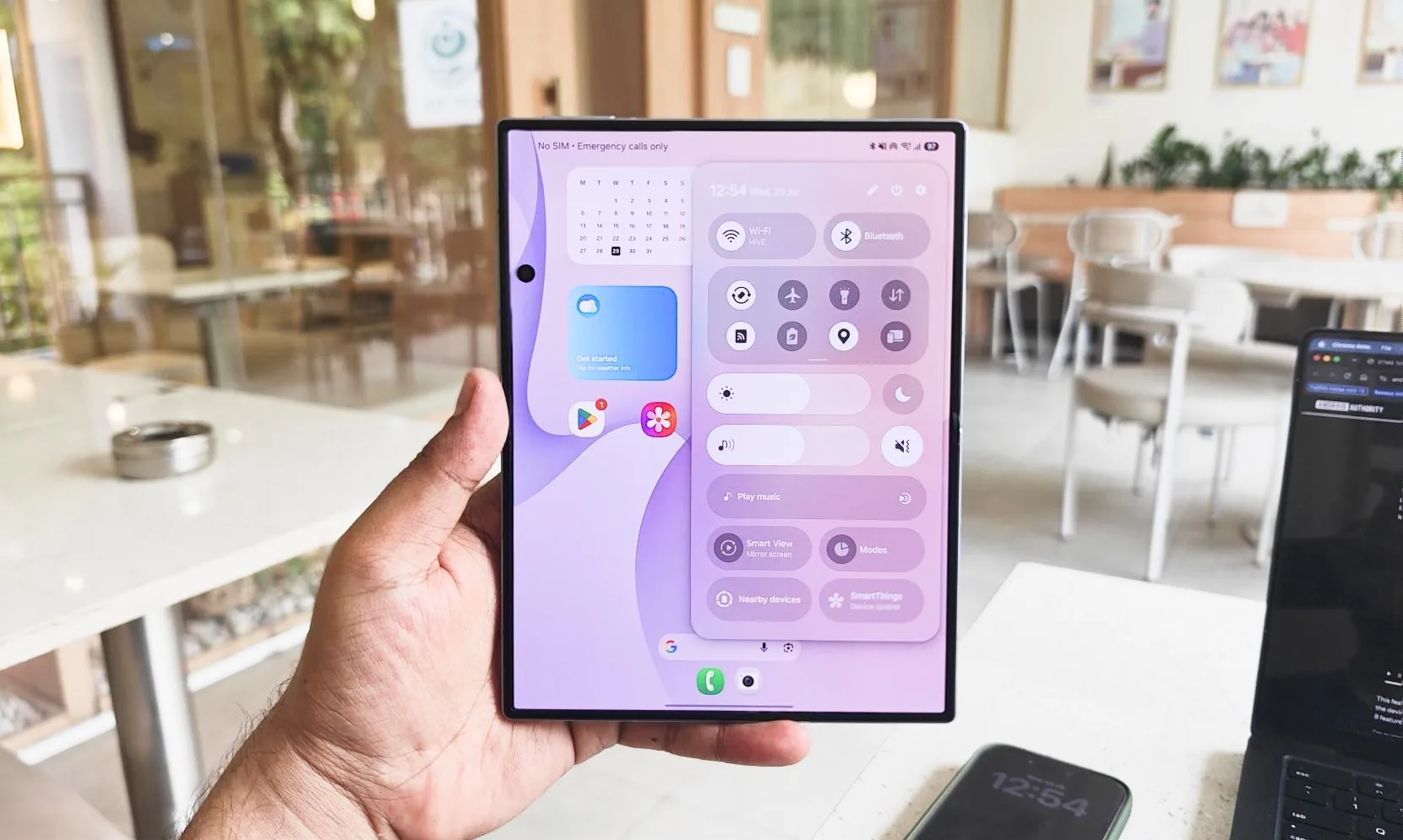
Samsung has spent generations refining hinges, reinforcing display layers, and promising increasingly subtle creases. But soon, it might eliminate the crease by physically carving away part of the glass where the screen folds.

Samsung Display is developing a foldable OLED cover layer known as Center-Etched Thin Glass, or CTG, alongside its suppliers. The technology selectively etches the central folding section of the ultra-thin glass, leaving that area thinner than the rest of the panel. Industry sources believe it could appear in some Galaxy Z9 foldables as early as 2027. It is also known as Hybrid UTG, since a single glass layer would carry two different thicknesses.

Samsung wants a flexible center and stronger sides

Making the folding section thinner should allow it to bend more easily, reducing the stress that creates a visible valley over time. Samsung could then use thicker glass across the areas that remain flat. According to ZDNet Korea, this could produce a more rigid, taut display with better durability away from the hinge.

So Samsung won’t need to use a thinner UTG layer, which would make it more vulnerable to damage. The screen would gain flexibility exactly where it needs to fold while retaining greater structural strength across most of its surface. Samsung already moved in this direction with the Galaxy Z Fold 8 series.

Its current Flex Titanium structure combines a titanium-alloy film and titanium plate to improve strength, flexibility, and crease visibility. Samsung also uses micro-patterned holes around the folding section to help the rigid titanium plate bend. Meaning, CTG could add another layer of refinement by reshaping the glass itself.

Advertisement

But there’s another problem here

Creating two different glass thicknesses introduces a new problem. The transition between the etched center and thicker surrounding sections could leave a visible or tactile step beneath the display. Samsung Display is reportedly developing a filler that would sit inside the etched section and level the entire UTG surface. The company must also ensure that the filler and surrounding glass have sufficiently similar optical properties, or the center could still appear visually different.

Samsung has yet to make a final decision on using CTG in a commercial phone. The report adds that adoption should become clearer during the fourth quarter, with some Galaxy Z9 models considered the earliest candidates. So the technology still remains under development.

Source link

Advertisement
Continue Reading
Click to comment

You must be logged in to post a comment Login

Leave a Reply

Tech

The vSphere 9 decision: migrate, modernize or maximize with purpose

Published

on

For many enterprises, virtualization has become so foundational that its strategic importance is easy to overlook.

Hypervisors, management tools, and the surrounding infrastructure stack quietly support the systems that run finance, operations, customer engagement, supply chain and other business-critical processes.

Source link

Advertisement
Continue Reading

Tech

Gavin Newsom Makes An Ass Of Himself On Antitrust, Paramount Merger

Published

on

from the what-the-hell-are-you-doing,-dumbass dept

It’s hard to not have noticed that a key enabler of U.S. authoritarianism was our consolidated corporate media, which (with scattered exception) was more than happy to throw the entirety of journalistic integrity in the toilet for a chance to please a mad, idiot king. In large part because our press is increasingly owned by a handful of rich, white, old, right wing men keen on tax cuts and deregulation.

It’s very hard to also ignore that if we’re going to avoid more Donald Trumps, the country is in desperate need of media reform. Greater antitrust enforcement, the restoration of media consolidation limits, media ownership diversity requirements, improved media literacy standards (see: Finland), the restoration of U.S. public media, a refusal to amplify or validate the trolling of racist opportunists, and creative new funding models for real journalism are all essential.

Unfortunately Democrats and Republicans alike pay a lot of empty lip service to this sort of stuff, before immediately doing whatever makes our biggest corporations happy.

Case in point: California Governor Gavin Newsom for some reason thought it would be a good idea to try and quietly pressure California (and 11 other states) to drop their antitrust lawsuit against Paramount and David Ellison’s $111 billion merger with Warner Brothers.

Advertisement

Why? According to the Wall Street Journal (non-paywalled archive link) Newsom is trying to argue that blocking the unpopular deal will somehow harm California employment:

“In recent weeks, Newsom has told people involved in the matter that if the deal is blocked as a result of the suit, state employment would suffer, the people said. Newsom’s office has encouraged Attorney General Rob Bonta’s office, which has independent authority to file such suits, to find a resolution out of court, the people said.”

That’s simply not a fact-based claim. There are 100 years of very hard evidence showing that media consolidation repeatedly results in massive layoffs and higher prices for consumers. It’s simply not a debate. Warner Brothers, in particular, has a quarter century of hard evidence showing that every deal the company has been involved with ends in mass layoffs, higher prices, and shittier overall product.

We literally just went through this very thing with the AT&T/Discovery/DirecTV/Warner Bros mergers, which resulted in 50,000 people losing their jobs (this stark human tally is, curiously, memory holed when it comes to most corporate press coverage of the latest round of mergers).

California and eleven other states filed an antitrust lawsuit to block Paramount’s latest merger last month, correctly pointing out that the high debt load of the deal will result in significantly more layoffs for an already reeling U.S. entertainment industry. The courts have agreed to delays, which has justifiably worried Paramount given looming ticking fees ($7 million daily paid to investors starting in October) and Ellison’s/Oracle’s precarious financial footing on AI.

Advertisement

So the company is applying pressure wherever they can, and has found a helpful ear in folks like Gavin Newsom, Ari Emanuel, and James Cameron. The fact that Newsom is doing this behind closed doors and refuses to own the position or publicly comment to the press indicates he knows just how unpopular it is.

Newsom has no direct authority to pressure the AG on the deal, but it does shine a light on the kind of media policies you can expect under a Gavin Newsom presidency. Newsom has already found himself under fire for repeatedly hosting assorted white supremacists and right wing propagandists on his podcast, demonstrating a lack of modern media understanding and a tendency toward rank opportunism.

Newsom isn’t alone in being terrible when it comes to U.S. media policy. Democrats have historically spent the last quarter century tripping over their own asses when it comes to meaningful media reform policies, and the impact has not been subtle.

As a result, Republicans increasingly dominate everything from AM radio and local broadcast news, to Twitter and whatever’s left of cable news. Larry Ellison actively supports fascism; and he’s very clearly hoovering up outlets like CBS and CNN with an eye on making already saggy U.S. journalism much worse. Placating Larry Ellison doesn’t create jobs; it creates more fascism.

Advertisement

There is no bridging with or debating fascism. There’s no conversation to be had with it. It’s something that’s either destroyed or left to metastasize. A cornerstone of right wing U.S. authoritarianism has been extremely racist propaganda seeded across a feckless consolidated corporate media. Presidential hopefuls keen on dislodging fascism from the body politic — and avoiding a repeat with a younger, smarter version of Trump — shouldn’t be making the problem worse.

Filed Under: antitrust, competition, disinformation, gavin newsom, jobs, journalism, larry ellison, media consolidation, mergers, propaganda, rob bonta

Companies: paramount, warner bros.

Source link

Advertisement
Continue Reading

Tech

Bending Spoons buys Airtable for $1.2bn after IPO listing

Published

on

Airtable’s valuation plummeted from $11.7bn in 2021 after generative AI exploded onto the scene.

Italy’s Bending Spoons has agreed to buy US automation company Airtable at an equity value of around $2.25bn in its first acquisition deal after going public last month. The deal implies an enterprise value of $1.28bn.

Founded in 2013 – well before the explosive popularity of generative AI – Airtable enables teams to build custom applications without code or engineering. The company says its platform is used by more than 500,000 organisations, including 80pc of the Fortune 100.

The software start-up was last valued at $11.7bn following a $735m round in 2021, which brought the business up to profitability for the first time. Company CEO Howie Liu said, at the time, that Airtable intended to go public in a few years.

Advertisement

However, the advent of tools such as ChatGPT and Claude have clawed back Airtable’s market share by providing similar and more advanced capabilities. Still, Airtable has managed an annual recurring revenue growth of more than 20pc year-over-year to approximately $480m as of June this year, the company said.

“Partnering with Bending Spoons gives us the resources and the long-term commitment Airtable needs to pursue that vision even more boldly as we build the AI-native platform of the future,” said Liu, in a joint statement with Bending Spoons announcing the acquisition.

Bending Spoons, led by Matteo Danieli, Luca Ferrari, Francesco Patarnello and Luca Querella, acquires and revamps struggling digital businesses. Its 50-plus portfolio includes Evernote, WeTransfer, Eventbrite and AOL.

The company’s public listing raised around $1.68bn at a rough $18.4bn valuation, and comes at a time when investor attention is largely turned to AI. In a recent government filing, Bending Spoons said that it identified more than 1,000 businesses as potential acquisition targets for the future.

Advertisement

“We’re committed to investing in Airtable for the long run, and doubling down on its core strength: bringing teams and workflows together in one flexible workspace,” said Ferrari. “We plan to expand what can be done across the full spectrum of work and make Airtable even more valuable to customers at every scale.”

Don’t miss out on the knowledge you need to succeed. Sign up for the Daily Brief, Silicon Republic’s digest of need-to-know sci-tech news.

Source link

Advertisement
Continue Reading

Tech

Apple says more ex-employees may have taken confidential data to OpenAI

Published

on

Apple is now seeking a preliminary injunction in its trade secrets case against OpenAI, which aims to stop the AI model maker from moving forward with developing an AI device or other products based on Apple’s technology. The iPhone maker also claims that more of its former employees may be involved with the trade secrets theft.

In a new filing, Apple is requesting expedited discovery from the accused OpenAI employees, senior systems engineer Chang Liu and Chief Hardware Officer Tang Yew Tan; OpenAI, and its foundation; and io, the device startup co-founded by Apple’s former lead designer Jony Ive.

Apple also notes that its continued investigation has so far revealed 11 other former Apple employees beyond Liu and Tan may have been witnesses or otherwise involved in the case, and others who were previously named in the original complaint, like OpenAI employee Yu-Ting Peng.

The filing marks an escalation in Apple’s legal battle with OpenAI, as it suggests Apple has uncovered new evidence that the misconduct goes beyond the former employees named in the original complaint.

Advertisement

“For example, another former Apple employee seems to have met with Mr. Liu and Ms. Peng in advance of Ms. Peng’s interview at OpenAI and discussed with them during that meeting Apple proprietary information relating to unannounced products,” the filing states. “Yet another former Apple employee took screenshots of confidential Apple documents relating to an unannounced Apple product before an interview at OpenAI.”

“And, after Apple filed its complaint, multiple former Apple employees now working at OpenAI reached out to discuss returning Apple-issued work devices they kept when they left Apple,” Apple claims, suggesting there were more who were possibly involved with the scheme.

Apple is pushing the court to allow for expedited discovery because it believes it has good cause to suspect that there are others involved in the theft of its intellectual property. The company noted that its motion for a preliminary injunction is also pending.

OpenAI responded publicly to Apple’s latest, saying in a blog post that Apple’s request for a preliminary injunction is “both based on false information and completely unnecessary because we do not have, nor want, any of their trade secrets.”

Advertisement

“We’re much more interested in building innovative products and technologies that push the frontier,” OpenAI’s statement reads.

The AI model maker also pointed to earlier mistakes Apple made, which had been reported, including that Apple emailed the wrong person when it made contact with OpenAI after confusing two similar surnames. OpenAI also alleges that Apple lied about discussing matters with its general counsel. And, the company said that Apple didn’t admit to the claim that the “residual access” allowing former employees to access Apple’s system was the result of poor security procedures on Apple’s part.

When you purchase through links in our articles, we may earn a small commission. This doesn’t affect our editorial independence.

Source link

Advertisement
Continue Reading

Tech

Zoom-themed malware campaign expands its reach to macOS

Published

on

A malware campaign is using fake Zoom updates and business files to install ScreenConnect, giving attackers remote control through software that can resemble legitimate IT activity. And now, it’s come to Mac.

Securonix researchers detailed the campaign, named Smoke#Screen, in an August 4 report. They traced Windows scripts, compiled loaders, an HTML phishing page and a macOS package named “ZoomUpdateInstaller.pkg” to shared infrastructure.

ScreenConnect is legitimate remote monitoring and management software published by ConnectWise and commonly used by IT departments. The campaign configures genuine ScreenConnect clients to contact attacker-controlled relay servers rather than an authorized company system.

Once connected, the software can give an attacker remote desktop and management capabilities. The resulting activity may resemble ordinary technical support, making the intrusion harder to identify without examining how the software arrived and where it connects.

Advertisement

The macOS package contacted the same primary relay server as several Windows payloads, tying it to the wider operation. However, Securonix did not identify how the Mac installer was distributed or report any confirmed Mac infections.

The report also didn’t say whether the macOS package was signed and notarized by Apple. The discovery therefore establishes that the campaign’s infrastructure included a Mac payload, but not that attackers successfully delivered it to Mac users.

The finding adds to a series of campaigns using fake installers and familiar software brands to persuade Mac users to run malware. In this case, the strongest evidence of completed infection chains comes from the Windows payloads analyzed by Securonix.

Fake updates lead to ScreenConnect

Securonix documented four social engineering themes involving Zoom updates, Adobe updates, business document reviews and system maintenance checks. Each observed attack path tried to persuade the victim to open a file that installed ScreenConnect.

Advertisement
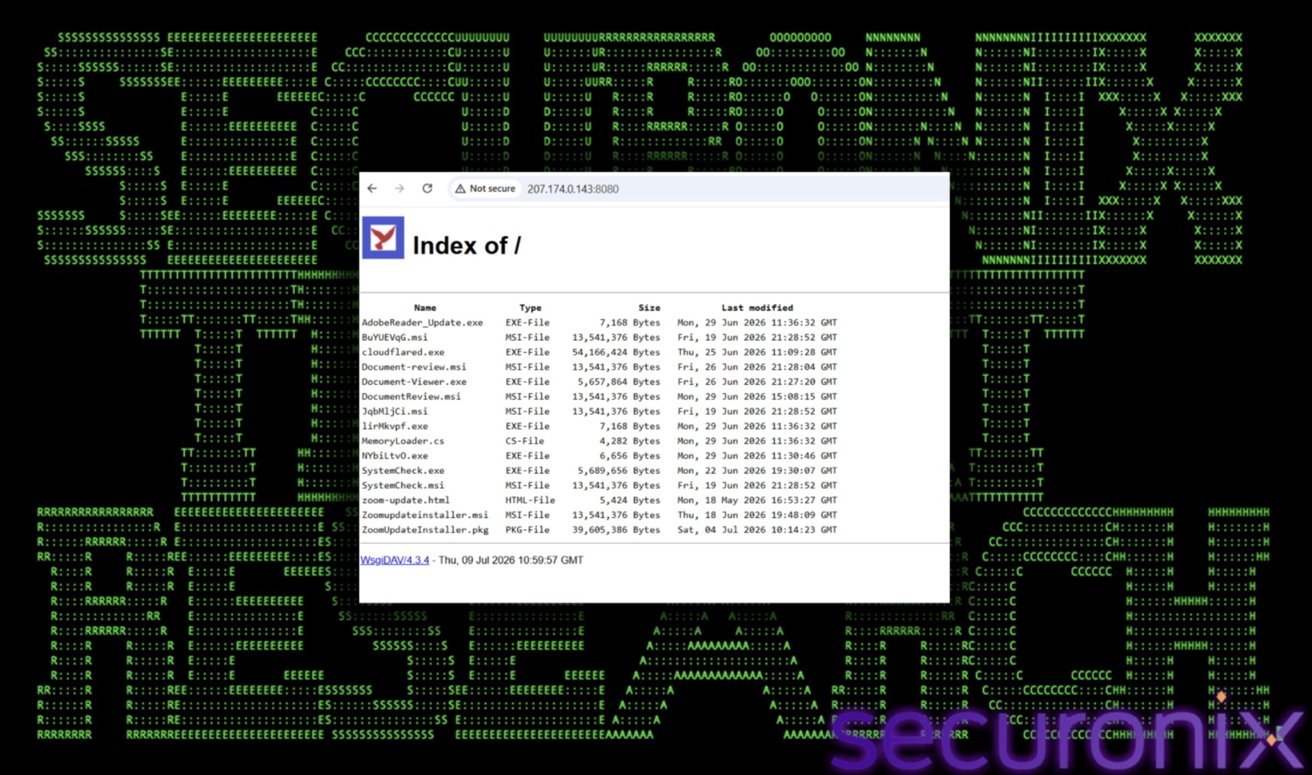
Browser window showing a directory index listing multiple files and folders, overlaid on a black background with large green text patterns and purple securonix logo at the bottomA live WsgiDAV server running at 207.174.0.143:8080, a Python-based WebDAV implementation commonly used for local file sharing and development. Image credit: Securonix

The investigation began with a Windows VBScript file named “zoom-update.vbs” that appeared in Securonix telemetry. Researchers followed its network activity to an accessible staging server containing 15 payloads, including the macOS Zoom installer.

Other files included ScreenConnect installers named “SystemCheck.msi” and “Document-review.msi.” The server also hosted Windows executables posing as Adobe Reader updates and document viewers.

The files used different names and delivery methods, but they served the same purpose. Each installed an unauthorized ScreenConnect client configured to contact attacker infrastructure.

Researchers identified three ScreenConnect relay clusters, each using a separate RSA key pair. The primary server also hosted the campaign’s payloads, allowing it to distribute files and manage infected computers.

Other parts of the campaign used Dropbox and a Cloudflare Quick Tunnel to deliver payloads or conceal supporting infrastructure. Downloads involving familiar cloud services may attract less attention than traffic from an unknown domain, although security tools can still detect suspicious commands and installations.

Advertisement

Separate relay servers could also make the campaign more difficult to disrupt. Identifying or shutting down one cluster would not disable clients configured to contact the others.

Windows loaders attack security defenses

The Windows samples show that the campaign changed its methods during Securonix’s investigation. Initial loaders relied on obfuscated VBScript, encrypted commands and environmental checks intended to complicate automated analysis.

One script stopped running when it found less than 2 GB of physical memory, a condition associated with some lightweight virtual machines and malware sandboxes. It also searched for Wireshark, Process Monitor, VirtualBox services and VMware Tools before continuing.

Other loaders used batch files and compiled .NET programs to attack Windows security controls before installing ScreenConnect. The commands attempted to disable Microsoft Defender protections, change SmartScreen settings and add antivirus exclusions.

Advertisement
Dark themed screenshot showing a C# code snippet downloading a file via HTTP client, overlaid on a green dotted SECURONIX RESEARCH background with securonix logo in purple at bottom rightJqbMljCi.msi is one of the randomly named files hosted on the staging server and is one of three files confirmed to be identical. Image credit: Securonix

The loaders also tried to remove Mark of the Web data from downloaded files. Windows uses that marker to identify files obtained from the internet and apply additional security warnings.

One loader added the root of the C: drive to Microsoft Defender’s exclusion list. It also attempted to change the Windows Defender service’s startup configuration.

Securonix said the sequence could leave a computer with weakened protections even if the later ScreenConnect download failed. The broad exclusion could also make it easier for additional malware to avoid antivirus scanning.

The campaign later changed direction. Researchers found a newer loader that removed the aggressive Defender-tampering sequence and instead waited three minutes between installing ScreenConnect and starting its service.

The delay appeared designed to separate related events inside endpoint detection logs. Securonix also found a source-code comment that referred specifically to breaking Elastic event correlation.

Advertisement

The finding supports the researchers’ conclusion that the operators adjusted their tools in response to commercial security products. However, the report does not establish when each loader entered circulation or whether all versions were used sequentially.

The analyzed Windows attack paths ultimately installed legitimate ScreenConnect MSI packages signed by ConnectWise through a valid DigiCert certificate chain. Signed remote-management software may receive less scrutiny than an unknown executable, although a valid signature does not make an unauthorized installation safe.

Attackers have used similar remote access capabilities in previous Mac malware campaigns because they provide continuing control without requiring a custom backdoor. Smoke#Screen instead deploys a genuine enterprise management client that may already be familiar to corporate security teams.

The report does not identify the people operating Smoke#Screen or connect the campaign to a known hacking group. Shared servers, encryption keys and payload development link the analyzed files, but they do not reveal the operators’ identity, location or motive.

Advertisement

How Mac users can stay safe from Smoke#Screen

The attack paths documented by Securonix required a victim to open a file presented as an update, document or maintenance utility. Software such as Zoom and Adobe Reader should be updated through built-in tools or installers downloaded directly from the developer.

Mac users should treat unexpected installer packages as suspicious, even when the filename refers to familiar software. Previous campaigns have shown that signed or even notarized apps can still begin a malicious installation.

Organizations should inventory approved remote management tools and identify ScreenConnect agents that contact unknown servers or raw IP addresses. Defenders should also examine how the software arrived, which process launched it and whether the installation was authorized.

The ScreenConnect name and its valid digital signature are not enough to establish that an installation is safe. The relay destination and surrounding activity provide the context needed to separate approved support software from an attacker’s remote-access tool.

Advertisement

Source link

Continue Reading

Tech

Xbox 360 games could soon be playable on PCs, handhelds, and next-gen Xbox consoles

Published

on

Something to look forward to: Microsoft is expanding how older Xbox games are played, with new plans that would bring Xbox 360 titles to PC and a wider range of devices. The effort, outlined in a document sent to developers, points to a broader push to make Xbox games work across consoles, PCs, and handheld systems.

According to the document seen by The Verge, Xbox 360 games will be able to run not only on Microsoft’s upcoming Project Helix console, but also on “Xbox PCs” and handheld devices. That follows earlier signals that Helix will support PC games, suggesting Microsoft is building a system where the same titles can move more easily between different types of hardware.

The goal appears to be a more unified Xbox ecosystem. By extending older games to PC, Microsoft can grow its overall library and make it accessible beyond traditional consoles. It’s also part of a longer-term shift toward digital distribution, where games are tied to accounts rather than physical formats or specific devices.

Developers will decide whether to make their Xbox 360 titles available through the backward compatibility program. They will also control pricing and whether those games are included in Game Pass. That flexibility could help Microsoft bring more titles into the program without forcing publishers into a single model.

Advertisement

The rollout for Xbox 360 compatibility is expected to happen gradually between 2027 and 2028 across next-generation devices. Ahead of that, Microsoft is planning a full launch of its original Xbox games on PC in October 2026. That program was introduced earlier this year with just four titles, suggesting a phased approach.

The same document also sheds light on Microsoft’s efforts to connect physical and digital ownership. The company is working on a system that would let players convert certain disc-based games into digital licenses. If a user inserts an Xbox One or Series game disc into a compatible console, they would receive a digital license tied to both the disc and their account.

That license would carry across devices, allowing players to access the game without needing the disc each time. However, ownership would still be linked to the physical copy. If the disc is sold or transferred, the digital license would move with it, and the original owner would lose access. This setup is designed to keep resale and trade-ins possible while limiting duplicate use.

Microsoft had planned to test this feature with Xbox Insiders in July, with a wider rollout expected in August. The beta has been delayed, and it is unclear whether the original timeline still applies.

Advertisement

Source link

Continue Reading

Tech

Apple hits a record $10B in annual retail revenue in India

Published

on

Apple has set new annual sales in India, with its second main iPhone manufacturing base generating a record $10 billion in sales despite currency and tax challenges.

India serves as Apple’s second base of iPhone production alongside China, as part of the wider supply chain. While Apple has been building up its production capacity in India, it’s also been increasing sales there, too.

According to a Tuesday Bloomberg report, Apple has exceeded $10 billion in annual sales in India over the last fiscal year. It eclipses the $9 billion annual revenue that was reported in September 2025.

Advised by an unnamed source familiar with the matter, the $10 billion was for the 12-month period running to March. It represents a double-digit year-on-year percentage increase over the previous fiscal year.

Advertisement

The bulk of the sales are for the iPhone, the source claimed. However, the demand for other products, such as iPad and Mac sales, also rose in the year.

A significant increase, despite financial disadvantages

Earning $10 billion in revenue in India is certainly a lot. Compared to other markets, India is still relatively small.

By comparison, China has a comparative population of 1.41 billion people, but accounted for $18.8 billion in revenue in Apple’s most recent quarter. Japan managed $6.6 billion in the last quarter, with its population of 122 million people.

The $10 billion figure isn’t significant when put against other major regions Apple monitors. But, it is when you consider that India is a challenging country for sales.

Advertisement

While there’s a backdrop of Apple expanding its presence with more retail stores over time, it has to combat exchange rates. India’s rupee has declined 10% versus the US dollar.

There are also local taxes to contend with, which also push the price up. The entry-level iPhone 17 is 82,900 rupees in India, making it approximately $870 versus the same $799 product in the United States.

The higher prices have been countered by Apple working with banks to provide credit card rebates, as well as increasing student discounts and handling trade-ins.

More than just production

India is a tougher trading environment for Apple, and it is succeeding, but it is only part of the reason for its work there.

Advertisement

Apple has been working to diversify its supply chain from its China-centric arrangement for years, and India has proven itself to be highly useful in accomplishing that.

It also helps that Apple gets considerable financial benefits for setting up shop in India. Various production incentives and tax exemptions have made it viable for Apple to continue expansion in the country.

On Monday, it was revealed that more benefits are on the way. That includes import tax exemptions for components that are used for manufacturing in India bit are used in products that are exported and not sold in the country.

Advertisement

Source link

Continue Reading

Tech

3 Things That Make The American Ford Mustang Different From The European Version

Published

on


The Ford Mustang that is currently sold in Europe has a number of similarities to the U.S. model, but it also differs in numerous ways, incorporating a number of changes that make it viable to sell in Europe from a marketing perspective, while also enabling the Mustang to meet the necessary standards that every vehicle sold in the EU must conform with. Just like with other American and European cars, there are differences between the EU market Mustang and the American versions.

The current Mustang sold in both Europe and the U.S. is the seventh-generation S650 model, which has been on sale since the 2024 model year. On the outside, it displays its new “tri-bar” LED headlights, set into a more aggressive front end, with wider rear fenders. Inside, there have been major changes, with a new interior featuring two digital displays that can be configured to each owner’s preferences. 

Advertisement

The digital instrument cluster measures 12.4 inches, while the adjoining central touchscreen is larger at 13.2 inches. This significant change to the Mustang’s interior is clearly an attempt on Ford’s part to attract a younger, more tech-savvy customer to its long-running ponycar, in Europe as well as in the U.S. The seventh-gen ‘Stang is definitely one of the best-looking Mustangs Ford has ever made.

Advertisement

European Mustangs are all made with V8 engines

After offering the previous, sixth-generation Mustang in both four-cylinder EcoBoost and V8 GT versions and seeing most buyers opting for the full-fat V8, Ford made the decision to offer only the V8 in Europe when the seventh-generation model went on sale. The current Mustang lineup consists of the Mustang GT, in either coupe or convertible form, and the Mustang Dark Horse coupe, which showed us why Ford’s Mustang is a survivor

Just as with the U.S. versions, the Euro Mustang GT and Dark Horse are powered by a 5.0-liter V8 engine, but due to stricter emissions controls, the GT model loses 40 horsepower, dropping its output to 440 horsepower, compared to 480 for the U.S. version. The Mustang Dark Horse model is also restricted, generating only 448 horses, sacrificing 52 to the European emissions gods. Transmission options consist of either a six-speed manual or a 10-speed automatic, both or which drive the rear wheels. The GT features a limited-slip differential, while the Dark Horse runs a Torsen limited-slip diff. An added bonus for European Mustang customers will be a standard Performance Pack, which comes with an active valve exhaust, 19-inch alloy wheels, and the previously mentioned limited-slip differential.

Performance figures provided by Ford show that the 10-speed automatic provides better acceleration figures. The 0-100 km/h run (equal to 0-62 mph) goes by in 4.9 seconds for the GT coupe and in 4.4 seconds for the Dark Horse, which is still pretty good, considering the power loss.

Advertisement

European Mustangs are much more expensive

By the time that the Mustang conforms to European emission regulations and is shipped thousands of miles to its destination, it ends up costing quite a bit more than the U.S. version. The U.S. base Mustang GT Fastback coupe with the Performance Pack added, which comes closest to the Euro spec GT, lands here for $54,455 including destination charges but without taxes. The European price for the same car, on Ford’s German website, comes out to 62,400 Euros, which at the current exchange rates comes out to about $71,000, which does include Europe’s value-added tax, 19% in Germany’s case.

This amounts to a $16,601 premium that European buyers pay for the least expensive Mustang, with even higher prices for optioned-up GTs. Then there’s the Dark Horse, which starts at 75,000 Euros, which converts to $85,398 including the VAT. That becomes an upcharge of $19,863 when compared to the least expensive U.S.-purchased Dark Horse, which is $66,075 with destination but before taxes. Even after you add local sales tax, that’s still quite a difference.

Advertisement

Then there are the individual option prices, some of which benefit European buyers. Ford allows European buyers to specify any color at no additional charge, while the U.S. website charges $495 to $995 for six out of nine colors offered. The front Recaro sports seats cost 1,800 Euros, or almost $2,100 additional in Europe, but must be ordered with the GT Performance package in the U.S., which is already standard on the Euro model, boosting the price up by around $8,000. Simply put, there are some tradeoffs.

Advertisement

Right-hand drive manufacturing

In addition to the normal left-hand drive versions of the European Mustang that are made for the majority of European countries that drive on the right side of the road, there are also European Mustangs produced for those countries that drive on the left side of the road, which includes the United Kingdom, Ireland, the Isle of Man, Cyprus, and Malta.

While Ford did a decent job of moving the steering wheel and the pedals to the right side of the Mustang, it came up short as far as the center console goes. Just as it had done with the previous generation of Mustang, Ford continues to use the console designed for the left-hand drive version. While this is most likely a cost-saving move on Ford’s part, it leaves the Mustang’s parking brake on the passenger’s side of the console with the right-hand drive setup. This makes things complicated when the driver wants to use the parking brake’s added functionality as a drift brake. 

The Mustang’s drift brake, intended for track use only, can be activated with a few simple steps. After first pressing either the Mustang Pony button on the dash or choosing Features on the car’s touchscreen, the driver can then select My Mustang, followed by Track Apps and then Drift Brake. This enables the drift brake feature, which can either brake or fully lock up the rear wheels only, letting the driver drift the car sideways. 

Advertisement

Methodology

For this analysis of the major differences between the Ford Mustang made for the European market and the Mustang made for the U.S. market, we reviewed a variety of materials put out by Ford itself on this topic. The manufacturer materials were supplemented by other publications, with data including performance differences as a result of the different markets’ emission regulations, and the compromises made during the car’s conversion to a right-hand drive version. 

Pricing information was converted from Euros into dollars, based on the exchange rate at the time this article was written. The prices in the article also include the value-added tax for the German market, while the U.S. prices include destination charges, but do not include any local sales taxes that may apply. 

Advertisement


Source link

Advertisement
Continue Reading

Tech

Yellow YAG Produces Powerful Pulses In Les’ Leftover Laser

Published

on

[Les] likes lasing lasers, and who doesn’t? [Les] likes larger lasers than lots of folks, with his current project being an Nd:YAG (that’s Neodymium:Yttrium Aluminum Garnet) flash pumped laser intended for tattoo removal. Like most of its ilk, the YAG crystal at the heart of that device is a rosy purple color, so when [Les] spotted a Yellow YAG with different doping promising powerful pulses, he purchased it promptly.

Specifically, the retailer was claiming a 30-50% efficiency increase for this yellow rod, thanks to cerium doping. It’s still considered an Nd:YAG, though you can label it as an Nd:Ce:YAG for clarity. The efficiency gain comes from the cerium atom taking unused energy from the flashbulb pulse — which is much broader-wavelength than the thin absorption line of the Nd ions in the rod — and giving that energy to the Nd atoms that do the lasing via fluorescence. He doesn’t try it, but reports on a paper showing these crystals can actually lase with reasonable efficiency from sunlight alone, which we’d love to see. Send us a tip if you try.

His original Nd:YAG rod produced 72.8 mJ pulses, while in the same setup with the yellow laser is peaking at 153 mJ, more than double the original output. That’s even better than the 30-50% [Les] expected, but he reckons it is because the old YAG is, well, old. The coatings break down over time, and UV light from the flashbulbs degrades the crystals too. That’s another benefit of tossing cerium in there, as apparently it acts as sunscreen for your laser rod. It lasts longer and works better, making it a no-brainer of an upgrade.

Advertisement

We’ve seen [Les]’s laser-based hacking before, like this  diode-laser PSU and we’re always glad to take a look with our remaining eye. We also featured his tattoo removal laser back when he started working on it, along with less-lasery projects like his crystal-growing rig.


Advertisement

Source link

Continue Reading

Tech

AI Chip Demand Is Raising Prices and Delaying TVs, Receivers, and Audio Gear

Published

on

Unless you have been living under a rock, you already know that artificial intelligence is everywhere. What is less obvious is that the infrastructure feeding the AI boom is now competing with the televisions, AV receivers, streamers, gaming consoles, wireless headphones, smartphones, and other electronics inside your home.

AI data centers require enormous quantities of processors, high-bandwidth memory, DRAM, NAND storage, networking hardware, and power-management components. Chipmakers are directing more production capacity toward these lucrative commercial customers, tightening supplies of conventional memory and other components used throughout the consumer-electronics industry. The problem is no longer confined to expensive AI GPUs or hyperscale server farms.

The impact is already being felt. Memory prices have risen sharply throughout 2026, manufacturers are warning about higher component costs, and Qualcomm has indicated that price increases will be necessary as AI infrastructure demand strains supplies of memory, wafers, packaging, and testing capacity. TrendForce says the DRAM market will remain extremely tight during the third quarter of 2026, with contract prices expected to rise another 13 to 18 percent.

For consumers, that could mean fewer discounts, delayed product launches, longer delivery times, reduced specifications, and higher prices for everything from smart TVs and projectors to network streamers, soundbars, and AV receivers. Some manufacturers may absorb the added expense temporarily, but nobody should expect them to keep doing that indefinitely.

Advertisement

AI may live in the cloud, but consumers are increasingly being asked to pick up the tab at the checkout counter.

The AI Shortage Rundown

Chip Making Priorities: Microsoft, Google, and Amazon are redirecting wafer allocations and RAM supply toward enterprise AI hardware, especially for AI data center applications. Samsung, SK Hynix, and Micron are prioritizing high-margin AI-related memory and High Bandwidth Memory (HBM) over conventional DRAM and other chips used in many mainstream consumer products. The result could be a “RAMageddon” for mainstream memory chips. 

The Cloud: Cloud providers are panic-buying and locking in long-term supply agreements with makers, further widening the global supply gap. With a large portion of content, program access, and storage utilizing the cloud, any chip shortage needed to support cloud services would stifle access speed and limit storage capacity. 

Higher Prices Are Already Here

2026-apple-macbook-pro-m5

Apple has already raised prices on several MacBook and iPad models after conceding that it could no longer absorb soaring memory and storage costs. The 512GB MacBook Air increased from $1,099 to $1,299, the 1TB MacBook Pro jumped from $1,699 to $1,999, and the 128GB iPad Air rose from $599 to $749. More relevant to the home entertainment market, Apple also increased prices on both HomePod models and the Apple TV streaming player.

The warning signs are already visible in the audio industry. FiiO raised U.S. prices on four products beginning April 1, including the JM21 digital audio player at $259.99, the M21 at $369.99, and the M33 at $699.99. FiiO specifically blamed sharply rising memory chip costs that had exceeded its ability to absorb them and warned that additional pricing adjustments could follow if upstream component costs continue to increase.

Advertisement

Shanling says the AI-driven component squeeze now extends beyond CPUs and RAM to memory, circuit boards, copper, aluminum, and other materials. Prices on new and existing products will rise beginning in August, while some lower-margin models may be discontinued entirely.

That matters because modern audio and video components are computers wearing more attractive clothes. Smart TVs, network streamers, AV receivers, wireless speakers, soundbars, and multiroom audio systems rely on processors, RAM, flash storage, networking chipsets, and power management components to run their operating systems, streaming apps, room correction, video processing, voice control, wireless connectivity, and increasingly, locally processed AI features.

Advertisement. Scroll to continue reading.
roku-streaming-stick-4k-with-remote

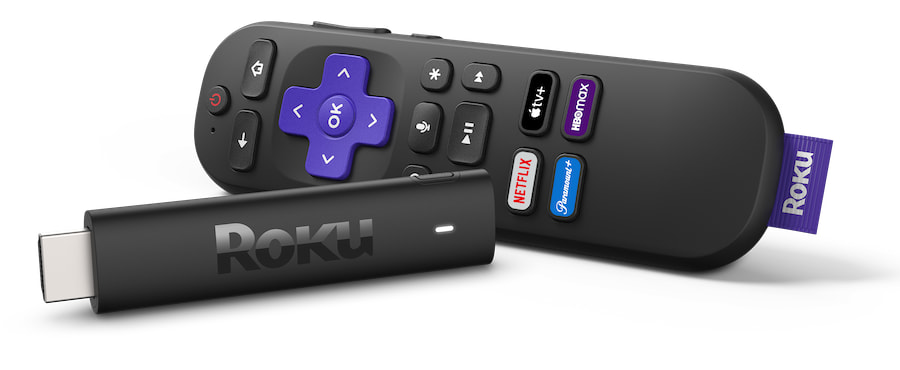
Roku has increased prices across its streaming hardware lineup, reportedly blaming the global shortage of RAM and other components. The Roku Streaming Stick increased from $29.99 to $39.99, the Streaming Stick Plus rose from $39.99 to $59.99, and the Streaming Stick 4K jumped from $49.99 to $79.99. The Roku Ultra climbed from $99.99 to $149.99—a 50 percent increase on a product that directly competes with Apple TV, Google TV, and other network streaming platforms.

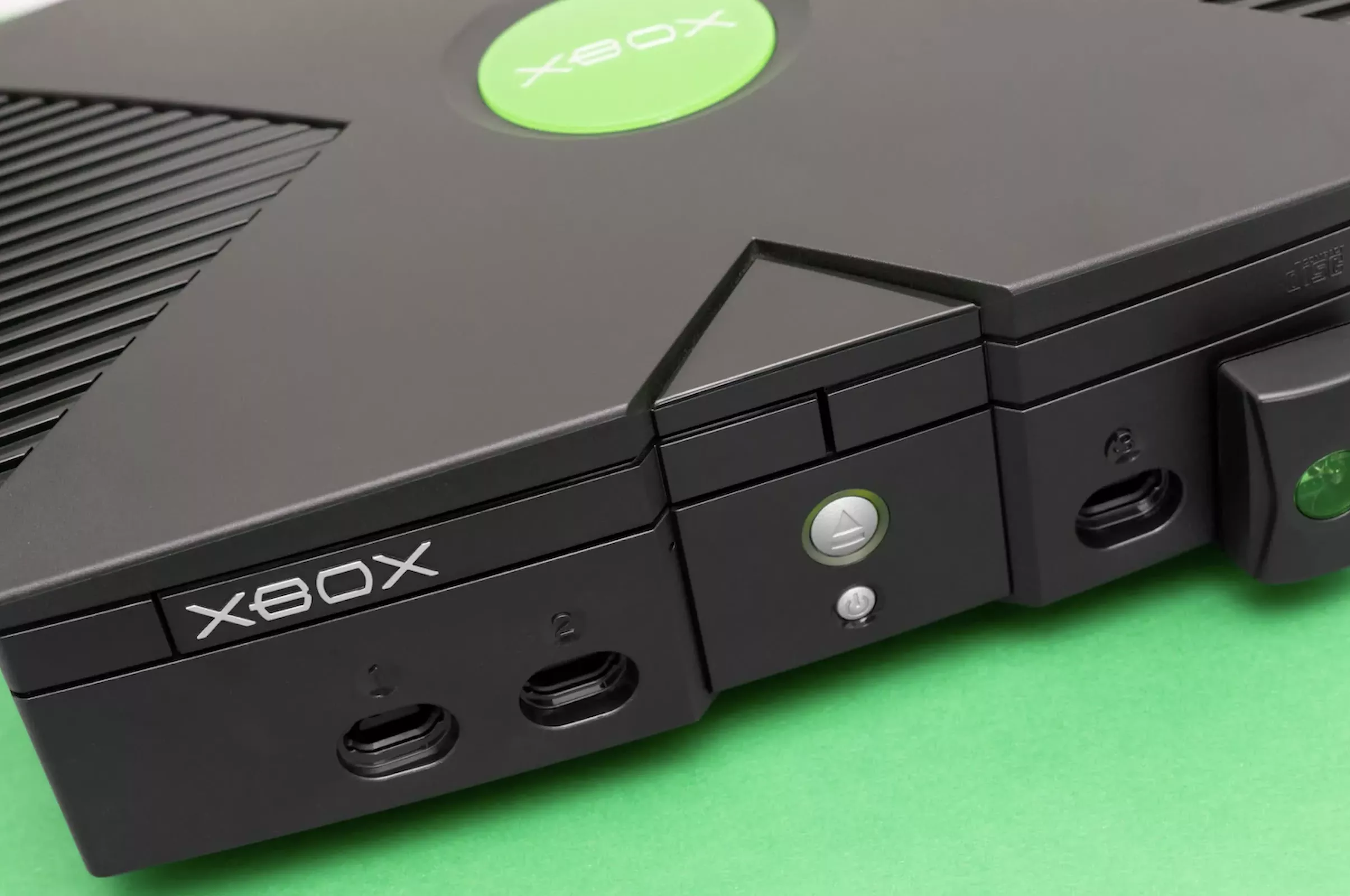
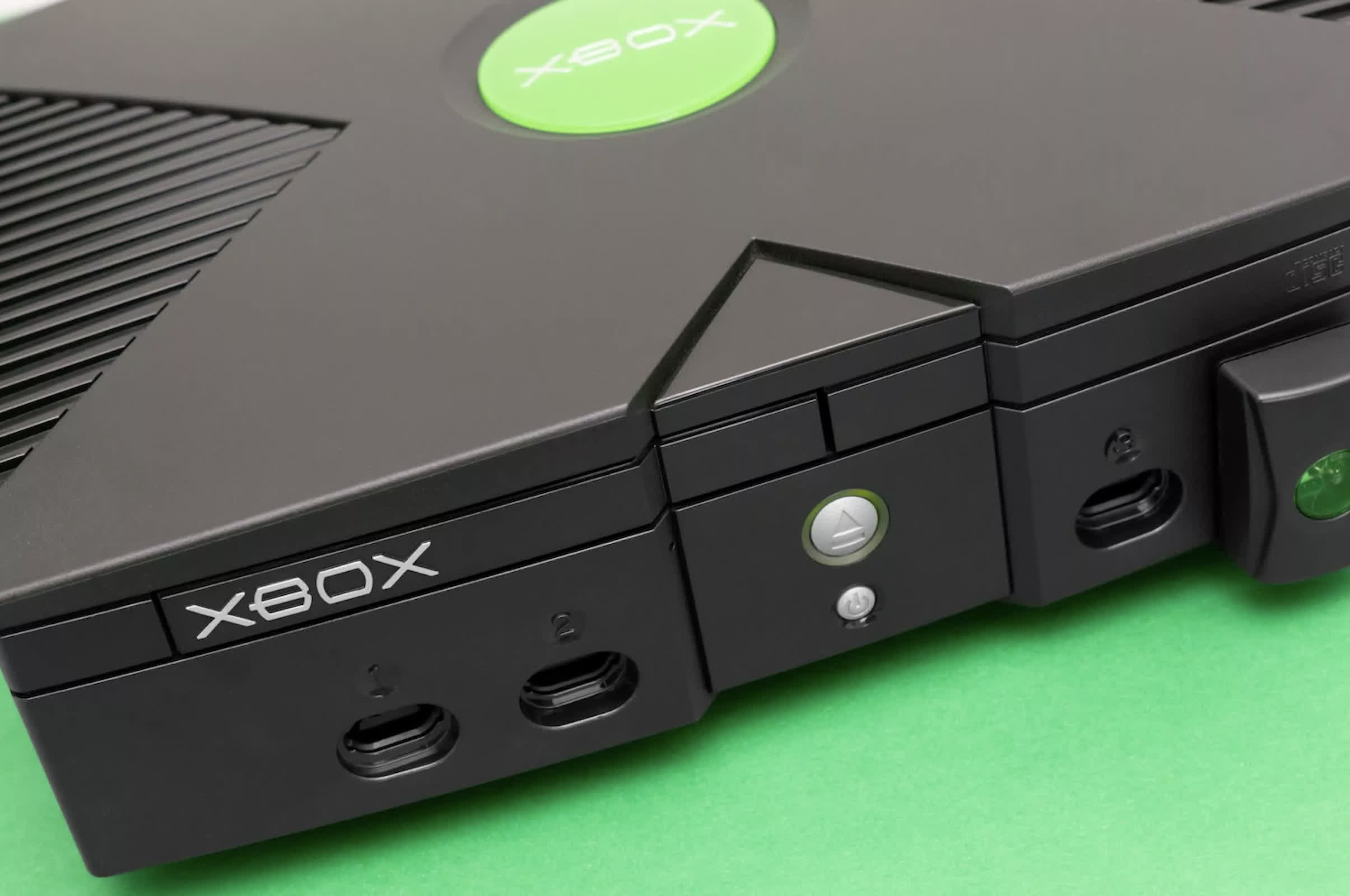
The gaming industry is being hit even harder. Effective August 1, 2026, Microsoft raised Xbox console prices worldwide by $100 for models with 512GB of storage and $150 for 1TB versions. The company is also discontinuing its 2TB model. Microsoft said console storage and memory costs had increased by more than 2.5 times and warned that they could double again by the fall of 2027.

Advertisement

That pushes the 512GB Xbox Series S to $499 and the 1TB version to $599, while the Xbox Series X Digital Edition rises to $749 and the standard 1TB Series X reaches $799. These are six-year-old consoles moving farther away from their original launch prices rather than becoming cheaper with age—the opposite of how the console business traditionally works.

Sony raised PlayStation 5 prices on April 2 after surging memory costs placed additional pressure on its hardware business. The standard PS5 increased from $549.99 to $649.99, the Digital Edition rose to $599.99, and the PS5 Pro jumped from $749.99 to $899.99. Even the PlayStation Portal increased from $199.99 to $249.99.

The TV industry is unlikely to escape the fallout. Premium models may have enough margin to absorb some of the added cost temporarily, but mainstream and entry-level televisions are sold on much thinner margins. If component prices keep rising, manufacturers will have limited options: raise retail prices, reduce discounts, trim specifications, delay launches, or cut production.

China to the Rescue or Taking Control?

China-based semiconductor manufacturers are rapidly expanding production as the AI boom strains global supplies of processors, memory, storage, and other critical components. That additional capacity could eventually reduce shortages and help consumer-electronics manufacturers contain rising costs, but describing China as merely coming to the rescue misses the much larger story.

Advertisement

China is no longer simply chasing the United States in artificial intelligence. According to Stanford’s 2026 AI Index, the performance gap between leading American and Chinese AI models has effectively closed, with models from the two countries trading the lead since early 2025. China also leads in AI research publications, citations, total patent output, and industrial robot installations.

Chinese companies including DeepSeek, Moonshot AI, Alibaba, and Z.ai are also producing increasingly capable models that are often cheaper and more openly available than their American competitors. That combination of competitive performance, lower operating costs, and open access is helping Chinese AI platforms gain users well beyond China, including inside the United States.

The United States still holds an advantage in the most powerful AI accelerators. Nvidia’s H200 remains more capable than Huawei’s Ascend 950PR, and China continues to face constraints involving advanced fabrication equipment and high-end chip production capacity. But those restrictions have not stopped China’s progress. They have accelerated Beijing’s drive to replace American processors, software, and manufacturing equipment with domestic alternatives.

Chinese-made processors are projected to account for roughly half of China’s AI-chip market during 2026, while American semiconductor companies have effectively lost their once-dominant position inside the country. China is not merely adding production capacity; it is constructing a competing AI ecosystem that could challenge American control over models, hardware, standards, and global technology infrastructure.

Advertisement

That creates a difficult political and economic dilemma. Greater Chinese production could ease shortages, reduce component costs, and improve product availability. At the same time, becoming dependent on Chinese memory, processors, and manufacturing capacity would give Beijing greater leverage over supply chains used by television, audio, automotive, smartphone, and computer manufacturers.

The real question is therefore not whether China can rescue the semiconductor market. It is whether the United States and its allies are comfortable allowing their largest technological rival to become the supplier that the rest of the world cannot afford to live without.

Advertisement. Scroll to continue reading.

Note: The following video is from China Central Television.

Advertisement

The Bottom Line

Back in 2021, the global chip shortage was driven primarily by pandemic-related factory shutdowns, supply-chain disruptions, and a sudden surge in demand for computers, gaming consoles, automobiles, and other electronics. AI was not yet a significant factor.

Just as those pressures began to ease, the rapid expansion of artificial intelligence created a new and potentially longer-lasting problem. AI now touches everything from automobiles and consumer electronics to massive data centers that consume enormous amounts of electricity and water. To meet that demand, chipmakers are prioritizing high-margin AI processors, advanced memory, and data-center components while devoting less capacity to conventional DRAM and other chips used in mainstream consumer products.

Until AI-chip demand begins to level off and production of memory and other essential components stabilizes, shortages and higher costs are likely to continue. Some industry forecasts suggest that the pressure may persist through at least 2028.

Advertisement

The companies building AI infrastructure will continue spending because they can afford to. Consumer electronics manufacturers will pass along at least some of their rising costs because they have little choice. The consumer, stuck paying more for TVs, computers, game consoles, streamers, audio components, and smartphones that may offer fewer upgrades for the money, is the one who ultimately loses.

Source link

Continue Reading

Trending

Copyright © 2025