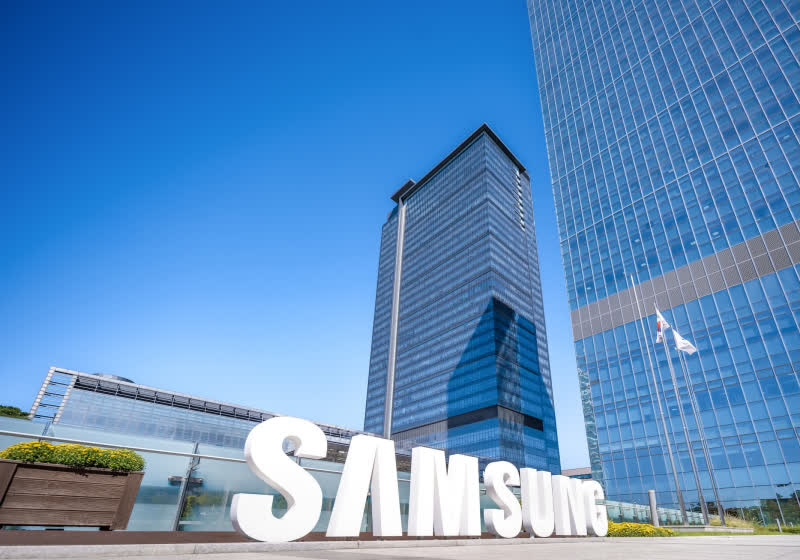
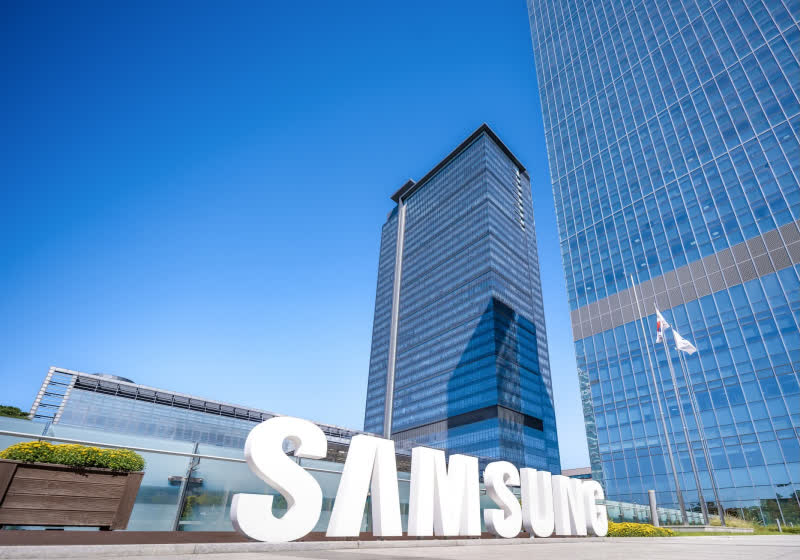
Samsung’s memory business is central to the current upswing in the chip market. Alongside SK Hynix and Micron, the company is one of the three major producers of DRAM and high-bandwidth memory (HBM). These chips are now critical for AI training and inference systems, where memory bandwidth has become as… Read Entire Article Source link
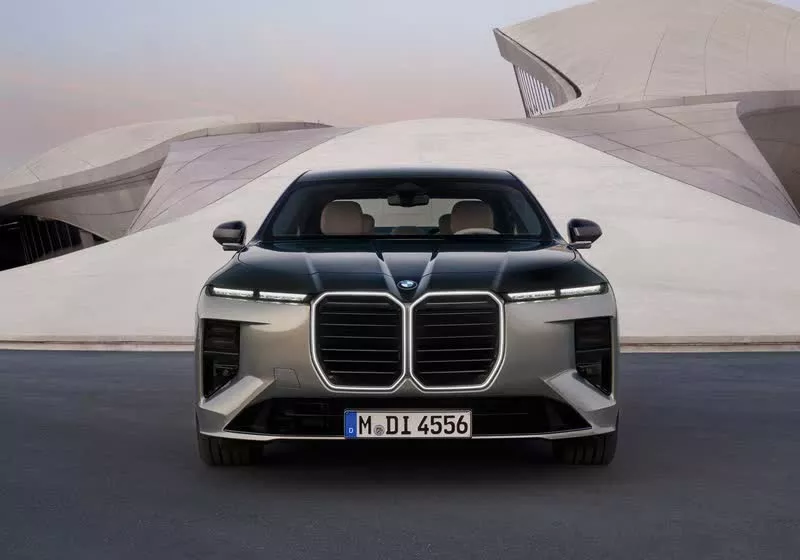
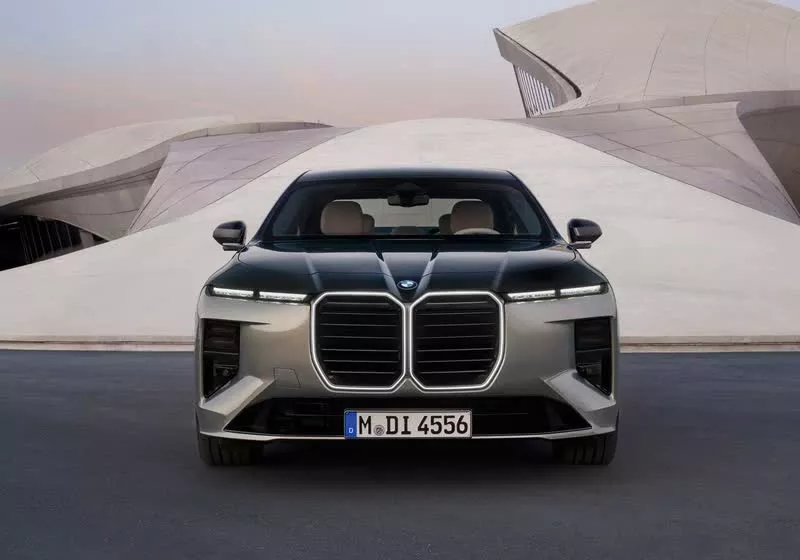
The two new all-electric models include the BMW i7 50 xDrive and BMW i7 60 xDrive, each featuring a dual-motor, all-wheel-drive powertrain. The former is powered by a 449 hp motor producing 487 lb-ft of torque, while the latter features a 536 hp motor delivering 549 lb-ft of torque. Read Entire Article Source link
When Tim Cook took over Apple in 2011, the big question was whether anyone could follow in the footsteps of Steve Jobs. For many, Jobs was Apple.
A massive fifteen-year stint later, it’s clear that Cook has delivered – and then some. Not with a single breakthrough product like the Jobs-era iPhone or iPod, but a long list of hits, experiments and the occasional misstep that reshaped what Apple is today.
Here are 15 of our favourite Apple products that defined Cook’s decade-and-a-half legacy, both for better and for worse.
Apple Watch
Image Credit (Trusted Reviews)
The Apple Watch was the first big “post-Jobs” category – and it didn’t receive a particularly warm welcome initially. Early versions leaned awkwardly into fashion, complete with gold editions and luxury marketing, despite early Apple Watches only being supported for a relatively short period of time.
Advertisement
Advertisement
But, slowly but surely, Apple’s wearable found its footing. Today, the Watch is less about style and more about health with features like heart rate monitoring, ECG and fall detection, and has become one of the company’s most important products as a result.
It also helps that it plays so nicely with connected iPhones, offering a level of interoperability that most Android-based wearables still can’t quite match.
AirPods
Image Credit (Trusted Reviews)
Considering how popular AirPods are in 2026, it’s funny to look back at the reactions on social media when they were first revealed in 2016. People generally disregarded the buds, comparing them to electric toothbrush heads, but within a year of launch, they were everywhere.
As with the Apple Watch, Cook’s sprinkling of magic meant the buds worked very well with iPhones, iPads and Macs. They offer great sound and features like seamless handoff between devices, and they’ve vastly improved in the years since, not only in features but also in the overall design with the Pro and Max variants.
Advertisement
Advertisement
iPhone X
Image Credit (Trusted Reviews)
While the original iPhone was a Jobs-era innovation, the iPhone X was the moment that the modern iPhone was born.
It ditched the staples of the iconic iPhone design – the Home button and bezels – for an all-screen design with the now instantly recognisable Face ID notch. It was a controversial change at the time, but it’s a design that Apple still uses on its iPhone lineup today.
Apple Silicon
If there’s one product that feels like a true Cook-era mic drop, it has to be Apple Silicon.
Advertisement
Ditching the dominant force that was Intel to build its own chips was a huge risk – especially considering Mac apps would essentially need to be rebuilt for the platform to fully take advantage of the power on offer. But that risk paid off, almost immediately.
The M1 MacBook Air was absurdly fast, silent and efficient compared to practically anything else around, and it has only improved with newer versions in the years since.
Advertisement
iPad Pro
Image Credit (Trusted Reviews)
The iPad Pro is Apple’s long-running attempt to answer a simple question: Can a tablet replace your laptop?
Even after all these years, the answer is still… it depends. But with the Pencil, keyboard and increasingly powerful M-series desktop chips, it has become the go-to tool for creatives and professionals who favour touchscreen over traditional mouse input.
Advertisement
Apple Music
Image Credit (Trusted Reviews)
Cook didn’t just drive hardware – he also pushed Apple into the increasingly lucrative services business.
With its sights set on the dominant Spotify, Apple Music was the company’s first foray into services, and it was a massive success. It has a vast collection of songs available in Hi-Res format and Dolby Atmos for an immersive listening experience, and it, of course, plays exceptionally well with iOS, macOS and iPadOS.
Apple Pay
The launch of Apple Pay changed the way that we pay for products and services, both online and in the real world. It’s a feature that we don’t even think about these days – we just pull out our phones and pay with a tap – but Apple was one of the first to make that possible back in 2014.
Advertisement
Advertisement
Apple Vision Pro
The Apple Vision Pro is Cook’s “what’s next?” product, a £/$3499 headset that Apple insists isn’t VR but ‘spatial computing’. It’s early tech, expensive and a bit awkward – but also undeniably impressive compared to cheaper headsets from the likes of Meta with its M-series power and high-end graphics.
But whether it becomes the next iPhone or next HomePod remains to be seen – given the waning interest in VR headsets, it’s quite possible it could be the latter.
iPhone SE
Image Credit (Trusted Reviews)
Not every Apple product needs to be cutting-edge, and the iPhone SE is a great example of that.
Cook’s supply chain mastery was on full display here, reusing older components with newer internals to offer the iPhone experience at a much more affordable price. It wasn’t perfect, of course, but it had a special place for those who missed the ‘old school’ iPhone look.
Advertisement
Apple Pencil
Image Credit (Trusted Reviews)
Steve Jobs famously said nobody wanted a stylus – but it turns out that people did when it came to the big screens of iPads. They just didn’t want bad ones.
The Apple Pencil helped transform the iPad into a legitimate creative tool, especially for artists, designers and good ol’ note-takers, with an experience that still isn’t quite matched by Android stylus alternatives.
Advertisement
MagSafe
Image Credit (Trusted Reviews)
MagSafe – the iPhone variant, not that used in Macs – was a game-changer when it was released with the iPhone 12, so much so that the framework has since been baked into the Qi2 standard for all phones to follow.
Advertisement
It just makes so much sense: using a ring of magnets, not only does the phone snap into place perfectly on wireless chargers, but it also lets you add a bunch of accessories like battery packs, wallets, or even camera grips without messing around with different cases. Just snap it on and pull it off when you’re done.
MacBook Pro
Image Credit (Trusted Reviews)
The MacBook Pro had a few bumps in the road under Cook’s leadership. People loved the old style of MacBook Pro, but Cook’s Apple reinvented it in 2016, removing fan-favourite features like MagSafe charging and SD card slots and introducing an OLED touch bar that quickly became the butt of the joke.
It took until 2021 for the MacBook Pro to reverse course, ditching the gimmicky touch bar and its reliance on USB-C and bringing back MagSafe charging and a plethora of ports, which, combined with Apple’s M-series silicon, now make it one of the best laptops around.
MacBook Neo
Image Credit (Trusted Reviews)
Advertisement
We couldn’t talk about the MacBook Pro without at least mentioning the MacBook Neo, which could be considered Cook’s Magnum Opus ahead of stepping down.
Advertisement
For years, the MacBook Air was Apple’s entry point into the macOS ecosystem, but it still cost close to a grand, if not more. The problem is that there are plenty of cheaper Windows-based laptops, and those tend to win out for budget-focused buyers.
But then came along the MacBook Neo, and despite sporting an iPhone-level A18 Pro chipset, it excels in the budget market in both general performance and battery longevity, all for just £/$599, which makes pretty much every cheap Windows laptop look underpowered and expensive. A defining moment indeed.
Magic Mouse 2
Image Credit (Trusted Reviews)
The Magic Mouse 2 was a beautifully designed mouse with one tiny problem: you have to charge it from the bottom. Which means you can’t use it while it’s charging. Yes, the memes were great for this one.
Advertisement
It’s such a small decision, but it perfectly captures the “design over practicality” criticism that followed Apple for years, and for better or worse, will be remembered as a defining Cook-era product.
Advertisement
Polishing cloth
Yes, really.
A £/$19 Apple-branded cloth to clean your screen. It became an instant meme – not because it’s bad, but because it so perfectly represents Apple’s confidence in its brand.
Only Apple could sell that… and have it go out of stock.
Advertisement
Jokes aside, Under Cook, Apple stopped being just a computer company and became a part of basically everything we do, from how we pay for coffee to what we wear on our wrists. It wasn’t always a perfect run, but he turned the post-Jobs era into a massive, unstoppable ecosystem that most of us now couldn’t imagine living without.
Advertisement
It’s safe to say that John Ternus is now the one with big shoes to fill.
A lack of skilled workers has been a problem throughout many different industries in the United States over the past several years. Even the military is not immune to the problem, as the U.S. Navy can’t find workers to build warships. Believe it or not, there’s also a shortage of pilots as well. However, the U.S. Air Force is currently working to alleviate that problem to the tune of $50,000 per pilot.
This incentive program is designed to keep active-duty pilots in service with bonuses, thus helping to fill the shortage gap. Those bonuses are paid in exchange for longer commitments, and apply to eligible pilots, remotely piloted aircraft operators, air battle managers, and combat systems officers. The 2026 fiscal year aviation bonus can go as high as $50,000 per year depending on the role, and overall experience. There’s also a structure in place for higher payouts in exchange for shorter agreements, for fighter, bomber, and U-2 pilots (who wear space suits when they fly).
This incentive program isn’t new, and was recently used in 2025. It targeted pilots with one or two years left on their Undergraduate Pilot Training commitment and included a bonus of up to $50,000 annually, with an option of up to $200,000 up front. That option gave pilots the ability to select their preferred assignments. The 2025 program had separate bonus tiers in place for combat systems officers and navigators, ranging from $15,000 to $30,000 per year, with longer commitments reaching as high as $360,000.
Advertisement
Air Force pilot retention programs have existed for years
George D. Lepp/Getty Images
The U.S. Air Force’s modern push to retain pilots kicked into high gear back in 2017 with the Aviation Bonus Program. This was a tiered structure, and went beyond the retention pay program previously offered years prior. The program paid eligible fighter and drone pilots up to $35,000 per year. Bomber and special operations pilots received up to $30,000, while surveillance and rescue pilots got up to $28,000. Other roles, including combat systems officers, were paid anywhere from $10,000 to $20,000 per year.
The 2017 Aviation Bonus Program was authorized by Congress that year to address concerns over a lack of active-duty pilots. The new program was part of the National Defense Authorization Act (NDAA), which included input from senior Air Force leadership. The NDAA is congressional legislation that’s passed every year since 1961. It grants the Department of Defense (which very recently made a deal with OpenAI) the authority to operate, set personnel policies, and prioritize funding.
Advertisement
The Air Force has not publicly disclosed if the Aviation Bonus Program has successfully helped to retain pilots as intended. However, there have been indications from some pilots that money is only one part of the decision-making process. There are broader factors at play, including quality of service, mission experience, and long-term career fulfillment. All of these elements could help determine whether pilots choose to remain in service, or return to civilian life once their time is up.
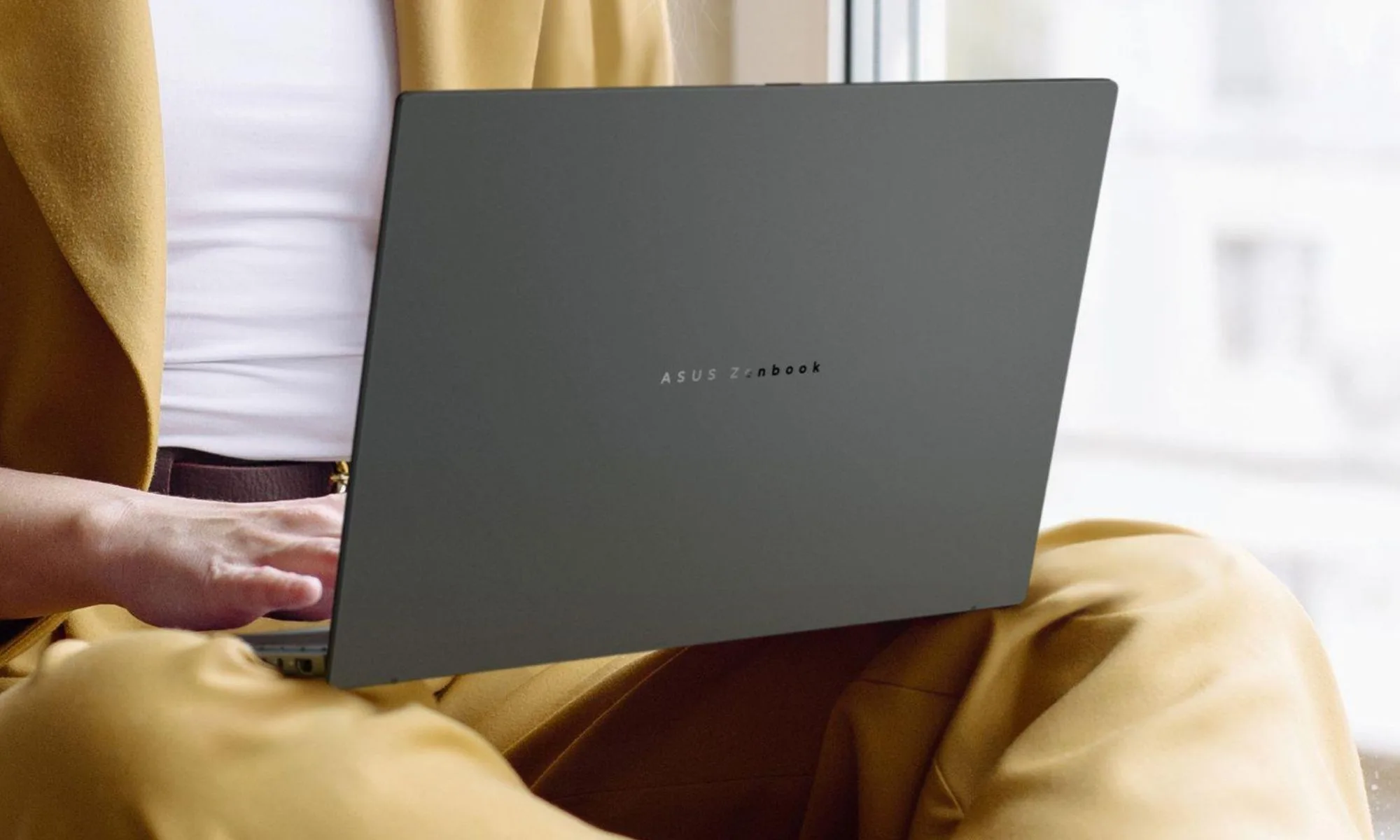
The 2026 versions of the ASUS Zenbook and VivoBook laptops have recently been released in the Indian market. The latest range comprises high-end and budget-friendly models that boast enhanced processing capabilities, light weight, and advanced AI features. Users can purchase these laptops through various online and offline mediums.
Design, Performance, and AI Features
All the laptops in this range are powered by next-gen Intel Core Ultra Series 3 and Snapdragon X2 processors. With AI capabilities built into the chips, users get improved speed and performance, especially for modern tasks.
This results in faster switching between apps, better support for creative work, and longer battery life. Overall, the experience feels more responsive and reliable for daily use, whether for office work, learning, or streaming.
Another feature that stands out in this line of ASUS laptops is its design. This particular design uses Ceraluminum, a material used to create the laptop casing, making the laptops very durable yet lightweight. In other words, they look luxurious while being highly portable.
Advertisement
Complete Lineup and Pricing
The newly launched portfolio includes a wide range of models:
Zenbook S14 (UX5406AA) – starting at INR 1,79,990
Zenbook DUO (UX8407AA) – starting at INR 2,99,990
Zenbook A14 (UX3407NA) – starting at INR 1,85,990
Vivobook 14 (X1407AA) – starting at INR 98,990
Vivobook 16 (X1607AA) – starting at INR 1,01,990
Vivobook S14 (S3407AA) – starting at INR 1,28,990
Vivobook S16 (S3607AA) – starting at INR 1,31,990
Zenbook Series Highlights
The Zenbook series focuses on premium design and performance, with each model built for different needs. The Zenbook S14 is a lightweight laptop at around 1.2 kg, featuring a slim design and a 14-inch 3K OLED touch display, along with up to 27 hours of battery life, making it ideal for users who need portability.
Moreover, the Zenbook DUO is equipped with two 14-inch 3K OLED touchscreen displays that offer an improved multitasking environment, as well as a battery life of up to 32 hours. Conversely, the Zenbook A14 focuses more on its portability, as it weighs less than 1 kg and uses the Snapdragon X2 chipset, which highlights its AI performance and battery life.
Vivobook Series Highlights
The main theme of the Vivobook laptops is to provide efficient performance but at an affordable price. The Vivobook 14 and 16 models are best suited for general use, and their functionality supports productivity and provides additional security. On the other hand, the Vivobook S14 and S16 models would be suitable for users with greater knowledge, as they offer excellent performance and longer battery life.
Availability Details
Both laptops are easily available throughout India, via both online and offline channels. They are available in ASUS Exclusive Stores, Hybrid Stores, ASUS E-shop, Flipkart, and Amazon. They are also sold through authorized retail partners across the country. The Zenbook A16 is expected to be available from June onwards.
It certainly won’t be a slow start for Ternus, who currently oversees all of Apple’s hardware engineering. But he also will be tasked with navigating new AI and manufacturing challenges, as I explore in this week’s One More Thing episode, embedded below.
Advertisement
Watch this: The Biggest Battles Ahead for Apple’s Next CEO, John Ternus
But Cook isn’t completely leaving Apple. His influence continues as he takes the role of executive chairman on Apple’s board of directors. You might see him continue to play the role of a Washington whisperer, as the company said Cook will be “engaging with policymakers around the world.”
That leaves Ternus free to focus his energy on new product launches. His first mission? Make sure that enhanced personalized Siri really works well on those fun new gadgets this fall. Because if that flops, it’s going to be a rough first year.
Advertisement
Watch this: What’s Next for Apple Without Tim Cook at the Helm
For more One More Thing, subscribe to our YouTube page to catch Bridget Carey breaking down the latest Apple news and issues every Friday.
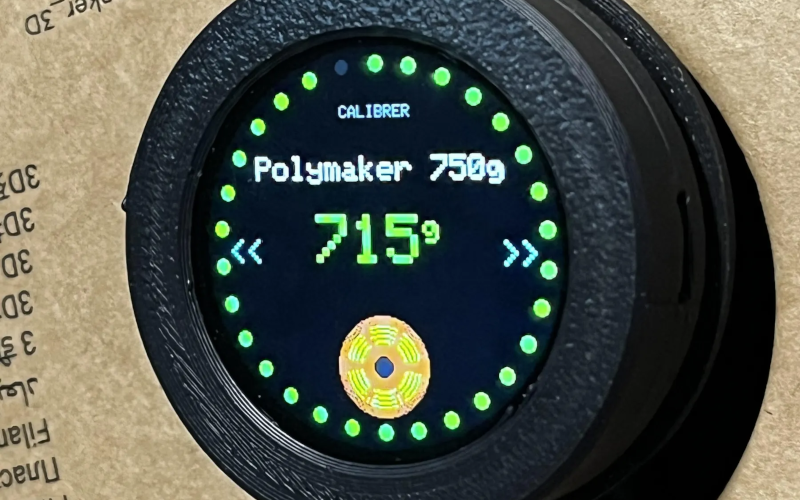
If you have a desktop 3D printer, you probably want something to hang filament spools on. [LVTRC] has a spool roller that fits the bill. It also incorporates a scale and a round touch screen. (Google Translate)
We’ve seen those round screens before, and now we wonder why we didn’t think of this. The GC9A01 display shows a progress ring and lets you save settings or calibrations to EEPROM. An Arduino Nano provides the brain, and the load cell connects to an HX711. The project is made to fit a specific printer, but it should be little trouble to adapt it to a different printer or to mount it in an external mount.
One of the calibration steps, of course, is to program the weight of an empty spool to subtract from the total weight. The device can store up to five specific profiles.
Advertisement
Not the biggest spool holder we’ve seen. We keep thinking that we don’t know why we want a circular screen, and then someone always drops in to show us another thing we didn’t think about.
Russian telecom operators ask to delay the introduction of VPN traffic fees
Companies cite technical hurdles
VPN traffic fees are part of a wider plan to reduce VPN usage in the country
Russian telecom operators have called on the Ministry of Digital Development to postpone the introduction of new fees on VPN traffic.
According to the Moscow-based business daily Vedomost, providers claim technical limitations mean their systems will not be ready for the scheduled May 1 rollout.
In late March, Digital Development Minister Maksut Shadaev instructed operators to levy extra charges on users exceeding 15GB of international data per month.
The move is part of a broader strategy to reduce VPN usage as more residents adopt the technology to bypass blocks on platforms like Telegram.
VPNs function by rerouting traffic through encrypted international servers. This masks a user’s IP address and allows them to bypass domestic censorship to access blocked websites
Maxim Katz, a prominent Russian opposition figure who tracks VPN connectivity in the region, says these efforts signal how Roskomnadzor — Russia’s censorship agency — lacks the technical abilities to prevent residents from using VPNs to bypass government-imposed restrictions.
“They cannot do it technically, and now they want the businesses to help them. But the businesses don’t want to help them,” Katz told TechRadar. He also suggested that companies will likely obey the orders, but that, in practice, “actually nothing would change.”
According to a GM Authority report, the GMC Jimmy could be returning to production soon, most likely as a 2029 model. If that comes to pass, it appears that the Ford Bronco, as well as the Jeep Wrangler and Toyota 4Runner, may soon have a new rival.
GMC originally offered the Jimmy as a full-size SUV that was essentially an upscale version of its GM stablemate, the Chevrolet K5 Blazer. The first-gen Jimmy, made from 1970 through 1972, shared some of the K5 Blazer’s cool and unique features, including a removable roof that allowed owners to turn it into a convertible pickup truck. The second-generation Jimmy, which ran from 1973 through 1991, abandoned this feature, adding an integrated roof panel as well as fully-framed doors. GMC replaced the Jimmy with the Yukon for model year 1992.
According to April 2026 reports, the 2029 GMC Jimmy is likely to be based on the body-on-frame GMC Canyon. It is believed that GMC has yet to decide on the 2029 Jimmy’s aesthetic direction, with the brand open to both modern and retro styling. The engine selection is likely to include the Canyon’s 2.7-liter, 310-hp turbocharged four-cylinder engine, but a small-block V8 might also make an appearance. Motor Trend also believes that the Jimmy will receive a more advanced suspension to handle the increased rigors of off-roading. The outlet suggests that a coil-sprung, five-link setup at the rear would be ideal, providing better control than the Canyon’s leaf-spring arrangement.
Advertisement
The 2029 GMC Jimmy will enter a crowded market
GMC’s lineup, as of the mid-2020s, needs a midsize two-row SUV, so a new Jimmy would plug a hole in the brand’s lineup. Car and Driver estimates that the 2029 GMC Jimmy Elevation will have a base price of $50,000. Upper trims will include the AT4 at $55,000, the Denali at $60,000, and the Denali Ultimate at $65,000 — or thereabouts. These prices reflect the market for these body-on-frame midsize SUVs, which has seen steady growth from 2024 to 2025. Overall sales of the Wrangler, Bronco, and 4Runner increased by nearly 17% during this period, from 352,491 units in total to 412,134.
Advertisement
In addition to the existing body-on-frame competitors that lie in wait for the 2029 GMC Jimmy upon its debut, there are other SUVs that the Jimmy may have to take on, chief of which is the Hyundai Boulder. While it’s a concept, Car and Driver believes that Hyundai’s futuristic take on the SUV may make it to the U.S. by 2028 – a year before the revived Jimmy is expected to enter production. Another entrant into this rapidly-crowding market will be Nissan’s Xterra, which is set to jump into the pool in late 2028 with a starting price under $40,000. Between the Jimmy, Xterra, and Boulder, it looks like the late 2020s will offer plenty of options for those in search of a rugged, off-road-capable SUV.
Nuclear startup X-energy raised $1 billion in its initial public offering yesterday, selling 44.3 million shares for $23 each, a hefty premium above the $16 to $19 per share it was seeking. Initially, the company had hoped to raise around $800 million.
The stock is expected to begin trading on Friday on the Nasdaq Exchange under the ticker XE.
X-energy is building small modular reactors capable of generating electricity or delivering heat to industrial processes. The company has a deal with Dow to provide heat and power to a chemical plant in Texas and another with Amazon to sell as much as 5 gigawatts of nuclear power by 2039. Amazon’s Climate Pledge Fund led X-energy’s Series C-1 round.
Nuclear startups like X-energy have been buoyed by surging demand for electricity from data centers and other parts of the economy that have been electrifying.
Advertisement
The company says its reactors will generate 80 megawatts of electricity. Each Xe-100 reactor is cooled by helium gas, which flows over billiard ball-sized “pebbles” that are packed with BB-sized TRISO fuel pellets. TRISO fuel, which contains a kernel of uranium wrapped in carbon and silicon, was developed years ago to be safer than existing fuel designs, though it hasn’t been widely used. X-energy says its fuel can withstand higher temperatures, helping to keep the fuel contained and reduce the potential of a meltdown.
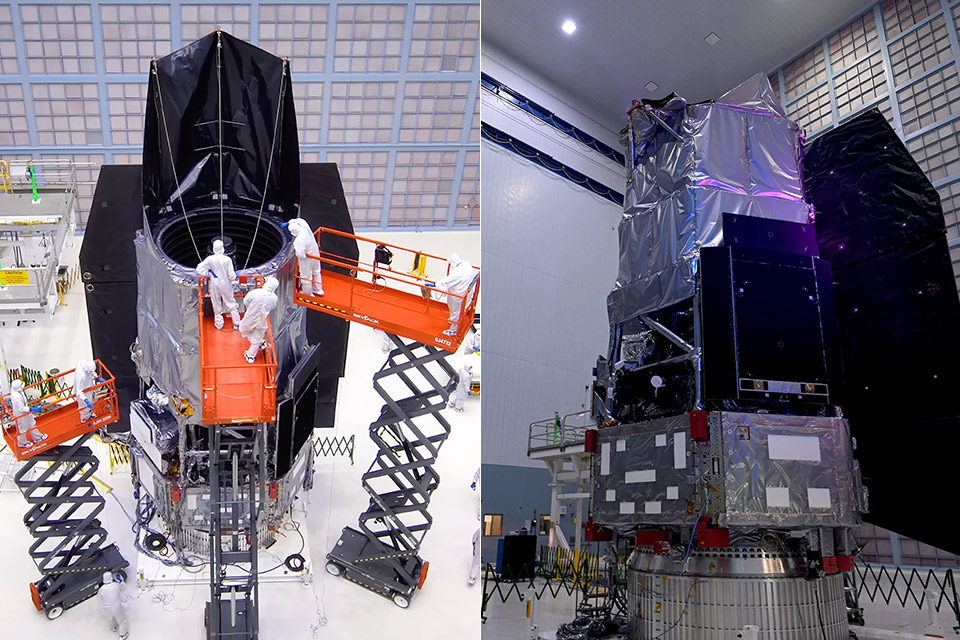
Years of painstaking effort at NASA’s Goddard Space Flight Center have finally paid off, with the Nancy Grace Roman Space Telescope now fully completed. Last November, the engineers were able to connect the two main portions, and now that the observatory has been polished and tested, it is sitting pretty in the site’s largest clean room. Next up is shipping out to Florida’s Kennedy Space Center in June, where a SpaceX Falcon Heavy rocket will launch into space as early as September, an incredible 8 months ahead of schedule and under budget.
Nancy Grace Roman earned the nickname ‘Mother of Hubble’ for effectively directing the agency’s astronomy program during the 1960s and 1970s. The new telescope is a suitable tribute to her name, with the same 2.4-meter mirror as Hubble, but everything else has been dramatically increased up. The observatory’s Wide Field Instrument is a 300-megapixel camera made up of 18 custom-built detectors that work together. Each of these detectors is essentially made up of pixels that are tuned in to pick up both visible light and near-infrared wavelengths, allowing scientists to choose the level of detail they require by using a filter wheel to dial in the exact colors they want.
Superior Optics: 400mm(f/5.7) focal length and 70mm aperture, fully coated optics glass lens with high transmission coatings creates stunning images…
Magnification: Come with two replaceable eyepieces and one 3x Barlow lens.3x Barlow lens trebles the magnifying power of each eyepiece. 5×24 finder…
Wireless Remote: This refractor telescope includes one smart phone adapter and one Wireless camera remote to explore the nature of the world easily…
The new camera on the Roman Telescope has a field of vision that is approximately 100 times larger than what Hubble could capture in a single picture. Because of the greater space available, a single exposure on the Roman Telescope may cover an area two hundred times larger than Hubble could. Where Hubble took decades to map a small piece of the sky, Roman will be able to cover vast areas in a matter of days. The reason it’s feasible is due to design decisions taken by NASA years ago, when they elected to employ a handful of surplus mirrors from the National Reconnaissance Office that had come their way, giving them the room they needed for a larger instrument package without having to start again.
Advertisement
The data flow will also be significant, with each day’s operations returning approximately 1.4 terabytes of data. And during the duration of its five-year primary mission, that will amount to thousands of gigabytes, all of which will be available for astronomers to explore and analyze. They’ll be able to see over a billion galaxies, get a close-up look at the Milky Way, and begin searching for tens of thousands of exoplanets. Some of those planets will be rogue objects that were flung out of their parent stars a long time ago, while others will appear as a result of gravitational microlensing, which occurs when the light from a distant star suddenly brightens because a planet passes in front of it. But the secret is that the Roman Telescope’s infrared vision can see through dust clouds that would typically obscure all of these objects from Earth’s perspective.
Dark energy and dark matter are at the very top of the scientific agenda. We still don’t know what these two unseen components are, despite the fact that they account for an astounding 95% of the cosmos. Roman will determine how much the expansion of space has altered over billions of years by analyzing the distribution of galaxies and harnessing weak echoes of sound waves that bounced about in the early universe. It will also be able to observe how dark matter gathers together and shapes the entire galaxy through its web of visible matter. At the same time, another equipment, a coronograph, will allow planets orbiting close stars to be observed in a previously unheard-of way, similar to how stars are blocked out by a shield. That object also functions as a trial ground for future expeditions that aim to take pictures of planets similar to Earth.
When the Falcon Heavy launches from Launch Pad 39A in September, the Roman Telescope will follow in the footsteps of numerous previous science missions. What’s interesting is that this cargo is bringing a much larger perspective than we’ve previously seen. In a single year, it will collect more data on the sky than Hubble did in almost thirty years in space. Astronomers from around the world have already submitted suggestions for the first batch of observations. The telescope will spend its time scanning, measuring, and recording what it discovers before beaming it back home, allowing researchers to begin piecing together previously unknown areas of the universe. [Source]



























































You must be logged in to post a comment Login