
Security teams log 54% of successful attacks and alert on just 14%. The rest move through your environment unseen.
The Picus whitepaper shows how breach and attack simulation tests your SIEM and EDR rules so threats stop slipping by detection.



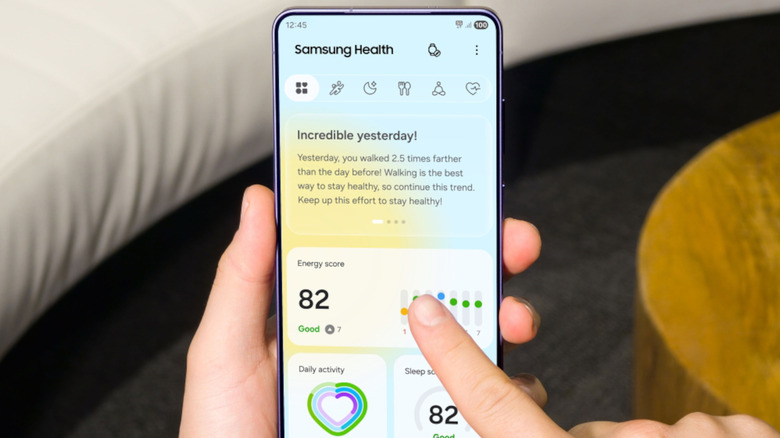
The new app was designed to showcase the upcoming Galaxy Watches’ capabilities.
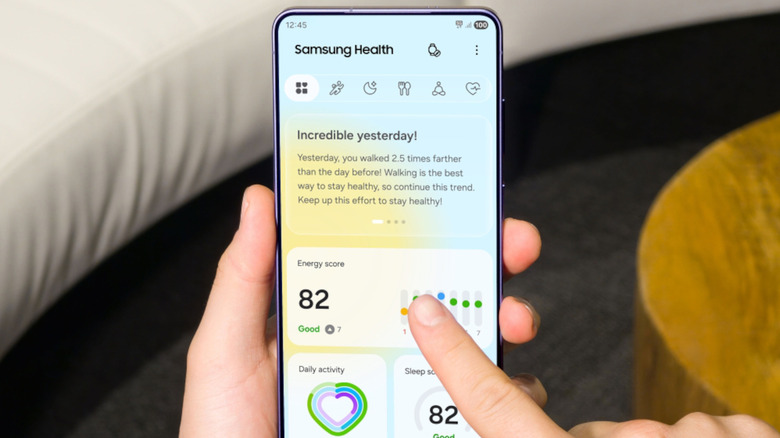
Samsung will start rolling out an update on June 8 that will make its Health app more useful in everyday life. The company says that updated app will translate “complex biometric data — from overnight sleep to daily activity — into simple, actionable guidance.” It will also showcase features that will be found on the Galaxy Watches that the company is launching this year.
As you’ve probably already expected, the features in the updated Health app will be powered by generative AI. The new Vitals feature, for instance, will use AI to analyze your heart rate, heart rate variability, respiratory rate, skin temperature and blood oxygen against their true resting baseline overnight. If the app detects meaningful deviations, it will send you a notification to say if you need more rest or if it’s possible that you may be fighting an illness. It’s the an upgraded version of the Energy Score in the old app
The old Health app can already give you information on your vascular load, which is the work your heart has to do to pump blood throughout your body. Now, the app’s Vascular Load function is turning into Heart Health Score. It combines metrics monitored by the Vascular Load feature, including sleep, stress and activity, with body composition data. The app will literally score your heart health and give you advice on how to improve it, such as taking more steps or eating bananas and other food rich in potassium.
Another new feature called Daily Cardio Load can recommend optimal training targets and rest times while working out, based on your metrics and overall profile. Meanwhile, Fitness Index will analyze your daily steps and your metrics, such as your heartrate and VO2 max or the maximum amount of oxygen your body can use during intense physical exercise, and then compare them against your peers. It will then give you personalized goals so you can focus on specific fitness aspects you may want to improve, such as your endurance or your strength.
While the Health app’s features will work across Galaxy mobile phones and connected devices, Samsung says these advancements “will be fully realized with the launch of Samsung’s next generation of Galaxy Watches.” Samsung is expected to unveil the new Galaxy Watch 9 and Ultra 2 at an Unpacked event this July.
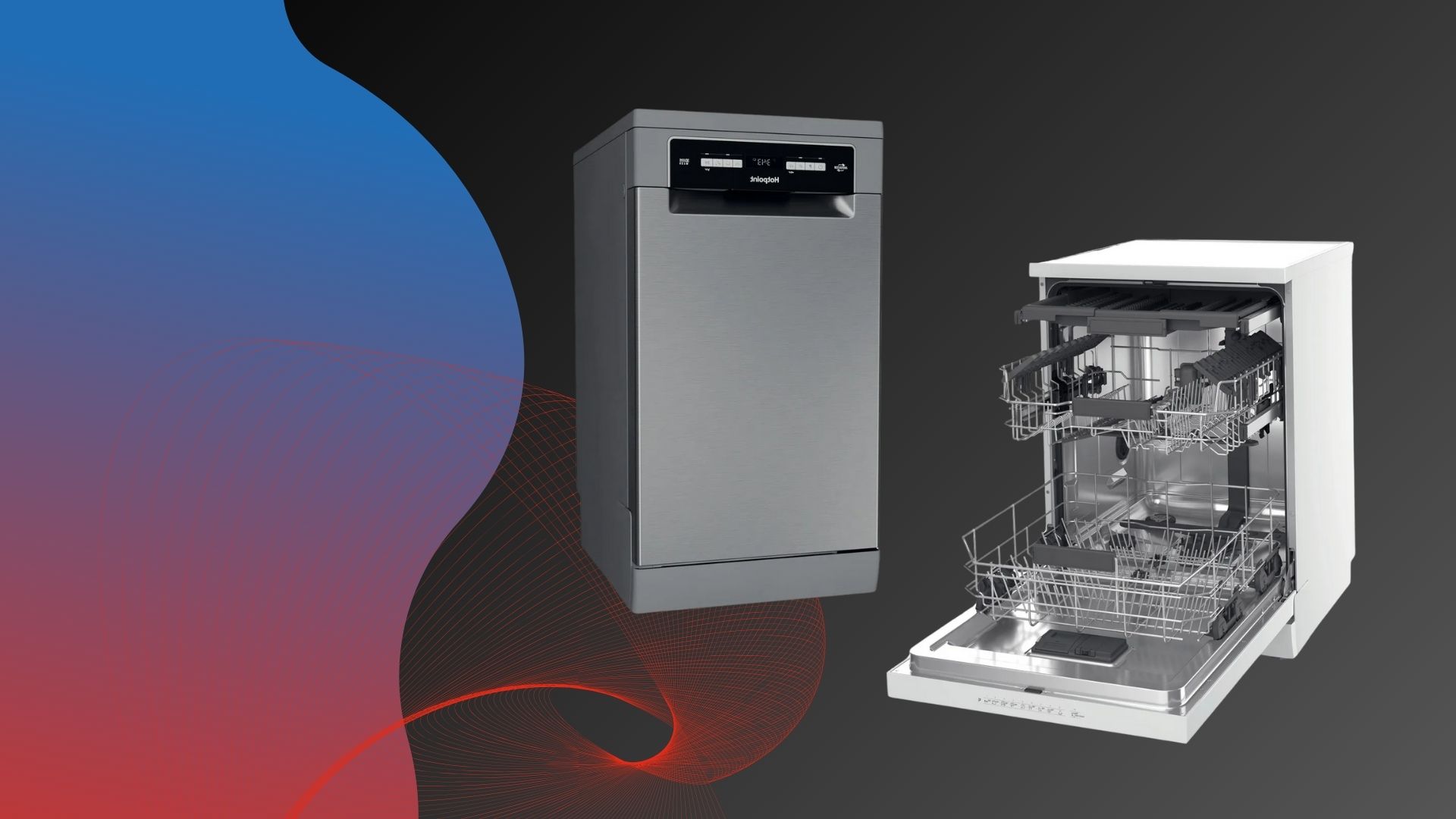
Between endless emails, factoring in the school run, making sure the fridge is stocked and any other responsibilities that keep you preoccupied throughout the day, there can oftentimes be so little space and energy left to tackle the dishes that having a dishwasher to hand feels like less of a luxury and more of a necessity. If you’re ready to claim black your free time, or upgrade from an existing appliance, we’ve got you covered with our guide to the best dishwasher you can buy.
In much a similar fashion to buying one of the best washing machines or the best fridge freezers, there’s a lot that needs to be taken into account before picking up a new dishwasher for your home, but your first port of call should be to decide whether you need a freestanding or an integrated model. The former can be placed anywhere with available space whilst the latter will need to adhere to your kitchen’s existing layout, so getting out the tape measure and pinning down the precise dimensions you have to work with is a must.
Once you’ve got the sizing and model pinned down, you can ignore any entries on this list that don’t fit that criteria and instead focus on the ones that apply, using our testing knowledge to better understand how they work when set up. We hook up each and every dishwasher in our dedicated testing facility, and we replicate standard cleaning scenarios that most households are likely to come up against, so we know exactly which dishwashers excel in what areas.
Because some dishwashers can cost well over £1000/$1000, we’ve made sure to include a variety of options across the entire price spectrum here, so if you are tied to a strict budget then you’ll still be able to find a model that works for your needs. Beyond the quality of the clean, we also make note of any additional features such as low-cost cycles to help you cut back on your energy bills, or smartphone connectivity that can let you know when a washing cycle is complete wherever you are.
There’s no denying that the world of dishwashers can feel like a crowded marketplace at times but thanks to the hard work of our tech experts, we’re able to cut out the noise and show you the appliances that are actually worth knowing about. If you’re curious to see more of the home appliance work that has been carried out by our team, then you can also read through our guides to the best cordless vacuum cleaners and the best hard floor cleaners.
SQUIRREL_ANCHOR_LIST
Every dishwasher is plumbed and run in first before we begin our testing. We fill each dishwasher with a typical domestic load of pots and plates, including wine glasses and plastics. We test the standard, main wash cycle and the Eco cycle on all machines, measuring the amount of water used, power used, time to completion and the noise during the fill and washing stages.
Loads of space
Good Eco running costs
Impressive third rack
Excellent cleaning power
A little expensive in its intensive wash
Not only does the Hotpoint Hydroforce H8I HT59 LS UK pack 10% extra usable space inside thanks to its Maxi Space tub, but it’s powerful and inexpensive to run too. It’s easily one of the best integrated dishwashers we’ve reviewed.
The Hydroforce H8I has three racks: a bottom rack for plates, middle rack and a top cutlery rack. Dive deeper and you’ll find there’s enough space for larger plates at the bottom and you can even fit up to six tall wine glasses on the middle rack. The top cutlery rack also offers space for more than just cutlery with a clever dip that’s designed to hold mugs and bowls.
Although its default setting is Eco mode which runs at 50°C, there are numerous options to choose from including Rapid Delicates, Auto, 3D Wash for especially dirty items, Half Load and Sani Rinse for sanitising items. You can also modify temperatures from 45°C up to 65°C.
We found that running the default Eco cycle cost just 16p each time, making it excellent value for an everyday appliance. Using the Auto mode with 3D Wash enabled costs 46p which, despite being quite a big leap, is only necessary for extra-soiled items. For faster cleaning you can select Rapid mode which runs for between 30 and 40 minutes, depending on what you select. This mode is more expensive at 31p, so isn’t a great option for everyday use but ideal if you need to wash dishes quickly.
Once the dishwasher comes to the end of a wash, a motor gently pushes the door open to allow steam to escape and help the plates to air dry.
Lots of space inside
Powerful cleaning
Very low running costs
Useful smart app
The manual doesn’t explain features very well
Water Jet Zone can’t be activated via the control panel
If you have a big household and are constantly battling with dirty dishes, then the Hisense HV693A60UVADUK is an easy recommendation.
With enough space to fit 16 place settings, you can comfortably fit everything from plates and cutlery to pots and pans in one single load. We even found that it didn’t matter which cleaning mode was used either, as all cycles resulted in outstandingly clean dishes. Not only that, but generally the HV693A60UVADUK had low operating costs too. For example, the Eco cycle which is best for everyday use costs just 15p to run which is easily the lowest we’ve seen for a full-sized dishwasher.
For trickier and more stubborn dishes then the 70°C mode, accompanied by Water Jet Zones and UV turned on offers exceptional cleaning results. However, at 49p a go, it’s a pricier option and should really only be used when necessary.
If you’re in a rush then you can opt for the speedy one-hour mode which runs at 65°C and costs around 32p. While it probably shouldn’t be used for the post-dinner clean up, it’s brilliant for coping with lightly soiled items. There’s also a seriously quick 15-minute mode which costs just 8p.
As a way of making the overall experience ever more intuitive, the accompanying ConnectedLife app lets you see exactly how much time is left before your chosen cleaning cycle is complete, plus there’s a light at the bottom of the appliance to let you know when everything is in operation. There’s also a helpful auto-dose detergent container which can take some of the overall maintenance out of your hands.
Tonnes of space inside
Quality stain removal
Wide range of cleaning cycles
Slightly expensive to run on intense cycles
The Hotpoint H7FHP33UK is perfect for larger families, thanks to its Maxi Space design, which provides 10% more space than a standard freestanding dishwasher.
Included are three racks which are flexible and can be adjusted accordingly to best suit the load. For example, the tines on the middle rack can be flipped up for stacking plates or flipped down to accommodate larger bowls.
When loading the middle rack we found that even our particularly tall wine glasses fit comfortably underneath the cutlery rack that sits at the top, which is a common nuisance with most standard-sized dishwashers.
Similarly the bottom rack has tines that are both spaced out at different intervals and are able to be folded down to accommodate larger dishes such as pots and pans. Away from its design, the Hotpoint features a wide range of programs and boasts brilliant cleaning results. The default mode is Eco at 50°C, which we found is the most efficient programme, but there are also three Auto programs where the dishwasher cleverly detects the soiling level of the dishes and adjusts the program accordingly.
Other programs include a Rapid 30-minute wash, Delicate and Self-Clean. There’s even a useful Active Dry option which automatically opens the door once a wash has finished, releasing steam and helping to air dry the dishes.
We found that running the default Eco cycle costs 22p, which places the dishwasher as a mid-priced option to run. This cost jumps up to 48p when using the intensive Auto mode with 3D Zone Wash switched on, while the fast wash costs 17p, but is only suitable for lightly soiled items.
Those with big families or who just tend to entertain often will appreciate the amount of space the Hotpoint HF7HP33UK has to offer, however it’s definitely not the cheapest to run for its more intensive cycles.
Stylish
Lots of cycles to choose from
Flexible internal space
The Hotpoint HSFO3T223WXUKN is one of the best slimline dishwashers we’ve tested and is the perfect option for those not blessed with kitchen space. All its controls are listed on the outside which includes an LCD that displays the selected mode, time remaining for a cycle and ways to select a desired mode.
There are a total of nine programs to choose from including an Eco 50°C, intensive clean, sanitising soak and self-clean. While the default Eco mode will work for most jobs, the Zone Wash 3D mode lets you select one of the two dedicated racks to wash for lighter loads.
Both of the racks are flexible with adjustable tines, fold down wine-glass holders (on the top rack), two adjustable holders (on the bottom rack) and a moveable cutlery basket which can be placed wherever.
To be expected with a slimline model, running the Hotpoint HSFO3T223WXUKN isn’t the most cost efficient option out there. Running the Auto Intense cycle cost approximately 38p whereas the Eco mode cost around 22p, with both cycles performing well and able to cope with dirty dishes. The 30-minute cycle costs just under 9p each time but is better suited for less-soiled items. Although the Hotpoint HSFO3T223WXUKN is a slimline dishwasher that offers more flexibility for smaller spaces, if you have a large family or simply want better value for money then we’d recommend going for a full-size dishwasher.
Third rack
Sturdy design
Good choice of wash cycles
Can struggle to fit taller items in
The Indesit DIO3T131FEUK is a great value dishwasher that boasts space and performs well even across particularly dirty dishes.
A full-size integrated dishwasher, the Indesit DIO3T131FEUK has space for fourteen place settings and includes three generously proportioned racks, although they aren’t quite as flexible as other similar-sized models like the Hotpoint H7IHP42LUK.
The middle rack in particular is fairly inflexible, as its tines for small plates and utensils aren’t able to collapse and, although it is height adjustable, lowering it means plates underneath can get caught. Otherwise, using the machine is simple with all the preset wash cycles listed on top of the DIO3T131FEUK’s door, which includes Eco 50°C, Auto Intensive 65°C, and a useful Push and Go option. The latter is designed for everyday use and runs a short cycles at 50°C.
To test the efficiency of the DIO3T131FEUK, we first ran its Eco mode and determined this costs a decent 24p per cycle. Although this isn’t the cheapest we’ve seen, cleaning performance was still generally good although tougher stains like dried egg did remain.
We then moved on to the Auto Intensive 65°C wash which although cost a pricier 38p to run, performed much better than the Eco mode and was able to make light work of dried-in stains.
If you need more cleaning prowess than Eco mode but not as much power as the Intensive wash, there’s the useful Auto Mixed mode that runs at 55°C and costs around 28p to run. Overall, the Indesit DIO3T131FEUK boasts a solid selection of wash cycles for all types of messes, a roomy inside and isn’t too expensive to invest in nor run. If you need a large dishwasher that just gets the job done, then this is a hard one to beat.
Large interior
Clever baking tray and wine glass holders
Powerful cleaning on higher temperatures
Eco mode is a little weak
If you’re looking for a budget-friendly freestanding dishwasher, the Beko BDEN38640FG is our pick of the entry-level models currently available. This dishwasher is attractive, well-built and surprisingly flexible with plenty of fold-down tines, a cutler rack and a wine glass and baking tray holder.
The Beko BDEN38640FG has a stainless steel finish and a neat LCD screen that displays the time remaining on a wash, giving it a sleek and stylish appearance. The actual controls can be found on top of the drawer, including a second screen that shows the estimated run-time.
The dishwasher includes all the standard cycles, as well as an AquaFlex everyday mode and an auto 40-65°C mode that detects how soiled dishes are. This model also features a CornerIntense arm that pivots around the tub for better corner-to-corner coverage compared to a fixed spray arm. Also inside the dishwasher, you’ll find a cutlery basket, cutlery rack, folding tines, fold-out supports for baking trays and fold-down wine glass supports. According to Beko, this is enough space for 16 place settings, though we have found that dishwashers with larger tubs, such as the Hotpoint H7FHP33UK, still offer more flexibility.
When it comes to performance, the Beko BDEN38640FG includes an Eco mode which cost us 23p per cycle and offered generally good cleaning, though it didn’t fully clean some of our tougher, dried down stains. For these, you’ll want to use the Intensive 70°C mode which increased our running costs to a still very reasonable 39p. The Auto and AquaFlex sit in between the two when it comes to performance, but neither managed to completely clean our bowl of scrambled eggs. There’s also a fast wash option for when you’re short on time, though this doesn’t dry dishes as comprehensively as other modes.
If you’re looking for a well-priced dishwasher and looks great, offers flexible storage and cleans well, the Beko BDEN38640FG is our recommendation.
Good eco running costs
Lost of internal space
Good wash performance
Top rack tines can’t be folded
Slightly confusing Power Wash mode
Let’s face it, sometimes we can just be too busy to fuss over the details of a new appliance, so if you’re in the market for a dishwasher that simply does the job well and doesn’t rack up much of an energy bill whilst doing so then the Hoover H-DISH 700 HF 6B4S1PX 80 is an easy option to recommend. Starting with the amount of space available, it’s hard to imagine the H-DISH 700 letting you down if you live in a large household or you’re hosting a sizeable dinner party. The internal space is so gargantuan that you can easily fit in 16-place settings, making short work of any post-dinner clean up.
Not only is there a ton of space available, but the H-DISH 700 also uses a unique arrangement on the bottom drawer that allows you to really cram in the crockery. Unlike what you’d usually see inside a dishwasher, this bottom drawer invites you to load in plates from front to back, as opposed to left to right.
For most clean-ups, the eco mode is more than capable of doing the job, and the best thing about it is that it only costs 18p per cycle to run, making it one of the more cost effective options out there. If you do want to skip any pre-wash rinsing however then there is a Power Wash mode that can really give stubborn stains a fight.
When everything’s loaded in, you can dive on over into the accompanying hOn app on your smartphone to select a wash cycle of your choosing. You can also use the app to see how long is left on any given clean, so you’ll know exactly when you can start putting everything away.How we test our Dishwashers
Pros
Cons
Pros
Cons
Pros
Cons
Pros
Pros
Cons
Pros
Cons
Pros
Cons
Test Data
Hotpoint Hydroforce H8I HT59 LS UK
Hisense HV693A60UVADUK
Hotpoint HF7HP33UK
Hotpoint HSFO3T223WXUKN
Indesit DIO3T131FEUK
Beko BDEN38640FG
Hoover H-DISH 700 HF 6B4S1PX 80
Energy consumption standard clean
1.67 kWh
–
1.767 kWh
1.335 kWh
0.933 kWh
0.879 kWh
1.216 kWh
Water consumption standard clean
17.1 litres
–
19 litres
16.9 litres
18.2 litres
26.5 litres
16.2 litres
Energy consumption eco clean
0.534 kWh
0.537 kWh
0.727 kWh
0.785 kWh
0.845 kWh
0.801 kWh
0.623 kWh
Water consumption eco clean
9.7 litres
7 litres
9.8 litres
8.6 litres
10.2 litres
11 litres
8.9 litres
Sound (normal)
–
–
46.3 dB
45 dB
–
–
–
Full Specs
Hotpoint Hydroforce H8I HT59 LS UK Review
Hisense HV693A60UVADUK Review
Hotpoint HF7HP33UK Review
Hotpoint HSFO3T223WXUKN Review
Indesit DIO3T131FEUK Review
Beko BDEN38640FG Review
Hoover H-DISH 700 HF 6B4S1PX 80 Review
UK RRP
£599.99
–
–
£339
£377
£469
–
USA RRP
–
–
–
Unavailable
–
–
–
EU RRP
–
–
–
Unavailable
–
–
–
CA RRP
–
–
–
Unavailable
–
–
–
AUD RRP
–
–
–
Unavailable
–
–
–
Manufacturer
Hotpoint
–
–
Hotpoint
–
Beko
Hoover
Size (Dimensions)
598 x 555 x 820 MM
598 x 555 x 816 MM
60 x 59 x 85 CM
450 x 590 x 850 MM
598 x 555 x 820 MM
598 x 600 x 850 MM
597 x 598 x 850 MM
Weight
–
33.5 KG
–
–
–
53 KG
52 KG
ASIN
–
–
–
–
–
B09KHJP3P8
B0D93C7XPR
Release Date
2023
2025
2023
2023
2024
2024
2025
First Reviewed Date
31/10/2023
14/05/2025
03/10/2023
24/05/2023
02/07/2024
28/01/2025
11/06/2025
Model Number
Hotpoint Hydroforce H8I HT59 LS UK
Hisense HV693A60UVADUK
Hotpoint HF7HP33UK
Hotpoint HSFO3T223WXUKN
Indesit DIO3T131FEUK
Beko BDEN38640FG
Hoover H-DISH 700 HF 6B4S1PX 80
Number of Place settings
14
16
15
10
14
16
16
Number of Racks
3
3
3
2
3
3
3
Height adjustable top rack?
Yes
Yes
Yes
Yes
Yes
Yes
Yes


Cisco has released security updates to patch a critical-severity Unified Communications Manager (Unified CM) flaw that allows attackers to gain root privileges.
Cisco Unified CM (formerly known as Cisco CallManager) serves as the central control system for Cisco IP telephony systems, handling device management, call routing, and telephony features.
The vulnerability (tracked as CVE-2026-20230) can be exploited remotely by threat actors without privileges in low-complexity server-side request forgery (SSRF) attacks.

“An attacker could exploit this vulnerability by sending a crafted HTTP request to an affected device. A successful exploit could allow the attacker to write files to the underlying operating system that could be used later to elevate to root,” Cisco said.
“Cisco has assigned this security advisory a Security Impact Rating (SIR) of Critical rather than High as the score indicates. The reason is that exploitation of this vulnerability could result in an attacker elevating privileges to root.”
Cisco’s Product Security Incident Response Team (PSIRT) is aware of publicly available proof-of-concept exploit code for CVE-2026-20230, but has yet to find evidence of active exploitation or targeting.
Luckily, the vulnerability only impacts systems where the WebDialer service is enabled, and WebDialer is disabled by default.
To check whether WebDialer is enabled, log in to Cisco Unified CM Administration, go to “Cisco Unified Serviceability,” click “Go,” and check the service status in the Tools > CTI Services menu under “Control Center – Feature Services.”
While there are no workarounds to mitigate this vulnerability, and it’s highly recommended to install Cisco Unified CM versions 14SU6 or 15SU5 (Sep 2026 or COP), administrators can also disable the WebDialer service until a patch is applied to block any incoming CVE-2026-20230 attacks.
To disable WebDialer, go through the following steps:
In January, Cisco fixed another critical Unified CM vulnerability (CVE-2026-20045) that has been actively exploited as a zero-day in remote code execution attacks.
Over the past several years, the company also removed a Unified CM backdoor account that allowed remote attackers to log in to unpatched devices with root privileges, and patched another flaw (CVE-2024-20253) that enabled threat actors to gain root access to vulnerable systems.
Over the past five years, the U.S. Cybersecurity and Infrastructure Security Agency (CISA) tagged 91 Cisco vulnerabilities as actively exploited in the wild, six of which have been used by various ransomware operations.

Security teams log 54% of successful attacks and alert on just 14%. The rest move through your environment unseen.
The Picus whitepaper shows how breach and attack simulation tests your SIEM and EDR rules so threats stop slipping by detection.

If Alphabet’s record-breaking $85 billion stock sale signals investor appetite for AI-related offerings — and it does — we can safely say that investors are voracious.
Google’s parent company had initially intended to sell a first tranche of $40 billion worth of various equity instruments — two different classes of shares, plus smaller “depositary shares” priced to be accessible to a broader range of investors. But the offering was so oversubscribed that it raised $45 billion instead, CEO Sundar Pichai said in a post on X on Monday. Among the buyers: Berkshire Hathaway, still known for its love of value investing, picked up $10 billion worth.
Alphabet plans to sell another $40 billion worth next quarter, for $85 billion total.
Even $80 billion would have topped the record for equity offerings previously set by Brazilian oil producer Petroleo Brasileiro SA, which raised $70 billion in 2010, Bloomberg reports.
Now, it’s true that these investors are buying shares of Alphabet, not shares in a younger, possibly debt-riddled AI startup. Alphabet is a very healthy business: $110 billion in revenue (with high profit margins) in Q1 alone, up 22% year-over-year.
Still, the money from this stock sale is earmarked for AI. “Part of our multi-year investment strategy to meet the AI opportunity ahead and support the demand we’re seeing from enterprises and consumers,” as Pichai described it. At Google I/O last month, he said the company expects to spend between $180 billion and $190 billion on capital expenditures — largely on AI infrastructure and data centers — before the year is out.
The timing matters beyond Alphabet itself. As Anthropic gets ready to go public, this enormously successful stock sale is a very good sign for the broader AI IPO pipeline. It indicates that public investors, particularly the deep-pocketed institutional ones, are ready to pony up.
The upcoming SpaceX IPO is expected to smash records for cash raised and valuation, and Anthropic’s deal is expected to do the same, possibly surpassing SpaceX. OpenAI is also waiting in the wings.
But all of this rests on public investors’ appetite — not just private VCs — remaining strong, and then staying that way. An unprecedented nearly $8 trillion in AI spending has been committed over the next five years. That money has to come from somewhere — and that somewhere includes individual company revenues, loans, and capital raised through stock sales. Whether public markets have the stomach to absorb that much, for that long, is the question that every AI company eyeing an IPO should be thinking about right now.
When you purchase through links in our articles, we may earn a small commission. This doesn’t affect our editorial independence.
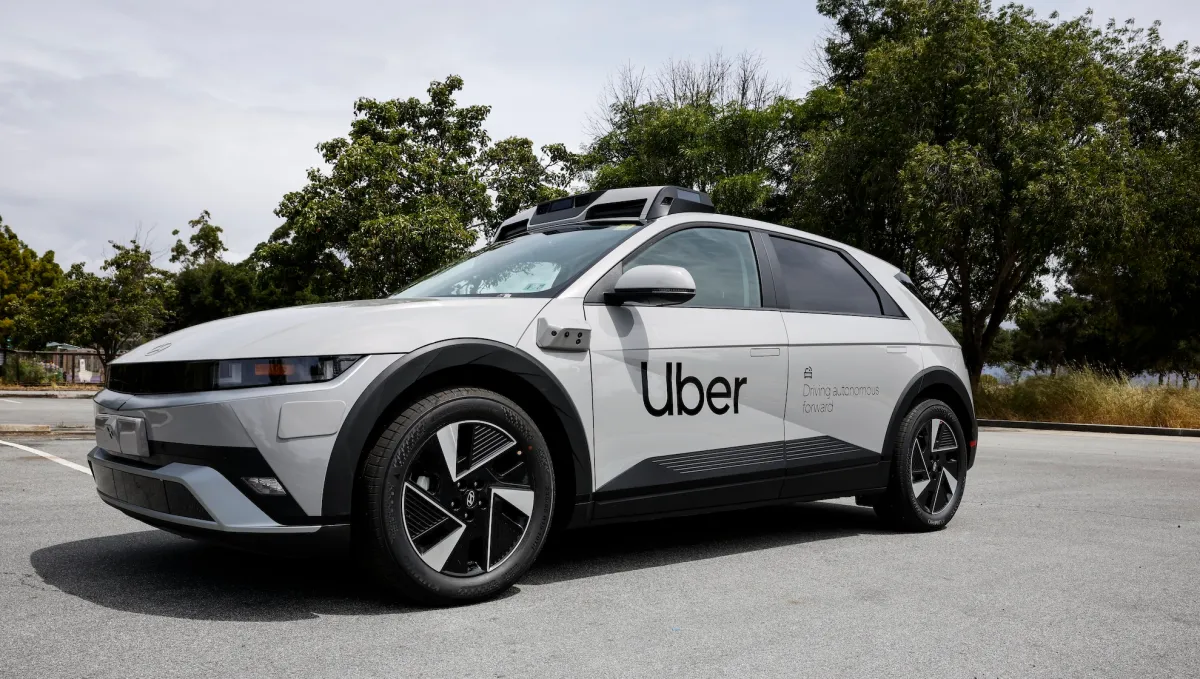
Uber revealed on Wednesday a prototype car that it plans to use to scoop up real-world driving data for its growing roster of autonomous vehicle partners, including Avride, Waymo, and WeRide.
The vehicle is not some radical design. Rather, it’s a Hyundai Ioniq 5 fitted with an incredible number of sensors on the top and sides, as the company first told TechCrunch back in January. The sensor-laden vehicle may not look particularly groundbreaking, but it does mark a few milestones for the company.
This is the first vehicle Uber has assembled itself (with help from a partner) since the company sold its autonomous vehicle division to Aurora in 2020. It also represents progress on Uber’s new AV Labs division, which launched earlier this year to use sensor-equipped Uber cars to collect and then share data with its 30-and-counting autonomous vehicle technology partners.
Uber said Wednesday that it plans to roll out 500 of these kitted-out Hyundai EVs globally this year. That fleet will be able to collect “2 million miles per month of high-fidelity data” for robotaxis. Uber expects 50 of these vehicles to be on the road by the summer.
The Ioniqs are fitted with 14 cameras, eight solid-state lidar sensors, and nine radars through a partnership with Roush Performance, which will handle the vehicle retrofits. All of that data will be routed through Nvidia’s Dual Drive Thor autonomous vehicle computer. Uber appears open to changing that sensor suite, noting that it will continue to update it as its partners’ needs evolve.
This isn’t just a transfer of raw data, however. Uber said its aim is to develop the world’s most geographically diverse set of training data specifically geared towards autonomous driving. If successful, this dataset will give its AV partners a 360-degree, time synchronized stitched view that can be used to train self-driving software.
The company already has a head start. Uber told TechCrunch it has collected data from thousands of vehicles equipped with outward-facing cameras in dozens of cities that are operated by its fleet partners. Uber has also captured data from hundreds of Lucid Air vehicles used by its fleet partners in the U.S. and Europe over the past two years.
Uber’s AV Labs division is analyzing these two tranches of data and is preparing to collect even more with its modified Ioniq 5 vehicles, which will be used by its fleet partners.
The AV Labs division is one component of Uber’s broader ambitions for autonomous vehicles. The company launched in February a division called Uber Autonomous Solutions that is designed to handle the day-to-day operations at a robotaxi, self-driving truck, or sidewalk delivery robot business.
When you purchase through links in our articles, we may earn a small commission. This doesn’t affect our editorial independence.


For the first time in 13 years, the Fortune 500 has a new No. 1— and it’s Amazon.
The Seattle-based e-commerce and cloud giant knocked Walmart from its familiar perch atop the ranking of the biggest U.S. companies by revenue.
Amazon surpassed $700 billion in revenue in 2025 with a 12% year-over-year jump. Just over 20 years ago, the company made its debut on the list at No. 492.
Only four companies have ever held the No. 1 spot in the 72-year history of the Fortune 500 list: General Motors, ExxonMobil, Walmart, and now Amazon.
Walmart fell to No. 2 for the first time since 2012. Here is the top 10:
The companies on the list combined for $21.0 trillion in revenue and $2.1 trillion in profits last year, while employing 30.5 million people worldwide, according to Fortune.
Amazon posted first-quarter sales of $181.5 billion, up 17%, and operating income of $23.9 billion, up 30%, in earnings reported at the end of April. Amazon Web Services growth accelerated to 28% in the first quarter — its fastest pace in nearly four years.
The tech giant, which employs 1.5 million globally, laid off 16,000 corporate employees in January in the second phase in a restructuring that began last October and totals 30,000 positions — adding up to the largest workforce reduction in the company’s history.
Additional tech-focused nuggets from the Fortune 500 list:
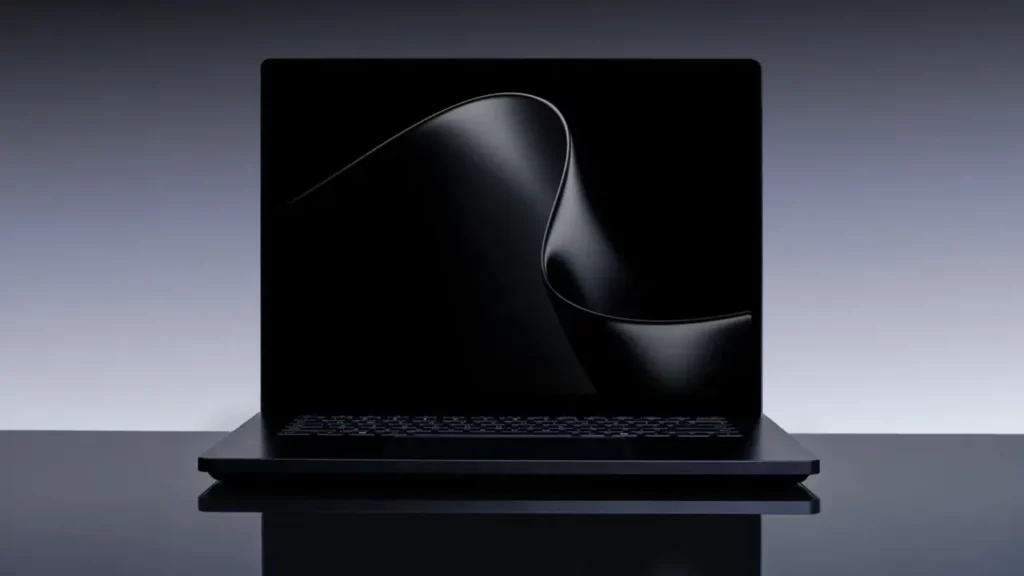
NVIDIA has introduced RTX Spark, a new computing platform designed to bring AI features to modern laptops. Major laptop brands have already revealed RTX Spark-powered models that combine strong performance with sleek designs and high-quality displays. The technology integrates multiple key features into a single system, including AI processing and graphics performance. Such factors help increase responsiveness when working with various creativity and productivity software. The laptops are designed to contribute to the next generation of AI-enabled Windows devices.
RTX Spark is based on computing technology primarily driven by AI. It offers AI-based functionality that will become common for Windows devices. At the same time, it offers strong graphics capabilities for creators and professionals. It also uses unified memory to improve communication between different system components. These advantages could make future Windows laptops more powerful and responsive than ever before.

Microsoft launched the Surface Laptop Ultra, its newest and most powerful Surface laptop yet. This device comes with a massive 15-inch PixelSense Ultra touchscreen that’s amazing for tackling tough jobs and creative tasks. Microsoft claims it’s the brightest display on any Surface laptop and the first to use mini-LED tech. With more screen real estate, users can easily multitask, create content, and follow complex professional processes.
The laptop’s equipped with an NVIDIA Blackwell RTX GPU to ace graphically demanding tasks. Paired with this is up to 128GB of unified memory, which shares resources across different tasks seamlessly. The redesigned chassis also accommodates powerful hardware while maintaining a premium and portable design.

The XPS 16 Creator Edition from Dell is amazing for creative pros. It comes with a stunning 16-inch OLED screen. The True Black HDR 600 tech really boosts that display, showing off dark shadows and vivid colors perfectly. So whether you’re into photo editing, videos, or graphic design, this laptop will suit your needs.
This laptop runs on NVIDIA RTX Spark tech with up to 128GB of unified memory, handling heavy tasks smoothly. It also includes handy features: an HDMI port and an SD card reader. So, you can effortlessly connect extra displays and move media files around. Combined with its fancy design, it should give pros serious power and keep the battery running for a long time throughout the day.

ASUS added the RTX Spark to its lineup of ProArt P14 and ProArt P16 creator notebooks. These machines boast high-def OLED displays, up to 128GB of memory, and up to 2TB of storage. The ProArt P14 is really portable with its 14-inch screen, while the ProArt P16 has a larger 16-inch display, perfect for extra workspace. Both remain slim and light, making them great to carry around.
Their screens cover 100% of the DCI-P3 color gamut and go up to 120Hz refresh rates. Plus, these ASUS laptops include RTX Spark tech, up to 128GB of unified memory, and even 2TB of storage. They’ve also swapped out the old DialPad for haptic controls, which makes the user experience way more modern and responsive. On top of that, these devices have USB-C, USB-A, HDMI 2.1, and SD card readers. Plus, they support Wi-Fi 7 and sport large batteries for heavy-duty creative work.

HP released the OmniBook X 14 and Ultra 16 as part of their new RTX Spark line. The X 14 is super portable yet packs powerful specs for creatives and workers alike. The Ultra 16 is all about handling lots of tasks smoothly. HP highlights both models as the world’s thinnest RTX Spark devices.
HP made sure to include plenty of handy connectivity options, like HDMI and USB-C ports, for easy display and accessory use. The OmniBook X 14 is super slim at 0.53 inches, and the OmniBook Ultra 16 comes at 0.62 inches. These compact designs help creators and professionals carry powerful hardware without sacrificing portability.
The RTX Spark laptops are launching later this year. Although official prices aren’t out yet, they’ll probably be really high because of their top-notch design, great displays, and specs. They’re meant for artists and AI pros. So, companies will likely share those final price tags, and when you can get them once everything’s set.
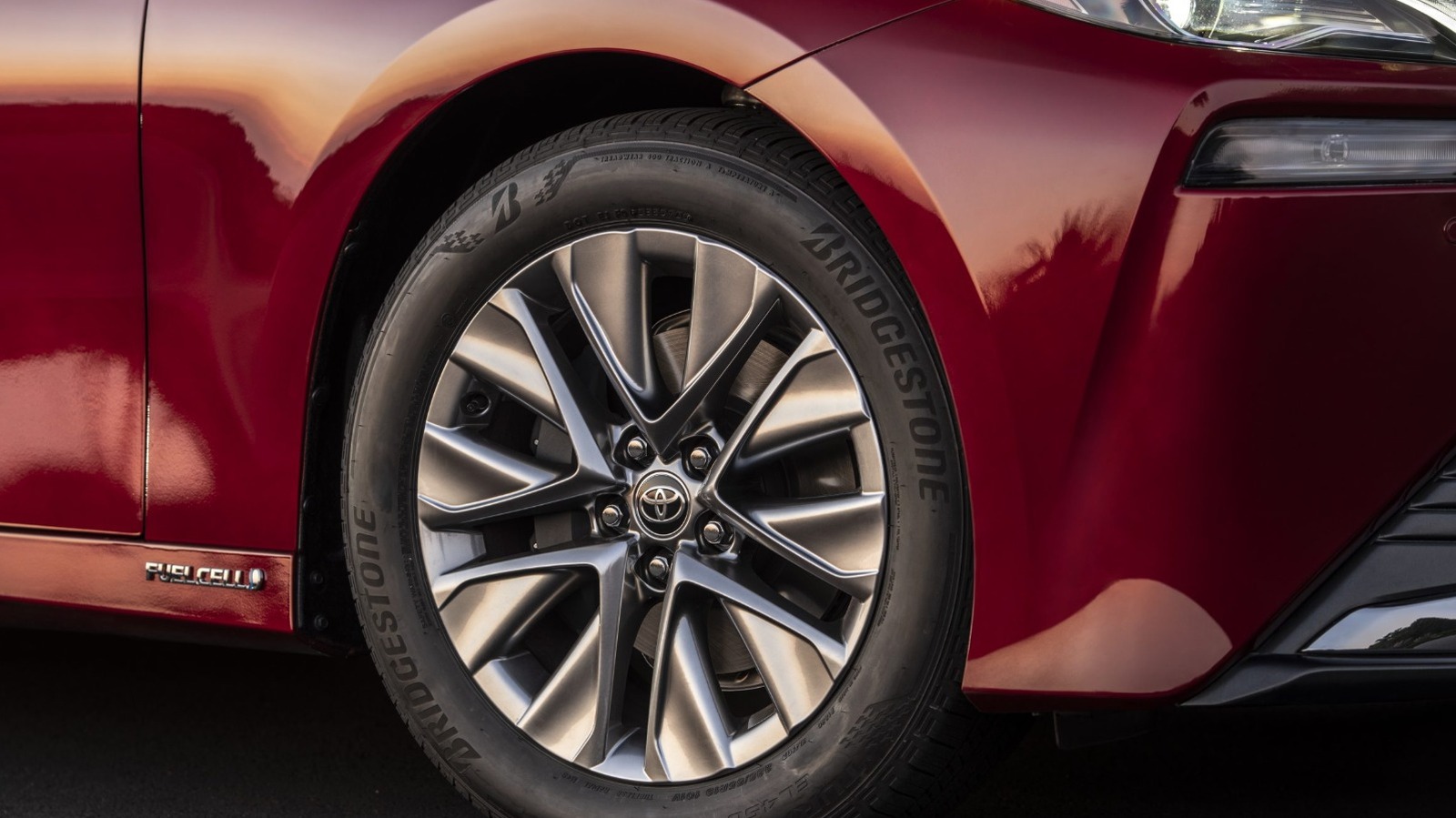
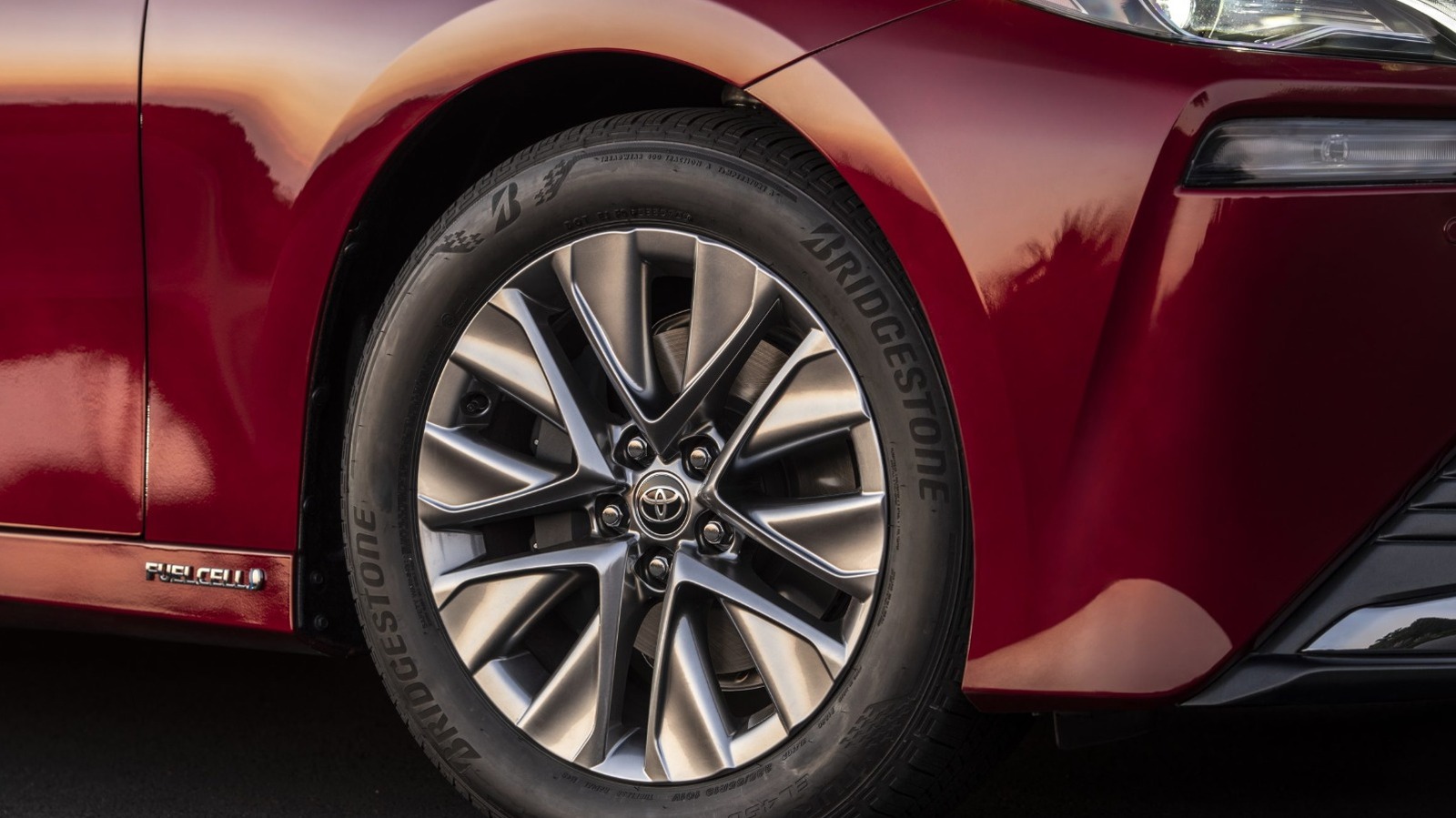
A huge part of Toyota’s popularity is built on a reputation for reliability and low maintenance costs, and indeed, the massive Japanese company is generally considered one of the least expensive brands to maintain. As one would expect, the list of Toyota models with cheap maintenance costs includes stalwarts like the Camry, Corolla, and Prius, all long known for their low overall ownership costs.
Interestingly, though, the Toyota model with the lowest 10-year maintenance cost, according to CarEdge, is not one of the automaker’s ultra-popular hybrids or even one of its battery electric EVs. The Toyota with the lowest 10-year maintenance costs is the hydrogen fuel cell-powered Mirai sedan, at an estimated $3,179.
However, the Mirai’s low maintenance costs come with some significant barriers to ownership. Not only is it expensive, but it’s also hobbled by a serious lack of fueling stations, high fuel costs, and extremely poor resale value. Most challenging of all, though, is probably that you can’t actually drive the Mirai in most American states. In that sense, the Mirai’s low maintenance costs are less of a real-world selling point and more of a minor redeeming quality for a vehicle and fuel source that has otherwise struggled to find a footing in the market.
Electric vehicles are well known for their low maintenance costs, and indeed, the CarEdge list is filled with EVs. In many ways, that’s exactly what the Toyota Mirai is, so its placement on the list is unsurprising. The big difference is that the very fascinating Mirai, now in its second generation, gets its power from hydrogen tanks and a fuel cell rather than a plug-in battery. Unfortunately, that means it has also proven both difficult and expensive to own in the real world, where hydrogen fueling infrastructure is extremely limited.
For starters, California is basically the only American state with any hydrogen fueling stations. Even then, fueling up isn’t easy, with stations regularly shut down or closed for maintenance. This, of course, makes the Mirai extremely impractical for most drivers — especially those who want to go on road trips.
Toyota includes a $15,000 hydrogen fuel credit with each new Mirai sale, but that eventually runs out; when it does, drivers will find that hydrogen is drastically more expensive than gasoline. In other words, even if you happen to have easy access to hydrogen filling stations, the extra cost of fueling the Mirai will almost certainly wipe out any money you’d save from its low maintenance costs.
Considering all the difficulties that come with hydrogen car ownership, the Toyota Mirai’s famously awful resale value, where it retains only about 23% of its original value after three years, isn’t much of a surprise. Low-mileage examples of the second-generation model, which starts at $51,795 (plus $1,295 destination), are regularly available for under $10,000. First-gen Mirai models, meanwhile, can be had for $5,000 or $6,000 all day long.
Given how expensive the typical used vehicle is these days, that might seem like an insane bargain for a modern, spacious, high-tech Toyota sedan that needs little maintenance. The reality is that the value is so low simply because the Mirai is such a difficult and pricey car to live with.
Given all of this, it’s not surprising that Toyota has more or less pulled the plug on further development of FCEV passenger cars, instead choosing to focus on commercial vehicle applications. Unless hydrogen vehicle infrastructure improves significantly, most drivers will find a car like the Toyota Mirai difficult or even impossible to own, regardless of how cheap it is to buy and maintain.
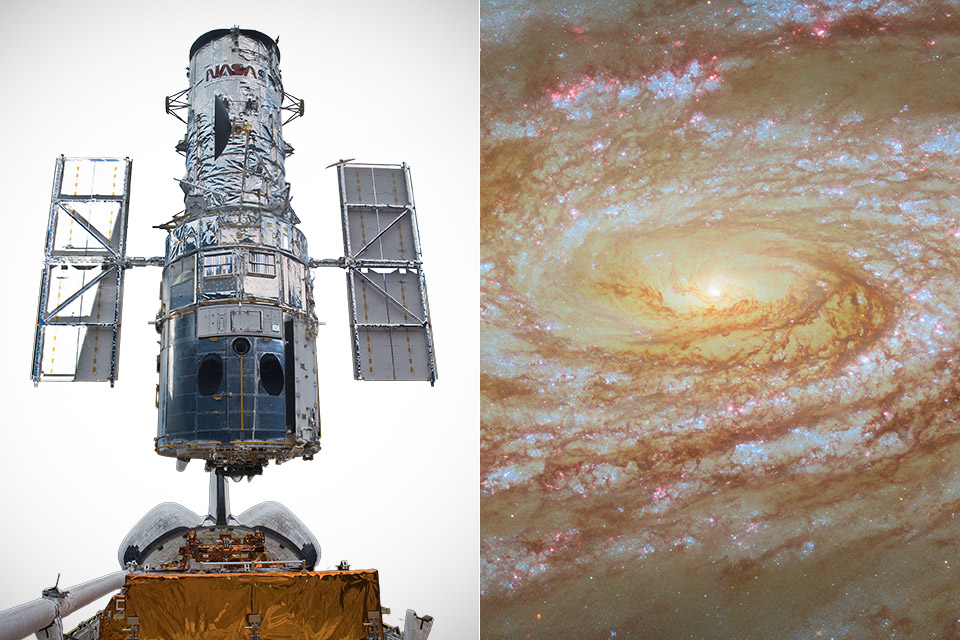
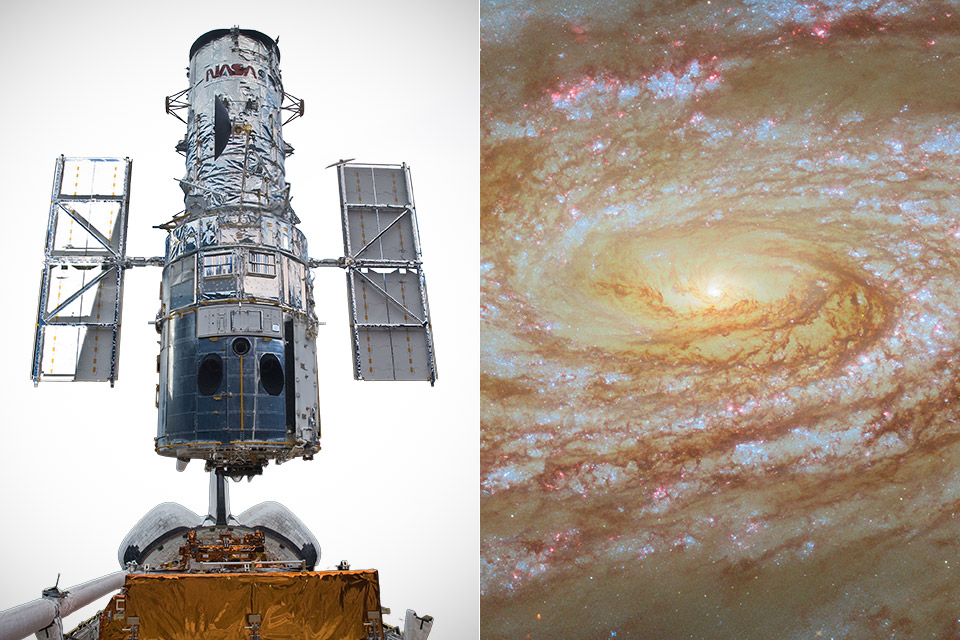
Hubble’s Wide Field Camera 3 captured a stunning composite image of galaxy M88, which shows a massive spiral system twisted at an angle, stretching its appearance and displaying an orderly set of arms looping inward with exceptional symmetry. Pink knots represent the formation of new stars, blue clusters outline younger stellar populations, and darker red lanes highlight the disk’s dust. The galaxy’s nucleus is surrounded by older stars that emit a warm light.
Charles Messier cataloged this object in 1781 while looking for any comet-like bodies in our skies. Later generations attempted to locate it in the Virgo Cluster, a huge collection of over a thousand galaxies crammed into a relatively large region of space that is roughly oriented toward the Coma Berenices constellation. M88 is just about 60 million light-years from the Milky Way. The galaxy spans around 130,000 light-years and contains several hundred billion stars. Its disk is slightly tilted, approximately 64 degrees, resulting in an elongated form rather than a perfect circle. Surprisingly, the elongation does not appear to impair the exceedingly regular spiral arms. Even the core region appears to be accurate, with no obvious disruptions or distortions to report.
Sale

This supergalaxy contains a supermassive black hole with a mass of 80 to 100 million suns. Gas and dust conduct a cosmic dance as they spiral towards this behemoth, releasing energy that flows everywhere. This frantic activity has classified M88 as a Seyfert 2 galaxy, which is not the most common sort of galaxy, but don’t expect much star-birth here. M88 is not cruising through a vacuum, as one might expect, but rather a member of the Virgo Cluster, where the only thing that separates member galaxies is scorching hot gas. As it rushes ahead, this hot gas generates a slight headwind, causing the galaxy’s gas disk to feel squashed. Especially in the front, where material is squeezed and gas is drawn from outside areas, this is enough to significantly decrease the flow of gas to new star formation, particularly in the outer disk.

Hubble program 18103 investigated a few spirals within one of these tight clusters to see how much the environment controls them. The image of M88 illustrates where stars may still be seen despite the pressure, as well as how the dust lanes have reacted to the overall movement. Guess what? The outer regions of the disk are already showing less activity than one would expect from a galaxy of this size and type. The most accurate measurement places M88 about a couple of million light-years from the cluster’s center point. In addition, it will collide with the massive elliptical galaxy M87 in around 200-300 million years. This will result in M88 being completely mauled by tidal pressures and subsequent interactions with the hot cluster medium.


Dubai’s skyline is constantly changing, and the Burj Azizi, currently rising along Sheikh Zayed Road, is one of the most magnificent additions to date. This project repurposes an older, delayed site into a new landmark that will shortly become the world’s second highest tower. Standing 725 meters from base to architectural top, the tower will claim that global ranking once complete. The measurement puts it comfortably above of most recent supertall challengers, although being approximately 103 meters shorter than the adjacent Burj Khalifa.
Azizi Developments takes the lead on a project that has been stalled for years after purchasing the dormant Entisar Tower site. Meanwhile, construction crews are working long hours, day and night, to lay the groundwork for this massive skyscraper, which they want to finish by 2028. This behemoth will be a sight to behold, towering over 130 floors and packing an unexpected mix of functions into a sleek body. The top floor houses a 7-star all-suite hotel with a design influenced by seven different cultural themes, while the lower floors are filled with ultra-luxurious flats, penthouses, and holiday homes. Then there’s the vertical retail space, a sprawling shopping mall that rises level by floor across the building.



What sets this skyscraper apart from others is not just its sheer height, but what they do with it. Try standing in the hotel lobby at 498 meters, which is the world’s highest position (for a hotel lobby). Then proceed to the highest-occupied hotel room, Dubai’s highest restaurant (544 meters), a theater (310 meters), a club (567 meters), a spa (415 meters), or the observation deck (649 meters). Residents will have access to a range of amenities, including health clubs, pools, gyms, saunas, cafes, a children’s play area, a ballroom, and, to top it all off, an adrenaline junkie zone for thrill seekers. This all adds up to a self-contained vertical neighborhood where you may work, play, interact, and dine all under one roof, without having to leave at any time.

You can expect to pay a significant fortune to live here, with prices ranging from around 10,000 Dirhams ($2,723) per square foot to ultra-high-end options. By mid-2026, the tower is beginning to block views along that strip, and workers are still hard at work on the building’s foundations and skeleton, under the close supervision of Azizi, who had no misgivings about investing the money. They have already spent over 6 billion Dirhams to get this project off the ground.
[Source]

Looking for the most recent Mini Crossword answer? Click here for today’s Mini Crossword hints, as well as our daily answers and hints for The New York Times Wordle, Strands, Connections and Connections: Sports Edition puzzles.
Need some help with today’s Mini Crossword? I admit, 1-Across really threw me, but now I think it’s a pretty smart clue. Read on for all the answers. And if you could use some hints and guidance for daily solving, check out our Mini Crossword tips.
If you’re looking for today’s Wordle, Connections, Connections: Sports Edition and Strands answers, you can visit CNET’s NYT puzzle hints page.
Read more: Tips and Tricks for Solving The New York Times Mini Crossword
Let’s get to those Mini Crossword clues and answers.
The completed NYT Mini Crossword puzzle for June 4, 2026.
1A clue: It takes you from E to F (and starts with G!)
Answer: GAS
4A clue: Animal that has a symbiotic relationship with green algae, which grows in its fur
Answer: SLOTH
6A clue: Societal no-no
Answer: TABOO
7A clue: “Sorry, unavailable then”
Answer: ICANT
8A clue: Color associated with passion
Answer: RED
1D clue: Turn in the fridge, maybe
Answer: GOBAD
2D clue: Lots and lots
Answer: ATON
3D clue: Something a bartender or basketball player might make
Answer: SHOT
4D clue: Mix, as a sauce
Answer: STIR
5D clue: Frilly material
Answer: LACE








Waymo dominates autonomous vehicle registrations as Tesla trails behind


This is BROKEN! INSANE 5x MONEY CAR WASH WEEK! The NEW GTA Online UPDATE Today! (GTA5 New Update)

SpaceX just won a second Golden Dome contract. This one is $4.16 billion.


Jade Biosciences, Inc. (JBIO) Discusses Positive Interim Results From JADE101 Phase I Healthy Volunteer Study and Development Plans Transcript


SHE IS KILLING XRP!!! WATCH URGENT AND ACT FAST

FIRST NIGHT REVIEW: Take That bring the Circus back to life in spectacular sun-soaked style


Is the Spurs Phenom Already Better Than Prime Diesel?

CFTC Has Approved the First Regulated Bitcoin Perpetual Contract in the U.S.


The House | Inside Andy Burnham’s Makerfield Campaign: “Nobody Thinks This Is In The Bag”


French Open 2026 results: Alexander Zverev beats Rafael Jodar and will play Jakub Mensik in semi-finals

Novak Djokovic v Joao Fonseca LIVE: French Open latest scores and results after Jannik Sinner’s shocking collapse

Weak ‘Supergirl’ Box Office Tracking Amid Milly Alcock Backlash

Snowflake (SNOW) Stock Rallies on Strong Q1 Results and AI Product Growth


CryZENx Releases Fresh Playable Content Deep Inside Jabu-Jabu for His Ocarina of Time Remake


Maddox Jolie-Pitt Legally Requests to Drop Brad’s Surname


Demand Conditions Improve In Chemicals Sector In April 2026

One of the Greatest Sitcoms of All Time Shoots Up Apple TV’s Charts 11 Years Later


This Week In Security: Ubiquiti Fixes, And FreeBSD Joins The Club You Don’t Want To Join


MicroStrategy Moves $30 Million in BTC to Coinbase Prime: Is the Bitcoin Sell-Off Already Here?

Bruce Willis’ Generosity Resurfaces Amid His Dementia
You must be logged in to post a comment Login