





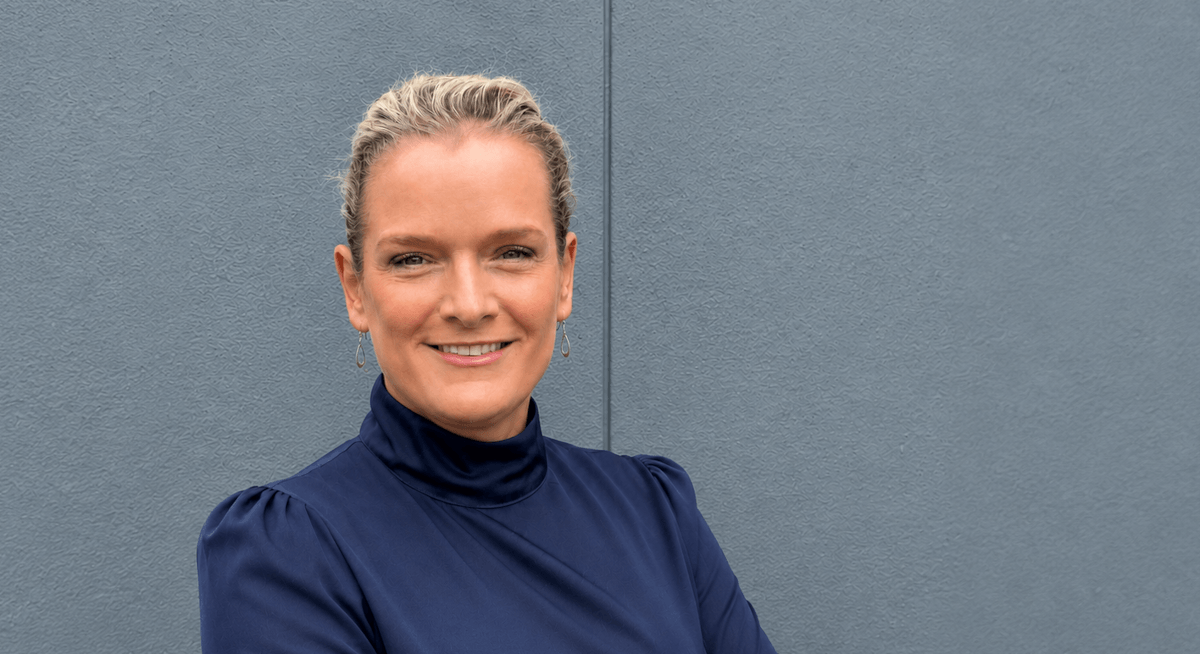

Carol Twomey of Fidelity Investments Ireland explores the quarter of a century that she has spent navigating the evolving technology space.
Carol Twomey, vice-president of software engineering at Fidelity Investments Ireland, joined the organisation 25 years ago, when she was drawn in by the opportunity to travel, work across different locations and develop a strong technical foundation.
“As a systems associate programmer working in Boston and Rhode Island, I wrote code, solved real problems and learned how large, complex systems operate,” she told SiliconRepublic.com.
“That early exposure gave me a deep appreciation for scale, accountability and the responsibilities that come with building technology in a regulated, customer‑focused environment.”
She added: “Over time, what has kept me here is the variety of meaningful work and the quality of the people I work alongside, and a culture that actively supports growth and inclusion. It also feels especially meaningful to reflect on that journey in a year when Fidelity Ireland is celebrating its 30-year milestone, a reminder of the lasting presence, growth and impact the organisation has built here over three decades.”
What factors have shaped you into the technology leader you are today?
Looking back, a defining turning point in my career was recognising that growth doesn’t always come from moving straight up, but from being willing to move sideways. I made a conscious decision to pursue lateral opportunities across roles and businesses to broaden my experience, deepen my understanding and build a stronger foundation for future leadership. Along the way, I also came to appreciate the lasting importance of relationships, investing in genuine connections across teams, functions and levels, which proved invaluable as those relationships resurfaced years later, providing trusted perspectives when it mattered most. Together, these experiences paid dividends in perspective, confidence and capability as I progressed into more senior roles.
Over 25 years, my journey has shaped how I view leadership today. As my responsibilities grew, I came to understand that my greatest impact lies not in individual achievement, but in developing and advancing others. Creating opportunities for others to stretch, supporting their growth and building strong, inclusive teams has become central to how I lead. Giving people the platform to thrive is extremely important to me.
How has the technology landscape within financial services changed over the course of your career?
Over the course of my career, I’ve seen the technology landscape shift a lot, from on-premise systems to cloud-first architectures underpinned by automation and continuous delivery. Everyone is now talking about AI and how that may change how we build, operate, and think about technology and our customer experience. What hasn’t changed is the need to operate in a highly regulated environment. The defining challenge today is balancing rapid innovation with resilience, security and trust. That intersection, where technology, regulation and customer expectations meet, has become both the greatest complexity and the greatest opportunity for financial services.
You lead the Fidelity Ireland Innovation Council – how do you build a culture where engineers feel empowered to bring new ideas, rather than just execute on what’s handed down?
I’m fortunate to work with a great, cross‑functional group drawn from both technology and operations across Fidelity Ireland. The Innovation Council is driven by people who are passionate about connecting others and creating space for innovation to emerge organically. Our focus is on bringing associates across our Dublin and Galway sites together, sharing stories, generating and surfacing ideas, developing an innovative mindset and encouraging connections that might not naturally happen day to day. We create avenues where curiosity is welcomed and experimentation is encouraged, so ideas can be explored, refined and learned from collectively.
Engineers are close to the work and often have great insight into meaningful opportunities for innovation. That’s why we actively encourage everyone to bring their ideas forward. By fostering a culture of openness, shared learning, and collaboration, innovative solutions become something that’s collectively created, shared and reused across the organisation, rather than something that’s simply handed down.
As co-lead of the Workplace Investing Women’s Technical Circle, how do you think the industry can better support women in engineering?
I think it comes down to three things: opportunity, sponsorship and peer advocacy, and accountability.
While progress has been made, women remain underrepresented in technology roles in Ireland, with fewer than 25pc of ICT professionals being women. Closing this gap is critical to building a workforce that reflects the diversity of the customers and communities we serve and fully harnesses the talent that exists across Ireland.
Despite positive momentum, it’s clear that more work remains to support women in entering and building long‑term engineering careers, from entry level through to senior leadership. Inclusion must translate into consistent access to opportunity. That begins with everyday leadership behaviours – recognising potential early, creating space for learning, and ensuring women have access to challenging technical work, visible responsibilities and decision‑making forums. These opportunities are essential for building confidence, credibility and momentum over time.
Opportunity is most powerful when paired with active sponsorship and strong peer advocacy. Having benefited from sponsorship myself, I pay it forward by advocating for women in decision‑making forums, opening doors to growth opportunities and backing people as they step into bigger challenges. This support should not sit solely with senior leaders; strong peer leadership communities matter just as much. When leaders actively support, challenge and advocate for one another, progress is compounded. I am fortunate to work alongside a great peer group where that mutual investment is tangible and sustained; we openly share perspective, advocate for one another’s teams and hold each other to a high standard.
Ultimately, supporting women in engineering requires deliberate and shared accountability. That means being intentional about who gets opportunities, providing meaningful coaching and having people’s backs as they grow into new roles. When accountability is built into how we lead, women are far more likely to stay, progress, lead and thrive. That’s also why initiatives like Fidelity Women in Technology and the WI Women’s Technical Circle matter; they help create community, visibility, advocacy and practical support for women at different stages of their careers.
For someone considering a career in engineering or technology today, what advice do you have?
Capability and impact grow through experience, not perfection. My advice is to seek experience across different areas of your business to broaden your perspective and deepen your overall understanding. Focus on learning deeply and staying curious. Engineering is a field where learning never stops, so the ability to think critically, ask good questions, and apply human‑centred thinking and empathy really matters. Build strong relationships and invest in your network. Be willing to step into unfamiliar territory – you don’t need to have all the answers to contribute meaningfully and grow.
Over the past 25 years, I’ve learned that lasting success in technology comes from leading with people, purpose and craft, pairing strong technical and business expertise with authentic leadership, everyday kindness and a genuine commitment to bringing others along.
Don’t miss out on the knowledge you need to succeed. Sign up for the Daily Brief, Silicon Republic’s digest of need-to-know sci-tech news.
























































You must be logged in to post a comment Login