Connect with us

Tech

Sennheiser RS 275 TV Listening Bundle Brings Wireless Audio to the Living Room Without the Lip Sync Drama

Published

on

Building on the RS-120-W wireless headphones introduced in 2022, Sennheiser is doubling down on a very real problem that never seems to go away: TV audio that’s either too loud for everyone else or not clear enough for the person actually listening. The new RS 275 TV Listening Bundle is a purpose-built personal audio system designed for viewers who want intelligible dialogue, proper lip-sync, and freedom to move around the room without cranking the television or reaching for subtitles every five minutes.

At the center of the system are the ultra-light HDR 275 headphones and a compact BTA1 wireless transmitter, working together via Auracast transmission and the LC3 Bluetooth codec. That combination isn’t marketing fluff, it’s what delivers ultra-low latency audio that stays locked to the picture and maintains a stable connection at distances up to 50 meters. In practical terms, it means no echo, no lag, and no awkward delay when someone’s mouth is clearly moving but the words arrive late.

Add support for Bluetooth Classic, multipoint connectivity, and intelligent source switching, and the RS 275 isn’t just a TV accessory; it’s a flexible listening solution for anyone who wants clear, private sound across movies, sports, and streaming content without turning the living room into a negotiation.

Sennheiser RS 275 TV Listening Bundle

Irene Strueber, Senior Product Manager at Sennheiser, said, “As screens continue to get thinner, their speakers have to follow, making it harder than ever to enjoy full-range sound without disturbing others. The RS 275 TV Headphones unlock total listening privacy and impressive clarity, whether your TV’s built-in speakers are underwhelming you or overpowering everyone else.”

Simplicity & Flexibility

The RS 275 bundle is designed to be up and running within minutes of unboxing without the usual pairing gymnastics. Once set up users can expand and fine tune the experience using the free Sennheiser Smart Control Plus app for Android and iOS. The app adds meaningful personalization including transparency mode left right balance adjustment hearing profiles device specific audio modes and even tools for locating misplaced headphones. In short it turns the RS 275 from a simple TV listening solution into a system that adapts to how and where you actually listen.

Advertisement

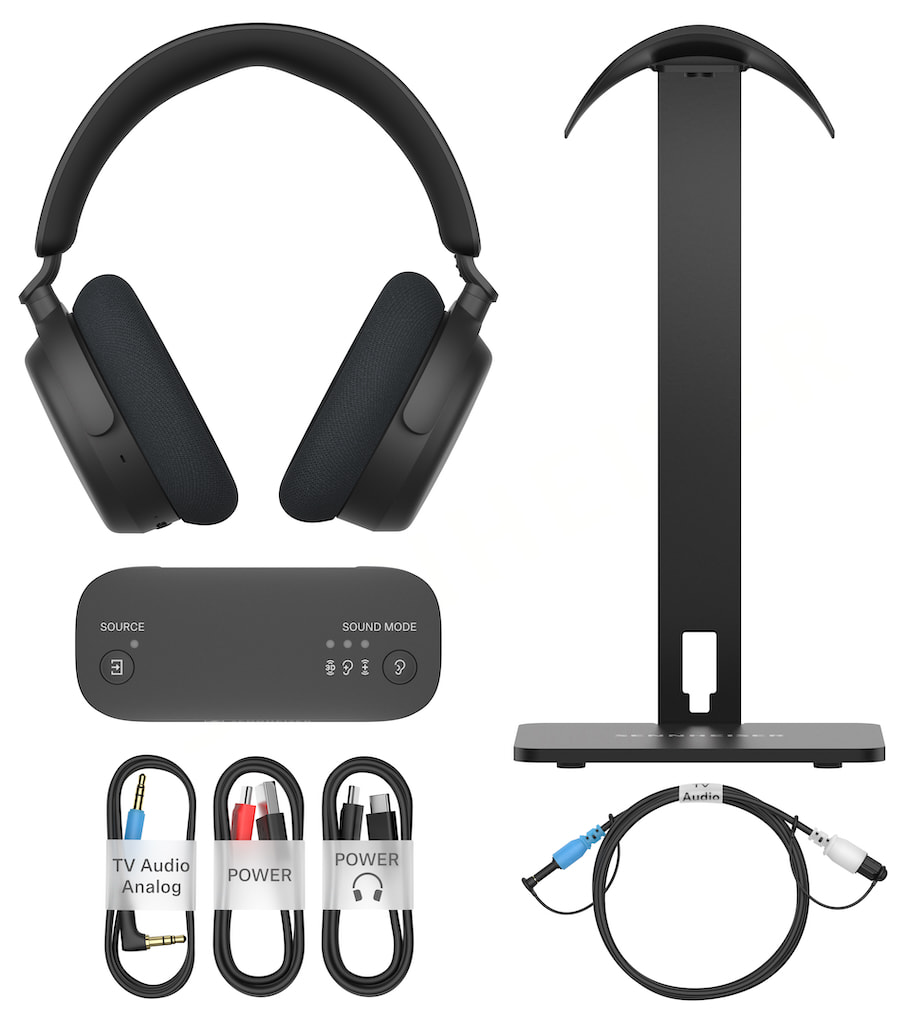
​HDR 275 Headphones

sennheiser-rs-275-tv-listening-bundle-headphones-bottom

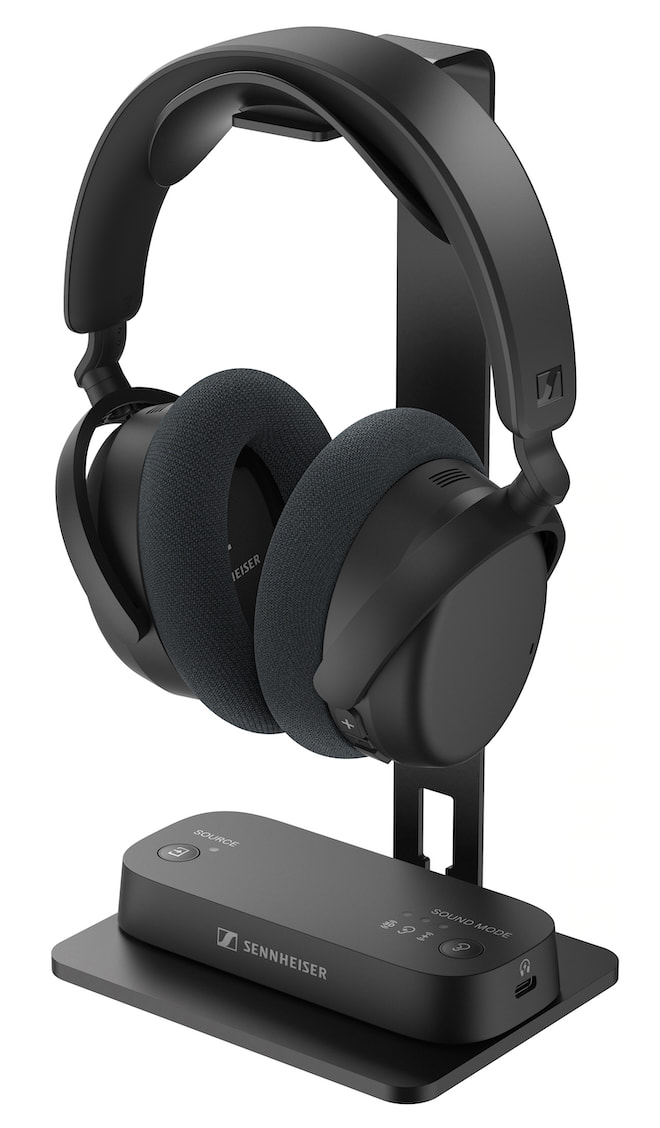
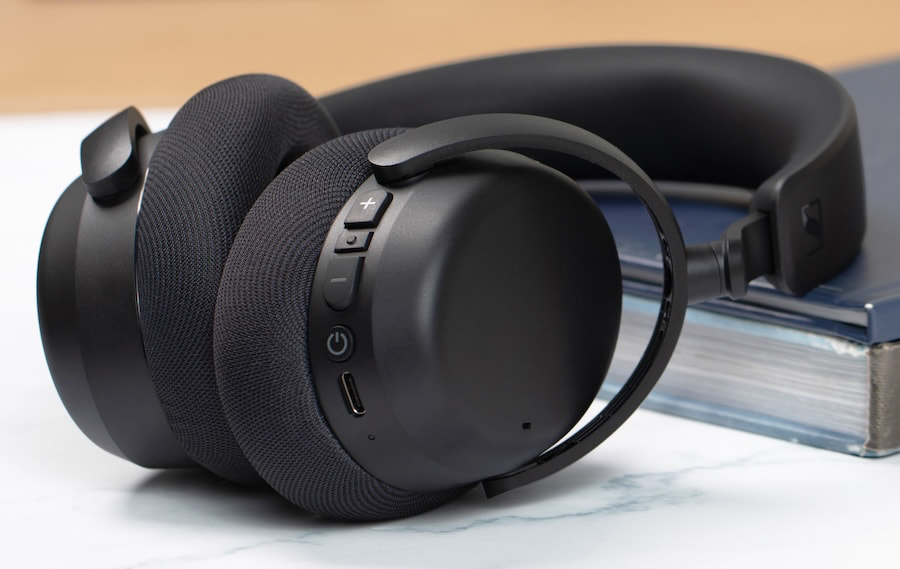
The included HDR 275 headphones are lightweight and designed for comfort during long listening sessions. Breathable fabric ear cushions keep ears cool and provide a tailored fit that all but disappears once they are on your head.

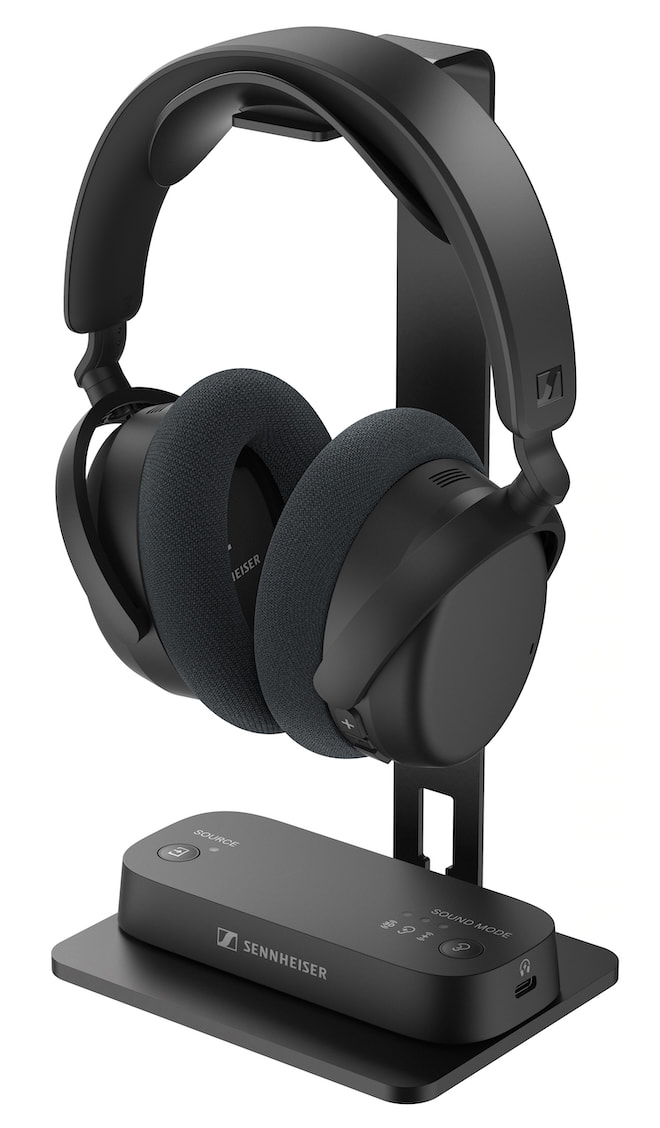
Large textured buttons make volume control power and call handling easy to manage by touch alone with output levels reaching up to 106 dB. A single charge delivers up to 50 hours of listening and recharging is simple using the transmitter’s USB Type-C port or a standard household charger. Both the ear cushions and the battery are user replaceable helping ensure a long service life as the hub of your TV and multimedia listening. A sturdy metal headphone stand keeps everything organized when not in use.

The HDR 275 headphones use Sennheiser’s in house acoustic system tuned specifically for vocal intelligibility with a satisfying bass foundation. Built in listening tools allow users to enhance dialogue and immersion without pushing volume levels to the point of disturbing others.

When paired with the Smart Control Plus app users gain access to presets user defined equalizer settings bass boost and additional hearing enhancement options. Listeners can dial in greater clarity or added warmth and apply those preferences across all content. A selectable noise suppression mode is also included to reduce hiss and static while collapsing the signal to mono making it especially useful for classic films and older television shows.

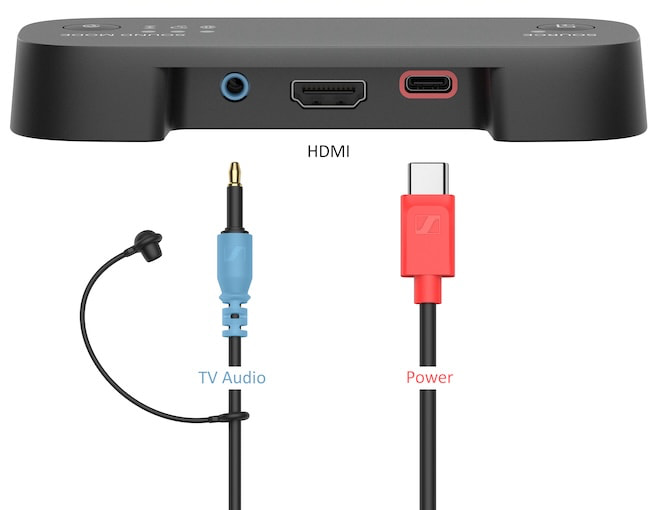
More from Irene Strueber, Senior Product Manager: “It was important to make the setup and user experience simple so customers could get to listening immediately. In addition to the headphones being pre-linked to the transmitter out of the box, everything you need to connect is conveniently color-coded…And for those that want to truly make the audio experience their own, the Smart Control Plus app goes even deeper with intuitive personalization from the smartphone already in their pocket.

Advertisement

​BTA1 TV Transmitter

sennheiser-bta1-tv-transmitter-angle

​The included BTA1 transmitter adds a wide range of input options along with expanded audio enhancement capabilities making it easy to integrate into virtually any entertainment setup. Using Auracast technology the BTA1 can blanket an entire room with a stable wireless signal for compatible headphones such as the HDR 275 as well as earbuds hearing aids and powered speakers turning the TV into a shared yet still flexible audio source.

Advertisement. Scroll to continue reading.

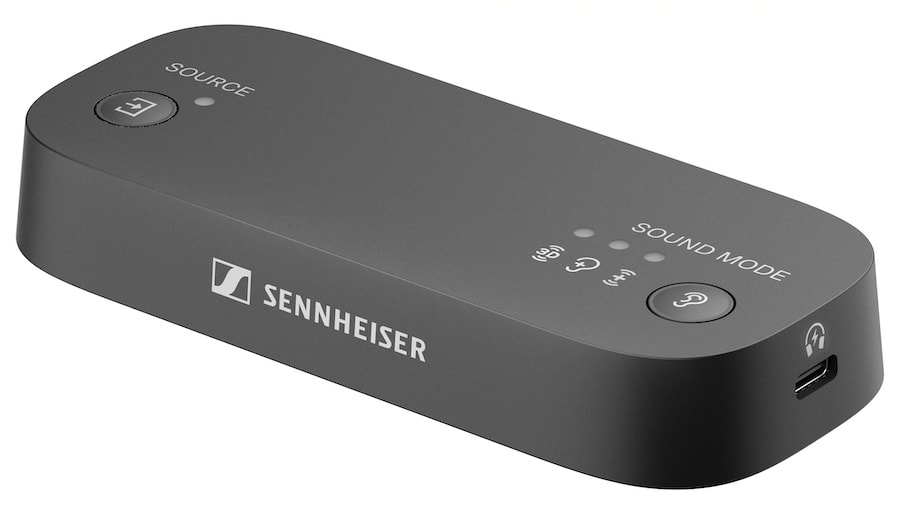
Top mounted buttons allow manual switching between inputs and sound modes including virtual surround sound and enhanced speech clarity when using TV or HDMI ARC sources.

Users can also connect a smartphone to the BTA1 transmitter over Bluetooth. This enables setup of automatic input switching and video delay compensation while giving access to Auracast controls such as broadcast name password protection and hearing aid modes.

sennheiser-bta1-tv-transmitter-inputs

Optical and 3.5 mm inputs provide flexible connectivity with TVs stereo systems laptops game consoles and more. An HDMI ARC input further expands compatibility allowing audio output from built in TV apps and streaming services or from connected A/V receivers.

The BTA1 draws power from a nearby device using a USB Type-A connection and passes power through to a USB Type-C port for convenient headphone charging. Its low profile design fits neatly on the included headphone stand or can be placed discreetly near the source without adding visual clutter.

Advertisement

Sennheiser RS 275 TV Listening System Specifications

sennheiser-rs-275-tv-listening-bundle-headphones
Sennheiser Model RS 275  (HDR 275 Headphones + BTA1 TV Transmitter)
Product Type TV Listening System
Price $299.95
Wearing Style Wireless Headband
Ear Coupling Over-ear
Connectivity Bluetooth Auracast, Bluetooth 5.4, USB
Transmission Frequency/Modulation 2,400 – 2,483.5 MHz / BLE: GFSK
Supported Profiles A2DP, AVRCP, HFP, HSP, GATT, PBP, BAP
Supported Codecs LC3, AptX, SBC, AAC, AptX Adaptive
Driver Principle Dynamic
Driver Type/Size 37 mm diameter
Speaker Frequency Range 6 Hz to 22 kHz (-10 dB)
Speaker Sensitivity 104 dB SPL (1 kHz / 0 dB FS)
Speaker THD <0.3% (1 kHz / 100 dB SPL)
Active Noise Cancellation No. Passive damping with Ambient Awareness mode.
Mic Principle MEMS
Mic Frequency Range 50 Hz to 10 kHz (–3 dB)
Mic Pick-up Pattern 2 omnidirectional microphones
Battery Lifespan Up to 50 hrs playtime via Bluetooth (test condition: music playback with AAC codec, medium volume level)
Charging Time Approx. 2 hrs for full charge
Battery Type Replaceable, rechargeable lithium-polymer battery
Power Supply 3.7 V⎓, 420 mAh, 1.554 Wh USB charging via USB-C socket at BTA1
Magnetic Strength Field 1.9 mT
Product Weight 195 g (6.9 oz)
Product Dimension Folded Flat 160 x 210 x 80 mm (6.3 x 8.27 x 3.15 in)
What’s Included HDR 275 Headphones with User-Replaceable Battery
TV Transmitter BTA1
TV Audio Digital (Toslink to Mini Toslink Optical Cable)
TV Audio Analog (Audio Cable 3.5 mm)
USB Type A-C Cable
USB Type C-C Cable
Headphone Stand
User Information
sennheiser-rs-275-tv-listening-bundle-contents

The Bottom Line 

The RS 275 TV Listening Bundle is built for viewers who want clear dialogue immersive sound and total listening privacy without turning the TV into a house wide announcement system. What sets it apart is the combination of long wearing comfort Auracast enabled wireless transmission and the BTA1 transmitter which offers far more connection flexibility than basic TV headphone outputs or built in Bluetooth.

This is for anyone who watches TV late at night lives in a busy household struggles with dialogue clarity or simply wants better sound without disturbing others. It is not about replacing a soundbar or home theater but giving the primary listener control when shared listening is not an option.

Price & Availability

All models start shipping on February 17, 2026.

Source link

Advertisement
Continue Reading
Click to comment

Leave a Reply

Your email address will not be published. Required fields are marked *

Tech

Ingestible Electronics Are Turning Pills Into Devices

Published

on

One day soon, a doctor might prescribe a pill that doesn’t just deliver medicine but also reports back on what it finds inside you—and then takes actions based on its findings.

Instead of scheduling an endoscopy or CT scan, you’d swallow an electronic capsule smaller than a multivitamin. As it travels through your digestive system, it could check tissue health, look for cancerous changes, and send data to your doctor. It could even release drugs exactly where they’re needed or snip a tiny biopsy sample before passing harmlessly out of your body.

This dream of a do-it-all pill is driving a surge of research into ingestible electronics: smart capsules designed to monitor and even treat disease from inside the gastrointestinal (GI) tract. The stakes are high. GI diseases affect tens of millions of people worldwide, including such ailments as inflammatory bowel disease, celiac disease, and small intestinal bacterial overgrowth. Diagnosis often involves a frustrating maze of blood tests, imaging, and invasive endoscopy. Treatments, meanwhile, can bring serious side effects because drugs affect the whole body, not just the troubled gut.

If capsules could handle much of that work—streamlining diagnosis, delivering targeted therapies, and sparing patients repeated invasive procedures—they could transform care. Over the past 20 years, researchers have built a growing tool kit of ingestible devices, some already in clinical use. These capsule-shaped devices typically contain sensors, circuitry, a power source, and sometimes a communication module, all enclosed in a biocompatible shell. But the next leap forward is still in development: autonomous capsules that can both sense and act, releasing a drug or taking a tissue sample.

Advertisement

That’s the challenge that our lab—the MEMS Sensors and Actuators Laboratory (MSAL) at the University of Maryland, College Park—is tackling. Drawing on decades of advances in microelectromechanical systems (MEMS), we’re building swallowable devices that integrate sensors, actuators, and wireless links in packages that are small and safe enough for patients. The hurdles are considerable: power, miniaturization, biocompatibility, and reliability, to name a few. But the potential payoff will be a new era of personalized and minimally invasive medicine, delivered by something as simple as a pill you can swallow at home.

The Origin of Ingestible Devices

The idea of a smart capsule has been around since the late 1950s, when researchers first experimented with swallowable devices to record temperature, gastric pH, or pressure inside the digestive tract. At the time, it seemed closer to science fiction than clinical reality, bolstered by pop-culture visions like the 1966 film Fantastic Voyage, where miniaturized doctors travel inside the human body to treat a blood clot.

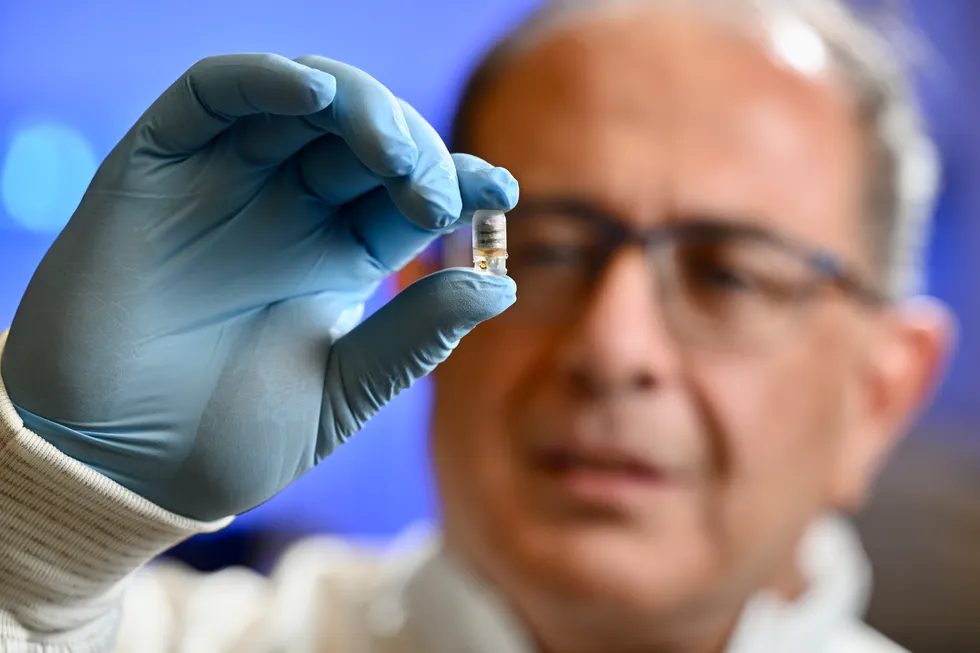
A gloved hand holds a small electronic capsule, with a researcher in lab safety gear blurred in the background.One of the authors (Ghodssi) holds a miniaturized drug-delivery capsule that’s designed to release medication at specific sites in the gastrointestinal tract.Maximilian Franz/Engineering at Maryland Magazine

For decades, though, the mainstay of GI diagnostics was endoscopy: a camera on a flexible tube, threaded down the throat or up through the colon. These procedures are quite invasive and require patients to be sedated, which increases both the risk of complications and procedural costs. What’s more, it’s difficult for endoscopes to safely traverse the circuitous pathway of the small intestine. The situation changed in the early 2000s, when video-capsule endoscopy arrived. The best-known product, PillCam, looks like a large vitamin but contains a camera, LEDs, and a transmitter. As it passes through the gut, it beams images and videos to a wearable device.

Today, capsule endoscopy is a routine tool in gastroenterology; ingestible devices can measure acidity, temperature, or gas concentrations. And researchers are pushing further, with experimental prototypes that deliver drugs or analyze the microbiome. For example, teams from Tufts University, in Massachusetts, and Purdue University, in Indiana, are working on devices with dissolvable coatings and mechanisms to collect samples of liquid for studies of the intestinal microbiome.

Advertisement

Still, all those devices are passive. They activate on a timer or by exposure to the neutral pH of the intestines, but they don’t adapt to conditions in real time. The next step requires capsules that can sense biomarkers, make decisions, and trigger specific actions—moving from clever hardware to truly autonomous “smart pills.” That’s where our work comes in.

Building on MEMS technology

Since 2017, MSAL has been pushing ingestible devices forward with the goal of making an immediate impact in health care. The group built on the MEMS community’s legacy in microfabrication, sensors, and system integration, while taking advantage of new tools like 3D printing and materials like biocompatible polymers. Those advances have made it possible to prototype faster and shrink devices smaller, sparking a wave of innovation in wearables, implants, and now ingestibles. Today, MSAL is collaborating with engineers, physicians, and data scientists to move these capsules from lab benches to pharmaceutical trials.

As a first step, back in 2017, we set out to design sensor-carrying capsules that could reliably reach the small intestine and indicate when they reached it. Another challenge was that sensors that work well on the benchtop can falter inside the gut, where shifting pH, moisture, digestive enzymes, and low-oxygen conditions can degrade typical sensing components.

Our earliest prototype adapted MEMS sensing technology to detect abnormal enzyme levels in the duodenum that are linked to pancreatic function. The sensor and its associated electronics were enclosed in a biocompatible, 3D-printed shell coated with polymers that dissolved only at certain pH levels. This strategy could one day be used to detect biomarkers in secretions from the pancreas to detect early-stage cancer.

Advertisement

High-speed footage shows a small mechanical arm extending from a capsule and contacting intestinal tissue.A high-speed video shows how a capsule deploys microneedles to deliver drugs into intestinal tissue.University of Maryland/Elsevier

That first effort with a passive device taught us the fundamentals of capsule design and opened the door to new applications. Since then, we’ve developed sensors that can track biomarkers such as the gas hydrogen sulfide, neurotransmitters such as serotonin and dopamine, and bioimpedance—a measure of how easily ions pass through intestinal tissue—to shed light on the gut microbiome, inflammation, and disease progression. In parallel, we’ve worked on more-active devices: capsule-based tools for controlled drug release and tissue biopsy, using low-power actuators to trigger precise mechanical movements inside the gut.

Like all new medical devices and treatments, ingestible electronics face many hurdles before they reach patients—from earning physician trust and insurance approval to demonstrating clear benefits, safety, and reliability. Packaging is a particular focus, as the capsules must be easy to swallow yet durable enough to survive stomach acid. The field is steadily proving safety and reliability, progressing from proof of concept in tissue, through the different stages of animal studies, and eventually to human trials. Every stage provides evidence that reassures doctors and patients—for example, showing that ingesting a properly packaged tiny battery is safe, and that a capsule’s wireless signals, far weaker than those of a cellphone, pose no health risk as they pass through the gut.

Engineering a Pill-Size Diagnostic Lab

The gastrointestinal tract is packed with clues about health and disease, but much of it remains out of reach of standard diagnostic tools. Ingestible capsules offer a way in, providing direct access to the small intestine and colon. Yet in many cases, the concentrations of chemical biomarkers can be too low to detect reliably in early stages of a disease, which makes the engineering challenge formidable. What’s more, the gut’s corrosive, enzyme-rich environment can foul sensors in multiple ways, interfering with measurements and adding noise to the data.

Close-up of a microchip with a shiny surface and protruding thin pins.

Close-up of a textured surface with triangular, raised patterns in a grid formation.

Electron microscope image of a microscale 3D printed pyramid with four conical structures. Microneedle designs for drug-delivery capsules have evolved over the years. An early prototype [top] used microneedle anchors to hold a capsule in place. Later designs adopted molded microneedle arrays [center] for more uniform fabrication. The most recent version [bottom] integrates hollow microinjector needles, allowing more precise and controllable drug delivery.From top: University of Maryland/Wiley;University of Maryland/Elsevier;University of Maryland/ACS

Take, for example, inflammatory bowel disease, for which there is no standard clinical test. Rather than searching for a scarce biomarker molecule, our team focused on a physical change: the permeability of the gut lining, which is a key factor in the disease. We designed capsules that measure the intestinal tissue’s bioimpedance by sending tiny currents across electrodes and recording how the tissue resists or conducts those currents at different frequencies (a technique called impedance spectroscopy). To make the electrodes suitable for in vivo use, we coated them with a thin, conductive, biocompatible polymer that reduces electrical noise and keeps stable contact with the gut wall. The capsule finishes its job by transmitting its data wirelessly to our computers.

Advertisement

In our lab tests, the capsule performed impressively, delivering clean impedance readouts from excised pig tissue even when the sample was in motion. In our animal studies, it detected shifts in permeability triggered by calcium chelators, compounds that pry open the tight junctions between intestinal cells. These results suggest that ingestible bioimpedance capsules could one day give clinicians a direct, minimally invasive window into gut-barrier function and inflammation. We believe that ingestible diagnostics can serve as powerful tools—catching disease earlier, confirming whether treatments are working, and establishing a baseline for gut health.

Drug Delivery at the Right Place, Right Time

Targeted drug delivery is one of the most compelling applications for ingestible capsules. Many drugs for GI conditions—such as biologics for inflammatory bowel disease—can cause serious side effects that limit both dosage and duration of treatment. A promising alternative is delivering a drug directly to the diseased tissue. This localized approach boosts the drug’s concentration at the target site while reducing its spread throughout the body, which improves effectiveness and minimizes side effects. The challenge is engineering a device that can both recognize diseased tissue and deliver medication quickly and precisely.

With other labs making great progress on the sensing side, we’ve devoted our energy to designing devices that can deliver the medicine. We’ve developed miniature actuators—tiny moving parts—that meet strict criteria for use inside the body: low power, small size, biocompatibility, and long shelf life.

Some of our designs use soft and flexible polymer “cantilevers” with attached microneedle systems that pop out from the capsule with enough force to release a drug, but without harming the intestinal tissue. While hollow microneedles can directly inject drugs into the intestinal lining, we’ve also demonstrated prototypes that use the microneedles for anchoring drug payloads, allowing the capsule to release a larger dose of medication that dissolves at an exact location over time.

Advertisement

In other experimental designs, we had the microneedles themselves dissolve after injecting a drug. In still others, we used microscale 3D printing to tailor the structure of the microneedles and control how quickly a drug is released—providing either a slow and sustained dose or a fast delivery. With this 3D printing, we created rigid microneedles that penetrate the mucosal lining and gradually diffuse the drug into the tissue, and soft microneedles that compress when the cantilever pushes them against the tissue, forcing the drug out all at once.

Tissue Biopsy via Capsule

Tissue sampling remains the gold standard diagnostic tool in gastroenterology, offering insights far beyond what doctors can glean from visual inspection or blood tests. Capsules hold unique promise here: They can travel the full length of the GI tract, potentially enabling more frequent and affordable biopsies than traditional procedures. But the engineering hurdles are substantial. To collect a sample, a device must generate significant mechanical force to cut through the tough, elastic muscle of the intestines—while staying small enough to swallow.

Different strategies have been explored to solve this problem. Torsion springs can store large amounts of energy but are difficult to fit inside a tiny capsule. Electrically driven mechanisms may demand more power than current capsule batteries can provide. Magnetic actuation is another option, but it requires bulky external equipment and precise tracking of the capsule inside the body.

Our group has developed a low-power biopsy system that builds on the torsion-spring approach. We compress a spring and use adhesive to “latch” it closed within the capsule, then attach a microheater to the latch. When we wirelessly send current to the device, the microheater melts the adhesive on the latch, triggering the spring. We’ve experimented with tissue-collection tools, integrating a bladed scraper or a biopsy punch (a cylindrical cutting tool) with our spring-activated mechanisms; either of those tools can cut and collect tissue from the intestinal lining. With advanced 3D printing methods like direct laser writing, we can put fine, microscale edges on these miniature cutting tools that make it easier for them to penetrate the intestinal lining.

Advertisement

Storing and protecting the sample until the capsule naturally passes through the body is a major challenge, requiring both preservation of the sample and resealing the capsule to prevent contamination. In one of our designs, residual tension in the spring keeps the bladed scraper rotating, pulling the sample into the capsule and effectively closing a hatch that seals it inside.

The Road to Clinical Use for Ingestibles

Looking ahead, we expect to see the first clinical applications emerge in early-stage screening. Capsules that can detect electrochemical, bioimpedance, or visual signals could help doctors make sense of symptoms like vague abdominal pain by revealing inflammation, gut permeability, tumors, or bacterial overgrowth. They could also be adapted to screen for GI cancers. This need is pressing: The American Cancer Society reports that as of 2021, 41 percent of eligible U.S. adults were not up to date on colorectal cancer screening. What’s more, effective screening tools don’t yet exist for some diseases, such as small bowel adenocarcinoma. Capsule technology could make screening less invasive and more accessible.

Of course, ingestible capsules carry risks. The standard hazards of endoscopy still apply, such as the possibility of bleeding and perforation, and capsules introduce new complications. For example, if a capsule gets stuck in its passage through the GI tract, it could cause bowel obstruction and require endoscopic retrieval or even surgery. And concerns that are specific to ingestibles, including the biocompatibility of materials, reliable encapsulation of electronics, and safe battery operation, all demand rigorous testing before clinical use.

A series of images shows a small paper-based battery gradually dissolving in a dish of water over 60 minutes. A microbe-powered biobattery designed for ingestible devices dissolves in water within an hour. Seokheun Choi/Binghamton University

Powering these capsules is a key challenge that must be solved on the path to the clinic. Most capsule endoscopes today rely on coin-cell batteries, typically silver oxide, which offer a safe and energy-dense source but often occupy 30 to 50 percent of the capsule’s volume. So researchers have investigated alternatives, from wireless power transfer to energy-harvesting systems. At the State University of New York at Binghamton, one team is exploring microbial fuel cells that generate electricity from probiotic bacteria interacting with nutrients in the gut. At MIT, researchers used the gastric fluids of a pig’s stomach to power a simple battery. In our own lab, we are exploring piezoelectric and electrochemical approaches to harvesting energy throughout the GI tract.

Advertisement

The next steps for our team are pragmatic ones: working with gastroenterologists and animal-science experts to put capsule prototypes through rigorous in vivo studies, then refining them for real-world use. That means shrinking the electronics, cutting power consumption, and integrating multiple functions into a single multimodal device that can sense, sample, and deliver treatments in one pass. Ultimately, any candidate capsule will require regulatory approval for clinical use, which in turn demands rigorous proof of safety and clinical effectiveness for a specific medical application.

The broader vision is transformative. Swallowable capsules could bring diagnostics and treatment out of the hospital and into patients’ homes. Whereas procedures with endoscopes require anesthesia, patients could take ingestible electronics easily and routinely. Consider, for example, patients with inflammatory bowel disease who live with an elevated risk of cancer; a smart capsule could perform yearly cancer checks, while also delivering medication directly wherever necessary.

Over time, we expect these systems to evolve into semiautonomous tools: identifying lesions, performing targeted biopsies, and perhaps even analyzing samples and applying treatment in place. Achieving that vision will require advances at the very edge of microelectronics, materials science, and biomedical engineering, bringing together capabilities that once seemed impossible to combine in something the size of a pill. These devices hint at a future in which the boundary between biology and technology dissolves, and where miniature machines travel inside the body to heal us from within.

From Your Site Articles

Advertisement

Related Articles Around the Web
Source link

Continue Reading

Tech

Seattle startup Griptape acquired by creative software firm Foundry

Published

on

Griptape CEO and co-founder Kyle Roche. (LinkedIn Photo)

Griptape, a Seattle-based startup founded in 2023 by former Amazon Web Services executives, has been acquired by Foundry, a London-based company whose software is used in visual effects and animation across Hollywood. Terms of the deal were not disclosed.

Griptape built a platform that helps companies securely manage and coordinate multiple AI models and agents. Foundry said the deal will boost its push into AI-powered production tools.

“By bringing Griptape into Foundry, we can provide the tools our customers want to realize their creative vision more efficiently, while retaining control,” Foundry CEO Jody Madden said in a press release.

Griptape initially pitched itself as an enterprise-grade alternative to frameworks such as LangChain. The startup, which works with several production studios, raised a $12.5 million round in 2023. Investors include Seattle-area firm Fuse, as well as Acequia Capital, Crosslink Capital, Range Ventures, and Peterson Ventures. The company has 22 employees, according to LinkedIn.

Roche spent more than eight years at AWS. He previously founded 2lemetry, an IoT startup that Amazon acquired in 2015

Advertisement

Vasily Vasinov, the company’s co-founder and former CTO, left Griptape in 2025.

Source link

Continue Reading

Tech

Vermont EV Buses Prove Unreliable For Transportation This Winter

Published

on

An anonymous reader writes:

Electric buses are proving unreliable this winter for Vermont’s Green Mountain Transit, as it needs to be over 41 degrees for the buses to charge, but due to a battery recall the buses are a fire hazard and can’t be charged in a garage.

Spokesman for energy workers advocacy group Power the Future Larry Behrens told the Center Square: “Taxpayers were sold an $8 million ‘solution’ that can’t operate in cold weather when the home for these buses is in New England.”

“We’re beyond the point where this looks like incompetence and starts to smell like fraud,” Behrens said.

“When government rushes money out the door to satisfy green mandates, basic questions about performance, safety, and value for taxpayers are always pushed aside,” Behrens said. “Americans deserve to know who approved this purchase and why the red flags were ignored.”

Advertisement

General manager at Green Mountain Transit (GMT) Clayton Clark told The Center Square that “the federal government provides public transit agencies with new buses through a competitive grant application process, and success is not a given.”

Source link

Advertisement
Continue Reading

Tech

When accurate AI is still dangerously incomplete

Published

on

Typically, when building, training and deploying AI, enterprises prioritize accuracy. And that, no doubt, is important; but in highly complex, nuanced industries like law, accuracy alone isn’t enough. Higher stakes mean higher standards: Models outputs must be assessed for relevancy, authority, citation accuracy and hallucination rates. 

To tackle this immense task, LexisNexis has evolved beyond standard retrieval-augmented generation (RAG) to graph RAG and agentic graphs; it has also built out “planner” and “reflection” AI agents that parse requests and criticize their own outputs. 

“There’s no such [thing] as ‘perfect AI’ because you never get 100% accuracy or 100% relevancy, especially in complex, high stake domains like legal,” Min Chen, LexisNexis’ SVP and chief AI officer, acknowledges in a new VentureBeat Beyond the Pilot podcast. 

The goal is to manage that uncertainty as much as possible and translate it into consistent customer value. “At the end of the day, what matters most for us is the quality of the AI outcome, and that is a continuous journey of experimentation, iteration and improvement,” Chen said. 

Advertisement

Getting ‘complete’ answers to multi-faceted questions

To evaluate models and their outputs, Chen’s team has established more than a half-dozen “sub metrics” to measure “usefulness” based on several factors — authority, citation accuracy, hallucination rates — as well as “comprehensiveness.” This particular metric is designed to evaluate whether a gen AI response fully addressed all aspects of a users’ legal questions. 

“So it’s not just about relevancy,” Chen said. “Completeness speaks directly to legal reliability.”

For instance, a user may ask a question that requires an answer covering five distinct legal considerations. Gen AI may provide a response that accurately addresses three of these. But, while relevant, this partial answer is incomplete and, from a user perspective, insufficient. This can be misleading and pose real-life risks.

Advertisement

Or, for example, some citations may be semantically relevant to a user’s question, but they may point to arguments or instances that were ultimately overruled in court. “Our lawyers will consider them not citable,” Chen said. “If they’re not citable, they’re not useful.”

Moving beyond standard RAG

LexisNexis launched its flagship gen AI product, Lexis+ AI — a legal AI tool for drafting, research and analysis — in 2023. It was built on a standard RAG framework and hybrid vector search that grounds responses in LexisNexis’ trusted, authoritative knowledge base. 

The company then released its personal legal assistant, Protégé, in 2024. This agent incorporates a knowledge graph layer on top of vector search to overcome a “key limitation” of  pure semantic search. Although “very good” at retrieving contextually relevant content, semantic search “doesn’t always guarantee authoritative answers,” Chen said.

Initial semantic search returns what it deems relevant content; Chen’s team then traverses those returns across a “point of law” graph to further filter the most highly authoritative documents.

Advertisement

Going beyond this, Chen’s team is developing agentic graphs and accelerating automation so agents can plan and execute complex multi-step tasks. 

For instance, self-directed “planner agents” for research Q&A break user questions into multiple sub-questions. Human users can review and edit these to further refine and personalize final answers. Meanwhile, a “reflection agent” handles transactional document drafting. It can “automatically, dynamically” criticize its initial draft, then incorporate that feedback and refine in real time.

However, Chen said that all of this is not to cut humans out of the mix; human experts and AI agents can “learn, reason and grow together.” “I see the future [as] a deeper collaboration between humans and AI.”

Watch the podcast to hear more about: 

Advertisement
  • How LexisNexis’ acquisition of Henchman helped ground AI models with proprietary LexisNexis data and customer data; 

  • The difference between deterministic and non-deterministic evaluation; 

  • Why enterprises should identify KPIs and definitions of success before rushing to experimentation;

  • The importance of focusing on a “triangle” of key components: Cost, speed and quality.

You can also listen and subscribe to Beyond the Pilot on Spotify, Apple or wherever you get your podcasts.

Source link

Continue Reading

Tech

A Vast Trove of Exposed Social Security Numbers May Put Millions at Risk of Identity Theft

Published

on

After years spent finding and investigating data breaches, Greg Pollock admits that when he comes across yet another exposed database full of passwords and Social Security numbers, “I come to it with some fatigue.” But Pollock, director of research at the cybersecurity company UpGuard, says he and his colleagues found an exposed, publicly accessible database online in January that appeared to contain a trove of Americans’ sensitive personal data so massive that his weariness lifted and they sprang to action to validate the finding.

The UpGuard researchers point out that not all of the records represent unique, valid information, but the raw totals they found in the January exposure included roughly 3 billion email addresses and passwords as well as about 2.7 billion records that included Social Security numbers. It was unclear who had set up the database, but it seemed to contain personal details that may have been cobbled together from multiple historic data breaches—including, perhaps, the trove from the 2024 breach of the background-checking service National Public Data. It is common for data brokers and cybercriminals to combine and recombine old datasets, but the scale and the potential quantity of Social Security numbers—even if only a fraction of them were real—was striking.

“Every week, there’s another finding where it looks big on paper, but it’s probably not very novel,” Pollock says. “So I was surprised when I started digging into the specific cases here to validate the data. In some cases, the identities in this data breach are at risk because they have been exposed, but they have not yet been exploited.”

The data was hosted by the German cloud provider Hetzner. Since Pollock could not identify an owner of the database to contact, he notified Hetzner on January 16. The company, in turn, said it notified its customer, which removed the data on January 21.

Advertisement

Hetzner did not provide WIRED with comment ahead of publication.

The researchers did not download the entire dataset for analysis due to its size and sensitivity. Instead they worked with a sample of 2.8 million records—a tiny fraction of the total trove. By analyzing trends in the data, including the popularity of certain cultural references in passwords, they concluded that much of the data likely dates to the United States in roughly 2015. For example, passwords referencing One Direction, Fall Out Boy, and Taylor Swift were very common. Meanwhile, references to Blackpink, Katseye, and Btsarmy were just barely beginning to show up.

Old data is still valuable for two reasons. First, people often reuse the same email address and password, or a variation of the password, across many different websites and services. This means that cybercriminals can keep trying the same login credentials for the same people over time. The second reason is that people’s Social Security numbers are often linked to their most sensitive and high-stakes data but almost never change during their lifetimes. As a result, valid SSNs are one of the crown jewels of identity theft for attackers.

In the sample of data the researchers reviewed, Pollock says that one in four Social Security numbers appeared to be valid and legitimate. The sample was too small to extrapolate to the entire dataset, but a quarter of all the records containing SSNs would be 675 million. A fraction of that would still represent a very significant set of Social Security numbers.

Advertisement

To verify the data, UpGuard researchers contacted a handful of people whose data appeared in the leaked trove. Pollock emphasizes that one of the most concerning findings from speaking to those individuals was that not all of them have had their identities stolen or suffered hacks. In other words, there was information in the database that has not been exploited by cybercriminals—and potential victims don’t necessarily know that their information has been exposed.

Source link

Continue Reading

Tech

Daily Deal: The All-in-One Super-Sized Ethical Hacking Bundle

Published

on

from the good-deals-on-cool-stuff dept

To completely understand computer security, it’s vital to step outside the fence and to think outside the box. Computer security is not just about firewalls, Intrusion Prevention Systems, or anti-viruses. It’s also about tricking people into doing whatever a hacker wishes. A secure system, network, or infrastructure is also about informed people. The All-in-One Super-Sized Ethical Hacking Bundle will help you learn to master ethical hacking techniques and methodologies over 14 courses. It’s on sale for $28 for a limited time.

Note: The Techdirt Deals Store is powered and curated by StackCommerce. A portion of all sales from Techdirt Deals helps support Techdirt. The products featured do not reflect endorsements by our editorial team.

Filed Under: daily deal

Source link

Advertisement
Continue Reading

Tech

Dutch defense chief claims F-35 could be "jailbroken like an iPhone" to bypass US approval

Published

on


In an interview with NR Nieuwsradio, Tuinman was asked if the F-35’s software could be altered by European forces without the United States’ consent should they lose the US as an ally – a prospect that has been repeatedly raised as tensions between the continent and President Trump continue to…
Read Entire Article
Source link

Continue Reading

Tech

Leaked Email Suggests Ring Plans To Expand ‘Search Party’ Surveillance Beyond Dogs

Published

on

Ring’s AI-powered “Search Party” feature, which links neighborhood cameras into a networked surveillance system to find lost dogs, was never intended to stop at pets, according to an internal email from founder Jamie Siminoff obtained by 404 Media.

Siminoff told employees in early October, shortly after the feature launched, that Search Party was introduced “first for finding dogs” and that the technology would eventually help “zero out crime in neighborhoods.” The on-by-default feature faced intense backlash after Ring promoted it during a Super Bowl ad. Ring has since also rolled out “Familiar Faces,” a facial recognition tool that identifies friends and family on a user’s camera, and “Fire Watch,” an AI-based fire alert system.

A Ring spokesperson told the publication Search Party does not process human biometrics or track people.

Source link

Advertisement
Continue Reading

Tech

Ancient Ice Production | Hackaday

Published

on

Today, we take ice for granted. But having ice produced in your home is a relatively modern luxury. As early as 1750 BC, ancient people would find ice on mountains or in cold areas and would harvest it. They’d store it, often underground, with as much insulation as they could produce given their level of technology.

A yakhchāls in Yazd province (by [Pastaitkaen] CC BY-SA 3.0).

By 500 BC, people around Egypt and what is now India would place water in porous clay pots on beds of straw when the night was cold and dry. Even if the temperature didn’t freeze, the combination of evaporation and radiative cooling could produce some ice. However, this was elevated to a high art form around 400 BC by the Persians, who clearly had a better understanding of physics and thermodynamics than you’d think.

The key to Persian icemaking was yakhchāls. Not all of them were the same, but they typically consisted of an underground pit with a conical chimney structure. In addition, they often had shade walls and ice pits as well as access to a water supply.

Solar Chimney

The conical shape optimizes the solar chimney effect, where the sun heats air, which then rises. The top was typically not open, although there is some thought that translucent marble may have plugged the top to admit light while blocking airflow. yakhchālThe solar chimney produces an updraft that tends to cool the interior. The underground portion of the yakhchāl has colder air, as any hot air rises above the surface.

Insulation and Shade

The structure uses a water-resistant mortar made of sand, clay, egg whites, lime, goat hair, and ash. This has good insulating properties, although how the Persians found this recipe is a mystery. Many also had windcatcher towers that allowed for evaporative cooling in the dry air.

Advertisement
Yakhchāl and shade wall at Kashmar (by POS79, CC BY-SA 4.0)

Adjacent to the yakhchāl was often a shallow ice pool protected by a shade wall to block the sun. The shade wall minimized heating from the sun. Just as the Egyptians leveraged evaporative and radiative cooling to create ice, cold nights could produce ice in the pool, which workers would harvest and store inside the yakhchāl. They could also, of course, store ice harvested from elsewhere. Even with the shade wall, though, workers had to harvest ice before sunrise.

You could think of the whole system as an RC circuit. The dome and the soil around the pit form a resistance, while the ice, cold stone, and air inside form a thermal capacitor. Thick insulating walls make a large R, and tons of ice and stone make a big capacitor. The dome shape gets less solar radiation most of the time. With a big resistor and capacitor, bleeding off charge (in this case, leaking in heat) takes a long time.

Meanwhile, ice melting effectively absorbs leftover or leaking heat. Sure, you lose some ice, although with the ice pits, on a cold and dry night, you might be able to recover at least some of it.

Why?

The Persians wanted ice for the same reasons everyone else did. They preserved food, created frozen beverages (sharbat), and even a dessert, faloodeh, that combined noodles, rose syrup, lime, and ice. There were also medical uses. Of course, having ice in the hot desert was also a status symbol.

Other Tech

In China, around 600 AD, they used saltpeter to produce ice chemically instead of simply harvesting and storing it. It would be 1748 before [William Cullen] would demonstrate producing ice using artificial means. While [Oliver Evans] described a fairly modern refrigerator in 1805, nothing like it was built until [Jacob Perkins] did it in 1834. Australian [James Harrison] was probably the first commercial ice makaer in the mid 1800s.

Advertisement

These days, we don’t usually ship ice around, but we still have to ship cold things. And of course, refrigerators ended the ice harvesting business.

Featured image: “kosar” by [Elyaskb]

Source link

Advertisement
Continue Reading

Tech

Audible’s new ‘Read & Listen’ feature syncs your Kindle ebooks with audiobooks

Published

on

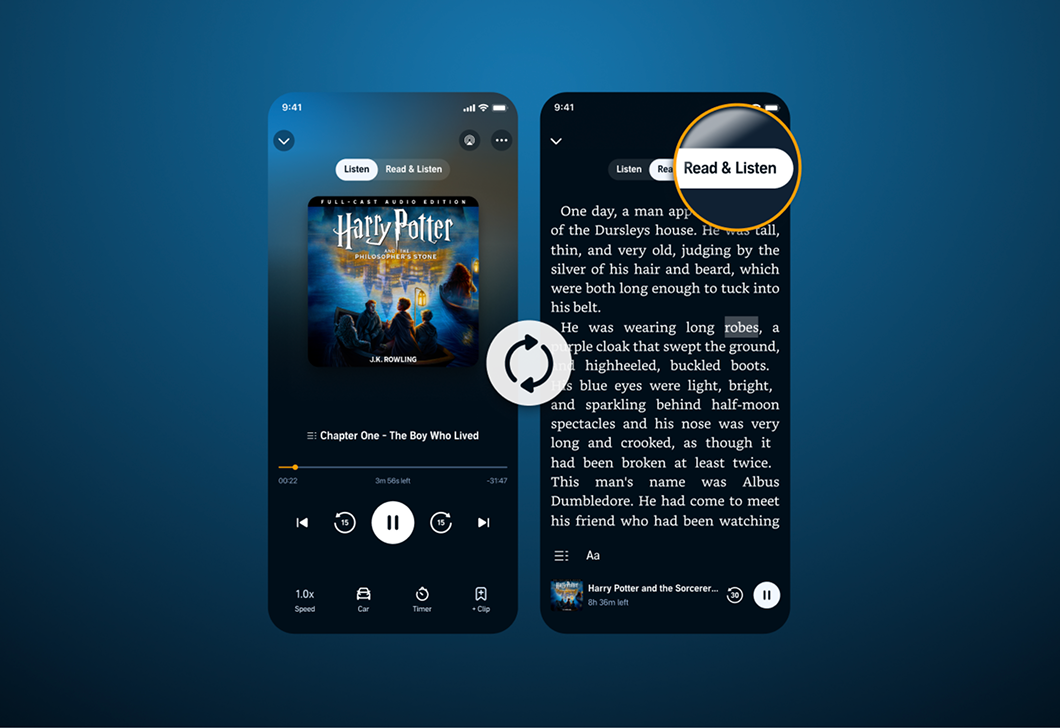
Only days after Spotify announced its foray into physical book sales, which included an audiobook feature that lets you sync your listening and your offline reading progress, Amazon-owned Audible has launched a feature that brings ebooks together with audiobooks.

The company announced on Wednesday an “immersion reading” feature in the Audible app, which allows readers who have both the ebook and audiobook versions of a title in their Audible and Kindle libraries to read the ebook’s text while the audio plays. The feature also lets users switch between the different formats across devices. While in the “Read & Listen” mode, the text of the book is highlighted in real-time in sync with the narration.

The Kindle app already offered a tool that would allow readers to move between the Audible version and the ebook, when both versions had been purchased. This feature is now coming to Audible’s app for the first time. Customers will need to own both versions of the book for this to work, but discounted audiobooks will be made available to customers who own the matching ebook, the company says.

At launch, hundreds of thousands of titles will be supported by the new “Read & Listen” feature, including those in English, German, Spanish, Italian, and French. Initially, the option will be offered in the U.S., with the U.K., Australia, and Germany gaining support over the next few months.

Advertisement

To discover eligible titles, Audible will automatically identify which Kindle ebooks have audiobook matches within its app.

Of course, many customers were already reading and listening to their books without buying two versions — by having Alexa narrate their ebooks from their Kindle library. Alexa is not a professional narrator by any means, and the AI assistant’s more monotonous delivery can lead you to zone out. By offering a way to add on the audiobook for a lower price when you’ve already bought the ebook, Amazon hopes to boost book sales across formats.

The company also claims that the combination of reading and listening can improve focus and comprehension, according to industry research and its own internal data. In addition, customers who read and listen are the most engaged, consuming nearly twice as much content per month as audiobook-only customers, Audible noted.

Techcrunch event

Advertisement

Boston, MA
|
June 23, 2026

The feature may make sense for students and those learning a new language, as well as those who are trying to get through more books quickly. It’s also useful for those who regularly switch back and forth between reading and listening, and those who want the experience of the narration — particularly if a book is read by a favorite voice actor. Plus, some may simply appreciate having a narrator introduce all the characters by name, so they can learn the pronunciation without having to guess (a particularly thorny issue in fantasy novels!)

Advertisement

“Audiobooks count as reading,” said Andy Tsao, Chief Product Officer at Audible, in a statement about the launch. “But now at Audible, you can read with your eyes too. Read & Listen gives book lovers the best of both worlds. Whether you’re learning a new language, studying for school, or lost in a story’s world, you no longer have to choose one format over the other.”

Amazon notes that the new feature will not impact publishers’ royalty payments.

Source link

Advertisement
Continue Reading

Trending

Copyright © 2025