
Connect with us

Tech

Singapore’s Nexstrom wants to bring 2D semiconductors to chip fabs

Published

on

For decades, chipmakers have sought to make semiconductors faster by shrinking down silicon transistors and packing more of them on each chip. But shrinking transistors comes with its own problems: controlling electron flow becomes harder, which exacerbates problems such as leakage, power loss and heat.

Nexstrom, a semiconductor startup incubated by Xora Innovation, thinks using two-dimensional (2D) materials instead of silicon is one viable way to solve that problem, especially as the global component shortage driven by demand for data centers shows no signs of letting up.

The Singapore-based company is building equipment and processes that would let foundries manufacture extremely thin semiconductors, known as transition-metal dichalcogenides (TMDs), directly on chip wafers.

Now, TMDs aren’t really two-dimensional; they’re just so slim that they’re bunched together with a large family of materials that are called “2D materials” to illustrate their thinness. TMDs are just a few atomic layers thick, a feature that has drawn attention from chipmakers seeking ways to further shrink chip sizes.

Advertisement

The startup says its product, called North Star, is designed to grow TMDs directly on 300mm (12-inch) wafers used in commercial chipmaking.

The startup isn’t alone in recognizing the potential of using 2D semiconductors to shrink chips further. TSMC, Intel and Belgium’s IMEC are all developing ways to integrate 2D materials into transistors, and equipment and materials companies such as AIXTRON, CDimension and several startups are tackling other parts of the manufacturing chain.

TSMC, ASML and IMEC recently even showed how 2D-material transistors could be used in a 300mm integration process.

Nexstrom, however, is betting that it can make strides in a particularly difficult area: producing these materials for semiconductor production at scale. The company’s technology is based in part on research by its co-founder and chief scientist Lance Li, who previously led research on post-silicon electronics at TSMC. Li has worked on 2D materials since 2012.

Advertisement

“In the lab, people can get very small, high-quality materials, but only on a very small scale,” Li told TechCrunch. “This is exactly the gap Nexstrom is addressing.”

To do that, the Singapore-based company on Tuesday said it has raised a $12 million seed round from investors including Xora, Foothill Ventures and SEEDS. The company has so far raised $15 million in total.

But instead of competing with chipmaking giants like TSMC, Samsung and Intel, Nexstrom wants to sell its technology to them or work with them as partners. The company says some companies in the industry are already testing samples of its wafers and materials, though it declined to name them.

Still, there are several problems to be solved before such tiny semiconductors can be manufactured at scale, chief of which is consistently growing TMDs across a full-size wafer.

Advertisement

“At the current stage, our work is focused on delivering material quality that [industry partners] have specified,” Nexstrom’s CEO Phoebe Tan told TechCrunch. “We have proven material results on wafers using our 12-inch system that has just been installed. We have systematically scaled from 2 inches to 6 inches, and we are going to complete our 8 inch and 8 inch by the end of October.”

Nexstrom plans to use the funding to further develop its technology and move its equipment closer to commercial production. Tan said the money will also go toward improving process control and measurement capabilities, expanding its team, and supporting qualification programs with potential customers.

The startup expects its equipment to be ready for commercial production between 2030 and 2035.

When you purchase through links in our articles, we may earn a small commission. This doesn’t affect our editorial independence.

Advertisement

Source link

Continue Reading
Click to comment

You must be logged in to post a comment Login

Leave a Reply

Tech

EWOR names a San Francisco team as US applications surge 237%

Published

on

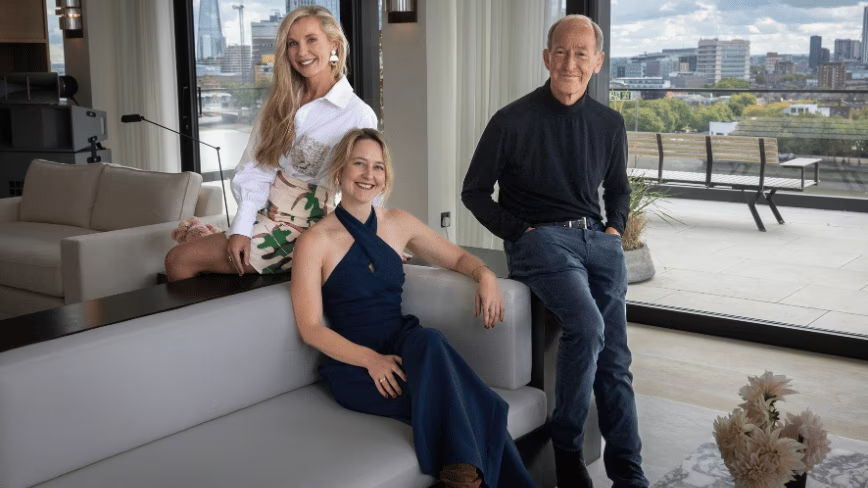
EWOR, a founder fellowship harder to get into than Y Combinator, has named a senior leadership team in San Francisco. The appointments follow a record year of US applications, up 237% in twelve months.

The team comprises Charles Ferguson, the Oscar-winning filmmaker who sold FrontPage to Microsoft. He invested early in Etched, Perplexity, CopilotKit, and Paradigm. Alongside him are former Emhance CEO and Adjust CPO Katie Madding, and 3x founder (Batelle, PreSeed Fertility, Upstream) Gigi Brett.

EWOR’s premise is that talent is spread evenly across the world but opportunity is not. Fellows receive up to $600K in capital and 1:1 weekly mentorship from unicorn builders (Adjust, ProGlove, SumUp). They get it wherever they are, rather than relocating.

Founders who joined EWOR this year raised $10M on average. 25% of recent joiners have raised at nine-figure valuations in the past 6 months. In addition, fellows hire early team members and secure first customers through EWOR’s talent and customer network.

Advertisement

Why US founders are applying

Its applicants increasingly come from the US, people who already sit inside the world’s densest startup market. That is the clearest sign that the model offers something US founders can’t easily get at home. It means well above-average funding rounds. It also means a full-time team of unicorn founders who have already built companies worth between $100M and $12B. They work beside fellows every week, from as early as the idea stage.

“Talent is spread evenly across the world. Opportunity is not,” said Daniel Dippold, EWOR’s founder and CEO. “Our job is to close that gap for the world’s best founders wherever they are. For a growing number of them, that now means San Francisco, so that’s where we are.”

From FrontPage to the frontier of AI

Charles Ferguson sold FrontPage to Microsoft in 1996. He holds a PhD in political science from MIT and published five books. He won an Academy Award for his documentary Inside Job, an account of the 2008 financial crisis. Today he’s one of the most sought-after early investors in AI. He has already invested in Etched, Perplexity, CopilotKit and Paradigm. His career runs across the Atlantic. It includes a Brookings fellowship, a board seat at the French-American Foundation and a life membership of the Council on Foreign Relations.

“Great founders need the same things: support from best-in-class mentors, access to the San Francisco startup ecosystem, and a superb global network,” said Ferguson. “EWOR is already the world’s most selective founder fellowship, now expanding with US applications up 237% this year, and with EWOR Fellows raising an average of $10M after Demo Day. So I’m honored to help lead EWOR’s US growth and its integration within San Francisco’s world-leading ecosystem.”

From leading startups to standing beside the founders who build them

Katie Madding was Chief Product Officer and the third US hire at Adjust. Palo Alto-based AppLovin bought the company for $1B in 2021. She then led Emhance as CEO, Google’s official partner for game playtesting. She took it from an idea to recurring revenue, with customers including Microsoft-owned Activision Blizzard King.

“What led me to EWOR were my lonely nights as a pre-seed CEO, when I sat alone with decisions, turning to AI for answers when what I really needed was a founder who’d been where I was,” said Madding. “That’s what we’re building: the world’s best product for founders, so they can pour their energy into the work only they can do, basically the support I had dreamt of when I was CEO.”

From optimising the conditions for life to those for billion-dollar companies

Gigi Brett joins EWOR as Chief Investment Officer, relocating from Cape Town to San Francisco. A three-time founder in health and education, she built Batelle with a unicorn founder and a team of 60. She then launched Upstream, the first preconception product designed for men. It ran a pilot with US Navy SEALs. Her most recent company, PreSeed Fertility, has built a database of exceptional sperm donors. It now covers around 10% of all registered donors in the US.

Advertisement

“My whole career has been about beginnings, from conception to early childhood health, and the lesson never changes: the further upstream you go, the higher the impact,” said Brett. “Joining EWOR, I get to work at the most upstream point there is, supporting founders from as early as the idea stage, when the right help changes everything that follows.”

A snapshot of this year’s accepted founders

EWOR has accepted a handful of founders into the Fellowship recently, among them:

  • Martin Varsavsky, a 5x unicorn founder now building Certuma, the first AI doctor seeking FDA approval.
  • Lars Hinrichs, Xing founder now building Simsalasim, the first truly global, AI-native mobile carrier, offering unlimited data across 100 countries via eSIM.
  • Maya Polackal, a Harvard Medical School and Boston University researcher now building EOMIND, a frontier AI lab.
  • Carter Laren, a serial founder ($300M in previous exits) and angel investor now building Sprite, AI agents directed by their own thoughts rather than a human’s.
  • Thiri Shwesin Aung, a Harvard-trained environmental scientist turned founder now building Nyxium, an AI platform for deployable energy and industrial infrastructure decisions.

Previous fellows include

  • Ricky Knox, an ex-unicorn founder with two 9-figure exits with Azimo and Tandem Bank
  • Alfons Huber, a physicist who raised $23.6M on a $322M post-money valuation to turn roads into power plants with REPS GmbH
  • Jörgen Tveit, founder of energy storage startup Thaleron, which raised Europe’s largest ever pre-seed ($15M) by a first-time founder at the time
  • Leonard T. Dorlöchter, who achieved a $3.5B valuation for peaq within 2 years of joining EWOR

About EWOR

EWOR is a fellowship for outlier founders building transformative tech. They are convinced that entrepreneurs shape the future, yet only a few create generational impact. Therefore, EWOR supports the top 0.1% with up to $600,000 in funding. It adds weekly 1:1 mentorship from unicorn founders (Adjust, ProGlove, SumUp) who now work full-time for EWOR. No standardised playbooks or rigid programming. EWOR tailors its virtual-first approach to each founder’s non-linear journey.

Building alongside proven peers, EWOR Fellows break records. One raised a $15M pre-seed round as a first-time founder. Another achieved a $3.5B valuation within 2 years of joining the fellowship.

Source link

Advertisement
Continue Reading

Tech

Sonos Beam Ultra review: one of the best compact Dolby Atmos soundbars around

Published

on

Why you can trust TechRadar


We spend hours testing every product or service we review, so you can be sure you’re buying the best. Find out more about how we test.

Sonos Beam Ultra review

The Sonos Beam Ultra doesn’t merely feel like an evolution of the pre-existing Beam products. Instead, it feels like something of a middle child between the Sonos Beam Gen 2 and the Sonos Arc Ultra. After all, it sits bang in between its sibling models when it comes to channel configuration, boasting a 7.1.2 setup with nine drivers, and while it has up-firing drivers for true Dolby Atmos, it still maintains a fairly compact design.

But the Beam Ultra certainly isn’t an awkward middle-child; it’s a highly capable mid-range option that provides striking cinematic sound, while still being able to fit into a smaller setup. But is the Sonos Beam Ultra worth its $699 / £699 / AU$1,099 asking price?

Advertisement

Like most of the best soundbars, the Sonos Beam Ultra supports Dolby Atmos (though notably Sonos omits DTS:X), and it handles the format very effectively. When watching a 4K UHD Blu-ray of The Mask, the soundbar seamlessly tracked the titular character as he tornadoes across the screen, with audio sounding as if it far exceeded the limited confines of the soundbar. When The Mask jumped upwards, diagonally, his upward trajectory was captured with precision.

Latest Videos FromTechRadar

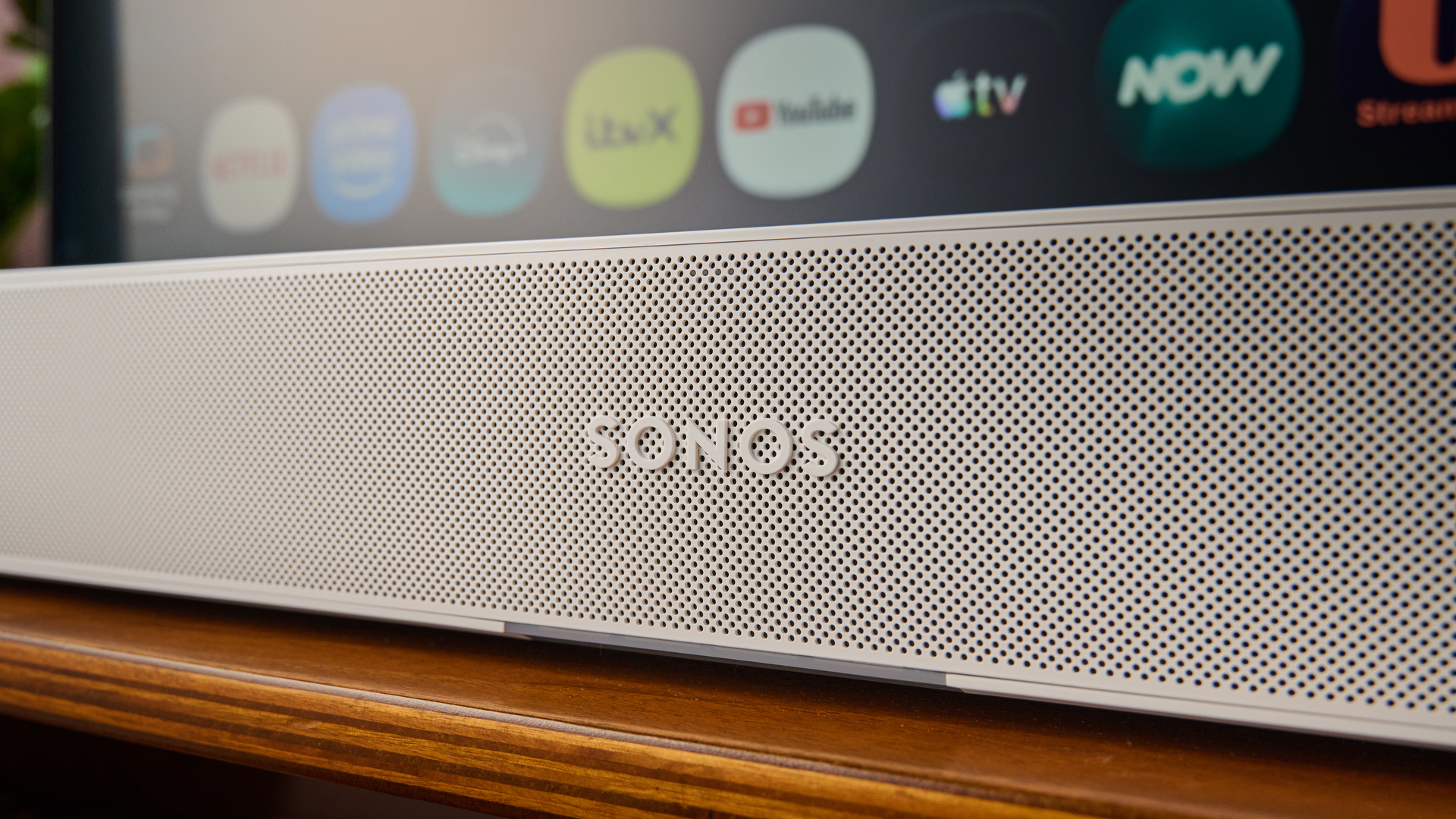
Sonos logo on the Sonos Beam Ultra

(Image credit: Future)

And the Beam Ultra continued to impress me with its height effects across multiple movies. For instance, in Godzilla Minus One, the sense of a plane flying overhead was replicated more naturally than I expected from a mid-range bar. When Godzilla first appeared, the width of the kaiju’s movement was handled brilliantly — it sounded as if the creature’s stomping and destruction were emanating from different corners of the testing room, rather than a set of speakers, even without the help of surround speakers.

Advertisement

Source link

Advertisement
Continue Reading

Tech

DeepSeek to brief UN Security Council on AI risks this week, Reuters reports

Published

on

According to an exclusive Reuters report published today, which cites two individuals familiar with the situation, DeepSeek is expected to speak to the UN Security Council this week about the risks posed by AI, alongside several US companies.

The 15-member council will be meeting on Wednesday, while world leaders are in New York for the UN General Assembly.

DeepSeek and another Chinese AI company, Moonshot, had not responded to Reuters’ requests for comment, and one of their sources warned that the plans could still be changed at the last minute.

The same source says that invitations to speak have been extended to DeepSeek and several other Chinese AI companies, including Moonshot. The source also notes that Liang Wenfeng, the founder of DeepSeek, is not expected to go himself.

Advertisement

The Chinese laboratories will be joined by their American counterparts; Sam Altman, CEO of OpenAI, will give a briefing to the council in person, an OpenAI spokesperson told Reuters last week.

Moreover,  diplomats have informed the agency that they expect senior officials from Anthropic to take part as well. France, which has the rotating presidency of the council this month, is calling the meeting.

The session came after several weeks of public debate concerning how quickly frontier AI should advance. Dario Amodei from Anthropic had this month asked companies to slow the pace at which they improve their models, a suggestion that Altman and Elon Musk supported but Mark Zuckerberg from Meta opposed.

As Reuters reported, governments are also divided: UN Secretary-General António Guterres told world leaders last week that the dangers posed by rapidly developing AI cannot be ignored, while US President Donald Trump maintained that existing safeguards are sufficient.

Advertisement

The council began its discussion of AI in 2023, when China stated that AI must not become a ‘runaway horse’ and the United States expressed its concerns about governments using it for censorship and repression.

Also, a concept note that France has sent out for this week’s session highlights the potential for malicious use of AI and the danger of losing control over advanced models.

In January 2025, DeepSeek, which is based in Hangzhou, attracted worldwide attention because the low cost of its R1 reasoning model had a damaging effect on US technology stocks. This week’s briefing will see one of China’s most well-known AI developers take part in the same UN discussion as the US research laboratories.

Advertisement

Source link

Continue Reading

Tech

VMware Ready to Run CDs Packed Working Linux Virtual Machines Onto Discs Handed Out at Linux World 2000

Published

on

Virtual Machines on CD VMWare
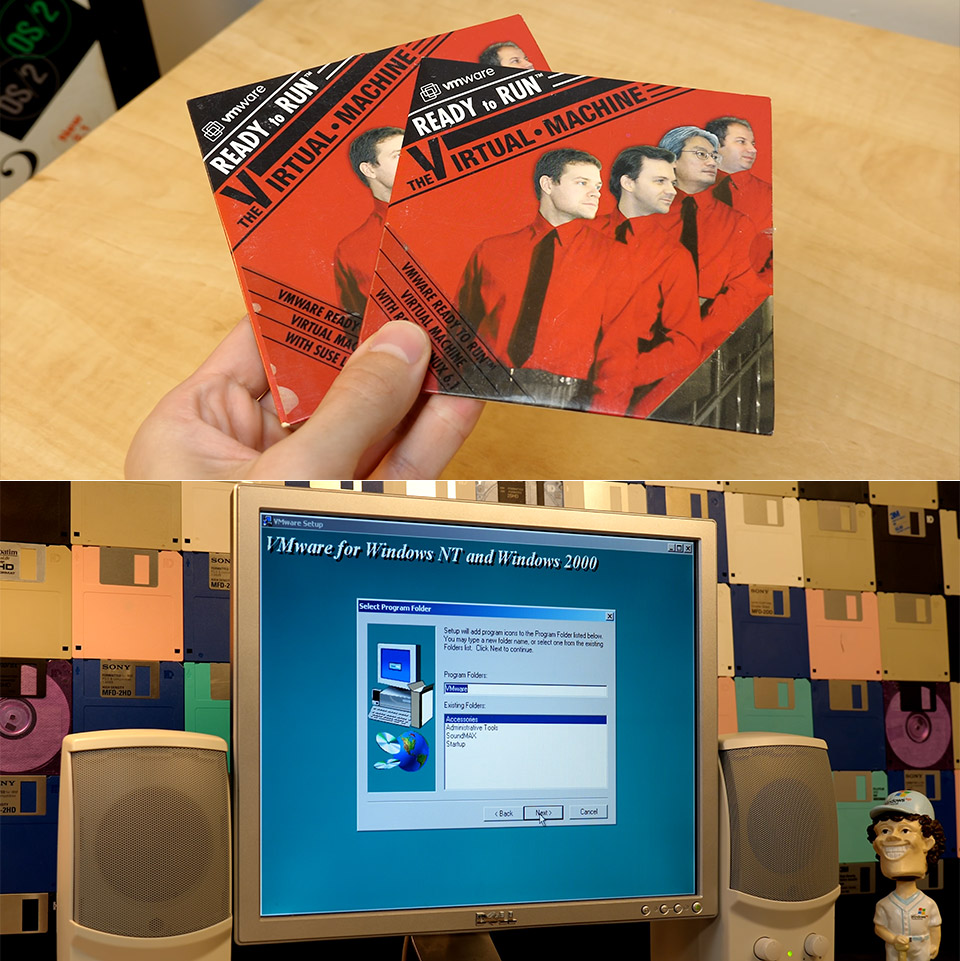
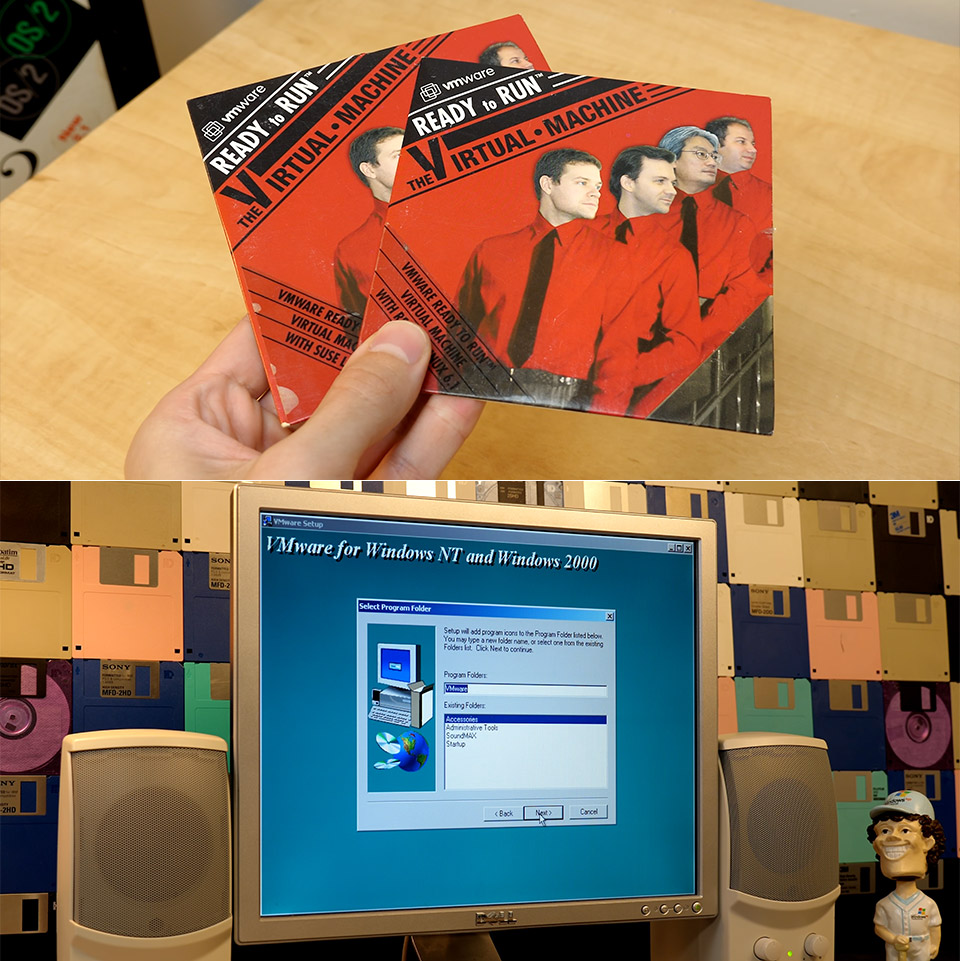
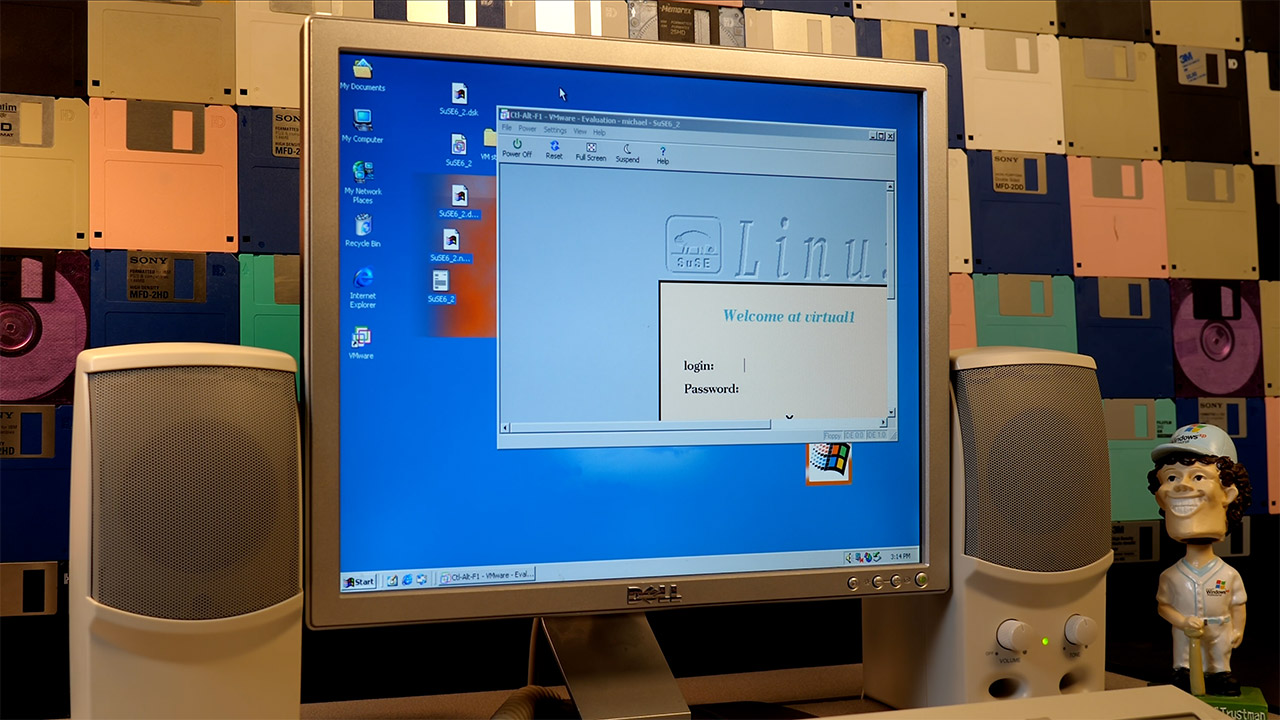
Viewer David from Virginia Beach mailed Michael MJD a pair of forgotten promotional CDs he picked up at Linux World 2000, and those discs still hold complete, ready-to-boot virtual machines of Red Hat Linux 6.1 and SuSE Linux. VMware handed them out as marketing pieces that let Windows users try popular Linux distributions without hunting down ISOs or partitioning a hard drive. Each disc carries VMware 1.0.1 for Windows NT and Windows 2000 plus the Linux host version, a short readme, and a compressed virtual disk image already configured with a working guest OS.


The artwork on the cardboard sleeves is a dead ringer for Kraftwerk’s The Man-Machine album, with the exception that the title has been changed to Virtual Machine and the band members have been Photoshopped to resemble VMware’s founders. According to the Computer History Museum’s archives, VMware donated matching copies to the museum, along with a third disk containing a copy of TurboLinux 6.0. Not much else appears to have survived online, which is why MJD finally got around to chatting with the cast more than two decades later.

Sale


ACEMAGIC V1 Mini PC, AMD Ryzen 5 3500U, 16GB RAM 256GB SSD Windows 11 Pro
  • 【AMD RYZEN 5 3500U PERFORMANCE】 Powered by the AMD Ryzen 5 3500U processor with 4 cores and 8 threads, up to 3.7GHz, this mini PC delivers…
  • 【16GB RAM+256GB SSD,Flexible Expansion】 This compact PC features dual DDR4 memory slots, allowing for easy upgrades to 16GB of high-speed memory…
  • 【Compact and Durable】The micro PC measures only 3.94 x 3.94 x 1.3 inches, making it easy to carry and an ideal choice for working on the go. Its…

Virtual Machines on CD VMWare
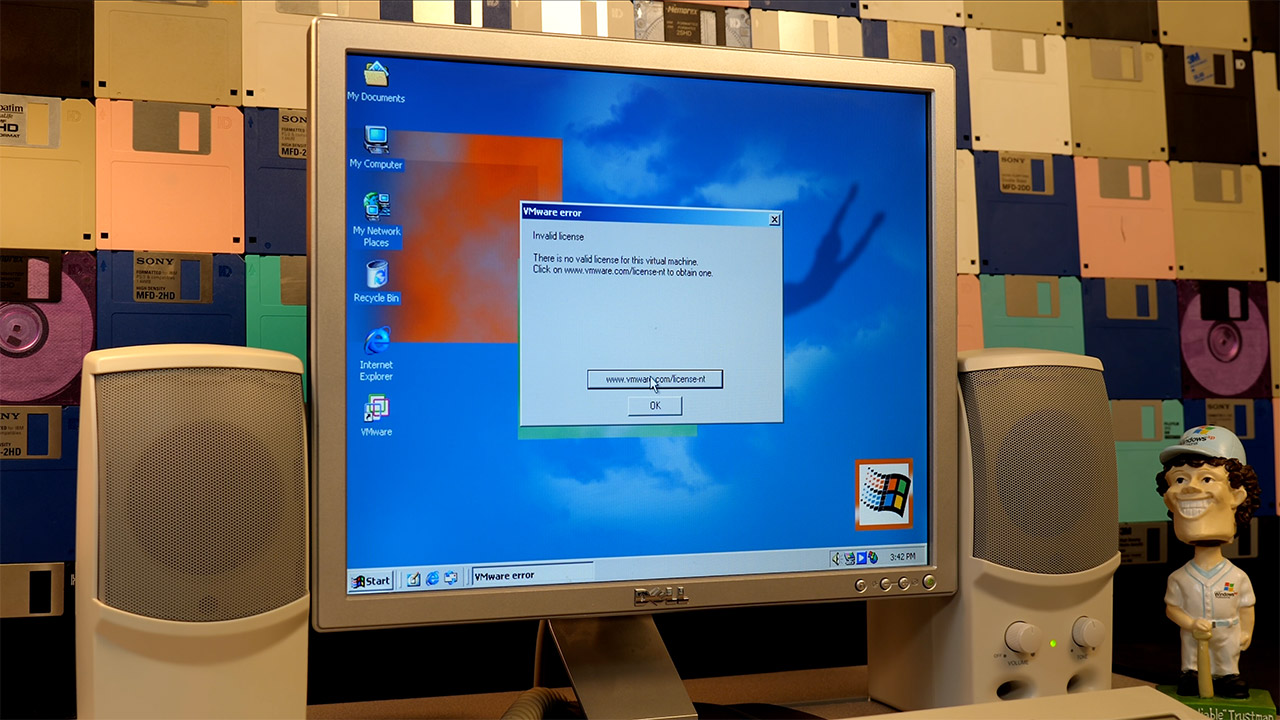
He began by inserting the Red Hat disk into a Windows 2000 PC from the time when the program was first released, as the decision was based on the original requirements listed on the package. However, when he inserted the disk, nothing happened; there was no autorun prompt. So he walked into the Windows folder, launched the 1.0.1 installer, and followed the network and desktop icon prompts as expected. After rebooting, the system failed to start, displaying a “invalid license” error message. What was supposed to happen was that you’d get a 30-day evaluation key from VMware’s long-defunct website and that’d be it, but MJD ended up needing to hack together a functioning key instead and proceeded.

Virtual Machines on CD VMWare
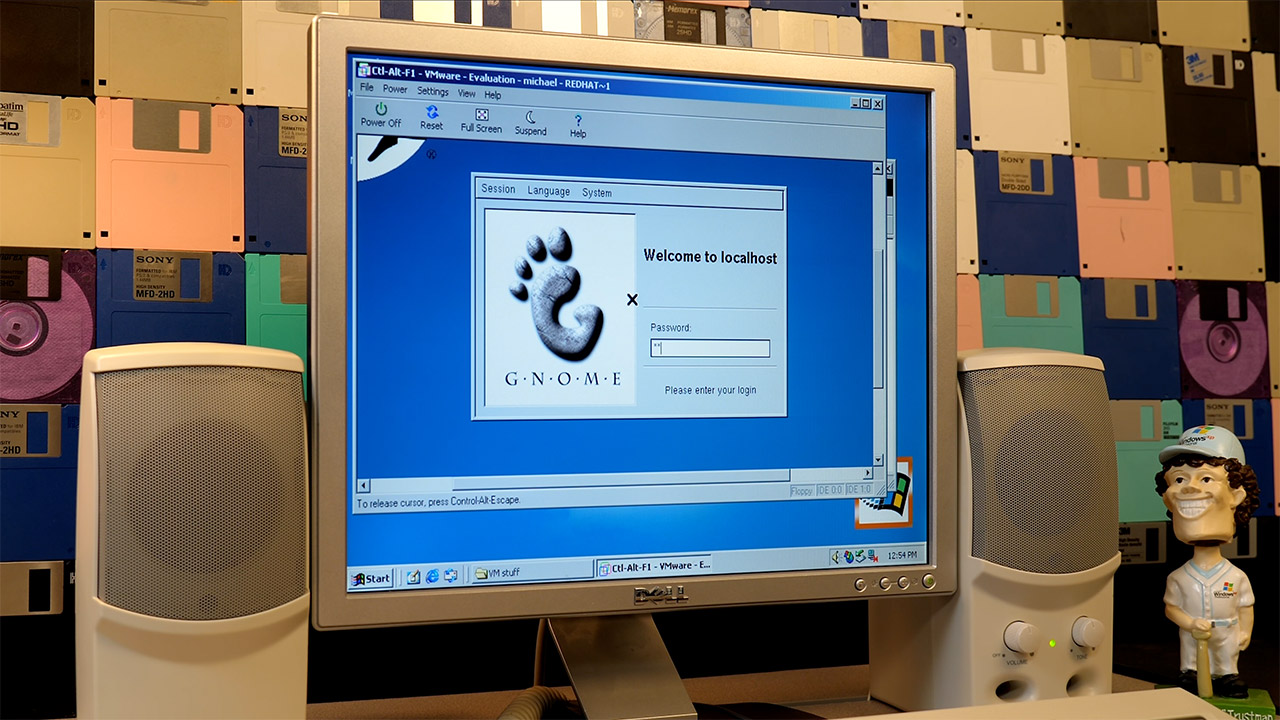
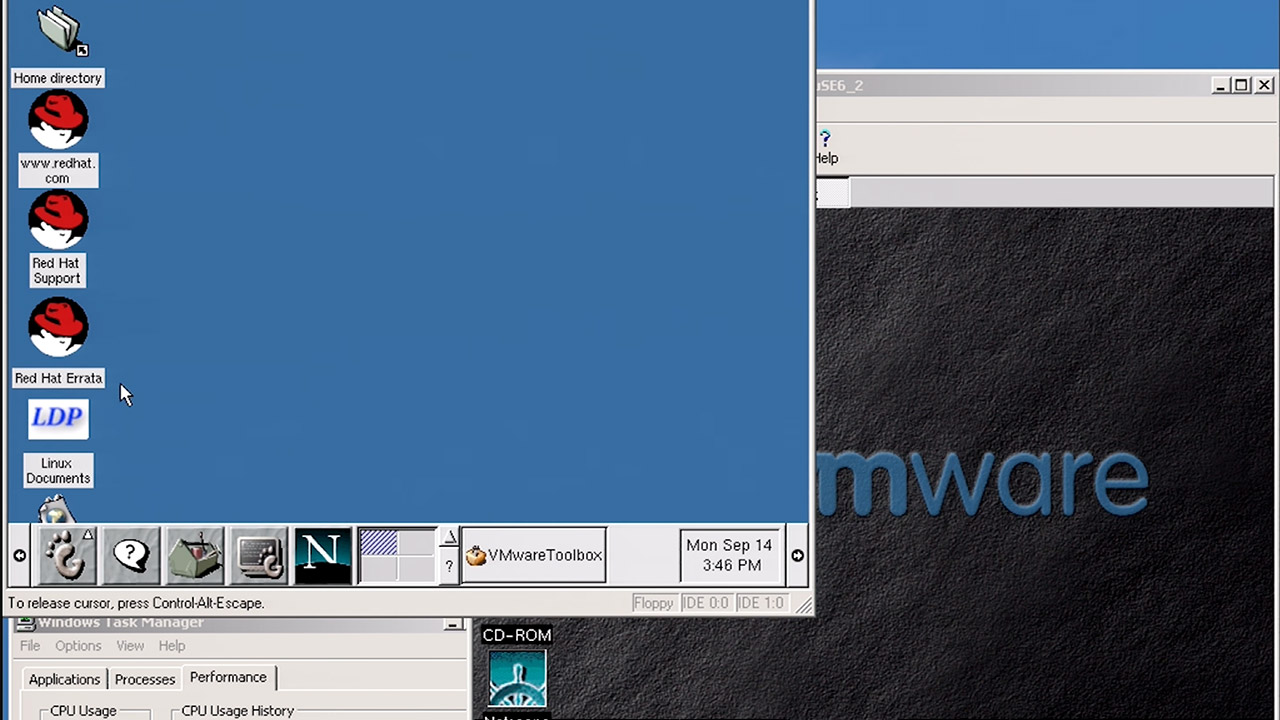
The self-extracting application inside the Ready to Run folder unwrapped a virtual disk and a configuration file, which VMware happily accepted after a minute. MJD was welcomed by a LILO screen before being prompted to log-in. The username and password both defaulted to “VMware,” and after logging in, a GNOME desktop with VMware Toolbox already installed appeared, allowing him to exit the guest window with a single key press. The resolution started off all wacky, but a quick change to the xf86 configuration file rectified it, and he was able to fit the guest onto his host desktop at 640×480. Ethernet worked perfectly, and the menus scrolled smoothly.

Virtual Machines on CD VMWare
SuSE didn’t proceed as planned, as the identical self-extractor claimed to have finished on its own but ended up leaving behind a corrupted image. MJD ended up moving the raw tar gzip to a newer PC, unzipping it with 7-Zip, and renaming the configuration file to make it compatible with current VMware. Finally, the guest booted into a German-language KDE desktop with a very distinctive stone-textured wallpaper that appeared to be unique to the SuSE disk, and MJD was relieved to find that the login credentials were the same as the Red Hat workstation. Toolbox again handled mouse integration.

Virtual Machines on CD VMWare
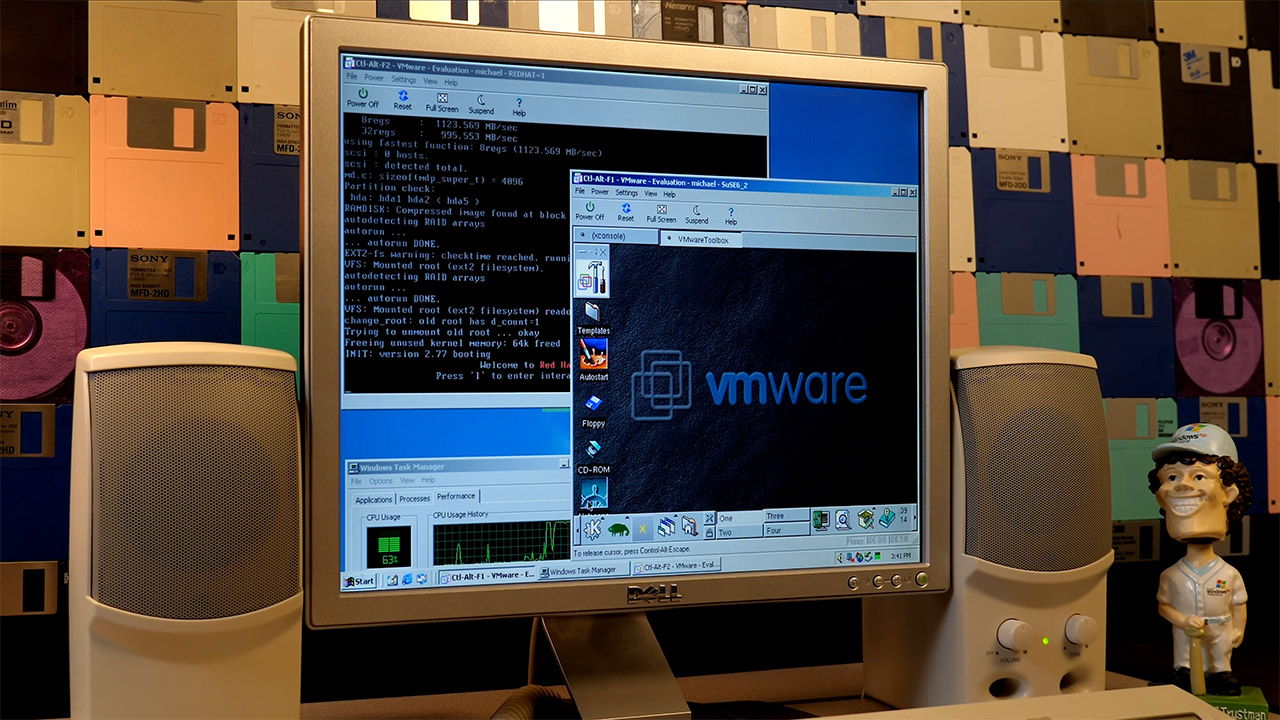
Running both guests at once on period hardware pushed the Pentium III to 100 percent CPU and introduced lag, frozen input, and occasional freezes during login. You had the best results running one at a time. Memory sat well below the 512 MB specified, implying that the old virtualization layer was RAM-bound, but it turned out to be more CPU-bound than anything else. Newer processors regularly produced kernel panics, so MJD shifted the experiment to a 733 MHz Pentium III that was downclocked to match the original requirements, which called for a Pentium II 266 MHz.

Virtual Machines on CD VMWare
Back in 2000, these discs removed almost every barrier between a curious Windows user and a fully configured Linux desktop; simply insert the CD, install a brief trial of VMware, and a desktop appeared, all without the need for a download or partitioning. Today, the identical files are available on the Internet Archive, allowing anyone with the necessary hardware or a modern hypervisor to repeat this experiment. However, the original packaging remains a surprisingly compact time capsule of the moment when virtualization became something you could give away at a trade fair.

Advertisement

Source link

Continue Reading

Tech

Apple Music opens new live concert venue in London

Published

on

Apple’s UK headquarters at the famous Battersea Power Station has added a new Apple Music venue for live concerts and Spatial Audio recording.

Apple Battersea is home to both an Apple Store and the company’s main UK offices, each housed within the iconic Battersea Power Station. Now there’s also Apple Music Hall, a 600-seat auditorium with 48-speaker spatial sound system, 16 or more cameras, two audio recording studios, and a broadcast video control room.

“Apple’s deep love for music dates all the way back to the very beginning, from the launch of the iPod to the long-running iTunes Music Festival to the debut of Apple Music,” Oliver Schusser, Apple’s vice president of Apple Music and International Content said in a statement. “Today, with the opening of Apple Music Hall, we are once again taking an unprecedented step further in our commitment to artists and fans by supporting live music in ways only Apple can do.”

Battersea Power Station was built in the 1930s and is famously an enormous brick building with four high towers. Now a shopping mall with offices, even entirely new sections such as Apple Music Hall have mimicked the brick facade to stay in keeping with its architectural heritage.

Advertisement

The building is by the River Thames and the new Apple Music Hall also features a large glass wall that offers a view of the river.

Spacious modern loft with exposed brick, tall windows, black steel beams, a central staircase, and cozy seating area including red curved sofa, round coffee table, and wall art

The foyer of the new Apple Music Hall shows how it has retained the brickwork of the Battersea Power Station – image credit: Apple.

Apple Music Hall is built to be both a concert venue and a recording studio. Apple claims that musicians will be able to perform “an intimate live show for fans… and walk out with a finished Spatial Audio recording, a broadcast-ready mix, and multi-camera video” from a single show.

Such shows will also be able to be streamed live worldwide on Apple Music.

Advertisement

“At Apple Music, we care deeply about music, the artists who make it, and their life stories,” said Zane Lowe, Apple Music’s global creative director and lead anchor for Apple Music 1. “We’re always looking for new opportunities to connect the artists and the fans because we are fans.”

“What better way to celebrate this relationship than a new music venue where we get to experience amazing music in an amazing space and share it with the world,” he continued. “Great music and memories will be made at Apple Music Hall.”

The new Apple Music Hall in London comes almost exactly five years after Apple France opened a studio in Paris.

Advertisement

Source link

Continue Reading

Tech

Anthropic and OpenAI ask Australia to ease its ban on AI training with local content

Published

on

Anthropic and OpenAI have asked Australian lawmakers to reconsider rules that stop them from training AI models on the country’s creative work, Reuters reported on Tuesday, citing the companies’ submissions to a parliamentary inquiry into AI laws.

In October 2025, the Australian government stated that it would not include a text and data mining exception in its copyright legislation.

In effect, this means that AI developers must obtain permission from copyright holders to train their machines on those works, a situation that in practice prevents mostly US-based laboratories from training models in the country.

Both companies have acknowledged that decision in their submissions but are asking for some margin around it. Anthropic has acknowledged that broad copyright exceptions have been ruled out and has therefore suggested a ‘narrow form of conditional approval’ for the purpose of model training.

Advertisement

Also, it stated that it would be open to conditions such as investment or other measures intended for the support of Australian creators and cultural work; OpenAI requested a balanced framework which would enable the models to learn from publicly available information while at the same time providing rights holders with opportunities to work together with AI companies.

Both companies connected the question to their intended data center plans in Australia; OpenAI has a power purchase agreement with NextDC for a site it plans to build in Sydney, and Anthropic was announced last week as a partner in a data center project in Queensland.

Anthropic has established that connection previously; when briefing notes were made public as a result of a request under the Freedom of Information Act, it was stated that Anthropic’s chief executive, Dario Amodei, had raised the issue of copyright with Treasurer Jim Chalmers in April, according to AFP.

The officials noted that Anthropic would claim its investment in Australia depended on there being clarity regarding copyright settings.

Advertisement

The creative industries, on the contrary, have made a strong effort. In July, Sarah Hanson-Young, a Green senator and chairwoman of a Senate inquiry into AI and data centers, stated that AI companies wishing to train on copyrighted material “should pay for it just as everyone else does”.

Anthropic has also encountered this problem in court. In the United States, it agreed in 2025 to pay $1.5 billion to settle a class action brought by authors over books that had been pirated and used in its training data, following a ruling by a judge that training on lawfully acquired books could be considered fair use.

The submissions were handed to a joint select committee on AI which both houses of parliament established in August. At the same time, Australia intends to introduce more comprehensive AI and data center regulations next year.

Advertisement

Source link

Continue Reading

Tech

GoPro Mission 1 Pro ILS Review (2026): Cinema-Quality Action Cam

Published

on

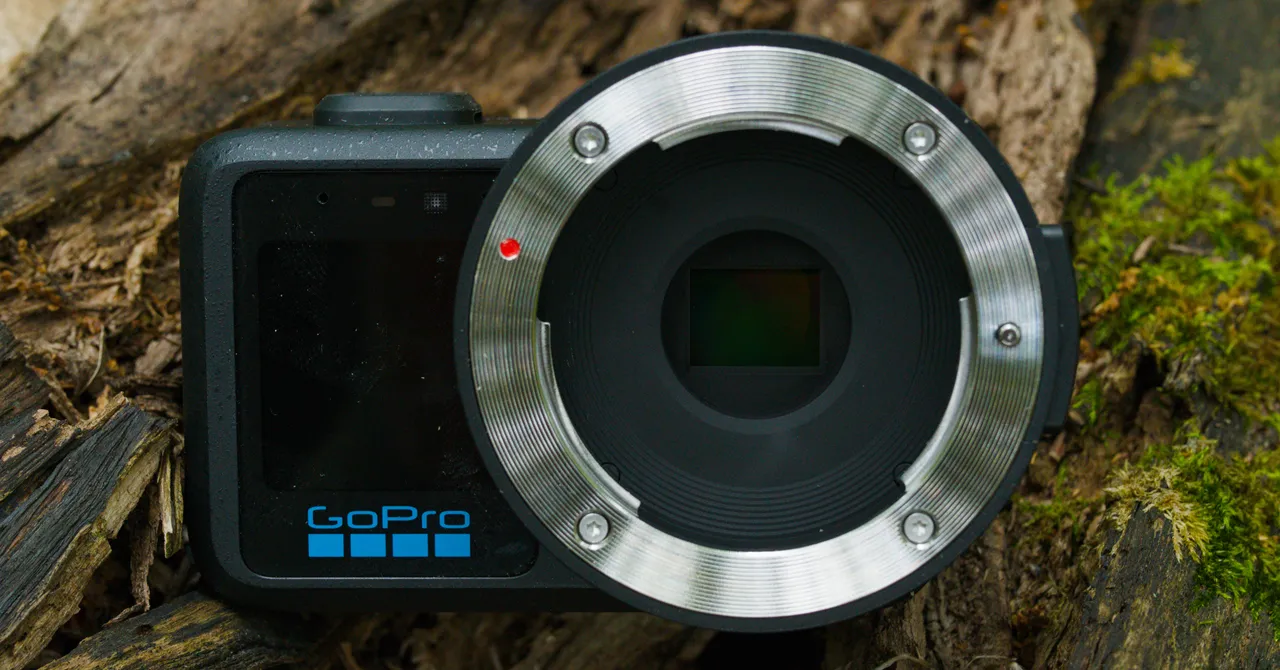
For example, GoPro sent a Laowa 7.5-mm lens for me to test with. When HyperSmooth is on, that’s the equivalent of shooting with a 23-mm lens on a full-frame camera. With HyperSmooth off, it becomes a 20-mm lens. I bring this up mainly because if you want to go really wide on the ILS, you’ll need a very, very wide lens (fisheye lenses are probably your best bet).

Now for the downside to the ILS: There are no electrical contacts, which means lenses that rely on electronic focus or aperture control probably won’t work. For example, my all-time favorite MFT lens, Panasonic’s original 20-mm pancake, won’t work on the ILS because there’s no manual aperture ring.

Your best bet is to stick with fully manual lenses that have a mechanical aperture ring. There aren’t many, but there are enough with quality glass to cover a good range of focal lengths. GoPro’s Abe Kislevitz put together a nice collection of lenses that he has tested with the Mission 1 Pro ILS, along with his recommendations for various shooting scenarios. Be aware that the camera is sold body-only, and so far, we haven’t seen any bundles from GoPro or resellers that include a lens.

And yes, you have to manually focus. I could drop some jokes here about kids today not knowing how to do it, but the truth is, I shoot vintage manual-focus lenses all the time on my Sony A7R II. While I’ve shot sports and wildlife with these lenses and had a pretty high success rate, I struggled to focus on the ILS.

Advertisement

The problem with focusing on the ILS is the small screen. It’s hard to see, not just in bright daylight. It’s just really small. There is focus peaking, which uses color banding to indicate what’s in focus, but it can be hard to see exactly where it ends, and I’ve learned from my Sony not to fully rely on peaking.

You can zoom in to get very precise focus, which is what I do on the Sony, but again the small screen makes it hard to see. Worse, for filmmakers especially, you have to have the camera at eye level to focus it well, which limits your shooting ability (or you get to contort into all sorts of weird poses). I would love to see the next Mission 1 Pro ILS get a tilting screen; it’s not waterproof anyway, so it doesn’t seem like there would be a need to reengineer. GoPro no doubt would suggest using the app on my phone, as it does make it considerably easier to focus, but then you need a cage, and then a handle, and at that point most of the Mission 1 Pro ILS’ size advantage is gone; you might as well get a Panasonic GH7, which has an even larger sensor.

Ultimately, while focusing on the small screen is challenging, using a phone or other external monitor sidesteps that issue (and is what pro filmmakers do anyway), but the inability to control the lens iris electronically feels like a bigger limitation since it eliminates a significant number of lenses. It would be nice to see a future Mission 1 Pro ILS support at least electronic connectors for aperture and manual focusing on lenses that require it.

Shooting With the Mission 1 Pro ILS

Once you get past the hurdle of manual focusing, there’s a lot to love about the ILS footage. Testing it reminded me more than anything of the Blackmagic Pocket Cinema Camera from several years ago. I can’t believe this tiny little thing can match the quality of those early Blackmagic cameras.

Advertisement

Source link

Continue Reading

Tech

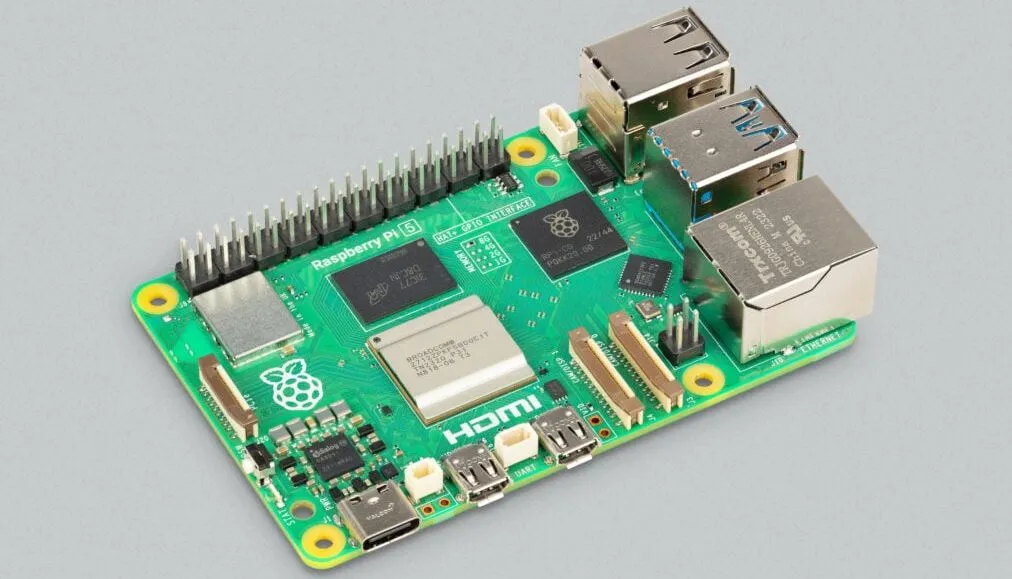
Raspberry Pi Locks Down RAM Upgrades

Published

on

In a recent video [Jeff Geerling] addresses an issue discovered with the Raspberry Pi firmware, specifically how since around 2024 the firmware locks down what RAM size and even module is supported. This isn’t an issue that is widely known, probably because most people just use the board as-is, but it can be an unpleasant surprise for those looking to upgrade or repair their Pi.

Naturally there is a valid reason for wanting to prevent unscrupulous RAM module changes, with a [Geekworm] blog post from earlier this year detailing this exact issue and how each board is marked with a specific code that identifies the model, RAM size, RAM manufacturer and such. Based on the earlier linked forum post and also a 2025-era GitHub ticket on the rpi-eeprom project, the resulting symptoms seem to vary from not seeing the additional RAM to the board not booting at all.

Although you can go back to an older EEPROM firmware image to work around this, it’s still very annoying that this is even a thing. As also noted by [Jeff], the primary frustration here is probably one of ownership. When you can upgrade the RAM on just about any device you can buy, including a modern GPU and even Apple computer, but not on a Raspberry Pi board that loves to flaunt its open source/hardware credentials, then something is very much off.

Advertisement

In the end it’s highly unfortunate that Raspberry Pi has chosen this path that feels a bit too much like the hardware pairing that companies like Apple got rightfully called out on.

Advertisement

Source link

Continue Reading

Tech

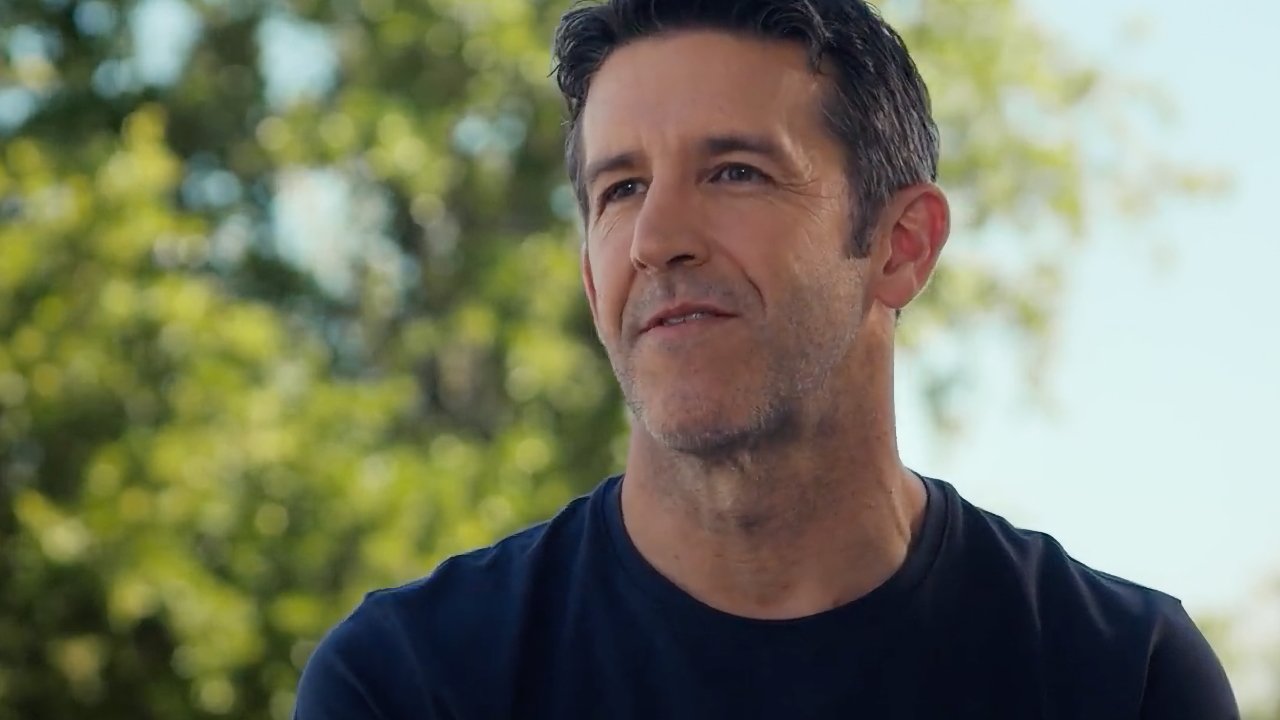
John Ternus says he sees a bright future for Apple Vision Pro

Published

on

Newly minted Apple CEO John Ternus has praised the Apple Vision Pro, calling it an amazing device that is finding more users, but also that it’s in its very earliest days.

John Ternus has been criticized for laying off workers in the company’s Apple Vision Pro division, but in a new interview for French television, he says he’s enthused about the device’s future. The Canal+ arts show Clique TV asked him directly whether or not he considered the Apple Vision Pro to be a failure.

“You know, Vision Pro, to me, is an amazing device, right, it’s an absolutely amazing device, but I think of it as, like, the early days of computers,” he said. “It is the early days of a long journey, that’s how I feel about Vision Pro.”

“What you’re seeing with Vision Pro now is, certainly, there’s early adopters who love it and they’re using it, they’re enjoying it,” he continued, “but you also [see] surgeons are starting to use it in surgery, because it’s just a fundamentally better tool for them than a monitor that’s kind of sitting over there.”

Advertisement

Ternus claimed that people are finding more uses for the Apple Vision Pro and that this is where he sees a “very bright future” for the device.

He wasn’t pressed for any commitment over whether the Apple Vision Pro would continue to be developed. But he was asked what difference it makes to Apple that the company’s new CEO is an engineer.

“I don’t think anything’s really changed,” he said. “I think, sure, I’m new in this job, but the focus on innovation, the focus on products, the focus most importantly on our customers, that has never changed, that’s been here from the beginning.”

“I am super passionate about products, I love building things, that’s why I’ve been here for so long [and] that’s why I love what I do,” Ternus continued. “I don’t think of it as some radical change, I just couldn’t be more excited about the future.”

Advertisement

This issue of him being an engineer has been repeatedly brought up since his predecessor Tim Cook was famously “not a product person.” But Apple today is far from the computer product firm it originally was, and Ternus is presiding over a $5 trillion company with multiple services as well as hardware.

Source link

Advertisement
Continue Reading

Tech

There are 40K attractive jobs available in Singapore. MOM data reveals where they are.

Published

on

Disclaimer: Unless otherwise stated, any opinions expressed below belong solely to the author. Data sourced from the Ministry of Manpower.

While Singapore’s latest labour market figures point to a slowdown in hiring, with retrenchments rising last quarter and re-entry into employment becoming tougher, there are still plenty of job openings available.

There are close to 70,000 vacancies in Singapore, including almost 40,000 PMET positions—jobs for professionals, managers, executives and technicians.

These roles also tend to pay significantly more. Last year, the median monthly income for resident PMETs was S$7,600, compared with S$5,755 across all resident workers and less than half that for non-PMET workers.

Advertisement

With the Ministry of Manpower releasing its second-quarter labour market report on Sept 21, we now have a clearer picture of which industries and occupations are still hiring—and where those nearly 40,000 PMET opportunities are.

Where to look for work in Singapore?

While the number of vacancies has dropped by around 8.6% compared to Q1, there are still thousands of jobs available, across all industries, including some of the best paying ones like Finance or IT.

Number of PMET vacancies in Singapore in 2026, by industrial group

Q1 2026 Q2 2026
TOTAL 43,000 39,300
Community, Social and Personal Services 11,900 12,400
Manufacturing 4,900 5,000
Professional Services 5,000 4,700
Financial and Insurance Services 6,300 4,500
Information and Communications 4,600 3,900
Construction 3,300 3,000
Wholesale and Retail Trade 2,900 2,500
Accommodation and Food Services 900 900
Real Estate Services 600 800
Transportation and Storage 1,200 700
Administrative and Support Services 1,000 400
OTHERS 400 400

The government leads the pack

For finer detail, we can look at specific industries within each larger grouping, which reveal that the government continues to be the most eager employer, offering over 8,000 openings—up by 20% from the first quarter.

In this breakdown, Financial Services and IT jump up to 2nd and 3rd place, respectively, showing that there’s continuous demand for qualified workers, even amid the fears that AI is going to take many high-paying jobs there.

Advertisement

Number of PMET vacancies in Singapore in 2026, by specific industry

Q1 2026 Q2 2026
TOTAL 43,000 39,300
Public Administration & Education 7,000 8,400
Financial Services 5,500 3,900
IT & Other Information Services 4,300 3,600
Health & Social Services 3,800 3,200
Construction 3,300 3,000
Legal, Accounting & Management Services 2,800 2,500
Wholesale Trade 2,300 2,000
Electronic, Computer & Optical Products 1,600 1,700
Fabricated Metal Products, Machinery & Equipment 1,200 1,400
Architectural & Engineering Services 1,200 1,100
Other Professional Services 1,100 1,100
Real Estate Services 600 800
Petroleum, Chemical & Pharmaceutical Products 700 600
Transport Equipment 600 600
Insurance Services 700 600
Other Community, Social & Personal Services 900 600
Retail Trade 600 500
Food & Beverage Services 600 500
Accommodation 300 400
Food, Beverages & Tobacco 200 300
Other Manufacturing Industries 500 300
Water Transport & Supporting Services 400 300
Other Transport & Storage Services 300 300
Telecommunications, Broadcasting & Publishing 400 300
Other Administrative & Support Services 700 300
Arts, Entertainment & Recreation 200 200
Paper/Rubber/Plastic Products & Printing 100 100
Land Transport & Supporting Services 200 100
Air Transport & Supporting Services 300 100
Cleaning & Landscaping 200 100
OTHERS 400 400

With 40% of the offers concentrated in the Top 3, it seems that quality follows quantity. Public jobs are not known to pay poorly, while finance and tech are even more generous.

There certainly is some disconnect between the very high pace of economic growth, with GDP hitting close to 6% year-on-year, and the job market, which seems far less optimistic. However, the number of PMET vacancies today is still roughly 50% higher than it used to be before the pandemic.

It might be harder to get a job than it was during the rapid, post-COVID revival, but most still succeed, and there are many options to choose from. Of course, your individual situation depends on your qualifications, career goals and the industry you’re in.

  • Read other articles we’ve written on Singapore’s job landscape here.

Featured Image Credit: TKKurikawa/ depositphotos

Advertisement

Source link

Continue Reading

Trending

Copyright © 2025