TL;DR
Skoda’s Peaq seven-seat EV starts around €50,000 with up to 600km range and V2H charging, undercutting the Kia EV9 and Ioniq 9 significantly.




Skoda’s Peaq seven-seat EV starts around €50,000 with up to 600km range and V2H charging, undercutting the Kia EV9 and Ioniq 9 significantly.
Skoda has revealed the Peaq, its first seven-seat all-electric SUV and the most expensive car in the Czech automaker’s 130-year history. Built on the Volkswagen Group’s MEB platform at Skoda’s home plant in Mladá Boleslav, the Peaq stretches nearly 4.9 metres long and is designed to compete directly with the Kia EV9, Hyundai Ioniq 9, and Volvo EX90. The difference is price, with Skoda targeting a starting point of around €50,000 to €55,000, compared to roughly €66,000 for the EV9 and €70,000 for the Ioniq 9.
The lineup will launch with three variants. The Peaq 60 pairs a 150kW rear motor with a 63kWh battery for more than 460km of WLTP range, while the Peaq 90 steps up to a 210kW motor and a 91kWh pack for over 600km. The range-topping Peaq 90x adds a second motor for all-wheel drive and 220kW of total output, keeping the same 91kWh battery and 600km-plus range.
All three variants support DC fast charging at up to 200kW, which Skoda says will take the battery from 10 to 80 percent in approximately 28 minutes. The Peaq also supports bidirectional charging, meaning it can feed power back to a home through the VW Group’s Moon Power Ambibox DC wallbox. Vehicle-to-load capability is included as well, letting owners run external devices directly from the car’s battery.

The 💜 of EU tech
The latest rumblings from the EU tech scene, a story from our wise ol’ founder Boris, and some questionable AI art. It’s free, every week, in your inbox. Sign up now!
Inside, the third row folds flat to open up 890 litres of boot space. Options include a Sonos sound system, a panoramic glass roof, and massaging front seats. The design follows Skoda’s Modern Solid language, which debuted with the Vision 7S concept that previewed the Peaq’s shape back in 2022.
Skoda confirmed the Peaq name in January 2026 and showed a near-production version on March 30. The world premiere is set for June 23 in Monnetier-Mornex, France, with deliveries expected from mid-2026. Production will run alongside the Enyaq at Mladá Boleslav, making the Peaq the second MEB-based model built at the plant.
The pricing strategy is the Peaq’s sharpest weapon. Skoda has historically positioned itself as the VW Group’s value brand, and the Peaq extends that logic into the seven-seat EV segment where competitors have priced themselves into premium territory. The Kia EV9 starts at roughly €66,000 in Europe, the Hyundai Ioniq 9 at around €70,000, and the Volvo EX90 higher still.
That positioning matters at a time when tariffs and trade barriers are reshaping which EVs are available in which markets. A seven-seat electric SUV starting under €55,000 from a European manufacturer built in Europe avoids the import exposure that has forced several Korean and American models out of certain markets or into higher price brackets.
The Peaq also arrives into a segment that is still thin on options. The Peugeot E-5008 offers seven seats at a lower price but with less range and a smaller footprint. Above the Peaq, the choices jump quickly into luxury pricing. Skoda is betting that families shopping for a large EV want the space and capability of a premium model without the premium itself, and the Peaq’s spec sheet suggests it can deliver that.

Gaming handhelds are great because they are portable (basically small). But that is also one of its biggest weaknesses. I was reminded of that while trying Asus’ new ROG Xbox Ally X20 bundle at Computex 2026. On its own, the Ally X20 is already a more polished version of the ROG Xbox Ally X. It arrives with nice updates that sound minor on paper but make a device feel more complete in your hands. The real surprise, though, was the bundled ROG XREAL R1 Edition 20 Gaming AR Glasses.
I walked in to try the 20th anniversary edition of ASUS’ handheld console, but the massive 171-inch screen trick surprisingly stole the show.
The ROG Xbox Ally X20 is not a total reinvention of Asus’ Xbox-branded handheld. It still sits in that familiar Windows handheld space, with PC gaming power, Xbox integration, and the usual promise of taking your library anywhere. Everything ASUS changed here is to smooth out the experience, and you can feel it as soon as you actually hold it.

The biggest upgrade is the display. The X20 moves to a 7.4-inch OLED Nebula HDR panel, which is slightly larger than the standard Ally X screen and far more exciting visually. It supports a 120Hz refresh rate, FreeSync Premium Pro, Dolby Vision, and up to 1,400 nits of peak brightness.
The controls have also been cleaned up. ASUS added TMR joysticks, a Transforming D-pad that can switch between four-way and eight-way control, improved face buttons that sit more flush with the chassis, and rubberized grips on the back that definitely offer improved handfeel, which is important for gamers. A few extra fps, thanks to a faster chip, is great, though bad grips, mushy controls, or a weaker display are something you’ll notice every time you start playing on the gaming handheld.

The bundled ROG XREAL R1 Edition 20 glasses are what make ASUS’ portable console a little more interesting than the new Intel G3 Extreme-powered handhelds. Even at their largest, handheld screens are still handheld screens. Admittedly, that is part of the appeal. If you wanted a bigger screen, you’d likely go for a gaming laptop. For many, this is exactly what they want: a smaller window into big games.
Except that the glasses still change that equation. They can project a virtual display up to 171 inches at 4 meters, which sounds absurd until you actually put them on. Now, you’re not relying on the handheld screen anymore, and the Ally X20 becomes an oversized controller, which is powering a much larger screen.

During my hands-on with this ROG Xbox Ally X20 with the XREAL R1 Edition 20, I understood why the bundle exists. ASUS pairing these two gadgets together makes it all the more immersive. This isn’t the first time a pair of gaming AR glasses has been built for handhelds, but the Ally X20 bundle is the exception as it comes with the ROG XREAL R1 Edition 20, which is also optimized for this system in particular.

Gaming AR glasses have been pretty niche in the overall PC and console gaming segment. However, you are already holding a portable console in your hands, which comes with its own set of cables, chargers, and a case. So adding another peripheral doesn’t sound too inconvenient. The fact that you can stay portable, while the glasses let the display feel massive when you want it to, sounds incredibly fun.
Not everyone would want this bundle, but the ROG XREAL R1 Edition 20 glasses complete it. They turn the Ally X20 from a nicer handheld into a more flexible gaming setup. You get the benefit of both a convenient form factor console with a 171-inch virtual screen when you want a more immersive experience.

When you buy a TV, what motivates the purchase: Picture quality? Value? Screen size? Brand loyalty?
Is brightness in nits, dimming zones and Delta E colour accuracy among those ‘needs’. I’d hazard a guess and say ‘probably not’.
Which is not to say that these areas are not important, but I’d make an assumption that most of the TV buying audience is not au fait with these areas – some won’t know their nits from their candelas, and others just won’t care.
And that’s fine.
But the TV market seems to have developed a fixation with measurements and numbers, and it’s become a question of to what end?
For the most part, you’re unlikely to come across these technical terms during your TV buying experience. Browsing the likes of Currys, Amazon and Richer Sounds, you’ll be exposed to the marketing ramble, most of it words that look like they could be equations or formulas (NQ4 AI Gen3, a9 AI processor).
On our side, the reviewers’ side, we get this as well as insight on the technical side. Of course, we need to know how they work, but I won’t lie in saying that some of this stuff goes over my head and requires educating myself and asking questions.
The more advanced TVs get, the more complex they become to understand. The use of AI has, in a way, accelerated this complexity faster. AI is often used as a blanket term for tech. For some TV manufacturers, as part of their brand story, it’s easier to say AI to get people interested and fit as part of the overall story in tech.

AI has helped TVs achieve a higher level of performance. But it’s also turned TVs into a numbers game – my number is bigger than yours.
But what does it really mean? If I have a TV from Samsung, LG, Sony, Hisense and TCL and they all hit 3000 nits of brightness, which is better? The one with more dimming zones? The one that covers the widest colour spectrum? The one with the best Delta E number?
Focusing on these areas turns it into a specs battle, and for most people, none of these measurements will have much context in their living room. If the picture looks good, then it looks good. Things like Delta E, tone mapping, and colour gamut – they’ll end up just confusing the buyer or making decisions more complicated, not easier.
The TV that prompted this discussion was the Hisense UR9.
On paper, this TV has stonking specs. It’s an RGB Mini LED, brand new technology to the TV market that allows for purer colours, displaying a wider range of colours than more conventional LCD TVs and doing so with more accuracy. The number of dimming zones is nearly 1000, it claims to hit peak brightness levels of 4000 nits. All these specs suggest a Bona fide contender.
So why was I left underwhelmed by the UR9’s picture?
Colours weren’t that punchy or bright. The levels of sharpness and detail were less than those of an LG OLED65G6 sat next to it. The Dynamic mode, which should be the brightest, looked dull. Filmmaker mode, Cinema mode and IMAX Enhanced mode all looked identical to the point where I thought something must be wrong with the TV.
Having reviewed the U8Q in 2025 and hailed that as the best Hisense TV I’d tested, the UR9 felt as if the balloon had popped, leaving me deflated.

Reasons? I don’t think the anti-reflection/anti-glare screen worked in Hisense’s favour, as it seemed to shave off levels of detail, sharpness, and reduce contrast, which I also noted on Hisense’s Canvas TV. Highlights and overall brightness weren’t as high as measurements suggested, black levels not as strong or as deep as I hoped.
Viewing angles weren’t great either, like down to the type of panel used, and colours were a bit off despite many reviews noting the accuracy the UR9 out of the box.
But something just wasn’t quite right with the TV’s picture performance.
Personally, I wonder if this is down to Hisense’s PQ philosophy, or how it views colour. Every brand has a PQ philosophy; Sony wants to reflect the creator’s intent, as do LG and Panasonic, while Samsung wants to do that and offer the brightest, most colourful picture experience with any technology it gets its hands on.
But I can’t quite discern what Hisense’s philosophy is. In the past I’ve found its TVs have relied heavily on Dolby Vision, which is not their PQ philosophy but Dolby’s.
Earlier this year, I witnessed a shootout between several TVs: OLED, Mini LED, RGB Mini LED, and SQD Mini LED. The model that fared the worst was the Hisense, with all the test patterns and demos causing some sort of issue.
One pattern in particular showed Hisense’s lack of precision. The pattern was a white rectangle surrounded by green. The rest of the TVs showed the white rectangle as white – the Hisense showed the white rectangle to be a shade of green…
The gist of all this? What the specs say on paper doesn’t always translate to the real world.
Don’t be swayed by the specs, the charts, the stats. Not everything is always what it appears to be.

UFC White House live streams will be an MMA event like no other, as the Octagon takes up residence on the South Lawn of the White House in Washington, DC, to mark the upcoming 250th anniversary of the United States on July 4 — and, more specifically, President Donald Trump’s 80th birthday on Sunday. With headliners from the US, Georgia, Brazil and France, the event also known as UFC Freedom 250 is a surprisingly multinational affair.
While there will doubtlessly be no end of pomp and pageantry taking place over the weekend, there’s the serious matter of two UFC titles up for grabs in a co-main event. At the very top of the bill is Ilia Topuria vs Justin Gaethje, with the former defending his Lightweight title. The unbeaten champion is one of the most dominant fighters in the organization and is sure to be a mainstay for years to come, while for ‘The Highlight’ it’s surely the last opportunity to win the belt outright as Gaethje approaches his 38th birthday.
Already at that age, Alex Pereira will need all of his experience and kickboxing skills to defeat Ciryl Gane for the Interim Heavyweight title. The Brazilian already held the Middleweight and Light Heavyweight straps in his illustrious career, meaning he has the chance to become the organization’s first ever three-division champion this weekend. He gives away a fair amount of weight to the absolute unit that is Gane, who himself is trying to win back the interim title he beat Derrick Lewis (also appearing on Sunday’s card) for five years ago.
Here’s where to watch UFC Freedom 250 live streams online and from anywhere with a VPN – including a clever way to watch UFC White House for just $1 and details of the full card.

Exclusive US coverage of the full UFC White House event is on Paramount Plus. You may have seen some sources say it will be on CBS, too, but there has been no official confirmation to this effect and no sign of it in the CBS listings.
Unlike most numbered UFC events, there will be no prelims – just one main card that starts at 8pm ET / 5pm PT.
Paramount Plus plans start from only $8.99 a month with the Essential Plan, or upgrade to Premium for $13.99 a month. You can also get a Paramount Plus trial with Walmart+ for $1 as with this sneaky trick we found.
Traveling outside of the US? Use a VPN to watch Paramount Plus from abroad while you’re away from home.
A VPN is a handy piece of software that can make your device appear as if it’s back in your home country, thereby letting you unlock your usual streaming services. The best VPN right now? We recommend NordVPN – it does everything and comes with a 76% discount.
Using a VPN is incredibly simple:
1. Install the VPN of your choice. As we’ve said, NordVPN is our favorite.
2. Choose the location you wish to connect to in the VPN app. For instance, if you’re visiting the UK and want to view your usual US service, you’d select a United States server from the list.
3. Sit back and enjoy the action. Head to your usual local streaming service and watch the UFC.

The UFC White House live stream is on TNT Sports 1 in the UK.
You can get it by adding TNT Sports to your Sky, Virgin Media or EE TV package, or pay from £25.99 per month for a HBO Max plan that includes TNT Sports.
The action is set to begin at 1am BST on Monday morning.
If you’re abroad whilst the MMA live stream is on, a VPN like NordVPN can help you to access your home streaming services from anywhere.

There are a host of pay-per-view providers offering a UFC White House live stream in Canada.
You can head to the likes of Sportsnet, Bell or the UFC Fight Pass to watch the whole event, where the PPV price is set at CA$69.99.
North of the border from the US? You can use NordVPN to watch your Paramount Plus subscription like you were back at home.

The Main Card at UFC White House will be available on PPV in Australia, setting you back AU$59.95 from Foxtel Main Event or Kayo Sports Main Event.
That means you can live stream UFC White House via your web browser and devices like Android, iOS, Samsung TV, Apple TV, Android TV, Telstra TV and Chromecast.
Downloading a VPN will help you access your subscriptions from anywhere if you’re abroad when the fight is on.
Not quite. Other than the sneaky little Walmart+ for $1 trick described above in the US, there doesn’t seem to be any way to watch UFC White House for free. It’s on Paramount Plus in the US, which no longer carries a free trial. And it’s on PPV in many other countries around the world.
The UFC White House Main Card is scheduled to begin at 8pm ET / 5pm ET on Sunday, June 14. That’s 1am BST or 10am AEST in the UK and Australia on Monday, June 15. Yes. Most broadcasters have streaming services that you can access through mobile apps or via your phone’s browser – Paramount Plus, HBO Max and Kayo Sports all have mobile apps, for example.
You can also stay up-to-date with the latest UFC news and plays on the official social media channels on X (@ufc), Instagram (@ufc), Facebook (UFC) TikTok (@ufc) and YouTube (@ufc).
Can I watch UFC White House for free?
When does UFC White House start?
Can I watch UFC White House on my mobile?
Ilia Topuria vs Justin Gaethje (for UFC Lightweight title)
Alex Pereira vs Ciryl Gane (for UFC Interim Heavyweight title)
Sean O’Malley vs Aiemann Zahabi (Bantamweight)
Josh Hokit vs Derrick Lewis (Heavyweight)
Mauricio Ruffy vs Michael Chandler (Lightweight)
Bo Nickal vs Kyle Daukaus (Middleweight)
Diego Lopes vs Steve Garcia (Featherweight)
We test and review VPN services in the context of legal recreational uses. For example: 1. Accessing a service from another country (subject to the terms and conditions of that service). 2. Protecting your online security and strengthening your online privacy when abroad. We do not support or condone the illegal or malicious use of VPN services. Consuming pirated content that is paid-for is neither endorsed nor approved by Future Publishing.


IQM added Vanguard director Barbara Venneman to its board as it nears a $1.8bn Nasdaq listing, Europe’s first for a quantum computing company.
IQM Quantum Computers, the Finnish maker of superconducting quantum systems, has appointed Barbara Venneman to its board of directors as the company approaches what would be the first Nasdaq listing by a European quantum computing company. Venneman currently serves on the board of Vanguard, one of the world’s largest investment management firms, and previously led Deloitte Digital globally. The appointment signals that IQM is stacking its governance with public-markets experience ahead of a shareholder vote scheduled for June 25.
That vote will determine whether IQM completes its merger with Real Asset Acquisition Corp (Nasdaq: RAAQ), a special purpose acquisition company based in Princeton, New Jersey. The deal, announced in February at a pre-money valuation of $1.8 billion, would give IQM a primary listing on Nasdaq with a potential dual listing on the Helsinki Stock Exchange. The SEC declared the registration statement on Form F-4 effective on June 5.
The transaction has gained momentum since February. IQM and RAAQ announced an upsized PIPE of $146 million in early June, up from an initial $134 million commitment, after Finnish pension insurer Ilmarinen joined existing institutional investors. Combined with cash from RAAQ’s trust account, an earlier €50 million financing from BlackRock, and IQM’s existing balance sheet of $172 million, the company expects to hold more than $450 million in cash at closing.
IQM’s commercial profile sets it apart from the cloud-only quantum providers that have dominated the US public market so far. The company builds full-stack superconducting quantum computers for on-premises deployment, giving customers direct ownership of the hardware rather than API access to shared systems. It has sold 21 quantum systems to 13 customers, including four of the ten largest supercomputing centres in the world, and ships what it describes as 15% of all publicly disclosed quantum systems globally.
The company reported verified 2025 revenue of approximately €31 million ($36 million) and more than $100 million in cumulative bookings and order visibility. Founded in 2018 as a spinout from Aalto University and VTT Technical Research Centre of Finland, IQM now employs more than 400 people across Europe, Asia, and North America. Its technology partners include Nvidia, Hewlett Packard Enterprise, and AWS, which made IQM’s Garnet processor the first quantum system available via AWS cloud in the European Union.
Venneman brings more than 30 years of experience in digital transformation and enterprise technology commercialisation. She also serves on the board of advisors at Decagon.AI, an enterprise AI software company, and holds an MBA from McGill University and a computer science degree from the Université de Montréal. IQM’s board chair Sierk Poetting said her background in “enterprise technology commercialization, AI, and governance” would be valuable as IQM scales its commercial presence in the US.
The board also reshuffled its founder representation. CEO and co-founder Jan Goetz will replace co-founder Juha Vartiainen as the founder representative on IQM’s board, consolidating the company’s executive and governance leadership under the same person as it transitions to public-company reporting requirements.
IQM is not the only quantum company taking the SPAC route to public markets. Infleqtion listed on the NYSE earlier this month, and Horizon Quantum Computing has pursued a similar path. The SPAC structure carries well-documented risks, with the 2021 wave of blank-cheque listings producing widespread underperformance. IQM’s deal will test whether a European hardware company with real revenue, institutional backing from BlackRock and Finnish pension capital, and a $1.8 billion valuation can break that pattern.

The AMD R600 Gallium3D driver saw 59 commits [last] Sunday to Mesa 26.2. Making this code restructuring and code cleaning all the more notable is that the improvements to this old AMD Radeon graphics driver was done in part by GitHub Copilot.
Gert Wollny has been among the few open-source developers left working on the AMD R600g driver that covers from the Radeon HD 2000 series through Radeon HD 6000 series graphics cards… [T]he old open-source GPU driver support is being assisted by AI long after the upstream vendor has stopped working on this driver — the Radeon HD 2000 “R600” series launched in 2007.
iOS 27 beta has an Extensions system for third-party AI in Siri, but Apple skipped the announcement at WWDC amid EU, legal, and messaging headwinds.
Apple’s iOS 27 developer beta contains underlying support for a feature the company never mentioned at its WWDC keynote on June 8: an Extensions framework that would allow iPhone users to swap between ChatGPT, Anthropic’s Claude, and Google’s Gemini directly inside Siri. Bloomberg’s Mark Gurman has reported that the system includes a settings panel and a dedicated App Store section, both built but toggled off on Apple’s backend. Apple has held discussions with OpenAI, Anthropic, and Google about granting entitlements for the framework, according to Bloomberg.
The feature was widely expected. Gurman first reported in March that Apple was building Extensions to replace the bilateral ChatGPT deal with an open system any qualifying AI provider could join. TechCrunch described the approach in May as a “choose your own adventure of AI models.” By the time WWDC arrived, the question was not whether Extensions would launch, but how prominently Apple would position it.
The answer was: not at all. Apple devoted the WWDC keynote almost entirely to Siri AI, its rebuilt assistant powered by a custom 1.2-trillion-parameter Gemini model running on Nvidia Blackwell GPUs in Google Cloud. The company introduced a standalone Siri app, personal context features, and a three-tier privacy architecture.
The 💜 of EU tech
The latest rumblings from the EU tech scene, a story from our wise ol’ founder Boris, and some questionable AI art. It’s free, every week, in your inbox. Sign up now!
Extensions did not appear in any slide, demo, or press release. Three strategic pressures help explain why.
The first is regulatory. Apple confirmed during WWDC week that Siri AI will not launch in the European Union, citing unresolved negotiations with the European Commission over the Digital Markets Act. The EU rejected Apple’s proposal for a Trusted System Agent that would let rival virtual assistants access Siri AI’s capabilities without direct exposure to sensitive device data.
Announcing a framework that invites third-party AI into Siri while simultaneously telling EU regulators that third-party access poses unacceptable risks would have been difficult to reconcile.
The second is legal. OpenAI is preparing possible legal action against Apple over the ChatGPT partnership struck in June 2024. OpenAI’s lawyers are working with an outside firm on options including a breach-of-contract notice, according to Bloomberg.
OpenAI believed the deal would drive billions in subscription revenue, but says Apple buried the integration behind friction, with users required to explicitly invoke “ChatGPT” by name and responses appearing in constrained windows. Announcing Extensions, a system explicitly designed to demote ChatGPT from its exclusive position to one option among several, would have escalated those tensions at a sensitive moment.
The third is messaging. Apple spent two years rebuilding Siri from the ground up after its original AI plans fell short. Siri engineering chief Mike Rockwell said the team had a working version the previous year but scrapped it because it did not meet their vision.
Craig Federighi called Siri AI’s agent-like capabilities “experimental.” Introducing a model-picker at the same moment Apple was trying to convince users, developers, and investors that its own AI had finally arrived would have undercut the relaunch narrative.
Gurman’s hands-on review of the Siri AI beta, published today, suggests the concern is not unfounded. He described the assistant as functional but buggy, with slow responses, cancelled queries, and misunderstood requests. Siri AI is roughly competitive with where leading chatbots were approximately six months ago, according to his assessment.
The assistant still cannot handle advanced workloads like research, programming, or data analysis. Apple is rolling out access through a waitlist, and even the public beta in July will be limited.
The underlying architecture, however, is designed to accommodate Extensions whenever Apple decides to flip the switch. Google’s Gemini already powers Siri AI under the hood through a deal worth roughly $1 billion per year. Extensions would sit on top of that, giving users the ability to route specific tasks through whichever third-party model they prefer.
That means Writing Tools, Image Playground, and open-ended chat could each be powered by a different provider. Apple’s approach would effectively turn Siri into a platform layer rather than a single-provider assistant.
For Anthropic and Google, the stakes are significant. Extensions would give Claude and Gemini native access to more than 1.5 billion active Apple devices without requiring users to download separate apps or leave the Siri interface.
For OpenAI, the picture is more complicated. The Extensions system might actually benefit ChatGPT by giving it more prominent placement through a model-picker interface, but it would also end the exclusive position OpenAI believed it was paying for with the original partnership.
The iOS 27 beta code also contains references to a foldable device internally codenamed V68, expected to debut in September, and macOS 27 includes pull-to-refresh gestures and Sidecar touch input that point toward a touch-screen MacBook under codenames K114 and K116. These hardware signals suggest Apple is building the Extensions framework with new device form factors in mind, not just current iPhones.
Apple has not publicly confirmed or denied that Extensions will ship with iOS 27 this fall. The framework is built, the discussions with AI providers are underway, and the regulatory, legal, and strategic obstacles are all in motion simultaneously. The question is no longer whether Apple will open Siri to third-party AI. It is whether the EU, OpenAI’s lawyers, and Apple’s own messaging discipline will let it happen on the timeline Apple originally intended.

My wife found this in a store and bought it for me a joke because it says “manly man smell like tree” on the box, which, I mean, you have to buy that. Sometimes a thing that seems like joke turns out not to be. Like this guide. The Last Call Shampoo bar is the same way—there’s a jokey element here and it’s fun, but it’s also a great bar of soap. Or shampoo. Or whatever you want it to be, really.
I’m what you might call a minimalist when it comes to all things grooming-related. I have a beard; I have never put anything on it. If I’ve ever used conditioner in my hair, it was by accident. You get the idea. I don’t see why I should need a bar of shampoo and a bar of soap, so to me, this thing is everything in one neat little package that lasts quite a while, doesn’t have any plastic packaging, and is even cheaper than most shampoo bars I’ve seen. Try it, you’ll like it. And you’ll smell like a fresh, clean tree. —Scott Gilbertson


Trustap was founded in 2017 and has offices in Cork and Dublin, as well as the UK, the US, Spain and Croatia.
Irish payments and transactions start-up Trustap has raised $10m in funding to be used for product development and expansion of its team.
It will also facilitate the launch of Trustap Index, described by the Cork-based fintech company as “a solution designed to make marketplace or e-commerce listings fully transactable by AI agents”.
The service will “work with leading AI models to handle product discovery, negotiation and payment on a buyer’s behalf, with the human confirming each transaction before funds are released”, according to Trustap, to align with a growing shift towards delegation of online commerce from people to AI agents.
The index, which will launch in 2026 and has an open waitlist for early access, aims to close gaps in discoverability of products for shopping agents and help them make more informed buying decisions based on numerous shopping criteria across fragmented platforms through “structured data precision”.
“This funding gives us the runway to ensure that when an AI agent shops anywhere on the internet, it can find the listing, verify the seller and complete the payment securely through infrastructure it can rely on,” said Conor Lyden, Trustap’s founder and CEO.
“We’ve spent years building the transaction platform that make ecommerce, peer-to-peer and marketplace platforms safe, more profitable, and trustworthy for buyers and sellers. Trustap Index is the natural next step in that journey.”
The funding round was led by Aperture Capital, with participation from TX Ventures and other existing investors.
Ben Robinson, CEO of Aperture Capital, said: “The rise of agentic commerce is happening faster than many people realise. We believe that Trustap, which already works with hundreds of marketplaces providing secure end-to-end transaction management, is uniquely positioned to orchestrate agentic transactions.
“Trustap acts as a single, trusted aggregation point that indexes and transforms fragmented inventory data into consolidated machine-readable information.”
Trustap was founded in 2017 and has offices in Cork and Dublin, as well as the UK, the US, Spain and Croatia. It employs more than 40 people working with around 300 customers.
It raised $5.5m in a Series A funding round almost two years ago, and soon after became the first company invested in by the Digital Irish Venture Fund.
Don’t miss out on the knowledge you need to succeed. Sign up for the Daily Brief, Silicon Republic’s digest of need-to-know sci-tech news.
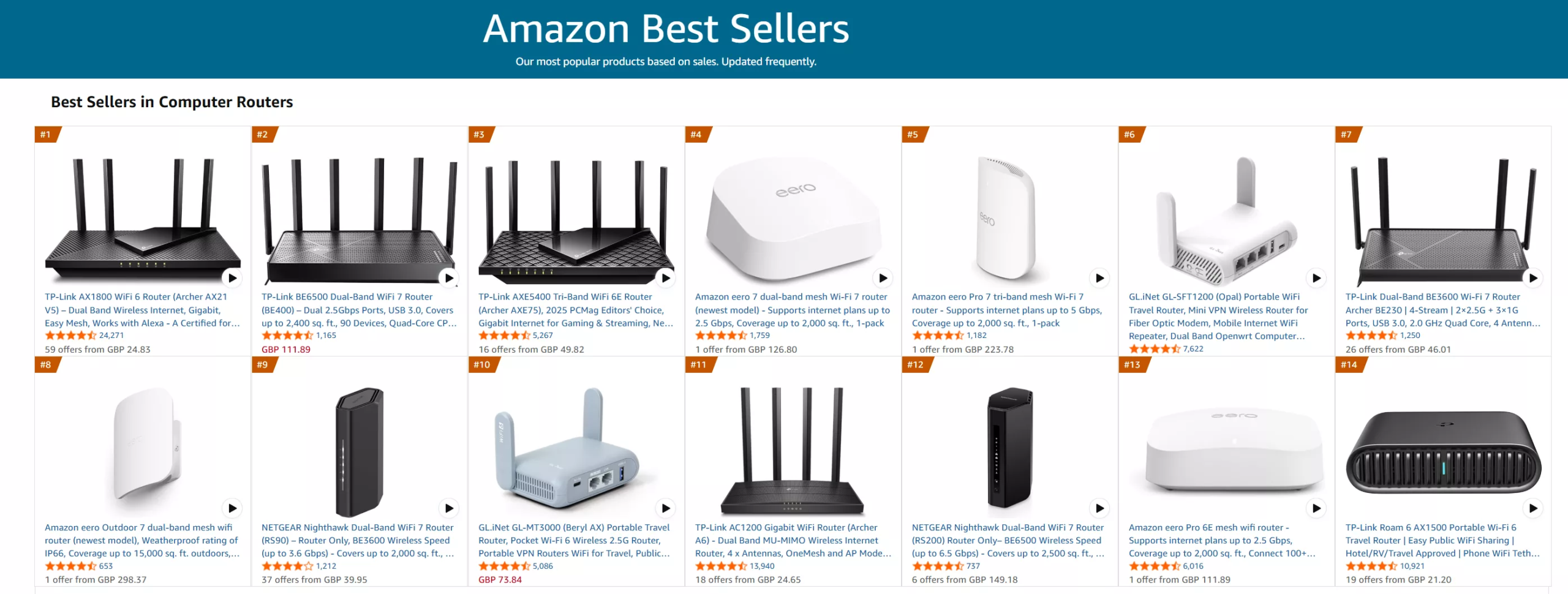
What just happened? TP-Link continues to vehemently argue that it is a US, not Chinese, company. The Pentagon says otherwise, and so does US-based Netgear, which believes its rival makes false advertising claims and has cost it millions of dollars in lost sales because consumers wrongly think that it’s no longer associated with China.
Netgear has filed counterclaims against TP-Link in the US District Court for the District of Delaware, escalating a legal fight that TP-Link started last November.
The original lawsuit accused Netgear of running a smear campaign that connected TP-Link to Chinese cyberespionage fears and breached a 2024 settlement between the two router giants. Netgear’s response now says the real deception is TP-Link’s attempt to rebrand itself as an American company.
According to the counterclaim, TP-Link “remains, at its core, a Chinese company selling Chinese-made products.”
Netgear alleges that TP-Link’s 2024 reincorporation in California did not fundamentally separate the business from China-based TP-Link Technologies, which later changed its name to Lianzhou.
It claims much of the company’s R&D and manufacturing remains in China under the same cofounder, with more than 13,000 employees there through 2024, compared with around 350 in the US.
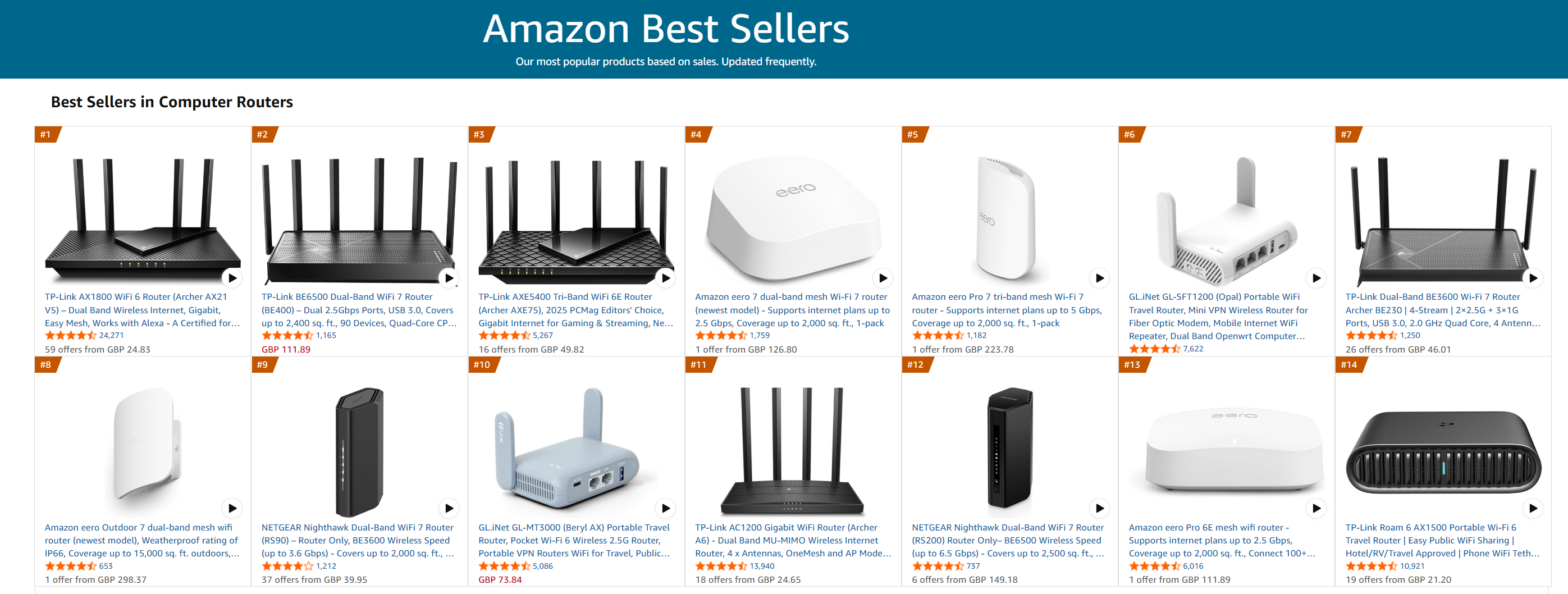
Netgear also takes aim at TP-Link’s “Made in Vietnam” labeling, alleging that the country is mostly used for final assembly and that 99.5% of components in US-bound products are imported from China.
It says those claims are important because customers are increasingly wary of Chinese-made networking hardware, especially after federal agencies began scrutinizing TP-Link over pricing, cybersecurity, and national security concerns.
Netgear’s filing arrived one day after the US Department of Defense added TP-Link Technologies to its list of Chinese military companies operating in the United States. The designation does not itself ban consumer sales, but it adds extra pressure as TP-Link tries to convince regulators that its US arm is independent.
TP-Link is already seeking an exemption from the FCC’s foreign-made router ban by arguing that TP-Link Systems Inc. is headquartered in Irvine, California, and should be treated as an American company.
The FCC rules block approval of new consumer routers made outside the US, though existing devices can keep receiving updates until 2029. Netgear and Amazon-owned Eero have already received exemptions.
This isn’t TP-Link’s only courtroom problem, either. Texas sued the company in February, accusing it of deceptive marketing and allowing China-linked hackers to access American consumers’ devices. TP-Link denied those allegations, insisting it is independent from the Chinese government and that US user data is stored in the United States.
Netgear is seeking damages and an injunction barring TP-Link from repeating the contested claims. TP-Link, meanwhile, maintains that Netgear’s China-focused attacks are false, defamatory, and commercially motivated.
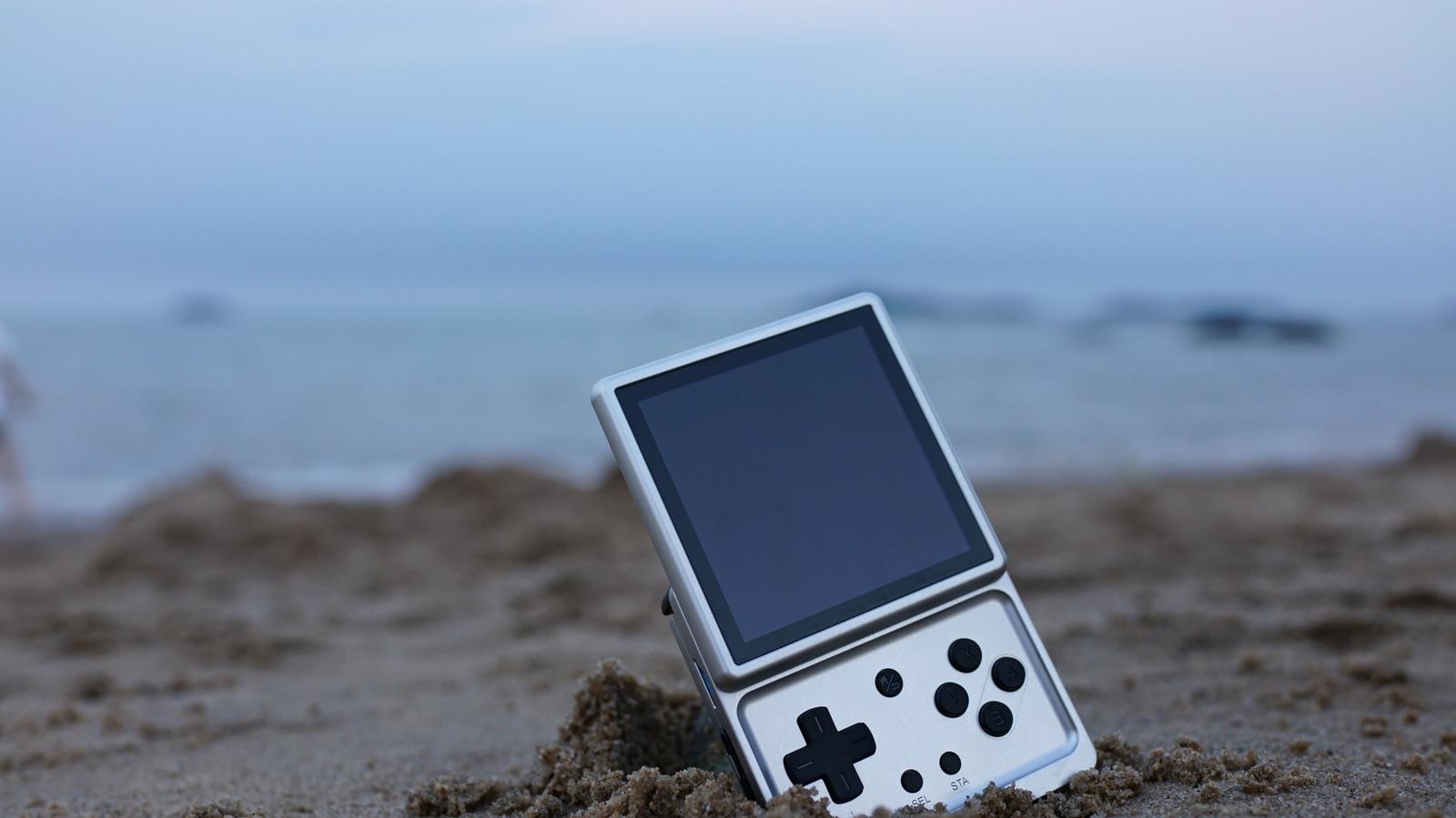
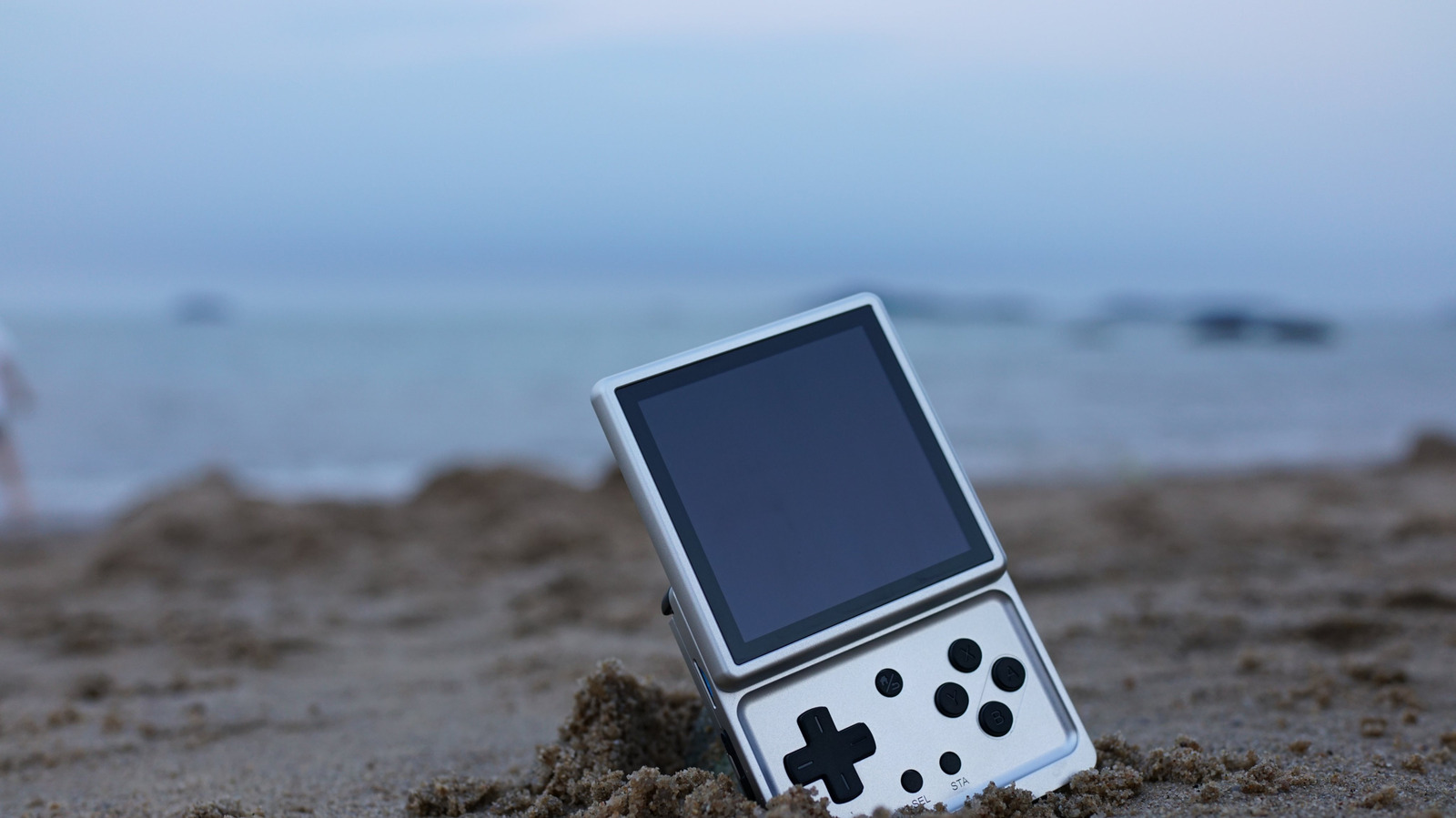
Customers can order new joysticks, batteries, screens and more.
Just because your Anbernic handheld has a broken joystick or a cracked screen doesn’t mean you have to trash it. Anbernic recently revealed a store page that’s dedicated to replacement parts for its gaming handhelds, ranging from its more recent RG Rotate to its older offerings like the RG350P. The store page has options to buy replacement shells, screens, conductive rubber pads, joysticks, batteries, motherboards and buttons for whichever handheld you’re trying to repair.
Beyond ordering the specific part on the storage page, you have to specify the model and color for your order. Anbernic is warning customers to get this info right since it won’t offer any claims if you mess up your device info. While the storage page is live, Anbernic doesn’t currently offer any guides or step-by-step instructions on how to replace individual parts.
However, for anyone with some DIY know-how, Anbernic’s new store page provides a useful way to extend the life of an already affordable device. Repairs could cost up to $236 for a replacement motherboard for more powerful devices, or as cheap as $3 for a spare conductive rubber pad. It’s a similar move to Apple introducing its Self Service Repair page, since previously, Anbernic customers had to go through the company’s support channels and be approved for a replacement device.




Alexander Zverev wins the French Open to finally earn a 1st Grand Slam title


Anatomy of the June crypto crash: Fed, Iran, Saylor


Oppenheimer backs SpaceX as $70 billion retail frenzy builds


Markets Rally as SpaceX IPO Looms Amid Iran Tensions and Inflation Surge


FIFA WC 2026 Group C: Morocco, Scotland challenge Brazil’s hunt for glory | FIFA World Cup 2022


High Stakes for Wembanyama as New York Pushes for 3-0 Lead


Notion restores access to Anthropic after service disruption

Eli Lilly (LLY) Stock Surges 4% Following Breakthrough Sleep Apnea Trial Results


Weekend Open Thread: Tuckernuck – Corporette.com

Bangladesh beat Australia after 20 years in ODIs, register only their second win over six-time world champions | Cricket News


NanoClaw integrates JFrog registries to secure AI agent downloads


Bitget enters Argentina’s regulated crypto market through PSAV registration


This Week In Security: Microsoft On Microsoft, Register Your Domains, Linux On ARM, And FreeBSD Joins The File Cache Club


Politics Home | Healey Resignation Is “Colossal Failure Of Government”, Says Former Labour Defence Secretary


First Time Since 1971: Australia Register Historic Low In ODI Cricket

Donnie Wahlberg & More Heat Up Las Vegas at Circa’s Barry’s Downtown Prime


The Ryan Gosling True Crime Thriller On Netflix That Gets Even Stranger, Stream It Now


No Jackpot Winner as $257 Million Prize Rolls Over to $269 Million Monday Draw

Opendoor Ends India Operations, Fueling a Bigger Conversation About AI and Outsourcing


Ginebra moves within two more wins of first PBA title in three years



You must be logged in to post a comment Login