Connect with us
DAPA Banner
DAPA Coin
DAPA
COIN PAYMENT ASSET
PRIVACY · BLOCKDAG · HOMOMORPHIC ENCRYPTION · RUST
ElGamal Encrypted MINE DAPA
🚫 GENESIS SOLD OUT
DAPAPAY COMING

Tech

Soylent Green and Falling Down 4K UHD Disc Reviews: Dystopian Horror Meets Urban Rage

Published

on

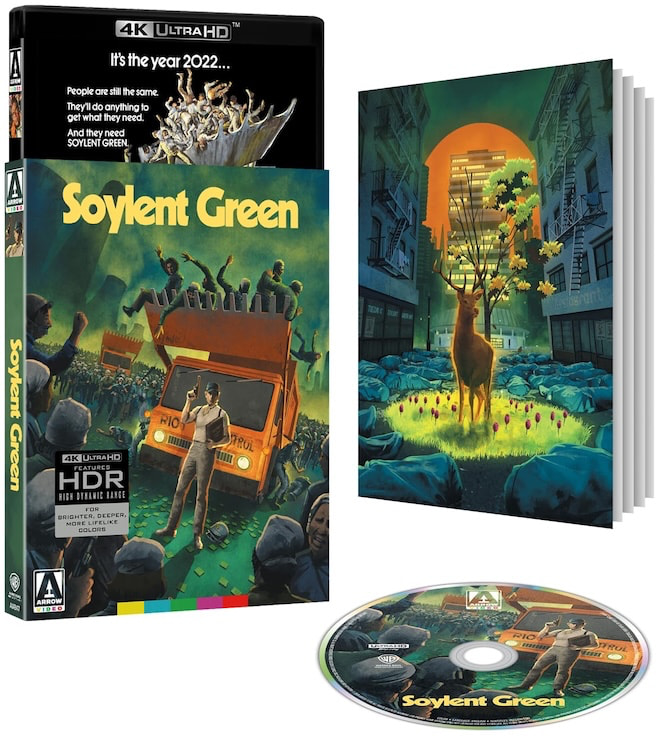
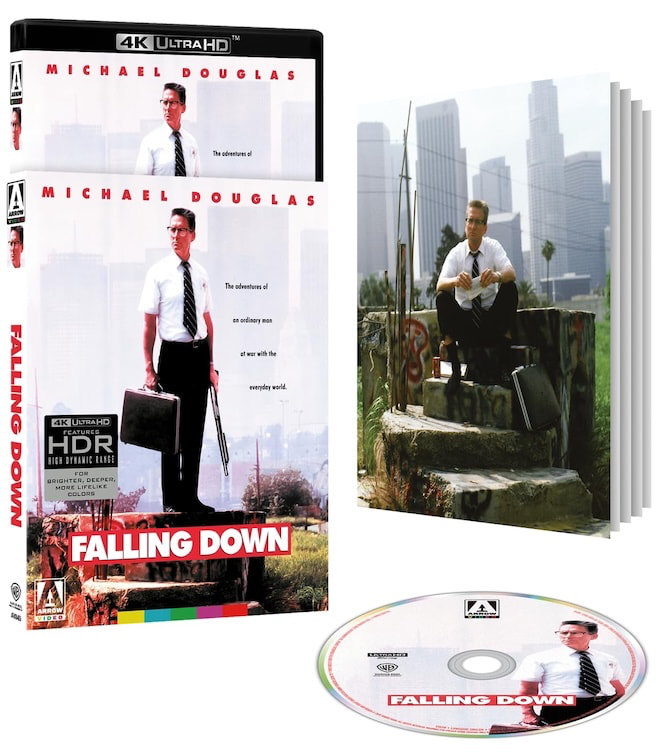
From the gloom of Soylent Green’s desperate future to the boiling point of Falling Down’s crumbling present, two more Warner catalog gems have received high-fidelity 4K restorations from Arrow Films.

Soylent Green

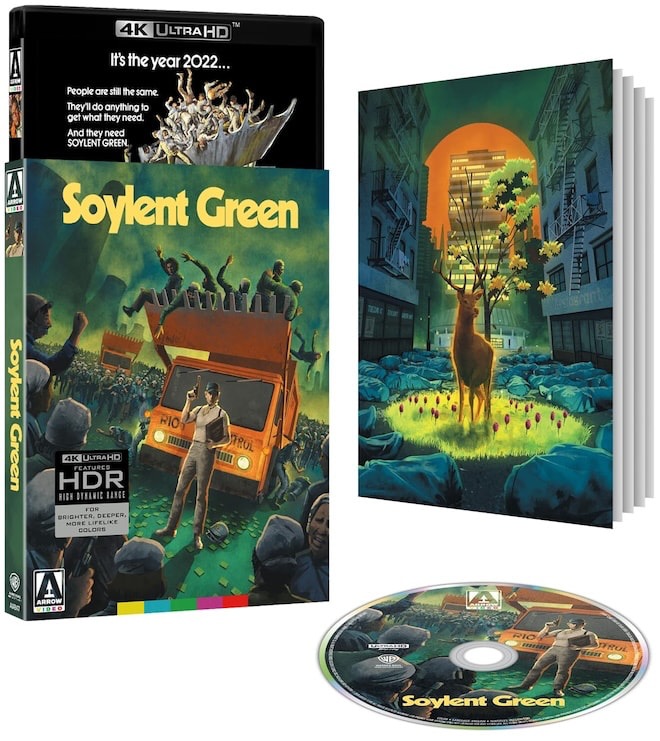
In the unimaginably distant year of 2022, everything is in short supply: living space, jobs, clean water, and, most notably here, food. The title of the movie refers to a miraculous edible substance made from plankton, one of the last hopes for overgrown humankind to avoid starvation. Into this bleak urban landscape struts Charlton Heston, deep in the sci-fi phase of his career (see also Planet of the Apes and The Omega Man), here as cynical cop Thorn. Corruption is rampant, but when a big shot with important connections is murdered and the official story doesn’t add up, Thorn follows the clues down a dangerous path to a shocking discovery.

soylent-green-4k-ultra-hd

There’s an epic sci-fi actioner yearning to break free from this low-budget, workmanlike production. Heston’s commanding presence elevates the material, as do strong supporting performances from his researcher and roommate, Edward G. Robinson, and the too-pretty-for-words love interest, Leigh Taylor-Young. Some of the movie’s predictions of Earth’s unfortunate fate are close to the mark, while others are thankfully exaggerated (NYC’s population tops 40,000,000!), and it all adds up to an entertaining bit of early ’70s paranoia that makes us wonder what we dodged and what’s to come.

Along with Falling Down, below, Soylent Green is one of a pair of Warner catalog titles receiving a 4K, 16-bit scan and restoration by Arrow Films. Early scenes reveal extraordinary precision in the pattern on Edward G.’s shirt, as well as in his wrinkles and liver spots. Little details can pop nicely, such as the eight-ohm rating on Thorn’s headphones in a late scene. The fairly mundane shooting locations are made far more interesting by the outstandingly lifelike matte paintings by Matthew Yuricich. Grain is restrained but present, although some misty exteriors are surprisingly noisy.

The sole audio option is lossless mono, restored to a clarity rivaling that of its 1973 debut. The movie is dialogue-heavy and always clear, a particular boon to Ms. Taylor-Young’s dulcet tones. Beyond that, there’s the sharp clang of a crowbar on cement and the imposing clank of a steam shovel sent to round up unruly citizens, but not much to show off our speakers.

Advertisement

Both titles arrive as single 100GB discs in simple slipcases with comprehensive little booklets. Soylent Green brings together a wealth of archival bonus content, starting with an audio commentary from Leigh and director Richard Fleischer, the latter also featured in an extensive onstage interview. Mr. Heston’s own retrospective interview is audio-only, presented with the movie playing onscreen. There are also a vintage promotional film and a tribute to Edward G. Robinson. New for this edition is a second audio commentary from a pair of experts.

Soylent Green – Movie Details

  • Media Format: Ultra HD 4K Blu-ray (July 28, 2026)
  • Studio: Arrow Video
  • Theatrical Release Year: 1973
  • Aspect Ratio: 2.39:1
  • HDR Formats: Dolby Vision, HDR10
  • Audio Format: Linear PCM 1.0
  • Length: 97 minutes
  • MPAA Rating: PG
  • Director: Richard Fleischer
  • Starring: Charlton Heston, Leigh Taylor-Young, Edward G. Robinson, Chuck Connors, Brock Peters, Paula Kelly

Our Ratings

★★★★★★★★★★ Movie

★★★★★★★★★★ Picture

★★★★★★★★★★ Sound

★★★★★★★★★★ Extras

Advertisement

Where to buy


Falling Down

Anyone wanting to reevaluate the canon of filmmaker Joel Schumacher and see beyond what he did to Batman should begin with Falling Down. A dark comedy that’s long on social commentary, it captures one pivotal day in the life of a working man at his breaking point. It’s not just in response to the typical indignities of early ’90s life in Los Angeles; it’s about a world he feels has betrayed him. Yes, he’s as mad as hell and he’s not going to take it anymore, but this deeply flawed, not always likable individual—played to volatile, unhinged perfection by Michael Douglas—does much more than bark. Sure, he goes a little too far with the violence and racist rhetoric during his quest through some of the city’s worst neighborhoods, but some of his frustrations are strangely relatable.

Advertisement. Scroll to continue reading.
fallingdown-4k-ultra-hd

A hit with audiences, Falling Down has remained a cultural talking point, neatly capturing its era and courageously addressing the nasty thoughts lurking in many viewers’ minds. The one big sin the script commits is making too many of the cops overt jerks, repeatedly dismissing the correct hunches of the one good detective, played by Robert Duvall, on the case. It’s an unfortunate trope, likely added to beef up Duvall’s role.

The late Mr. Schumacher had a knack for incorporating ugly scenery that was shot beautifully, and many scenes are manipulated with a pleasant but unnaturally warm glow, a look maintained by the color grading supervised and approved by cinematographer Andrzej Bartkowiak. The image also has appreciable texture, not just in the usual places but in the decrepit concrete and the graffiti scribbled on a phone booth. A persistent, distracting vertical scratch did pop up in a couple of shots, having slipped past the restoration team.

The disc defaults to lossless 2.0, but I actually preferred the alternate DTS-HD Master Audio 4.0 because the sometimes manic sounds of this crazy day are essential to the story, and the surrounds definitely do their part. Random annoyances pile up, ratcheting up the emotional pressure, but atmospheric wind chimes also lighten a quieter moment, and the music tightens its grip again during tense beats. There’s no dedicated LFE, but there is still ample impact when needed.

Advertisement

The above-average archival cast-and-crew commentary, featuring star Michael Douglas, director Joel Schumacher, and several others, is joined by a 2009 on-camera interview with Douglas. New for this disc is a trio of featurettes introducing us to the filming locations, then and now; composer James Newton Howard; and screenwriter Ebbe Roe Smith.

Come to think of it, I suppose you could end your Schumacher film festival with Falling Down instead, just so long as Tigerland and Phone Booth are also on the bill somewhere.

Falling Down – Movie Details

  • Media Format: Ultra HD 4K Blu-ray (July 28, 2026)
  • Studio: Arrow Video
  • Theatrical Release Year: 1993
  • Aspect Ratio: 2.39:1
  • HDR Formats: Dolby Vision, HDR10
  • Audio Formats: Linear PCM 2.0, DTS-HD Master Audio 4.0
  • Length: 113 minutes
  • MPAA Rating: R
  • Director: Joel Schumacher
  • STARRING: Michael Douglas, Robert Duvall, Barbara Hershey, Rachel Ticotin, Tuesday Weld, Frederic Forrest

Our Ratings

★★★★★★★★★★ Movie

★★★★★★★★★★ Picture

★★★★★★★★★★ Sound

Advertisement

★★★★★★★★★★ Extras

Where to buy

Source link

Advertisement
Continue Reading
Click to comment

You must be logged in to post a comment Login

Leave a Reply

Tech

Apple Intelligence began in Apple Car research

Published

on

We’ve been telling you this for years — Apple Car research wasn’t lit on fire, and the fruits of Apple’s labor on it will be seen in artificial intelligence performance in the M7 and M8 processor.

Before AI used to be called Apple’s biggest failure, that title went to the Apple Car which was cancelled after ten years of development and ten billion dollars of investment. AppleInsider argued at the time that Apple Car research would pay off, but now both of these failures are being recast as positives, with Bloomberg saying this research is being used in designing future AI processors.

The report claims that for the future M7 and M8 processors, Apple is concentrating more on AI support than on issues such as overall speed and power efficiency. This reportedly means that these chip designs for the Mac and Apple Intelligence servers are based on the company’s efforts toward a self-driving car.

When that car was cancelled in 2024, AppleInsider said exactly this based on how, for one thing, Apple Car staff were redeployed to what was then John Giannandrea‘s AI team. But there had long been clues and even, for Apple, close to public confirmation that the Car was an AI project.

Advertisement

“We’re focusing on autonomous systems,” began Tim Cook as long ago as June 2017, “and clearly, one purpose of autonomous systems are self-driving cars. There are others.”

Just saying that much was unusual for Apple, which normally never comments on future products or plans. Yet Cook went further and specified why Apple was doing a car.

“We sort of see it as the mother of all AI projects,” he said. “It’s probably one of the most difficult AI projects actually to work on and so autonomy is something that’s incredibly exciting for us, but we’ll see where it takes us.”

That was nine years ago, half a decade before ChatGPT was released to the public. Yet perhaps because Apple usually referred to it as Machine Learning, the consensus in the technology industry kept being that Apple was caught out by AI.

Advertisement

Apple has certainly been behind compared to the massive spending on AI datacenters, but it’s meant that it also hasn’t overspent. In June 2026, for example, it was revealed that OpenAI was losing $1.25 for every $1 it earned, and investors are turning back to Apple.

Source link

Advertisement
Continue Reading

Tech

Ubisoft’s Black Flag remake is a symptom, not a strategy

Published

on

Ubisoft has remade the best-loved game in its biggest franchise. Assassin’s Creed Black Flag Resynced arrives 13 years after the original, and the BBC found it largely worth the wait.

The Caribbean looks spectacular now. New underwater sections and coral reefs show off what modern hardware can do with a setting that was always the game’s real star.

But the more revealing story is why it exists at all.

The year Ubisoft would rather forget

The publisher began 2026 by closing two studios, cancelling six games, and delaying seven others. Further rounds of closures and layoffs have followed since.

Advertisement

The 💜 of EU tech

The latest rumblings from the EU tech scene, a story from our wise ol’ founder Boris, and some questionable AI art. It’s free, every week, in your inbox. Sign up now!

A hit would help. Assassin’s Creed has sold an estimated 230 million copies across the series, and Black Flag is the instalment fans ask for most.

So Ubisoft reached for the safest bet on the shelf. That is not cynicism, it is arithmetic.

Advertisement

Nostalgia is now a business line

Games expert Christopher Dring put the trend down to financial necessity. Big titles take longer to build, and studios fill the resulting gaps in their release schedules by dusting off older classics.

These games tend to sell, he noted, and the remake and remaster business has become substantial. An industry that cannot ship enough new work has learned to monetise its back catalogue.

The economics are brutal in the other direction too. A modern AAA game can take the better part of a decade, which is a long time to fund nothing.

The one place Ubisoft resisted

Pricing is where the company deserves some credit. Black Flag Resynced costs around £50, at a moment when Mario Kart runs to £75.

Advertisement

Grand Theft Auto VI, arriving in November, sits around £70. A remake priced below both is a rare instance of a publisher pricing honestly for what it is.

It is also a hint about how these products are positioned. Remakes are catalogue revenue, not tentpoles, and Ubisoft has priced accordingly.

What 13 years actually changed

The visual leap is the obvious one. The original shipped at the tail end of gaming’s so-called muddy era, when everything was brown in the name of realism, and the remake finally lets the Caribbean look Caribbean.

The design changes are more contested. The tedious modern-day office sequences are gone, which almost nobody will mourn, and combat now blends modern Assassin’s Creed systems with the original’s timing-based fights.

Advertisement

Some of it grates. The BBC’s reviewer noted the game hand-holds relentlessly, in one case allowing under ten seconds on a puzzle before a character blurts out the answer.

Ubisoft has form for treating its worlds as commentary as much as playgrounds, as its Watch Dogs 2 showed. Black Flag’s piracy was always its most pointed writing, and the remake leaves it intact.

Certain animations should have stayed in 2013 as well. Others, like the ability to use hidden blades in combat, were quietly not restored.

The bigger picture

Ubisoft is not alone in mining its past, and the industry’s structural pressures are pushing everyone the same way. Even distribution is being rebuilt, with Sony ending physical PlayStation discs in 2028 and publishers chasing recurring revenue through subscription services like Ubisoft’s own.

Advertisement

Ubisoft has been recycling this world for a while, having shipped an Assassin’s Creed pirate game for the browser years ago. The Caribbean keeps paying rent.

None of which makes Black Flag Resynced a bad game. It is a good one, and if this is the template, more of the series will get the same treatment.

But a company that cancels six games and remakes a seventh is telling you something. The remake is not the strategy, it is the bridge, and Ubisoft still has to build something on the other side.

Advertisement

Source link

Continue Reading

Tech

Christopher Nolan’s personal take on smartphones is surprisingly practical

Published

on

Christopher Nolan has spent his career embracing cutting-edge filmmaking technology while resisting one of the most common gadgets on the planet: the smartphone. The Oscar-winning director behind Oppenheimer, Inception, and the upcoming The Odyssey says his decision isn’t about rejecting technology altogether. It’s about protecting something he believes has become increasingly rare – time to think.

In an interview with The Telegraph ahead of the premiere of The Odyssey, Nolan explained that he still doesn’t own a smartphone, despite living in a world where QR codes, digital tickets, and messaging apps have become everyday necessities. His reasoning, however, is far more practical than philosophical.

Rather than fearing the technology itself, Nolan believes smartphones would consume the quiet moments that fuel his creativity. Those idle minutes while waiting for a train, sitting in an airport lounge, or arriving early for dinner are where many people instinctively reach for their phones. Nolan says that’s when he solves problems, develops scenes, and figures out the next step in a film. The Telegraph first reported his comments.

Nolan doesn’t hate technology – he just refuses to let it interrupt his thinking

Given Nolan’s reputation for championing practical filmmaking, many assume he’s anti-technology. The reality is far more nuanced. His latest film, The Odyssey, makes extensive use of visual effects alongside large-scale practical filmmaking, animatronics, puppetry, and in-camera techniques. Nolan has consistently argued that technology should support storytelling rather than replace it, a philosophy that’s evident throughout his work. During the interview, he also spoke about the industry’s growing fascination with generative AI, suggesting younger audiences have been surprisingly quick to reject what he described as obvious “AI slop.” According to Nolan, his own children immediately recognize low-quality AI-generated content because they grew up immersed in online culture.

Advertisement

That perspective extends beyond filmmaking. Nolan admits he deliberately avoids smartphones because he knows he’d become “horribly addicted” to endlessly looking things up. Instead of constantly consuming information, he prefers letting ideas develop naturally during moments of downtime. Ironically, he says the only technology that’s genuinely tested his resolve is the widespread return of QR codes since the pandemic, which has made life without a smartphone increasingly inconvenient.

A filmmaker who still values undistracted experiences

Nolan’s approach also shapes how he believes audiences should experience movies. He praised filmmaker Quentin Tarantino’s Vista Theatre in Los Angeles, where visitors are expected to leave the auditorium if they need to check their phones or smartwatches. Nolan called it a “wonderful rule,” adding that the cinema even pipes the movie’s audio into the restrooms so viewers don’t miss important scenes while stepping out.

His comments arrive at a time when smartphones dominate nearly every idle moment of modern life. Studies have repeatedly linked excessive phone use with reduced attention spans and increased digital distraction, while growing movements advocating “digital detoxes” continue to gain traction. Nolan’s stance isn’t that smartphones are inherently harmful – he simply believes they’re too effective at capturing our attention.

Advertisement

That philosophy also explains why he rarely responds to online rumours or social media speculation surrounding his films. Without a smartphone constantly demanding his attention, Nolan says he’s content letting the noise pass while focusing on the work itself.

For someone celebrated for making films about memory, time, and perception, perhaps Christopher Nolan’s biggest productivity hack shouldn’t be a new app or AI assistant. It’s protecting the empty moments most of us stopped noticing years ago.

Source link

Advertisement
Continue Reading

Tech

Porting The Nvidia GPU Driver To Haiku For 3D Acceleration

Published

on

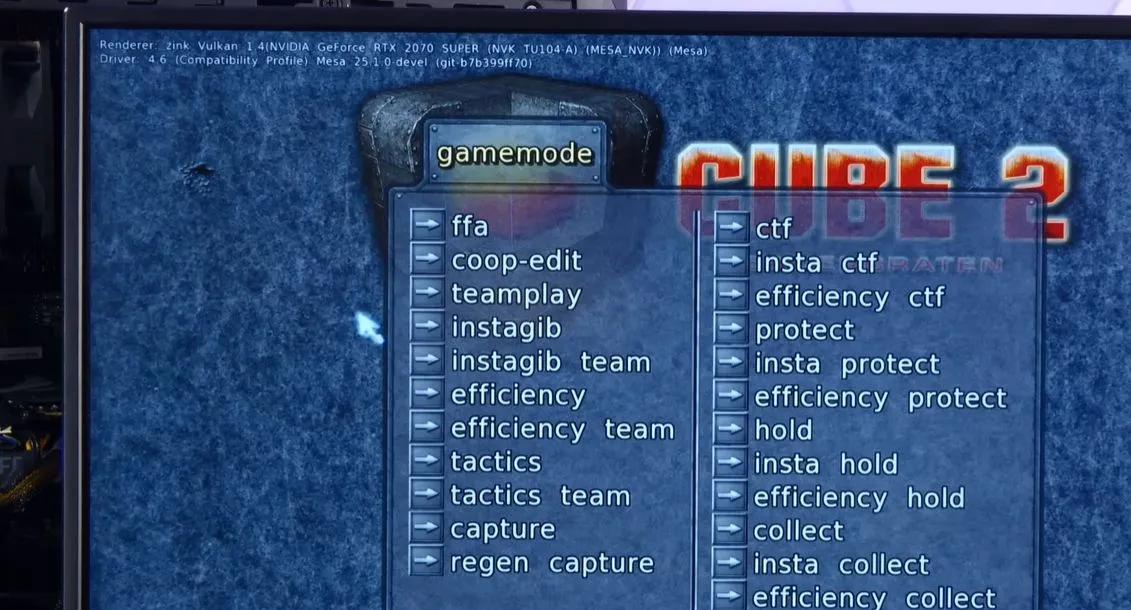
As good as a desktop OS may be, at some point it has to feature accelerated 3D graphics. This has been a bit of a sticking point for Haiku OS, as none of the big names in GPU cards are likely to start putting out drivers for this OS any time soon. Fortunately there is the Linux open source driver code from Nvidia that can be used as a jumping-off point for a port, which is what [X512] and the community did over at the Haiku forums did over the course of more than a year.

In a recent video [Action Retro] takes a poke at the fruits of these efforts, trying out the driver with an RTX2070 Super GPU. Of note is that this driver requires the GSP (GPU System Processor) controller that got added by Nvidia with the Turing series of GPUs, meaning that you need at least a GTX16 or RTX20 series card.

You can get an installation package from the GitHub repository, such as for the v0.0.2 pre-release that was created in January of 2026. In this pre-release state quite a few things are working, with the ability to play 3D games at a reasonable FPS being the biggest improvement over plain VESA mode. Features like CUDA are not available as they’re not in the open sourced section, of course.

In the [Action Retro] video the whole installation process is demonstrated, starting with a fresh nightly Haiku build. First the gaming performance in software-rendered VESA mode is demonstrated before the GPU driver is installed. This shows a marked improvement in performance, although Minecraft needs to be updated for the newest Mesa library that omits OSMesa, so that couldn’t be tested. Overall it shows that Haiku has made another massive leap forward in becoming a viable daily driver OS.

Advertisement

Meanwhile, over on the ReactOS side of things we just saw a Half-Life 2 playthrough by [Aotori Hibiki], on an Intel Sandy Bridge PC with GeForce 8400GS graphics. Here ReactOS has the advantage of being Windows NT-compatible, including WDDM-style GPU drivers, allowing it to use the same drivers as Windows. Simultaneously, ReactOS is now implementing its first NT6 kernel API calls to make it compatible with modern  (Vista+) Windows.

The upshot here is that for people who want to daily drive an open source OS with all the creature comforts imaginable, things have never seemed more promising. Especially for people who don’t want Yet Another Linux Distro but just an utterly boring desktop-centric, single-user focused OS that Just Works™ these are great tidings.

Advertisement

Source link

Continue Reading

Tech

Summer Games Done Quick Once Again Raises Over $2 Million For Doctors Without Borders

Published

on

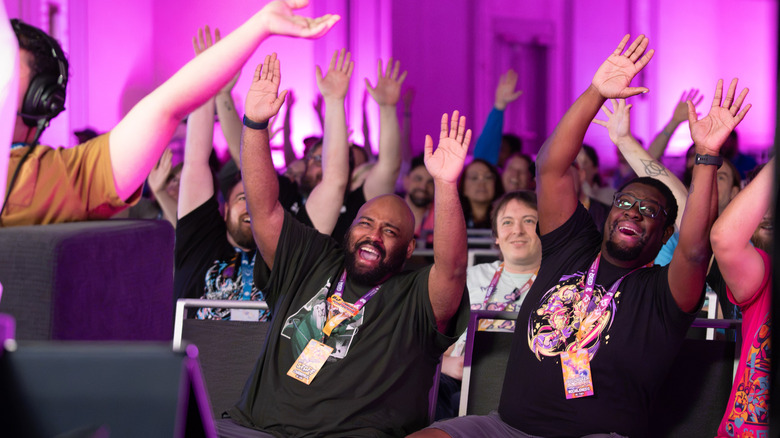
The annual speedrunning marathon event ran from July 5-11.

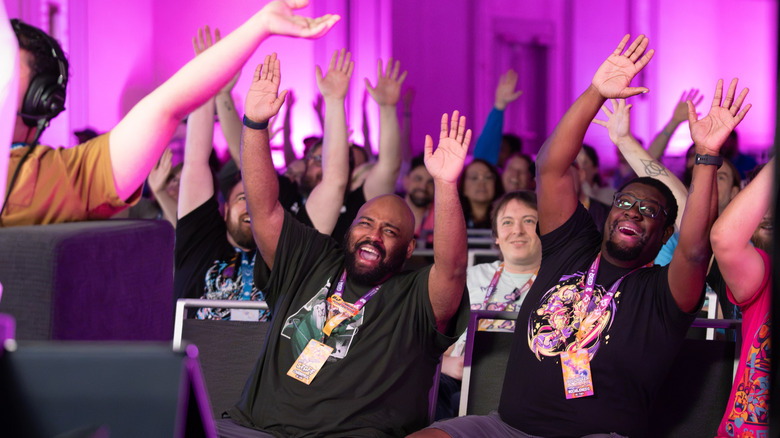
Summer Games Done Quick is officially over after a marathon week of speedrunning games for a good cause, and the organizers say it raised a total of $2,408,701 for Doctors Without Borders in that time (again!). The annual event in Minneapolis kicked off on July 5 and wrapped up early Sunday morning. Roughly 2,500 people showed up in person, in addition to the thousands of viewers who watched from home.

This year’s Summer Games Done Quick brought a new speedrunning world record: streamer Bluekandy completed a No Dupes run of Kirby Air Raiders with a final time of 37 minutes and 54 seconds. Other highlights include “a Balatro run that beat all odds, and impromptu beatboxing during the Resident Evil: Requiem run,” the organizers noted in an announcement. Everything was streamed on Games Done Quick’s Twitch and YouTube channels, where you can find the full archive of videos now if you missed anything while the event was live.

Advertisement

Source link

Continue Reading

Tech

Samsung is building a dedicated AI chip for PCs, and HP and Lenovo are already testing it

Published

on

Why it matters: AI PCs have mostly meant one of three chip options: Intel, AMD, or Qualcomm, each bolting an NPU onto a general-purpose processor. Samsung’s GAIA is different, a dedicated, memory-centric AI accelerator from a company that also happens to control its own DRAM production. If PC makers validate it, Samsung would be back in PC silicon for the first time since its 2012 Chromebook experiment.

According to multiple Korean outlets, including Chosun, Samsung’s LSI division which works on the Exynos mobile chips, is developing a dedicated AI accelerator for PCs codenamed GAIA.

The company is reportedly already supplying prototypes to HP in the US and Lenovo in China to verify performance, with mass production possibly starting as early as 2027 and devices potentially landing in late 2027 or early 2028.

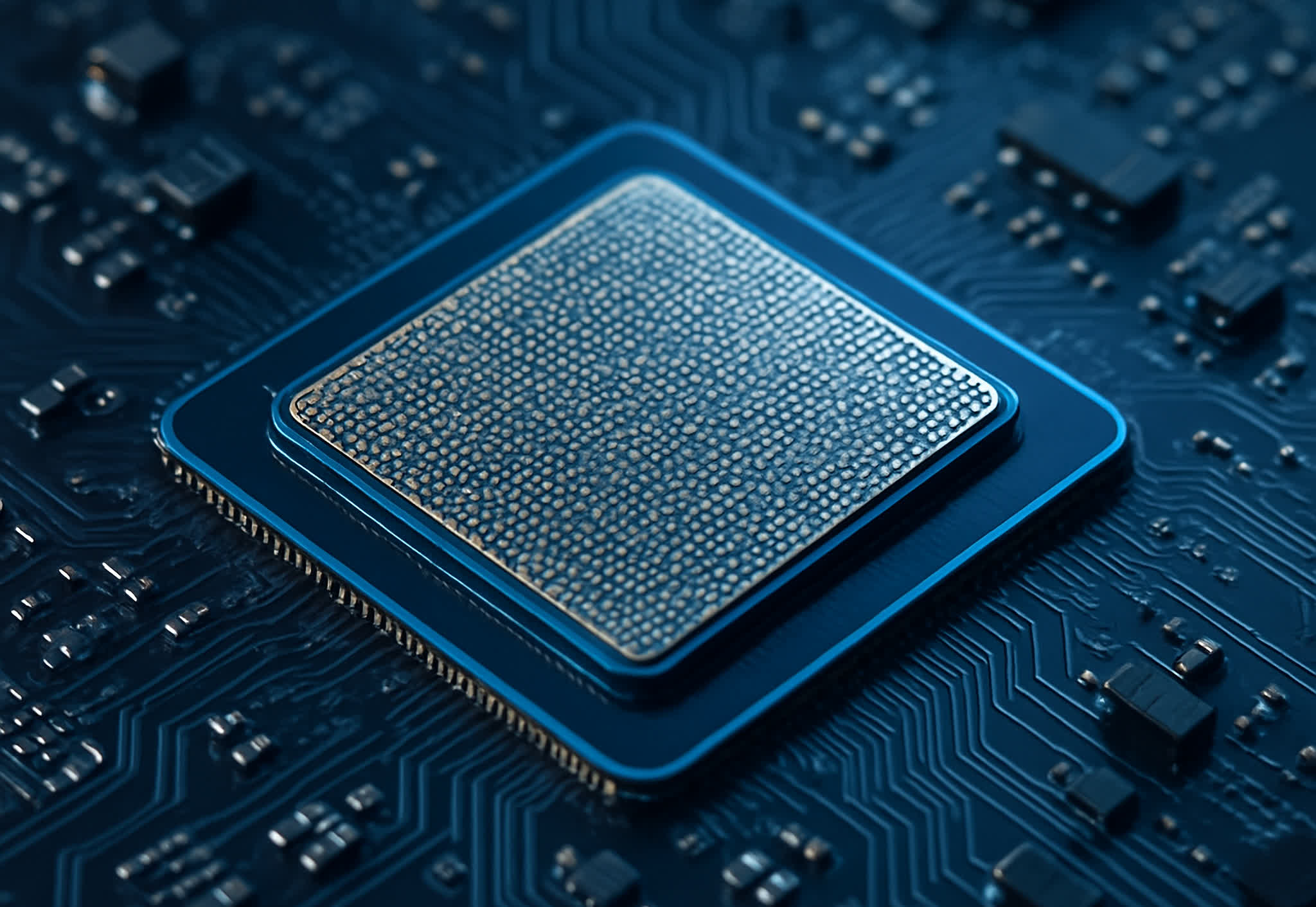
GAIA isn’t meant to run the whole system the way a Ryzen, Core, or Snapdragon X chip does. It’s a companion processor built on a 4nm-class node, described as a “memory-centric” AI accelerator that places compute close to memory rather than routing everything through a separate processor. Samsung is explicitly positioning it apart from GPU-based AI accelerators, the kind used for large-scale AI training and inference, in favor of an NPU architecture aimed at PC-side generative workloads: on-device language models, real-time translation, image generation, and similar tasks offloaded from the CPU and GPU.

Advertisement

That memory-centric design is also why Samsung is reportedly pushing further integration with processing-in-memory (PIM), its next-gen DRAM tech that runs computations inside the memory itself instead of shuttling data back and forth to a processor.

PIM has been a Samsung side project for years without a real commercial breakthrough. GPUs got fast enough, and their software ecosystems matured fast enough, that the bottleneck PIM was built to solve stopped mattering as much.

A dedicated NPU with real OEM traction, and a software stack built around it from the start, is a more natural fit for PIM than a general-purpose GPU ever was. It also plays to what Samsung actually controls: it’s one of the only companies that can pair custom AI logic with its own memory manufacturing.

Samsung last tried to sell PC silicon over a decade ago, when Exynos chips briefly powered early Samsung Chromebooks starting in 2012 before the business was shelved two years later. Since then, Samsung’s own Galaxy Book laptops have run on Intel or Qualcomm, including Snapdragon X2 Elite in the latest Galaxy Book. GAIA would put Samsung’s own logo back on the silicon inside its own laptops, and possibly others.

Advertisement

There’s an added tension here: Nvidia and Qualcomm both lean on Samsung’s foundry for parts of their chip production. Samsung competing with its own customers in the AI PC space, while still fabricating for at least some of them, is the kind of conflict that tends to complicate supplier relationships.

It’s also a business-unit story. Samsung’s LSI has run structural losses for years, and a credible win (on AI no less), on top of Exynos and automotive silicon, gives Samsung another lever to pull.

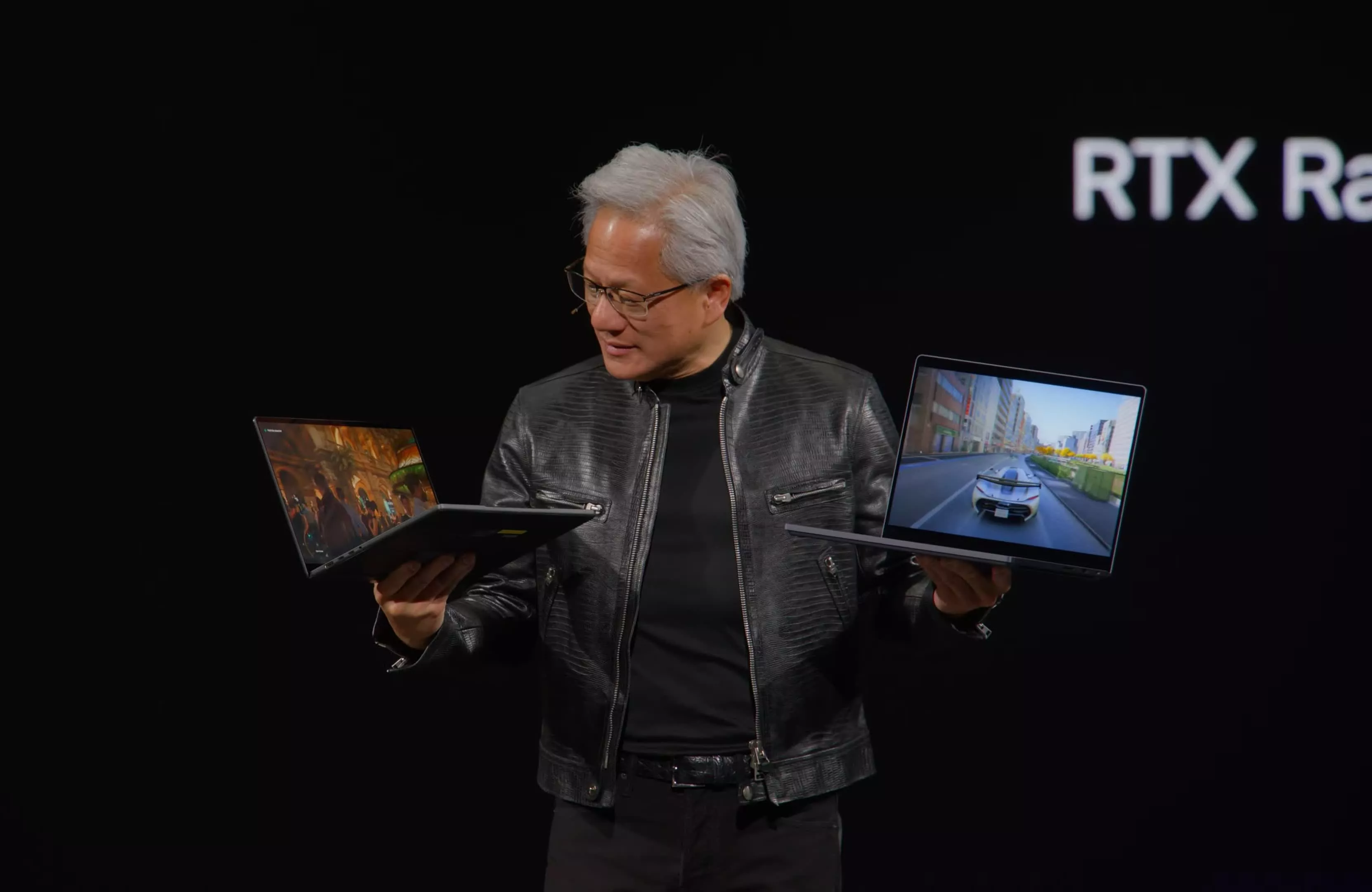
At this time there’s zero performance numbers, no power figures, and no details on GAIA’s architecture or how it could compare to AMD’s XDNA NPUs, Intel’s on-die accelerators, Qualcomm’s Hexagon NPU in Snapdragon X2, or Nvidia’s RTX Spark platform. In other words, we can’t imagine if GAIA is genuinely competitive or just enough to get Samsung a seat at the table. Samsung has yet to confirm any of this publicly.

The industry has been trying to convince PC buyers that NPUs matter for two years now, and the honest answer is that most people still can’t name a task their current NPU handles that they’d otherwise miss. A second or third NPU vendor doesn’t fix that either.

Advertisement

What GAIA could be betting on is that local GenAI workloads will be heavy and popular enough to need dedicated local silicon, not just a checkbox spec. Whether that’s a 2027 reality or another premature bet remains to be seen.

What matters more for AI PCs going forward?

Advertisement

Source link

Advertisement
Continue Reading

Tech

Sunday Reboot: No cell service for 250 years

Published

on

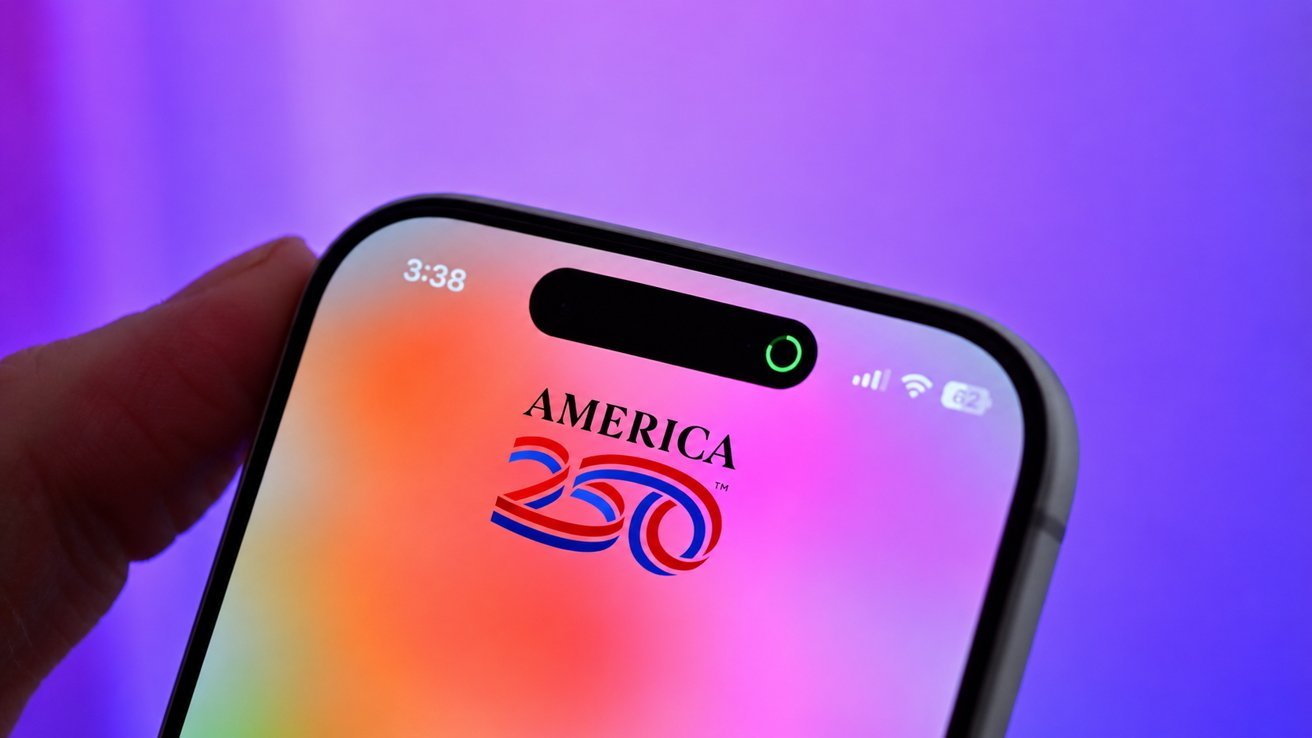
In this week’s Sunday Reboot, an iPhone 17 Pro Max goes underground for a very, very long time.

Close-up of a smartphone screen showing colorful gradient background with America 250 logo, time and status icons at the top, held in a hand against a soft purple backdrop
America 250

Sunday Reboot is a weekly column covering some of the lighter stories within the Apple reality distortion field from the past seven days. All to get the next week underway with a good first step.
Continue Reading on AppleInsider | Discuss on our Forums

Source link

Continue Reading

Tech

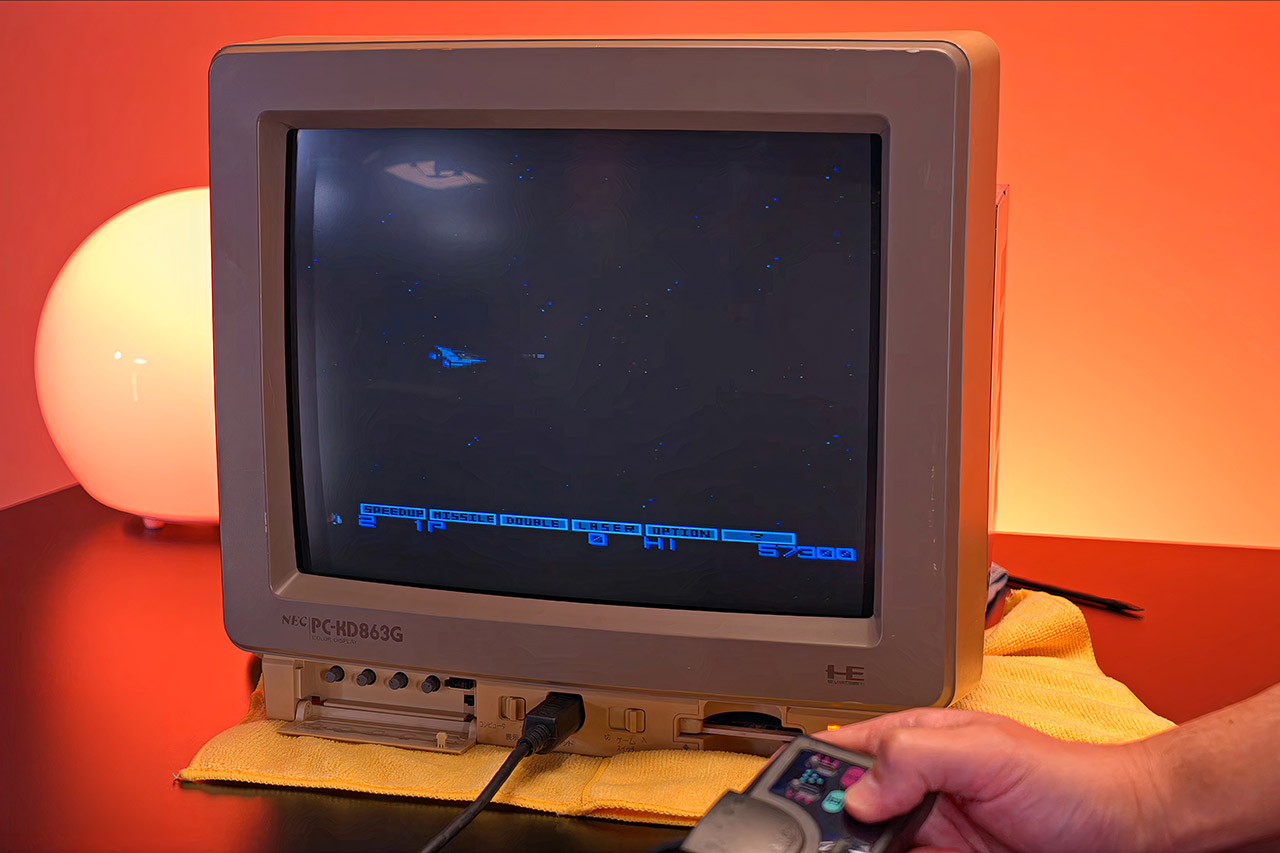
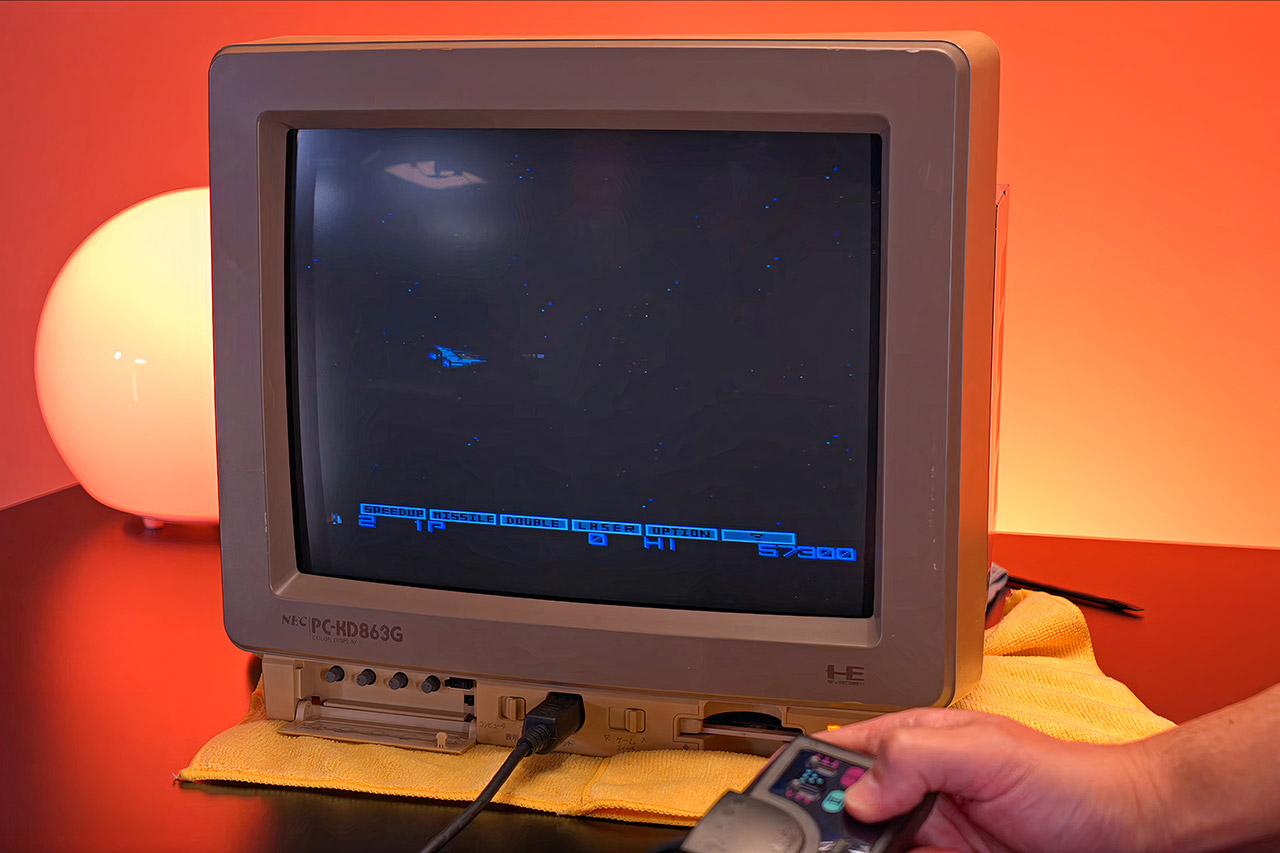
Fascinating Look Back at NEC’s 1988 Monitor (PC-KD863G) That Came With Its Own PC Engine Already Inside

Published

on

NEC 1988 CRT TV Monitor KD-863G PC Engine
Back in 1988 most people bought a television and a game console as two separate purchases. NEC tried something different. The company released a 15-inch color CRT monitor that already contained a complete PC Engine console built into its lower section. Called the PC-KD863G, it launched on September 27 for 138,000 yen, a serious sum at the time that placed it well above the cost of a regular PC Engine plus a decent television.


The unit initially resembles a conventional beige office monitor from the early days, but a closer glance reveals the changes. On the right side, there is a slot for HuCards, the thin credit-card-sized game cartridges that came with the PC Engine. A controller port is located in the center of the bottom, along with a mode switch that allows the device to function as a game console or computer monitor. That same switch also holds a HuCard firmly in place once inserted, preventing you from unintentionally yanking it out while the device is powered on. Under a little flap, you’ll discover your typical picture and volume settings.


Retroid Pocket 5 Retro Handheld Game Console, 8+128G, 5.5-inch Touchscreen 1080p Portable Android Gaming…
  • NO PRELOAD GAMES – Please note that no games are preloaded on Retroid Pocket 5. Before first use or after a long period of inactivity, the RP5 may…
  • Powerful Performance – Equipped with a high-performance quad-core processor and advanced GPU, the Retroid Pocket 5 delivers smooth gameplay for…
  • Vibrant 5.5″ Touchscreen – Enjoy crisp, vivid visuals on the 5.5-inch HD touchscreen display, offering intuitive controls and an immersive gaming…

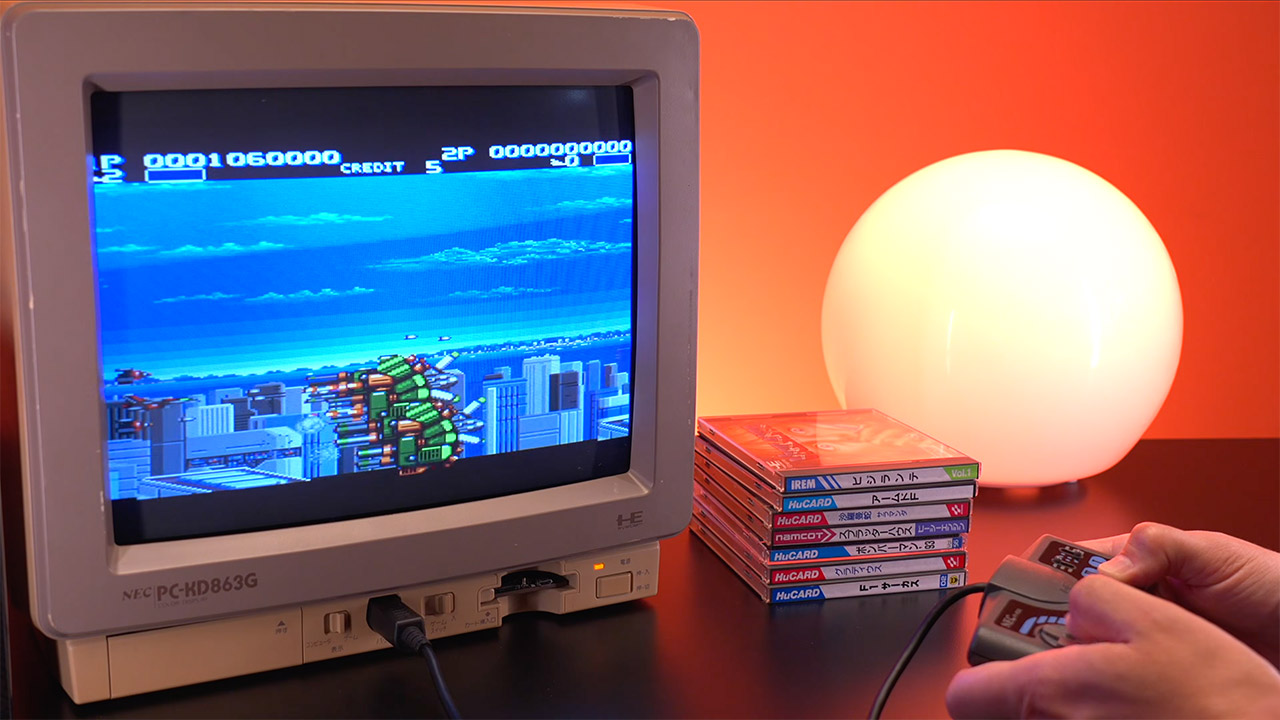
Small stereo speakers on the monitor’s sides clip in place like a pair of ears and produce sound that is surprisingly generous given how widespread single speaker setups were at the time. The PC-KD863G’s primary selling factor is concealed from view – or rather, within the video path. Unlike a regular PC Engine at the time, which delivered its signal over RF and had to be tuned in on a TV, the PC-KD863G avoided that step entirely. The built-in console just transmitted an analog RGB signal directly to the CRT. The end result was a much clearer and sharper image, free of all the usual noise and softness associated with RF or early composite connections. It’s no surprise that game magazines took note, as staff bought devices particularly to run high-quality screenshots without the typical hassle.

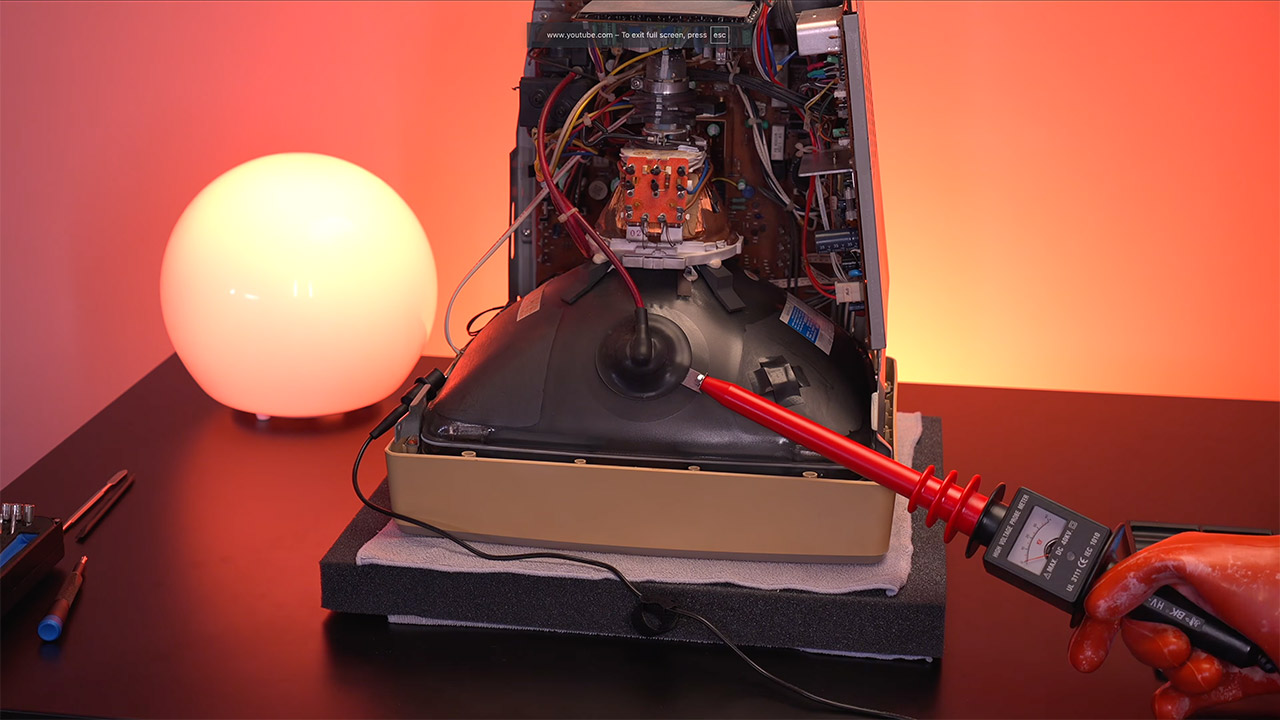
NEC 1988 CRT TV Monitor PC-KD863G PC Engine
People could also use the monitor to do actual computing work because it had a 15-pin RGB input on the back that accepted signals from NEC’s PC-88 and PC-98 machines, as well as other compatible computers. Simply flick the front switch, and the same screen transforms into a high-resolution display for whatever you need to do, spreadsheets, documents, etc. They also employed a chassis from NEC’s MultiSync monitor line, which could easily handle the PC Engine’s 15 kHz signal while simultaneously supporting higher computer resolutions when necessary.

NEC 1988 CRT TV Monitor PC-KD863G PC Engine
There were some limitations that prevented the concept from actually taking off. The built-in PC Engine part lacked the expansion bus seen on ordinary models, resulting in no CD-ROM drive, Ten no Koe voice peripheral, or easy memory expansion. Just as the PC Engine’s library began to transition toward CD-based games, this all-in-one box could only play a smaller HuCard selection. Furthermore, the price was simply too high, as many families already owned a TV, so paying extra for an integrated solution seemed like a waste when you could get a normal console and a TV for less and have a similar experience.

Advertisement

Source link

Continue Reading

Tech

10 Essential B-Horror Movies for Hot Summer Nights

Published

on

There’s a special kind of charm to B-horror movies—their cardboard sets, rubber masks, wildly inconsistent acting, and plotlines that feel like they were scribbled on a cocktail napkin during a Red Lobster happy hour. But unlike the modern wave of “torture porn” horror—think HostelThe Hills Have Eyes, or that unwatchable subgenre where every scene feels like a cry for help from the writer’s therapist—classic B-movies rarely take themselves that seriously.

They’re campy, clunky, and weirdly comforting, like cinematic junk food that knows exactly what it is. You won’t find graphic mutilation, sexual violence, or undead creeps assaulting teenagers here. For that kind of deeply uncomfortable energy, there’s TikTok. No, these flicks are more about rubber-suited swamp monsters, vengeful house pets, mutated insects, and hilariously avoidable demises. They’re terrible—gloriously, unapologetically terrible—and sometimes, in just the right light, kind of brilliant.

Some of our favorite actors got their awkward, low-budget start in these films—Kevin Bacon danced his way out of Friday the 13th, and even George Clooney once tangoed with a mutant tomato. For others, these roles were less a launching pad and more a career obituary, filed under What Happened to That Guy?

But no matter the budget or IMDB legacy, the ingredients are always deliciously familiar: the sexy, oblivious heroine wearing an outfit that would make modern-day Britney ask, “Girl, are you okay?”; the overweight, vaguely racist sheriff who thinks every teen is part of a Satanic cult; and the mad scientist “just following orders” while accidentally unleashing a lizard the size of Newark.

Advertisement

Back when zombie apocalypses were clever satires on capitalism and mall culture, they made you laugh and squirm—Dawn of the Dead walked so TikTok influencers could shop in silence. Now? The genre’s largely become a grim, soul-sucking gorefest of despair, like The Walking Dead had a baby with a Serbian art film–28 Days Later still gets a pass—Danny Boyle knew how to mix dread with drama. But if I wanted to watch human beings consume one another with that much chaos and urgency, I’d just swing by the Cracker Barrel on a Sunday morning.

So Bad They’re Brilliant: The Best B-Horror Movies to Watch When You’re Tired of Prestige TV and Crippling Anxiety

Because sometimes, you just want a radioactive alligator, a chainsaw-wielding prom queen, and dialogue that makes Hallmark movies sound like Shakespeare—all projected under the stars in your backyard movie theater, where the sound is killer and the real monster is probably already inside your house. Bonus: more room to run!

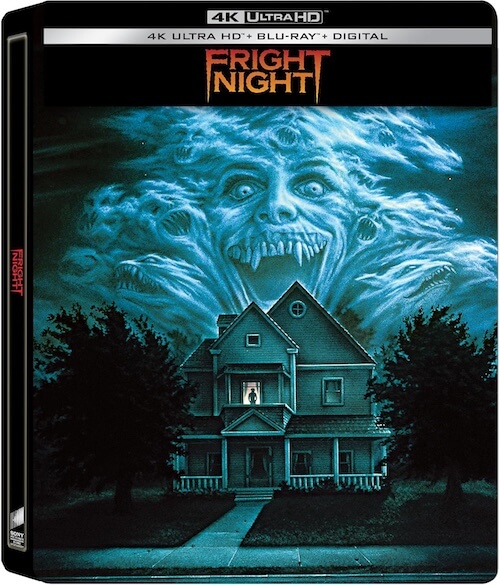
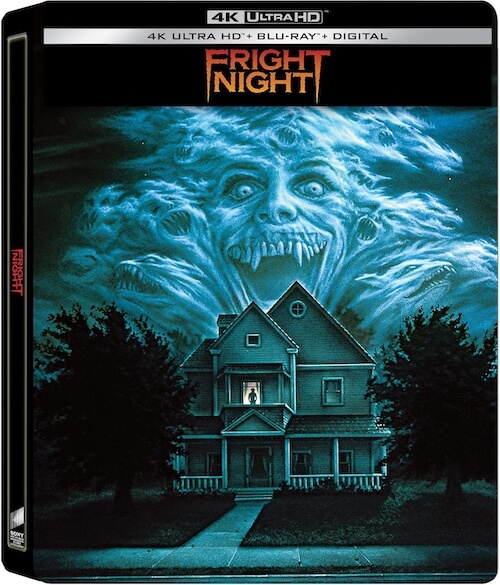
Fright Night (1985)

fright-night-4k

Before he was dodging Andre the Giant and Westley, Chris Sarandon was rocking a popped collar and bloodlust as Jerry Dandridge—the smoothest vampire to ever move into suburban hell. Poor Charley Brewster, your typical horror-obsessed teen, figures it out pretty quickly: the dude next door is a vampire, and his roommate? Not just a “friend.” But nobody believes him, because of course they don’t—especially not washed-up horror host Peter Vincent (Roddy McDowall), who looks like he hasn’t staked anything but his pension in years.

You’ve also got William Ragsdale before Herman’s Head, and Amanda Bearse before she evolved into Marcy Darcy, the permanently outraged neighbor of Married With Children—here she’s just Charley’s innocent girlfriend, unknowingly caught in a vampire’s trance with a questionable new hairstyle. The film walks a perfect line between slick ‘80s horror, a love letter to old-school vampire flicks, and just enough camp to make you grin. Solid practical effects, creepy as hell transformation scenes, and one of the all-time great vampire taunts: “You have to have faith for that to work on me, Charley.” It’s a bite of nostalgic brilliance with just the right amount of garlic.

Where to buy: $25.84 at Amazon

Advertisement

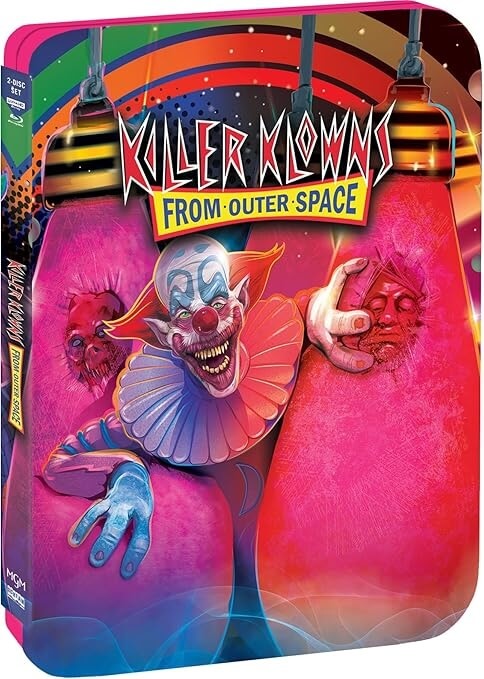
Killer Klowns from Outer Space (1988)

killer-klowns-from-outer-space-4k

Before evil clowns became horror cliché #243, this cotton-candy-coated fever dream crash-landed like Ringling Bros on bath salts. Killer Klowns from Outer Space sounds like something a stoned film student pitched at 3 a.m. after bingeing on Fun Dip and trauma, and yet—somehow—it stuck.

The plot? Aliens arrive on Earth disguised as circus clowns and start turning people into human lollipops. The weapons? Shadow puppets that kill, popcorn that hatches into monsters, and cotton candy cocoons that look like Jim Henson and John Wayne Gacy co-directed a snuff film.

Advertisement. Scroll to continue reading.

What makes it all work (and weirdly rewatchable) is the absolutely unhinged production design. The makeup and costumes are grotesque and brilliant—like a demented toy factory exploded and took a few carnies with it. It’s not scary in a “hide under the covers” way, but it gets under your skin like a funhouse mirror that suddenly moves when you’re alone.

It’s not art, it’s not satire, and it sure as hell isn’t subtle. But it is classic B-Horror cinema doing exactly what it should—being memorable, messy, and just self-aware enough to know it’s rotting your brain in the best possible way.

Advertisement

Where to buy: $44.98 at Amazon

The Rocky Horror Picture Show (1975)

rocky-horror-picture-show-blu-ray

This one’s the granddaddy of cult midnight madness—a musical send-up of B-movies that somehow became the B-movie it lovingly roasted. Tim Curry as Dr. Frank-N-Furter practically invented camp royalty, while Barry Bostwick, Meatloaf, and Susan Sarandon (yes, way before she was rubbing lemons on her skin and tweeting questionable love notes to Hamas) rounded out a cast that nailed the mix of horror, sci-fi, and pure, unapologetic weirdness.

The soundtrack slaps harder than a chorus line of tap-dancing zombies, and the audience participation? Essential. If you show up without your prop kit—no rice, no toast, no newspapers to throw when the wedding scene kicks in—you might as well stay home and stream TikTok instead.

More than just a movie, Rocky Horror turned midnight screenings into ritual, a bizarre party where trash wasn’t just tolerated, it was worshipped. Without it, your local midnight movie wouldn’t be half the spectacle it is today. And seriously, if you haven’t seen someone dress as Frank-N-Furter and own that spotlight, you haven’t lived.

Where to buy: $39.99 at Amazon

Advertisement

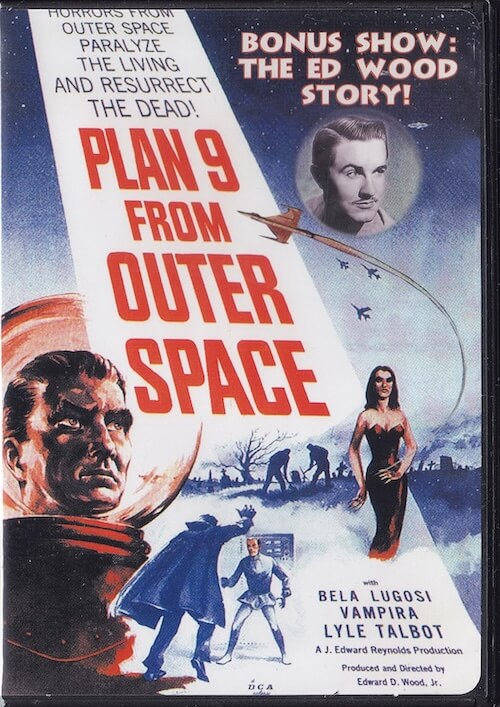
Plan 9 from Outer Space (1959)

plan-9-from-outer-space-1958

Ed Wood’s infamous sci-fi horror masterpiece—if you can even call it that—is basically the gold standard for “so-bad-it’s-good” cinema. After losing Bela Lugosi mid-production (thanks, Grim Reaper), Wood had to scramble and cobble together scenes with a stand-in who looked like he wandered in from the wrong movie. The sets? Let’s just say if a class of kindergartners had crafted them for a school play, they’d still outshine this mess.

The plot is pure cosmic nonsense: aliens resurrect the dead to stop humanity from wrecking the universe, which sounds ambitious until you realize the dialogue loops like a stuck record and half the cast is obviously reading lines off cue cards. Plan 9 easily ranks as one of the absolute worst films ever made — and that was before Heaven’s Gate showed up to ruin everything else.

Where to buy: $23.96 at Amazon

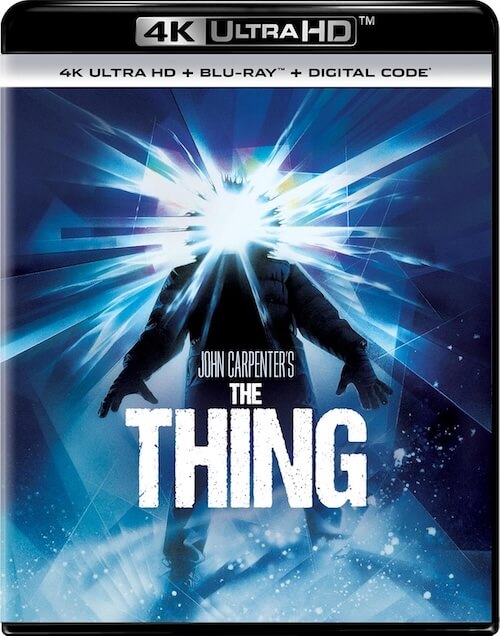
The Thing (1982)

the-thing-4k

If we’re moving from one body-snatching nightmare to another, John Carpenter’s The Thing is the undeniable heavyweight champ of B-movie sci-fi horror. Sure, it had a $15 million budget — way more than your average bargain-bin monster flick — but deep down, it’s pure B-movie DNA. From its grotesquely brilliant practical effects that still make you squirm decades later, to a cast stacked with cult favorites like Kurt Russell and yes, the painfully annoying guy from Cocoon who somehow survived this massacre, it nails every box on the checklist.

Carpenter’s masterstroke? The isolation. A remote Antarctic research station, trapped in the snow and paranoia so thick you could slice it with one of those alien tongues. It’s not just a movie; it’s an intense, paranoid fever dream best devoured late at night with a giant bag of Twizzlers—ready to lob into the air when the creature shows off its next horrifying mutation. If you don’t feel your skin crawl and your stomach tighten, are you even watching The Thing?

Advertisement. Scroll to continue reading.
Advertisement

Where to buy: $14.99 at Amazon

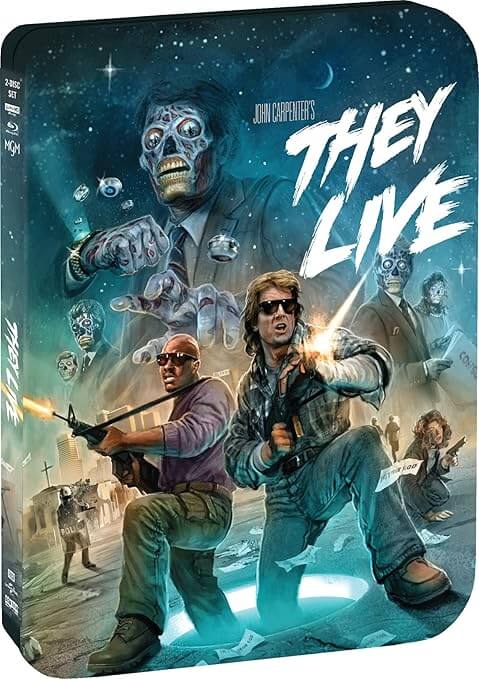
They Live (1988)

they-live-4k

Just when you thought the only thing sneaking into your brain was your ex’s bad taste in music, They Live drops the ultimate wrestling-themed conspiracy smackdown. Rowdy Roddy Piper — yes, the WWF’s greatest heel, Hot Rod himself — plays Nada, a down-on-his-luck construction worker who stumbles on a pair of sunglasses that reveal the brutal truth: the world’s a nightmare of subliminal messages like “Stay Asleep” and “Obey,” all pumped out by a bunch of ugly alien puppet masters disguised as your average Angelenos. Think Platoon meets The Twilight Zone, but with more spandex and less jungle warfare.

Keith David and Meg Foster round out the cast, backing Hot Rod in this instant cult classic that’s basically a wrestling promo turned dystopian social commentary. If Platoon’s soldiers needed shades to spot the enemy, Nada’s your man with the specs — and a mean right hook to boot. Pop on those glasses, and suddenly every billboard is a brainwash, every handshake a trap. Just remember, when life gives you aliens disguised as suits, throw a piledriver.

Where to buy: $20.99 at Amazon

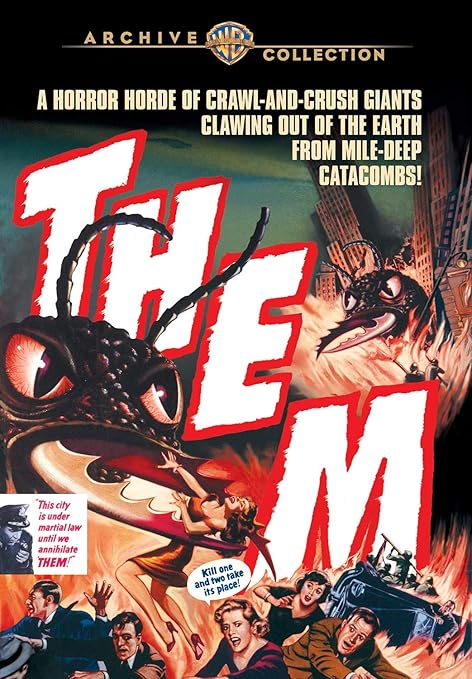
Them! (1954)

them-dvd

In the New Mexico desert, a kid shows up wandering around like she just took a wrong turn at Albuquerque—and what do they find? Giant mutant ants, thanks to good old atomic testing back in ’45. Yep, nuclear bombs didn’t just ruin the planet, they also gave birth to an army of colossal, angry insects. Police Sgt. Ben Peterson and FBI agent Robert Graham team up with the brains of the operation—Dr. Harold Medford and his daughter, Dr. Patricia “Pat” Medford—to torch these oversized pests with real flamethrowers. No CGI here, just fire and fury.

But the nightmare’s just getting started: two queen ants hightail it to Los Angeles and set up shop in the city’s underground flood control tunnels. Yeah, because nothing screams “welcome home” like giant ants crawling beneath your house. A mother reports her kids missing, triggering a frantic race to save them before becoming ant snacks. As for me? You couldn’t pay me enough to crawl into those L.A. tunnels—not even if Sandy from Grease and Dr. Medford showed up with a blanket and a bottle of Whispering Angel.

Advertisement

Low-budget and dripping with Cold War atomic age paranoia, Them! is a mutant ant cautionary tale that looks like it was shot on a shoestring. Bosch could have cracked this case in two days flat. Giant mutant ants? No thanks.

Where to buy: $9.24 at Amazon

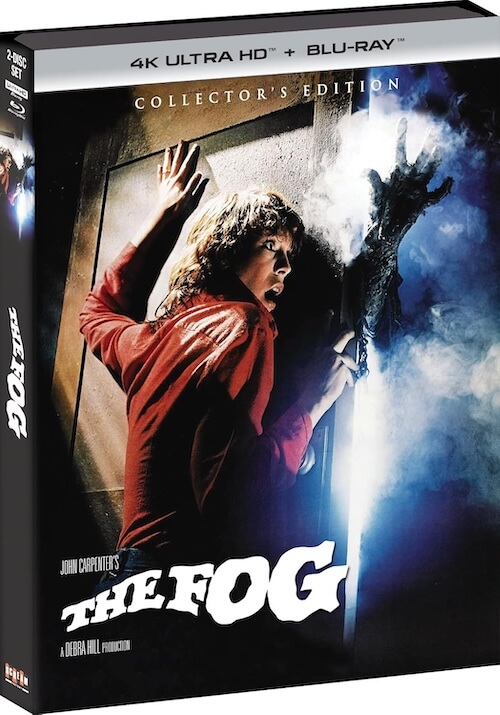
The Fog (1980)

the-fog-4k

John Carpenter’s The Fog is basically a “Don’t go into the fog, you idiot” PSA wrapped in a creepy coastal town revenge flick. Antonio Bay is ready to party for its 100th birthday, but surprise — the town’s founders committed a crime so ugly it still haunts the place like a bad Yelp review. Enter a rolling fog thicker than your uncle’s excuses, full of restless dead folks who are way past forgiving.

Shot on a shoestring budget just over a million bucks, Carpenter still managed to dress it up in fancy anamorphic Panavision widescreen—because why make a cheap-looking horror movie when you can make a cheap-looking horror movie that looks expensive? Meanwhile, Avco Embassy must’ve thought the fog was contagious, dropping three times the budget on ads to make sure everyone knew not to trust that eerie mist.

Oh, and don’t forget Adrienne Barbeau, who plays a badass local and was married to Carpenter at the time—because nothing says “marriage goals” like starring together in a flick where ghosts want your soul. Janet Leigh and Jamie Lee Curtis, mother and daughter, also star—proving that in horror, talent (and trauma) runs in the family. So yeah, if you see fog creeping in, do yourself a favor and stay the hell indoors.

Advertisement

Where to buy: $36.98 at Amazon

Advertisement. Scroll to continue reading.

The Blob (1958)

the-blob-4k

Imagine a giant, gooey, murderous blob of Jell-O on a rampage — that’s The Blob for you. This alien slimeball crashes into a small town and starts swallowing everything in sight, all while the adults ignore the teens who actually know what’s up. Because, you know, teenagers are always wrong.

The actual Blob wasn’t CGI — it was a lovingly concocted mix of red dye and silicone, and get this: it still hasn’t dried out. It’s locked away in the original five-gallon pail from Union Carbide where it was shipped in ’58, a true horror relic that makes you question your kitchen’s Tupperware game. Every summer, Phoenixville, PA (one of the film’s shooting spots) hosts Blobfest, where fans gather to worship this gelatinous terror, reenact panicked theater escapes, and binge-watch the gooey masterpiece.

Steve McQueen was offered $2,500 or 10% of the profits and—bless his practical soul—took the flat fee because no one thought this wobbly menace would make a splash. Fun fact: the film’s idea came from a weird “star jelly” discovery in ’50s Pennsylvania, described as a giant quivering dome of goo that dissolved on touch—kind of like your ex’s promises.

Advertisement

So yeah, if you ever get invited to Blobfest, bring your appetite… for terror, and maybe some lemon Jell-O to feel superior.

Where to buy: $30.12 at Amazon

The War of the Worlds (1953)

war-of-worlds-criterion

Look, New Jersey wasn’t quite Hollywood-cool enough back then, so this classic H.G. Wells invasion flick got transplanted to sunny California — where apparently aliens prefer their death rays with a side of palm trees. The story kicks off when a flaming meteor crashes into some hills, and the locals get all excited… until they realize the passengers inside aren’t here for a barbecue.

Gene Barry plays Dr. Clayton Forrester, and Ann Robinson is Sylvia Van Buren — the town’s unofficial alien damage control team. The visual effects? Absolutely mind-blowing for 1953. These weren’t your run-of-the-mill laser pointers — the aliens wield death rays with a flair and style that would make George Lucas jealous years before he even dreamed up Project Stardust. Watching those Martian tripods stomp around still feels like pure sci-fi joy, especially if you enjoy a little MST3K-style riffing on the melodrama and over-the-top earnestness.

If you want classic alien invasion vibes with some vintage charm and killer rays, this is your ticket — just don’t expect Jersey shore vibes anytime soon.

Advertisement

Where to buy: $39.95 at Amazon

Source link

Advertisement
Continue Reading

Tech

How Google’s Pixel 10 Pro Hits the Sweet Spot for Premium Android in a Smaller Frame

Published

on
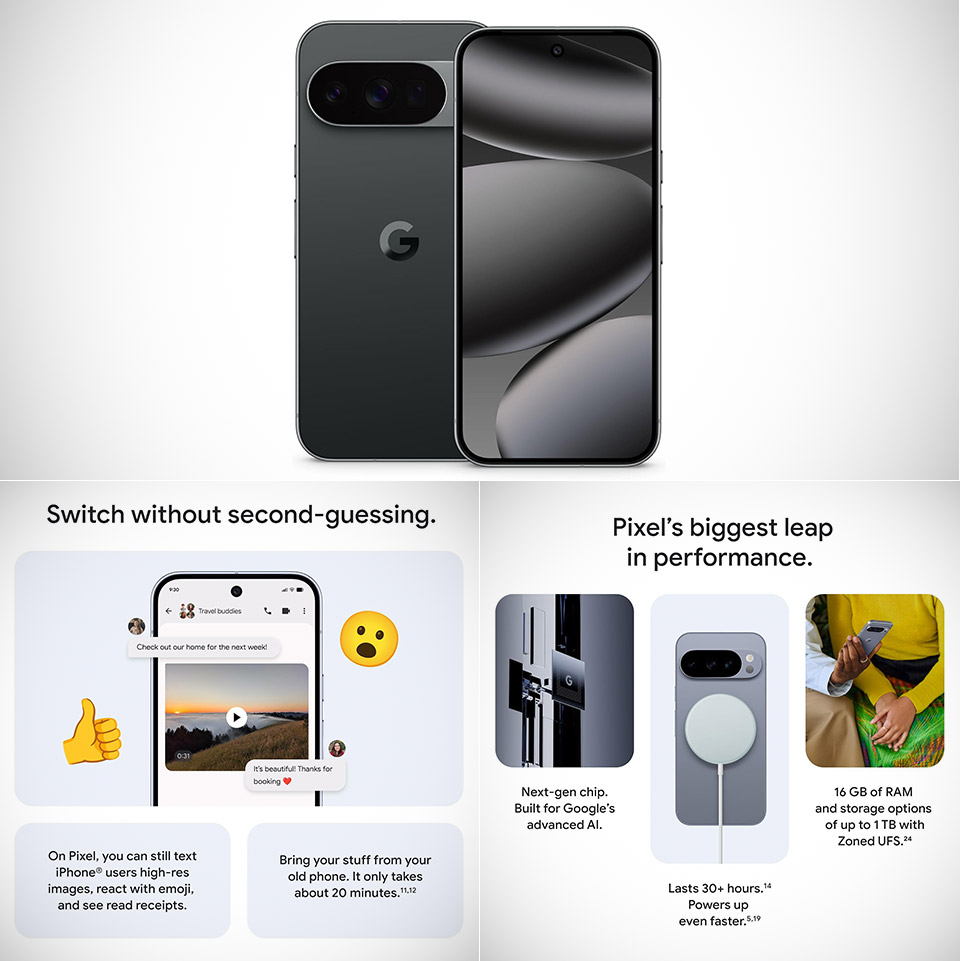
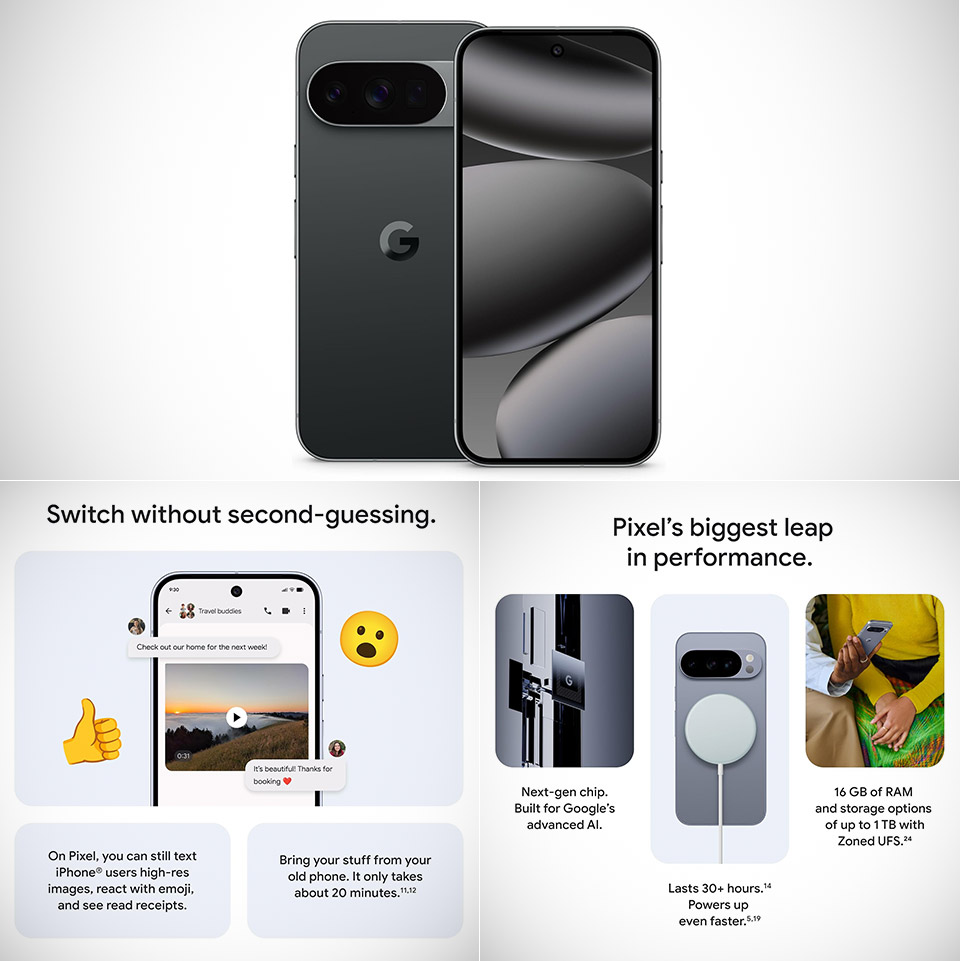
Google Pixel 10 Pro Smartphone 2026
Smartphone buyers chasing flagship capability without an oversized body often land on the Google Pixel 10 Pro, priced at $699 (was $999), as one of the stronger choices at its price. It packs versatile cameras, a bright and fluid screen, responsive performance, and now native magnetic wireless charging into a frame built for comfortable daily handling.


Design choices seek to make this new phone feel immediately familiar while also improving the overall vibe. The metal frame adds a luxury feel by wrapping around the edges, and it is partnered with Gorilla Glass Victus 2 on both sides to keep your new phone looking great even after it has been pushed through its paces. The horizontal camera bar that runs across the back remains as eye-catching as ever, while its dimensions are around 6 inches tall and 2.8 inches wide, with a thickness of only 8.6 millimeters. The 207-gram weight makes it easy to hold for long periods of time without stressing your palm, and it comes with IP68 protection to keep it safe from dust and water spills.


Google Pixel 10 Pro – Unlocked Android Smartphone with Gemini, Your Google AI Assistant, Triple Rear…
  • Google Pixel 10 Pro is the ultimate Pixel experience, featuring advanced AI with Gemini, unbelievable camera quality, impeccable design in two sizes…
  • Unlocked Android phone gives you the flexibility to change carriers and choose your own data plan[2]; it works – Google Fi, Verizon, T-Mobile, AT&T…
  • Get a head start on syncing your data before it even arrives: After you purchase your new Pixel, look for an email that explains how to transfer your…

One of its most noticeable features is its 6.3-inch LTPO OLED panel, which has an impressive 2856 x 1280 resolution at around 495 pixels per inch. If you’re concerned about visibility in bright sunshine, a maximum brightness of 3300 nits should be sufficient. Furthermore, the refresh rate adjusts between 1 and 120 hertz to accommodate whatever you’re doing on screen at any one time, delivering a smooth ride whether you’re scrolling through social media or playing a game. Then there’s HDR, which enhances the image’s contrast and color accuracy to new heights.


Overall, the new Tensor G5 processor and 16GB of RAM make it feel fast and responsive. Gaming-wise, it can handle the majority of titles at reasonable settings without overheating. Software-wise, you’re getting a fresh install of Android 16, along with the Material 3 Expressive design, which looks great but doesn’t make navigation any more difficult than it is now. What really sticks out is the 7-year commitment to operating system and security updates, which is among the longest available. And then there are the AI features. Magic Cue does an excellent job of monitoring your activity and making useful suggestions, such as automatically exposing your order data when you receive a call from a business.

Advertisement

Google Pixel 10 Pro Smartphone 2026
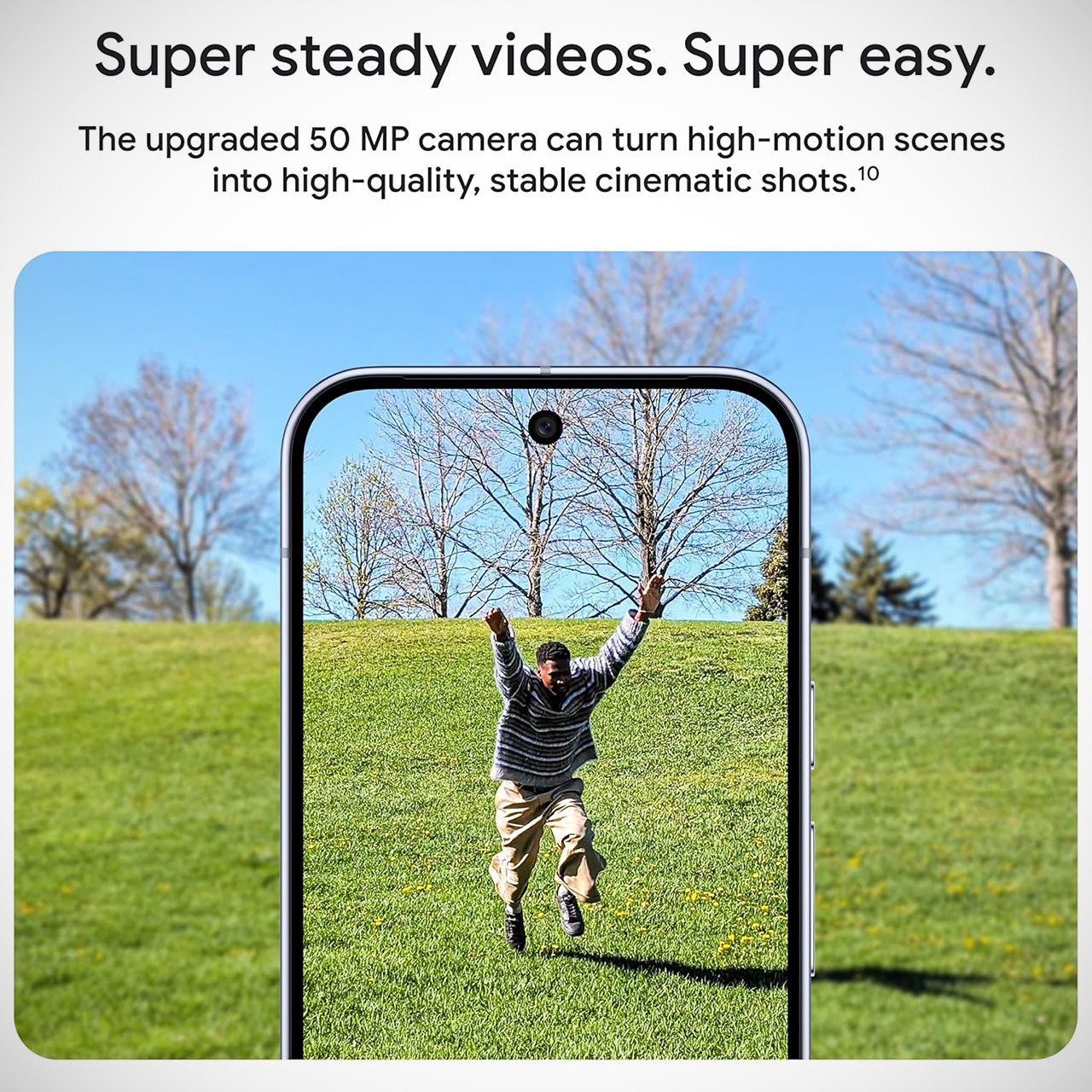
The camera system is arguably one of the main reasons people buy this phone, and with good cause. You have a 50-megapixel main sensor with optical stabilisation and some amazing dynamic range, which means it can handle a range of light settings like a pro, and then there’s the 48-megapixel ultrawide lens, which allows you to take in an even wider perspective and even does macro pictures. Last but not least, the 48-megapixel telephoto provides real 5x optical zoom, as well as some additional computational magic, allowing you to capture more detail at longer distances. Furthermore, even in difficult lighting conditions, hues remain natural. Portraits include great subject separation and a lovely background blur, while the 42-megapixel front camera can snap some really sharp selfies. You also get several creative features, such as Best Take for group shots and Add Me for integrating pictures of individuals into scenarios, all of which are done on the device and are really handy.

Google Pixel 10 Pro Smartphone 2026
When it comes to power, the 4870 milliamp-hour battery will last most people a full day of using their phone. Using a 30 watt charger, you can charge up to 55% in 30 minutes. Wireless charging now uses the Qi2 standard at up to 15 watts, and it’s simple to use, especially with the built-in magnets for alignment. You can also acquire some lovely accessories from compatible companies that will snap on securely, including as cases, mounts, wallets, and even phone stands. If you have any of the new earbuds that enable reverse wired charging, you can even charge them from your new phone when necessary.

Source link

Continue Reading

Trending

Copyright © 2025