










Connect with us

Tech

Tech Moves: T-Mobile appoints CFO; Microsoft and Blue Origin VPs depart; AZX and Caddi name leaders

Published

on

Jessica Uhl. (T-Mobile Photo)

— Telecom giant T-Mobile announced that Jessica Uhl will join as chief financial officer-designate later this month, and succeed Peter Osvaldik as CFO in February. Uhl served as CFO of Shell and worked for the global oil and energy giant for more than 17 years. She joins T-Mobile from GE Vernova, where she was president.

“I am thrilled to welcome Jessica to T-Mobile,” Srini Gopalan, president and CEO of T-Mobile said in a statement. “She brings deep financial and strategic acumen, capital allocation expertise and an innovative growth mindset that is a perfect fit for T-Mobile’s next era.”

Osvaldik will transition to strategic advisor and retire from T-Mobile in July. He joined the company in 2016 and became chief financial officer in 2020. Osvaldik’s tenure “has been defined by disciplined financial stewardship, consistent financial outperformance, and an unwavering commitment to T-Mobile’s mission,” the company said.

The move marks the latest leadership shakeup at the Bellevue, Wash.-based company. Mike Katz, T-Mobile’s chief business and product officer, announced his departure in July, and Chris Sambar was named chief enterprise officer. T-Mobile has cut 470 jobs in its home state this year and closed numerous retail locations.

Brent Colburn. (LinkedIn Photo)

Brent Colburn, Microsoft‘s vice president of global public affairs, is resigning after three years, effective mid-October.

“Stepping away from Microsoft is not a decision that I made lightly, but ultimately it is the right one for me and my family,” said Colburn, who has been commuting weekly between his home in Oakland, Calif., and Microsoft’s Redmond, Wash., headquarters.

Advertisement

Colburn’s career has spanned leadership roles in government, academia and philanthropy. That includes serving as principal advisor to the secretary of defense for communications and chief of staff to then-Secretary Shaun Donovan. More recent roles include communications vice president for the University of California in Oakland, Princeton University and the Chan Zuckerberg Initiative.

Blue Origin crew portrait
William Shatner stands alongside crewmates Chris Boshuizen (left), Audrey Powers and Glen de Vries. (Blue Origin Photo)

— After nearly 13 years, Audrey Powers has left Blue Origin, the aerospace company founded by Jeff Bezos that develops reusable rockets, spacecraft and rocket engines. She was on Blue Origin’s October 2021 spaceflight that also carried “Star Trek” star William Shatner and two others.

“Hopefully, I’ve helped change peoples’ impressions of rockets (they land, too), astronauts (they are everyone), and our Earth,” Powers said, adding that she was sad to leave, but grateful that she took a chance on “a little startup no one had heard of.”

Powers held the title of deputy and vice president of the New Shepard Business Unit, which is the program that carries people and research payloads into suborbital space. She is an attorney who has previously worked at NASA as a flight controller and as a senior systems engineer at Lockheed Martin.

Michael Levi. (LinkedIn Photo)

Michael Levi has joined AZX as chief commercial officer of the Bellevue-based startup, which works with utilities and other industries to build in-house AI technologies supporting their missions.

Levi is based in San Francisco and was previously vice president of marketing and growth for KloudGin, where he helped reposition the company’s field service software into an AI-native platform for utilities and the public sector. He earlier founded L1CG, a go-to-market advisory, and has held leadership roles in energy, renewables, supply chain and fintech.

Advertisement
Jason Alafgani. (LinkedIn Photo)

Jason Alafgani was named head of marketing for Caddi, a Seattle startup that launched out of AI2 Incubator and is automating basic business operations with generative AI. Alafgani is the co-founder of startups including the podcast company Jellypod and worked as marketing leader for Appwrite, Dodgeball, Mode and others.

Dr. Amir Iravani has joined Los Angeles-based UCLA Health as director of the theranostics program, which focuses on treating cancer using targeted radiation therapy. Iravani previously served as theranostics clinical director at Fred Hutchinson Cancer Center in Seattle and was an associate professor of radiology at the University of Washington School of Medicine.

Kelly Lyons. (LinkedIn Photo)

Portland Metro Region Innovation Hub has hired Kelly Lyons as director of the organization, which provides networking, coaching, funding and other support to entrepreneurs. Lyons is the founder of two startups and has served in leadership at Core Education, Umpqua Bank and Development House, a social services nonprofit.

DigiStor, a Vancouver, Wash.-based provider of secure data-at-rest protection solutions, appointed Michael Callahan to its board of directors. Callahan co-founded Awake Security and PolyServe, which was acquired by HP.

Source link

Advertisement
Continue Reading
Click to comment

You must be logged in to post a comment Login

Leave a Reply

Tech

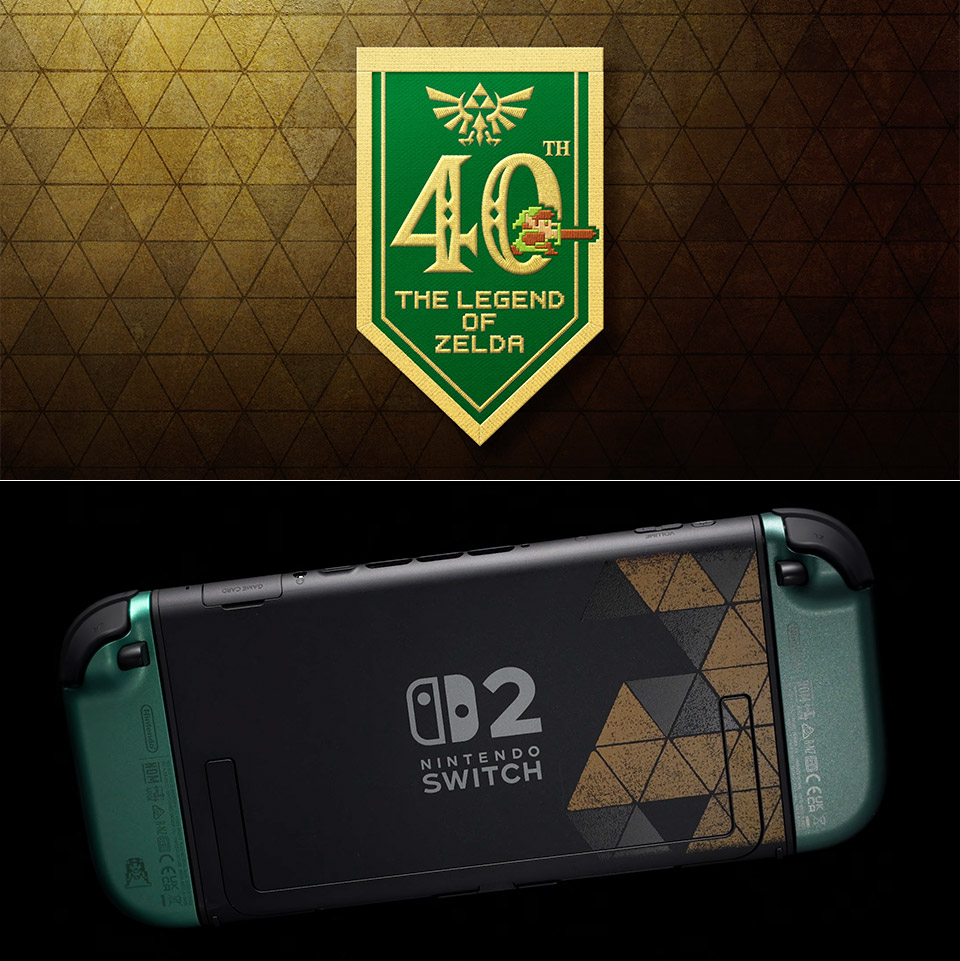
Gold Triforce, Green Joy-Cons, Nintendo’s Zelda 40th Anniversary Switch 2 Console Arrives October 29

Published

on

Nintendo Zelda 40th Anniversary Switch 2 Console
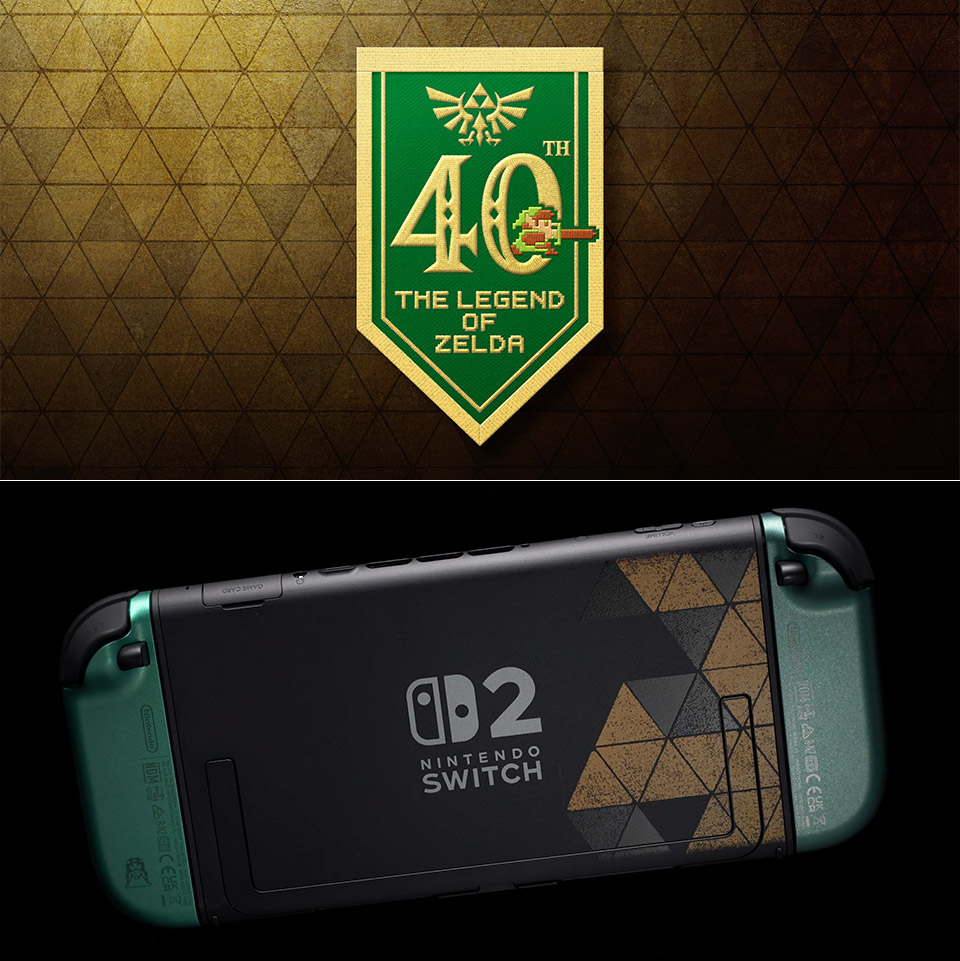
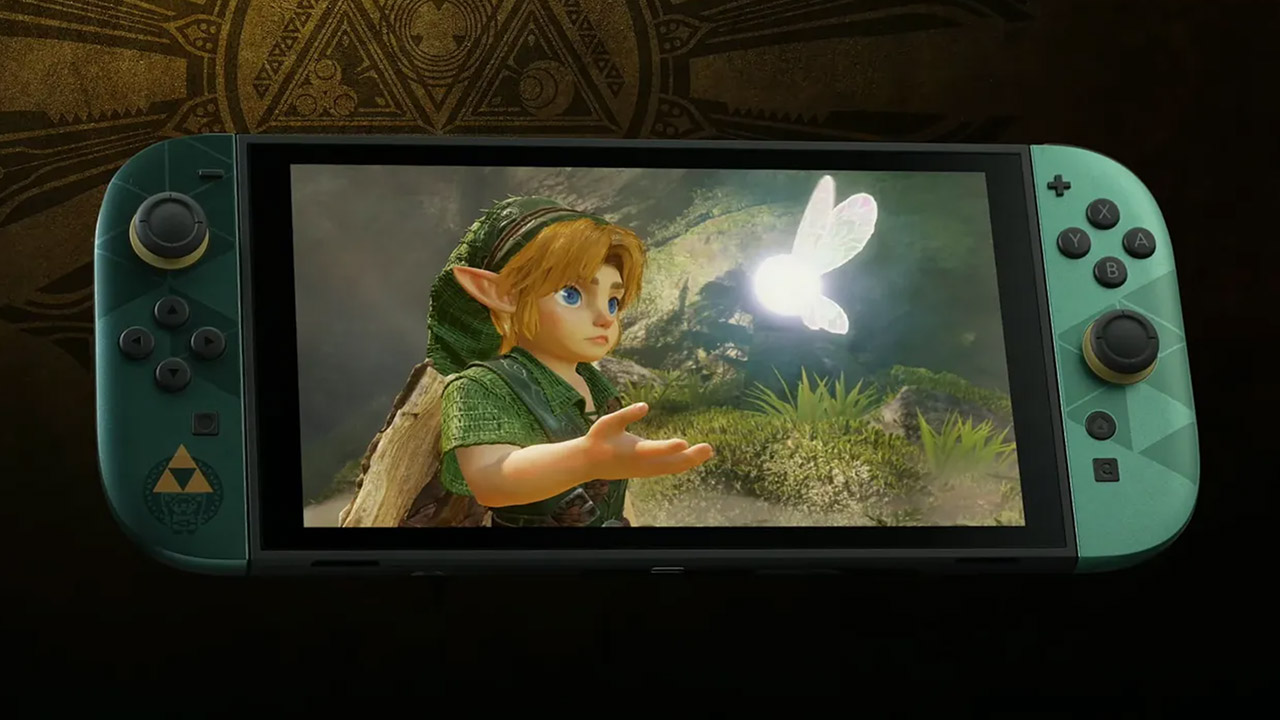
Nintendo used this morning’s Direct to give Switch 2 its first real collector finish, timed to forty years of The Legend of Zelda. Officially called Nintendo Switch 2 – The Legend of Zelda – 40th Anniversary Edition, the system arrives October 29, one week before the Ocarina of Time remake on November 5.


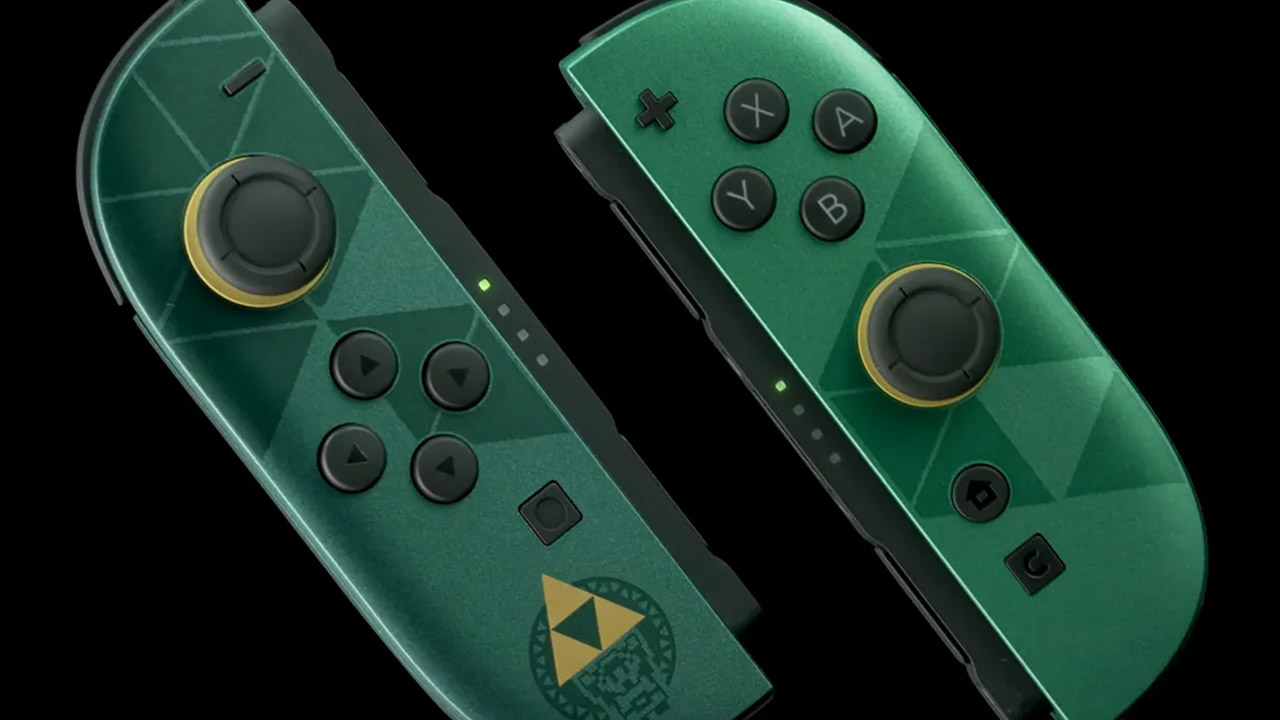
Gold stands atop black on the dock, displaying a giant Triforce on the front, while icons and symbols march across the dock and tablet’s surfaces. The traditional green and gold Joy-Con 2 controllers attach with magnets Green. Nintendo’s design draws on iconic series colors, as well as some game-related adornment. Check out the stills, which show the original Link from 1986 clutching the Triforce on one controller and a Zelda sprite on the other. It’s a great look, and the metal surface reflects light in a more muted way than pure gold.


LEGO The Legend of Zelda: Ocarina of Time – The Final Battle – Building Set for Adults, Ages…
  • GAMER COLLECTIBLE MODEL KIT – Adults ages 18 and up can share their love of video games with the LEGO The Legend of Zelda: Ocarina of Time – The…
  • LEGO CASTLE RUINS BUILDING SET – This detailed gaming collectible features a ruined castle area, Link, Zelda and Ganondorf minifigures, and 2 more…
  • FEATURES AND FUNCTIONS – Recreate the final battle scene with movable rubble, a button to raise Ganondorf from the ruins, the hidden Megaton Hammer…


The internal specifications remain unchanged, including the regular 7.9-inch 1080p screen and HDR for the Switch 2, 256GB of storage (some back for the system), magnetic Joy-Con 2 that act as mouse support in some games, and 4k output at up to 60 when the TV and game allow it. Only the anniversary paint, no additional power under the hood. The box contains the tablet, green and gold Joy-Con, wrist straps, dock, grip, AC adapter, USB-C cable, and Ultra High Speed HDMI cable. There is no game in the box, therefore you will need to purchase the Ocarina of Time remake separately.

Nintendo Zelda 40th Anniversary Switch 2 Console Accessories
The special edition console is priced at $519.99 in the United States, which is $20 higher than the base $499.99 model following the most recent price increase. In Japan, the Zelda Pro version costs 62,980 yen, tax included. A Zelda Pro controller costs $99.99, while a version with a display stand costs $109.99 and is only available in a few limited locations. There’s also a carrying case with screen protector for $39.99, which features the same types of designs. Preorders for this special edition hardware opened today at Nintendo and Best Buy, allowing you to purchase it before it sells out.

Advertisement

Source link

Continue Reading

Tech

How To Change And Customize Your Apple CarPlay Display

Published

on

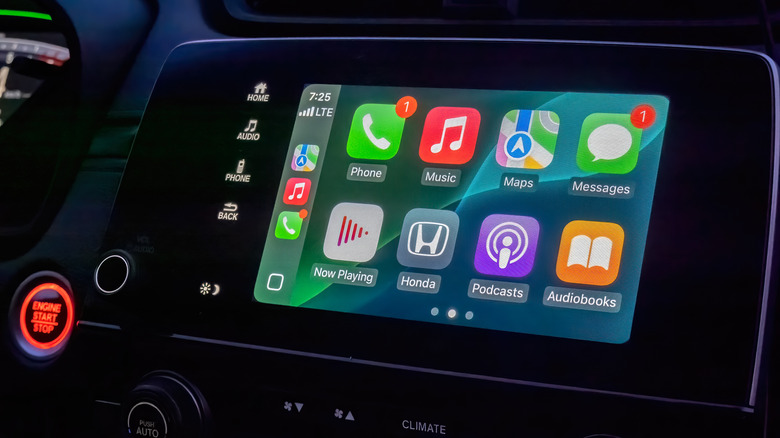
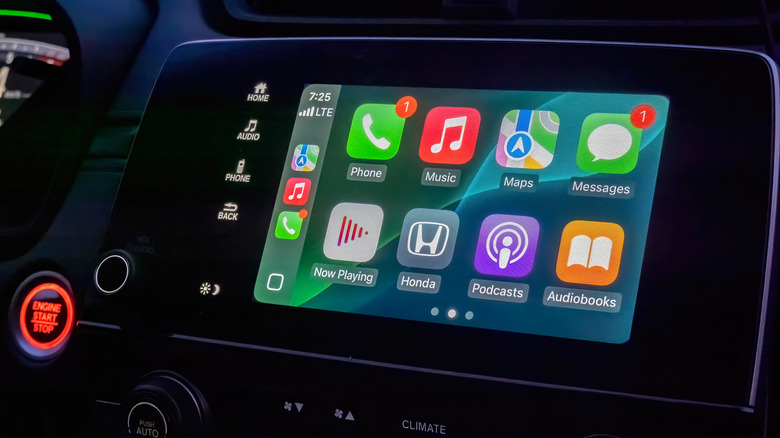
CarPlay is great as it comes, but a few personalization tweaks make it even more convenient.

If your vehicle supports the feature, one of the best quality-of-life upgrades you can make to your drives is setting up Apple CarPlay with a cable or wirelessly. This way, you don’t need to deal with the clunkiness of a phone mount. Your navigation app of choice and essential media controls are displayed directly on your car’s infotainment screen. Plus, with Siri receiving a major overhaul in iOS 27, interacting with your device completely hands-free should finally feel reliable while you’re driving.

CarPlay’s user interface uses a lot of bold text and large icons to make information easy to glance at and touch. It’s solid by default, but making a few tweaks will put the most important items in front of you and make everything easy to process.

By default, CarPlay uses dark mode so your car’s infotainment screen doesn’t blind you in dim environments. If this makes readability during the day more difficult, you can switch to light mode by navigating to Settings > Appearance in CarPlay using the touch screen or your vehicle’s controls. Here, select Automatic to have CarPlay switch between light and dark modes depending on the ambient lighting conditions.

Advertisement

The Settings app inside CarPlay (Settings > Wallpaper) is also where you can change the background that shows behind all your apps. Though you can’t use a custom image from your phone’s gallery, there are a handful of Apple-designed wallpapers with different color and pattern options to choose from. 

Similarly, visit Settings > Customize Icons to pick a dark icon pack or switch to clear icons that follow Apple’s Liquid Glass design philosophy. In the Accessibility submenu, you can alter the text size to improve readability.

Advertisement

Rearrange apps and use widgets in CarPlay

One of the best ways to personalize the display in CarPlay is rearranging the apps on the home screen. Unlike the above, this customization happens on your iPhone. Navigate to Settings > General > CarPlay and select your vehicle, then tap Apps.

To bring your frequently used CarPlay apps to the first page, reorder the list using the handles. Your car’s display size affects how many apps appear on each page, so keep that number in mind as you adjust the list. Tap the Remove icon for any apps you don’t use; a few default ones can’t be removed, so drag them to the bottom if you don’t care about them.

It took forever for the iPhone to feature widget support on the home screen and even longer for Apple to bring widgets over to CarPlay. Widgets were finally added to CarPlay with iOS 26; they live on a separate page accessible access by swiping right from the main dashboard. 

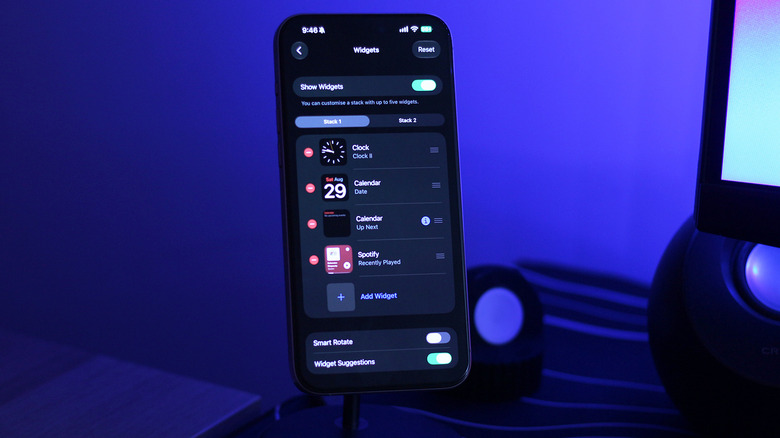
Depending on how wide your car’s infotainment screen is, you’ll see one or more stacks of widgets at a time. By default, CarPlay lists widgets it thinks you might find useful, like the clock, calendar, media player and weather. To make better use of this space, you should customize which widgets show up in what stack. After all, you don’t want to be frantically going through the entire stack while on the road to find the widget you’re looking for. 

To do this, visit the same CarPlay settings page on your phone as mentioned above. Tap Widgets and make sure the Show Widgets toggle is turned on. You can add widgets in each stack or reorder them to keep the essential ones easily accessible. What shows here depends on your installed apps.

Advertisement

Source link

Advertisement
Continue Reading

Tech

Drawbacks Of Using All-Season Tires

Published

on


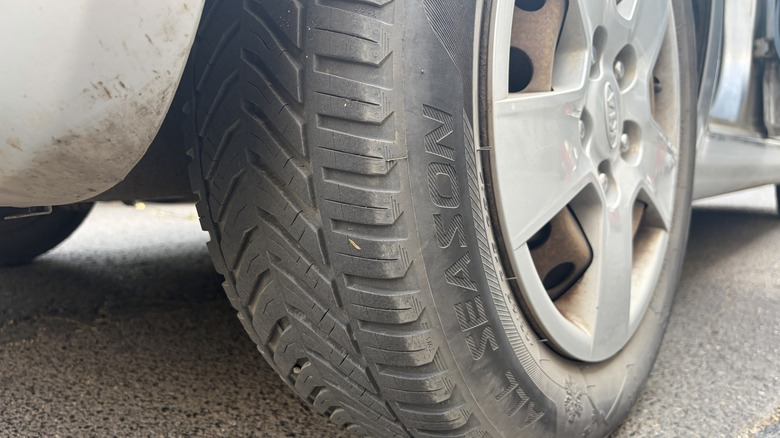
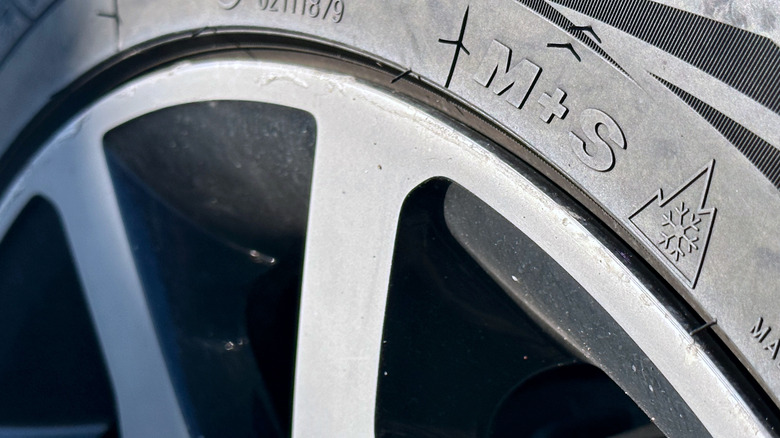
Name brand all-season tires from manufacturers like Goodyear can be a wise investment, depending on your situation. The name “all-season” alone suggests they’re a good fit for year-round driving, and that’s generally true. However, that versatility also means these tires don’t specialize in any one area. 

All-season tires don’t offer the same level of grip and handling as summer tires. Their winter performance can also fall short when it comes to traction. This is especially true in more severe conditions such as deep snow, freezing rain and black ice. Some all-season tires are better suited to snow and cold weather than others, and certain models emphasize performance for the other three seasons instead. Drivers expecting snowy conditions and extremely cold weather shouldn’t just assume that any all-season tire will deliver the same level of traction as a dedicated winter tire.

Using a set of all-season tires year-round can also mean replacing them sooner than you expect. A typical set of all-season tires used continuously over time could potentially wear out around the three-year mark, which means buying another set after only two winters. This is why using separate tires during the winter makes sense, as they can reduce the amount of wear placed on the all-season set. This could potentially help both sets last much longer.

Advertisement

The benefits of all-season tires

All-season tires can be a perfectly good choice if you live somewhere with relatively moderate weather throughout the year. For example, all-season tires can provide good performance for everyday driving in areas that don’t regularly experience harsh winters. All-season tires are also typically less expensive and have good treadware ratings, which can make them a smarter financial choice over time.

All-season tires can also have benefits when it comes to overall comfort for everyday driving. Although their design varies based on the model and manufacturer, all-season tires can provide dependable handling without sacrificing a smooth and quiet ride. While comfort isn’t the primary factor when choosing a tire, it could still be enough of a reason for some drivers to buy an all-season over a more specialized option.

Advertisement

If you want to improve your fuel economy, all-season tires may be a good choice, depending on the model. Consumer Reports found a big difference in rolling resistance among all-season tires it tested, with some models combining lower rolling resistance with good traction. This is important, as tires with lower rolling resistance require less energy to move on the road, which can help cut down fuel consumption. When trying to weigh the pros and cons of all-season tires, it’s a good idea to consult your vehicle owner’s manual, or contact a tire professional for more information before you buy.


Advertisement

Source link

Continue Reading

Tech

Apple TV 4K may get Siri AI, thanks to the A19 or A19 Pro chip

Published

on

Judging by a leaked Apple identifier, the next-generation Apple TV will get a major upgrade with the A19 or A19 Pro system-on-chip.

In June 2026, tvOS 27 code revealed that the Apple TV 4K was on track to receive Siri AI support. Now, Apple’s own code has revealed even more about the hardware that will make this change possible.

According to MacRumors, the model identifier of the upcoming Apple TV 4K suggests the device will feature the A19 or A19 Pro chip. While this change will undoubtedly give the new model 8GB or 12GB of RAM, up from 6GB on the 2022 variant with the A15 Bionic chip, it will also allow for Apple Intelligence.

Additionally, the alleged use of an A19 or A19 Pro chip aligns with a June 2026 leak claiming the new Apple TV 4K would ship with Apple’s N1 networking chip. The N1 is already found in devices that feature Apple’s A19 and A19 Pro chips, those being the iPhone 17 and iPhone 17 Pro.

Advertisement

It would make sense for Apple to use a tried-and-true combination for its upcoming Apple TV 4K refresh. New chip aside, however, Tuesday’s leak doesn’t offer any significant details about the next-generation Apple TV.

Previous rumors have suggested that the device will ship with a new Siri Remote, though it’s unclear if this accessory will include new features like ultra-wideband support or Find My integration. Going back even further, an August 2025 rumor claimed the next Apple TV 4K would gain the A17 Pro chip, though this seems unlikely at this point.

Apple could unveil an updated Apple TV 4K at its “Surprise and Shine” event, which will be held on Wednesday, September 9, 2026. However, there have been rumors for about 18 months that the device is imminent.

Advertisement

Source link

Continue Reading

Tech

UK repeats demands for child safety features that Apple made

Published

on

Apple’s child safety toolset is already robust and expanding with iOS 27, but the UK government isn’t happy and continues to threaten legislation.

Apple introduced Sensitive Content Warnings with iOS 17 in 2023 for child accounts and later introduced it as an option for adults. Several new features have been added since, including age verification systems in the UK, plus a comprehensive rethink of child safety with iOS 27 coming soon.

However, according to a report from Bloomberg, these measures aren’t enough and legislation may still be necessary. UK Culture Secretary Lisa Nandy has told the House of Commons that the government would introduce legislation on the matter, but didn’t say when or to what extent.

She’s targeting tech giants like Apple and Google with these legal threats, but both companies have already implemented some level of system-wide parental controls. Apple specifically has increasingly added features targeting parents wanting to further police their children’s activity on their devices and online.

Advertisement

For example, parents can already control what apps they access, who they can communicate with, and when their device can be used. Sensitive Content Warnings already pop up in Messages, FaceTime, and in third-party apps that utilize the API, but they only warn the user of sensitive content instead of blocking it entirely.

“For the children” isn’t always straightforward

Apple announced expanded and rethought parental controls and child safety features during WWDC 2026 that will roll out to the public later in September. Even then, Nandy said these features are a “step in the right direction” but not enough.

Smiling adult and child sit closely together looking at an Apple computer screen, conveying warmth and safety, with text about commitment to building a safe and trusted platform for kids

Apple already has a child safety website for its new features

The UK legislators haven’t specified how these protections are not sufficient nor how Apple might improve upon them. With iOS 27, parents have control of nearly every minute interaction a child could have on their device, even which websites they visit.

Advertisement

The level of access and control parents have over their children’s accounts is so in-depth that it has led some to be concerned about children’s privacy. Apple argues that it has followed recommendations for how these systems should be in place, and it is up to the parents how far they will take the systems in managing their child.

Those in the LGBTQ community, for example, worry that such controls will isolate a child seeking answers, leaving them unable to do so without alerting their parents to a website they’ve visited. Others worry that such invasive tools will prevent a child from testing boundaries and learning important lessons they otherwise couldn’t in sheltered conditions.

Some speculate that the UK and other governments’ use of “for the children” seeks to erode individual rights by having such OS-level technologies introduced. People fear further encroachment of individual rights and privacy through increased surveillance technologies.

Apple may already comply

Apple can only offer tools for the world to use. It cannot police how those tools are used, and abusive households don’t need technology to enable abuse.

Advertisement
iPhone 17 Pro Max lying face down on a reflective metal surface, with a raised rear camera module catching light and casting a soft shadow in a dimly lit setting

The UK legislators haven’t specified what Apple hasn’t done to satisfy them, yet

However, given the in-depth levels of parent controls and privacy-invading tools already available to parents, it isn’t clear what the UK will demand. Perhaps Apple has already met whatever requirements the UK government will dream up and won’t have to fight with legislators.

There is one potential hole in Apple’s child safety features the UK could attempt to address — the opt-in nature. Apple has advanced tools and APIs for child safety, but developers don’t have to bother implementing them, which renders them useless for that specific app.

To make things more confusing, Nandy said that if tech companies introduce better restrictions, legislation won’t be necessary and a bill won’t be passed.

Advertisement

The UK government is focused on child safety recently and passed one of the world’s strictest social media bans for anyone under 16. While some suggest this is what is best for children’s mental health, others say it pushes children into darker, less regulated portions of the internet to find community.

Thankfully, even though Apple had to implement system-level age verification, it did so without those security-holed ID checker systems. Instead, it uses things like the age of your account, a Face ID scan, and other obvious indicators that don’t invade a user’s privacy.

Like with any tool, there will be people that abuse it. Apple’s child safety tools and parental controls are comprehensive as they are, but the UK could argue for more and force the matter via law if necessary.

Advertisement

Source link

Continue Reading

Tech

GL.iNet Beryl 7 Wi-Fi 7 travel router review

Published

on

Why you can trust TechRadar


We spend hours testing every product or service we review, so you can be sure you’re buying the best. Find out more about how we test.

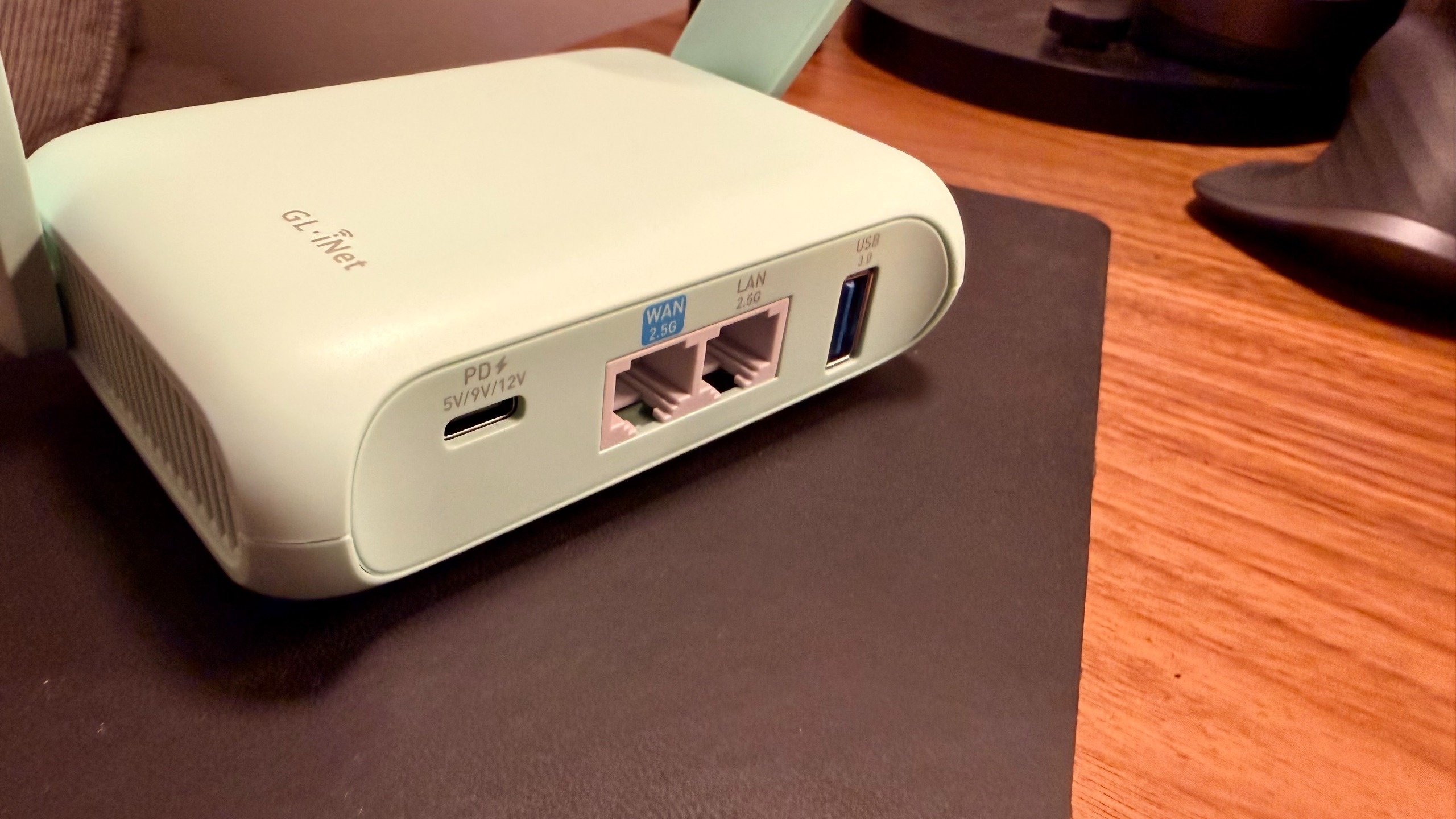
The GL.iNet Beryl 7 is a travel router that is designed for those on the go who still need control over their networking.

Especially today, it feels like people are more aware of their networking than ever. There’s fear over what people are able to see. There’s fear of what other people can see of your own data, and there are people trying to take control of their own connections. That’s one very real use case for the Beryl 7.

Advertisement

Source link

Continue Reading

Tech

‘Revolutionary’ 36-year old jet engine designed for F-16 set to power world’s first AI-piloted VTOL fighter jet

Published

on


  • The AVEN thrust-vectoring nozzle has been added to the X-BAT AI-piloted fighter with vertical take-off capabilities
  • Thrust-vectoring allows a plane’s exhaust to be redirected, instead of relying purely on manipulating airflow across the wings for movement
  • The engine was first trialed on an F-16 fighter in the 1990s

Shield AI has revealed the X-BAT AI-piloted fighter jet relies on a jet engine variation first developed over 35 years ago and tested on a General Dynamics F-16 in the 1990s.

The AVEN – Axisymmetric Vectoring Exhaust Nozzle – essentially replicates the actions of a wing, but instead of manipulating airflow across the airfoil, it directs the exhaust, in a process labeled “thrust-vectoring.”

Source link

Continue Reading

Tech

How To Use The AI Clean Up Tool In iOS 27 To Remove Unwanted Objects In iPhone Photos

Published

on

Remove those photobombers with even more accuracy than before.

Apple is adding a bunch of new AI features in iOS 27, with one of the most essential apps, Photos, getting some cool AI upgrades too. There’s one feature in particular that’s getting much better with iOS 27: Clean Up. This tool has been around since iOS 18 redesigned the Photos app, though it’s always lagged far behind its competitors. But thanks to Apple’s new AI models, Clean Up is now much better at removing objects from your photos.

Before you can use the upgraded Clean Up, your iPhone needs iOS 27. If you’ve already installed the update, the next step is to enable Apple Intelligence if it’s not already. That means you need an iPhone 15 Pro or later. If you have an older iPhone, you won’t be able to take advantage of this feature. 

Advertisement

Removing objects from your photos with Clean Up

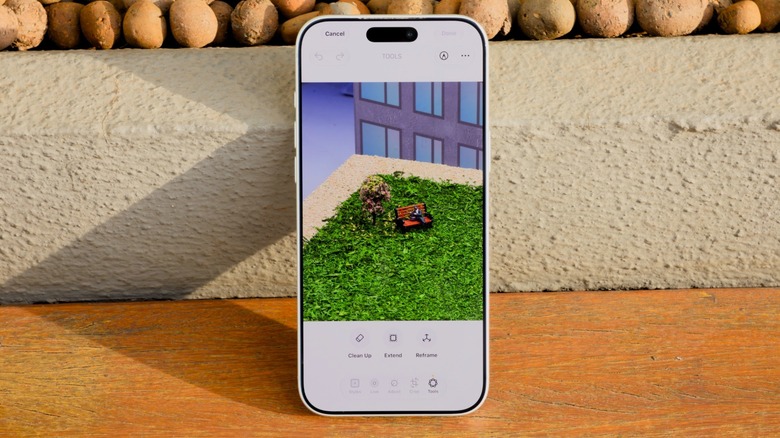
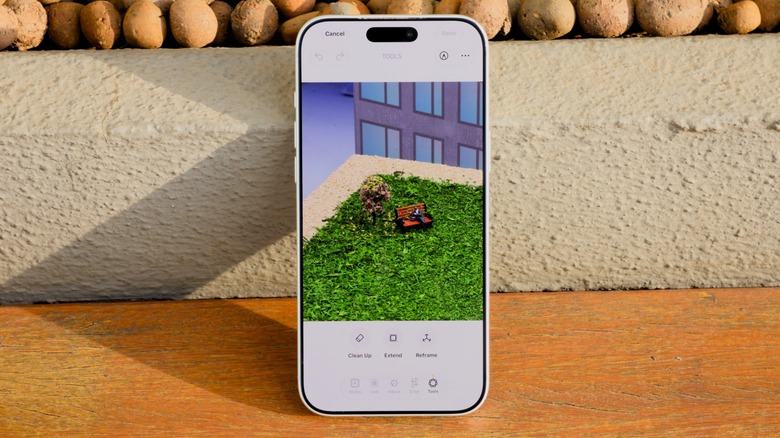
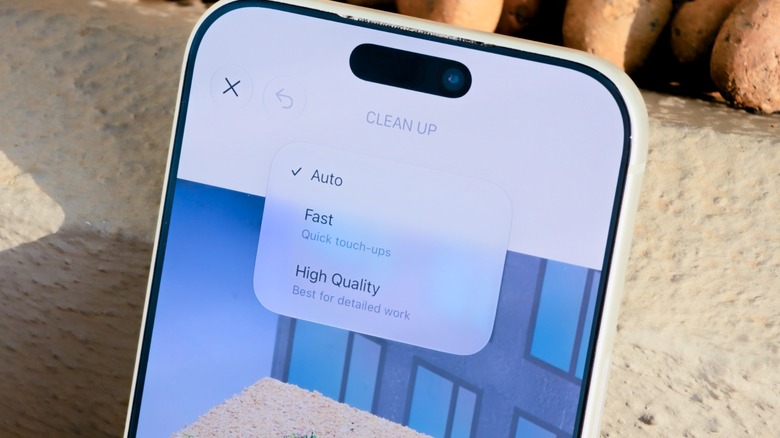
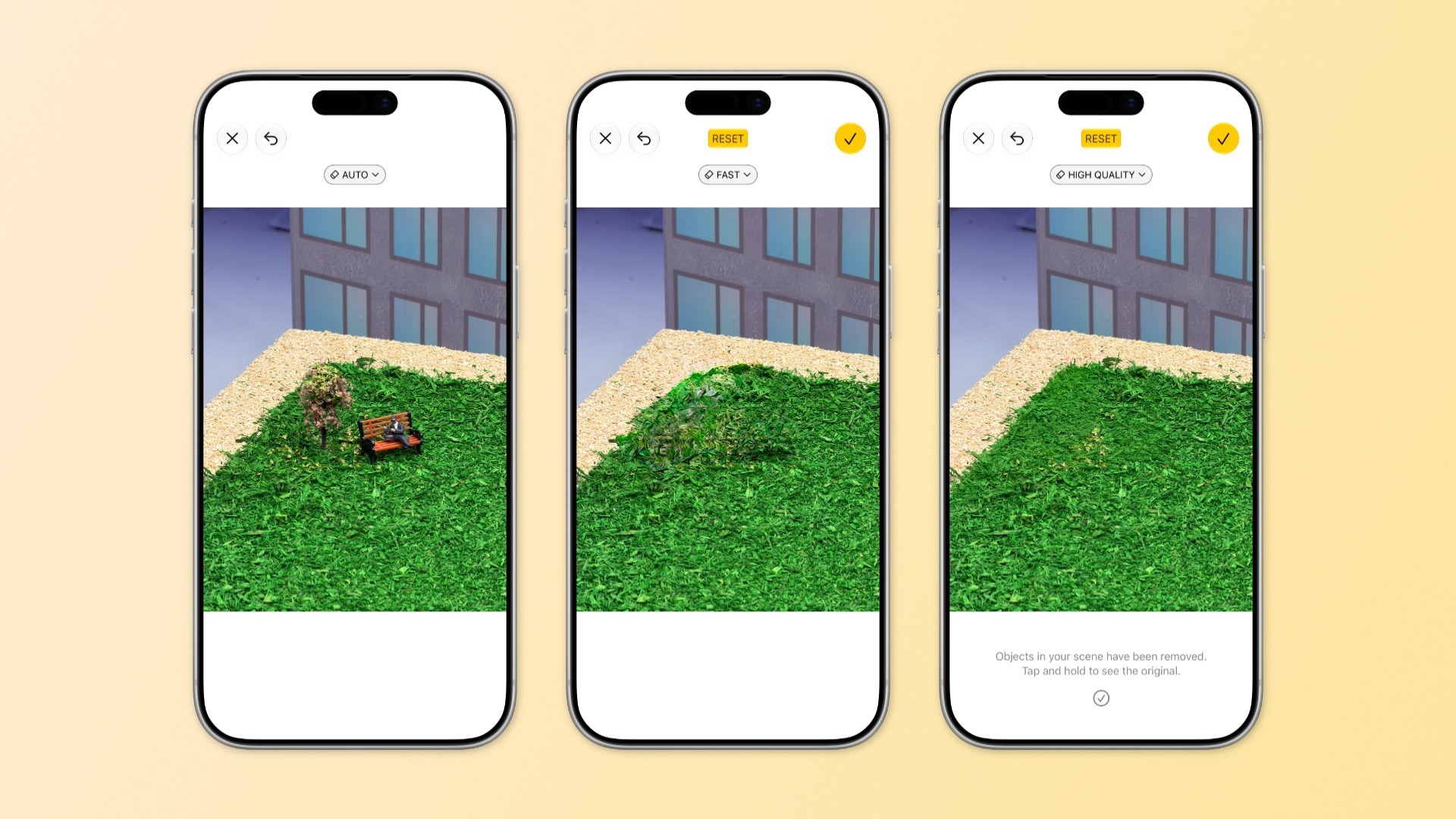
If you’ve used Clean Up before, you’ll know where to find it in iOS 27. The difference is that it now has some extra controls. To start, choose a photo you want to adjust in the Photos app and tap the Edit button at the bottom. Select Tools and choose Clean Up. You’ll see an Auto button at the top, which lets you change the processing type. Leave this set to Auto to have your phone choose between the other two modes depending on how complex the image is. 

Fast retouches your photos with a smaller AI model. It gets the job done much faster, but it’s not ideal for more complex retouching. Say you have a photo of a landscape and you want to remove a trash can in the background. Or maybe you need to hide the wiring on the street lights. These are the kinds of edits that the Quick model is most likely to handle well.

But where Apple’s Clean Up feature has always struggled is with more complex edits. When there are a bunch of people behind you ruining your selfie, that’s where the High Quality option comes in. More advanced AI models can better understand the context of an image. But this improved processing comes at the cost of taking longer and using more battery.

Clean Up often tries to recognize unknown objects that you’ll want to remove from your photo. This doesn’t always work as it should, so it’s more accurate to circle what you want to remove.

Advertisement

Extending and reframing photos

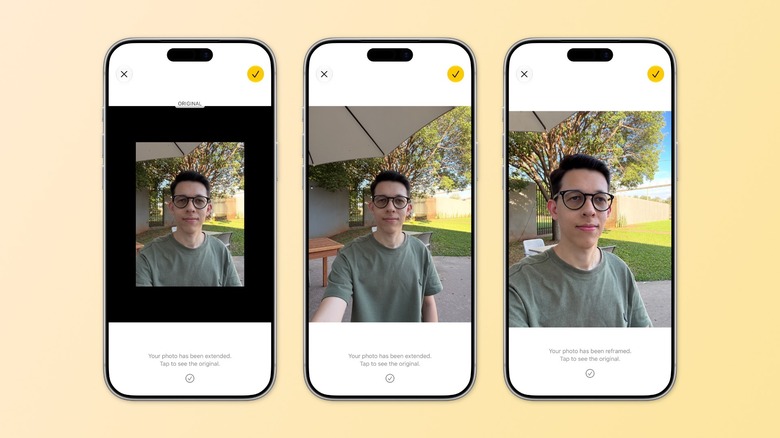
For other cases where a photo didn’t come out like you intended, iOS 27 introduces two extra photo-editing features: Extend and Reframe. Extend uses AI to expand the area around your photo. Imagine you took a selfie, but it’s too close to your face. Extend can fix this by understanding the context to generate more of the image around it, filling in what’s already in the photo. Just pinch to zoom out as much as you want. It may take a while before you see the results, but that’s normal.

Reframe is different: it changes the perspective and angle from which you originally took the photo. For example, maybe you weren’t looking at the camera when the picture was taken. Reframe lets you change that without retaking the photo. The results are hit or miss, though. Some photos appear natural. Others end up looking like AI slop, with the model hallucinating objects or even people who weren’t originally there. It’s worth a try if you really don’t like the original photo, but don’t get your hopes up. Improving your smartphone photography in the first place should have better results.

Advertisement

Source link

Continue Reading

Tech

What’s Going On With OpenAI And The Navier-Stokes Controversy?

Published

on

Artificial intelligence has solved a major mathematics problem, but credit for the accomplishment is murky.

OpenAI announced today that it has found a solution to the Navier-Stokes problem, one of the longest-standing puzzles in mathematics. It’s a major accomplishment, but the news has been marred by a debate over whether the company acted based on unpublished research from other parties. Additionally, OpenAI has been accused of attempting to influence who will receive credit for the achievement in publication.

Advertisement

The Navier-Stokes problem

First, some background. The Millennium Prize Problems are a group of seven complex questions established by the Clay Mathematics Institute in 2000. The organization is offering a reward of $1 million for solutions to each of these questions, all of which have stymied mathematicians for decades, if not centuries. Since the prize’s creation, only one of the other problems from the collection had previously been solved.

The Navier-Stokes problem centers on fluid dynamics, the rules for analyzing the behavior of both liquids and gasses. The angle that had been posed to mathematicians, in extreme layperson terms, is whether there are any edge cases where the original set of Navier-Stokes equations lead to results that cannot happen in reality.

Having a solution to a second Millennium Prize Problem is a massive accomplishment when it comes to applying artificial intelligence and large language models to solving some of the most perplexing quandaries in mathematics. However, the use of tools made by rival AI businesses in developing those solutions has created friction in the field regarding who gets to claim responsibility for the work and how.

Advertisement

The allegations

Tristan Buckmaster, a mathematician at New York University, and Levent Alpöge, a researcher employed at Anthropic but working in a personal capacity, had been developing their own solution and made use of multiple different LLMs in their efforts, including Anthropic Claude, OpenAI’s Codex tool and its Astra frontier model. According to a statement by Buckmaster, OpenAI may have doubled down on its efforts regarding Navier-Stokes after learning that a team including rival Anthropic was close to a solution. He questioned whether OpenAI had leveraged the work he and his colleague had done with Codex to obtain its own breakthrough.

“I asked whether the model had been trained on, or had access to, our sessions in Codex, into which we had been putting all our drafts for the whole of this project. I was told the model did not look up user data. I asked again, about training, and I did not get an answer,” the statement reads.

Buckmaster then said he spoke with Sebastien Bubeck, a mathematician and AI researcher at OpenAI, and another unnamed party and was offered two options for claiming credit for the work. One was to publish a partial development, with OpenAI to publish its Navier-Stokes solution the following day. The other was to write a solo paper that credited the use of an OpenAI LLM in the Navier-Stokes solution without the inclusion of Alpöge’s name. Buckmaster said he declined both proposals. 

Advertisement

Both Bubeck and OpenAI CEO Sam Altman have posted their versions of events to social media in response, with Bubeck specifically refuting the claim that he asked for Alpöge’s name to be removed from a paper. The announcement from OpenAI also stated that the company did not plan to claim the $1 million prize for its solution.

Source link

Advertisement
Continue Reading

Tech

Wind Turbines Are Becoming Safer For Birds: Here’s How

Published

on


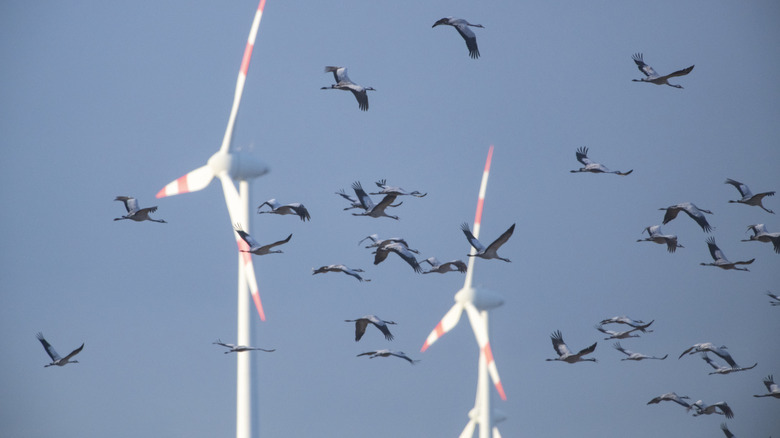
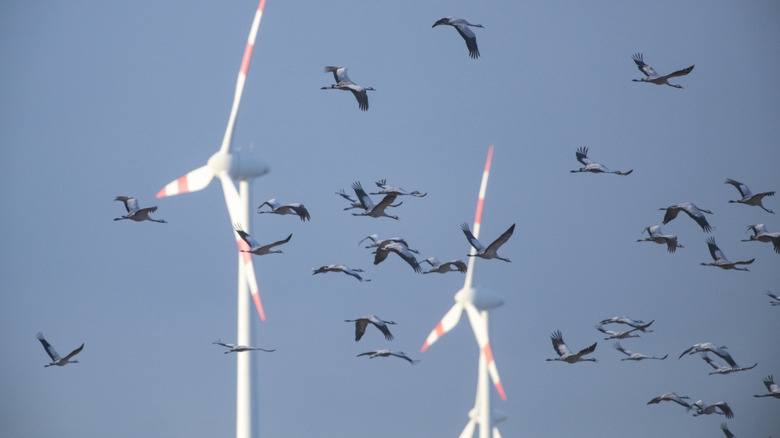
Your average wind turbine has a far lengthier lifespan than the average bird, and yet it’s more than capable of cutting the bird’s life even shorter. Estimates for the United States alone say that wind turbines kill anywhere between a couple hundred thousand and over a million birds a year. It’s fair to assume that wind farms in other countries face similar challenges. Recently, however, there are real efforts to reduce these numbers, and at a handful of these sites, researchers have already watched it happen.

The oldest example is Altamont Pass, a run of grassland hills situated east of San Francisco where roughly 5,400 turbines went up starting in the 1960s. While these hills receive plenty of wind, they’re also famous for being one of the densest golden eagle nesting areas in North America. Enough birds have died here that environmental groups actually sued Alameda County. A 2007 settlement then committed the wind companies to halving turbine deaths among four raptor species. Since then, operators have pulled out many smaller individual turbines researchers had flagged as the worst killers and replaced them, project by project, with a few dozen larger ones that were placed more carefully.

Subsequently, ICF International, the consultancy Alameda County hired to count carcasses under those turbines, reported that the fatalities among those four species went down by roughly half. From this, the rest of the industry realized that the deadliest thing about a turbine is usually where somebody chose to put it up. But there are other factors, too.

Advertisement

Painting the blades to make them more visible to birds

But what if you can’t really move a turbine or replace it, simply because it’s expensive or because they are absolutely necessary? In that case, it becomes important to understand why birds — especially ones known for having incredibly sharp eyesight — keep crashing into these at all. A researcher at England’s University of Birmingham explains that large-eyed birds actually carry a blind patch above their heads. Their eyes are typically glued downward as they spend hours scanning the ground for prey. Things get worse for them when turbine blades are painted white or pale grey, a deliberate design choice to get the machines to vanish against the sky for nearby residents. It’s a case of design prioritizing people rather than wildlife, much like the serrated edges some wind turbine blades carry to soften their whooshing noise. Once these blades start spinning, they turn into a single translucent smear, effectively going invisible to birds.

Advertisement

At a wind farm in Smøla, a wind farm on an island off Norway, a team from the Norwegian Institute for Nature Research decided to fix this problem. Back in 2013, they painted one of three blades black on four turbines while leaving four neighbors untouched. Annual deaths fell a whopping 71.9% at the painted ones.

That said, the same trick does not apply everywhere. Dutch researchers tried to do something similar in 2022, when they painted a single blade black on seven of 14 monitored turbines at Eemshaven. It made little difference, proving that what saves birds at one wind farm can do nothing at the next one.

Advertisement

Teaching a turbine to notice a bird

While paint could genuinely help reduce the problem at a lot of wind farms, it’s not exactly a smart solution that can adapt to its surroundings. And that’s a gap a Colorado firm called Boulder Imaging aims to address, with a system that watches whether a bird is closing in. The system is called IdentiFlight, and it puts camera towers around a wind farm, tracking anything flying within a kilometer. Individual turbines then get an order to stop when a flagged species looks likely to reach the blades, much like how wind turbines already stop themselves in extreme weather. Researchers from The Peregrine Fund, a raptor conservation group, put this tech to the test by comparing two farms about nine miles away from each other in Wyoming. They found the equipped farm saw a notable 82% drop in eagle deaths.

Another route, one that’s more economical too since it doesn’t involve stopping windmills, is speakers. Spanish firm Liquen has come up with a system called DTBird that spots birds the same way, but rather than bringing things to a halt, simply fires off warning sounds from the tower. This system was successful in cutting down the odds of certain birds approaching the blades by 20 to 30% across two American wind farms that the Renewable Energy Wildlife Institute studied. In the end, it’s clear that with the right method for the place and the right species of bird can work wonders. The only thing remaining is a global fix.

Advertisement


Source link

Advertisement
Continue Reading

Trending

Copyright © 2025