








Connect with us

Tech

The Best Fitness Trackers of 2026: Garmin, Google Fitbit, and More

Published

on

Like every piece of gear you wear on your body day in and day out, fitness trackers are incredibly personal. The right tracker for you should be comfortable, accurate, and tailored to your lifestyle, including your preferred workouts and health goals. Do you bike, row, or strength train? Do you run on trails for hours at a time, or do you just want a reminder to stand up every hour? Do you want to wear it on your wrist or your finger, or tuck it into your sports bra?

No matter what your needs are, there’s never been a better time to find a powerful, sophisticated tool to help optimize your workouts or jump-start your routine. We test dozens of fitness trackers every year while running, climbing, hiking, or just doing workout videos on our iPads at night, to bring you these picks.

Our top choice for most people is the Garmin Vivoactive 6 ($300), which works well with Android and iOS, but we also vouch for the latest Oura Ring 5 ($399) and the budget-friendly Google Fitbit Air ($100). For more wearables, check out our guides to the Best Smartwatches, Best Smart Rings, and Best Sleep Trackers.

Jump To

Advertisement

Best Fitness Tracker Overall

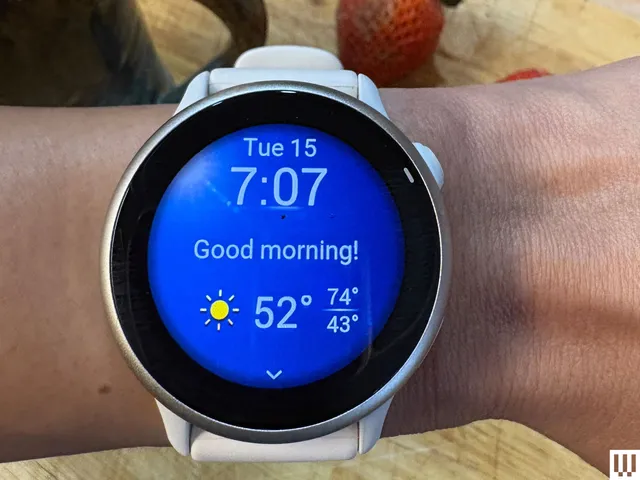
Image may contain: Wristwatch, Electronics, Screen, Computer Hardware, Hardware, Monitor, Arm, Body Part, and Person

Garmin makes some of the most accurate fitness trackers on the market, and the Vivoactive 6 is the best midrange option for most people. It strikes a solid balance between smartwatch features and fitness tracking, with support for both iPhone and Android users.

Why WIRED recommends: The Vivoactive 6 is accurate, comfortable, and packed with useful wellness features without feeling overwhelming. It uses Garmin’s proprietary algorithms to power features like Morning Report and Body Battery, which provide daily insights into your sleep, recovery, and readiness. It also has built-in satellite connectivity and GPS, so you can track outdoor workouts without bringing your phone along. There’s also incident detection, which alerts emergency contacts if it detects a serious fall.

Garmin’s biggest advantage remains its free Connect platform, which enables health and fitness tracking without requiring a subscription. The company also continues to add new software features through regular updates without putting them behind a paywall.

The trade-offs: Garmin launched Connect+, a $70-per-year subscription with extras like live tracking and access to Garmin’s AI-powered Active Intelligence. Former editor Adrienne So doesn’t think most people need it, but it’s worth noting if you’re looking for a completely subscription-free experience. The Vivoactive 6 may also feel like overkill for casual users who only want basic activity and sleep tracking.

Advertisement

Source link

Continue Reading
Click to comment

You must be logged in to post a comment Login

Leave a Reply

Tech

Lighter than a MacBook Air with twice the battery: Japan’s wild $3,700 laptop is a record breaker

Published

on


  • NEC unveiled a 999 g business laptop with exceptional battery endurance
  • LAVIE BM94C uses carbon fibre to achieve a remarkably light business device
  • AI battery management helps extend operating time throughout demanding working days

NEC Personal Computers has unveiled the LAVIE BM94C, a business laptop weighing just 999 g with a starting price of 584,100 yen (about $3,570).

The lightweight notebook is initially launching only in Japan despite attracting attention for combining premium hardware with unusually long battery endurance.

Source link

Advertisement
Continue Reading

Tech

Today’s Wordle Hints, Answer and Help for Aug. 1, #1869

Published

on

Today’s Wordle answer is a fun word, though it’s a little out of season. Read on for hints and the answer.

Today’s Wordle hints

Before we show you today’s Wordle answer, we’ll give you some hints. If you don’t want a spoiler, look away now.

Wordle hint No. 1: Repeats

Today’s Wordle answer has one repeated letter.

Wordle hint No. 2: Vowels

Today’s Wordle answer has one vowel.

Advertisement

Wordle hint No. 3: First letter

Today’s Wordle answer begins with S.

Wordle hint No. 4: Last letter

Today’s Wordle answer ends with H.

Wordle hint No. 5: Meaning

Today’s Wordle answer can refer to wet, watery snow.

TODAY’S WORDLE ANSWER

Today’s Wordle answer is SLUSH.

Advertisement

Yesterday’s Wordle answer

Yesterday’s Wordle answer, July 31, No. 1868, was PURSE.

Recent Wordle answers

July 27, No. 1864: POSER

July 28, No. 1865: SONAR

July 29, No. 1866: VALVE

Advertisement

July 30, No. 1867: FLUME

ExpressVPN

Get CNET’s top-rated VPN for privacy & usability

Source link

Continue Reading

Tech

Google’s First Look at the Pixel Tag Arrives Just Weeks Before the Pixel 11 Event

Published

on

Google Pixel Tag AirTag Leak
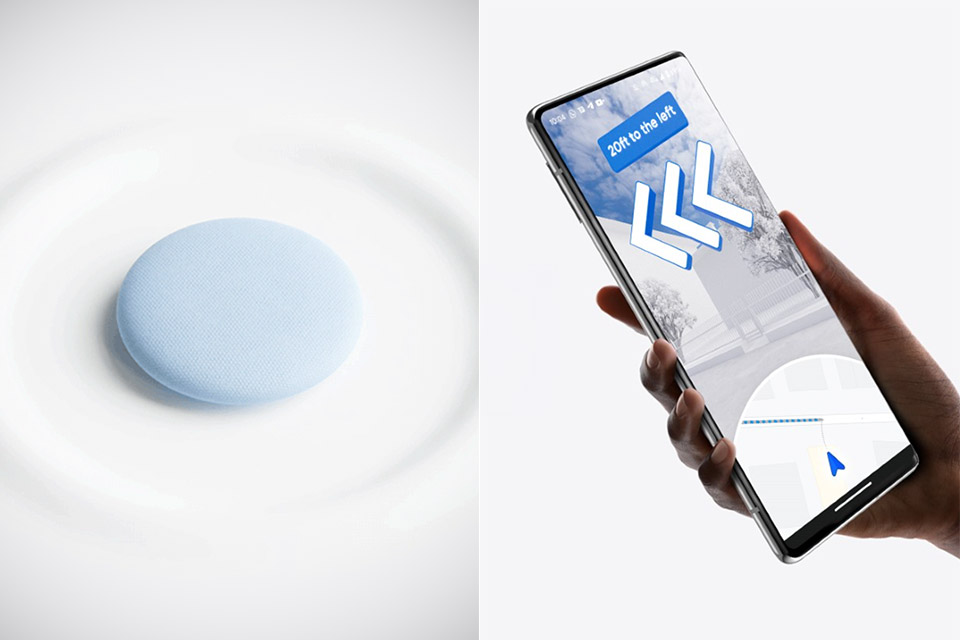
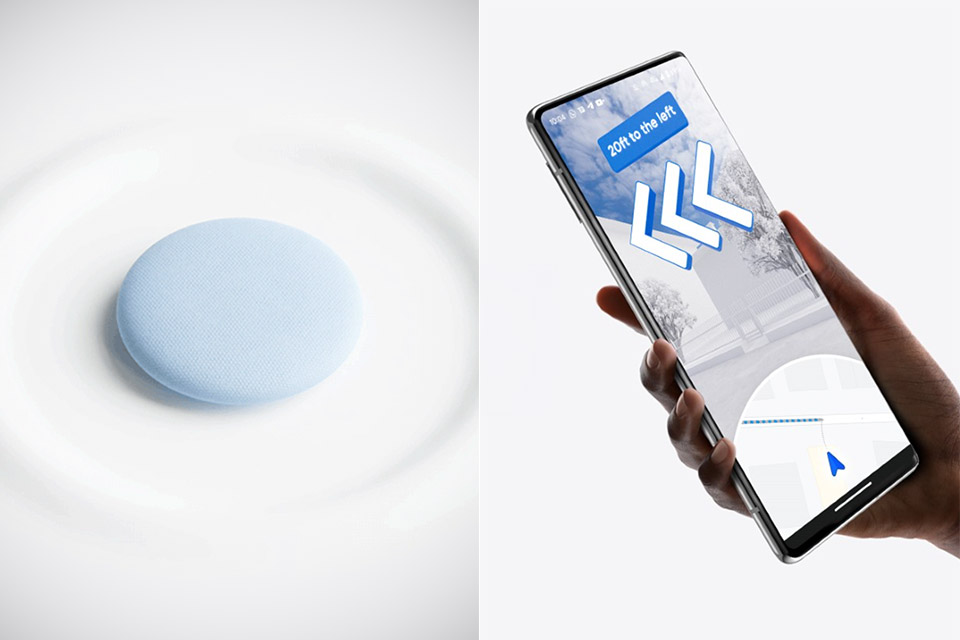
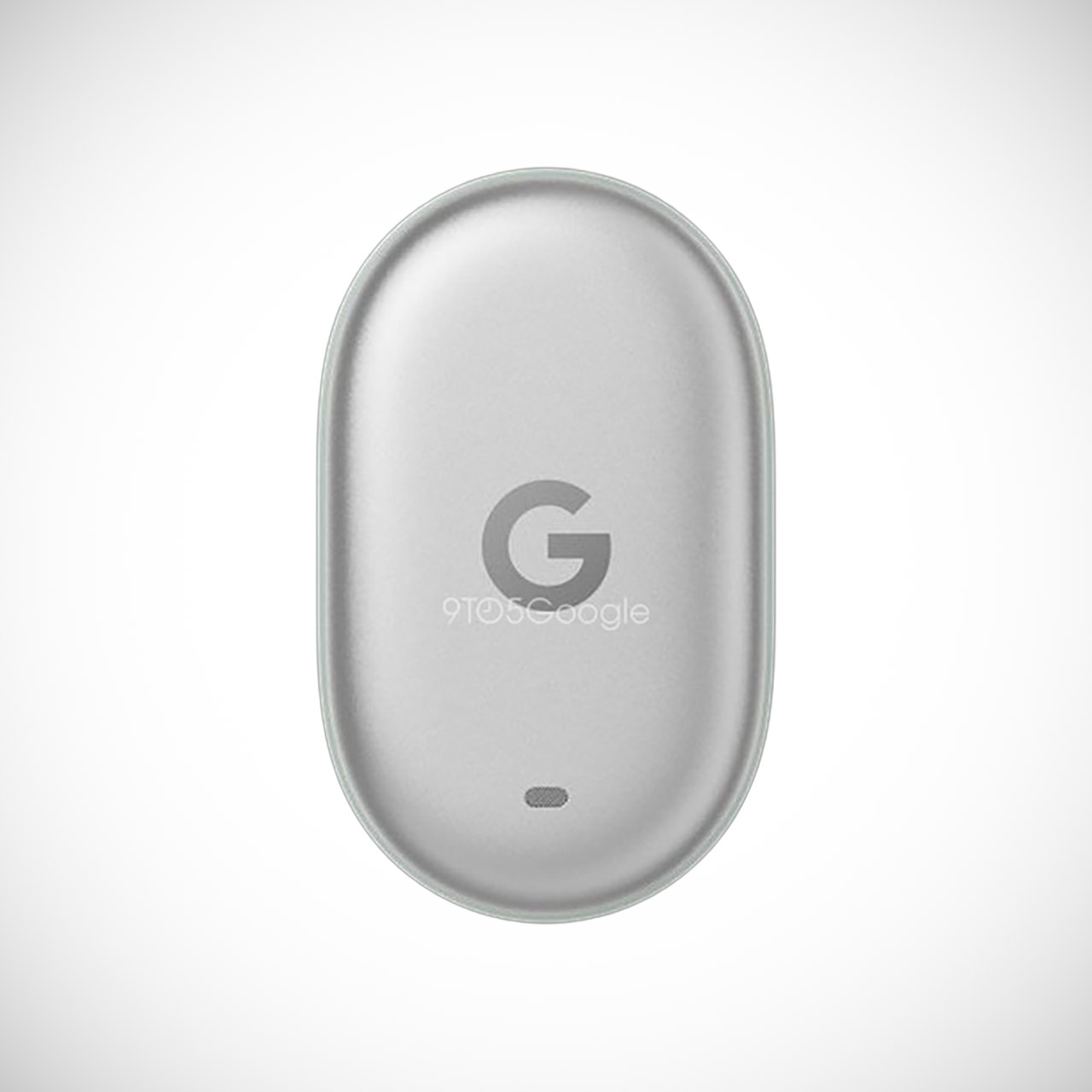
A small, pale oblong device has started turning up in European retail listings and a clear photo, and it carries the name Google Pixel Tag. The model number GA12506 appears alongside a color called Fog Light. The shape stands taller and more pill-like than the round discs most people already know, closer to the core of an old Fitbit without the band attached. A large Google “G” sits in the center of the face. Below it sits a tiny speaker grille and what looks like a small LED.


Google Pixel Tag AirTag Leak
Photo credit: 9to5 Google
There is no built-in loop or hole on the body, thus the emphasis is on how you want to attach the object to something, such as keys, a wallet, or your suitcase’s handle. You’ll almost certainly need one of those attachments or cases to clip the tracker in place, which is likely what they’re counting on given that the escaping marketing lingo promises that this tracker is designed to be very small and lightweight, and nearly unnoticeable until you need it. This is when the loudspeaker inside starts yelling to tell you where it is so you can go find the missing item.

Sale


Apple AirTag (2nd Generation) – 4 Pack: Tracker for Keychain, Wallet, and More; Locator with Sound…
  • FIND YOUR ITEMS ON FIND MY — AirTag (2nd generation) helps you keep track of what matters. Attach one to an item you want to keep track of using the…
  • EXPANDED PRECISION FINDING ON IPHONE AND APPLE WATCH — Get step-by-step directions to your lost item on iPhone and, now, Apple Watch.*
  • ENHANCED SPEAKER — With a 50% louder speaker and a new, distinctive chime, it’s easier than ever to hear and find AirTag.*

All of this goes through Google’s Find My Device system, which has been helping you find your Android phone and tablet for years. Now, the network is large enough that if you lose the Pixel Tag, a nearby Android smartphone with location enabled should be able to ping its location for you. Privacy language in the early product descriptions stresses that the system was built with personal data protection in mind.

Prices have begun to appear in a few early listings in Europe, at €30, which corresponds to some predictions that it would cost between $29 and $39 in the United States, but one thing we still don’t know is how the battery works. Is it a replaceable coin cell or a sealed rechargeable battery? That ultra-wideband precision issue, no one has confirmed or rejected it yet, and it is not even mentioned in those listings. The timing also appears to be planned, as Google’s major hardware event is scheduled for August 12, when they are expected to unveil the new Pixel phones and the forthcoming Pixel Watch. The Pixel Tag is now mentioned as a compatible attachment on the phones’ product sites, which is unusual given that we have yet to see a photo of the tracker.

Advertisement

Source link

Continue Reading

Tech

Max-severity Exchange server flaw under active exploitation by Kremlin hackers

Published

on

Russian state hackers are using a maximum-severity vulnerability in Microsoft Outlook’s Exchange Server to backdoor unpatched machines and steal credentials and other confidential information from them, security researchers said Thursday.

The attacks are coming from TA488, a tracking name for a group working on behalf of the Kremlin, Proofpoint researchers said Thursday. Proofpoint and the National Security Agency jointly warned last week that the group, also tracked as Laundry Bear and Void Blizzard, had been carrying out similar attacks by exploiting a zero-day vulnerability in an email service from Zimbra. The revelation that TA488 is also exploiting the Exchange Server vulnerability to install advanced malware when a user does nothing other than open an email sent to an Outlook Web Access (OWA) account has elevated the group’s profile and assessments of its abilities.

Doubling down

“TA488 is doubling down on the use of ‘half-click’ exploits—where opening the email is enough to trigger compromise—with significantly improved loading mechanisms, techniques, and malware, signaling an improvement in the group’s tradecraft and capability,” Proofpoint researchers wrote. “This novel infection chain ends with a previously unknown JavaScript browser-based implant we call OWAReaper, purpose-built for persistent access inside OWA.”

The vulnerability, tracked as CVE-2026-42897, is a cross-site-scripting vulnerability, usually abbreviated as XSS, that Microsoft provided mitigation advice for in May and patched in July. Microsoft gave it a maximum severity rating. The vulnerability, which stems from a failure to properly filter HTML embedded in an email, allows malicious JavaScript execution. Proofpoint said that TA488 may have exploited it as a zero-day.

Advertisement

The malicious JavaScript installs a novel, custom-built browser extension that gives attackers persistent access to victims’ OWA accounts. Proofpoint said it was the most sophisticated backdoor the company has ever seen delivered through a half-click exploit. The company has named it OWAReaper.

Source link

Advertisement
Continue Reading

Tech

Seattle Tech Week notebook: AI, startups, and the best insights and takeaways we heard

Published

on

Seattle Tech Week attendees fill AI House at Pier 70, spilling onto the deck overlooking Elliott Bay. (GeekWire Photos / Todd Bishop)

Attending as many Seattle Tech Week events as possible and talking with as many people as I could, I was struck by the number of people looking for work and the volume of visitors from the Bay Area, including a number of investors looking to get a sense for what the regional tech scene is about.

It was hard not to imagine them being impressed with the sheer level of engagement and enthusiasm, even if they didn’t happen to catch Jacob Colker’s rallying cry. With more than 250 events (and waiting lists for many of them) it was more than any one person could take in.

It wasn’t Seattle AI Week — that’s still to come in October — but given the moment in tech and the world, the topic of artificial intelligence was naturally the main throughline of the week.

A panel that changed my perspective was early in the week, called “Foundation Models Go Vertical,” hosted by the Seattle pre-seed firm Ascend at Washington 1000 downtown. Founding general partner Kirby Winfield told the room that 600 people had tried to get in.

One of the biggest insights was from Manos Koukoumidis, CEO of Kirkland-based Oumi and a former Google Cloud AI engineering manager who led large language model efforts there.

Advertisement
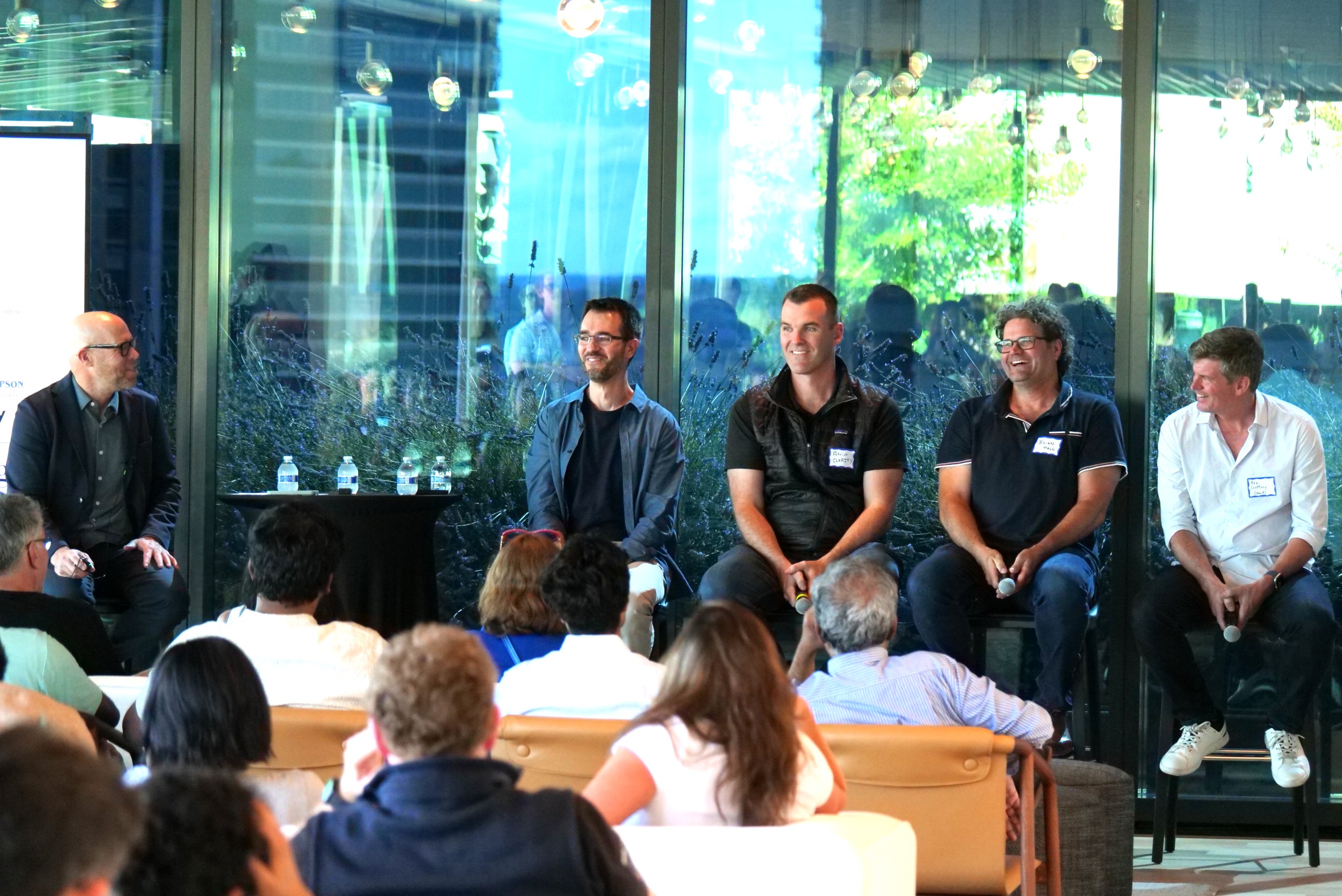
From left: moderator Boaz Ashkenazy of the Shift AI podcast, Manos Koukoumidis of Oumi, Patrick Thompson of Clarify, Brian Hall of Mistral AI, and Ben Gaffney of OpenAI at the “Foundation Models Go Vertical” panel, hosted by Ascend. (GeekWire Photo / Todd Bishop)

Companies that are racing to build on top of the frontier models, he said, are renting a kind of intelligence that has very little to do with their own businesses.

“Enterprises are using a model that is trained on 5% of the world’s data that sits on the web, not the other 95%,” he said, referring to the data sitting inside their own organizations.

Which led him to the question (and the point) that I keep coming back to: If the intelligence at the center of the product belongs to someone else, he asked, “are you really an AI company, or an application company on top of somebody else’s intelligence?”

The next day, in the audience for a recording of the Founded & Funded podcast by Seattle Tech Week organizer Madrona, I posed the question that we debated on last week’s episode of our GeekWire Podcast: what should Seattle founders and investors make of venture numbers that rank Philadelphia, Austin, and New York ahead of them?

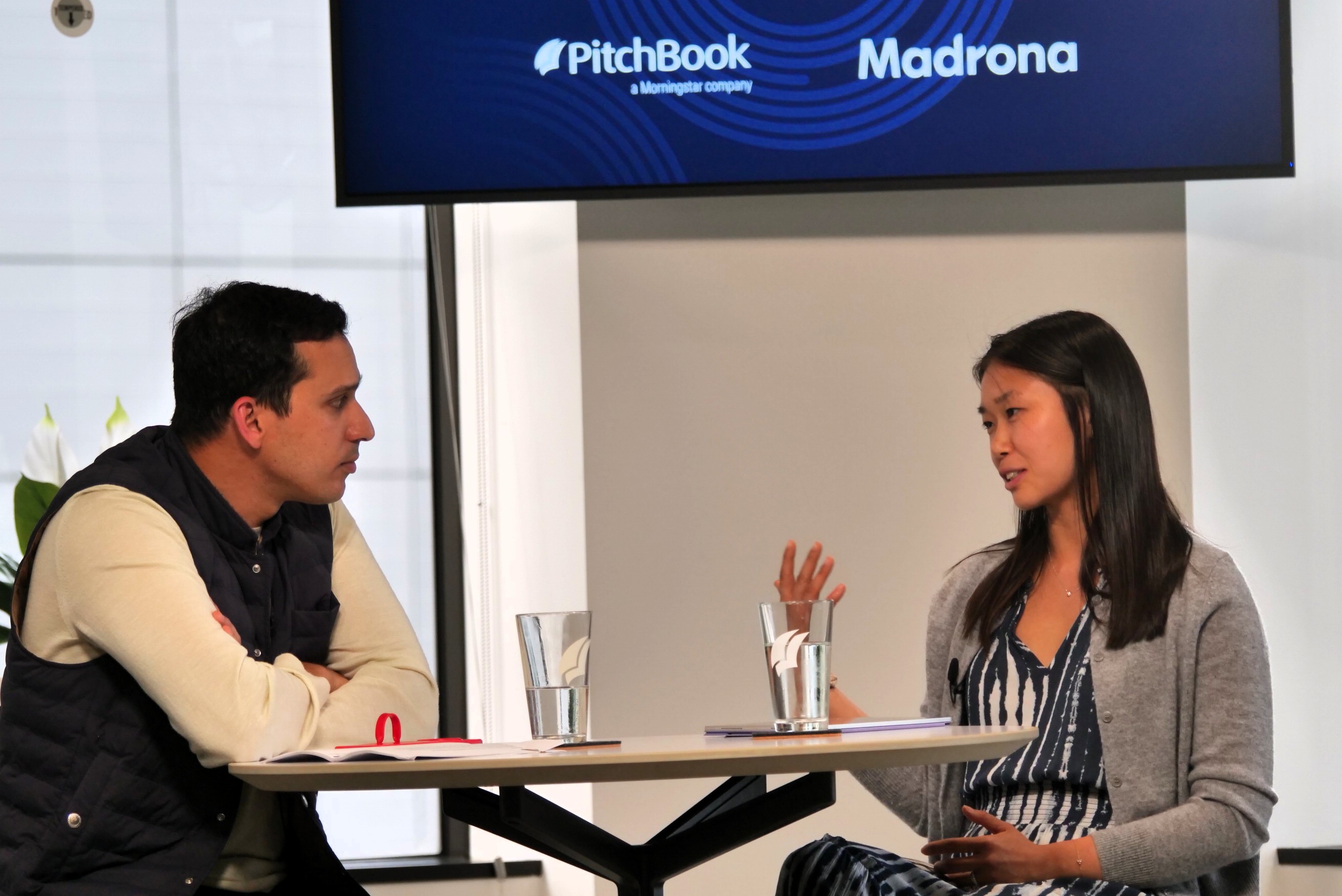
It was the right place to ask, given that the show featured Nizar Tarhuni, EVP for research and market intelligence at PitchBook, which tracks the numbers, and Madrona partner Sabrina Albert.

Advertisement
PitchBook’s Nizar Tarhuni and Madrona partner Sabrina Albert during a live recording of Madrona’s Founded & Funded podcast at Seattle Tech Week. (GeekWire Photo / Todd Bishop)

Albert pointed out that the numbers don’t capture everything. A company can have a big engineering group in Seattle, or even a co-founder here, and still be counted as a Bay Area company, she said. Large engineering offices for OpenAI and Anthropic are the latest examples.

Tarhuni made a similar point: “There’s so much talent in some of the biggest unicorns that are actually working out of Seattle,” he said. In terms of overall economic activity, he added, “there’s a lot more here that doesn’t make its way into those numbers.”

Other quotes and insights that stood out from the sessions we attended:

Patrick Thompson, CEO of Seattle-based Clarify, said his company’s Anthropic bill had tripled in three months. He has shifted spending to AWS Bedrock, citing reliability problems, and now runs smaller models locally on his own laptop for low-level work.

Madrona’s Albert, on the shift to selling outcomes: “Before, when you were thinking about traditional software, you would charge for a seat or a unit of software. But now you can really fundamentally change it. … If I deliver this outcome for you, then you can actually pay me for it.”

Advertisement

Ken Horenstein, founder of Pack Ventures, which invests in startups tied to the University of Washington, on the knock that Seattle is slow: research institutions here are “choosing problems that are 10, 15, 20, 50-year problems,” he said. “Sometimes people put that as a negative rap on us because we don’t go really fast and flame really bright like you might see in other markets. But I actually think that can be used as a benefit.”

Ben Gaffney, deputy general counsel at OpenAI, on the notion that AI is thinning out headcount: “Even within the legal team that I work in, we need more people. Even though we’re getting all these massive productivity gains, it isn’t like you don’t need people to supervise this stuff.”

Brian Hall, the longtime Microsoft, AWS and Google executive who became chief marketing officer at Mistral AI in June, on where this all ends up: “We’re gonna laugh when we thought that AI was gonna save us time.”

Ascend’s Winfield, on the limits of what investors provide: “If I invested in you, it’s not because I’m smart about your market. It’s because you’re smart about your market. … If you’re looking for answers from your investors, you’re in trouble.”

Advertisement

Karl Siebrecht, co-founder and CEO of Flexe, at a networking event, telling founders to stop networking: “Spending time as a founder trying to market yourself to investors, I think, is a fallacy. If you focus on building a valuable company … I can promise you, investors will find you.”

Molly Klein, founder and CEO of Perk Events, who runs some of GeekWire’s biggest events, on why any of this happens in the first place: “Events are hands-down the strongest business development tool that you have,” she said. “One conversation may take six emails in three weeks. At an event, it happens in 10 minutes, because you’re getting that face-to-face time.”

That pretty much summed up the week.

Source link

Advertisement
Continue Reading

Tech

‘Every role teaches something valuable’, finds senior automation engineer

Published

on

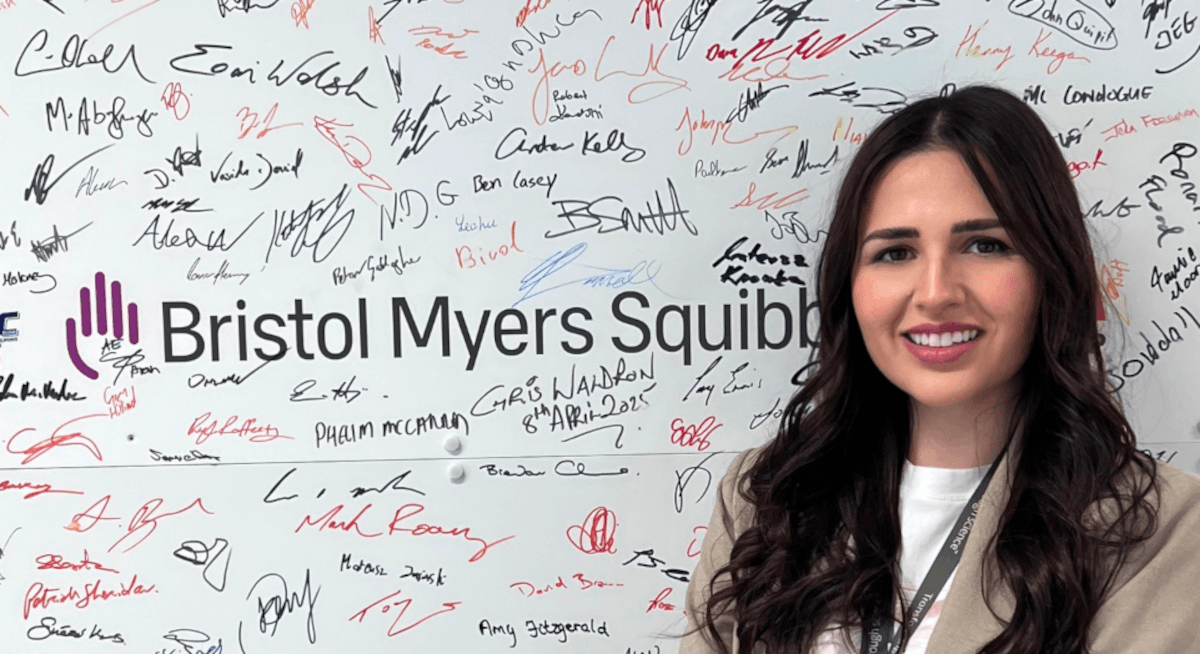
BMS’s Kasia Stusinska discusses the importance of embracing the unknown to further your career.

“Over the years, I’ve developed an understanding of how software, equipment and people come together in a modern biopharma environment,” said Kasia Stusinska, a senior automation engineer for the digital plant at Bristol Myers Squibb Cruiserath Biologics.

She added: “I started my career through the BMS Graduate Programme in the process engineering department, where I learned about the manufacturing process of the molecules we make on-site. It felt like the most natural career path for me as a chemical and bioprocess engineer.”

For Stusinska, rotating across multiple departments was an ideal opportunity to engage with elements of the organisation that she may otherwise not have had any knowledge of. 

Advertisement

“As a graduate, the chance to explore different roles was especially attractive,” she said. “On the programme, I rotated through different departments every nine months. During that time, I moved into automation, which is closely connected to process engineering. 

“What began as an opportunity to broaden my experience quickly became the area I wanted to stay in. Seven years later, I’m still here. I realised that the combination of problem-solving and working with software systems was exactly what I was interested in.”

Upon a move to automation she felt as though she had to learn from scratch, as she was unfamiliar with much of the software she now works with. 

She said: “I undertook several technical courses and was lucky to be mentored by a senior engineer who taught me so much. Over time, it all just clicked. Automation engineering might not seem like an obvious career path for a chemical engineer, but the understanding of physical processes, problem-solving and critical thinking I learned in college still stand to me today.”

Advertisement
What first stirred your interest in a career in this area?

I’ve been curious about how things work since childhood. I used to love taking things apart, like toys and remote controls. I even dismantled a Rubik’s Cube once because I wanted to see how it worked inside. I can’t say I was always able to put things back together, but I was always eager to understand how things worked.

My first experience with computers was through video games. At the time, I barely knew how to use a computer properly, but gaming sparked a curiosity that made me want to understand how computers work, not just the software but also how the hardware comes together to create interactive systems. Over time, this interest naturally grew.

When it came to choosing subjects for the Leaving Certificate, I studied chemistry, biology, design and communication graphics and French. I then went on to study engineering at University College Dublin (UCD).

At UCD, the engineering degree begins with a common first year for all disciplines, and at the end of that year you choose your specific path. For me, it was chemical and bioprocess engineering, as I was interested in science but also enjoyed problem-solving.

Advertisement
Tell us more about your role today and what is involved?

As a senior automation engineer, I play a central role in integrating manufacturing equipment with site systems and testing and troubleshooting software for BMS’s first sterile drug product (SDP) facility in Europe.

My work involves solving multi‑layered problems, improving system performance and ensuring that new technologies integrate smoothly into daily operations. This all contributes to a reliable and efficient manufacturing process. I focus on the automation elements of commissioning activities, making sure that the control software, servers and IT components of the new equipment function correctly and integrate smoothly with the existing systems and services.

Do you have a typical day and if so, how does it look?

My mornings often begin at 8am on the construction floor, where the team meets to align on priorities and the day’s commissioning schedule.

The commissioning activities that I support involve ensuring that all new equipment on site is operating as intended. This includes running tests, preparing the documentation that accompanies those tests and ensuring that everything is reviewed by the relevant technical and quality teams.

Advertisement

From there, my work can shift quickly. I may be reviewing design documents, collaborating with vendors, resolving issues arising from equipment testing or implementing code changes required by the business.

Was there any one person who was particularly influential as your career developed?

One experience does continue to shape my approach to work.

Some years ago, I heard an Irish patient, close to my own age at the time, speak about her diagnosis with oesophageal cancer. Listening to her story brought into focus for me the real people behind the work carried out across BMS. It highlighted for me the importance of the systems and processes that support the development and delivery of medicines.

Sometimes we get so absorbed in our work, especially in highly technical roles, that we can lose sight of the bigger picture. But what we do ultimately affects real people and keeping that in mind helps me stay connected to the patient at the end of the process.

Advertisement
What do you enjoy most about your job?

While my role can be very technical, it also leans heavily on communication, and I really enjoy this aspect and the collaboration involved. There are always stakeholders and people who need to buy into your solution or idea. That requires good, clear communication and building trust across diverse teams.

For me, this is as important as troubleshooting a software fault. In a regulated environment where systems must perform consistently, I’ve found that effective communication with others is a core engineering skill to have.

What can people expect from career progression in this industry?

Over the years, I’ve learned that career progression in the biopharma sector can take you anywhere, from highly specialised technical roles to global strategic leadership. I see people moving into completely different roles all the time. The soft skills you gain from working in a highly regulated environment are very transferable, while the specific technical skills can always be learned.

What advice would you give to those considering a career in this area, or just starting out in one?

My advice would be to not doubt yourself, try new things and get as much hands-on experience as possible. Every role teaches you something valuable and you don’t need to have everything figured out from the start. Staying curious and open to learning will take you a long way.

Advertisement

Don’t miss out on the knowledge you need to succeed. Sign up for the Daily Brief, Silicon Republic’s digest of need-to-know sci-tech news.

Source link

Advertisement
Continue Reading

Tech

This hilarious robot collapse reminds me that robot development is nowhere near where it needs to be, but a huge breakthrough from DeepMind could change all that

Published

on

I watched two robot videos at the opposite ends of the Cantril Scale. You know, the ladder that measures human happiness in steps but that I am now applying to humanoid accomplishment?

At the bottom step and living its worst possible artificial life, we have the Qualcomm robot that, after delivering the new Dragonwing IQ10 robotics reference platform on a tray to a presenter, spectacularly collapsed lifelessly at the guy’s feet. The robot raised one hand as if in defeat, and seconds later, handlers rushed out to throw a sheet over its lifeless mechanical body.

Robot powered by Qualcomm’s new AI chip dies mid-presentation

 from r/singularity

Source link

Continue Reading

Tech

Can Republicans Actually Send Anthony Fauci to Jail?

Published

on

In the immediate aftermath of Anthony Fauci’s tense congressional hearing on Wednesday, where he refused to answer any questions and invoked the Fifth Amendment, MAGA figures and Republican officials appeared to be seeking one thing: jail time for the former White House chief medical adviser.

“Why, when Fauci walks off of there today, is he not cuffed?” Steve Bannon, a former adviser to President Donald Trump, asked on his War Room podcast on Wednesday. “People are furious today to cut on this and see Fauci hiding behind the Fifth Amendment … He should die in prison.”

“Why isn’t he under arrest?” far-right podcaster Matt Walsh wrote on X. “Why isn’t he facing any real consequences? Why aren’t you actually doing anything?”

Fauci appeared before the US Senate committee investigating his handling of the Covid-19 pandemic and invoked his constitutional right to stay silent, known as the Fifth Amendment, over 100 times. In his opening statement explaining his decision, he described Senator Rand Paul, who chaired the hearing, as having an “unhinged obsession” with him.

Advertisement

“The only conclusion I can reach is that the sole reason he is calling me before this committee is to get me to say something, anything, that could vindicate his repeated public pledges that I end up, in his words, ‘behind bars,’” Fauci said. Paul has long accused Fauci of covering up what could have been the origins of Covid-19.

As calls for Fauci’s imprisonment grow louder from far-right influencers and podcasters, WIRED turned to legal experts to assess just how likely it is that Republicans in Congress could jail the former public health official.

Last year, Fauci received a preemptive pardon from former President Joe Biden, which covered his actions from 2014 until 2025 and made him immune from prosecution for federal crimes during that period but not for anything that he has said or done subsequently.

Republicans like Paul, however, believe that anyone who has received a presidential pardon automatically loses their Fifth Amendment rights, citing a Supreme Court case from 1896 as proof. “I think there is a very real chance that he could be prosecuted for that,” Paul told CBS News after the hearing. “A court ultimately would have to determine: Does the Fifth Amendment apply to someone who already has a pardon?”

Advertisement

Paul said his committee will hold a vote next week on whether to hold Fauci in contempt of Congress, a charge that carries a potential punishment of up to one year in jail and a fine of up to $100,000. If passed, it will be sent to the Senate floor where it would require 60 votes to succeed, which is highly unlikely given it would require Democrats to side with Republicans.

In 2020, Trump pardoned numerous people before he left office, including disgraced former national security adviser Mike Flynn and his former campaign chair Paul Manafort. At the time, US constitutional scholar Aziz Huq concluded that the pardons opened up the possibility of contempt if those Trump associates refused to testify before Congress about action they took during Trump’s first term in office.

Bannon himself was pardoned by Trump in 2021, but only for specific federal charges related to his “We Build the Wall” scheme, whose leaders were charged with defrauding donors out of hundreds of thousands of dollars in the name of a border wall between the US and Mexico. So in 2022, when Bannon refused to hand over documents or appear for a hearing in Congress related to his role in the attack on the Capitol on January 6, 2021, he was found in contempt of Congress and sentenced to four months in jail.

Source link

Advertisement
Continue Reading

Tech

A smart glasses detector is now among the top paid apps on Apple’s App Store

Published

on

An iPhone app designed to alert users when smart glasses may be nearby has climbed to No. 3 on the US paid App Store chart. Its name, AntiZuck Smart Glasses Scanner, leaves little doubt about how the developer feels about Meta’s camera-equipped glasses.

The app costs $2.99 and scans for Bluetooth signals linked to smart glasses. It can spot Meta Ray-Bans, Snap Spectacles, Amazon Echo Frames, and RayNeo glasses, then sends an alert when it believes one is nearby.

Its rise comes as anxiety around being filmed in public continues to grow, particularly among younger people who have spent most of their lives knowing that an awkward moment could be uploaded within minutes.

How does the smart glasses scanner work?

AntiZuck presents detected devices on a radar-like screen, alongside a rough proximity estimate and confidence rating. It can remember repeat sightings, send local notifications, and let users mark familiar devices so they stop triggering alerts.

Advertisement

Unfortunately, the app cannot tell whether someone has started recording or taking a photo. It only detects Bluetooth signals broadcast by supported hardware, often during actions such as powering on, pairing, or opening a charging case.

Other Meta hardware, including Quest headsets, may also trigger a detection. Smart glasses can disappear from the scanner once they stop actively advertising over Bluetooth, so an alert is not proof that someone nearby is secretly filming.

Camera anxiety is already changing how people behave

A recent BBC report found that some young adults are becoming increasingly wary of cameras on nights out. Students said they watch for people holding up phones and club promoters recording content. Smart glasses make the situation harder because they can pass for an ordinary pair, so someone may not realize they are being filmed.

The discomfort is not limited to clubs or parties. A YouGov survey found that 54% of Americans consider filming and sharing strangers in public without consent usually or always unacceptable. Research also suggests people change how they behave when they know they are being watched. It helps explain why people are willing to pay for AntiZuck, since even the possibility of a discreet camera nearby can make it harder to relax in public.

Source link

Advertisement
Continue Reading

Tech

Ukraine’s new portable power station has two wheels, drives over anti-vehicle land mines, and carries two soldiers

Published

on


  • Ukraine’s MUL.E combines battlefield transport with portable electrical power for frontline units
  • The electric motorcycle crosses anti-vehicle minefields without triggering many buried explosives
  • A detachable generator keeps drones and communications equipment powered during extended frontline operations

Ukraine’s Defense Ministry has codified the MUL.E, its first all-wheel-drive electric military motorcycle built for frontline conditions.

The MUL.E cleared for Armed Forces service after completing testing confirming its stated operational capabilities.

Source link

Continue Reading

Trending

Copyright © 2025