Connect with us
DAPA Banner

Tech

The five best headphones of 2026

Published

on

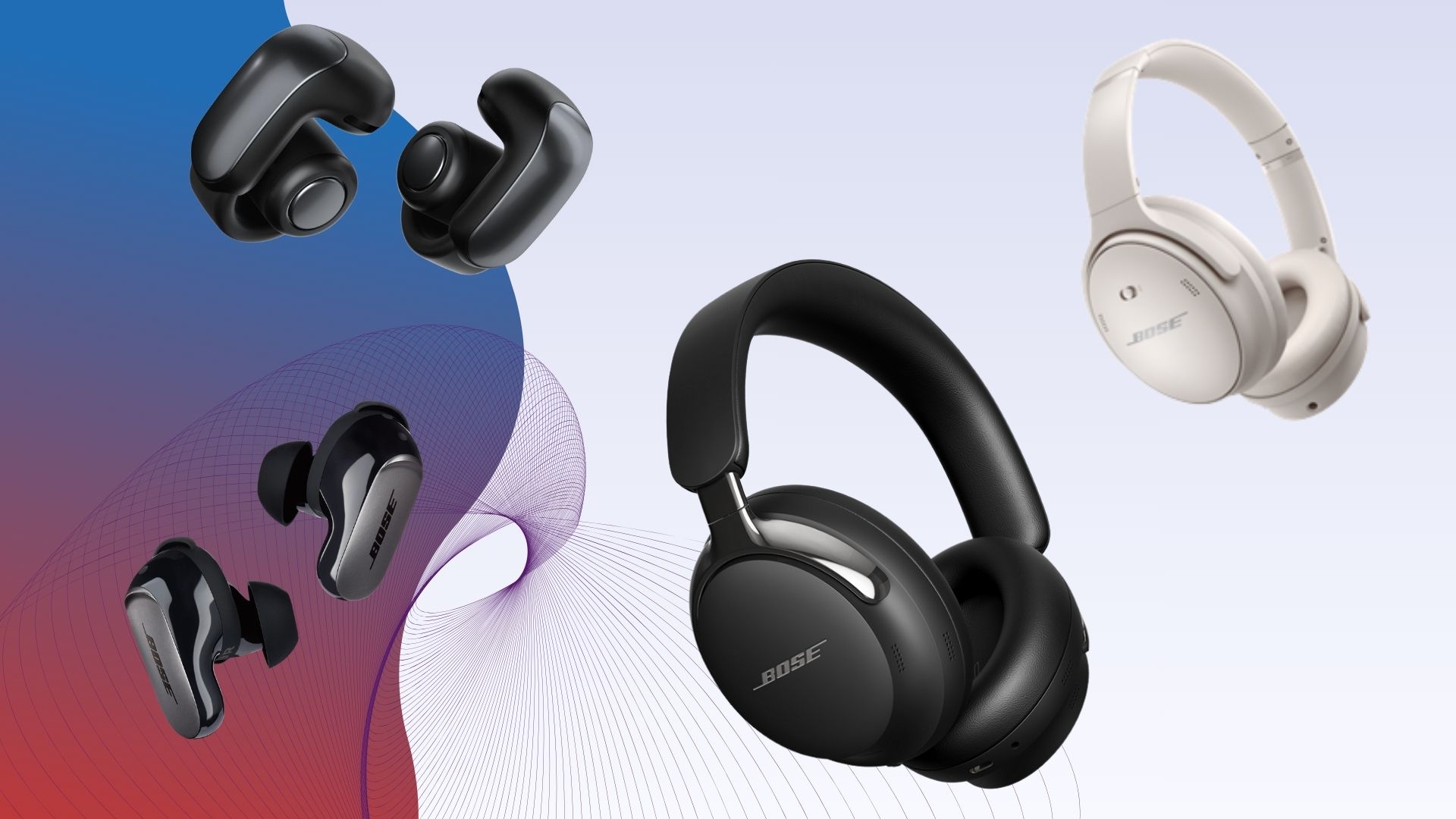
Bose were the pretty much the first brand to bring noise-cancelling cans to the masses, but they also make a wide range of headphones to suit whatever need you’re after.

Whether it’s a pair of wireless over-ears, true wireless or open-earbuds; we’ve got plenty of options for you to choose from. The headphones we’ve highlighted are the best that Bose offers.

Each pair has been put through rigorous testing in real world settings. We test the noise-cancelling in outdoor environments, on planes (when we can), on public transport and walking around cities to give you our best judgement on good Bose headphones cancel noise.

We take calls on the headphones in quiet and busy areas to judge whether they’re good enough in that department. We’ll walk through areas with wireless interference to test how good the connection is. We’ll drain the battery over several hours to see if it lives up to Bose’s claims, as well as test the app and other features the headphones come with.

Advertisement

Sound, however, is king; and we’ll give these headphones a thorough listen with a wide range of music to see how good they sound. Where possible, we’ll compare new Bose headphones to older models to see if they’ve improved and how the sound might have changed.

The aim is always to give you the best picture of how good Bose headphones are. If there’s an area where we don’t think they’re good in, we’ll make it clear in our reviews and you can judge for yourself.

Advertisement

If you’re shopping around we have other lists we’d recommend you have a look at. Our selection of best headphones, best over-ears, best noise-cancelling headphones, and best wireless earbuds will keep you busy with plenty of alternatives to look at

Advertisement

We also have brand-specific best lists as well, including one for Bose’s biggest rival in the best Sony headphones.

SQUIRREL_ANCHOR_LIST

Advertisement

  • Class-leading noise-cancellation
  • Improved call quality
  • Tweaks to audio are positive
  • Comfortable to wear
  • Excellent Bluetooth performance
  • Technics edges it for sound
  • Battery life slipping behind others
  • Among the most expensive wireless earbuds

Bose’s noise-cancelling earbuds have been excellent ever since we reviewed the very first one. Nearly each and every single one of them has scored five-stars and that’s a run that continues with its latest ANC earbud in the QC Ultra Earbuds 2nd Gen.

They’re not the best noise-cancelling earbuds (that crown would go to Sony) but they’re not far off with a performance that’s even better than the previous earbuds, creating a world that’s almost dead silent, suppressing people’s voices and environmental noises with excellence.

The transparency is excellent too, perhaps the most natural-sounding on the market, filtering in outside sounds with brilliant clarity. If there’s an area they do struggle a little with, it’s in managing wind noise.

Advertisement

Call quality has improved, a previous bug bear of older Bose true wireless, this flagship picks up voices well and isolates your voice from any noises around you. You can now use the Bose earbuds for calls both inside and outdoors without too much of an issue.

The sound quality is mostly the same, with few improvements here and there. The bass performance is slightly reduced for a more balanced performance.  The highs are more detailed, while the midrange is clearer and more insightful. It’s an overall more detailed and clearer sound, and so far, the best of any Bose earbuds.

Battery life is the same as before and a little disappointing in the grand scheme of things. You’d hope for more than five hours per charge when Bose’s rivals are offering more.

Nonetheless, if you want the best that Bose offers for earbuds then look no further than the QC Ultra Earbuds 2. If you can’t afford this premium price, then we’d suggest having a look at the QuietComfort Earbuds, which are an excellent mid-tier choice.

Advertisement
  • Class-leading ANC for the money
  • Clear, spacious audio
  • Excellent Bluetooth performance
  • Customisable performance
  • Comfortable fit
  • Slightly chunky appearance
  • Not the most exciting sound
  • Below-par call quality
  • ANC isn’t adjustable

If you find Bose’s flagship earbuds too expensive for your wallet, there is a less expensive option in the QuietComfort Earbuds (2nd Gen) and they are an excellent choice.

They bring Bose’s noise-cancelling skills to more affordable prices, delivering class-leading performance for less than £200. They’re good at suppressing people’s voices, good at reducing noise on planes and public transport, with the ANC good enough that we never felt we had to raise the volume to remove more noise.

The transparency mode is not as clear as the flagship but that’s no surprise. It sounds natural enough and clear when the Aware mode is activated though there is some additional noise to the sound that they create.

The call quality isn’t great though, with voice pick not very strong leading to a mumbly performance.

The sound is on stronger footing. It’s clear, spacious, detailed and balanced across the frequency range. Bass is good, though not the biggest you’ll ever hear, and these aren’t the most dynamic and energetic of earbuds to listen to. They lack a little excitement, but they’re an easy pair to listen to.

Advertisement

When it comes to Bose’s true wireless options, these are the best value earbuds they offer.

  • Improved noise-cancellation
  • Comfortable to wear
  • Strong wireless performance
  • USB-C audio
  • Better battery life
  • Average call quality
  • Rivals offer better sound for less money

The sequel to the original QuietComfort Ultra Headphones is an improvement, despite the lower score we’ve awarded them.

If you want the Bose’s best performance for noise-cancellation, battery life, and sound; then the QuietComfort Ultra Headphones 2nd Gen are the headphones you should buy without delay.

The sound is improved with a little more detail, clearer highs and a better performance with Immersive Audio than their predecessors, though we still feel the sound of the headphones’ spatial audio could be better.

They suppress noises better than the original model, though it’s a slight improvement rather than a massive one. The transparency mode is clear and detailed, though call quality we’d rate as average. These headphones let in noise and that affects how clear calls, especially outside, can be.

Advertisement

The design hasn’t changed much aside from a slightly more premium look. These headphones can fold, which means you can pack them in a small bag if you don’t have much space, and they do come with a carry case to keep scratches and marks at bay.

There’s a new Cinema mode for watching video on the go that uses the headphones’ Immersive Audio feature for a bigger, deeper and wider performance. These headphones have also introduced USB-C audio with support up to 24-bit/192kHz. If you want to hear these headphones at their best, we recommend you have a listen over a wired USB-C connection.

They’re comfortable to wear as we’ve come to expect from Bose, and the battery life has been extended to 30 hours, so they can survive a few long-haul flights before they need a charge.

Though they scored lower than the original QC Ultra Headphones, these are a better effort. But they’re still pricey and rivals are better in some respects if you’re thinking of shopping outside of the Bose family.

Advertisement
  • Comfortable to wear
  • Clear, detailed sound
  • Solid battery life
  • Striking looks
  • Weak noise isolation
  • Indifferent call quality
  • Lacks bass
  • Expensive

There’s only been one pair of open-ears from Bose and they’re a pretty impressive one in the Ultra Open Earbuds.

They clip on to the ear rather than sit on the earlobe, effectively kickstarting the design that others have adopted.

Since release, Bose has leaned into the visual look of buds by offering different colours. If you want a pair of headphones that also stand out as fashion statement, the Ultra Open Earbuds are very bougie.

We found them very comfortable to wear, with the clip-on design not causing any irritation or pinching. They come with physical controls rather than touch, which makes using them easier. An IPX4 rating means they’re protected against some sweat and water, so you could consider taking these for a run or to the gym.

Battery life is 7.5 hours and in our tests that was right on the money. Fast-charging is supported but there’s no wireless charging unless you pay an additional £70. If there’s a sequel to these earbuds, we hope that Bose includes it as standard given the high price.

Advertisement

There’s support for Bose’s Immersive Audio feature, though we found it doesn’t work as well in an outdoor environment when the audio of the earbuds is competing with everything else.

The sound quality is up there with the best for open ears, though Bose’s in-ear true wireless offer much higher levels of clarity, detail and bass.

But the clarity, sharpness, and levels of detail the Bose offer are best-in-class. Where they’re lacking most is in the bass department, which is not a surprise as it affects most models, but if a sequel were to come along, bass would be an area for improvement.

Leakage of audio is also surprisingly little. Turn the volume up (which you will need to) and people around won’t hear much of what you’re listening to.

Advertisement

The clever, innovative design and solid sound make these open-earbuds a winner. The price is high but as like the rest of the headphones on this list, Bose charges a premium. These are, however, one of the best open-ears you can get.

  • Warmer, bigger bass than older model
  • Solid enough noise-cancellation
  • Very comfortable to wear
  • Excellent wireless performance
  • Beaten for battery life
  • Strange call performance

While the QuietComfort Ultra Headphones 1st Gen are still available at a reduced price, the over-ear headphones we think are best for most people are the QuietComfort Headphones.

These are priced around £229 / $229, and they’re a simple pair in comparison to the Ultra models. They don’t feature Immersive Audio, there’s no aptX Bluetooth, the battery life isn’t as long, and the noise-cancellation isn’t as strong.

But we’d expect fewer features and a trade-off in performance for the price.

As usual, the comfort levels of these headphones is good, with a light clamping force so the headphones don’t feel too tight, and the earpads providing a soft cushion against the head. There’s an adjustable slider to fit different head sizes.

Advertisement

Battery life is 24 hours, though our tests suggest it’s less than that. The noise-cancellation isn’t the most powerful performance but it’s good at cutting down environmental noise, traffic and people’s voices, though wind noise can distract on a blustery day.

The call quality isn’t the best, especially in noisy places as it becomes harder for the headphones to pick up your voice when it’s competing against other noise.

Though they look very much like the QC 45 headphones, the QuietComfort Headphones have a different sound profile. Warmer, with more bass, detail and definition than the older model.

These are a rock-solid pair of Bose headphones at a price that’s less expensive than Bose’s other over-ears. If the Ultra Headphones are too expensive, this over-ear is what we’d recommend if you’re not fussed about spatial audio and higher Bluetooth specs.

Advertisement

SQUIRREL_ANCHOR_LIST

Full Specs

  Bose QuietComfort Ultra Earbuds (2nd Gen) Review Bose QuietComfort Earbuds (2nd Gen) Review Bose QuietComfort Ultra Headphones (2nd Gen) Review Bose Ultra Open Earbuds Review Bose QuietComfort Headphones Review
UK RRP £299 £179.95 £449 £299 £299
USA RRP $299 $449 $299 $299
EU RRP €349
AUD RRP AU$449
Manufacturer Bose Bose Bose Bose Bose
IP rating IPX4 IPX4 No IPX4 No
Battery Hours 24 31.5 30 27 24
Wireless charging Yes Yes
Fast Charging Yes Yes Yes Yes Yes
Size (Dimensions) x x INCHES
Weight 77 G 250 G 237 G
ASIN B0F7M3HPBD B0D8BT4BRN B0CPFV77W4 B0CCZC9J1V
Release Date 2025 2024 2025 2024 2023
Audio Resolution SBC, AAX, aptX Adaptive SBC, AAC SBC, AAC, aptX Adaptive SBC, AAC, aptX Adaptive SBC, AAC
Noise Cancellation? Yes Yes Yes Yes
Connectivity Bluetooth 5.3 Bluetooth 5.3 Bluetooth 5.4, USB-C Bluetooth 5.3 Bluetooth 5.1
Colours Black, Whie, Plum, Violet Black, Lilac, Pink, Blue, White Black, Desert Gold, Driftwood Sand, Midnight Violet, White Black, White pink, white, blue, lilac, sandstone, black and twilight blue
Frequency Range 20 20000 – Hz 20 20000 – Hz 20 20000 – Hz – Hz 20 20000 – Hz
Headphone Type True Wireless True Wireless Over-ear In-ear Over-ear
Voice Assistant N/A


Source link
Continue Reading
Click to comment

You must be logged in to post a comment Login

Leave a Reply

Tech

Building A Vise Stand With Pen-Like Retracting Wheels

Published

on

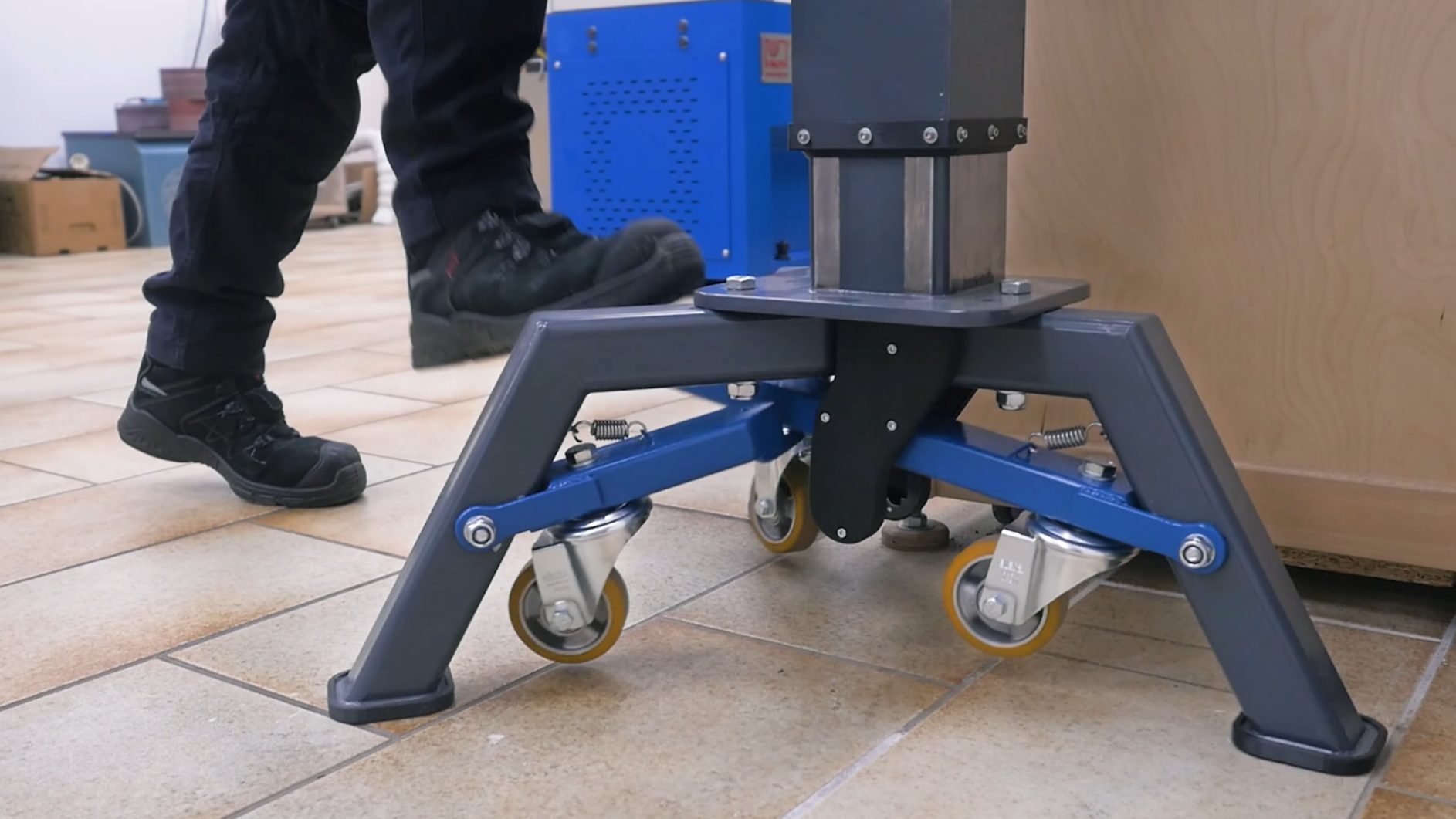
Old shop tools have a reputation for resilience and sturdiness, and though some of this is due to survivorship bias, some of it certainly comes down to an abundance of cast iron. The vise which [Marius Hornberger] recently restored is no exception, which made a good stand indispensable; it needed to be mobile for use throughout the shop, yet stay firmly in place under significant force. To do this, he built a stand with a pen-like locking mechanism to deploy and retract some caster wheels.

Most of the video goes over the construction of the rest of the stand, which is interesting in itself; the stand has an adjustable height, which required [Marius] to construct two interlocking center columns with a threaded adjustment mechanism. The three legs of the stand were welded out of square tubing, and the wheels are mounted on levers attached to the inside of the legs. One of the levers is longer and has a foot pedal that can be pressed down to extend all the casters and lock them in place. A second press on the pedal unlocks the levers, which are pulled up by springs. The locking mechanism is based on a cam that blocks or allows motion depending on its rotation; each press down rotates it a bit. This mechanism, like most parts of the stand, was laser-cut and laser-welded (if you want to skip ahead to its construction, it begins at about 29:00).

Unlike locking caster wheels, this provides significant grip when the wheels are retracted; considering the heft of the vise [Marius] restored, this must be helpful. If you’re more interested in building a vise than a stand, we’ve seen that too.

Advertisement

Thanks to [Keith Olson] for the tip!

Source link

Continue Reading

Tech

Check out this stunning Earth shot as Artemis II crew edges toward new record

Published

on

NASA has shared a stunning image (above) captured by the crew of the Artemis II mission as they head toward the moon. It shows a tiny Earth, mostly in darkness and surrounded by the inky blackness of space.

The photo was taken on day four of the Artemis II mission that will see four astronauts fly around the moon before returning to Earth. On Monday, the crew — NASA’s Victor Glover, Reid Wiseman, and Christina Koch, along with Jeremy Hansen of the Canadian Space Agency — will loop around our nearest neighbor, setting a new flight record in the process.

“One last look at Earth before we reach the moon,” NASA said in a post on X that shared the incredible photo.

“This view of the Earth was captured on April 5, the fourth day of the Artemis II mission, from inside the Orion spacecraft. The four astronauts will reach their closest approach of the moon tomorrow, April 6.”

One last look at Earth before we reach the Moon.

This view of the Earth was captured on April 5, the fourth day of the Artemis II mission, from inside the Orion spacecraft. The four astronauts will reach their closest approach of the Moon tomorrow, April 6. pic.twitter.com/z2NJUGWkKc

Advertisement

— NASA (@NASA) April 5, 2026

Tantalizingly for the crew, the Orion spacecraft is expected to pass within about 4,070 miles of the moon, giving astronauts their closest view of the cratered, rugged terrain in more than five decades.

But that’s not all. On Monday afternoon, shortly before 2 p.m. ET, the Artemis II crew will surpass the greatest distance from Earth ever reached by humans, set by the Apollo 13 crew in 1970 when it flew 248,655 miles from our planet. Then, about five hours later, the Artemis II astronauts will reach their farthest point from Earth, 252,760 miles, setting a new record.

The 10-day mission, which launched from the Kennedy Space Center in Florida on April 1, has so far been going mostly to plan. One hiccup, however, concerns the onboard toilet, which has been experiencing intermittent problems during the flight.

The latest issue has been caused by what engineers believe may be ice blocking a pipe that expels the astronauts’ urine into space. It means that for now, the crew members are having to use special bags to collect and store their liquid waste. Fortunately, the toilet still works for number-2 waste, which is dealt with differently.

Advertisement

Artemis II marks the first crewed flight of the Orion spacecraft and the second Orion flight overall. The mission is designed to test the spacecraft’s systems in preparation for more complex missions like Artemis IV, which will endeavor to return humans to the lunar surface after an absence of more than five decades.

Source link

Continue Reading

Tech

New leash on life: Why this Tableau vet walked away from tech to roll with the dogs

Published

on

Eric Howard, founder of Dog Tired, rides his One Wheel while running Boone, a golden retriever, near Lake Tapps, Wash. (Photo courtesy of DogTired)

It’s tough to tell who has the bigger smile: the guy zipping by on the Onewheel, the dog running alongside him at full sprint, or the passersby lucky enough to witness it.

This is Eric Howard‘s dream job.

Howard is the founder and chief dog runner at Dog Tired, a dog-exercising service outside of Seattle that operates at a different speed. After stints in tech, including at data visualization company Tableau, Howard ditched the corporate leash for one he actually wanted to hold.

“I show up and I’m like the Beatles, and they’re like a teenage girl. They’re just excited to see me,” Howard said of his four-legged clients. “It’s hard to have a bad day when you go see eight dogs and they’re all just losing their mind, happy to see you.”

A longtime adventure seeker, Howard is a snowboarder and kiteboarder who fell in love the first time he stepped on a Onewheel — the self-balancing, single-wheeled electric board that riders control by shifting their weight.

Advertisement

He’s also a dog lover. When a relationship in Portland ended and the dog he’d shared with his girlfriend stayed behind, he got another one — a 15-pound poodle mix named Riley — and soon realized he was cut out for some sort of job in the pet industry.

The concept for Dog Tired came together when a friend had a high-energy rat terrier that was, in Howard’s words, bouncing off the walls. Howard tried running the dog alongside his Onewheel and it quickly became a daily — sometimes twice daily — ritual.

His friend noticed the difference immediately. The dog was more manageable and happy. And Howard saw an opportunity.

A nudge from dad

Howard graduated from the University of Washington with a degree in informatics at age 31 — a non-traditional path that he describes as a theme in his life. He joined Tableau as a senior tech support engineer when the company was still in what he considered a startup phase — long before it was acquired for $15.7 billion by San Francisco-based Salesforce in 2019.

Advertisement

He spent nearly five years across two separate stretches at Tableau, which he called the best employer he’s ever had. But as the startup atmosphere began to fade he lost his passion for data analysis, server engineering and managing a team. He needed a change.

“My dad really wanted me to do the Onewheel business. I really credit my dad with giving me that final nudge,” Howard said. “He was like, ‘You’ve got some money in your retirement and some money in savings. How long could you survive without making any money?’”

Howard figured he could make it six months or so.

“As soon as I started reaching out, spreading the word, it just caught fire,” he said. “People were just like, ‘This is a genius idea.’”

Advertisement

‘Bottomless demand’

Howard soon had 15 clients and a regular weekly routine. Within six months he was covering his bills. And five years later, Dog Tired has grown into a full-fledged operation. Howard does 50 runs a week and a part-time employee handles another dozen or more.

“I’ve got about 5,000 dog runs under my belt, about 17,000 miles total,” he said, adding that the business largely sells itself, with little turnover. “There’s a bottomless demand out there of dogs that are just waiting to get the exercise they need.”

Howard has a 100-pound-dog limit and he sticks to low-traffic areas. It helps him stay in control on the Onewheel when his clients want to chase squirrels or rabbits.

He said the work is really about relationship management, which is a lot of what he learned at Tableau. There’s plenty of troubleshooting, but in this case it’s dogs rather than computers.

Advertisement

“I’m not rich. I don’t make a fortune, but I feel very rich,” Howard said. “I look forward to every day. I get up early in the morning and the day can’t get started fast enough for me.”

Source link

Continue Reading

Tech

Save $150 on Apple's new M5 MacBook Air during Amazon's April sale

Published

on

The lowest price ever is in effect now on Apple’s M5 MacBook Air, with a weekend deal at Amazon slashing prices by $150 (and there are numerous 13-inch and 15-inch configurations to choose from).

Close-up of a MacBook Air keyboard and screen dock, with a bold banner reading Grab the lowest price ever on M5 models and a red corner label saying NEW
Grab the lowest price ever on Apple’s new M5 MacBook Air.

Apple’s brand-new M5 MacBook Air, which was released in March 2026, is on sale at Amazon today, with multiple 13-inch and 15-inch configurations to choose from.
Kicking off the sale is a $150 discount on the standard 13-inch MacBook Air with Apple’s M5 chip. Pick up the M5/16GB/512GB configuration for $949.99, the lowest price to date on the Sky Blue and Starlight models.
Continue Reading on AppleInsider | Discuss on our Forums

Source link

Continue Reading

Tech

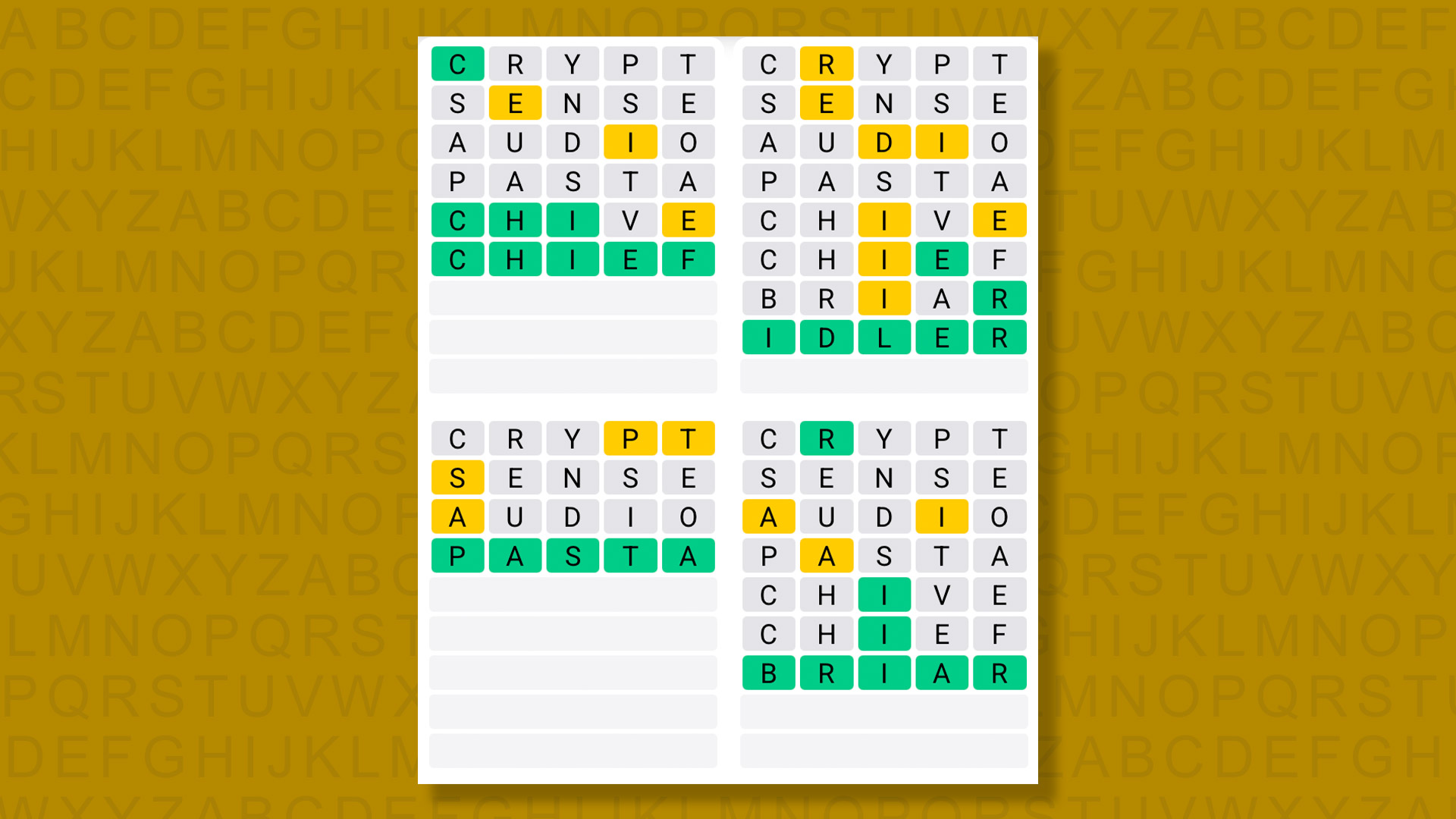
Quordle hints and answers for Monday, April 6 (game #1533)

Published

on

Looking for a different day?

A new Quordle puzzle appears at midnight each day for your time zone – which means that some people are always playing ‘today’s game’ while others are playing ‘yesterday’s’. If you’re looking for Sunday’s puzzle instead then click here: Quordle hints and answers for Sunday, April 5 (game #1532).

Quordle was one of the original Wordle alternatives and is still going strong now more than 1,400 games later. It offers a genuine challenge, though, so read on if you need some Quordle hints today – or scroll down further for the answers.

Advertisement

Source link

Continue Reading

Tech

Hackers Are Posting the Claude Code Leak With Bonus Malware

Published

on

A WIRED investigation based on Department of Homeland Security records this week revealed the identities of paramilitary Border Patrol agents who frequently used force against civilians during Operation Midway Blitz in Chicago last fall. Several of the agents, WIRED found, appeared in similar operations in other states around the US.

Customs and Border Protection may want to remember to protect its sensitive facility information. Using basic Google searches, WIRED discovered flashcards made by users of the online learning platform Quizlet that contained gate codes to CBP facilities and more.

In a rare move, Apple this week released “backported” patches for iOS 18 to protect millions of people still using the older operating system from the DarkSword hacking technique that was found in use in the wild. Discovered in March, DarkSword allows attackers to infect iPhones that simply visit a website loaded with the takeover tools embedded in it. Apple initially pushed users to update to the current version of its operating system, iOS 26, but ultimately issued the iOS 18 patches after DarkSword continued to spread.

The US-Israel war with Iran careened into its second month this week, with Iran threatening to launch attacks against more than a dozen US companies, including tech giants like Apple, Google, and Microsoft, which have offices and data centers in the Gulf region. The deadly conflict, which has no clear end in sight, continues to wreak havoc on the global economy as shipping crews remain stranded in the Strait of Hormuz, a key trade route. Meanwhile, some are beginning to wonder what could happen if US strikes cause real damage to Iran’s nuclear facilities.

Advertisement

And that’s not all! Each week, we round up the security and privacy news we didn’t cover in depth ourselves. Click the headlines to read the full stories. And stay safe out there.

Earlier this week, a security researcher flagged that Anthropic accidentally made the source code for its popular vibe-coding tool, Claude Code, public. Immediately, people began reposting the code on the developer platform GitHub. But beware if you want to try to download some of those repos yourself: BleepingComputer reports that some of the posters are actually hackers who have tucked a piece of infostealer malware into the lines of code.

Anthropic, for its part, has been trying to remove copies of the leak (malware-ridden or not) by issuing copyright takedown notices. The Wall Street Journal reported that the company initially tried to remove more than 8,000 repositories on GitHub but later narrowed that down to 96 copies and adaptations.

This isn’t the first time that hackers have capitalized on interest in Claude Code, which requires users who might not be as familiar with their computer’s terminal to copy and paste install commands from a website. In March, 404 Media reported that sponsored ads on Google led to sites that were masquerading as official Claude Code installation guides, which directed users to run a command that would actually download malware.

Advertisement

The FBI formally classified a recent cyber intrusion into one of its surveillance collection systems as a “major incident” under FISMA—a legal designation reserved for breaches believed to pose serious risks to national security. The determination, reported to Congress earlier this week, is understood to be the first time since at least 2020 that the bureau has declared a major incident on its own systems. Politico, citing two unnamed senior Trump administration officials, reported that China is believed to be behind the intrusion. If confirmed, the breach could mark a significant counterintelligence failure for the FBI.

The FBI said it detected “suspicious activities” on its networks in February. In a notice to Congress on March 4, reviewed by Politico, the bureau said the compromised systems were unclassified and held “returns from legal process,” citing, as examples, phone and internet metadata collected under court orders and personal information “pertaining to subjects of FBI investigations.” The intruders reportedly gained access through a commercial internet service provider, an approach the FBI characterized as reflecting “sophisticated tactics.” In its only public statement, the bureau said it had deployed “all technical capabilities to respond.”

Source link

Continue Reading

Tech

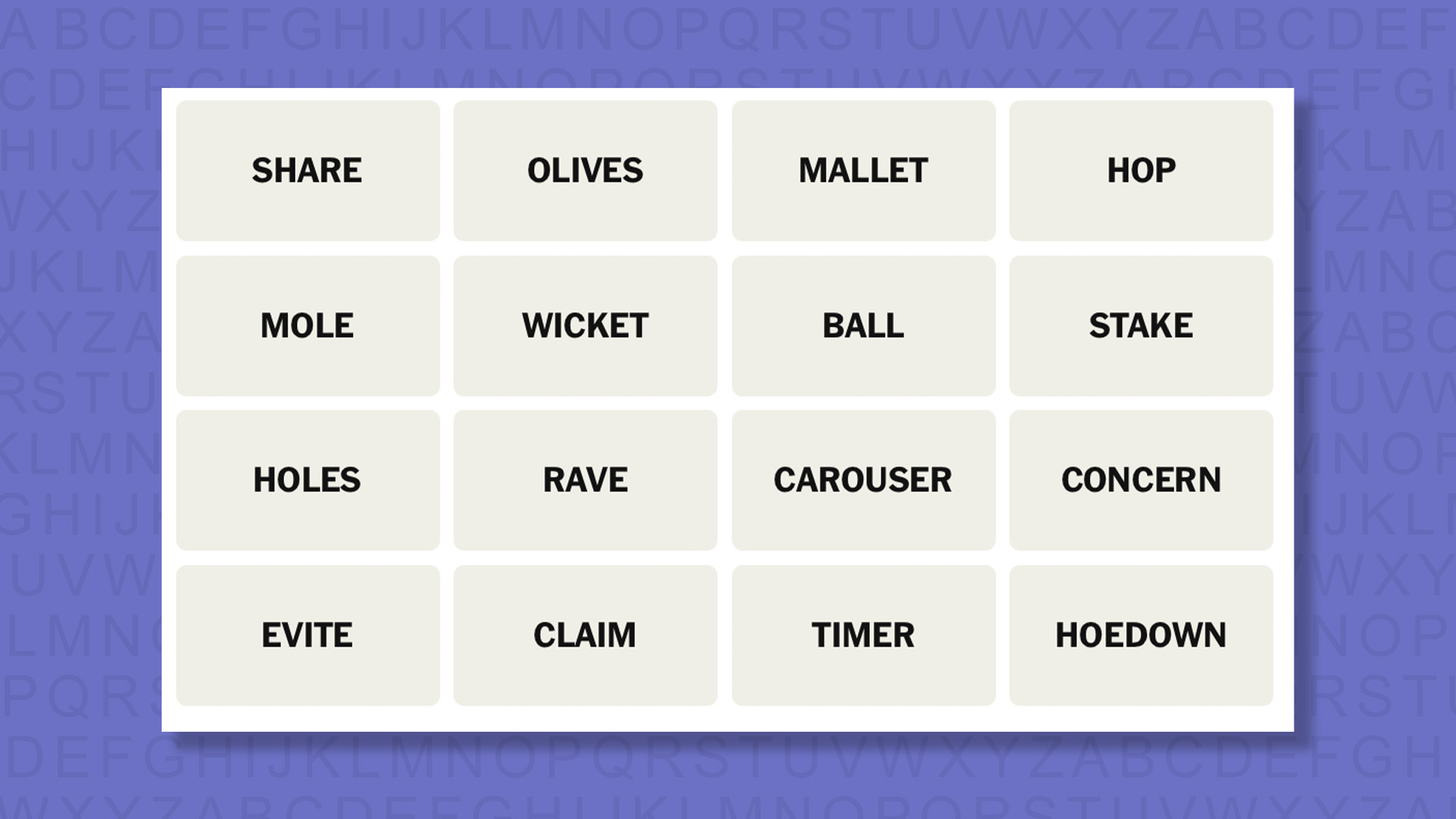
NYT Connections hints and answers for Monday, April 6 (game #1030)

Published

on

Looking for a different day?

A new NYT Connections puzzle appears at midnight each day for your time zone – which means that some people are always playing ‘today’s game’ while others are playing ‘yesterday’s’. If you’re looking for Sunday’s puzzle instead then click here: NYT Connections hints and answers for Sunday, April 5 (game #1029).

Good morning! Let’s play Connections, the NYT’s clever word game that challenges you to group answers in various categories. It can be tough, so read on if you need Connections hints.

Advertisement

Source link

Continue Reading

Tech

NYT Strands hints and answers for Monday, April 6 (game #764)

Published

on

Looking for a different day?

A new NYT Strands puzzle appears at midnight each day for your time zone – which means that some people are always playing ‘today’s game’ while others are playing ‘yesterday’s’. If you’re looking for Sunday’s puzzle instead then click here: NYT Strands hints and answers for Sunday, April 5 (game #763).

Strands is the NYT’s latest word game after the likes of Wordle, Spelling Bee and Connections – and it’s great fun. It can be difficult, though, so read on for my Strands hints.

Advertisement

Source link

Continue Reading

Tech

Sony quietly removes PC mentions from PlayStation Studios pages

Published

on


On PlayStation Studios’ official site, Sony has updated the main banner to prominently feature Ghost of Yotei and Intergalactic: The Heretic Prophet, while Demon’s Souls Remake no longer appears in the lineup.
Read Entire Article
Source link

Continue Reading

Tech

The Hack That Exposed Syria’s Sweeping Security Failures

Published

on

When a wave of unusual activity swept through Syrian government accounts on X in March, it first looked like pure chaos—trolling, parody names, and even explicit content. But beneath the noise lay something far more telling: a state still struggling with the most basic layer of its cybersecurity.

In early March, several official Syrian government accounts on X—including those linked to the presidency’s General Secretariat, the Central Bank, and multiple ministries—were hacked. The compromised profiles posted “Glory to Israel,” retweeted explicit material, and briefly renamed themselves after Israeli leaders.

Authorities moved to restore control within days, with the Ministry of Communications and Information Technology announcing “urgent steps” to recover the accounts and prevent further breaches. Yet what remained unsettled was the deeper question: How secure is the state’s digital front door?

In a government now dependent on commercial platforms for communication, losing a verified account doesn’t just disrupt messaging—it silences the state’s voice.

Advertisement

When the State Stops Speaking for Itself

At first glance, the breach appeared politically charged. Pro‑Israel messages circulating on verified government accounts during a tense regional moment fueled speculation over motive and attribution. No group claimed responsibility, and officials did not clarify whether internal systems were compromised.

To analysts, the episode pointed less to a geopolitically driven hack and more to a familiar, systemic weakness.

“We still do not know exactly what happened. Whether the accounts were directly hacked or accessed through weak or reused credentials, the conclusion is much the same: very poor digital security practices,” says Noura Aljizawi, a senior researcher at the Citizen Lab, a research organization that monitors threats to civil society in the digital age.

The ministry said it had coordinated with account administrators and X to “restore control and strengthen security,” promising new regulatory measures soon. The perpetrators have not been publicly identified.

Advertisement

One Weak Link, Multiple Accounts

Before the accounts were recovered, several displayed identical pro‑Israel messaging—a detail that suggested shared credentials or centralized access, according to platform monitoring data.

That assessment was echoed across the cybersecurity community.

“The fact that several official X accounts seemed to fall in quick succession suggested some form of centralized control, possibly with the same credentials used across multiple accounts,” says Muhannad Abo Hajia, cybersecurity expert at Damascus-based group Sanad. “That kind of setup is not inherently wrong, but only if proper safeguards are in place.”

Experts say this pattern is consistent with common failures: password reuse, phishing attempts, compromised recovery channels, or the absence of multifactor authentication (MFA). In practice, one careless password or a single compromised recovery email could give outsiders control of multiple institutions.

Advertisement

“Account takeovers of this kind are common enough globally and usually result from familiar vulnerabilities: phishing, password reuse, compromised recovery emails, weak credentials, or the absence of MFA,” says Rinad Bouhadir, a cybersecurity engineer tracking the region.

A System Built on Fragile Foundations

The breach, specialists say, reflects not a targeted cyber‑offensive but deeper structural flaws.

“The current authorities inherited a near-nonexistent cybersecurity system and have yet to treat repairing it as a real priority,” says Dlshad Othman, a Syrian cybersecurity specialist.

He believes the incident likely stemmed from either a centralized unit managing several official accounts or a shared third‑party tool used across ministries—both of which create a single point of failure.

Advertisement

That design makes multiple agencies vulnerable at once. In moments of heightened tension, even one falsified post from a verified government account could stoke panic, misreporting, or escalation before correction.

A verified government account can be weaponized to spread false information in real time, particularly during periods of regional escalation, when confusion carries immediate real-world risk.

Source link

Continue Reading

Trending

Copyright © 2025