


Connect with us

Tech

The World’s Smallest USB Drive Has More Storage Than An iPhone 17

Published

on

At a time when storage space commands a premium price, SanDisk’s Extreme Fit drive is worth a look.

We may receive a commission on purchases made from links.

RAMaggedon has quickly made the price of both memory and storage skyrocket, with many SSDs now sporting obscenely inflated prices. As such, more and more folks are looking for cheaper alternative storage options. Enter the SanDisk Extreme Fit. Starting at around $30 for the 64GB model, the largest 1TB edition of this USB 3.2 USB-C drive is priced at $219 (that’s double the capacity of the iPhone 17’s top config). This stick is also absolutely tiny. Just how small is the SanDisk Extreme Fit? Let’s get into it.

Advertisement

What is SanDisk Extreme Fit?

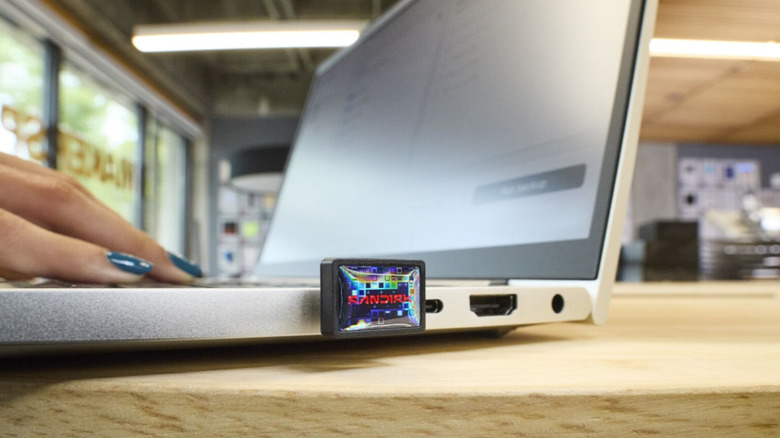
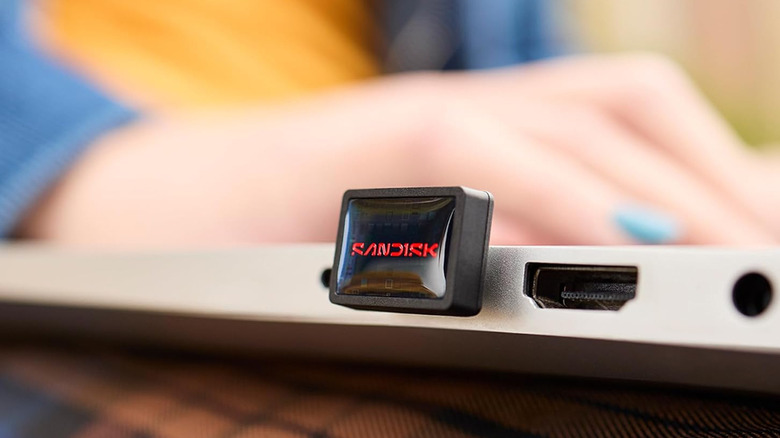
Often regarded as the smallest USB flash drive in the world, the SanDisk Extreme Fit has been designed to sit almost flush inside a USB port. Measuring in at 0.73 x 0.54 x 0.63 inches and weighing 0.1 ounces, the Extreme Fit is an absurdly small drive. SanDisk describes it as a “plug-and-stay” device. Cute wordplay aside, this USB stick is meant to remain hooked up to a laptop in ultra discreet fashion, instantly boosting its storage capacity.

“This is the smallest SiP (System-in-Package) we have and the first time we created a vertical type C connector ever,” states Deepesh Singh, SanDisk’s Principal Engineer of Systems Design says in a statement on the company’s site. The reason the company was able to engineer such an astonishingly small USB-C drive is because its engineers mounted the connector perpendicular to the SiP, which works thanks to a proprietary interposer printed circuit board. Not that it was an easy road to get there, as Singh recalls. “We built several prototypes, but they kept breaking.” Thankfully his team eventually overcame hardware hurdles to arrive upon the Extreme Fit’s final, eye-catching form factor.

Advertisement

How fast is the SanDisk Extreme Fit USB-C?

SanDisk’s tiny drive obviously isn’t going to hit NVMe speeds, but it’s fast for a USB stick. The four models that range between 128GB to 1TB all boast read speeds up to 400 MB/s, while the smallest 64GB drive is limited to 300 MB/s. Write speeds generally hover around 100-250 MB/s, which is respectable for a flash drive. Those speeds are certainly fast enough for transferring photos and other small files, but if you regularly move large 4K video files between devices, you’d be better off with one of the best SSDs.

Is the SanDisk Extreme Fit USB-C compatible with iPhones?

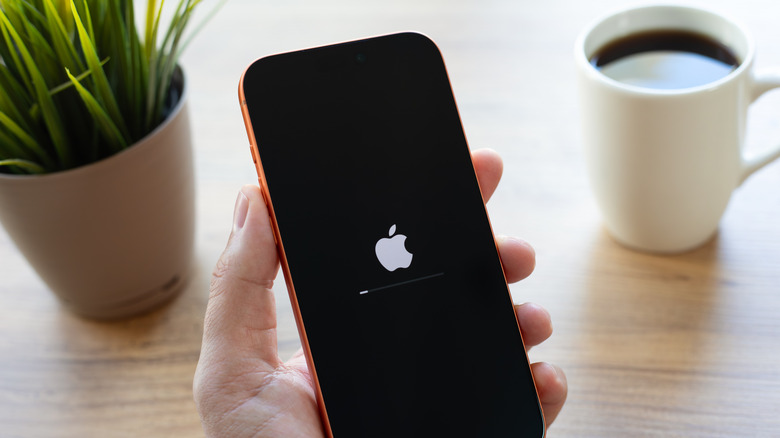
It sure is. Well, at least with certain models of iPhone. The SanDisk Extreme Fit works with iPhones with USB-C ports (so any model after and including the iPhone 15). You can technically get the drive working with older models with Lightning ports, though you’d need a Lightning-to-USB adapter for that. You can easily transfer files to and from the SanDisk Extreme Fit by using your iPhone’s Files app.

Advertisement

Source link

Continue Reading
Click to comment

You must be logged in to post a comment Login

Leave a Reply

Tech

Meet the eight startups pitching at Startup Battlefield Australia

Published

on

The applications are in. The TechCrunch Startup Battlefield team made their decisions. Eight Australian startups have earned their spot on the Startup Battlefield stage at Stripe Tour Sydney on August 19 — and they’re ready to pitch for $15,000 in Stripe fee credits, investor attention, and a spot in Startup Battlefield 200 at TechCrunch Disrupt in San Francisco.

They represent the future of Australian tech — from enterprise tech to health and wellness tech to entertainment and media. Here’s who they are.

The eight finalists

Aigentsphere

Independent AI management and governance platform Aigentsphere helps enterprises scale AI safely and well, giving leaders visibility, control, and accountability over their entire AI agent workforce.

Apate.ai

Apate help banks, telcos, and governments dismantle scam operations by engaging scammers in live conversation and turning it into real-time intelligence.

Advertisement

Callease Ai

Callease Ai is the operating system for physical security control rooms, starting with voice AI that automates welfare, escalation, patrol, and many more — the entire calling engine.

Choosey App

Choosey App helps businesses hire instantly and workers get paid instantly through agentic AI-powered matching, workforce management, and same-day pay.

Doomers AI

Doomers AI helps AI and tech companies make product launches trend on X by orchestrating a vetted creator network that reaches the buyers who block ads.

equ

Startup equ helps health and wellness businesses deliver personalized nutrition at scale by embedding equ’s AI engine, built on 10 years of data and 100,000+ users, into their product.

Advertisement

LeadStory

LeadStory is the video intelligence layer powering the next generation of screens, surfacing exact video moments from sports, news, and finance clips to answer natural language queries.

Preve

Preve helps physical therapy clinics improve patient retention and clinical outcomes by automating the treatment plan creation and adherence.


Three will win prizes. One will go to San Francisco. All eight will pitch in front of investors, press, and the Australian tech community. If you want to see the future of Australian startups unfold, register for Stripe Tour Sydney on August 19 →

The stage is set. The judges are ready. Let the pitching begin.

Advertisement

Hosted and MC’d by Isabelle Johannessen, Director of Startup Battlefield.

When you purchase through links in our articles, we may earn a small commission. This doesn’t affect our editorial independence.

Source link

Advertisement
Continue Reading

Tech

The startup idea that convinced a UW computer science legend to leave Google after 27 years

Published

on

The four Google veterans leaving to launch Discovery Loop, from left: Oriol Vinyals, Sanjay Ghemawat, Jeff Dean, and Quoc Le. (Discovery Loop Photo)

Speaking in June at the University of Washington Allen School commencement, AI pioneer Jeff Dean told computer science graduates how he “got the itch to join a startup in 1999,” landing at Google when it had a grand total of 20 people above what is now a T-Mobile store in Palo Alto.

Twenty-seven years later, now 58, the UW alum has the itch again.

Google announced Wednesday that Dean, its chief scientist, is leaving with three colleagues to launch Discovery Loop, a startup built to automate the experimental loop in scientific research: proposing experiments, running them, evaluating results, and iterating, thousands of times over.

“Imagine a future where a handful of people can conduct scientific research and engineering tasks much more rapidly, and with higher quality, than massive teams of scientists and engineers do today,” they write on their website.

Discovery Loop is based in Palo Alto, with what it describes as a lean team of its own. Joining Dean are Google senior fellow Sanjay Ghemawat, his collaborator of more than two decades; Google DeepMind research VP Oriol Vinyals; and Google Brain co-founder Quoc Le.

Advertisement

@media (max-width: 600px) {
aside.callout { float:none !important; max-width:100% !important; margin-left:0 !important; margin-right:0 !important; }
aside.callout .callout-img { display:none !important; }
}

Google is a founding investor and will supply computing power for at least the first year. Discovery Loop is structured as a public benefit corporation, with backing from Radical Ventures and Khosla Ventures (a name Seahawks fans will recognize from the team’s incoming ownership group).

The departures came as part of a broader shakeup announced in a memo from CEO Sundar Pichai. Demis Hassabis is handing off day-to-day leadership of Google DeepMind to become its chair and Alphabet’s chief scientist, while CTO Koray Kavukcuoglu steps up as SVP, overseeing Gemini model development. Alphabet shares fell about 4% after the announcement

“After an incredible 27-year run, Jeff Dean is at a moment where he wants to try something new, and we’re excited to support him in that,” Pichai wrote.

Advertisement

Dean, who earned his UW computer science Ph.D. in 1996, gave no hint of his plans at the Allen School commencement. He told Wired the idea came together only in recent weeks.

But the general theme was there. Listing problems he thought worth solving, he pointed the UW graduates toward “developing tools that accelerate scientific discovery and engineering.”

“One of the beauties of software,” he said during his commencement address, “is that small groups of people can build things that have enormous impact in the world.”

Source link

Advertisement
Continue Reading

Tech

Samsung’s cheap Fitbit Air rival just leaked again, but we still have tons of unanswered questions

Published

on


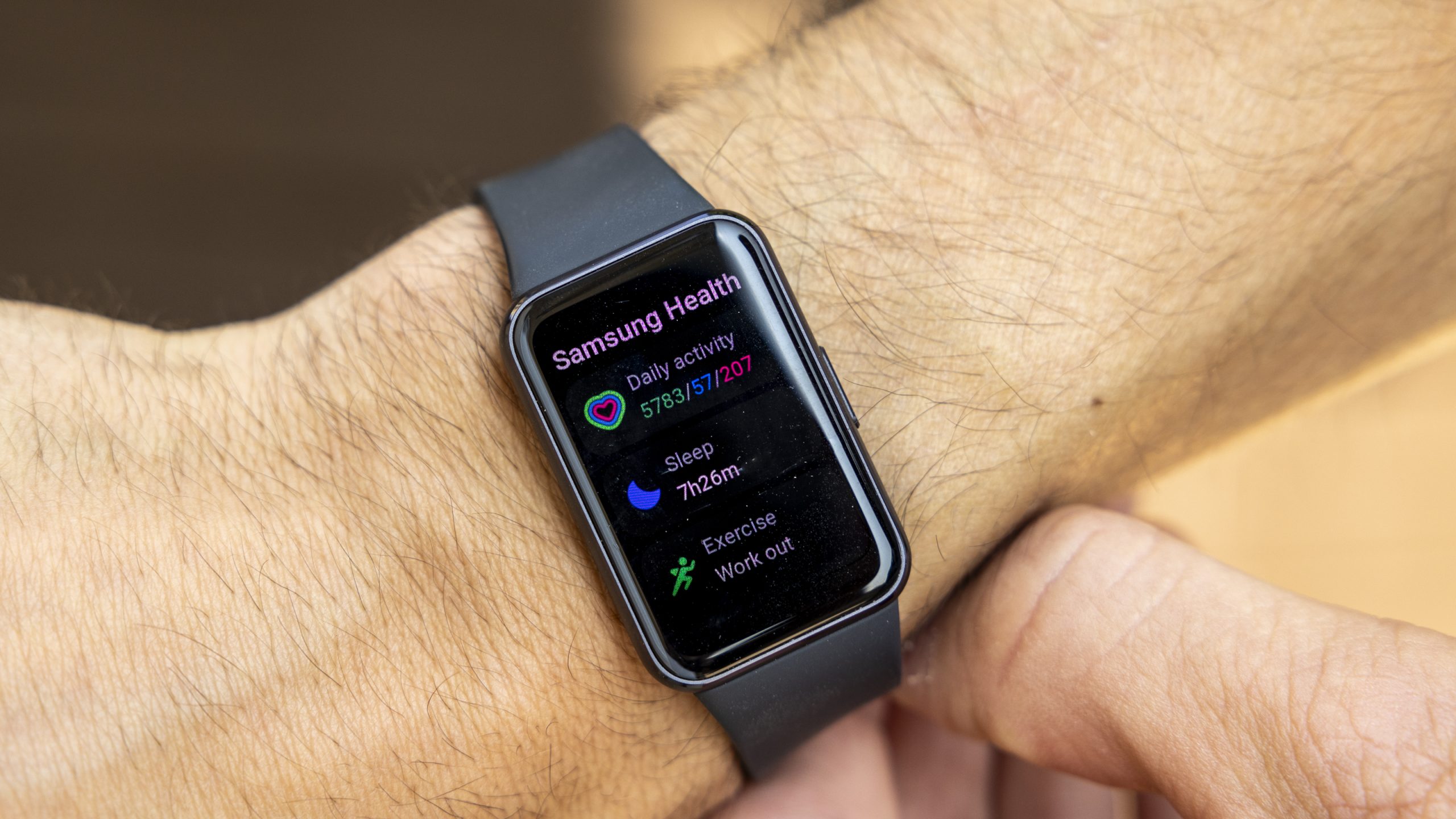
  • The Samsung Galaxy Fit 4 just leaked in FCC regulatory filings
  • The documents suggest it will have a screen, unlike the Fitbit Air
  • But the leak reveals previous few other details

The Fitbit Air has proved that you don’t need to pay a high price tag to get a great wearable, and now it looks like Samsung is getting in on the act with an alternative of its own. And with more details leaking out, we’re getting a clearer picture of the upcoming device than ever — but plenty of unanswered questions remain.

New FCC regulatory documents (spotted by Gadgets & Wearables) have spilled the beans on the much-rumored Samsung Galaxy Fit 4. There, you’ll find various nuggets of info on what we can expect from the product, as well as a few things that it likely won’t do.

Source link

Continue Reading

Tech

CISA warns of hackers exploiting Langflow, N-central, Apache Tomcat flaws

Published

on

CISA warns of hackers exploiting Langflow, N-central, Apache Tomcat flaws

The U.S. Cybersecurity and Infrastructure Security Agency is giving federal agencies three days to mitigate vulnerabilities in IBM Langflow, N-central, and Apache Tomcat, all actively exploited.

​Tracked as CVE-2026-9198, the security issue in IBM’s Langflow visual framework for building AI agents is the most severe, with a critical rating of 9.8 out of 10.

It allows an unauthenticated attacker to execute remotely on default Langflow deployments by chaining two API endpoints to bypass login and run code.

image

In late July, multiple fully functional proof-of-concept (PoC) exploits for CVE-2026-9198 emerged in the public space, with complete instructions on how they can be leveraged.

Two weeks ago, CISA issued an alert for another critical Langflow vulnerability (CVE-2026-0770) being exploited in attacks to gain remote code execution with root privileges.

Advertisement

The vulnerability in N-able’s remote monitoring and management platform N-central is identified as CVE-2026-18576 and allows attackers to hijack administrative accounts without authentication.

The flaw received a high-severity rating and has been patched by the vendor. However, the fix was insufficient, and threat actors found a new way to exploit it.

N-able warned customers on August 1st that hackers were actively exploiting the new vulnerability, which received the identifier CVE-2026-18576.

An emergency hotfix was released on Sunday. The company urged customers to install it as the flaw impacted all versions of N-central before 2026.3.

Advertisement

The Apache Tomcat vulnerability, tracked as CVE-2026-34486, has a high-severity score of 7.5. It stems from an incomplete fix for CVE-2026-29146, a critical vulnerability with a severity rating of 9.8 that is described as the missing encryption of sensitive data.

On July 30, researchers at Palo Alto Networks Unit 42 reported that a Chinese-speaking threat actor tried to exploit the CVE-2026-34486 vulnerability in a manual campaign to plant reverse shells on nine Apache Tomcat servers.

CISA confirmed that threat actors are leveraging all three flaws in attacks and added them to its catalog of Known Exploited Vulnerabilities (KEV).

However, the agency did not share what types of attacks are leveraging them, noting that it is unknown if they are used in ransomware campaigns.

Advertisement

CISA has ordered federal agencies to apply available mitigations for the three targeted products by the end of Friday, July 7th.


article image

Security teams log 54% of successful attacks and alert on just 14%. The rest move through your environment unseen.

The Picus whitepaper shows how breach and attack simulation tests your SIEM and EDR rules so threats stop slipping by detection.

Get the whitepaper

Source link

Advertisement
Continue Reading

Tech

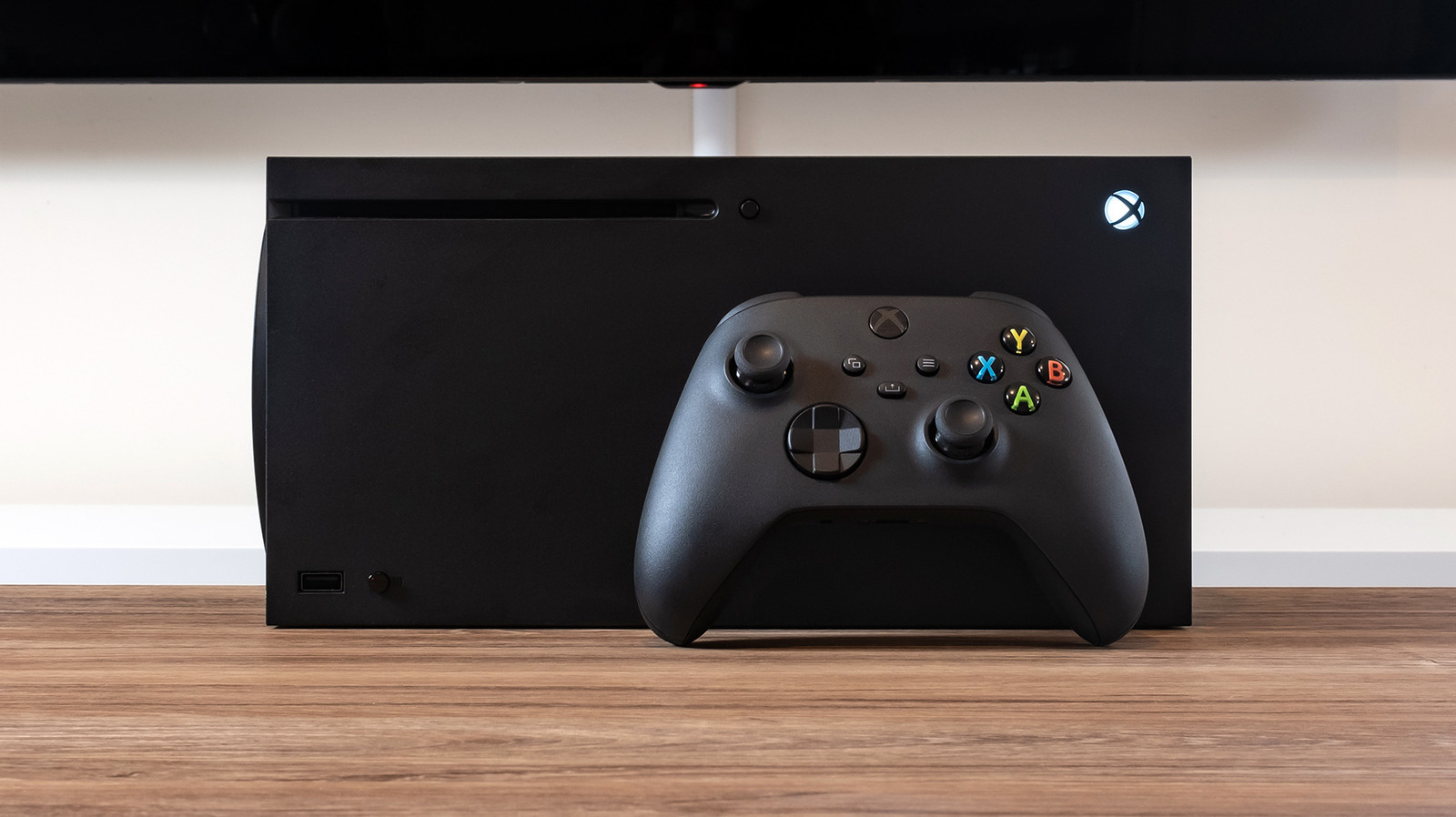
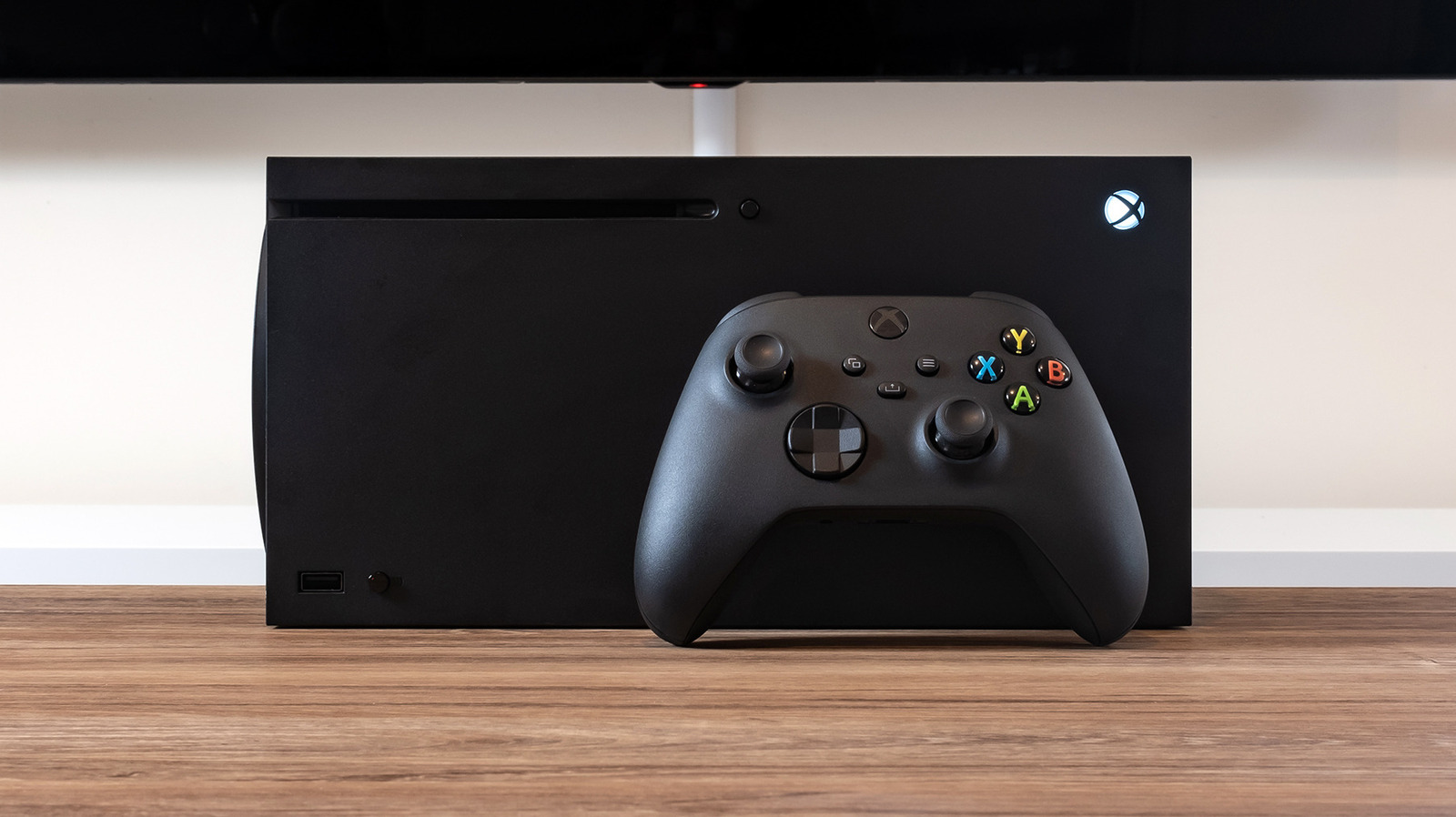
Xbox’s Devastating July Was Inevitable

Published

on

On July 6, at the dawn of a new fiscal year, Microsoft announced it was laying off 3,200 people in its Xbox division, plus an additional 3,200 employees across other departments. Of the Xbox layoffs, 1,600 jobs were cut immediately, while the remaining 1,600 will be lost over the coming year, the promise casting a morbid shadow over the immediate future of Microsoft’s gaming business. Additionally, Xbox attempted to shutter five of its development teams — Arkane Studios, Compulsion Games, Double Fine, Ninja Theory and Undead Labs — and it ended up divesting four of them, while the future of Arkane remains uncertain.

The layoffs hit Xbox at all levels: Doom creator id Software lost a reported 50 percent of its staff, Double Fine had to drop a third of its employees as it bought itself back from Microsoft, the platform team was gutted, and it appears that multiple projects were canceled at Fallout: New Vegas studio Obsidian Entertainment, including a sequel to Avowed.

Knowing it was coming didn’t ease the carnage.

Xbox CEO Asha Sharma and chief content officer Matt Booty, both of whom assumed their roles early this year in a surprise c-suite shakeup, outlined the brand’s dire financial situation in a June public memo. They highlighted broad internal issues with Xbox games, consoles, infrastructure and marketing, and ominously promised a “reset” for the business. Rumors of incoming mass layoffs and reports of potential studio closures swiftly followed, with the culling scheduled to begin just after Microsoft’s new financial year on July 1.

Advertisement

“We will end this fiscal year at about a 3 percent accountability margin, down year-over-year,” Sharma and Booty wrote in their memo. “Excluding Activision Blizzard King, over the past five years, we have spent over $20 billion on ongoing investments in our content, platform, and hardware subsidy, but our annual revenue has declined nearly half a billion during that time. Going forward, this cannot continue.” (Including Activision Blizzard King, which Xbox acquired in 2023, adds $69 billion to the company’s expenditures.)

Ahead of the layoffs, Xbox union members represented by CWA urged the company to consider the human and creative cost of repeated mass firings, and to negotiate in good faith over worker protections. Union members accused Microsoft of leaving proposals on the table for months at a time, paying little attention to meetings and unjustly allocating the company’s vast financial resources. UVW-CWA treasurer Sherveen Uduwana noted that Microsoft CEO Satya Nadella personally made $96 million in 2025.

“There is no shortage of wealth in the games industry, especially if we’re talking about Xbox, Sony, EA,” Uduwana said.

After Xbox announced the layoffs on July 6, the CWA in the United States and Canada filed lawsuits against Microsoft over unfair labor practices, and employees held protests outside their offices calling for “people over profits.”

Advertisement

Additionally in July, Xbox’s network went down for nearly a day and exposed that even physical media isn’t immune to DRM on the company’s consoles, though the disc issue was apparently a bug that will be fixed. Days later, Microsoft’s Q4 2026 financial results revealed a revenue decline of 10 percent for Xbox. Annually, Xbox’s reported revenue fell by more than $2 billion year-to-year, landing behind its closest competitor, PlayStation, by multiple billions.

All of this followed two years of rolling layoffs at Xbox, eight years of increasingly reckless studio acquisitions, and a systemic pattern of valuing potential revenue over any sort of creative process. But we’ll get to that at the end. First, an overview of Xbox’s terrible, horrible, no good, very bad July.

Source link

Advertisement
Continue Reading

Tech

Google’s Top AI Brains Are Leaving to Launch Discovery Loop

Published

on

At first, the team envisions that those ideas will be codeveloped with humans, but their goal is deeply automating the process. If it works out, they contend, it’s possible that a few dedicated individuals may use Discovery Loop to out-invent the world’s largest research organizations. Presumably those small teams will be customers of Discovery Loop. (The startup also may make its own loops to seek and monetize breakthroughs.)

They put together a simple pitch deck and set out to talk to VCs about funding their company, which they set up as a public benefit corporation. “We just put a few slides with our backgrounds and a rough sketch of how we think our approach will be successful in a bunch of different ways,” says Dean. (They didn’t use AI to create it.) But their presence spoke louder than any PowerPoint could.

“With this team, I wouldn’t need to know what they were doing before I backed them,” says venture capitalist Vinod Khosla, who met with them in his Sand Hill Road office on a Saturday, so no one would get a hint of Google’s upcoming loss. “It’s the ultimate superstar team.” Khosla also loved their idea: “Humans have been using AI to do research, not using AI to be a researcher,” he says. “The fundamental thing [in Discovery Loop] is that AI is the researcher.”

Other meetings took place at Dean’s house. Ultimately Khosla Ventures and an AI-oriented VC firm called Radical Ventures bought in, along with a handful of other firms. (The founders aren’t sharing how much the funding was and at what valuation–but consider that some companies are paying tens or even hundreds of millions for a single AI superstar, and these guys are GOATs.) “Building something to solve all those problems is a powerful idea,” says Radical managing partner Jordan Jacobs, who will join the startup’s board. “These people have been doing this kind of work in the past so they know what they’re doing.”

Advertisement

Negotiating the exit from Google was more painful. Dean says that Alphabet CEO Sundar Pichai tried over multiple meetings to get them to keep their badges. Ultimately the team decided that they wanted the fun–and the freedom–of doing a startup.

“In a large organization there is always a lot of inertia you have to overcome to make any radical changes,” says Vinyals. “We want to build something different.” Google ultimately gave the departing engineers its blessing, along with an investment and an arrangement to provide compute power for the first year.

“Over 27 years, Jeff and Sanjay helped to drive some of the most significant technology transitions, from our early search infrastructure to the neural networks that helped create the modern AI era,” Pichai said in a statement. “We’ll continue to work with Discovery Loop as a founding investor and Cloud partner, and collaborate on a research framework for ML systems and related infrastructure advances.”

In part because of the impact this mini-exodus will have on Google. Dean and his cofounders have taken pains to maintain stealth. To date, they haven’t yet begun to hire a team (which may mean even more defections from Google) or even to rent office space. When I ask who the CEO is, there is a brief pause. “I think I’m the CEO,” says Dean, sheepishly. “Everyone pointed at me.”

Advertisement

Discovery Loop’s mission is not novel. Just about every major figure in AI—Dario, Sam, Jenson—has claimed at one point or another that AI will become an engine of scientific discovery, solving problems that humans could never crack on their own. This team is betting that their knowledge and skills will prevail in building a system that actually makes such breakthroughs. Short of that, Discovery Loop faces a narrower mark for success: Will the work they do as a startup be as significant as the talent gap they’re creating by leaving Google?

Source link

Continue Reading

Tech

TechIreland launches National AI Challenge 2026

Published

on

More than 200 people registered for the competition within the first eight days and applications will remain open until 9 August.

TechIreland has announced dates for the free annual National AI Challenge. Participants will engage with two intensive weeks of remote development, with teams presenting their work via coordinated regional events on 14 September. 

The strongest competitors will continue on to the TechIreland National AI Meet to be held at Galway’s Galmont Hotel on Thursday 24 September. Their work and knowhow  will be judged by leaders across technology, industry, investment, research and the public sector.

The 300 or so participants, from across the entirety of the island, will be made up of developers, founders, students, technologists and AI enthusiasts and will build practical AI products, prototypes and agentic workflows, with the aim of addressing real business and societal challenges. 

Advertisement

The competition is supported by expert mentors, industry partners, technology providers and more than 10 regional innovation hubs. More than 200 people registered within the first eight days and applications will remain open until 9 August.

This year marks the third iteration of the National AI Challenge. Last year, participants delivered 44 AI projects, with 15 teams reaching the national final – more than twice the number in 2024.

The theme for 2026 is ‘AI and Agents: Strategy, Processes and Roles’, which reflects the shift from AI experimentation to practical implementation, according to TechIreland.

Teams will be expected to respond to industry-led ‘challenge statements’ or submit their own wildcard ideas in areas such as enterprise technology, manufacturing, financial services, insurance, health, sustainability, public services and immersive technology. TechIreland said there will be an emphasis on responsible, people-centred AI that takes into consideration how AI is governed and used.  

Advertisement

Commenting on the announcement, Niall Norton, the CEO for TechIreland, said: “The AI Challenge is much more than a competition. It is becoming part of Ireland’s AI talent infrastructure. At a time when employers need evidence of practical AI capability, we are creating opportunities for people to demonstrate what they can build while helping organisations discover the talent they need.”

Brian Caulfield, board director at TechIreland, added: “I’m very proud to see the National AI Challenge and Meet go from strength-to-strength.

“Every year, the competition has generated more AI start-ups, while simultaneously educating new AI talent and connecting technical and commercial founders. I look forward to this year’s iteration being the best yet.”

The AI ecosystem has experienced a boom in Ireland, with many organisations and institutions focusing on education, scale and growth. In late July, the Tech Industry Alliance and RDI Hub teamed up to launch the Graduate AI Launchpad pilot, a new programme designed to prepare graduates, employers and industry professionals in Ireland’s south-west for AI-enabled workplaces.

Advertisement

Don’t miss out on the knowledge you need to succeed. Sign up for the Daily Brief, Silicon Republic’s digest of need-to-know sci-tech news.

Source link

Advertisement
Continue Reading

Tech

Could Camera Hardware Be The Physical Equivalent To USB-C?

Published

on

[Mansour] presents an interesting idea in his essay A Common Thread — just as USB-C has become the “One Connector To Rule Them All” in the world of electronics, so too should his projects have a unified physical connection layer. A common thread, if you will.

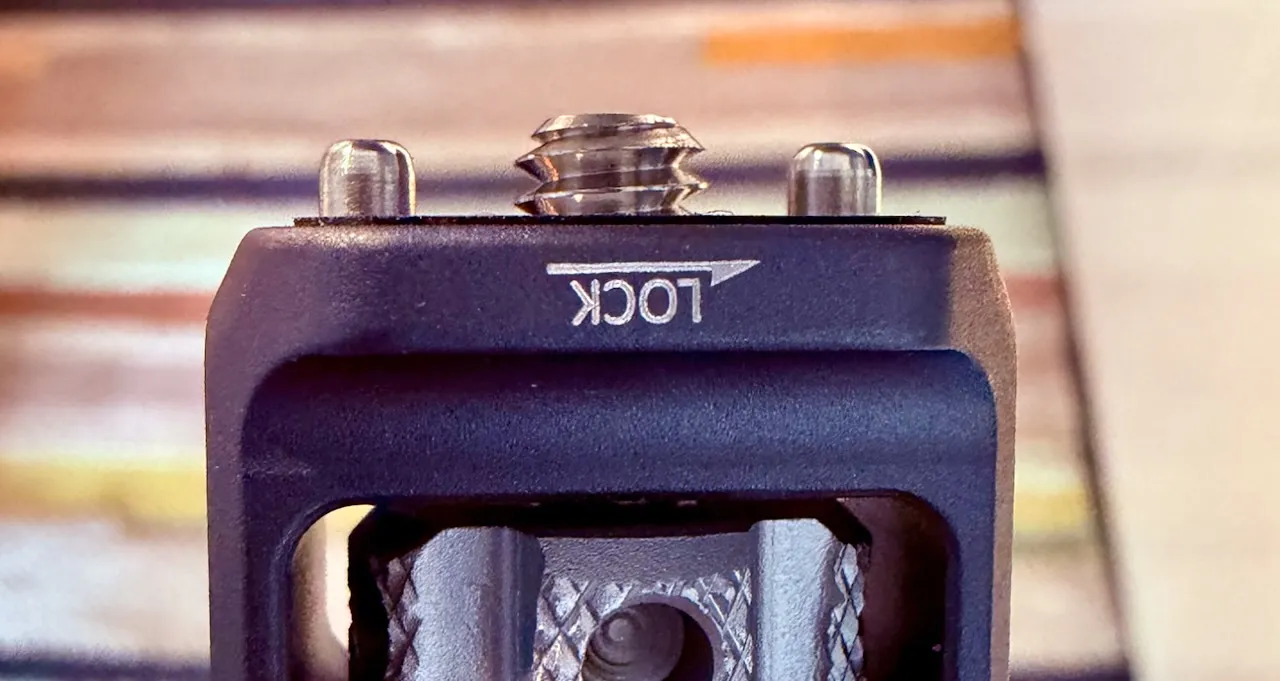
Specifically, the 1/4″-20 UNC connector that was already on all his camera equipment. Unifying his stuff around that connector wasn’t a bolt from the blue brainwave. By the sounds of it, the idea evolved over time and only became intentional after he’d already started using it.

There’s something to be said for it, though. One thing is the convenience of knowing your various bits and bobs are going to fit together like they were made with LEGO. Another is taking away a whole set of decisions in the design process: it’s going to have a 1/4″-20 UNC fitting, so [Mansour] needs only decide if its going to be tapped into the material or if he’s using an inset or captive bolt.

Advertisement

It isn’t like a 1/4″ bolt is going to introduce a weak point in most things we build — with good hardware it can take a ton or more. On the other hand it’s not exactly resilient to torque, but [Mansour]’s camera bag had the answer to that, too: spring loaded locator pins that drop into holes on the female side to take up the torque. In the photography world, these are ARRI pins. To us they just seem like a good idea.

Maybe you don’t see the point of avoiding redesigning the wheel every time for custom mounts and brackets. After all, that lets you come up the the ideal solution every time. On the other hand, [Mansour] has both simplified his design process and made decades worth of camera-holding objects — everything from tripods to stabilizing gimbals — accessible to all his stuff. It’s an interesting idea, and his full blog post is worth a read, even if it’s not likely the EU is going to force its adoption like it did USB-C. 

Advertisement

Source link

Continue Reading

Tech

The Best MagSafe Accessories (for Android Too!): Chargers, Wallets, and More

Published

on

Other Good MagSafe Accessories

The accessories below aren’t as great as the top picks in this guide, but they’re still good options if you’re looking for more MagSafe gadgets.

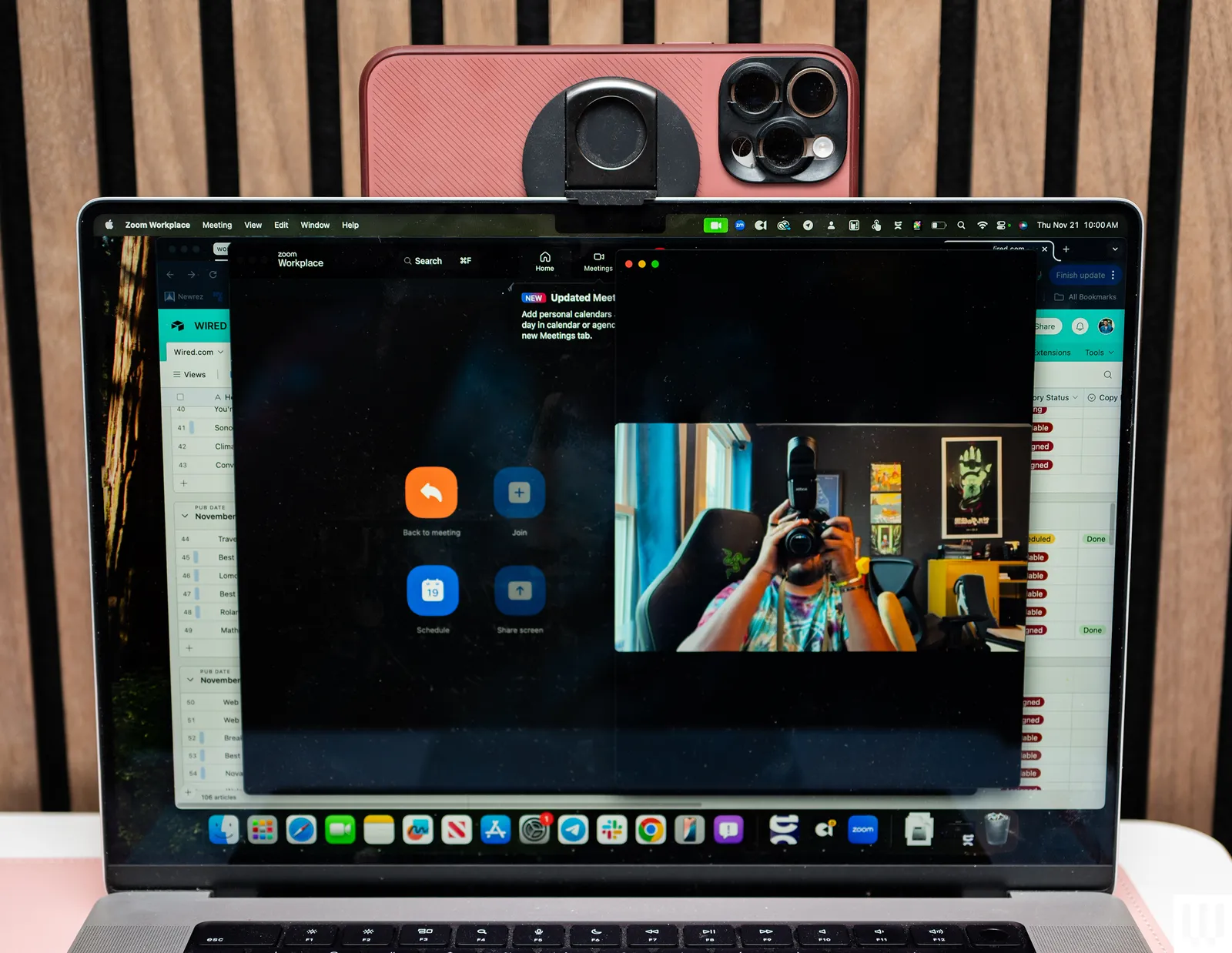
Laptop with Belkin iPhone Mount connected and pink mobile phone on the top

Belkin iPhone Mount With MagSafe.

Photograph: Julian Chokkattu

Belkin iPhone Mount With MagSafe: Using Apple’s Continuity Camera feature, you can wirelessly use your iPhone as a webcam for a MacBook. It supports various video calling apps too, from FaceTime to Zoom. This circular silicone puck magnetically sticks to the back of your iPhone and can be used as a phone grip or kickstand, but you need to keep your screen close to a 90-degree angle, or else the weight of the iPhone will drag the screen back or forward. There’s also a mount for external displays, in case you want one for your home desk setup.

Advertisement

STM Goods MagPod Smarter Phone Stand: I’ve been carrying this mini tripod from STM Goods all over my apartment. When I’m not using it to see notifications at a glance at my desk, I’ll place it on my kitchen counter to stream TV shows while cooking dinner, on my coffee table to FaceTime with friends while on the couch, or on the bathroom sink to listen to podcasts while doing my makeup. I’ve also used it to shoot video. It has a magnetic disc with a socket that moves around smoothly, allowing you to position it at multiple angles. The retractable legs are sturdy too, even while tapping through notifications or typing out texts. They fold in neatly into a compact size, making it easy to travel with.

Casetify Wireless Car Charger: I’ve been using this for over a year. It’s easy to install, has MagSafe support (with a USB-C cable) and an adjustable ball joint for various viewing angles, and it’s Qi 2-certified with a 15-watt rate. It’s a bit more affordable than Belkin’s and comes in several fun patterns. (I have the Penguin design, and it’s tough not to smile while looking at it.)

Advertisement

MagGo Magnetic Charging Station (8-in-1): This little orb has three AC outlets, two USB-C ports, and two USB-A ports on the back, and over on the front is a Qi2 wireless charging pad that can recharge your phone. It’s great for workstations where you need to plug in a lot of gadgets. Each of the USB-A ports dishes out 12 watts, and the USB-C ports can output 67 watts, though this lowers if other ports or the pad are in use.

Casely Grippy: I’ve successfully used this grippy phone mount to record a few different videos. The suction on it is hit or miss. Sometimes, it sticks to my painted wall for hours on end; Other times, it slides off my mirror or shower wall in just a few minutes (taking my phone with it). I’ve found it works best if you freshly clean it as well as the surface it’s going to stick to. Apply some extra pressure when pressing it against your chosen mounting location, and maybe be prepared to catch it if it falls.


Power up with unlimited access to WIRED. Get best-in-class reporting and exclusive subscriber content that’s too important to ignore. Subscribe Today.

Advertisement

Source link

Continue Reading

Tech

Google Blogger locks hundreds of blogs in malware false positive

Published

on

Google

Google has locked hundreds of Blogger websites after a false positive claimed they violated its “Malware and Similar Malicious Content” policy, with some sites actually deleted from the platform.

The issue began on August 4, and it appears to affect many legitimate blogs that do not host malware or have malicious scripts.

As seen by BleepingComputer, hundreds of web admins have reached out to Google on the company’s official forum for help in restoring access to their blogs.

image

The forum post now has more than 300 “I have the same question” votes and over 100 replies from publishers.

“Today’s huge number of reports regarding blogs flagged/locked for the same reason suggests misclassification by automated systems,” a Blogger Product Expert wrote. “False positives do occur from time to time, but not on this scale.”

Advertisement

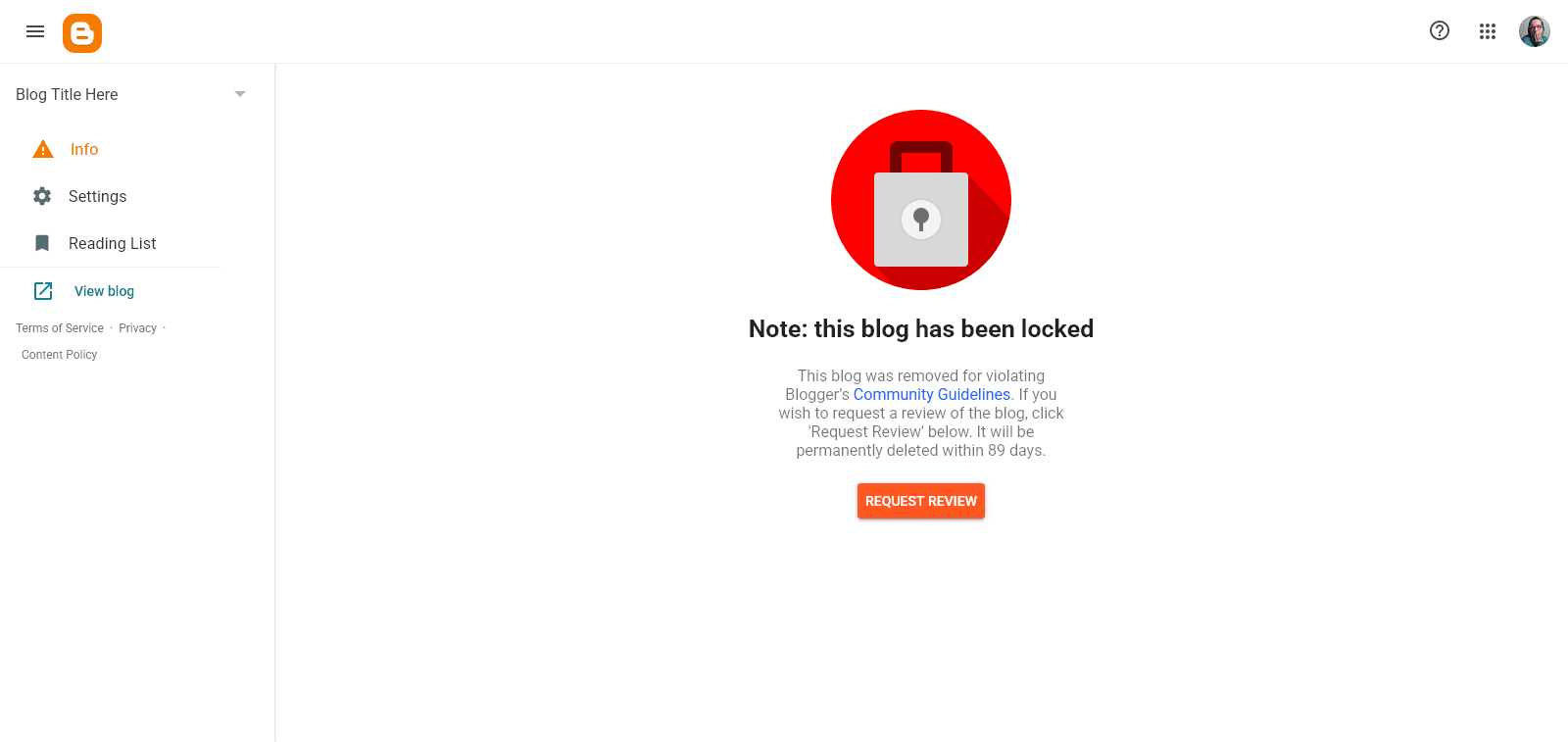
If you’re affected, you will see a large red padlock in your Blogger dashboard with a clear warning: “Note: this blog has been locked.”

“This blog was removed for violating Blogger’s Community Guidelines. If you wish to request a review of the blog, click ‘Request Review’ below,” reads the Blogger warning.

Blogger-hosted sites are locked
Source: Google forum

Google’s automated message also warned publishers that their blogs can be permanently deleted within the next three months if no appeal is submitted.

While a blog is locked, its owner cannot access the dashboard tabs used to manage posts, settings, themes, or other parts of the site.

“The removal happens automatically after updating the homepage or making changes to the blog template,” one publisher reported.

Advertisement

The situation has become even more frustrating for some users, who say that their blogs were restored and then later deleted again.

Not all Blogger users are affected, and some of those who submitted an appeal are already seeing their blogs come back online.

It’s also unclear how many sites are hosted on Blogger, as Google has never disclosed the numbers. However, some third-party trackers suggest that close to 200,000 sites are hosted on the platform.

We’ve reached out to Google for a statement, and we’ll update this story when we hear back.

Advertisement

This is a developing story.


article image

Security teams log 54% of successful attacks and alert on just 14%. The rest move through your environment unseen.

The Picus whitepaper shows how breach and attack simulation tests your SIEM and EDR rules so threats stop slipping by detection.

Get the whitepaper

Source link

Advertisement
Continue Reading

Trending

Copyright © 2025