














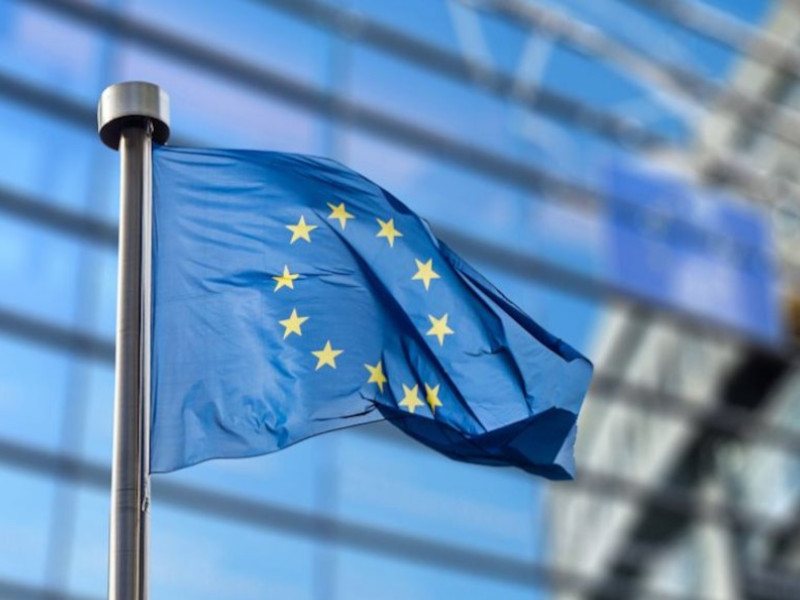

‘Can we please stop pretending environmental rules are a burden on Europe’s economy?’ says EEB policy director Faustine Bas-Defossez.
EU environment ministers are set to meet in Dublin on Thursday (23 July) for an “informal” session discussing the climate and environmental challenges impacting the bloc.
Hosted by Minister for Climate, Energy and the Environment Darragh O’Brien, TD, the two-day meeting this week is one of 22 such sessions that Ireland will conduct as part of its eighth round leading the EU Council.
According to the meeting agenda, ministers are expected to discuss decarbonisation in EU’s competitiveness and industrial strategy, and prepare for upcoming UN environment conferences.
Brussels-based European Environmental Bureau (EEB), which will be in attendance at the conference, is expected to push for the full implementation of the EU Green Deal.
“Can we please stop pretending environmental rules are a burden on Europe’s economy?,” said EEB policy director Faustine Bas-Defossez.
“The real burden is the cost of failing to deliver the European Green Deal. Environment ministers must defend this agenda tooth and nail. If a crisis with that human and economic toll is not our top priority, what is?”
The EEB is a mega-network of 190 environmental citizens’ organisations across 42 countries.
The gathering comes as Western Europe faced its hottest June on record this year, while the bloc continues to remain off track on the vast majority of its 2030 environmental targets.
The June past was also the second warmest globally, only behind June 2024 by 0.09 degree Celsius. European countries reported more than 10,000 excess deaths during last month’s heatwave, with a majority dead being aged 65 and above.
Meanwhile, failures in implementation and enforcement of environment law in the bloc is estimated to be costing residents at least €180bn annually.
The EU Green Deal targets a 50pc emissions cut by 2030, while legally binding the 2050 neutrality goal through the European Climate Law.
Alongside this major goal, the deal aims to fuel the economy with investments to upskill workers in new, sustainable technology and help households with energy efficiency.
At the same time, the EU is ramping up efforts to better compete with the likes of US and China by cutting red tape and simplifying regulation. It aims to cut administrative workload by at least 25pc for all companies and at least 35pc for small and medium-sized enterprises while staying the course on its environment goals.
Although, according to the EEB, evidence shows that Europe’s long-term competitiveness, security and resilience depend on fully implementing and strengthening the European Green Deal.
The group is calling on the Irish presidency to ensure that simplification leads to better implementation; secure a long-term EU budget that invests in climate resilience, nature restoration and pollution prevention; and safeguard science-based policymaking, democratic accountability and meaningful civil society participation.
“Europe cannot build competitiveness, security or prosperity on collapsing ecosystems and escalating climate disruption. Tackling the triple ecological crisis cannot be treated as just another priority, it is what will allow Europe to tackle the rest of its challenges,” said Bas-Defossez.
“The choice facing environment ministers in Ireland this week is simple; continue down the path of deregulation and delayed action, ignoring facts, science and citizens or put Europe back on track as a global leader in the transition to a resilient, fossil fuel-free and prosperous future. The costs of inaction are already being felt across the continent.”
Don’t miss out on the knowledge you need to succeed. Sign up for the Daily Brief, Silicon Republic’s digest of need-to-know sci-tech news.






































You must be logged in to post a comment Login